Ingredients and steps on one page. Print it, or choose “Save as PDF” in the print dialog.
Sekai Gohan
How to Make Risotto: The Basic Method for Al Dente Rice
Ingredients
| Ingredient | Amount | Substitutes & notes |
|---|---|---|
| Risotto rice (Carnaroli or Arborio) | 11.5 oz (320 g) | Short-grain table rice can be used unwashed. Pre-rinsed (no-wash) rice has little surface starch and is unsuitable |
| Onion | 2.75 oz (80 g) | Finely chopped. 2 oz (60 g) of the white part of a leek also works |
| Unsalted butter | 1.75 oz (50 g) | 20 g for sautéing, 1 oz (30 g) for finishing. Olive oil can be used alongside |
| Olive oil | 1 tbsp | Helps heat the surface of the rice evenly |
| White wine | ½ cup (100 ml) | Dry. Can be replaced with 3 tbsp sake + 3 tbsp water + 1 tsp lemon juice |
| Hot broth | 4¼ cups (1000 ml) | Chicken, vegetable, or a light kombu stock. Always use it hot |
| Parmigiano-Reggiano | 1.75 oz (50 g) | Grana Padano or 1 oz (30 g) of grated cheese also works |
| Salt | 1/2 tsp | Adjust for the saltiness of the broth and cheese |
| White pepper | a little | Black pepper also works |
| Olive oil for finishing | 2 tsp | Optional. Handy if you are cutting back on dairy |
Steps
1Keep the broth at a steaming temperature
5 min
Put 4¼ cups (1000 ml) broth in a small pot and keep it at a steaming temperature over low heat. Small bubbles on the side of the pot are enough; do not keep it at a rolling boil. Boiling too hard makes it saltier, and adding cooled broth stops the rice from cooking. Set a ladle beside it so you can add ½ cup (150 ml) at a time, then move to the rice pot.
2Sweeten the onion until translucent
4 min
In a heavy pot, put 20 g butter, 1 tbsp olive oil, and 2.75 oz (80 g) finely chopped onion, and sauté over medium-low heat for 4 minutes. The signs are onion edges turning translucent, the butter bubbles becoming fine, and no browning. If it browns, bitterness comes forward ahead of sweetness. If the bottom of the pot is dry, lower the heat and add just 1 tsp olive oil.
3Toast the unwashed rice (tostatura)
2 min
Add 11.5 oz (320 g) rice without washing and sauté over medium heat for 2 minutes. It is enough when the surface of the grains is hot, a light dry sound comes as you move them with a wooden spoon, and a thin sheen of oil appears. The rice does not need to turn clear. Stop before any color forms. If you wash the rice here, there will not be enough surface starch to become a smooth sauce later.
4Add the white wine and keep the acidity
2 min
Pour in ½ cup (100 ml) white wine all at once and stir over medium heat. At first the alcohol smell is sharp, but it rounds out in about a minute. The sign is that when you stroke the bottom of the pot with a wooden spoon, the liquid does not rush back right away and the rice clumps loosely. If you do not cook off enough liquid, a raw wine smell remains; if you cook off too much, the rice sticks to the bottom.
5Cook, adding broth
16–18 min
Add one ladle of hot broth, about ½ cup (150 ml), and keep the heat at medium so small bubbles simmer. When the liquid has reduced, the rice peeks through, and stroking the bottom of the pot with a wooden spoon leaves a path that closes after a moment, add the next ladle. Repeat, and after 16 minutes bite a grain to check. Soft outside with a thin core left in the center is al dente. If it boils hard only the outside collapses; if the heat is too weak, a thick core remains.
6Turn off the heat and mantecare
2 min
When the rice is al dente, turn off the heat and add 1 oz (30 g) cold butter and 1.75 oz (50 g) grated cheese. Rather than beating hard with a wooden spoon, shake the pot back and forth so the rice rolls like a wave. The sign is that emulsified sauce remains between the grains and falls heavily off the spoon. If it is stiff, add 2 tbsp hot broth at a time; if it is watery, let it settle on residual heat for 30 seconds.
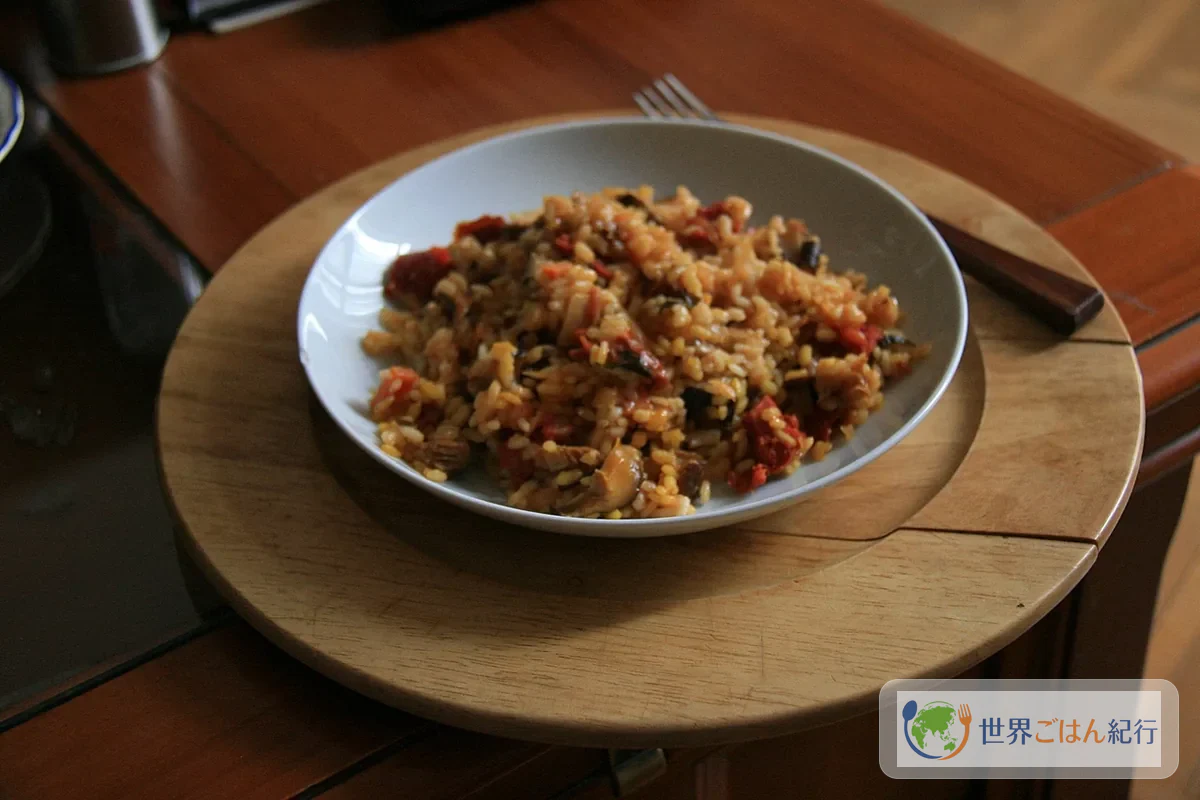
7Pour onto the plate and eat right away
1 min
Rest it for 1 minute without a lid, then pour it onto a warmed plate. If it spreads slowly and no water seeps around the edge, you have succeeded. If it stands in a firm mound there was too little broth; if only the liquid runs out first, there was too much. The rice keeps absorbing liquid after plating, so if you want a photo, be quick and bring it to the table hot.