Ingredients and steps on one page. Print it, or choose “Save as PDF” in the print dialog.
Sekai Gohan
Turkish Kebabs at Home: Adana Kebab and Shish Kebab
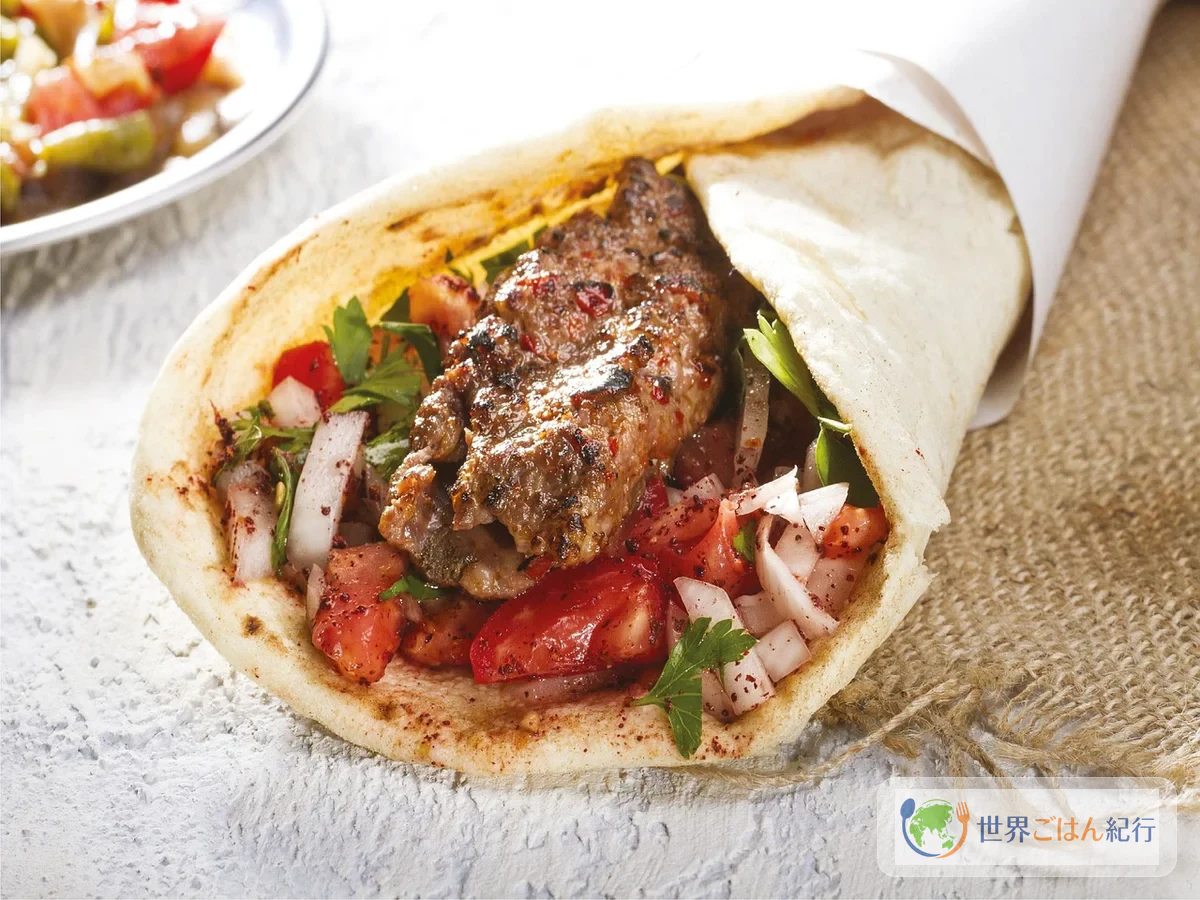
Ingredients
Ingredients
For the kebabs
| Ingredient | Amount | Substitutes & notes |
|---|---|---|
| Ground lamb (or ground beef) | 1.25 lb (600 g) | A 70% beef / 30% pork mix also works. At least 20% fat is essential |
| Red bell pepper | 1 (medium) | A green bell pepper can stand in (no heat, but the texture is fine) |
| Smoked paprika | 2 tsp | Regular paprika also works |
| Korean chili flakes (gochugaru) | 1–2 tsp | The traditional choice is Turkish red pepper flakes (pul biber); gochugaru is a close substitute |
| Salt | 1.5 tsp | |
| Black pepper | 1 tsp | |
| Flat-leaf parsley (finely chopped) | 2 tbsp | Curly parsley also works |
Turkish red pepper flakes are called pul biber, and they give Adana kebab its red heat. The often-confused Urfa biber is a dark reddish-purple chili made around Şanlıurfa, a different pepper known locally as isot. Both can sometimes be found at import grocers or online. If you can't find them, gochugaru plus smoked paprika (1:1) is the closest substitute.
For serving
| Ingredient | Amount | Substitutes & notes |
|---|---|---|
| Onion (thinly sliced) | 1 | |
| Sumac (or yukari) | 2 tsp | Yukari (Japanese red shiso furikake) is close in both color and tartness |
| Lemon juice | 1 tbsp | |
| Parsley (finely chopped) | 1 tbsp | |
| Naan or pita bread | 4 | Lavash is traditional, but store-bought naan works |
| Plain yogurt (unsweetened) | 100 g | About 1/2 cup |
Ingredients
| Ingredient | Amount | Substitutes & notes |
|---|---|---|
| Lamb shoulder (or beef shoulder) | 1.25 lb (600 g) | Cut into bite-size 1 inches (3 cm) cubes |
| Olive oil | 3 tbsp | |
| Lemon juice | 2 tbsp | |
| Garlic (grated) | 3 cloves | |
| Onion (grated and squeezed, juice only) | Juice of 1 onion | Don't use the onion solids |
| Smoked paprika | 2 tsp | |
| Ground cumin | 1 tsp | |
| Salt and black pepper | 1 tsp each | |
| Green peppers, bell peppers and onion | As needed | Thread onto separate skewers (the traditional rule is not to share a skewer with the meat) |
Steps
1Squeeze the moisture out of the vegetables
10 min prep
Finely chop the red bell pepper, wrap it in paper towels and squeeze hard to wring out the moisture. Skipping this is the biggest reason the meat falls off the skewer. Aim for about half the original volume after squeezing.
2Knead the meat
5–10 min
Put the ground lamb in a large bowl and add the squeezed bell pepper, smoked paprika, gochugaru, salt, black pepper and parsley. Keep kneading by hand for 5–10 minutes, until the mixture turns sticky and tacky. That stickiness is the glue that holds the kebab firmly on the skewer.
3Rest it in the refrigerator
30 min–1 hour
Cover with plastic wrap and rest in the refrigerator for at least 30 minutes. If you're in a hurry, 20 minutes in the freezer. This firms up the fat so the meat holds its shape when you put it on the skewer.
4Shape onto skewers
Press the meat thinly and evenly onto wide flat metal skewers (at least 0.5 inches (1.5 cm) wide). Stretch it to about 8 inches (20 cm) long, then press lightly with your thumb and index finger at even intervals to make the traditional ridges (finger marks).
Skewer substitutes for home cooksWithout wide flat skewers, bundling 5 wooden skewers together with aluminum foil works well (a technique recommended by America's Test Kitchen). On a single round skewer the meat spins, but a bundle holds it in place.
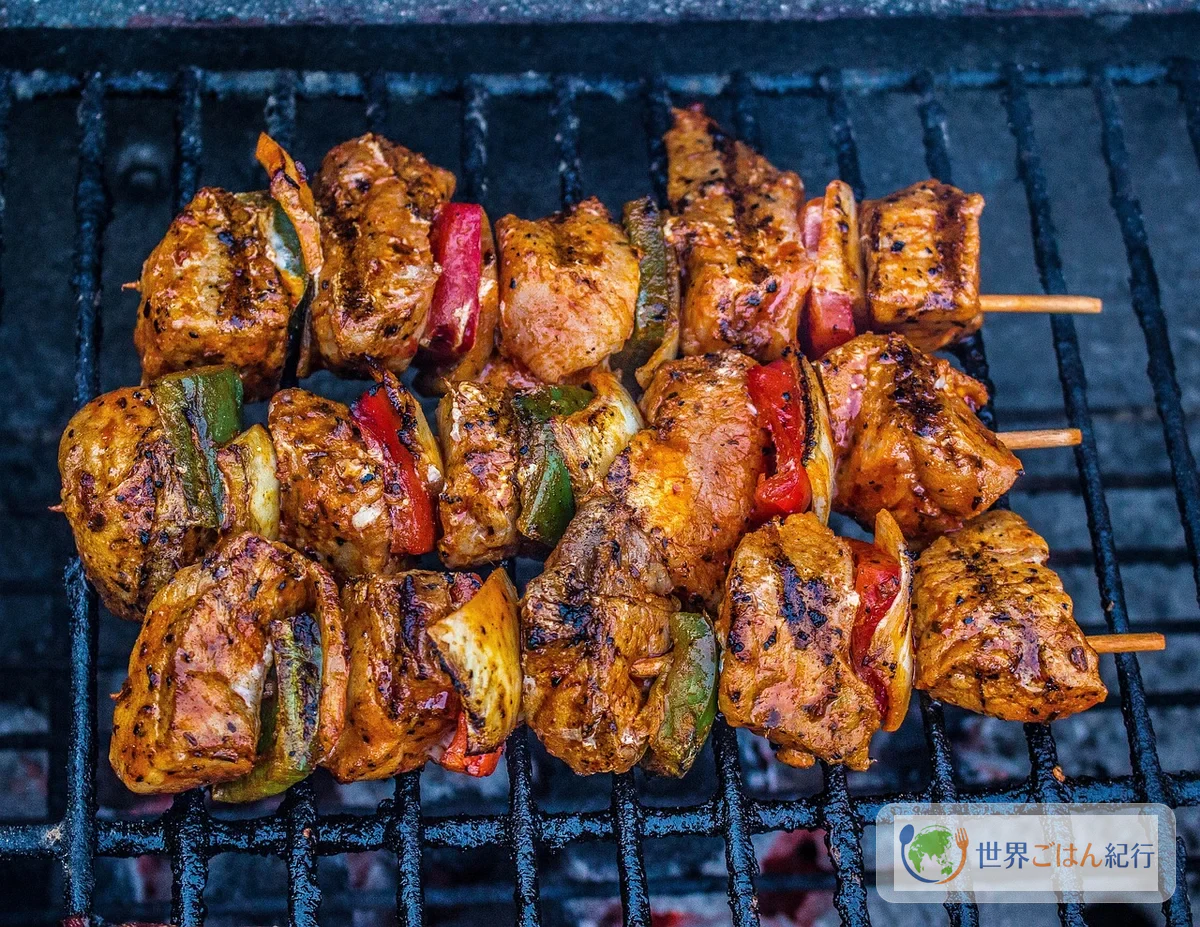
Spreading it thinly and evenly is the key to even cooking 5Grill
10–12 min
Preheat a grill pan (or broiler) over high heat for at least 5 minutes, lay the skewers on it, then turn the heat down to medium. Grill for 10–12 minutes in total, turning them often, every 3–4 minutes. They're done when the internal temperature reaches 71°C (160°F). A little charring on the surface gives the best toasty flavor.
6Rest
3–5 min
Once grilled, set them on naan or lavash and let them rest for 3–5 minutes. The juices soak into the bread, so the bread on the side tastes great too.