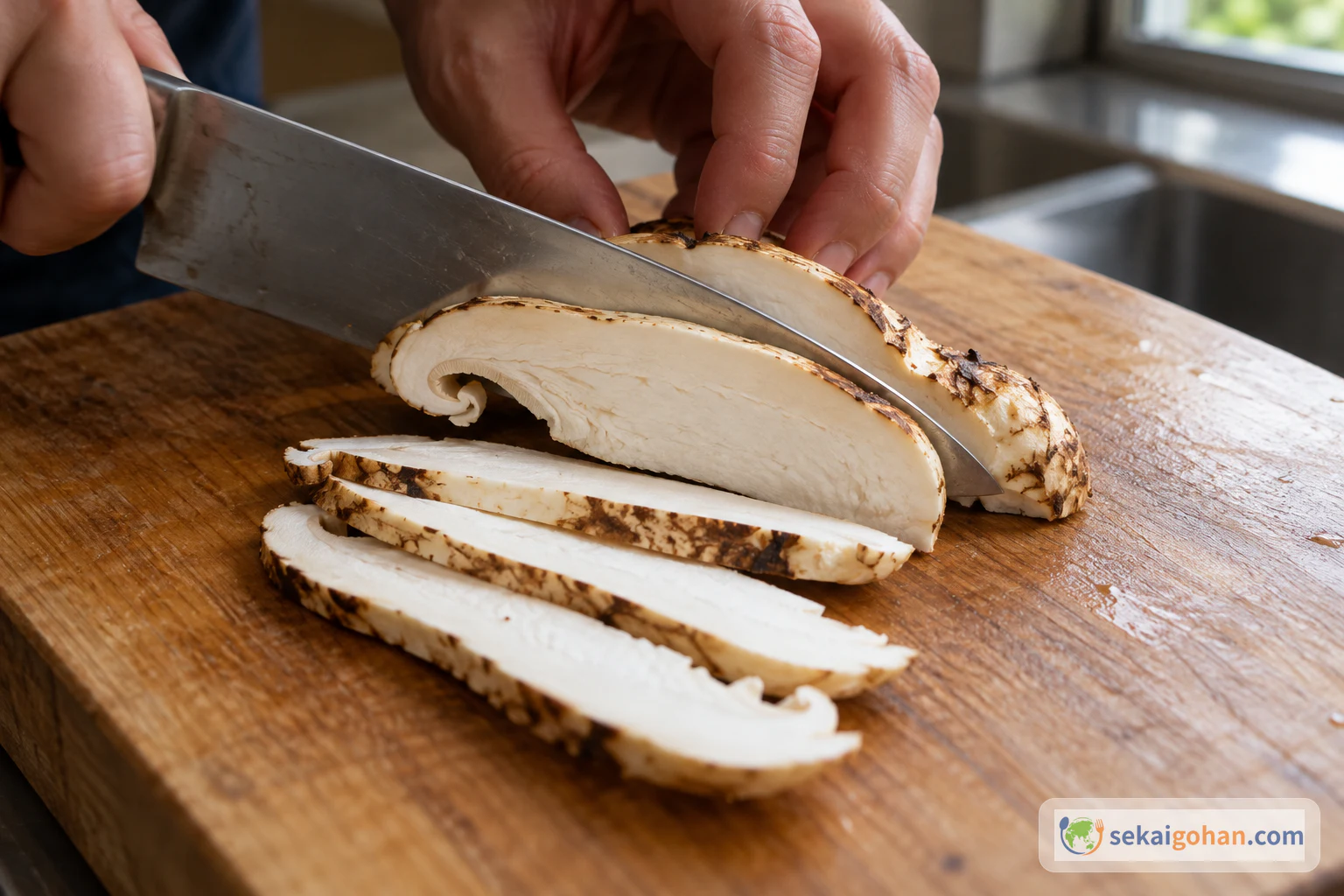
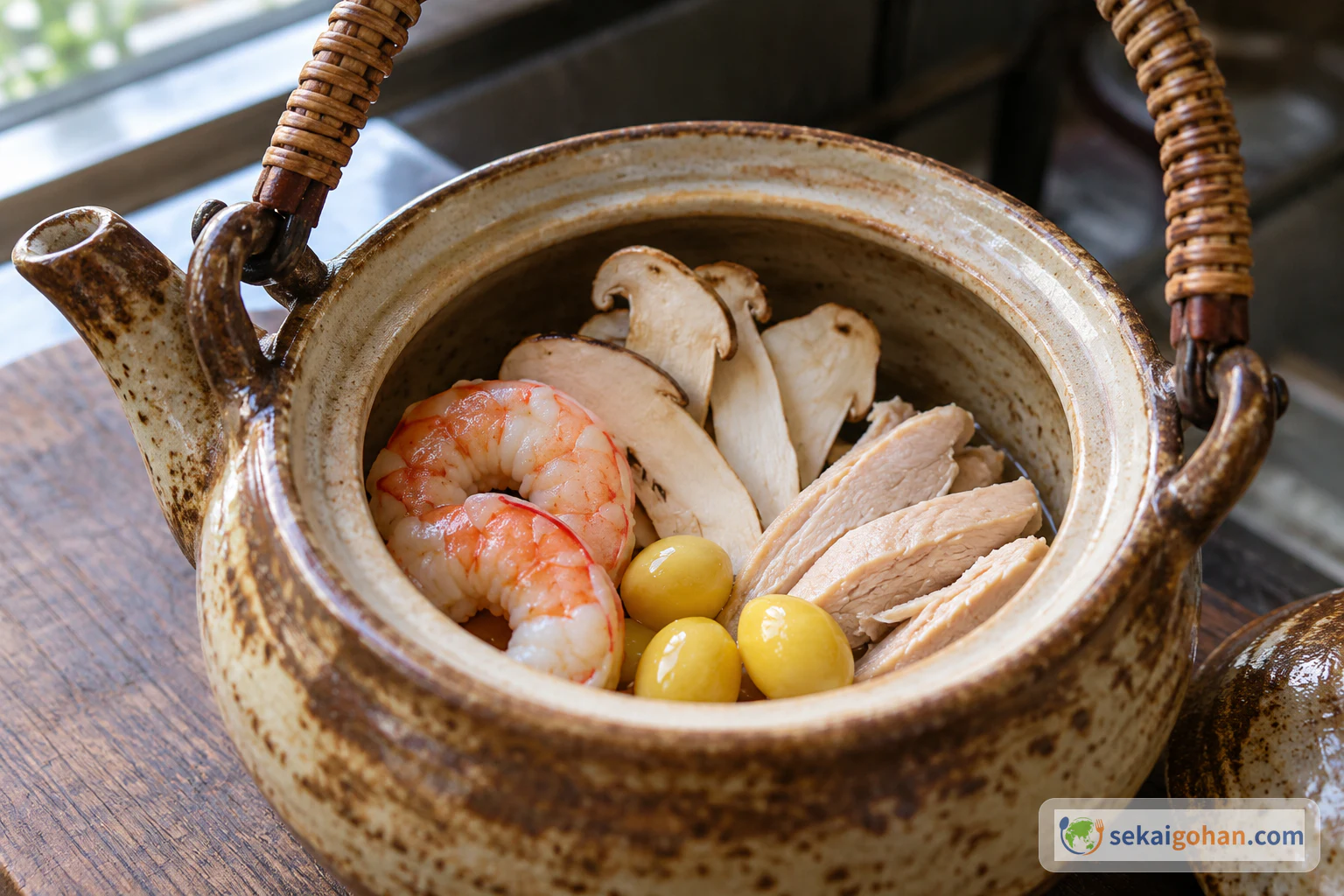
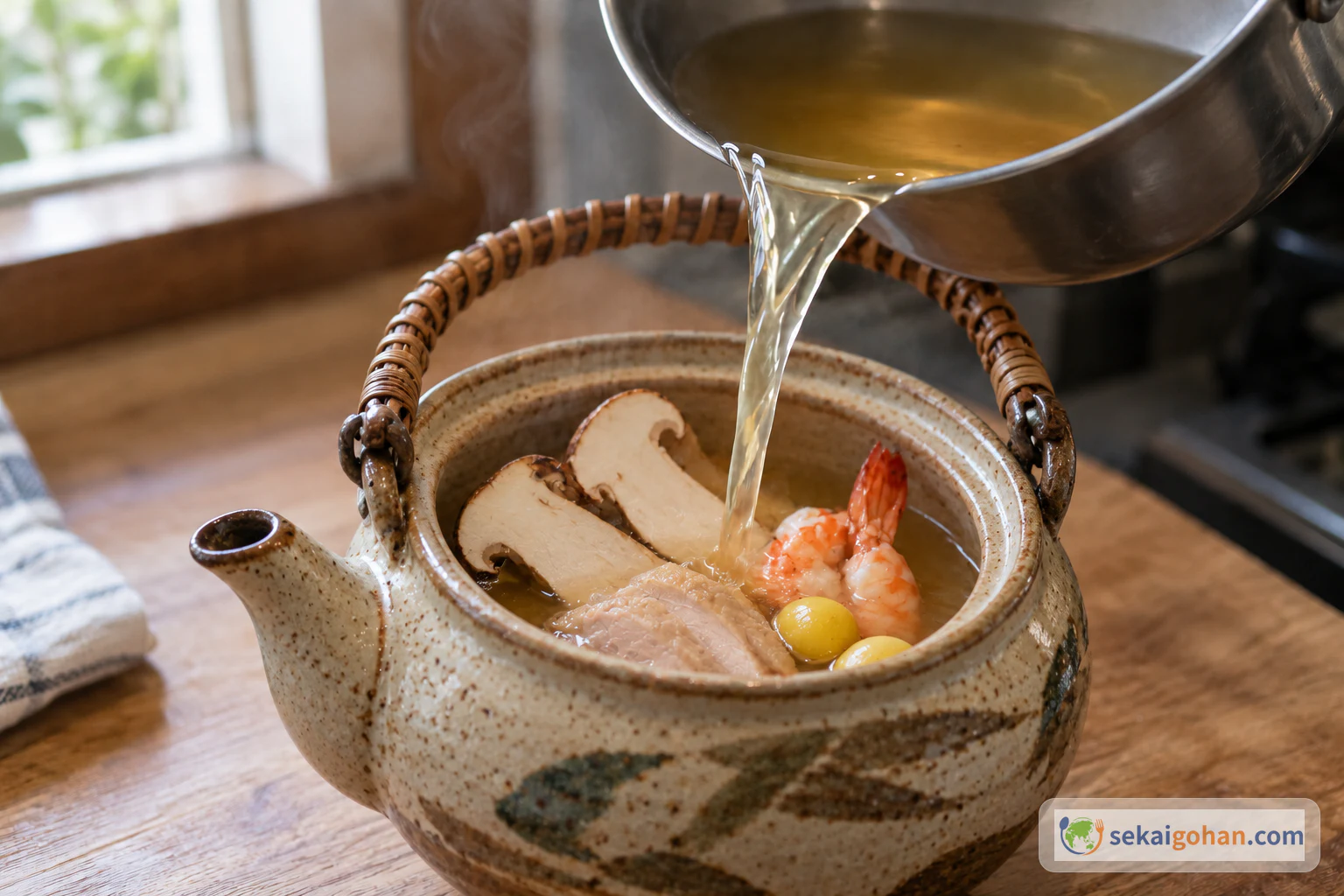
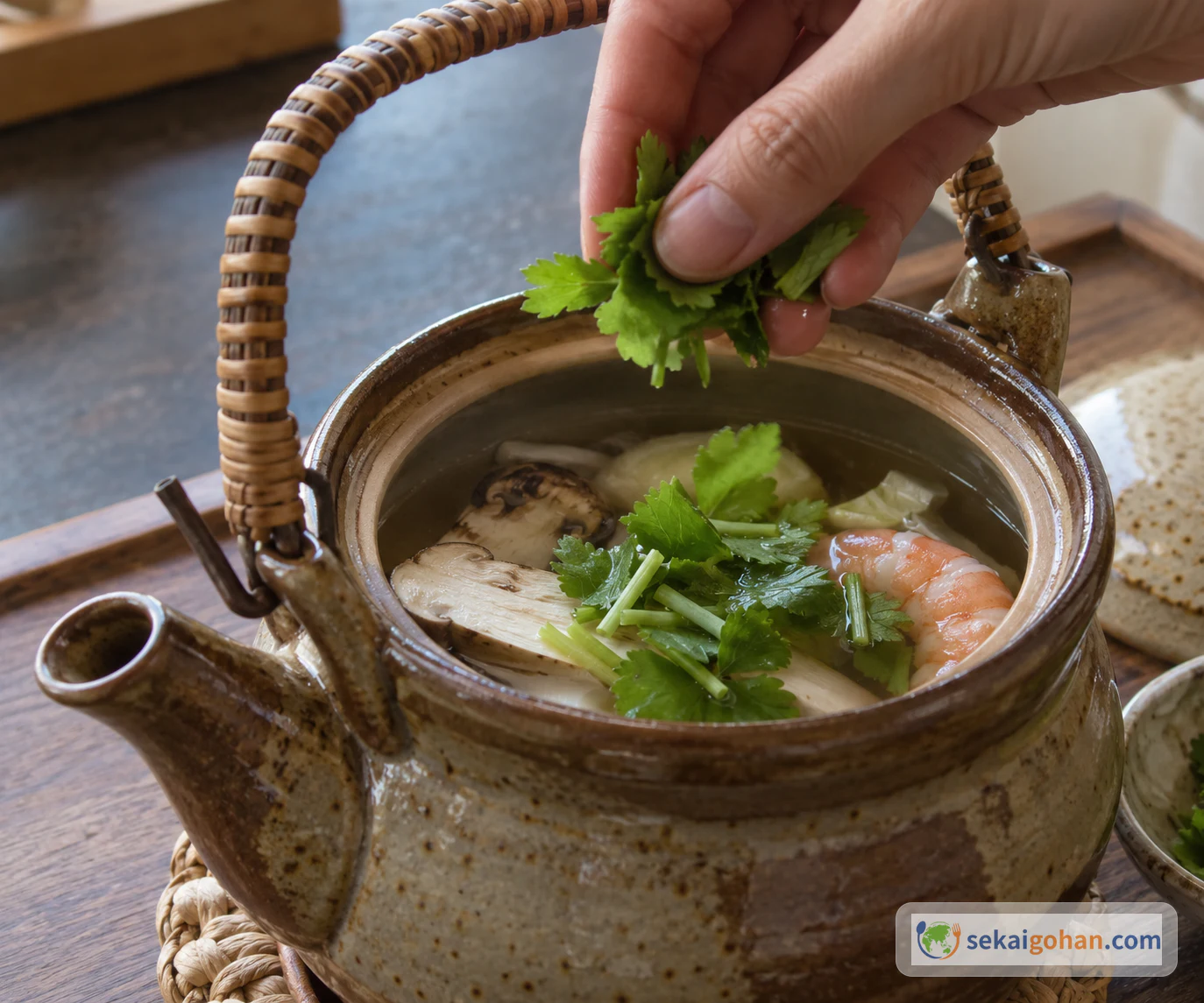
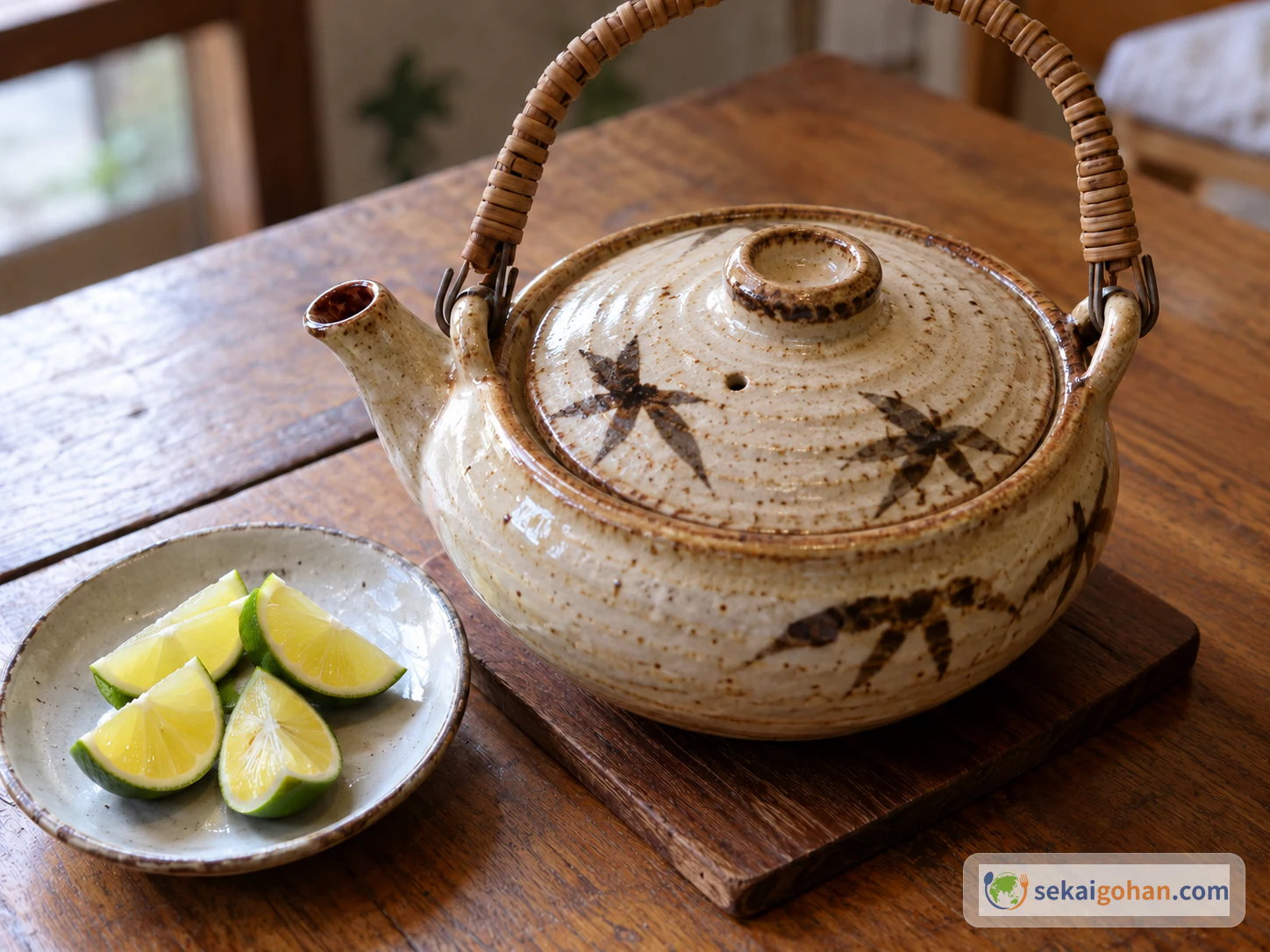
A single matsutake, cut into thin slices, shares a small pot of clear broth with shrimp, chicken thigh and ginkgo. The pot comes to just one boil, the mitsuba goes in, and the lid goes on. This is matsutake dobin mushi, a Japanese soup served in a teapot-shaped pot, lightly seasoned with light soy sauce and a taste particular to autumn. The recipe serves four and lists a cooking time of 20 minutes.
Matsutake Dobin Mushi and Its Pot
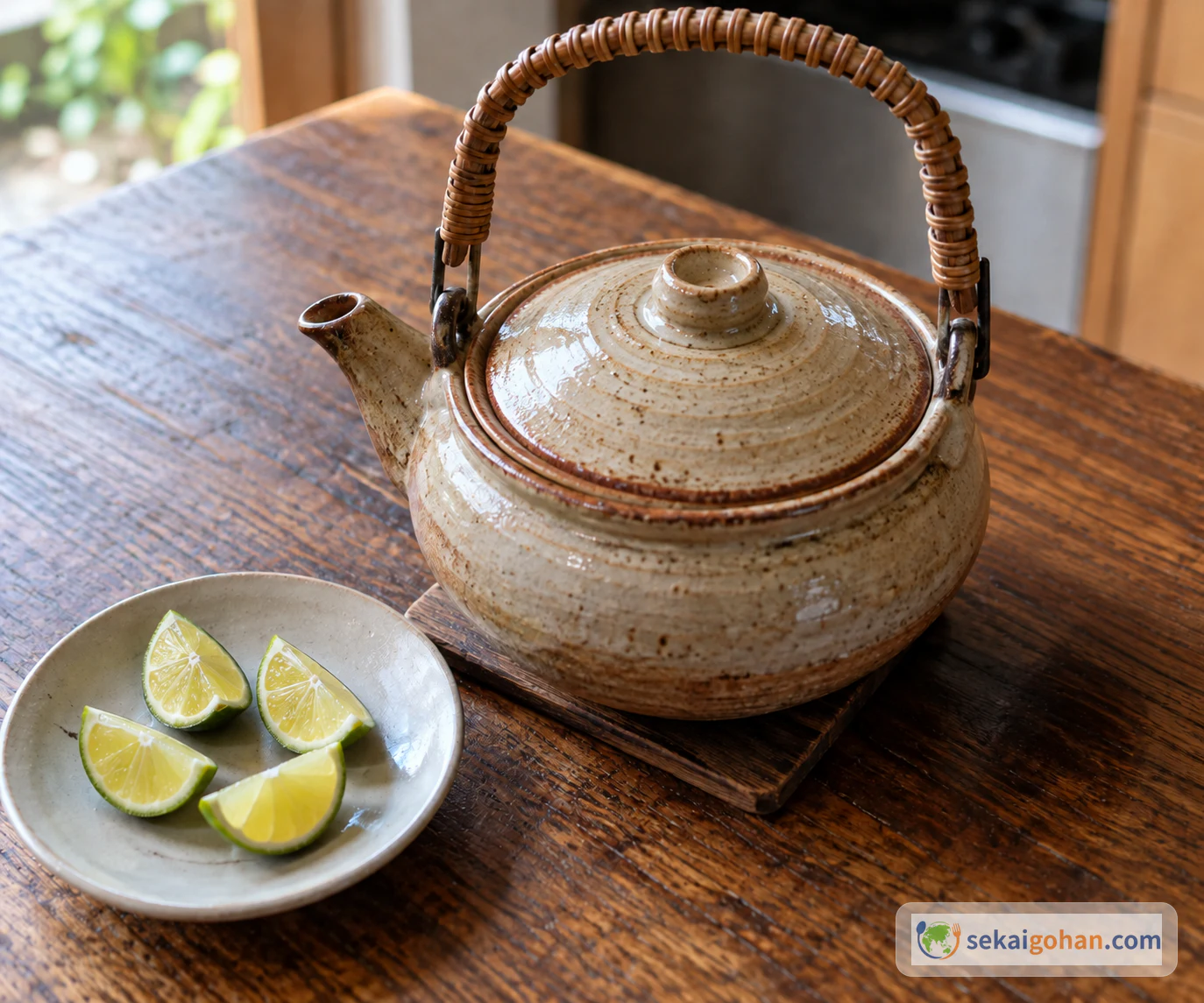
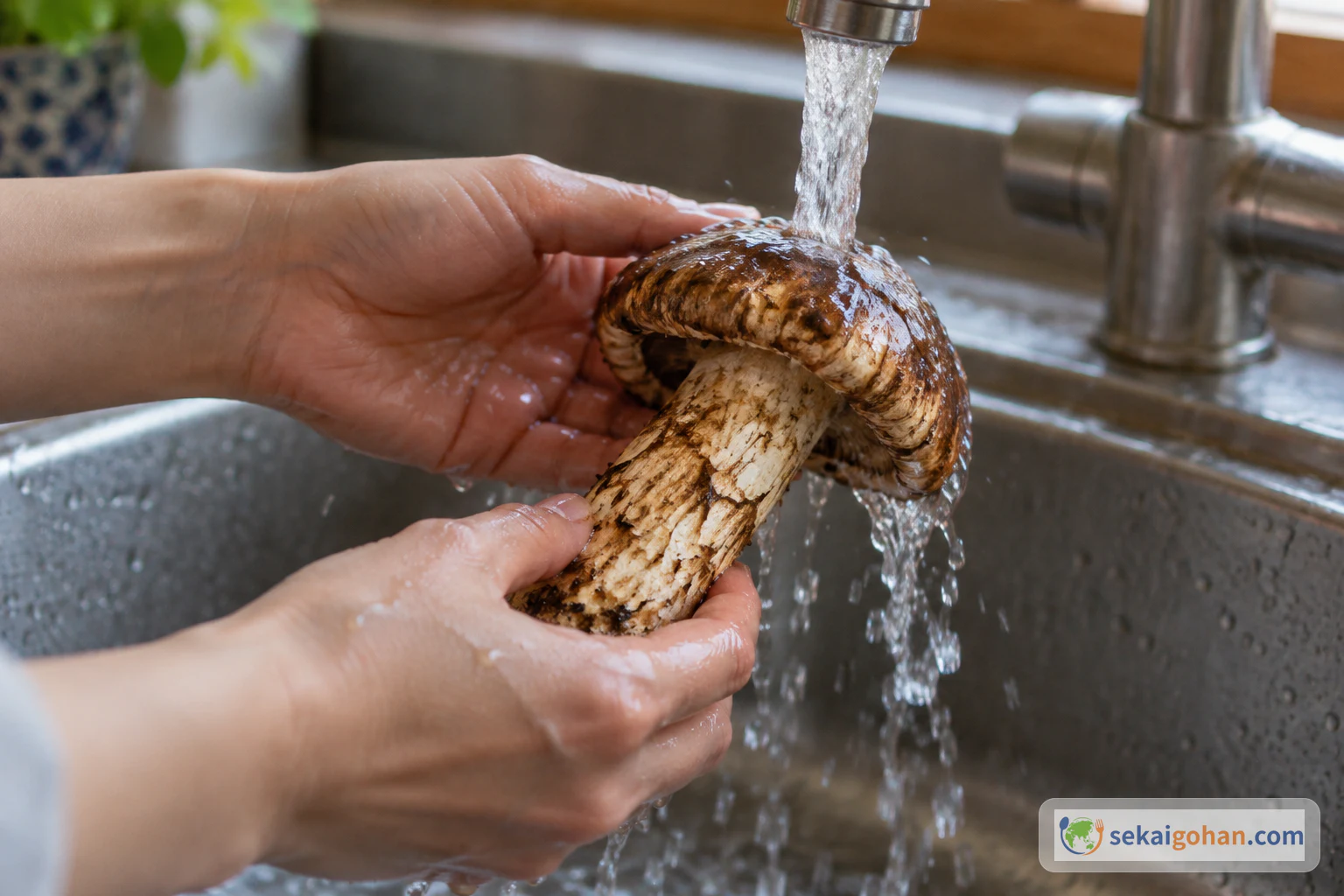
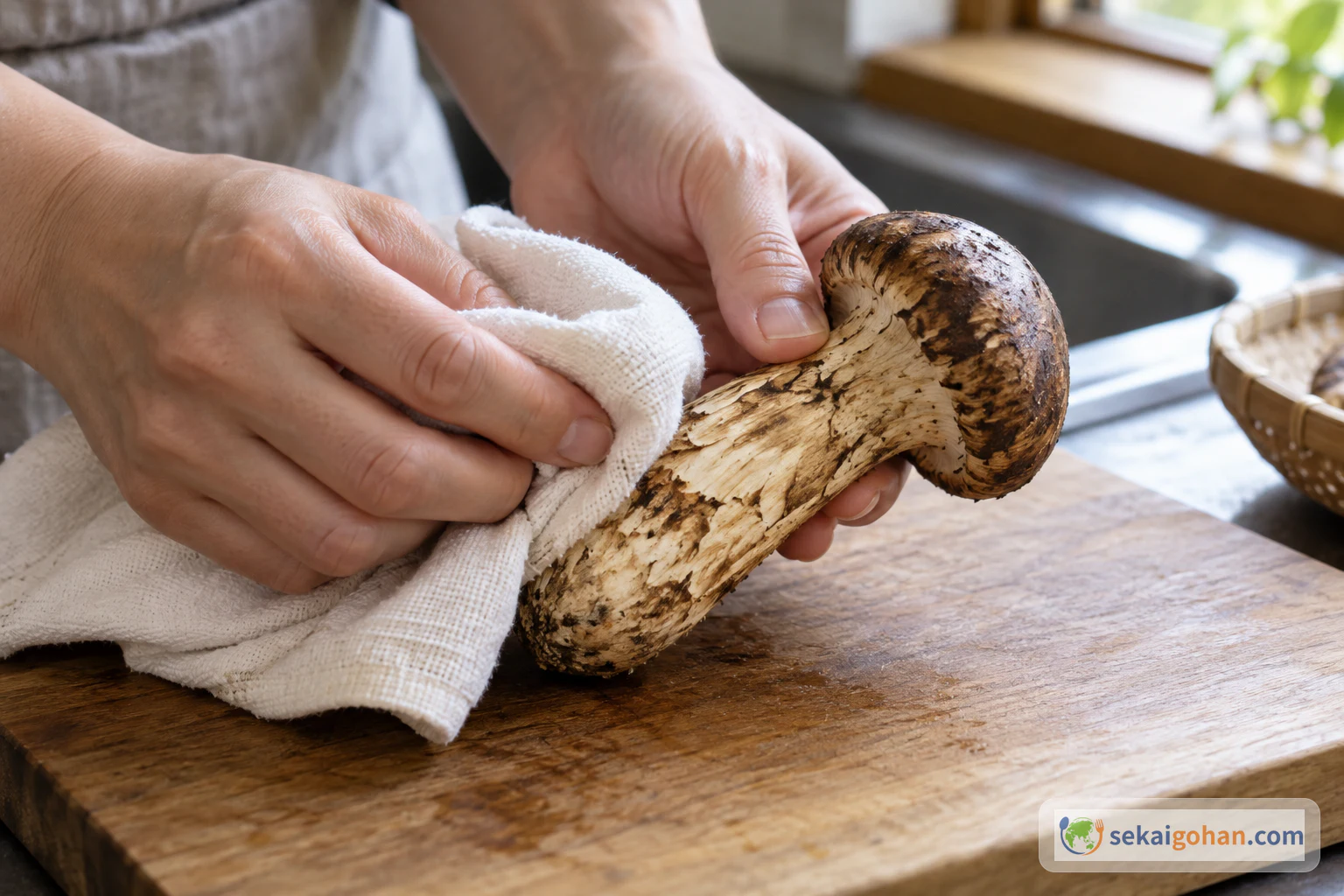
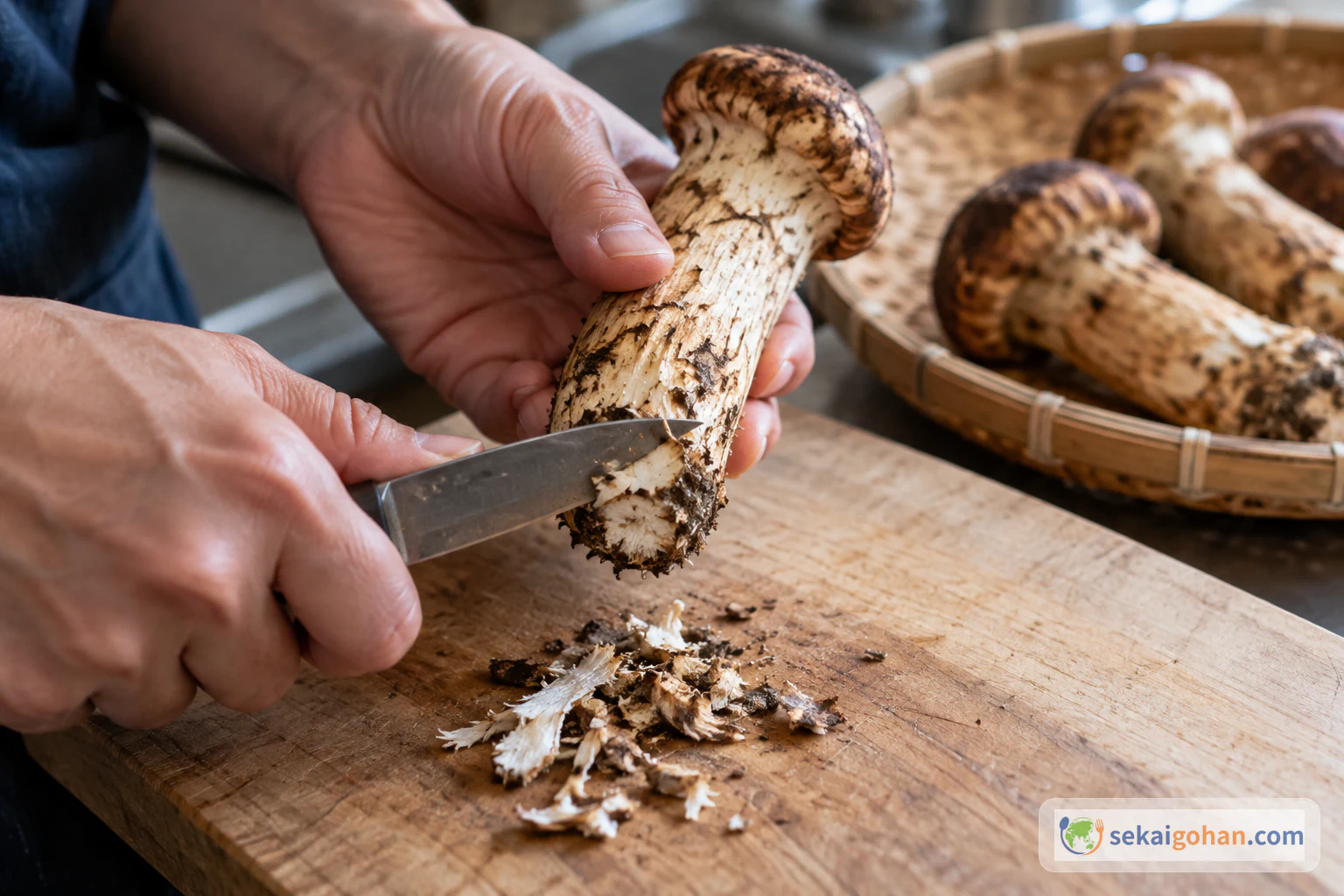
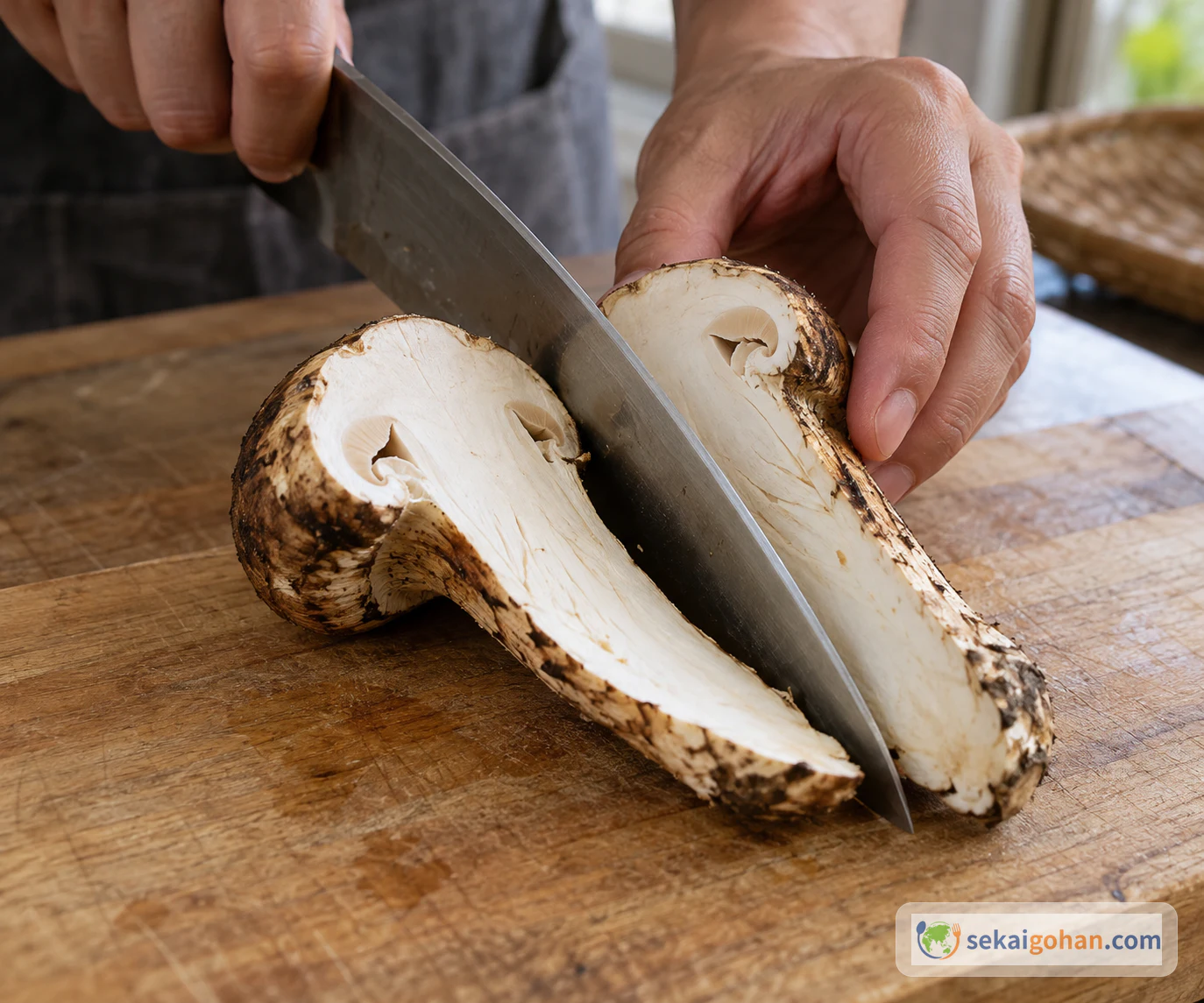
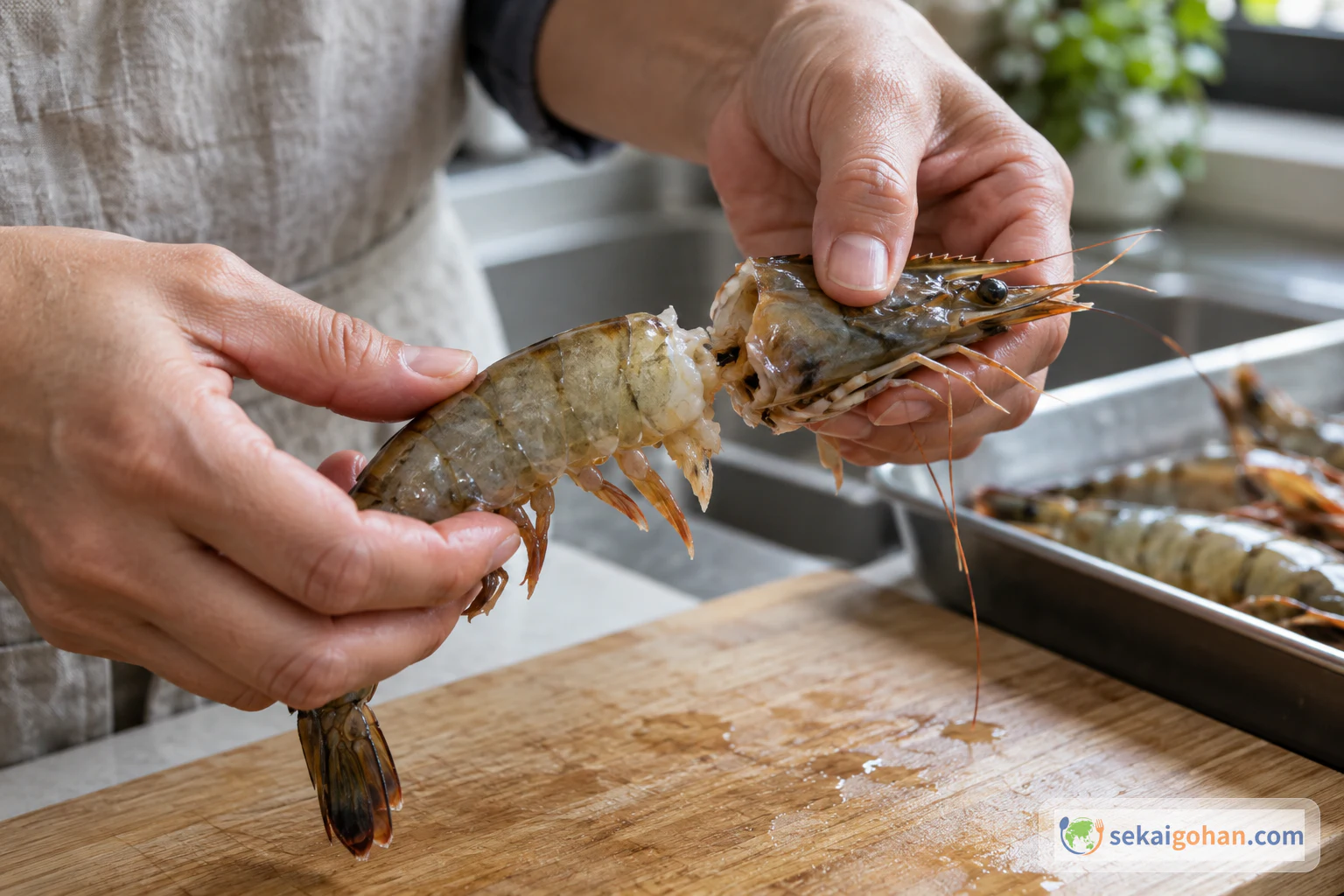
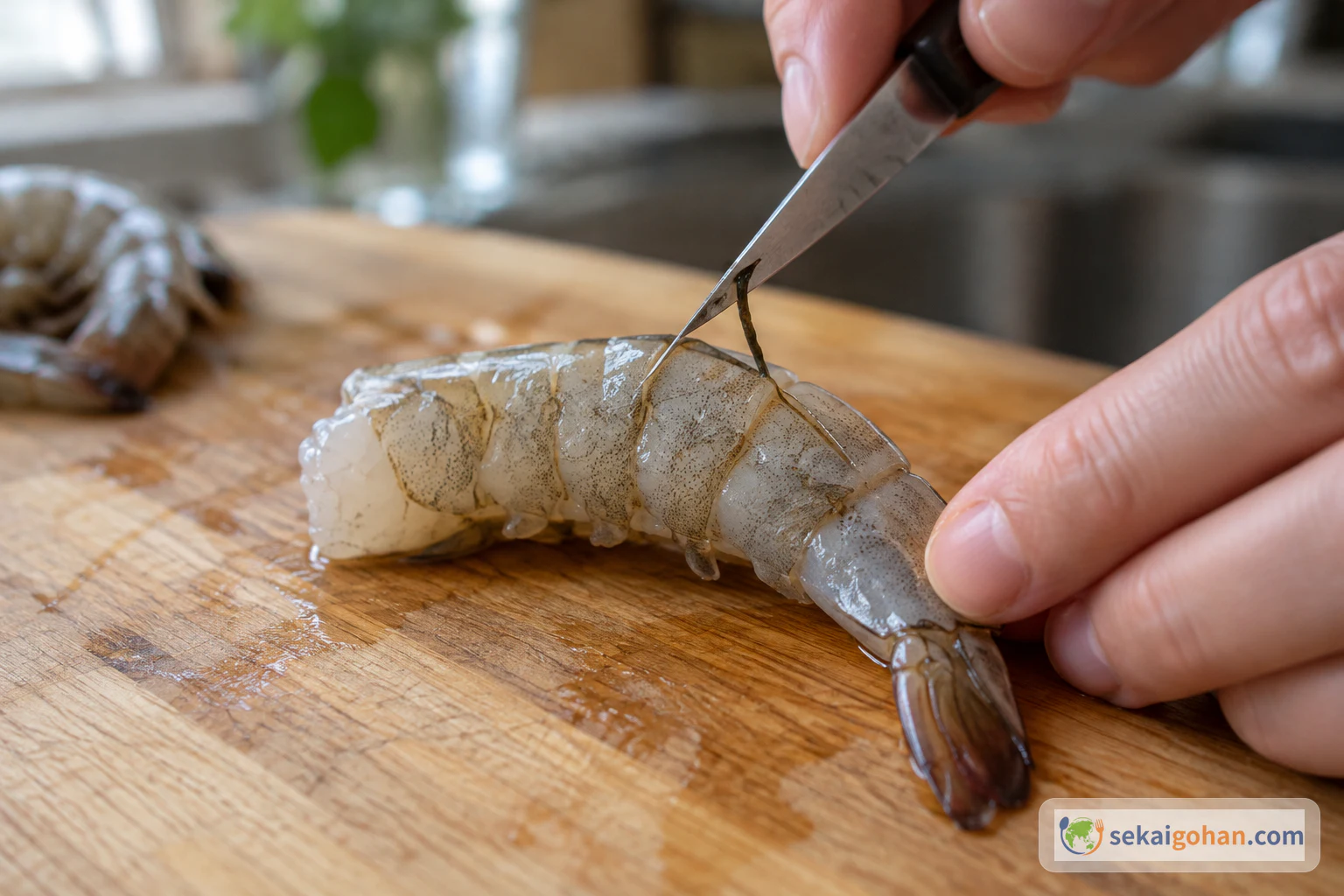
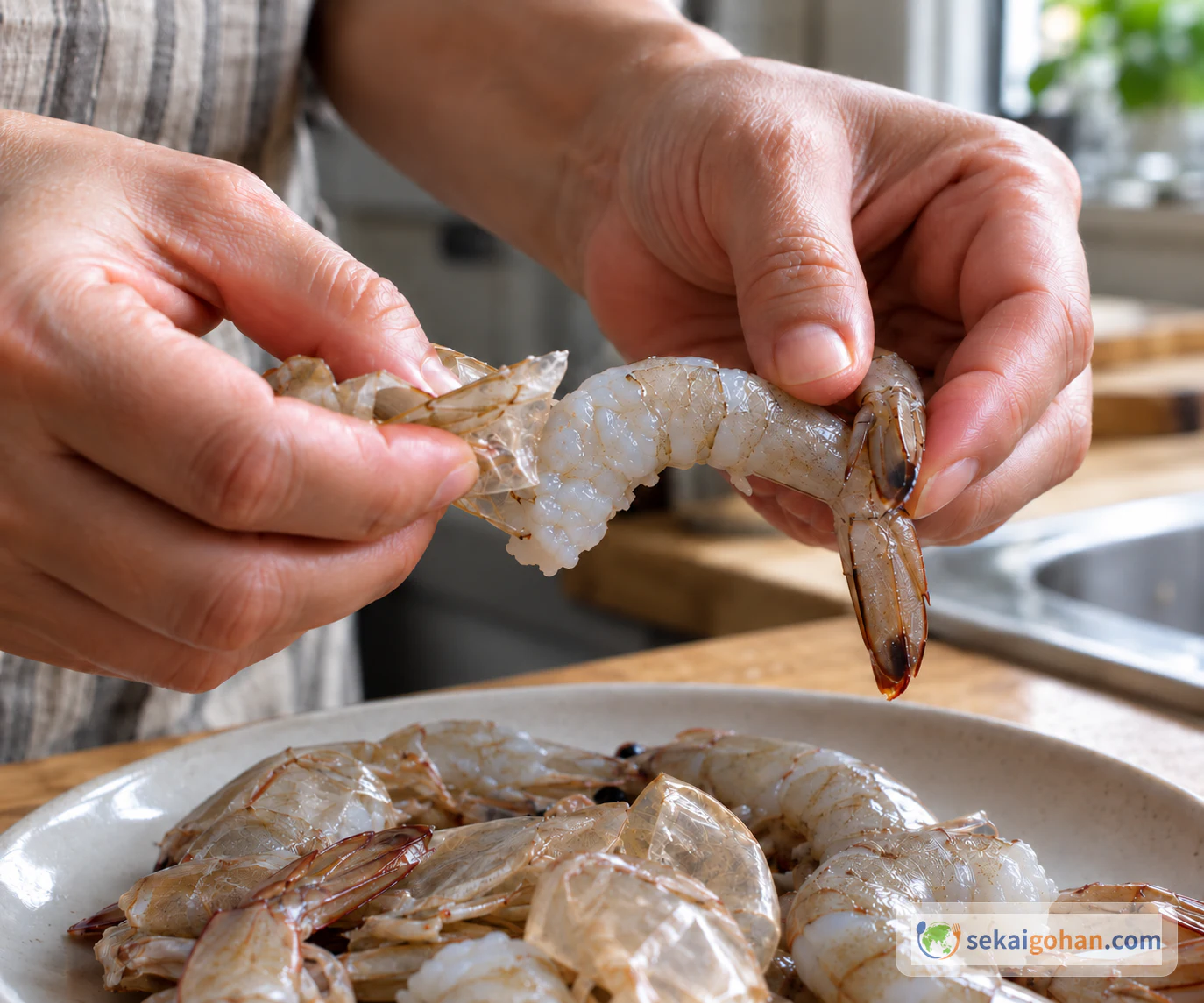
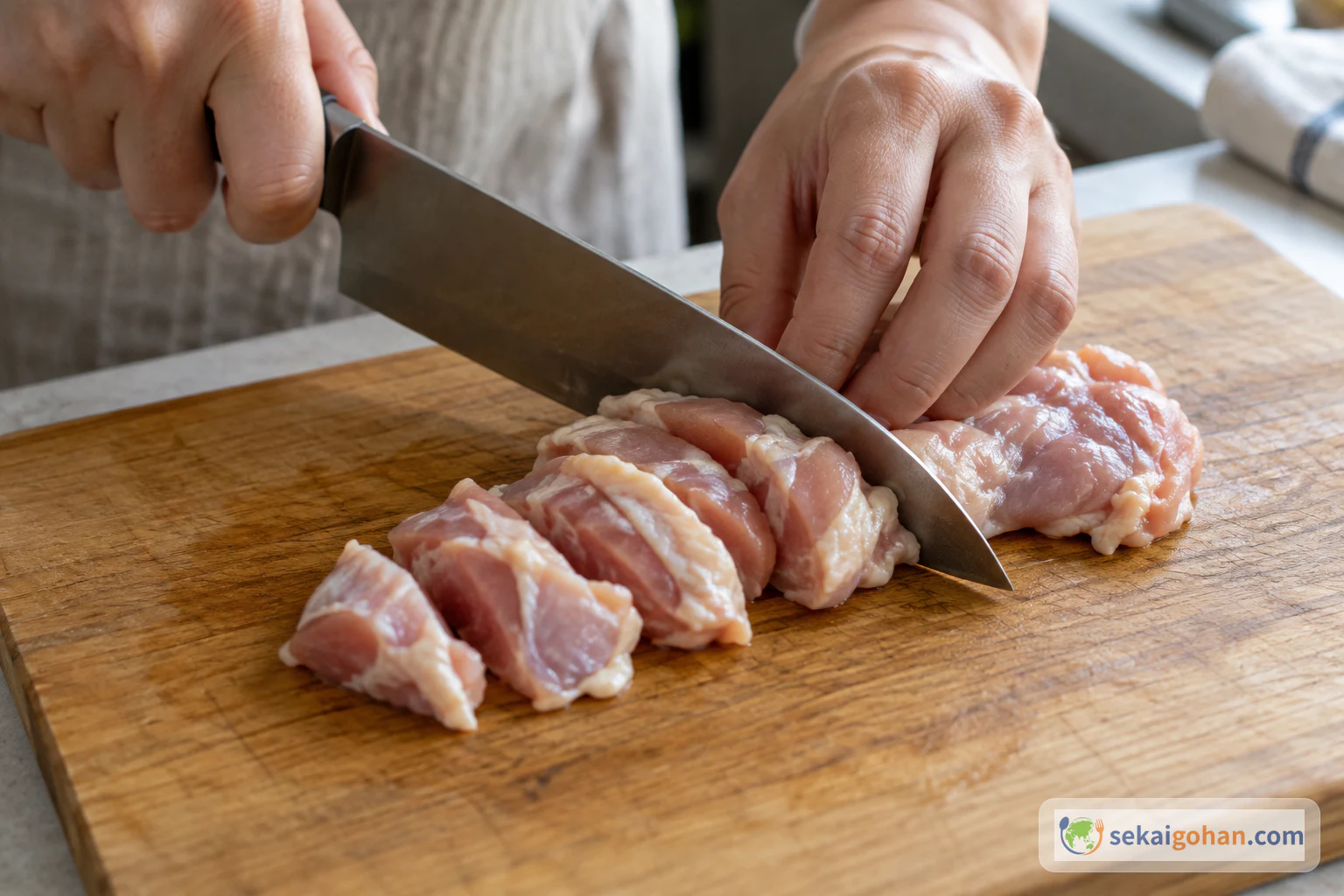
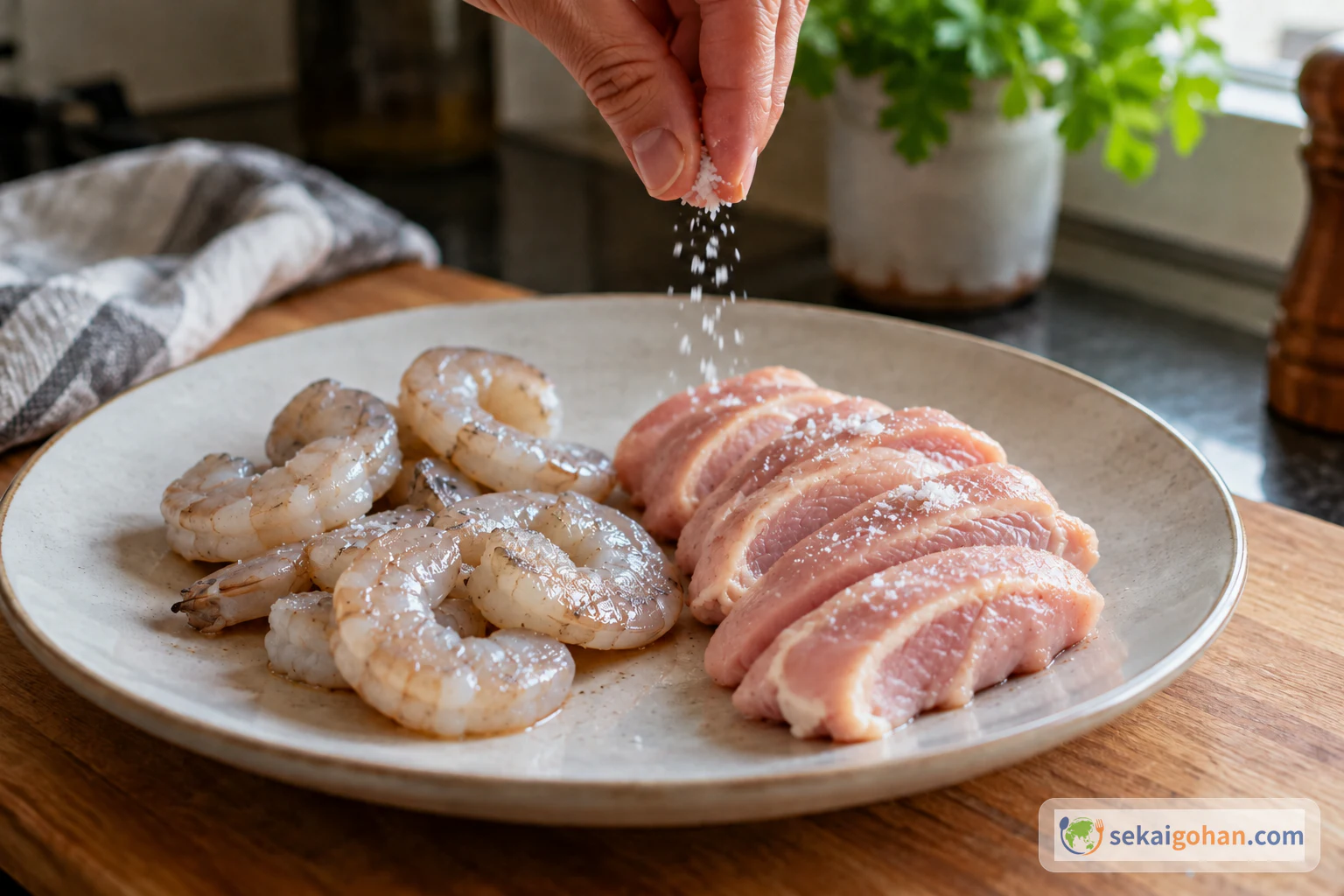
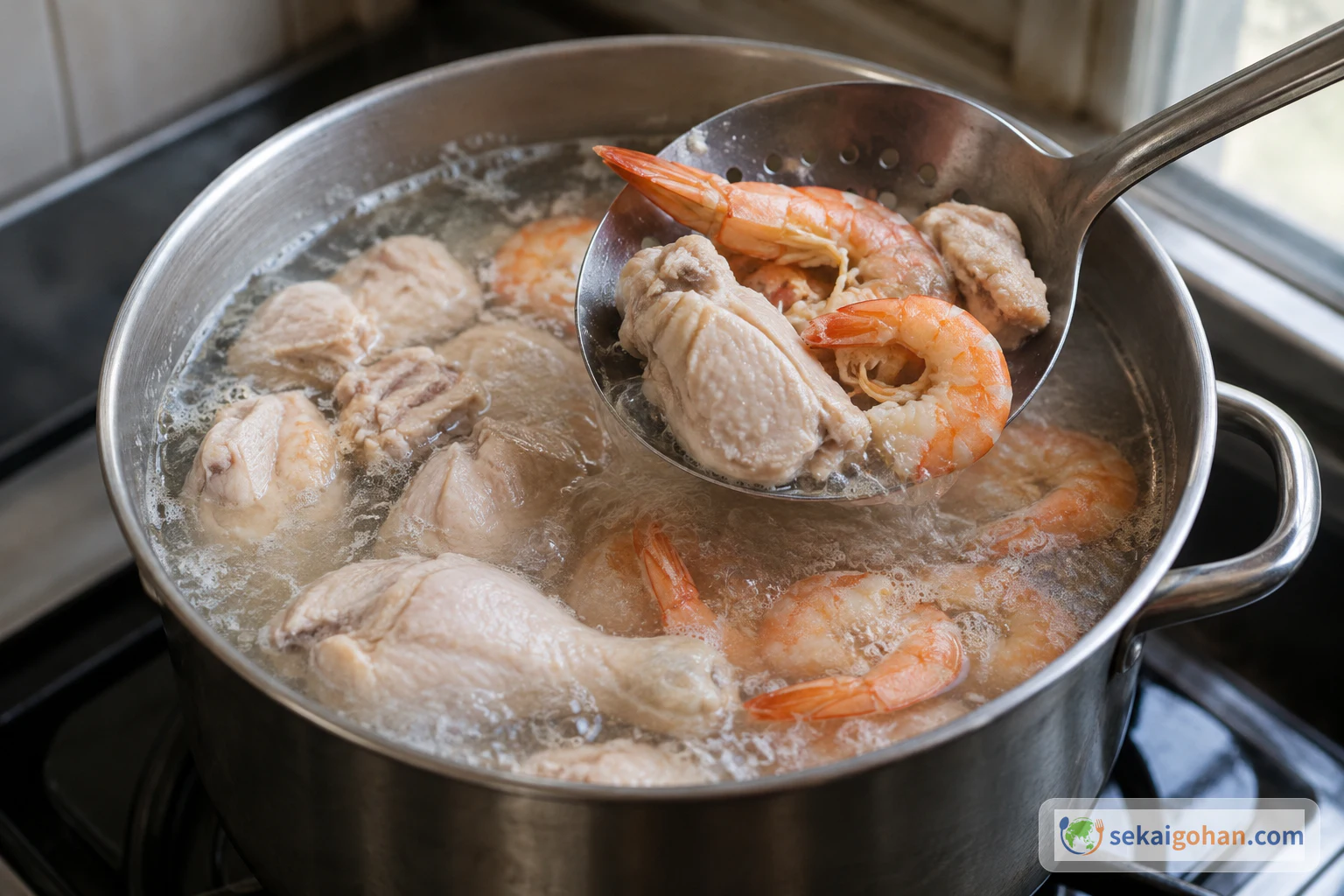
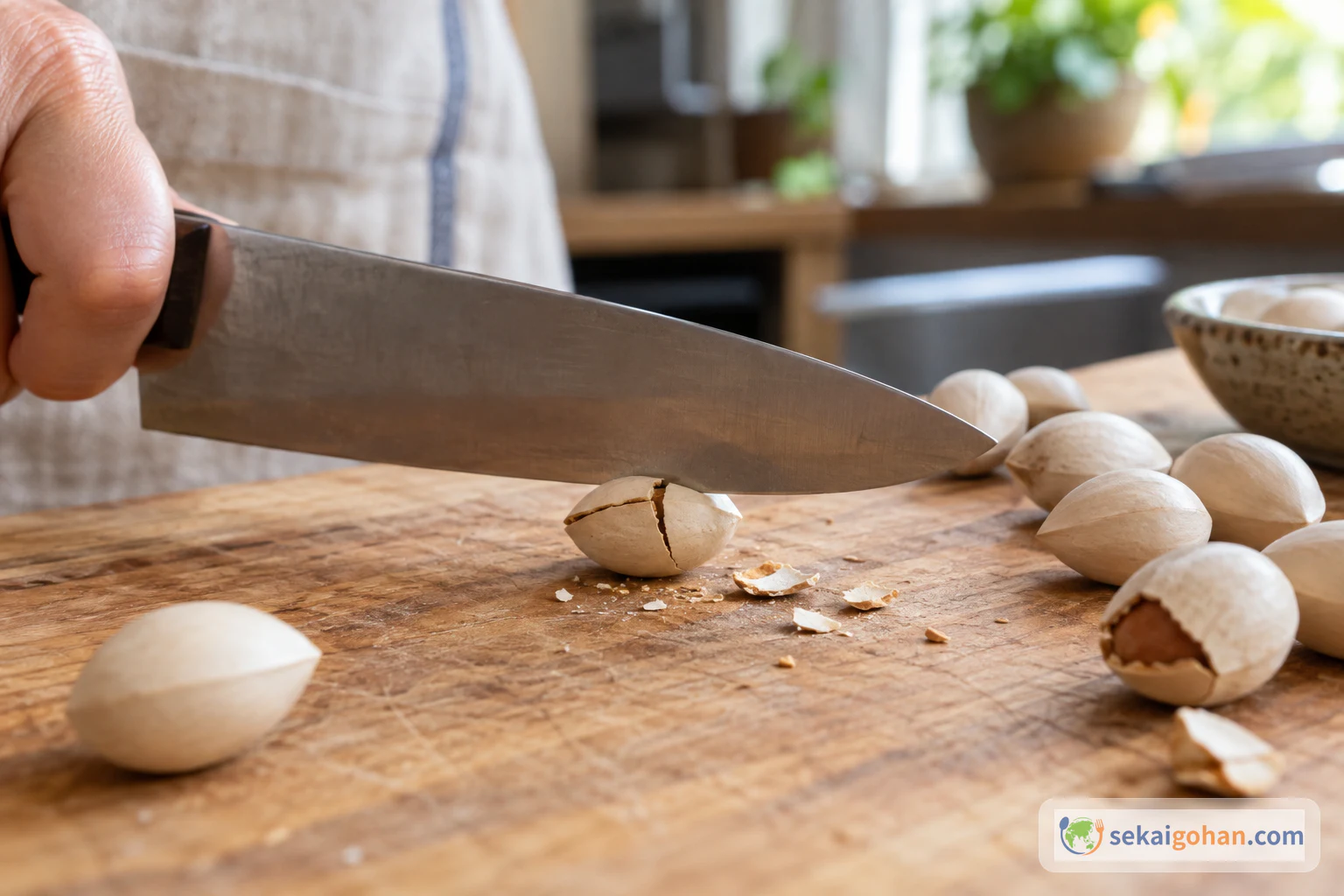
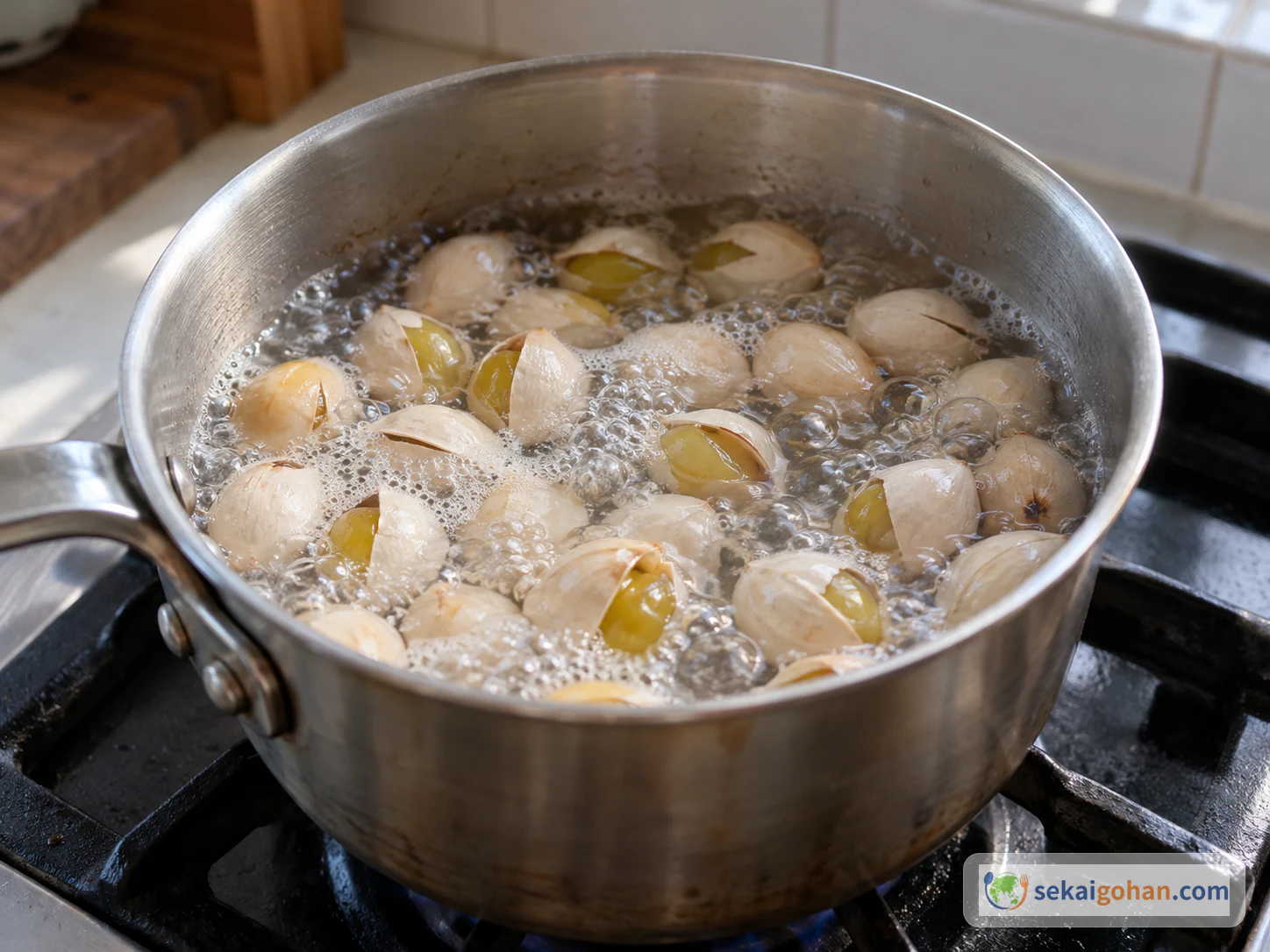
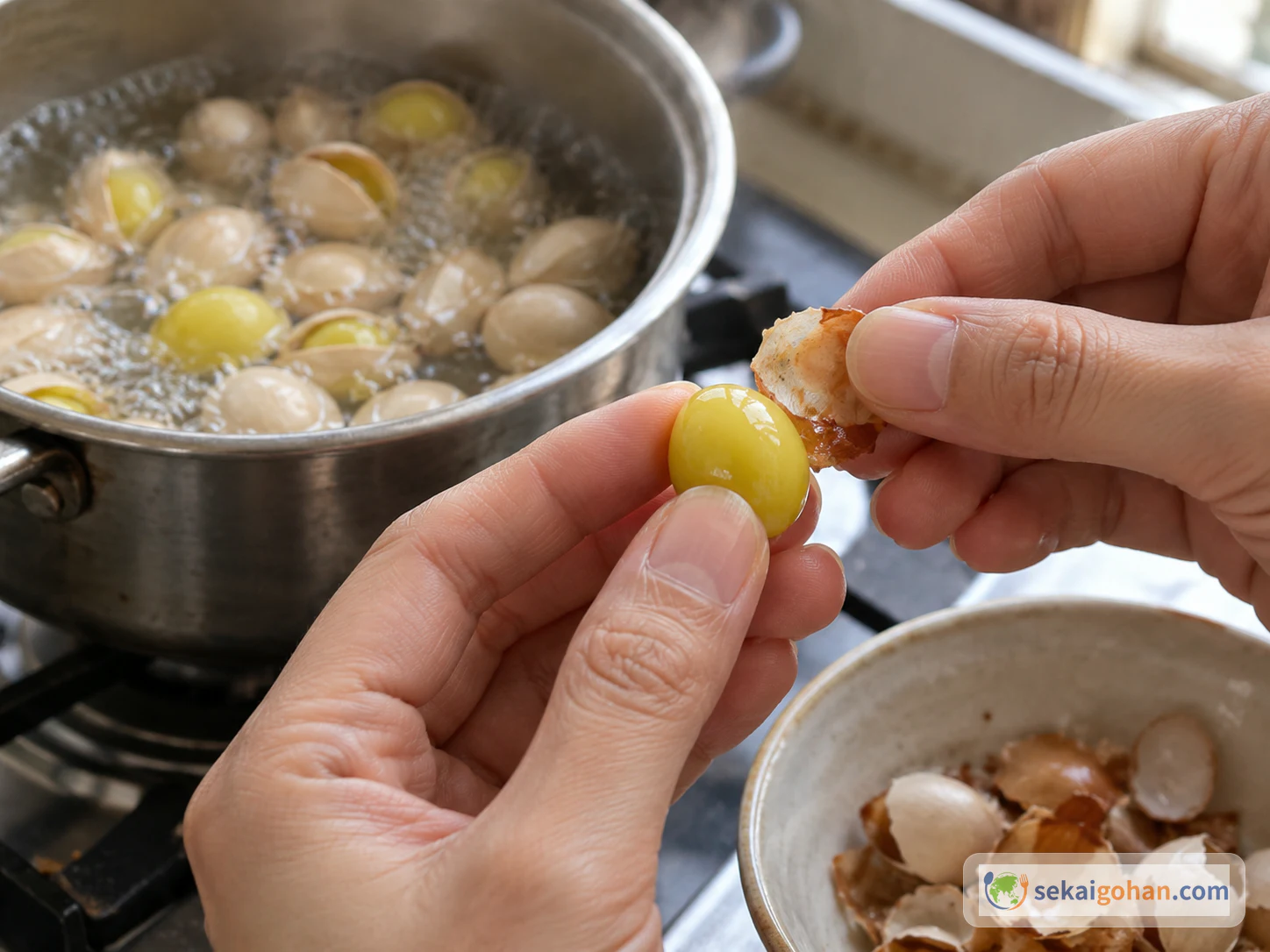
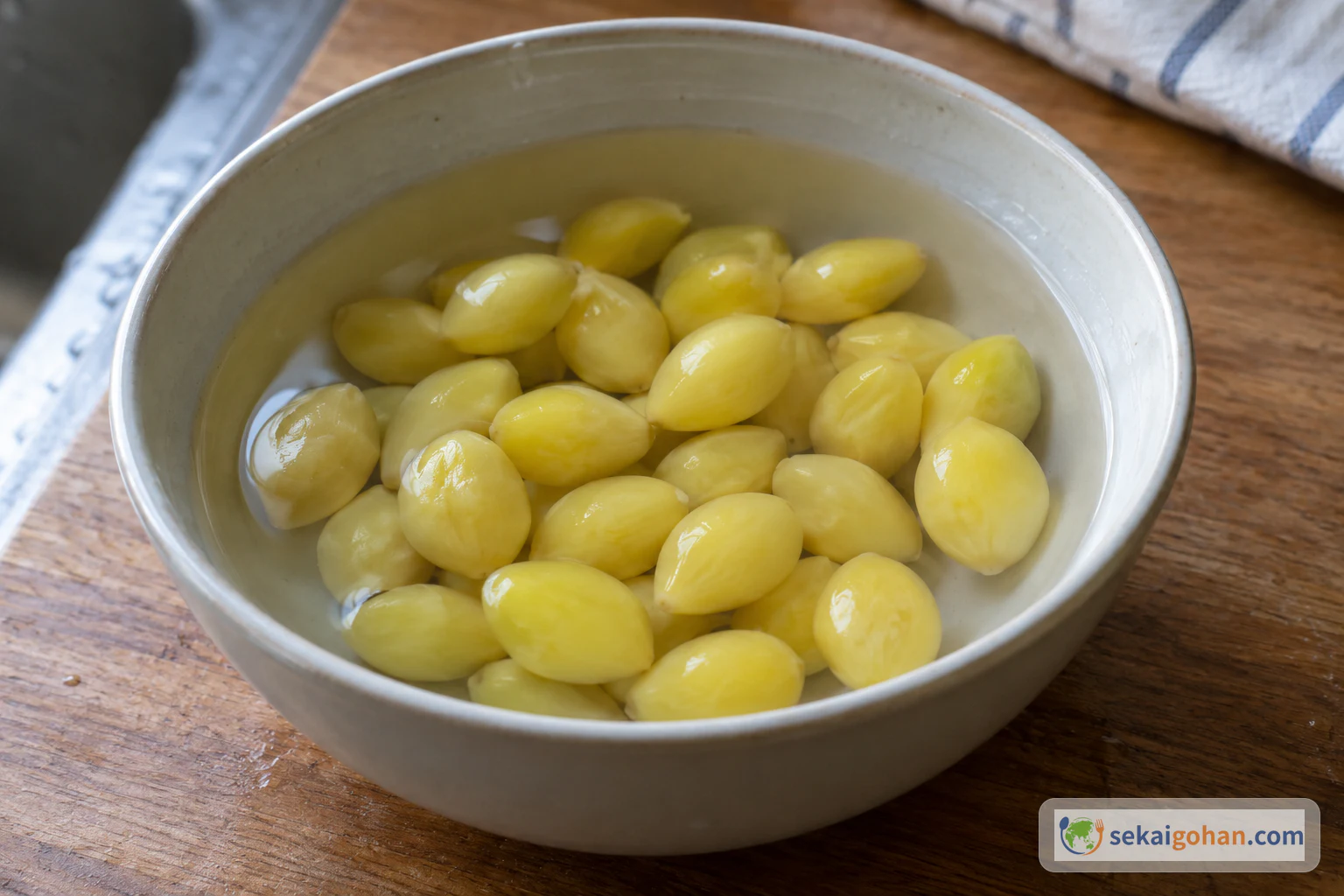
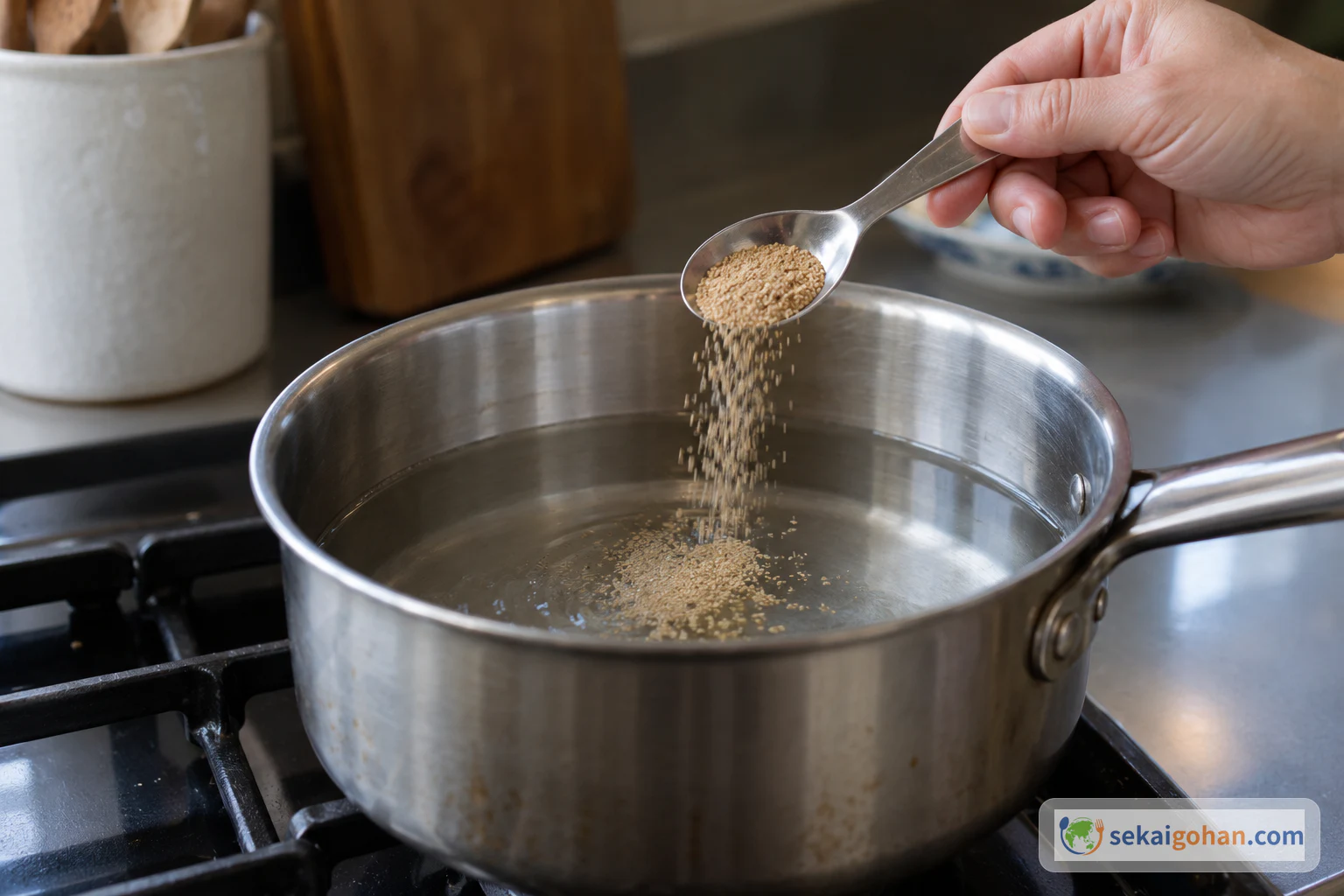
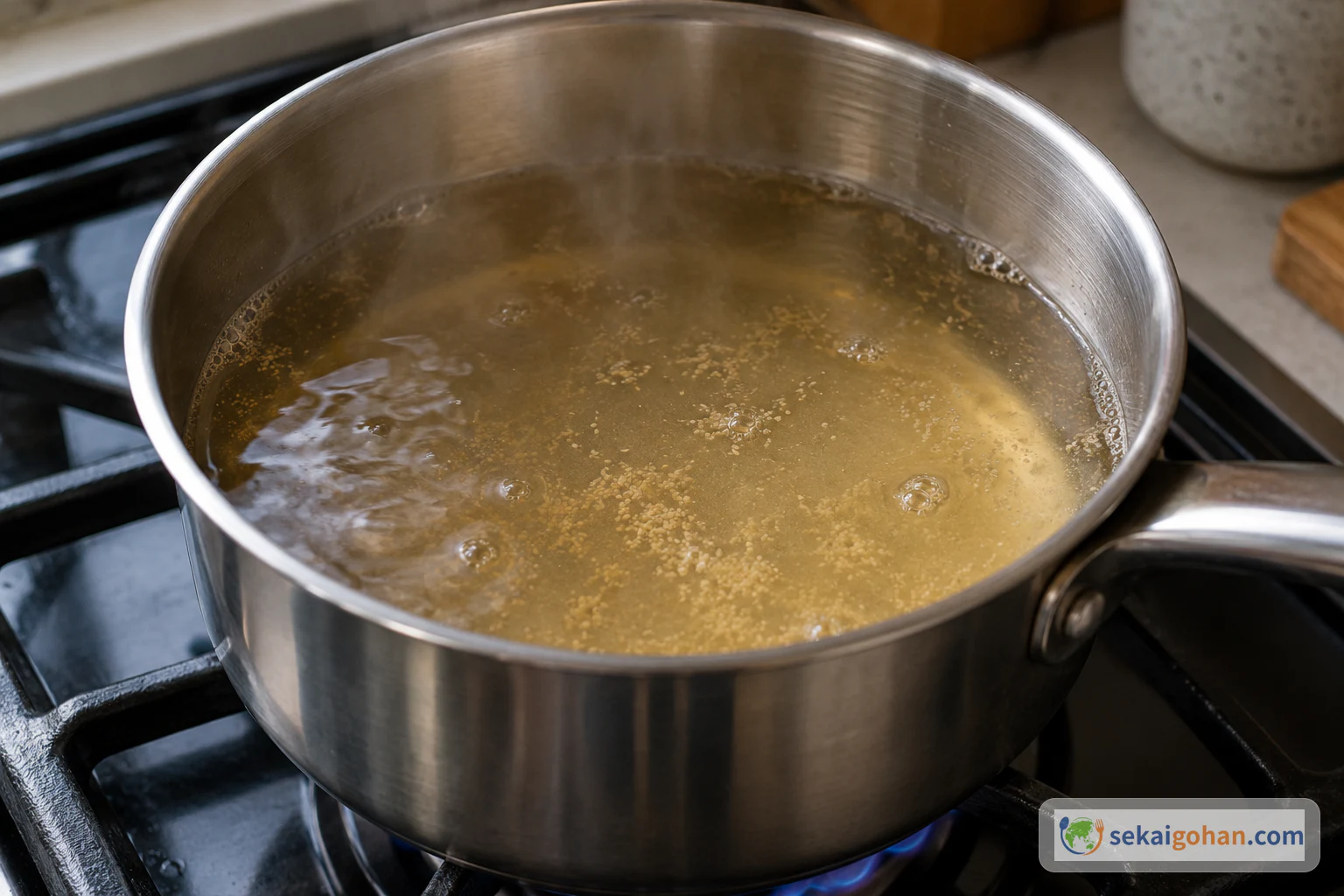
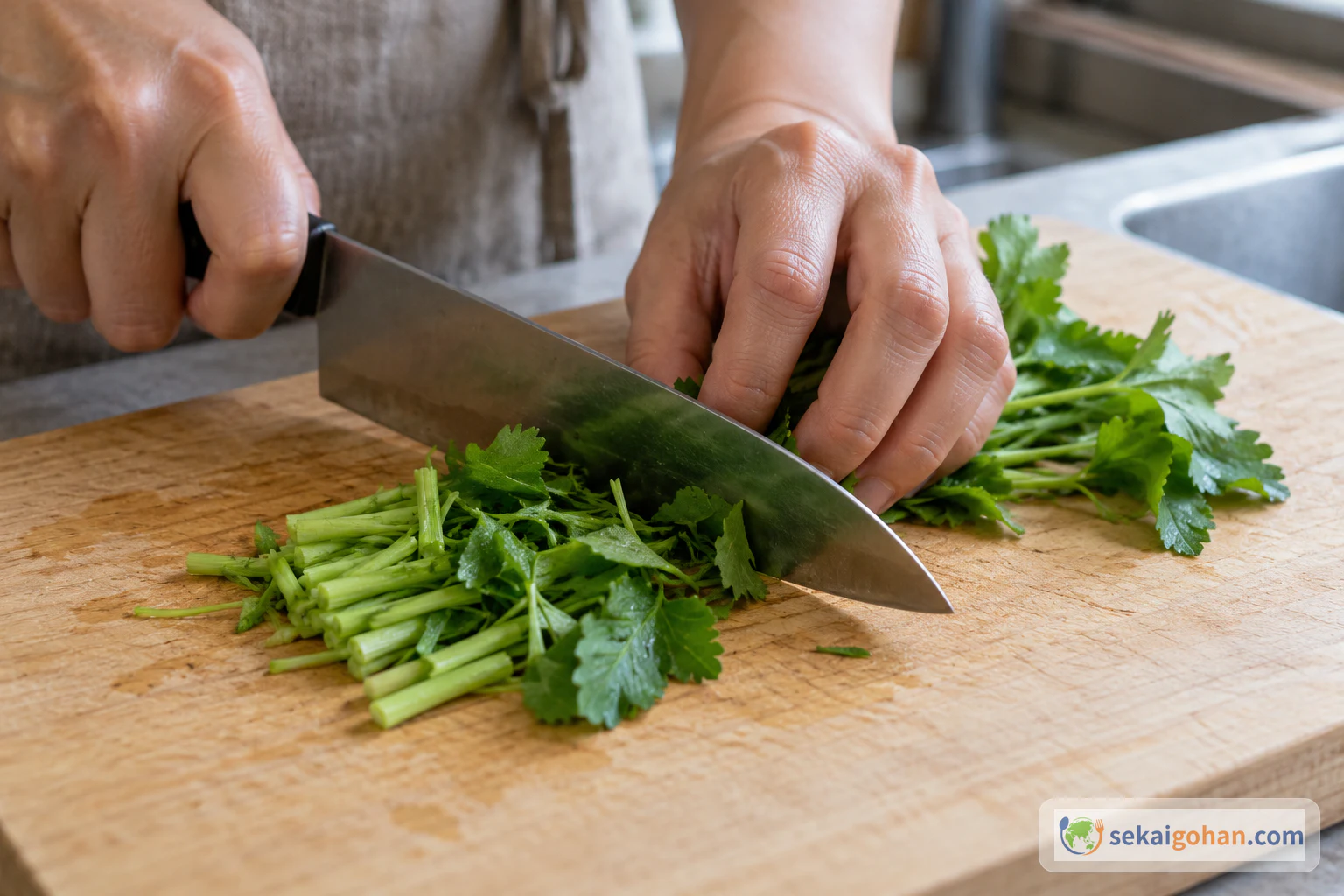
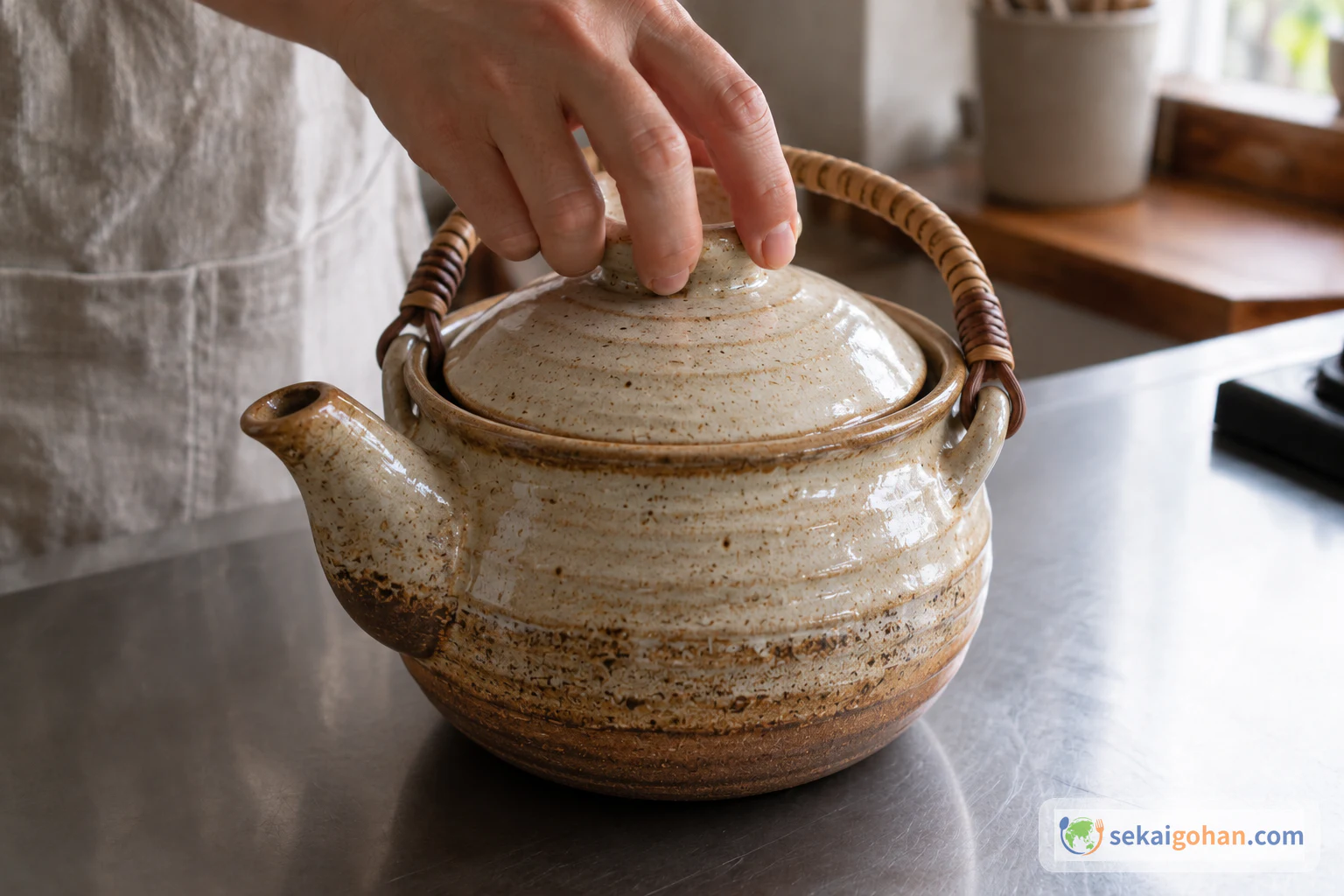
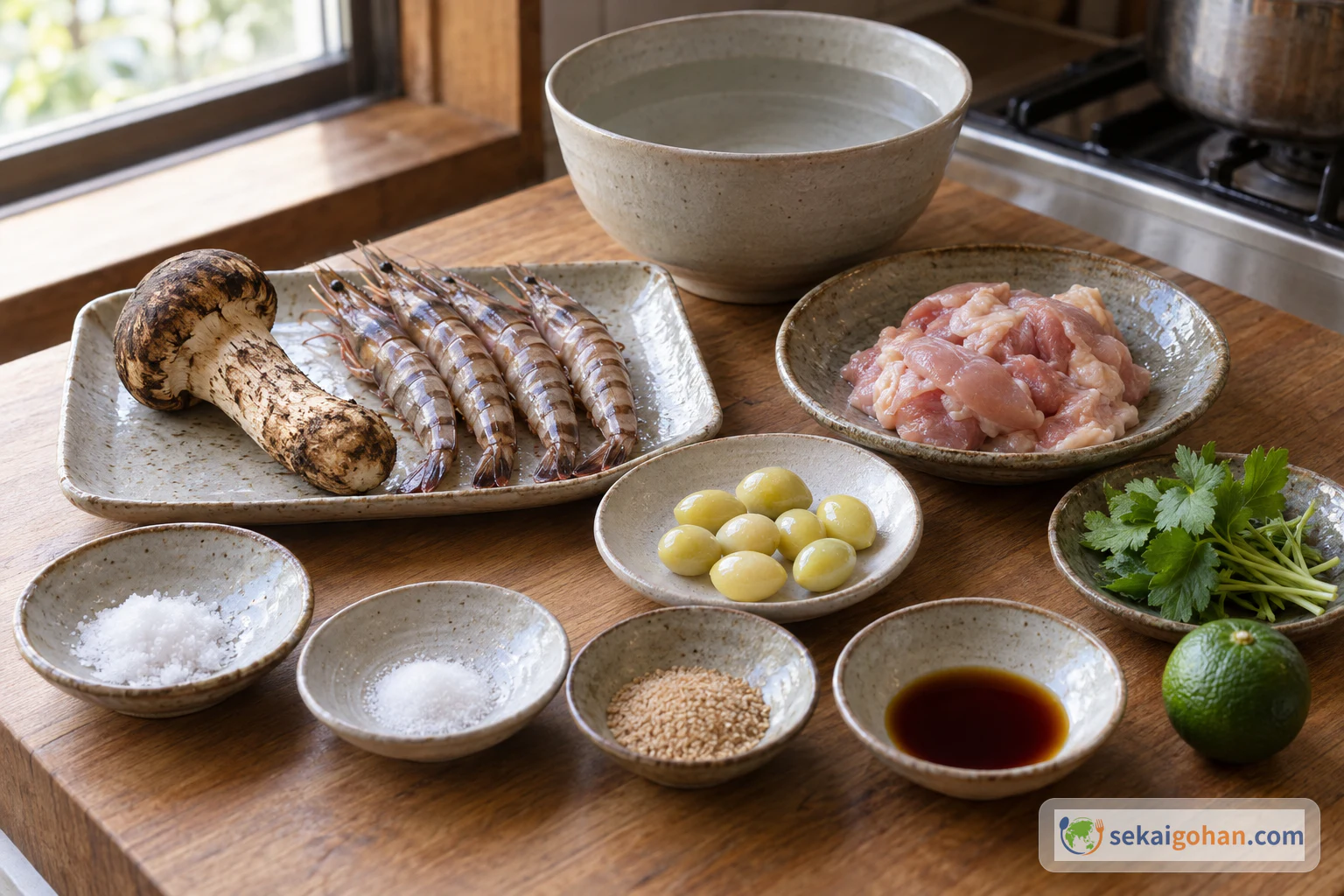
A dobin is a teapot-shaped pot that goes straight over the heat, and everything is prepared separately before it meets there. The matsutake is rinsed cap-up under running water, wiped dry and sliced thin. The shrimp and chicken get a pinch of salt and a quick dip in boiling water. The ginkgo nuts are cracked, salt-boiled and peeled, and the broth is made from Hondashi and water.
The dish is made in more than one way. A Kyoto Prefecture version for four uses a kombu and katsuobushi dashi with sake and light soy sauce, bone-cut hamo (pike conger), kamaboko, ginkgo, mitsuba and sudachi, and steams the pots in a steamer for 10–13 minutes. A two-serving version uses chicken tenderloin, white fish, shell-on shrimp, ginkgo, cooking sake and katsuo dashi. Its matsutake is only wiped with a cloth, and the dashi is poured into the vessel and simmered briefly. For more dishes like this, see Japan.
Ingredients (4 servings)
Salt and Soy Sauce for Dobin Mushi
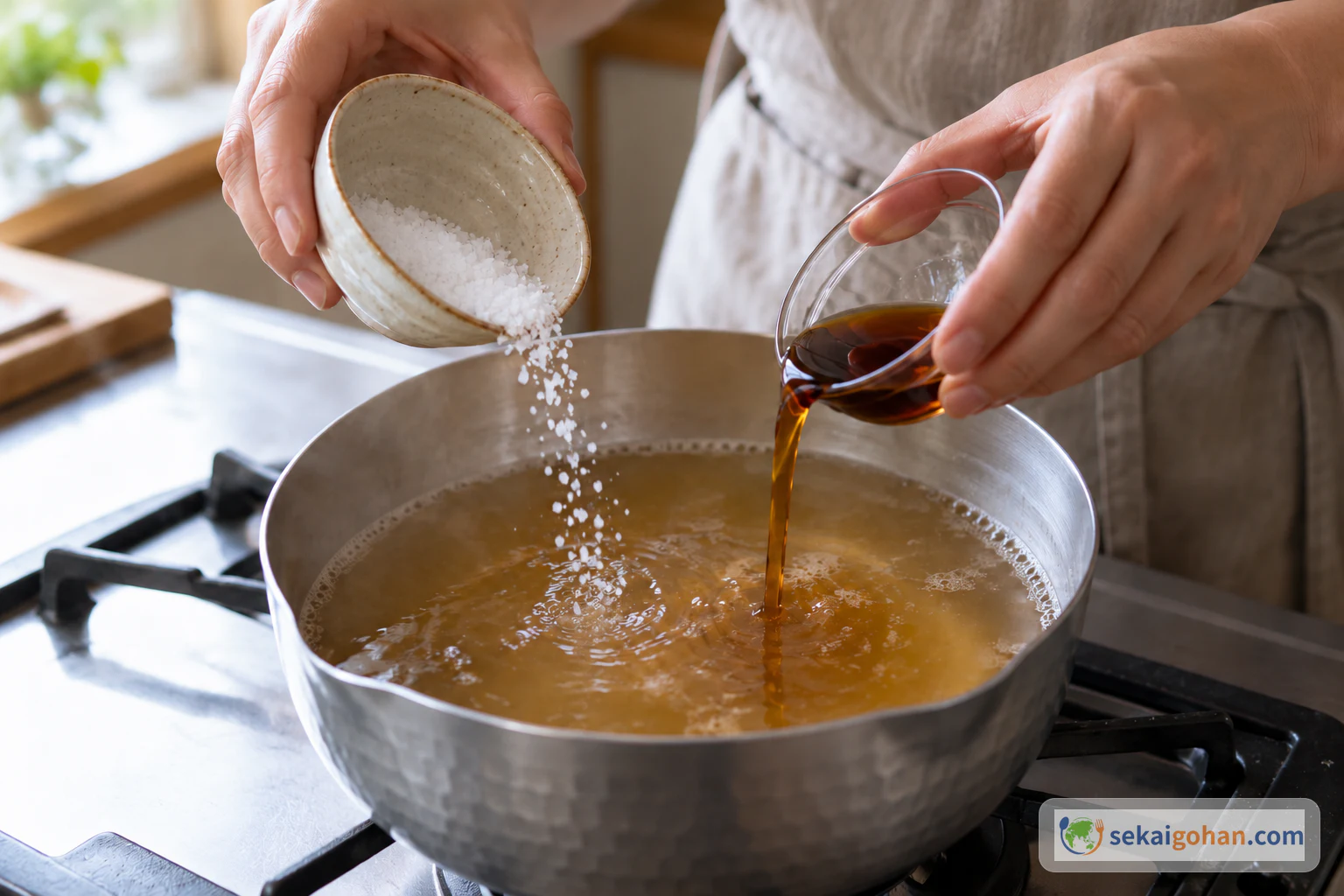
The salt goes in at two separate points. A little goes over the shrimp and chicken before blanching. Another 2/3 tsp goes into the broth with the light soy sauce as seasoning A, so measure each one on its own. The salted water for the ginkgo is a third use; salt it as needed.
Use light (usukuchi) soy sauce in the broth. The Japanese names for matsutake, sai-maki shrimp, ginkgo and dobin are worth knowing if you are searching for them in a shop or online.
Equipment
- Knife and cutting board
- Clean cloth for wiping the matsutake
- Pot of boiling water for blanching the shrimp and chicken
- Small saucepan for boiling the ginkgo
- Bowl of water for the peeled ginkgo
- Saucepan for the broth
- Dobin with lid
- Small plate for the sudachi
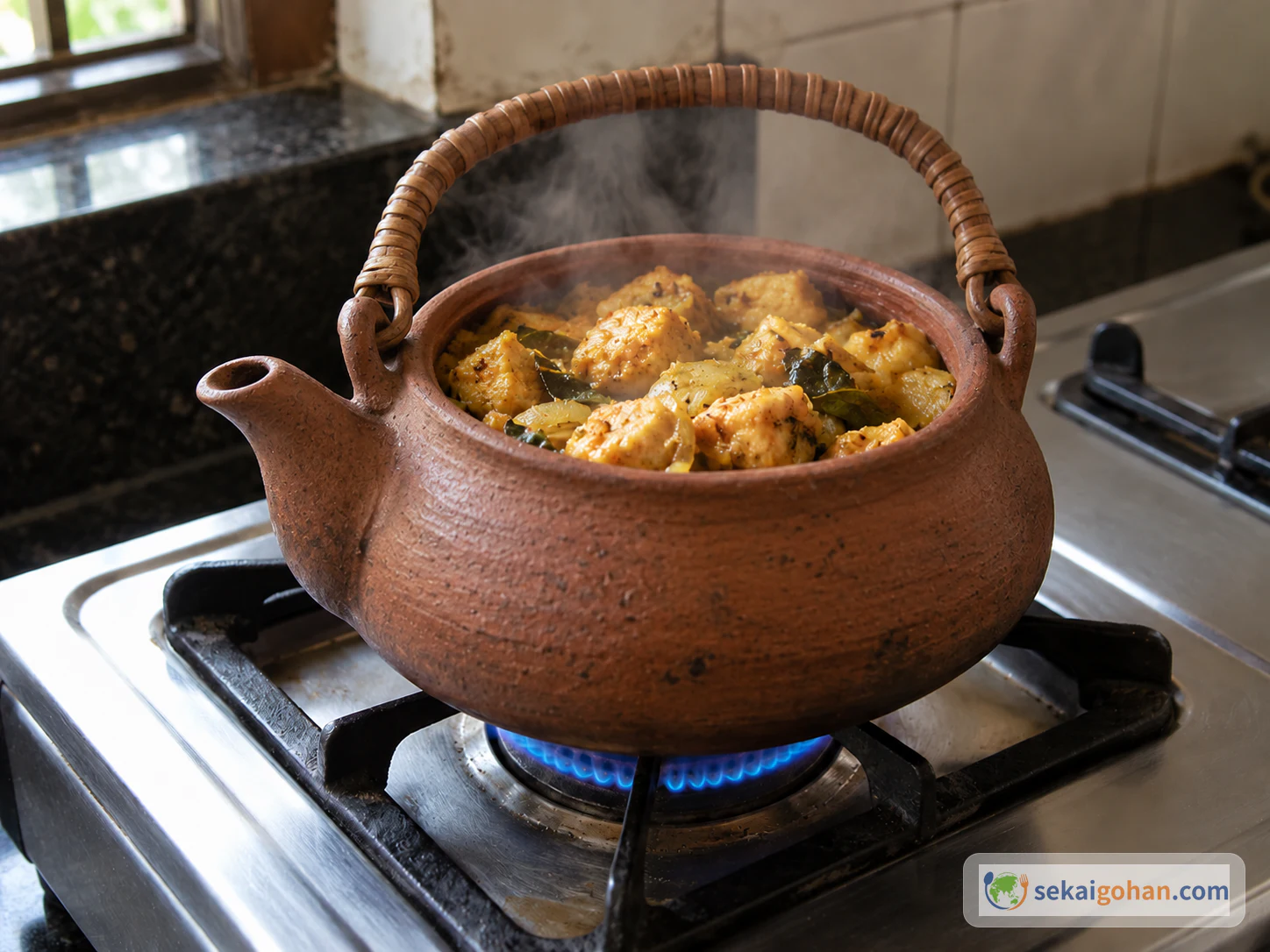
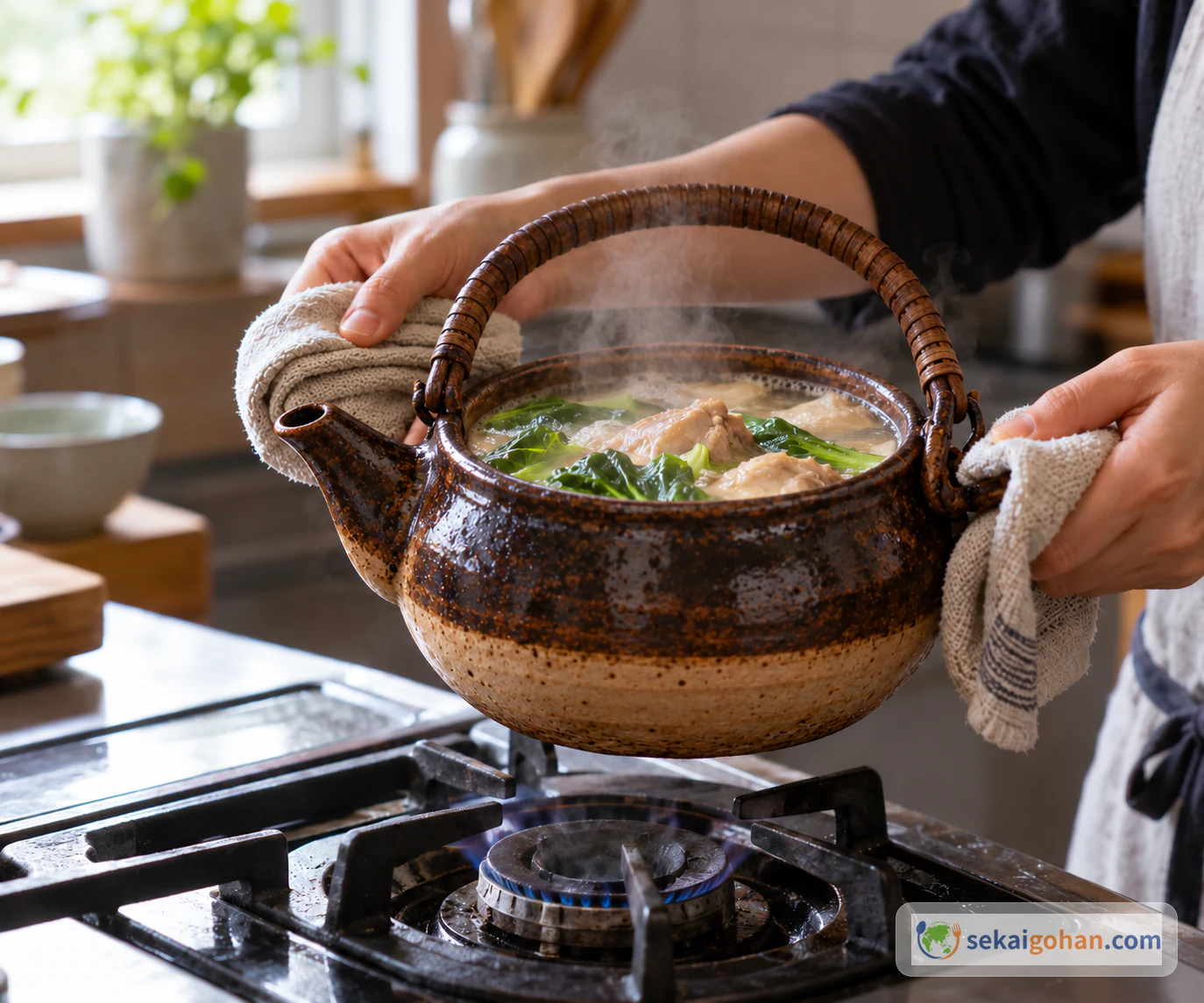
Use as many dobin as you need, as long as they hold the fillings and broth. The dobin goes directly over the heat, so check your pot's product information for direct-heat use.
Method: From Mushroom Prep to One Boil in the Dobin
Steps 1 to 3 prepare the fillings, step 4 makes the broth, step 5 brings everything together in the dobin, and step 6 is the sudachi on the side.
Cooking by Eye and Serving
Several steps are judged by what you see rather than by the clock. The shrimp and chicken are blanched briefly, and the ginkgo is boiled until it turns a good color. The broth is seasoned once it starts to simmer, and the dobin comes off the heat at one boil. Watch the pot, and the cues will tell you when each step is done.
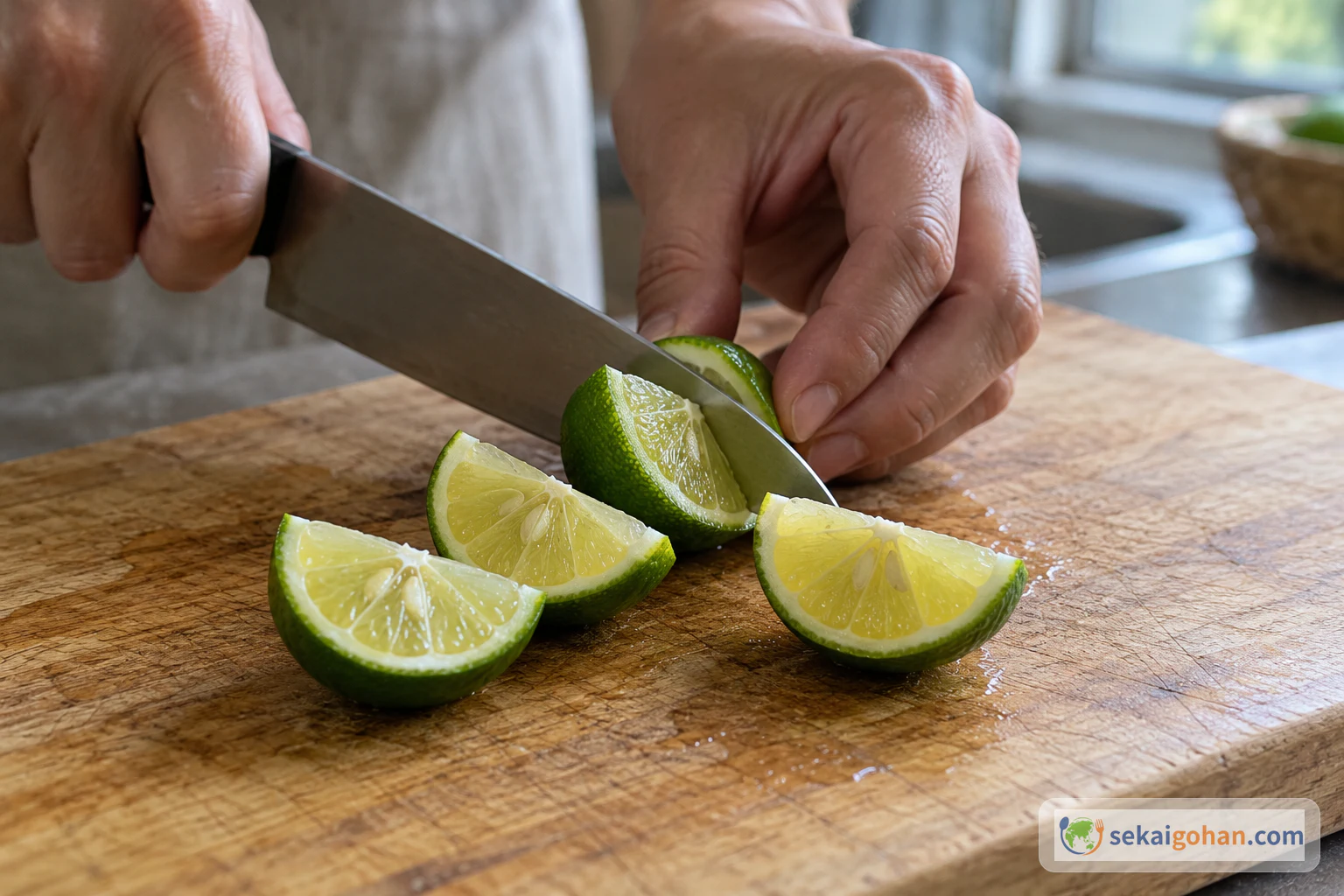
Serve the sudachi cut into quarters alongside the pot.
Frequently Asked Questions
How many dobin do I need for four servings?
The recipe does not set a number or a capacity. Use as many pots as it takes to hold the fillings and broth.
Can I make it in a steamer?
For this recipe, set the dobin directly over the heat. Steaming the pots is how the Kyoto Prefecture version is made.