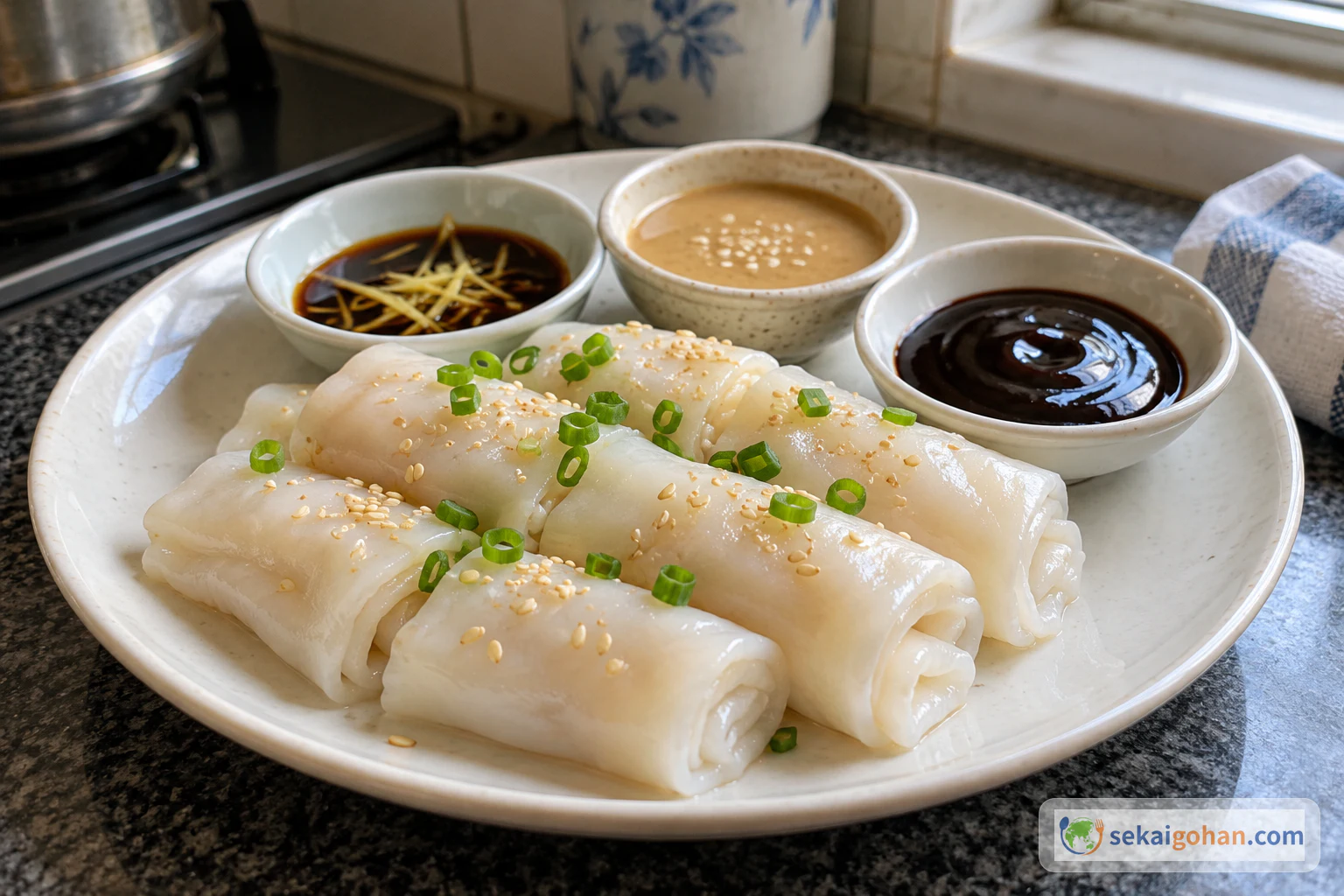
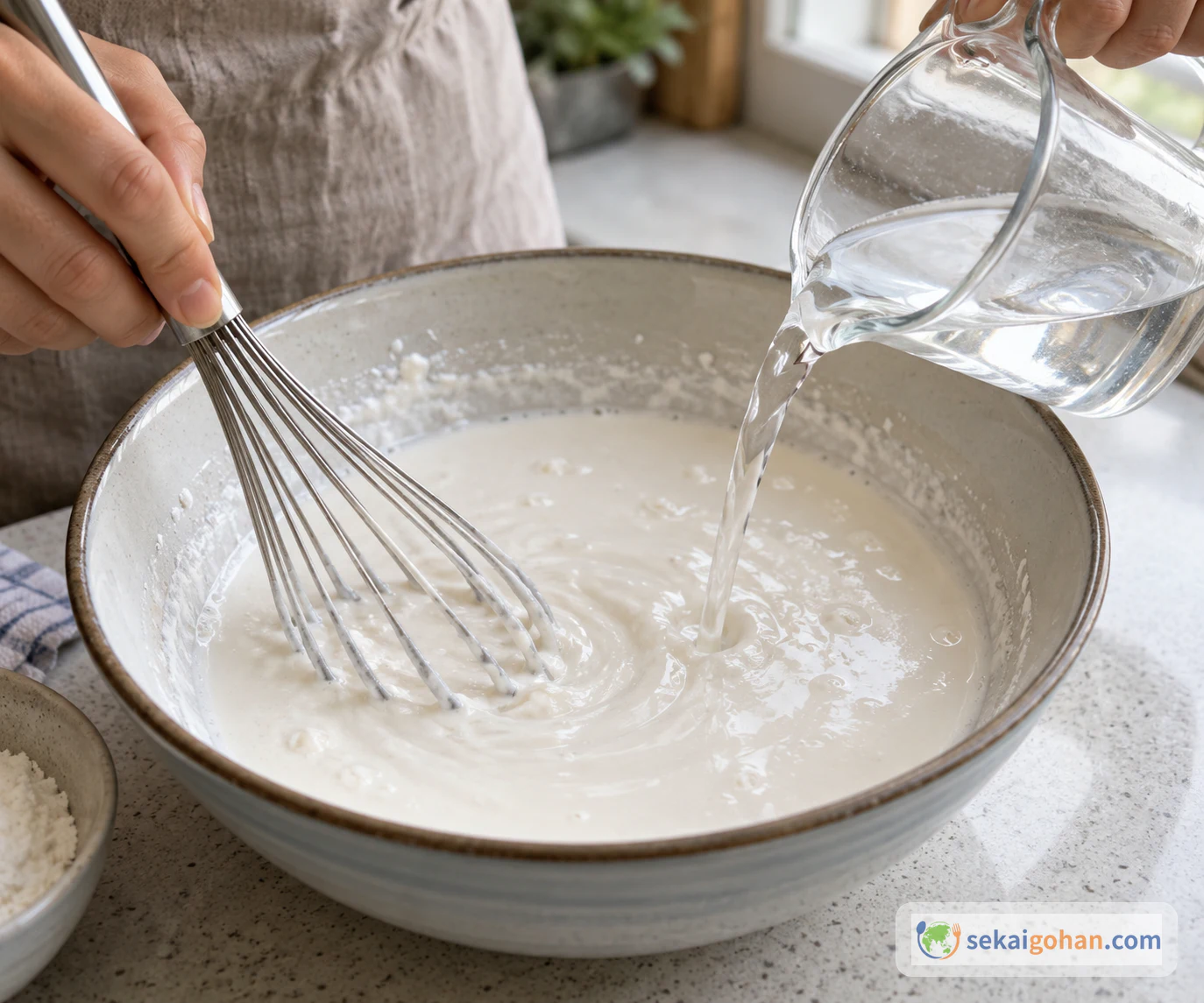
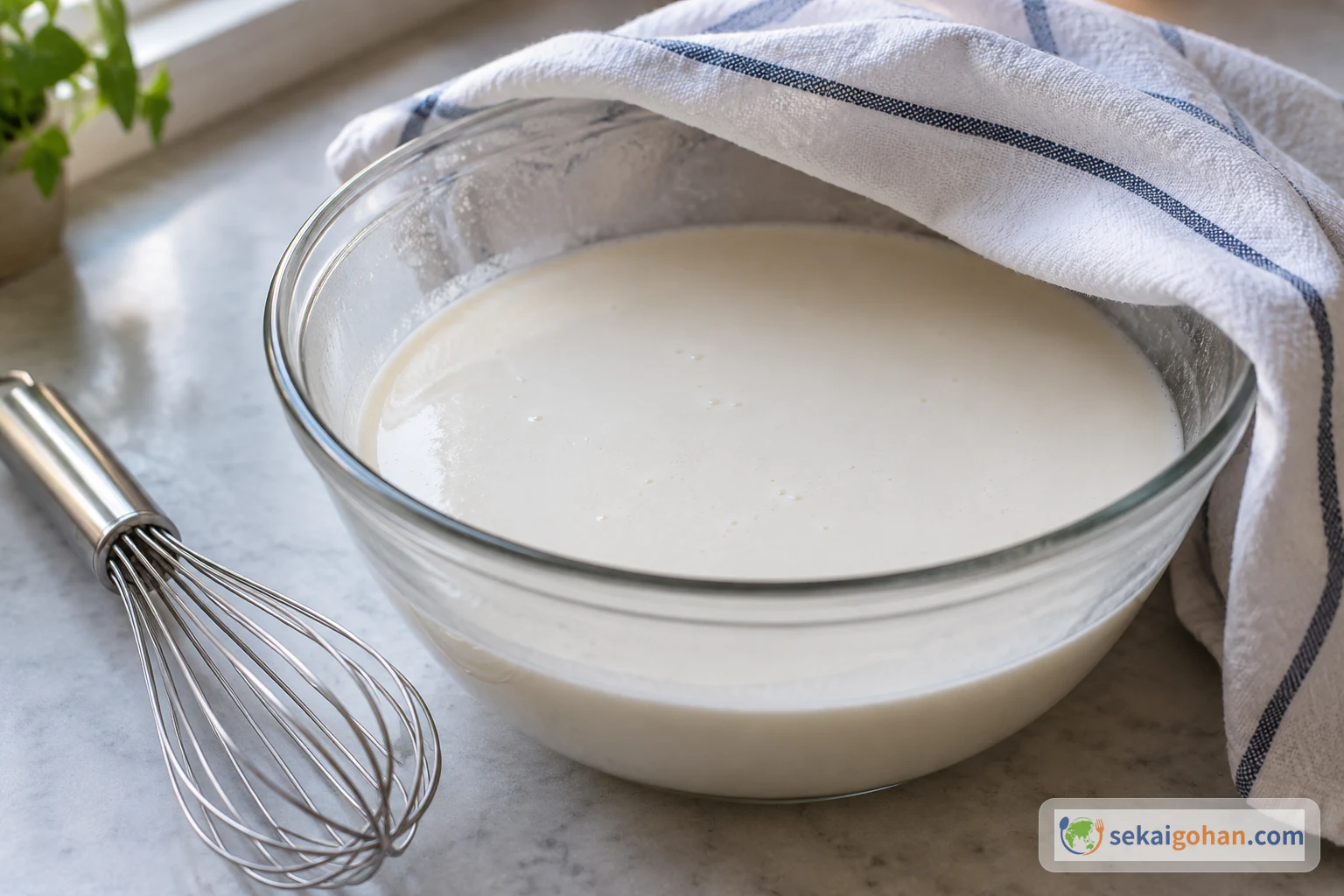
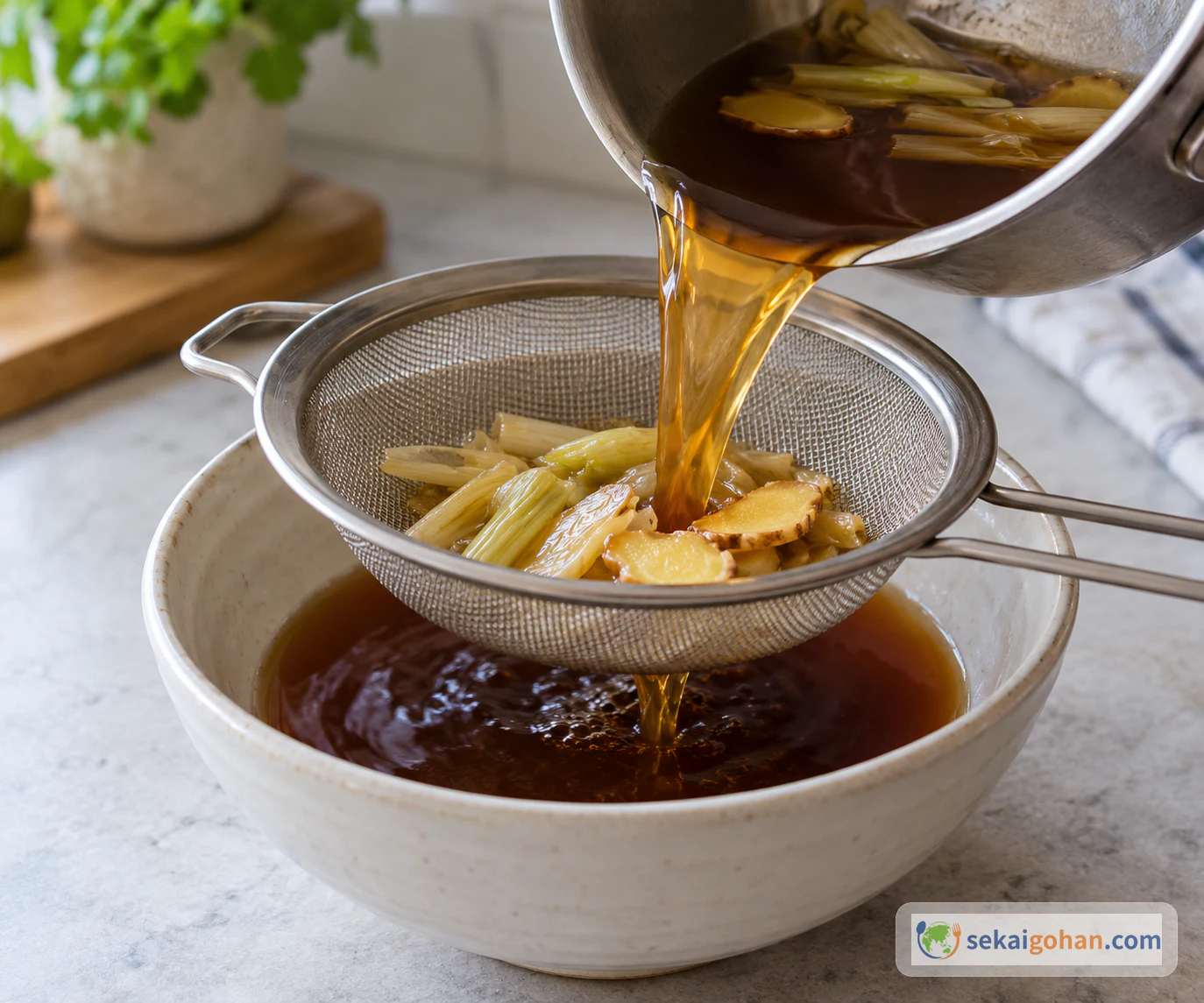
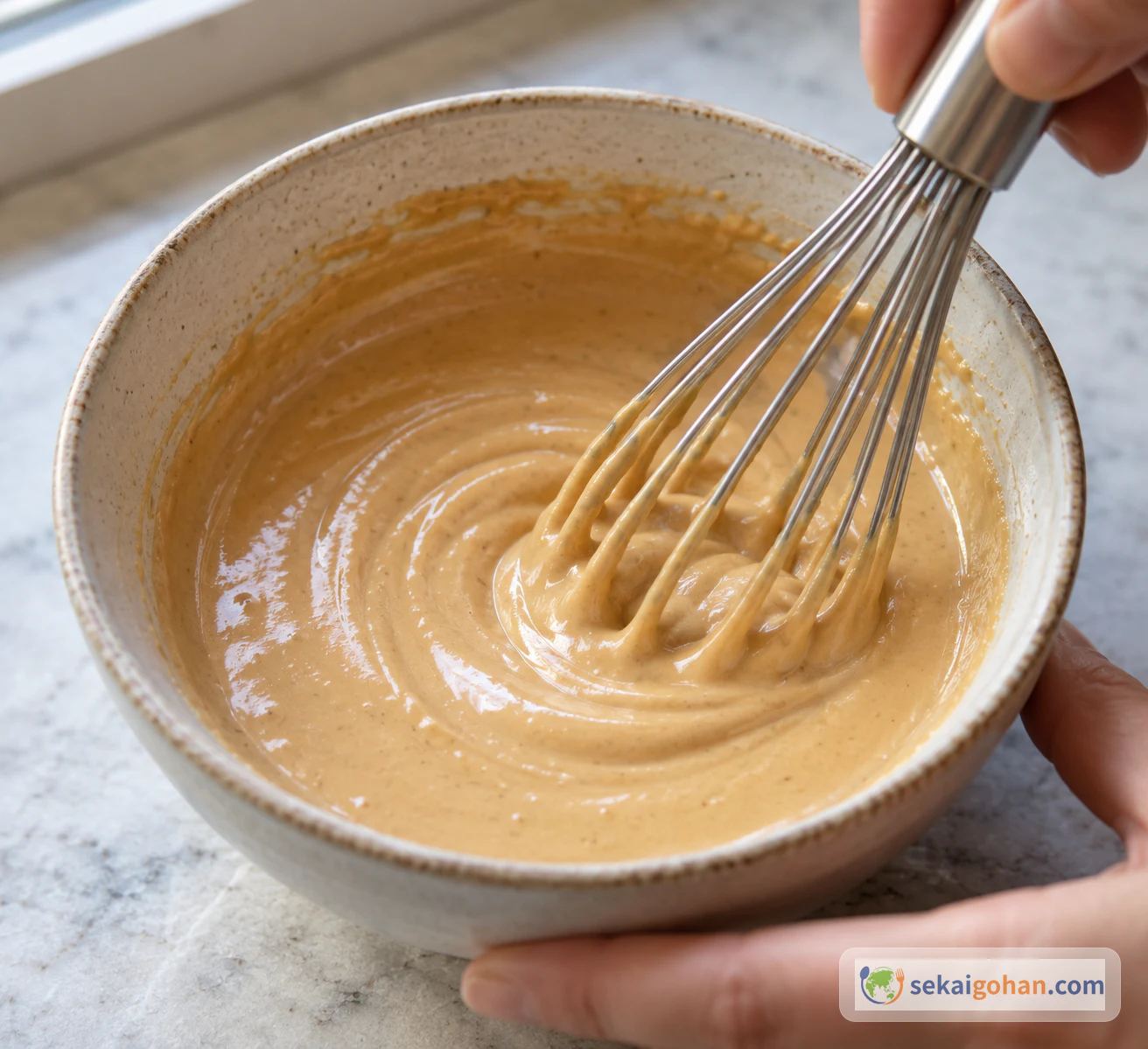
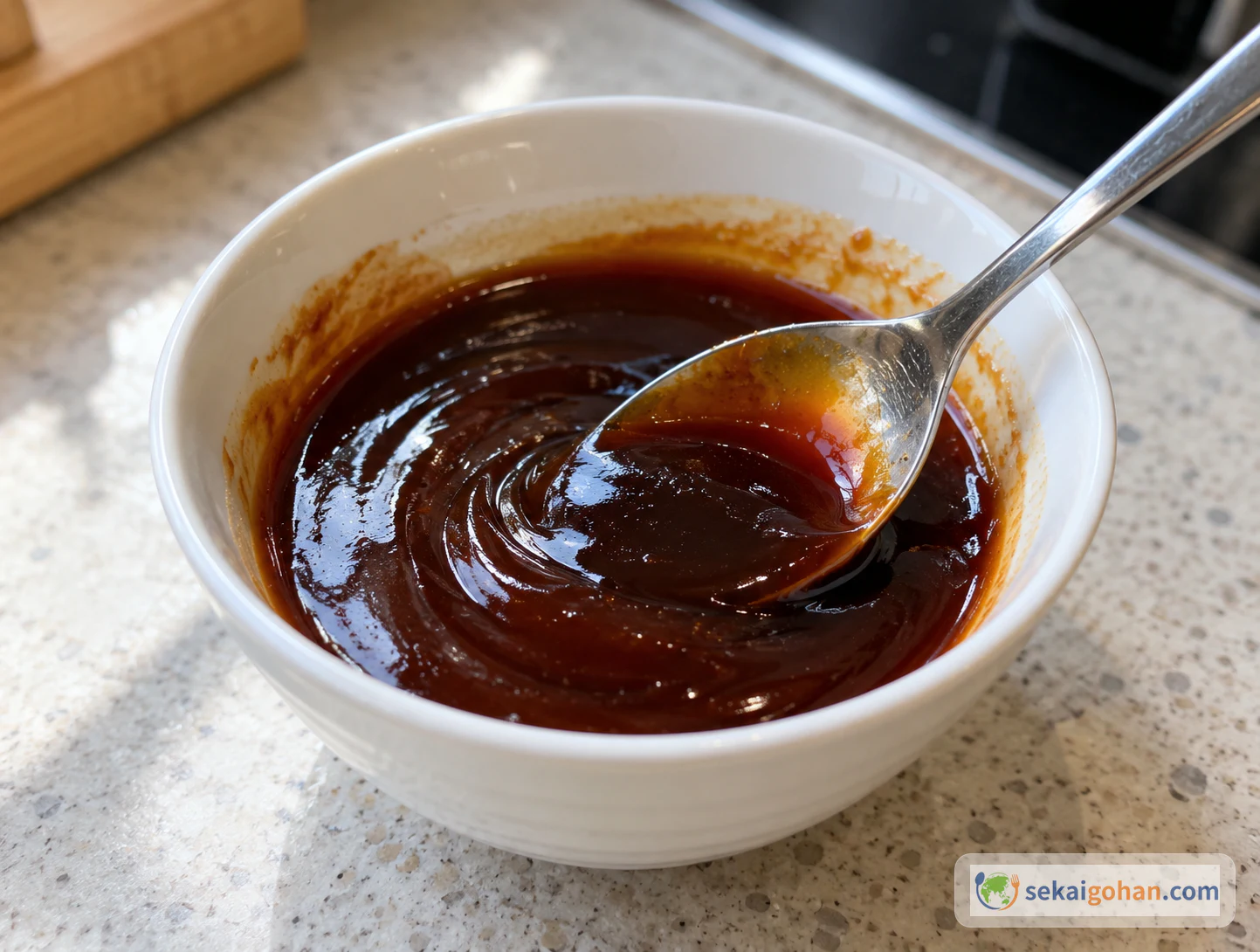
Some of the best cheung fun comes with nothing inside at all. Thin sheets of rice batter are steamed until translucent, rolled, sliced, and left for the sauce to do the talking. This version makes plain, unfilled rolls for two, cooked one sheet at a time on a shallow tray. The three sauces are a strained ginger soy infusion, a sesame peanut sauce, and a sticky sweet sauce made with hoisin and char siu sauce. Allow 20 minutes to prep and 15 to cook, plus at least 30 minutes for the batter to rest, which is when you make the sauces.
Cheung Fun in Hong Kong
In Hong Kong, cheung fun (腸粉) turns up in teahouses, dim sum restaurants and street-food stalls alike. It is a sweet-and-savoury dim sum staple. At the restaurant table the rice sheets are often filled with shrimp, barbecue pork or beef, then rolled and drizzled with sweet soy sauce. On the street the rolls tend to come plain, with sesame seeds and sauces such as peanut and chilli. Hop Yik Tai in Sham Shui Po is one place to try that style.
The dish is written as Cheung fun, 腸粉. When the rolls are plain and cut, as they are here, they are often called jyu cheung fun. The name comes from the rolls' resemblance to pig intestines.
There is no definitive date for the dish's origins. One account traces it to the Tang dynasty, and another dates the modern form to 1930s Guangdong. Batters vary as well. This one blends rice flour with three separate starches, while other recipes bring in wheat starch.
Vietnam's bánh cuốn is also made from a thin rice batter that is steamed and rolled. It is a related dish from another region, with its own ingredients, filling and dipping sauce.
Ingredients for 2: The Batter and Three Sauces
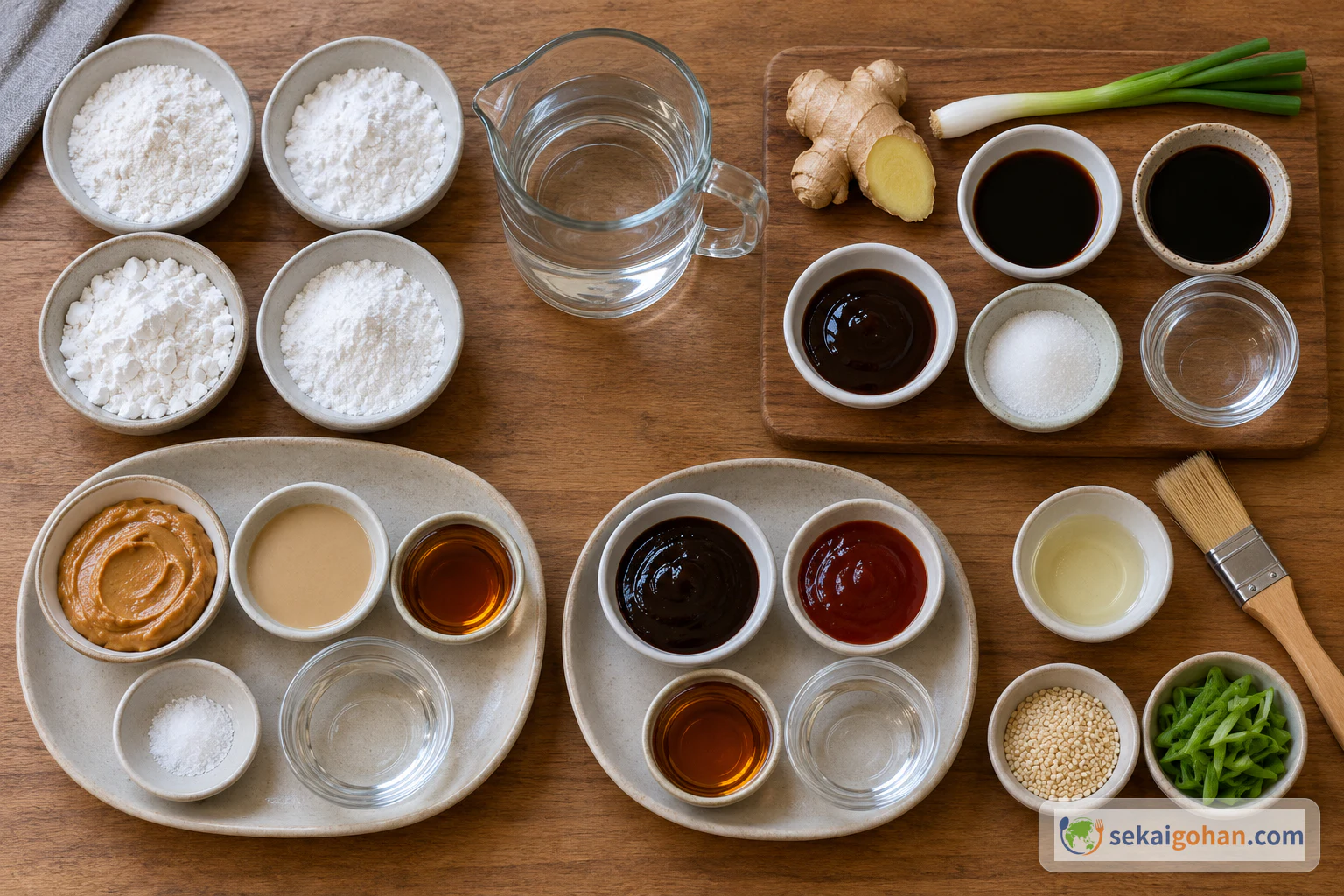
Use Australian measures: 1 tsp = 5 ml, 1 tbsp = 20 ml, 1 cup = 250 ml. Soy sauce is given as both ¼ cup and 60 ml.
These sauces contain peanut, sesame and soy. None of the four batter powders is wheat. Soy sauce, hoisin sauce and char siu sauce vary by product, so check each label for allergens. Regular oyster sauce contains oysters, so this recipe calls for the vegetarian mushroom version. Because hoisin and char siu sauces vary, this recipe can't be called vegan as a whole.
Choosing Starches and Sauces for Cheung Fun
The batter calls for four separate powders. Look for each one by name at an Asian grocery or a baking-supply shop:
- Rice flour: regular rice flour. Glutinous (sweet) rice flour is a different product.
- Corn starch: starch made from corn.
- Tapioca starch: starch made from cassava.
- Mung bean starch: the starch itself, as opposed to mung bean flour.
The ginger soy infusion uses vegetarian mushroom oyster sauce and dark mushroom soy sauce. If you swap in another dark soy sauce, make a note of the change.
Equipment
- Large bowl and whisk
- Small saucepan
- Fine sieve or strainer
- Two small bowls for the sesame peanut and sticky sweet sauces
- Large pot or wok with a steamer and lid
- A flat, shallow tray or plate that fits inside the steamer
- ¼-cup measure
- Spatula
- Knife and cutting board
Method: Thin Sheets, One Tray at a Time
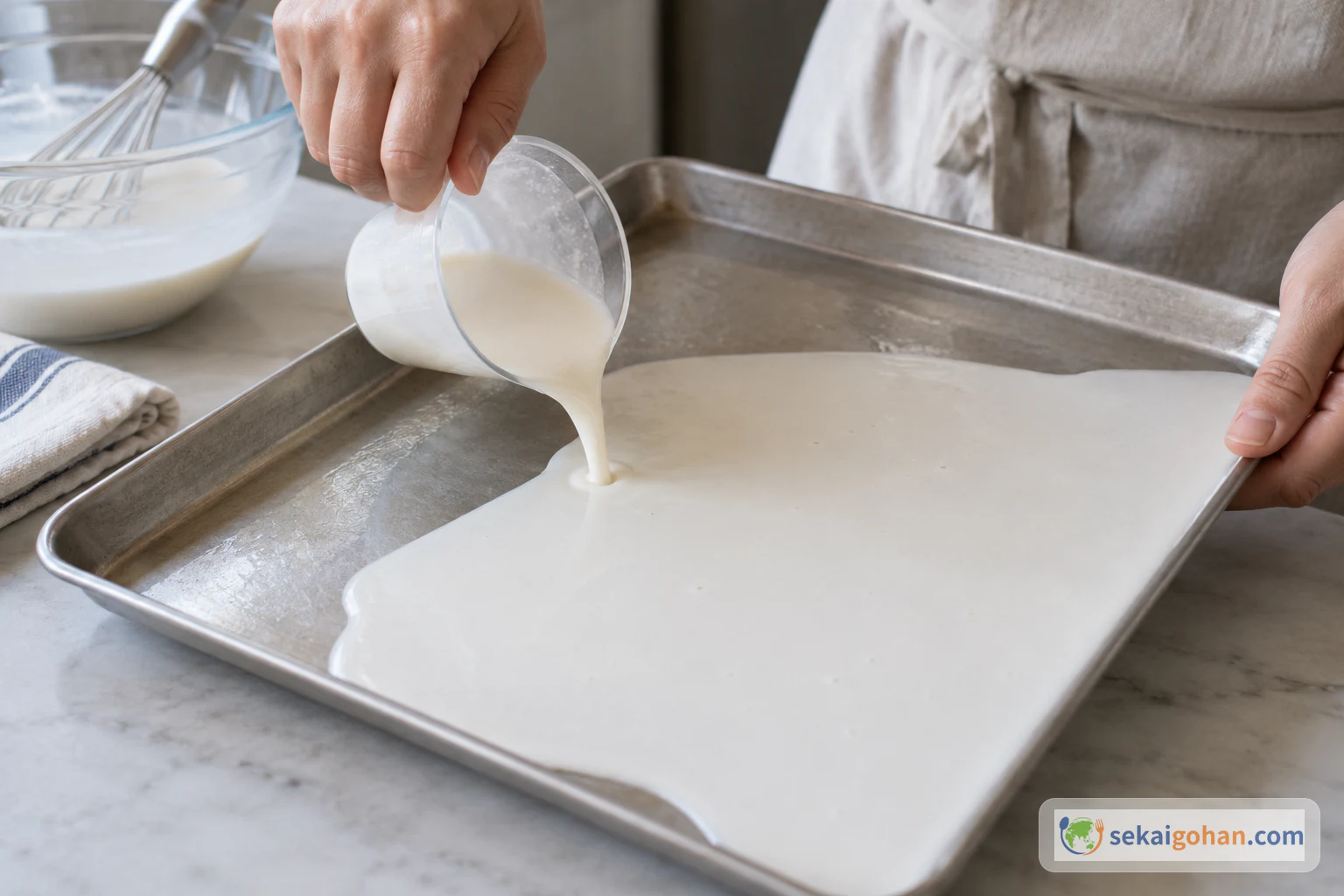
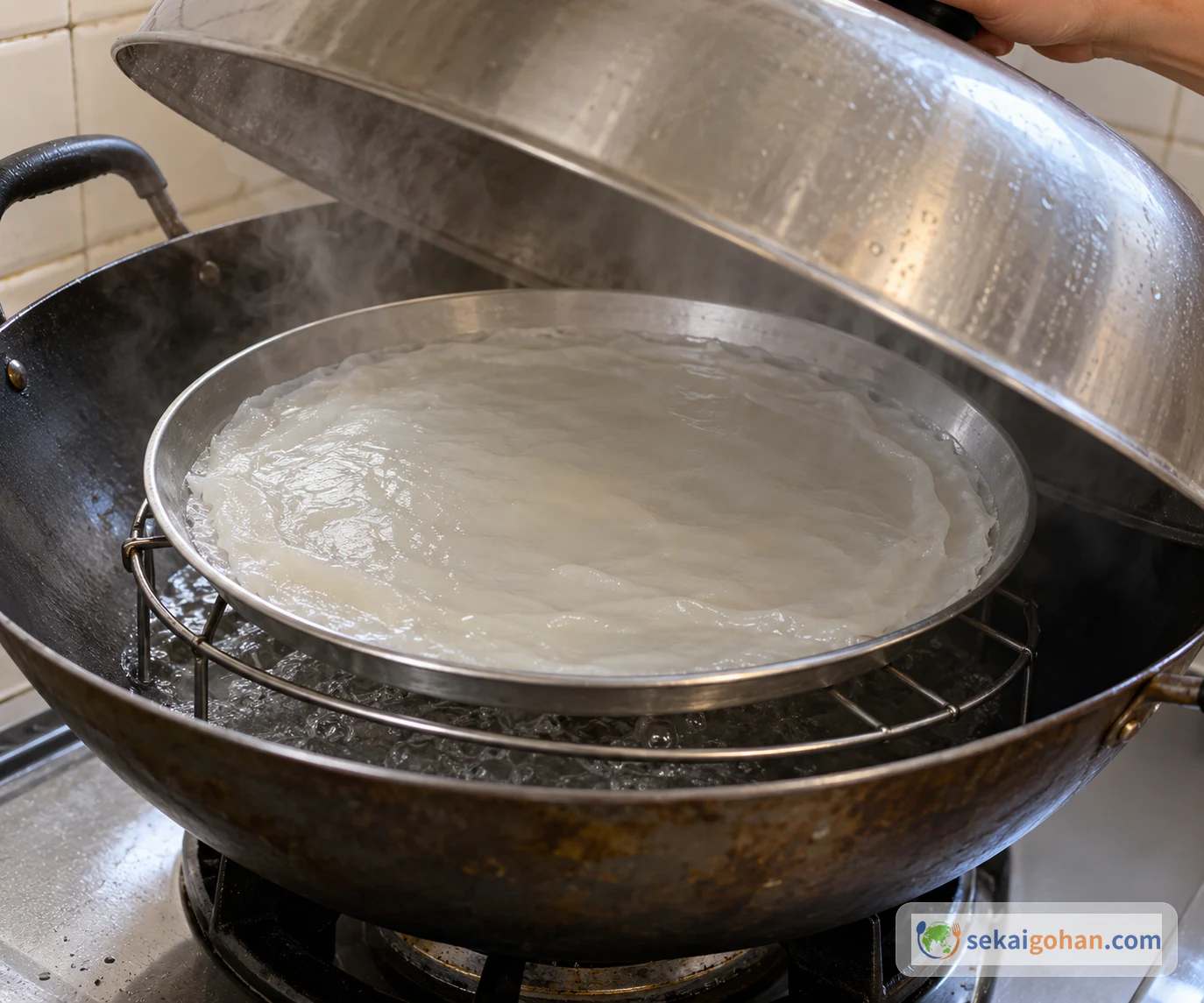
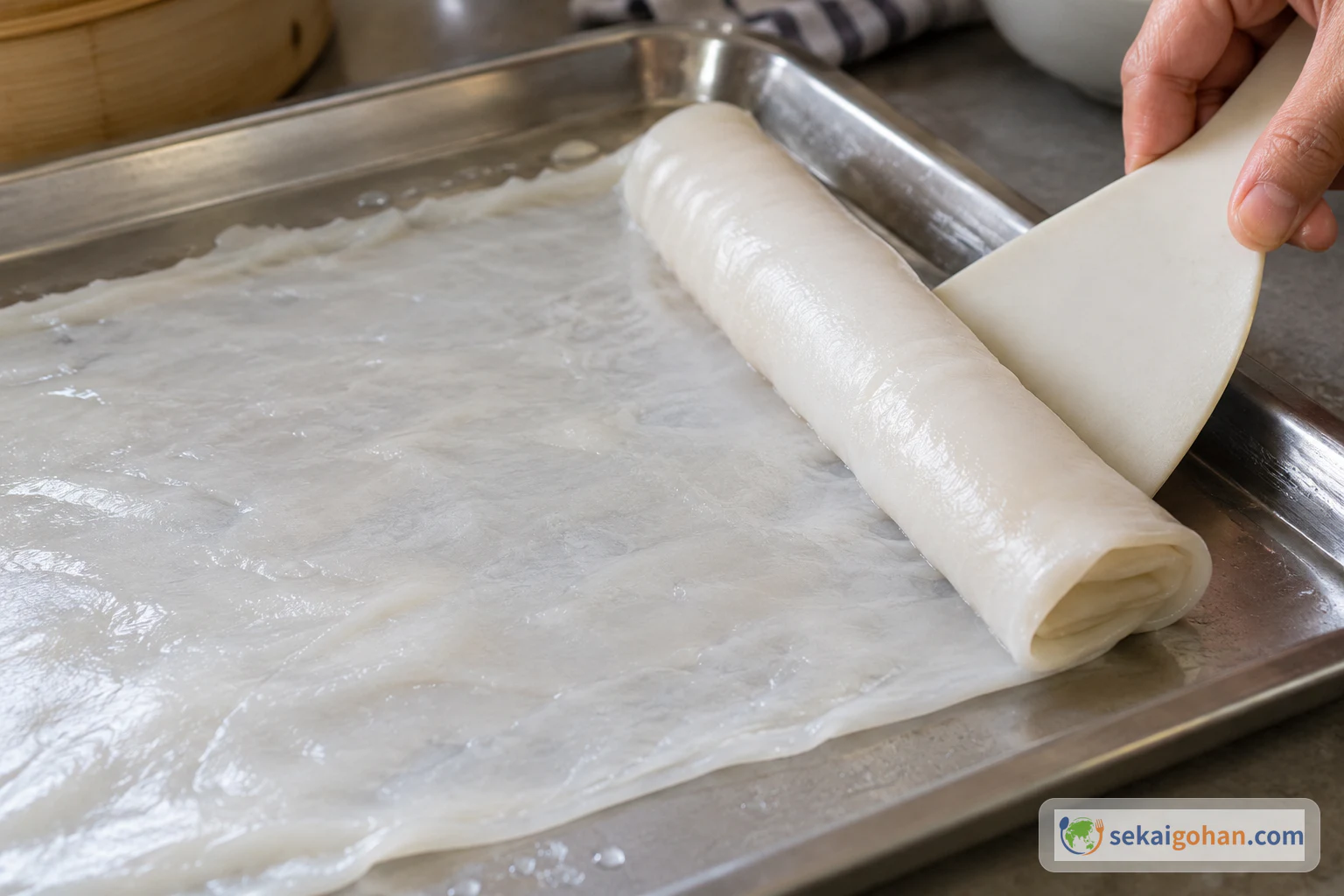
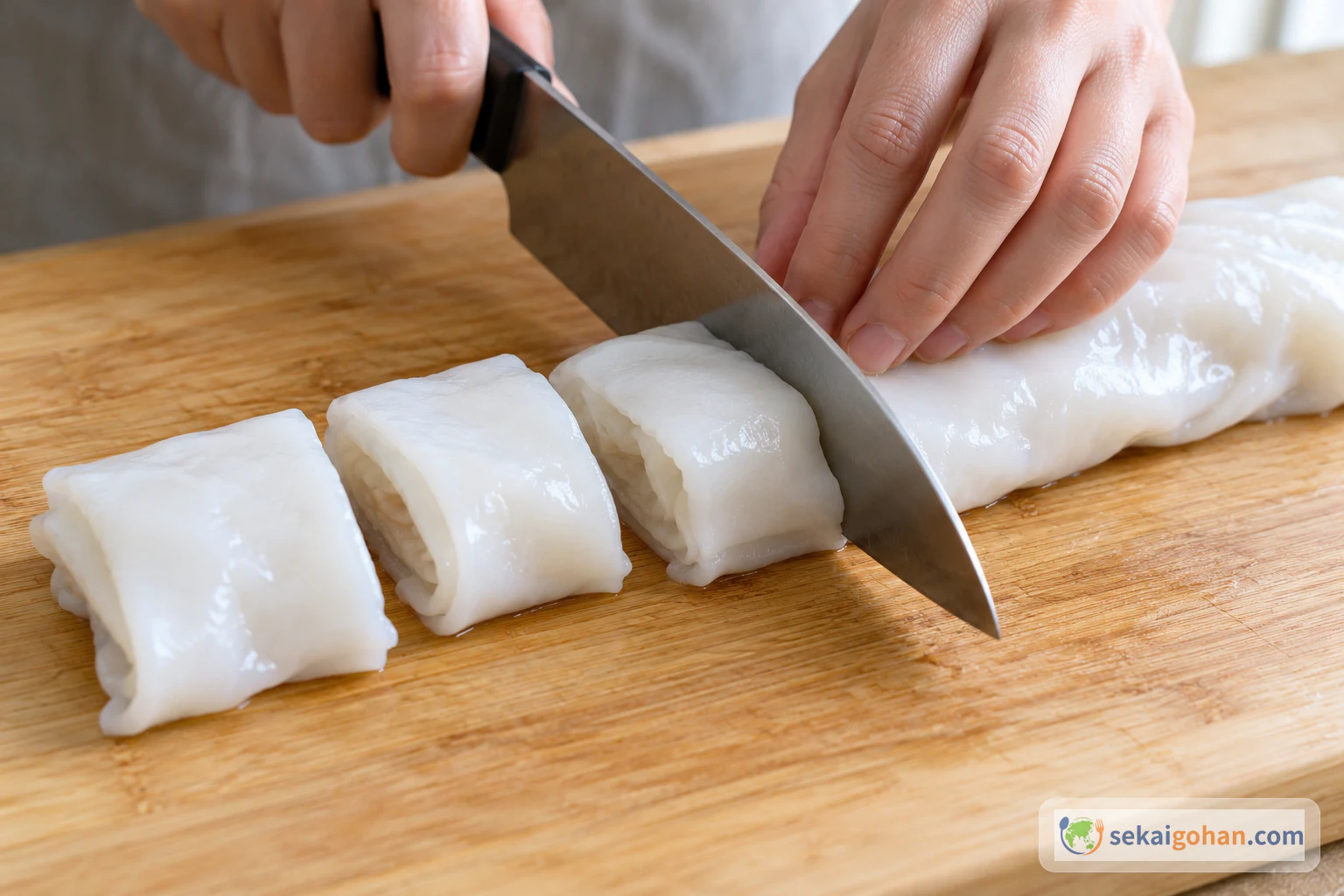
Make the batter first so it can rest for at least 30 minutes, and use that time to make the sauces. Then steam one sheet at a time, rolling and slicing each before you start the next.
Cheung Fun Troubleshooting
Most problems come down to how the batter is mixed and how each sheet is poured and steamed.
| What you see | What to check | What to do |
|---|---|---|
| Lumps in the batter | Whether the water went in too quickly | Add the water gradually while stirring, and keep mixing until smooth |
| Sheets come out uneven from one tray to the next | Whether the batter was stirred before each portion | Stir the batter well every time, right before pouring onto the tray |
| The sheet is still opaque or not set | Steaming time and whether the steamer was covered | Keep it covered and steam until the sheet is translucent and fully cooked, about 3–4 minutes per sheet |
| The sheet is thick in places | Portion size and spreading | Use about ¼ cup per sheet and tilt the tray so it spreads into a thin, even layer |
| The sheet sticks or tears when lifted | Tray greasing and handling | Lightly grease the tray, let the sheet cool slightly, and lift it gently with a spatula |
Serving and Variations
Arrange the sliced rolls on a plate and drizzle over the sauce of your choice, or set the sauces on the side so everyone can pick their own. A small plate with only the ginger soy infusion is every bit as good as one with all three. If you like, finish with sesame seeds and sliced spring onion greens.
For something closer to the dim sum restaurant version, the rolls can be filled with shrimp, barbecue pork or beef and drizzled with sweet soy sauce. For the pork, see char siu.
Frequently Asked Questions
Can I use potato starch instead of corn starch?
Potato starch is a different product from corn starch. Swap one of the four powders and you end up with a different batter, so buy each one by name to make it as written.
Is this recipe vegan?
It can't be called vegan as a whole. The ginger soy infusion uses vegetarian mushroom oyster sauce, but hoisin and char siu sauces vary by product. The sauces also contain peanut, sesame and soy, so check every label.