Mentai-France: Japanese Mentaiko Mayo French Bread (明太フランス)

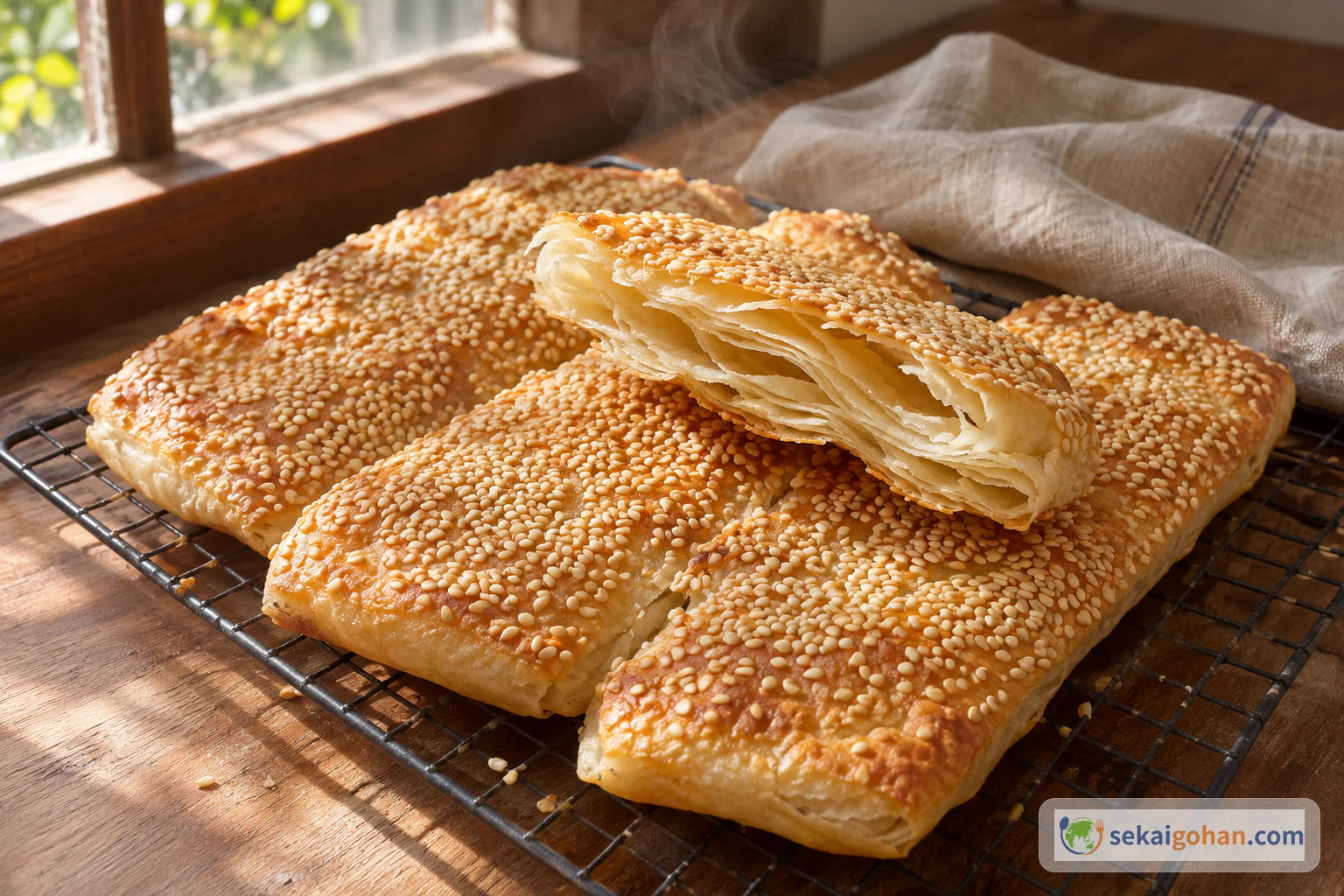
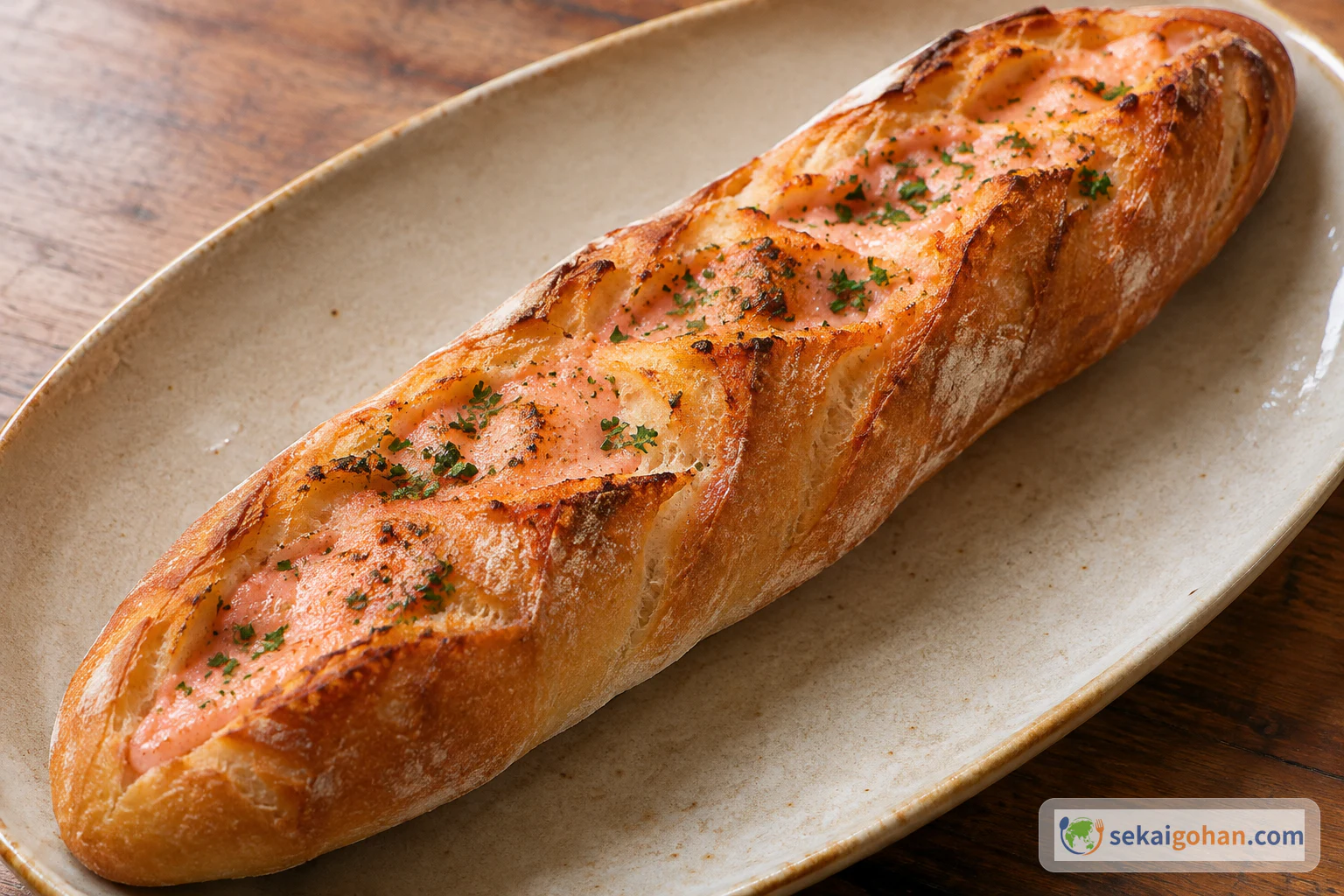
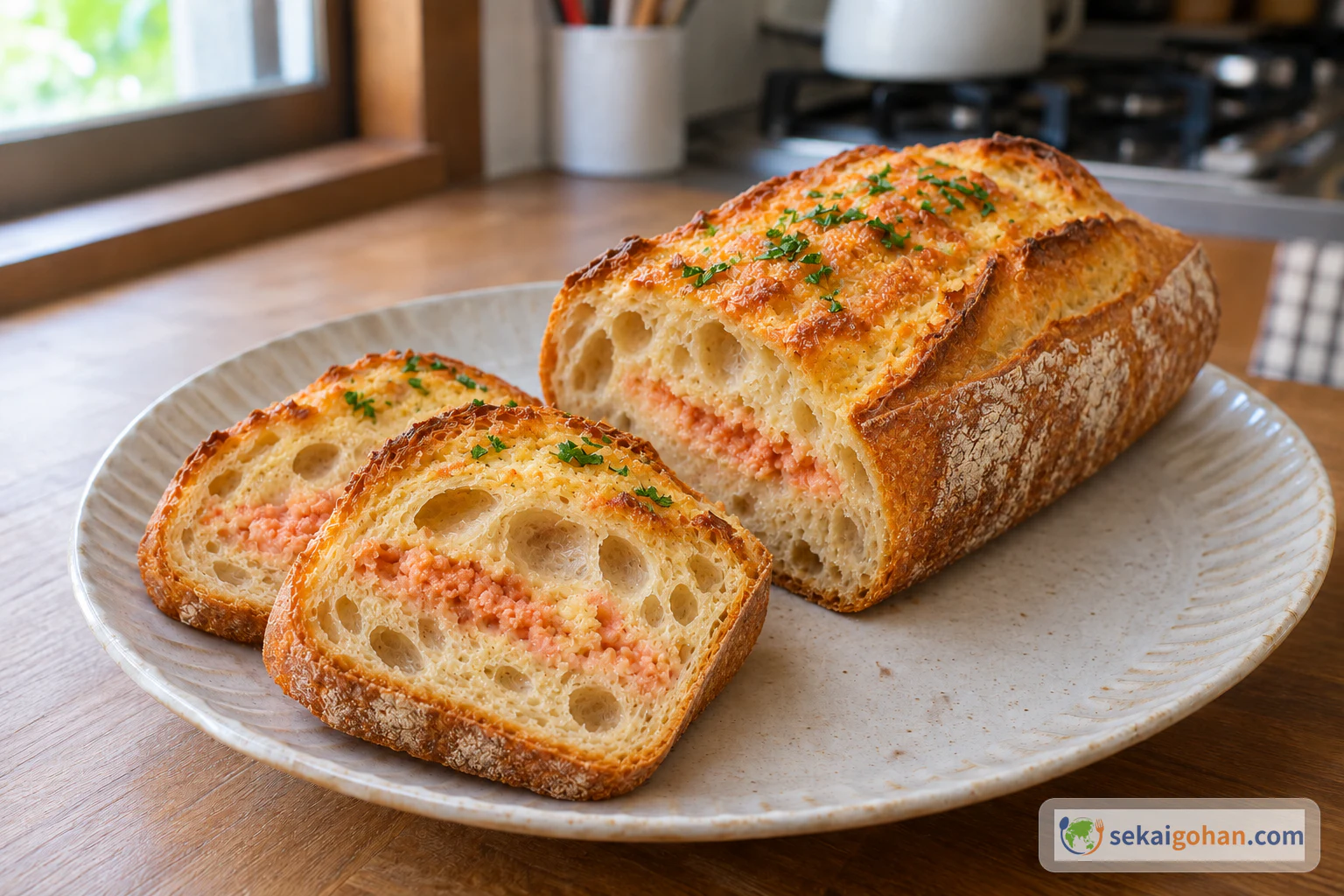
A baked mentai-France loaf with mentaiko sauce and golden-brown color visible.
Serves
1 French loaf
Cuisine
Japanese

How to make mentai-France (明太フランス), the Fukuoka-linked French bread baked with a mentaiko mayonnaise sauce. A home-style version with a lengthwise slit, butter inside, sauce both inside and on top, and a bake at 180°C until browned, plus the background of karashi mentaiko and how to choose the bread.

Cooking flow

Cooking steps

STEP11 / 10

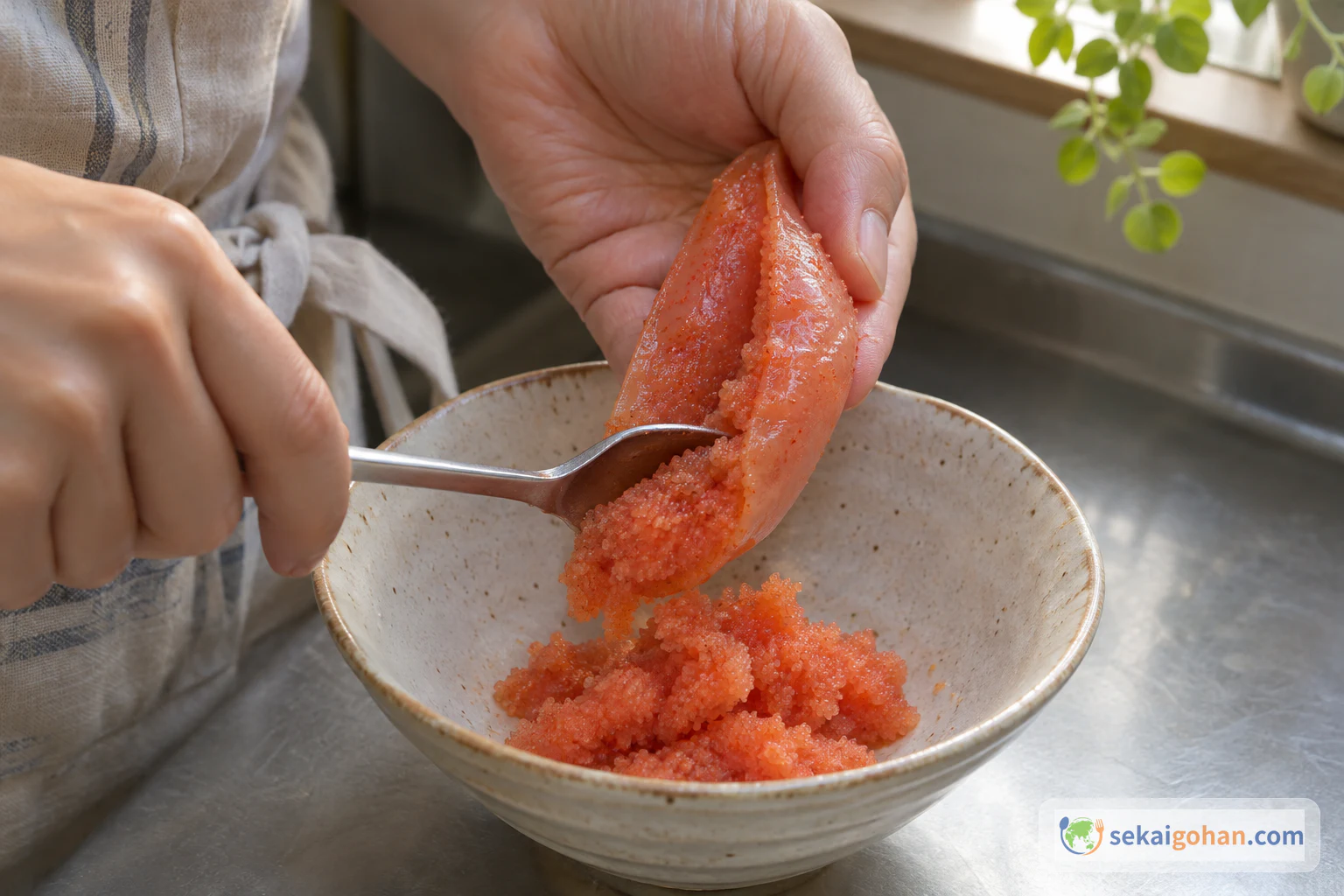
Take the roe out of the mentaiko

Scraping the roe out of the mentaiko
Scrape the roe out of its already-slit membrane into the bowl

Make a slit along the mentaiko's thin membrane and scrape the roe out into a bowl with a spoon. Discard the membrane.

STEP22 / 10

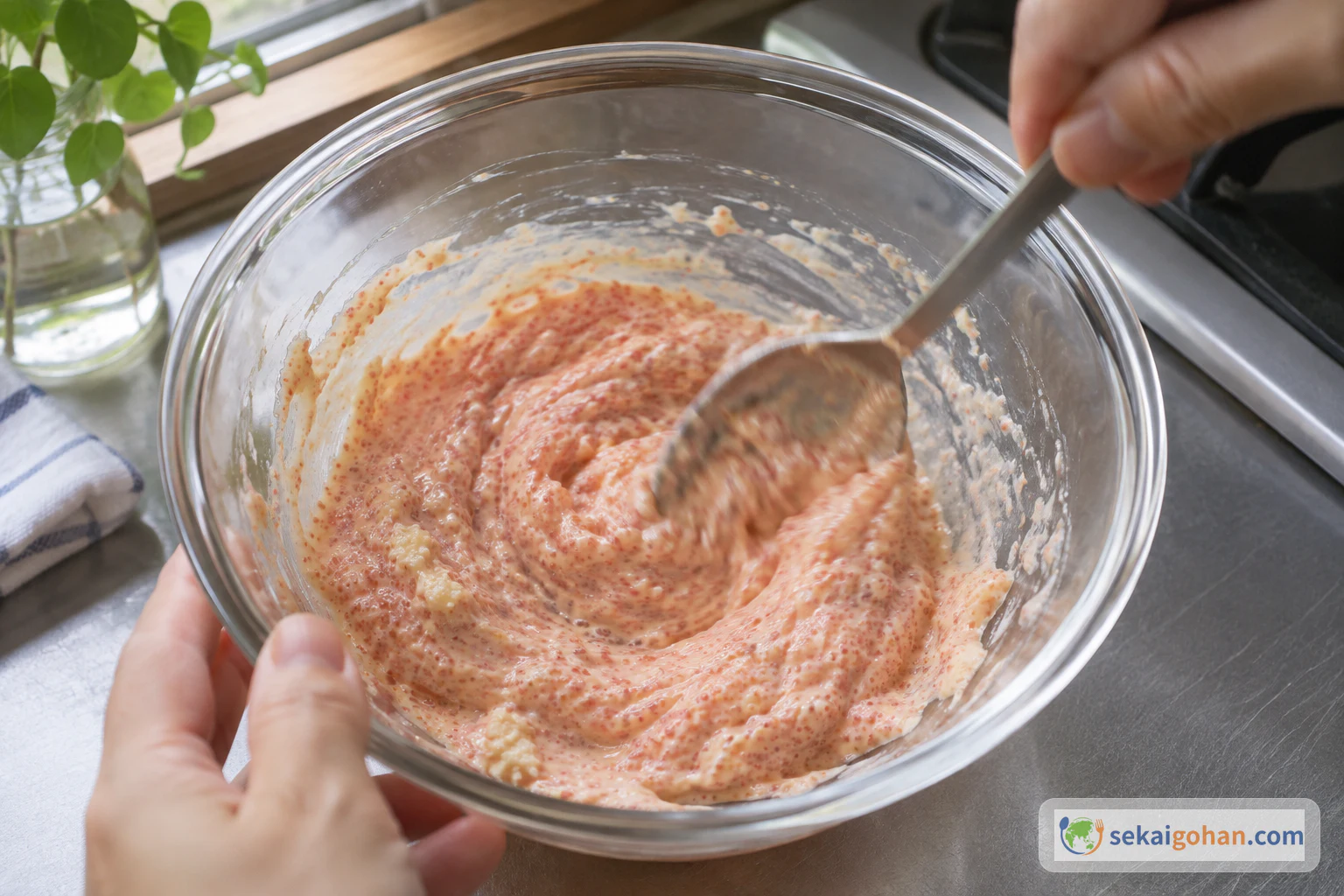
Mix the mentaiko sauce

Stirring the mentaiko sauce
Mentaiko, mayonnaise, powdered cheese and garlic mixed into one sauce

Add 3 tbsp mayonnaise, 1 tbsp powdered cheese and 1/2 tsp grated garlic to the roe and stir until evenly combined. Do not add the butter.

STEP33 / 10

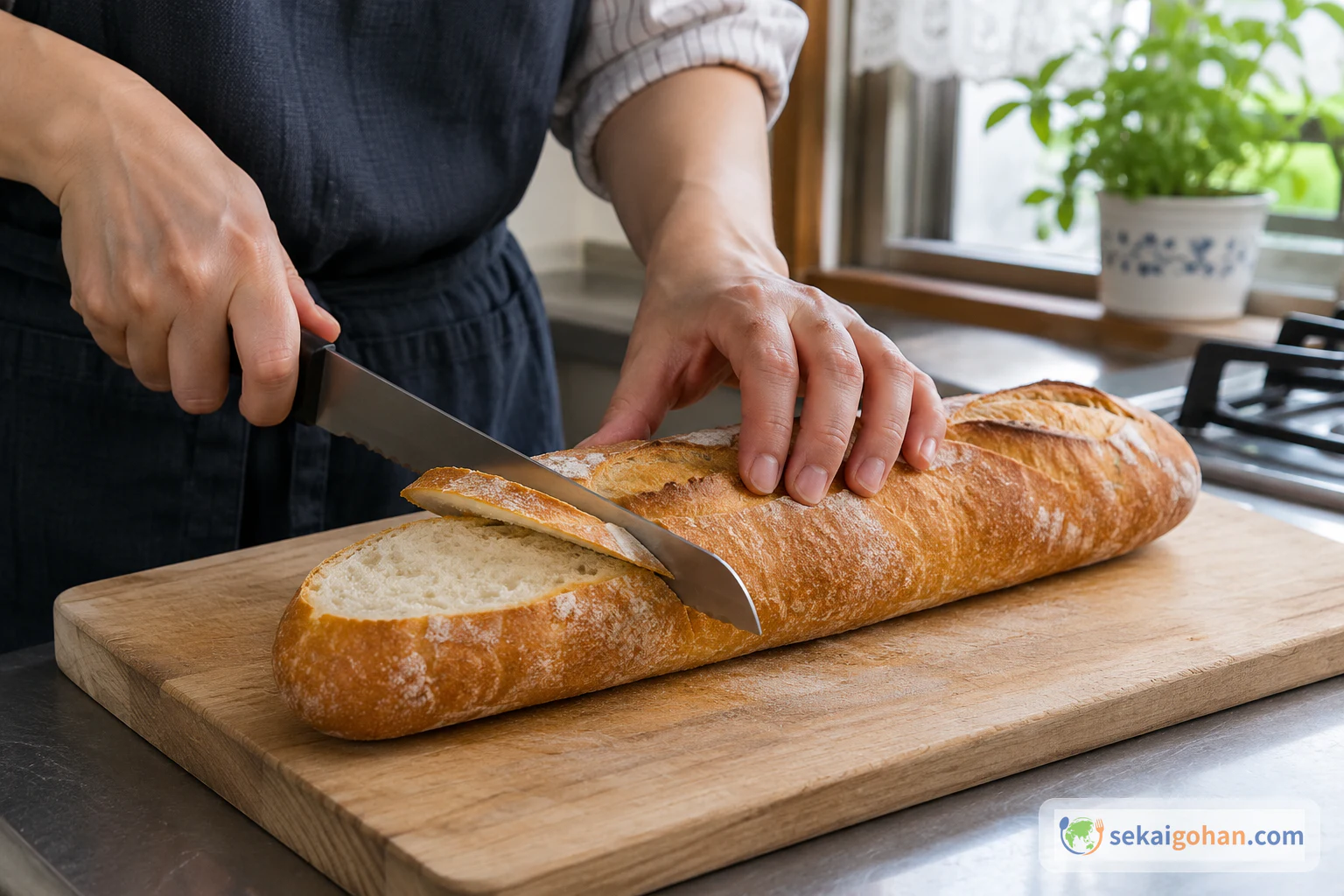
Trim a thin slice from the top of the loaf

Cutting a thin slice from the top of the bread
Shave just a thin layer off the top

Lay the French loaf on the cutting board and cut a thin slice off the top.

STEP44 / 10

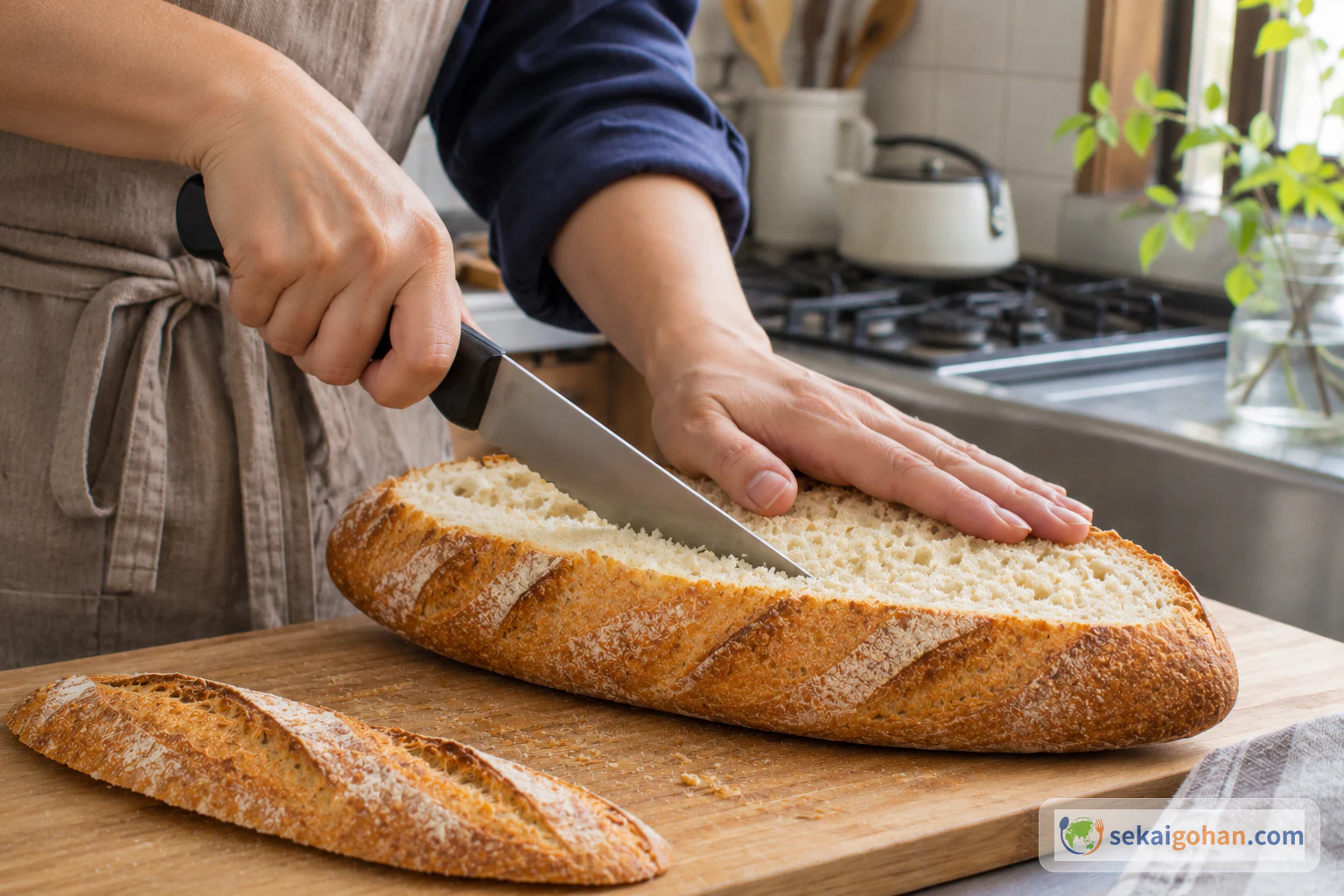
Cut a slit along the length

Cutting a lengthwise slit into the bread
The slit goes about halfway down, leaving the bottom intact

On the trimmed top, cut a lengthwise slit about halfway down into the loaf. Do not cut through the bottom.

STEP55 / 10

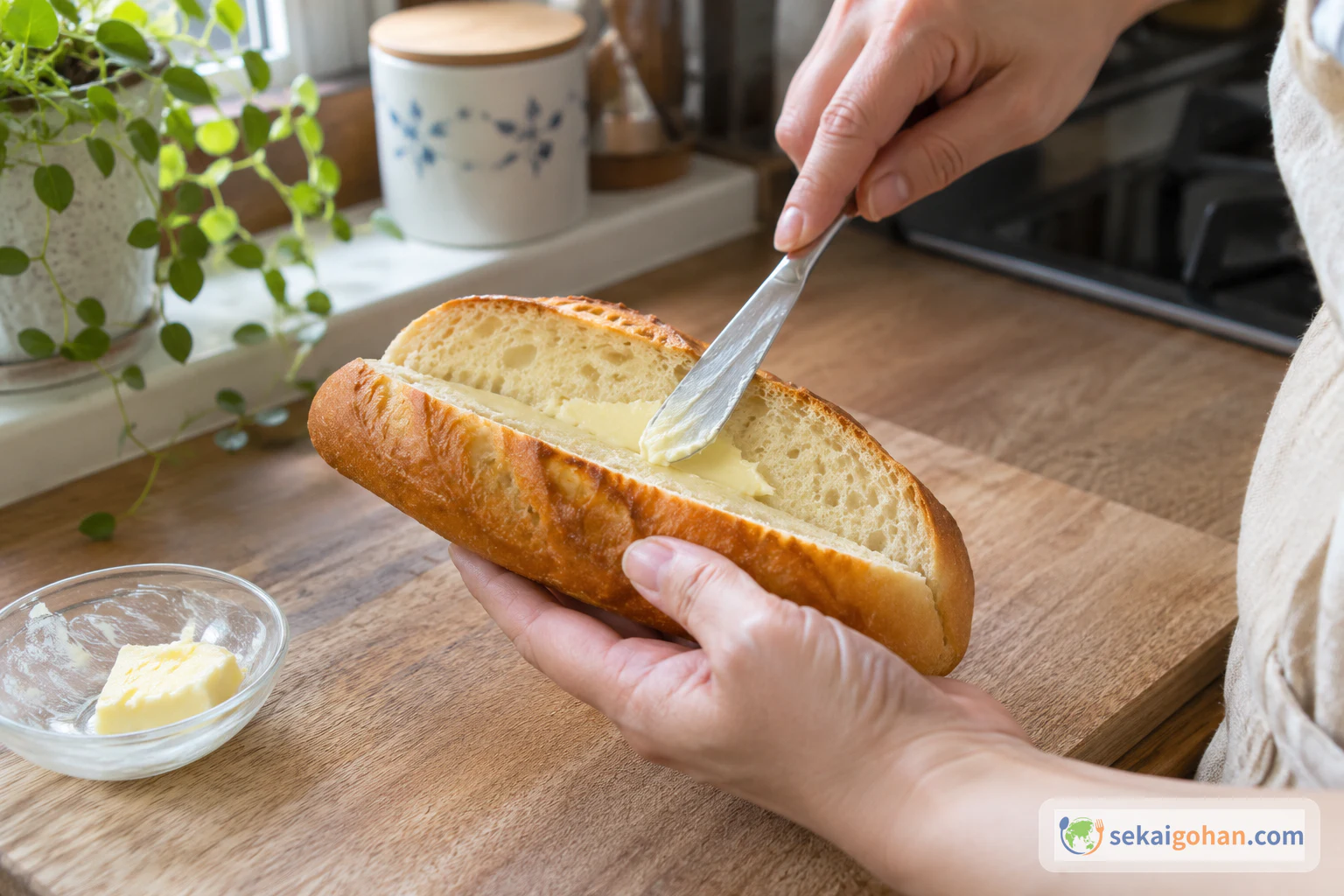
Spread the butter inside the cut

Spreading butter inside the slit
Butter goes only into the cut

Spread 5g salted butter thinly inside the slit.

STEP66 / 10

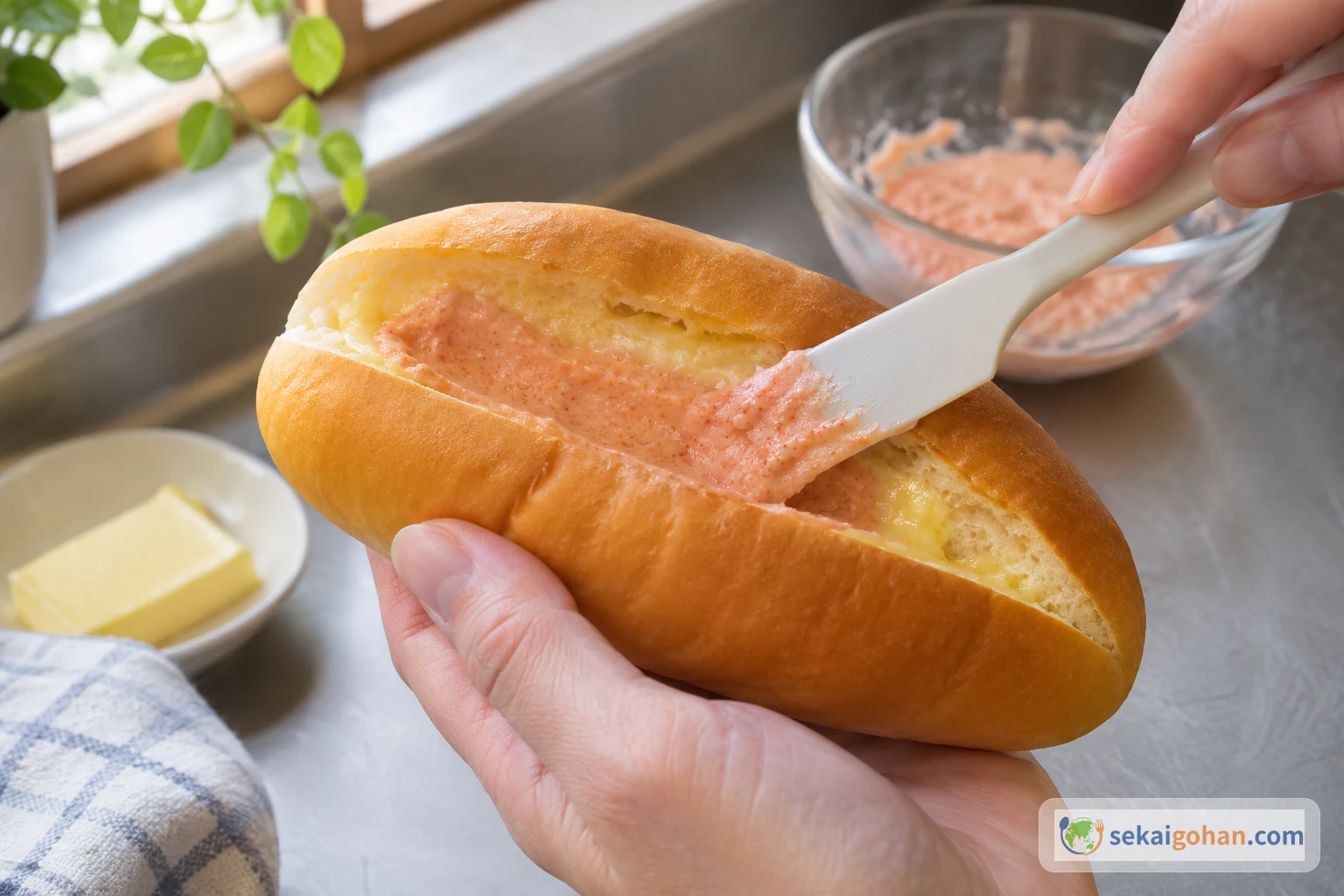
Spread mentaiko sauce inside the cut

Spreading mentaiko sauce inside the slit
A thin layer of sauce inside the buttered cut

Spread some of the mentaiko sauce thinly inside the buttered slit. Keep the rest for the top.

STEP77 / 10

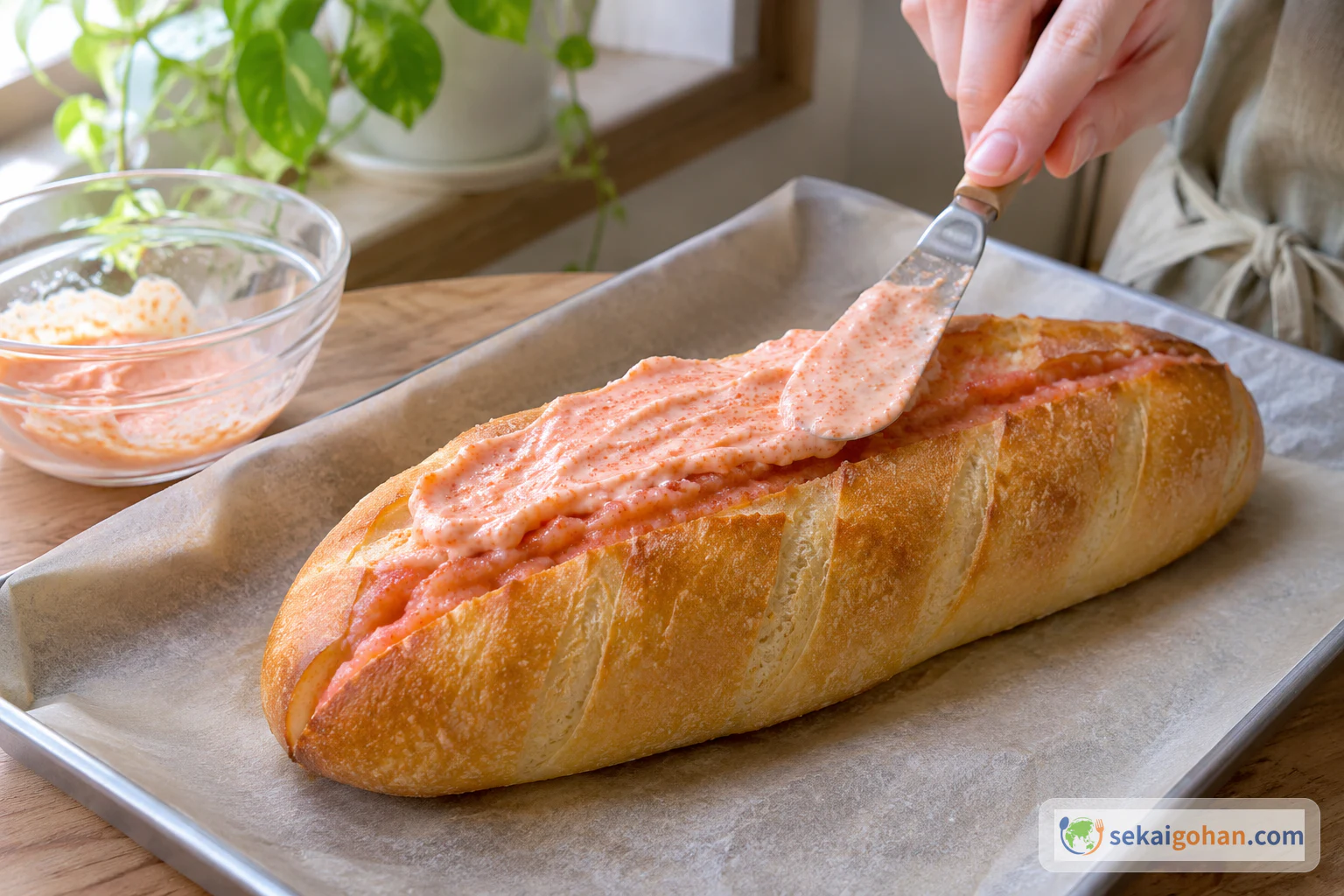
Spread the remaining sauce over the top

Spreading the remaining sauce over the top of the bread
The rest of the sauce covers the top

Spread the remaining mentaiko sauce over the surface of the loaf.

STEP88 / 10

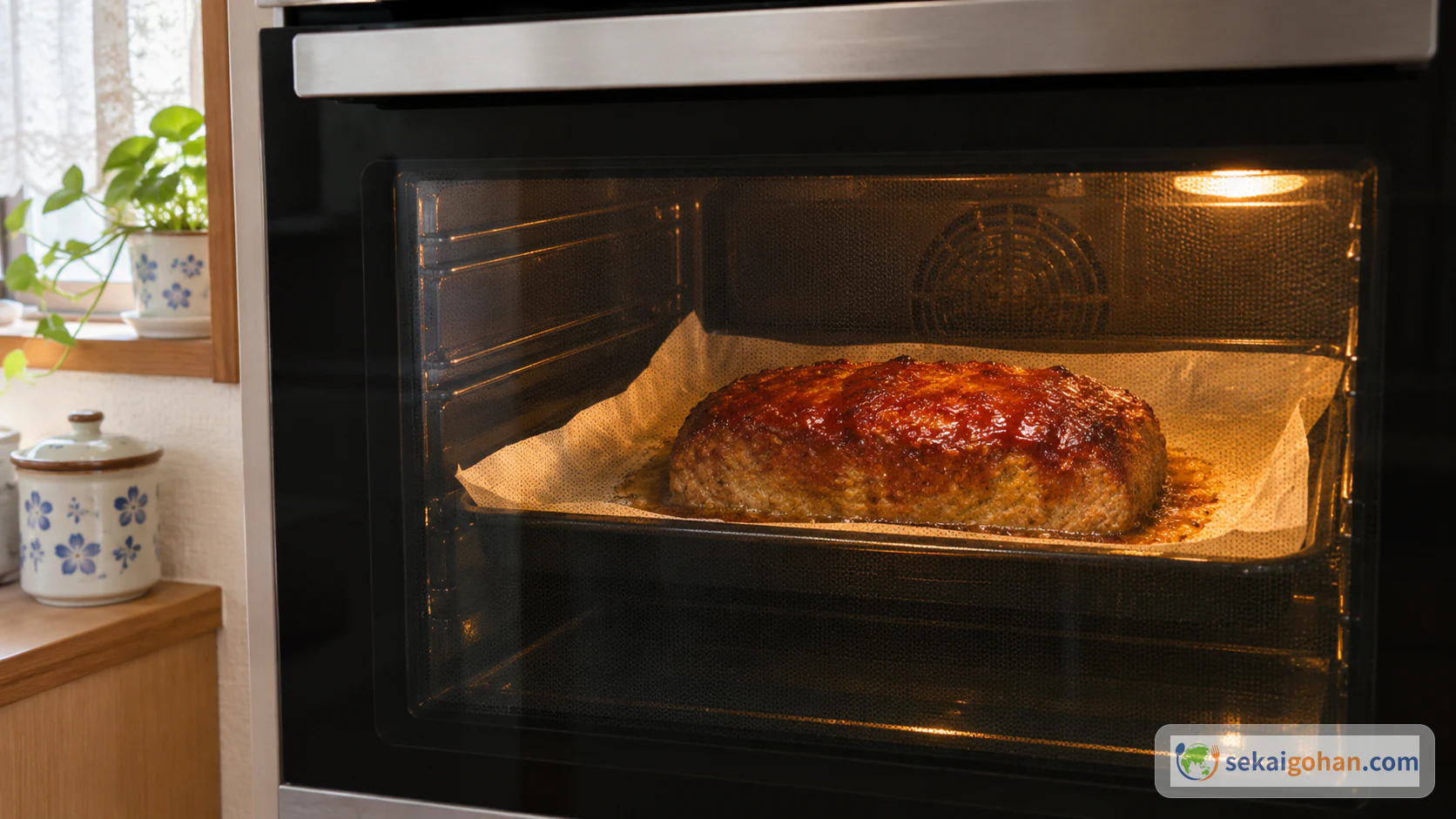
Bake at 350°F (180°C) until browned

The mentai-France baking in the oven
Bake until the sauce on top takes on color

Place the loaf on a baking tray lined with parchment paper and bake in a 350°F (180°C) oven for about 10 minutes, until the surface is browned.

STEP99 / 10

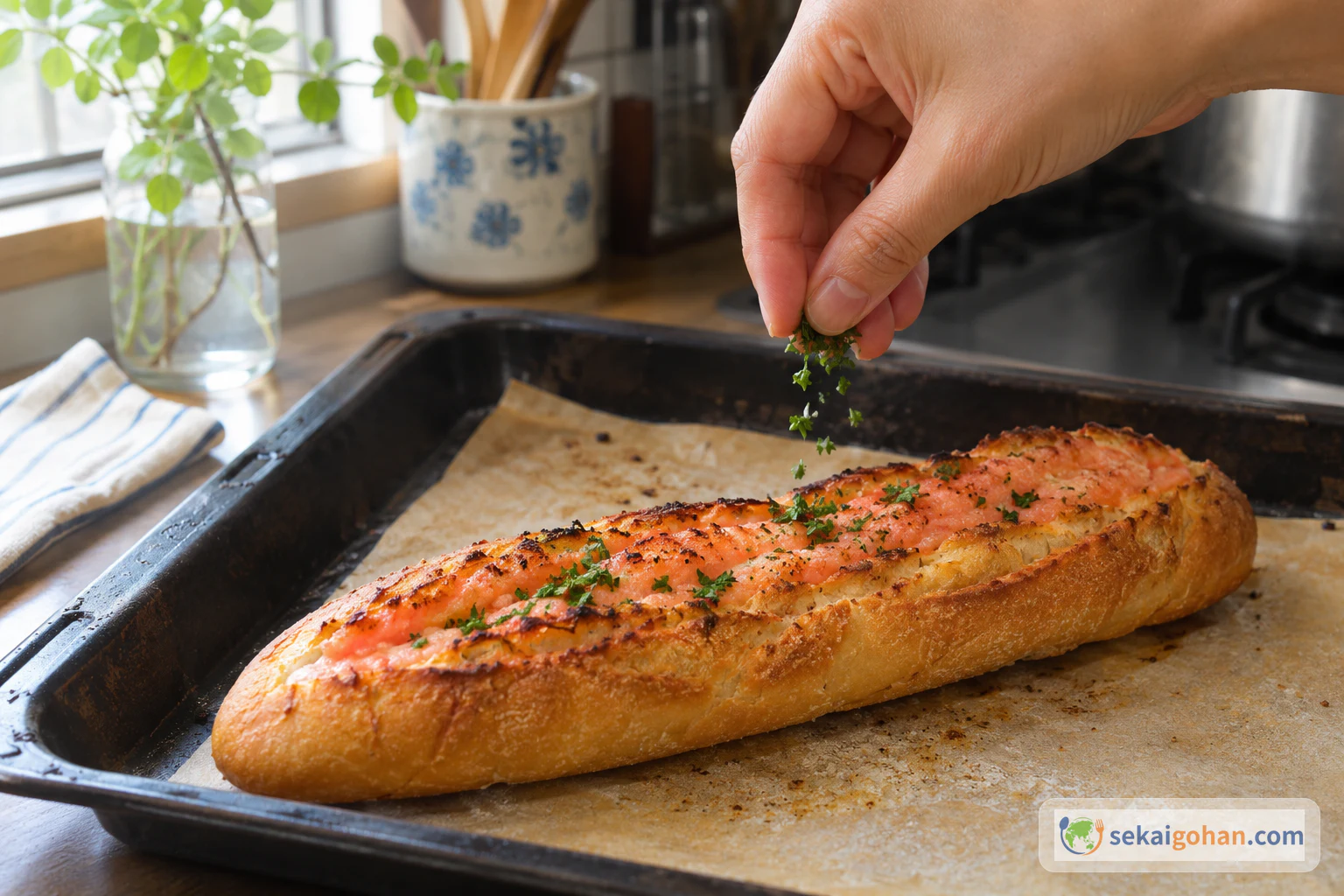
Scatter parsley after baking

Scattering parsley over the baked bread
Parsley goes on only after baking

Take the bread out of the oven and scatter chopped parsley over it.

STEP1010 / 10

Cut and serve

Mentai-France cut into pieces and served
Cut as much as you need; the filling shows in every piece

Cut the baked bread into pieces to suit how much you will eat, and serve.

0 / 0
Ingredients

Ingredients

1 / 1

Ingredients

Ingredient Amount Role
French bread (フランスパン) 1 loaf The base. Top trimmed and slit lengthwise
Mentaiko (明太子) 1 piece (1.75 oz (50 g)) The main flavor of the sauce. Use the roe only, without the membrane
Mayonnaise 3 tbsp The base of the mentaiko sauce
Powdered cheese (粉チーズ) 1 tbsp Mixed into the mentaiko sauce
Grated garlic (おろしにんにく) 1/2 tsp Mixed into the mentaiko sauce
Salted butter 5g Spread thinly inside the cut only. Not mixed into the sauce
Parsley, chopped as needed Scattered over the bread after baking
0 / 0

A whole French loaf, its top shaved off and a deep cut running along its length, with pale orange sauce flecked with tiny grains of roe pressed into the opening and spread across the crust, then baked until the surface turns golden. That is mentai-France (明太フランス), a savory bread that pairs mentaiko with French bread and is closely tied in Japan to Fukuoka and its mentaiko culture. The sauce is simple. What matters is the spreading: get it into the slit as well as over the top, keep the butter inside the cut, and bake until the top takes on color. If you want to keep exploring the table this bread comes from, browse more Japanese dishes.

Mentai-France and Fukuoka Mentaiko

Karashi mentaiko (辛子明太子) is walleye pollock roe marinated in a seasoning liquid with chili pepper. The food is also linked to the roe-processing culture of the Korean Peninsula, and the word mentai comes from myeongtae (명태), the Korean name for pollock.

Pairing that roe with bread is one of the ways the flavor has spread beyond rice. In Fukuoka, bakeries make their own versions of mentai-France, usually a baguette spread with mentaiko butter or cream and baked, and each shop adds its own twist to the filling. The bread is often traced to a Fukuoka bakery called フルフル (Furu Furu), though the shop and year are not confirmed.

This home version takes a different route from the butter-based shop style. Mentaiko is mixed with mayonnaise, powdered cheese and grated garlic, and that sauce goes into the slit and over the top. A small amount of salted butter is brushed separately, only into the cut.

Ingredients for One French Loaf
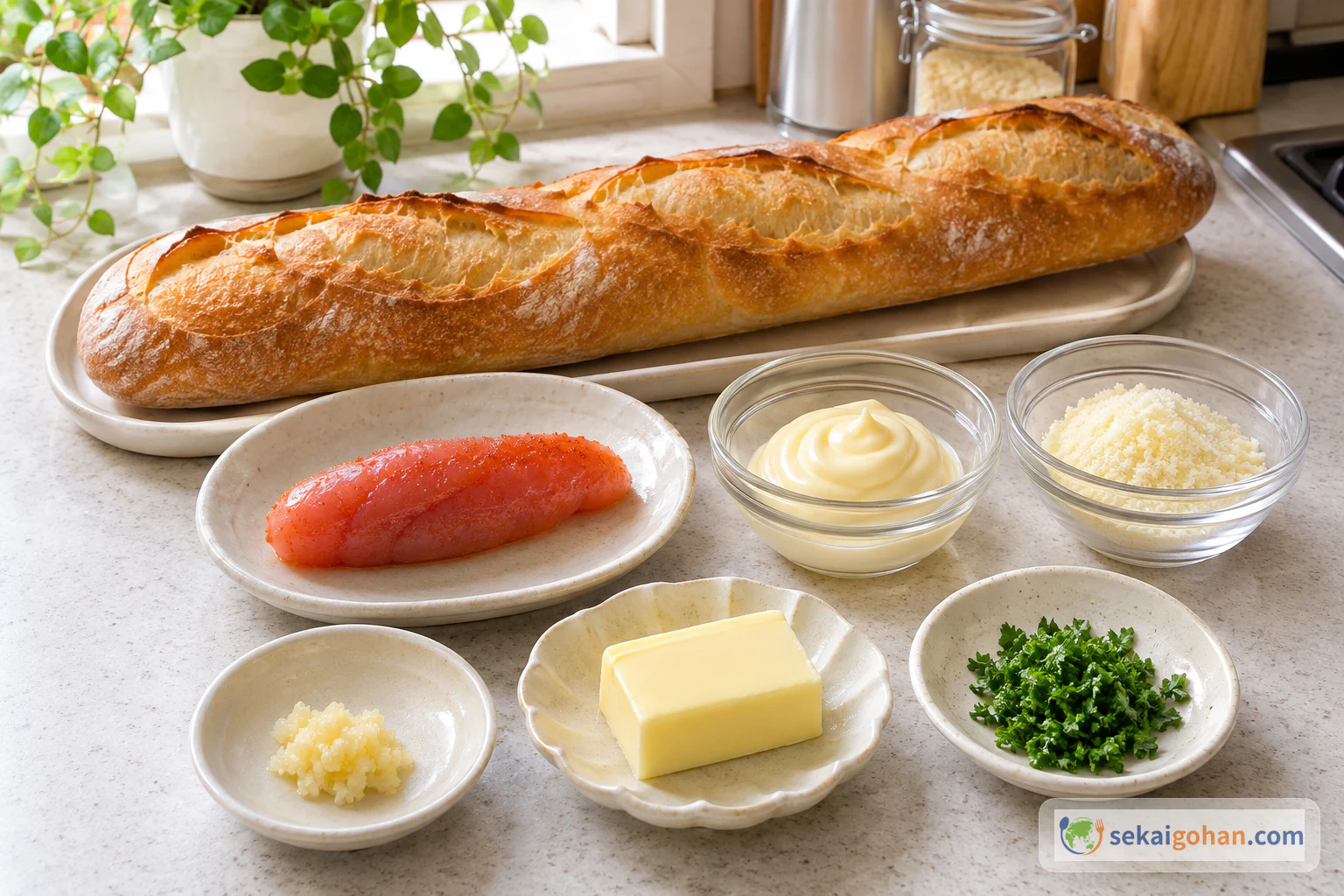
Ingredients for mentai-France: bread, mentaiko, mayonnaise, powdered cheese, garlic, butter and parsley
One loaf, one piece of mentaiko, and a handful of pantry staples

Equipment

  • Bowl
  • Knife (a bread knife makes the cuts easier)
  • Cutting board
  • Spoon or small spatula
  • Baking tray
  • Parchment paper (baking paper)
  • Oven

Choosing Bread and Mentaiko for Mentai-France

The bread. Any French loaf works, and a baguette is a natural choice. Its length and weight can vary, so cover the slit and the top with the sauce you have.

The mentaiko. Use ready-to-eat mentaiko sold as a finished food product. Brands differ in heat and saltiness, and that difference shows directly in the finished bread. Keep the mentaiko refrigerated and follow the storage instructions on its label.

Allergens and food safety

This bread contains wheat (bread), egg (mayonnaise), milk (powdered cheese and butter) and fish roe (mentaiko). Check the labels of every product you use, including the mentaiko, for other allergens. Pregnant people, older adults and people with weakened immune function are at higher risk of severe illness from Listeria. Heating is one way to reduce that risk, but browning is not a sign of how hot the filling has become inside. If you are in a higher-risk group, follow your own medical and food-safety guidance.

Method: Sauce, Slit, Spread and Bake

Order matters more than precision

Make the sauce first so it is ready the moment the loaf is cut. Then work from the inside out: butter in the cut, sauce in the cut, remaining sauce on top.

Fixing Common Mentai-France Problems

Ovens and loaves vary, so let the browning of the surface guide you alongside the time.

Problem Likely cause What to do
The sauce has bits of membrane in it The membrane wasn't fully removed when scraping out the roe Pick out any pieces before spreading. Next time, scrape the roe out carefully from the slit membrane
The surface is darkening before the time is up The oven runs hot for this loaf Watch the color toward the end and take it out once browned, rather than chasing a darker color
The top still looks pale at about 10 minutes Ovens and loaf sizes differ Keep watching and take it out when the surface is browned
Not enough sauce for the loaf A longer or thicker loaf than expected Cover the slit and the top thinly rather than adding extra fat or mayonnaise by guesswork
The bread tastes too salty or spicy The mentaiko brand is strong Next time, choose a milder mentaiko
The loaf split in two The slit went through the bottom Keep the cut at about half the depth of the loaf

Serving Mentai-France and Variations

Eat the bread fresh from the oven, while the crust is still crisp and the top golden. Chopped parsley scattered over after baking adds color, though you can leave it off.

The simplest way to change the bread is to swap mentaiko brands, milder or spicier, while keeping the other amounts the same. You can also spread the sauce on sliced bread, which changes the shape and how it takes the heat; the baking time in the method is for a whole loaf, so go by color.

Frequently Asked Questions

Should I mix the butter into the mentaiko sauce?

Not in this version. The 5g salted butter is spread on its own inside the slit, and the mayonnaise-based mentaiko sauce goes on afterward, inside the slit and over the top.

Does browning mean the filling is fully heated?

No. Browning tells you the surface is toasted, not how hot the center of the filling has become. Heating is one way to reduce Listeria risk, but no internal temperature is given here.

How do I store leftovers?

Eat the bread fresh from the oven; there is no storage, freezing or reheating guidance for it. Before cooking, keep the mentaiko refrigerated according to its label.
Sources

  • DELISH KITCHEN (every, Inc.), "定番人気♪ 明太フランスパン" (Popular classic: mentaiko French bread). The ingredients and amounts for one French loaf; mixing the loosened mentaiko with mayonnaise, powdered cheese and grated garlic; trimming the top and cutting a lengthwise slit about half the depth; spreading butter and mentaiko sauce in the slit and the rest on top; baking at 180°C for about 10 minutes until browned and scattering chopped parsley; and the page's listed cooking time of about 15 minutes. https://delishkitchen.tv/recipes/211694000518726036
  • Fukuoka Prefecture Tourist Association (Crossroad Fukuoka), "辛子明太子を楽しむなら福岡県!ランチや体験スポット、お土産を紹介します." Karashi mentaiko as walleye pollock roe marinated in a chili seasoning liquid, its connection to Korean Peninsula roe-processing food culture and the origin of the word mentai, and mentaiko's popularity in Fukuoka. https://www.crossroadfukuoka.jp/feature/mentaiko
  • Mapple Web (Shobunsha), "福岡・博多のおすすめ明太子お土産!定番の辛子明太子から話題の品まで." Background on mentaiko and souvenir culture in Fukuoka and Hakata. https://www.mapple.net/article/213117/
  • Nap Magazine, "福岡の明太フランスおすすめ5選!発祥の名店から手土産人気店まで." Mentai-France introduced as a baguette spread with mentaiko butter or cream and baked, shop-by-shop differences in filling, and the reported account of an origin at フルフル. https://www.nap-camp.com/mag/107872
  • Ministry of Health, Labour and Welfare (Japan), "リステリアによる食中毒" (Food poisoning caused by Listeria). Higher risk of severe illness for pregnant people, older adults and people with weakened immune function, and heating as one preventive measure. https://www.mhlw.go.jp/stf/seisakunitsuite/bunya/0000055260.html