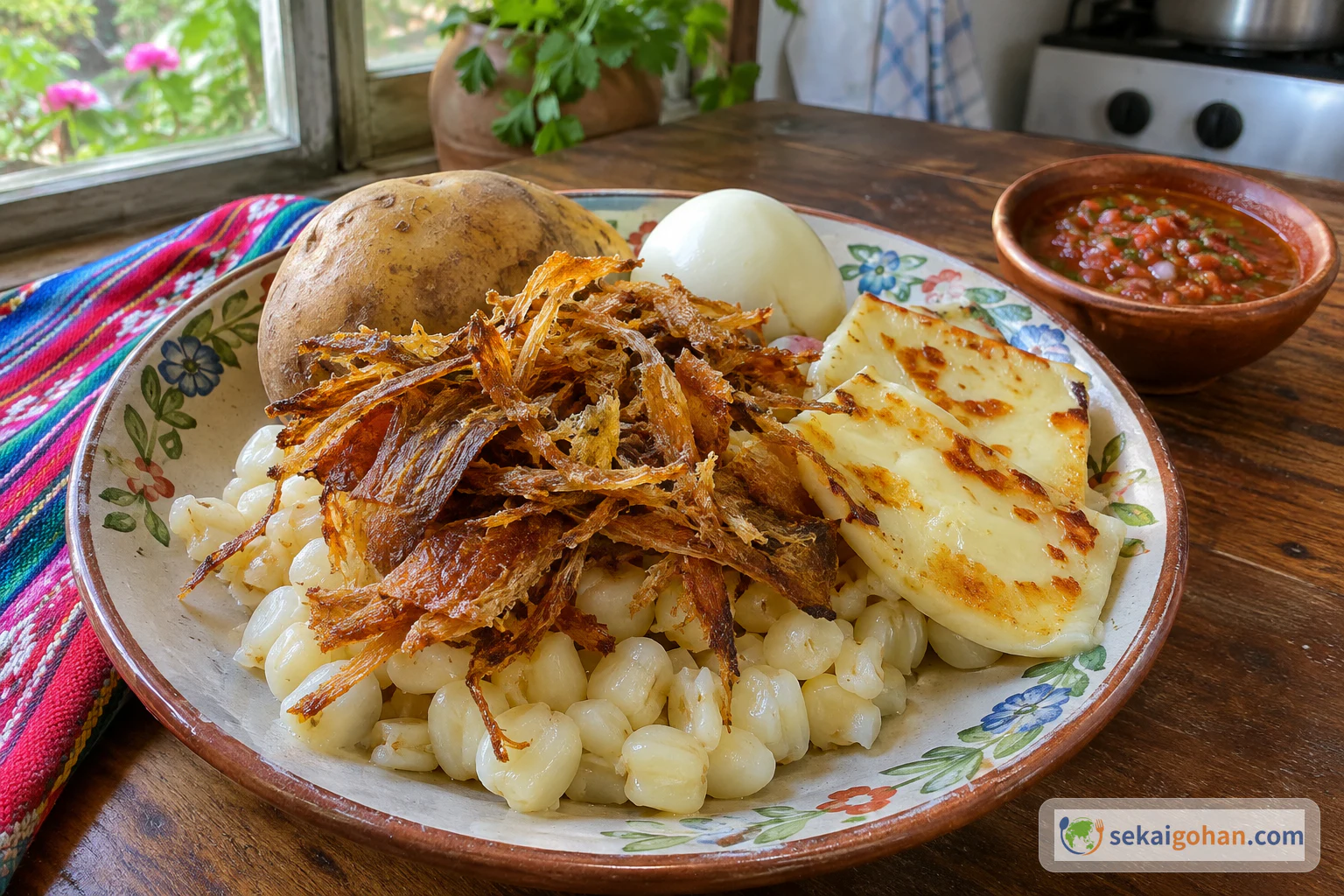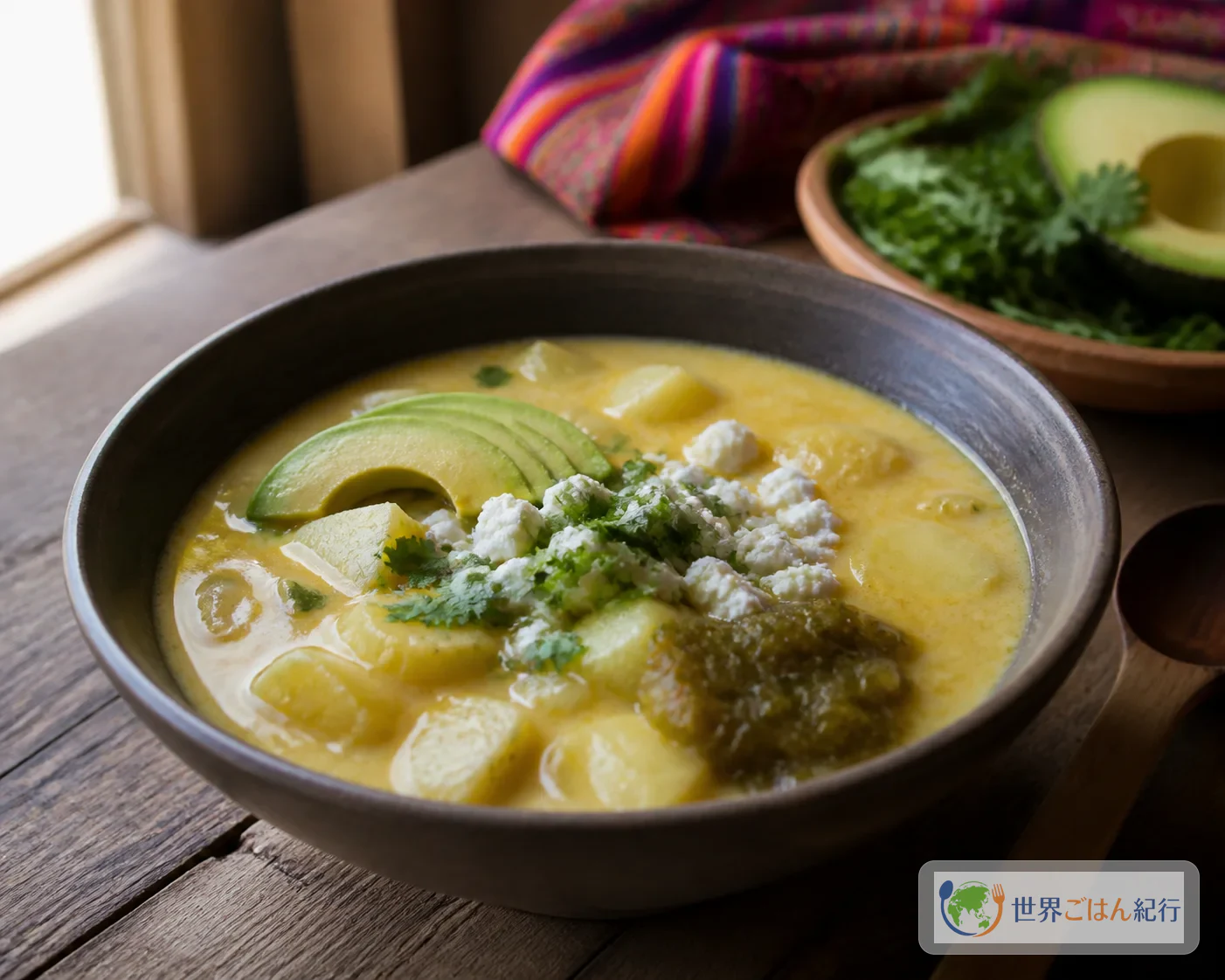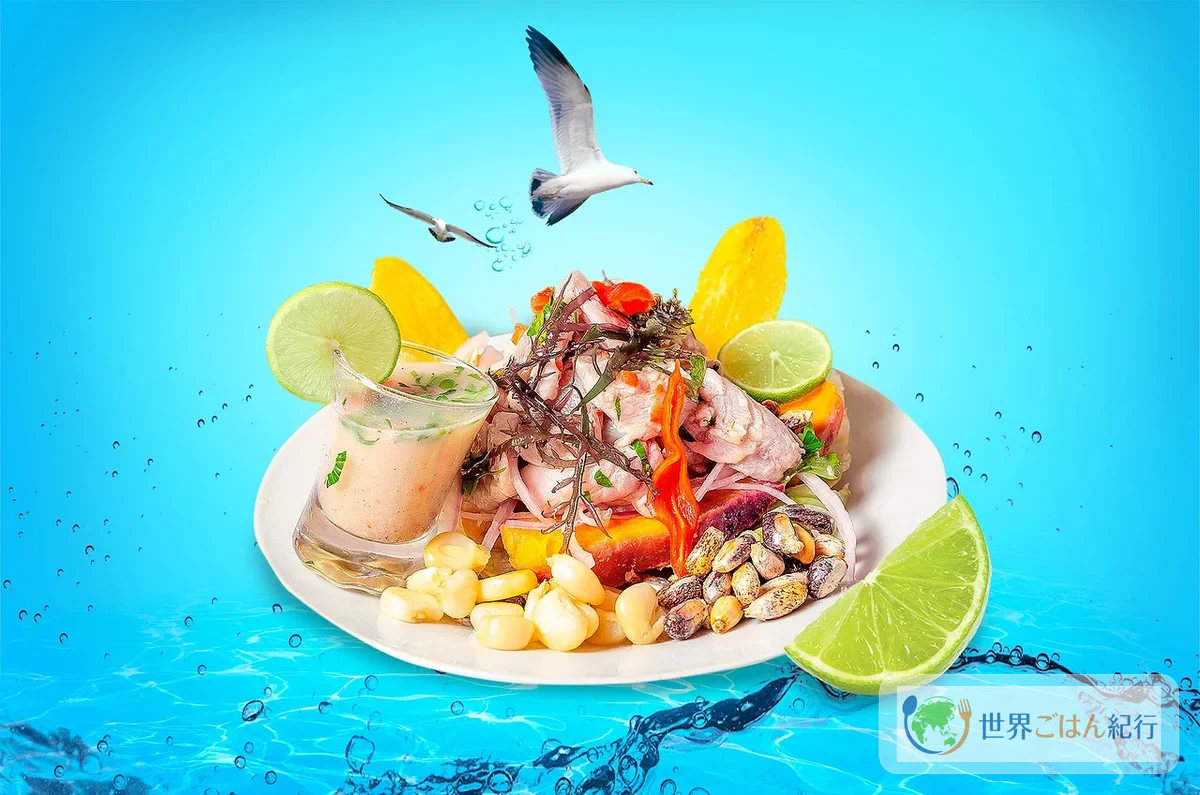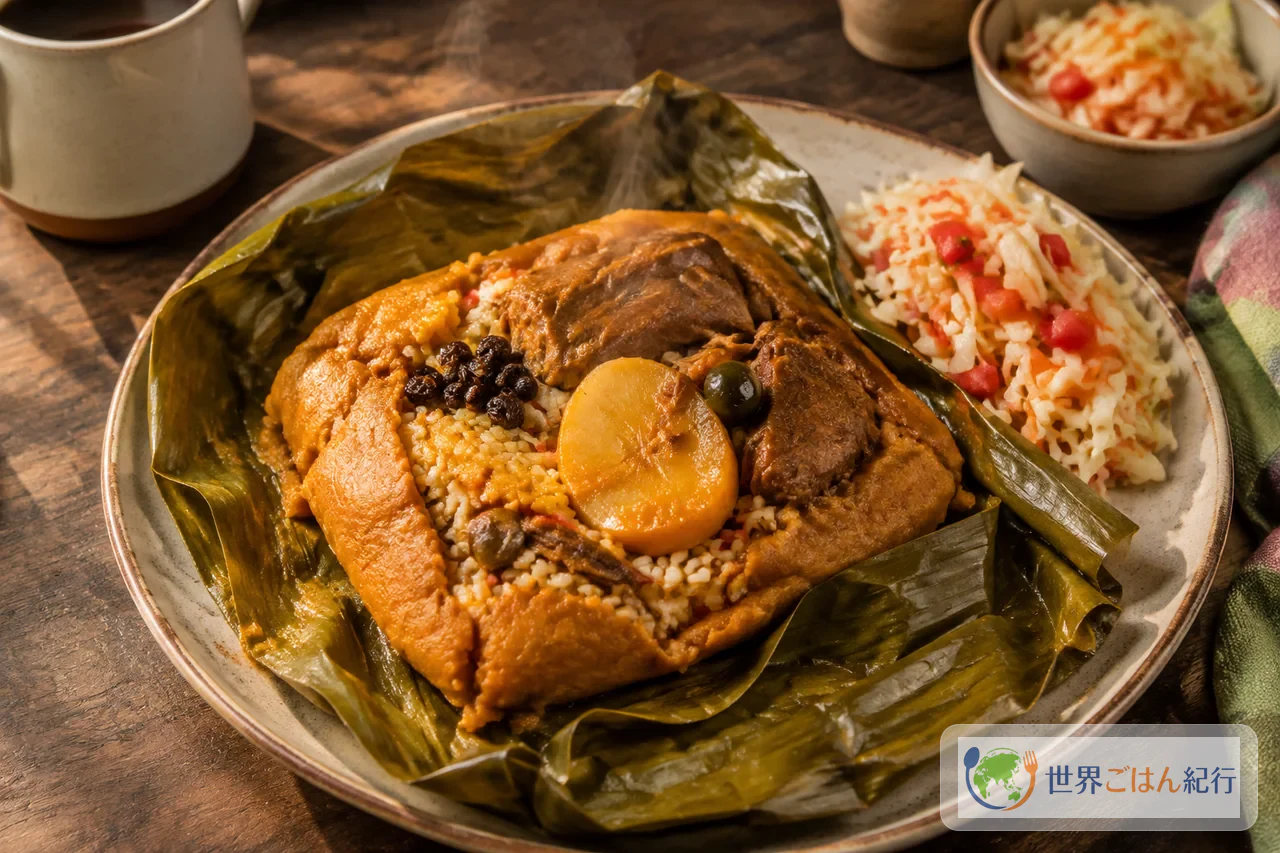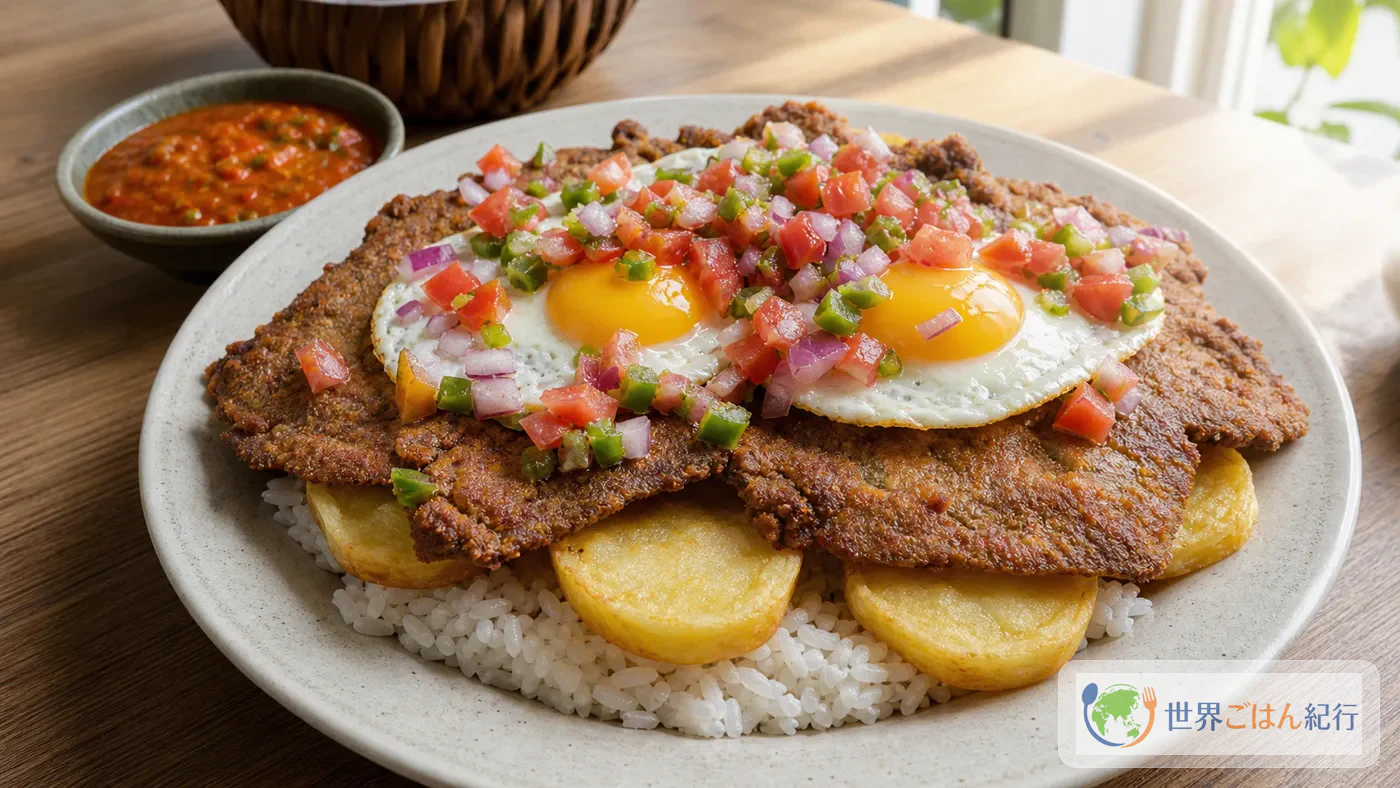
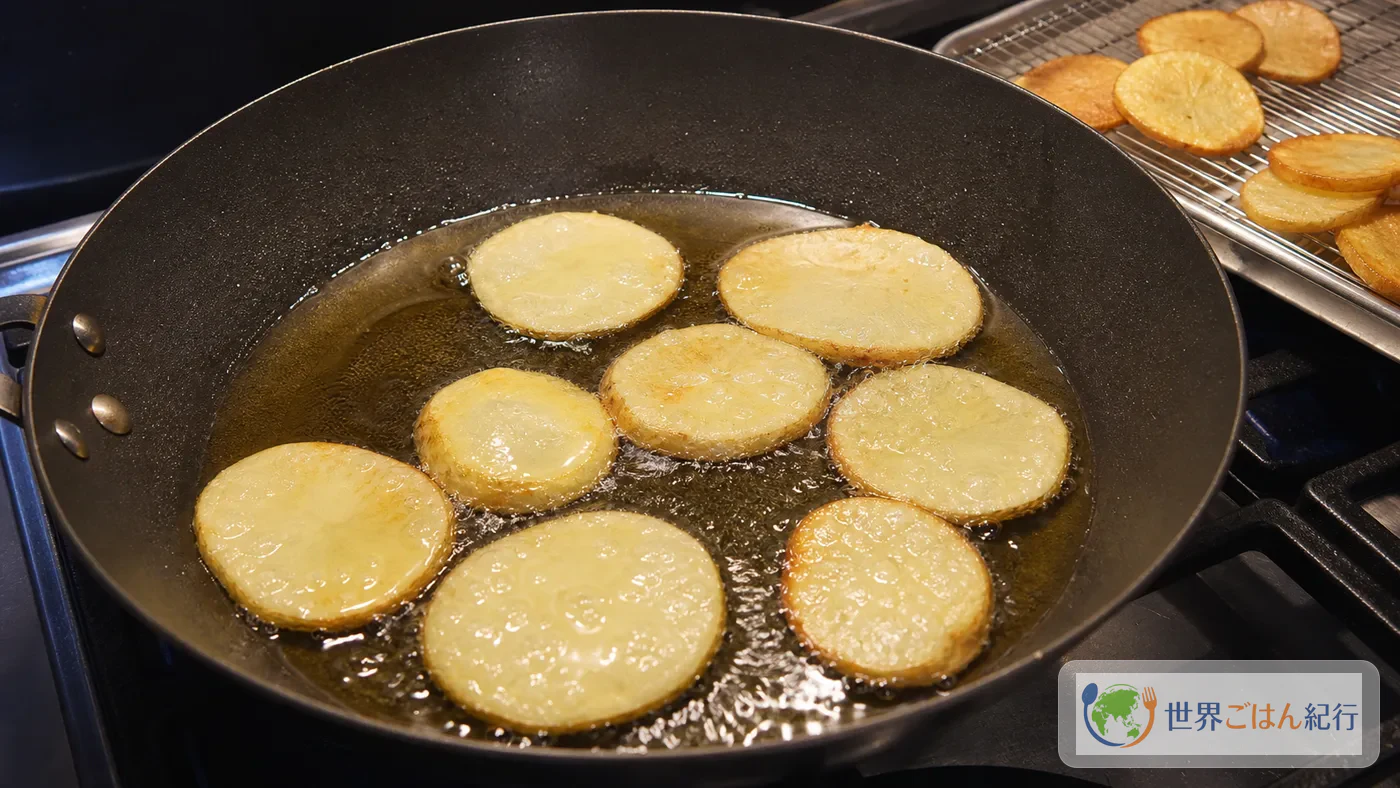
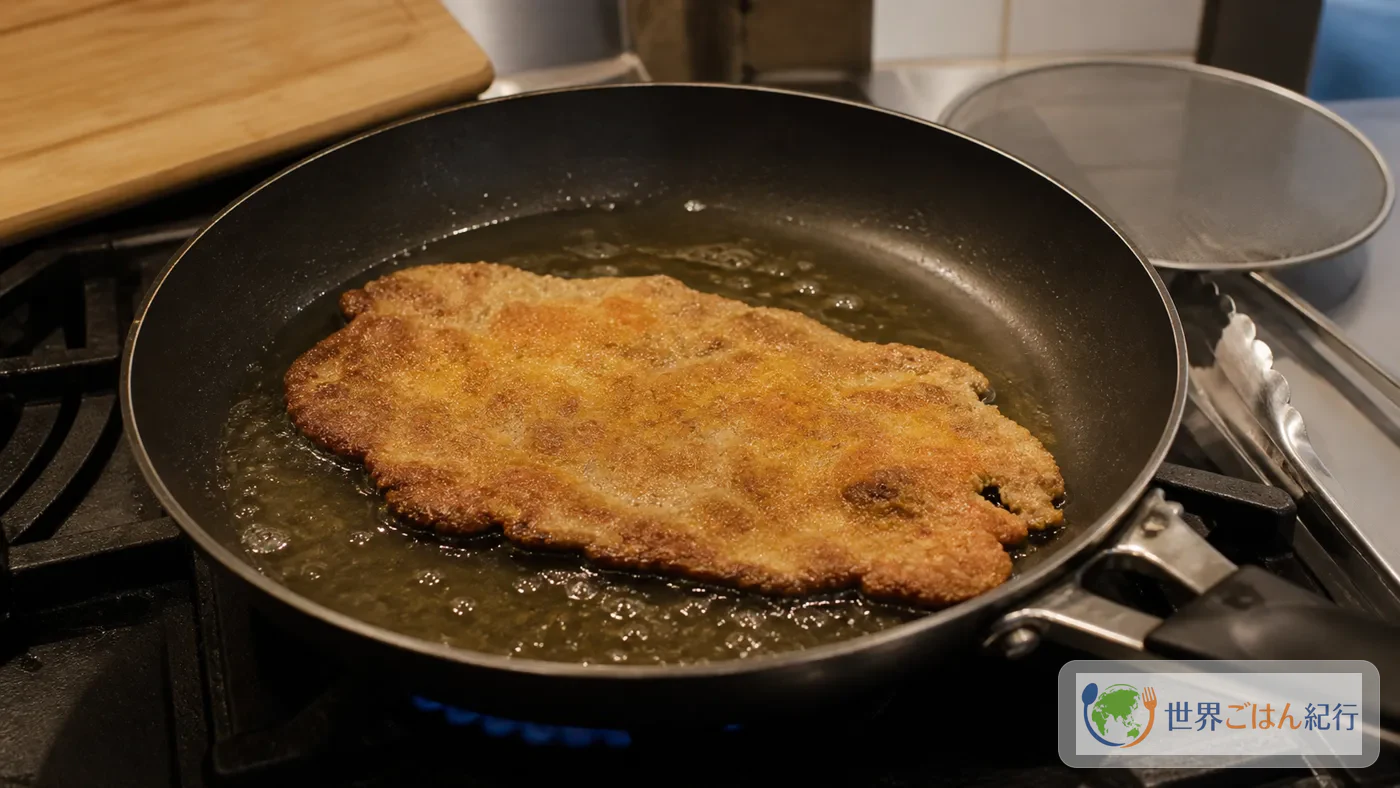
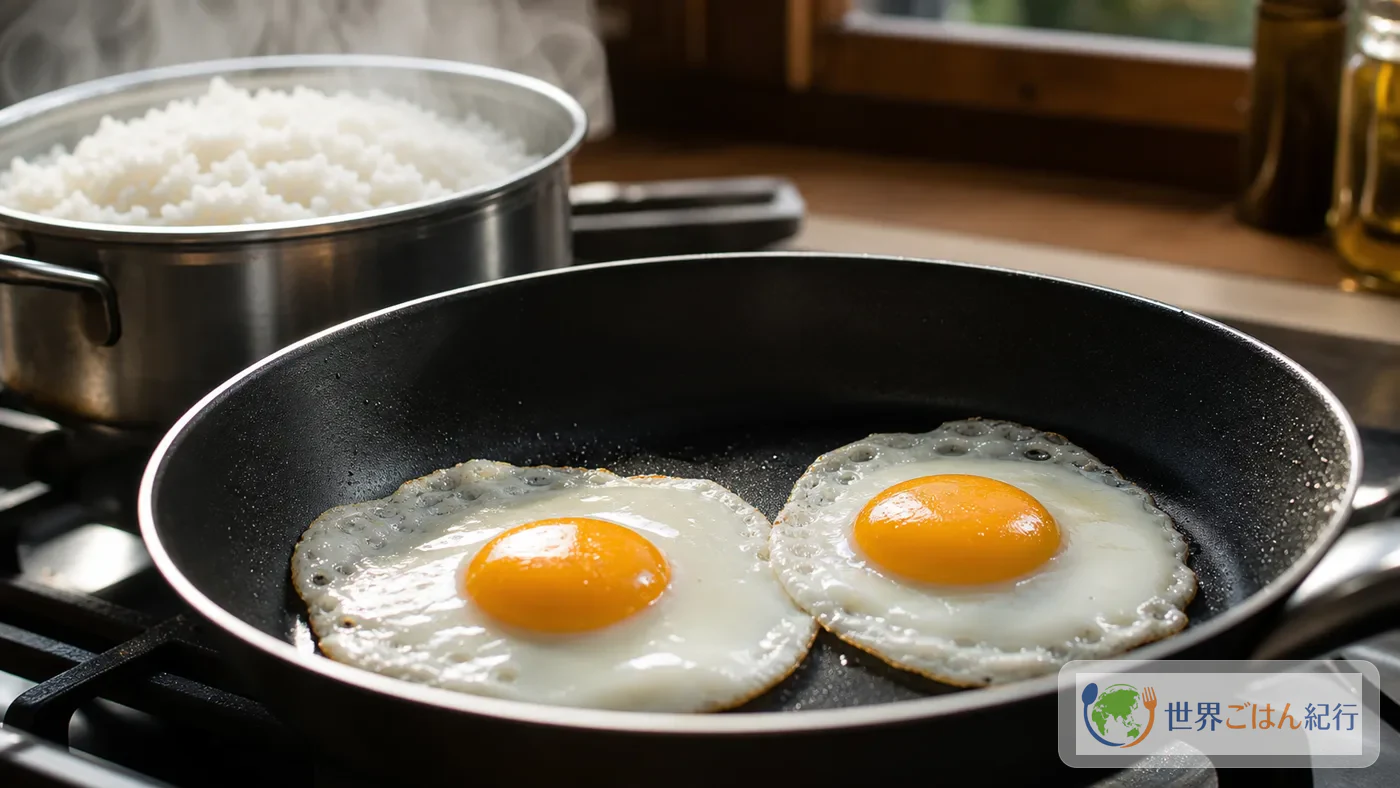
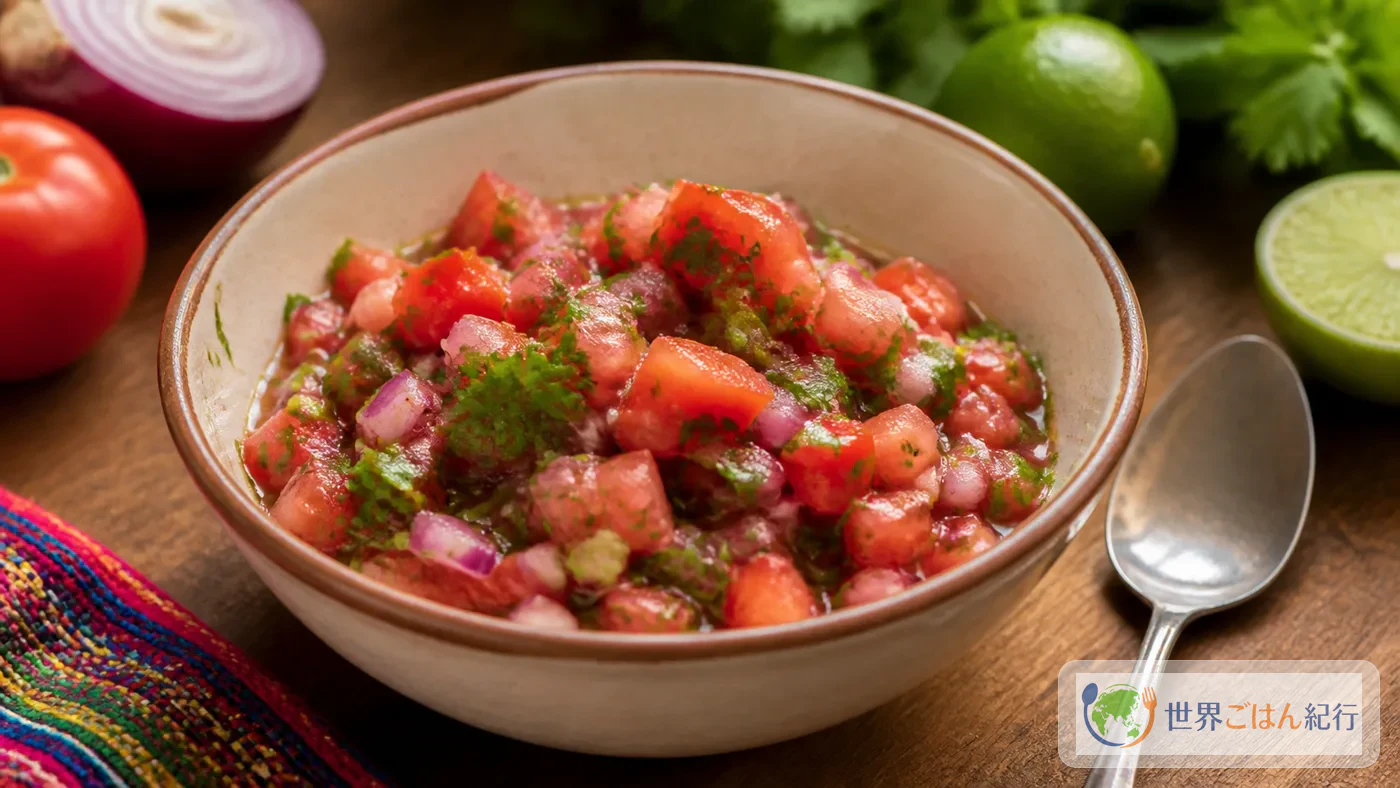
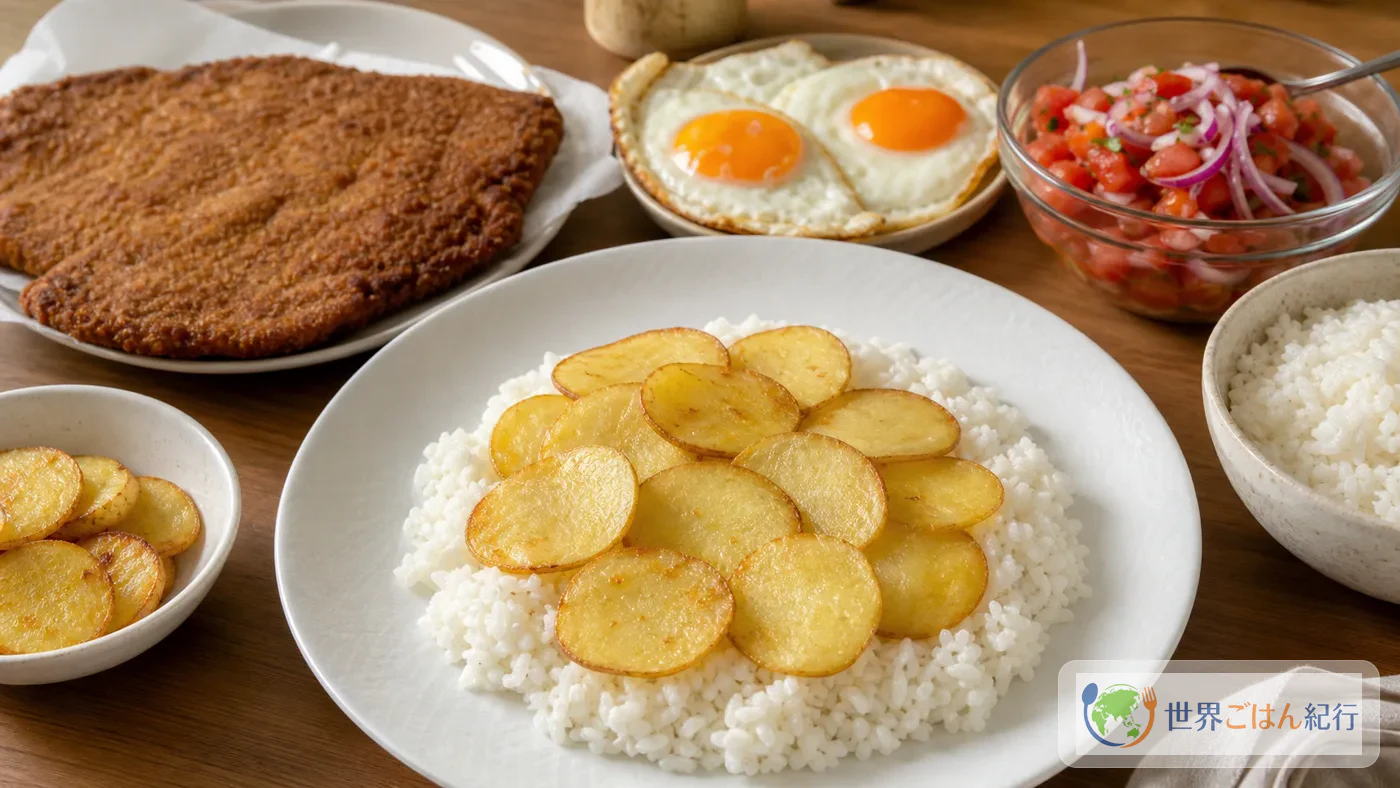
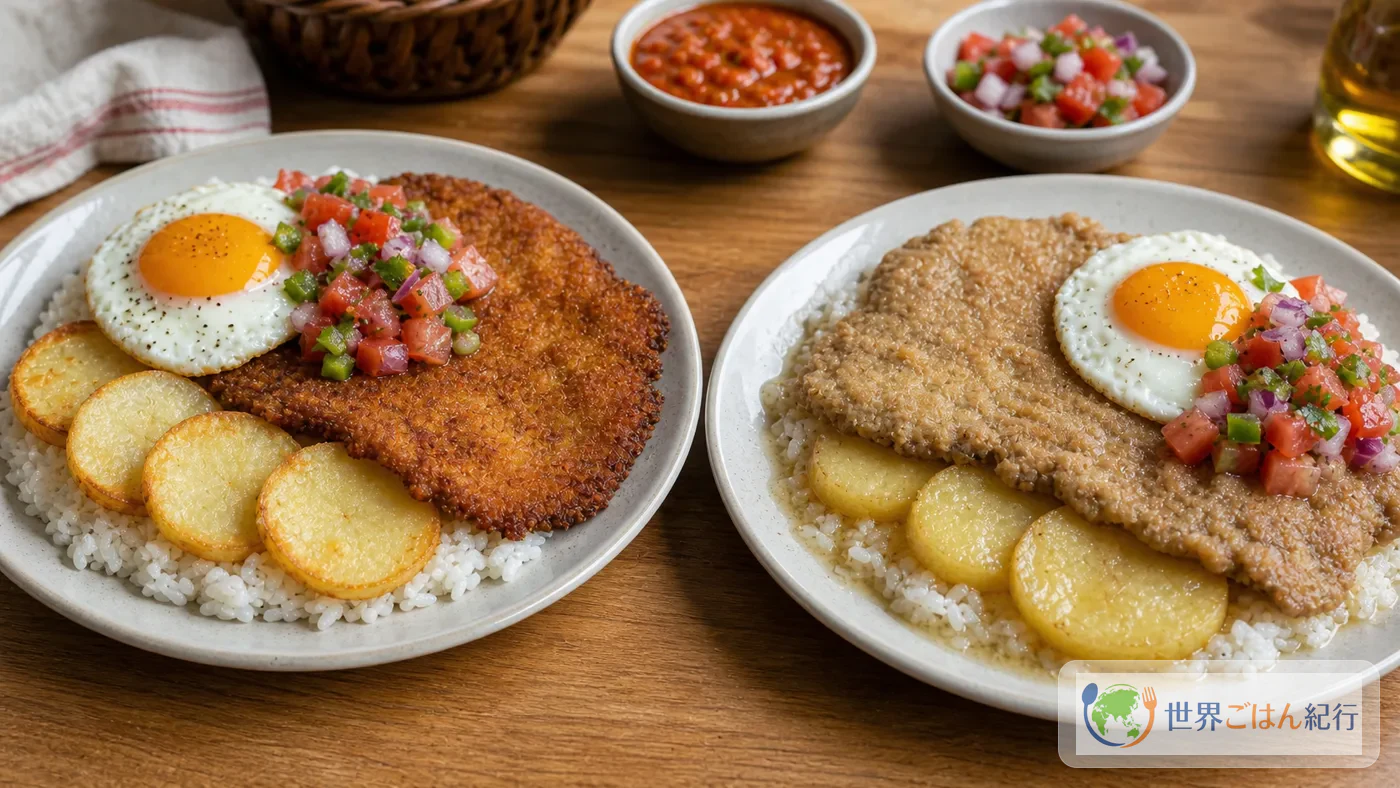
The breadcrumbs foam finely in the pan, and the edges of the beef turn golden. Potatoes brown alongside while tomato and onion get tossed together in a separate bowl, and suddenly the kitchen feels like a diner. Silpancho, the signature plate of Cochabamba in central Bolivia, is built for exactly that everything-on-one-plate mood. A thin, crisp cutlet covers the rice, a spicy fresh salsa cuts through the frying, and a runny yolk ties it all together.
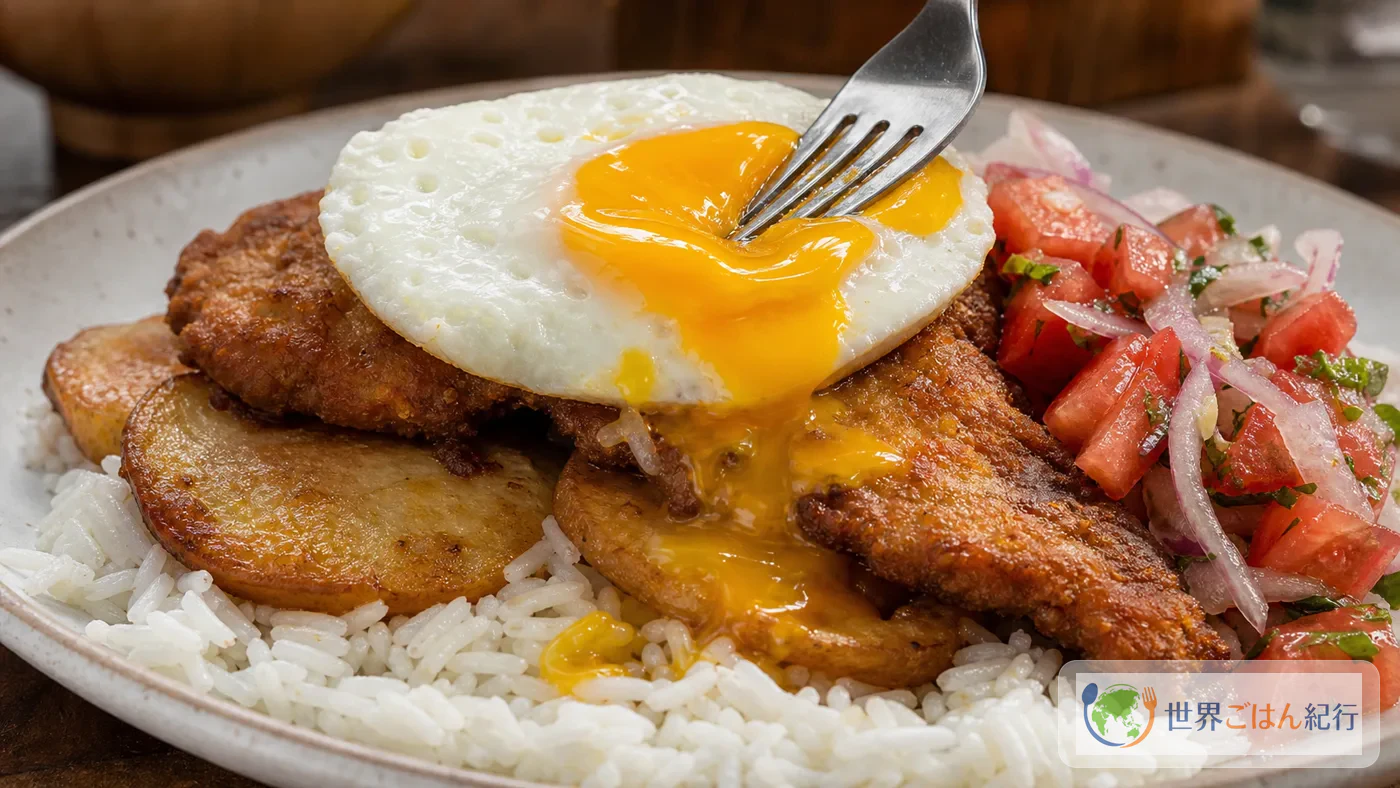
Silpancho in Cochabamba
Silpancho (also written sillp'anchu) is beef pounded thin, breaded and shallow-fried, then laid over white rice and potatoes. A fried egg goes on top, along with a spicy salsa of chopped tomato and onion. The name comes from a Quechua-related word for something thin and flat, and that cutlet, spread across the whole plate, is the star.
Cochabamba is known as Bolivia's city for eating, and silpancho belongs to both the home kitchen and the diner. The meat is pounded so thin it spills over the edge of the plate, with rice underneath, potatoes around it and the egg on top. It looks generous, but getting it right comes down to the order you work in.
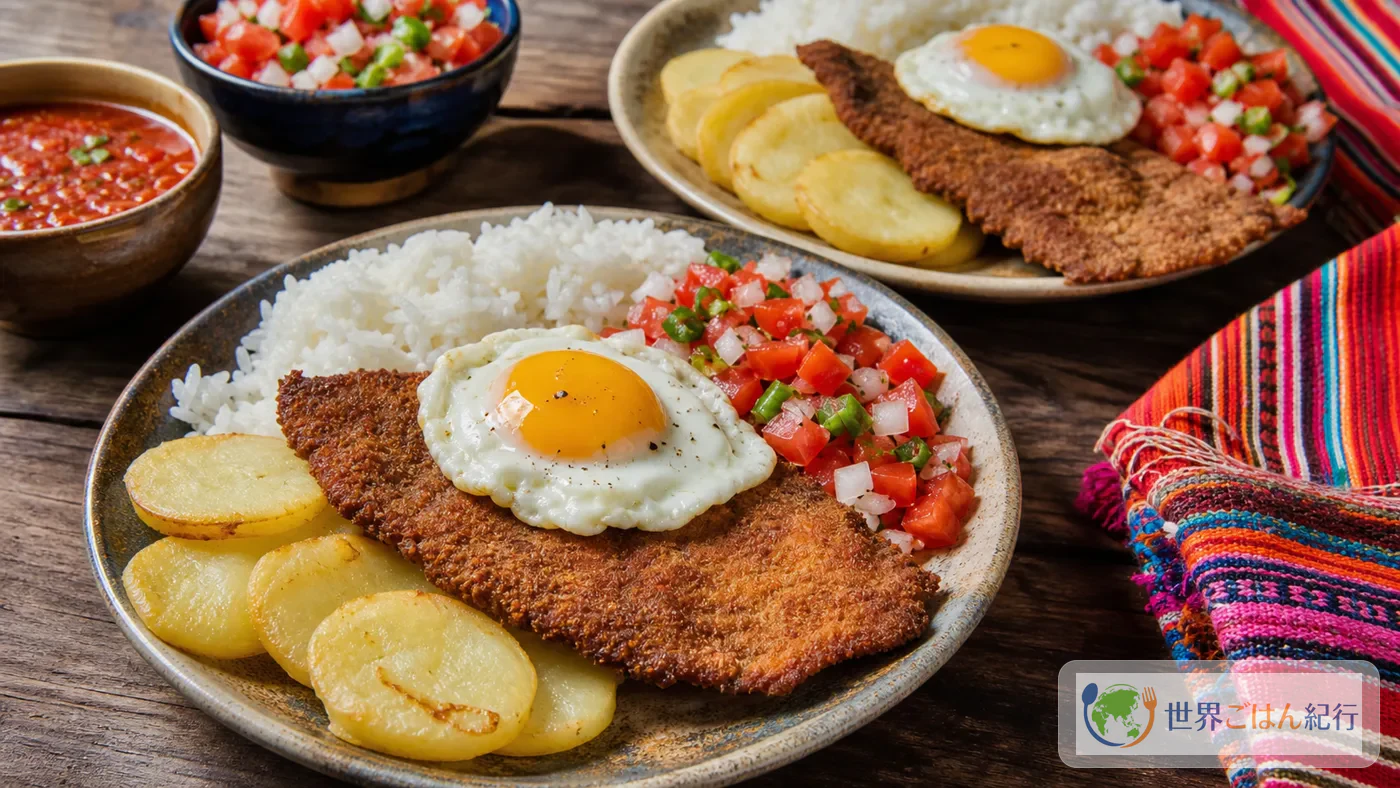
| Component | Role in Bolivia | What to keep in a home kitchen |
|---|---|---|
| Rice | A base that catches the meat juices and yolk | Spread freshly cooked rice thinly and keep it from turning sticky |
| Potatoes | Fried flavor and a filling element | Slice not too thick, about 0.25 inch (7 mm), and dry the surface first |
| Thin breaded beef | The star that sets the width of the plate | Pound the meat thin and even, and keep the breading light |
| Fried egg | The yolk ties everything together | Cook the whites firm and choose a yolk from runny to set |
| Llajwa-style salsa | Spicy, acidic freshness that cuts the oil | Chop tomato and onion small and add the salt at the end |
Silpancho has a different character from salteña, Bolivia's morning snack. This is a lunch or dinner plate that fills you up. Rice and potatoes together is typical of South American cooking, which happily pairs meat with starches. Peru's lomo saltado puts stir-fried beef with potatoes, while silpancho brings everything together with the toasty flavor of shallow frying and a runny yolk.
Ingredients (serves 4)
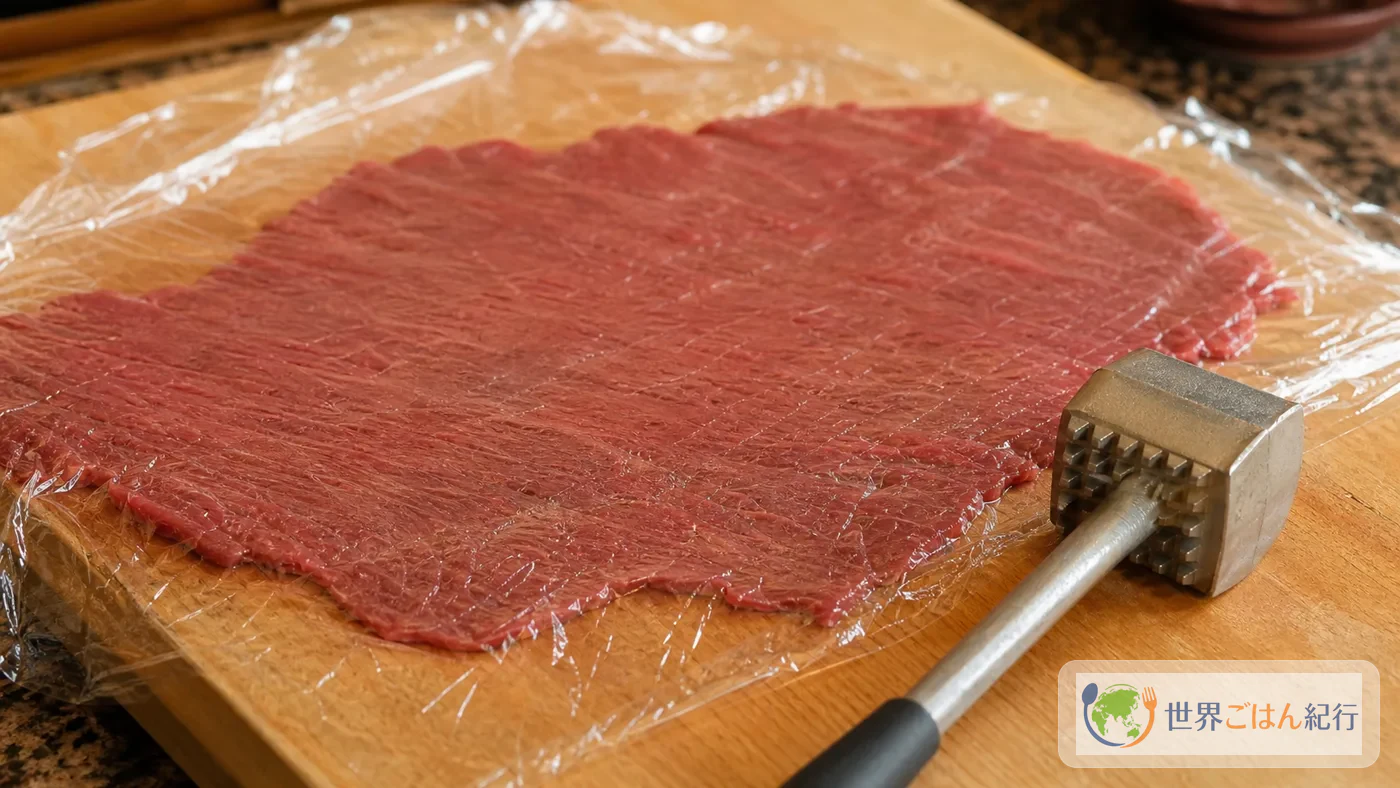
For the beef, a cut from the round or rump, sliced about 0.5 inches (1 cm) thick and then pounded, tears less when spread wide than thin stir-fry or barbecue slices. At the butcher or supermarket, ask for beef round steak or rump steak. Fatty sirloin makes the breading heavy.
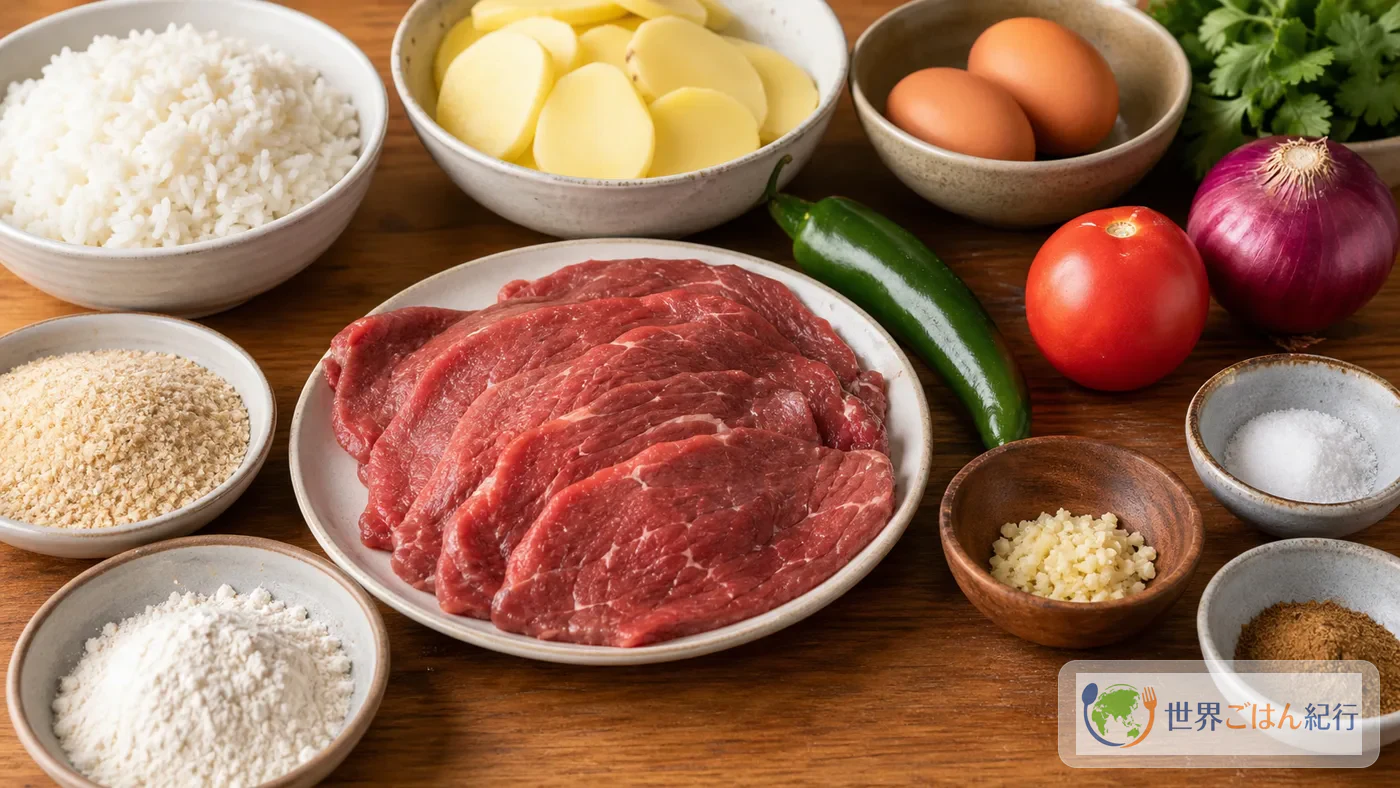
This recipe contains wheat, egg and beef. If you finish the eggs with runny yolks, cook them through for children, older adults, pregnant women and anyone worried about their health.
The things worth shopping for are a chile with some fragrance and a frying pan large enough for a big piece of meat. Even a small amount of ají amarillo in the salsa brings a South American aroma. A light touch of cumin on the beef moves it one step away from an ordinary Western-style cutlet.
Choosing the salsa ingredients for silpancho
In Bolivia, llajwa (also llajua) is sometimes made with locoto chile and an herb called quilquiña, and neither is easy to find outside the Andes. The salsa here does the same job, a raw, spicy vegetable sauce that cuts the oil, with green chile, tomato, red onion and cilantro or flat-leaf parsley.
Common silpancho mistakes and fixes
Because the plate is so generous, mistakes are easy to spot. Peeling breading, greasy potatoes and watery salsa drag down the whole dish from the first bite.
| Problem | Main cause | Fix |
|---|---|---|
| The beef shrinks and gets small | Uneven thickness, or fried right out of the refrigerator | Pound to an even 0.25 inch (5 mm) and rest at room temperature for 10 minutes before breading |
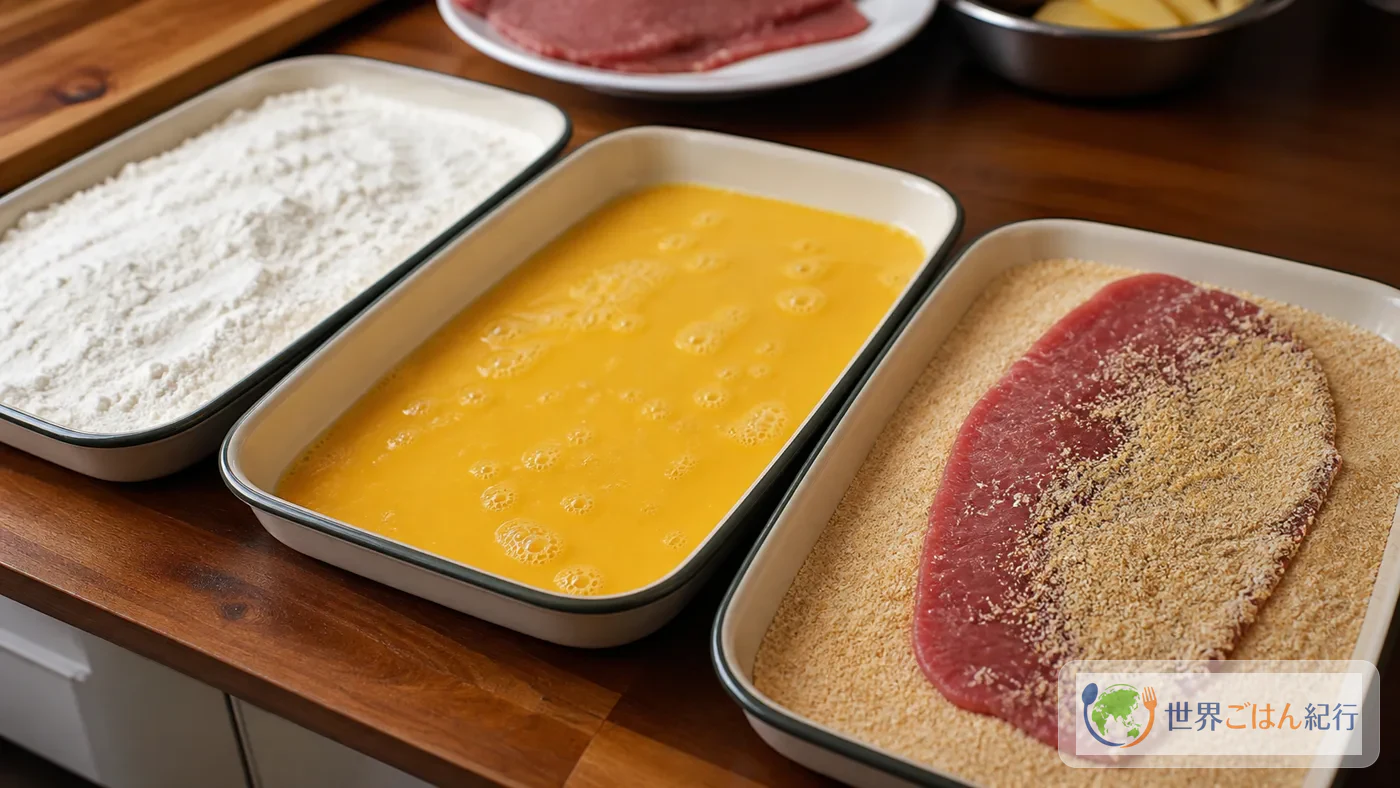
| The breading peels off | Too much flour, too much egg, or oil too cool | Shake off the flour, drip off the egg, and heat the oil to about 350°F (170°C) before adding |
| The potatoes are greasy | Moisture left on them, stacked while frying, or heat too low | Pat the surface dry, lay in a single layer and cook at medium heat until golden |
| The salsa is watery | Salted too early, or the tomatoes are very seedy | Salt just before eating and remove some of the seedy parts |
| The breading goes soggy after plating | Steamed by hot rice and salsa | Layer just before eating and spoon the salsa sparingly into the center |
The thing that matters most is a light breading. A thick coating, like the heavy cutlet on a rice bowl, weighs down the rice, potatoes and egg along with it. With fine crumbs, shallow oil and last-minute plating, the same ingredients make a much lighter plate.
Serving and storing silpancho
Silpancho already gives you a starch, a main dish and fresh, spicy vegetables on one plate. On the side, try a tangy cabbage salad, a light bean soup or avocado with a squeeze of lime. For a more Bolivian table, pair it with salteña or corn-based dishes rather than the soy-scented lomo saltado. How to make bocadillo shares ingredients and aromas from the same region.
If you make it ahead, store the cutlet, potatoes, rice and salsa separately. The cutlet and potatoes keep up to 2 days refrigerated, but the salsa and fried eggs are best the same day. Reheat the cutlet and potatoes in a toaster oven or a 350°F (180°C) oven for 6–8 minutes. The microwave alone makes the breading soggy, so if you have to use it, heat for 30 seconds and then finish in the toaster oven.
FAQ
Can I make it with something other than beef?
Chicken breast works, though beef gives you the thinness and meaty aroma that define silpancho. If you use chicken breast, pound it to 0.25 inch (5 mm) and cook over medium-low heat until it is white all the way through. Pork loin also suits the dish; fattier cuts make the breading heavy.
Is it not authentic without locoto or quilquiña?
The aroma won't be identical. What the plate really needs is heat to cut the oil, tomato's acidity and the crunch of onion. Green chile, lemon and cilantro or flat-leaf parsley cover those, and a little ají amarillo pulls the aroma toward South America.
Can I bake the cutlet instead of frying?
Yes. Cut the oil to 2 tbsp, heat a heavy pan well over medium heat and cook 3 minutes per side. Shallow-frying gives a toastier breading and more even color across the wide surface, though, and it's harder to get wrong, so start there if it's your first time.
What if I do not like runny eggs?
Cook the yolk through. Once the white has set, cover the pan and cook over low heat for 2 more minutes, and the yolk ends up soft and close to hard-cooked. Without the runny yolk, add a little more salsa to bring the plate together.