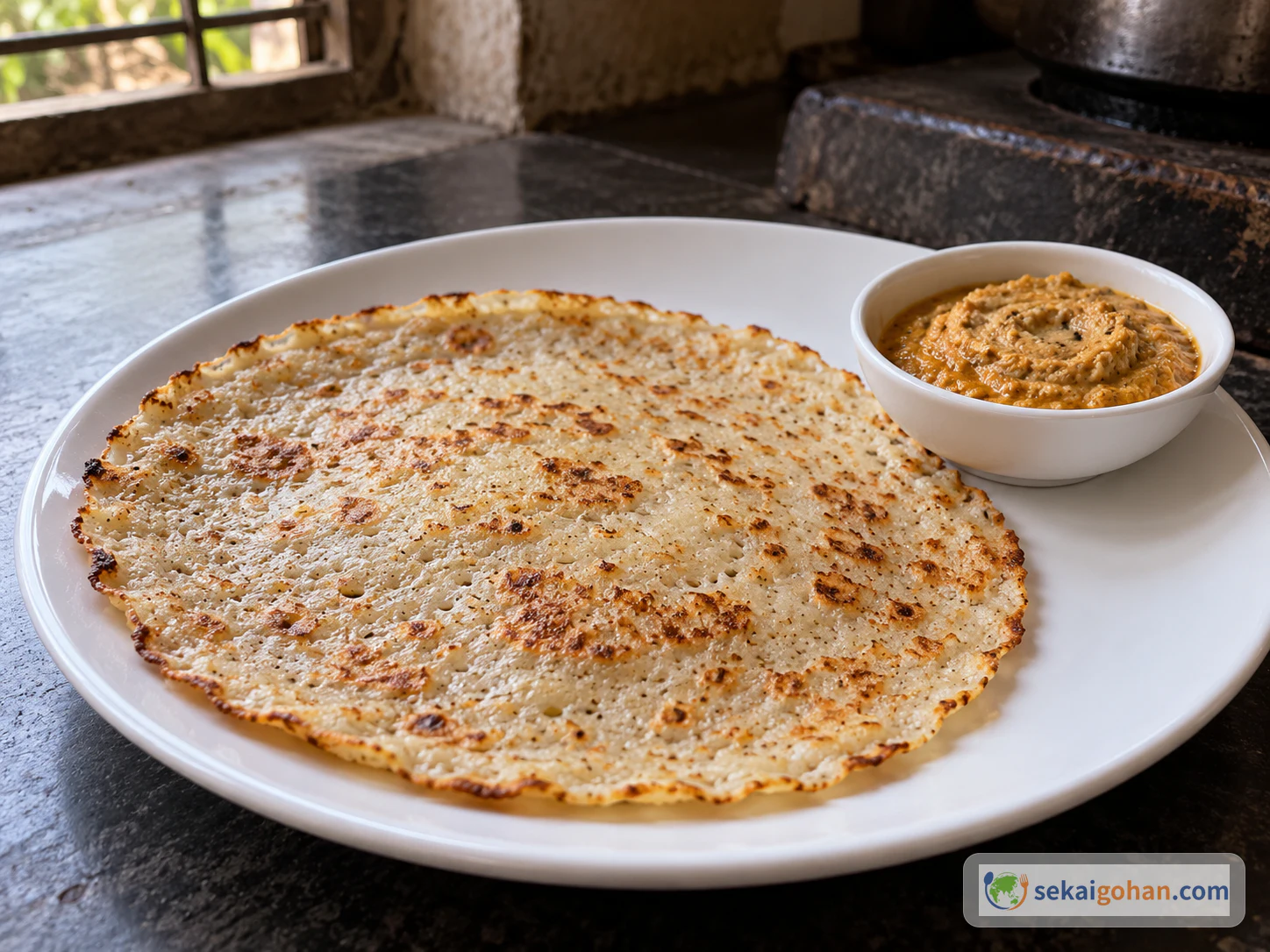
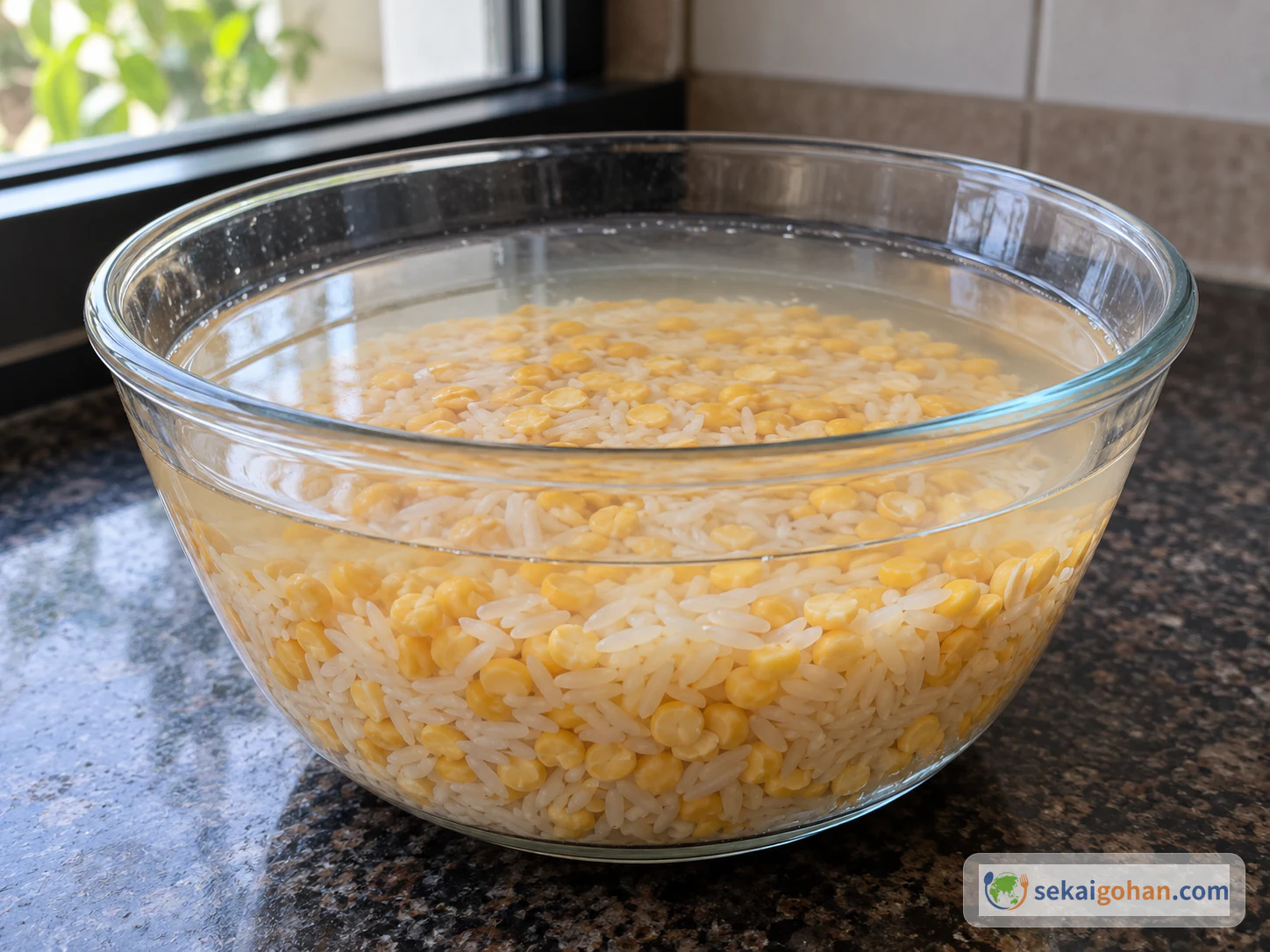
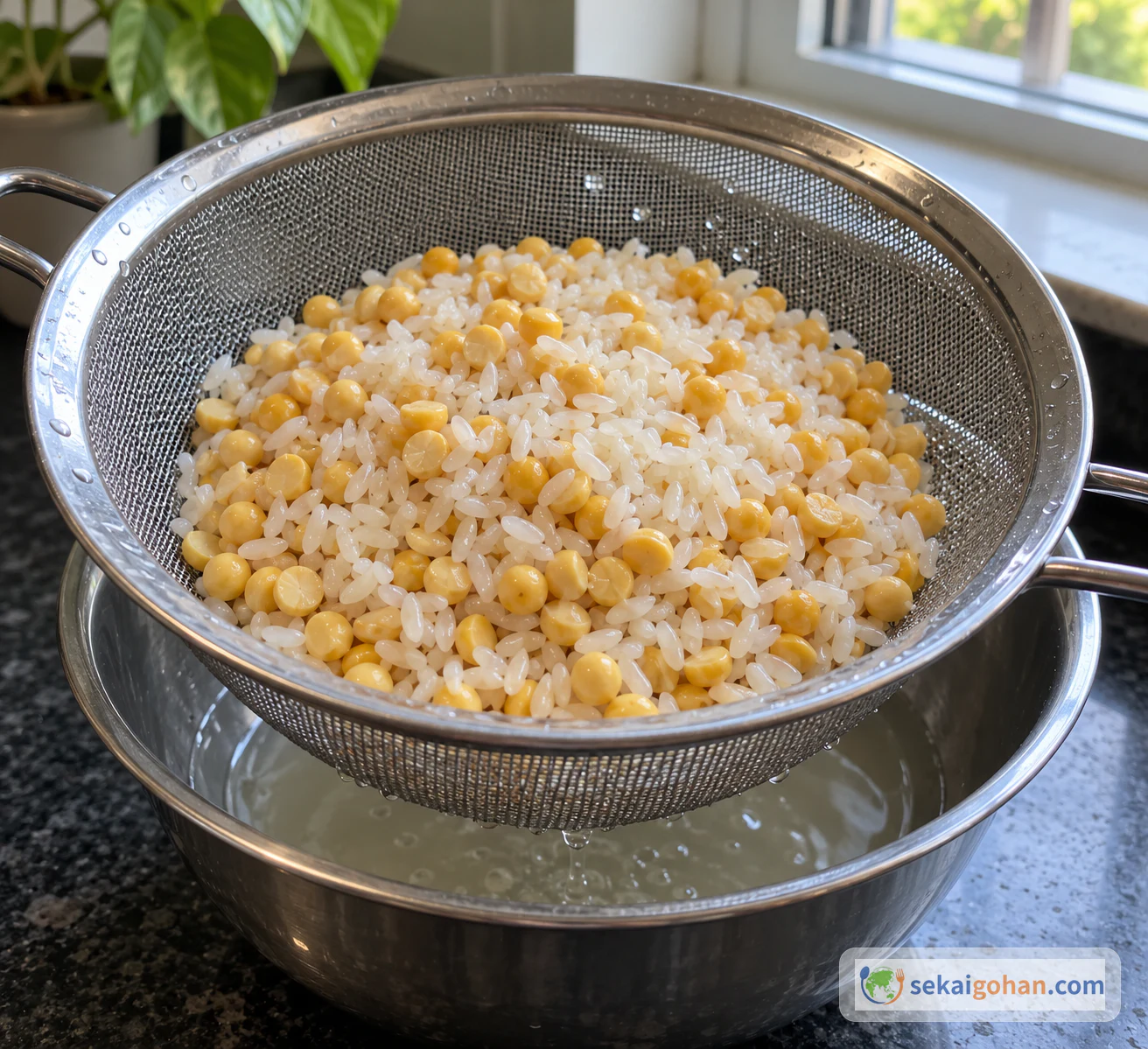
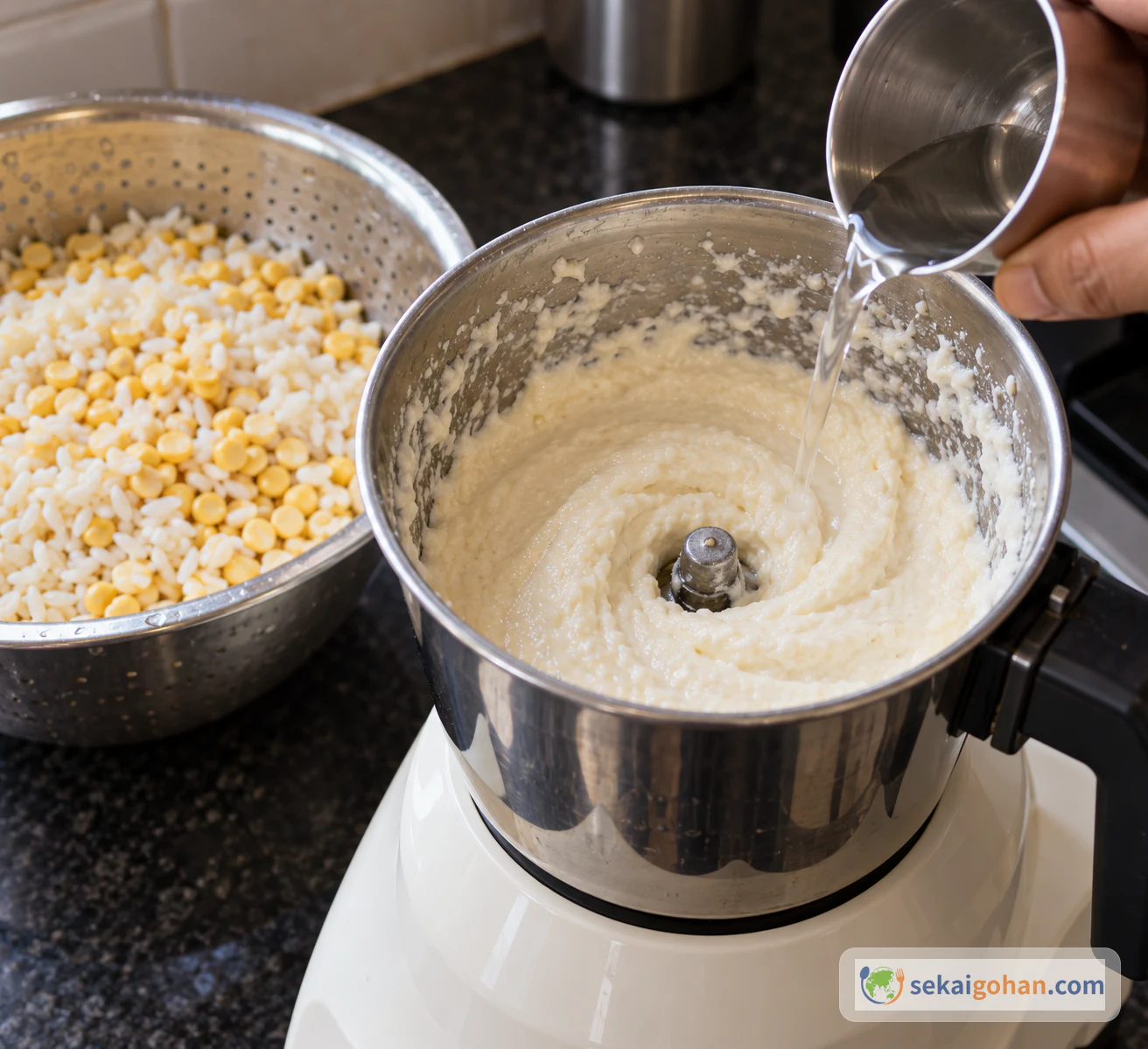
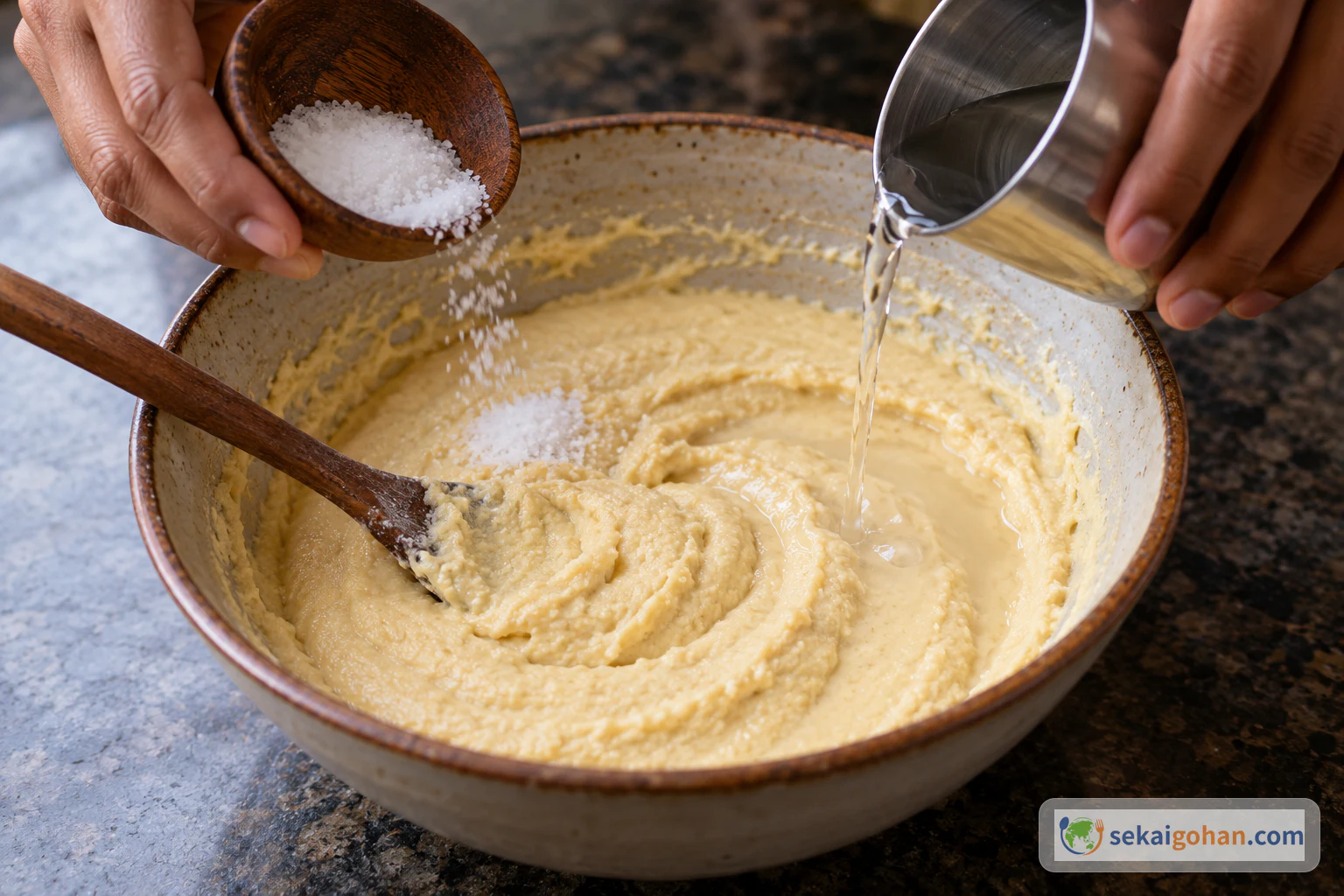
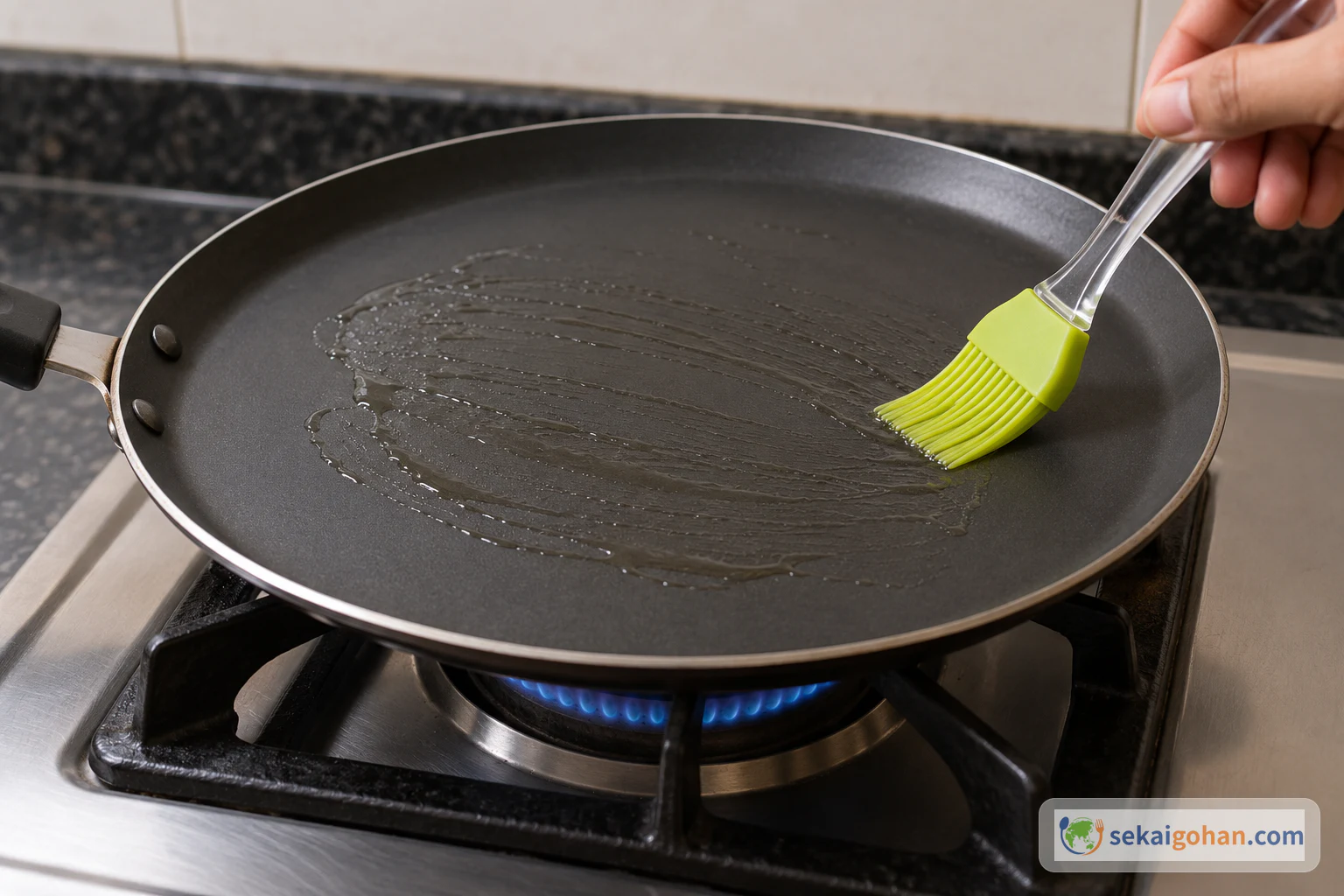
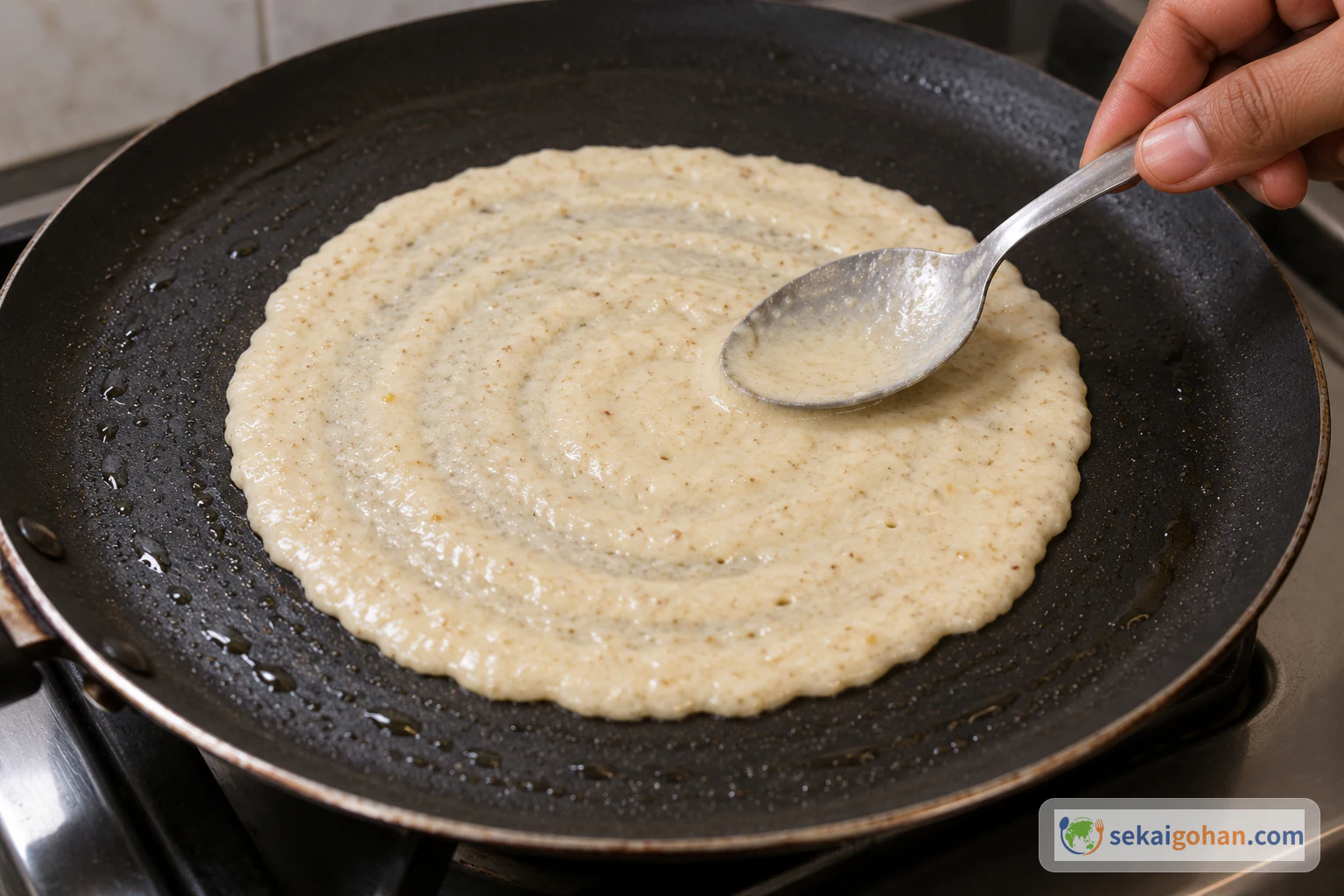
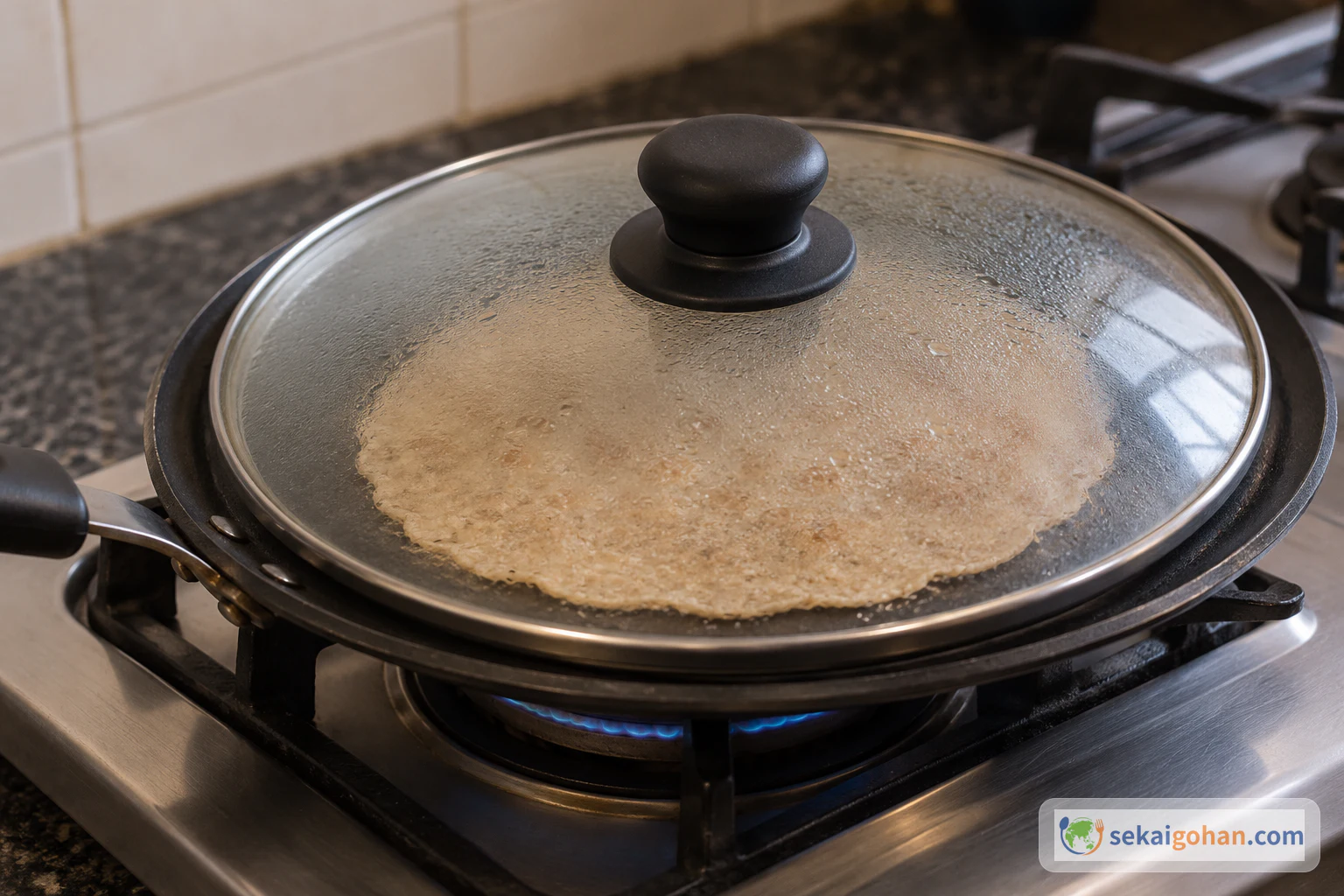
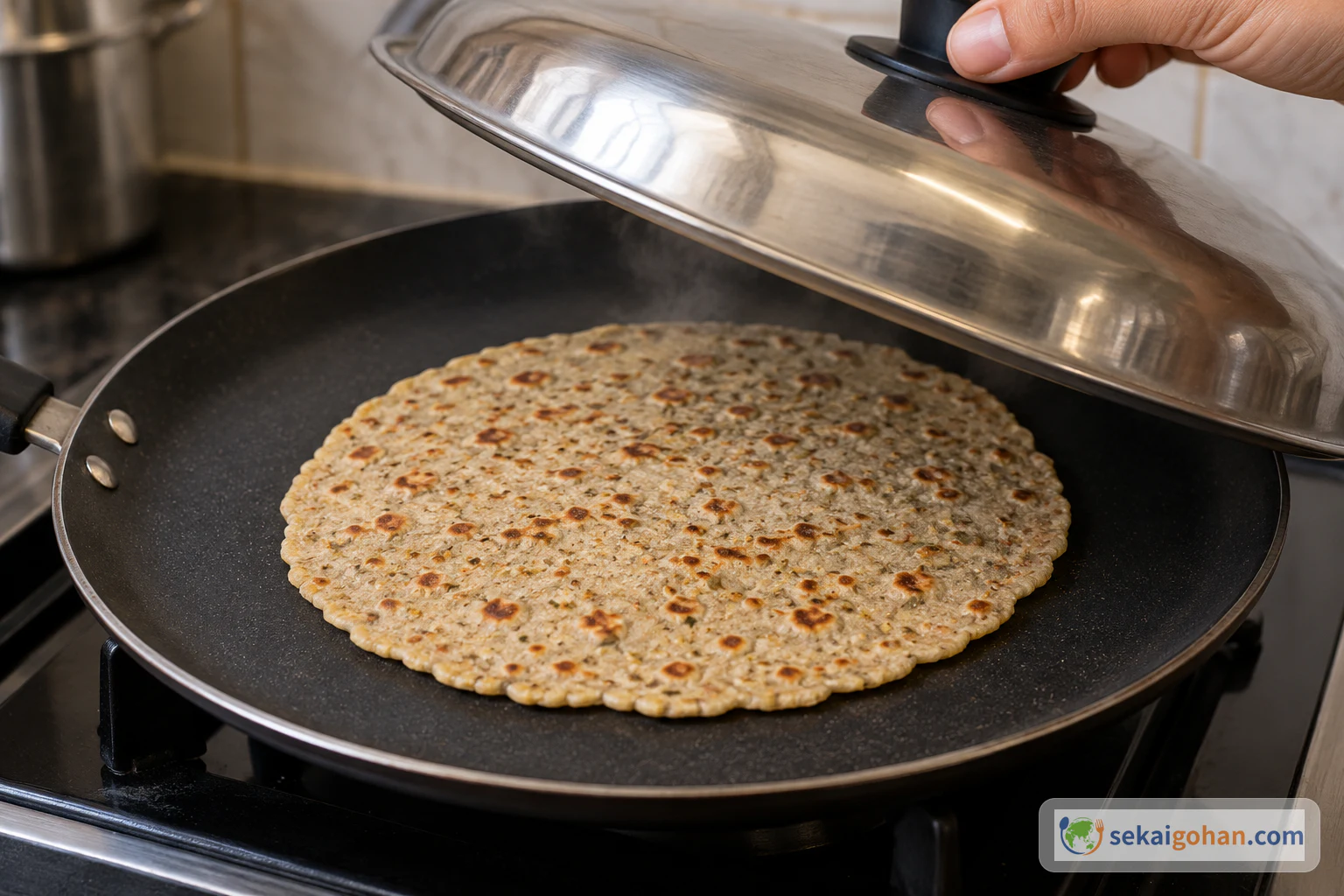
A lid comes off the tawa, the roti gets a quick flip, and a few moments later it slides onto the plate thin and freckled with gold. Chhilka roti comes from Jharkhand, and it is about as simple as cooking gets: raw rice and chana dal soaked overnight, ground to a fine paste, salted, and spread across a hot, lightly oiled pan. There is no fermentation, no flour and no spice in the batter. What you get is a soft, thin roti that tastes of the grain itself.
About Chhilka Roti
Chhilka roti is a home dish from Jharkhand, made on ordinary days and for special occasions alike. Under the names papri, chikha and chilkha roti, it is a traditional rice dish in many homes across Jharkhand, Bihar and Uttar Pradesh. It is everyday food, eaten with vegetables, dal, meat, chutney or pickles.
You will see the name spelled Chhilka, Chilka and Chilkha roti, and it also goes by Papri and Chikha roti. They all mean the same dish.
On the wider table of Indian food, its closest relatives are dosa and cheela, and both are made differently. Dosa also starts from ground rice and a pulse, but the batter uses urad dal and is left to ferment. Cheela is a quick batter of besan mixed with vegetables. Chhilka roti batter is thin, unfermented, and made from soaked grain and split chickpeas ground fresh.
Ingredients
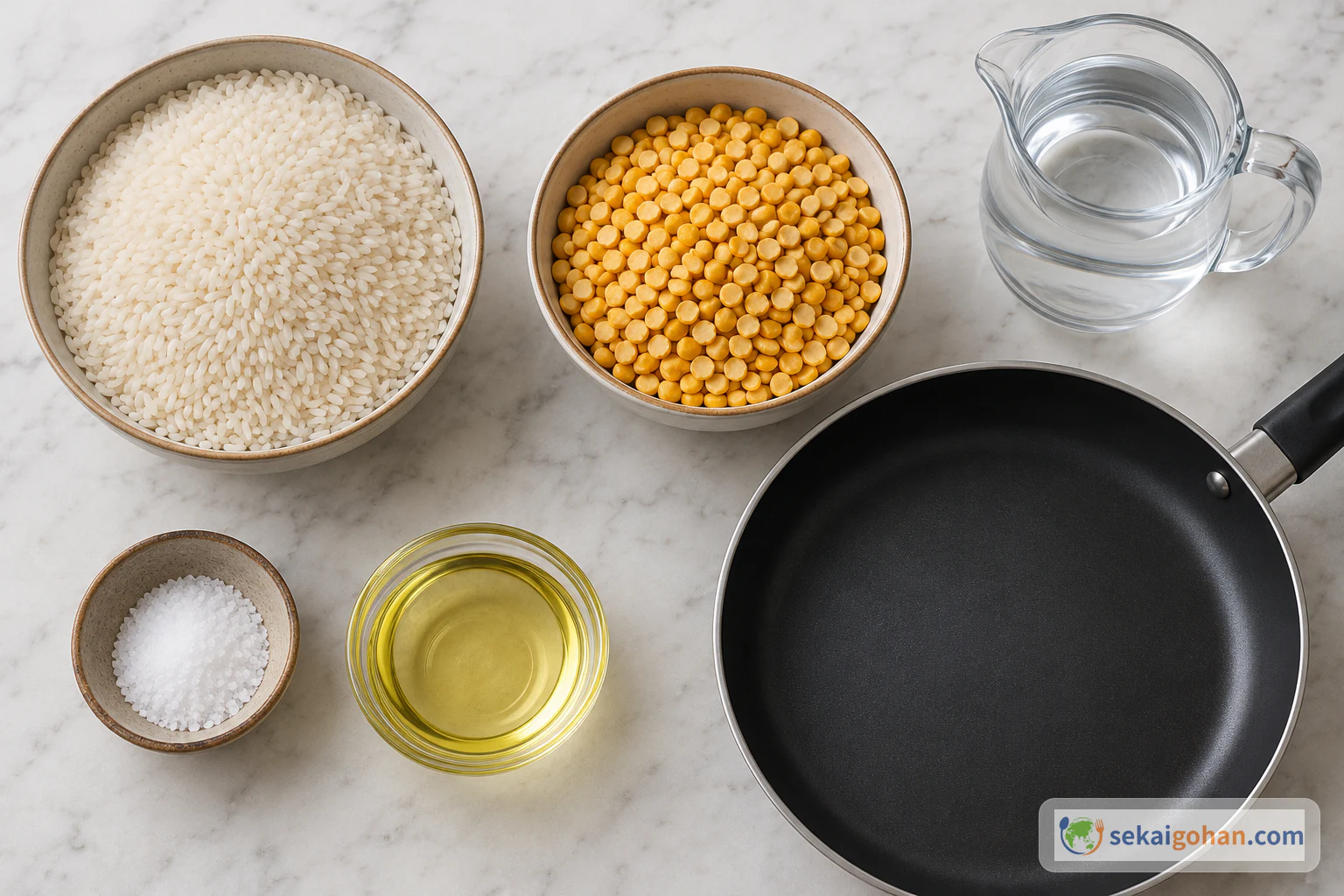
Choosing Rice and Chana Dal for Chhilka Roti
Arwa chawal simply means raw, uncooked rice. The batter depends on soaking and grinding whole grain, so start with raw rice rather than cooked rice or rice flour.
Chana dal is split Bengal gram; look for packs labeled chana dal or Bengal gram dal. Besan (chickpea flour) and urad dal belong to cheela and dosa, so stick with chana dal here and leave other beans and flours for other dishes.
Equipment
- Bowl for soaking
- Sieve or colander
- Mixer, blender or wet grinder
- Nonstick tawa or frying pan
- Lid that fits the tawa or pan
- Tablespoon
- Spoon or brush for oil and for spreading the batter
- Spatula for flipping
Chhilka Roti Problems and Fixes
The recipe is short, so most of the judgment comes down to three things: how fine the paste is, how much water goes in, and the golden spots at the end.
| What you notice | What to check | What to do |
|---|---|---|
| The paste feels coarse | Whether the grain is ground fine | Keep grinding, adding only a little water |
| The batter won't spread thin | Whether the thin-roti water went in | Add a little more water and mix, a little at a time |
| The batter runs across the pan | Too much water added at once | Next time, add the thinning water in smaller amounts |
| The roti sticks | Pan, heat and oil | Use a nonstick tawa or pan, heat it over medium-high and grease it lightly, with a little more oil as needed |
The roti is done when golden spots show on both sides. A few tiny flecks on the surface are natural for a ground rice-and-dal batter, so don't worry about them.
Serving and Variations
Eat chhilka roti with curry. Chana dal chutney is an especially good match; serve it on the side rather than mixing it into the batter.
Cooks make it in plenty of ways:
- Cup measures: Use 1 cup raw rice, 1/2 cup chana dal and about 1/2 to 3/4 cup water. Keep the batter slightly thin. Serve with chana dal chutney and bilati chutney.
- Thicker, smooth batter: Use 1 1/2 cups rice and 3/4 cup chana dal. Grind to a smooth paste, kept thicker than dosa batter. Cook about 2 minutes on one side, then 1 to 2 minutes on the other.
- Papri with beans: Use 250 g rice, a handful of beans chosen from several options, salt, cumin, green chili and mustard oil. Soak for 1 to 2 hours.
Frequently Asked Questions
How many roti does this make?
The recipe makes 8 medium roti, using 2 tablespoons of batter per roti. Cook until the batter is used up.
Does the batter need to ferment or rest?
No. The rice and chana dal are soaked, drained and ground, then cooked once salt and any thinning water are mixed in. That lack of fermentation is one of the clearest differences from dosa.
Can I soak for less than overnight?
Yes. A soak of at least 5 hours works.