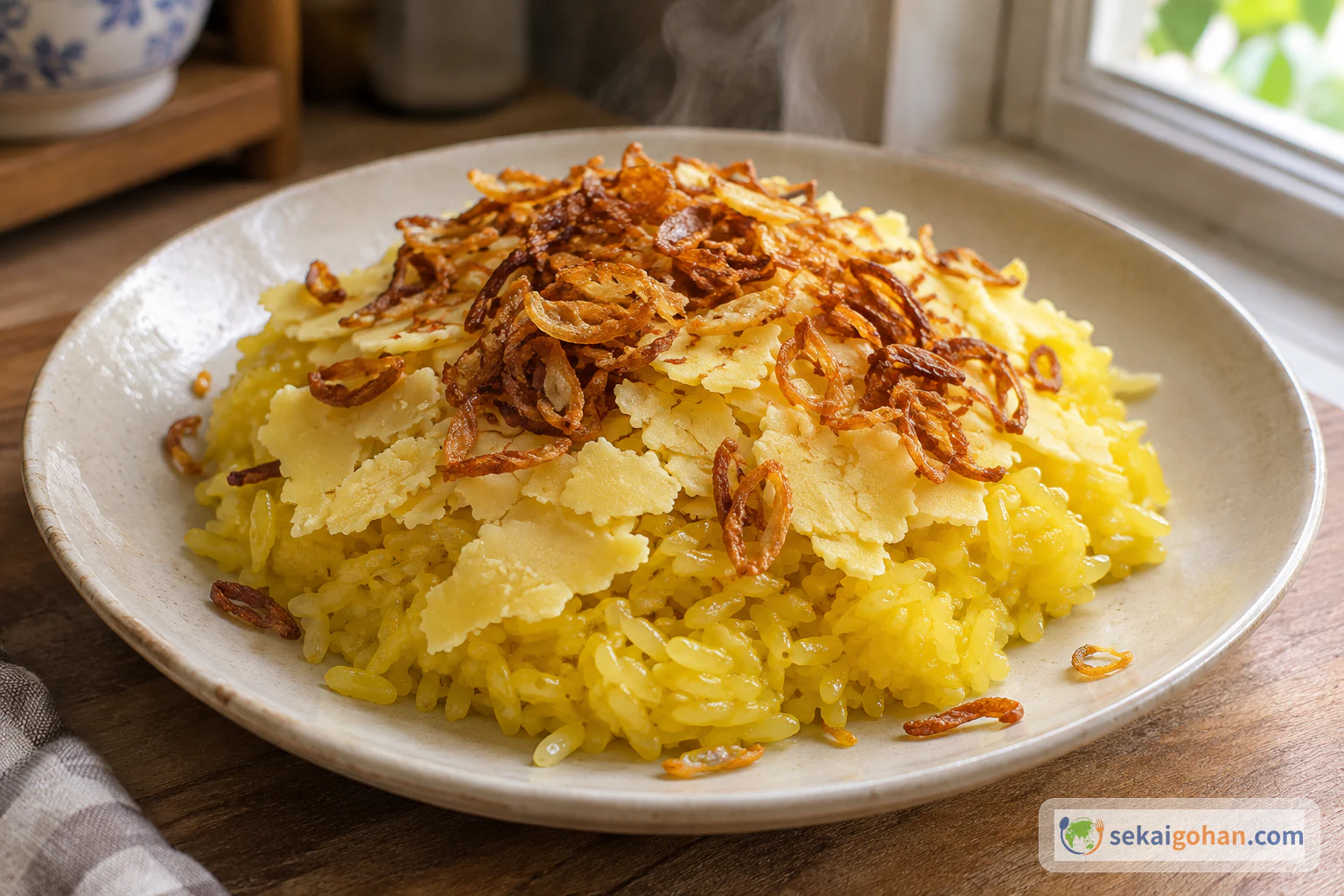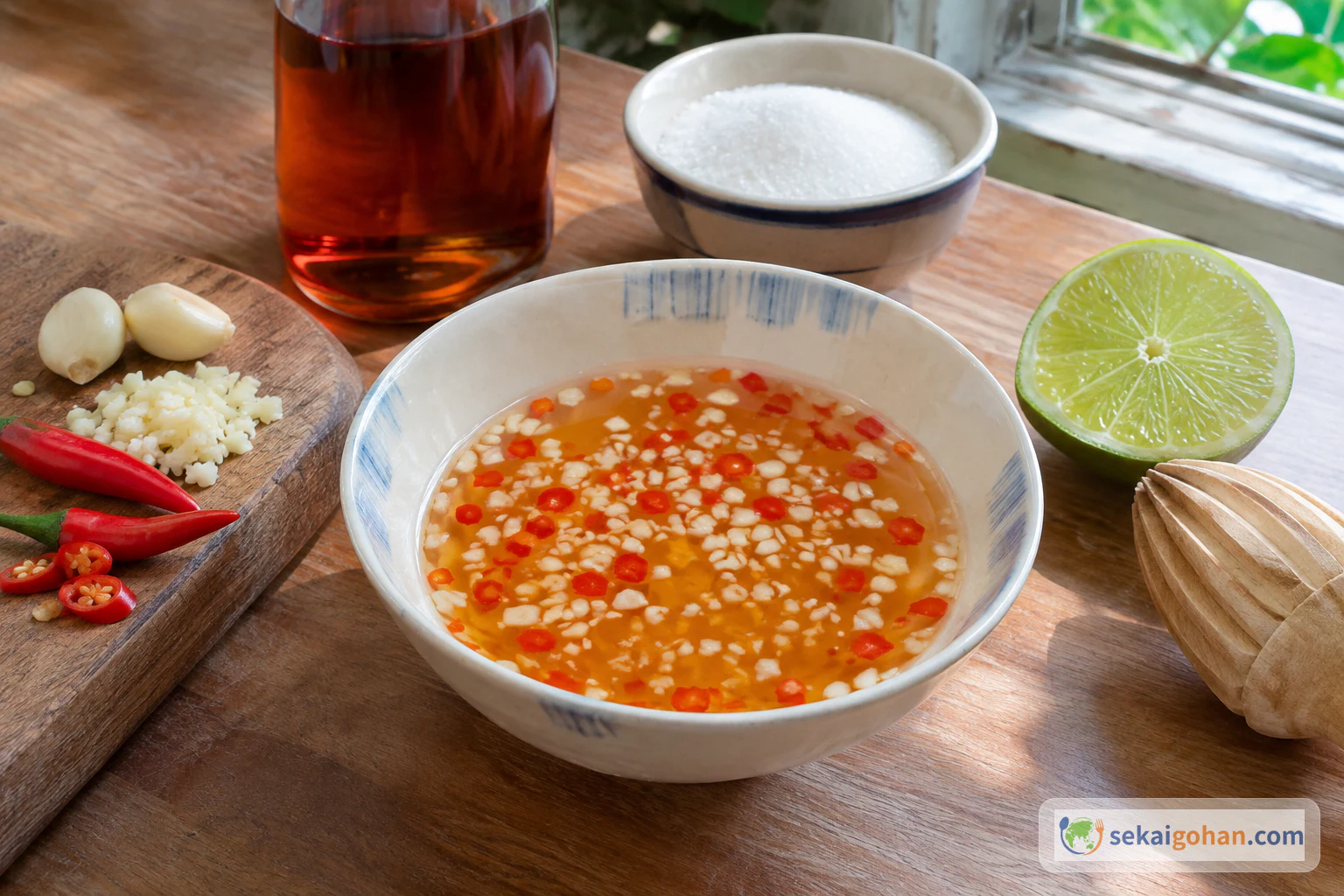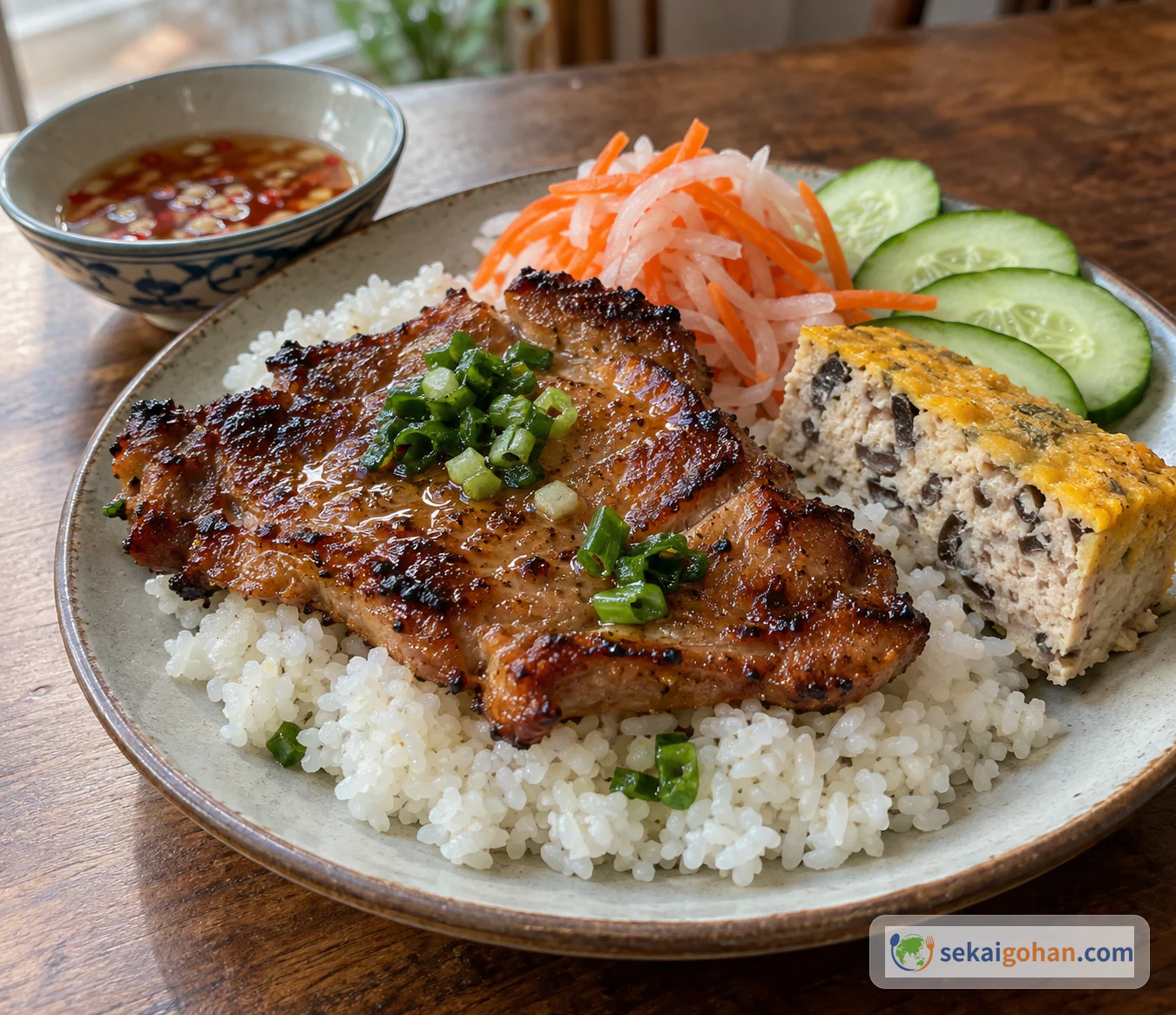
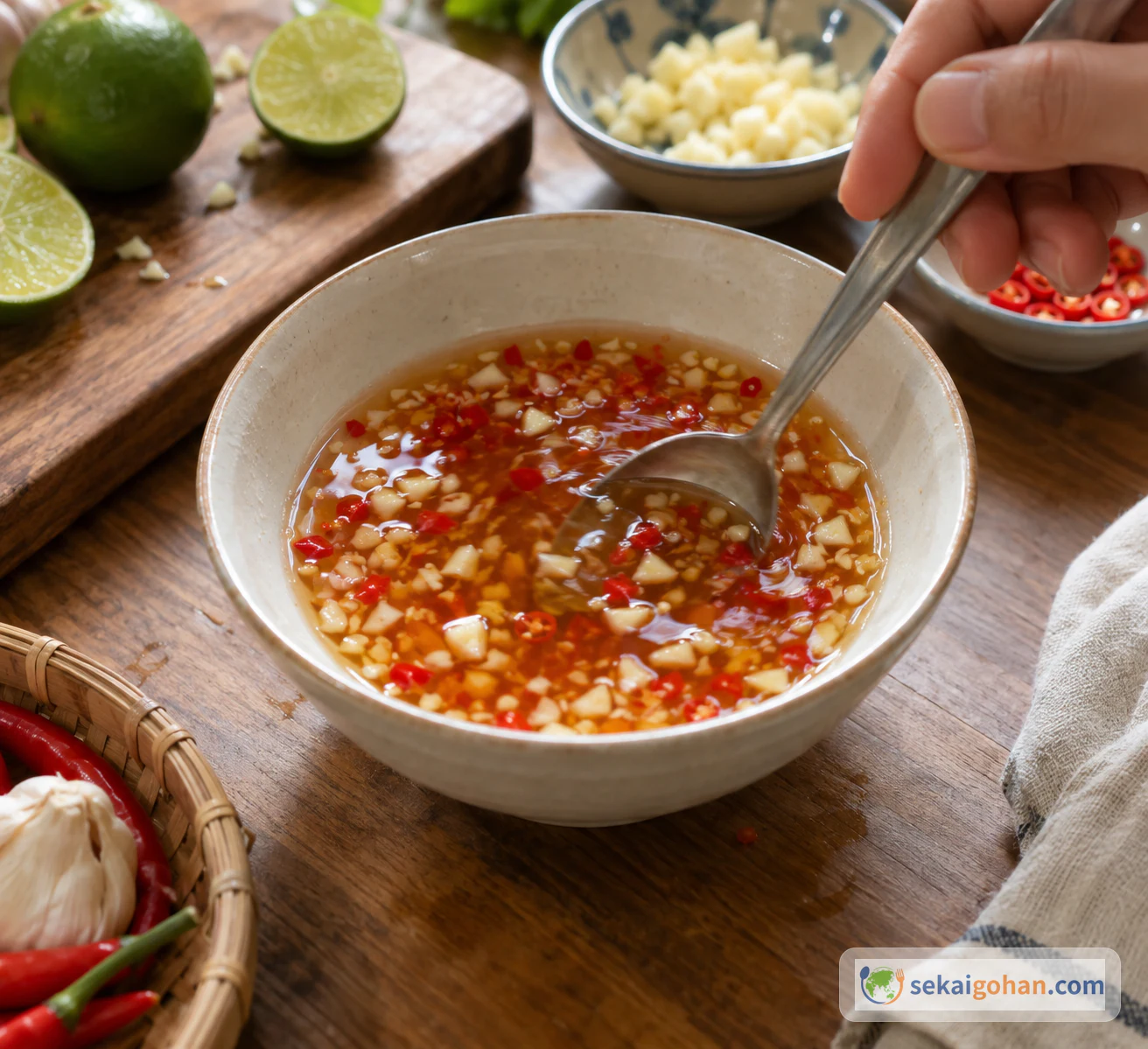
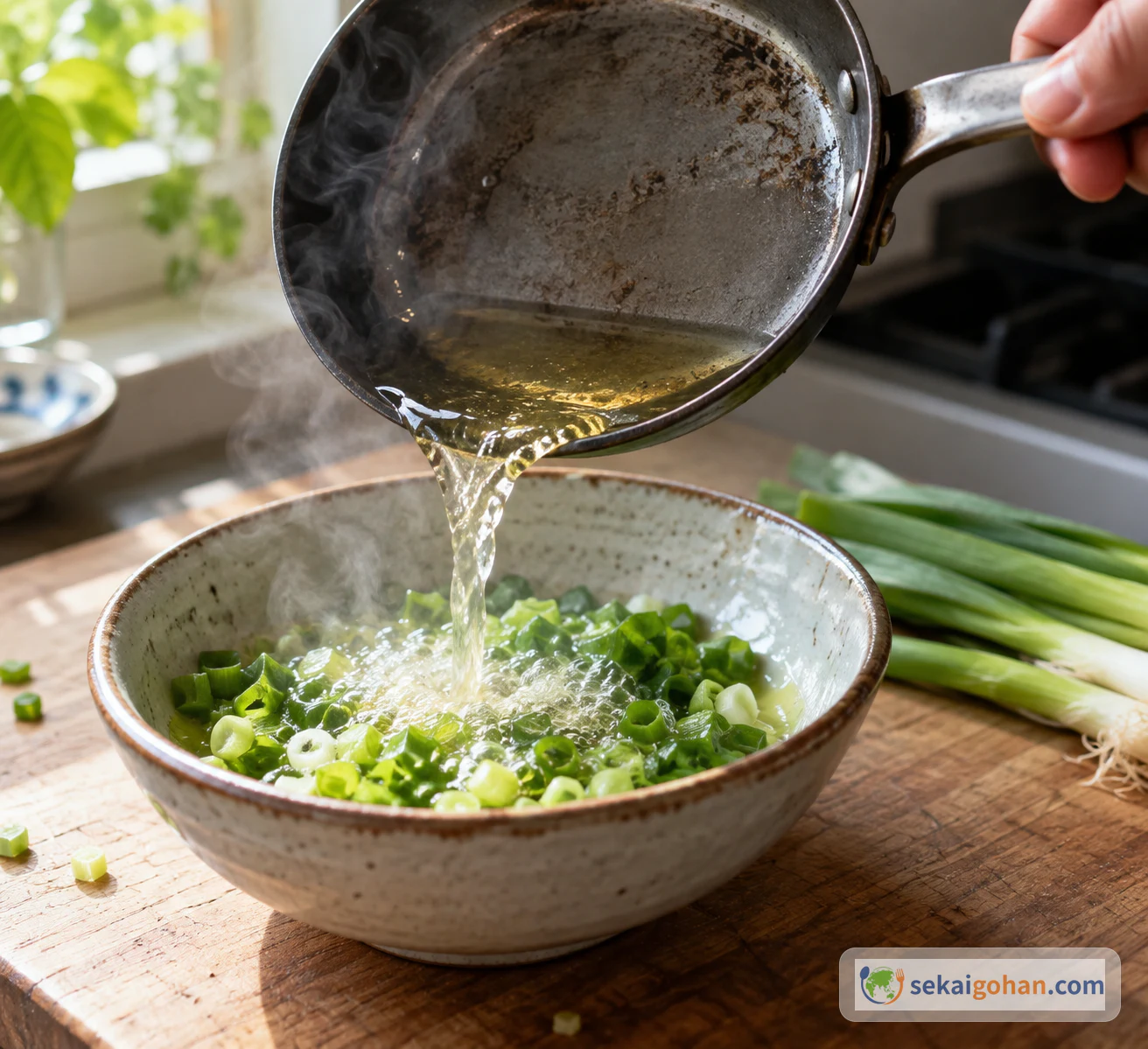
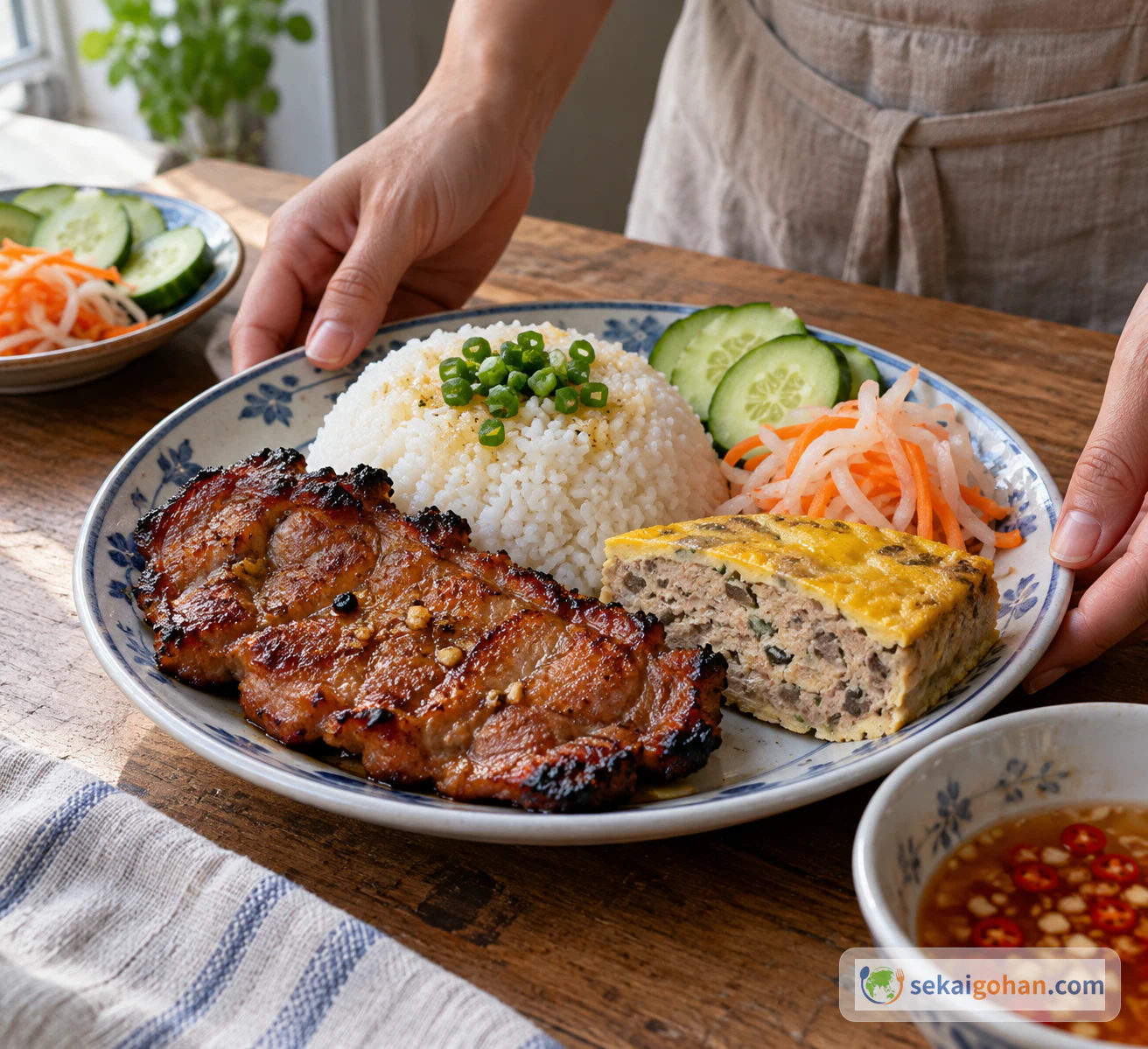
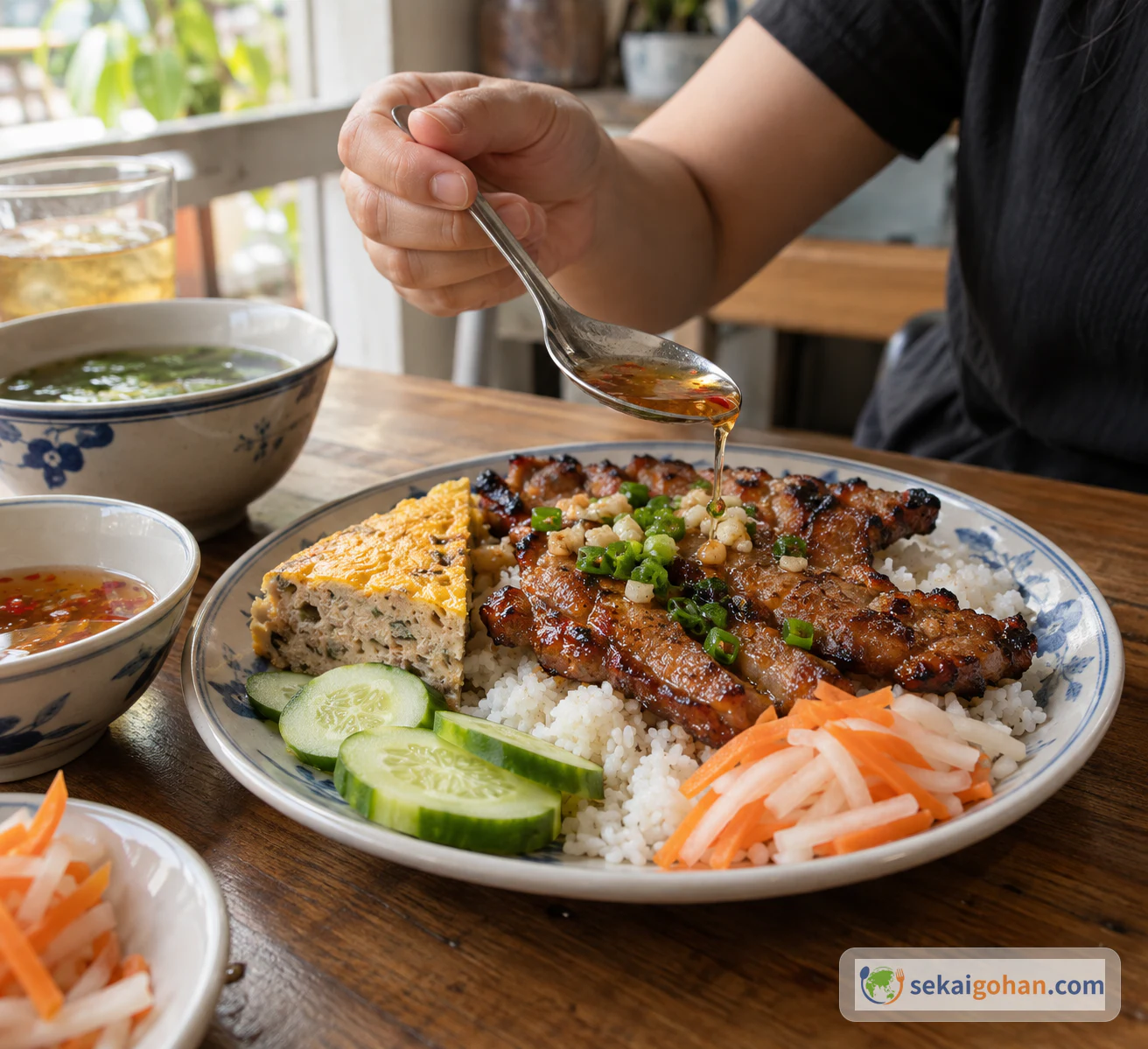
Picture a plate of hot rice made of small, broken grains, a caramel-edged pork chop scented with lemongrass and fish sauce, a few strands of pickled carrot and daikon, cool cucumber, and a spoonful of scallion oil glistening on top. Beside it sits a bowl of sweet fish sauce dressing, ready to be poured over the rice. This is cơm tấm, a dish closely tied to Ho Chi Minh City (Saigon) in southern Vietnam. The name tells you where to look: cơm means cooked rice, and tấm refers to the grains that break during milling. Those short, fractured pieces cook up differently from whole long-grain rice and catch the dressing as it soaks in.
Cơm Tấm in Saigon
Cơm tấm is a breakfast staple in Ho Chi Minh City that is now eaten throughout the day. Tấm rice was the broken rice that farmers kept and ate because it could not be sold. Built from this by-product of milling, cơm tấm became linked with the meals of lower-income people and then part of the city's breakfast culture. It takes many forms today.
Sườn, bì and chả
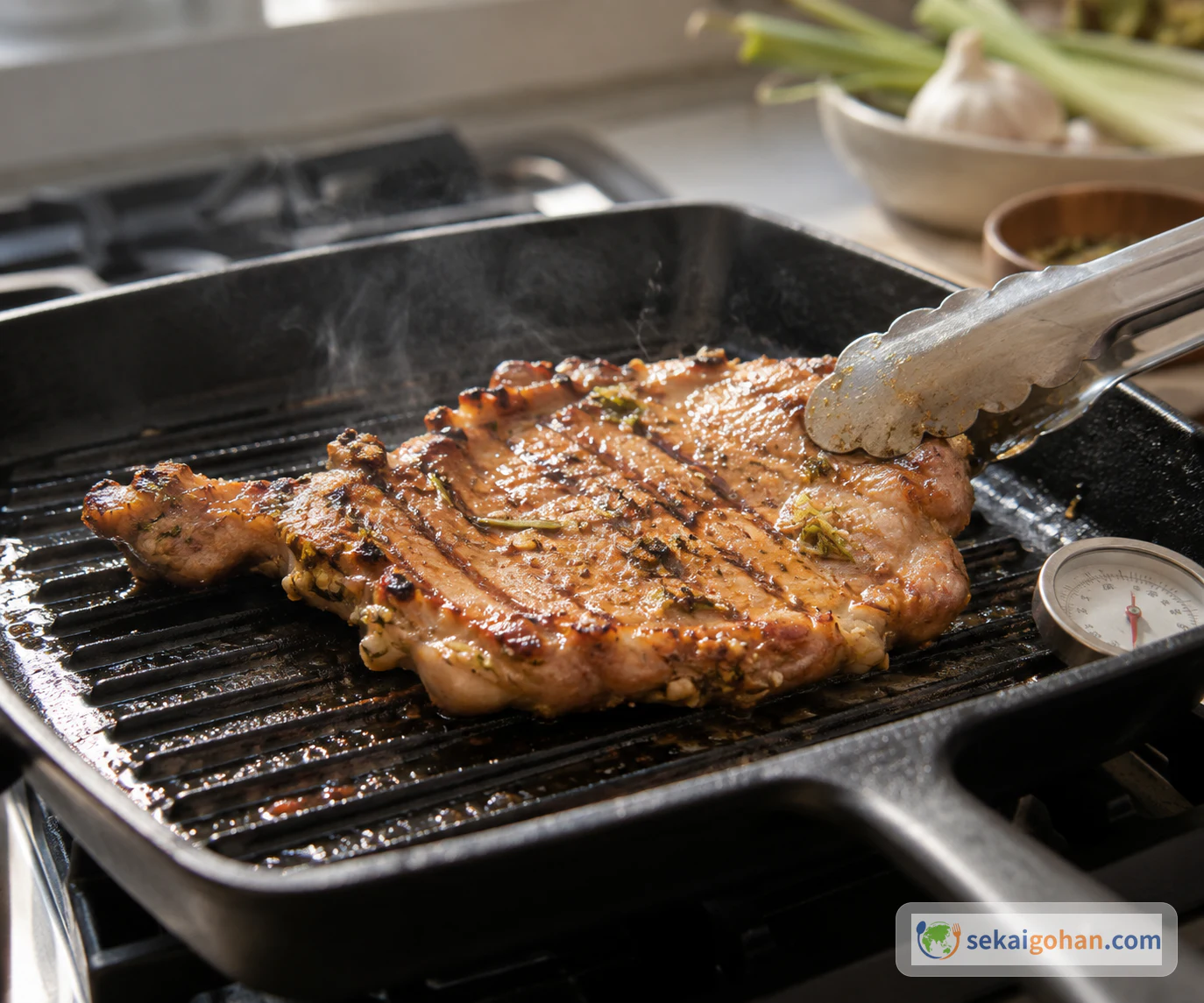
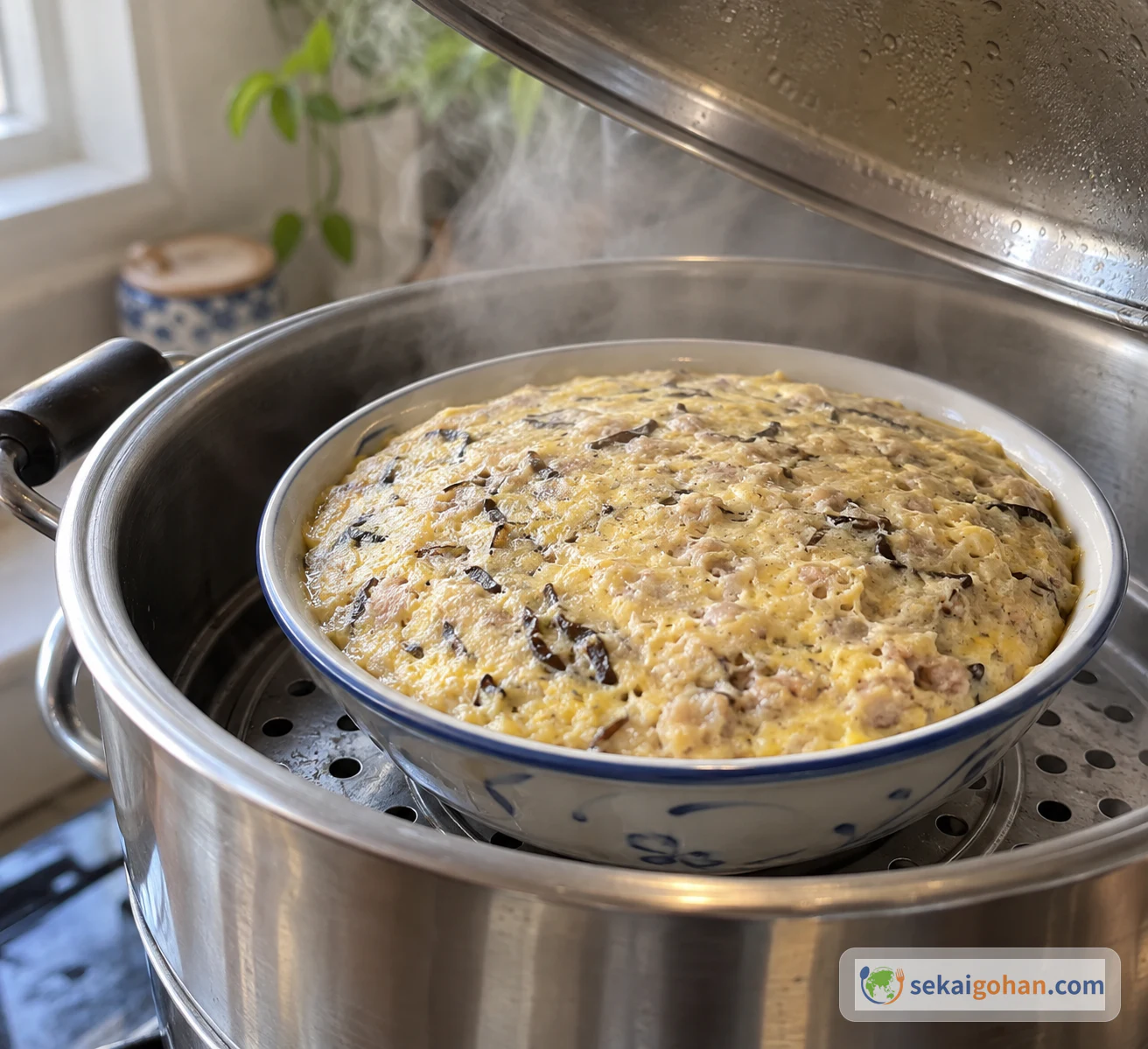
A full shop-style plate carries three classic components alongside the rice. Sườn is grilled pork, often a marinated chop. Bì is shredded pork skin and pork tossed with thính gạo, toasted rice powder. Chả trứng is a steamed loaf of minced pork and egg, often with bean thread noodles and wood ear mushroom. Pickles, cucumber, scallion oil and sweet fish sauce dressing round it out, while fried eggs, sausage and other additions vary from place to place.
Which toppings sit beside the rice depends on the shop, the region and the household. A Long Xuyên style, for example, uses thinly sliced meat, sausage and braised egg. This version makes lemongrass pork chops, chả trứng with a yolk layer on top, quick daikon and carrot pickles, scallion oil and nước chấm. It's a complete meal even without bì.
Ingredients for 4 Servings
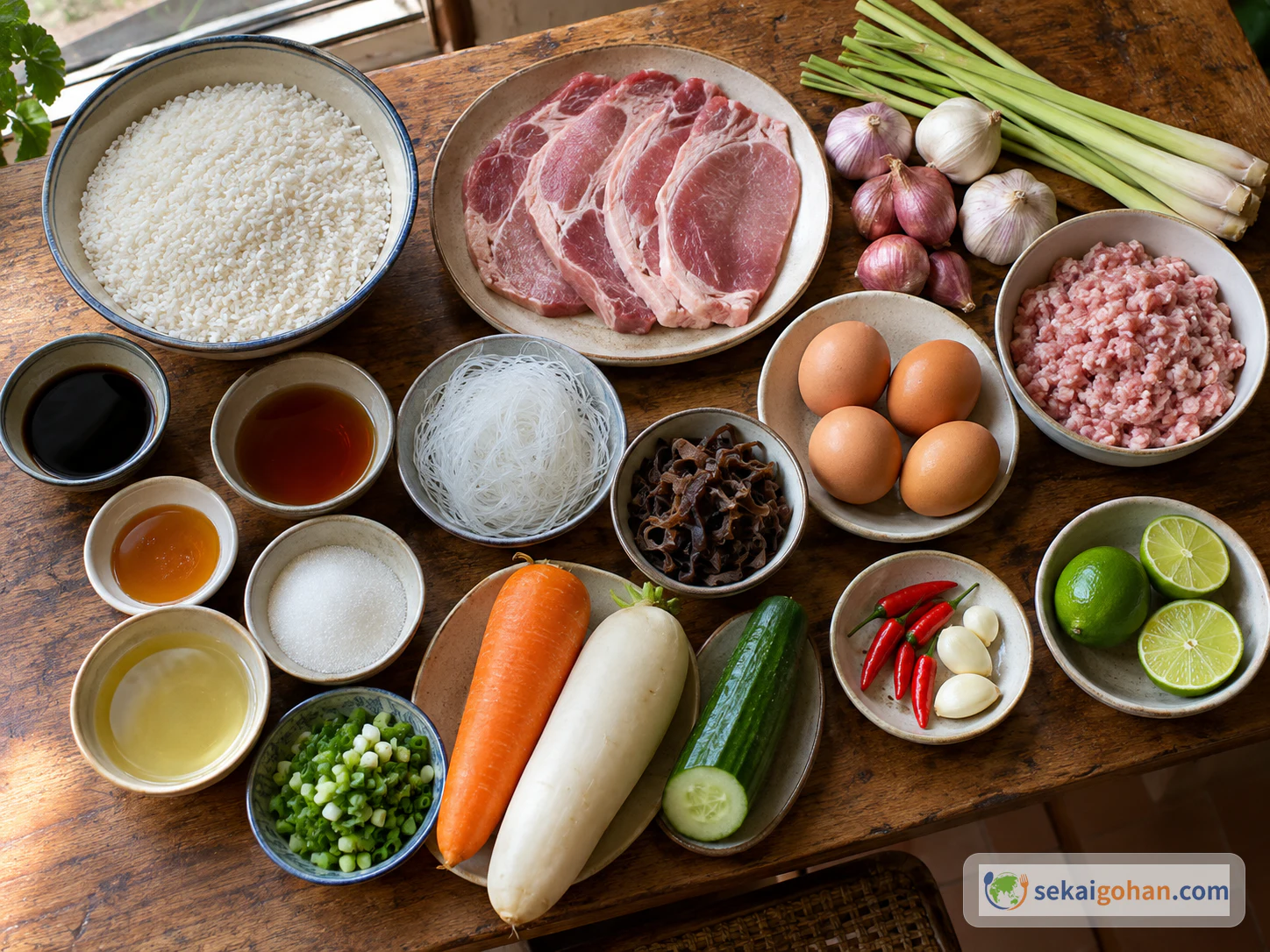
The egg loaf uses all four eggs, divided: two yolks go on top as a glaze, and the remaining two whole eggs plus the two whites go into the pork mixture. The base is not made with whites only.
300g of uncooked broken rice is enough for four people at home (about 4 cups cooked).
Equipment
- Rice cooker or a lidded pot for rice
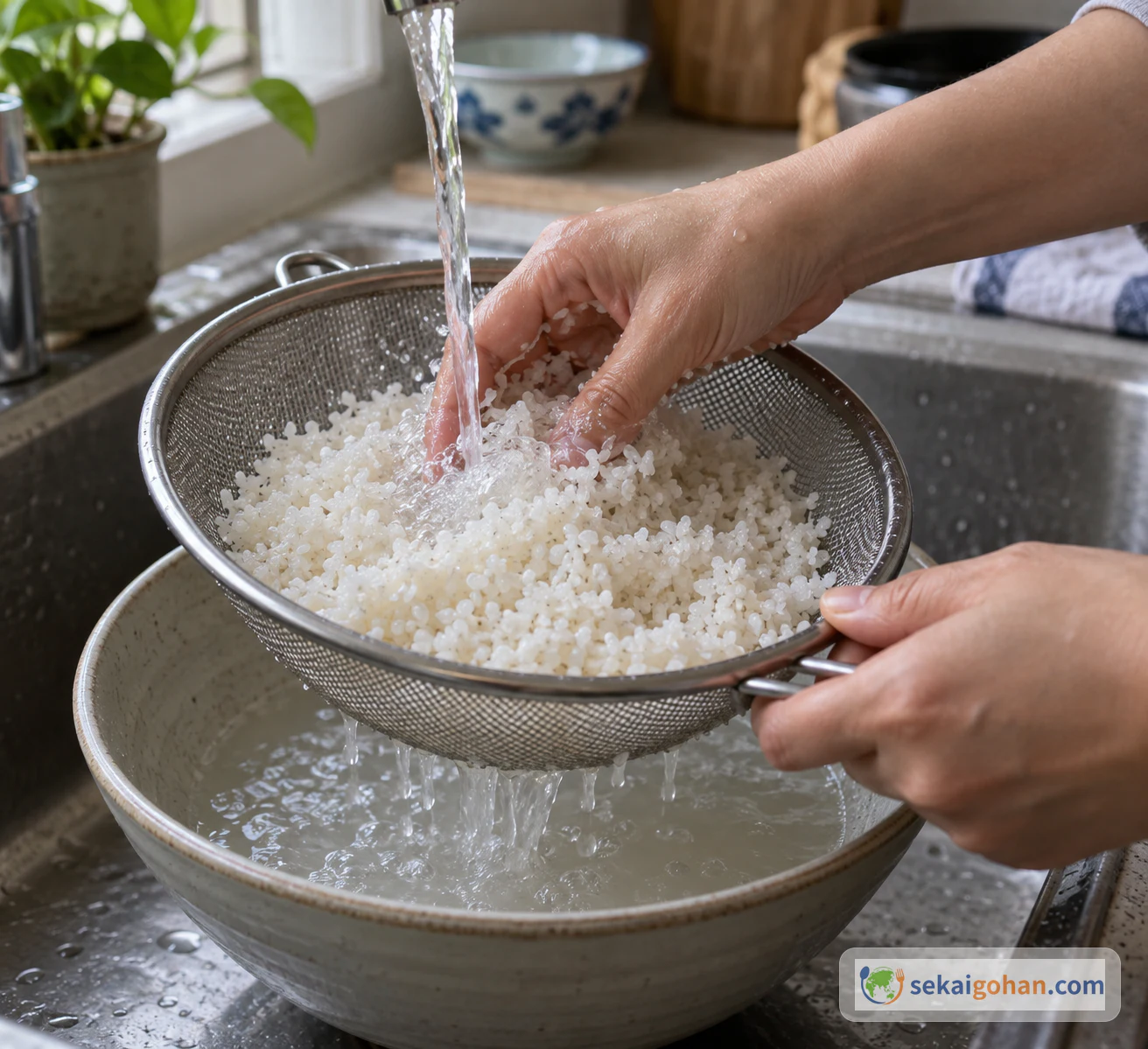
- Fine sieve and a bowl for rinsing rice
- Grill pan, or an overhead grill such as a fish grill or broiler
- Clean probe thermometer
- Steamer with a lid, and a shallow heatproof dish for the egg loaf
- Tongs, and separate plates for raw and cooked pork
- Small heatproof bowl for scallion oil, and a small saucepan for heating the oil
Choosing Rice, Fish Sauce and Lemongrass for Cơm Tấm
Broken rice does more to shape this dish than any other ingredient. Look for it at Vietnamese or Southeast Asian grocers under names such as gạo tấm or "broken rice."
| Item | What to look for | If you can't find it |
|---|---|---|
| Broken rice (gạo tấm) | Short, irregular broken grains | Jasmine rice or Japanese-style short-grain rice (see the FAQ) |
| Fish sauce (nước mắm) | Saltiness varies by brand | Adjust the dressing a little at a time with water, sugar and citrus |
| Lemongrass | Fresh stalks; use the white part | Frozen lemongrass helps when fresh is unavailable. Ginger or lemon zest add a different aroma and do not fully replace it |
| Soy sauce | For the marinade | Adds color and depth here |
| Wood ear and bean threads | Dried, from Asian grocers | Leaving them out changes the texture of the egg loaf |
How to Make Cơm Tấm
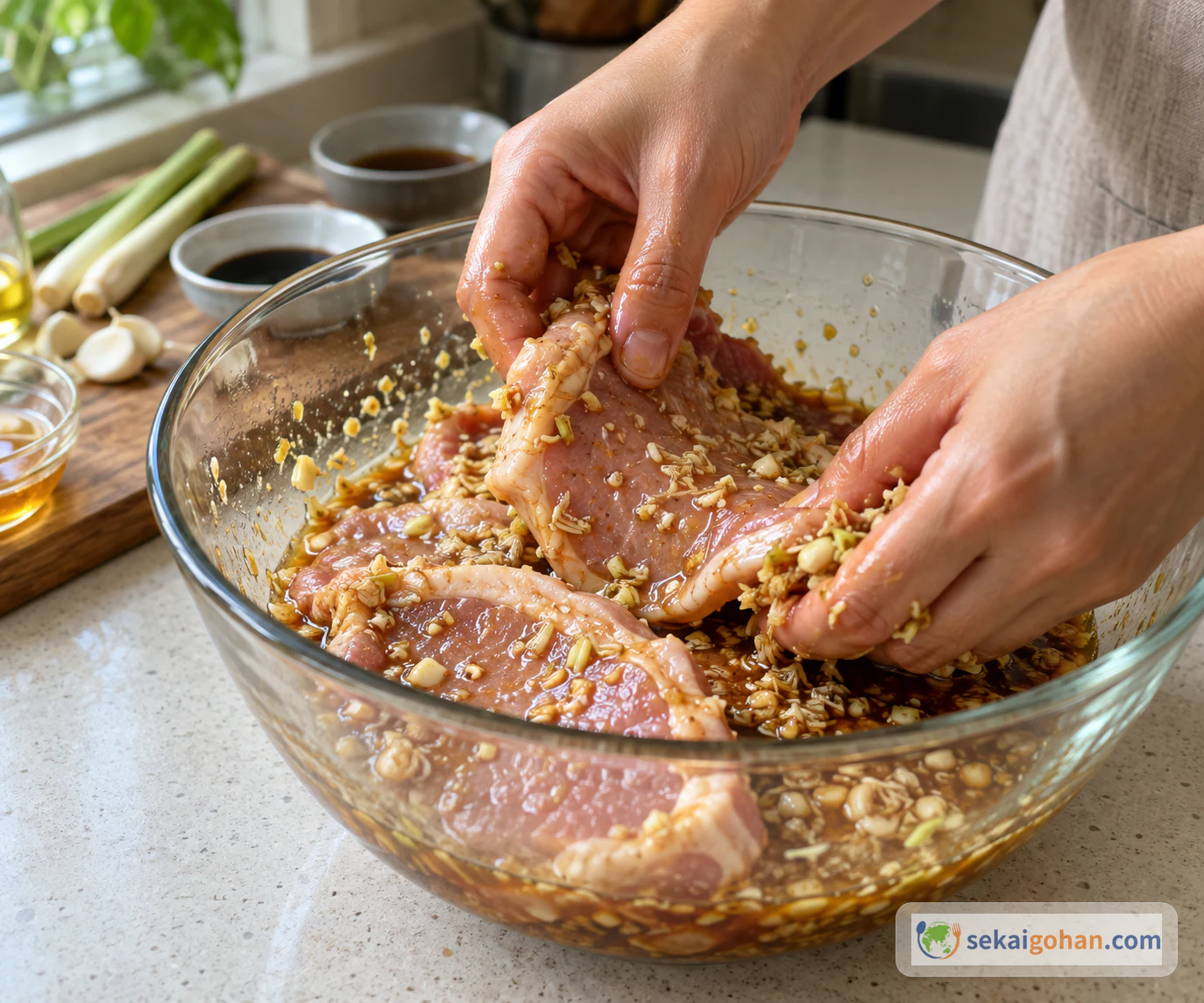
While the rice cooks and the pork marinates, prepare the egg loaf, pickles and dressing. Marinate the pork in the refrigerator for at least 1 hour, or overnight if you have time. Judge the pork and egg loaf by how they look and by the center, not by the clock alone.
Fixing Common Cơm Tấm Problems
Keep the short, broken grains loose rather than mashed, and grill the pork until it is cooked through without burning the sweet marinade. Serve the dressing on the side so each person decides how much goes over the rice.
| Problem | Likely cause | What to do |
|---|---|---|
| Rice is clumpy or mushy | Rubbed too hard when rinsing; water or soaking didn't suit the product | Rinse gently, and follow the rice cooker's or package's water and soaking instructions. Loosen by lifting, not pressing |
| Pork burns on the outside | Sugar and honey in the marinade scorch | Wipe off excess marinade, lower the heat, and turn more often |
| Pork is hard and dry | Uneven thickness; overcooked | Pound to an even thickness. Use a thermometer to confirm doneness, and stop once it is safely cooked |
| Dressing is too salty | Fish sauce brands vary | Add water, sugar and lime a little at a time |
| Chả trứng is watery or falls apart | Bean threads and wood ear not drained; cut while hot | Drain the soaked ingredients well, and let the loaf cool a little before slicing |
| Chả trứng center is still loose | Dish is deeper than expected | Keep steaming, covered, until the center is set and a clean probe confirms 167°F (75°C) for at least 1 minute in the minced-pork center, then add the yolk layer |
Steaming times for chả trứng range from about 30 minutes before the yolk finish to 20–25 minutes followed by 8–10 minutes for the yolk layer. The depth of your dish matters more than either number.
Cơm Tấm Variations and Storage
There's plenty of room to play with the plate:
- Bone-in pork chops for a shop-style look. Bone-in loin chops look closer to a Saigon plate. Adjust cooking to the thickness and confirm the center.
- Chicken thighs instead of pork. Treat this as a different recipe: the pork's timing won't carry over, so make sure the chicken is cooked through to the center.
- Add bì. The shredded pork skin and toasted rice powder add a dry, chewy crunch. Check what prepared ingredients are available and handle them hygienically; store-bought pork-skin snacks are not the same thing.
- A simpler plate without chả trứng. Broken rice, grilled pork, a fried egg and pickles make a quicker, lighter plate.
- A Long Xuyên–style arrangement. Try thinly sliced meat, sausage and braised egg.
If you make components ahead, store them separately, cool them quickly and refrigerate. Reheat only what you will eat, heat it thoroughly, and keep cooked rice out of room temperature.
This dish contains fish (fish sauce), eggs, pork, and soy sauce, which usually contains wheat and soy. Allergen content depends on the products you use, so check labels.
Frequently Asked Questions
What if I can't find broken rice?
Jasmine rice or Japanese-style short-grain rice will work. The grains are longer or stickier, separate differently, and take up the dressing differently, so you'll get a good plate, just not the broken-rice texture the dish is named for.
Can I make it without charcoal?
Yes. A grill pan or an overhead grill such as a fish grill or broiler works. The sweet marinade smokes and burns easily, so wipe off the excess and keep the heat moderate.
How is this different from bún thịt nướng?
Both use grilled pork, but bún thịt nướng is built around rice vermicelli mixed with its toppings and sauce. Cơm tấm puts broken rice at the center and serves it on a plate with sweet fish sauce dressing spooned over.
Explore more dishes from Vietnam, including bún chả, a distinct northern grilled-pork noodle dish.