Otchahoi: Home-Style Stir-Fried Kishimen with Pork, Egg and Chili Sauce (オッチャホイ)

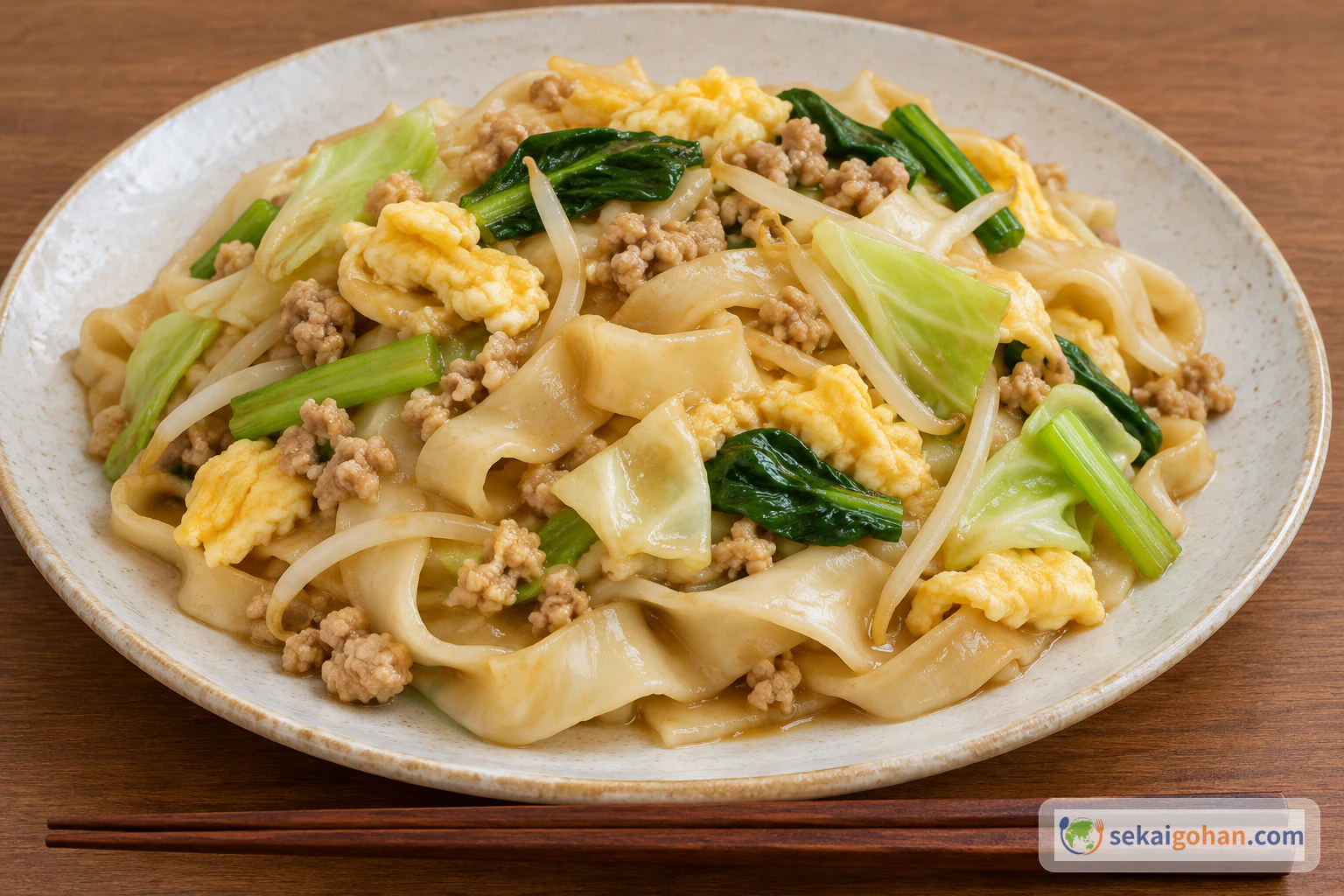
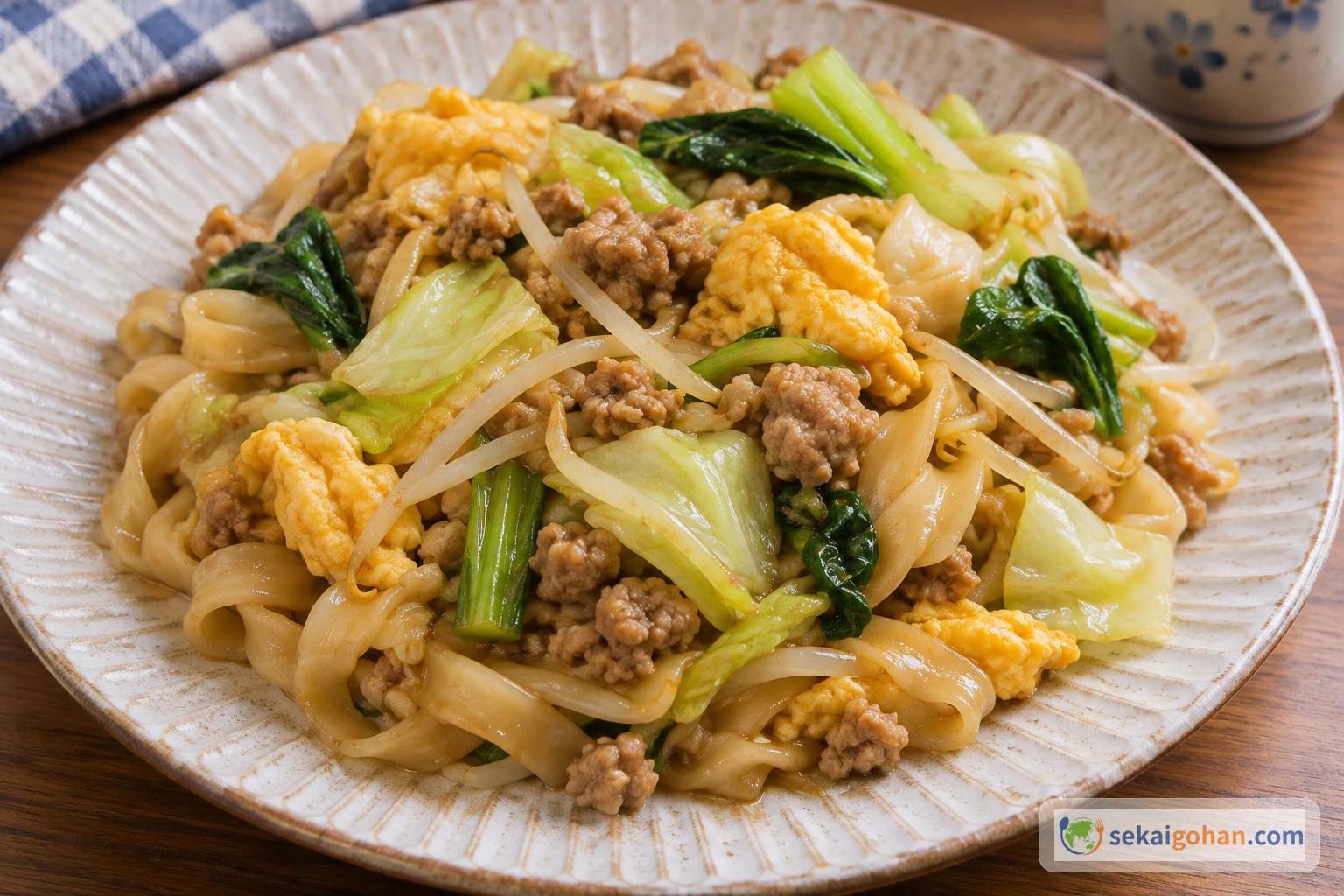
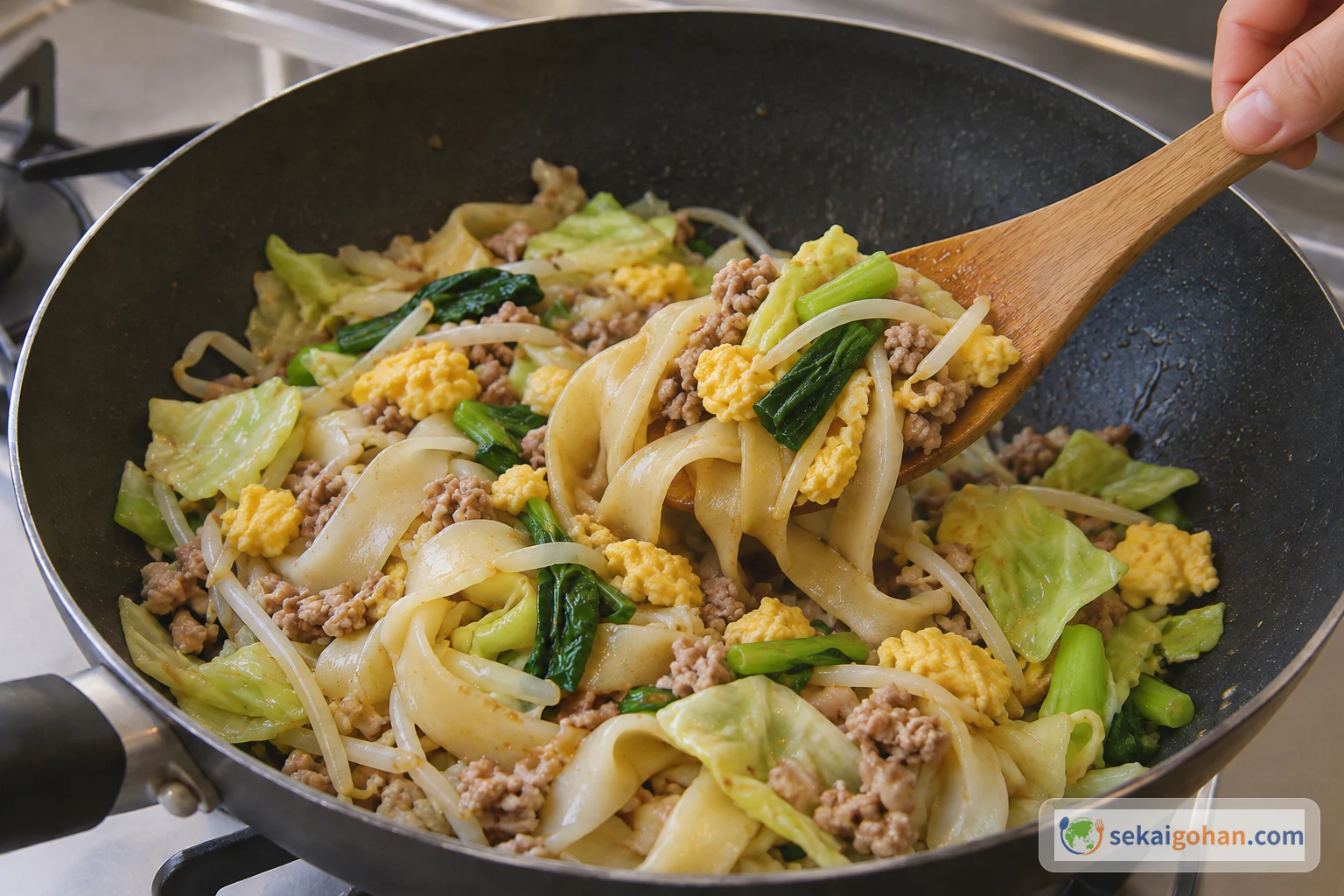
A plate of home-style otchahoi with flat kishimen, minced pork, scrambled egg, cabbage, bean sprouts and komatsuna
Serves
3 servings
Cuisine
Japanese

A home adaptation of otchahoi, the flat-noodle stir-fry linked to Singapore Shokudo in Shibata, Japan. Uses kishimen, minced pork, egg, cabbage, bean sprouts and komatsuna, with the two separate water measures, food safety checks and the limits of this version explained. It is not the restaurant's recipe.

Cooking flow

Cooking steps

STEP11 / 6

Prep the vegetables and mix the sauce

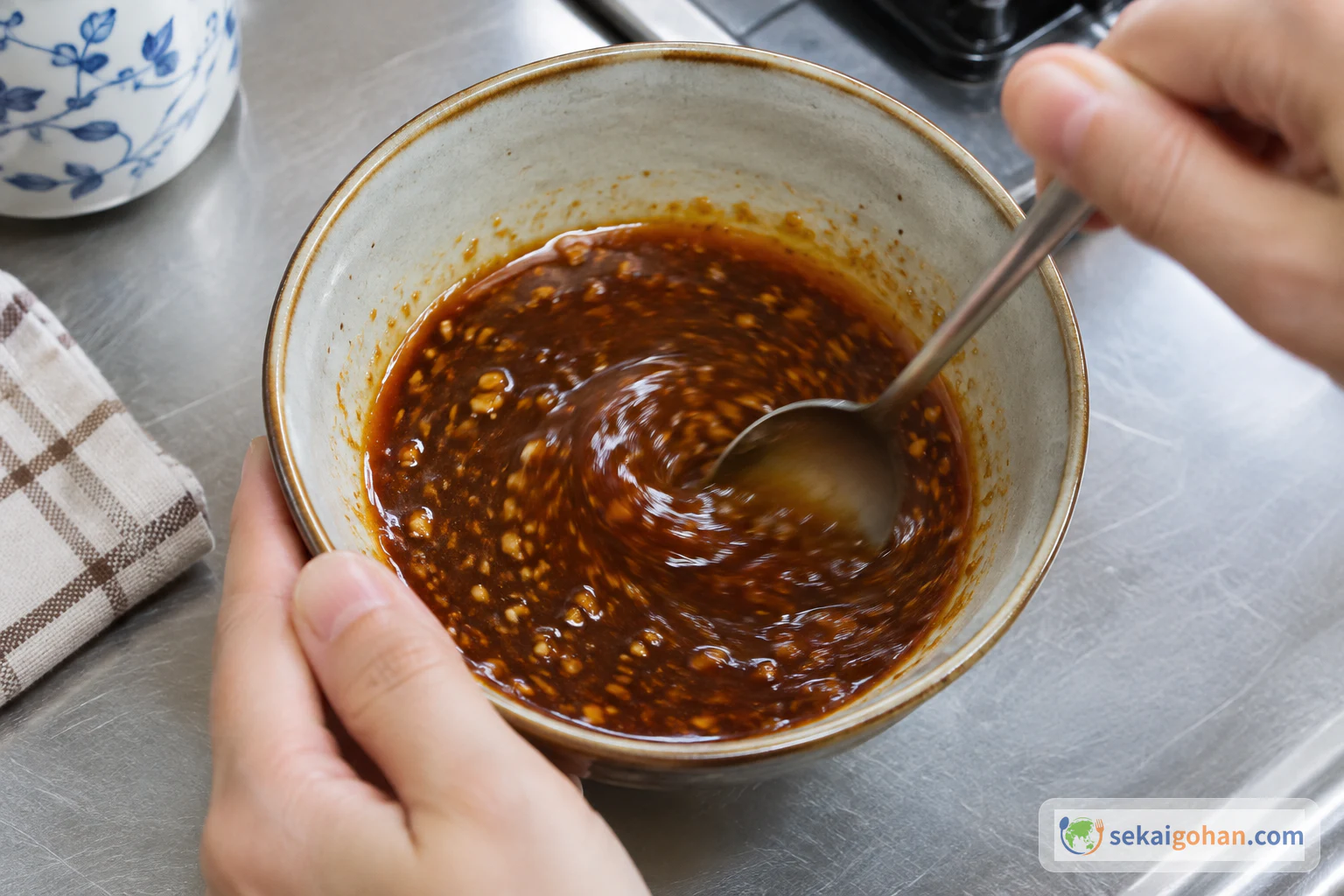
Stirring the sauce in a bowl
Only the sauce's own 60cc of water goes in here

Wash the cabbage, bean sprouts and komatsuna. Cut the cabbage and komatsuna into pieces that are easy to eat, using a clean board and knife that have not touched raw pork or egg, and mince the garlic. In a bowl, stir together 1 tbsp sriracha, 2 tsp granulated chicken stock, 1 tsp beet sugar, 1 1/2 tbsp sake, 60cc water, 1 tsp fish sauce and 1 tsp oyster sauce. Do not add the noodle cooking water to this bowl; the sauce is ready when the sugar and stock have dissolved and the mixture looks even.

STEP22 / 6

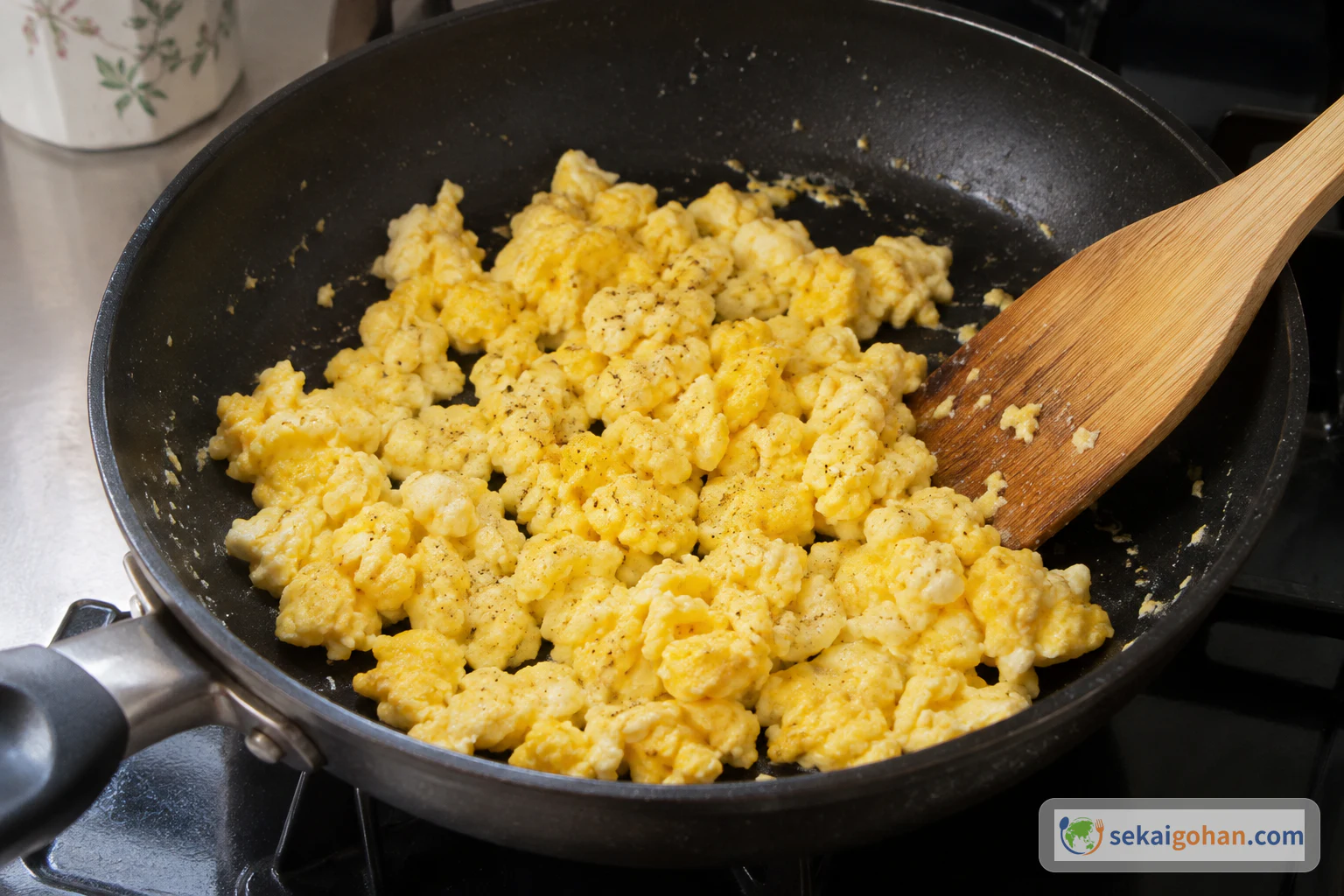
Scramble the eggs

Scrambling eggs in a frying pan
Cook the eggs through before they leave the pan

Beat the 2 eggs with a little salt and pepper. Heat a little oil in the frying pan, add the eggs and stir until thoroughly cooked. Transfer the cooked egg to a clean plate that has not touched raw egg or raw pork, and set it aside until you return it to the pan. Wash your hands after handling raw egg.

STEP33 / 6

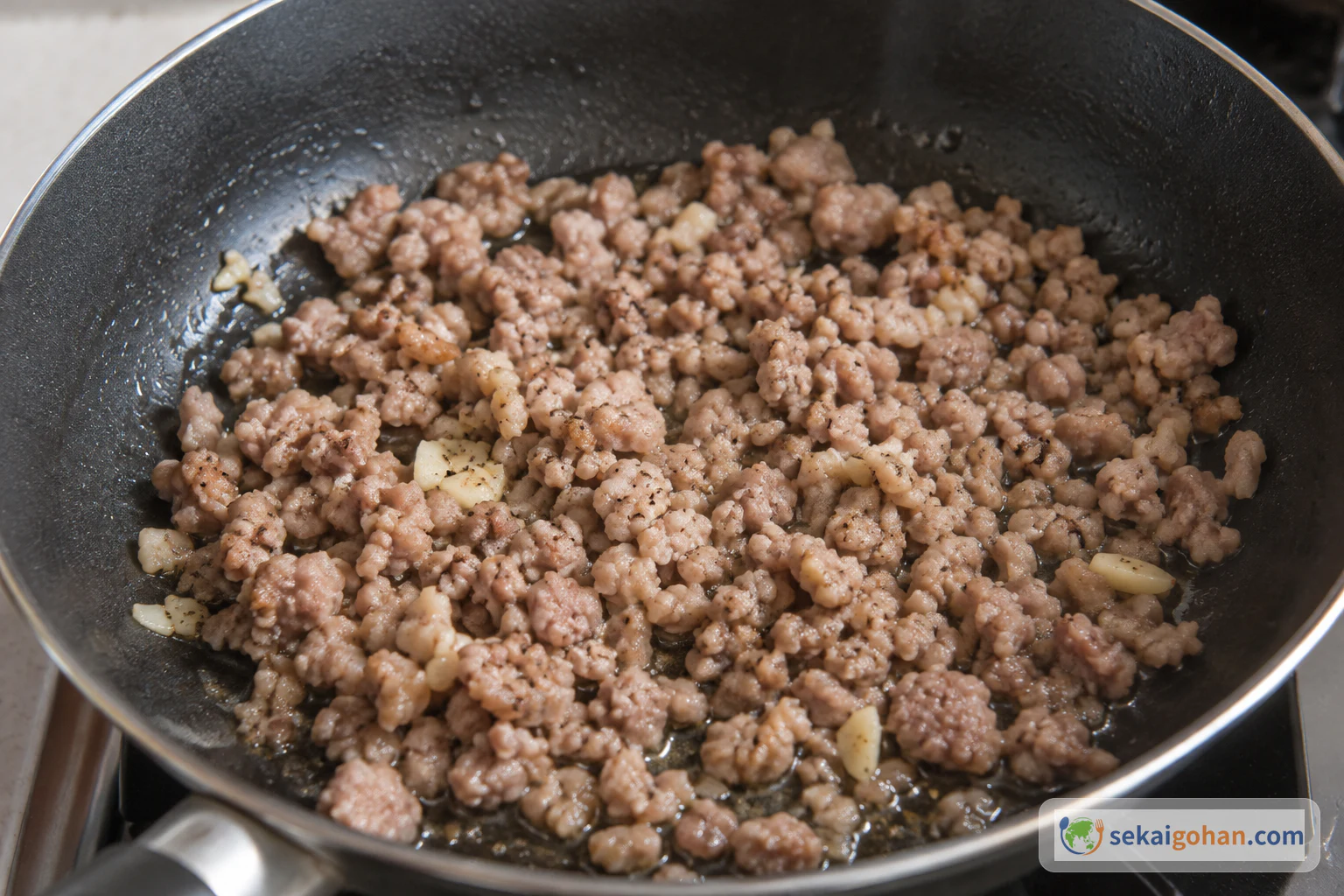
Cook the garlic and minced pork

Minced pork stir-frying in a pan
Break up the pork as it cooks

Add oil to the pan, then add the minced garlic and stir until fragrant. Add the minced pork, season with salt and pepper, and stir-fry until thoroughly cooked. The center should reach at least 167°F (75°C) for 1 minute or more; check with a thermometer, because color alone does not prove the temperature. Wash your hands and any utensils that touched the raw pork.

STEP44 / 6

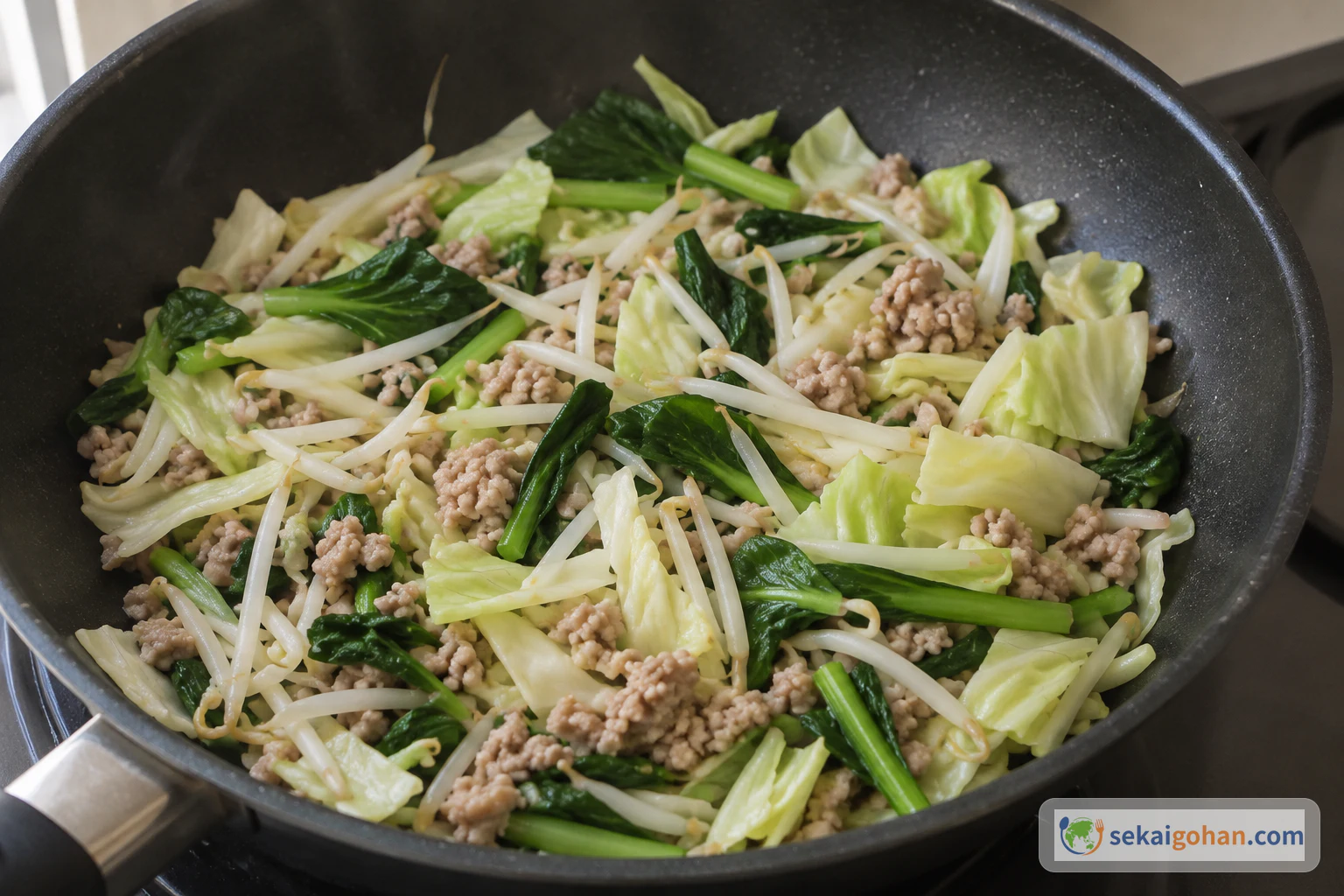
Stir-fry the vegetables with the pork

Stir-frying pork and vegetables together
Pork and vegetables together, before the noodles

Add the cabbage, bean sprouts and komatsuna to the pan with the cooked pork. Stir-fry until the pork and vegetables are well combined and the vegetables are cooked to your liking.

STEP55 / 6

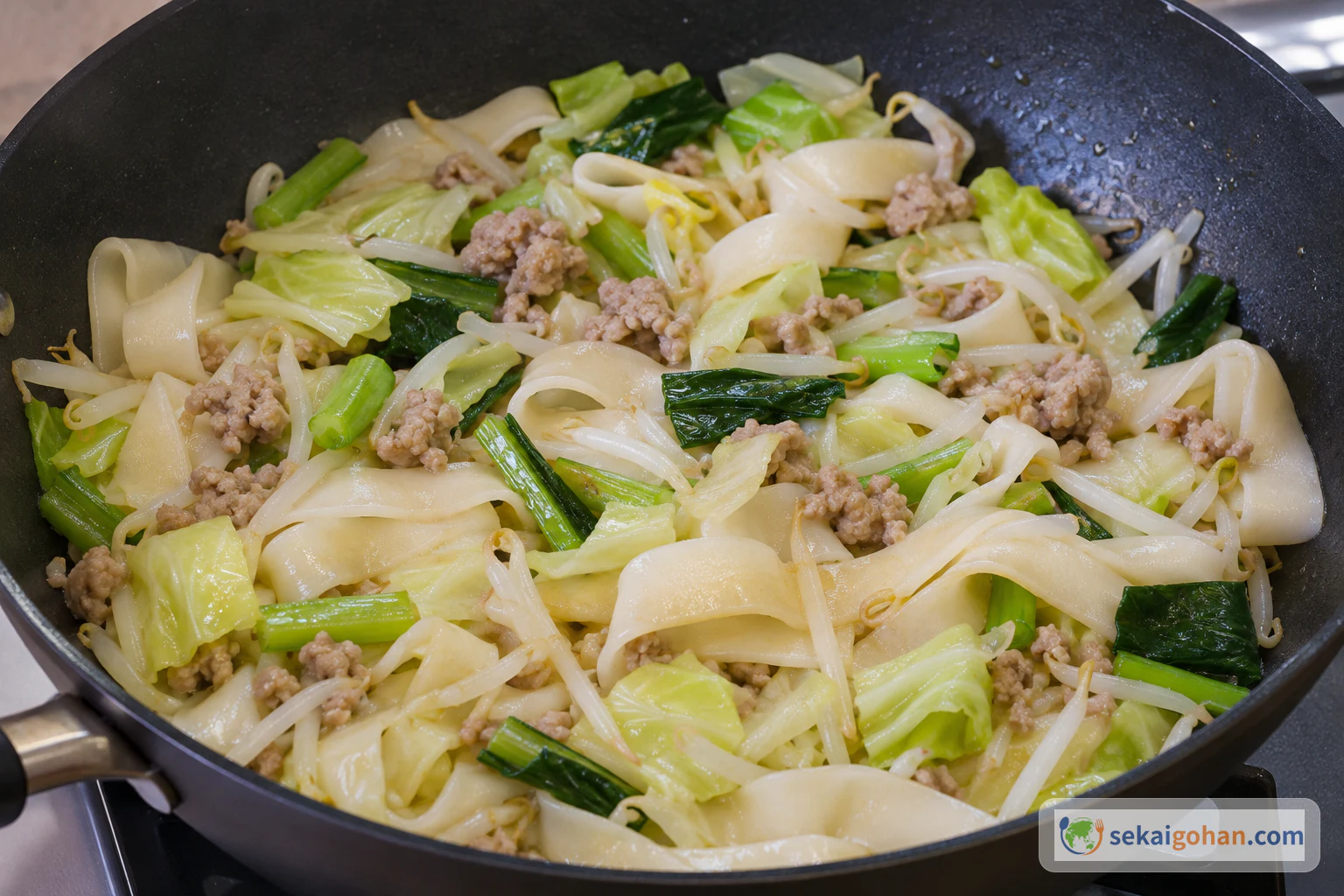
Add the noodles and water, and heat through

Stir-frying noodles, pork and vegetables until heated through
Heat everything through before adding the sauce

Add the 3 packs of kishimen straight to the pan. Do not rinse or loosen them in water first. Pour in 6 tbsp water (2 tbsp per pack), which is separate from the 60cc already in the sauce. Stir-fry until the noodles and everything with them are thoroughly hot. These noodles must be cooked, so do not move on while any part is still cold; check the center with a thermometer, using the same temperature as for the pork, rather than judging by appearance.

STEP66 / 6

Add the sauce and egg, then plate

Briefly tossing the noodles, pork, egg and vegetables
A quick lift and fold is all this stage needs

Stir the sauce once more, pour it into the pan, add pepper to taste and mix. Tip the scrambled egg from its plate back into the pan and toss quickly, just enough to combine. Transfer the noodles to clean serving plates, not ones that held raw ingredients. The noodles should be evenly coated, with the egg folded through.

0 / 0
Ingredients

Ingredients

1 / 1

Ingredients

Ingredient Amount Role
Shimadaya "Shinuchi" kishimen, flat wheat noodles (真打 きしめん) 3 packs, 7 oz (200g) each The body of the dish. Must be cooked before eating
Water for cooking the noodles 6 tbsp (2 tbsp per pack) Heats the noodles in the pan. Keep it apart from the sauce
Eggs 2 Scrambled, set aside and returned at the end
Minced pork as needed Savory base
Cabbage as needed Vegetable
Bean sprouts as needed Vegetable
Komatsuna (小松菜) as needed Leafy green
Garlic a generous amount, minced Aroma for the oil and pork
Refined white sesame oil (太白ごま油) as needed For stir-frying
Salt to taste Seasons the egg and pork
Pepper to taste Seasons the egg and pork, and finishes the noodles
Sriracha 1 tbsp Sauce: heat
Granulated chicken stock 2 tsp Sauce: savory depth
Beet sugar 1 tsp Sauce: sweetness
Sake (日本酒) 1 1/2 tbsp Sauce: seasoning liquid
Water for the sauce 60cc Sauce: thins and carries the seasonings
Fish sauce 1 tsp Sauce: salt and savor
Oyster sauce 1 tsp Sauce: savor
0 / 0

Chewy flat noodles, a chili-forward sauce, minced pork, egg and plenty of garlic, all tossed together in one hot pan. That is otchahoi (オッチャホイ), a local favorite in Shibata, Niigata. It was born at a restaurant called Singapore Shokudo, where the previous owner recreated a taste they remembered from eating at street stalls in Singapore as a child. This home-style version makes the plate kind, stir-fried with kishimen, egg, cabbage, bean sprouts and komatsuna.

Otchahoi in Shibata

Because of that story, the name Singapore comes up often, but otchahoi is not a traditional Singaporean dish. It is the Shibata restaurant's own creation, and today it belongs to the whole area. Shops there serve it two ways: as a plate or as a soup.

The plate version is a spicy stir-fry of flat noodles (kishimen), egg, vegetables and garlic. A regular plate uses 10.5 oz (300g) of noodles, so it's a hearty meal on its own. To see this dish alongside others from the country, browse more recipes from Japan.

Ingredients for 3 Servings
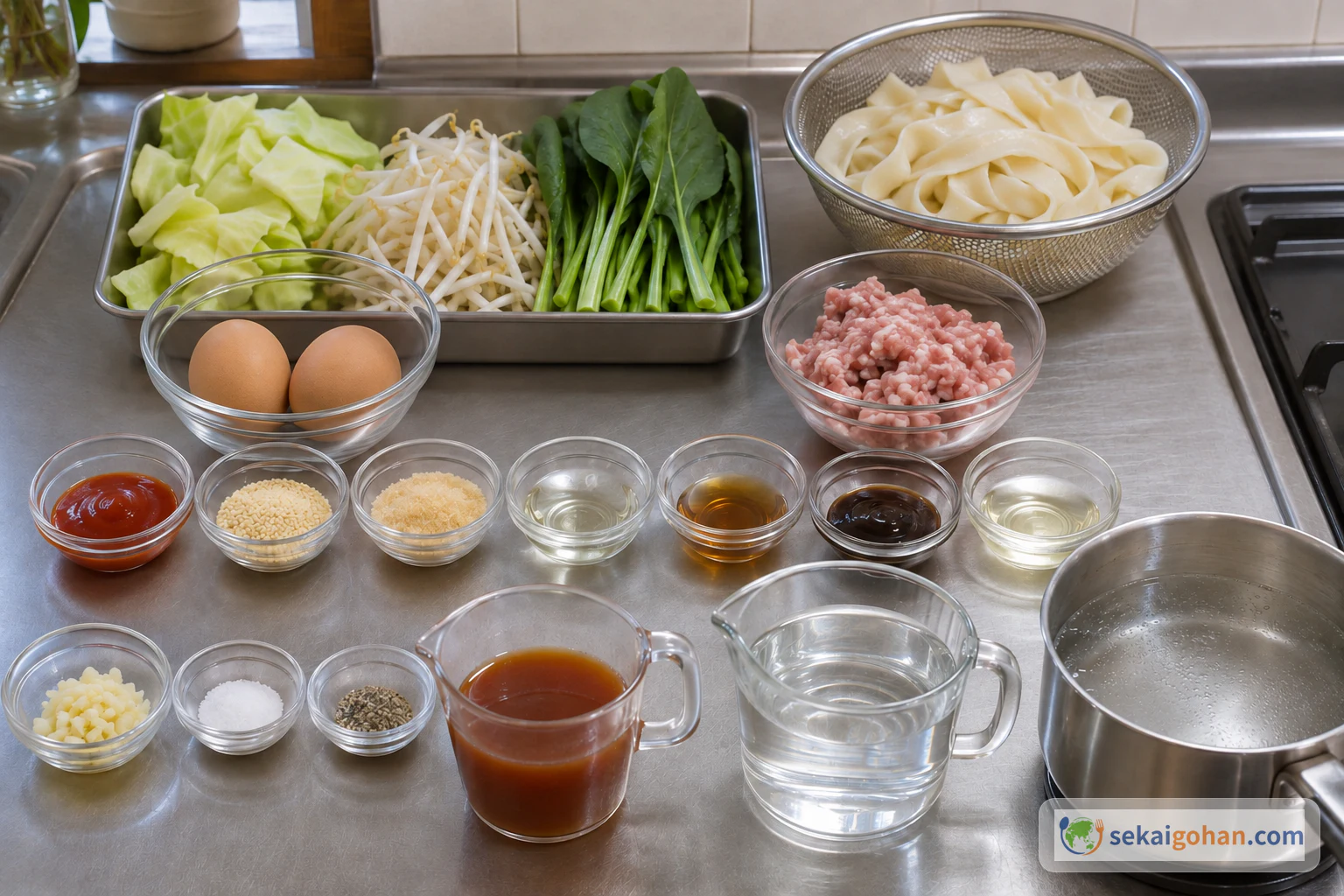
Kishimen, minced pork, eggs, vegetables and seasonings chosen for this version
Everything laid out separately, with one container for sauce water and another for cooking water

Equipment

  • Large frying pan
  • Spatula
  • Knife
  • Separate cutting board for vegetables
  • Bowl for the sauce
  • Bowl for beating the eggs
  • Tablespoon and teaspoon measures
  • Measure for 60cc of water
  • Clean plate for holding the scrambled egg
  • Clean serving plates
  • Food thermometer

Choosing Noodles, Pork and Vegetables for Otchahoi

Noodles. Wide fresh noodles are the base, and kishimen stands in well. This method is built around Shimadaya's "Shinuchi" kishimen, which goes straight into the pan without rinsing and must be heated through. Another wide noodle product works too, but follow that product's own label for heating and water, since the 2 tbsp per pack applies only to this kishimen. The same goes if your pack or its label has changed. Whatever you use, heat the noodles through before eating.

Meat and vegetables. Minced pork, cabbage, bean sprouts and komatsuna make one clear, balanced version. Use them in whatever amounts you like.

Before you start

Keep meat and eggs apart from other foods. Wash your hands and utensils before and after handling them, and heat food thoroughly before eating. Heat the center to at least 167°F (75°C) for 1 minute or more, and check with a thermometer. Egg color does not prove the food is cooked.

Check the labels on the products you buy. Allergens here include wheat, egg and sesame, along with fish, shellfish and soy in the seasonings.

Method: Egg First, Noodles Before the Sauce

Two kinds of water

The 60cc goes into the sauce. The 6 tbsp goes onto the noodles in the pan. One is never subtracted from the other.

Otchahoi Troubleshooting

What you notice What to do
You can't remember which water goes where 60cc belongs in the sauce and 6 tbsp goes on the noodles. If some has gone astray, keep the two totals in mind rather than subtracting one from the other
Some noodles are still cold Keep stir-frying and hold back the sauce until everything is hot
The egg still looks wet in step 2 Keep cooking it before moving it to the plate
The pork looks done but you aren't sure Measure it. Color and appearance do not establish the temperature; 167°F (75°C) is the general household guide
The finish seems too wet or too dry Note how much pork and vegetables you used and adjust them next time

Serving and Varying Otchahoi

Home-style otchahoi on a table with chopsticks
Home-style otchahoi, served without garnish

The plate needs nothing added: flat noodles, pork, egg and three vegetables are already in it. Just set out chopsticks and eat it hot.

There's some room to play with the balance, too:

Element Room to move Keep in mind
Eggs 1 to 2; this version uses 2 With 1 egg, the method stays the same
Pork and vegetables Amounts are as needed Cook the pork thoroughly whatever the quantity

Frequently Asked Questions

Is otchahoi a traditional Singaporean dish?

No. It is the Shibata restaurant's own dish, recreating a taste the previous owner remembered from Singapore street stalls.

Why kishimen?

Kishimen is a good stand-in for wide noodles, and the plate version is made with it. The method here depends on one specific product: it must be heated, and it goes straight into the pan with 2 tbsp of water per serving.

How long do leftovers keep?

The 21-day date on the noodle label does not apply to the cooked dish.
Sources