Southland Cheese Rolls: New Zealand's Folded Cheese Toast from the Deep South

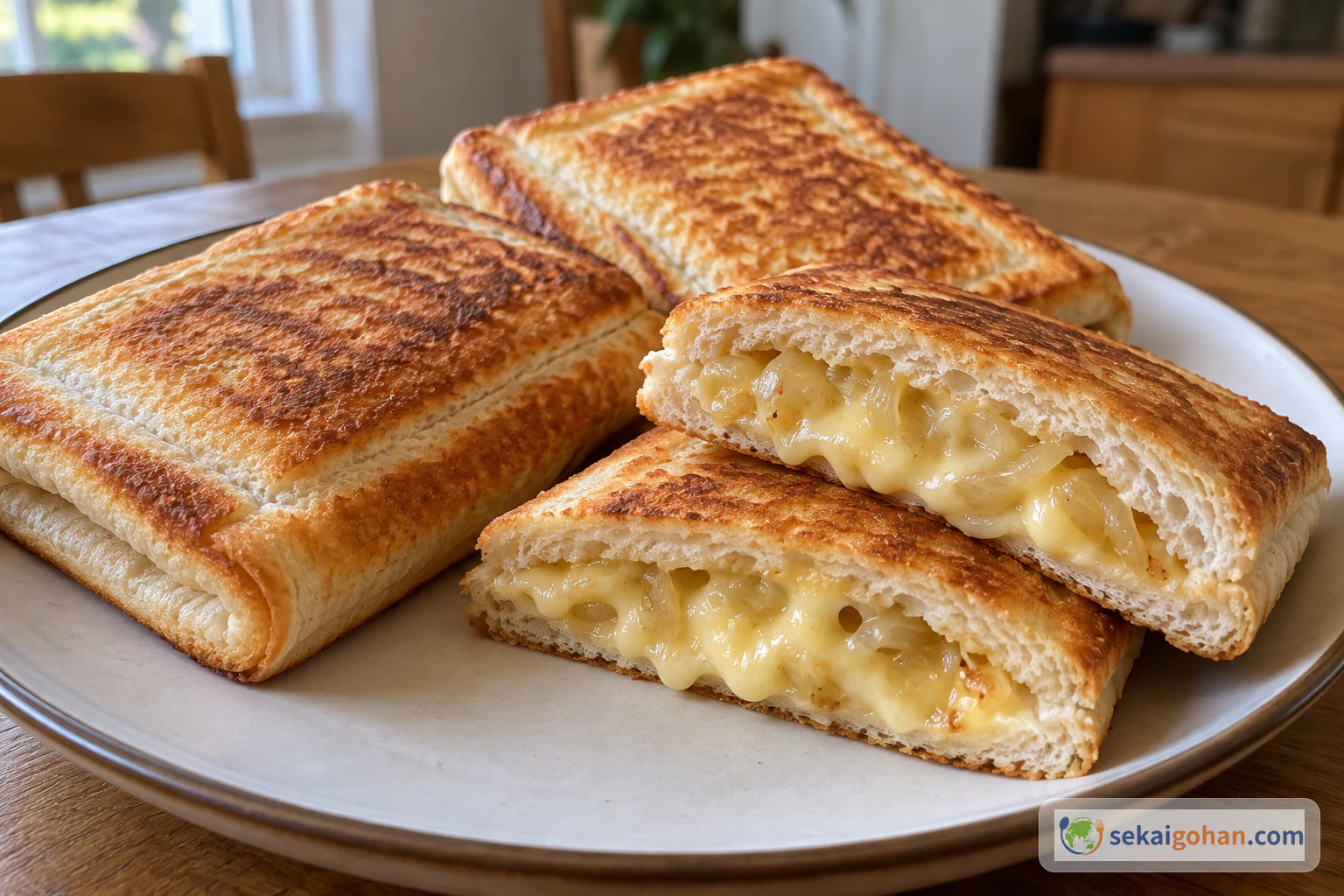
Southland cheese rolls on a plate, showing the golden surface of the folded bread and the cheese filling
Serves
About 25 rolls
Level
Beginner
Cuisine
New Zealand

How to make Southland cheese rolls, the folded cheese toast of New Zealand's Southland and Otago, using a family recipe passed down at a cafe in Riverton. Covers the onion soup and cheese filling, the double fold, toasting until golden outside and molten inside, the fundraisers and family gatherings where they appear, and how to choose bread, cheese and pantry items.

Cooking flow

Cooking steps

STEP11 / 5

Blend the onion, mustard, soup mix and parsley

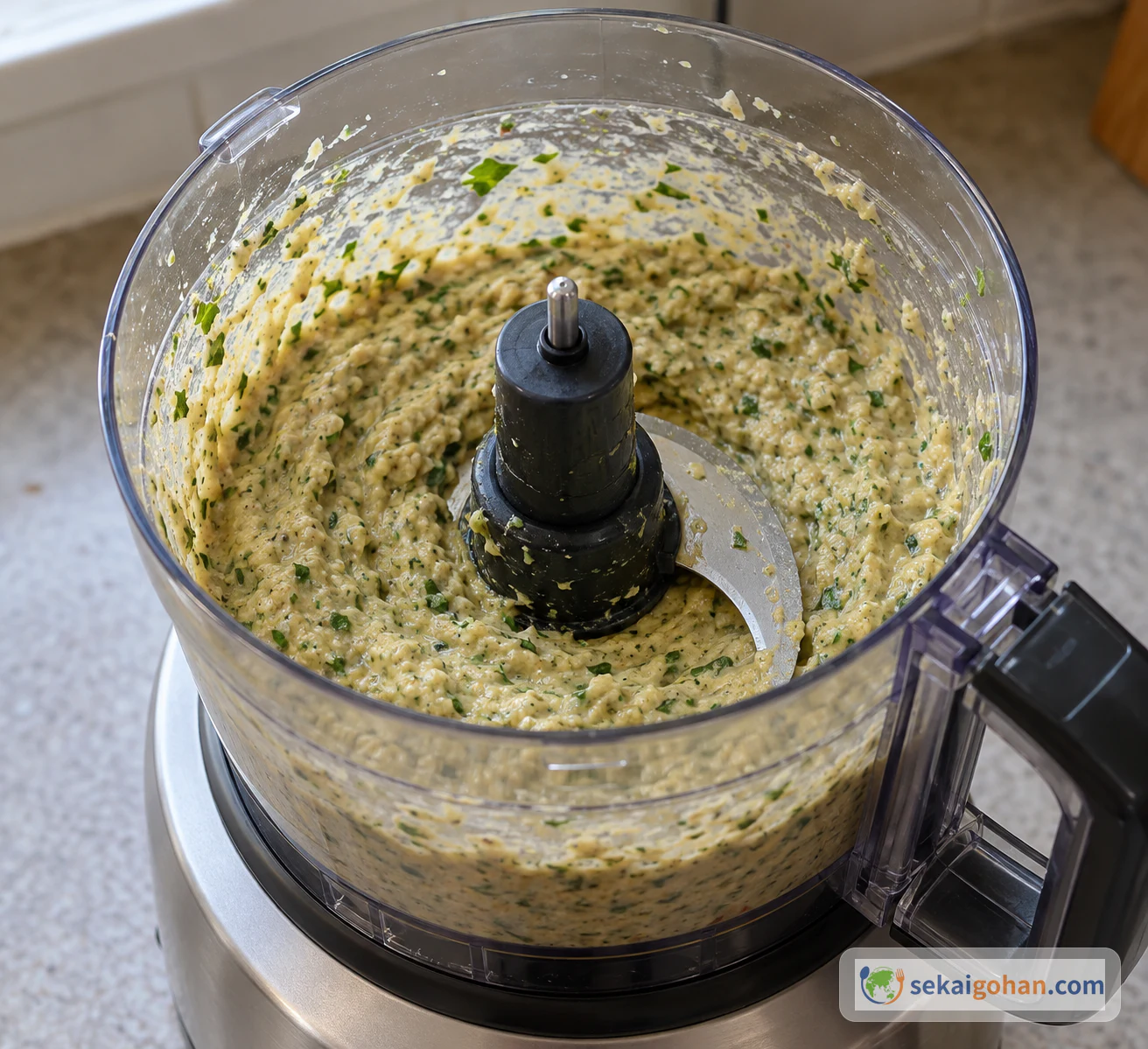
Half an onion, Dijon mustard, soup mix and parsley being blended into a smooth paste in a food processor
A smooth, pale paste flecked with parsley, with no milk or cheese yet

Roughly chop the ½ brown onion. Put it in a food processor with the 2 tablespoons Dijon mustard, 2 packs onion soup mix and the small handful of parsley. Process until smooth. Don't add anything else at this stage.

STEP22 / 5

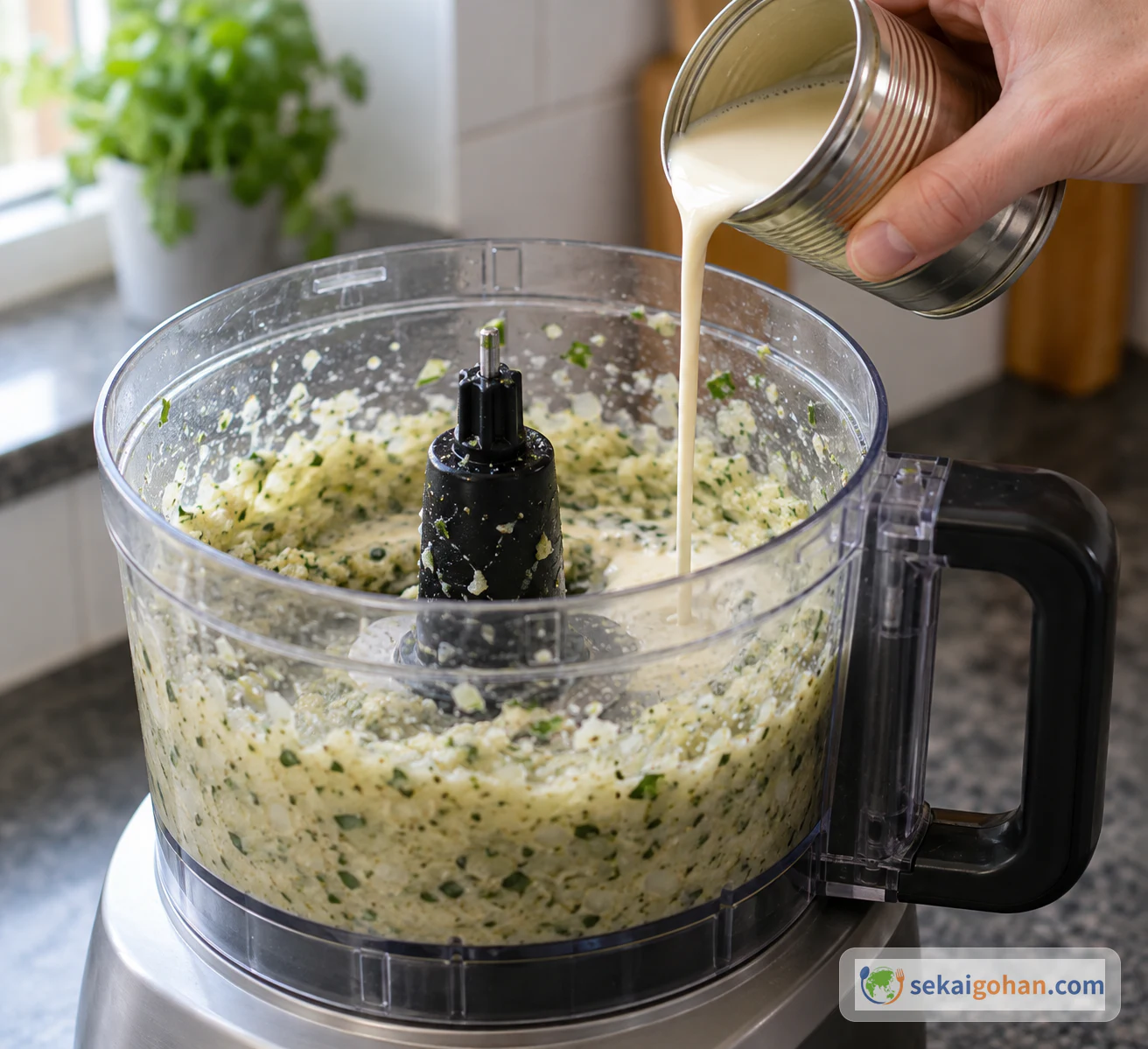
Add the evaporated milk gradually

Evaporated milk being added little by little to the onion paste in a running food processor
Pour the milk in a thin stream while the processor runs

With the processor running, pour in the tin of evaporated milk a little at a time, so it blends evenly into the paste.

STEP33 / 5

Mix in the cheese and thicken in the microwave

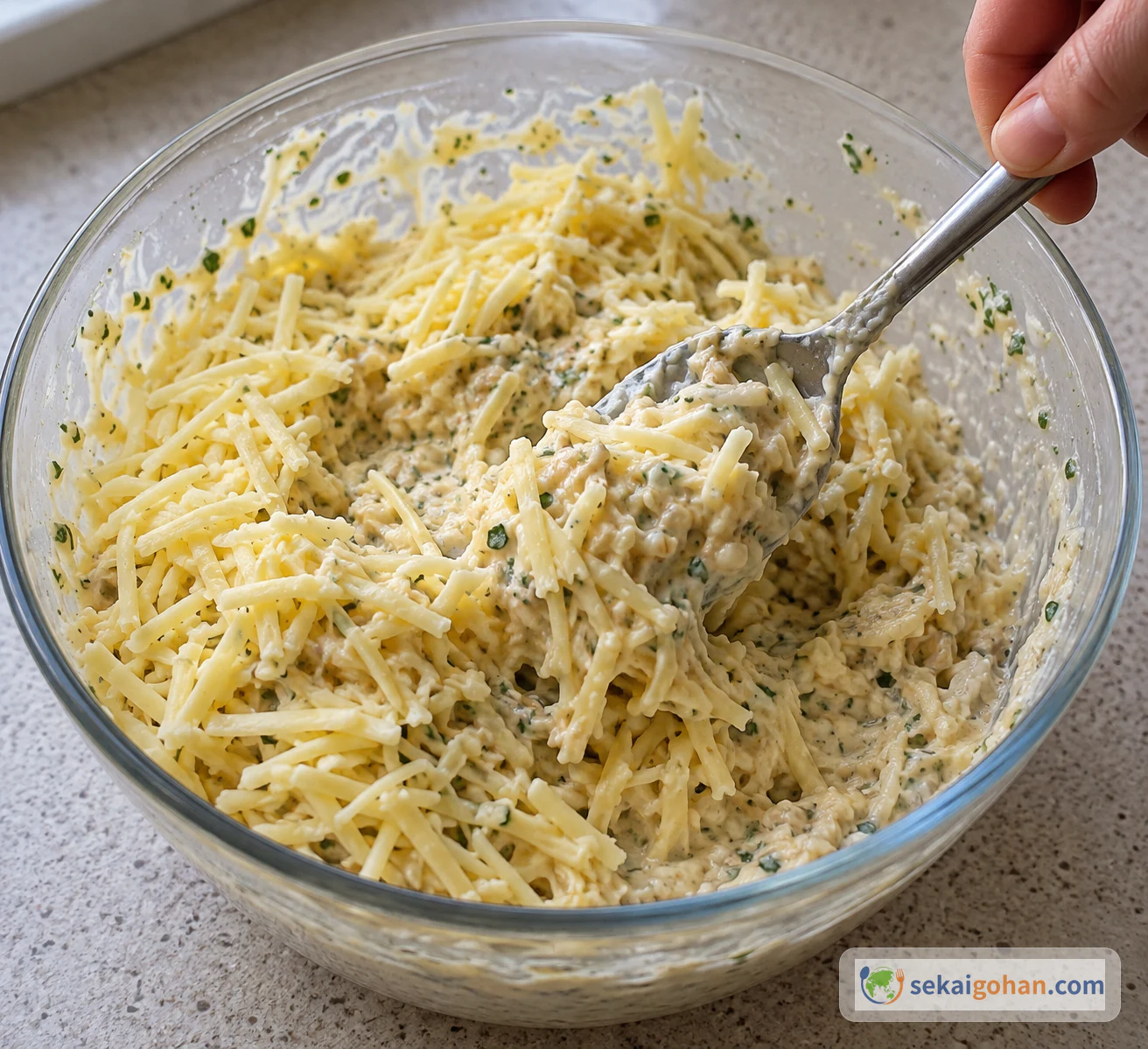
Grated cheese being mixed into the paste after moving it to a bowl
Fold the cheese through the paste before any heating

Transfer the mixture to a microwave-safe bowl and stir in the 1 lb (500 g) grated cheese until evenly combined.

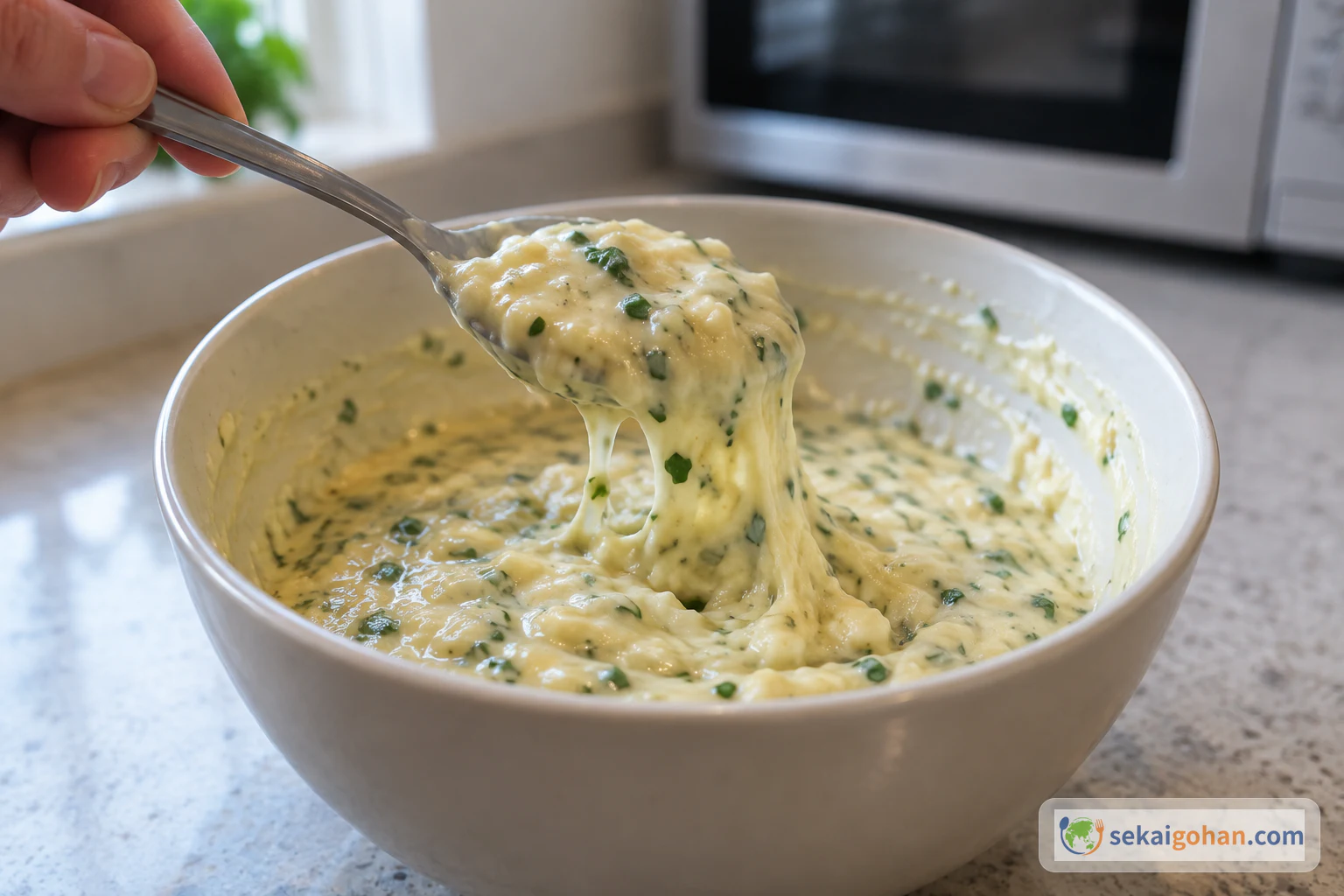
Microwave for 2 minutes, stir, then microwave for another 2 minutes. The goal is a filling thick enough that it won't run off the bread, not a bubbling sauce. Microwaves differ in power, so use these times as a starting point: check as you go, and stop before it boils or separates.

Stirring the filling after heating to check it is thick enough to spread, without letting it boil
Thick, spoonable and slowly settling: ready to spread
STEP44 / 5

Spread the filling and fold the bread twice

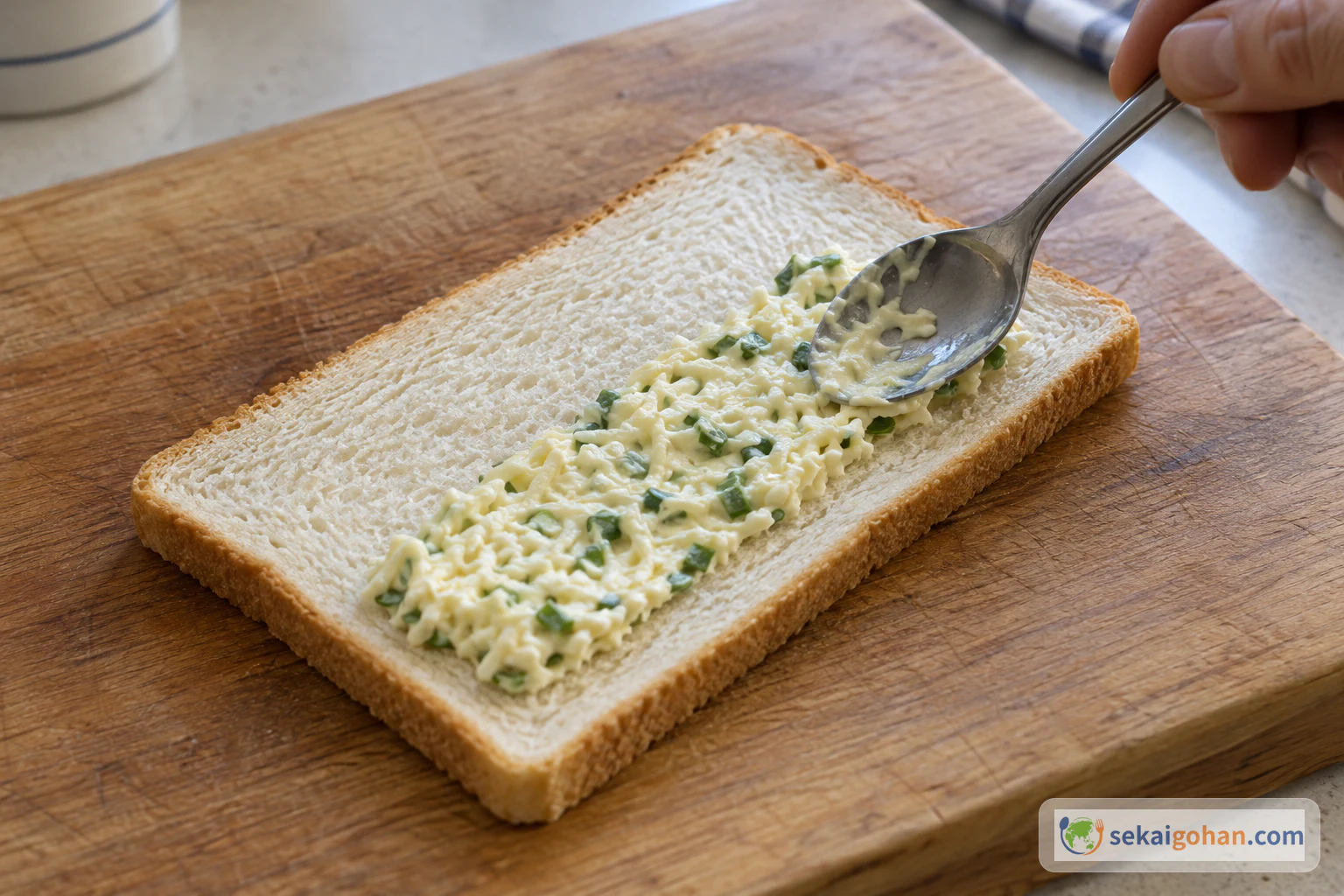
A slice of bread laid lengthwise with about 2 tablespoons of filling spread on it, leaving the edges clear
Keep the filling in a narrow, even layer and leave the edges clear for folding

Lay a slice of bread with its long side toward you. Spread about 2 tablespoons of filling over it, keeping it away from the very edges so the bread folds cleanly.

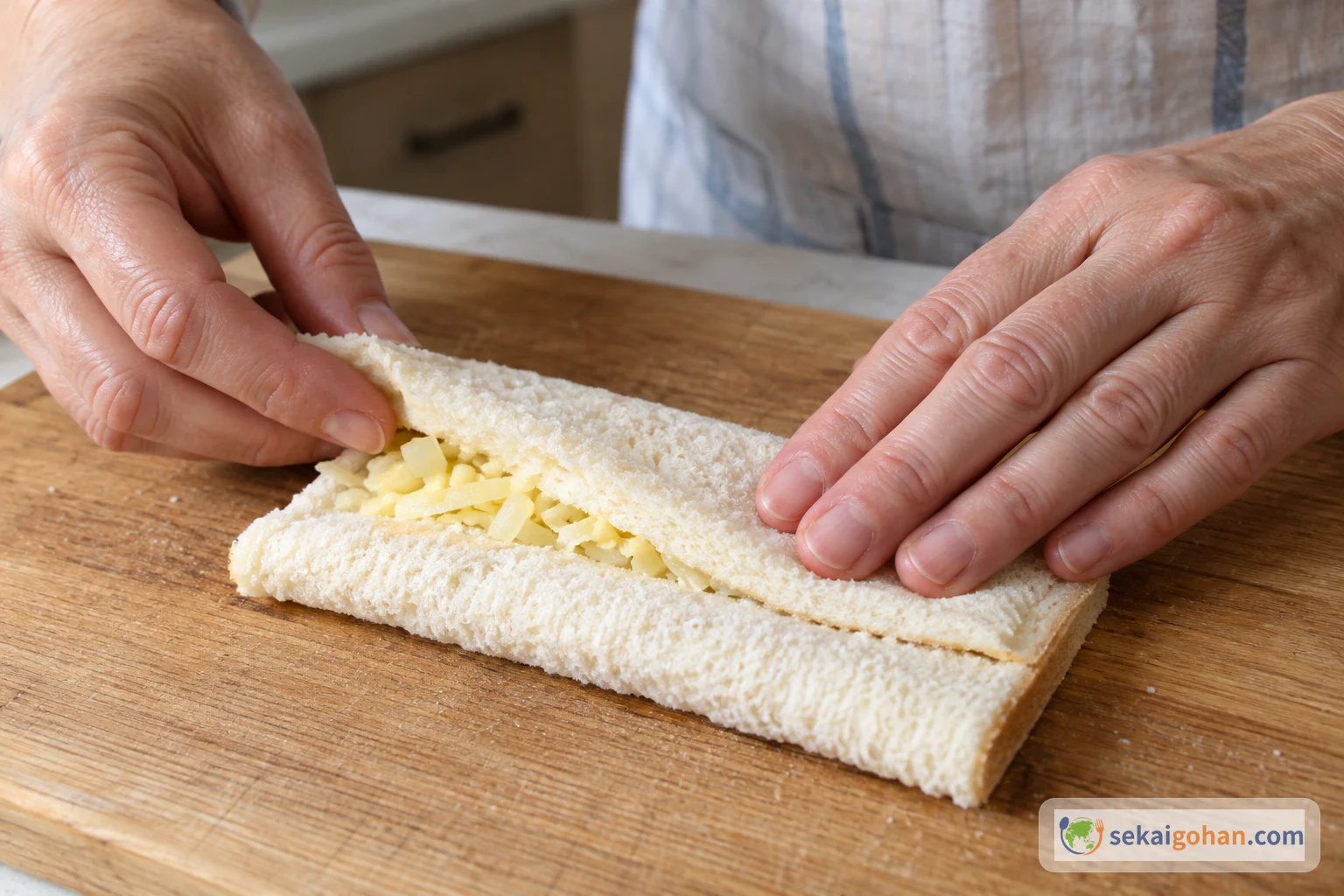
Fold the bread over twice along its long side, then press the final fold closed. The finished shape is a flat, folded rectangle, not a single fold and not a round, spiraled roll.

Folding the filled bread twice and pressing down the final fold
Fold twice along the long side and press the last fold so it holds
STEP55 / 5

Toast in a sandwich press or under the grill

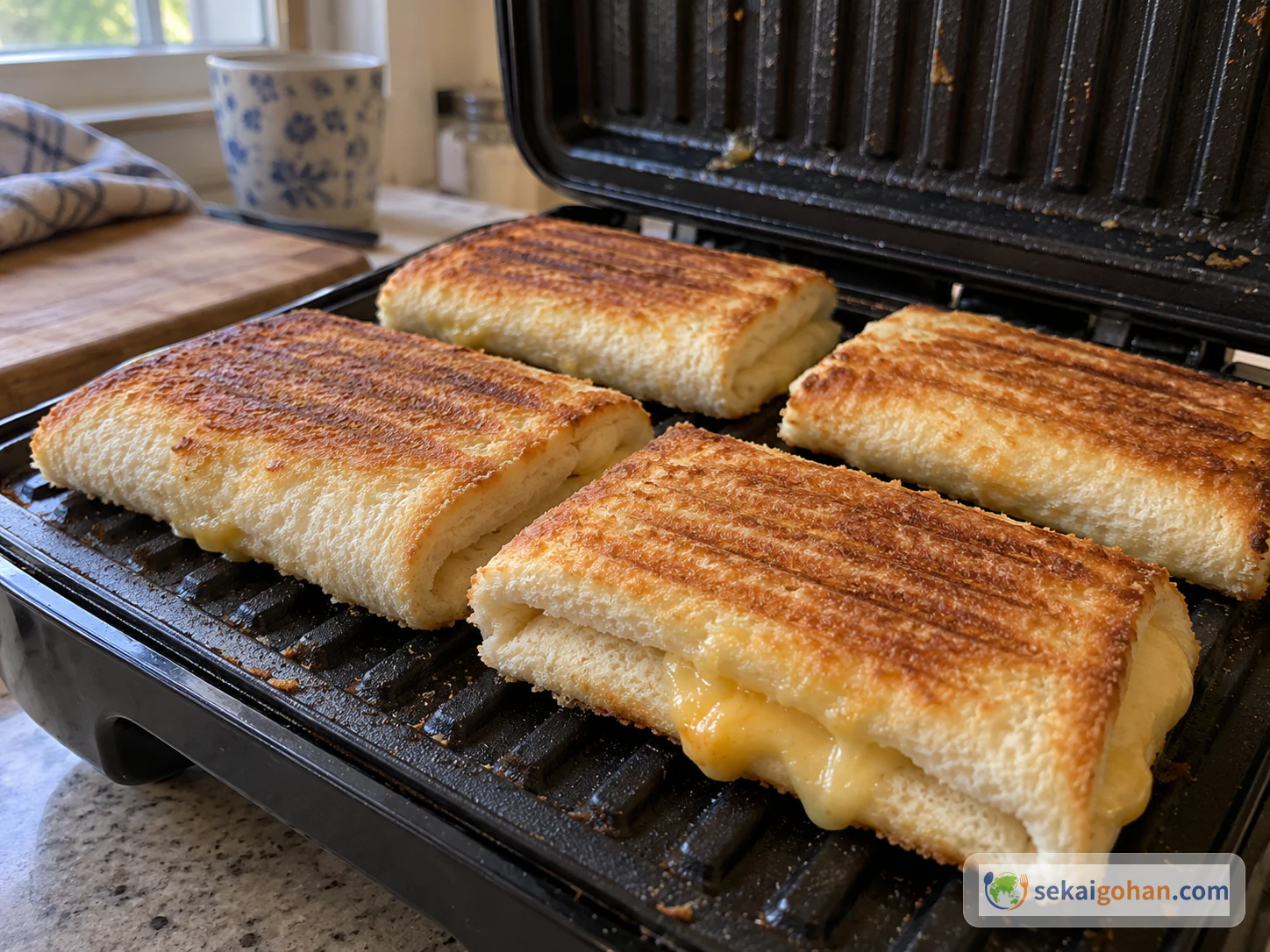
Folded cheese rolls toasting in a sandwich press until golden outside
Toast until the outside is golden and a little melted cheese shows at the seam

Toast the rolls in a sandwich press or under a grill. For an extra-crunchy finish, butter the underside of the bread first; this is optional. Judge by sight: the rolls are done when the outside is crisp and golden and the filling in the center is hot and melted.

0 / 0
Ingredients

Ingredients

1 / 1

Ingredients

Ingredient Amount Role
White or brown toast-sliced bread 1½ loaves The outer shell. Thin enough to fold twice along its long side
Brown onion ½ Aroma for the filling. Roughly chopped, then blended smooth
Dijon mustard 2 tablespoons Gentle heat and acidity
Onion soup mix (Maggi) 2 packs The core of the onion flavor and saltiness
Parsley Small handful A fresh green note
Evaporated milk 1 tin Unsweetened; loosens and enriches the filling
Cheese, grated 1 lb (500 g) The main body of the filling
Butter (optional) No amount given Spread on the underside only if you want extra crunch
0 / 0

Picture a school, church or sports club fundraiser in the far south of New Zealand's South Island. There are trays of sliced bread and a bowl of cheese filling, and the rolls come off the press so hot you have to wait before biting in. The idea is humble: sliced sandwich bread spread with a savory cheese mixture, folded into a flat roll and toasted until the outside crisps and the inside melts. Cheese rolls are tied to both Southland and Otago, and every family down there seems to have an opinion about them. For more of the country's table, see our New Zealand recipes.

About Southland Cheese Rolls

Cheese rolls have long turned up at fundraisers and family gatherings and in local cafes. They're often made in large batches by home cooks and community volunteers. Their rolled shape earned them the affectionate nickname "Southern Sushi."

What these rolls should keep

A thin, crisp, golden shell of ordinary sliced bread, folded around a hot, savory cheese filling that has been thickened, not boiled. Everything else in this recipe serves those two things.

Origins

No one knows who made the first cheese roll, or where, and the origin is still disputed. The earliest known recipes come from New Zealand newspapers in the 1930s, the oldest from 1935. The first recipe in an official South Island cookbook appeared in 1951, and a North Island mention followed in the 1970s. A newspaper recipe and a cookbook entry are different kinds of record, and neither settles the question. What they agree on is that the dish belongs to the south and was shaped by many families' recipes.

Every Household's Own Roll

Ask in Southland whose cheese rolls are best and expect a debate. Recipes vary from family to family, and researchers have identified three different types of filling. A common pattern is grated cheese, onion soup mix and evaporated milk. That's the backbone of this recipe, which is a family recipe from a cafe in Riverton, Southland. Dijon mustard and parsley are that household's own touch, and the bread is folded twice.

Ingredients (Makes About 25)
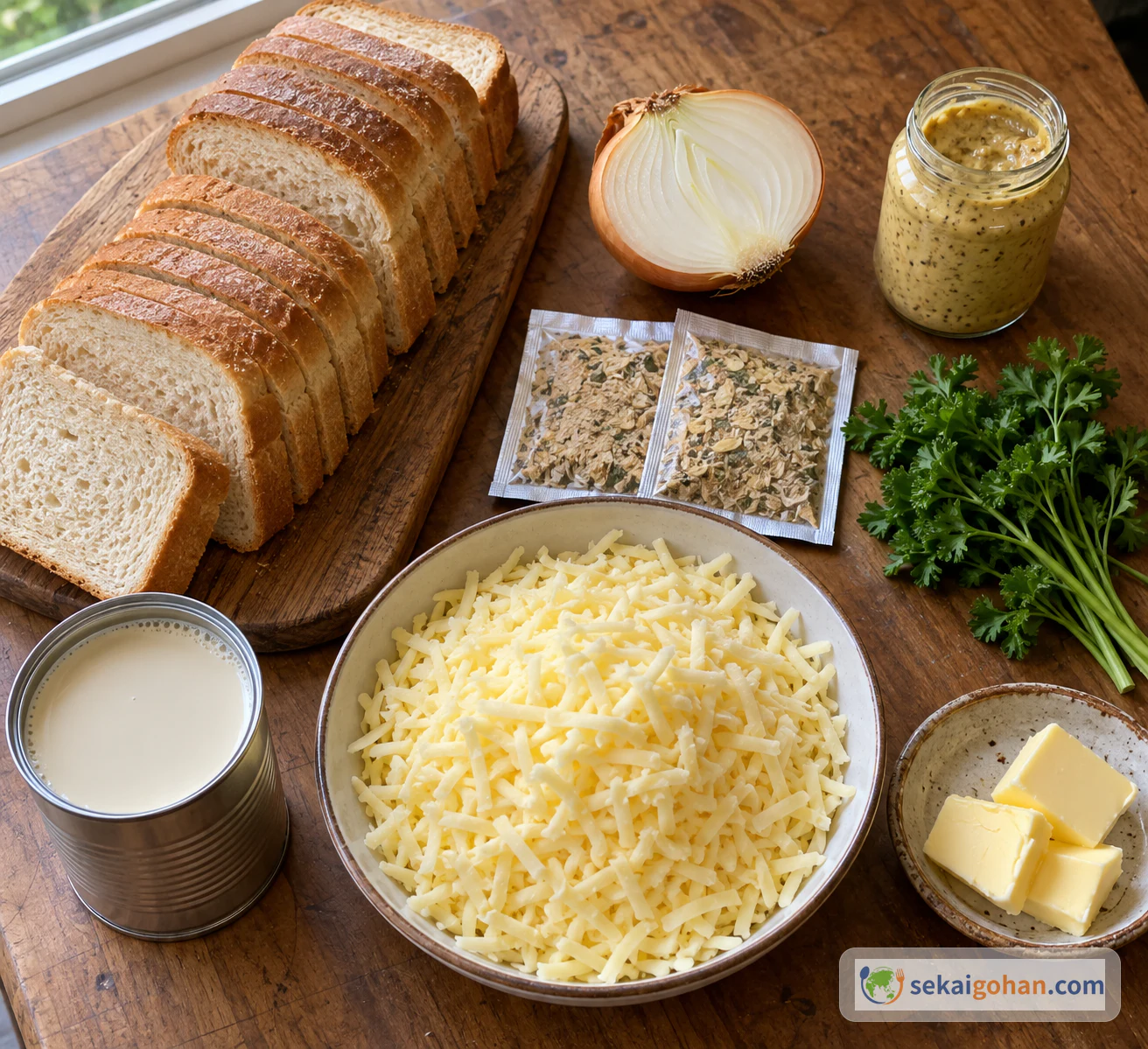
Sliced bread, half an onion, Dijon mustard, two packs of onion soup mix, parsley, a tin of evaporated milk, 500g of grated cheese and optional butter laid out separately
Everything in the Riverton family recipe, with the optional butter set apart

The onion soup mix already carries saltiness, so do not add extra salt to the filling.

Use about 2 tablespoons of filling per slice, for about 25 rolls; the exact count depends on your loaf. If you have a little filling or bread left over, adjust how much you spread on each slice rather than changing the filling.

Allergens

This recipe contains milk and wheat. Onion soup mix formulas vary by product and can contain milk, wheat or other allergens, so check the label on the pack you buy.

Equipment

  • Food processor
  • Microwave-safe bowl
  • Microwave
  • Sandwich press or grill
  • Tablespoon, for portioning the filling

Choosing Bread, Cheese and Pantry Items

Bread. Look for soft, thin sandwich bread sold as toast-sliced. White or brown both work. Thick slices tend to crack along the folds.

Evaporated milk. This is unsweetened. Sweetened condensed milk is a different product and won't work here. The tins can look similar, so check the label carefully.

Onion soup mix. Use Maggi. Another brand of onion soup mix will change the flavor, so treat it as a variation.

Dijon mustard. Hotter mustards such as English mustard or Japanese karashi have different heat and acidity, so they aren't a like-for-like swap.

Cheese. The recipe doesn't name a type. A cheddar-style cheese or an aged gouda are both reasonable choices, but each changes the saltiness and how the filling stretches. The soup mix is already salty, so keep that in mind if you pick a strongly salty cheese.

Method: Make the Filling, Fold the Bread, Toast Until Golden

The one thing to remember

The microwave stage is there to thicken the filling, not to cook it like a soup. Stop when it is thick and spreadable, before it boils or separates.

Fixing Common Cheese Roll Problems

Problem Likely cause What to do
The filling slides off the bread It is still warm and loose Let it cool a little until it thickens before spreading. Don't add more liquid
The bread tears as you fold Filling spread to the edges, or folded the wrong way Leave the edges clear, fold along the long side, and press the final fold
The outside browns before the center is hot Heat too strong or too close Lower the heat or move the rolls further from the heat source, then toast a little longer until the center is hot and melted
The filling bubbled or separated in the microwave Heated past the thickening point Next time, check and stir sooner if your microwave is more powerful

Serving, Storing and Varying Cheese Rolls
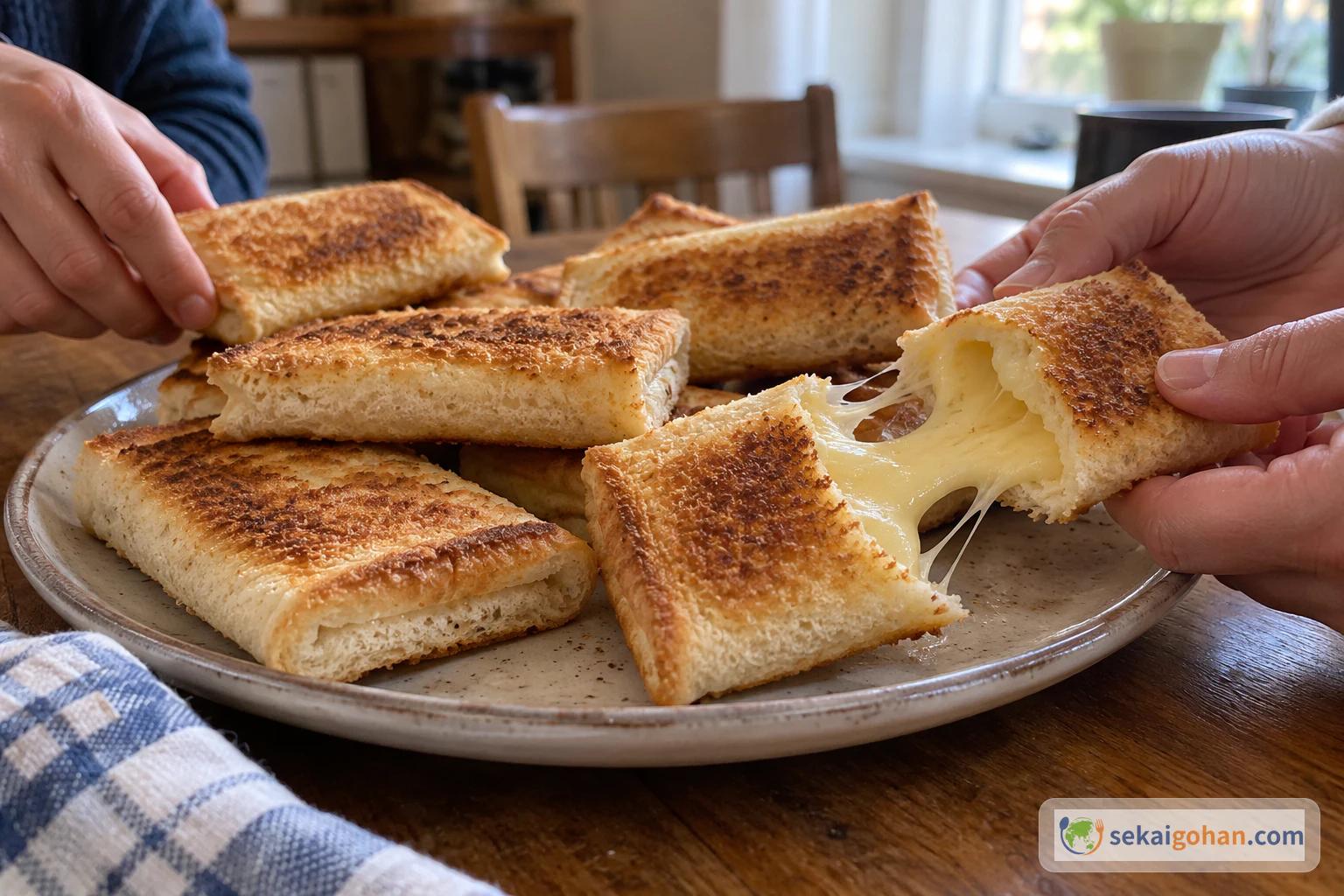
Sharing freshly toasted cheese rolls at a fundraiser table, with one broken open to show the melted filling
Cheese rolls are made to be shared hot, straight from the press

Cheese rolls are at their best straight from the press, while the outside is still crisp. Don't leave finished rolls standing at room temperature for long. Cool any leftovers promptly and refrigerate them, and when you reheat them, make sure they're hot all the way to the center.

Once you've made the base recipe, a few small changes are worth trying:

  • White or brown bread. Compare how each one crisps and folds.
  • With or without butter. Buttering the underside gives extra crunch. Leaving it off keeps the rolls lighter.
  • Sandwich press or grill. A press toasts both sides at once and flattens the roll. A grill lets you watch the color develop.

Frequently Asked Questions

Can I leave out the onion soup mix?

The soup mix gives this recipe much of its flavor and saltiness. Without it you're making a different filling, and the taste will change noticeably.

What if I don't have a grill or sandwich press?

A toaster oven can stand in. Watch the color closely and make sure the center is hot and melted.

How many rolls does this make?

About 25. The count depends on how many slices your loaf has, so adjust the amount of filling per slice as you go.
Sources

  • Our Way of Life / CountryWide Media, "Recipe: Southland Cheese Rolls," recipe attributed to Cazna Gilder, The Crib Cafe, Riverton. The source for this article's ingredients, amounts, yield of about 25 and full method, including the microwave thickening, the double fold, the sandwich press or grill and the optional butter. https://ourwayoflife.co.nz/recipe-southland-cheese-rolls/
  • Southland NZ / Great South, "The Southland Cheese Roll: A Southern Food Icon You'll Want to Try." Supports the dish's place in Southland and Otago; its appearance at cafes, school, church and sports club fundraisers and family gatherings; the disputed origin and newspaper recipes from the 1930s, earliest cited as 1935; and family variation around grated cheese, onion soup mix and evaporated milk. https://southlandnz.com/blog/post/cheese-roll/
  • New Zealand Automobile Association (AA Traveller), "Cheese rolls: the sushi of the south." Supports the association with Southland and Otago, the crisp exterior and melted interior, the variety of fillings including three identified filling types, the first official South Island cookbook recipe reported in 1951 and a North Island mention in the 1970s, and the nickname Southern Sushi. https://www.aa.co.nz/travel/editorial/cheese-rolls/