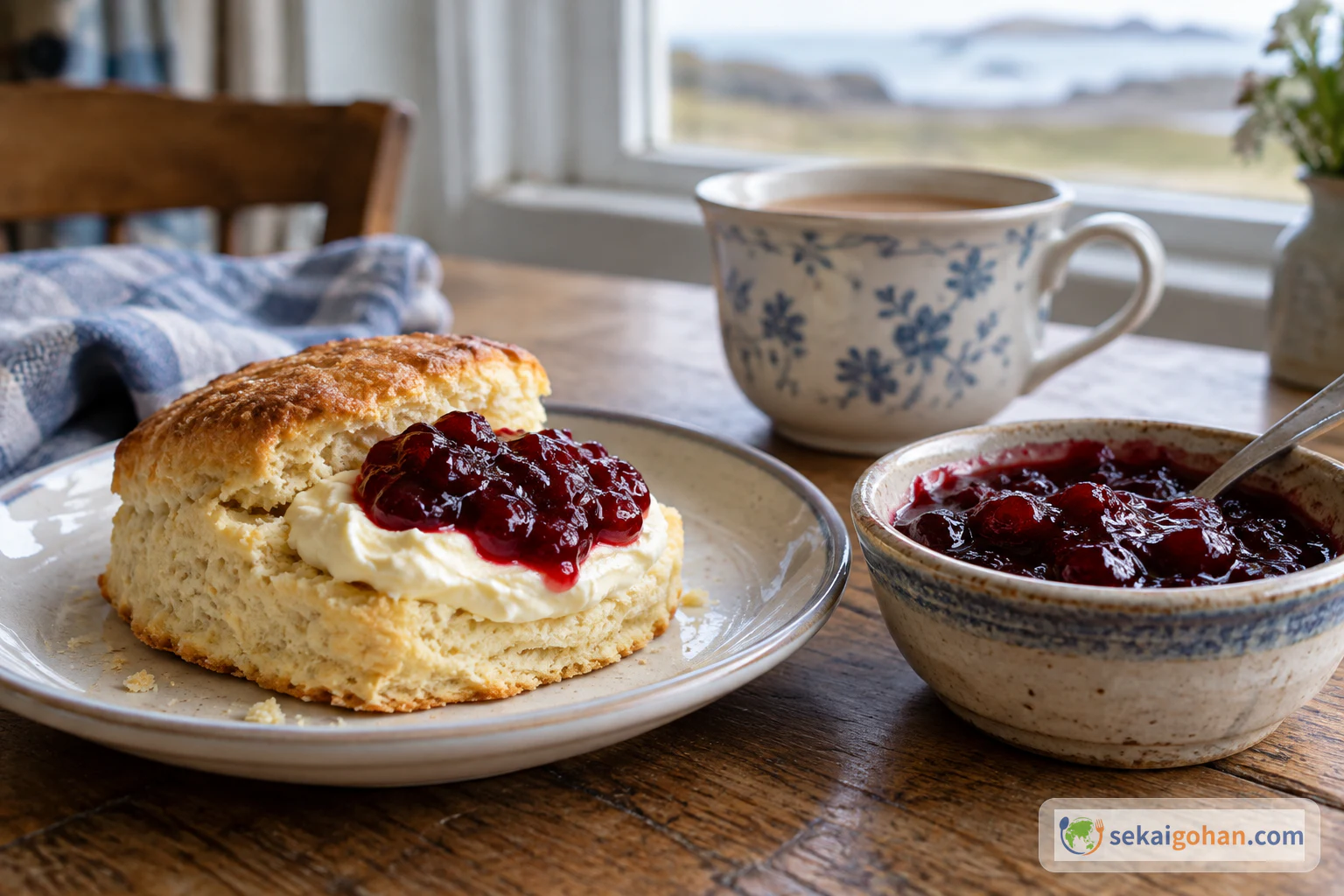
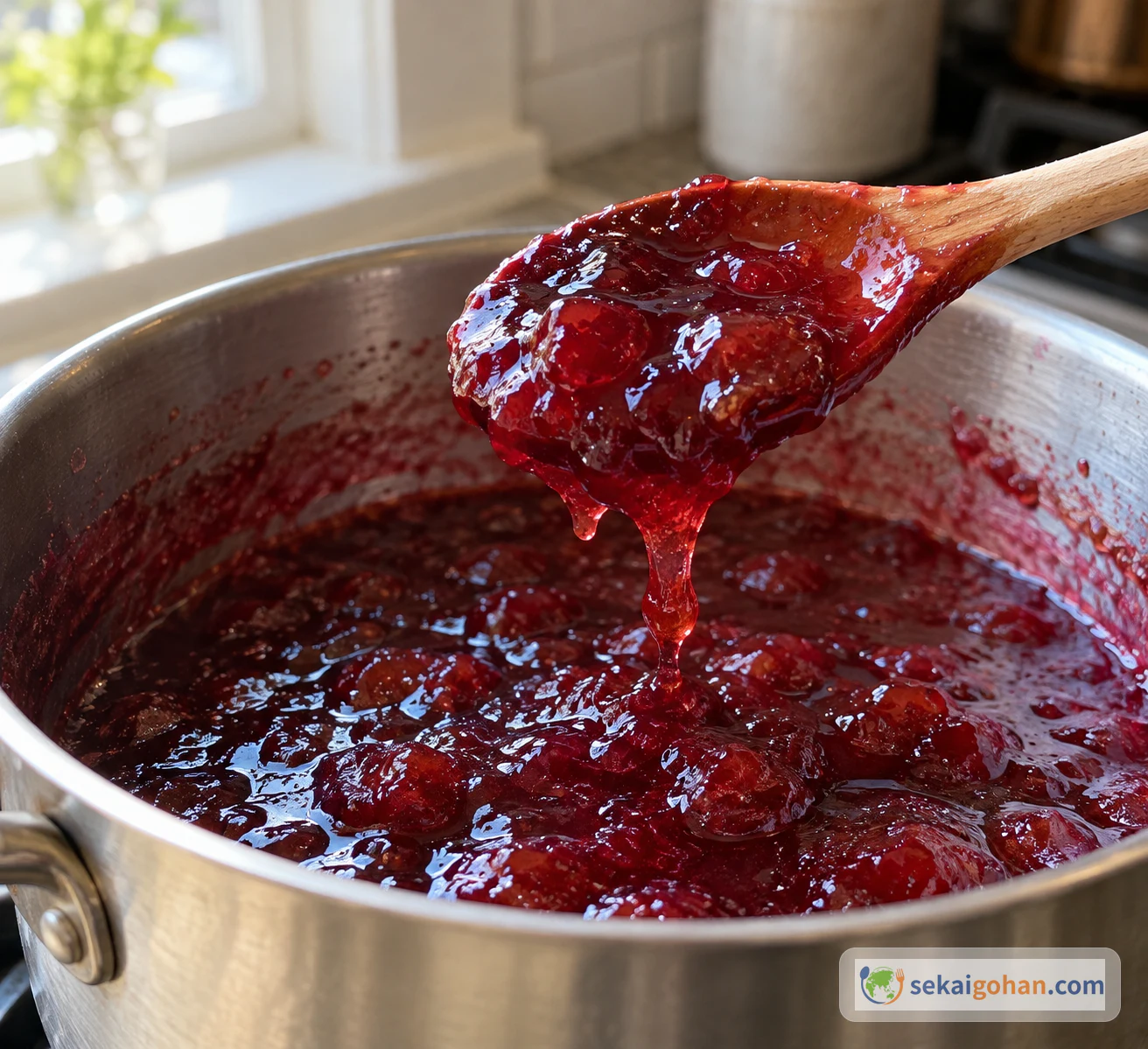
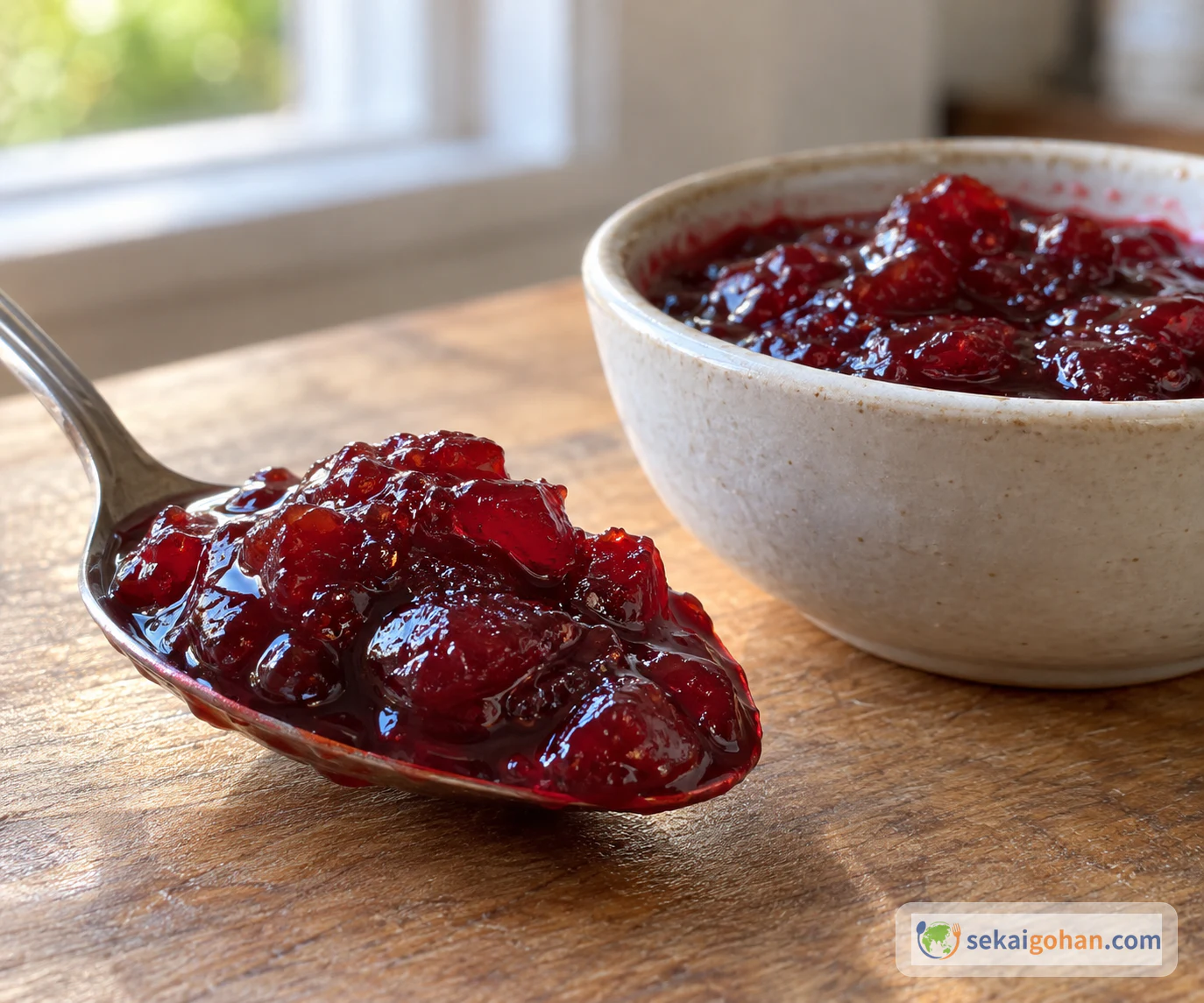
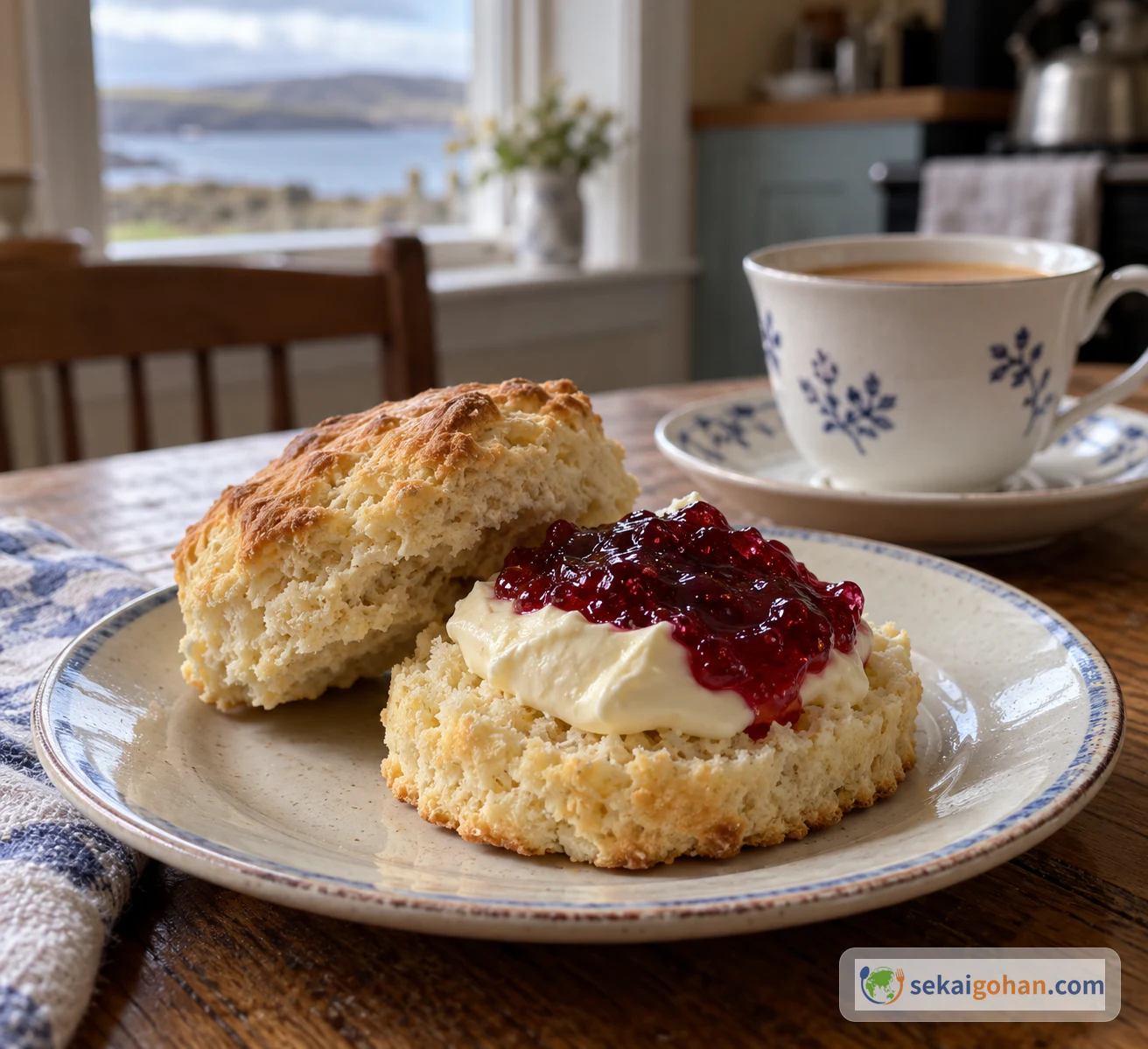
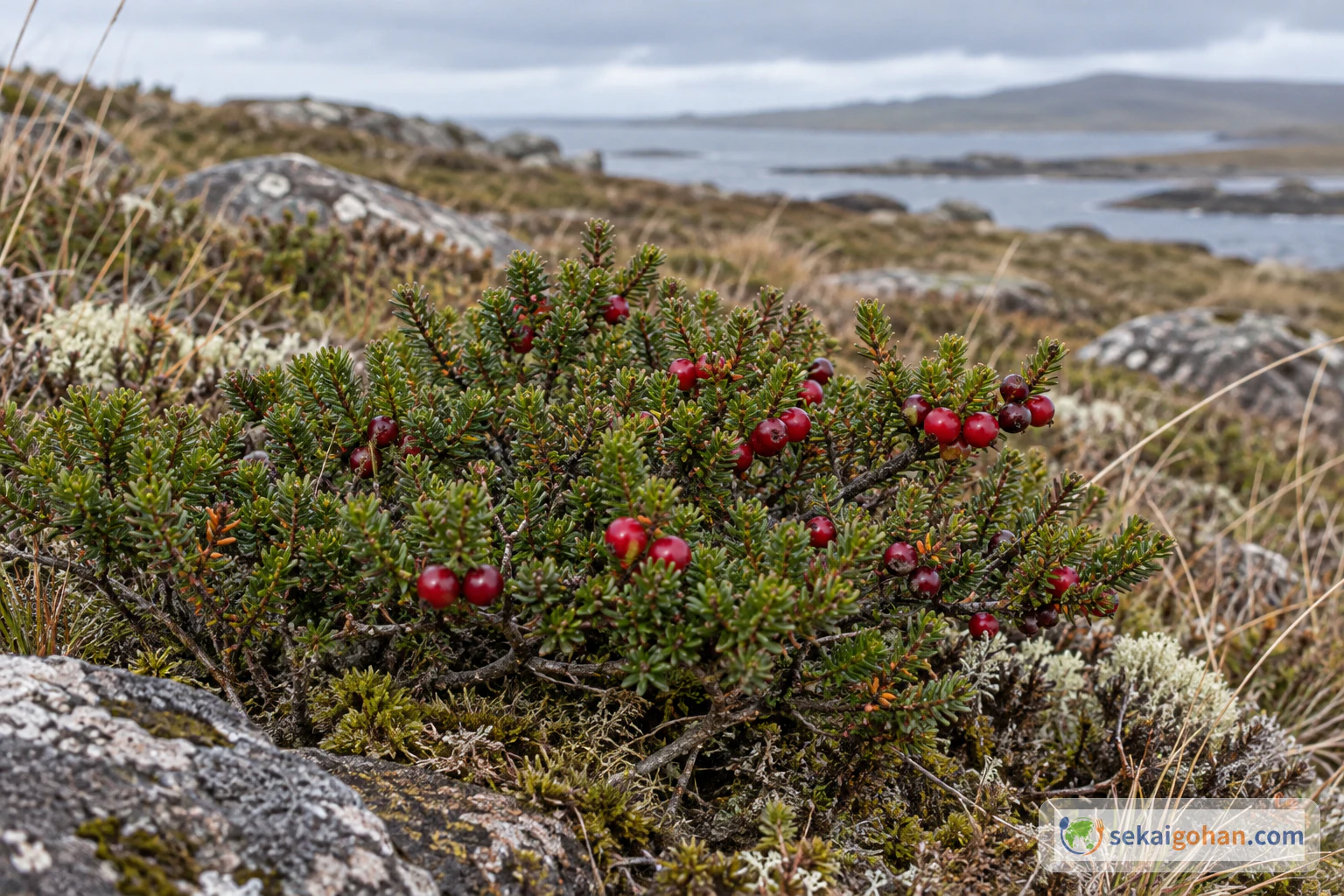
Diddle-dee shrubs grow low along the track at Bluff Cove Lagoon in the Falkland Islands, bright with red berries. Upland geese eat them straight off the branch. Visitors to the Sea Cabbage Café get them in a different form: Hattie hand-picks the wild berries in autumn, makes them into jam, and serves it with scones and fresh cream. It is a simple preserve of red berries and sugar, and it belongs at smoko, the island break for tea or coffee and home-baked treats.
Diddle-dee Berries and Their Place in the Falklands
Diddle-dee is Empetrum rubrum, a heath-like evergreen shrub. It flowers in October, and its juicy red berries ripen from January or February, ready for hand-picking in autumn. The plant also grows in Fuegia and Patagonia, so the shrub isn't unique to the Falklands, even though the jam is closely tied to the islands.
On the islands the berries have long gone into jam, jelly and bottled fruit. The jam recipe itself is about as short as a recipe gets. One line, printed in an island newspaper between January and April 1995, says it all:
For Diddle-dee jam - per lb. of berries/1 lb sugar and stew until setting point.
The berries haven't always come through. On 19 March 1937, a notice reported a bad berry season and listed tinned red currants, raspberries, loganberries, goldenberries and apples as pie-fruit substitutes, a small glimpse of island cooks making do in a poor year.
This recipe makes refrigerated jam only. Do not use it for long-term jars or room-temperature storage.
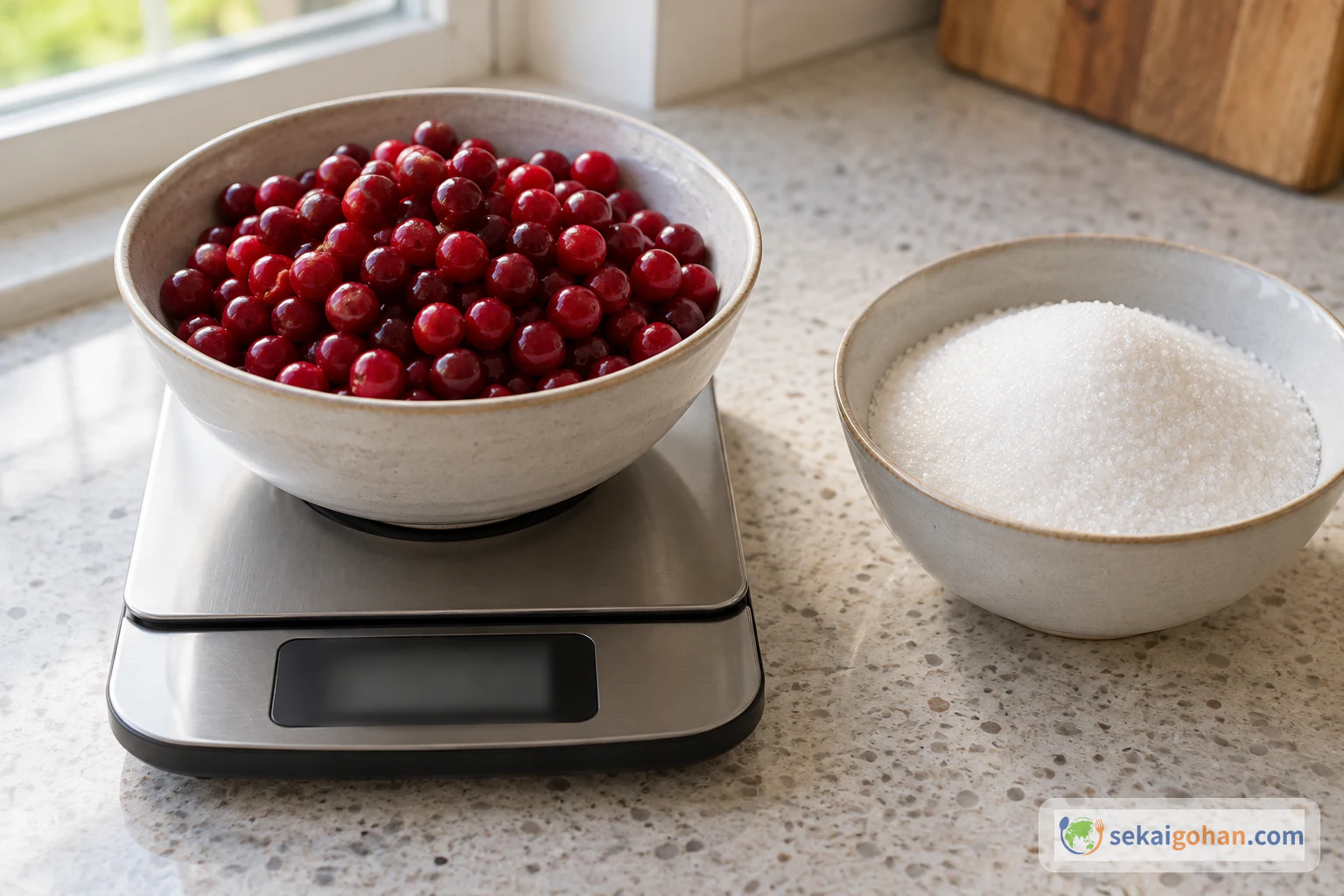
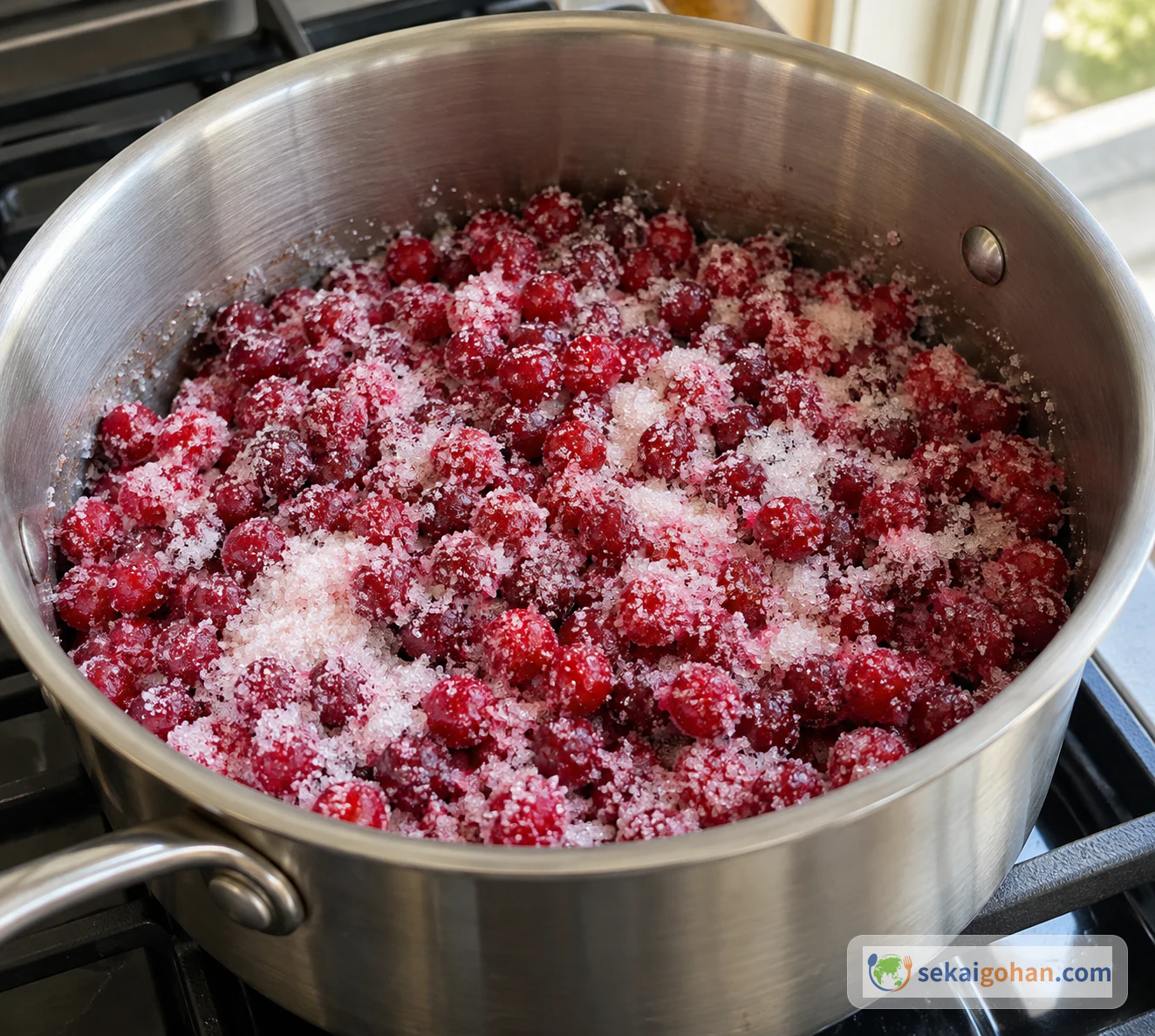
Ingredients: Equal Weights of Berries and Sugar
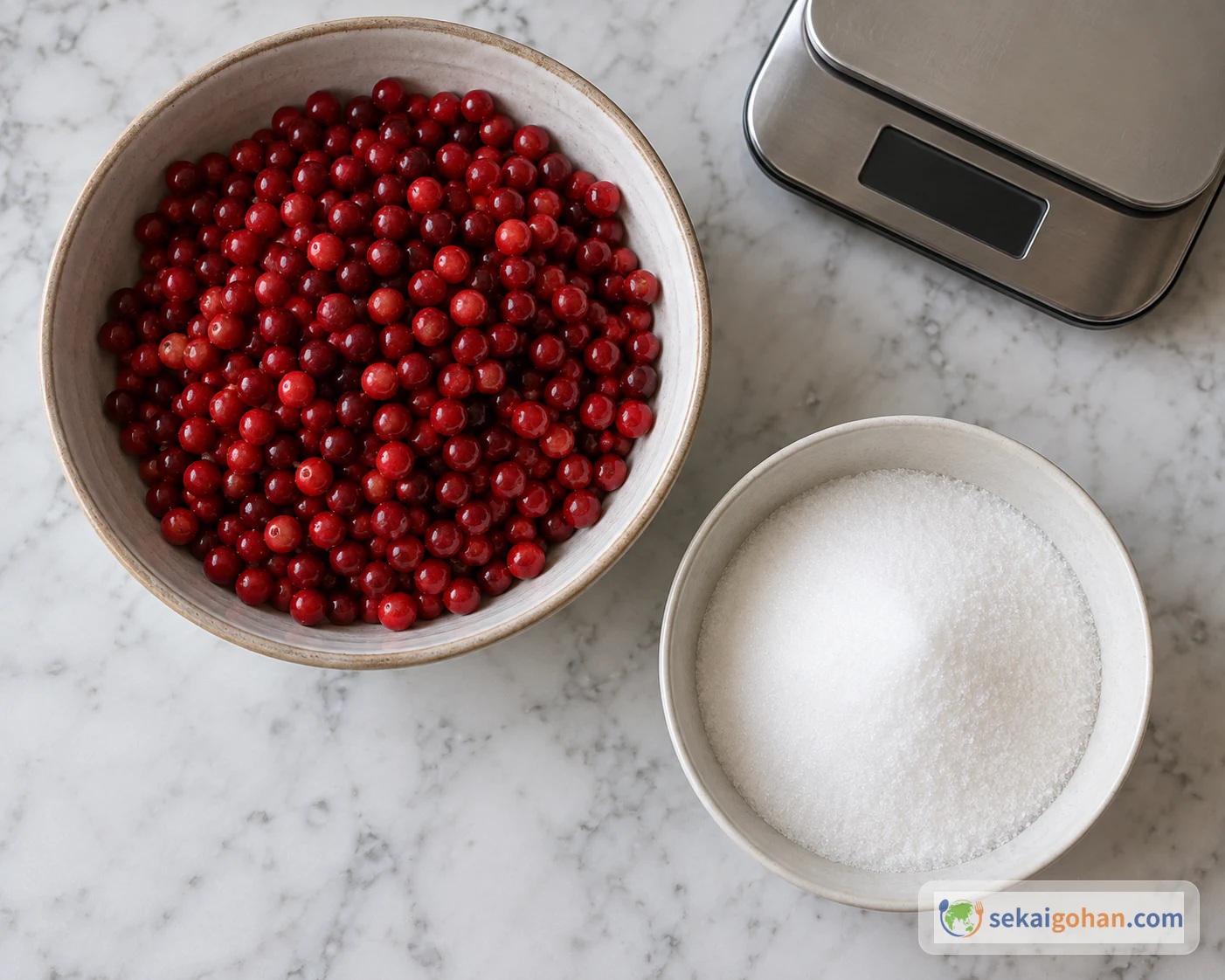
Do not add water, lemon or pectin.
Equipment
- Kitchen scale
- Two bowls
- Saucepan
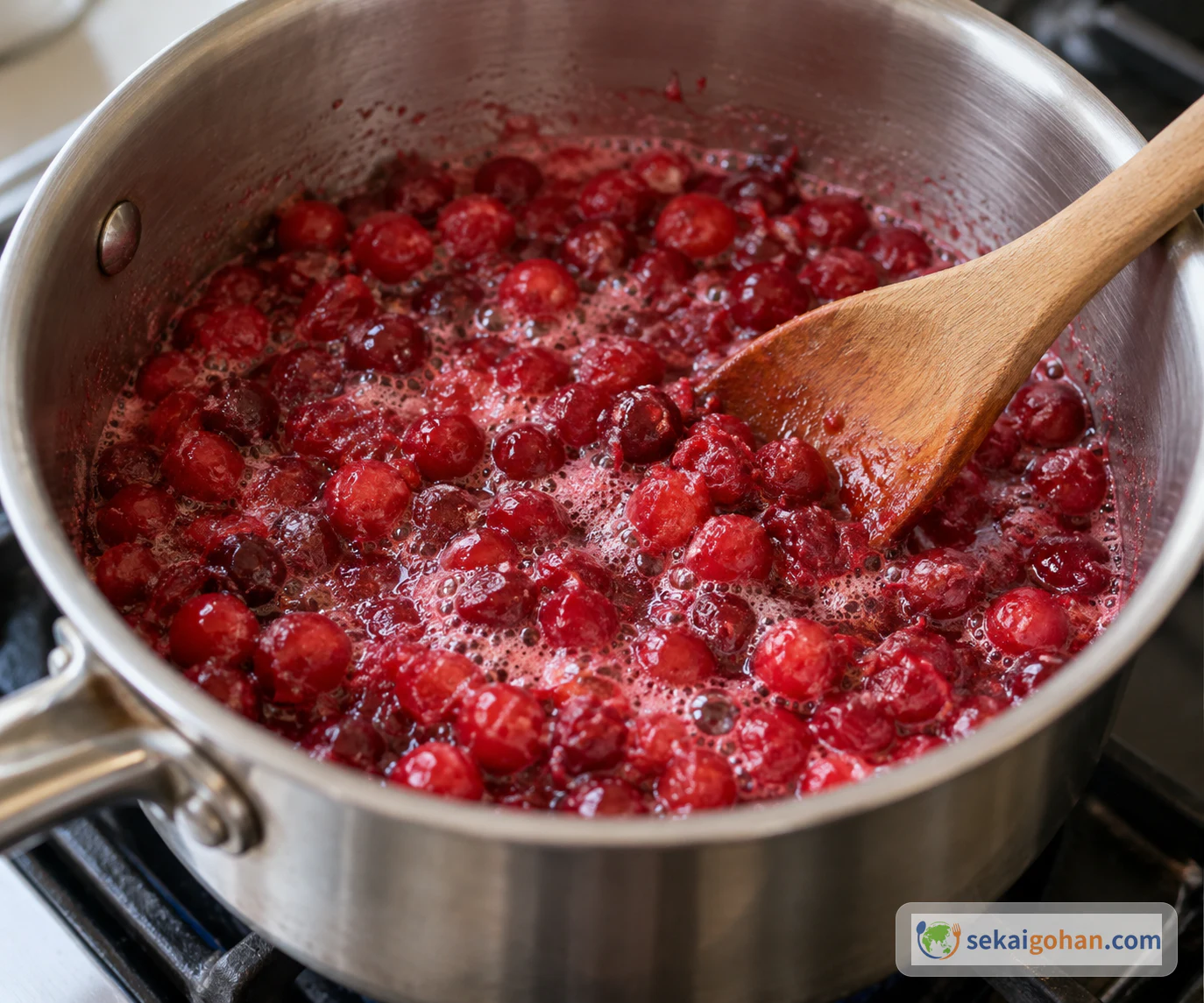
- Wooden spoon
- Cool metal spoon, for the spoon test
- Small plate, for the freezer test
- Thermometer, for the temperature test (optional)
- Container for keeping the jam in the refrigerator
Choosing Diddle-dee Berries and Substitutes
Lingonberries, cranberries and red currants look similar, and some share the same sharpness, but they are different fruit with their own flavor and set. The 1:1 ratio belongs to diddle-dee berries. A jam made with another fruit is a separate recipe that needs its own testing.
If you pick wild berries, pick only when you are sure of the species, have permission to pick on the land, and know the area is free of contamination. A picture can't tell you that a wild berry is safe to eat.
Method: Cook to the Setting Point
Ripeness, pan size and heat all vary, so judge the jam by the checks in step 4, not by the clock.
Diddle-dee Jam Troubleshooting
| What you see | What it may mean | What to do |
|---|---|---|
| The jam fails the spoon or plate check | It has not reached the setting point yet | Return it to the heat, cook further and check again, without adding water, lemon or pectin |
| You are cooking well above sea level | The 220°F target is too high for your altitude | Subtract 2°F for every 1,000 ft, or use the spoon or plate check |
| The jam still seems loose after repeated checks | Pectin in these berries is unknown | Judge by the checks, and keep the jam in the refrigerator |
| You want a less sweet jam | This recipe uses equal weights of sugar and berries | Treat a less sweet version as a different recipe; the storage guide below is for full-sugar jam |
| You used another fruit and the result is different | It is a different ingredient | Treat it as a separate recipe, not a failed diddle-dee jam |
| You find mold or a yeasty, alcoholic or fermented smell | Signs of spoilage | Discard the entire contents |
Serving, Storing and Variations
The simplest way to eat diddle-dee jam is the way the Sea Cabbage Café serves it: on a scone with fresh cream. For something closer to a dessert, stew a pound of berries with three quarters of a pound of sugar and a little water until tender, then cool them and serve with fresh cream. That's a different dish, so keep its water and sugar out of the jam.
This is a refrigerator jam. Store it at 40°F (about 4°C) or lower, never at room temperature, and skip boiling-water processing in jars. Once opened, use it within about 1 month. If you see mold, or notice a yeasty, alcoholic or fermented smell, throw out the entire contents rather than scraping off the affected part.
Frequently Asked Questions
Why is no cooking time given?
The traditional recipe names only an endpoint, "setting point." Rather than counting minutes, use the temperature, spoon and freezer-plate checks.
Can I use metric weights?
Yes. The ratio is one-to-one by weight, so the sugar should weigh the same as the berries whichever units your scale uses.
Can I use lingonberries or cranberries instead?
You can make jam from them, but it won't be diddle-dee jam. Treat it as a separate recipe that needs its own testing.