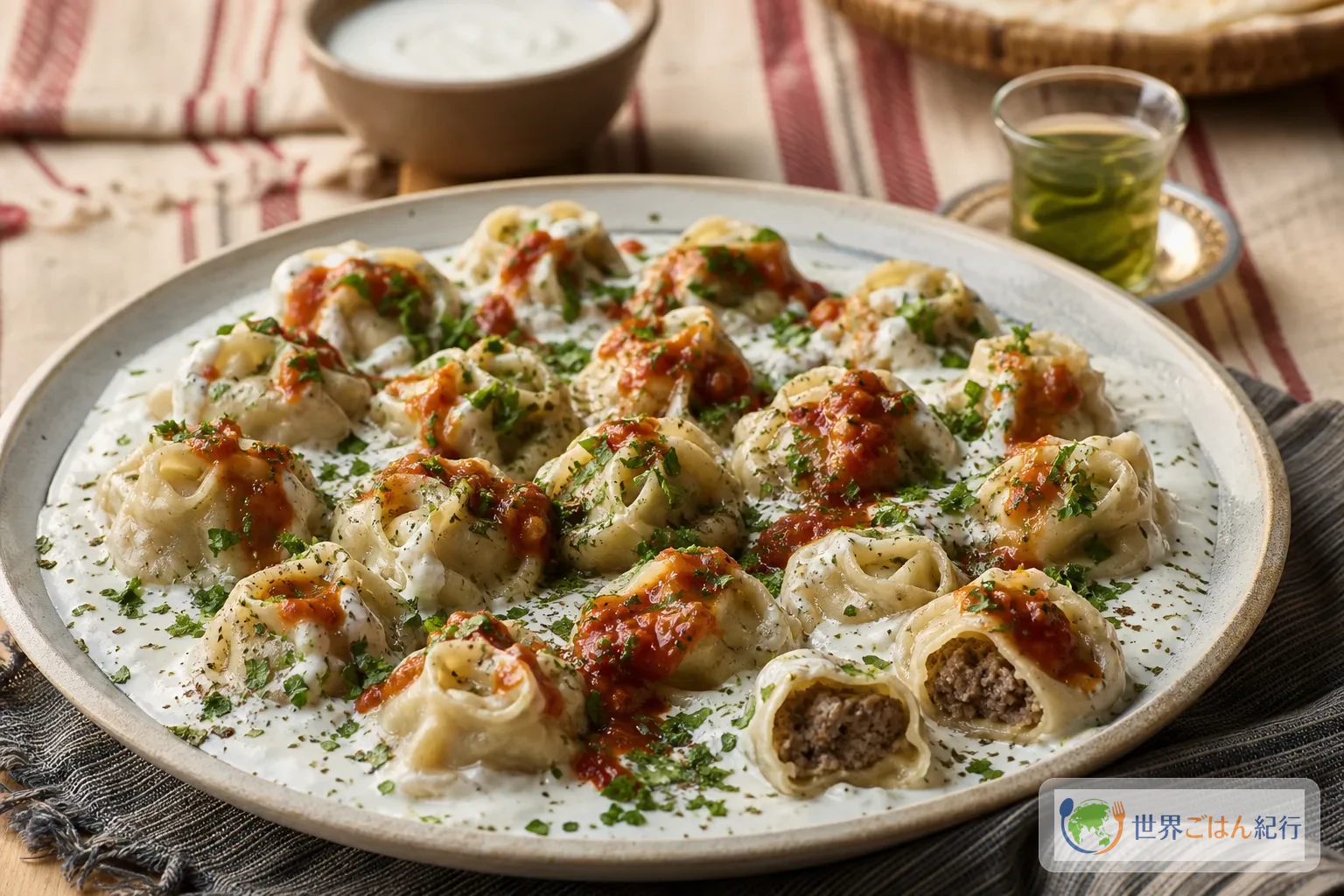
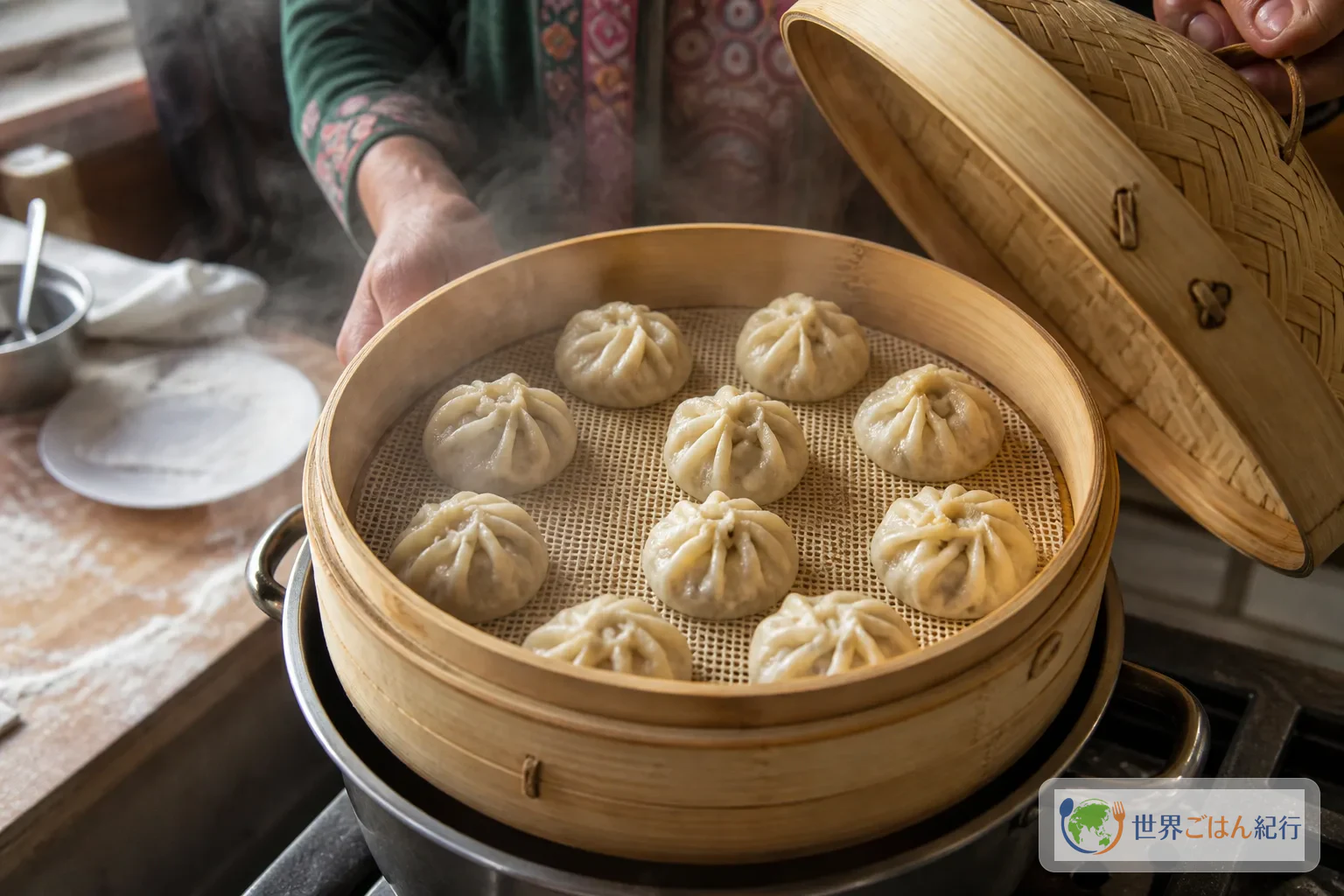
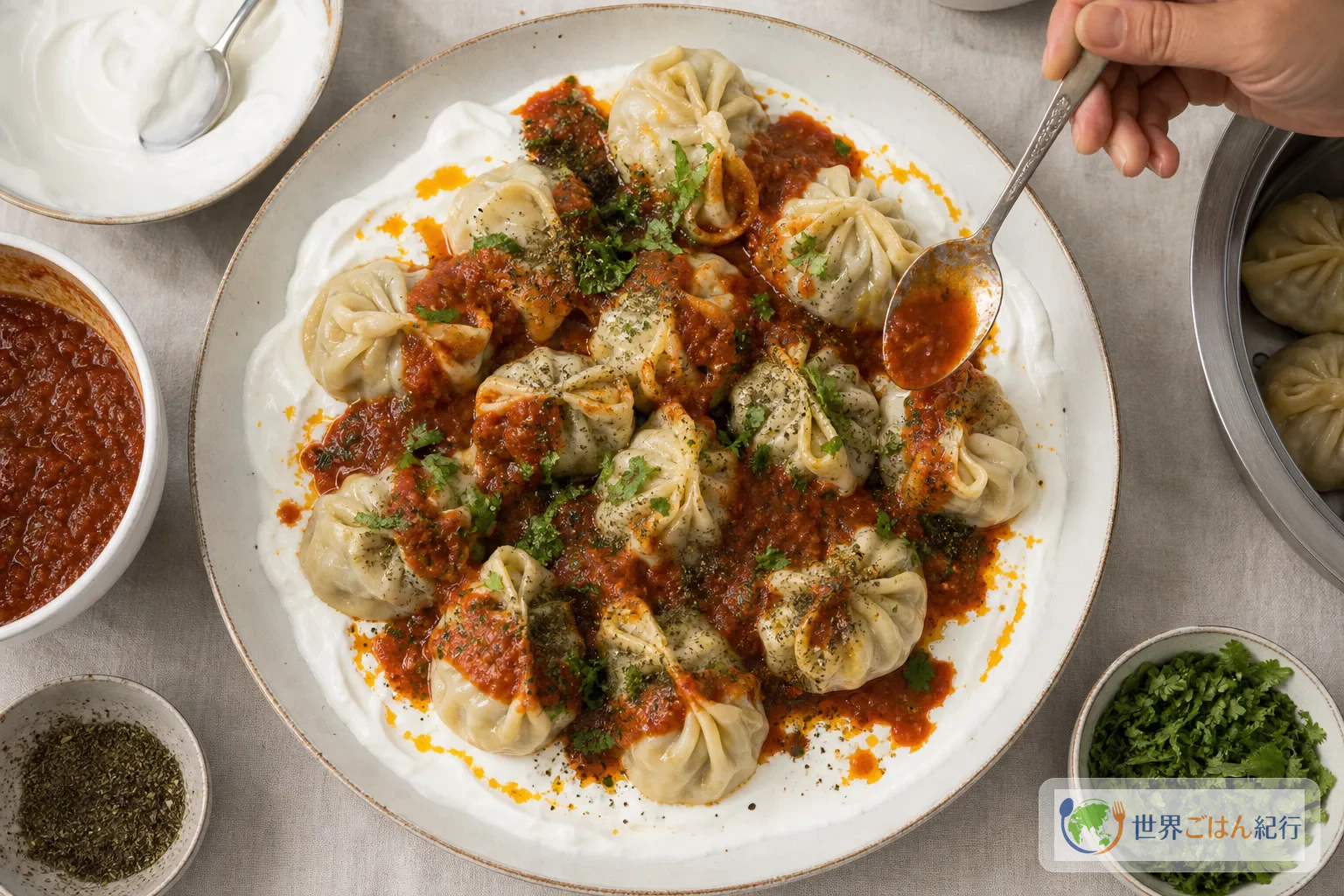
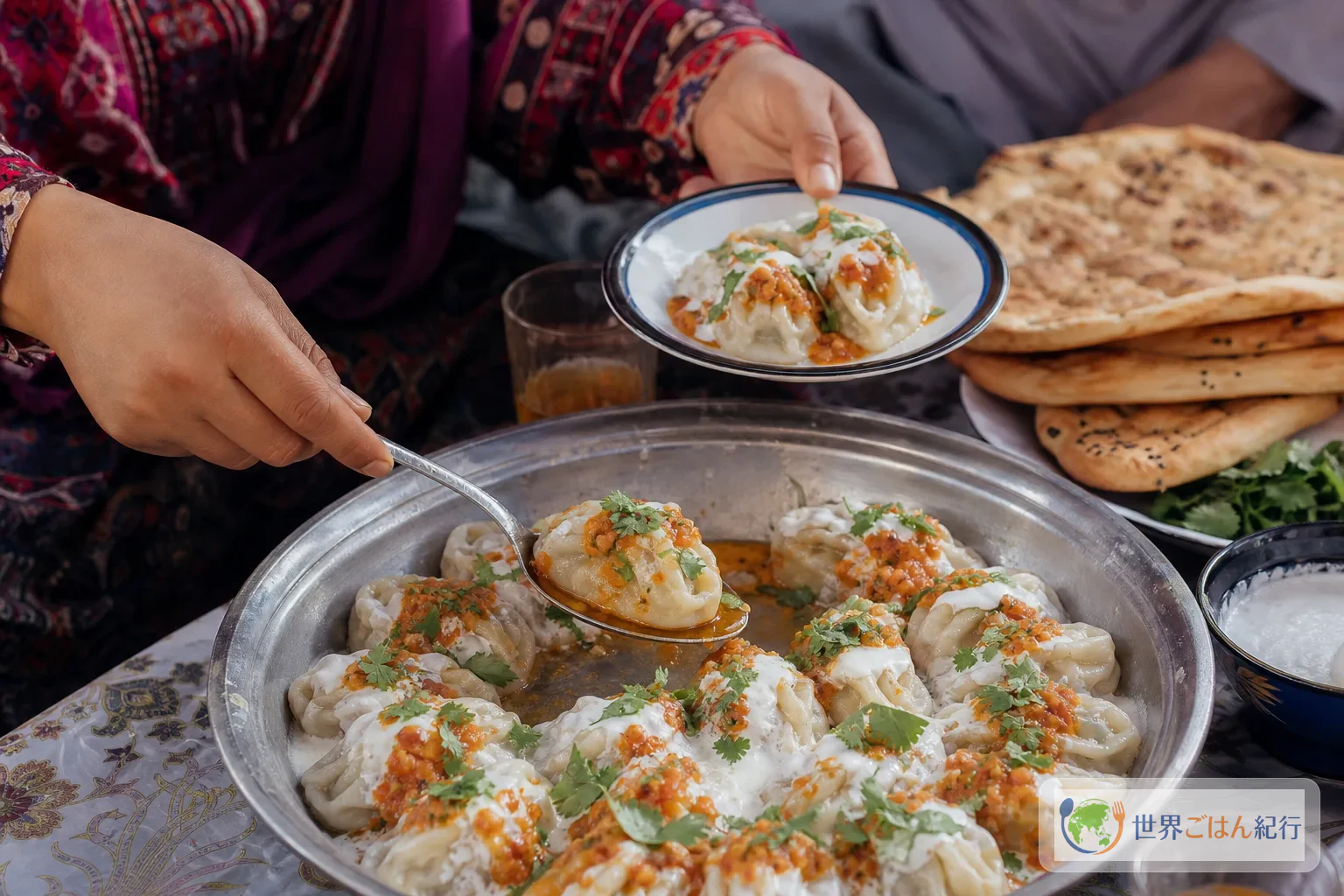
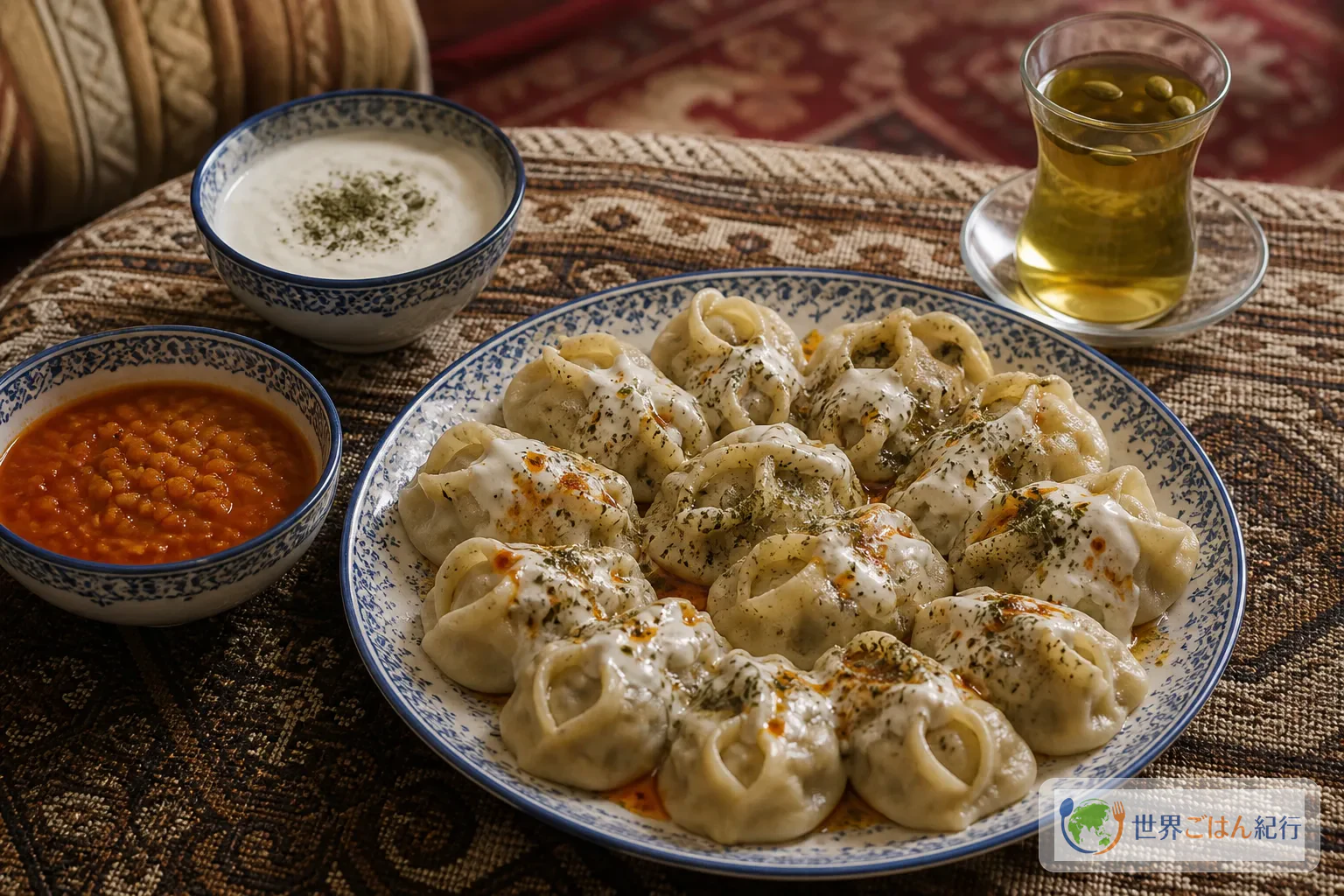
When you lift the dumplings out of the steamer, the smell of the dough comes first. Then the sweet scent of onion, the dry aroma of cumin and the cool of garlic yogurt catch up. Mantu are Afghan dumplings: lamb or beef, onion and spices wrapped in thin dough, steamed, and topped with yogurt and a tomato-based sauce. Small spoonfuls of red sauce sit on the white, with a scatter of dried mint or cilantro, so even though these are meat dumplings, the meat is not the first thing you notice.
Mantu on the Afghan table
Mantu, also written mantoo, are a dish for special occasions. In Afghanistan the traditional meal is shared from large dishes around a low table set with cushions, where guests are served food and tea. Dishes are not brought out one course at a time. Rice, meat, yogurt, bread and more all go on the table together.
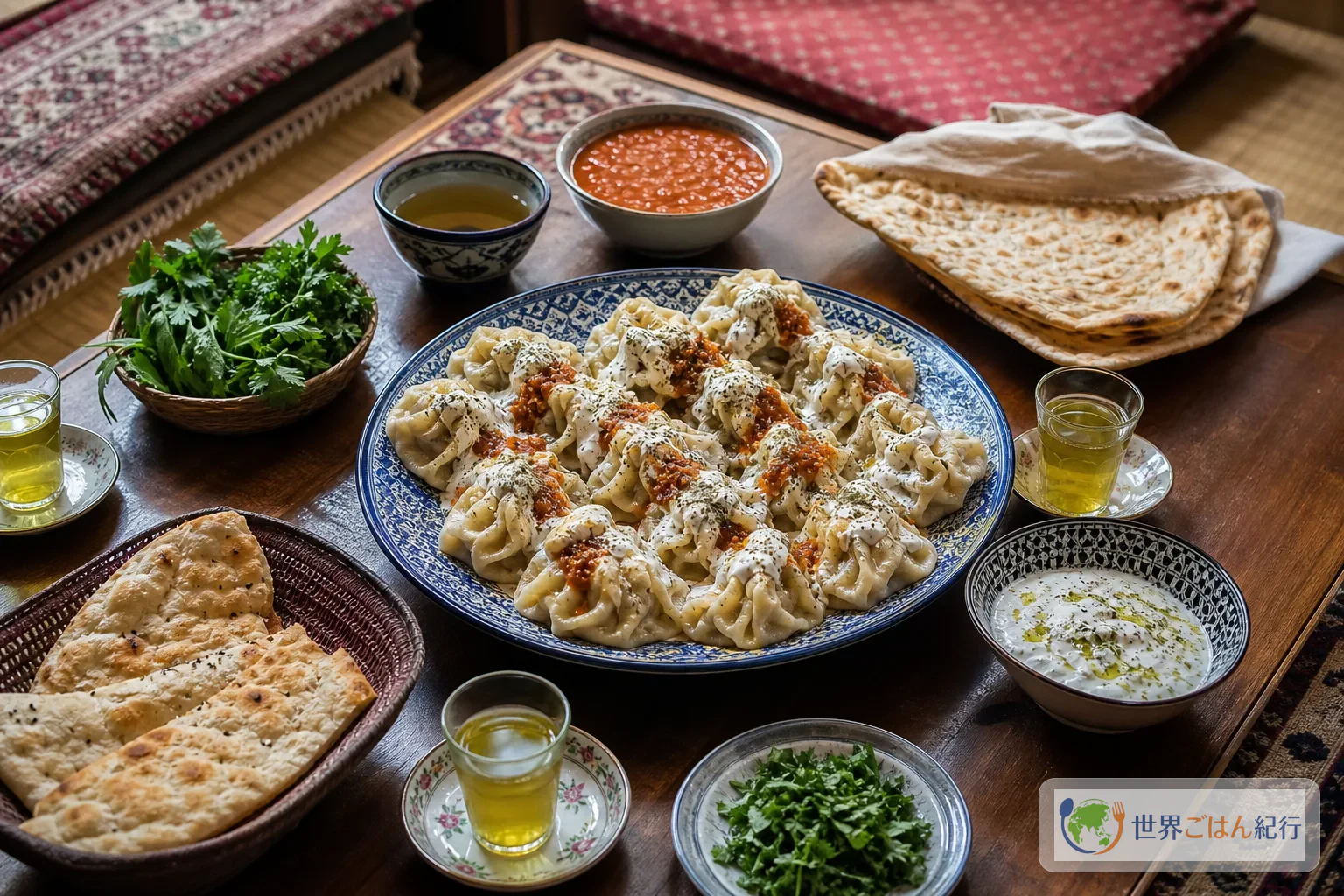
The country sits where Central Asia, South Asia and the Middle East meet, and its ingredients and seasoning show it. Mantu also change from house to house. One version uses tomato puree and yogurt, another tomato sauce and yogurt, and a third combines lentils with tomato paste. The same name can look quite different on the plate depending on the beans, whether there is meat in the sauce, and how thick the yogurt is.
Mantu take effort. You knead dough, chop onions, cut squares, fold each one and steam in several batches. They are best made with several people folding together on a day off or when guests are coming, not rushed by one cook on a weekday.
Mantu, ashak and momo
The related dish ashak is filled with leeks and other herbs and topped with a meat sauce. Mantu hold meat and onion inside, so the aroma of the filling comes after you bite through the steam-soaked wrapper. They look like Nepal's momo and Central Asian manti, but white yogurt and red bean sauce on one plate is what makes them Afghan.
| Dish | Filling | Cooking | What distinguishes it on the plate |
|---|---|---|---|
| Mantu | Lamb or beef, onion | Steamed | Garlic yogurt, tomato and bean sauce |
| Ashak | Leeks, scallions and other herbs | Mostly boiled in recipes | Yogurt and meat sauce |
| Nepali momo | Meat or vegetable | Steamed | Tomato or sesame dipping sauce |
Rather than seasoning the dumpling itself heavily, mantu layer wrapper, meat, cold yogurt and warm bean sauce into a single bite.
Ingredients (serves 4)
It is easier to work if you measure the wrappers, filling and the two sauces separately.
Plan on 32 dumplings, 8 per plate.
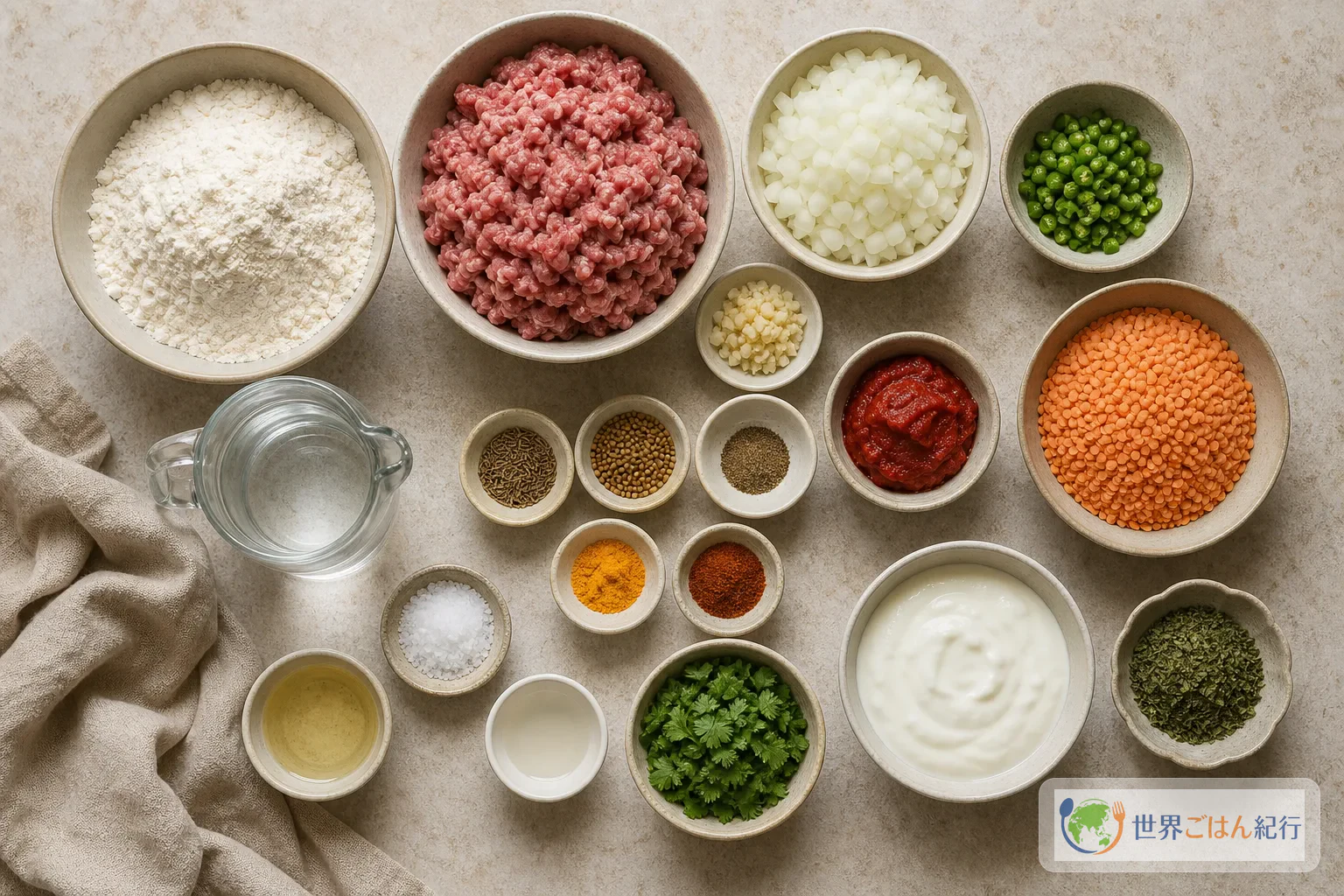
This dish uses wheat, dairy, and lamb or beef. Yogurt is a dairy product. Also check the labels of store-bought wrappers, tomato paste and spices. Cook dumplings with ground meat all the way through, until the center reaches 167°F (75°C) and holds there for at least 1 minute.
Choosing ingredients for mantu
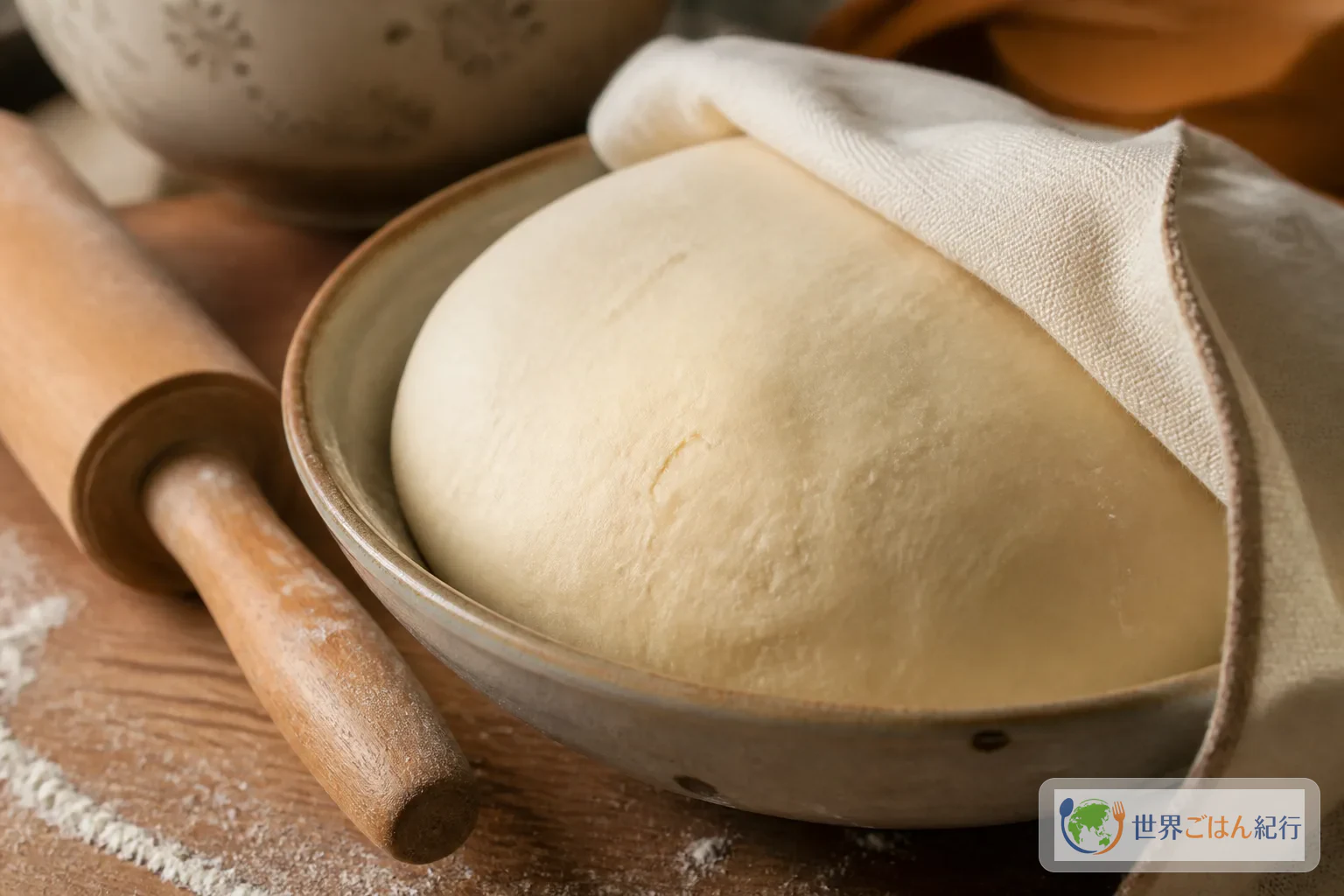
The hard part at home isn't finding unusual spices. It's keeping the wrappers thin. Roll the dough to about 0 inch (1.5 mm) and keep the filling modest. Chop the onion to the right size so it doesn't release too much water. Wet filling makes the dough thick and the dumplings stay heavy at the center. Get this right, and make the sauce thick, and you get a lighter bite than any boiled dumpling.
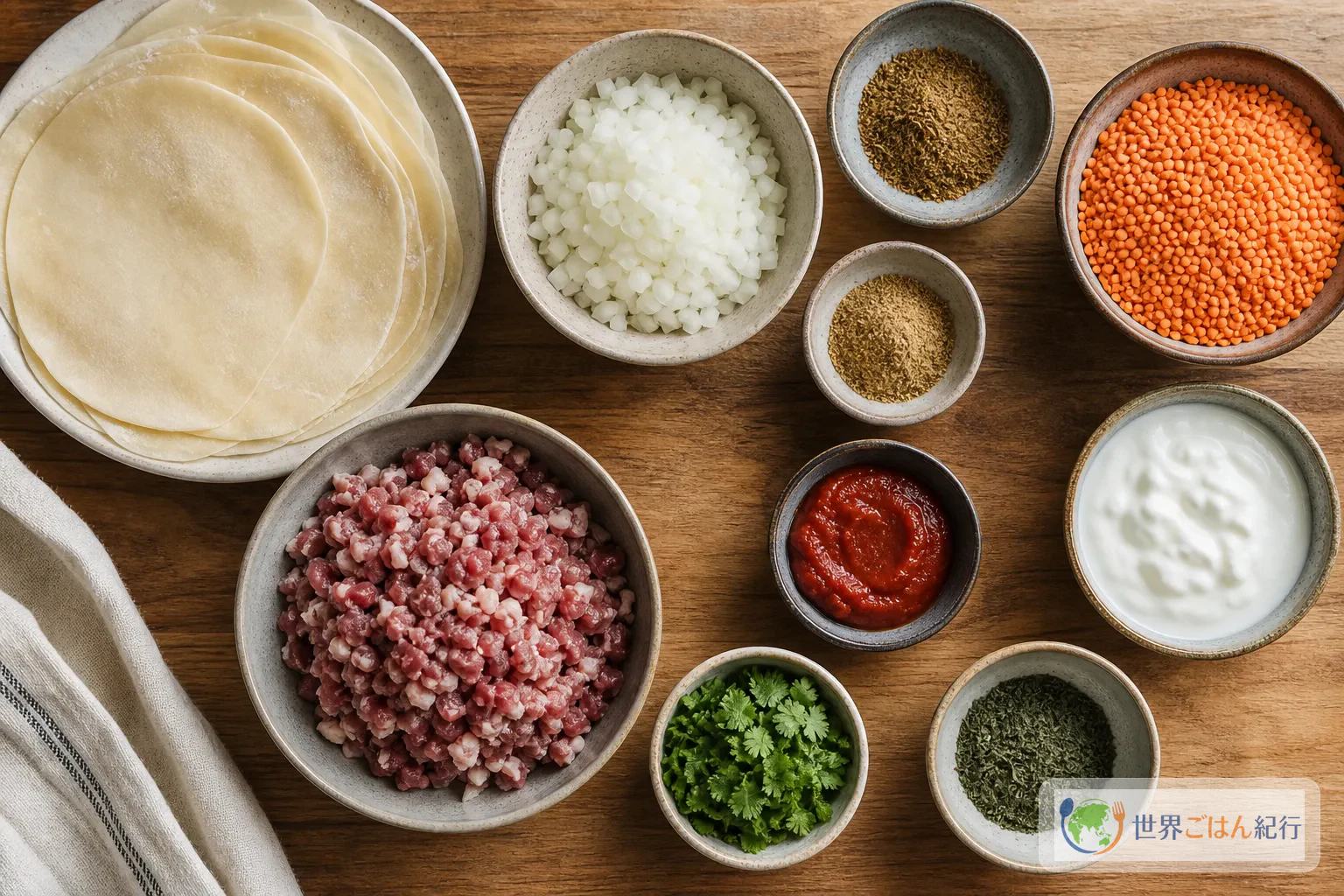
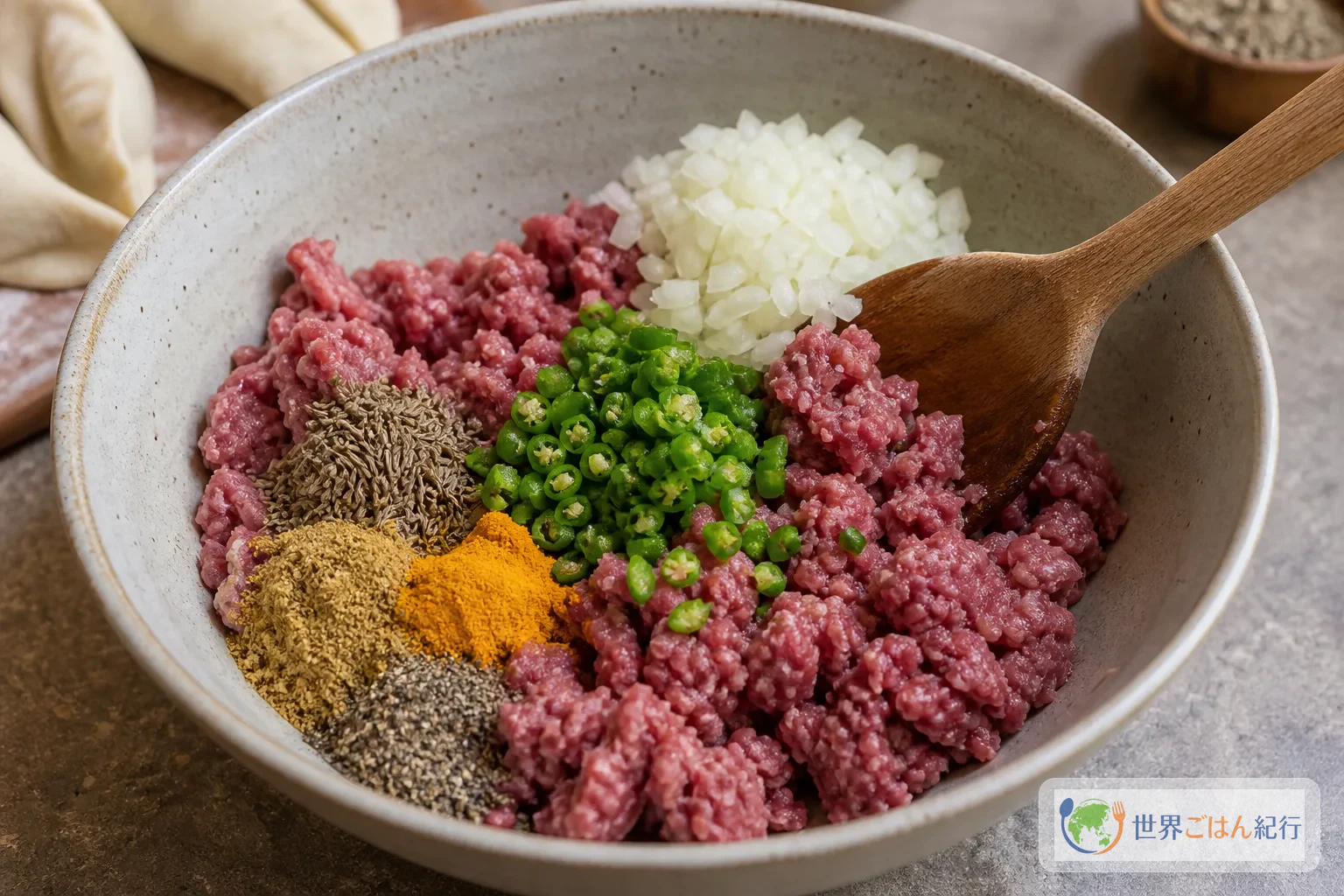
The aroma centers on cumin, coriander and black pepper, mixed as powders straight into the ground meat and onion. There's no frying of spices in oil as you would for a curry. In the steam the powders round out and tie in with the acidity of the yogurt. Chili is there not for heat but just enough to tighten the sweetness of the meat. Just a little cumin and coriander is what turns this away from a soy-and-sesame-oil dumpling. If you're buying them, check the labels on the cumin and coriander.
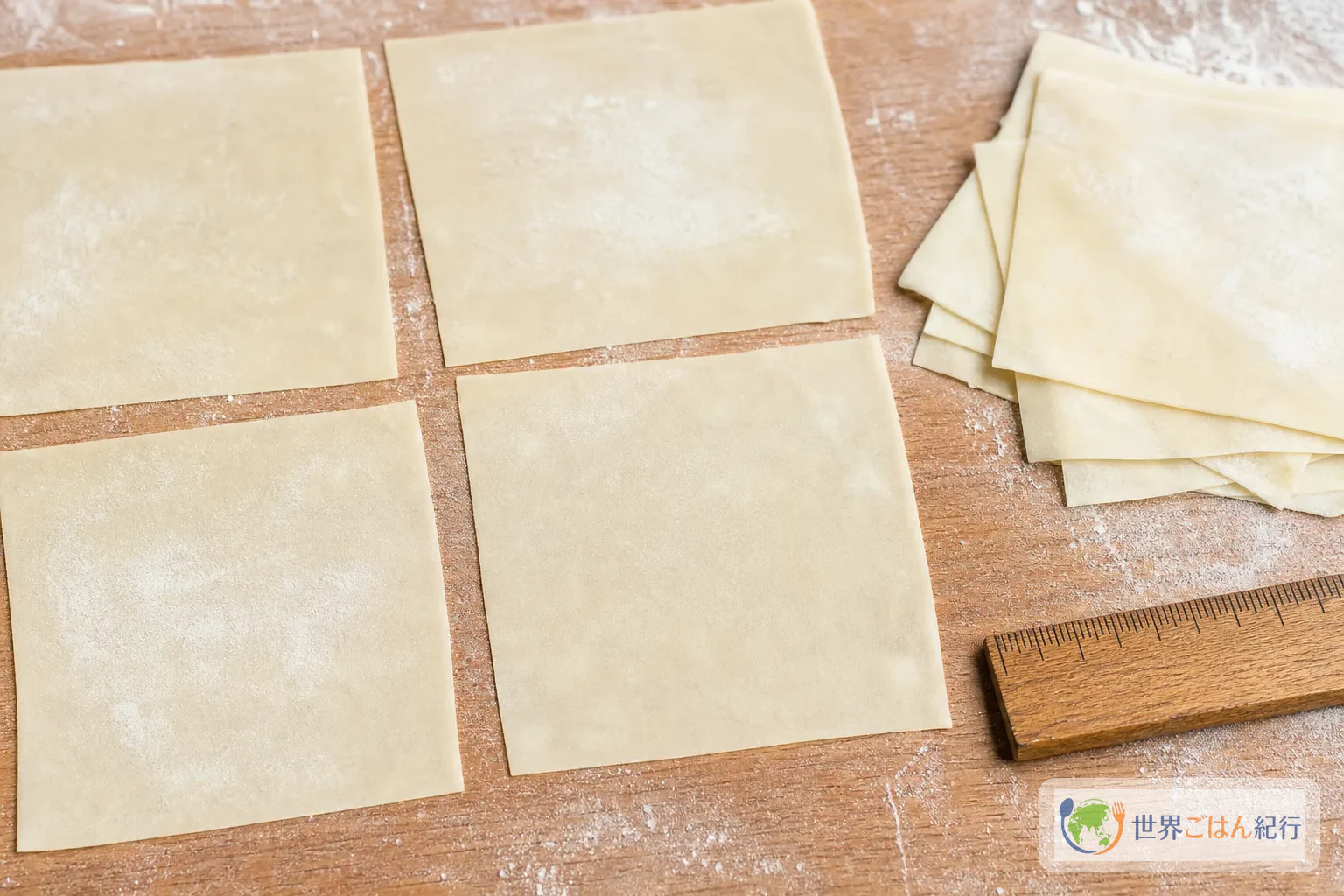
Store-bought wrappers work when you're short on time. Wonton wrappers are fine, and buying them doesn't make it a different dish. It frees up time for the filling and the sauces. If you want to try mantu just once, buy the wrappers, get the spices in small packets and add no equipment. A food processor is worth it only if you'll fold double batches or want to save on chopping onions. If you want to go all the way, that means hand-rolled dough, lamb and a scatter of dried mint.
Method (32 dumplings)
Because you wrap a raw filling, make the sauces first and finish the plating preparations while the dumplings steam.
If you have no bamboo steamer, a steamer set that fits in a pot, with its lid, will do.
Equipment: use what you have
If you are trying mantu just once, no special equipment is needed.
Set a metal steamer insert in a large pot and fold a kitchen towel under the lid so condensation does not drip onto the dumplings.
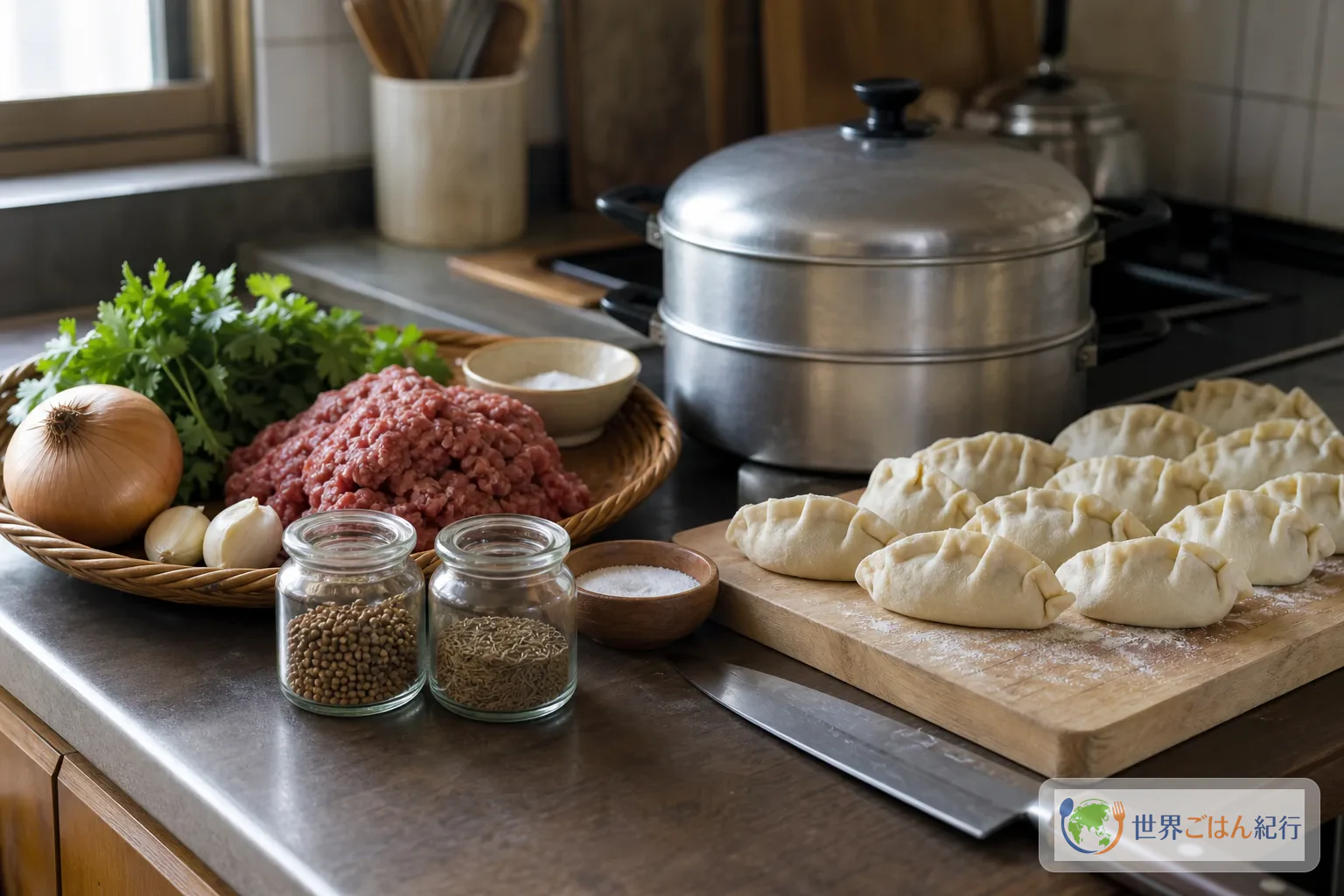
However, if the steamer trays are narrow, 32 dumplings go in several batches and the first plate gets cold.
If you choose a bamboo steamer, check for one about 9.5 inches (24 cm) across with several tiers and a lid that closes firmly.
Chopping two onions with a knife takes only a few minutes.
A food processor can be skipped by anyone making just the first batch of 32.
If you make mantu, ashak and momo in a row, or fold a double batch, it saves the time of chopping the onions in several rounds.
If you have no room for a big machine or do not mind knife work, leaving it out keeps the kitchen tidier.
Fixing torn wrappers, weak steam and runny sauce
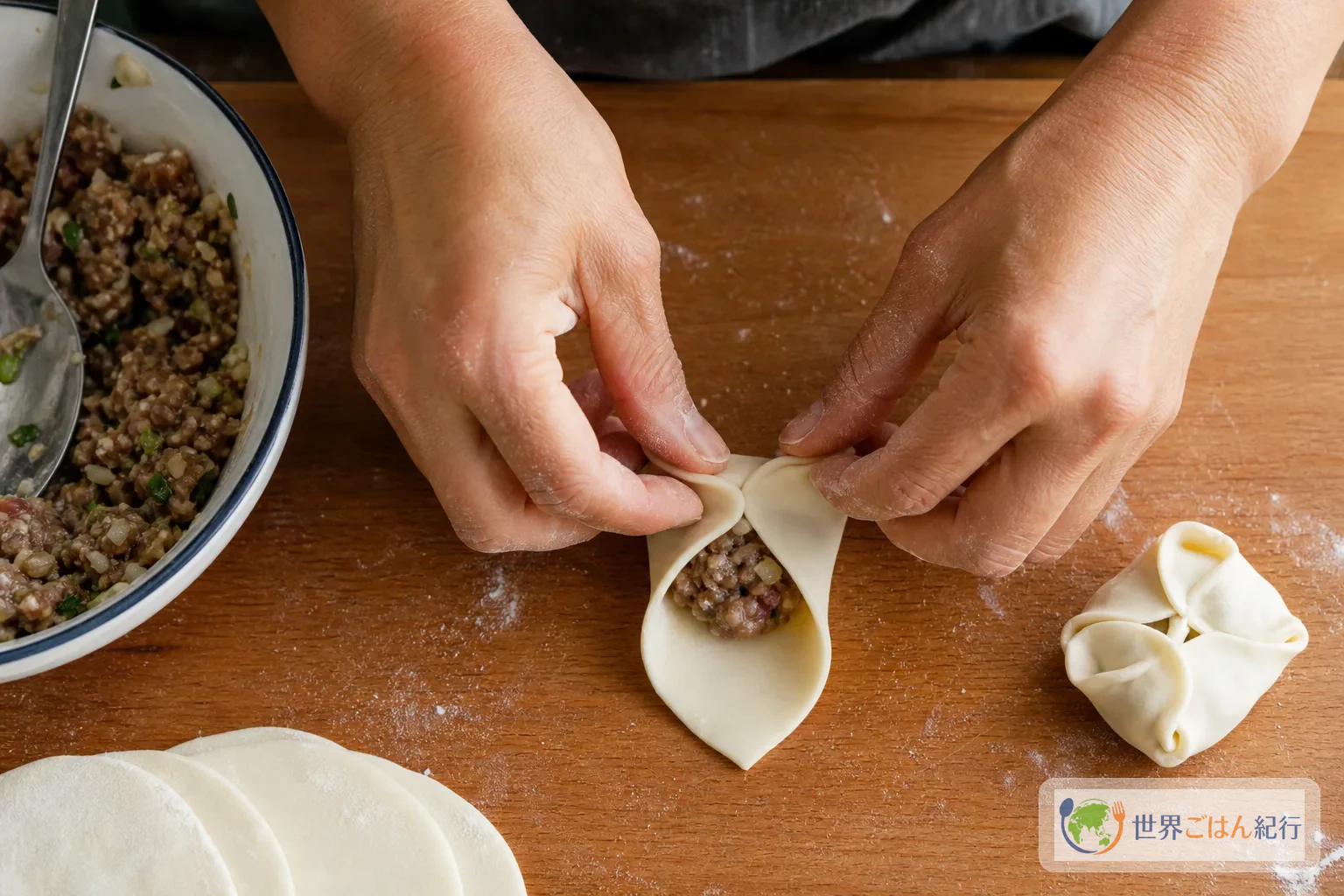
When a wrapper tears, adding more filling to make up for it only tears the next one. Look at the edge first. If filling touched it, wipe the moisture from just that spot and cut the filling to a scant teaspoon.

Next, look at the steamer. If you cover it before the water boils, the dough absorbs moisture and the wrappers stay white and thick. If the boil is too violent, the trays shake and the dumplings knock into each other. Keep a medium-high heat where steam escapes steadily from around the lid, and open it as little as possible.
The sauces need watching too. If the bean sauce is loose, simmer it over low heat for 5 minutes before you plate the mantu. If the yogurt runs, drain it for just 10 minutes in a tea strainer lined with paper towel. Drain it too long and it becomes a stiff dip that won't cling to the wrapper.
If the center of the meat is red, do not eat it, however good it looks. Heat dishes made with ground meat until the center reaches 167°F (75°C), and hold it there for at least 1 minute. Without a thermometer, cut one open and check that the color has changed all the way through and the juices are not red.
Serving, storing and a meatless mantu
Treat the white yogurt as the base of the plate and the red bean sauce as spots of flavor, so the sauce never becomes a puddle the wrappers soak up.
Freezing and reheating mantu
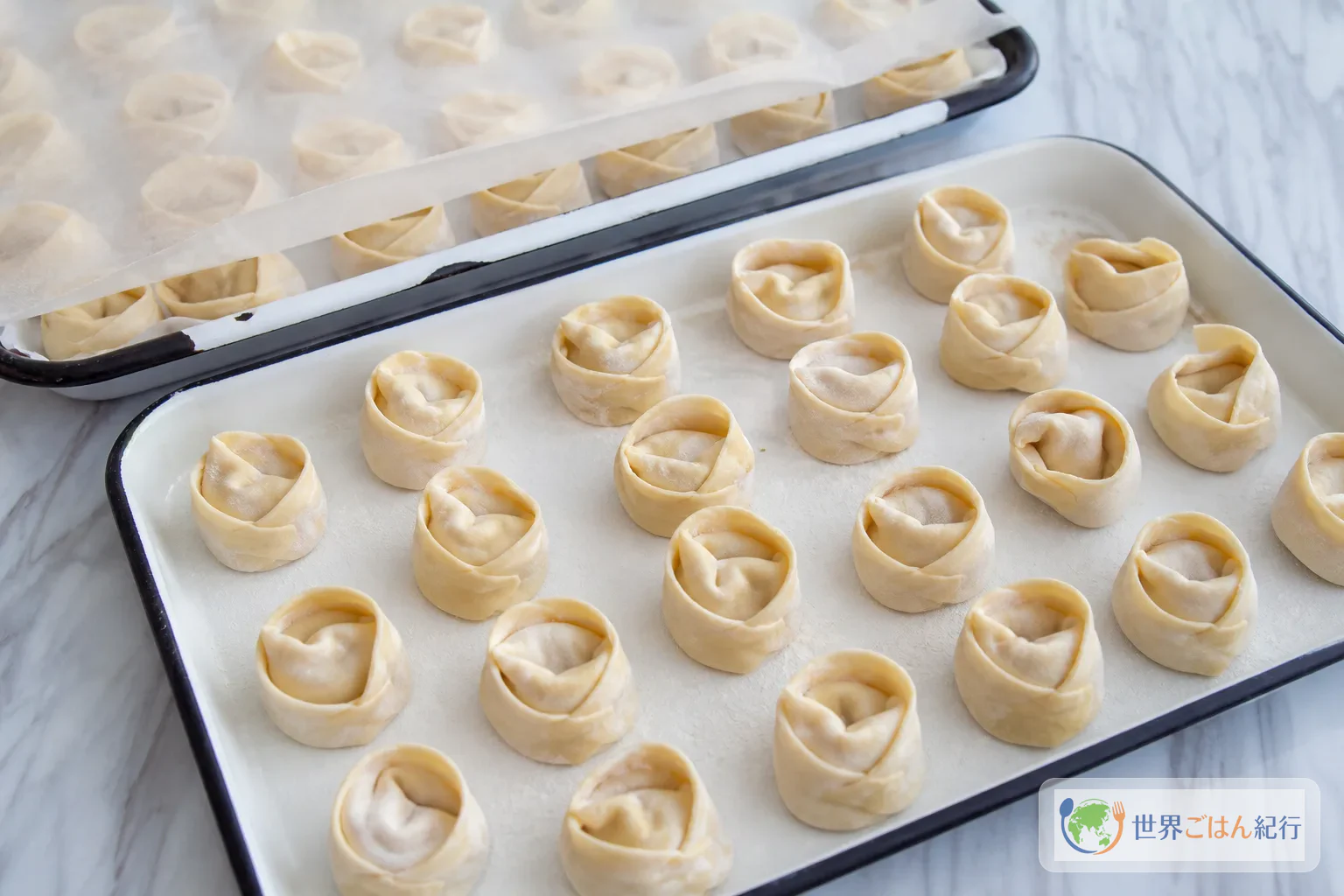
Mantu that are folded but not yet steamed can be frozen. Arrange them on a parchment-lined tray so they don't touch and freeze for about 2 hours. Once firm, move them to a freezer bag, write the date and use them within about 2 weeks. Steam them straight from frozen, adding about 10 minutes, and check the center.
Steamed dumplings keep in the refrigerator until the next day if the sauce hasn't gone on yet. Store the yogurt and bean sauce in separate containers. Arrange the dumplings on a heatproof plate, sprinkle with 2 tsp water, cover loosely with plastic wrap and microwave at 600 W for 1 minute 30 seconds to 2 minutes. Warm the bean sauce in a small pot over low heat, loosening it with 1 tsp water at a time. The wrappers are a little softer by then, so a thin layer of yogurt with the bean sauce in the center is easier to eat than a heavy pour.
Meatless mantu
Without meat, fill the dumplings with lentils, chopped mushrooms and onion. Because the bean sauce overlaps with the filling, mash the filling lentils coarsely and add 1/2 tsp more cumin to give it definition.
Frequently asked questions
Q1. Can I use dumpling wrappers or wonton wrappers?
Yes. With large dumpling wrappers, use a scant teaspoon of filling and draw the four corners to the center. Wonton wrappers steam up light but tear easily, so use about 8 g of filling. Whichever you use, keep them from drying out as you work.
Q2. I do not like lamb. Can I use beef?
Ground beef is fine. Lean meat alone makes the filling dry, so choose ground beef with around 15% fat; it holds together with the sweetness of the onion. Ground chicken turns hard if oversteamed, so cut the wrappers slightly smaller and stop as soon as the center is cooked through.
Q3. Can I cook the meat first and then wrap it?
You can, and it cuts the steaming time to 3 to 4 minutes, though wrapping the filling raw is the traditional way. Cooking first suits a first attempt, when you want to be sure of safety, or a day when time is tight. Cool the meat before wrapping so the heat doesn't soften the dough.
Q4. What if the yogurt is too sour?
Thin Greek yogurt with 2 tbsp water and add salt a little at a time. Before reaching for sugar, check whether you added too much white wine vinegar to the bean sauce. Leave some sourness. It cuts the weight of the meat and beans.
Q5. Can I make it without a bamboo steamer?
A metal steamer that fits in a pot works. Lightly oil the tray, and fold a kitchen towel between the lid and the pot so condensation doesn't drip onto the dumplings. Tuck the ends of the towel in so they stay clear of the flame, and top up with boiling water partway through so the pot doesn't run dry.
Q6. How spicy should it be to taste Afghan?
Let the cumin and coriander, the sweetness of the onion and the sourness of the yogurt come first, with the chili arriving lightly from behind. For more heat, add a little to each plate's bean sauce rather than to the whole filling, so everyone can adjust their own.
Sources
The dish structure, the local table, the name and the cooking judgments in this article were cross-checked against the following sources.
- Mantu Afghan Dumpling Recipe, Afghanaid (published 2019, updated 2025. Ingredients, dough thickness, folding, steaming time)
- What is culture like in Afghanistan?, Afghanaid (published 2019, updated 2025. Hospitality, communal meals, regional culture)
- Mantu Recipe, Afghan Cooks (published 2022. Spice blend, steaming a raw filling, the store-bought wonton wrapper branch)
- Nourishing Peace cookbook, World Vision Afghanistan (2025. Mantu for special occasions, structure of the lentil sauce)
- Afghan Culture, Embassy of Afghanistan in Jakarta (hospitality at meals, substitutions in ingredients and household differences)
- Q&A on heating conditions for meat, Ministry of Health, Labour and Welfare (Japan) (heating guideline for meat including ground meat)