Cilok: Indonesian Tapioca Balls with Peanut Sauce (Aci Dicolok)

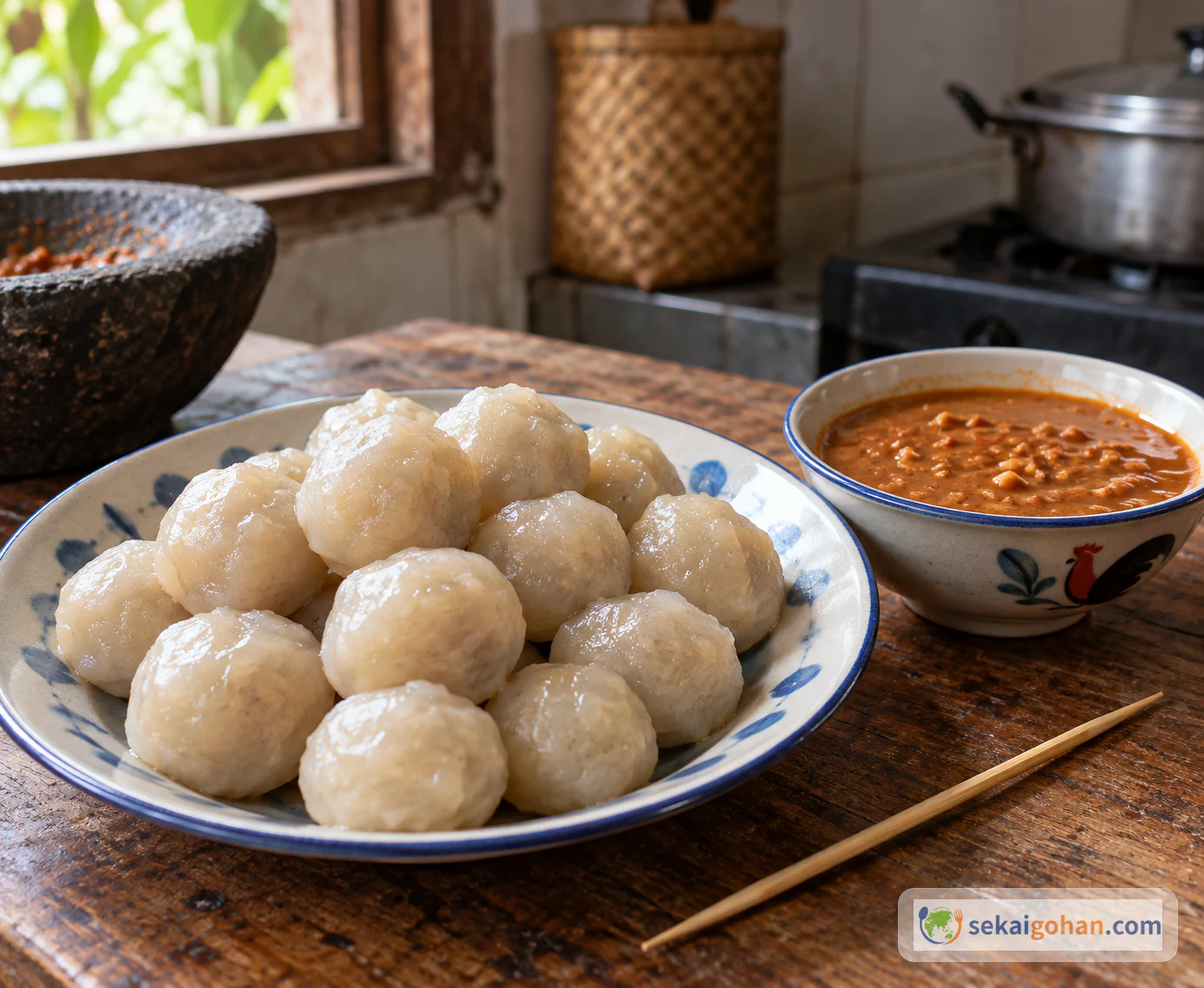
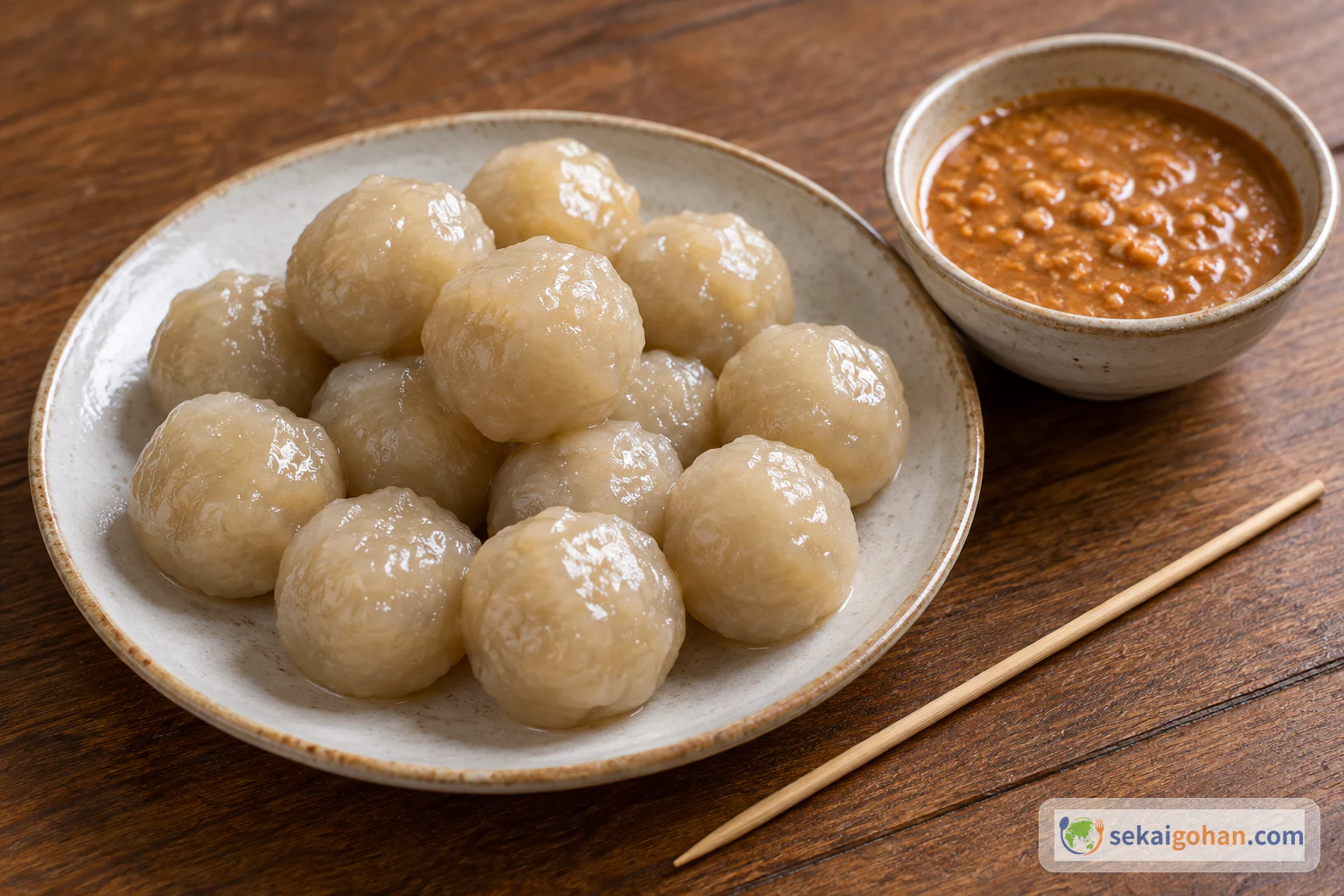
Round cilok served with peanut sauce, with a skewer set beside the plate
Serves
3
Level
Easy
Cuisine
Indonesian

How to make cilok, the round, chewy tapioca balls from Indonesia, following one Bandung-style recipe by Valentina Limbong on Masak Apa Hari Ini. Covers the meaning of the name aci dicolok, the dough and peanut-sauce ingredients in their original units, why the three waters stay separate, each step in order, and what the source leaves unstated.

Cooking flow

Cooking steps

STEP11 / 8

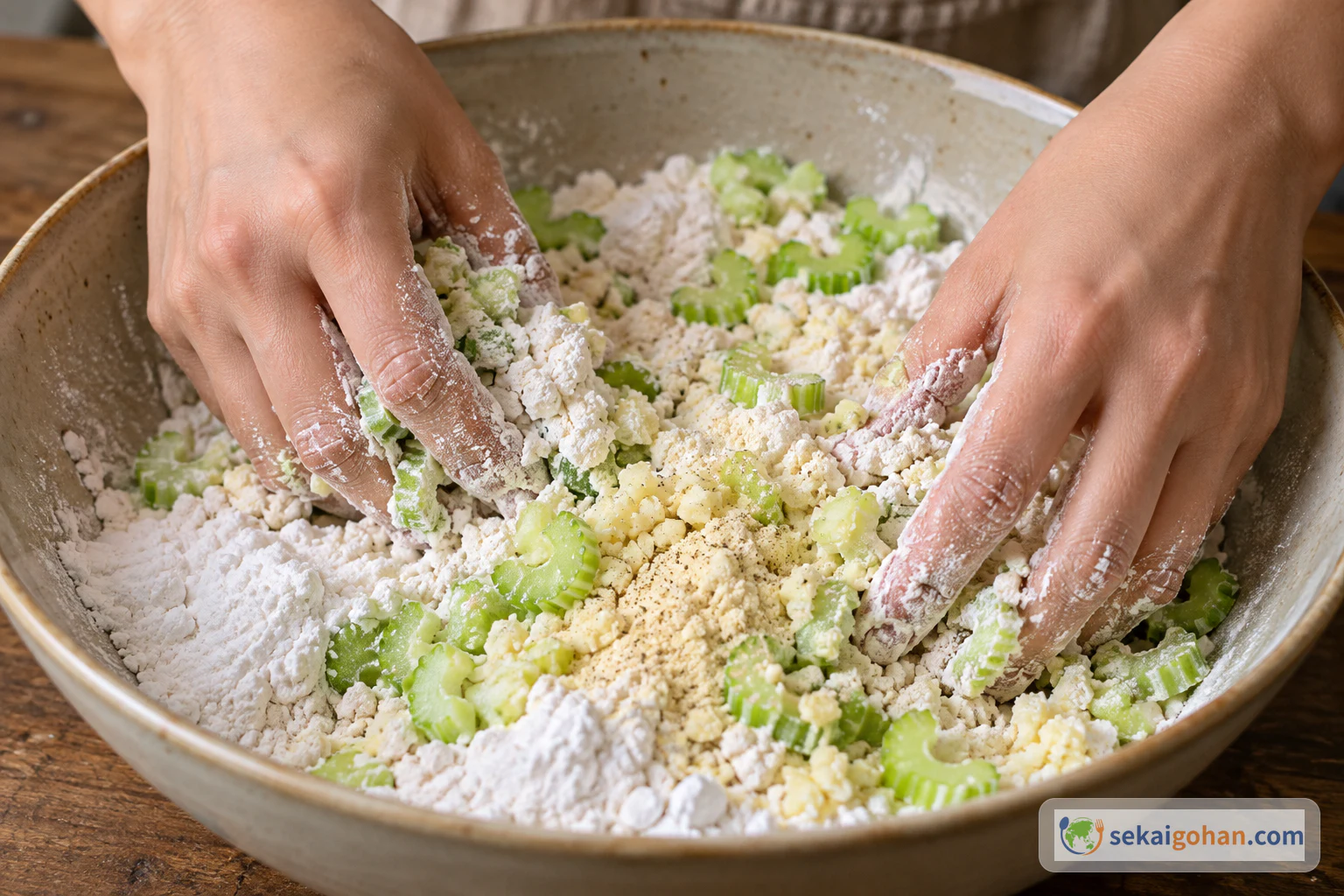
Combine the dry dough ingredients

Tapioca flour, wheat flour, garlic, celery, chicken stock powder and white pepper being mixed in a bowl
Combine the flours and seasonings while the mixture is still dry

In a bowl, mix the tapioca flour, wheat flour, chopped garlic, sliced celery, Royco Kaldu Ayam and white pepper. Do not add any water yet.

STEP22 / 8

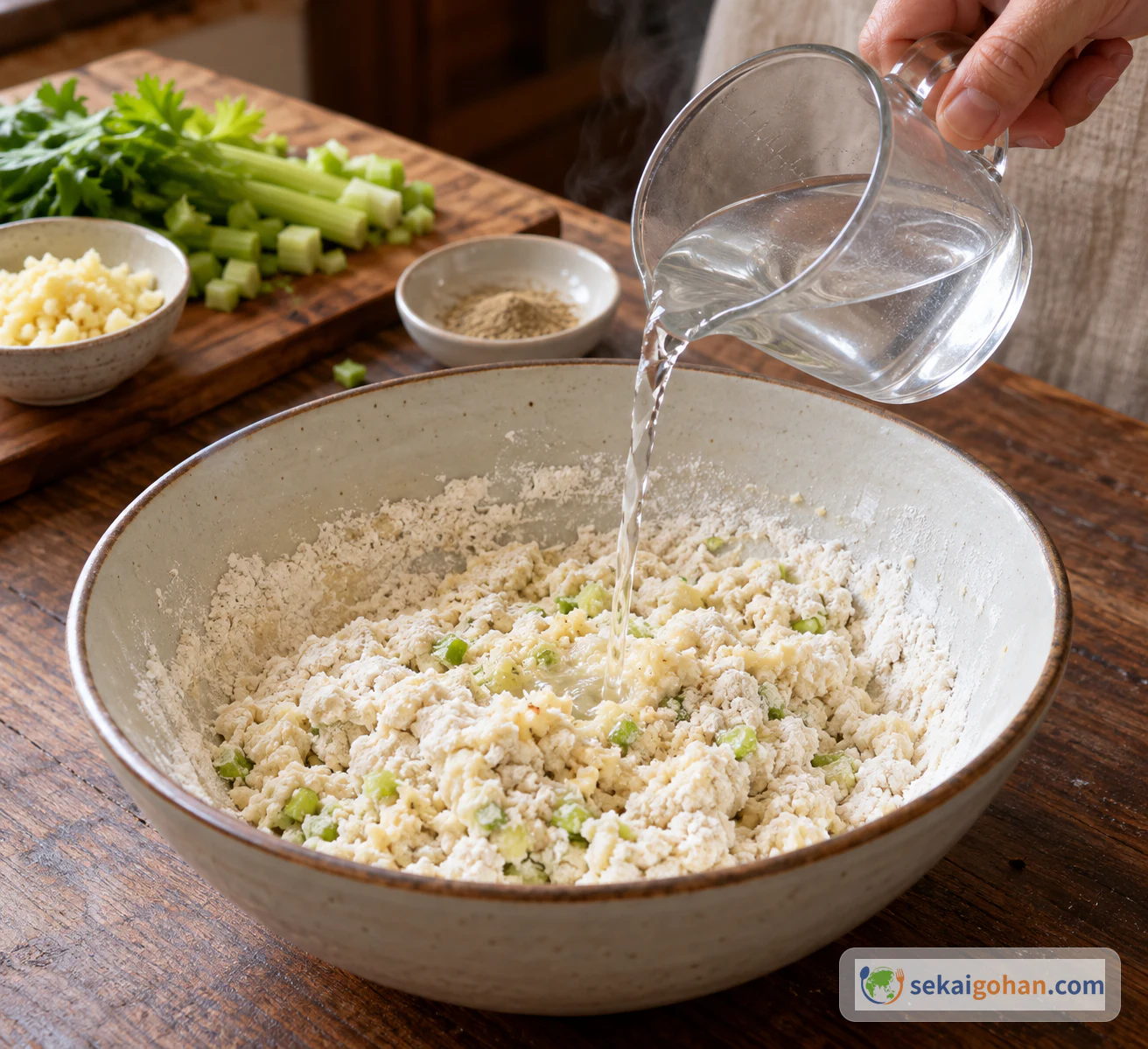
Add the hot water a little at a time

Hot water being added little by little to the dough mixture
Add the dough's 250 ml of hot water gradually, mixing between additions

Gradually pour the 1 cup (250 ml) of hot water into the bowl, mixing as you go, until the ingredients come together. This water is for the dough only.

STEP33 / 8

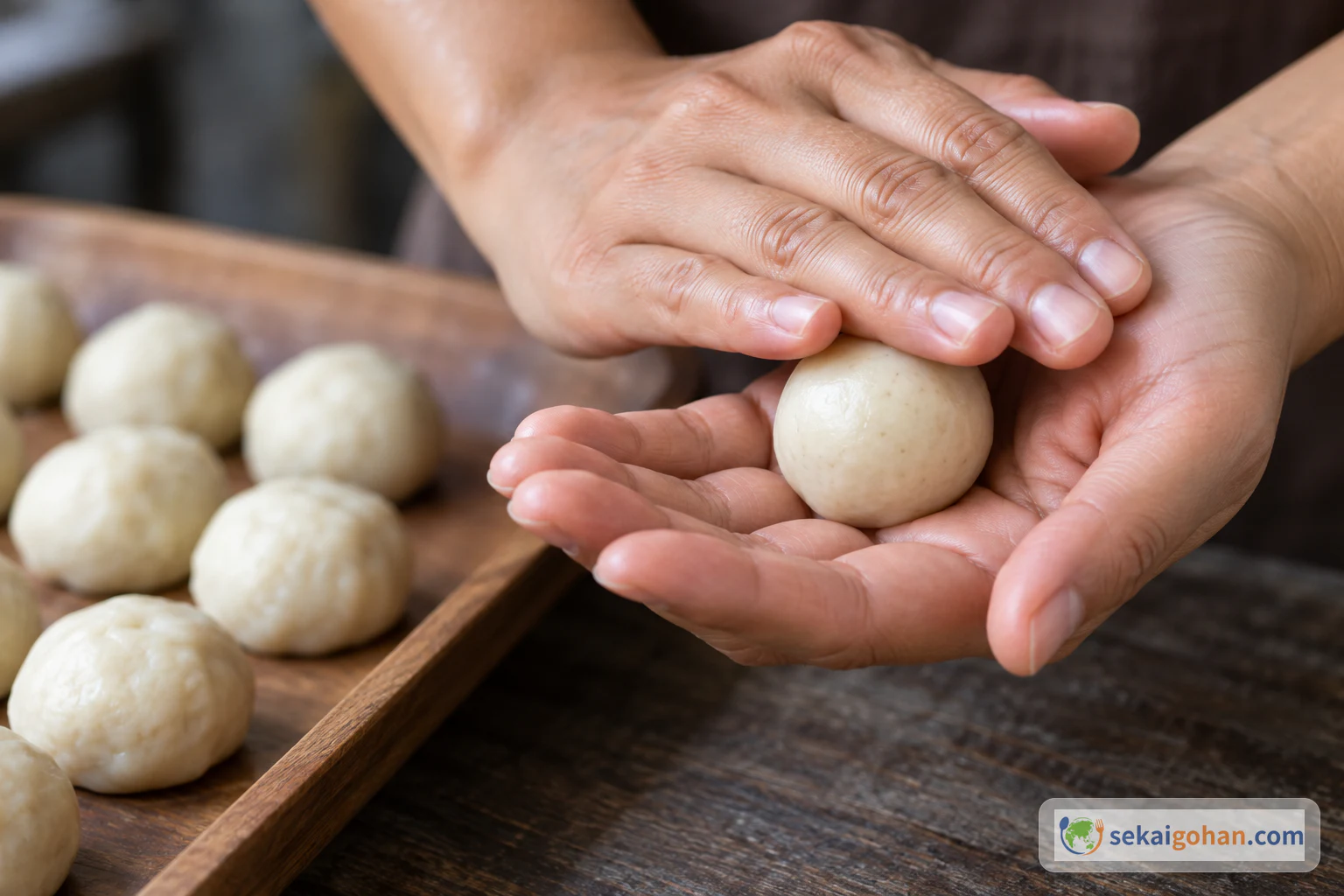
Roll the dough into balls

Hands rolling a 1/2 sdm portion of dough into a round cilok ball
Roll each 1/2 sdm portion into a smooth ball

Take 1/2 sdm of dough at a time and roll it into a ball. Repeat until all the dough is used.

STEP44 / 8

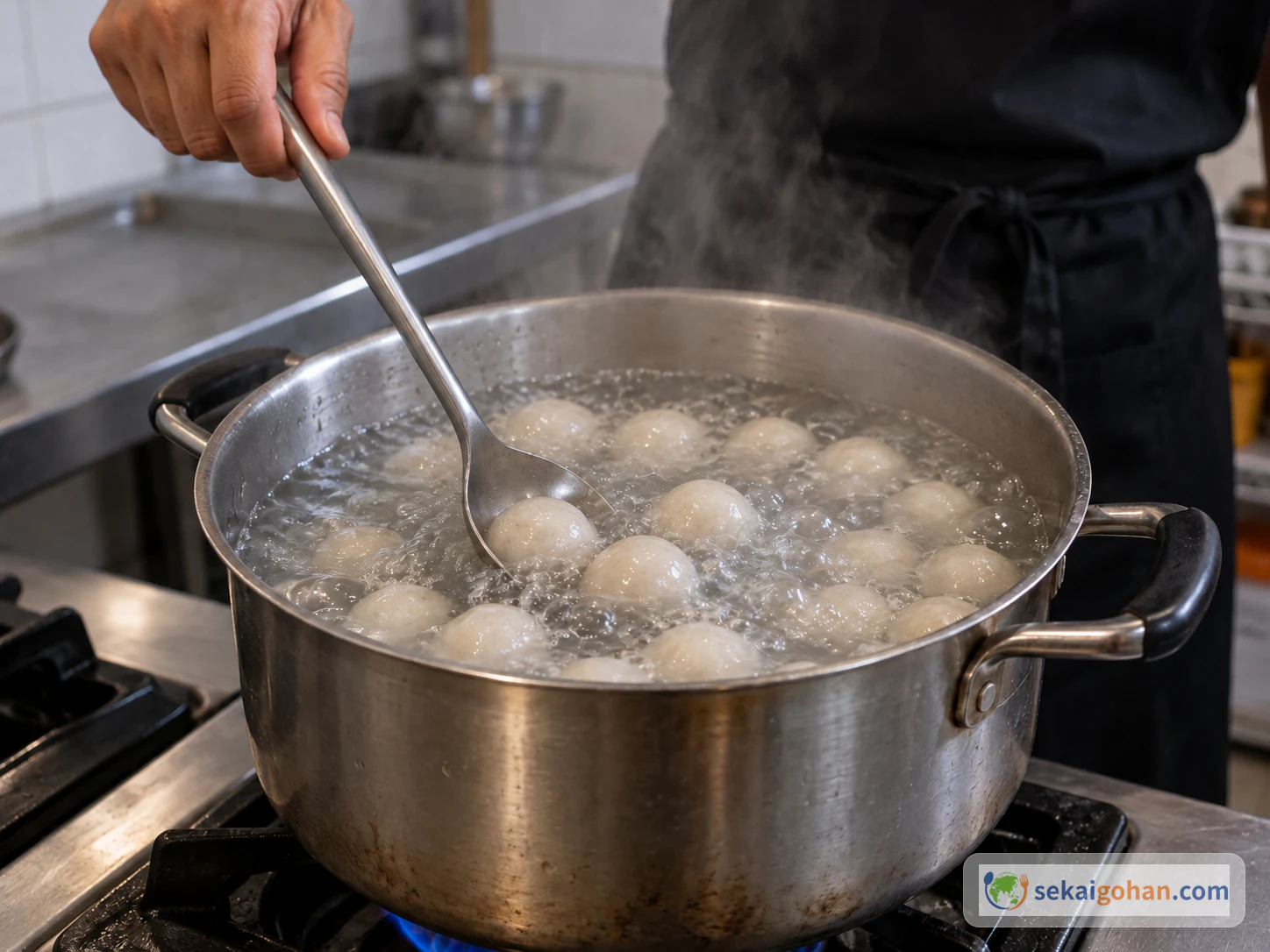
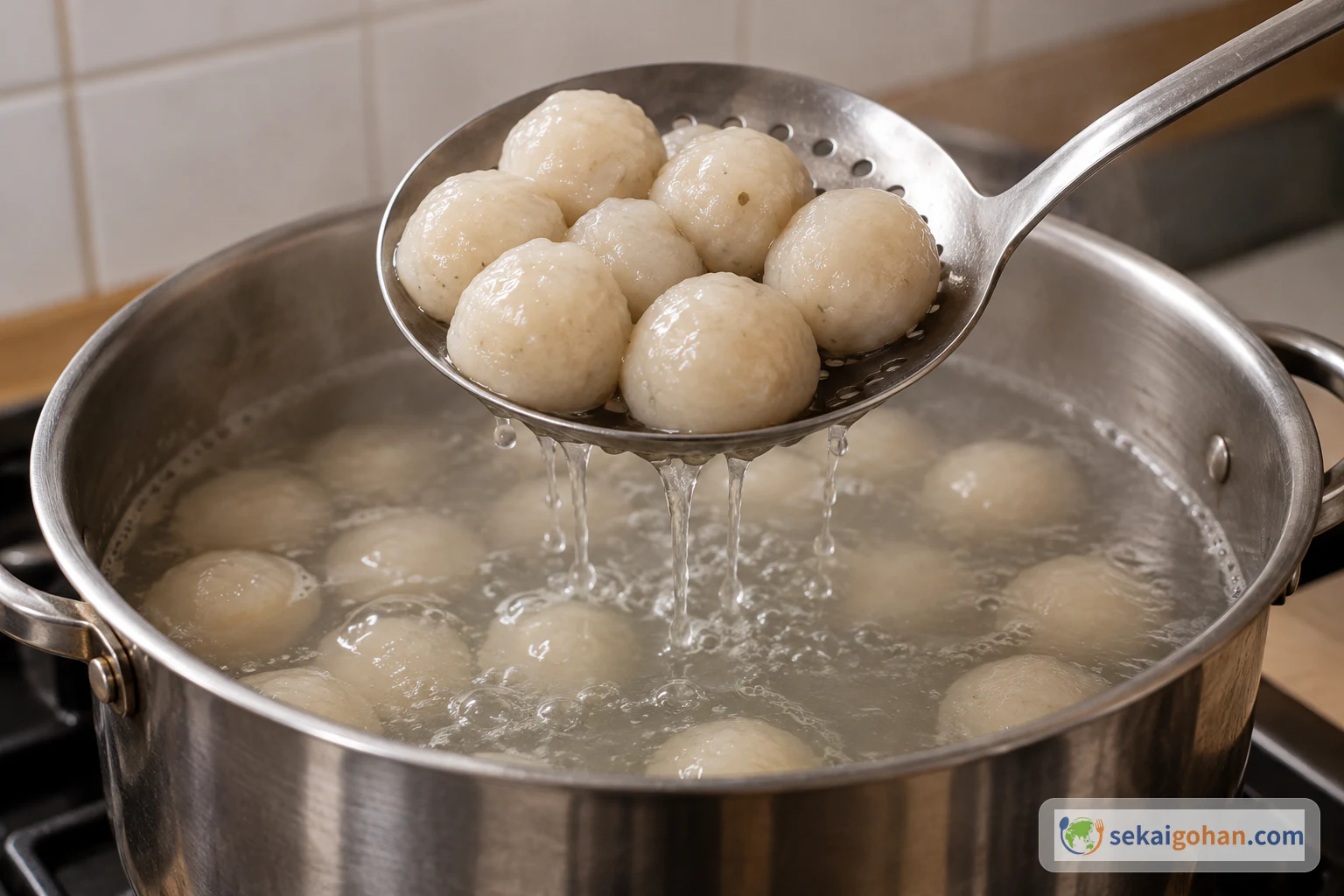
Boil in batches and drain

Cilok cooking in a pot of boiling water while a cook tends one batch
Boil the cilok in batches in a separate pot of water

Bring a separate pot of water to a boil. Boil the cilok in several batches until cooked, then lift them out and drain them.

Cooked cilok lifted out of the pot so the water drains away
Once cooked, lift the cilok out and let them drain
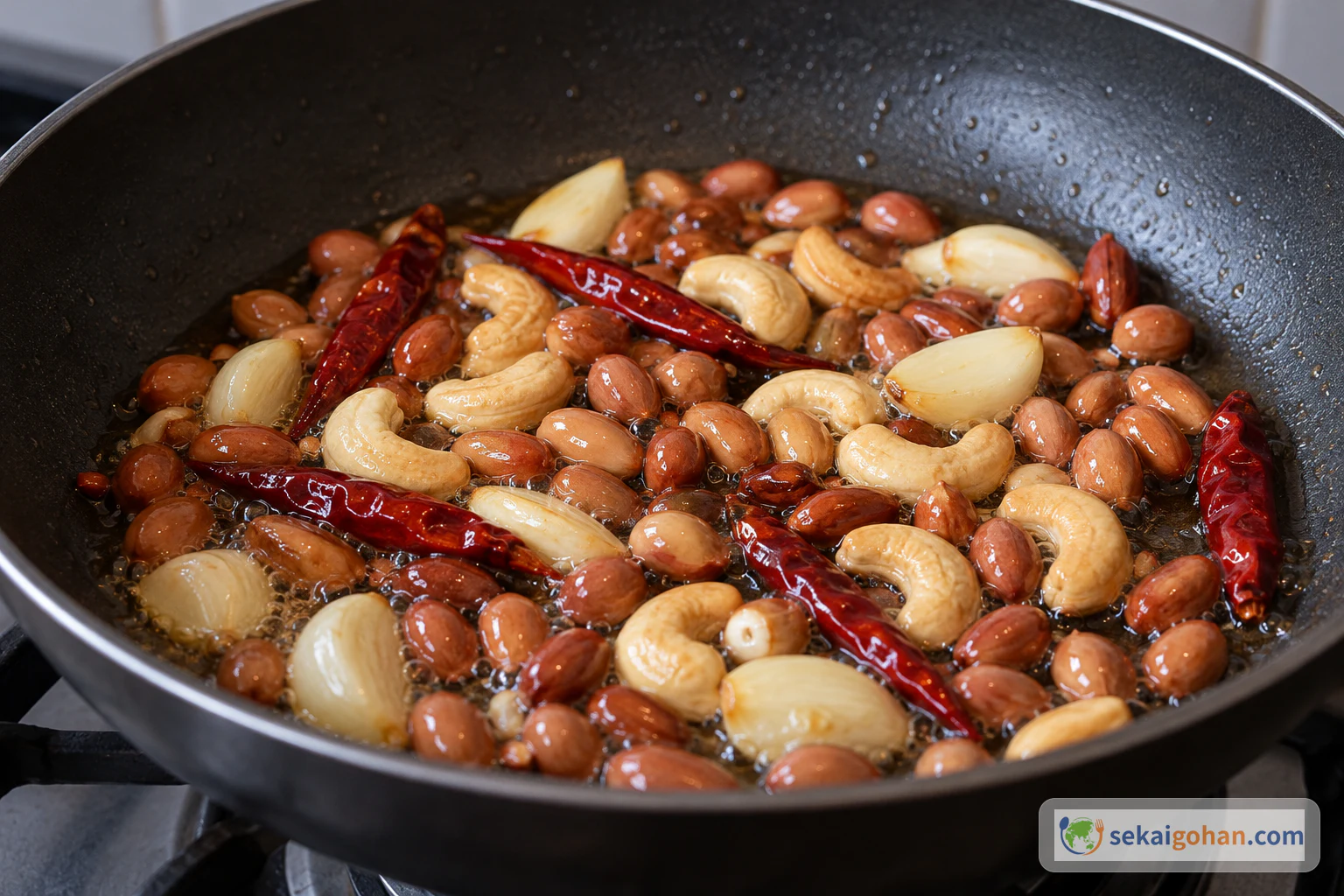
STEP55 / 8

Fry the nuts, chilies and garlic

Peanuts, cashews, chilies and garlic frying together in a pan
Fry both nuts with the chilies and garlic until cooked

Fry the peanuts and cashews (kacang) together with the red chili, curly red chilies and garlic until cooked.

STEP66 / 8

Grind the fried mixture

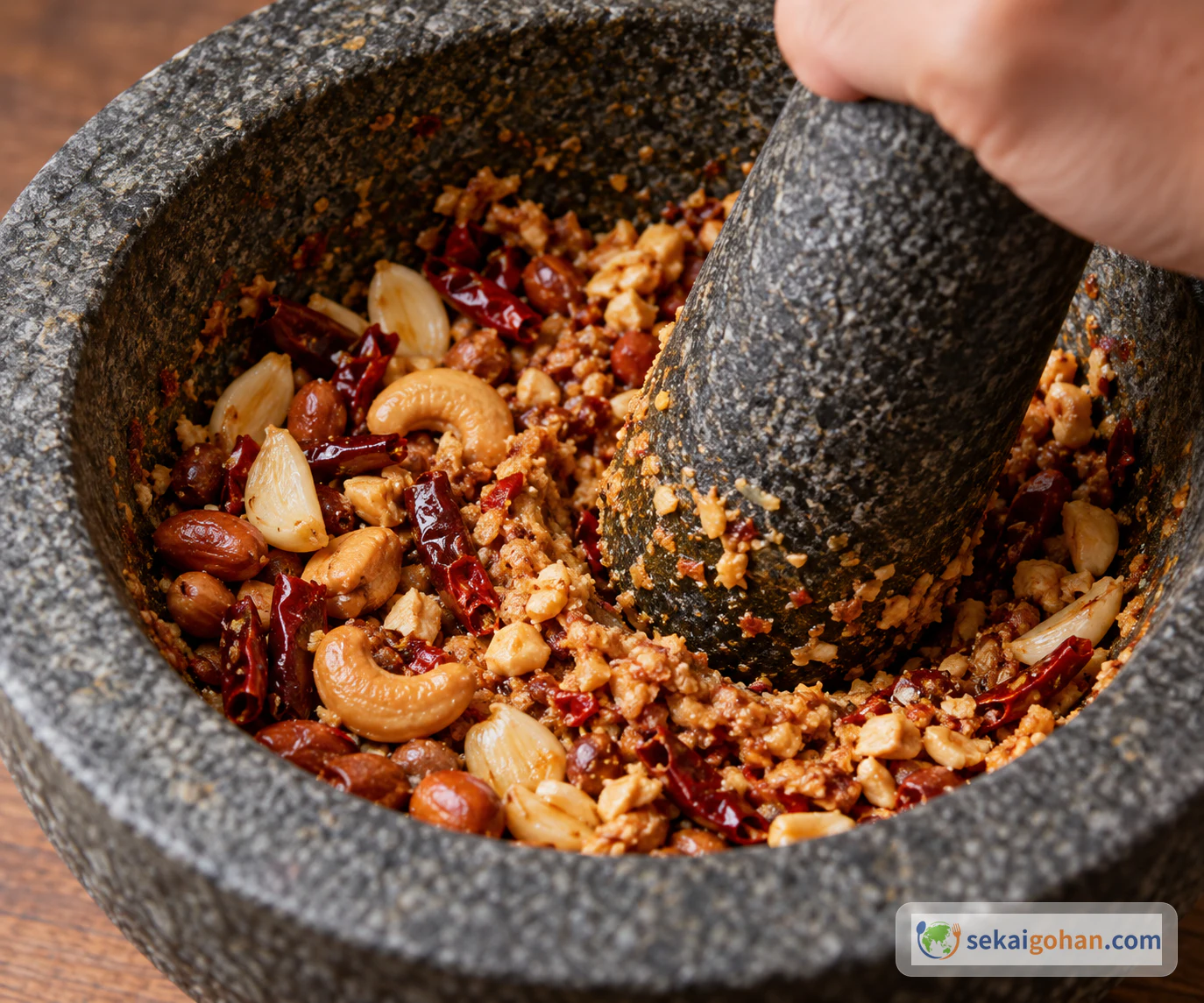
The fried nuts, chilies and garlic being ground in a mortar
Grind the fried mixture before it meets any water or seasoning

Remove the fried ingredients from the pan and grind them. Do not add any liquid or seasoning at this point.

STEP77 / 8

Make the peanut sauce

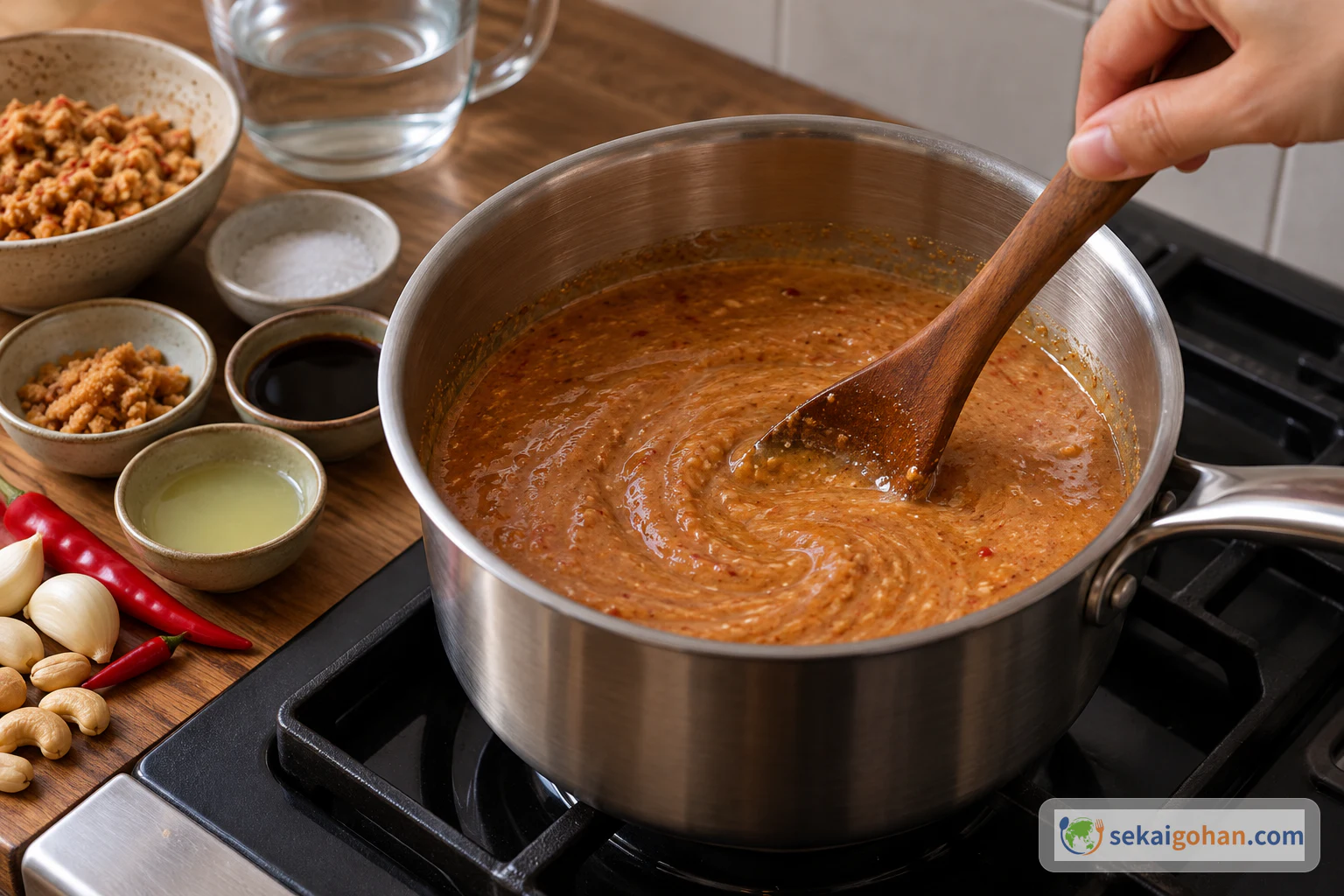
The ground mixture stirred into water with salt, palm sugar, lime juice and sweet soy sauce to make the sauce
Stir the ground base into the sauce's 350 ml of boiling water, then add the seasonings

Bring the sauce's 1½ cups (350 ml) of water to a boil, then add the ground mixture and stir. Add the salt, palm sugar, lime juice and Bango Kecap Manis Light, stir to combine, and take the pan off the heat.

STEP88 / 8

Serve the cilok with the peanut sauce

Boiled cilok on a plate with a bowl of peanut sauce beside it
Serve the cilok with the peanut sauce; the skewer is only a way to eat them

Serve the drained cilok with the peanut sauce alongside. The sauce is the only condiment: no extra herbs, oil or fillings.

0 / 0
Ingredients

Ingredients

1 / 1

Ingredients

Ingredient Amount Role
Tapioca flour (tepung tapioka) 7 oz (200 g) Dough: the tapioca base, the aci in the name
Wheat flour (tepung terigu) 4.5 oz (125 g) Dough: the second flour
Garlic, finely chopped (bawang putih) 2 cloves Dough: aromatic
Celery stalks, finely sliced (seledri) 2 stalks Dough: aromatic. Use celery stalk, not green onion or cilantro
Royco Kaldu Ayam (chicken stock powder) 1 sdt (teaspoon) Dough: seasoning
Ground white pepper (merica putih bubuk) 1/2 sdt (teaspoon) Dough: seasoning
Hot water (air panas) 1 cup (250 ml) Dough only: mixed in gradually
Water for boiling the cilok As needed Separate pot for cooking the balls. Not part of the 1 cup (250 ml) or the 1½ cups (350 ml)
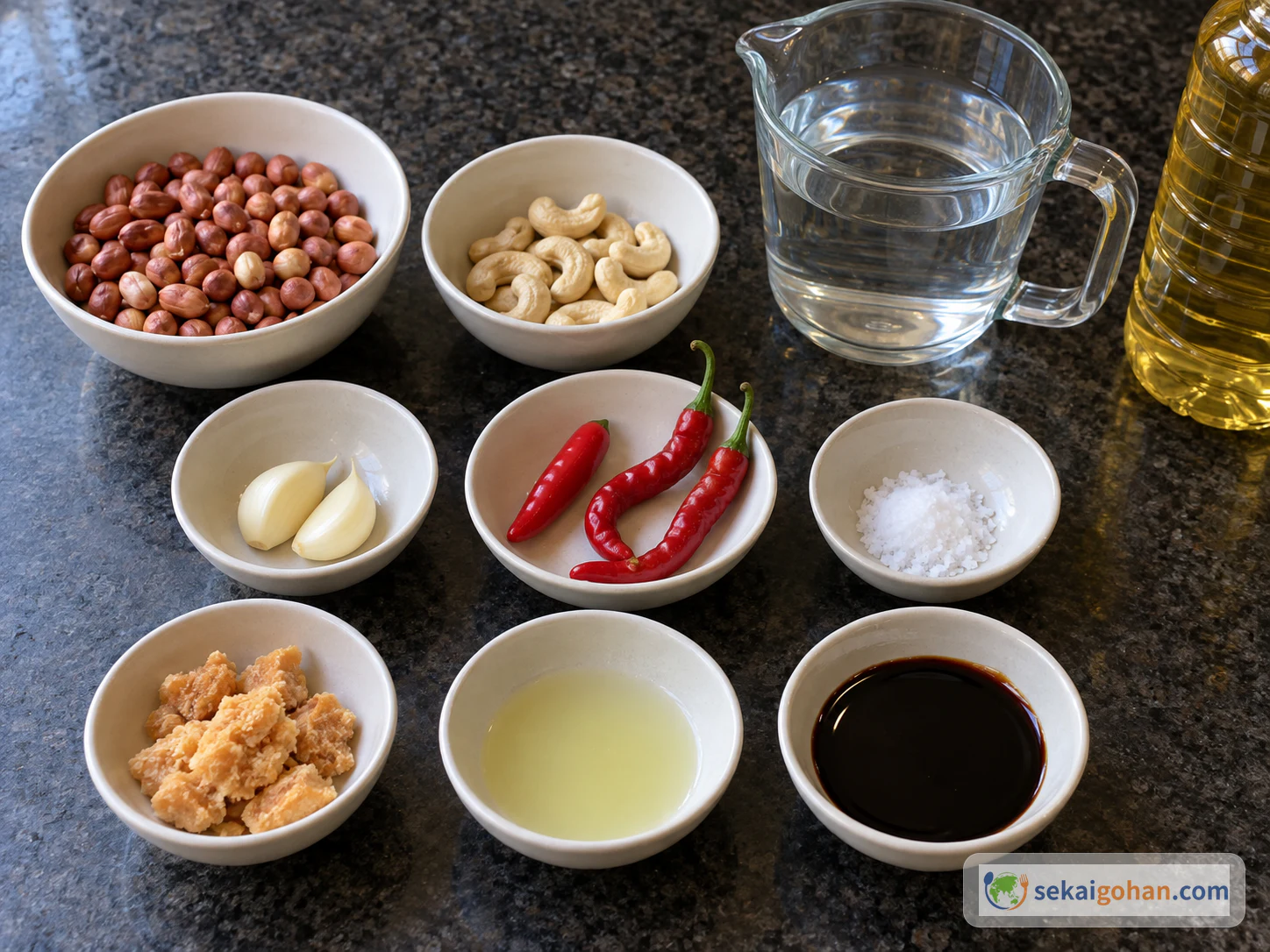
Peanuts (kacang tanah) 2.75 oz (75 g) Sauce: fried, then ground
Cashews (kacang mede) 25 g Sauce: fried together with the peanuts, then ground
Garlic (bawang putih) 2 cloves Sauce: fried and ground
Red chili (cabai merah) 1 Sauce: fried and ground
Curly red chilies (cabai merah keriting) 2 Sauce: fried and ground
Frying oil As needed Sauce: for the frying step
Salt (garam) 1 sdt (teaspoon) Sauce: seasoning
Palm sugar (gula merah) 1/2 sdm (tablespoon) Sauce: sweetness
Lime juice (air jeruk nipis) 1 sdt (teaspoon) Sauce: acidity
Bango Kecap Manis Light (sweet soy sauce) 2 sdm (tablespoons) Sauce: the sweet soy element
Water (air) 1½ cups (350 ml) Sauce only: brought to a boil for the sauce
0 / 0

In Bandung, cilok comes round and chewy, usually with peanut sauce, kecap (sweet soy sauce) and sauce alongside. One bite is salty, savory and sweet all at once. The dough is built on tapioca, and the name says so. This version boils the balls and serves them with a sauce of fried peanuts and cashews, chilies and garlic, sweetened with palm sugar and sharpened with lime juice. For more dishes from the same country, see the Indonesia page.

Cilok and Its Name

Cilok is short for aci dicolok. In Sundanese, aci means tapioca and dicolok means piercing it, as with a skewer, so the name describes both the food and a way of eating it. Cilok is a Sundanese snack, and it's familiar all over Java.

This is the Bandung style. The dough is tapioca flour and wheat flour seasoned with garlic, celery, chicken stock powder and white pepper, then brought together with hot water. The balls are boiled and drained, and the peanut sauce is ground, then simmered with salt, palm sugar, lime juice and sweet soy sauce.

Ingredients: Dough and Peanut Sauce
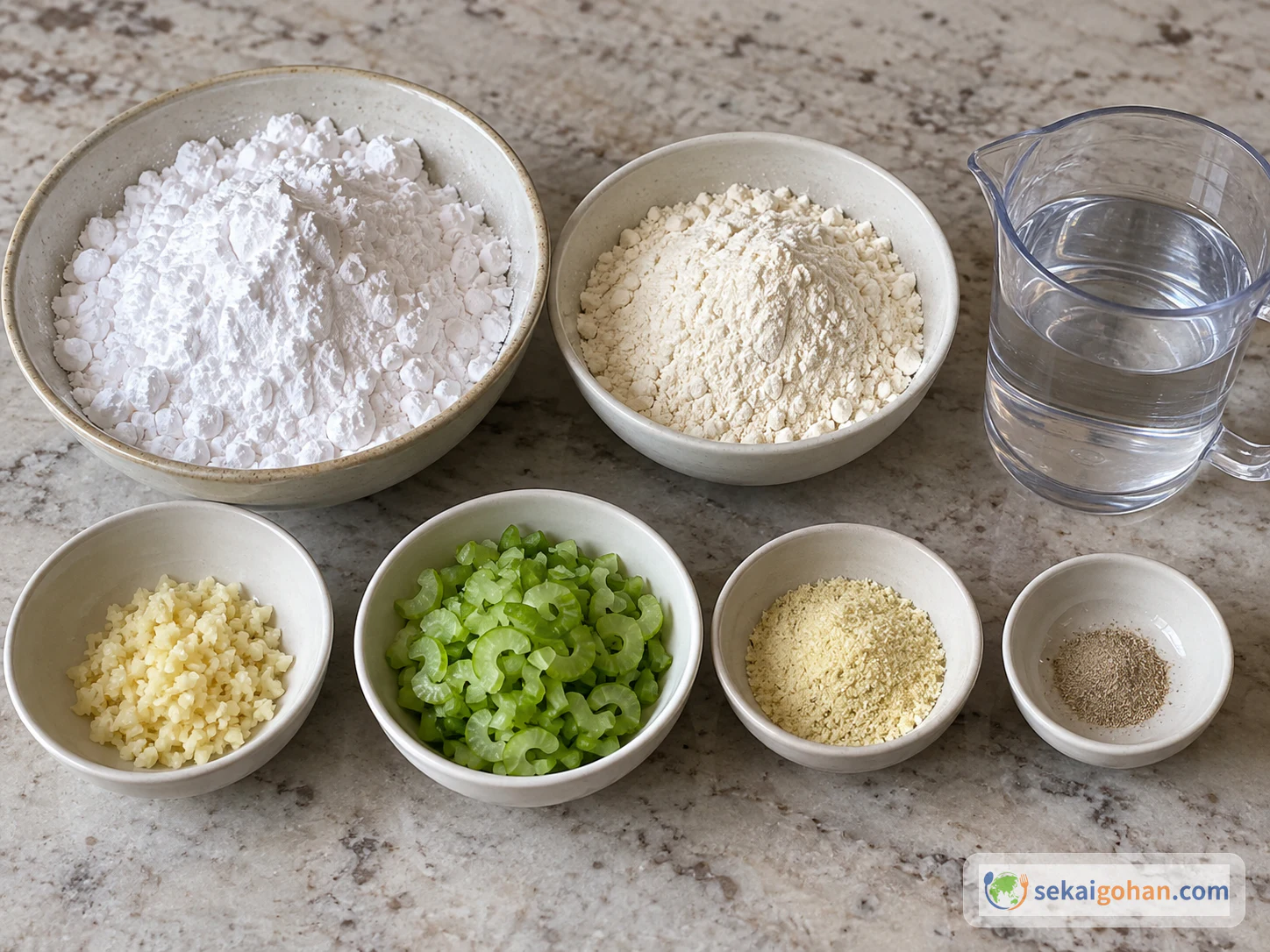
Tapioca flour, wheat flour, garlic, celery, chicken stock powder, white pepper and water laid out for the dough
The dough ingredients: two flours, garlic, celery, stock powder, white pepper and 250 ml of water
Peanuts, cashews, garlic, red chilies, salt, palm sugar, lime and sweet soy sauce laid out for the sauce
The peanut-sauce ingredients, with the sauce's separate 350 ml of water

You need three separate waters: 1 cup (250 ml) for the dough, 1½ cups (350 ml) for the sauce, and a pot of boiling water for the balls. Keep them separate; do not take one from another, and do not add them together. Fry the sauce base in oil as needed.

Equipment

  • A mixing bowl for the dough
  • A 1/2 sdm (tablespoon) measure for portioning the dough
  • A pot of boiling water for cooking the balls, separate from the sauce
  • A spoon for lifting the cooked balls out and draining them
  • A pan for frying the nuts, chilies and garlic
  • A way to grind the fried mixture; a mortar and pestle is one option, as shown in the photo
  • A saucepan for the peanut sauce

Choosing Ingredients for Cilok

For the stock powder and sweet soy sauce, use Royco Kaldu Ayam and Bango Kecap Manis Light. Seledri here means celery stalk. In the sauce, fry the peanuts and cashews together; the cashews belong in it.

Method: Boil the Balls, Then Build the Sauce

Following the numbered method

Cooking Notes for Cilok

Mix the dough with hot water, not just warm. Boil the balls in batches in a separate pot of water, kept apart from the water measured for the dough and the sauce. Boil them until cooked, then drain. Fry the nuts in as much oil as you need.

Other Ways to Make Cilok

Cilok recipes vary in flour ratio, aromatics, fillings, sauce and cooking method. One home version from 2010 uses 7 oz (200 g) tapioca and 7 oz (200 g) wheat flour with garlic, salt, stock powder, pepper and green onion. The water, 1¾ cups (400 ml) adjusted by feel, is boiled with the seasonings and then mixed into the flour. That version also offers cheddar-filled balls, which are boiled until they float, cooked about 15 minutes more, then steamed.

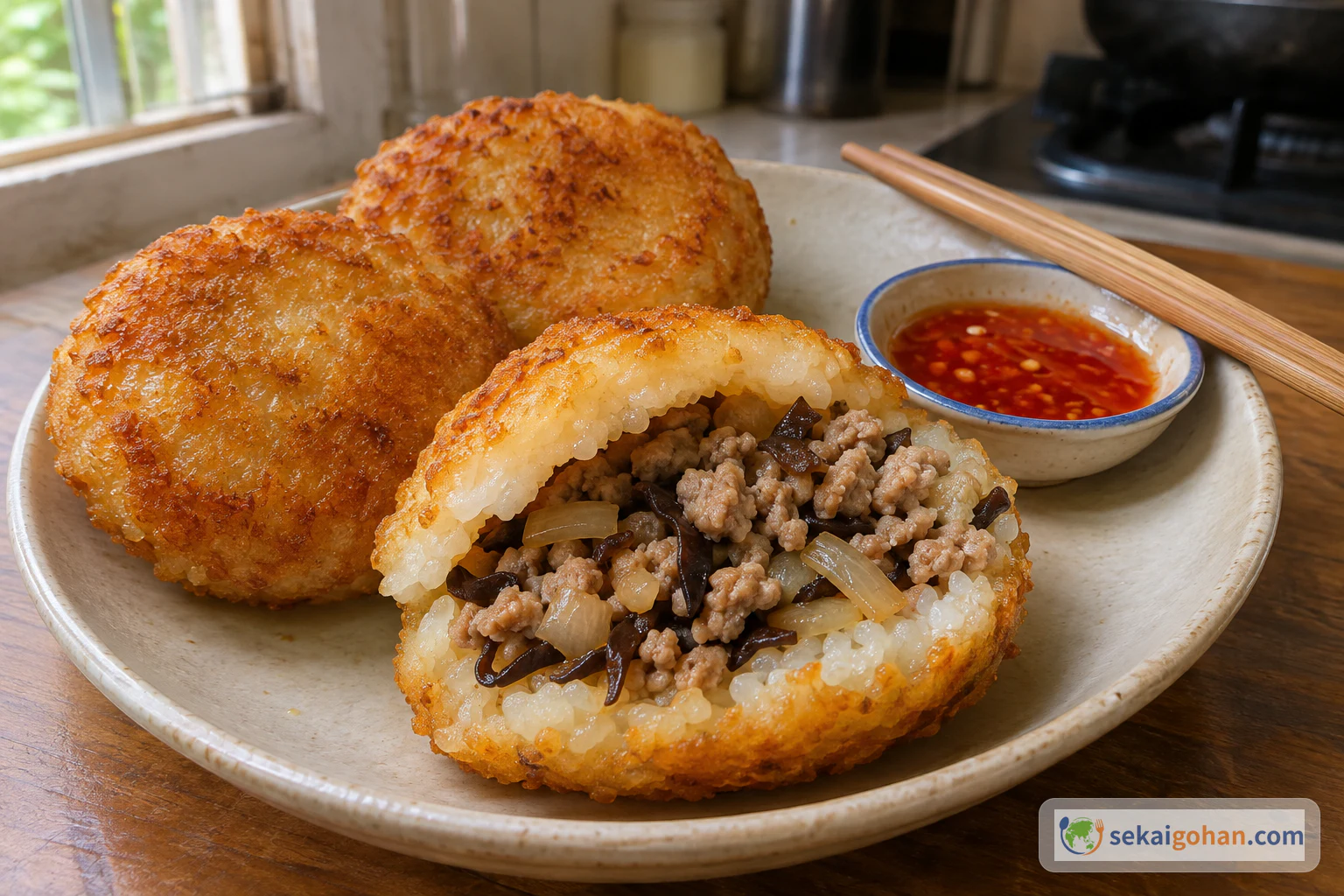
Restaurants take cilok further, with fillings, pan-searing and chili oil on modern menus.

Frequently Asked Questions

Is this the authentic cilok recipe?

It's one Bandung-style version. Recipes vary, and there is no single authentic formula, known inventor or date of origin.

How many does it serve?

This recipe serves 3. Each ball takes 1/2 sdm of dough.

Can I steam the balls instead of boiling them?

Steaming belongs to other versions of cilok. Here the balls are boiled in batches and drained.
Sources