
Cassava, yams & sweet potatoes
66 recipes
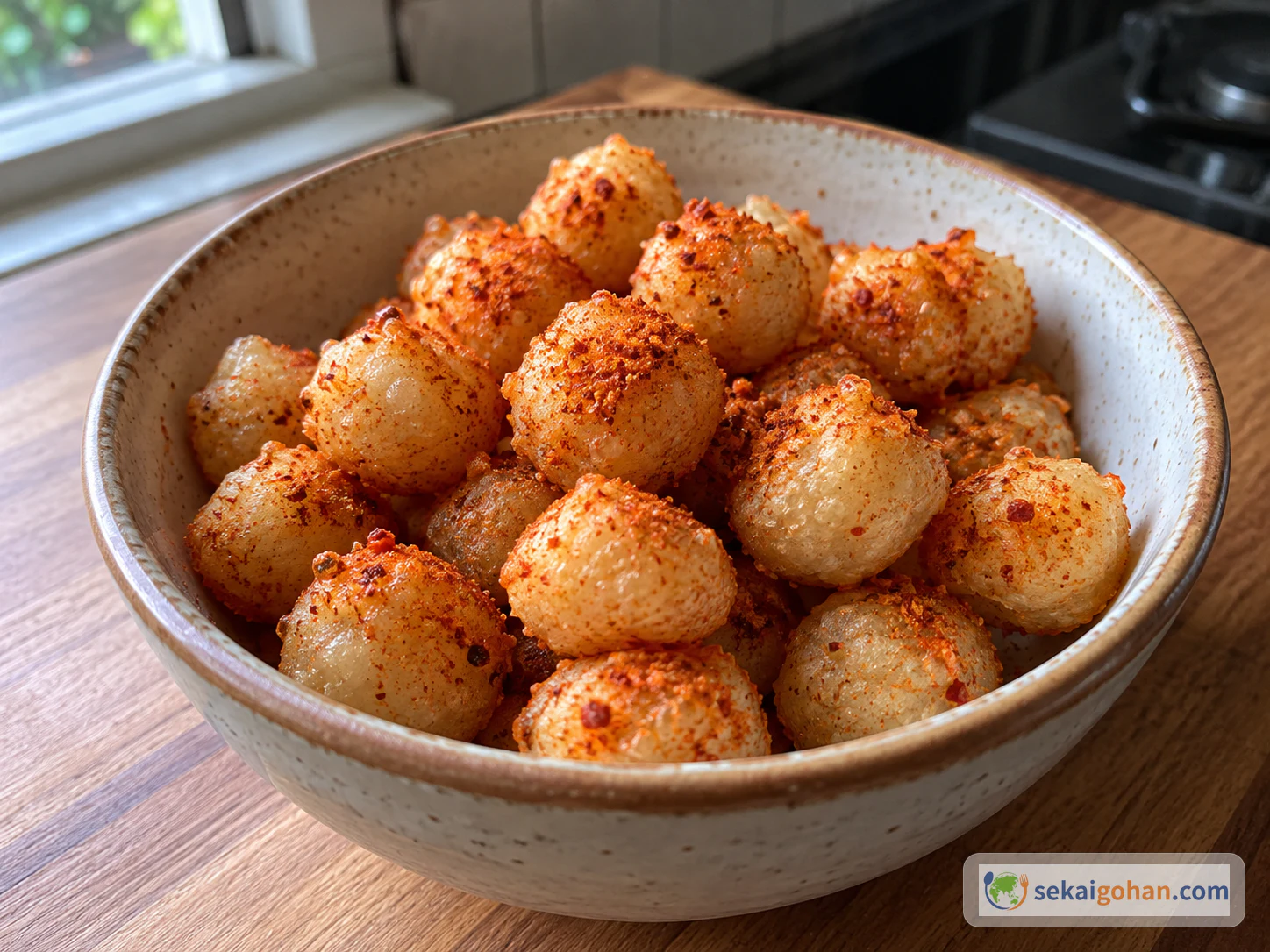
Cimol: Indonesian Tapioca Balls Started in Cold Oil
How to make Cimol, small Indonesian balls of tapioca and wheat flour bound with boiling water, loaded into cold oil, fried over low heat and shaken with chili and balado flavor powder. Based on one named home cook's Cookpad Indonesia post, with the amounts it does not give left open.
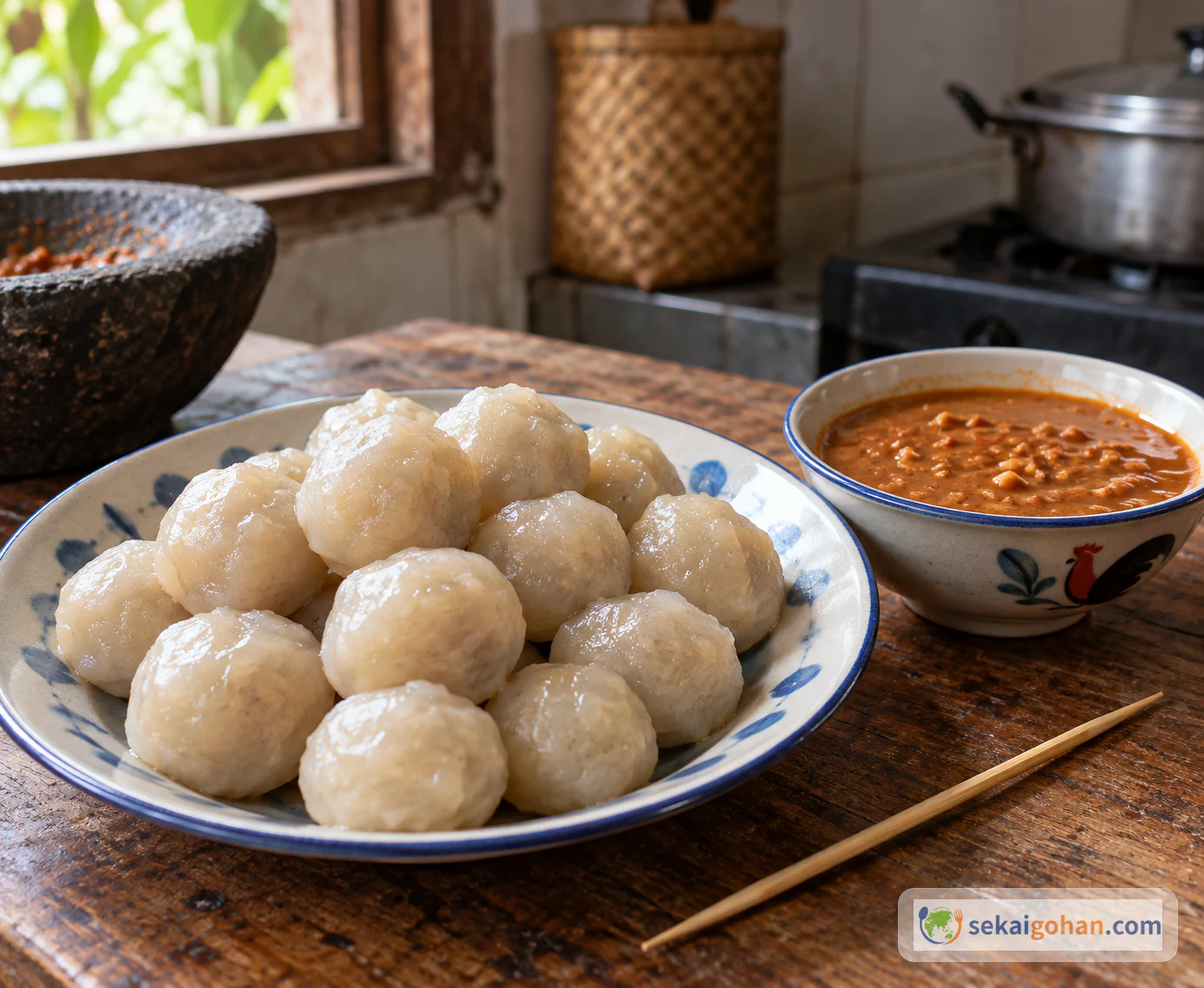
Cilok: Indonesian Tapioca Balls with Peanut Sauce (Aci Dicolok)
How to make cilok, the round, chewy tapioca balls from Indonesia, following one Bandung-style recipe by Valentina Limbong on Masak Apa Hari Ini. Covers the meaning of the name aci dicolok, the dough and peanut-sauce ingredients in their original units, why the three waters stay separate, each step in order, and what the source leaves unstated.
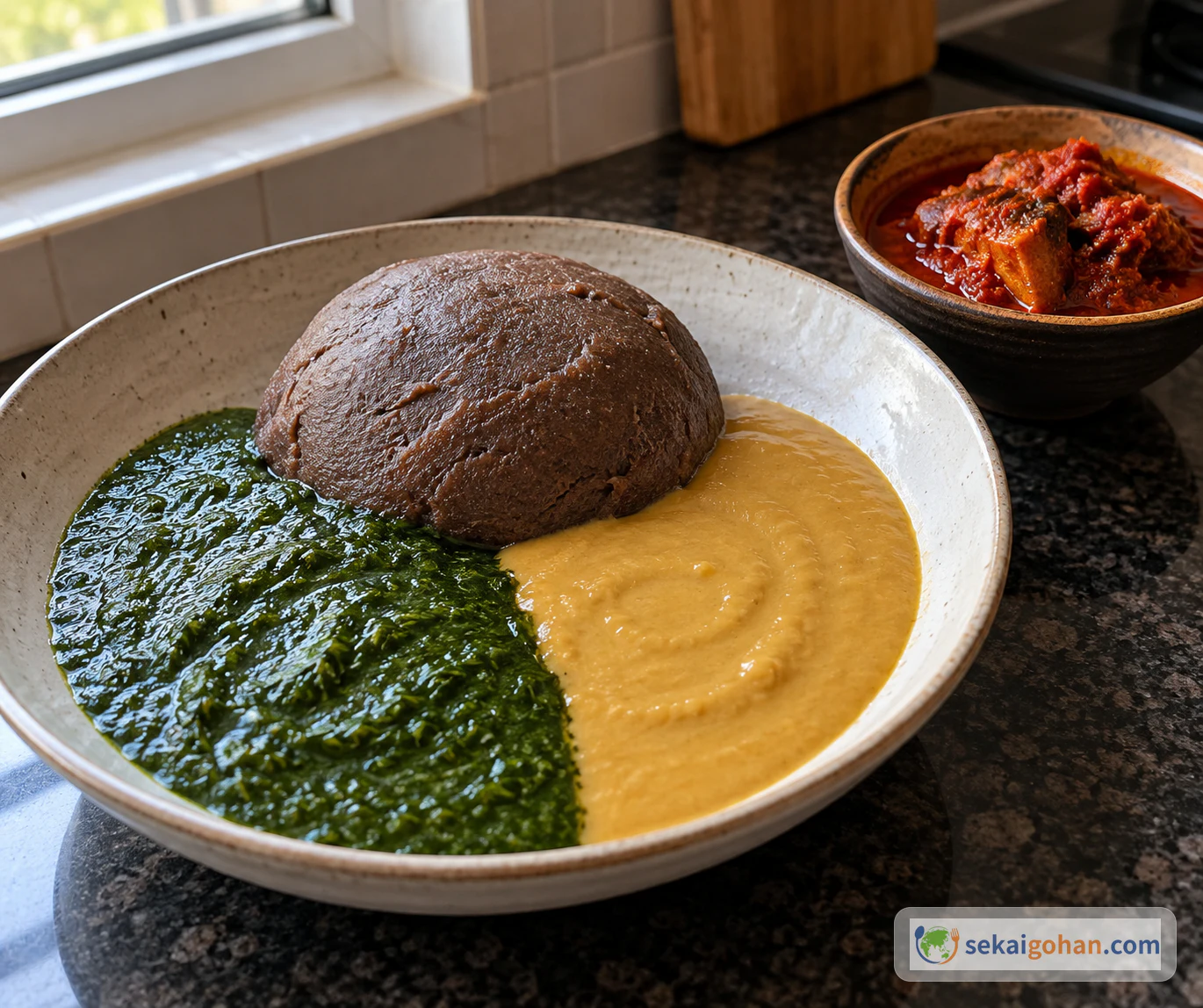
Amala, Gbegiri and Ewedu: Yam Flour Amala with Bean and Jute Leaf Soups from South West Nigeria
How to make amala, gbegiri and ewedu, the South West Nigerian plate that sets dark yam flour amala beside a smooth bean soup and a slippery jute leaf soup. Covers the source recipe's amounts, what to look for when shopping for elubo and ewedu leaves, the order for cooking all three, how to judge each texture, and where substitutions change the dish.

Fufu Recipe: What Fufu Is and How to Make Ghanaian Fufu at Home
Ghanaian fufu is cassava and green plantain pounded smooth and eaten with soup. Learn the chicken light soup, a lump-free dough and safe cassava handling.

Banku: Ghana's Fermented Corn and Cassava Dumpling
Banku is Ghana's staple dumpling of fermented corn dough and cassava flour. Learn the blend, the stirring heat, shaping, serving with okra stew, and storage.
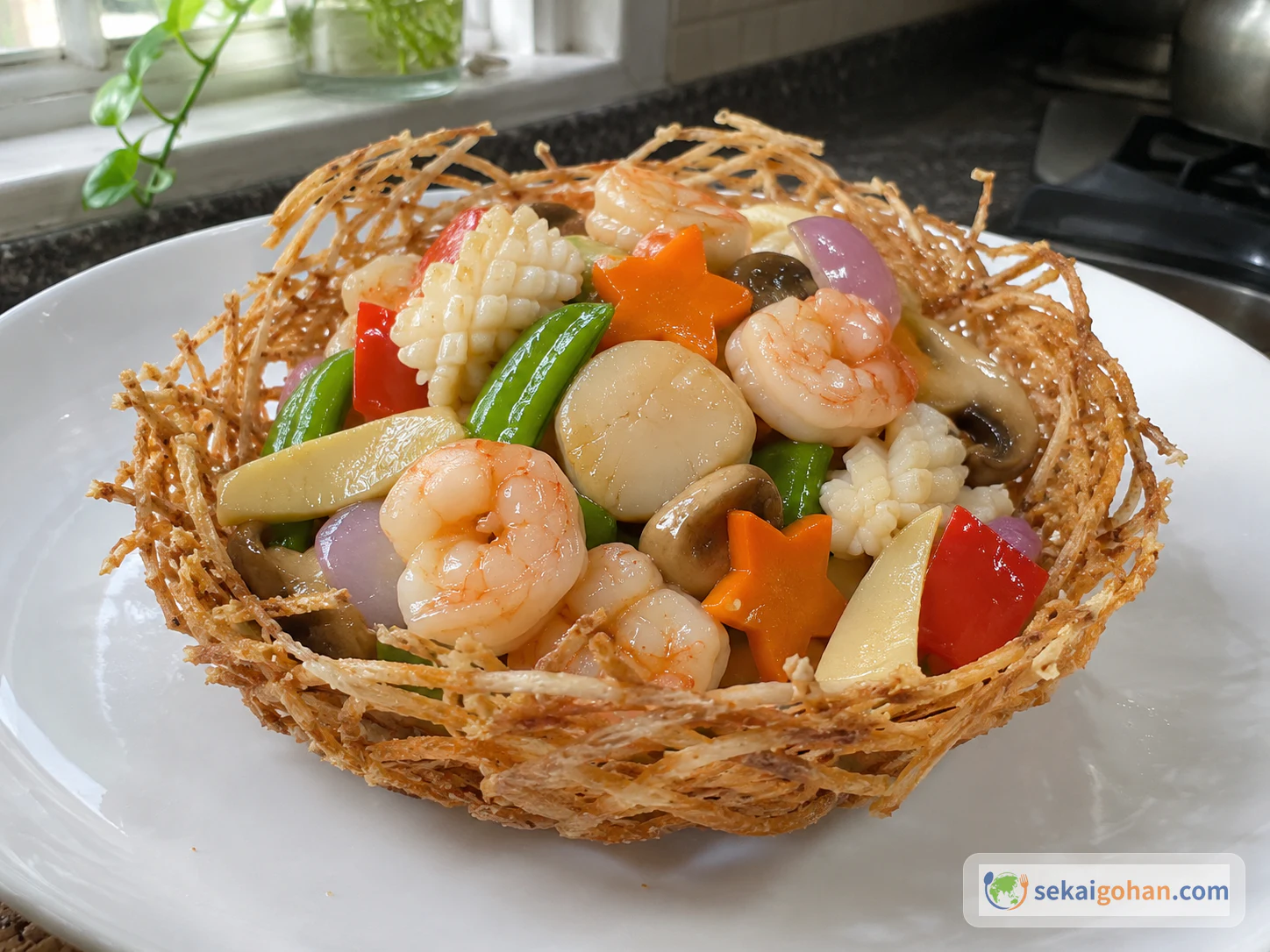
Seafood Bird's Nest: Cantonese Seafood Stir-Fry in a Fried Taro Basket
Hoi sin zoek caau, the Cantonese banquet dish of seafood in a fried taro nest. How to bind and fry the nest, blanch the seafood and serve it crisp.
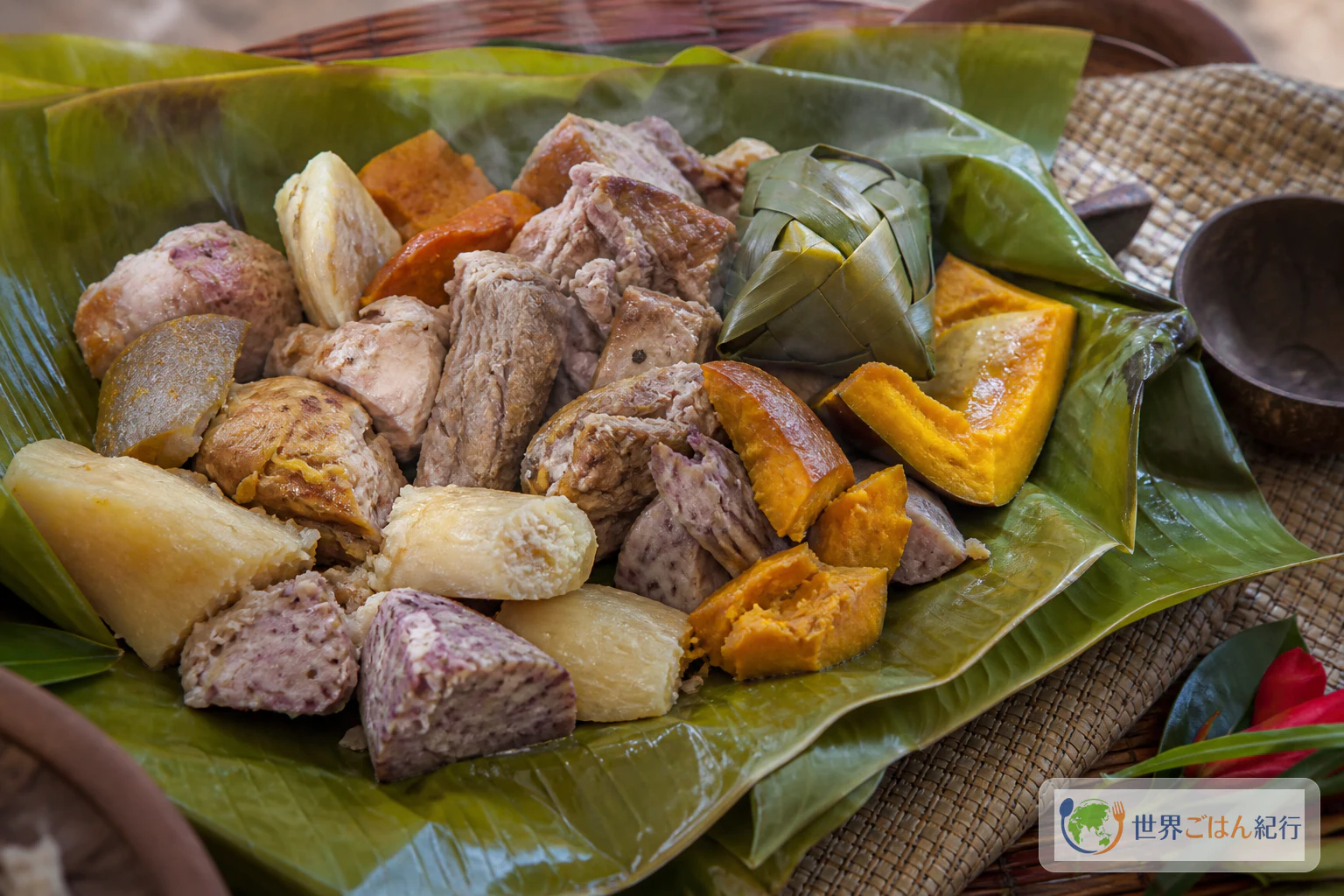
Lovo: Fijian Earth-Oven Feast, Made in a Home Oven
Fiji's traditional earth-oven feast, lovo, adapted for a home oven: chicken, pork, taro and cassava wrapped in banana leaves so steam keeps everything tender. Includes regional notes, substitutions, doneness cues and storage.
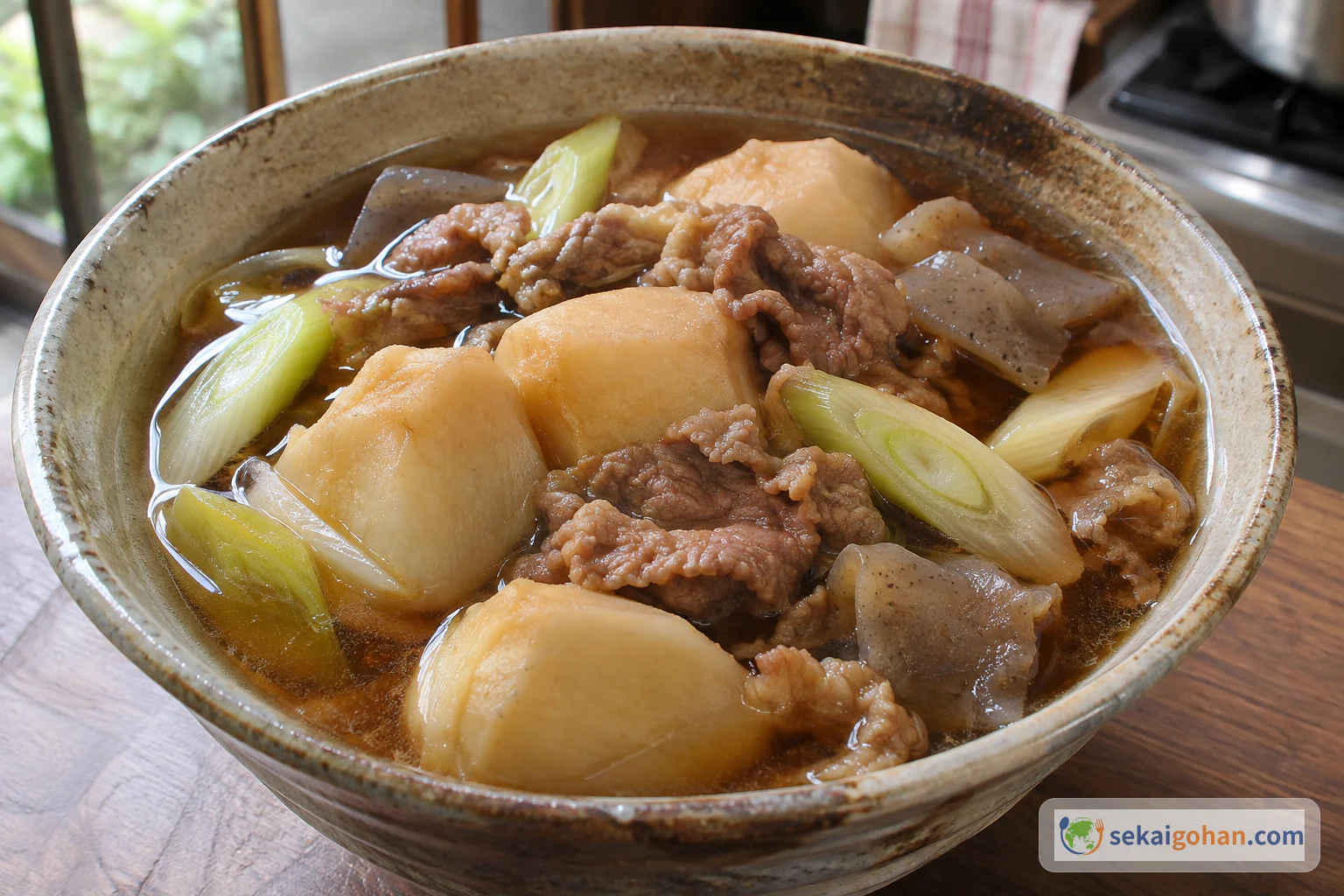
Imoni: Yamagata Inland-Style Taro and Beef Soup (芋煮)
How to make imoni (芋煮) the inland Yamagata way: taro weighed with its skin on, hand-torn konnyaku, fatty thin-sliced beef and long scallion simmered in a soy sauce, sugar and sake broth. Covers the two-stage soy seasoning, when to add the beef, how to judge the taro's softness, beef food safety, leftovers, and how inland imoni differs from Shonai's pork-and-miso pot and other regional versions.

Attiéké: Côte d'Ivoire's Cassava Couscous with Grilled Fish
Attiéké (also spelled atieke) is the fermented cassava couscous of Côte d'Ivoire. A home version from tapioca starch with pan-seared fish and a tomato salad.
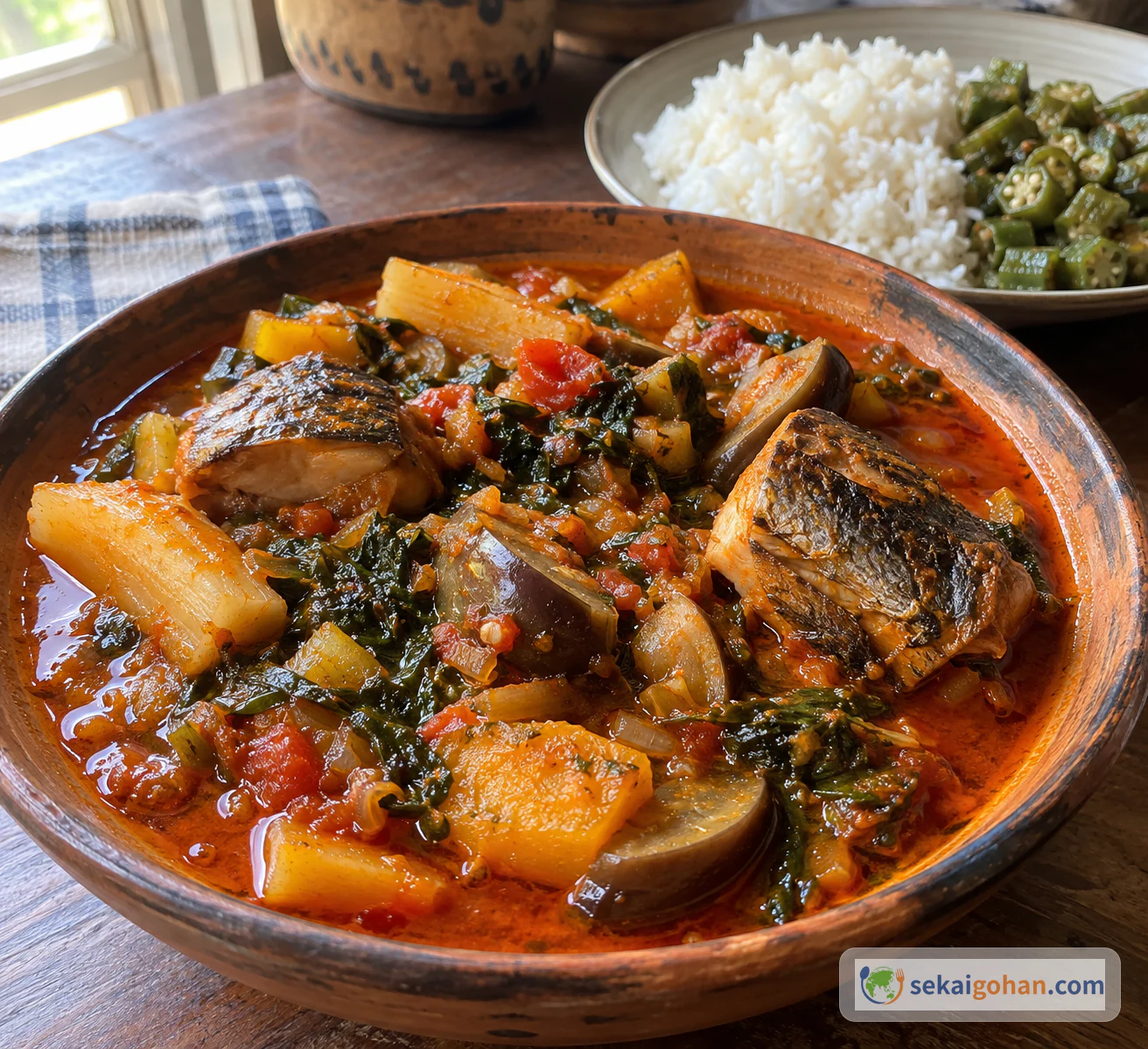
Konkoé Touré Gbéli: Guinean Smoked Fish Stew
Konkoé touré gbéli is a dish from Guinea's coast: smoked fish seared in red palm oil, then simmered with a blended vegetable sauce and cassava. This guide follows the recipe published by UN Tourism, with its full-size amounts, advice on finding ingredients, cassava and food safety notes, and rice with okra to serve.

Bubur Cha Cha Recipe: Malaysia's Warm Coconut Dessert with Taro, Sweet Potato and Tapioca
Malaysian bubur cha cha in a home kitchen: taro, sweet potato, pumpkin, tapioca starch and coconut milk. Preparing the root vegetables, heat that keeps the coconut from splitting, serving warm or cold, storage, fixes and substitutes for taro and sago.
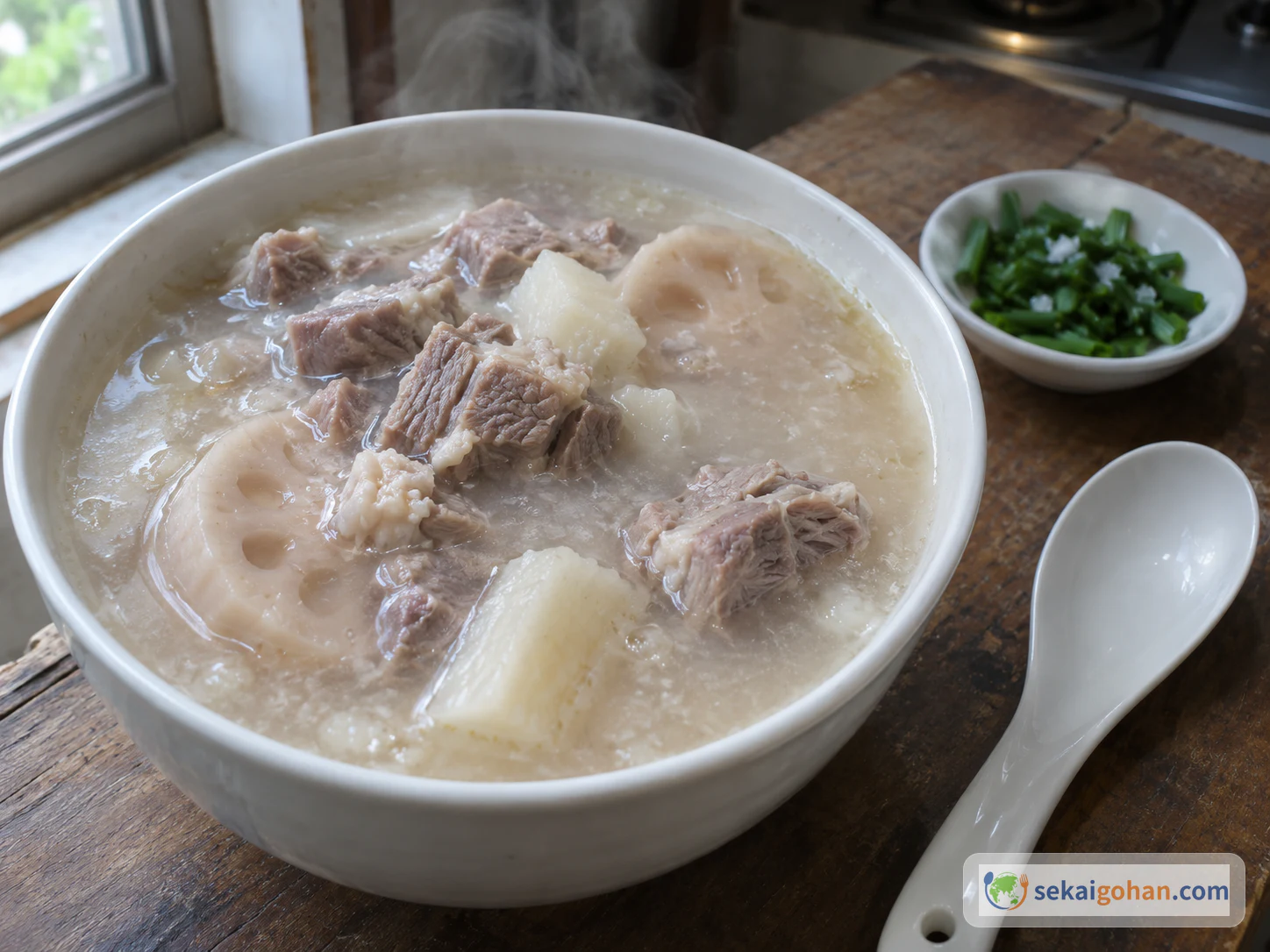
Tounao: Taiyuan's Thick Lamb and Yam Breakfast Soup
Tounao is the thick white lamb and yam breakfast soup of Taiyuan, Shanxi. Learn to toast the flour, judge the thickness in the bowl, and swap in sake lees.
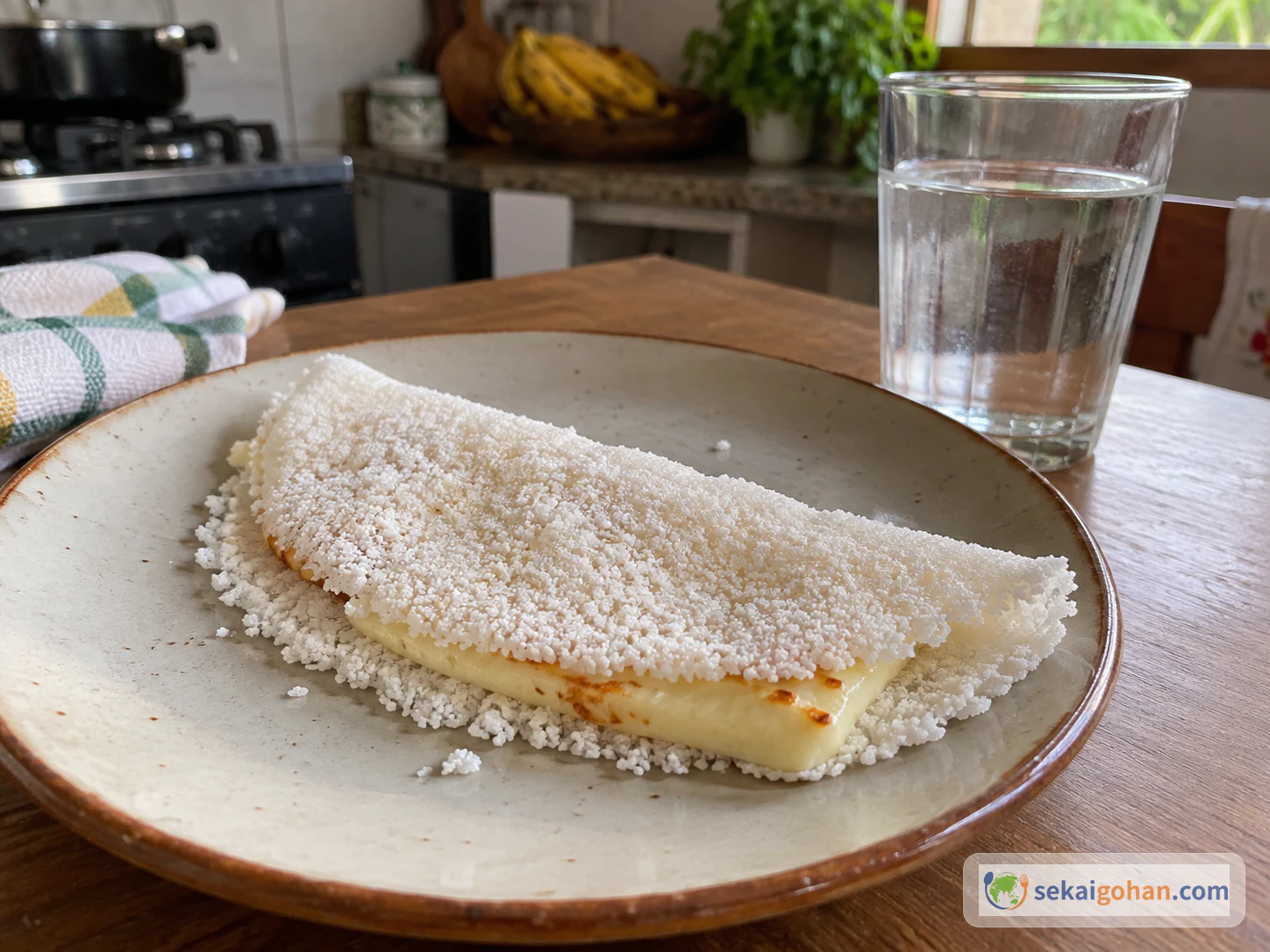
Brazilian Tapioca (Beiju): Chewy Pan-Cooked Rounds Made from Cassava Starch
How to make Brazilian tapioca (beiju) from cassava starch, water and salt. Covers how to moisten the starch into damp grains, why you sift it, how to tell when the round has set in a dry pan, folding it around cheese, and how to choose the right starch so you don't confuse it with tapioca pearls or cassava meal.
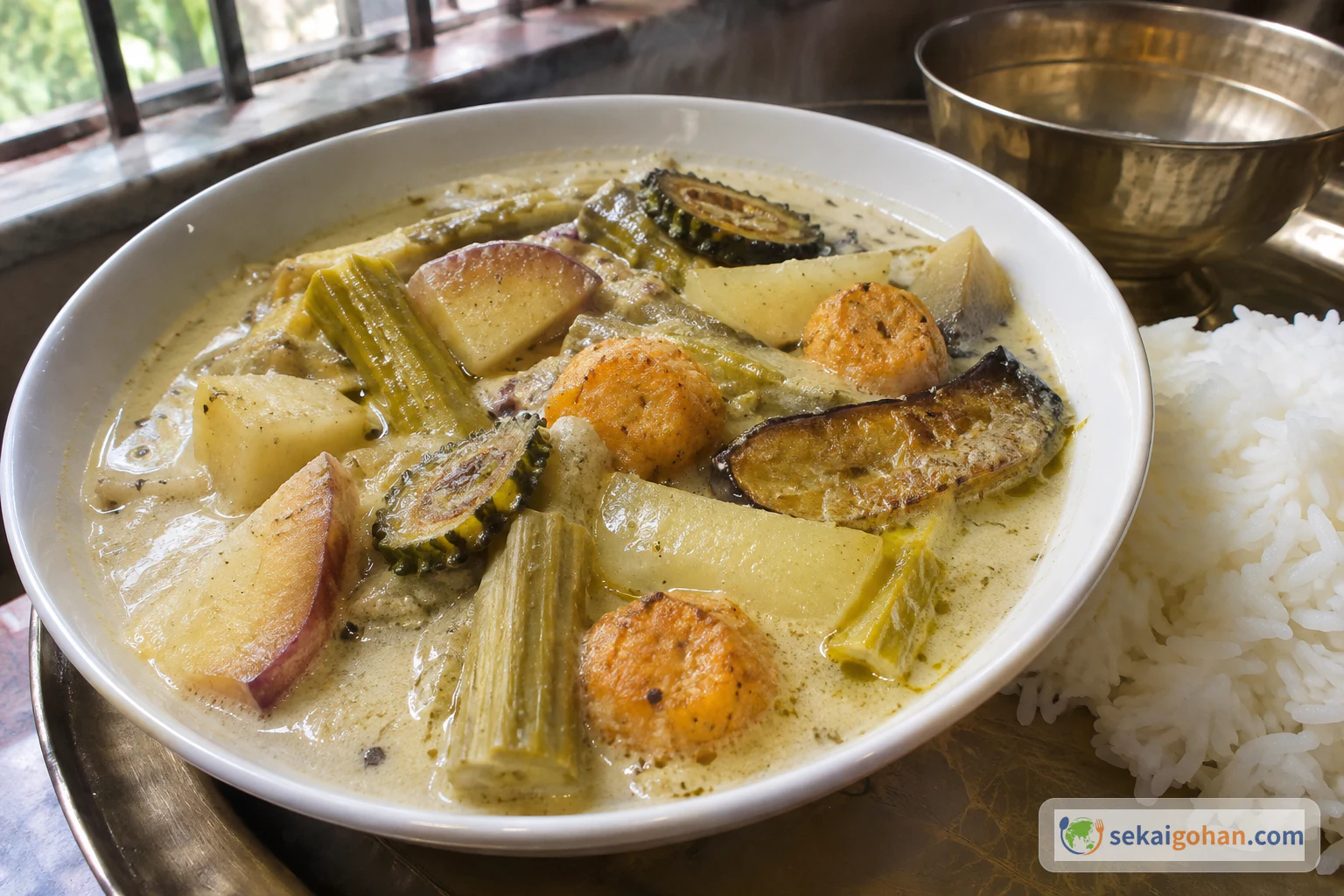
Shukto: Bengali Mixed Vegetable Stew with Bitter Gourd and Milk
Shukto, the pale, gently bitter Bengali vegetable stew served first at a meal. Learn the boil-and-fry split, the mustard paste cue and what to buy.

Bougna: New Caledonia's Kanak Leaf-Wrapped Coconut Feast
Bougna is the Kanak dish of New Caledonia in which chicken or fish, taro and sweet potato are steam-roasted in coconut milk and banana leaf. Here the earth oven is replaced by a home steamer, with notes on leaf aroma, cutting the roots, heat control, storage, substitutes and how it is eaten locally.

Farofa: Brazil's Toasted Cassava Flour Side Dish
Farofa is a Brazilian side dish of toasted cassava flour. Learn toasting without scorching, the breadcrumb substitute and pairing with feijoada and churrasco.
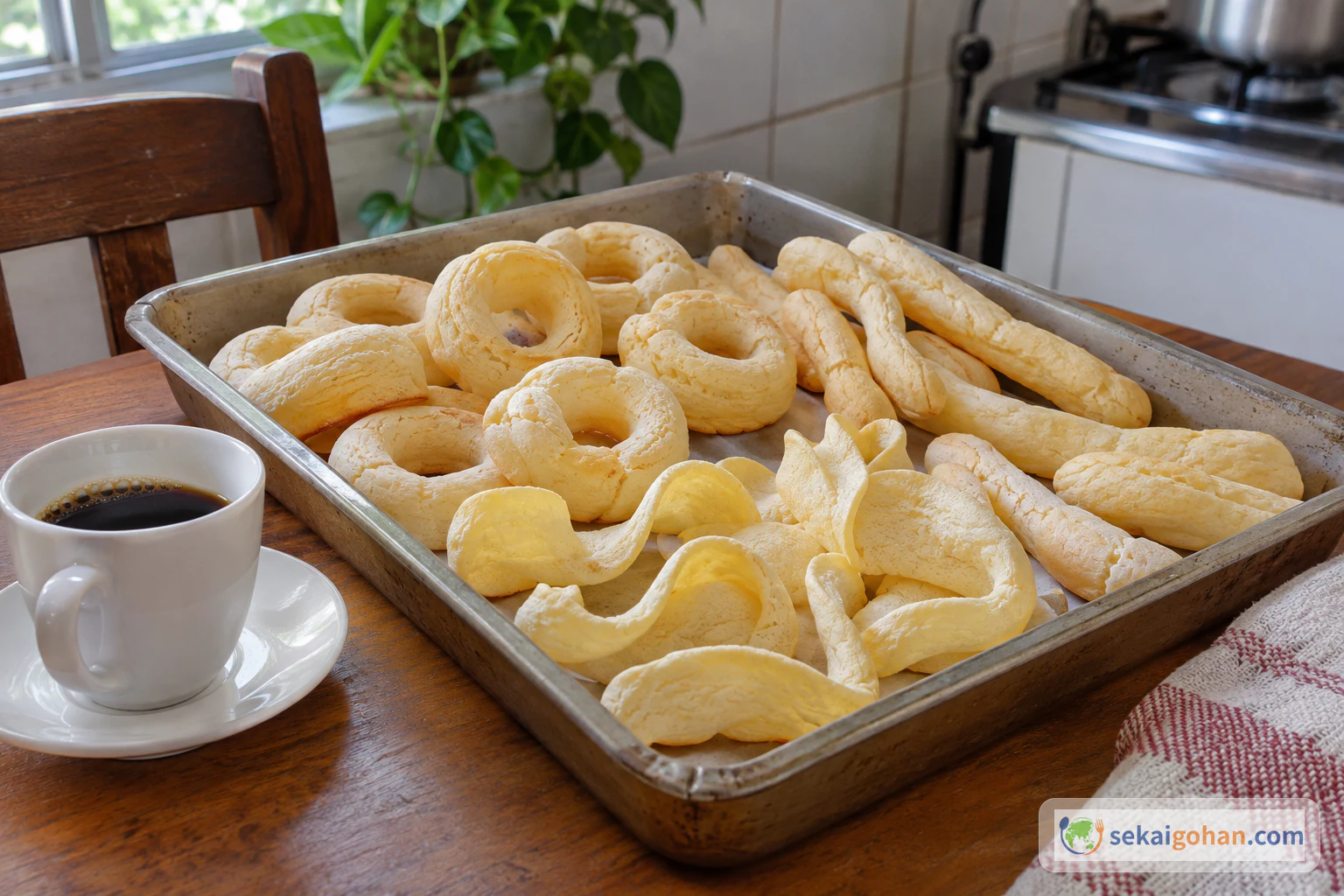
Biscoito de Polvilho: Brazilian Baked Sour Cassava Starch Biscuits
Biscoito de polvilho is Brazil's light piped biscuit of sour cassava starch. Learn to scald the starch, judge the dough by feel and bake to a golden base.
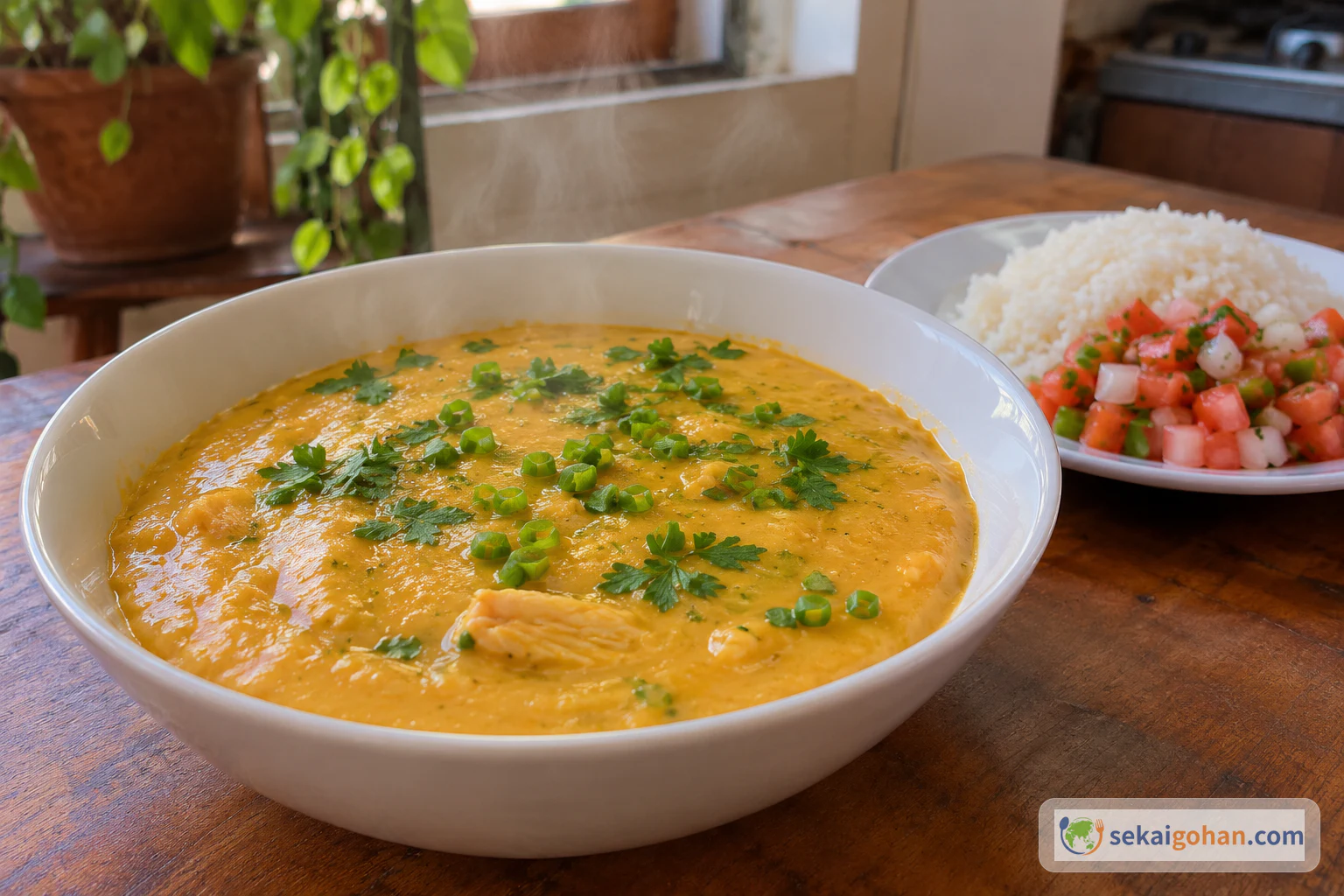
Pirão: Brazilian Fish Broth Thickened with Cassava Flour
Pirão is the Brazilian fish-broth porridge thickened with cassava flour. Learn the cold-water slurry, the steady stir and the slow-drop spoon test.
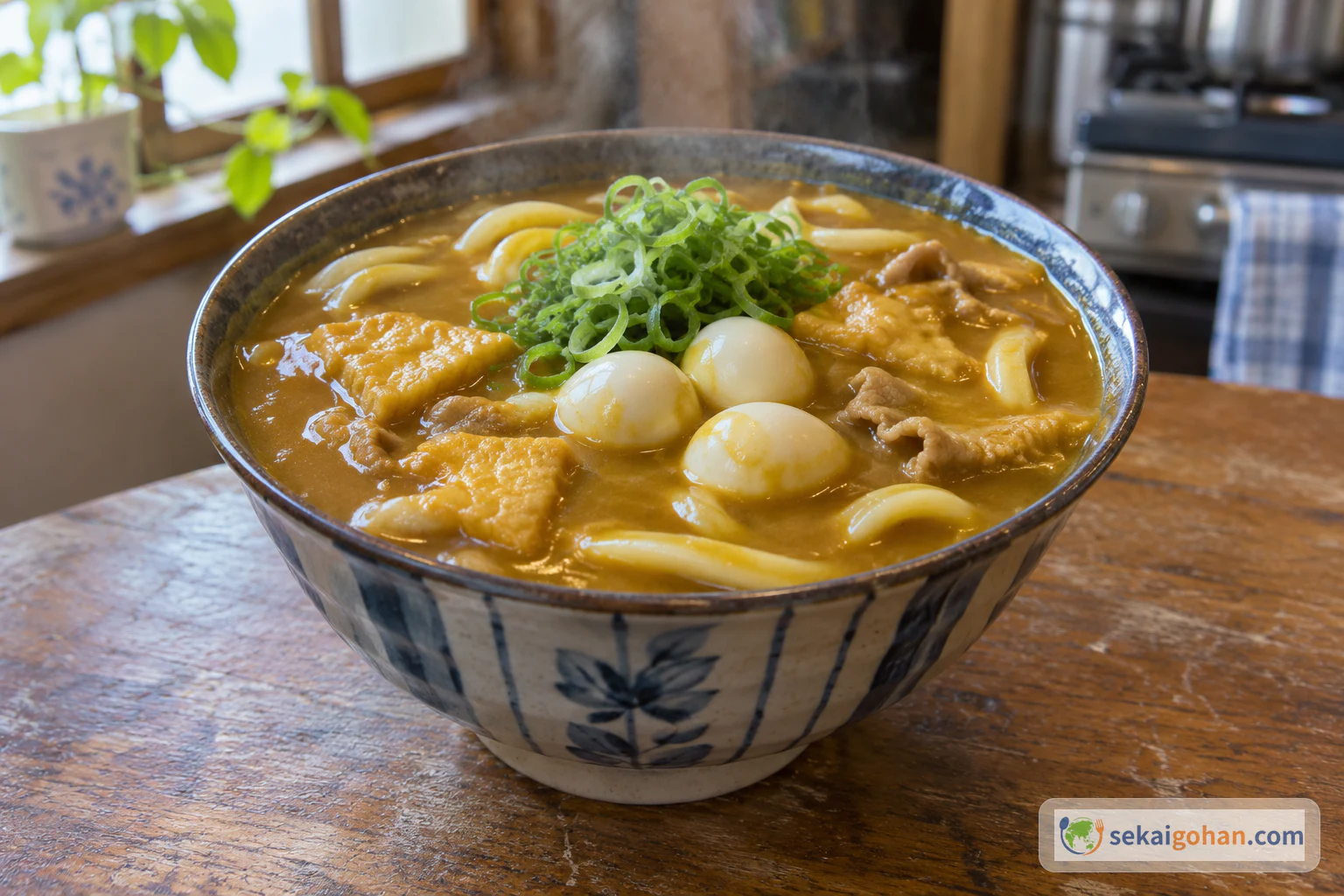
Toyohashi Curry Udon: Aichi Curry Noodles over Tororo Rice
Toyohashi curry udon from Aichi, Japan, hides rice and grated yam under curry noodles. Learn the toasted roux, the three layers and how to eat it.
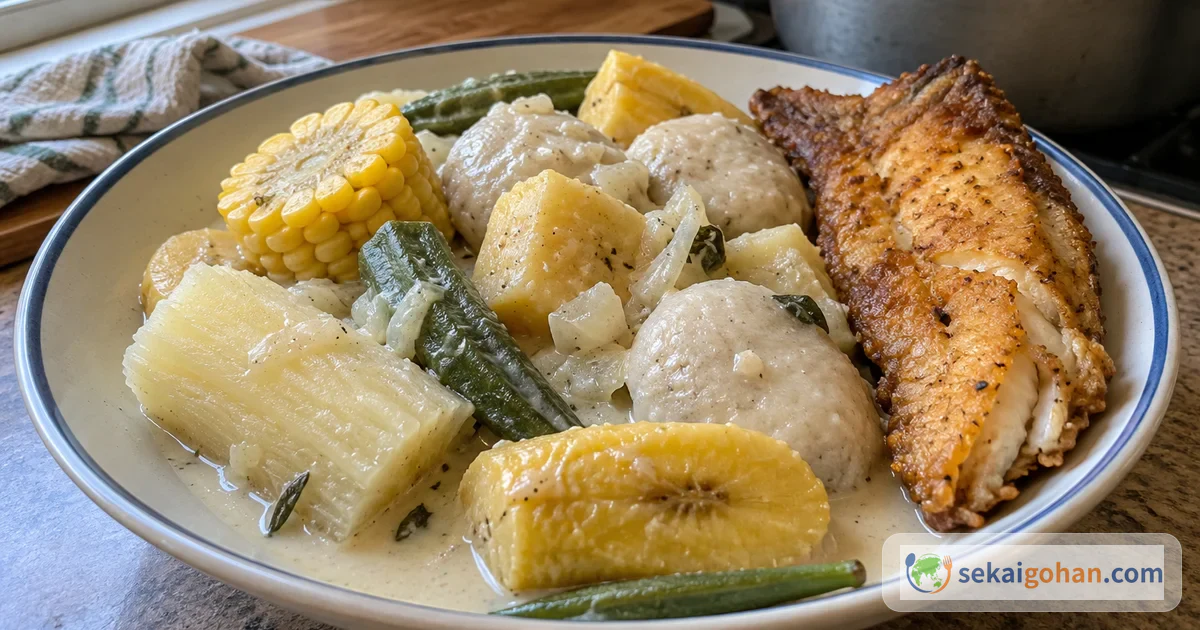
Metemgee: Guyanese Root Vegetables and Duff Simmered in Coconut Milk
Guyanese duff is the flour dumpling in metemgee, a coconut milk dish of cassava, sweet potato, plantain, corn and okra. Learn how to keep dumplings intact.
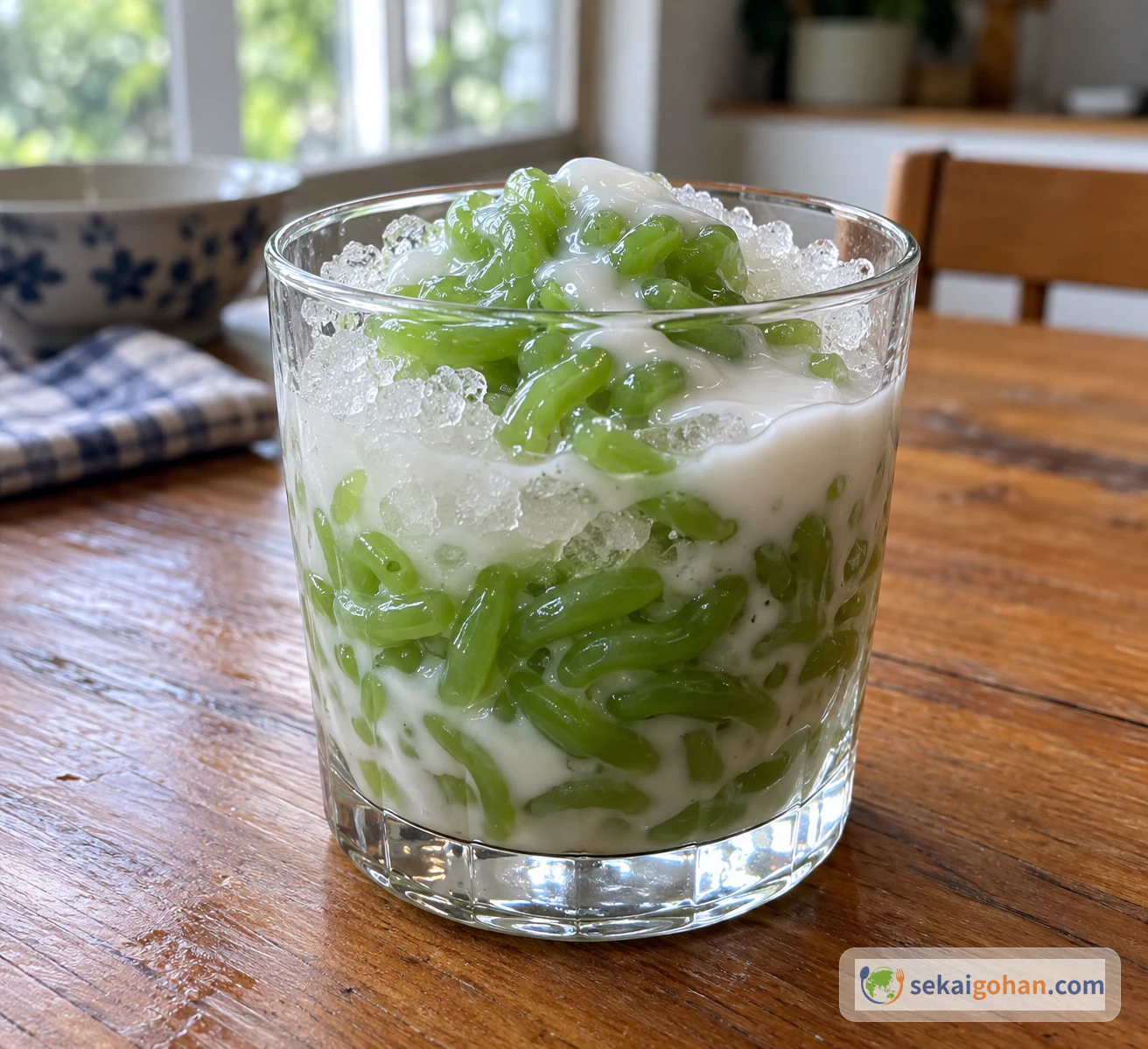
Bánh Lọt: Vietnamese Pandan Jelly Strands with Coconut Sauce and Syrup (Chè Bánh Lọt)
How to make bánh lọt (chè bánh lọt), the southern Vietnamese chilled dessert of pandan-green starch strands pressed into ice water and served with coconut sauce, clear sugar syrup and crushed ice. Follows one Vietnamese magazine recipe in its original cup and spoon measures, with notes on water chestnut starch versus tapioca starch, the press, other versions, and what the source leaves unstated.
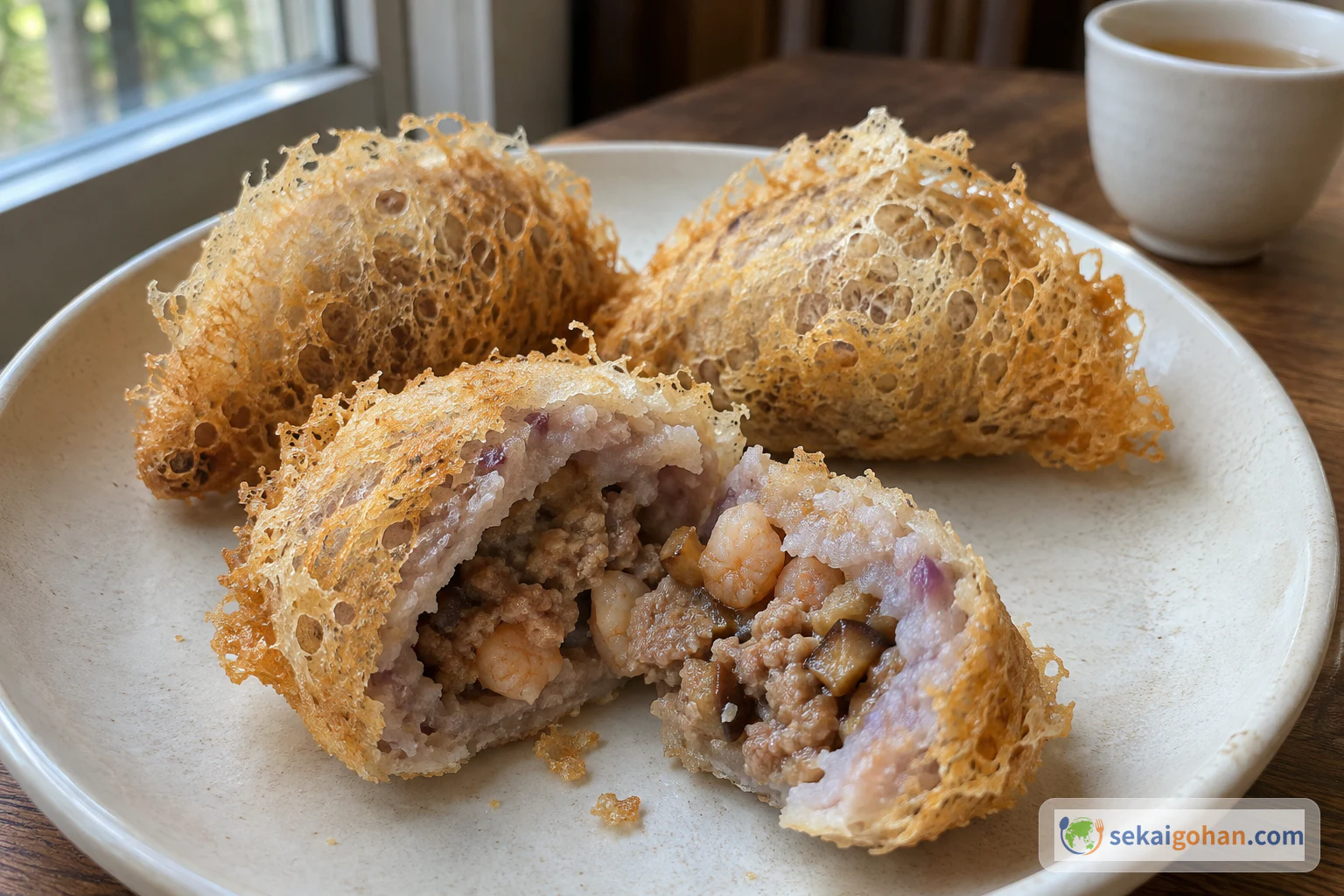
Wu Gok: Cantonese Deep-Fried Taro Dumplings with a Honeycomb Crust
Wu gok, the Cantonese dim sum taro dumpling with a lacy honeycomb crust. Learn the boiling-water starch dough, the 340°F fry, and which swaps work.

Abacha: Nigerian Cassava Salad with Red Palm Oil (African Salad)
How to make Nigerian abacha (African Salad) at home: rehydrating dried cassava, emulsifying red palm oil, substitutes for ugba and efu, using dried seafood, adjusting the heat, and storage.

Encebollado: Ecuadorian Tuna and Yuca Soup with Pickled Red Onions
A full guide to encebollado, Ecuador's national soup: tuna and yuca simmered in a cumin-scented broth and heaped with pickled red onions, loved as a hangover cure. Explained step by step for a home kitchen with easy-to-find ingredients.

Ladob Recipe: Seychelles Coconut-Simmered Plantain and Root Vegetables
A home recipe for Seychellois ladob with plantain, sweet potato, cassava, and coconut milk. Sweet versus savory versions, substitutes, cutting to avoid breakdown, heat control, storage, reheating, shopping notes, how it is eaten locally, and FAQ.

Mumu: Papua New Guinea's Earth-Oven Feast of Pork, Sweet Potato, and Coconut Milk
A full recipe for mumu, the national dish of Papua New Guinea. Pork and root vegetables steamed with heated stones and banana leaves in the traditional earth oven, and how to reproduce it in a home kitchen with a Dutch oven or slow cooker, based on English-language primary sources.
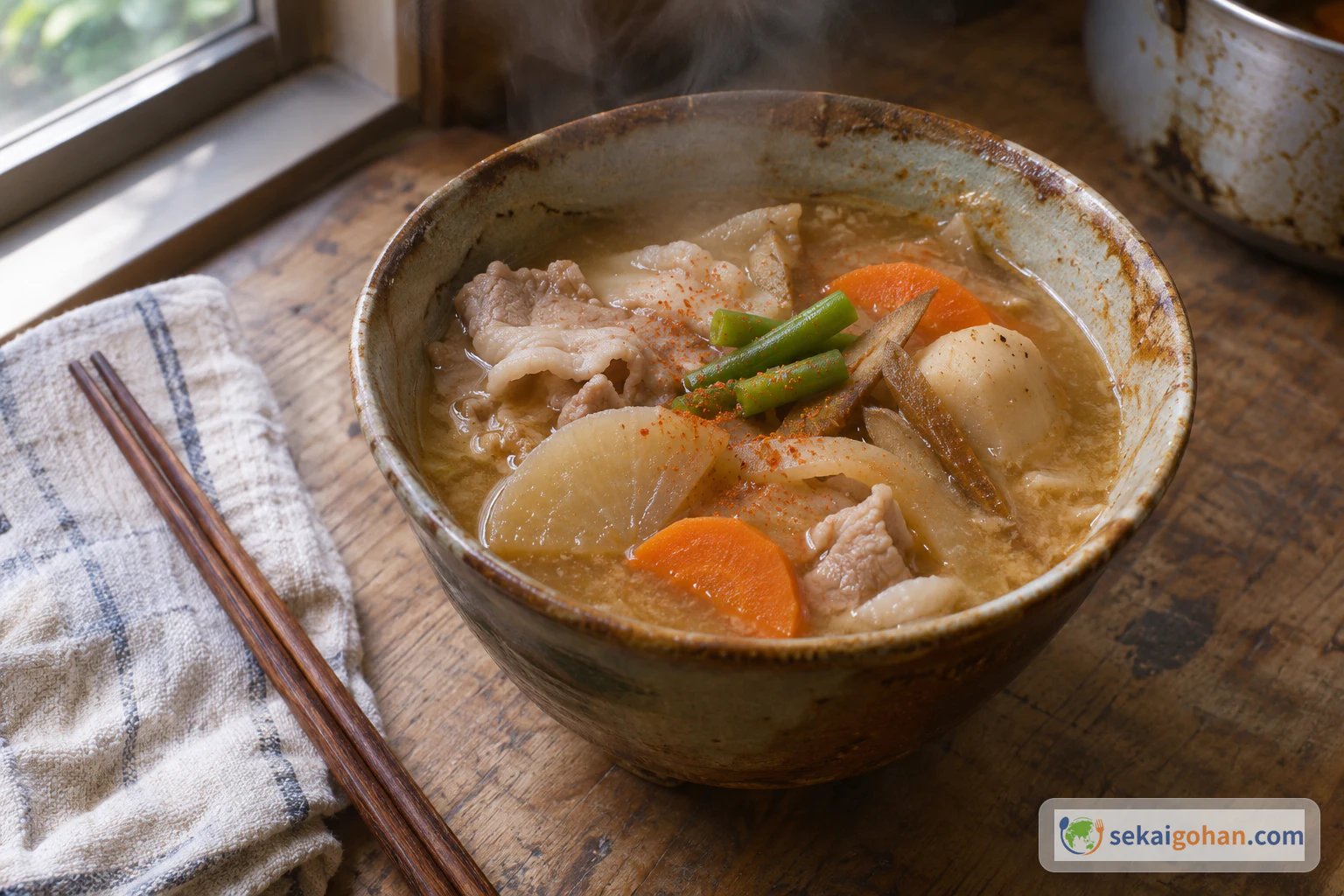
Tonjiru: Japanese Pork and Root Vegetable Miso Soup
Tonjiru, Japan's pork and root vegetable miso soup. Stir-fry the vegetables before the pork, add miso in two stages, and test the taro with a skewer.

Bobó de Camarão: Bahian Shrimp in Cassava Cream
A 4-serving home recipe for Bahia's bobó de camarão: turning cassava into a smooth sauce, how much dendê oil and coconut milk, cooking the shrimp, substitutes, storage, and the food culture behind this Brazilian dish.
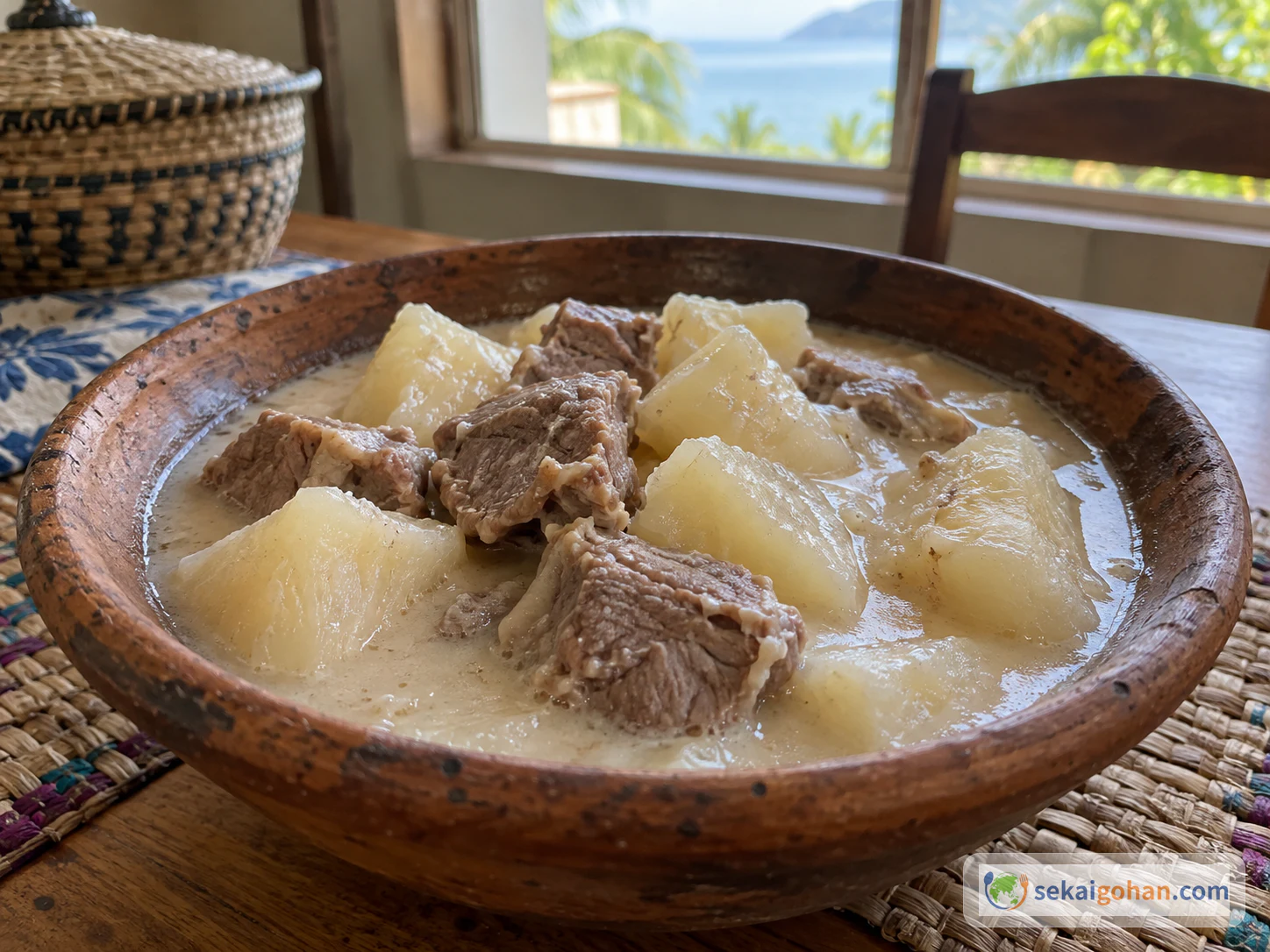
Mhogo Mwitsi wa Nazi na Gnama: Comorian Beef and Cassava Stew in Coconut Milk
How to make mhogo mwitsi wa nazi na gnama, a Comorian stew of beef and fresh cassava layered in one pot and finished with coconut milk. Based on a recipe published by UN Tourism, this guide covers choosing cassava you can cook safely, reading the two separate water measures, and judging when the cassava is tender enough for the coconut milk.

Achu Soup: Cameroonian Pounded Cocoyam with Yellow Soup
Achu with yellow soup from western Cameroon, made with taro, red palm oil, beef and dried shrimp: how the yellow soup emulsifies, a safe kanwa substitute, pounding the cocoyam, how it is eaten and how to store it.
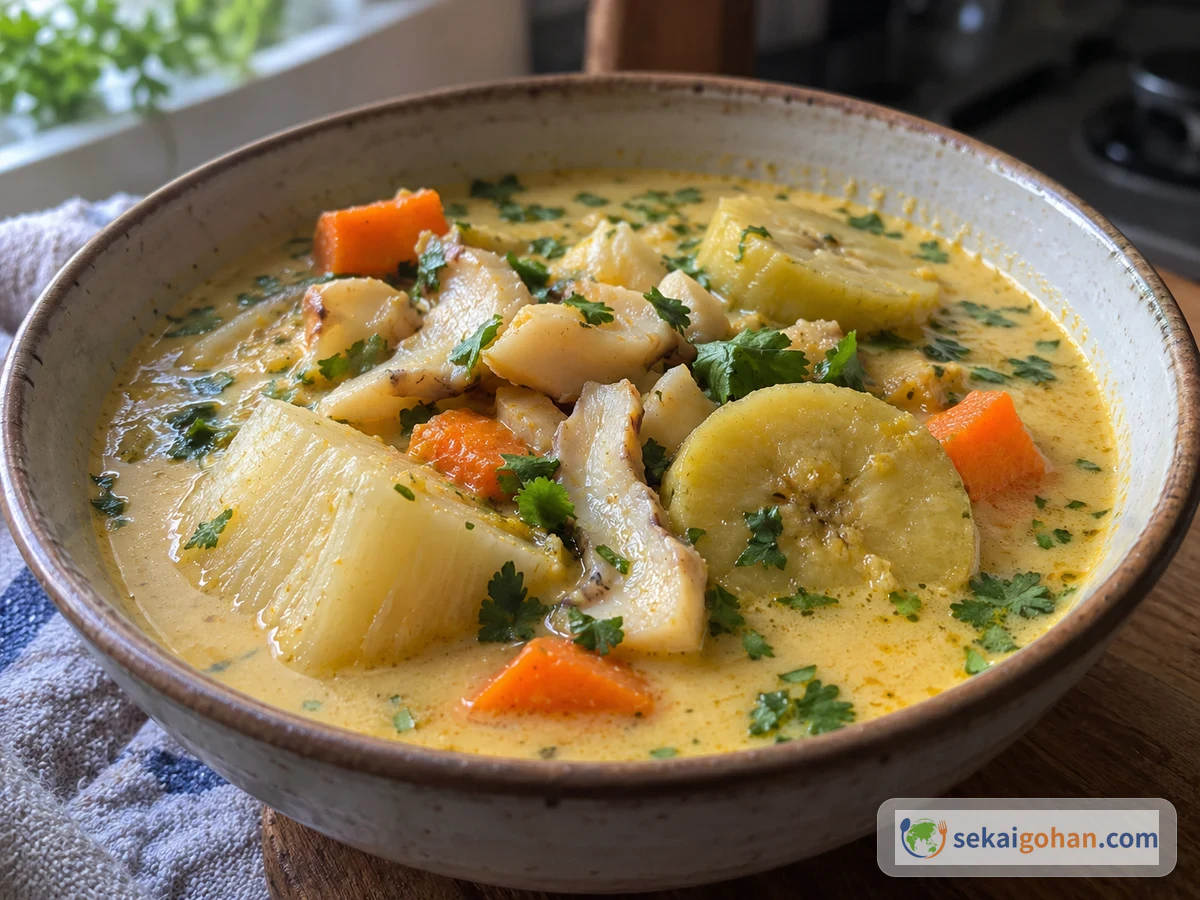
Sopa de Caracol: Honduran Conch and Coconut Soup
Sopa de caracol is a Honduran soup of sea snail meat, coconut milk, cassava, green plantain and carrot. How to choose snail meat and keep it tender.
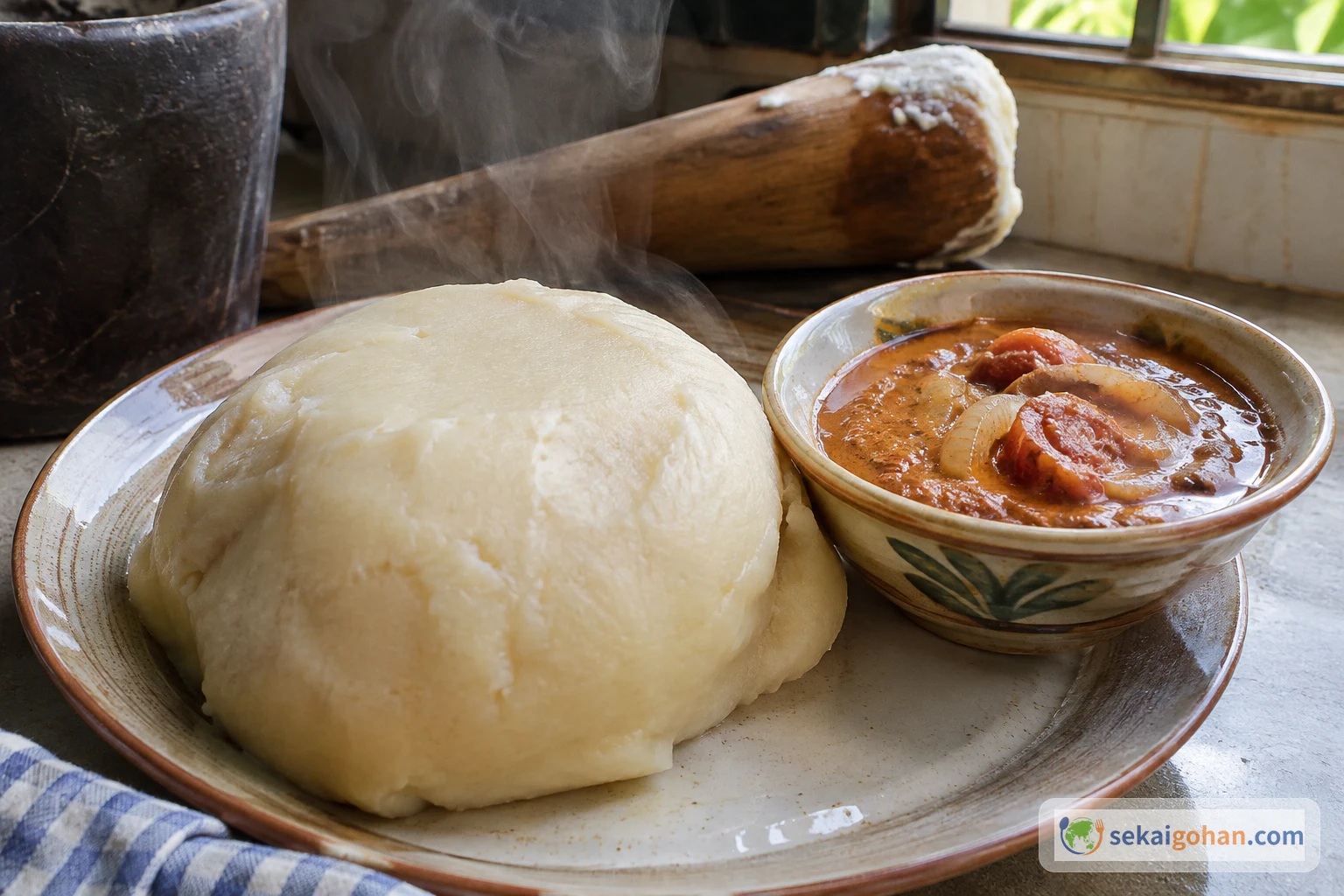
Pounded Yam (Igname Pilée): Beninese White Yam Boiled and Pounded Smooth
Pounded yam (igname pilée) from Benin: white yam boiled until fork-tender, pounded smooth and stretchy, and served with peanut sauce. Plus which yams to buy.
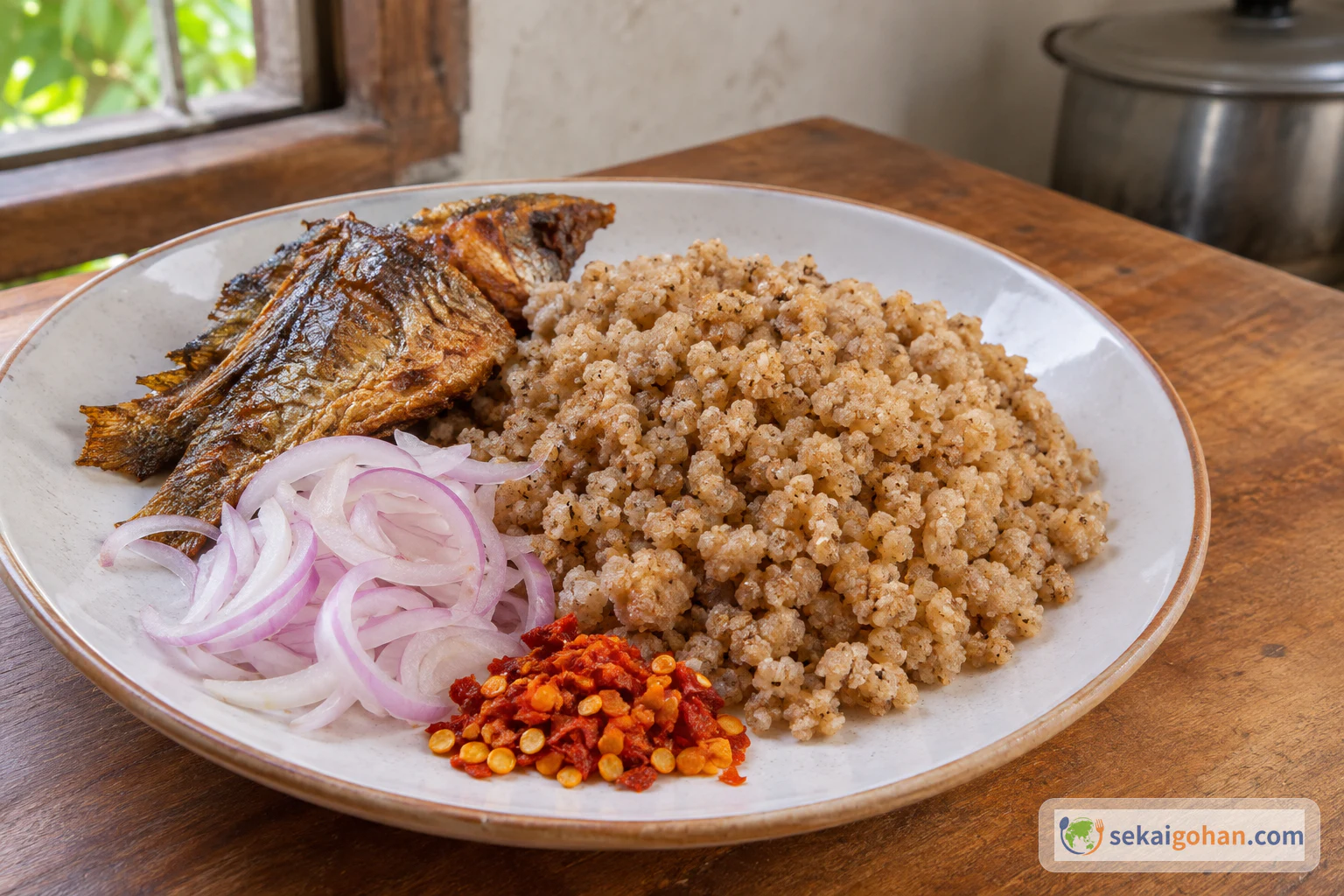
Wassa-Wassa: Northern Benin Steamed Yam Flour Couscous
Wassa-wassa, the yam flour couscous of northern Benin: how to roll the granules, steam, rinse and steam again, and why only yam chip flour works.
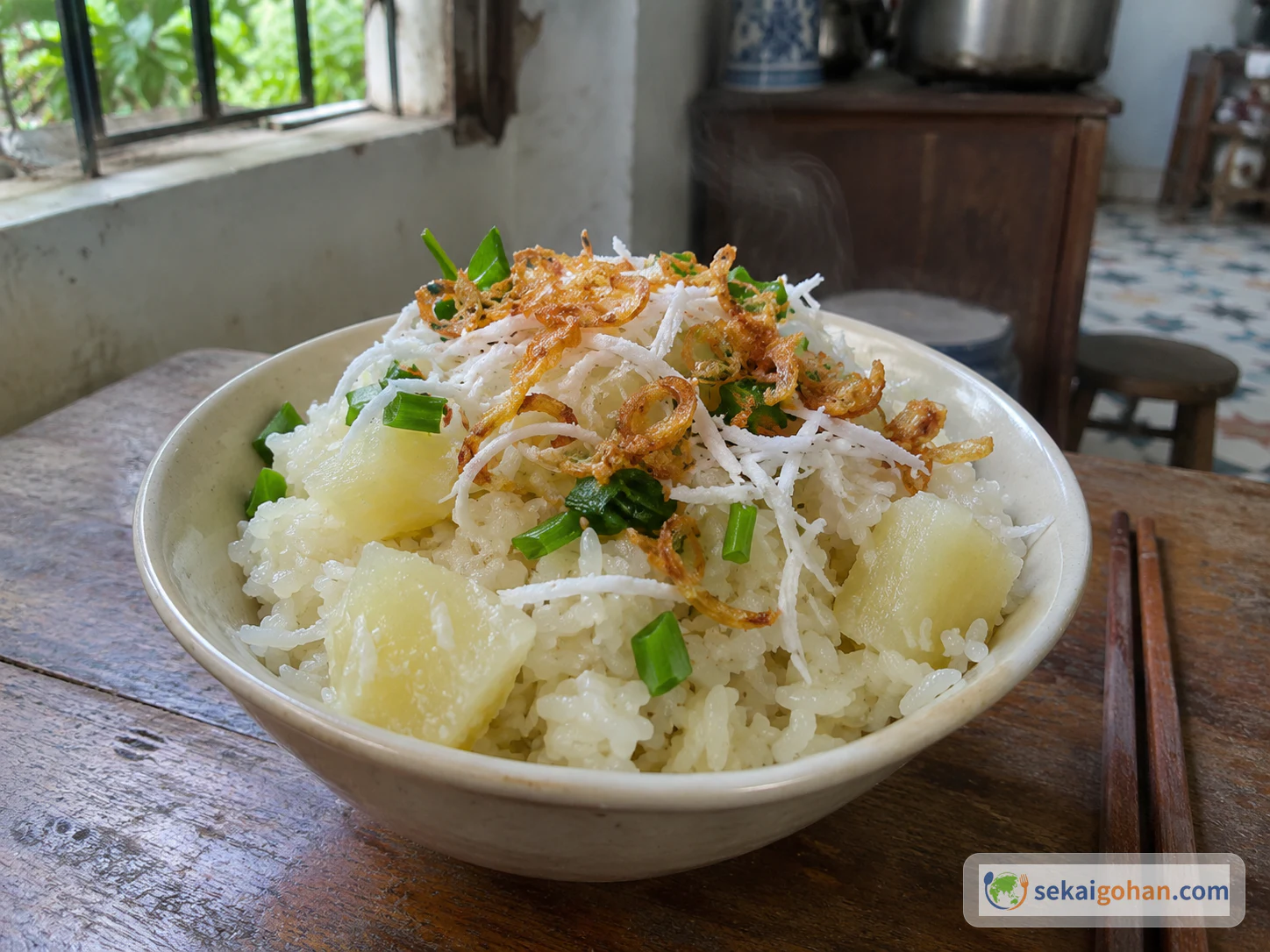
Xôi Sắn: Hanoi Cassava Sticky Rice Steamed Twice
Xôi sắn, Hanoi's cold-season street food of sticky rice and cassava. How to peel and soak cassava safely, steam it twice, and finish with scallion oil.
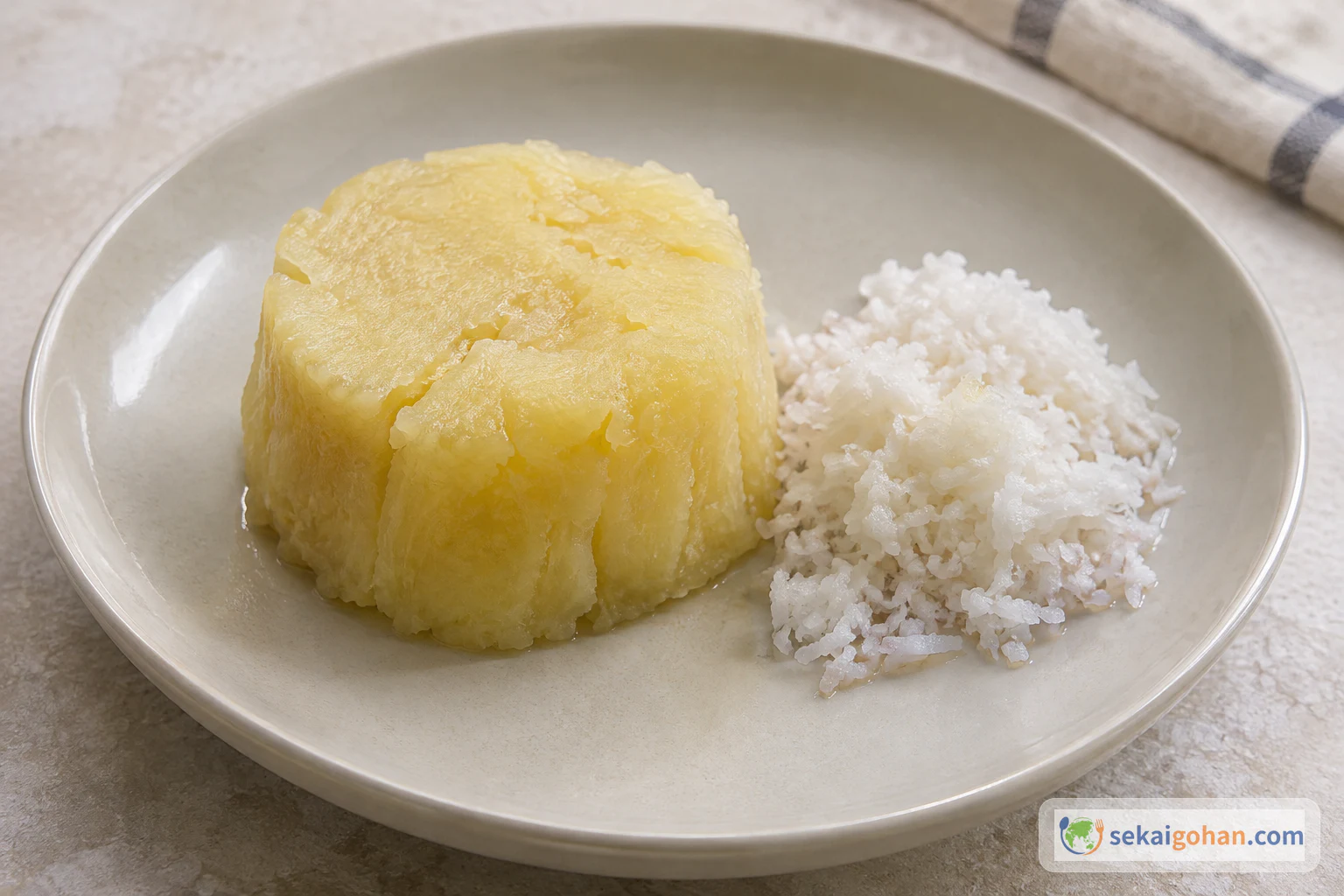
Getuk Pero: Indonesian Steamed Cassava with Sweet Coconut
Getuk pero from Indonesia: steamed, pounded cassava served with salted steamed coconut. Learn when to pound, how to remove the core, and when sugar goes in.
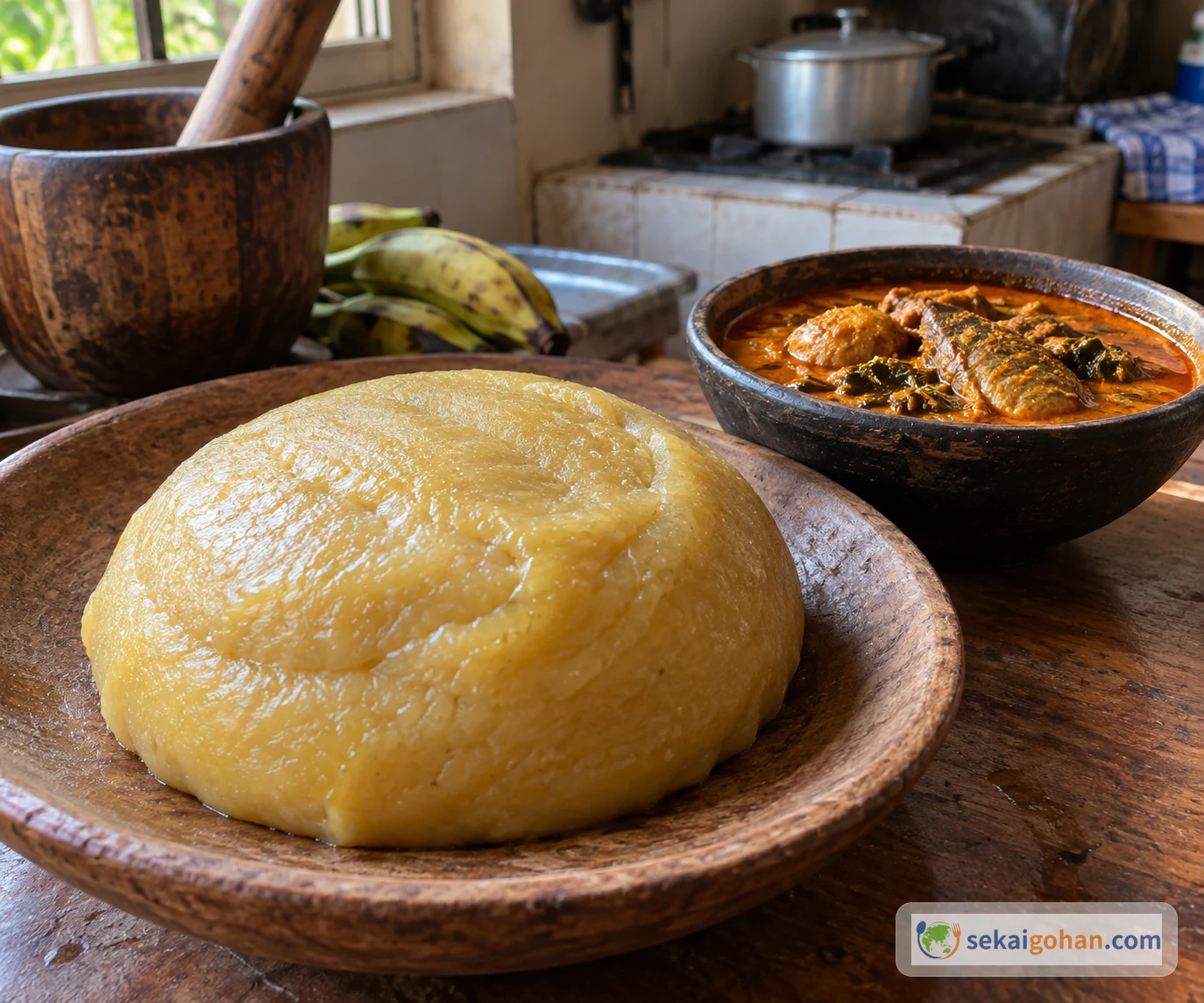
Foutou Banane: Ivorian Pounded Plantain and Cassava Dough
How to make foutou banane, the Côte d'Ivoire staple of ripe plantain and cassava boiled together and pounded into a smooth, elastic dough to eat with sauce. Covers choosing plantain and food-grade cassava, judging tenderness, pounding by feel, shaping, serving, troubleshooting, and the green-plantain, yam and flour variations kept separate from this version.

Ekpang Nkukwo Recipe: Leaf-Wrapped Taro Dish from Coastal Cameroon and Nigeria
How to make ekpang nkukwo (Ekpang Nkukwo / Ekwang), a leaf-wrapped taro dish also known on the coast of Cameroon, simmered with the aroma of dendê oil and dried shrimp, recreated with taro and komatsuna. Wrapping, heat control, substitutions, storage, how to eat it, and differences in the local names.
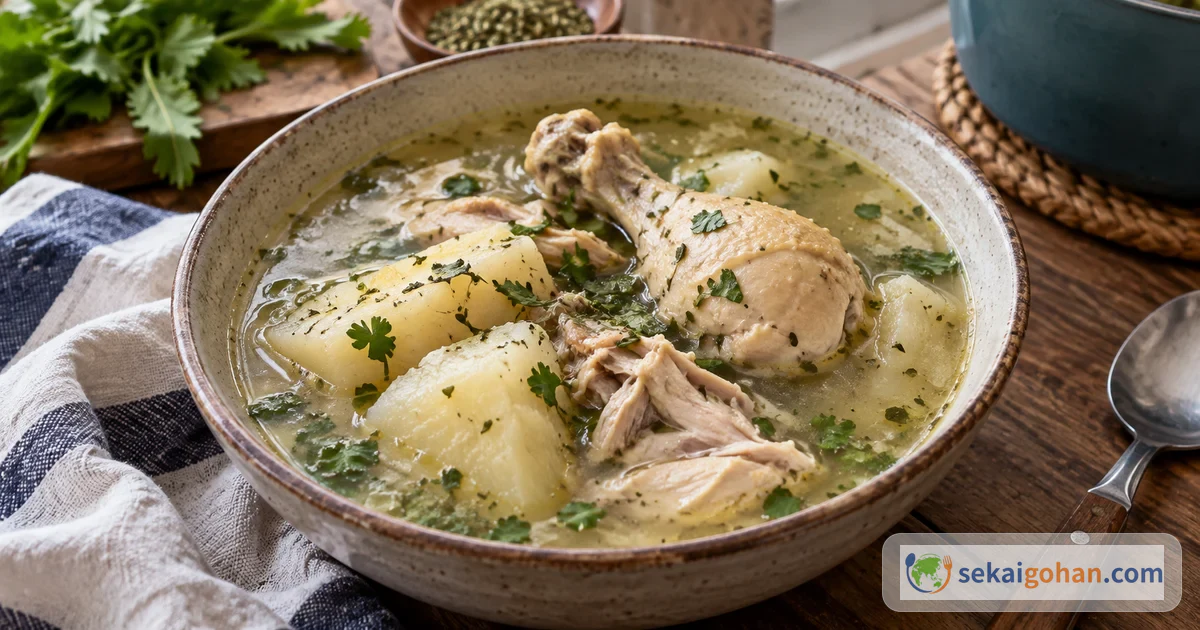
Sancocho Panameño: Panama's Chicken, Root Vegetable, and Culantro Soup
A recipe for sancocho panameño, Panama's national soup, with chicken, taro in place of ñame (yam), culantro, oregano, garlic, and onion. Covers the tradition of using an old hen, the things cooks say never to add, the order to add the herbs, and regional differences.

Pão de Queijo: Brazilian Cheese Bread from Minas Gerais
Pão de queijo is Brazil's cheese bread from Minas Gerais, made with tapioca starch. Covers cheese choice, scalding the starch, baking and freezing.
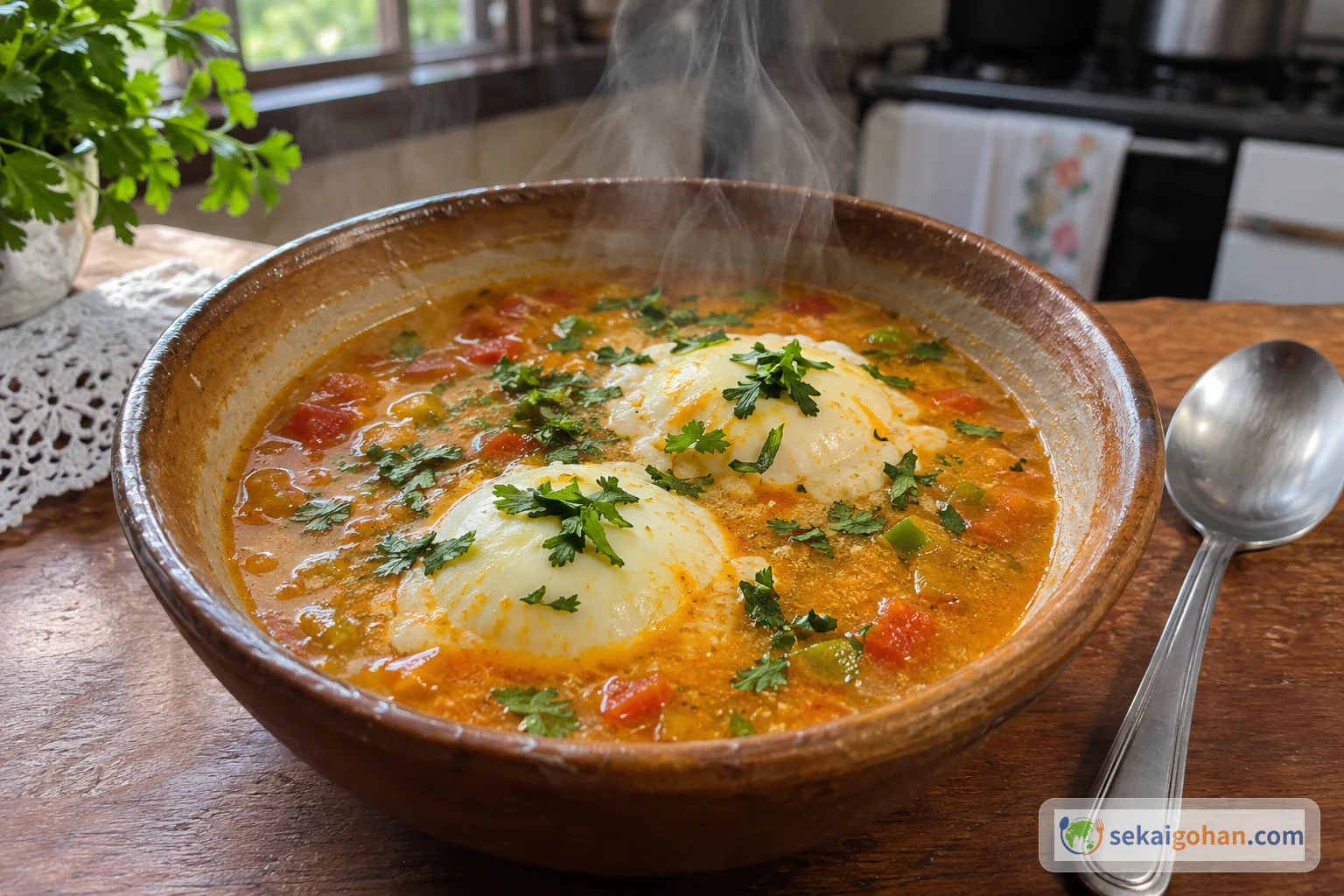
Cabeça de Galo: Northeast Brazilian Cassava Flour and Egg Soup
Cabeça de galo is a cassava flour and egg soup from Northeast Brazil. Learn to soak the farinha, stir it smooth, and poach eggs without stirring.
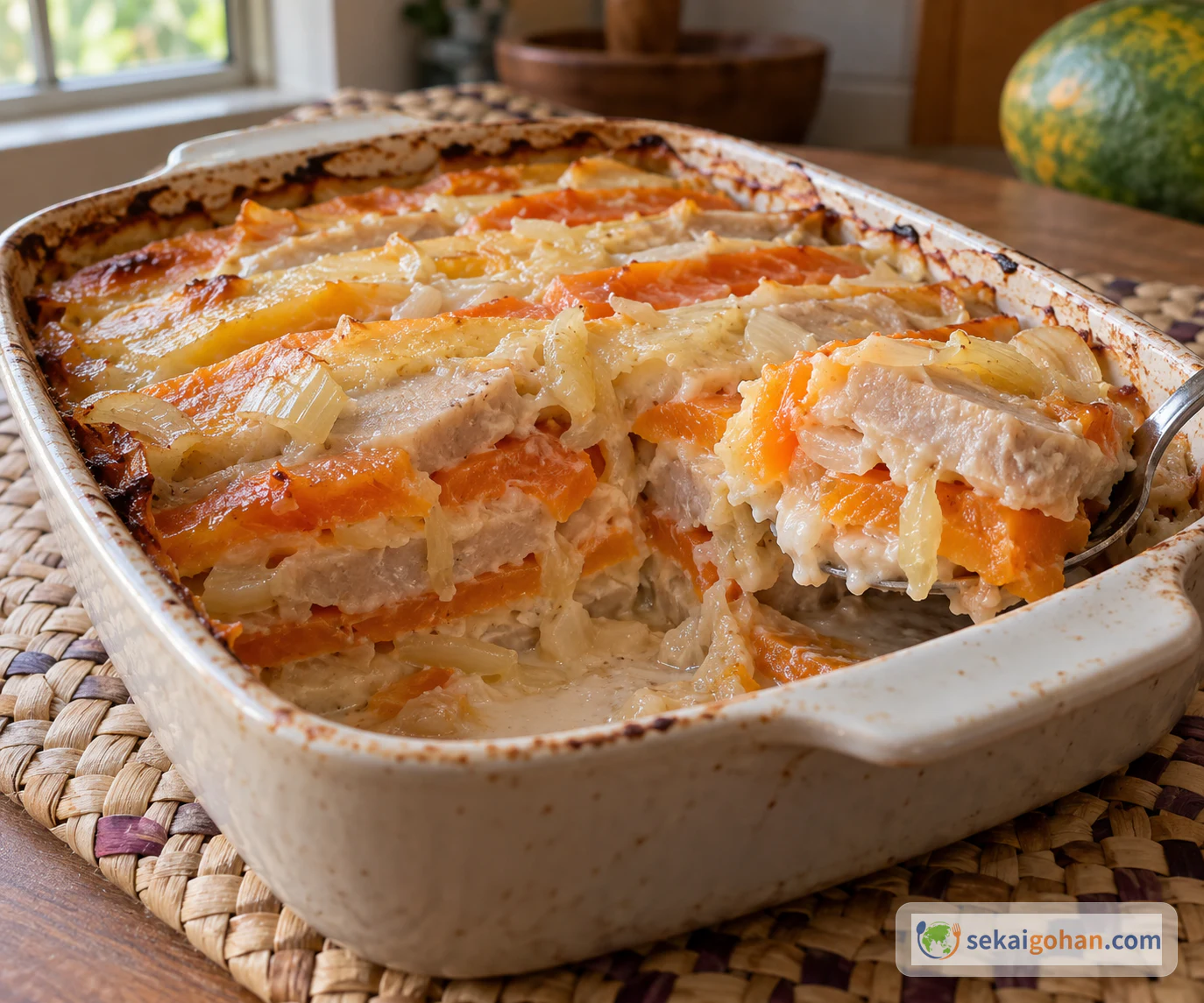
Takihi: Niuean Layered Taro and Papaya Baked in Coconut Cream
How to make takihi, a traditional dish from Niue of taro, ripe pawpaw (papaya) and onion layered, pressed and baked under coconut cream and water. Covers slicing and layering, the 180°C bake, how to judge when the taro is soft, how to choose taro and papaya, how other published versions differ, and how takihi is eaten alongside meat or fish.

Asaro (Àsàró): Nigerian Yam Porridge with Red Palm Oil
Asaro, the yam porridge of southwestern Nigeria, for the home cook: red palm oil, chile, crayfish powder, and substitutes made with Chinese yam and taro. Covers how far to break down the yam, adding the fish, storage, adjusting heat, menus, and the table that leads on to jollof rice and egusi soup.
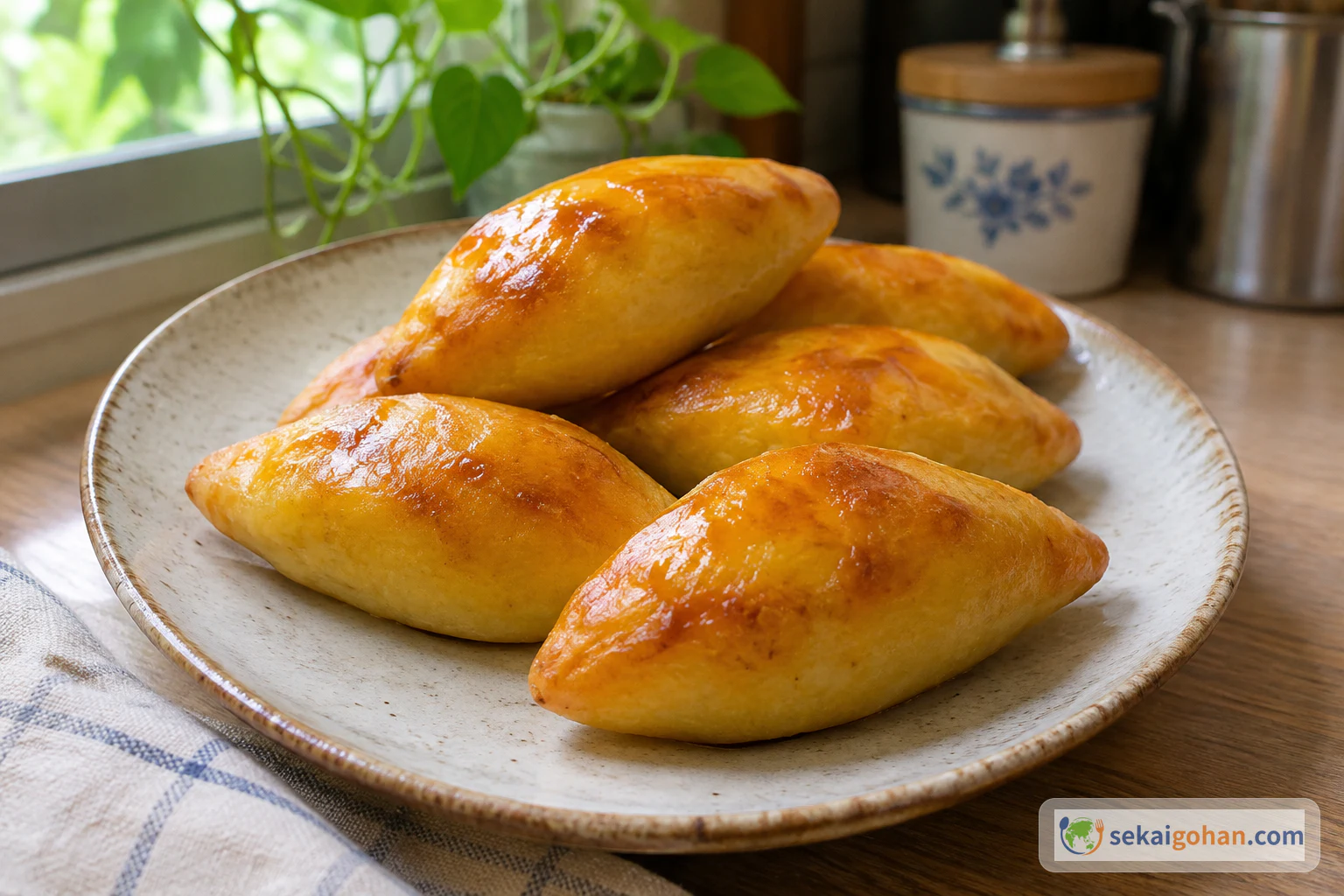
Hualien Sweet Potato (花蓮藷): Taiwanese Egg-Washed Sweet Potato Bars
How to make Hualien sweet potato (花蓮藷), a regional sweet from Hualien, Taiwan: sweet potato mash and unsweetened white bean paste mixed into one dough, shaped into 40 little sweet-potato bars, brushed twice with egg and baked until golden. Covers the two ways the mash is used, the egg's two jobs, why this version bakes at 250°C, and how it differs from the wrapped pastry that shares its name.

Vaho (Baho): Nicaragua's Leaf-Steamed Beef, Yuca, and Plantains
Vaho (baho) is Nicaragua's beef steamed with yuca, green banana and plantain in banana leaves. Covers order of work, achiote substitutes and steaming time.

Pom: Suriname's Baked Chicken and Taro Casserole
Pom, Suriname's holiday oven dish of pomtajer root and chicken baked together with citrus. Adjusting moisture when substituting frozen taro or taro root, handling heat, browning and internal temperature, storage, and eating it with bread or rice.
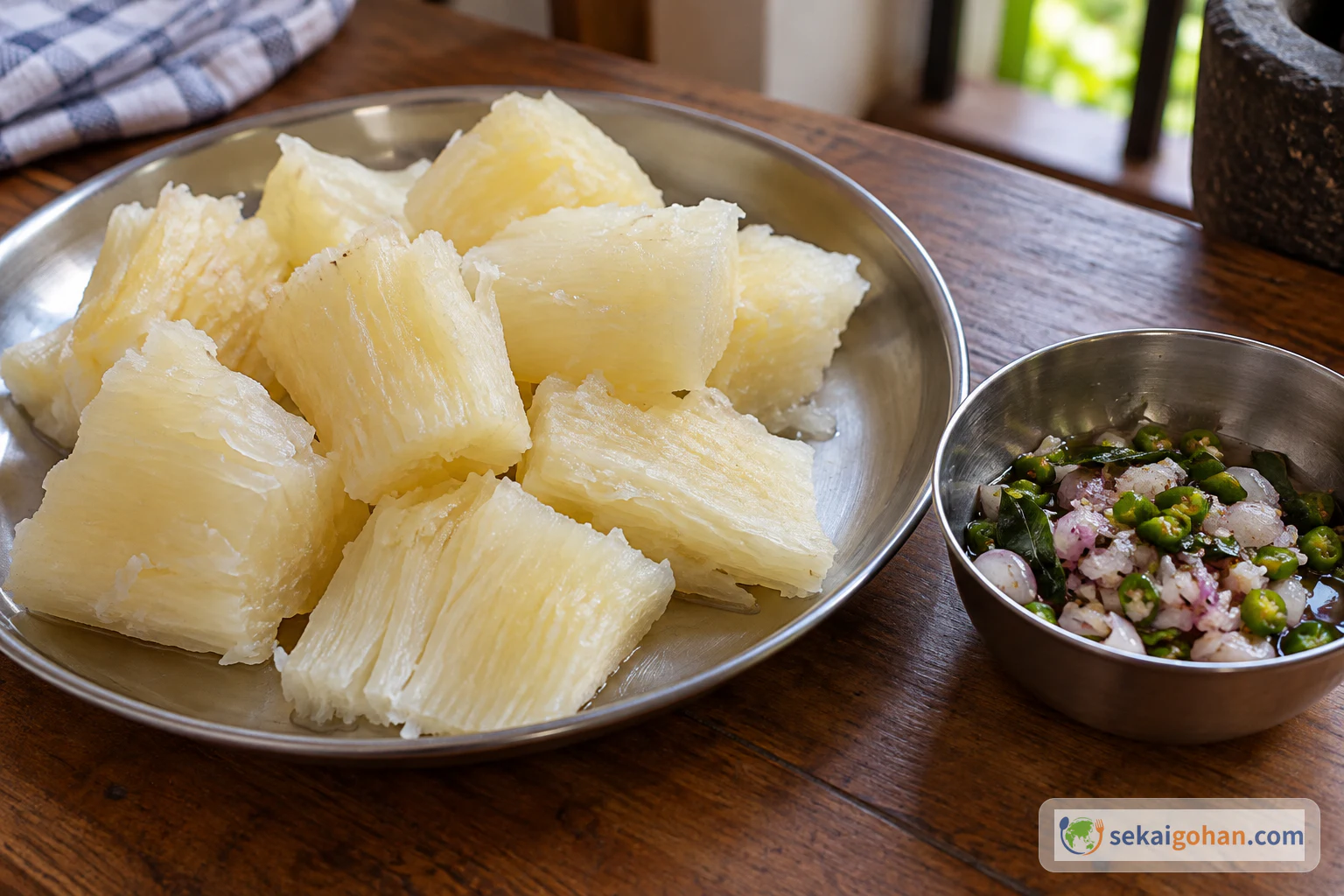
Kappa Puzhungiyathu: Kerala Boiled Cassava with Kanthari Chile Dip
How to make kappa puzhungiyathu, the Kerala way of boiling fresh cassava root in two changes of water until very soft, served with kanthari mulaku chammanthi, a coarse raw dip of chiles, shallots, curry leaves and coconut oil. Covers choosing safe, food-grade sweet cassava, peeling, the two-stage boil, judging tenderness, substitutions, serving and how it differs from tapioca pearls.
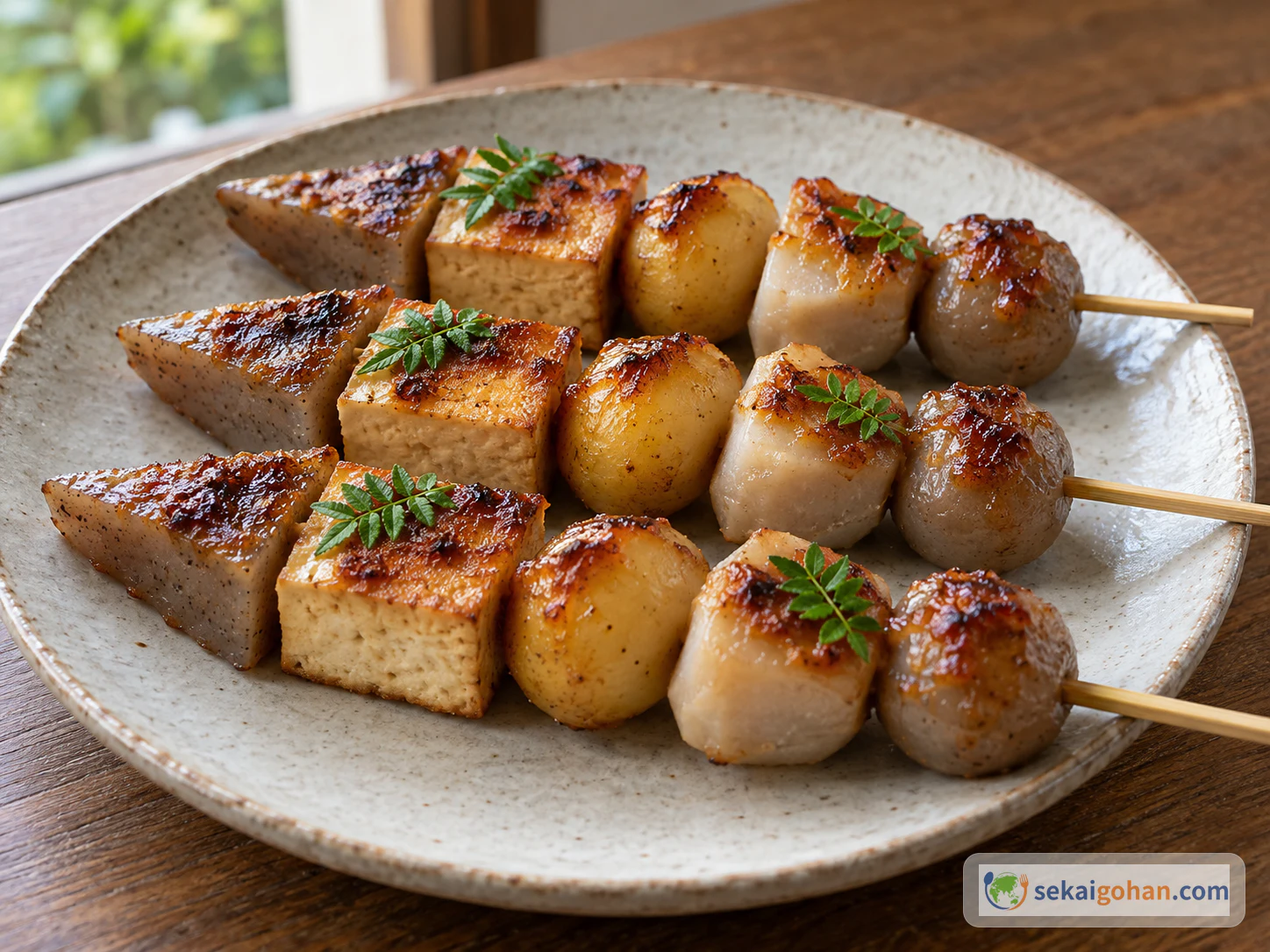
Dekomawashi: Tokushima's Five-Ingredient Skewers with Ginger Miso (でこまわし)
How to make dekomawashi, the skewered local dish of Iya in Tokushima prefecture: taro, small potatoes, konnyaku, firm tofu and buckwheat dumplings, brushed with ginger miso and roasted twice, then finished with kinome. Covers each component's preparation, the order for threading the skewers, the two-stage roast, regional ingredients, and how this version differs from other published recipes.

Chipa Almidón: Paraguayan Cassava Starch and Cheese Rings
How to make chipa almidón, Paraguay's cassava starch and cheese bread, in a home oven: choosing tapioca starch and a salty white cheese, the aroma of anise, adding egg and milk, not overworking the dough, baking temperature, freezing, and how it differs from mbejú and chipa guasú.
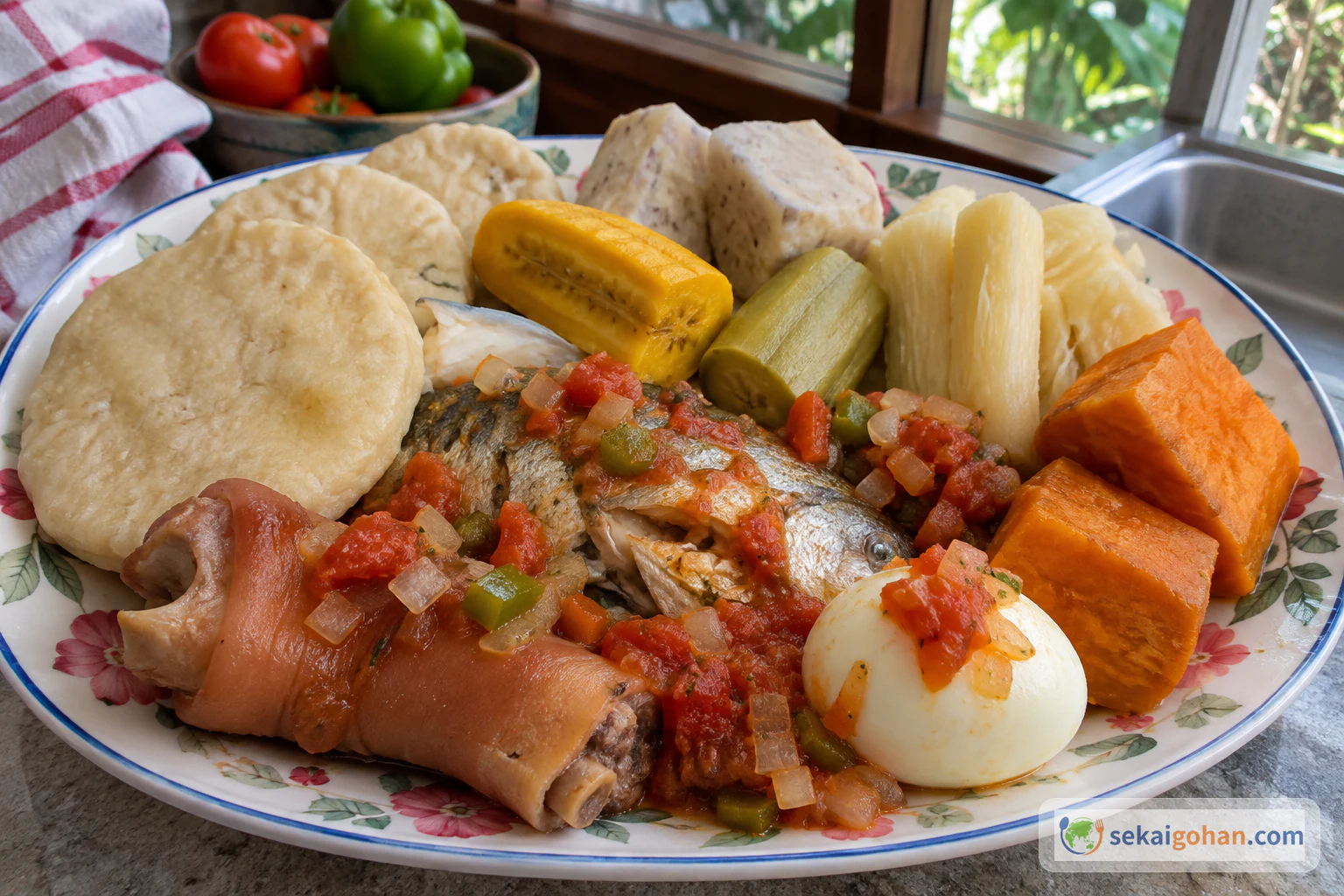
Bile Up: Belizean Kriol Boiled Roots, Fish and Tomato Sauce
Bile up, Belize's Kriol platter of boiled roots, flour boil cakes, fish, pig tail and egg under tomato sauce. Learn the cooking order, the fork test and swaps.
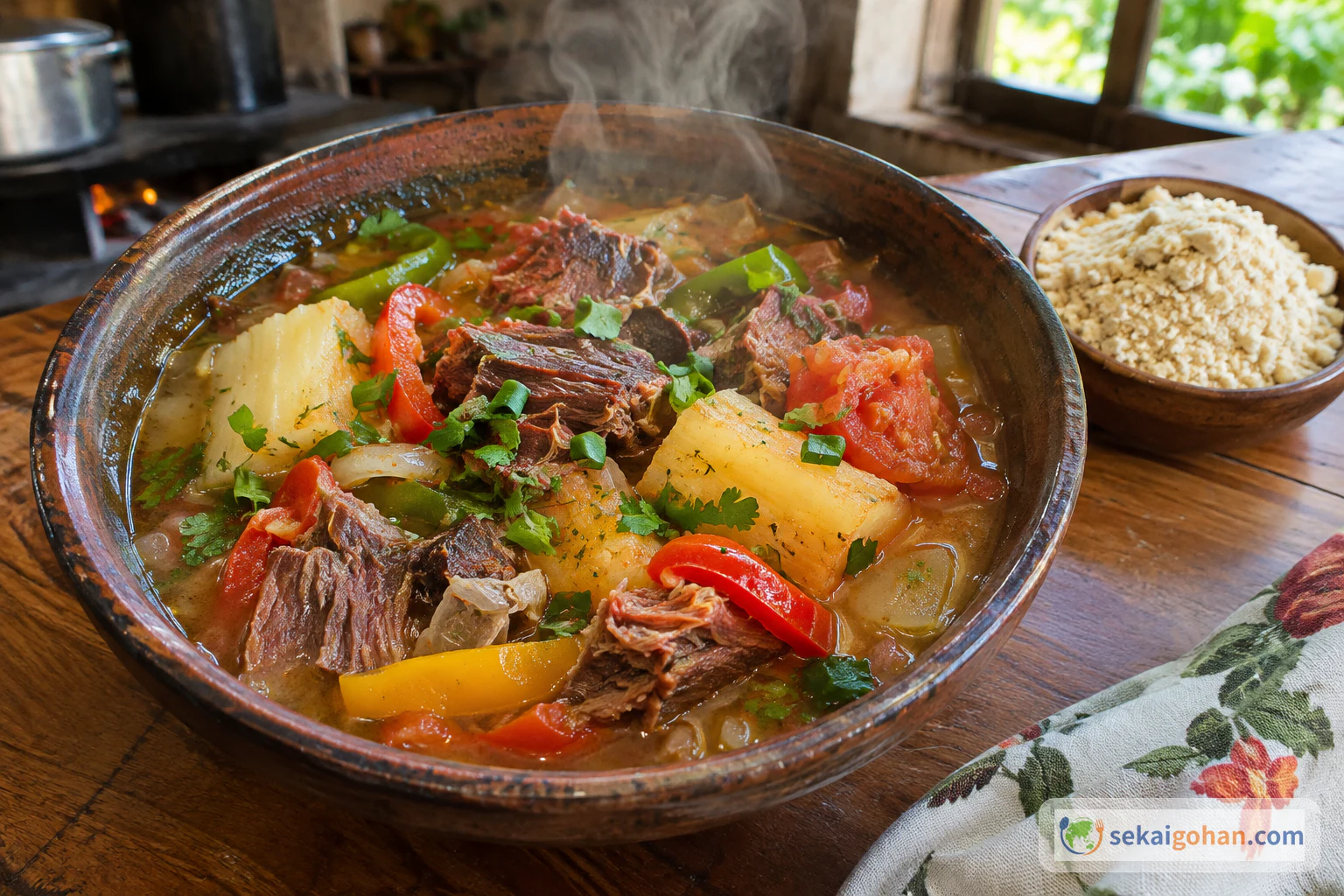
Caribéu: Pantanal Dried Beef and Cassava Stew
Caribéu, the Pantanal stew of dried beef and cassava from Brazil: how to desalt charque, simmer cassava until a fork slides in, and what to buy abroad.
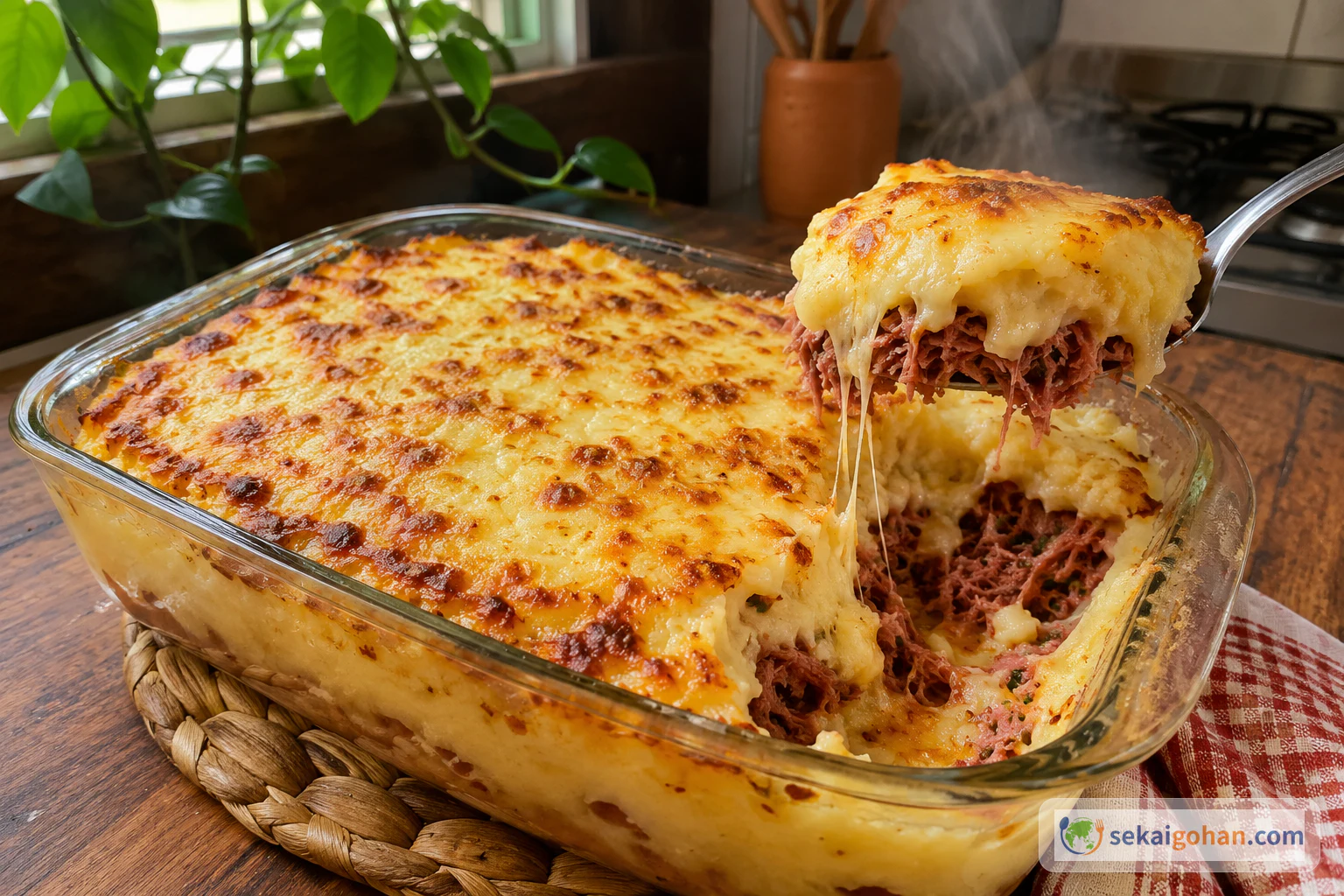
Escondidinho: Brazilian Dried Beef Baked Under Cassava Mash
Escondidinho is Brazil's shredded dried beef baked under cassava mash and mozzarella. Learn the smooth purée, the layering and which cassava to buy.
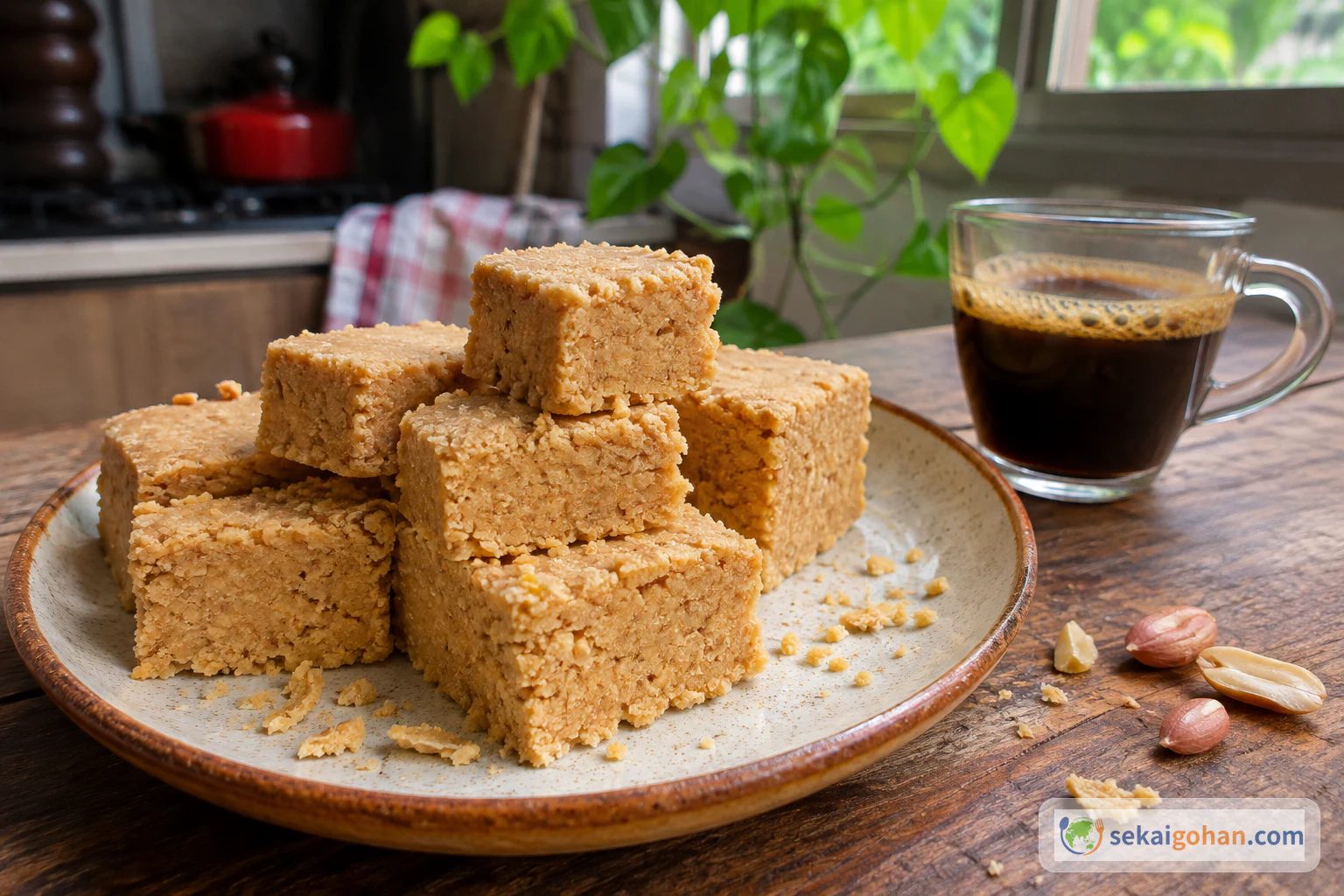
Paçoca: Brazilian Crumbly Peanut and Cassava Flour Candy
Paçoca de amendoim, Brazil's pressed peanut sweet from the June festivals. How to toast cassava flour, stop the processor before paste, and press firm squares.
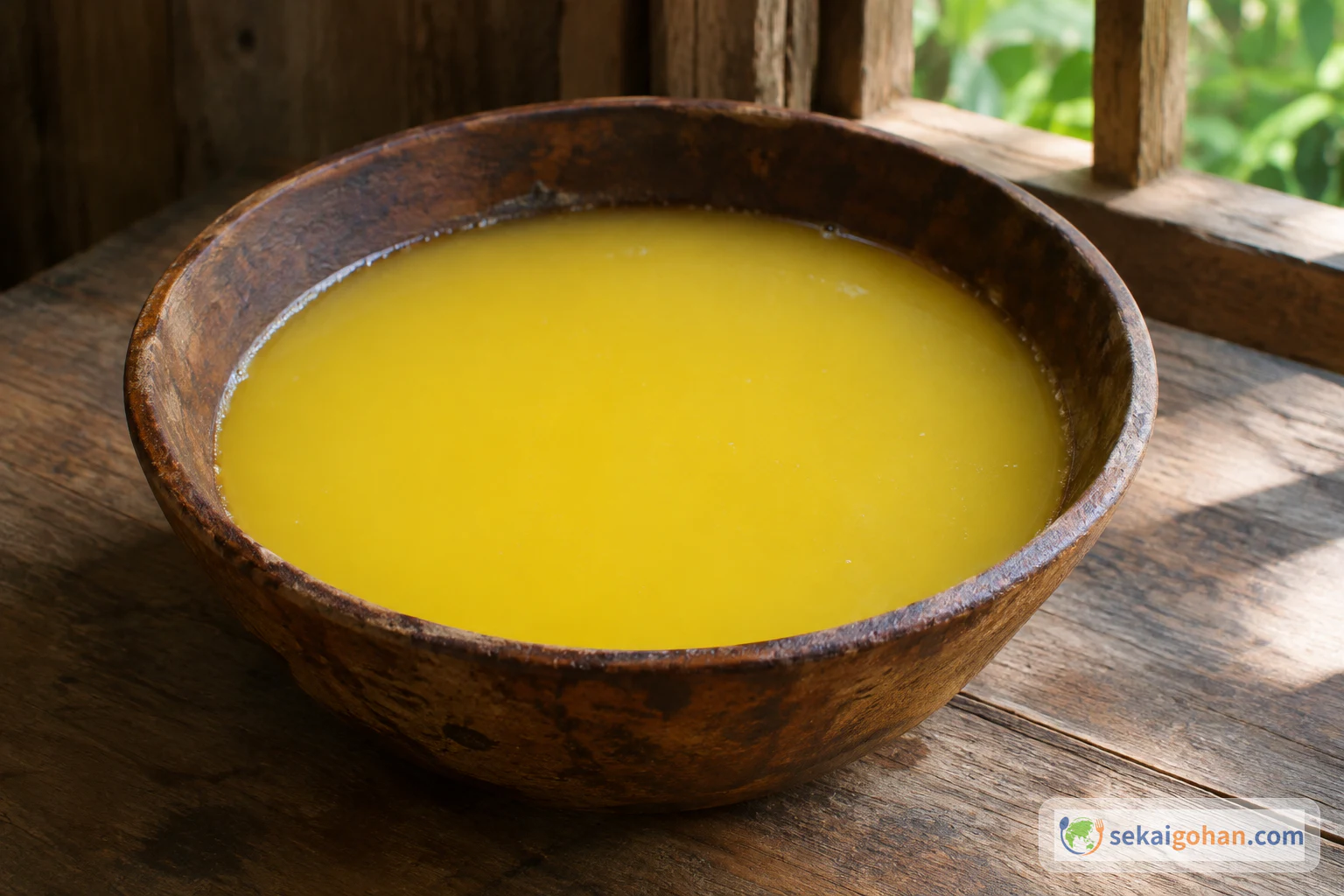
Tucupi: Amazonian Yellow Sauce from Simmered Cassava Juice
Tucupi is the sour yellow sauce of Brazil's Amazon, simmered from bitter cassava juice. See how it is made, why raw juice is toxic, and how to use it bottled.
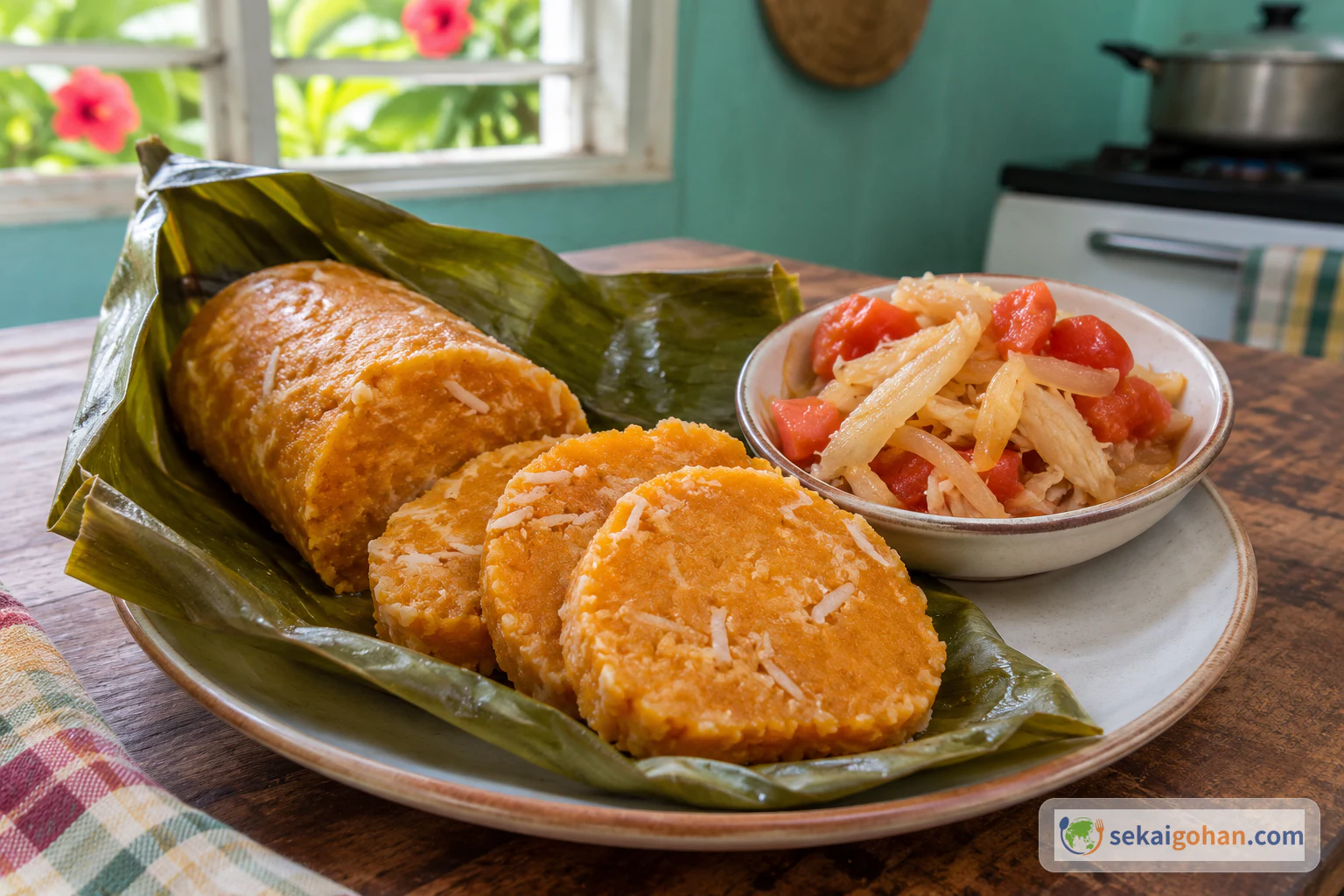
Ducana: Antiguan Sweet Potato and Coconut Dumpling in Banana Leaf
Ducana, Antigua's boiled sweet potato and coconut dumpling in banana leaf, with the fist-squeeze test for flour, a gentle 35–45 minute simmer and the foil swap.
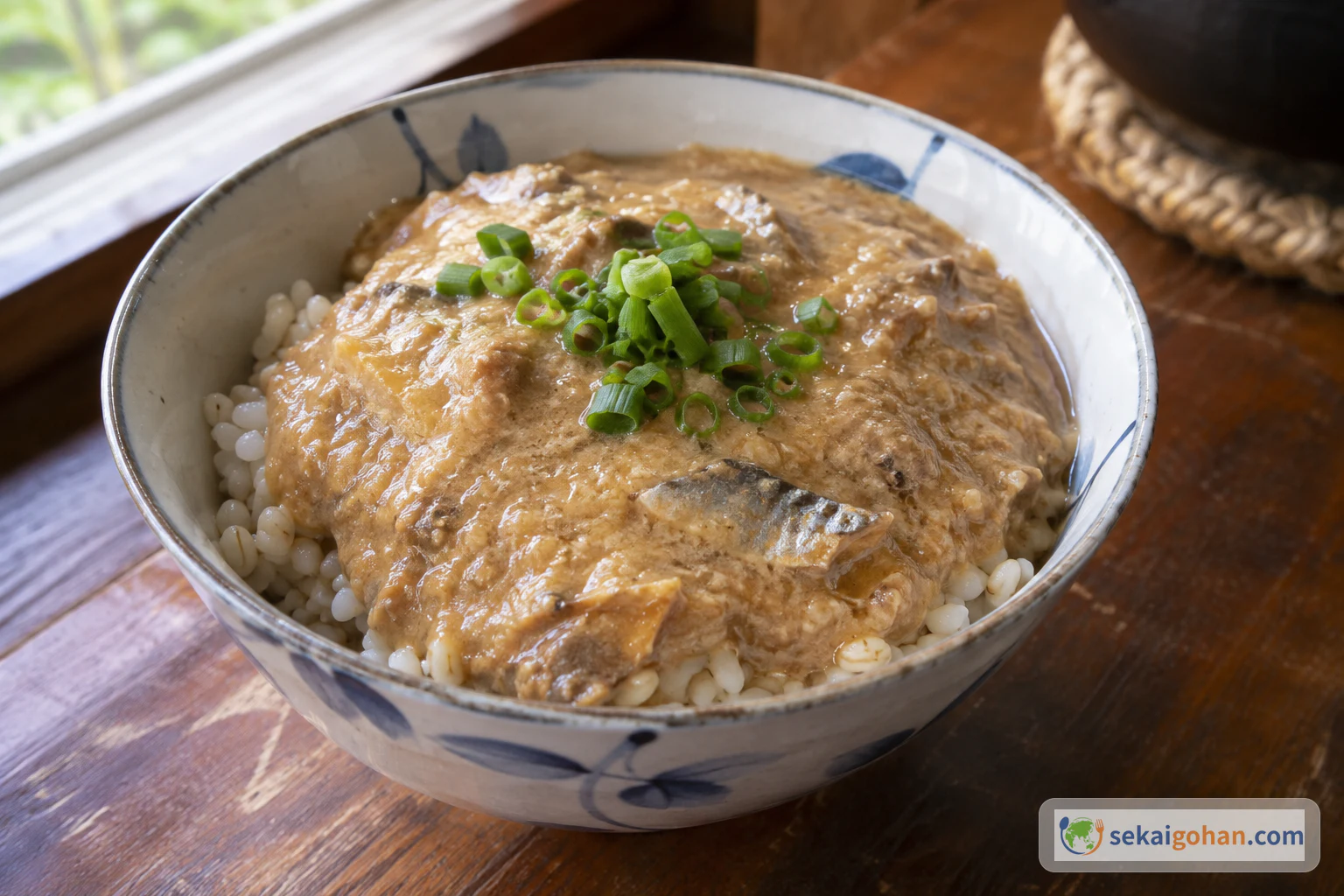
Kakegawa Imojiru: Skin-On Grated Jinenjo Yam with Mackerel Miso Broth (掛川いも汁)
How to make Kakegawa imojiru, a local dish from Shizuoka, Japan, in which skin-on jinenjo yam is grated and thinned with cooled mackerel miso broth. Follows a recipe from JA Kakegawa that makes about 6 bowls, with raw egg handling, adjusting the consistency, serving over barley rice, and the dish's place at Kakegawa's autumn gatherings.
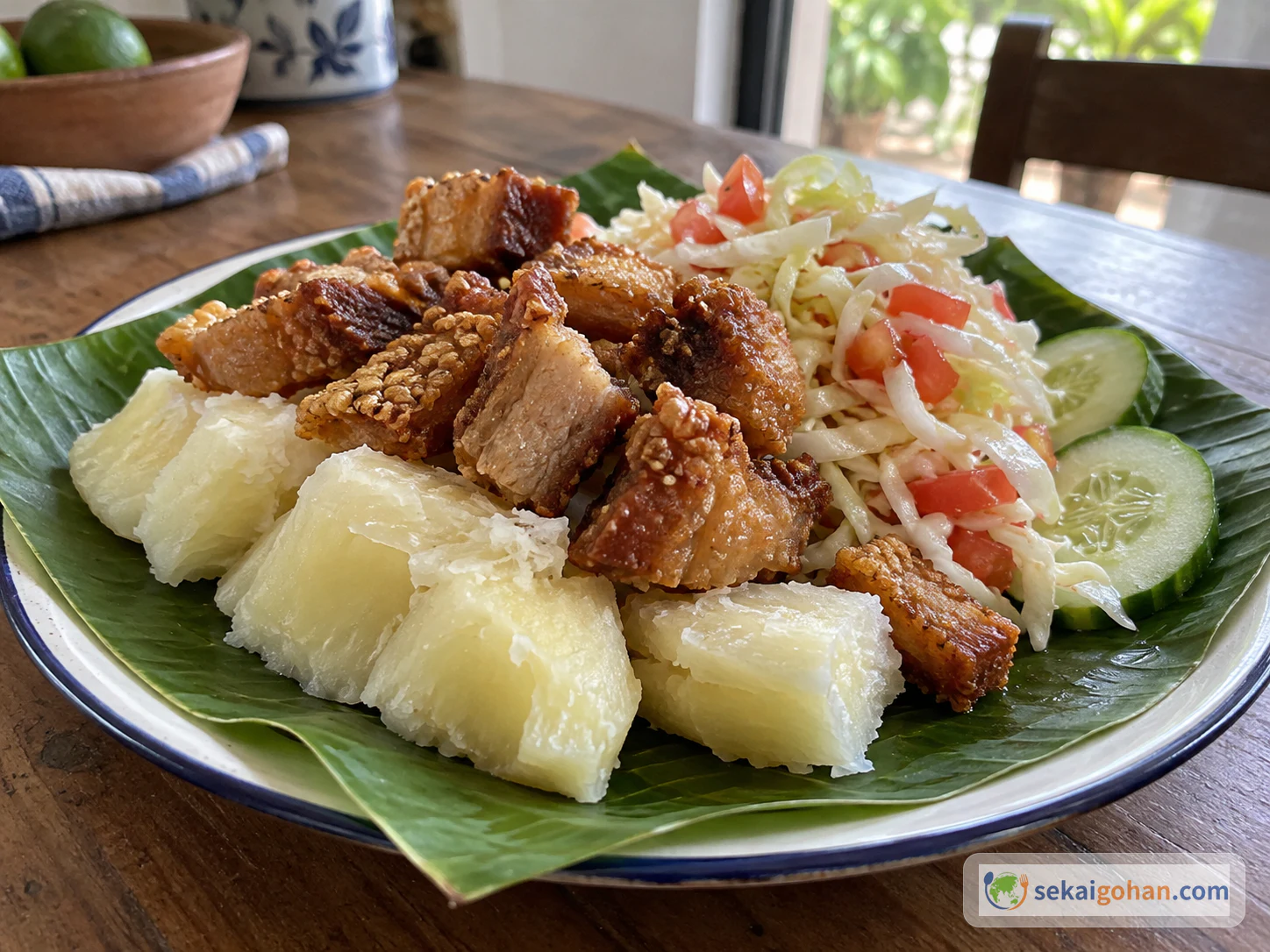
Vigorón: Nicaraguan Yuca with Pork Chicharrón and Vinegar Cabbage Salad
How to make vigorón, the Nicaraguan dish linked with Granada: warm boiled yuca, crisp pork chicharrón and a sharp vinegar cabbage salad layered on one plate. Covers safe yuca prep, keeping the salad from going watery, choosing chicharrón and vinegar, serving on a banana leaf, and storing leftovers.
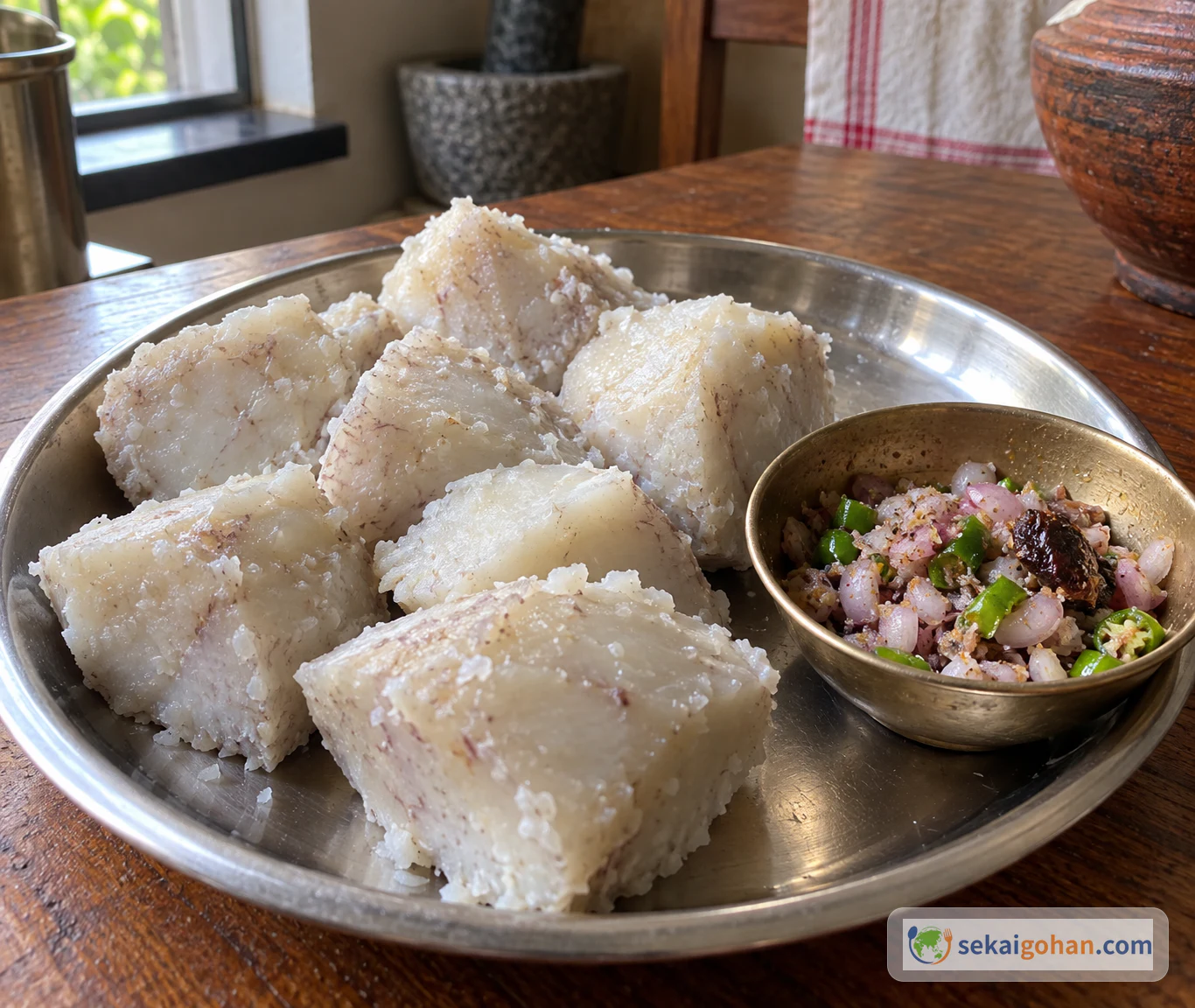
Chembu Puzhungiyathu: Kerala Boiled Taro with a Shallot, Green Chilli and Tamarind Dip
How to make chembu puzhungiyathu, Kerala's plain boiled taro (Colocasia esculenta) served with a coarse dip of shallots, green chillies, tamarind and coconut oil. Covers choosing edible taro rather than malanga, peeling and cutting, judging 'tender but firm' without a fixed time, the dip, troubleshooting and a documented Kerala serving context.
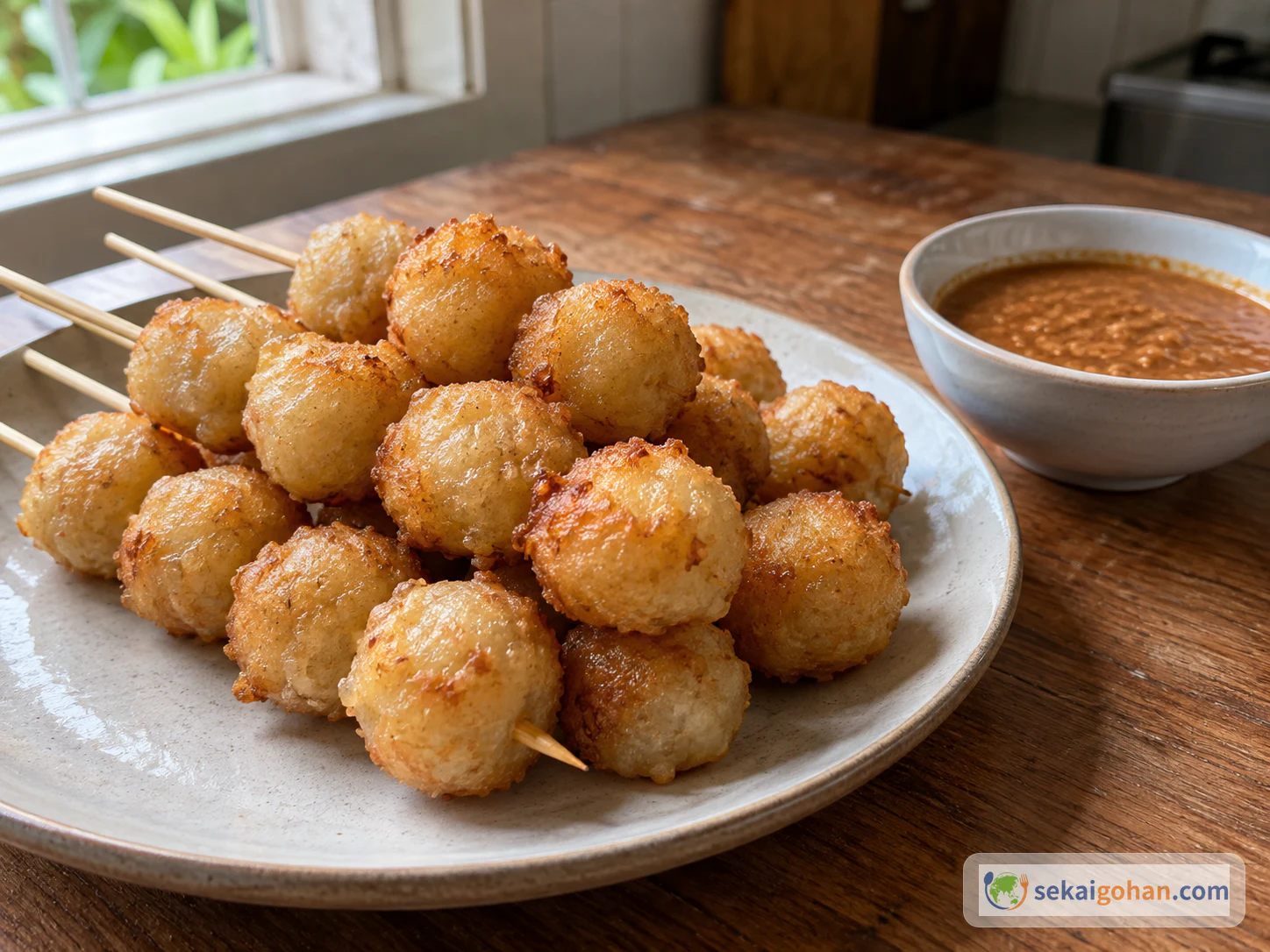
Cilok Goreng: Tapioca Balls Boiled, Cooled, Skewered and Fried
How to make Cilok Goreng from one Bandung home cook's posted recipe: cook a garlicky water-and-flour biang, mix in scallion and tapioca, shape marble-sized balls, boil until they float, rinse, oil, cool, thread onto satay skewers and deep-fry until golden-brown, then serve with ready-made peanut sauce. Includes what the source does not specify, such as frying-oil amount, temperature, timing and yield.
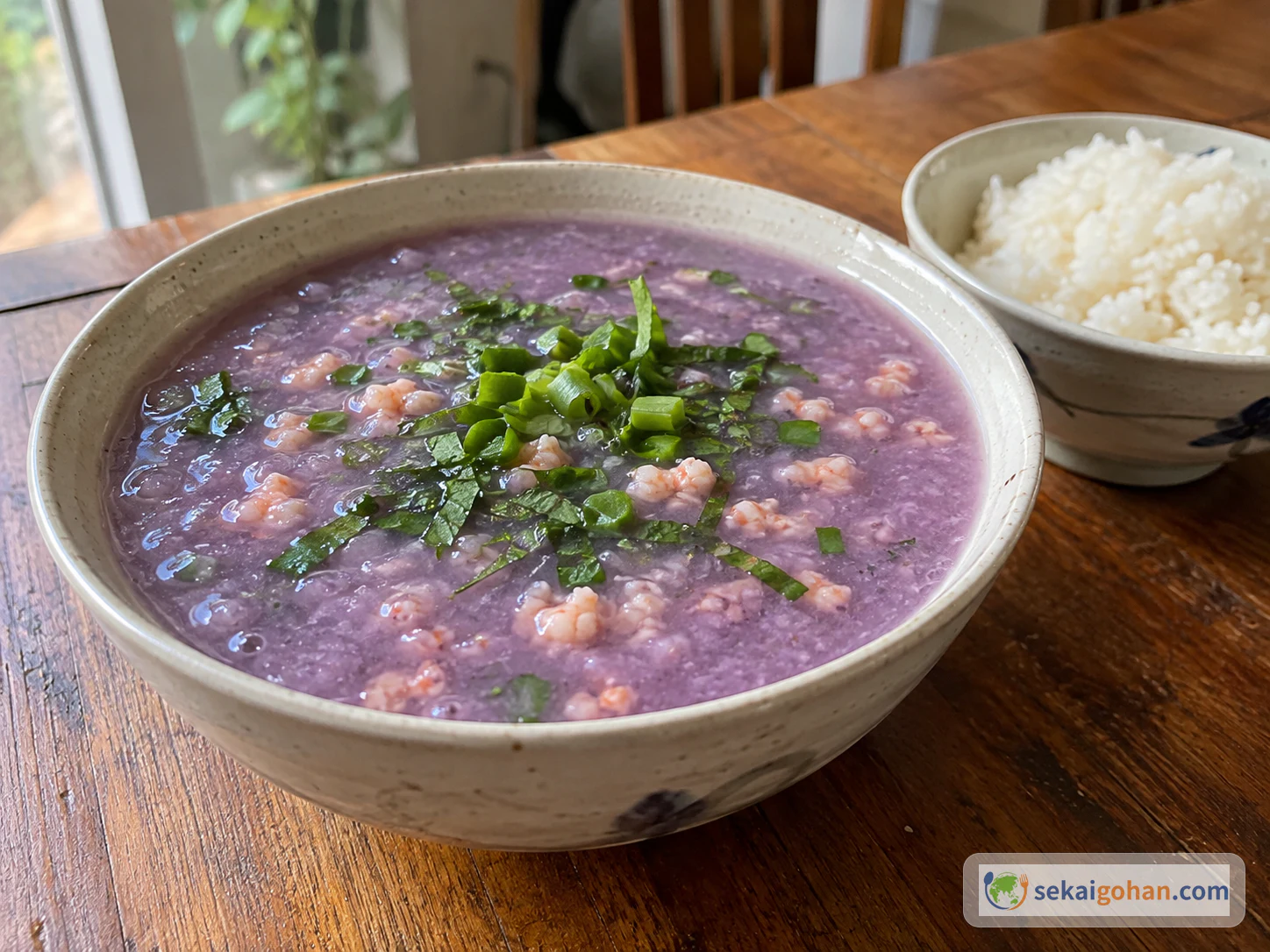
Canh Khoai Mỡ: Vietnamese Purple Yam Soup with Minced Shrimp
How to make canh khoai mỡ, the Vietnamese soup of grated purple yam and minced shrimp that thickens on its own without dairy. Covers choosing frozen grated purple yam (and why taro or purple sweet potato won't do), marinating and safely cooking the shrimp, adding the yam only once the water boils, and finishing with fish sauce, culantro and rice paddy herb.

Eba: Benin's Gari Swallow Served with Okra and Red Palm Oil Sauce
Eba is gari stirred into hot water and eaten with okra or red palm oil sauces across West Africa. This guide starts at the Benin table: choosing gari, water ratio, stirring, fixing lumps, storage, substitutes and the local name piron, with step photos to judge the firmness.
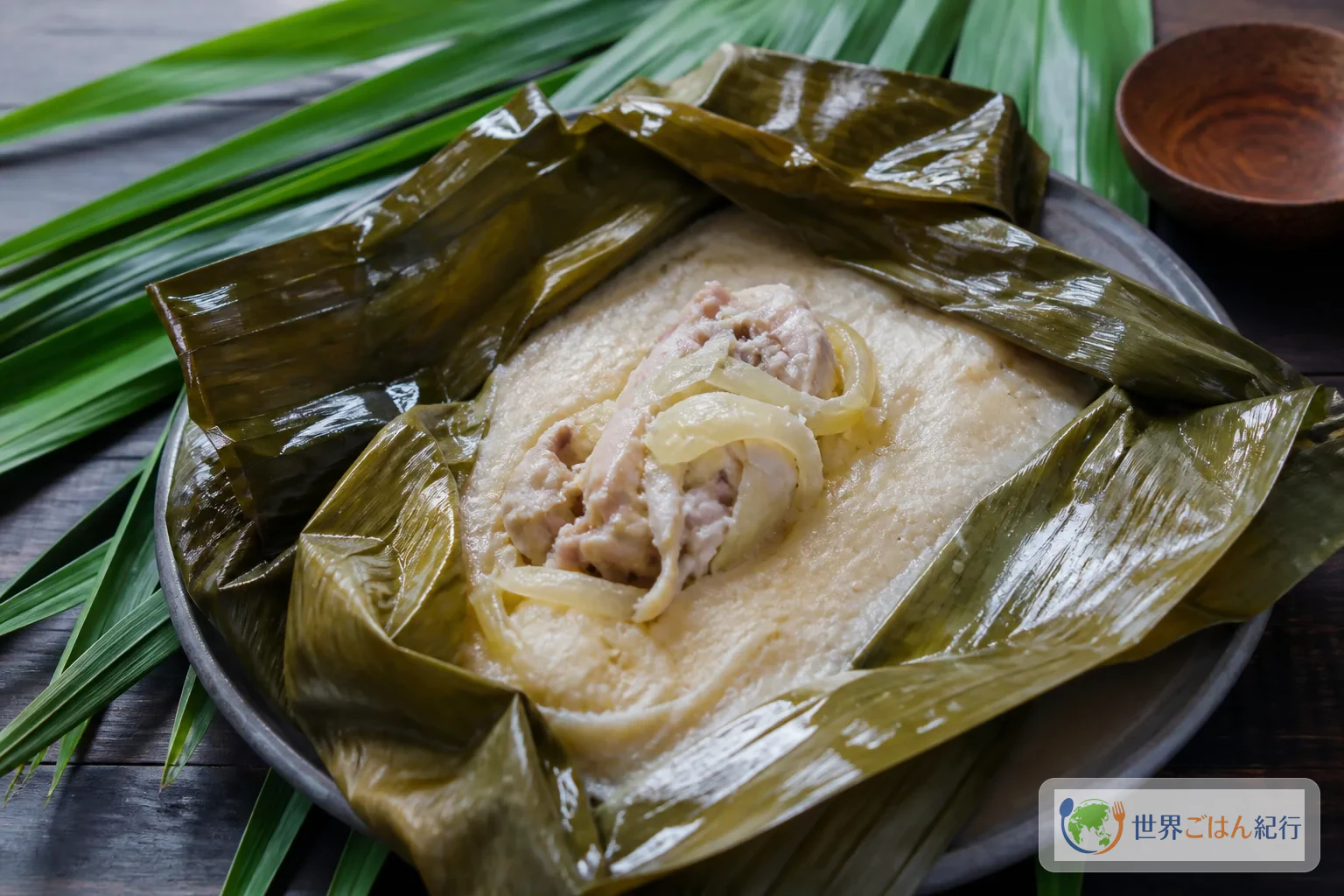
Laplap: Vanuatu's Earth-Oven Dish, Made in a Home Oven
Laplap, Vanuatu's national dish, made with taro and chicken, coconut milk and banana leaves. Steam-baked in an oven in place of the earth oven, with safe handling of taro, the aroma of the leaves, differences in fillings from island to island, substitutes, storage and fixing problems.
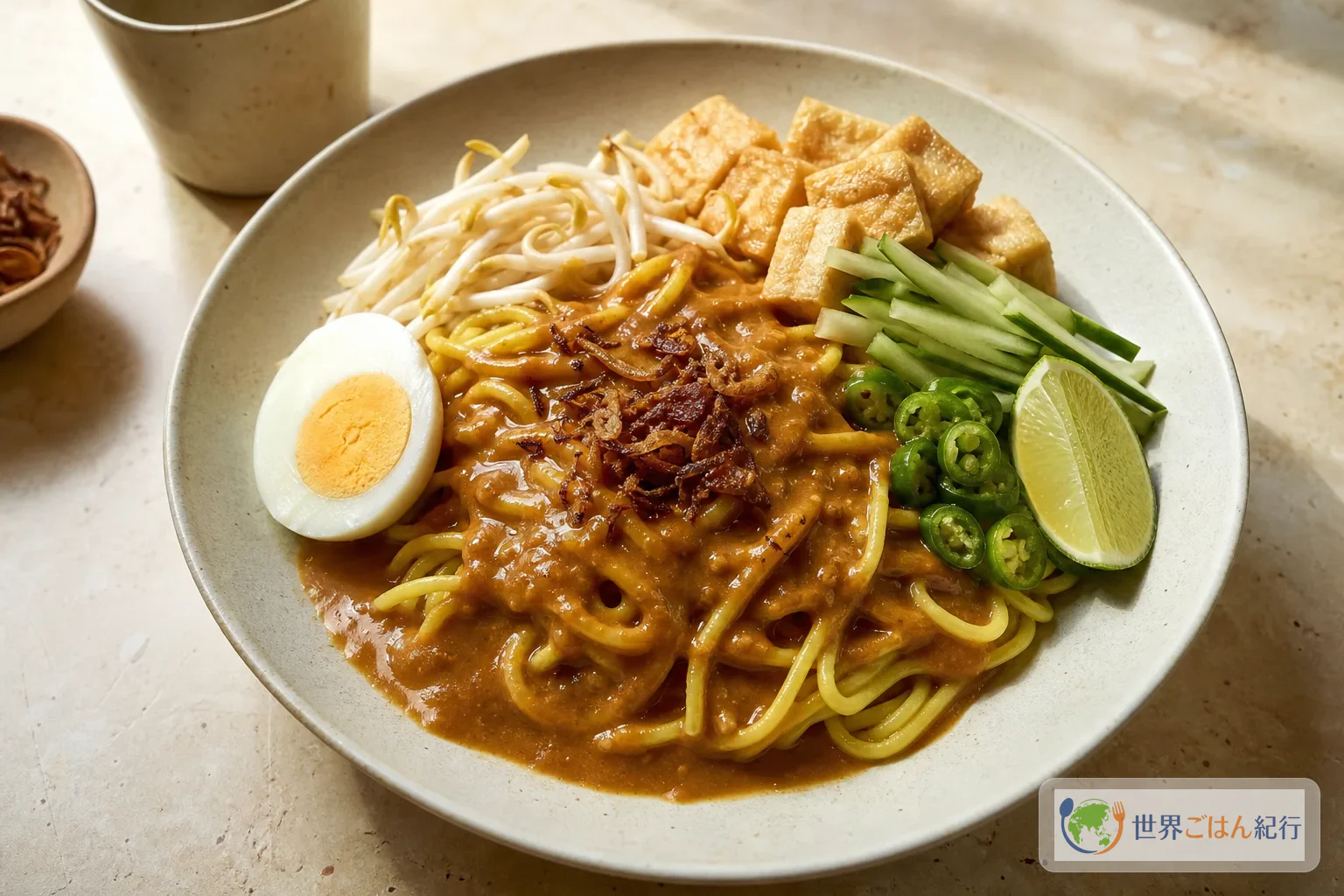
Mee Rebus Recipe: Singapore's Sweet and Savory Hawker Noodles with Sweet Potato Gravy
Singapore hawker mee rebus as a home recipe thickened with sweet potato. How to balance sourness and heat for yellow noodles, substitutes for dried shrimp and tamarind, regional differences, storage and plating, with amounts and visual cues that keep you from getting lost.

Wasawasa Recipe: Steamed Flour Granules from Northern Ghana
A home recipe for northern Ghana's wasawasa that keeps the idea of yam flour while using cassava flour and cornflour that are easier to find. How to sprinkle in the water, steaming times, loosening the granules, the red sauce, serving with fish and vegetables, storage, reheating the next day, flour substitutions and why it goes wrong.
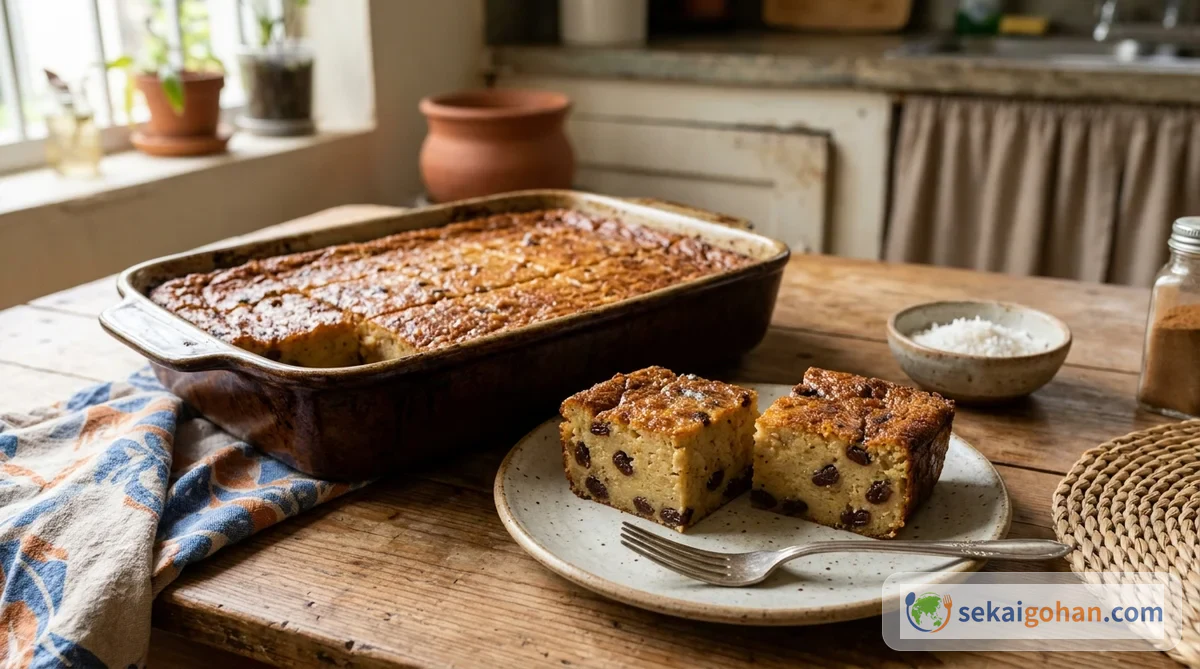
Pen Patat: Haitian Sweet Potato and Coconut Baked Pudding
Pen patat is a Haitian baked pudding of grated sweet potato, banana, coconut milk and spices. Covers cooking in a pot then baking, and if it won't set.
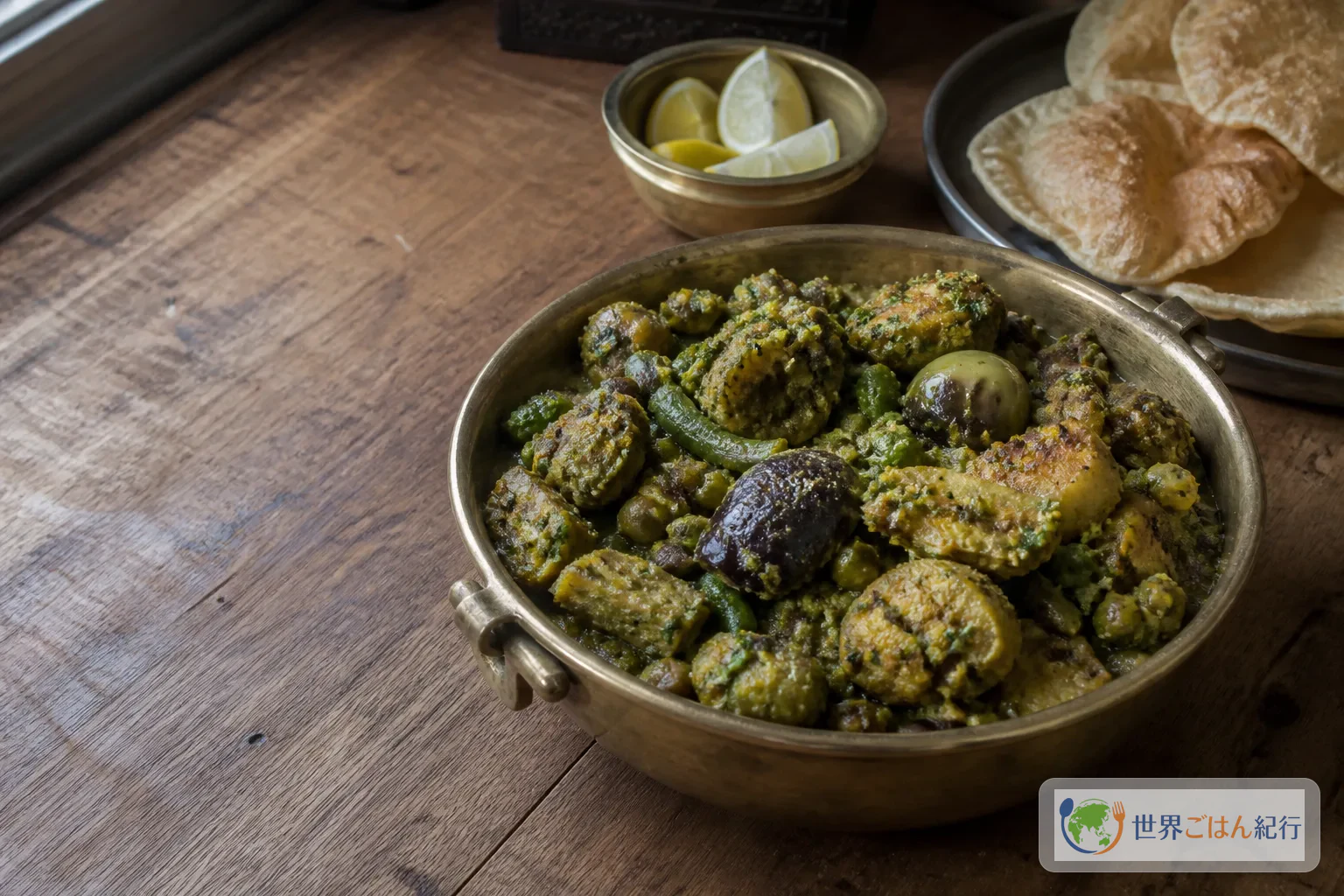
Undhiyu: Gujarat's Winter Vegetable Medley with Methi Muthia
Undhiyu is a Gujarati winter dish of layered seasonal vegetables and fried fenugreek muthia, simmered in a green coconut masala. Surti-style ingredients, regional differences, substitutes, heat control, storage and serving, in home-sized amounts, with fixes for green garlic substitutes and hard muthia.

Bánh Rế: Southern Vietnam's Lattice-Fried Sweet Potato Snack
How to make bánh rế, the lattice-patterned fried sweet from Phan Thiet in southern Vietnam, in a home kitchen. Covers cutting the sweet potato, using rice and tapioca flour as helpers, oil temperature, shaping, storage, common failures and how it is eaten locally.