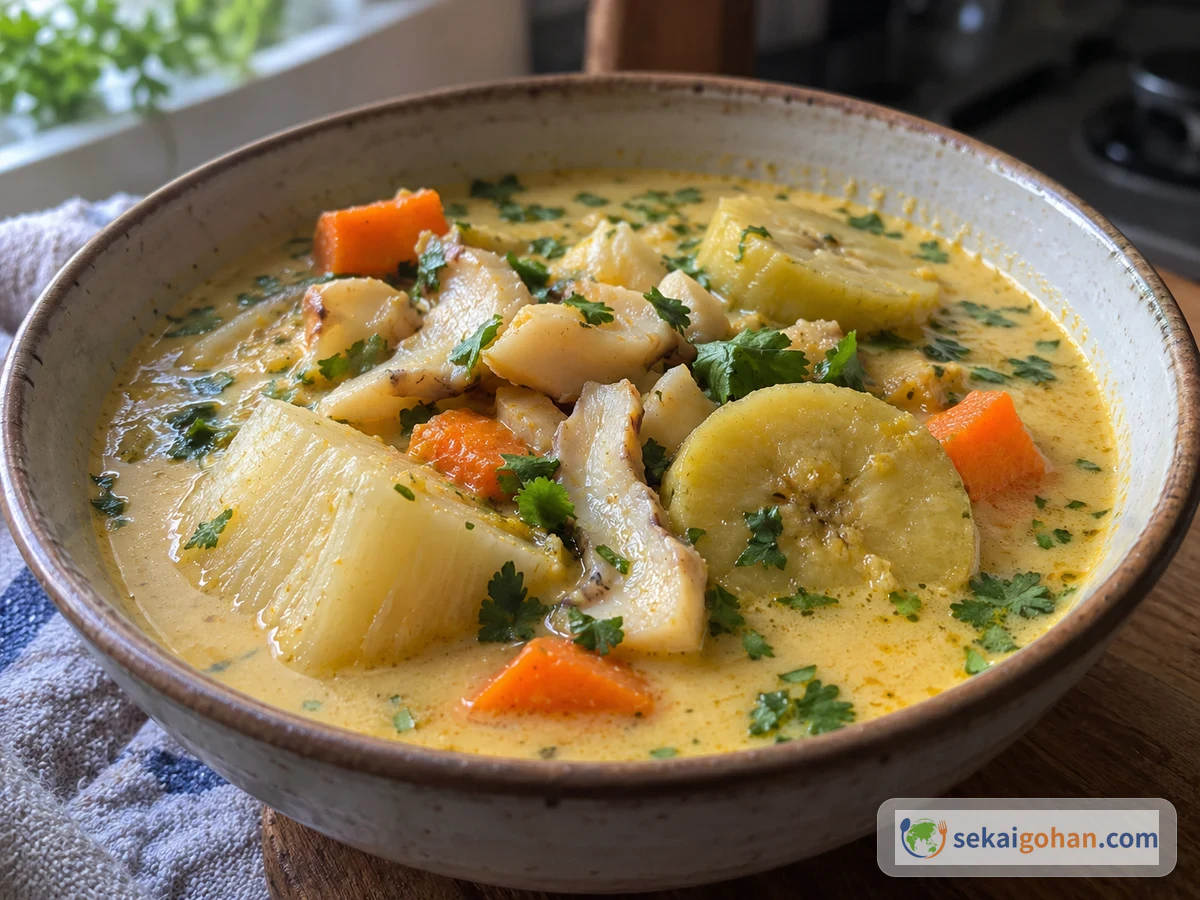
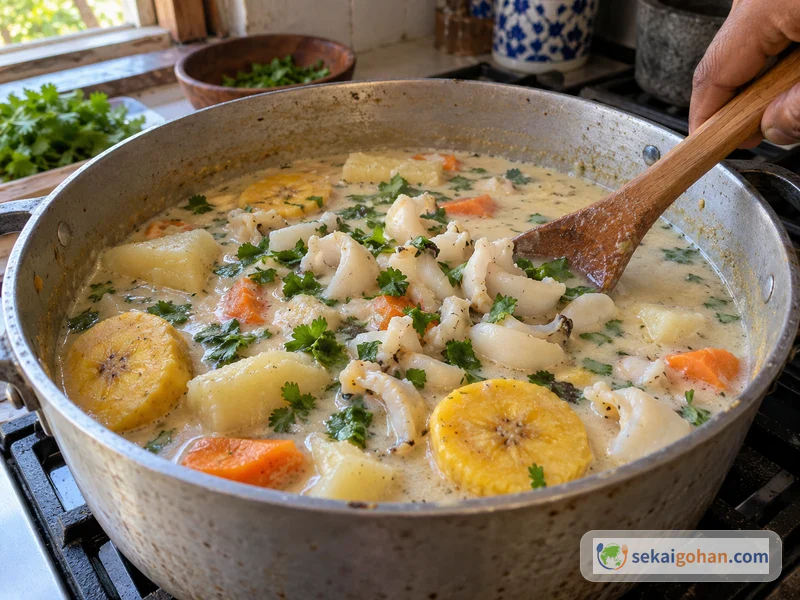
La Ceiba sits on the Caribbean coast of northern Honduras. In its seaside eateries, sweet coconut steam rises from big pots, and the bowls hold a cloudy white soup with cassava, green plantain, and thinly sliced conch. You squeeze lime over it and eat it with white rice. This is sopa de caracol, known locally as "the queen of soups," a rich, gently sweet coconut broth that tastes of the sea.
Sopa de Caracol and the Garifuna
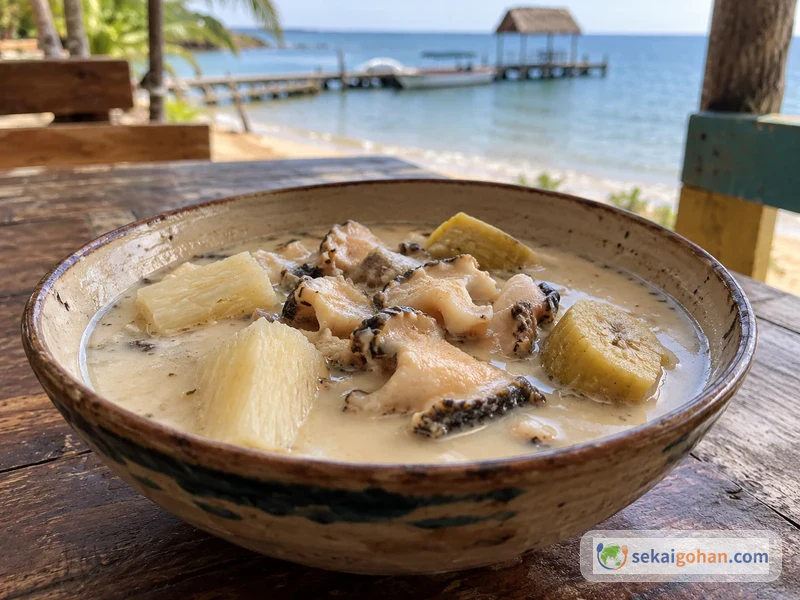
Caracol is Spanish for sea snail, and on Honduras's northern coast the soup is made with queen conch, the large pink sea snail caught in the Caribbean. It is a regional dish made mainly by the Garifuna people, who moved from the Caribbean island of Saint Vincent to the coast of Honduras in April 1797. They gathered conch and other seafood and turned it into a soup with nothing but plantain and cassava.
The traditional Garifuna version is a white soup. It is cooked in milk pressed from grated coconut, uses no coloring seasoning, and keeps the vegetables to little more than cassava and plantain. It is seasoned with a seafood stock made from shells and the like, not bouillon cubes. As Honduran cooks put it, "the more naturally you make it, the better it tastes."
Honduran homes and eateries today are far freer about it. Many cooks add achiote (annatto) and cumin to the coconut milk for a faint color, and put in carrot and celery as well. A white soup and a faintly yellow soup are both Honduran sopa de caracol.
The soup has even become a song. The chorus of "Sopa de Caracol," a hit by the Honduran band Banda Blanca, is sung in the Garifuna language. It means "I want to drink the soup, I want to enjoy more, a little for you, a little for me."
Ingredients (serves 4)
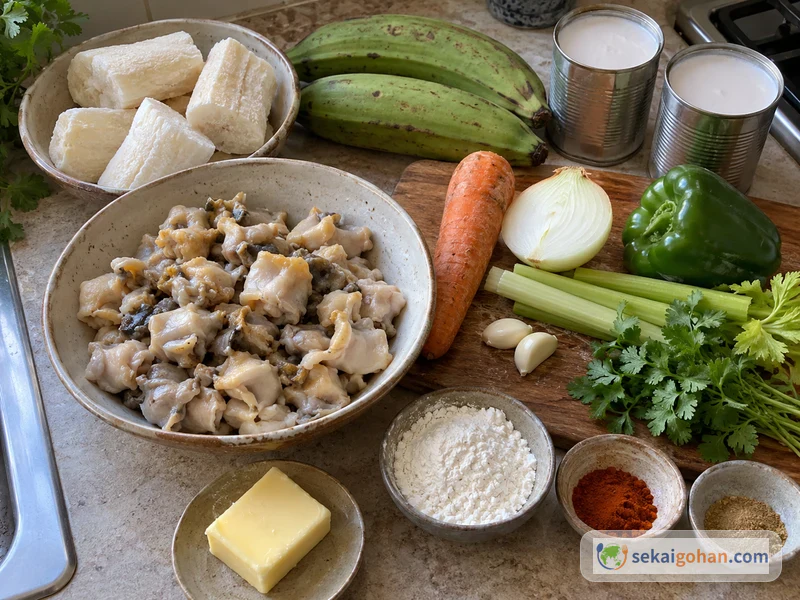
This recipe is adjusted so you can make it with canned coconut milk and snail meat that is easy to find outside the Caribbean.
Some of the sea snails sold as whelk or buccinum have a toxin (tetramine) in their salivary glands. Eating them can cause headache, dizziness, and symptoms like seasickness 30 minutes to 1 hour later. Choose shucked meat with the salivary gland removed, or, if you use snails in the shell, always remove the yellowish-white salivary gland inside the meat before cooking.
Queen conch is rarely available outside the Caribbean. Besides whelk, you can make this with shucked turban shell meat or frozen shrimp. Some families in Honduras make it with shrimp.
Cassava must be peeled and cooked thoroughly through to the center before eating. Do not eat it raw or undercooked.
Choosing the Snail Meat for Sopa de Caracol
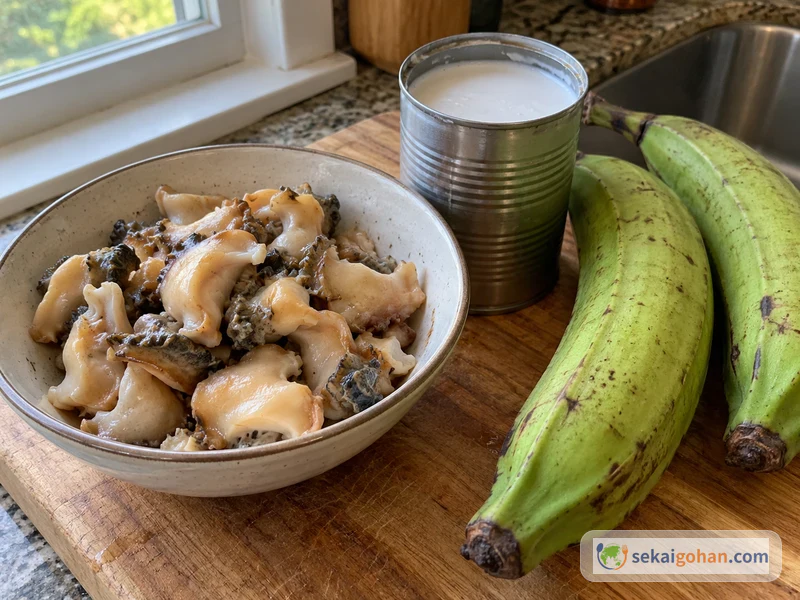
Queen conch is hard to find outside the Caribbean, so this recipe uses shucked whelk meat. Handle it properly, and with canned coconut milk and root vegetables you can still make a soup that tastes of the Caribbean coast.
When using frozen shucked meat, move it to the refrigerator the night before and thaw it slowly. If you rush by thawing in a microwave or under running water, moisture leaves the meat and it tends to turn tough.
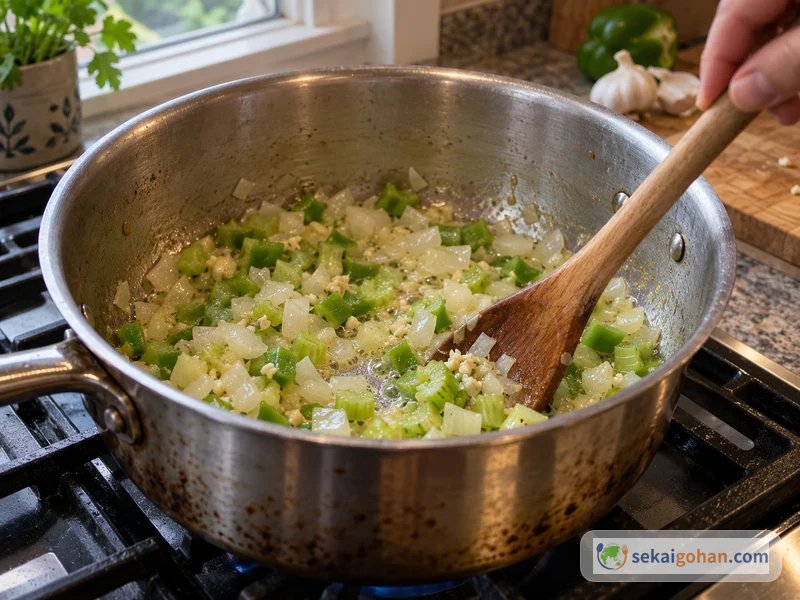
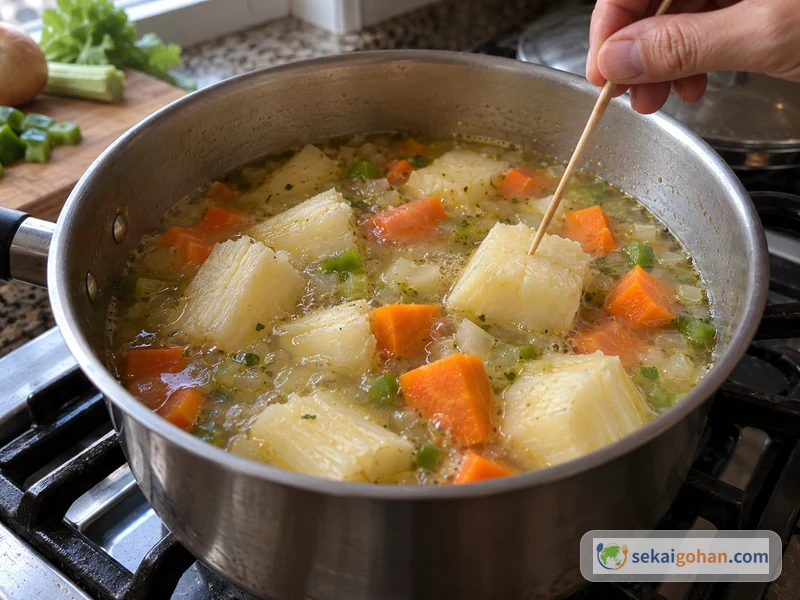
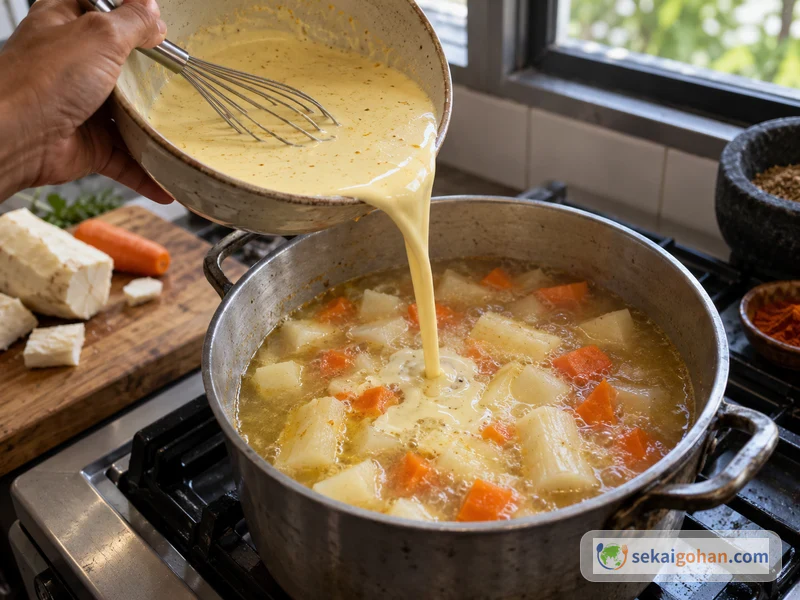
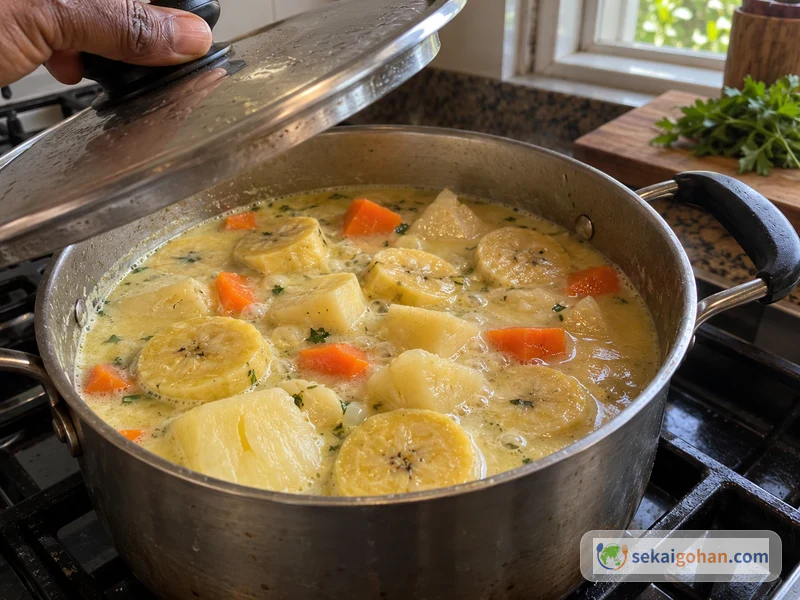
How to Make Sopa de Caracol
Allow about 30 minutes for prep and about 45 minutes to simmer and finish the soup. The snail meat goes in for the last 5 minutes, so have the vegetables cooked soft by then.
The skin of green plantain is hard and a knife slips easily on it. Cut off both ends, make a shallow lengthwise slit in the skin, and peel it off by opening the skin with your fingers.
Keeping the Snail Meat Tender
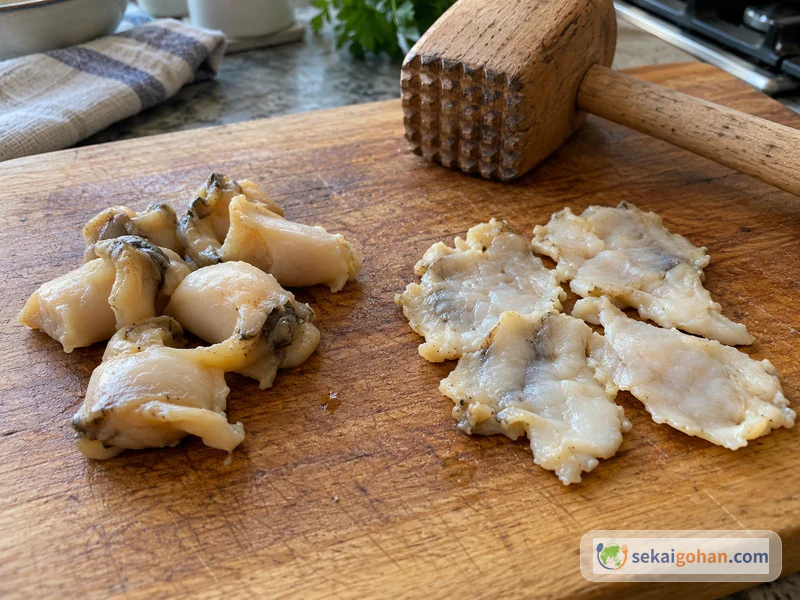
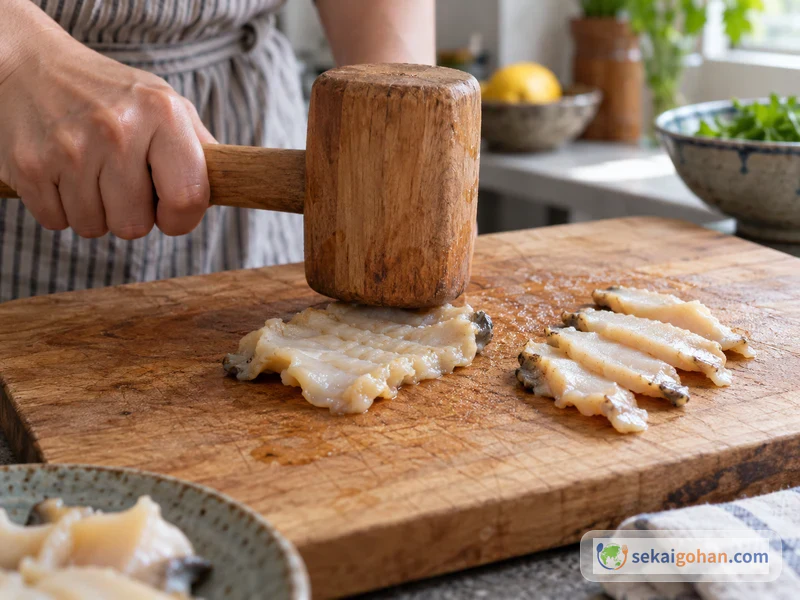
Sea snails shrink and turn rubbery when overcooked. Pound the meat first to break the fibers, then cut it thin. Pound, then slice thin, and add it to the soup last. Stick to those two rules and even whelk comes out tender.
Coconut milk separates and oil floats up if it boils hard. Keep it at medium-low while simmering, and check from time to time that the soup is still white and smooth.
Serving Sopa de Caracol and Variations
How to Serve
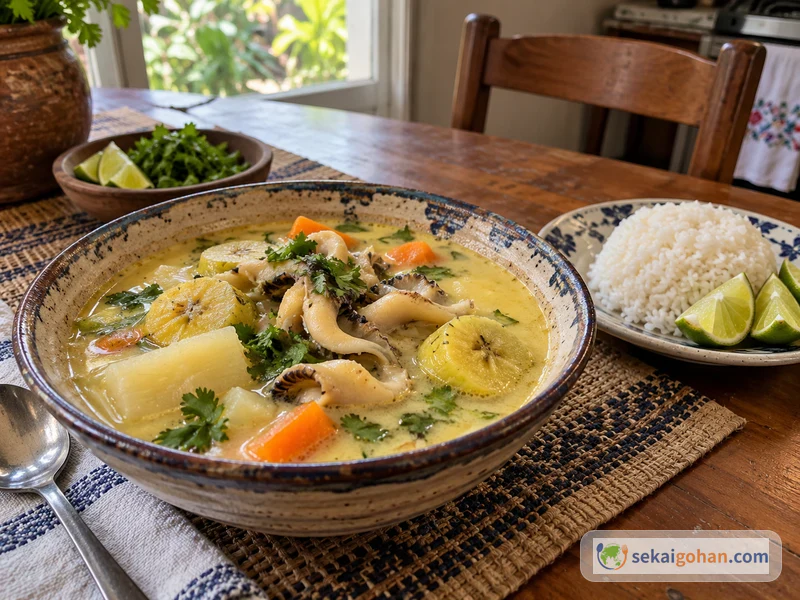
Put the snail meat and vegetables in a deep bowl, ladle in the hot soup, and scatter the remaining cilantro over the top. Serve it with white rice and lime wedges, or with corn tortillas or fried plantain. That squeeze of lime cuts the sweetness of the coconut cleanly.
For another Honduran dish, try baleadas, flour tortillas wrapped around beans and cream. And if you want more coconut from the Caribbean coast, Jamaica's coconut-simmered fish run down has the same taste of the sea.
The White Garifuna Style
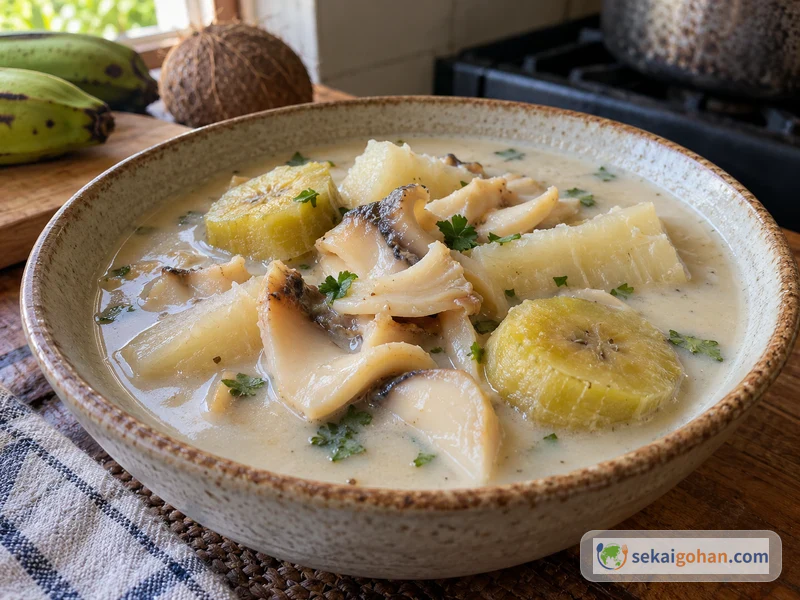
For the traditional Garifuna style, leave out the annatto, cumin, carrot, and celery, and make it with only cassava and plantain. The flavors of coconut and snail come through directly. In Garifuna homes, "machuca," made by mashing green plantain and rolling it into balls, is made separately and served alongside.
Shrimp Version
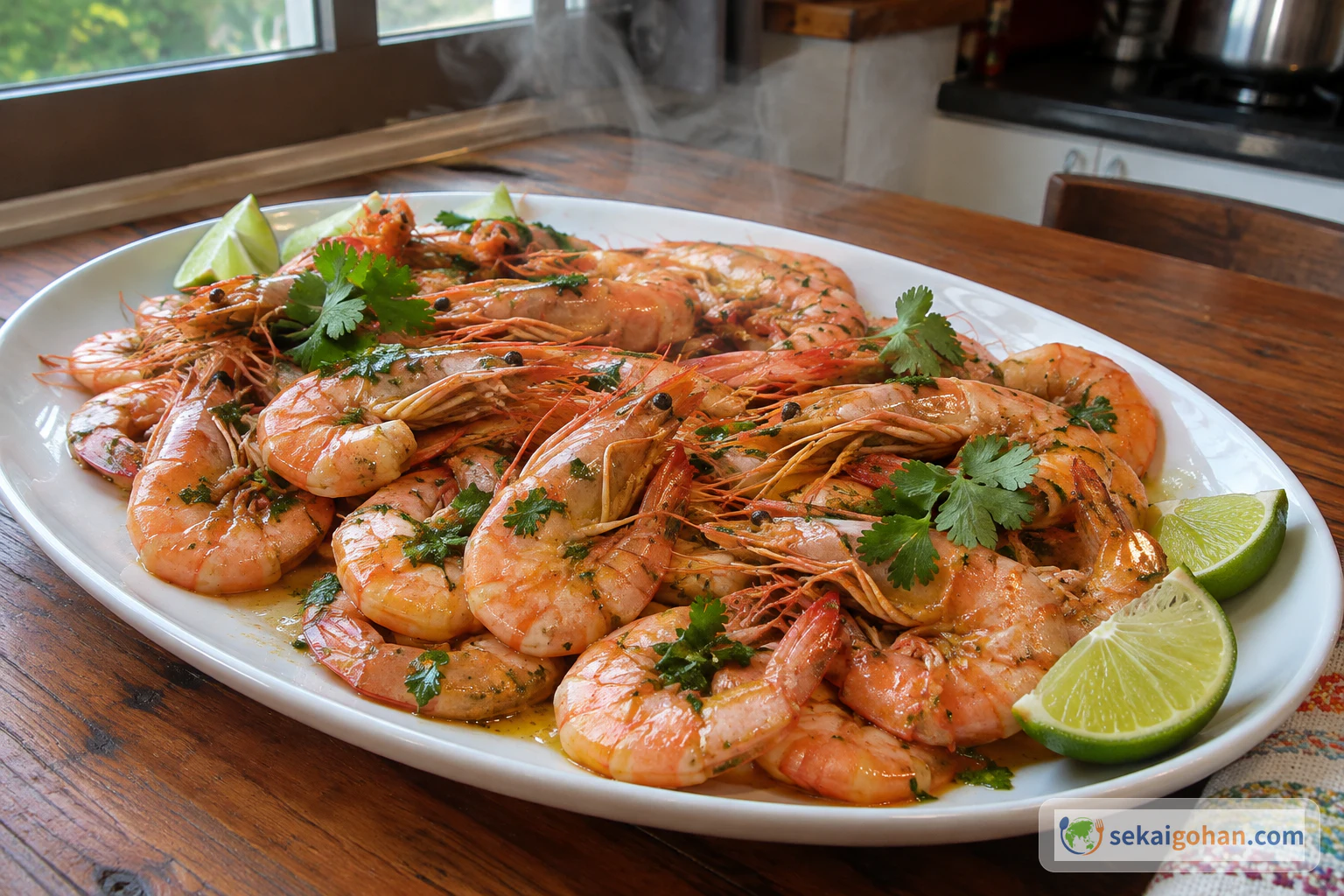
To make it with shrimp, prepare 1 lb (450 g) of shrimp, peeled and deveined, and add them in place of the snail meat in step 6, simmering for 3 minutes. Simmer the shrimp shells in a little water for 10 minutes to make a stock, and the seafood aroma becomes much stronger even without granulated bouillon.
Frequently Asked Questions
Where is the salivary gland of the whelk?
When you shuck a whelk in its shell, you will see a fat-like yellowish-white mass at the head end of the meat. That is the salivary gland. Cutting the meat in half lengthwise makes it easier to take out. If you are unsure, the safest choice is shucked meat labeled as having the gland removed.
What if I can't get green plantain?
Increase the cassava or substitute potato. You won't get the starchy, fluffy texture of green plantain, but it still works as a soup. Ripe plantain will make a sweet soup.
Can I make it ahead?
Snail meat turns tough when reheated, so this is not a make-ahead dish. If there are leftovers, take the meat out and refrigerate it, warm only the soup and vegetables, then return the meat at the end just to warm it through. Finish the leftovers soon.
Which ingredients should I watch for allergies?
The soup uses shellfish (shrimp, if you make the shrimp version), butter for sautéing (dairy), and all-purpose flour for body (wheat). You can substitute vegetable oil for the butter, or leave out the flour.