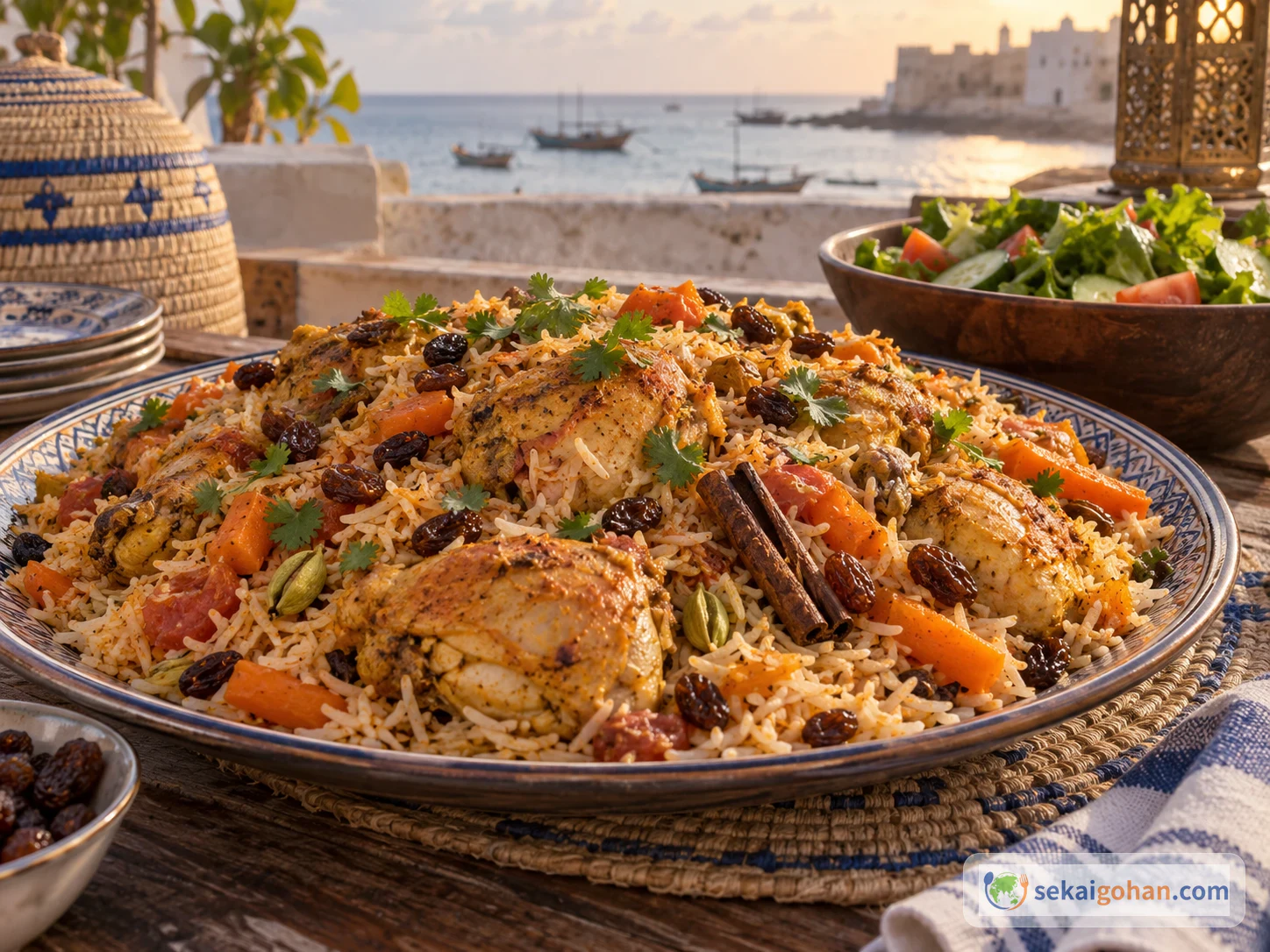
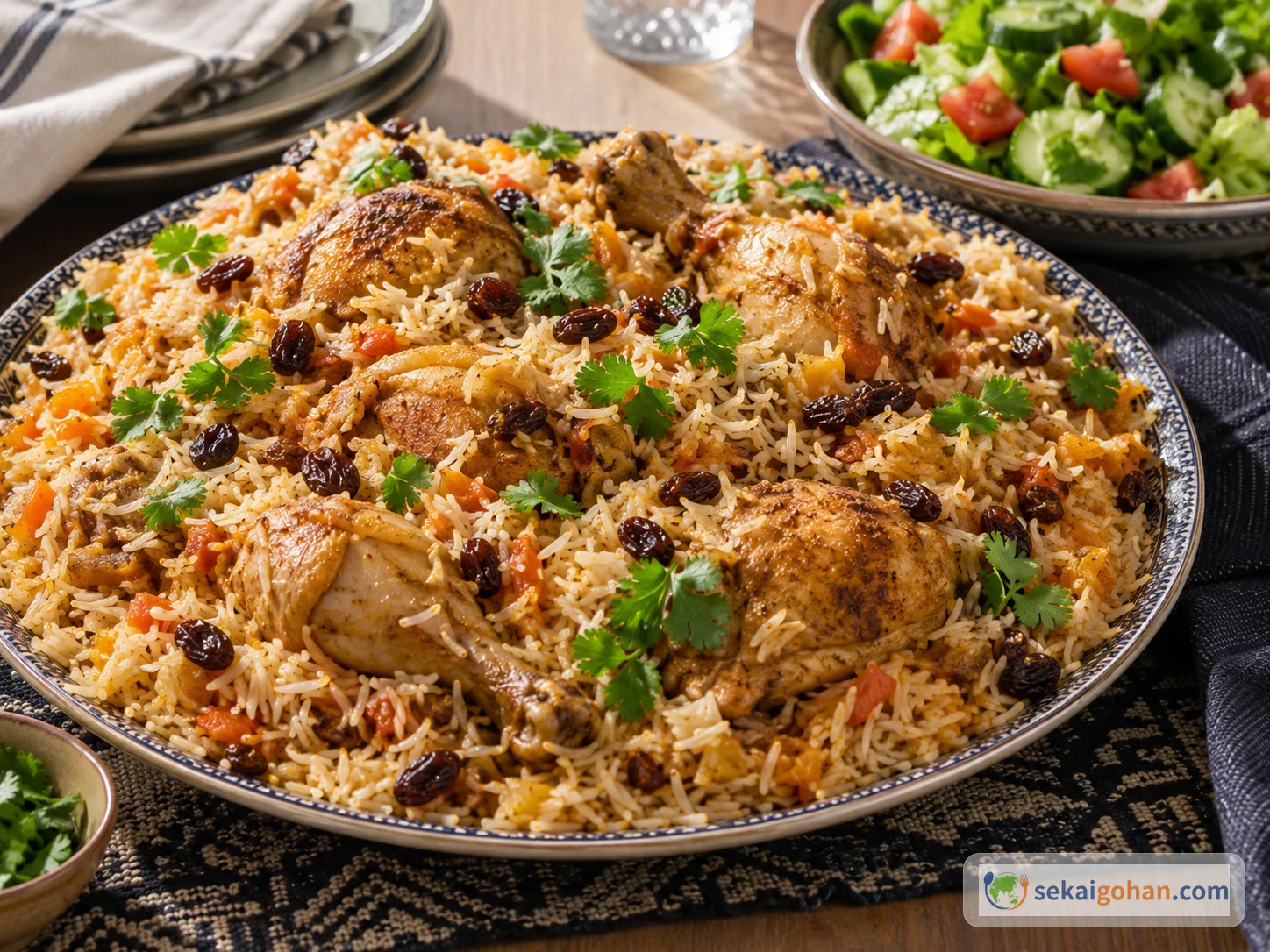
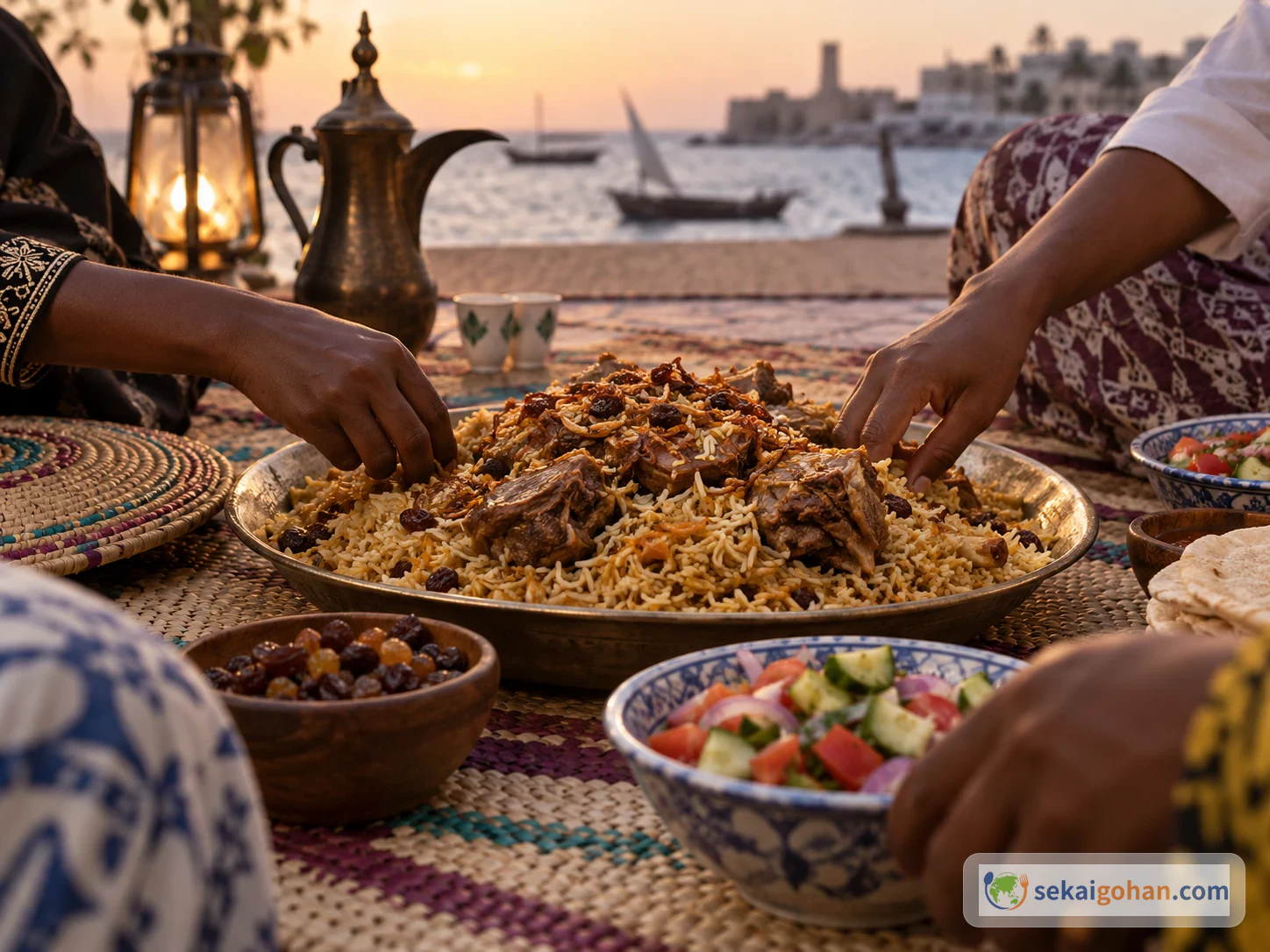
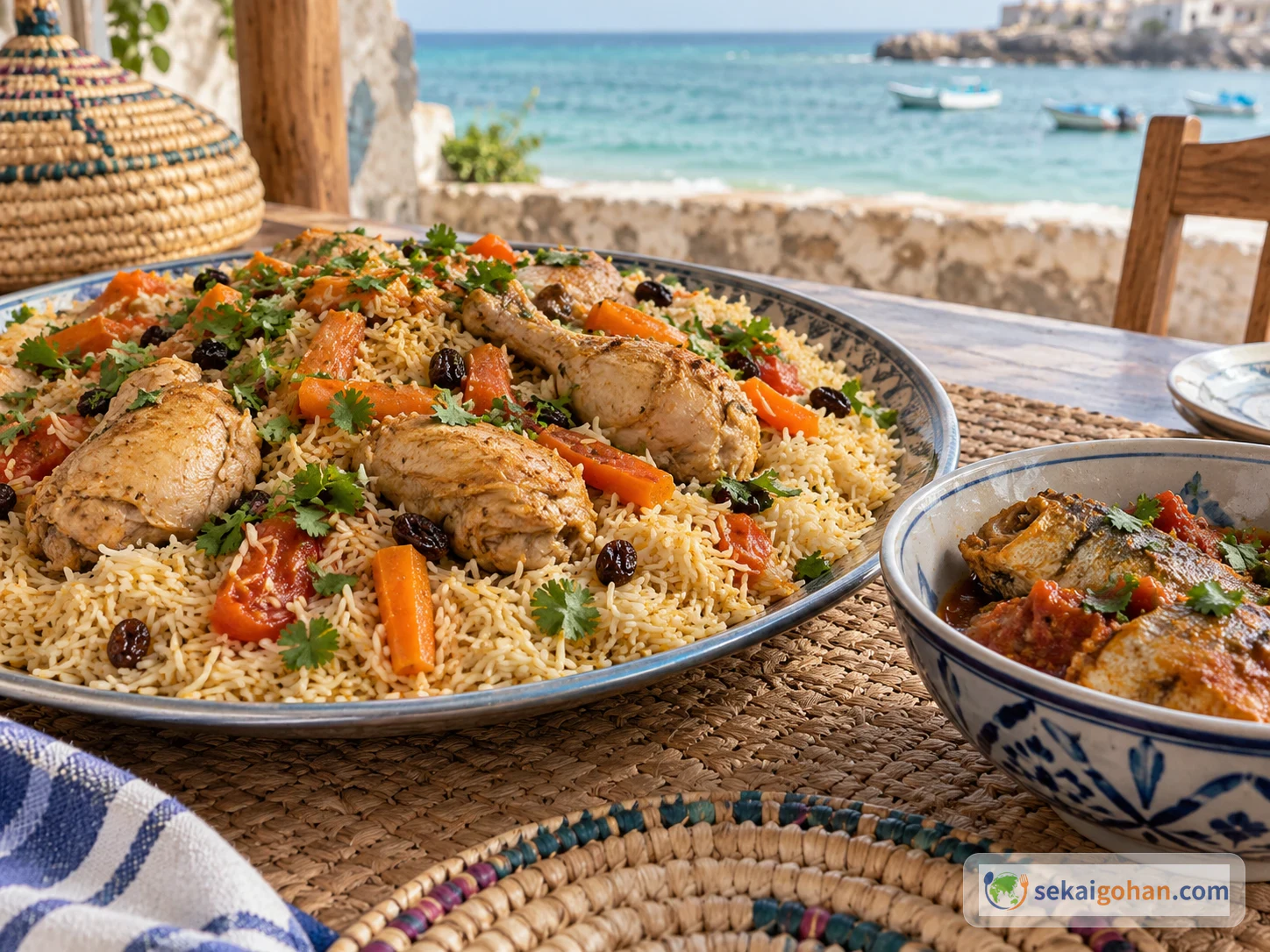
A large platter sits in the middle of the table, and from it rises the sweet scent of cinnamon, cardamom and clove, with the earthiness of cumin underneath. Everyone washes their hands and reaches in with the right hand. This is bariis iskukaris, Somalia's spiced rice with chicken, tomato and carrot. Every grain of basmati comes out separate, fragrant and soaked through with chicken stock and spice.
Bariis Iskukaris and Somali Food Culture
The name points to "cooking together," and that is the method in a nutshell. Chicken, basmati rice, tomato, carrot and spices all finish in the same pot, so the stock of the chicken and the spices layered in one pot reaches every grain of rice. At home it's served the Somali way: a meal gathered around a shared platter.
Xawaash, the spice blend
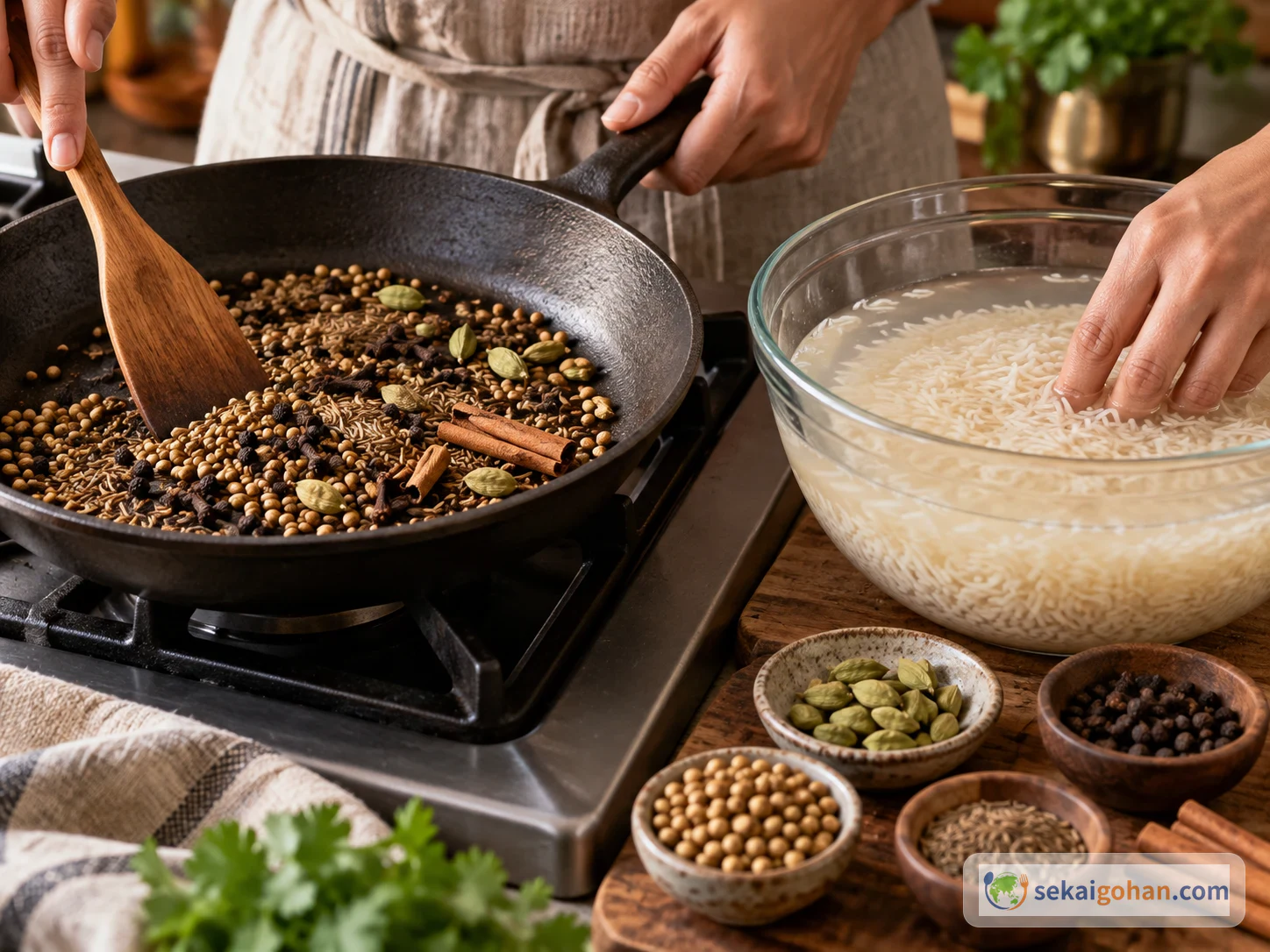
The backbone of the dish's aroma is a spice blend called xawaash. Its seven core spices are cumin, coriander, black pepper, cinnamon, cardamom, clove and turmeric. Every household has its own version, so there's no single correct formula, and the blend in the ingredient table is easy to make at home.
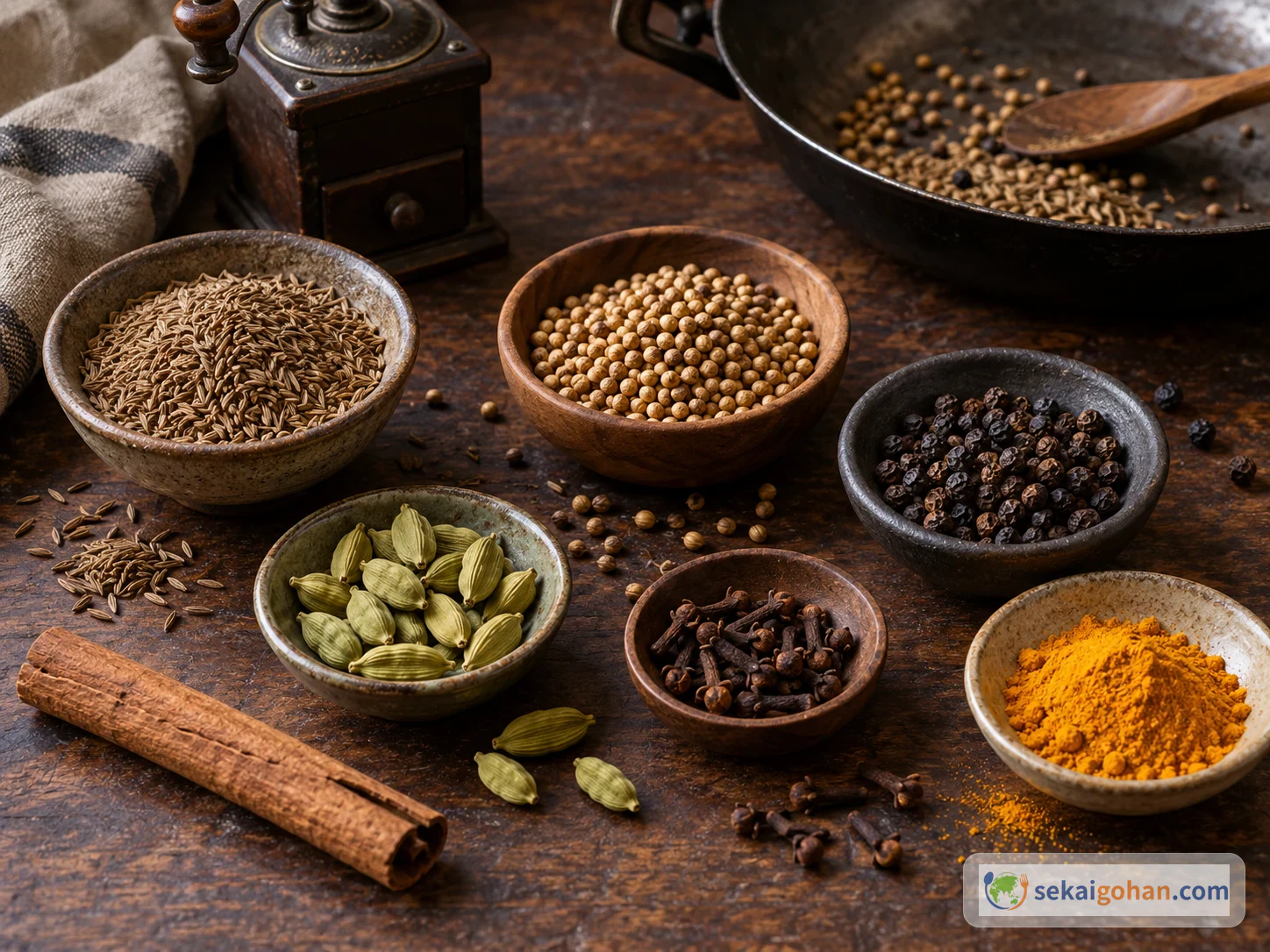
The aroma of xawaash comes from long contact through Indian Ocean trade. Coastal and urban cooking in Somalia also carries African, Arab, Indian and European influence, and you can taste those layers in the spices of everyday home cooking.
Regional differences
The dish changes with where people live, following pastoral, farming and coastal ways of life. In coastal cities such as Mogadishu and Kismayo it is paired with seafood; in the northern regions, with camel meat. Sheep, goat, beef and chicken all turn up too, depending on region and household. The ingredients change, but the one-pot structure stays.
Ingredients (serves 4)
The base amounts serve 4, with whole xawaash spices added for a home-cook version. Basmati rice, which defines the shape of the dish, is the benchmark for aroma and distinct grains. Skinless bone-in chicken thighs set the standard for the broth. You don't need a particular brand or package size; look for the generic names in the table.
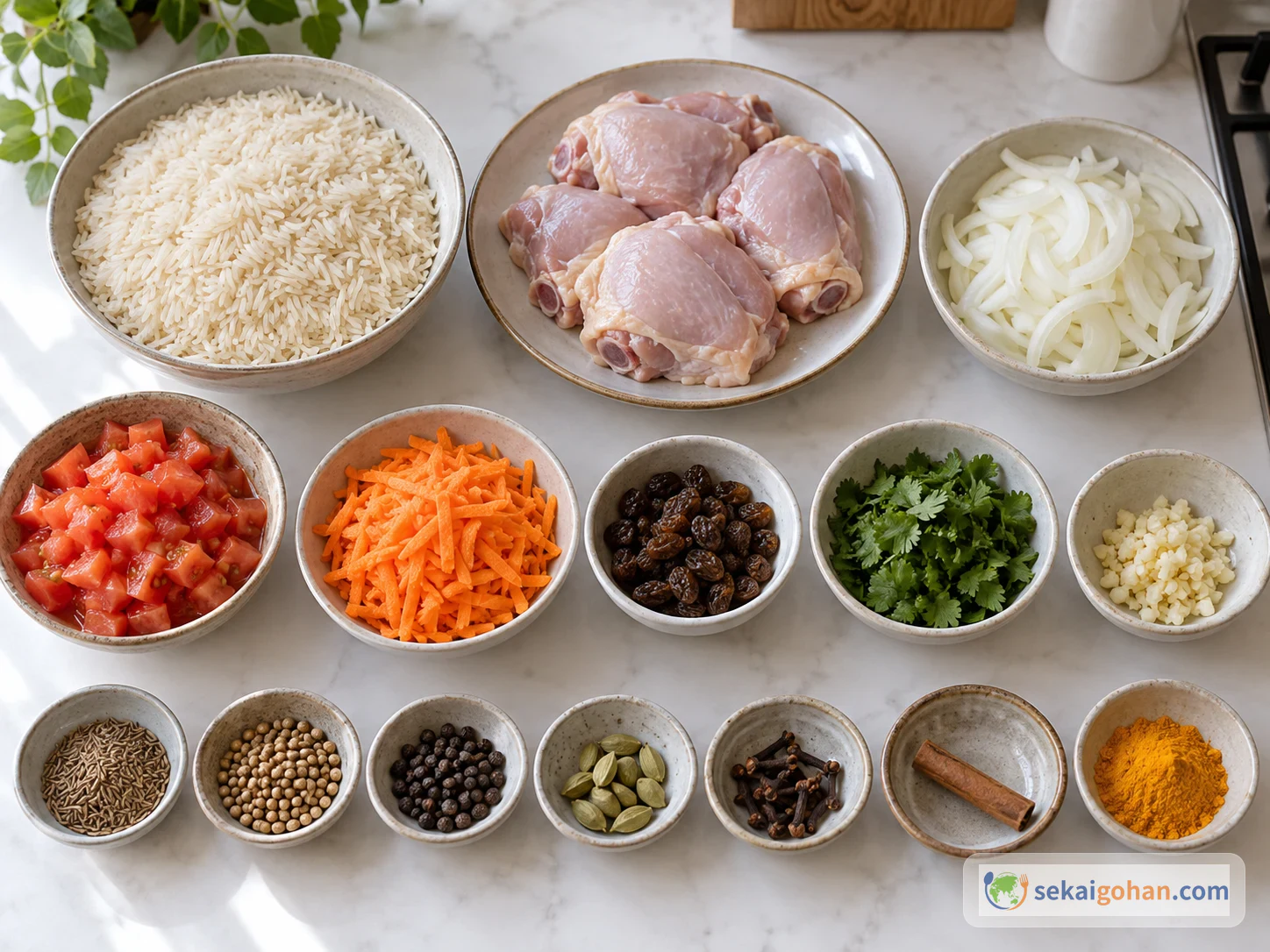
Chicken bouillon can contain wheat, soy, dairy, pork-derived ingredients or alcohol, depending on the product. Check the ingredient label when buying. For Muslim guests, check that the bouillon contains neither pork nor alcohol. Also, keep separate utensils for meat and raw vegetables, or wash them before using them for plating.
Choosing Ingredients for Bariis Iskukaris
Chicken is the easiest place to start: it's simple to put together, and you can clearly check the liquid and rice as you go. Bone-in pieces give a richer broth. Other meats work well, though the result leans toward a different regional version.
| Ingredient | How to handle it | Cooking note |
|---|---|---|
| Chicken | The standard for this recipe | Bone-in releases more juices. Check the internal temperature |
| Lamb, goat, beef | Regional meats. Substitute cuts you can get | Cuts differ in toughness, so extend the simmering before adding the rice |
| Seafood | A coastal adaptation | Skip the chicken's 15-minute simmer; add it briefly before the rice finishes cooking |
| Camel meat | A northern ingredient | Substitutes won't taste the same |
| Basmati rice | Other long-grain rice can substitute | Short-grain turns sticky, so adjust the liquid by the package directions and the state of the rice |
Toast the whole spices over medium heat for 1–2 minutes, until the color deepens slightly and the aroma rises. Use the fragrance that rises before the color darkens as your cue; scorched black spices turn bitter. Take them off the heat, let them cool, grind, and mix in the turmeric last.
Instructions
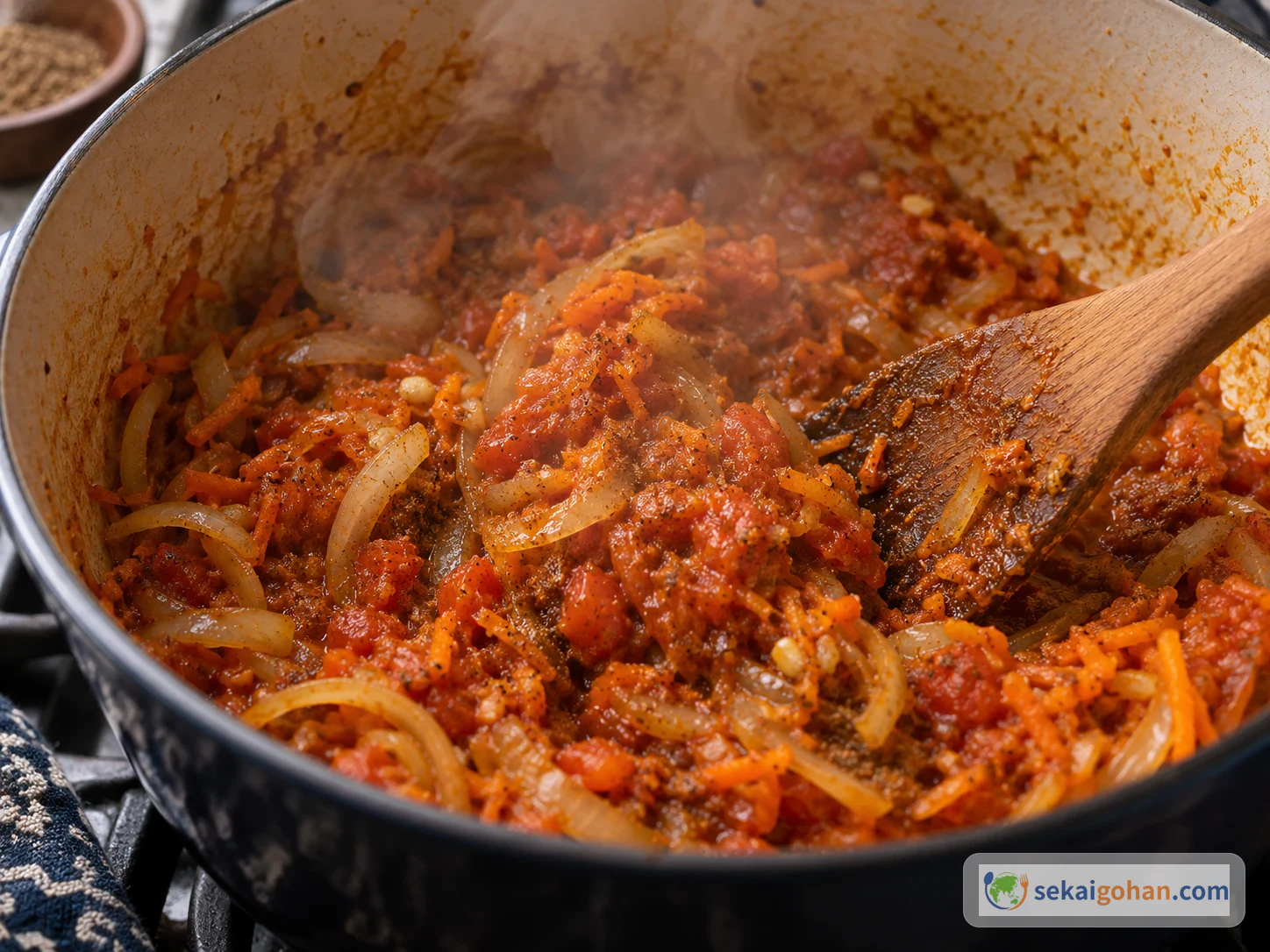
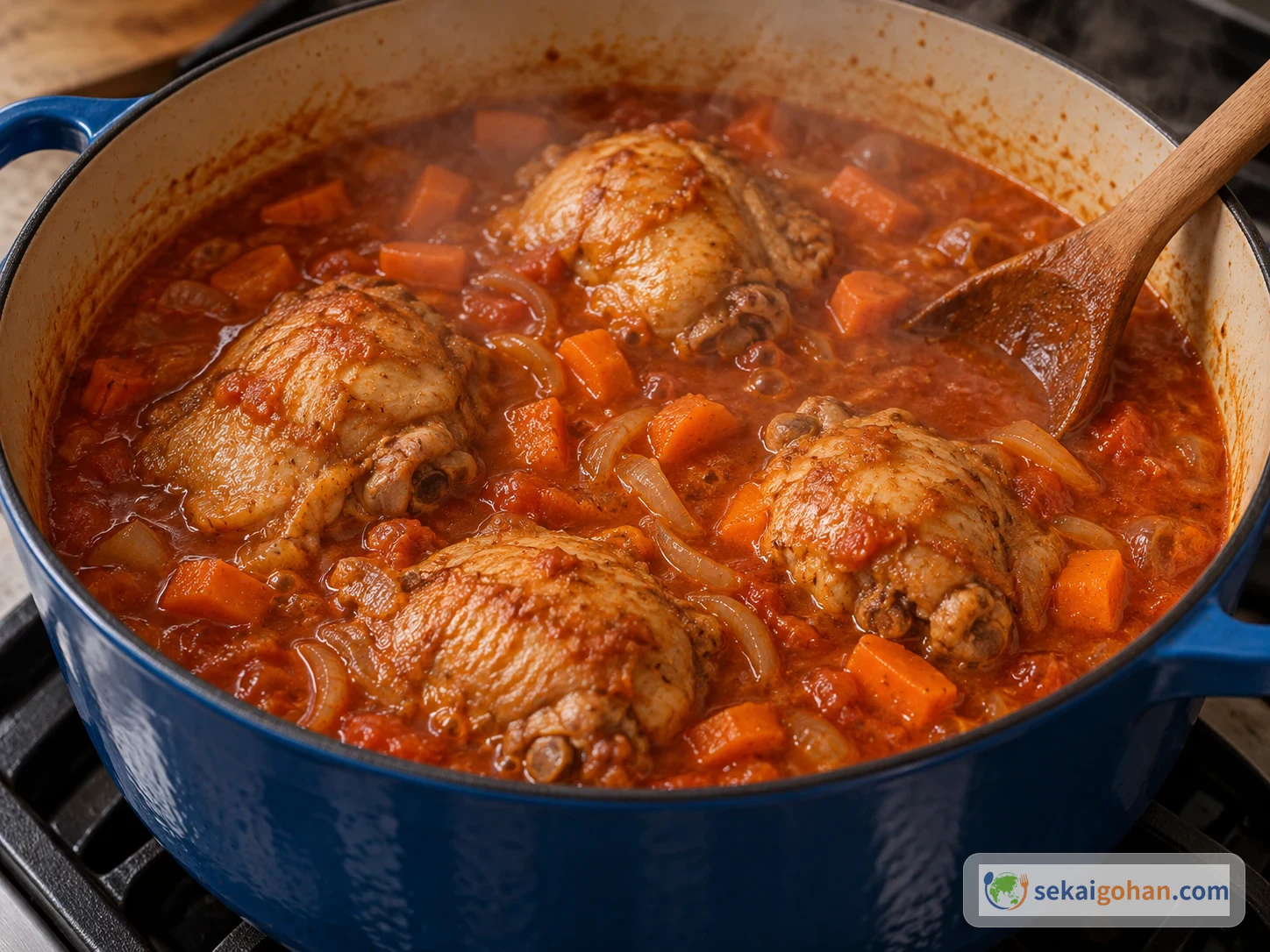
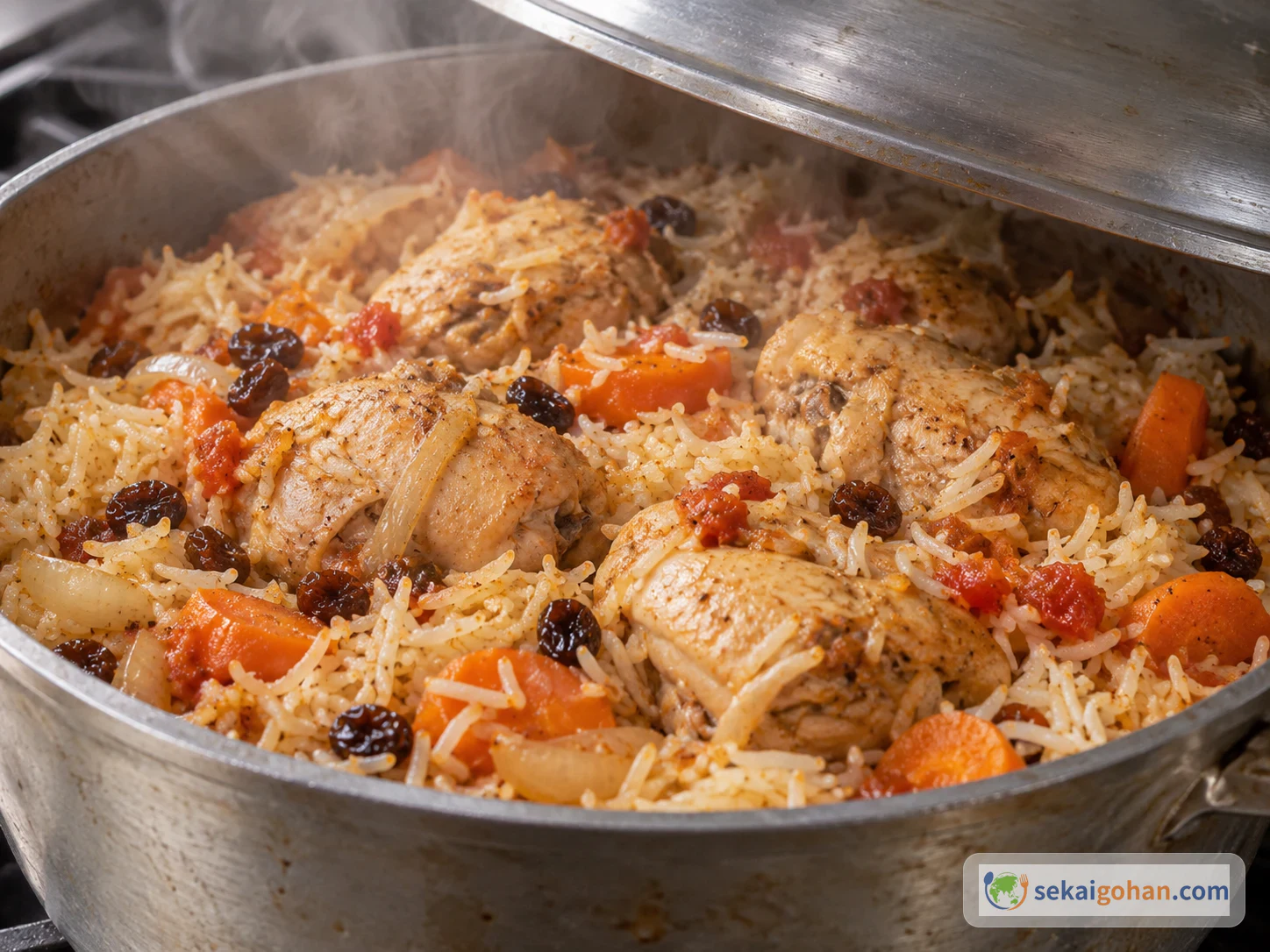
There are five stages: bring out the xawaash aroma, soak the rice, reduce the aromatics, make the chicken broth, and finally steam the rice. Watch the liquid in the pot and the state of the rice at every stage, and decide when each step is done by appearance rather than by the clock. After the rice goes in and the lid goes on, the rule is don't stir until you lift the lid.
Common Problems and Fixes
Most of the success here comes down to rice and liquid. Soaking the basmati for 20 minutes and splitting the liquid in two, 1¾ cups (400 ml) for simmering the chicken and ¾ cup (200 ml) added with the rice, lets the rice absorb the juices the chicken releases in the first stage. The final covered steam over low heat takes 10–15 minutes, but watch the pot more than the clock.
The dish has three endpoints: the xawaash until its aroma rises, the tomato until it becomes a paste, and the rice until the liquid at the bottom of the pot disappears and holes appear on the surface. The thickness of your pot and how well the lid seals change how fast the liquid reduces, even at the same heat. Deciding the endpoint by what's in the pot, not the clock, gives a steady result.
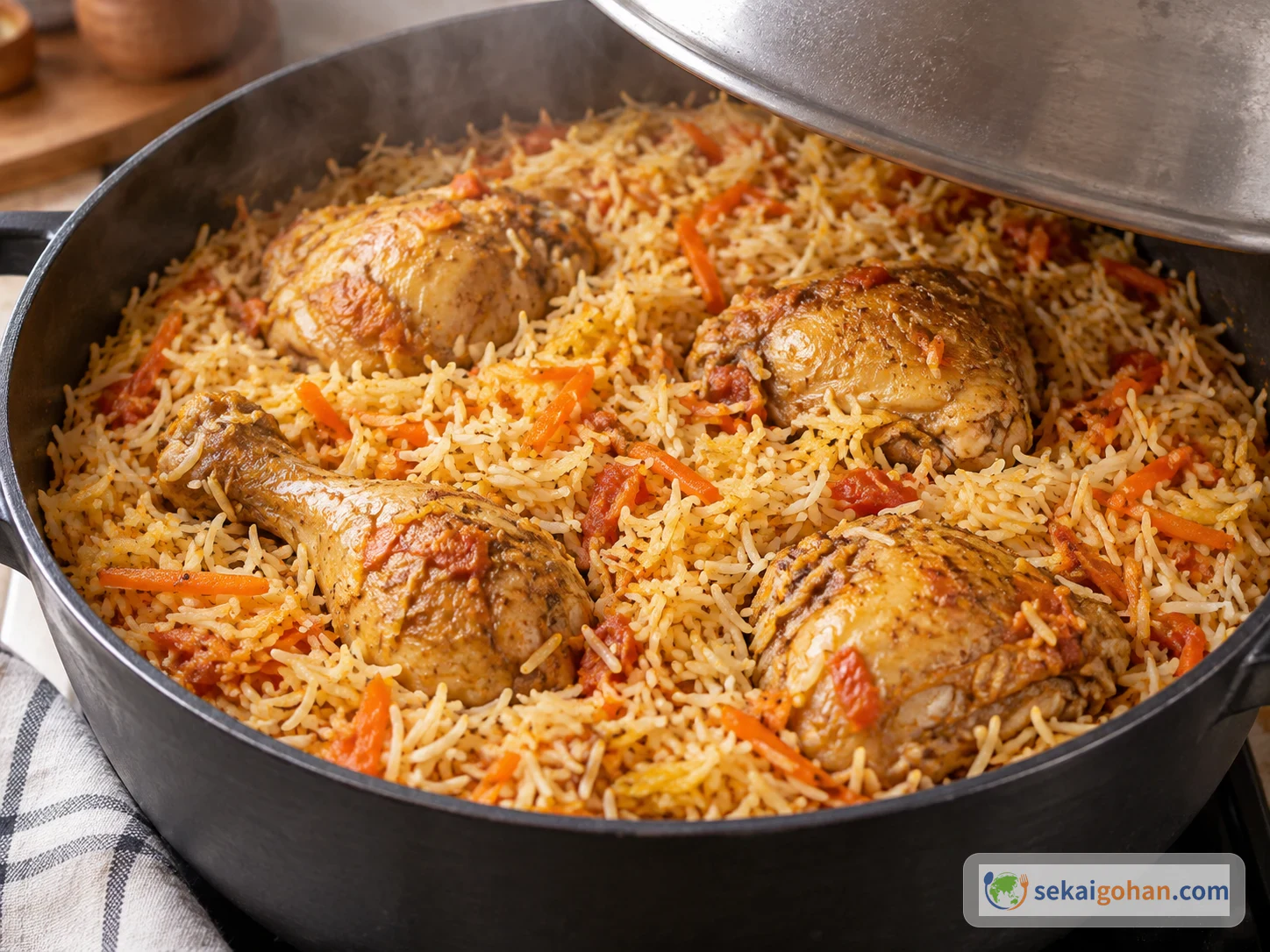
If the center is still firm after 15 minutes of steaming and the bottom of the pot is dry, add boiling water 1 tbsp at a time, up to 3 tbsp in total. Cover, cook over low heat for 5 minutes, then turn off the heat and rest another 5 minutes. If it's still hard, repeat once. Cold water poured in all at once makes the surface collapse.
If the rice turns sticky, remove the lid and cook over low heat for 3–5 minutes, letting steam escape without scraping the bottom. Then turn off the heat, transfer to a wide plate to let the steam out, and loosen gently rather than adding liquid and stirring. Next time, drain carefully after the soak and measure the ¾ cup (200 ml) water precisely.
To keep the xawaash from turning bitter, spread the toasted spices on a cool plate right away so the residual heat doesn't blacken them. If the blend does taste bitter, make a fresh batch rather than mixing it into the chicken or rice. Add the turmeric only after the whole spices have cooled.
Serving and Storing Bariis Iskukaris
Served on a platter and shared, the dish keeps its communal feel. Both platter and individual plates work. If you plate individually, put the raisins, herbs and salad on the side so everyone can add aroma and acidity as they like.
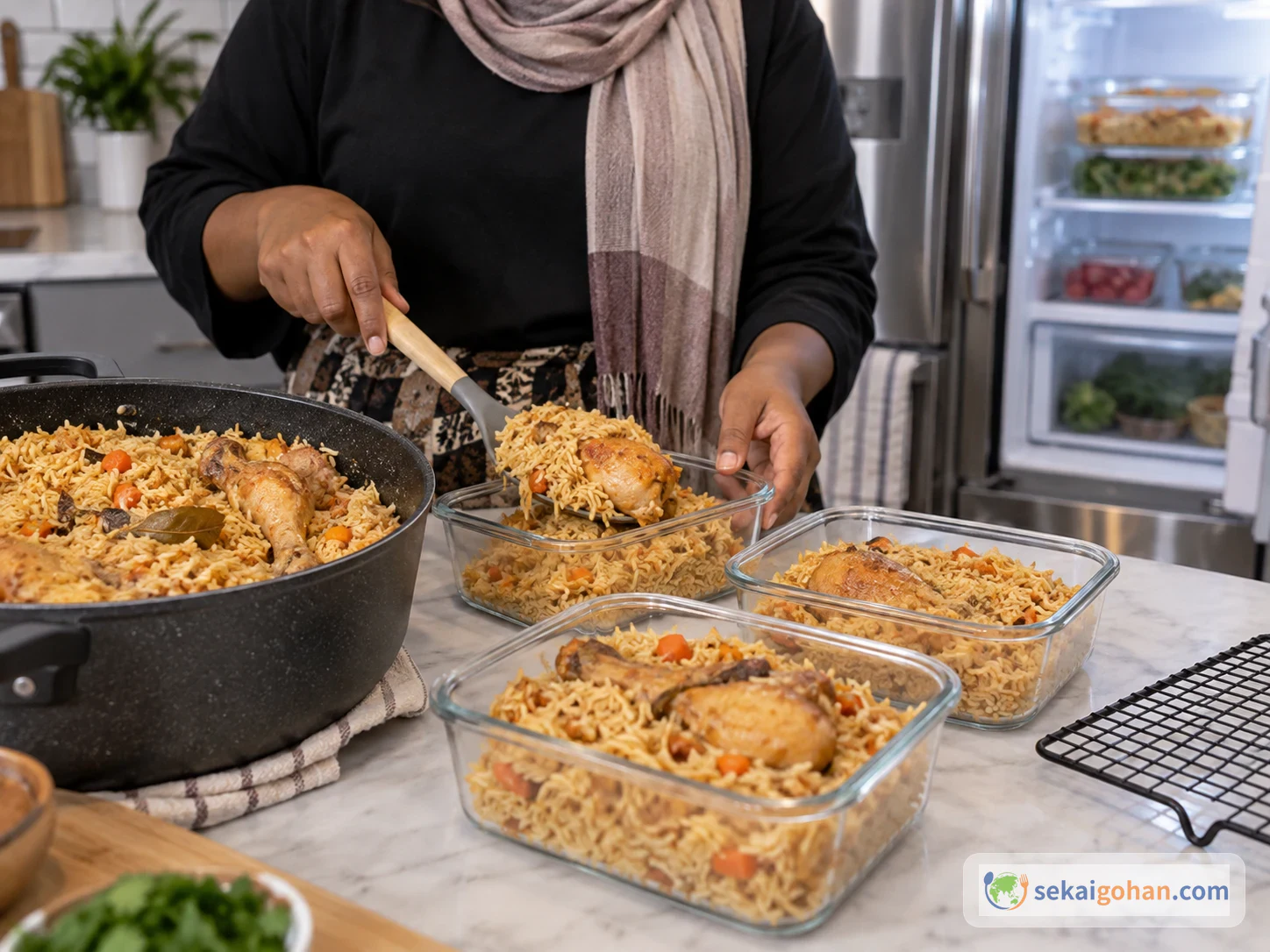
Leftovers freeze well. Portion them into shallow containers so it cools quickly in shallow containers, and don't leave cooked food at room temperature for long. Reheat thoroughly, until the center reaches 75°C (167°F) or more, and check the container label for how long to keep it in the refrigerator or freezer. Anything that smells or looks off should be thrown out. While cooking, keep utensils and serving plates separate so juices from raw chicken never touch the finished rice or salad.
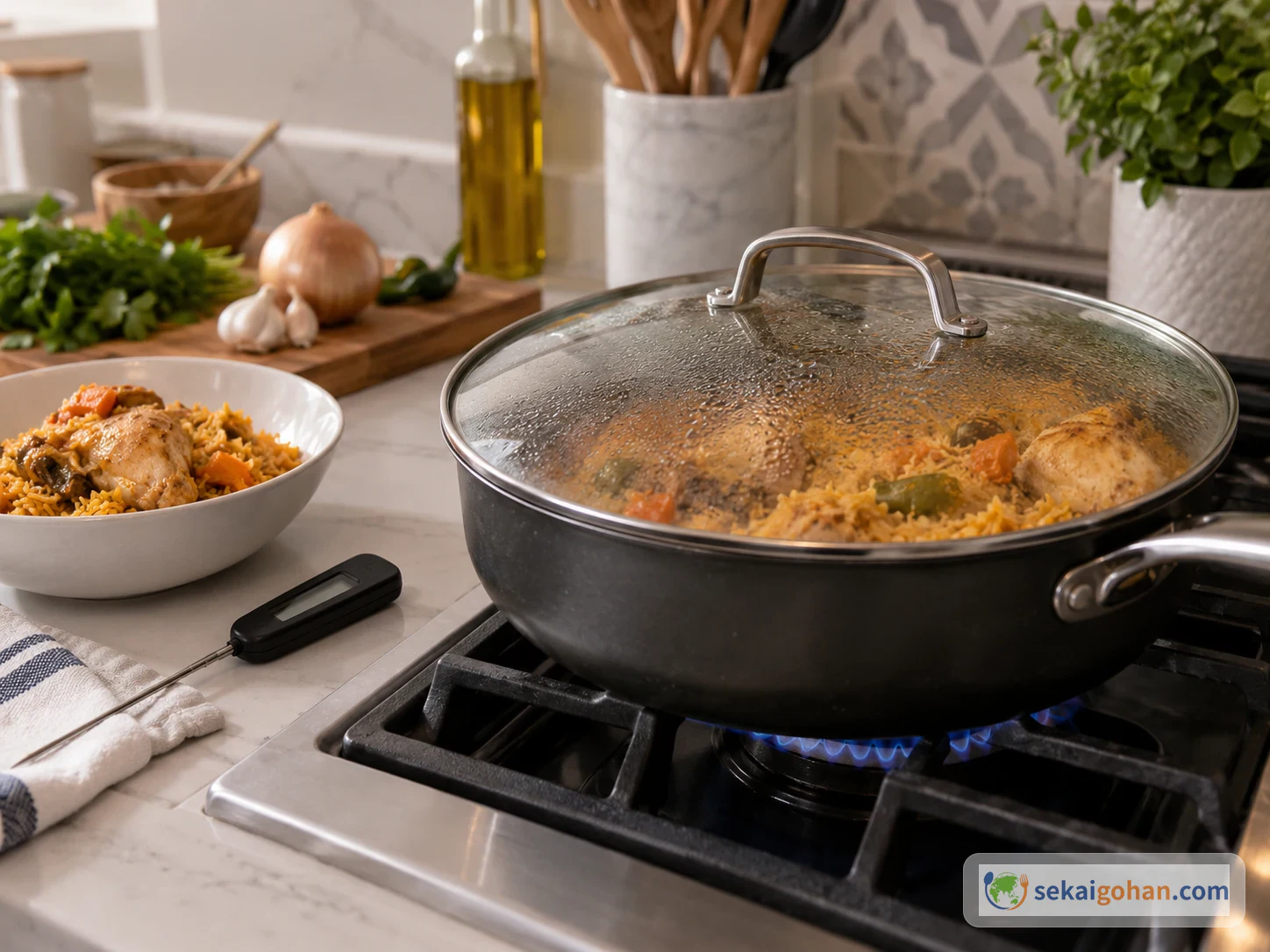
Heat chicken until the center reaches 75°C (167°F) for at least 1 minute, and reheat leftovers until the center reaches 75°C or more. Keep these two figures separate. Heating it afterward doesn't make a dish that sat at room temperature for a long time safe. Use clean storage containers, cutting boards and knives, and refrigerate or freeze leftovers promptly.
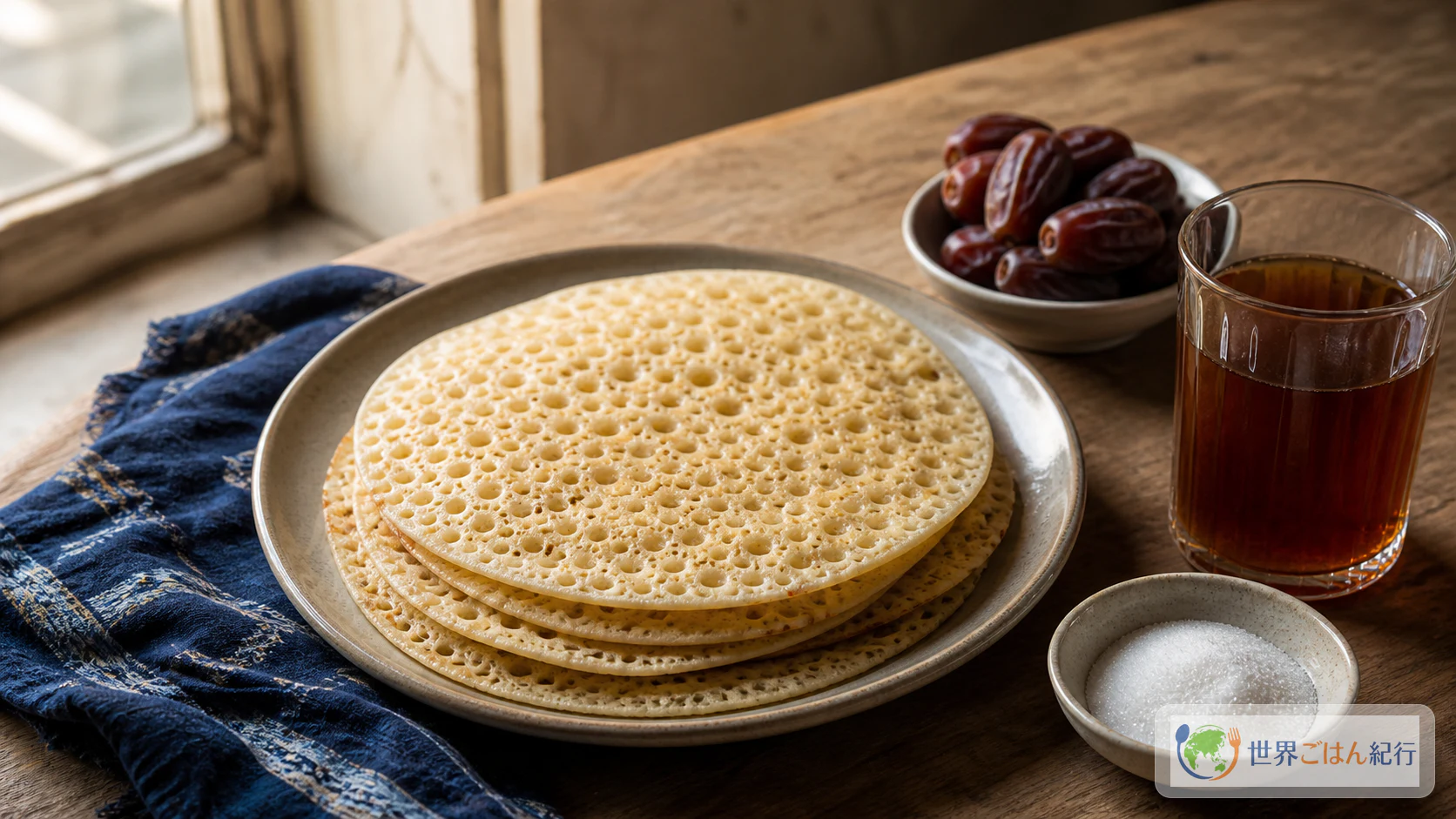
To stay with Somali cooking, try canjeero for a fermented flatbread and breakfast table, or sambusa for the same xawaash fragrance in a fried dish. For spiced rice from elsewhere on the Indian Ocean coast, compare Zanzibar-style pilau.
FAQ
What if I don't have basmati rice?
Other long-grain rice can substitute, though you'll lose some of basmati's distinctive aroma and separate grains. With short-grain rice, set the 2½ cups (600 ml) aside and follow the package directions and the liquid in the pot. Adjust the soaking time too, since the 20 minutes is for basmati.
Can I swap bone-in chicken for boneless?
Yes, boneless thighs work. The broth will have less body and the chicken cooks faster, so shorten the covered simmer a little. At the end, check that the thickest part has reached 75°C (167°F) for at least 1 minute.
Can I make it in a rice cooker?
A heavy pot is the standard, because the dish depends on its order: cooking down the tomato, simmering the chicken, then adding the rice with the second portion of liquid. In a rice cooker, go by the inner pot's capacity and the manufacturer's water lines rather than the 2½ cups (600 ml). When it finishes, check the chicken's internal temperature and the rice's moisture.