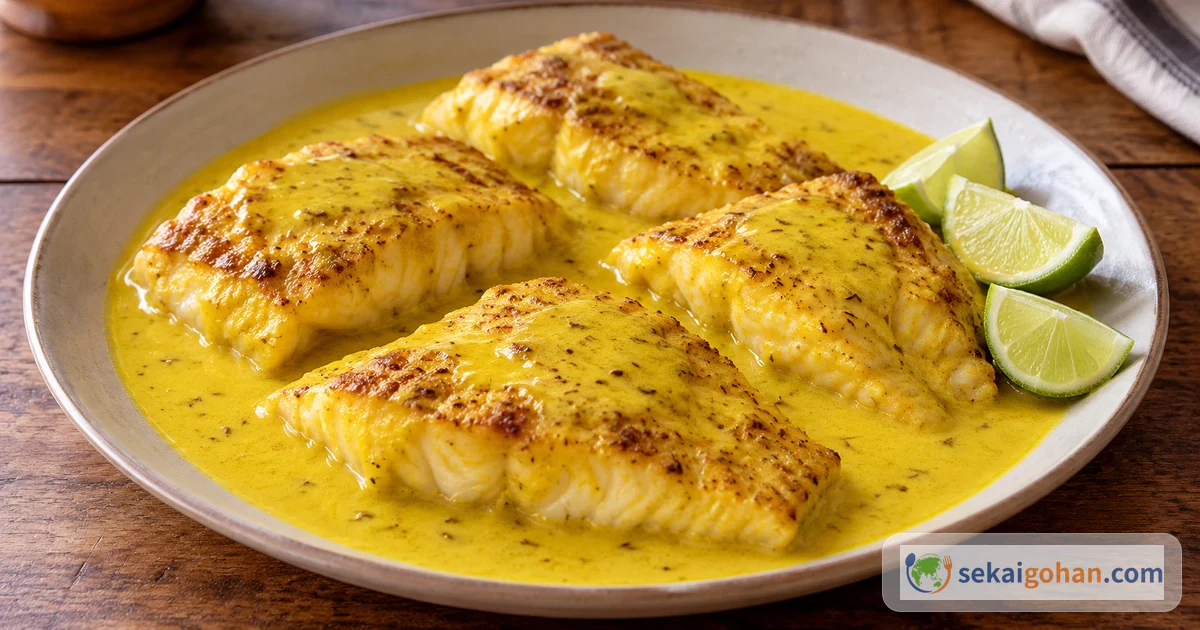
As the sun sinks over Zanzibar, fish go onto the charcoal and fragrant smoke drifts across the harbor. Then comes the sauce, spooned on generously: yellow, sweet with coconut, sharp with lime. Samaki wa kupaka is grilled fish in coconut sauce, eaten in Zanzibar, Tanzania, and along the Swahili coast of the Indian Ocean. "Samaki" is Swahili for fish, and the dish brings together spices that traveled the Indian Ocean trade and the coconut palms that crowd the coast.
Samaki wa kupaka in Zanzibar

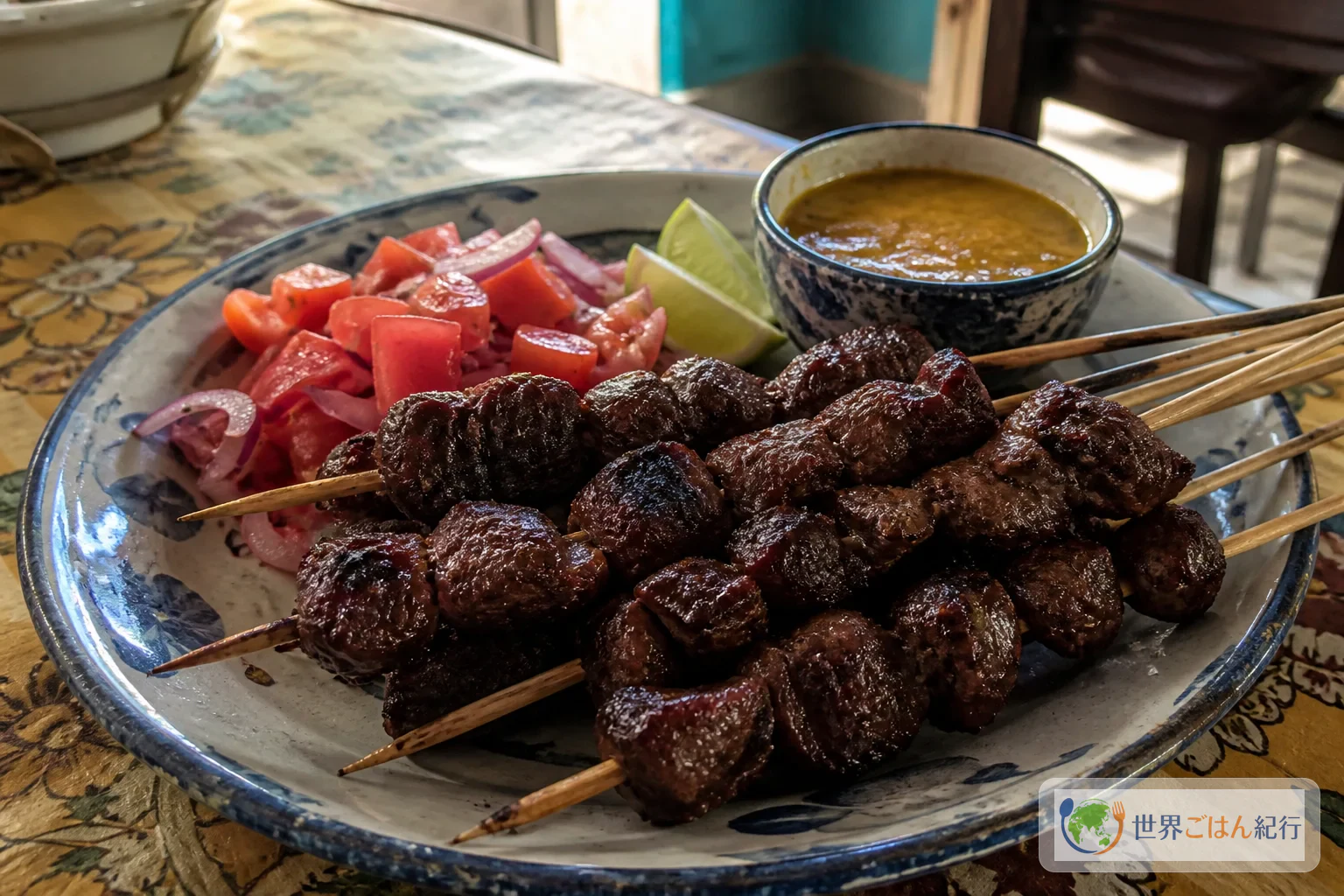
In the evening, wooden boats under sail come back to the beach, and the fishermen carry their catch straight to the market. Zanzibar's food market is a dazzlingly lively place, overflowing with people and produce, and much of the fish on display comes from those boats. Islanders grill it over charcoal, then make it even better with a creamy, spicy sauce.
Samaki wa kupaka is eaten not only in Zanzibar, Tanzania, but also in coastal towns of the wider Swahili-speaking world, such as Mombasa in Kenya. It is a classic Swahili treat. The same coconut sauce finished over chicken is called "kuku paka."
Ingredients (serves 4)
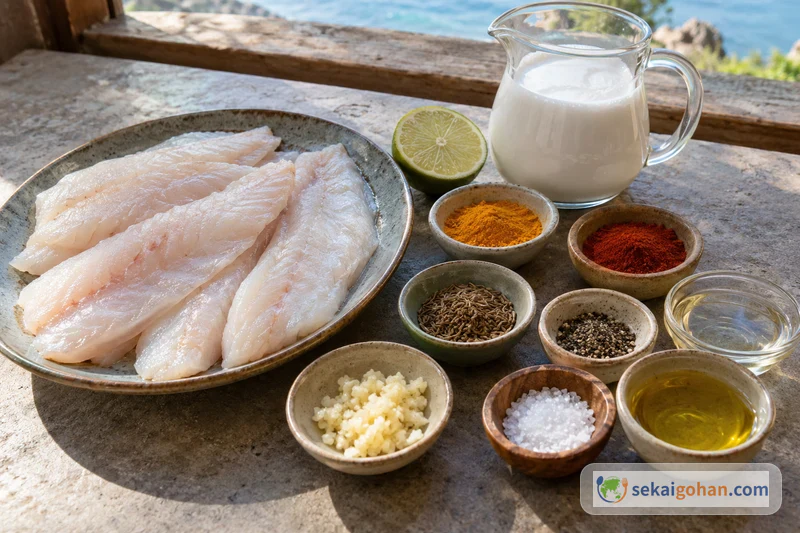
The ingredients follow the recipe Kenyan chef Ali Mandhry shared in The Standard. The original does not state a number of servings, so 1 lb (500 g) fish is treated here as serving 4.
| Ingredient | Amount | Substitutes & notes |
|---|---|---|
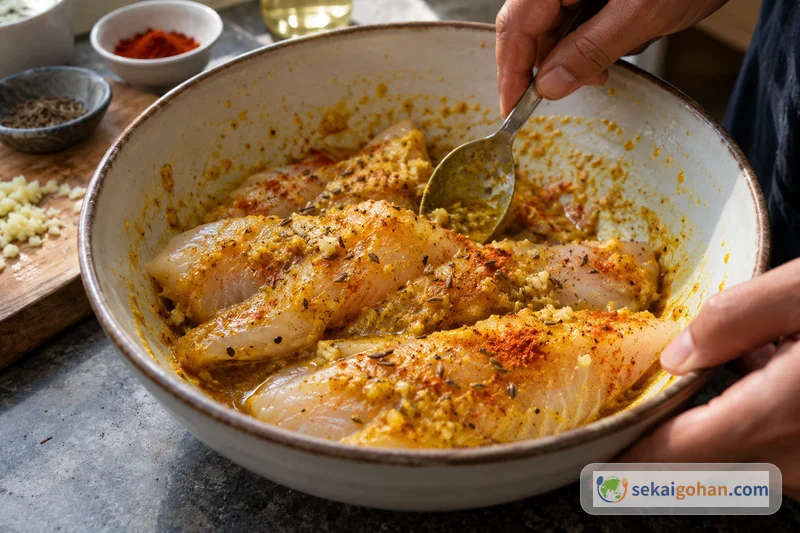
| White fish fillets | 1 lb (500 g) | Firm fish such as sea bream, sea bass, or cod |
| Coarsely ground black pepper | 1 tsp | |
| Turmeric (ground) | 1 tsp | |
| Paprika | 1/2 tsp | |
| Cumin (whole seeds) | 1/2 tsp | |
| Garlic | 1 tsp | Minced |
| Vinegar | 3 tbsp | A clear vinegar such as distilled white vinegar |
| Salt | to taste | |
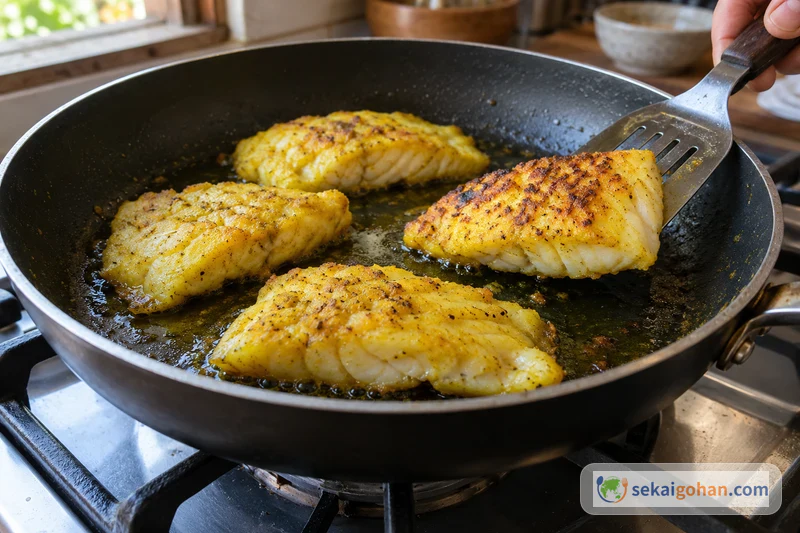
| Neutral oil | 3 tbsp | For searing |
Coconut sauce
| Ingredient | Amount | Substitutes & notes |
|---|---|---|
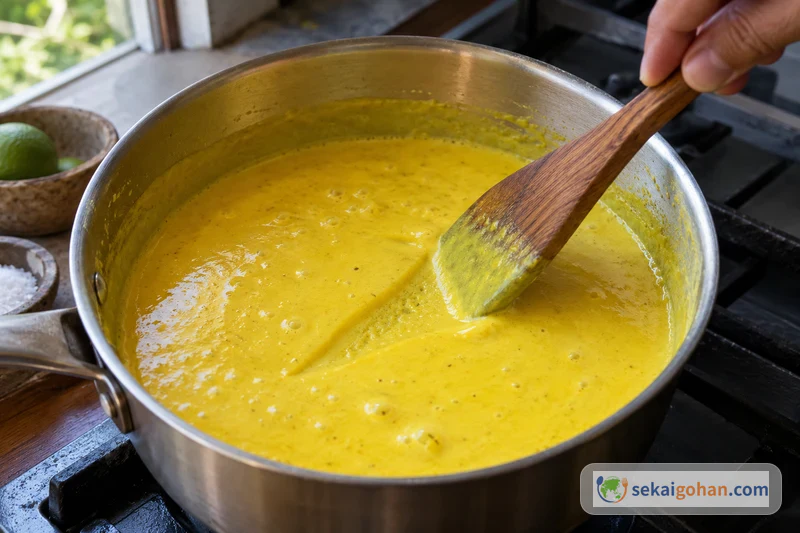
| Coconut cream | 2 cups (500 ml) | If using coconut milk, reduce longer |
| Turmeric (ground) | 1 tsp | |
| Lime | juice of 1 | Lemon juice works too |
| Salt | to taste |
Coconut cream is richer in fat than coconut milk and thickens into a sauce in a short time. It is sold in cans or cartons at import grocers and in the international aisle of supermarkets. Turmeric goes into both the seasoning and the sauce, so both fish and sauce come out a vivid yellow.
Choosing fish for samaki wa kupaka
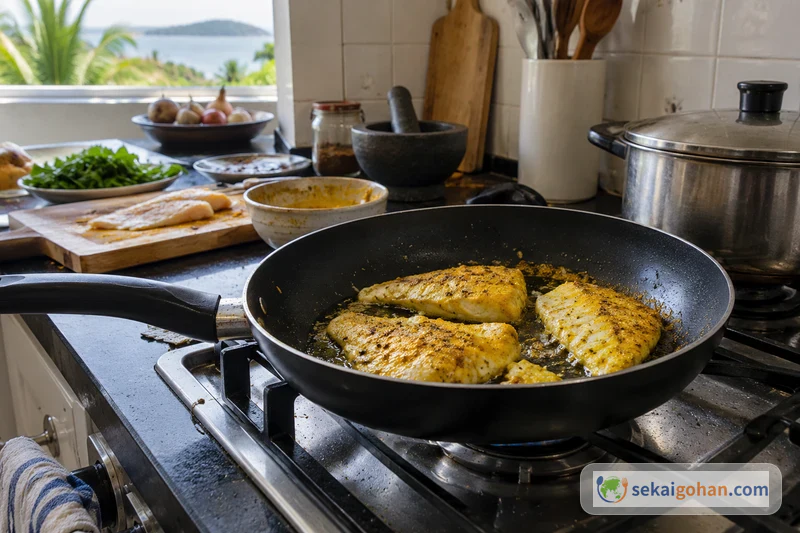
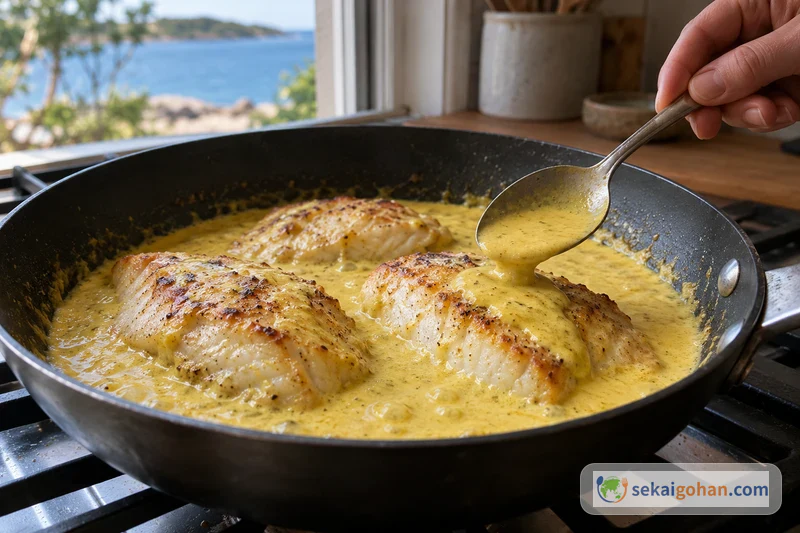
For home cooking, this recipe keeps things simple: sear fish fillets in a skillet, then pour the sauce into the same pan to finish. You won't match the smokiness of charcoal, but fillets mean no worrying about bones, and the dish comes together quickly in any kitchen.
Choose a firm white fish such as sea bream, sea bass, or cod. It holds together during searing and stands up to the richness of the coconut sauce.
Cook the fish until the thickest part is white and opaque and a skewer slides in easily. Turning the fish repeatedly while it simmers in the sauce makes it break apart, so flip it only once, during searing, and spoon the sauce over from above. Anyone with a coconut allergy should not eat this.
Boiling coconut cream hard over high heat can make the oil separate and float. If it starts to split, lower the heat and stir with a wooden spoon. Reduce at medium to medium-low for a smooth sauce.
The sourness of the lime softens as it cooks down. If you want more at the table, serve lime wedges so everyone can squeeze their own, for a clean finish.
Serving samaki wa kupaka with ugali and kachumbari
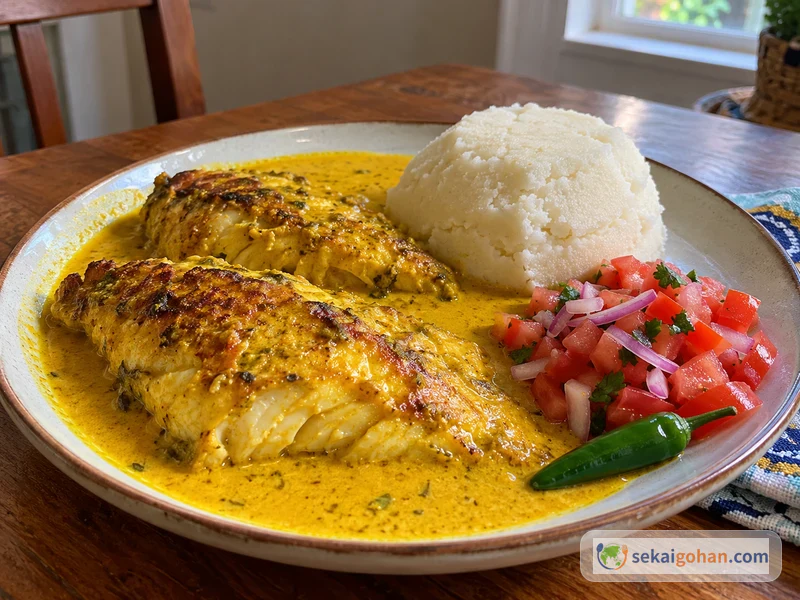
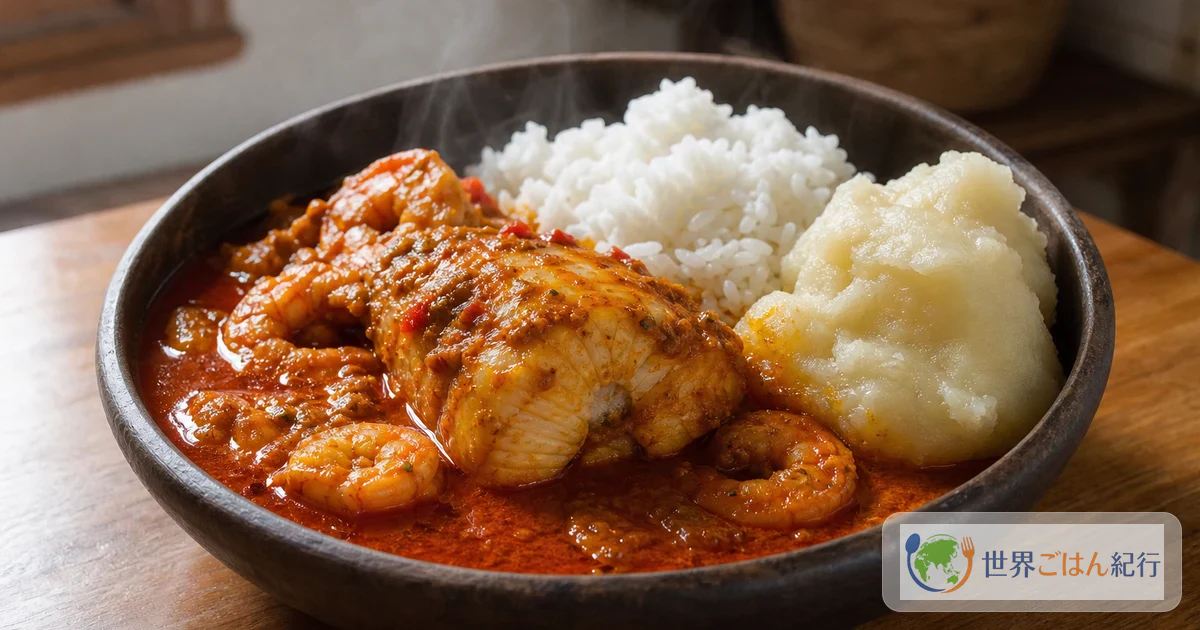
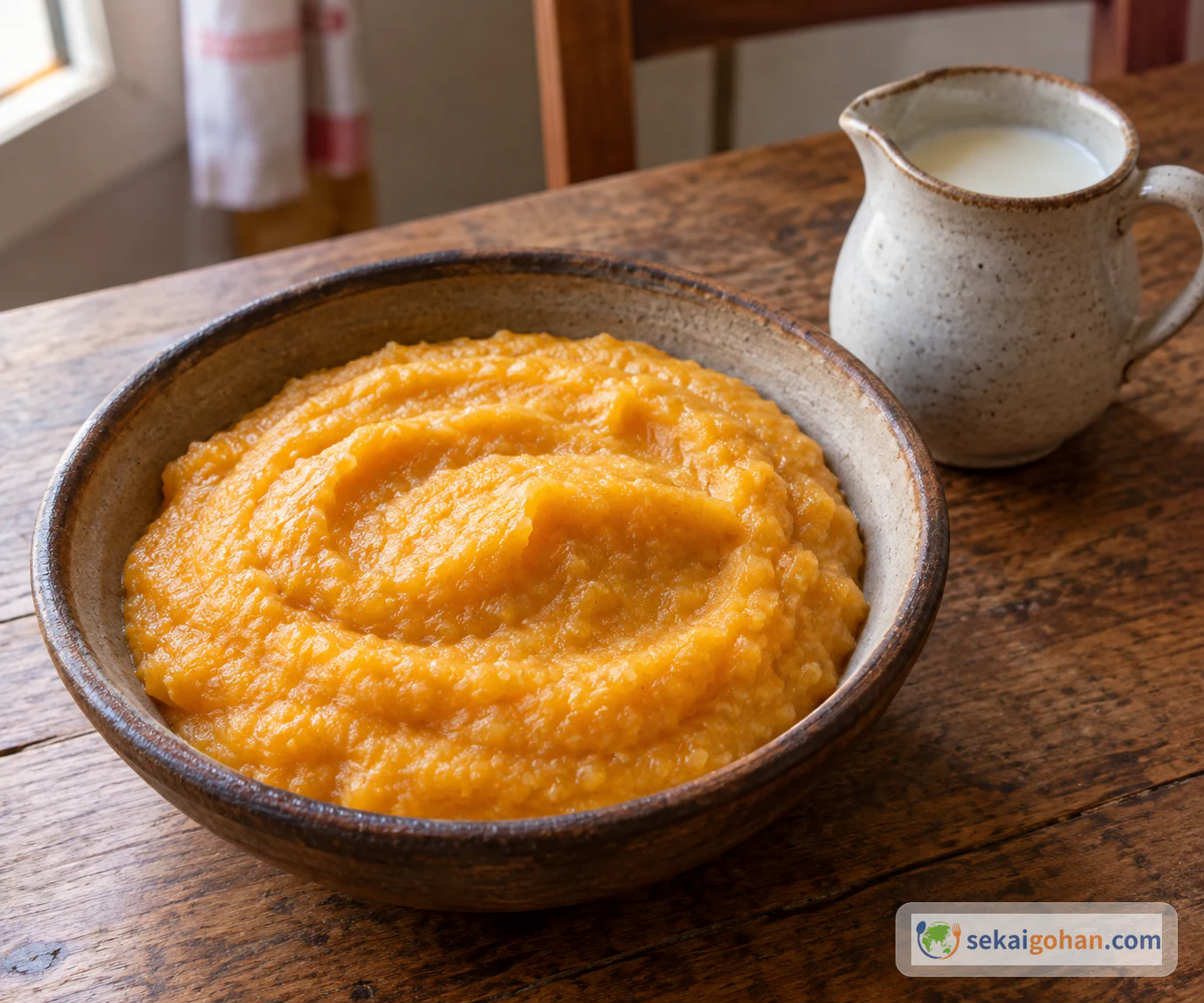
On the Swahili coast, samaki wa kupaka comes with ugali and kachumbari, and pilipili (chili) alongside if you like. Ugali is a stiff porridge of maize flour, a staple of East Africa: tear off a piece, roll it into a ball, and use it to scoop up the fish and sauce. Kachumbari, a salad of chopped tomato and onion dressed with salt and lime, cleanses the palate between bites of the rich sauce.
Rice with the sauce spooned over is an easy stand-in for ugali. If you'd like to make the staple too, cook Tanzanian ugali to go with it. And for another Swahili coast coconut dish, try Kenya's kuku paka and see how the sauce changes when it meets chicken instead of fish.
FAQ
Can I make it with a whole fish?
Yes. In Zanzibar, one large fish is traditionally grilled whole over charcoal. At home, grill small fish, one per person, in a grill pan or under the broiler, and when they're cooked through, put them on plates and pour the warmed sauce over.
Can I use coconut milk instead?
Yes. Coconut milk has more water than cream, so reduce the sauce longer, until it reaches a silky thickness.
Is it spicy?
Not very. This recipe has only the bite of black pepper; if you want heat, serve chili alongside at the table.
What should I do with leftovers?
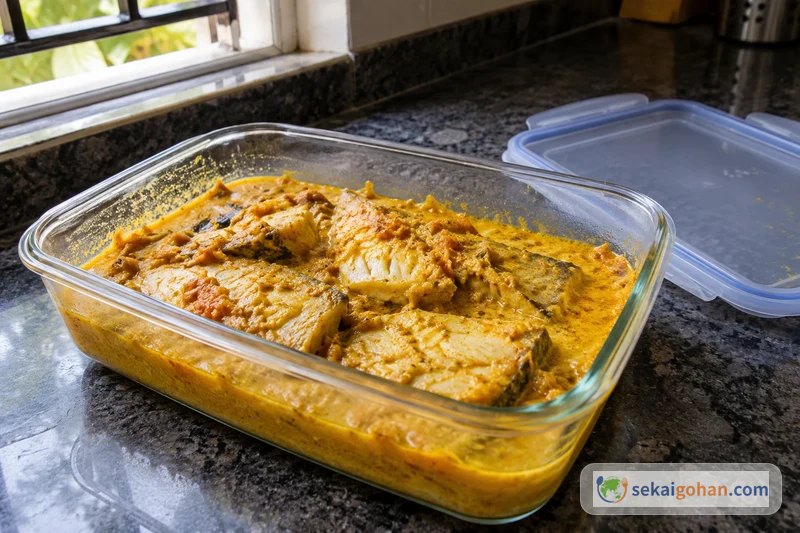
Let them cool, then refrigerate in a container and eat soon. To reheat, put the fish with its sauce in a pot over medium-low heat until it is hot through the center of the fish.