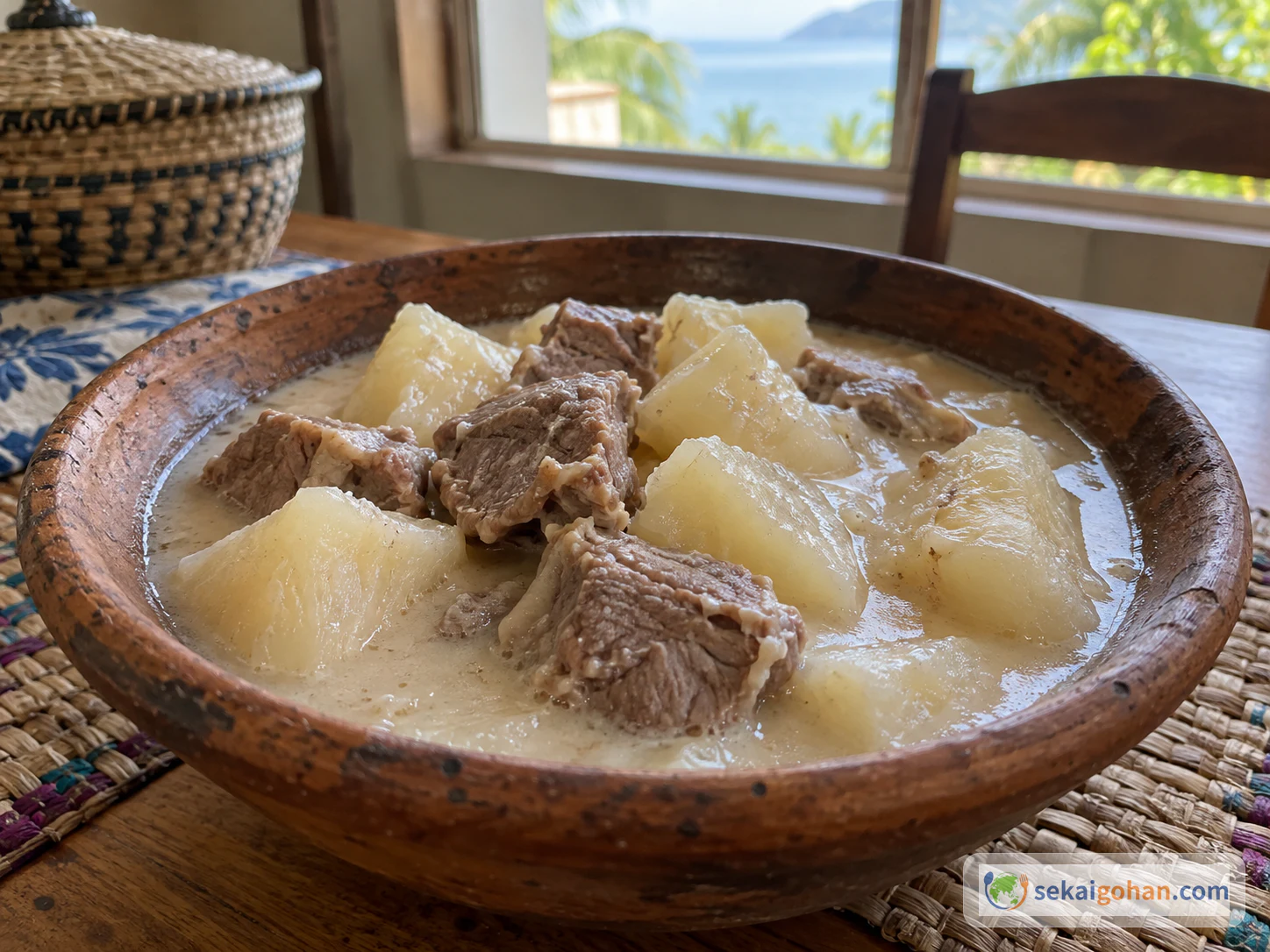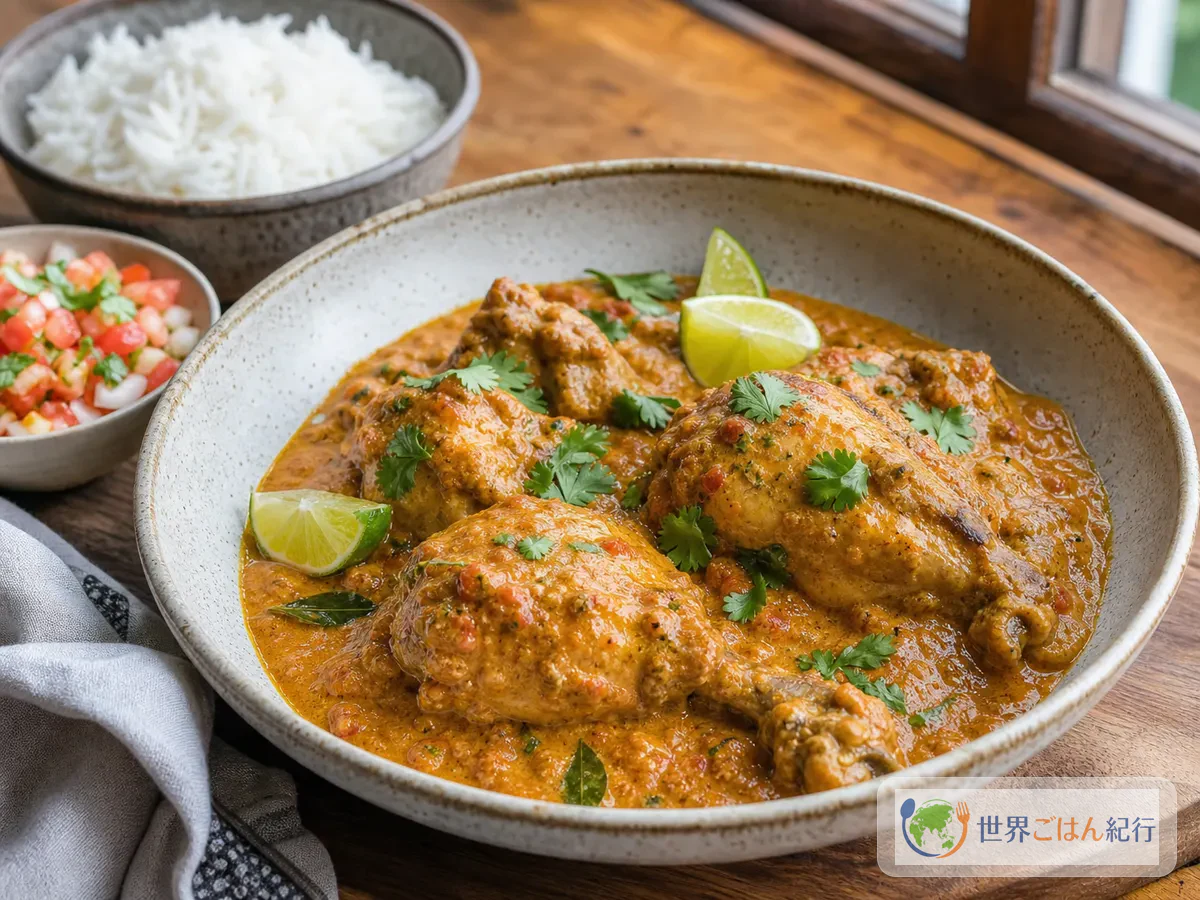
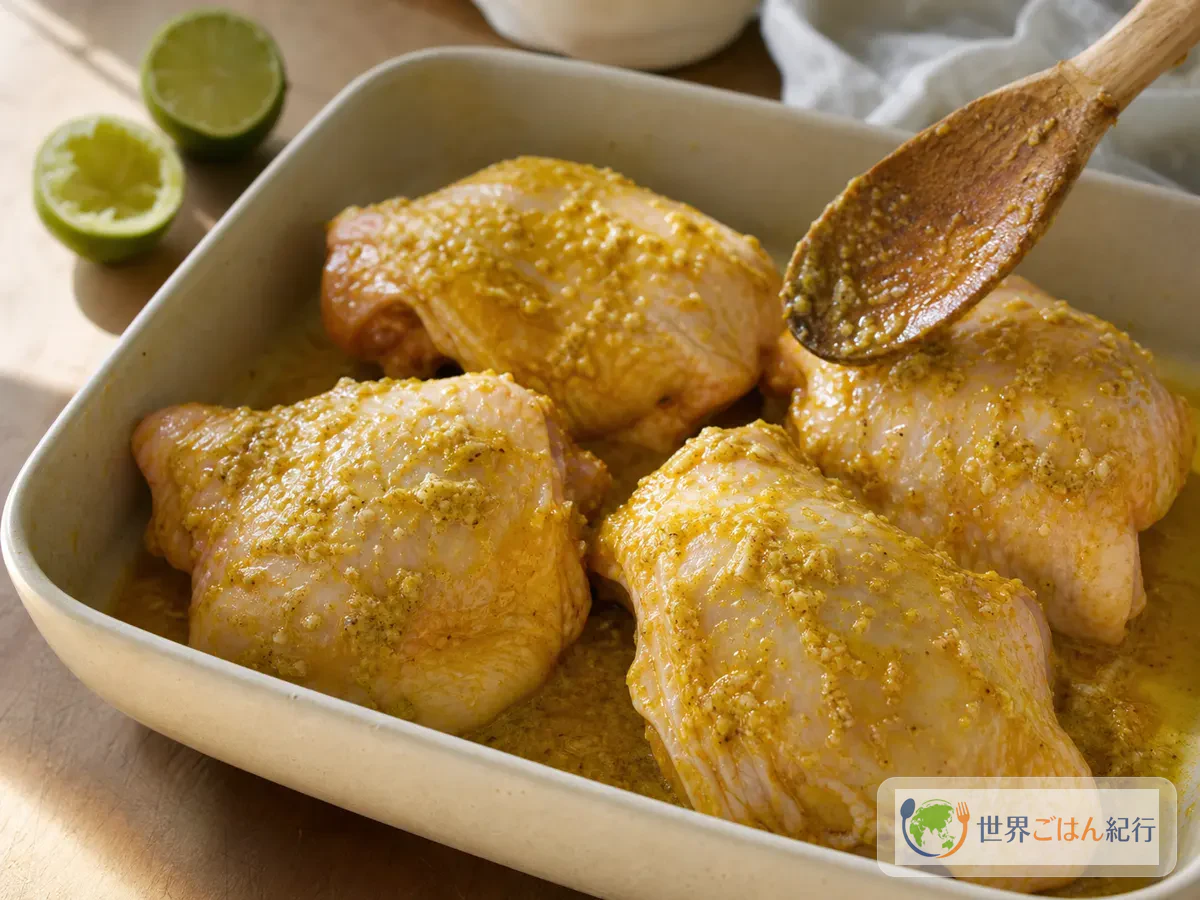
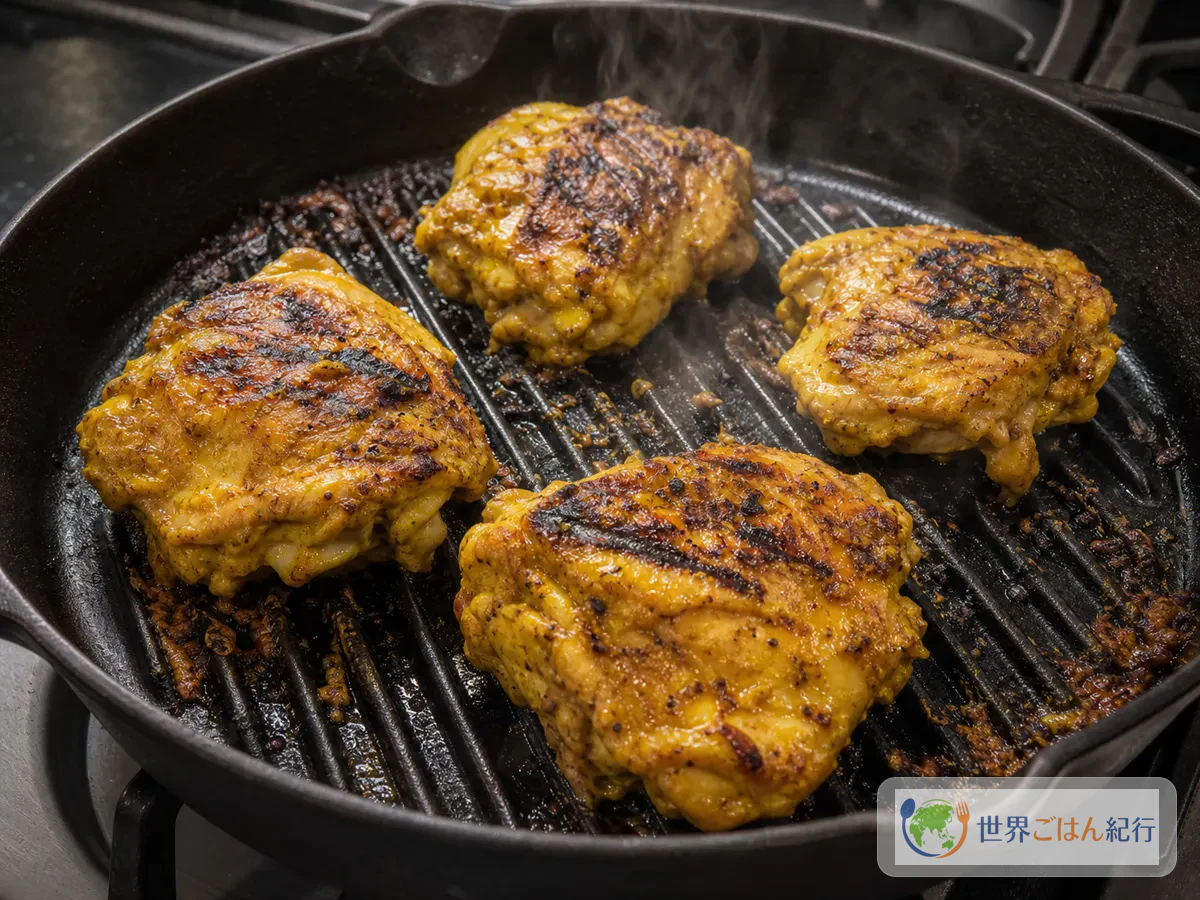
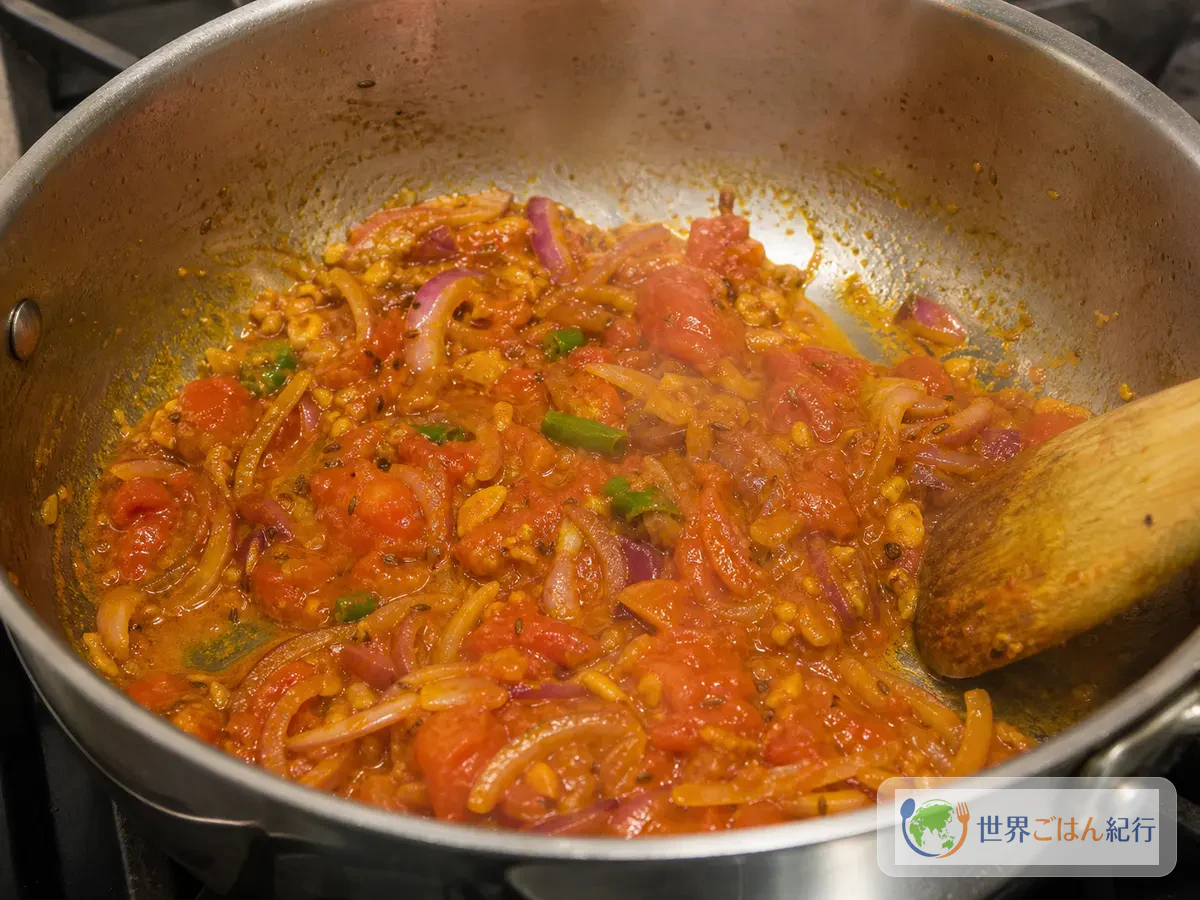
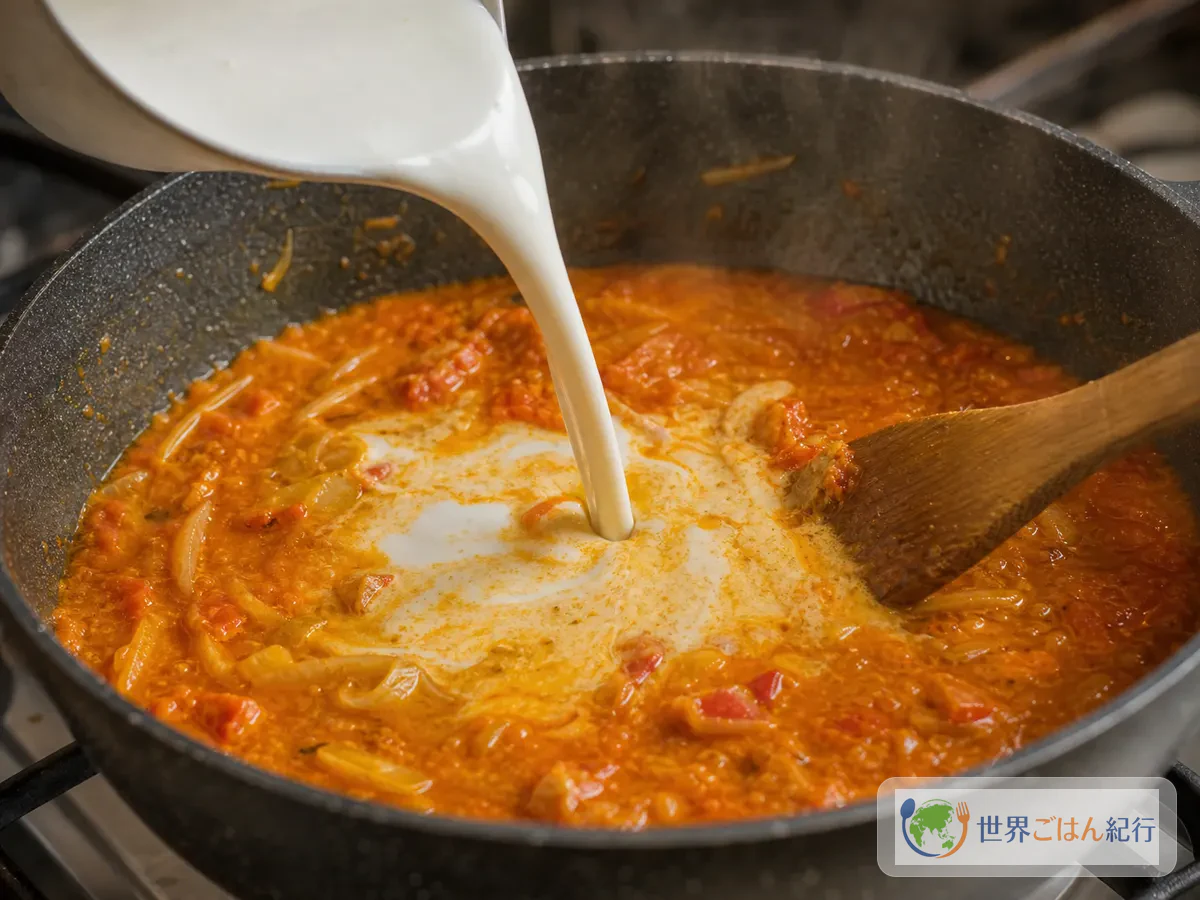
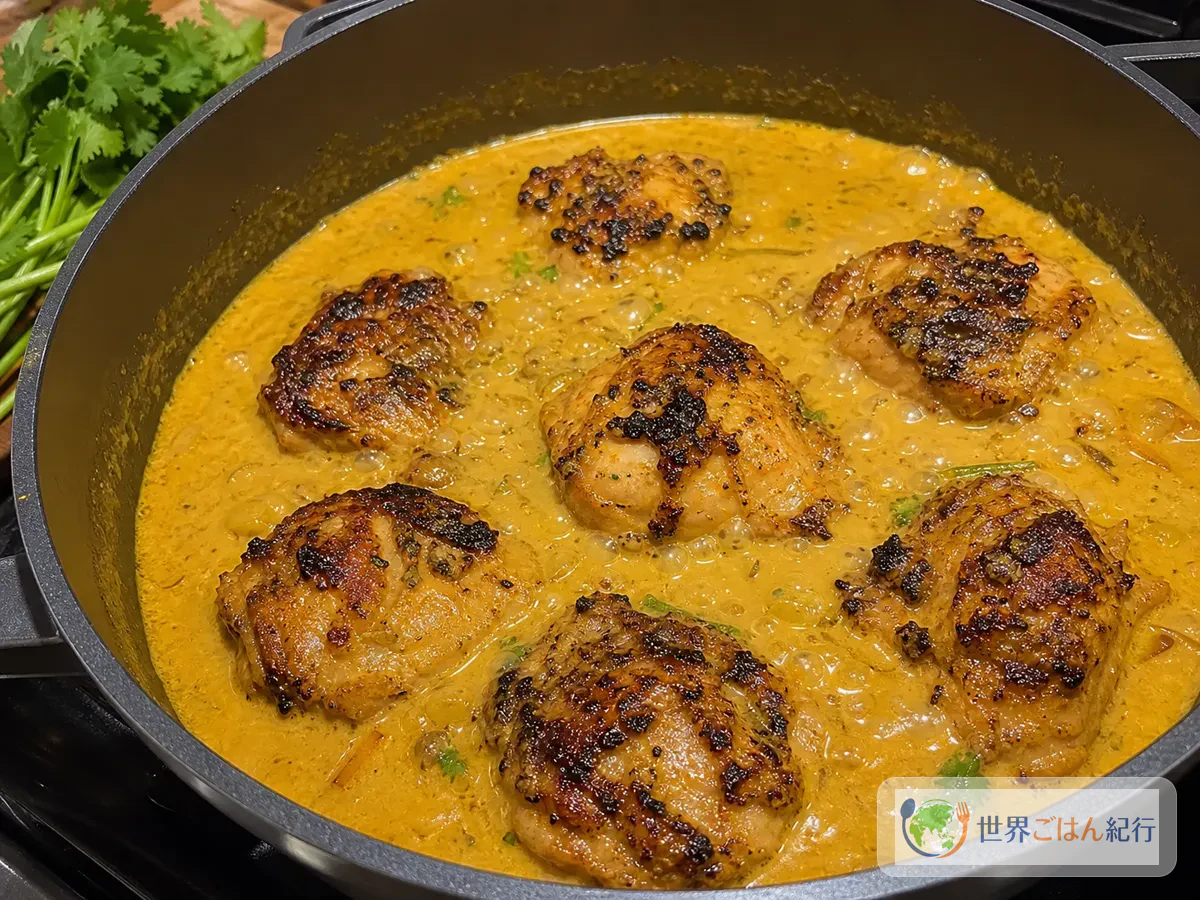
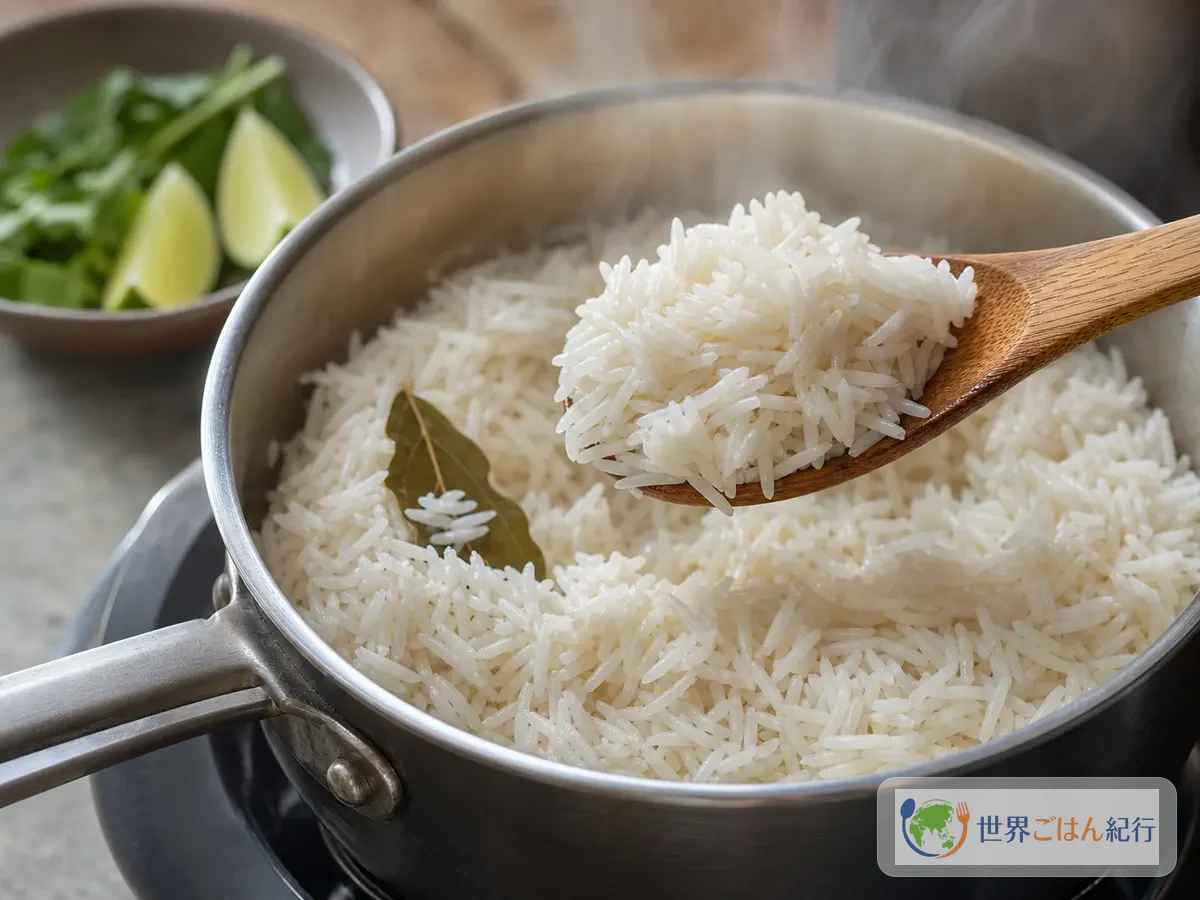
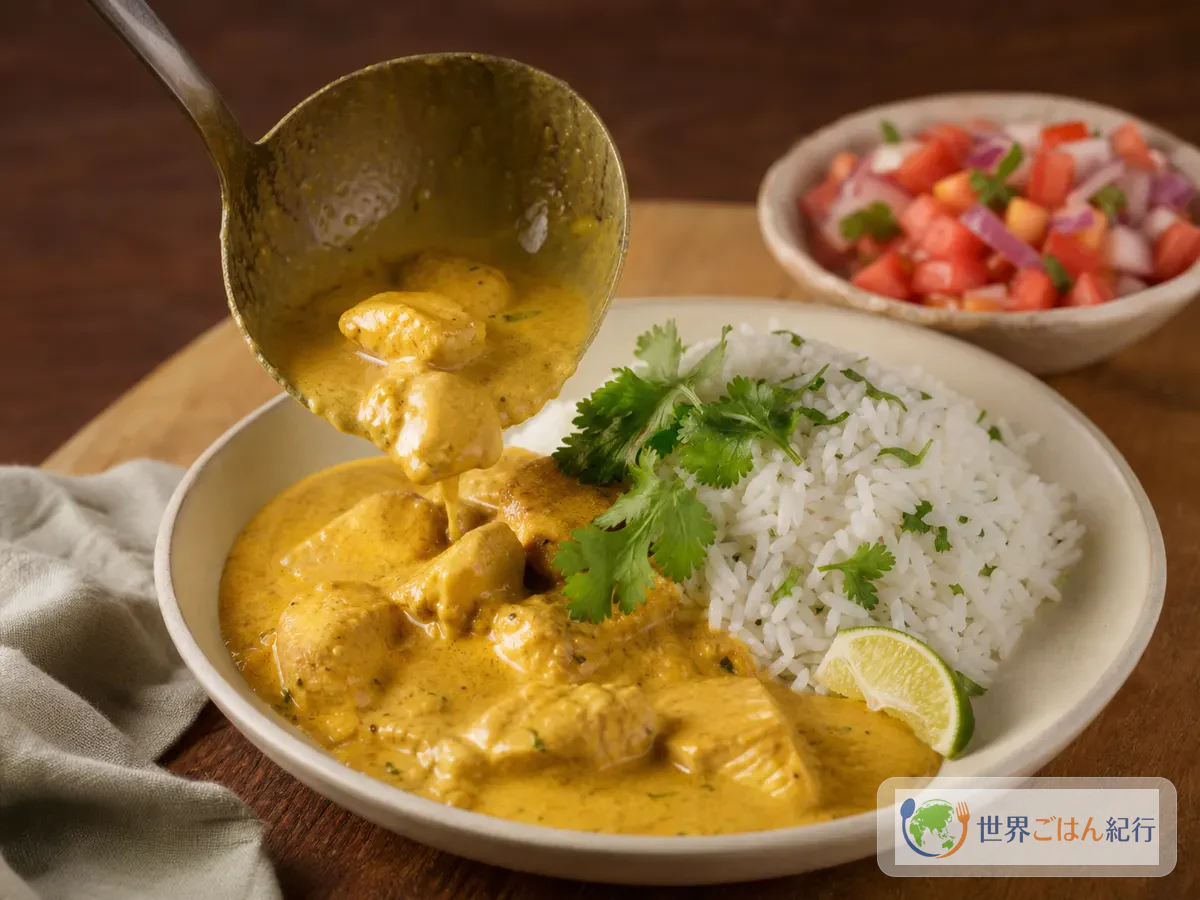
The moment you lay chicken thighs in the skillet, fat seeps from the skin and the yellow marinade sizzles. Onion, tomato, ginger, and garlic go in next, then the coconut milk, and as the pot turns from white to gold the kitchen starts to smell like the seaside. Kuku paka is Swahili-style coconut chicken, loved on the coasts of Kenya and Tanzania. The star here isn't heat. It's the toasty flavor of browned chicken wrapped in the round sweetness of coconut milk.
Kuku Paka and the Swahili Coast
The name comes from the Swahili kuku, meaning chicken, and paka, meaning to smear or coat. It's a different dish from a chicken curry made with Japanese-style curry powder. The sauce is soft and yellow, built on onion, tomato, ginger, and garlic fried in oil, then wrapped in coconut milk, with chile kept in the background.
Kuku paka is also written as "kuku wa kupaka."
Coastal and inland Kenya
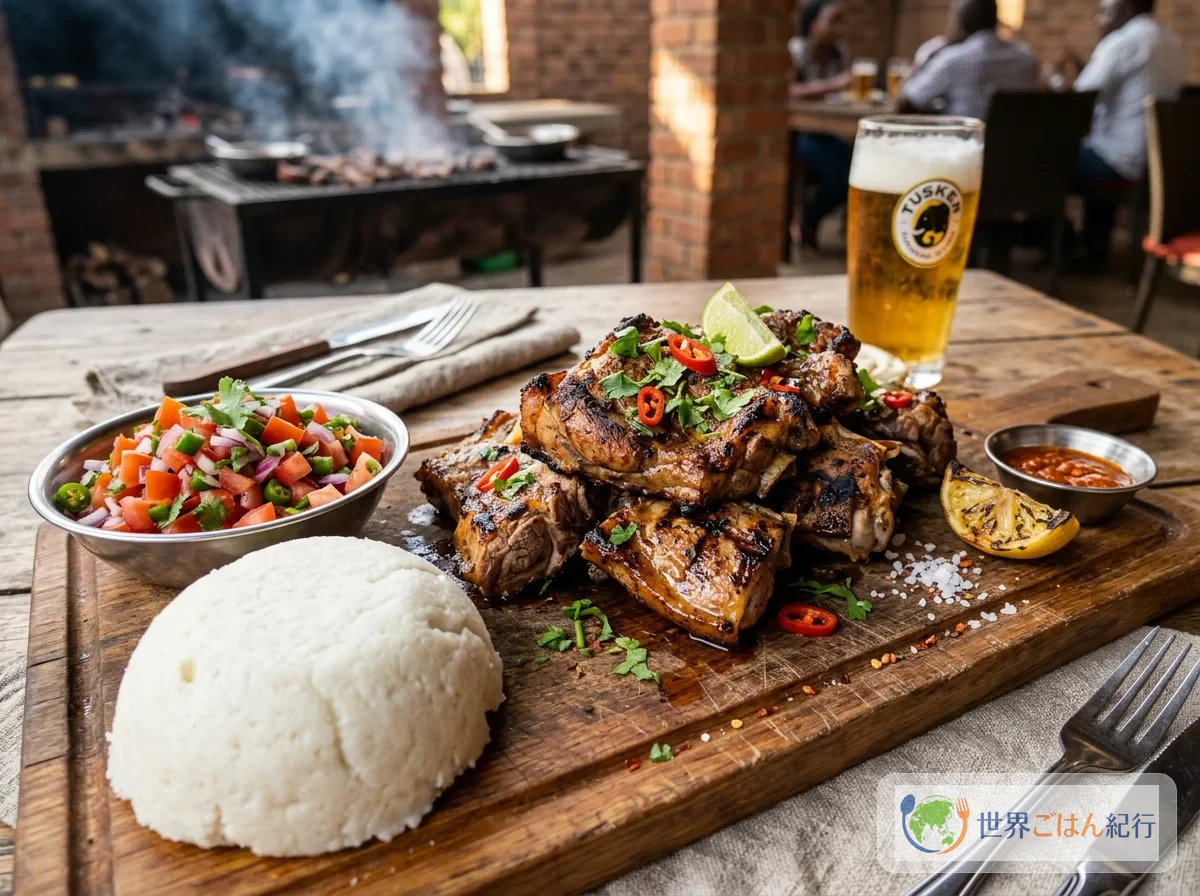
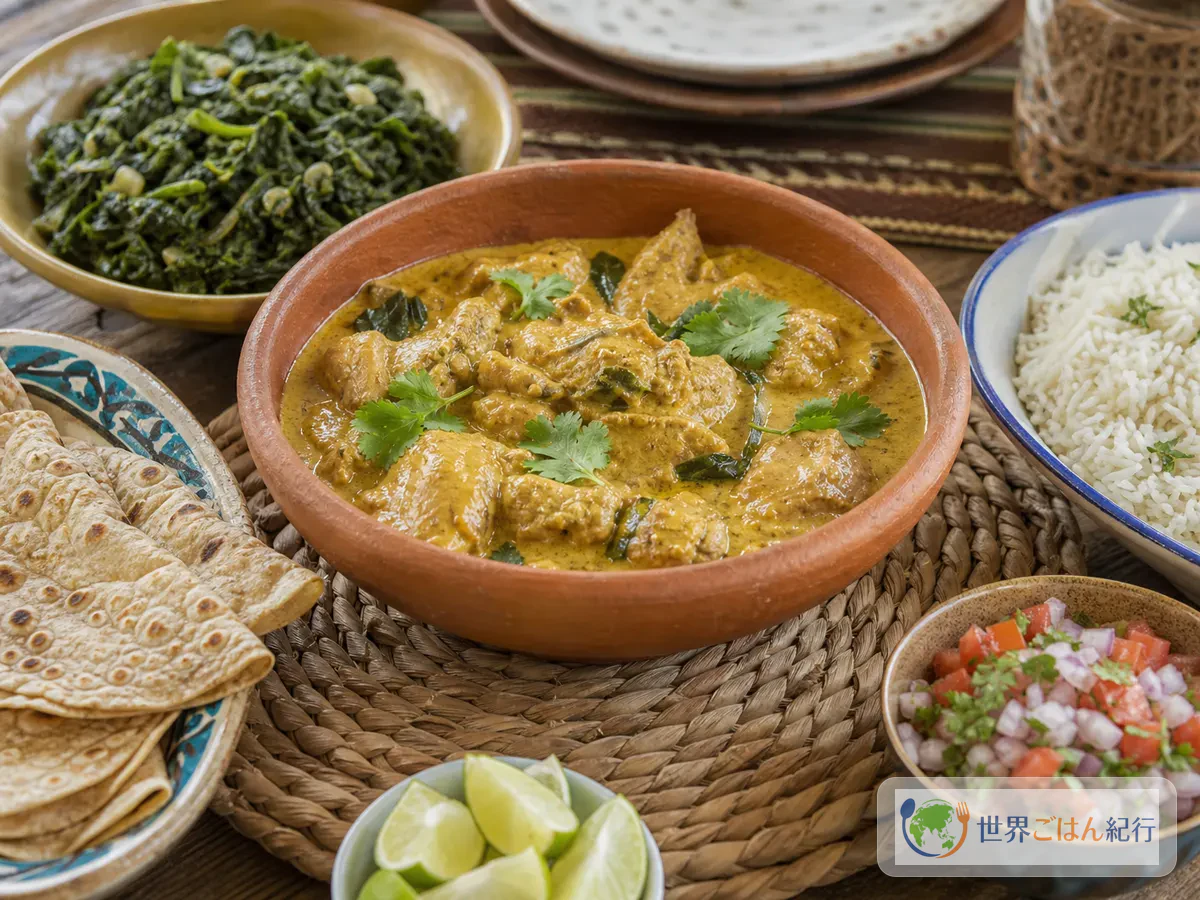
Kenyan food looks quite different depending on where you are. Inland, the table holds ugali, greens, and grilled meat. On the coast, it's coconut, rice, seafood, and spices. In port towns like Mombasa, Indian Ocean trade brought Indian, Arab, and East African influences into one pot, and coconut, lime, chile, aromatics, and spices all found their way into the kitchen. Kuku paka's sauce shows how they mixed.
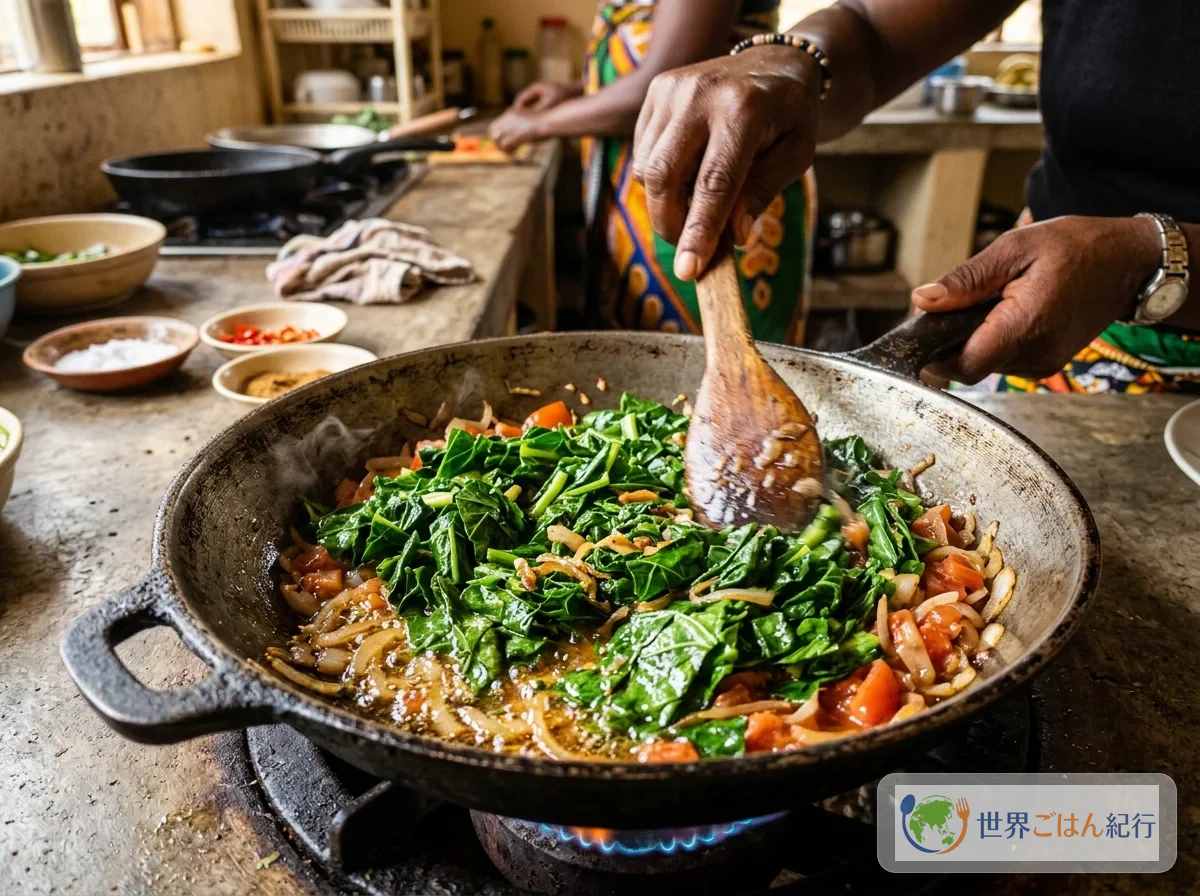
If nyama choma is the charcoal and hearty meat of inland Kenya, kuku paka carries the aroma of the Indian Ocean coast. Its place at home sits between sukuma wiki, a weekday dish of greens, and nyama choma, a weekend dish for gathering around meat. Chicken is the star, so it feels a little special, yet the sauce comes together in one pot and carries over to the next day. That makes it an easy Kenyan dinner to keep in rotation. Add ugali to the list and you can see how the way a plate is assembled changes even within East Africa.
Other coconut dishes
Brazil's moqueca baiana pairs seafood and coconut, Malaysia's laksa pairs noodles and coconut, and Indonesia's rendang reduces meat and coconut hard. Kuku paka is lighter than any of them, and it's defined by the browning on the chicken and the sweetness of the coconut.
Ingredients (serves 4)
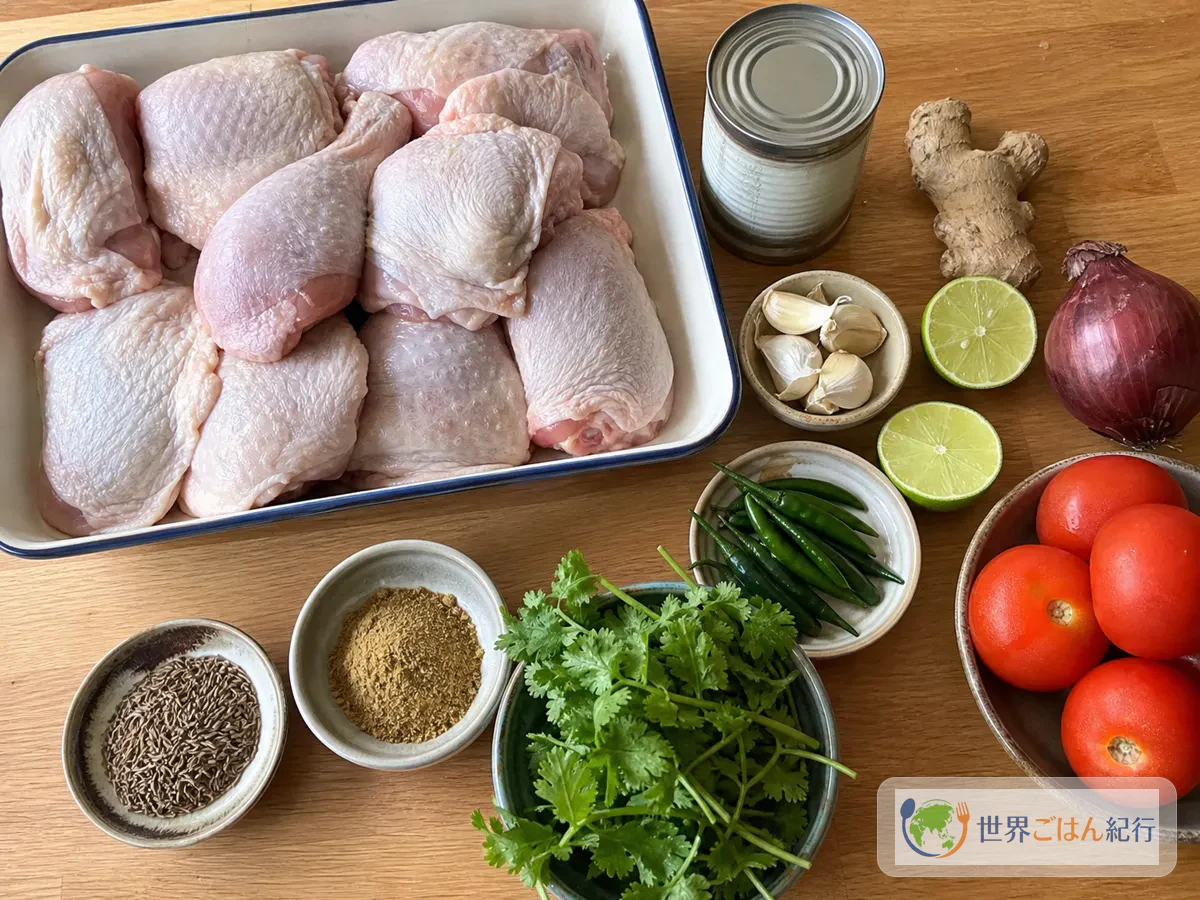
This dish contains chicken. Coconut, spices, and processed seasonings differ in allergen labeling by product, so check the packaging when you buy. Dairy, wheat, and egg are not used in the basic recipe, but if you serve chapati or store-bought side dishes, check them separately.
Ingredients and Tools for This Dish
For kuku paka, look for coconut milk, turmeric, long-grain rice, and a wide-bottomed skillet. Most of these are easy to find locally, but coconut milk varies a lot in richness from can to can. For your first batch, choose one meant for cooking.
For the first batch, prioritize only chicken thighs, a can of coconut milk, onion, tomato, lime, and turmeric. Coriander, cumin, and curry powder are for tuning the aroma. More important than gathering everything is browning the chicken and not boiling the coconut hard.
Choosing Ingredients for Kuku Paka
You can get quite close to the coastal version with supermarket chicken thighs, canned coconut milk, tomato, onion, and spices. There's no need for a specialty store. Skin-on thighs are best, because the browned skin gives the sauce its toasty flavor. Without charcoal at home, browning in a grill pan or under a broiler before simmering gives you much of the same atmosphere.
Go easy on the curry powder. Adding a lot just to turn the sauce yellow pushes it away from the local flavor, and too much chile hides the aroma of the chicken and coconut. Lime earns its place twice: in the marinade and again at the finish, where it lightens the sweet sauce.
| Local essence | How to do it elsewhere | Why preserve it |
|---|---|---|
| Coconut milk | Use canned and simmer over medium-low heat | It separates easily if boiled hard |
| Browned chicken | Brown skin-on chicken thighs first | Toasty flavor stays in the sauce |
| Tomato and onion | Break down the tomato before adding the coconut | Keeps the sauce from turning watery |
| Lime | Use in both marinade and finish | Lightens the sweet sauce |
| Rice or chapati | Coconut rice, white rice, flatbread | A staple is needed to catch the sauce |
Method
Separate the browning from the simmering and kuku paka is much less likely to fail. If you put raw chicken straight into the sauce, the sauce still tastes good, but the toasty flavor of the chicken is missing. Brown it first, then move the aroma left on the pot bottom into the sauce.
Ingredients to Match and Ingredients Not to Force
Kuku paka is easier to make by understanding the role of each ingredient than by gathering many special spices. What causes the most hesitation is coconut milk, chicken, heat, and the staple.
| Ingredient | Closer to local | Realistic choice elsewhere | Caution |
|---|---|---|---|
| Chicken | Bone-in chicken, a whole chicken cut up | Bone-in thighs, drumettes, skin-on thighs | Shorten the simmer for boneless |
| Coconut | Rich coconut milk | Canned regular type | Coconut drinks are too thin |
| Heat | Fresh chile, pili pili style | Green chile, dried red chile, chili powder | Prioritize aroma over heat |
| Acidity | Lime | Lemon also works | Add a little at the end |
| Staple | Coconut rice, chapati | Basmati rice, white rice, frozen naan | Choose a staple that catches the sauce |
Use regular coconut milk, not light. If you choose a thin one to avoid separation, the sauce turns watery and loses to the browned chicken. Coconut cream alone is too heavy, so regular milk is easier to handle at home.
For the chicken, use bone-in if you can. Savoriness comes out of the area around the bone, and the meat is less likely to dry out even with a long simmer. But sometimes the store has no bone-in thighs. In that case cut skin-on chicken thighs into large 2.5 inches (6 cm) pieces and shorten the browning to 3 minutes a side and the simmer to 12 minutes. Don't cut too small, or it looks like the filling of a chicken curry.
Don't overdo the spices, or you lose the roundness of the Swahili coast. Use turmeric, coriander, and cumin as the base and curry powder as a helper. If you use only curry powder, use up to 2 tsp. Use it by the tablespoon and it moves toward a curry flavor instead of coconut chicken.
Kuku Paka Failures and Fixes
Most kuku paka problems come down to heat and moisture. The usual culprits are boiling the coconut milk hard after it goes in, adding tomato without cooking off its water, and simmering the chicken without browning it first.
| Failure | Cause | Fix |
|---|---|---|
| Sauce separated | Coconut milk boiled over high heat | Lower the heat, add 2 tbsp water, and stir gently |
| Watery | Tomato not cooked down, lid on too tightly | Remove the lid and simmer over medium heat 3 to 5 minutes |
| Chicken is blurry | Simmered without browning | Brown first next time. This time, re-brown the surface under the broiler |
| Strong curry taste | Too much curry powder | Add ½ cup (100 ml) coconut milk and 1 tsp lime juice |
| Meat is tough | Boneless meat simmered too long | Stop boneless at 12 minutes of simmering and finish with residual heat |
A separated sauce is still worth keeping, because the flavor is all there. Turn off the heat, let it cool slightly, and stir slowly with a wooden spoon; sometimes it comes back together, and even if it doesn't, it won't show over rice. As long as there's no scorched smell and the chicken is fully cooked, it's fine to eat.
A thermometer is the surest way to check the chicken. The safe minimum internal temperature for chicken is 165°F, about 74°C. At home, aim for 75°C or higher at the thickest part, with no red juices near the bone.
Serving and Storing Kuku Paka
What you catch the sauce with changes everything. Spooned on its own the sauce tastes sweet, but over rice or bread it suddenly becomes a meal.
Rice and chapati
Coconut rice is the best match, since the coconut in the rice ties sauce and staple together so the chicken doesn't float alone. Basmati makes it lighter, though short-grain rice works too with less water. Chapati is eaten often in Kenya, and tearing it by hand to mop up the sauce changes the feel of the table. Frozen naan or thin tortillas can stand in, but a thin flatbread with little oil suits kuku paka better than a sweet naan.
Greens and kachumbari
The bitterness of greens goes well with the round coconut sauce. Set sukuma wiki alongside and the plate becomes unmistakably Kenyan. Kachumbari, made with tomato, onion, lime, and cilantro, is another good side. With nyama choma it cuts the fat of grilled meat, and here it tightens the sweetness of the coconut. Slice the onion about 0 inch (1 mm) thick and soak it in water for 5 minutes so the bite isn't too strong.
Storing and reheating
Store the rice and sauce separately. Rice left under coconut sauce in the fridge soaks up the moisture and stays heavy and thick when reheated. Cool the sauce and chicken, put them in a shallow container, and refrigerate for 2 days. To freeze, divide into single portions and keep for 2 to 3 weeks.
Coconut sauce separates a little on thawing, so skip the microwave-only approach. Warm it slowly in a small pot over low heat for 5 to 7 minutes, adding 1 to 2 tbsp water or coconut milk. When it starts to bubble, turn off the heat and add a few drops of lime to bring back the aroma. High heat separates the sauce and toughens the surface of the chicken.
Next-day ideas
Leftovers make an easy kuku paka rice bowl: spoon a little sauce over warm rice and add scallion and lime. Or shred the chicken, reduce the sauce, stir in a little tomato and onion, and wrap it all in thin flatbread for lunch.
Frequently Asked Questions
Q1. Can I make it with boneless chicken thighs?
Yes. Cut 1.5 lb (700 g) boneless chicken thighs into large pieces about 2.5 inches (6 cm). Brown 3 minutes a side, then simmer 12 minutes in the sauce. Small pieces cook faster but lose presence in the sauce, so keep them large.
Q2. Can I make it with curry powder alone?
You can, within limits. With curry powder alone, use up to 2 tsp; if you also have turmeric, coriander, and cumin, keep the curry powder to 1 tsp. More spice won't bring it closer to the original. What matters is the aroma of the coconut and chicken.
Q3. Can I make it without heat?
Leave out the green chile for a much milder dish. If the aroma feels thin, add a little more ginger and finish with lime. When children are eating, skip the chile in the pot and add chili oil or chopped chile to the adults' plates afterward.
Q4. Is white rice OK instead of coconut rice?
White rice tastes good too. Cook it a little firm if you can, because plenty of sauce over soft rice makes the whole thing heavy.
Q5. How much can I prepare the day before?
The chicken can be marinated the day before. After a night in the refrigerator, take it out 30 minutes before browning to take the chill off the center. The sauce can also be made ahead, but the coconut aroma comes through better when it's fresh, so for guests, marinate the day before and make the sauce the same day.
Kuku paka is not a dish of rare ingredients. Brown the chicken, cook the tomato down a little, and warm the coconut milk gently. That order alone turns everyday chicken into a completely different table. When the yellow sauce starts to bubble in the pot, cut the lime, spoon out the rice, and enjoy the first bite in its sweet steam.