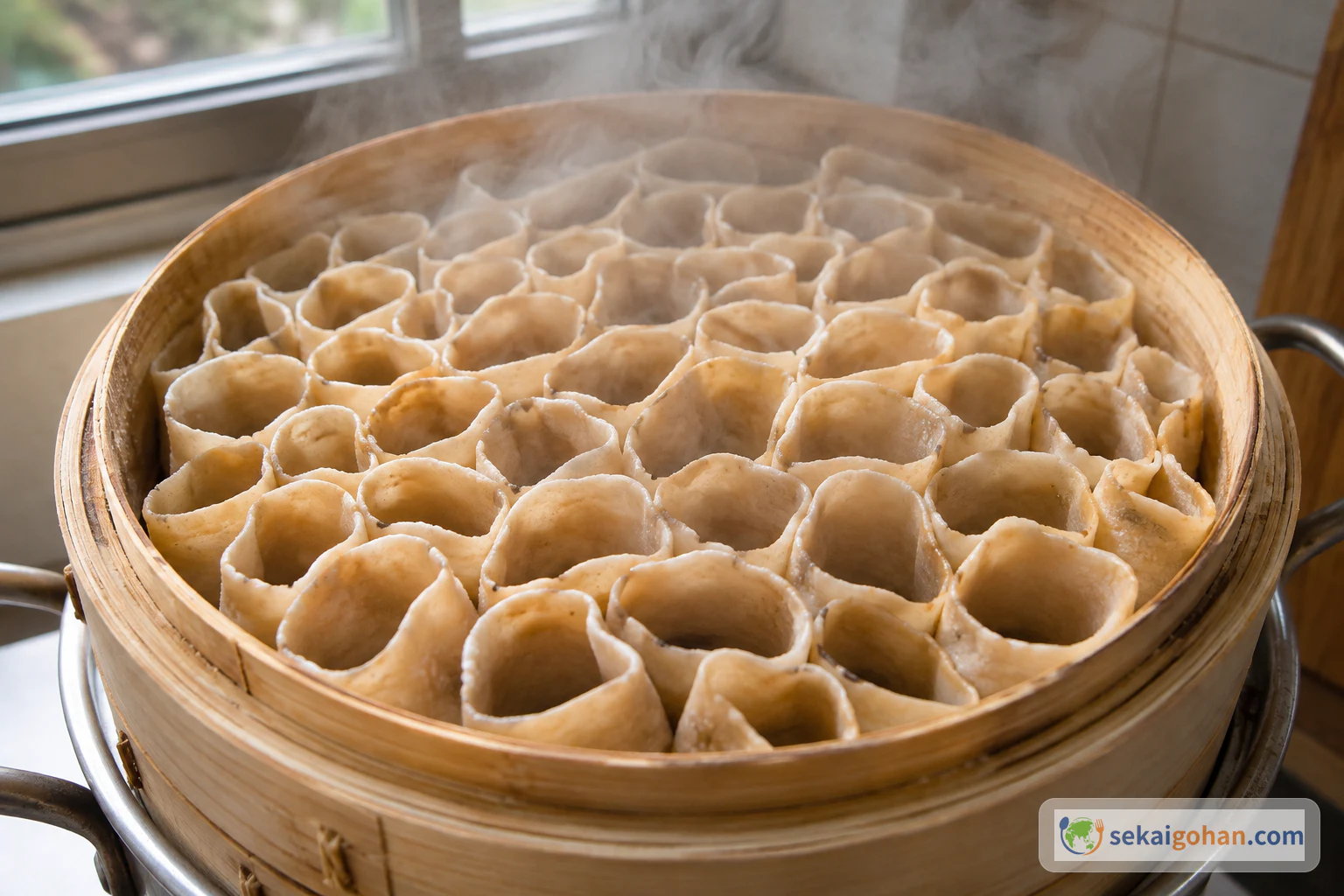
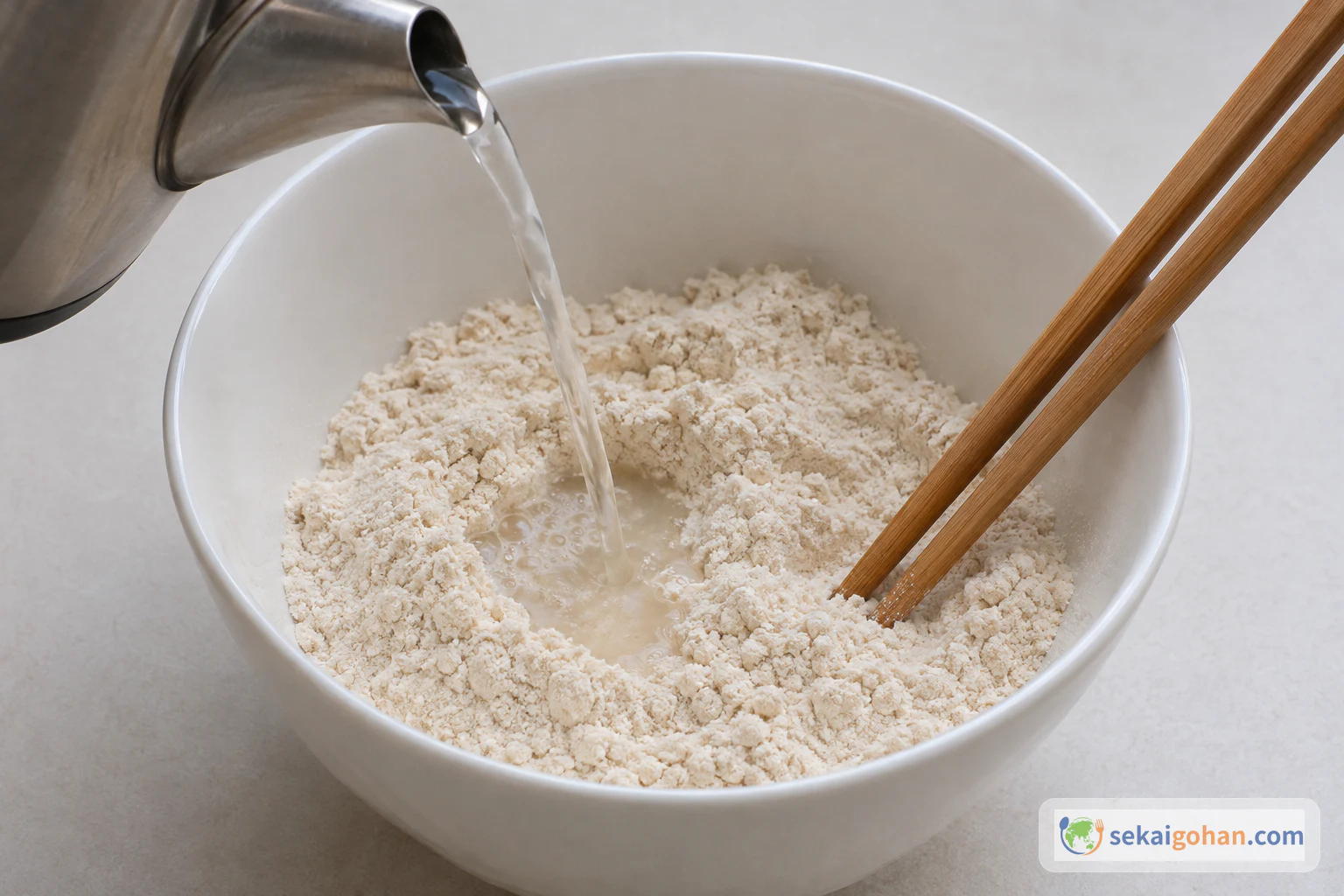
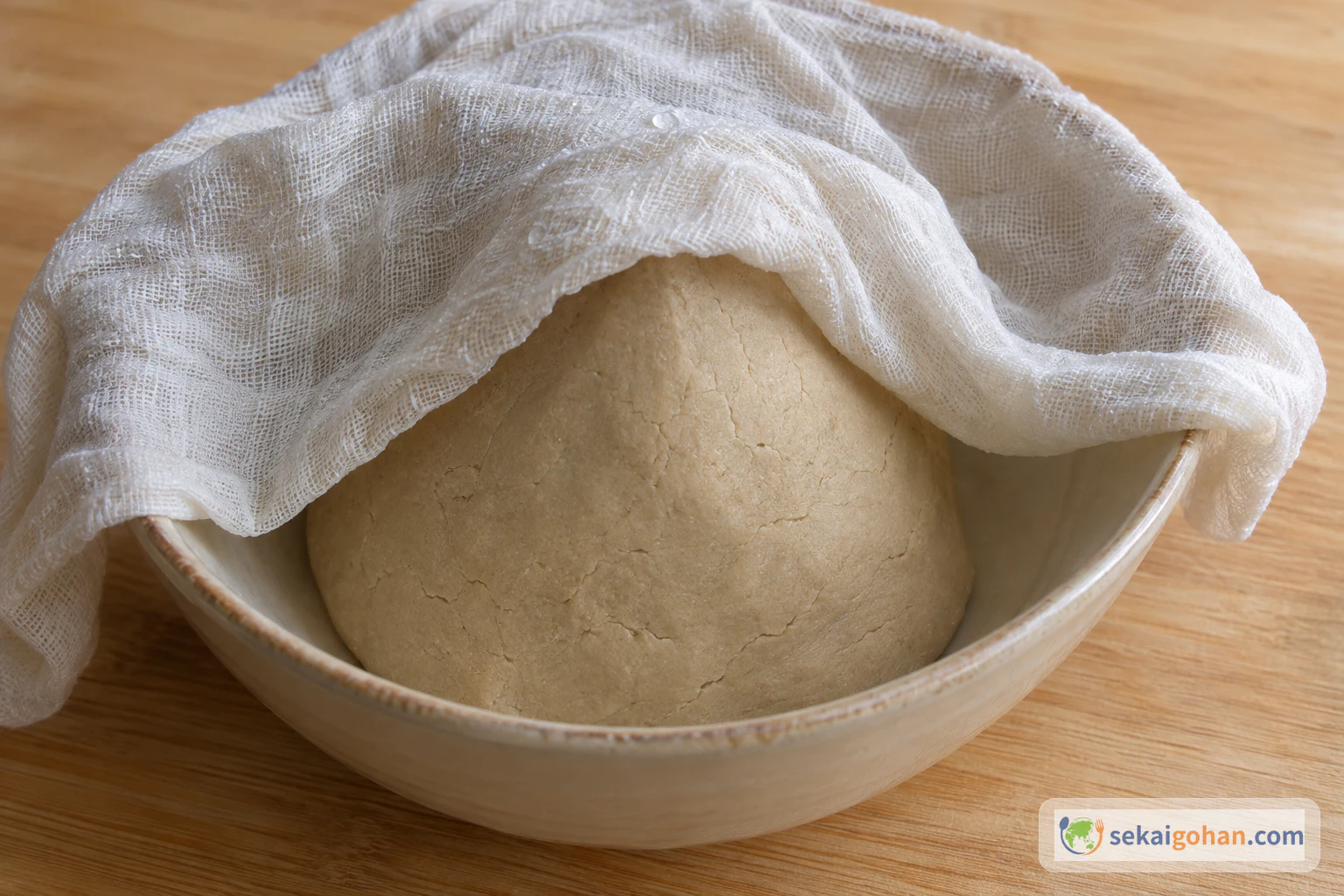
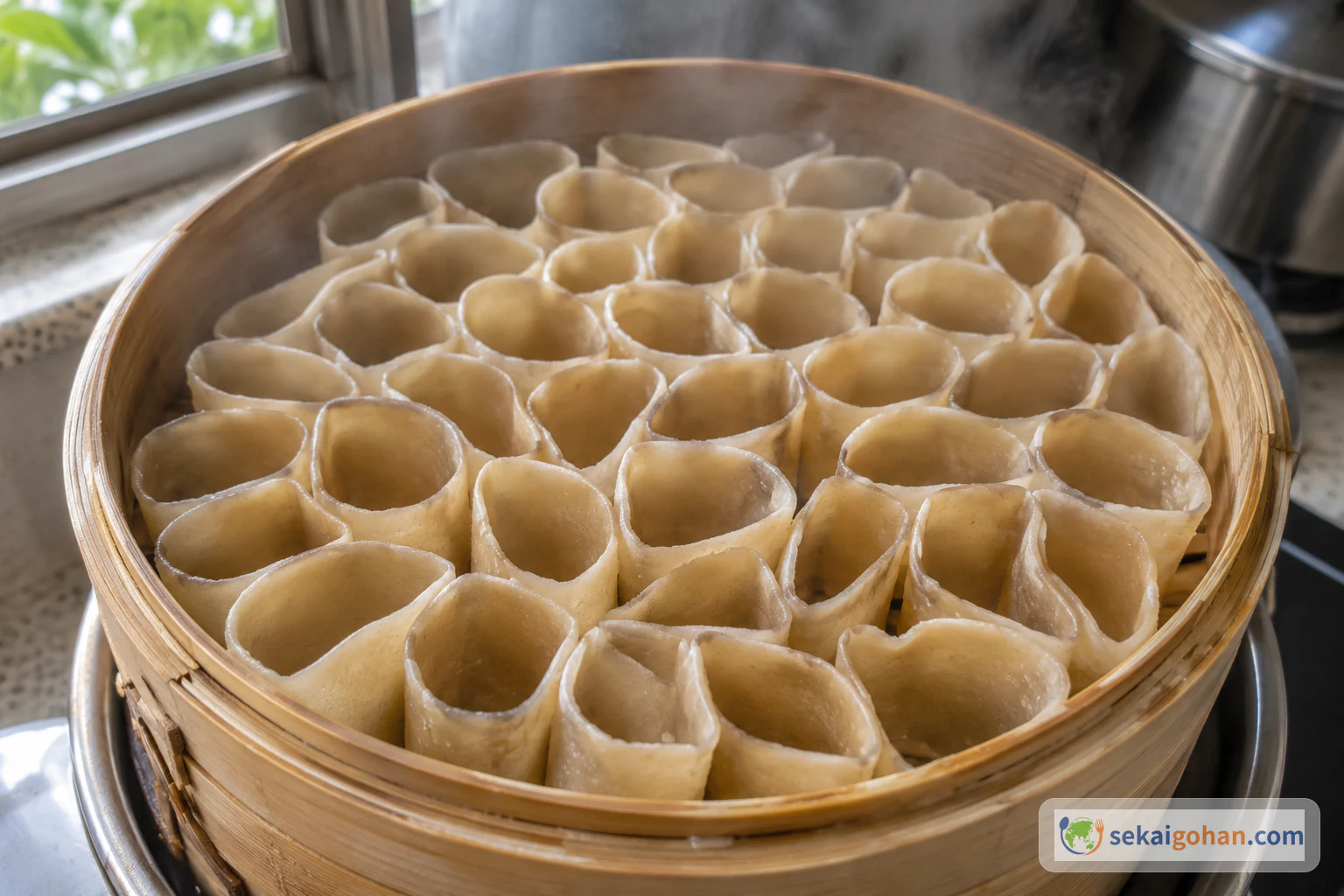
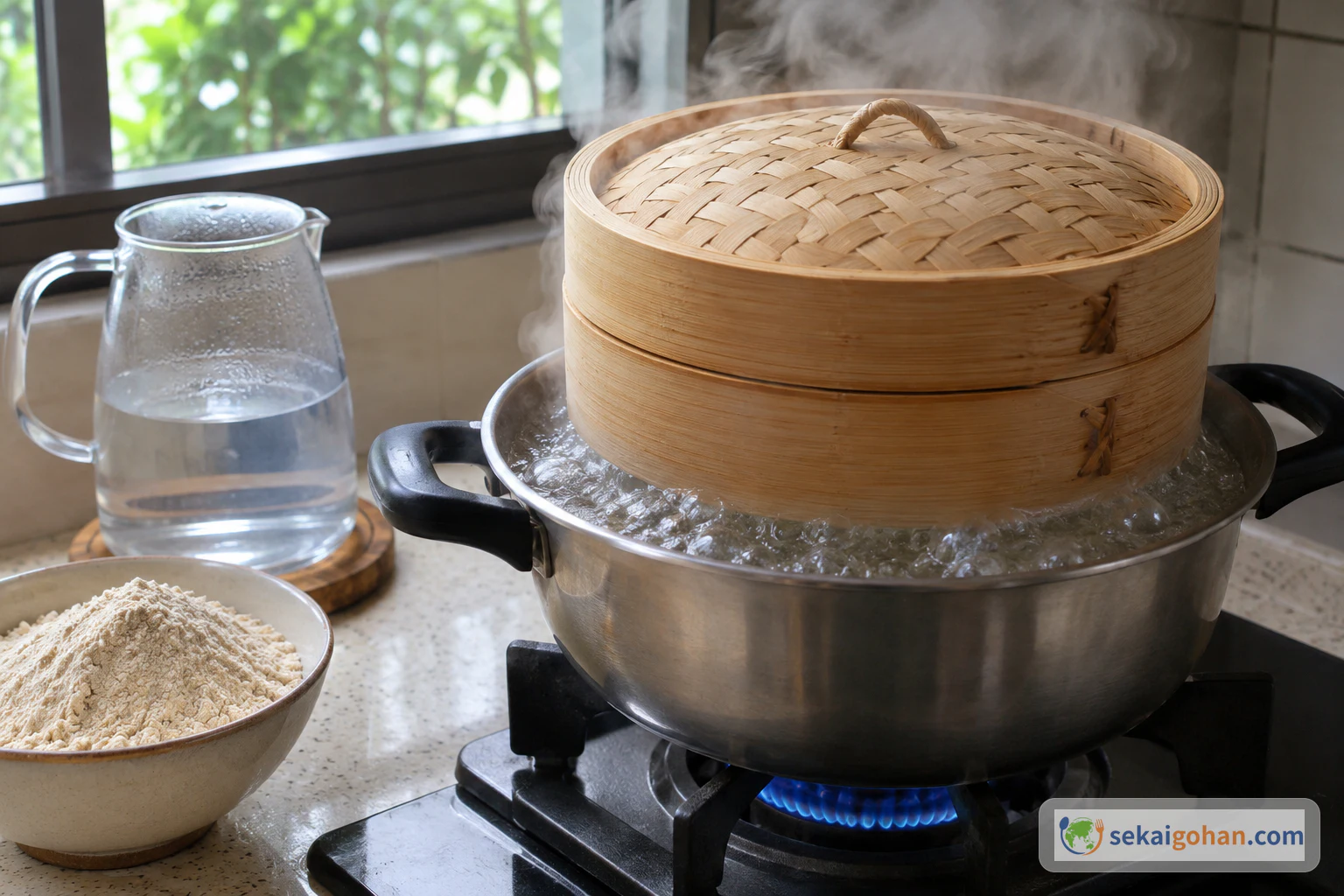
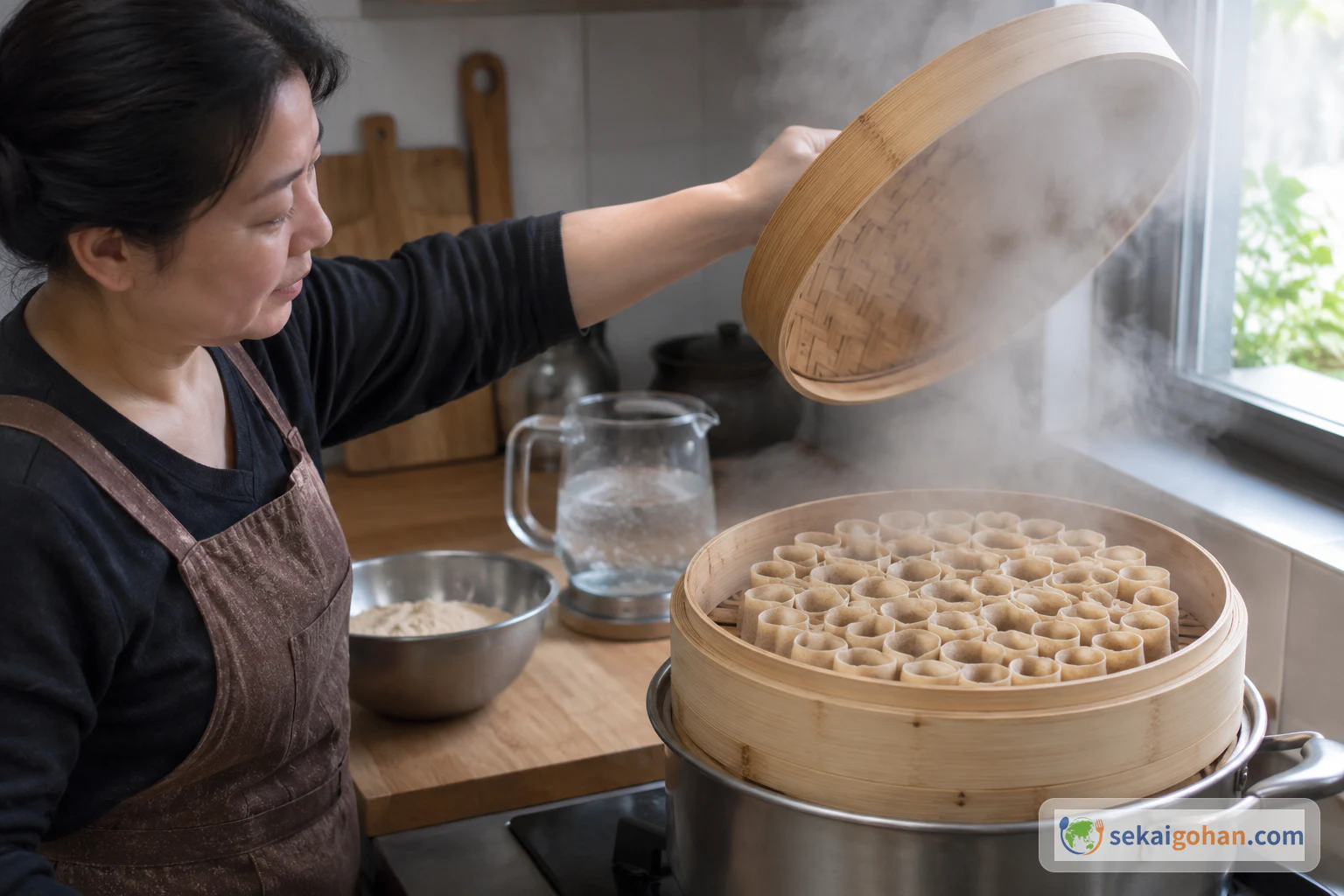
Lift the lid of the steamer and you'll find rows of short, open-ended tubes standing on end, packed close together like the cells of a honeycomb. This is kaolaolao (莜面栲栳栳), a dish from Shanxi in northern China made from youmian (莜面), a flour of naked oats. The dough takes just two things, the flour and freshly boiled water, with no oil, wheat flour, egg, salt or sauce. Each tube is shaped by hand, steamed, and eaten hot.
Kaolaolao, a Steamed Oat Dish from Shanxi
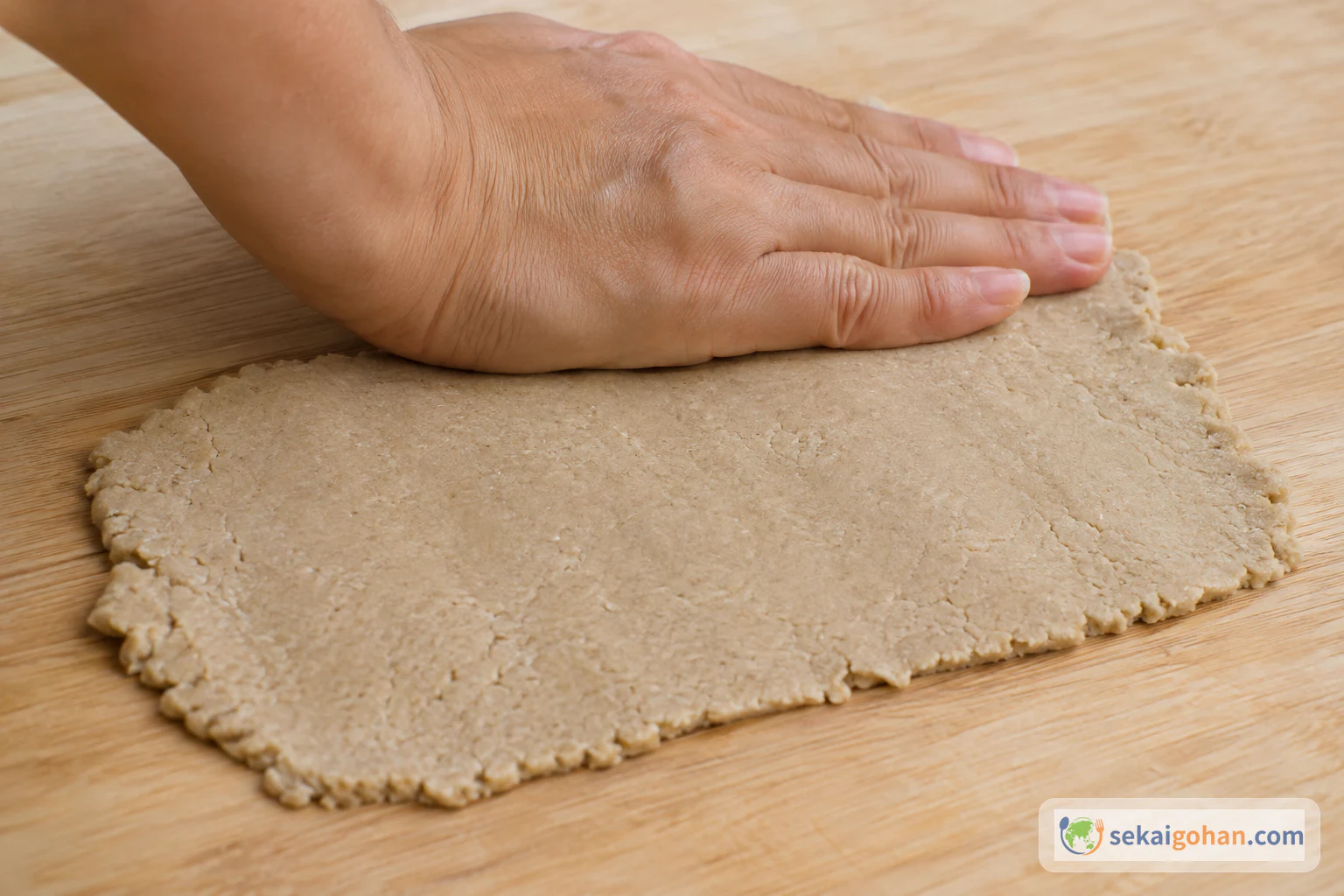
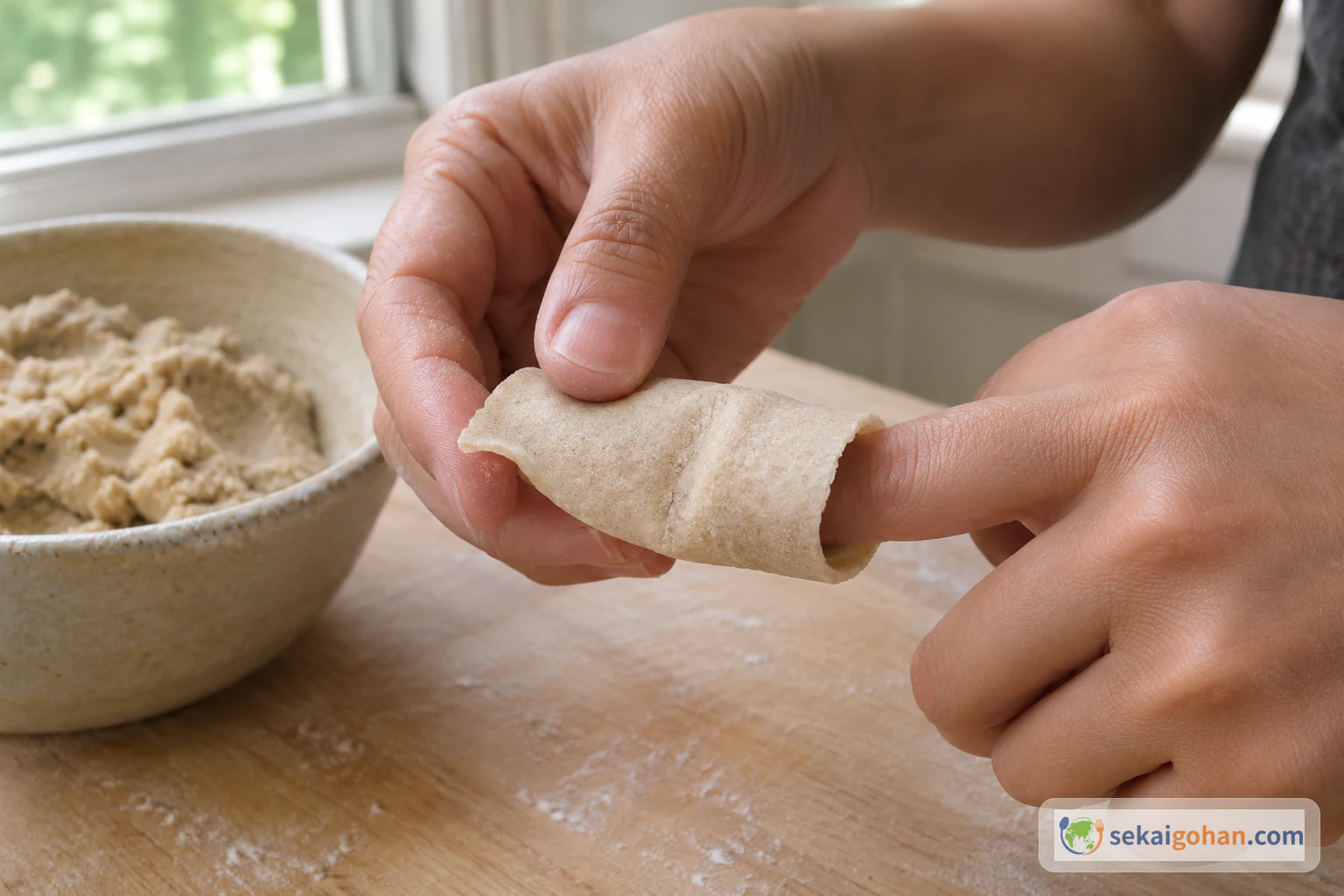
Most noodles are long strands that are cut and boiled. Kaolaolao is shaped differently: a small piece of dough is pressed, pushed out into a thin sheet and wrapped around a finger to make a short hollow tube. The tubes are then cooked standing upright, side by side, in a steamer, and that honeycomb arrangement is the look that defines the dish.
These oat noodle rolls come from the mountains of Shanxi, where cooks serve them with dishes such as lamb, potatoes and tofu. In Jingle County, oat noodles are also shaped into tubes and steamed. For more dishes from across the country, see the Chinese recipes on Sekai Gohan.
In Chinese the dish is written 栲栳栳 and is usually romanized as kaolaolao. The flour is 莜面, romanized as youmian. Searching with both the Chinese characters and the romanized names makes it easier to find the flour and the dish.
Ingredients: Two Things for the Dough
Equipment
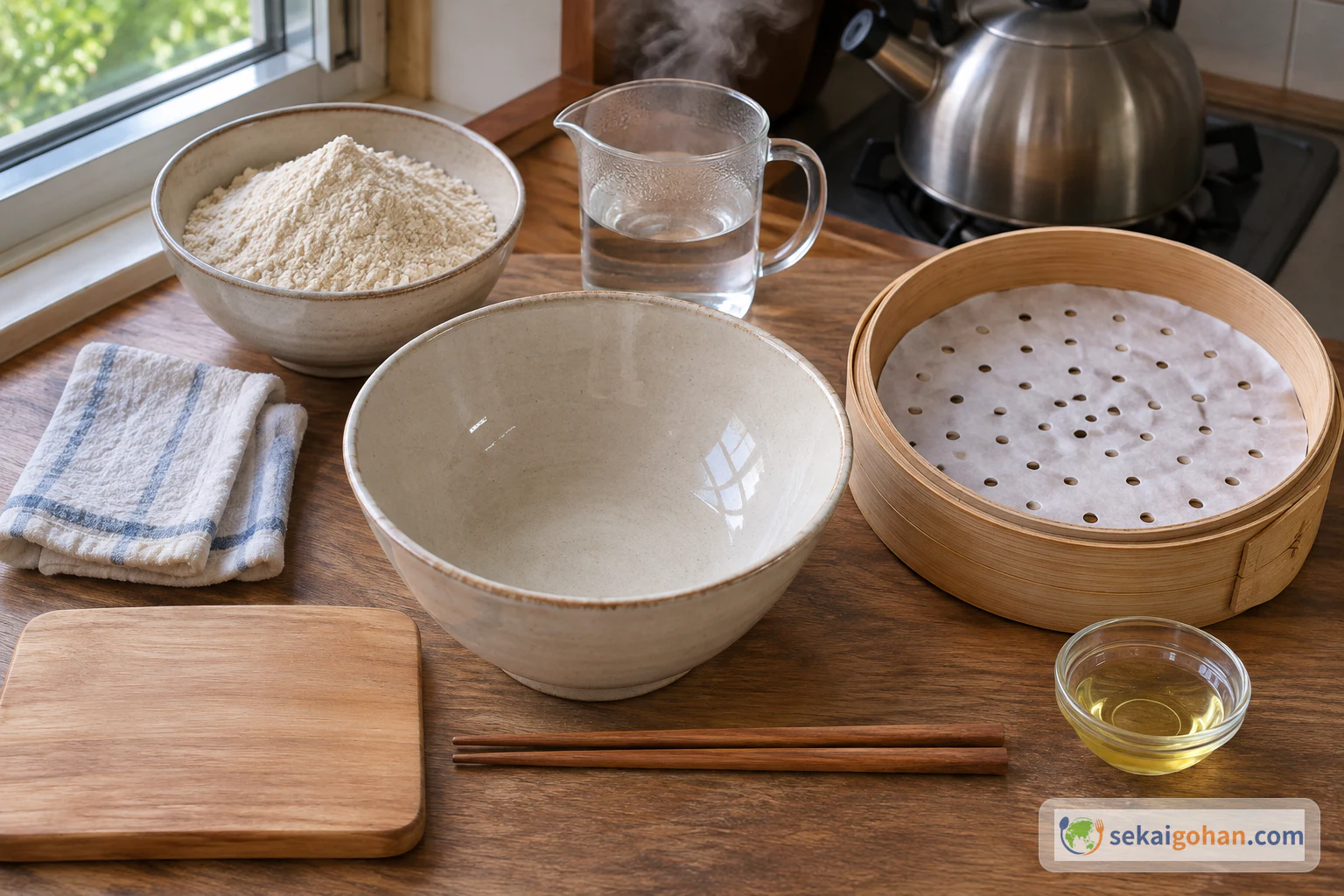
- Kettle or small pot for boiling the dough water
- Mixing bowl
- Chopsticks
- Clean cloth, dampened
- Smooth work surface or board
- Steamer basket with a lid
- Pot of water that the steamer basket sits over
- Perforated steamer liner that its maker states is for food contact and for steaming
Use only a liner that the manufacturer states is suitable for food contact and for steaming. Not every wax paper or baking paper is safe for heating or steaming, so do not assume any paper will do. Keep holes or gaps in the liner open so steam can circulate, and use only a thin coat of oil on it to keep the tubes from sticking.
The dough is mixed with freshly boiled water, so stir it with chopsticks and do not touch it with your hands until it has cooled enough to handle safely. When steaming, keep your face and hands away from rising steam, and open the lid so the steam escapes away from you.
Choosing Youmian and Substitutes
Youmian (莜面) is an edible flour made from naked oats. The whole dish is built on it, so look for flour sold for cooking and labeled as youmian or naked-oat flour.
If you can't find youmian, fine ordinary oat flour can stand in. Choose a finely milled flour, read the label, and expect tubes with a different texture from kaolaolao made with youmian. Buckwheat flour is not youmian: it is a different flour and won't work as a substitute here.
Oat flours differ by product in how they are processed and what else is handled in the same facility. Check the label of the flour you buy, including any allergen and shared-facility statements, before cooking for someone with an allergy or intolerance.
Common Kaolaolao Problems and Fixes
| What you notice | What to check | What to do |
|---|---|---|
| The dough is too hot to knead | It was mixed with freshly boiled water | Keep using chopsticks and wait longer. Handle the dough only once it is safe to touch |
| The water went in all at once | How fast the water was poured | Next time, pour slowly in a steady stream while you stir with chopsticks |
| The tubes stick to the liner | Whether the liner was oiled | Give the liner a thin coat of oil before the tubes go on, and use a liner its maker rates for steaming |
| The steam does not seem to reach the tubes | Whether the holes or gaps in the liner are blocked | Keep the perforations and gaps open so steam can circulate |
| The basket is touching the water | How the steamer sits on the pot | Set the basket so it rests above the boiling water, not in it |
| The texture is not what you expected | Which flour you used | Ordinary oat flour gives a different texture from youmian. Look for flour labeled youmian or naked-oat flour |
| A burst of steam hits your hand or face | How the lid was opened | Open the lid from the far side and tilt it away from you |
Serving Kaolaolao and Variations
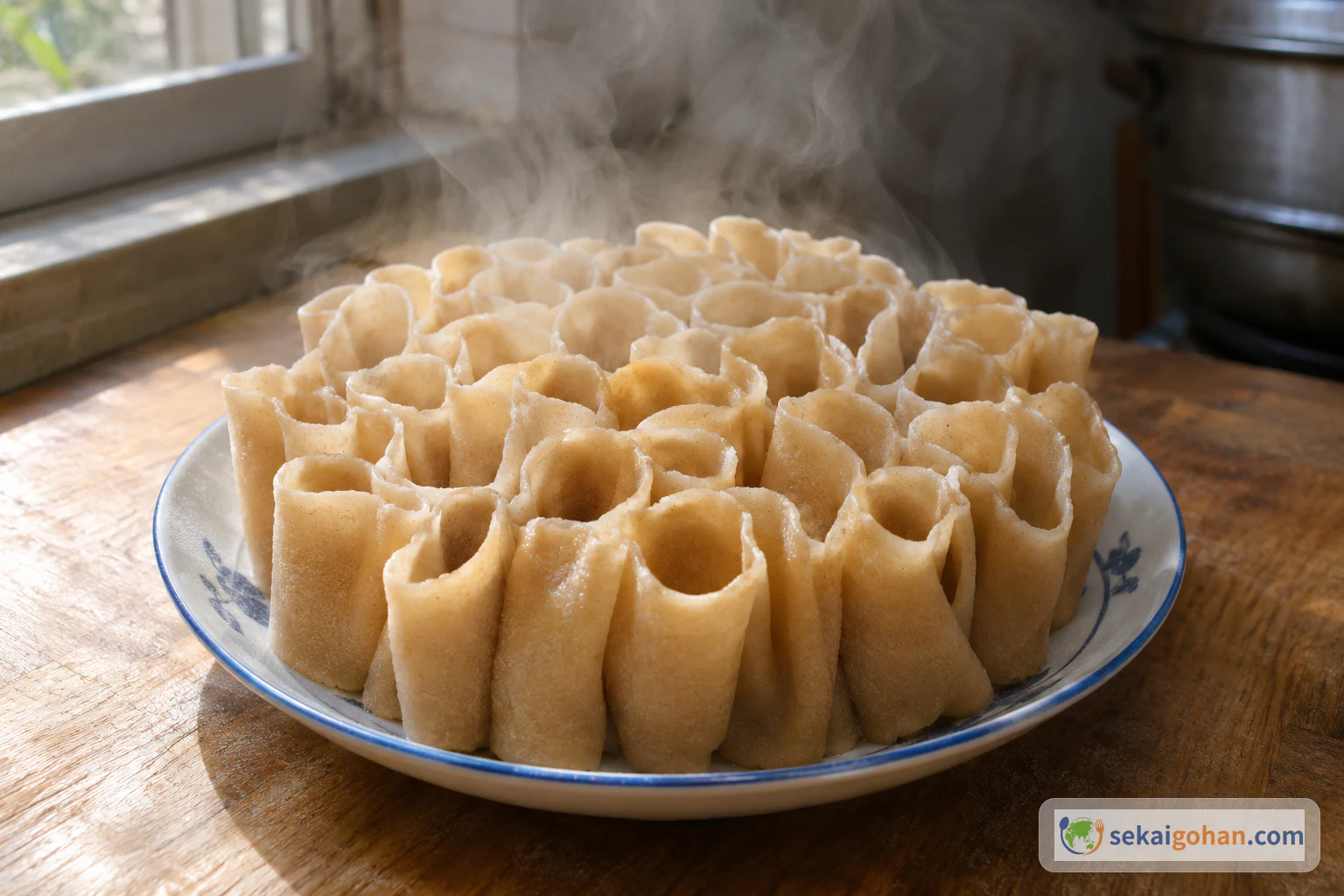
Kaolaolao is at its best freshly steamed, carried straight from the steamer to the table while it's still hot. Here the tubes are served plain; in Shanxi they often come alongside lamb, potatoes or tofu.
You'll also see the dish made with another ratio, 7 oz (200 g) of flour to 1 cup (200–220 ml) of water, while this recipe uses 9 oz (250 g) flour and 1 cups (250 ml) water. If you want to try the other version, follow its method as a whole rather than mixing the two.
Frequently Asked Questions
Is kaolaolao gluten-free?
Flours differ by product, so check the label of the flour you buy, including any allergen and shared-facility statements.
Can I use wax paper in the steamer?
Use only a liner that its maker states is suitable for food contact and steaming, since not all wax paper is safe for heating or steaming. Keep holes or gaps open so steam can circulate, and oil the liner thinly to stop sticking.
How many tubes does this make, and how many people does it serve?
The number of tubes depends on how much dough you pinch off for each one.