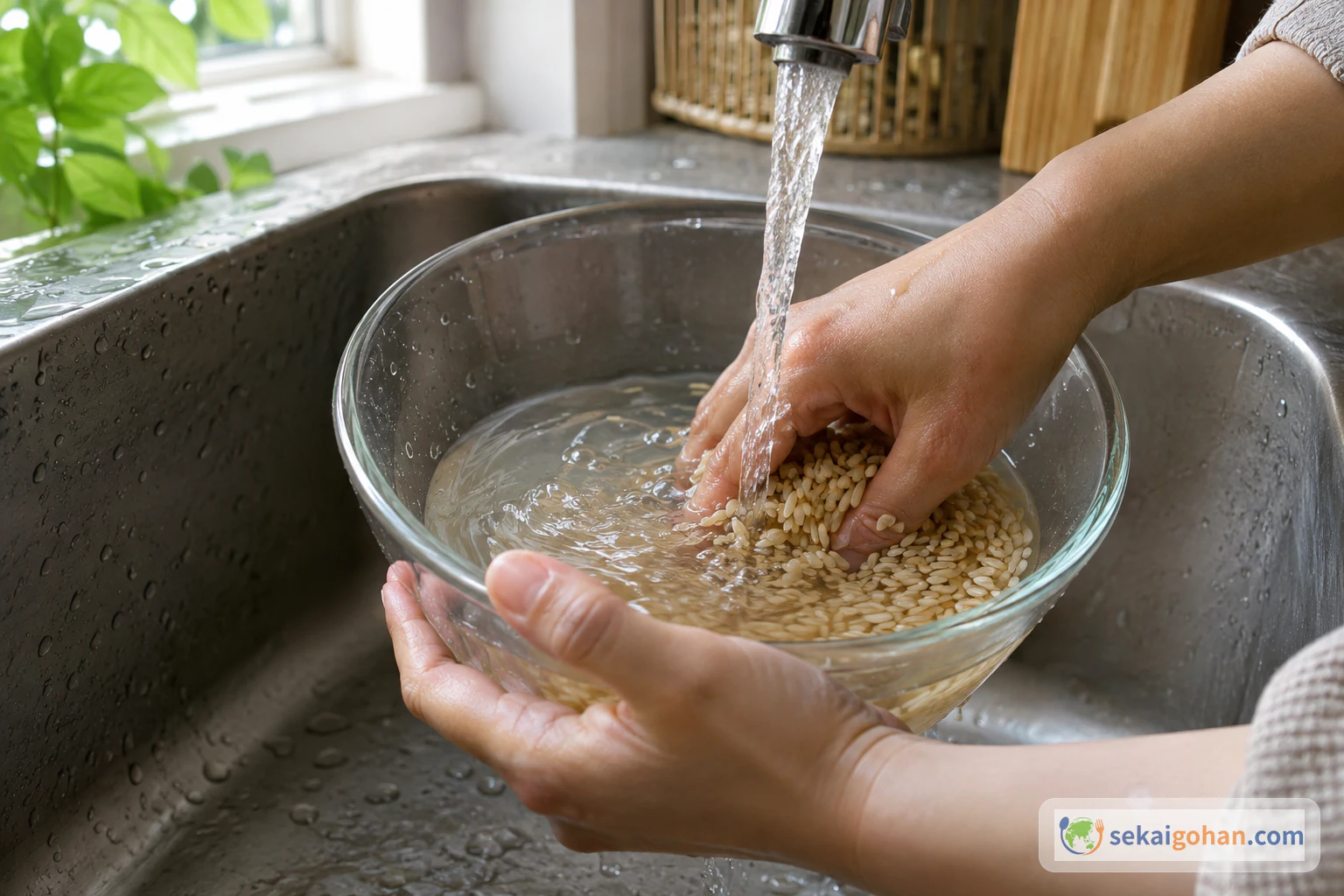
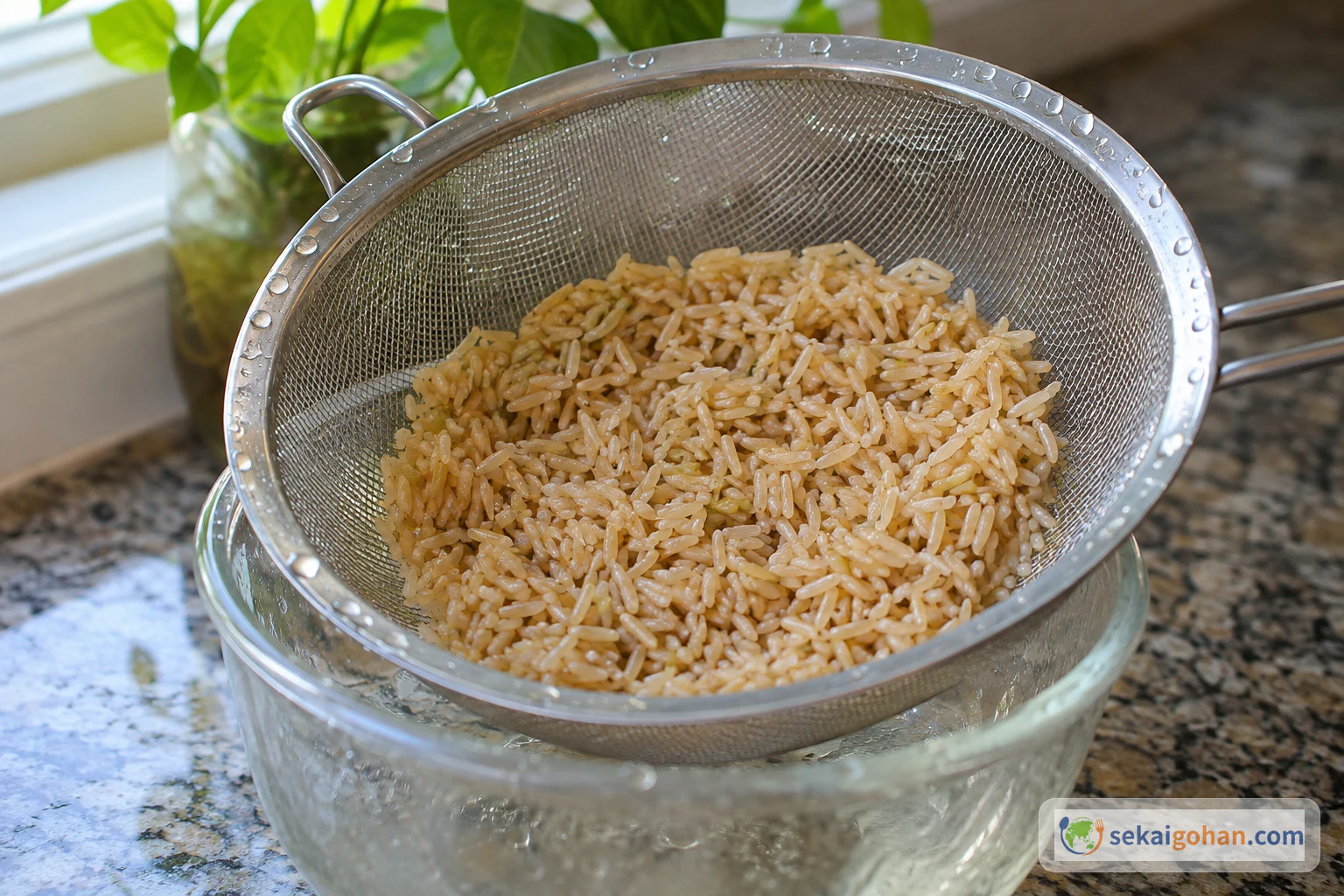
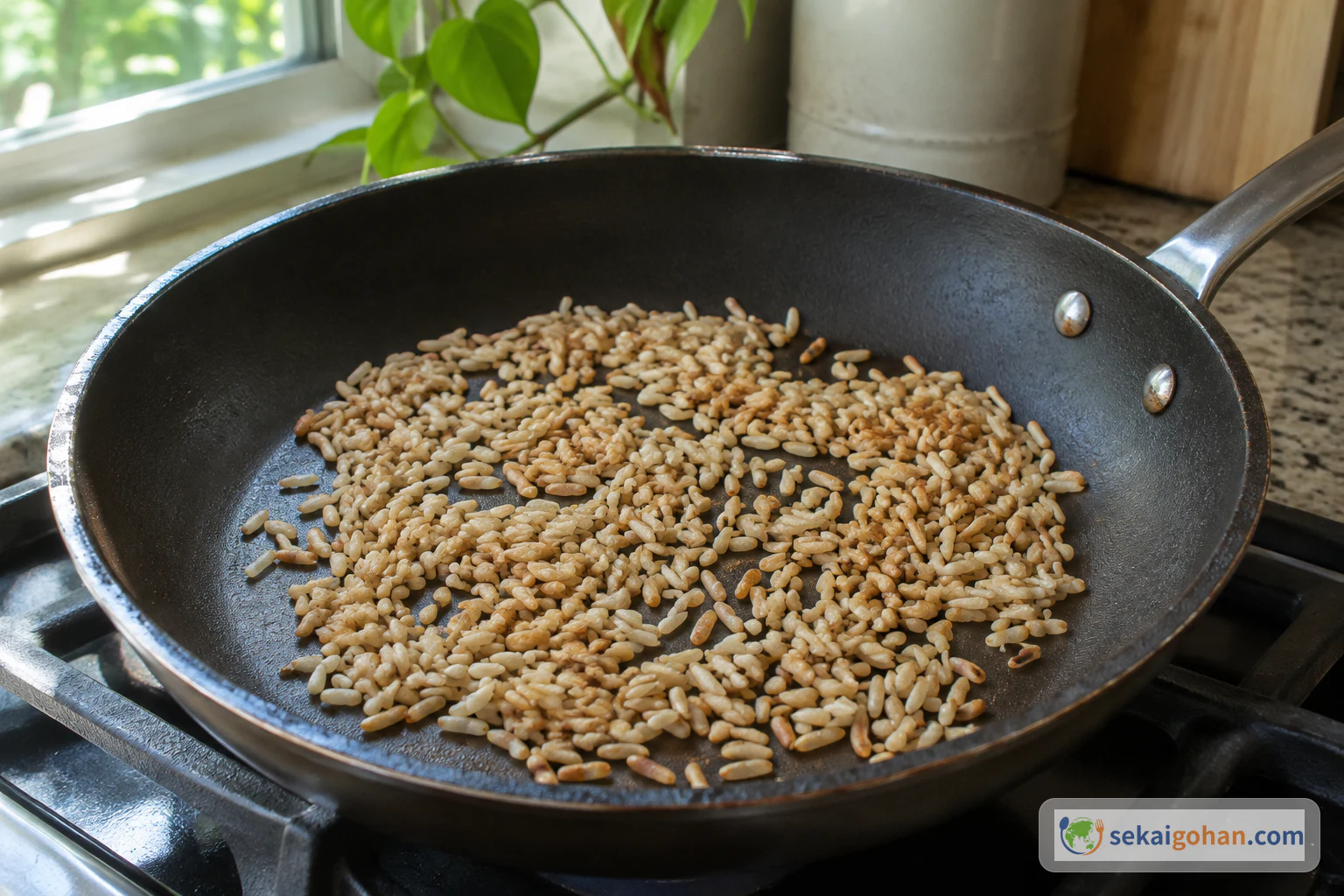
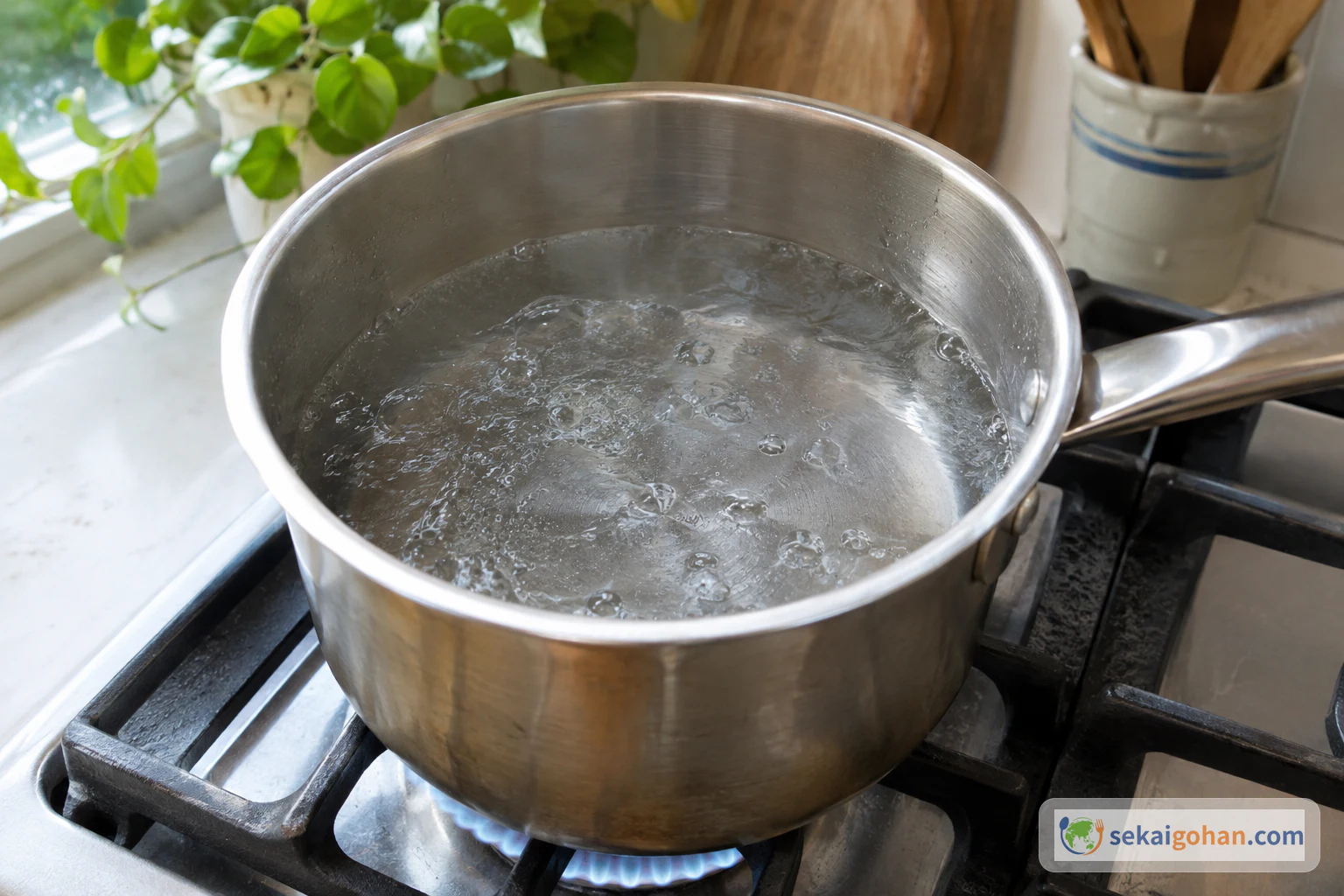
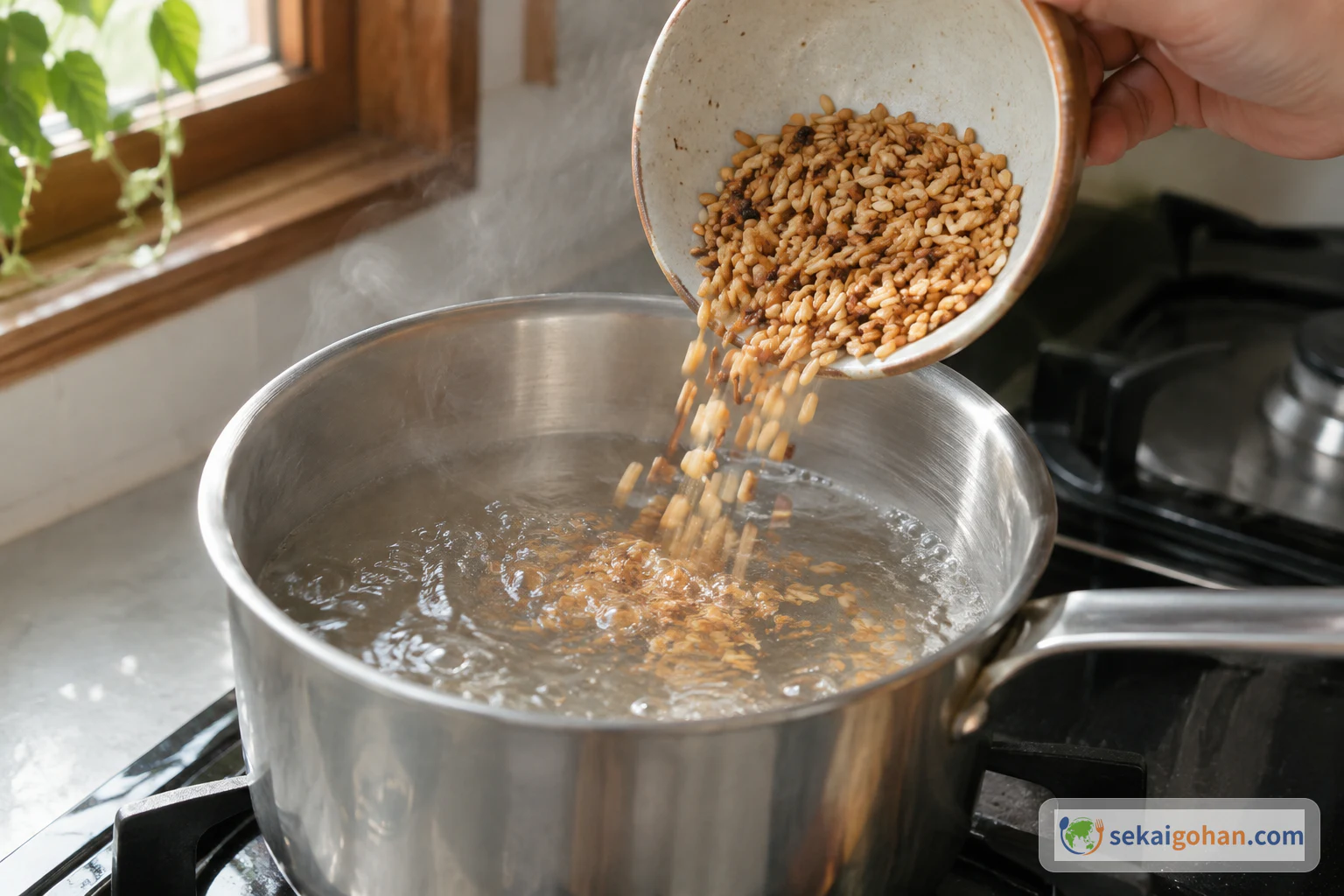
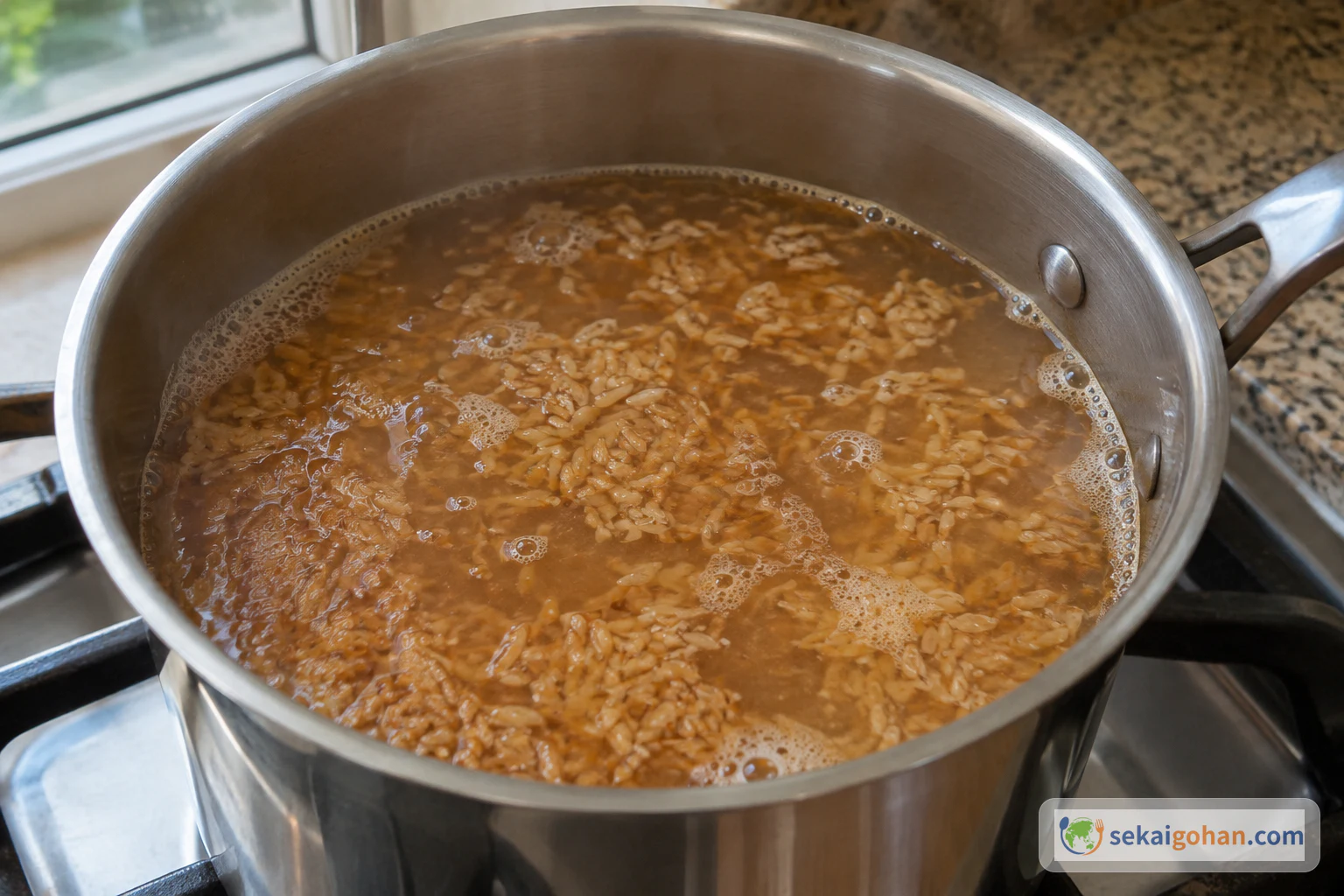
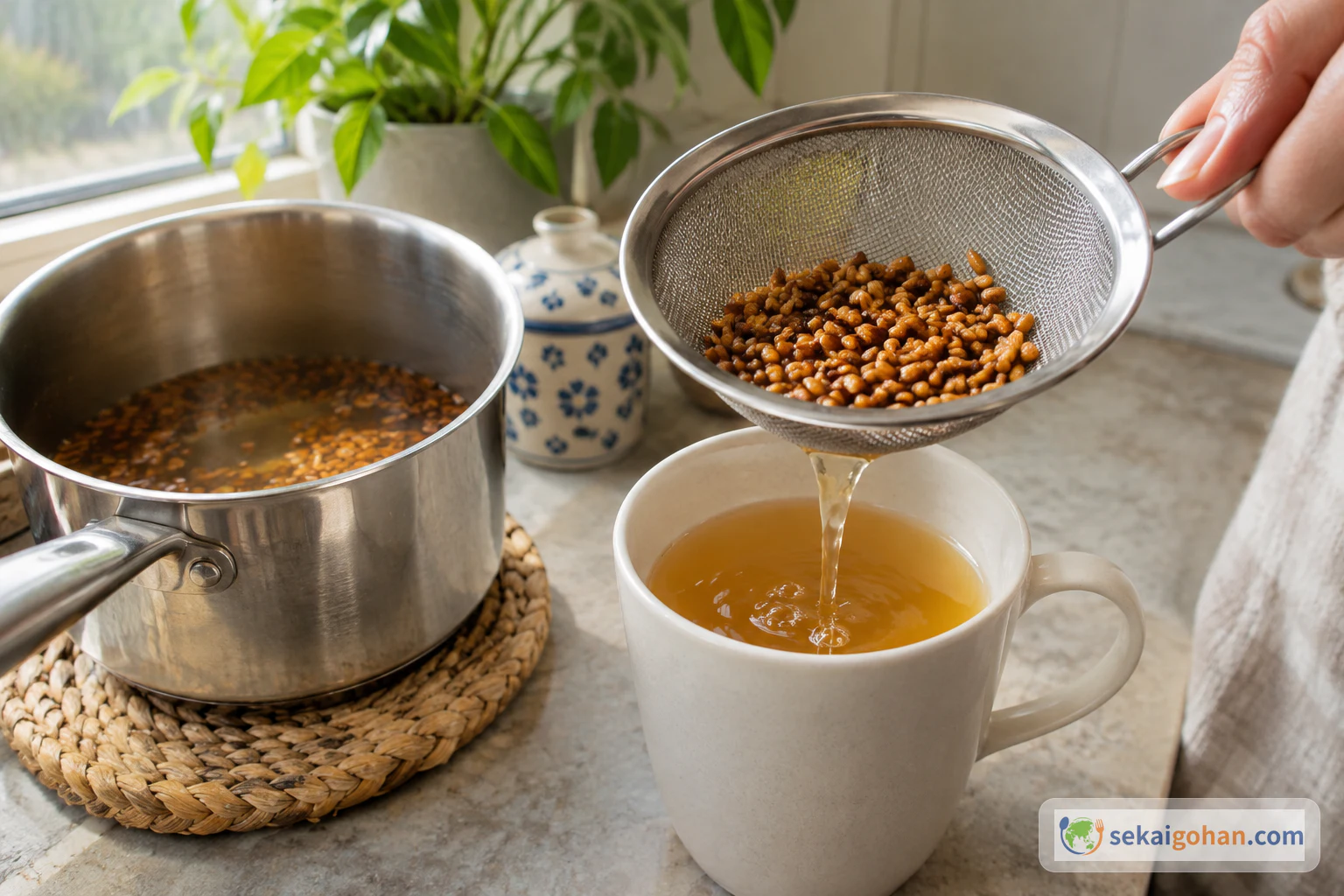
A handful of washed brown rice goes into a dry pan, no oil. As it heats, the grains dry out, turn a toasty brown and puff up just slightly. A spoonful or two then drops into a pot of boiling water and simmers for a few minutes.
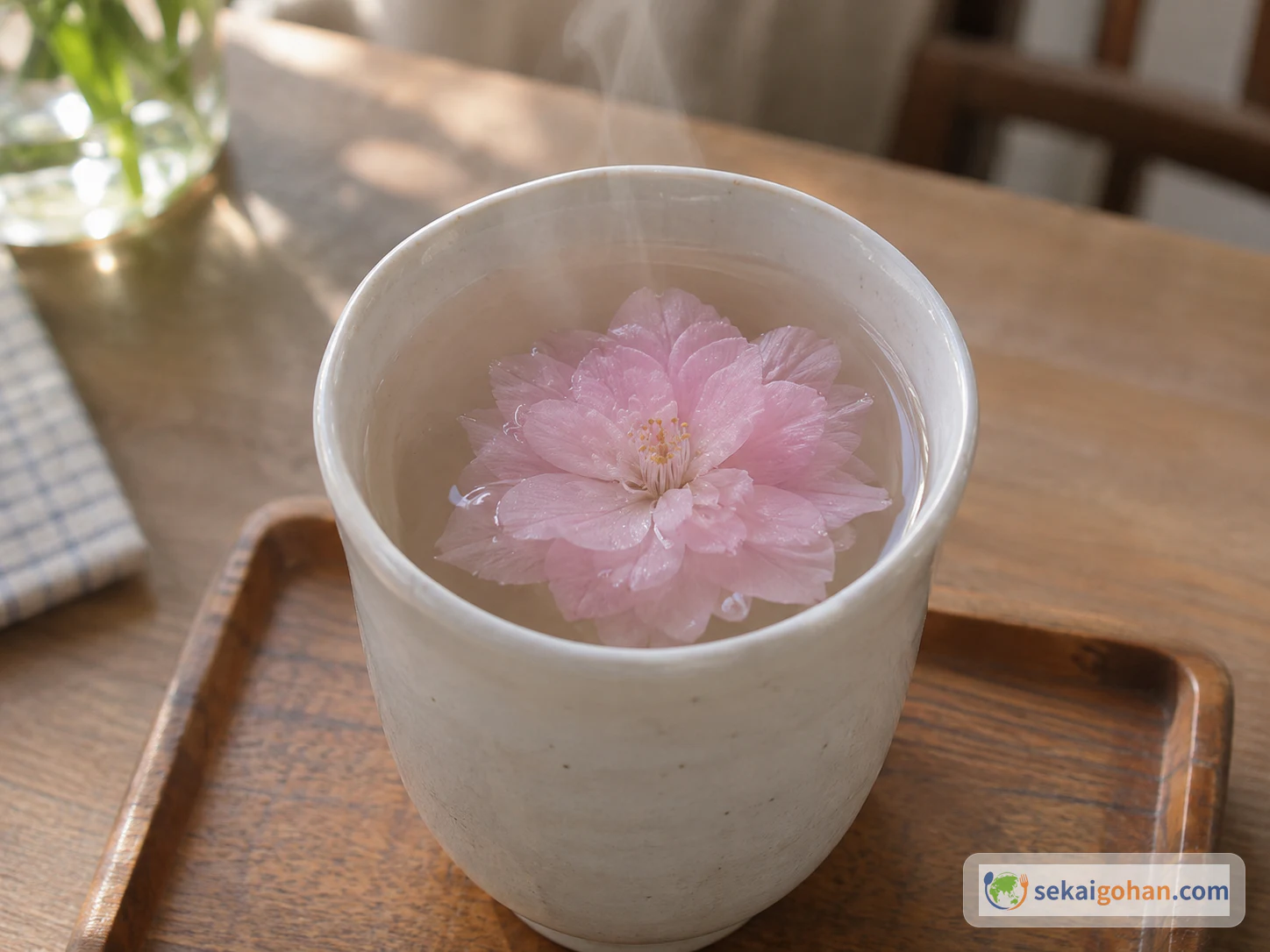
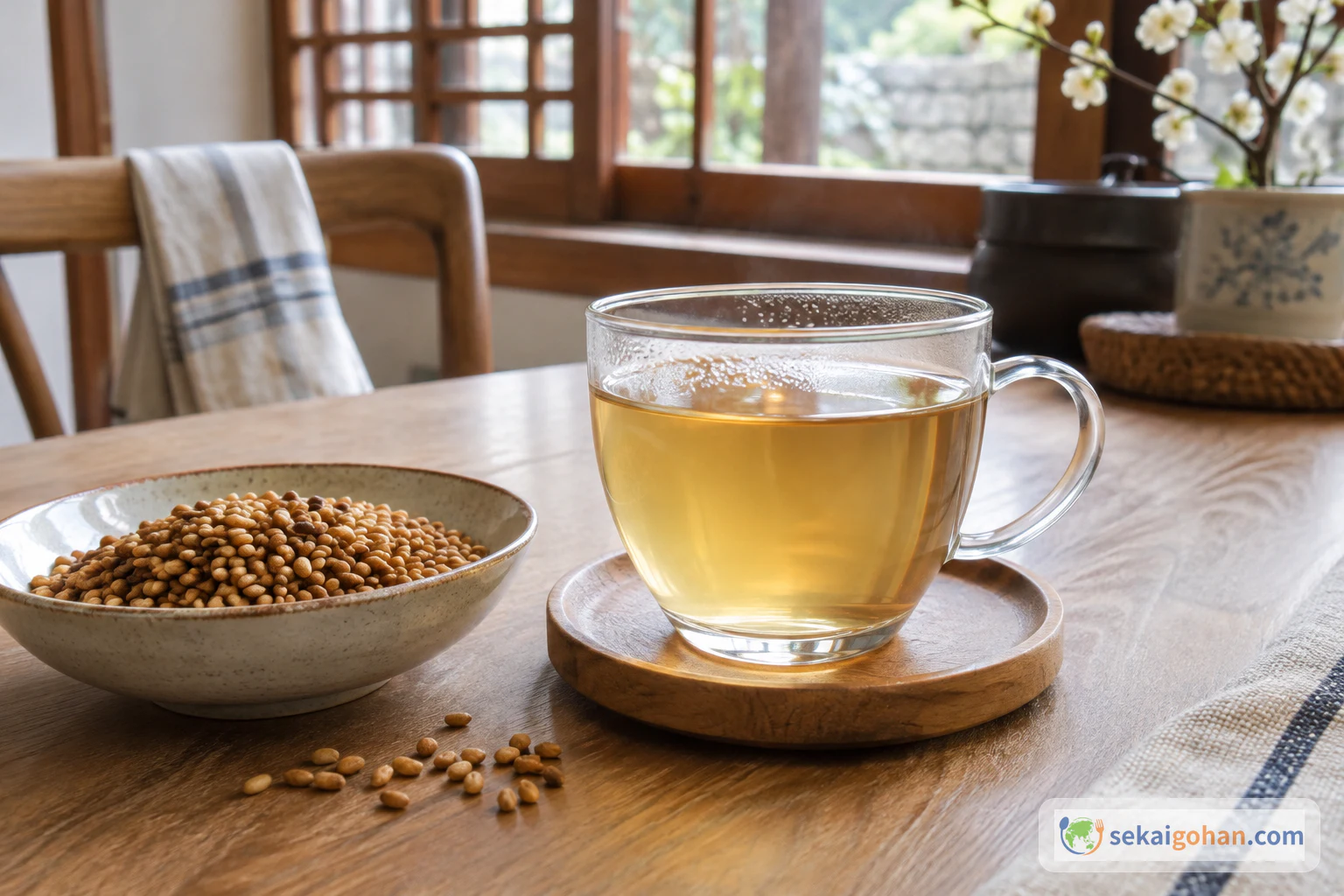
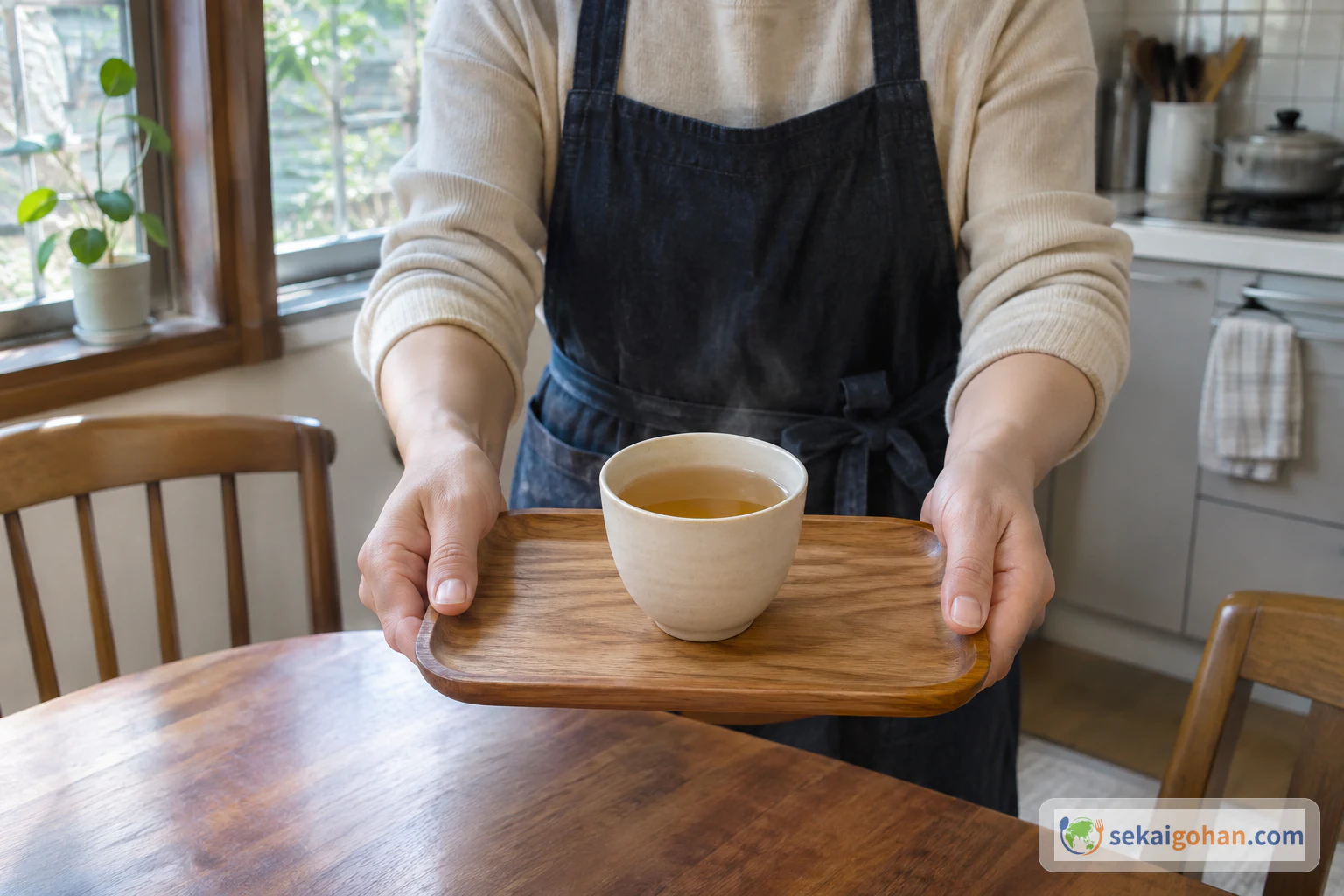
That's hyeonmi-cha (현미차), a Korean drink made by drawing the flavor of roasted brown rice into hot water. It tastes nutty and roasted, a lot like nurungji, the scorched rice from the bottom of a pot. Its appeal is simple: toasting brings out the aroma of the rice, and hot water carries it into the cup.
About Hyeonmi-cha
Only roasted brown rice and water go into this tea, with no tea leaves, oil or sugar. If you know Japanese genmaicha, the toasted rice aroma will feel familiar, but the two are made differently. Genmaicha is a ready-made blend of tea leaves and roasted rice, while hyeonmi-cha uses rice alone.
Adding green tea leaves changes the name too. That version is 현미녹차, or brown rice green tea, and products sold under that name list roasted brown rice and green tea as their ingredients. For more Korean dishes, visit our Korea page.
Ingredients: Brown Rice and Water
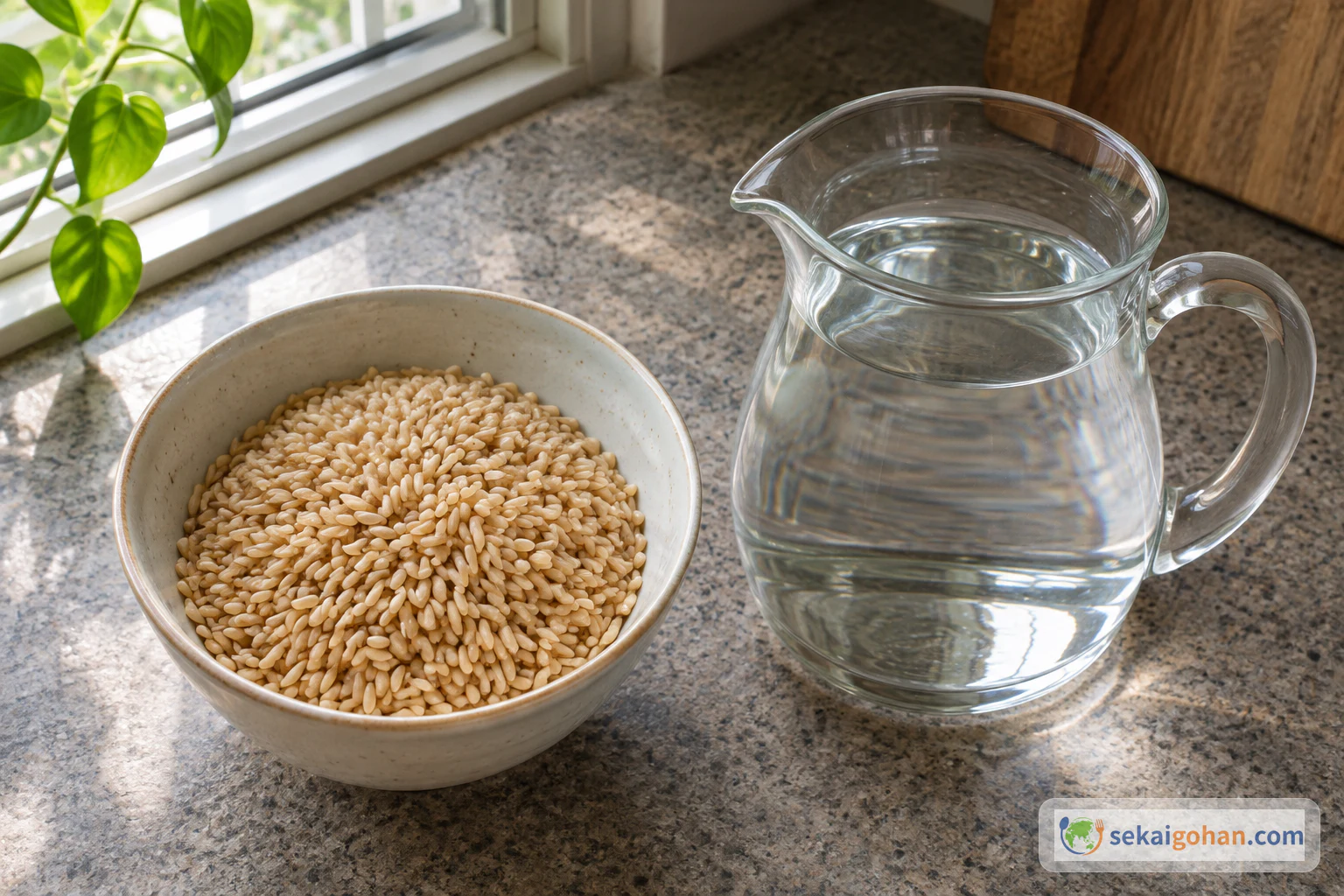
The 2 Tbsp measure applies to the roasted grains, not the raw rice. Roast enough raw rice to give you that amount, then measure it after roasting. No salt, sugar, oil or tea leaves are added.
Equipment
- Bowl, for washing the rice
- Fine-mesh sieve, for draining
- Skillet or frying pan, used dry
- Small saucepan
- Tea strainer
- Tablespoon and cup measures
- Cups for serving
Choosing Rice for Hyeonmi-cha
Ordinary uncooked brown rice from the supermarket is all you need, and any brand will do. Sticky rice, cooked rice or ready-made genmaicha leaves would each make a different drink.
Method: From Raw Rice to a Warm Cup
Wash your hands and tools before handling the rice. The pot and tea are very hot in the later steps, so handle the saucepan carefully when you add the grains and strain the tea.
Hyeonmi-cha Troubleshooting
Most problems come from roasting too far or simmering too long. Here's how to spot and fix them.
| Problem | What to check | What to do |
|---|---|---|
| The rice smells burnt | The grains went past toasted and slightly puffy | Stop earlier next time, and roast a fresh portion if the burnt smell is strong |
| The grains have swollen in the pot | The tea simmered for too long | Strain it now, and keep the simmer shorter next time |
| You aren't sure how much raw rice to roast | The 2 Tbsp measure applies only after roasting | Measure the grains after roasting, and roast a little more if you come up short |
| Grains are getting into the cup | The strainer may be too coarse, or you may be pouring too quickly | Use a finer strainer and pour slowly |
Other Ways to Brew Hyeonmi-cha
Simmering is one way to brew roasted rice. The other is to pour hot water over it and let it steep for a short while, a separate and simpler method of its own. If you have a Hurom tea machine, it has its own settings, which work only for that machine; keep them apart from the stovetop amounts rather than scaling one against the other.
| Version | Ingredients | How it is brewed |
|---|---|---|
| Hyeonmi-cha, simmered (this recipe) | About 2 Tbsp roasted brown rice, 5 cups water | Boil the water, add the rice and simmer for a few minutes |
| Hyeonmi-cha, steeped | Roasted brown rice, hot water | Pour hot water over the rice and let it steep for a short while |
| Brown rice green tea (현미녹차) | Roasted brown rice, green tea | A separate blend made with tea leaves |
| Hurom tea machine | 1200 ml water, 30 g roasted barley or roasted brown rice | Boil the water in the machine, then brew the grains in its tea basket on a 30-minute program |
Frequently Asked Questions
How long should I simmer it?
Just a few minutes. Stop before the grains swell, since swollen grains make the tea harder to drink.
Does it contain caffeine?
The rice-only tea is caffeine-free. Brown rice green tea, made with green tea leaves, is a different drink.
Can I make it ahead?
It's best brewed when you plan to drink it and served warm.