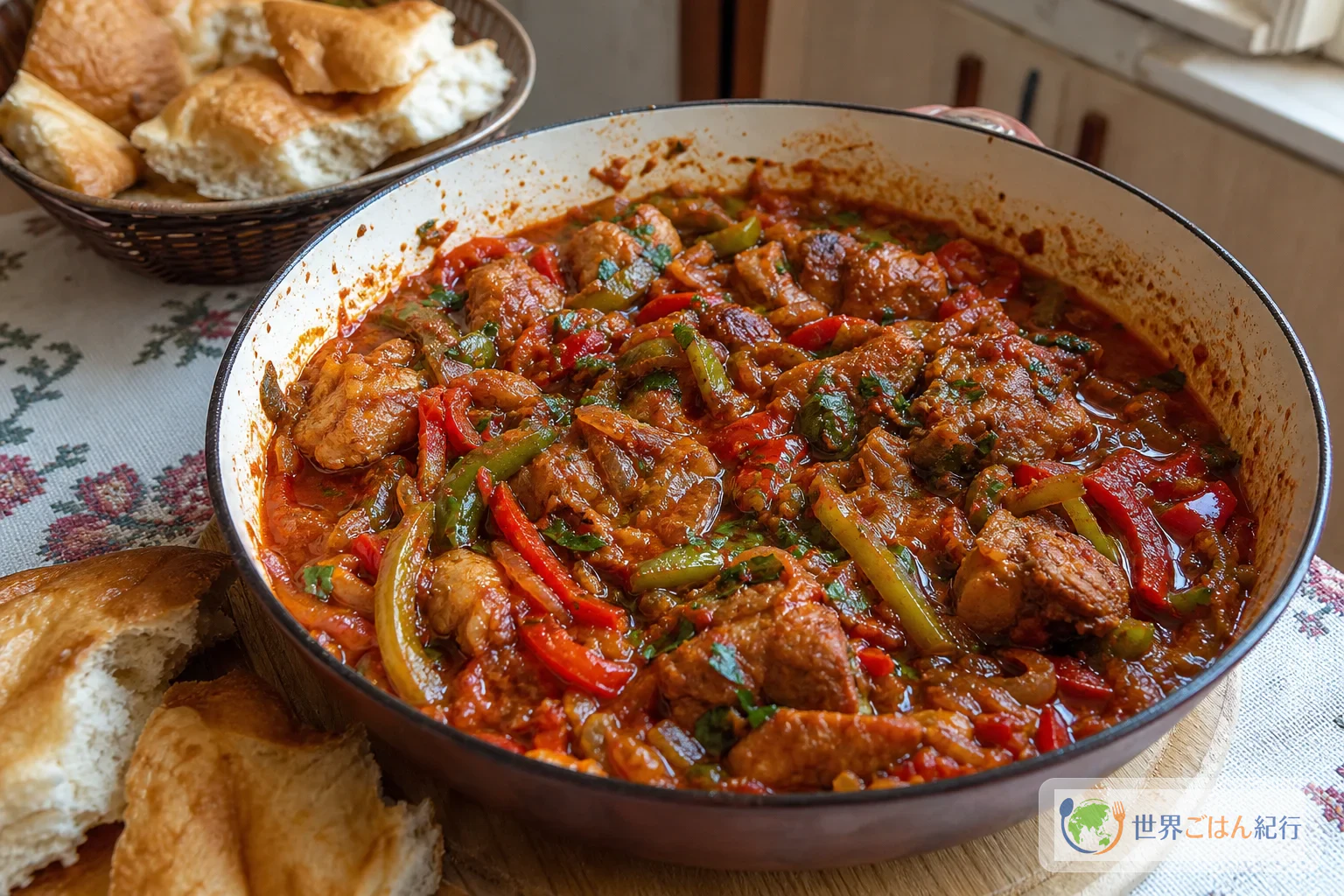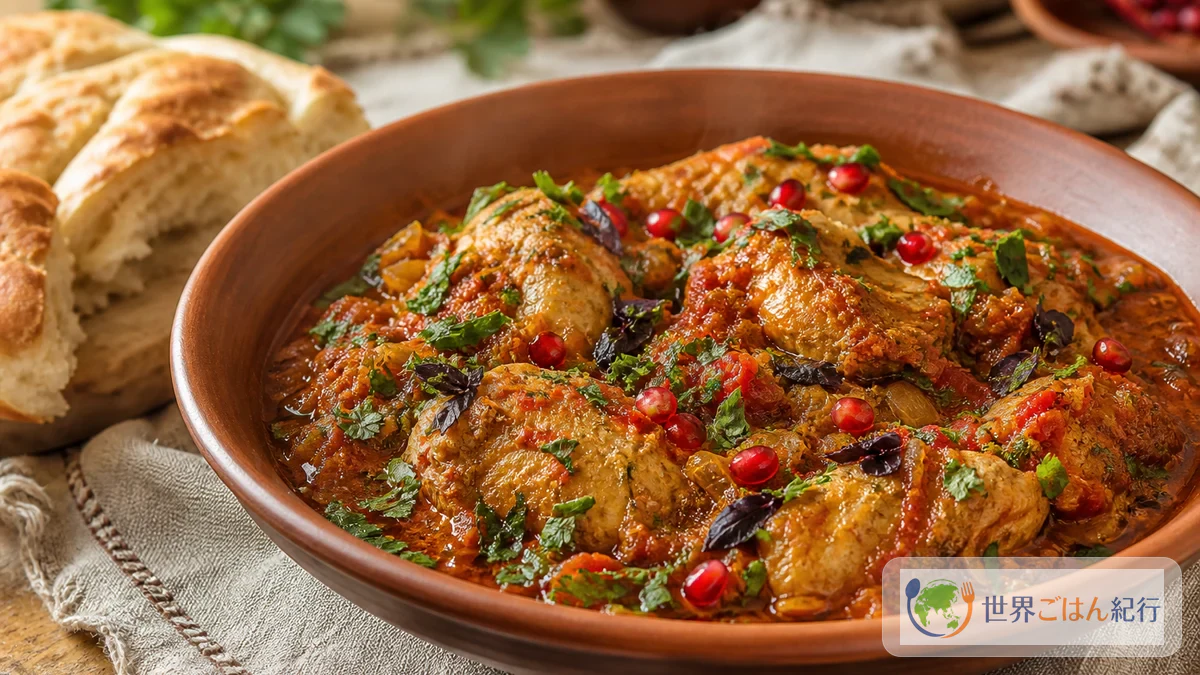
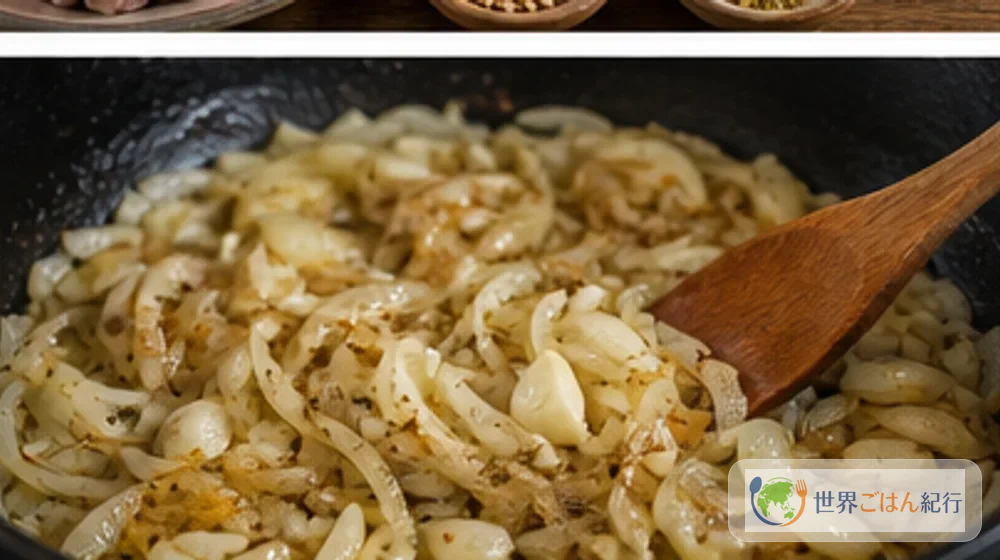
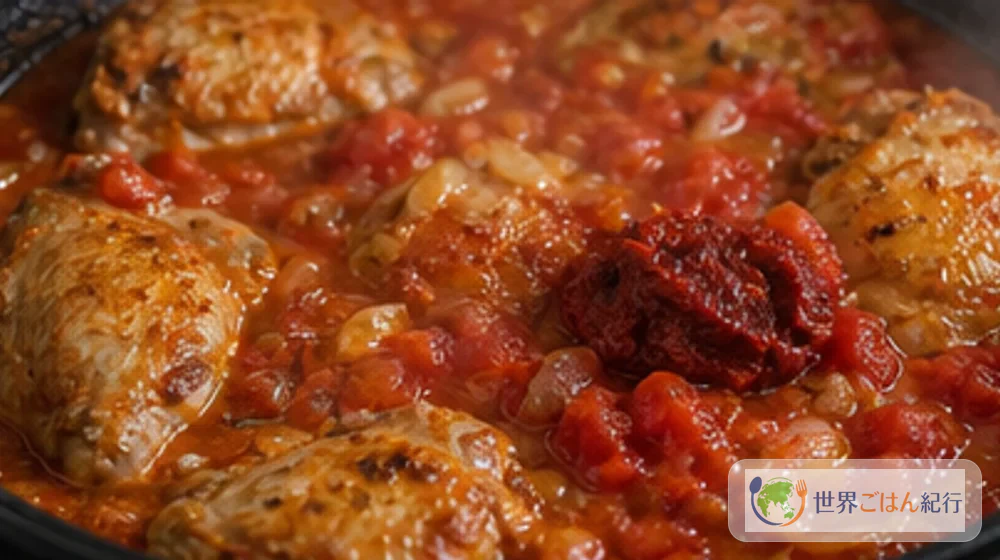
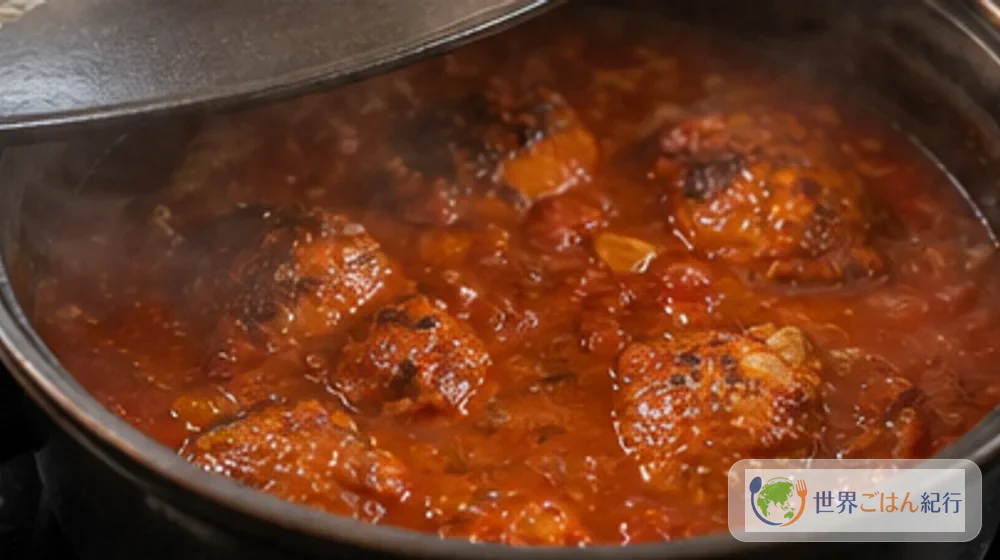
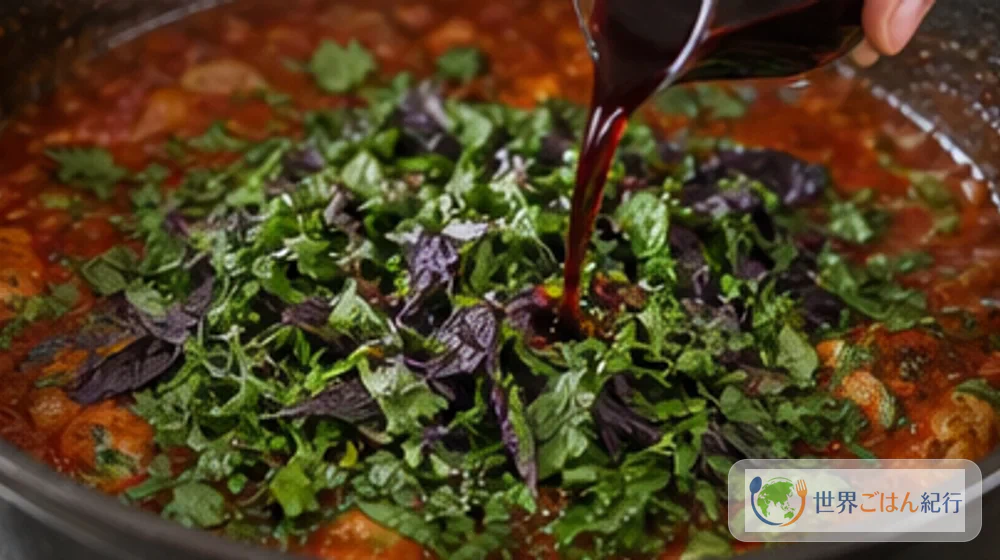
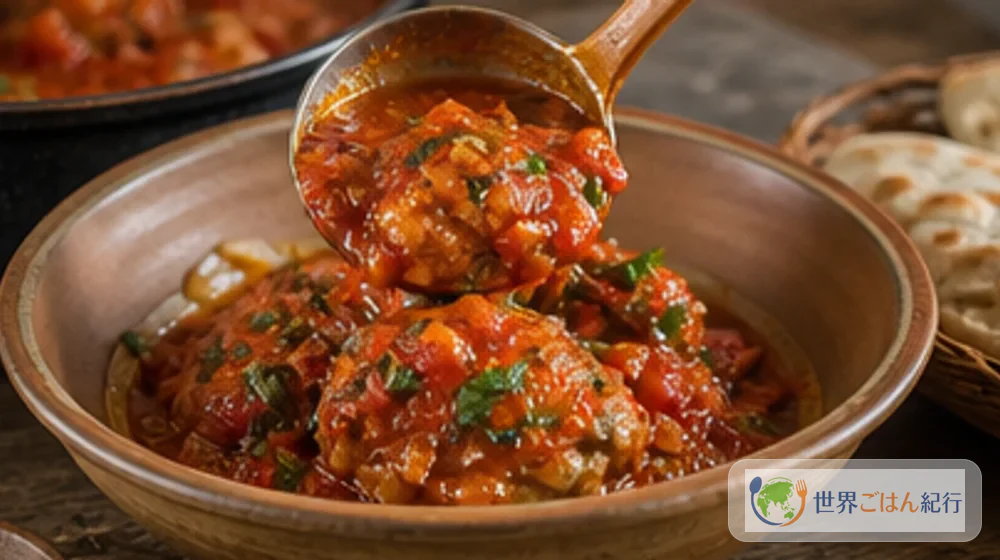
Once the chicken is browned and the onions and tomatoes go into the same pot, the kitchen suddenly turns red. The toasty smell of the skin meets garlic, coriander and bright green herbs, and the sauce starts to bubble. Chakhokhbili (ჩახოხბილი / chakhokhbili) is a much-loved Georgian stew of chicken and tomatoes. It gets its depth from the chicken fat and the tomato juice slowly coming together, with very little added water, and the result is a red, herb-forward sauce you'll want to wipe up with bread.
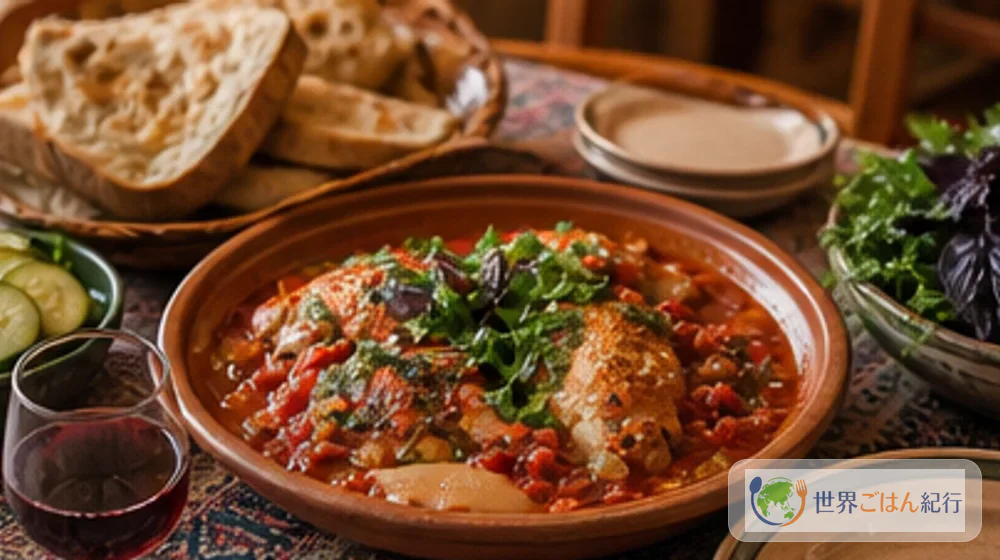
Chakhokhbili, from pheasant to chicken
The name comes from khokhobi, the Georgian word for pheasant. The dish was originally made with pheasant and has since spread as a home-cooked chicken dish that's far easier to manage. Among Georgian chicken dishes, it's easy to tell apart from shkmeruli, which is finished with garlic and dairy.
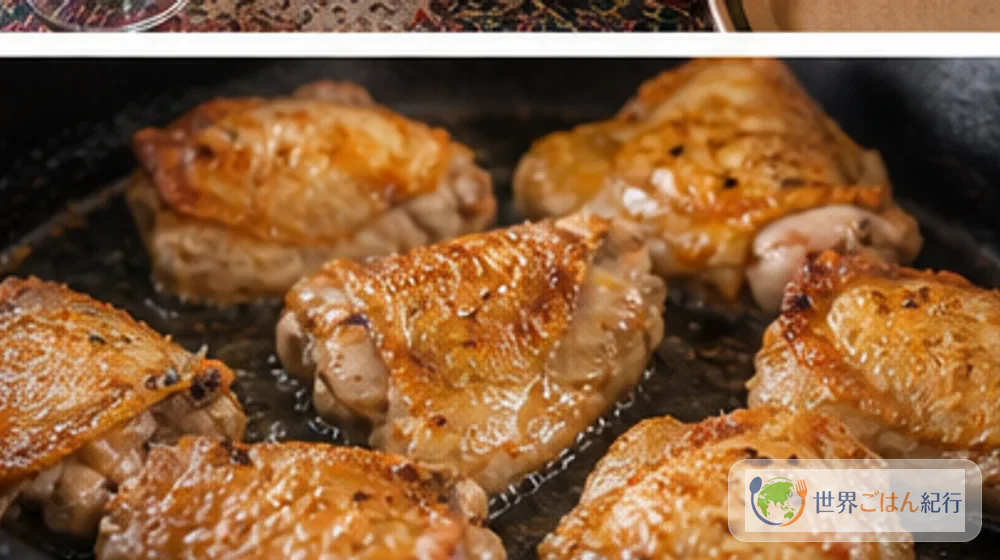
The order of cooking is the key to the dish. The meat cooks first in its own fat and juices, then in the juices of the vegetables, and finally in tomato juice. In practice that means browning the chicken to render its fat, cooking the onions until sweet, reducing the tomatoes, and only then returning the chicken. Bone-in thighs or drumsticks work best, because the bones give their savoriness to the sauce and round off the acidity of the tomatoes.
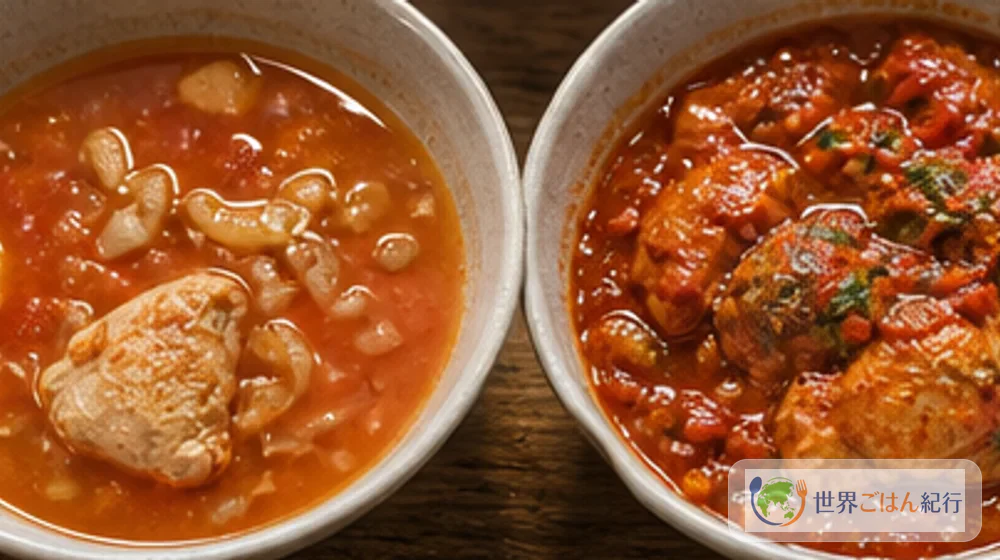
The hard part is the moisture. Fresh tomatoes can taste thin depending on the season, and canned tomatoes are watery. Add too much water or broth and, instead of a red, herb-forward Georgian sauce, you end up with a weak chicken-tomato soup.
Ingredients (serves 4)
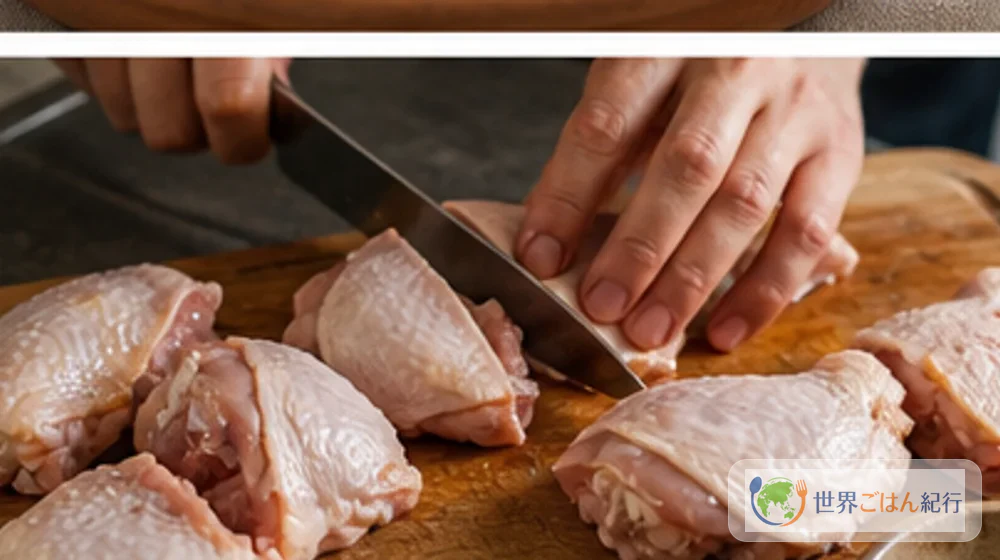
Bone-in chicken thighs or drumsticks give the sauce body even with a shorter braise. Boneless thighs work too, but cut them into large pieces, about 2 inches (5 cm), so they don't fall apart, and shorten the simmer in step 5 to around 12 minutes.
If you'd like the same tomato-and-herb direction with beef, move on to chashushuli, where the meat is seared hard and stewed down thick; it's an easy way to see the differences among Georgia's red stews.
Make sure the chicken reaches an internal temperature of at least 75°C (167°F), and keep separate cutting boards and knives for raw meat and for vegetables. Wash the herbs well under running water and dry them before chopping. If you use pomegranate molasses, some products contain sugar or preservatives, so check the allergen label.
Ingredients and tools for this dish
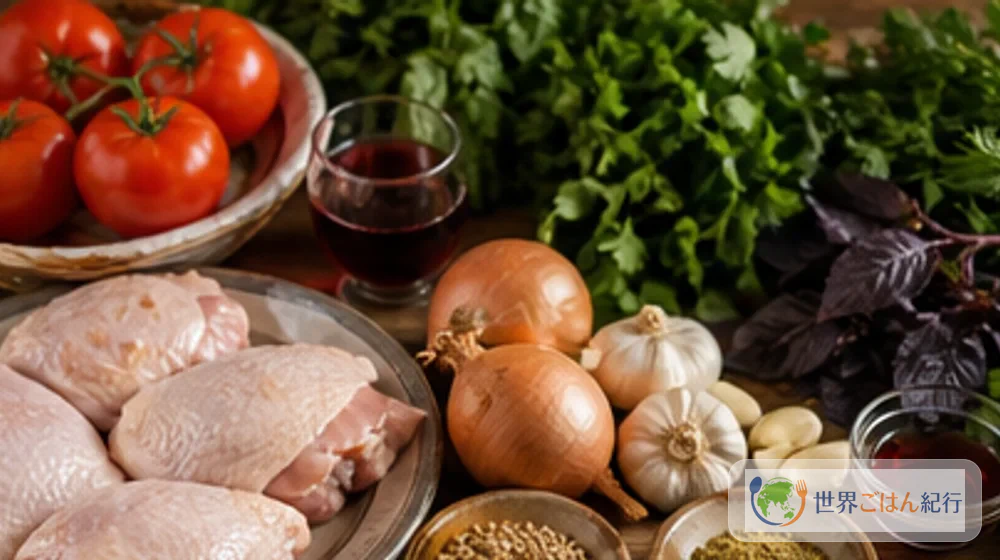
Chicken, onions and tomatoes are easy to find at any supermarket. The items worth tracking down are whole coriander for aroma, pomegranate molasses to get closer to the Georgian sourness, and an instant-read thermometer to check that bone-in chicken is cooked through. Look for the first two at Middle Eastern or international grocers, or online.
Choosing ingredients for chakhokhbili
Chakhokhbili looks like any tomato stew, but the herbs and spices at the end decide its character. You don't have to source every Georgian ingredient. Three rules make it taste right at the table: brown the chicken, reduce the tomatoes, add the herbs last.
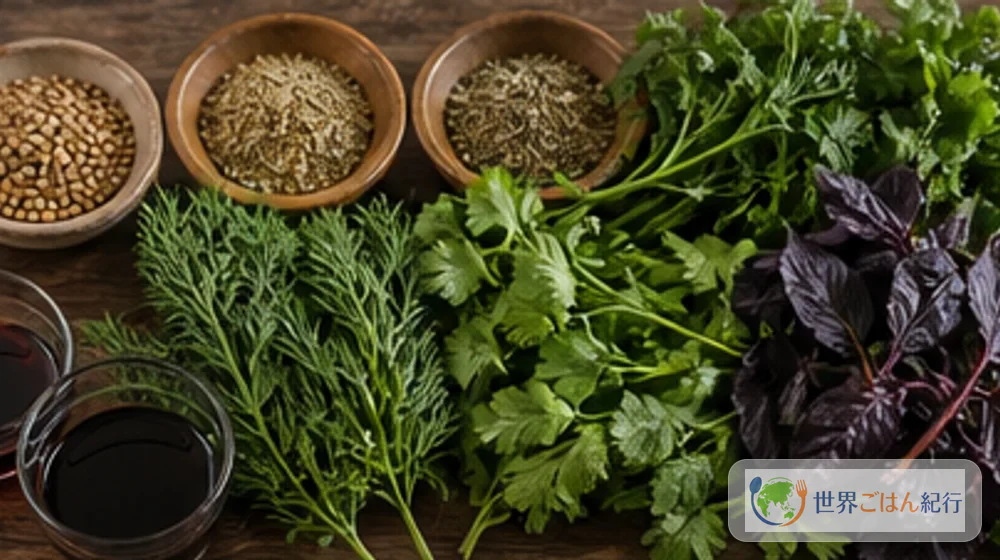
The spice names are where people tend to get stuck. Georgian cooking calls for khmeli suneli, blue fenugreek, coriander and marigold, among others, but a mix of coriander, dried basil, dried dill and a little fenugreek steers you toward that sweet, green aroma. Patching the flavor with soy sauce or bouillon turns it into a different stew altogether. Salt, acidity and herbs are what tighten this dish up.
| Tricky ingredient | How to substitute |
|---|---|
| Khmeli suneli | Combine 1 tsp ground coriander, 1/2 tsp dried dill, 1/2 tsp dried basil and a pinch of fenugreek |
| Blue fenugreek | If you can't find it, use a tiny pinch of regular fenugreek. Too much turns bitter |
| Ripe tomatoes | Add 1 fresh tomato to 14 oz (400 g) canned diced tomatoes. With canned only, reduce thoroughly for 15 minutes |
| Cilantro | If you don't like it, increase the flat-leaf parsley to 1 oz (30 g) and the basil to 15 g |
| Red wine vinegar | 1 tsp pomegranate molasses plus 1 tsp water, or 2 tsp white wine vinegar |
| Pheasant | At home, bone-in chicken thighs, drumsticks or chopped bone-in chicken are plenty. Breast alone dries out easily |
To widen the Georgian aromas a little, add a tiny pinch of Svanetian salt at the end. Cook the stew with the salt in the recipe and adjust on the plate, since a salty stew feels heavy with bread.
Method
If you start simmering in tomatoes right away, the surface of the chicken turns soft and the sauce never gets that toasty depth. Brown the chicken first, cook the onions in the same pot, reduce the tomatoes and then return the chicken, and even ordinary ingredients taste vivid.
Fixing watery, sour or tough chakhokhbili
Most problems with this dish come down to moisture and heat. When the tomatoes taste sharp, it's tempting to keep simmering, but chicken cooked too long tightens up. Reduce the tomatoes first, and once the chicken is back in, keep the finish short.
| Problem | Cause | Fix |
|---|---|---|
| Watery sauce | Tomatoes were very juicy, or the lid was shut tight | Take out the chicken and reduce just the sauce over medium heat for 5–7 minutes |
| Too sour | The acidity of canned tomatoes came forward | Next time, cook the onions more thoroughly. For this pot, add a pinch of salt and 1 tsp oil |
| Tough chicken | Kept at a hard boil, or simmered too long | Shred it back into the sauce and serve it piled on bread |
| Herbs turned dark and limp | Herbs went in while the sauce was boiling | Off the heat, add 10 g fresh herbs, cover and rest for 3 minutes |
| Flat flavor | Salt, acidity or herbs are too weak | Finish with a pinch of salt, 1/2 tsp vinegar and 10 g chopped herbs, in that order |
Serving and storing chakhokhbili
Chakhokhbili is good with rice, but for a Georgian feel it's more fun with bread. Once the chicken is gone, wipe up the red sauce with a baguette, pita or naan, and you get tomato, chicken fat and herbs in a single bite. On days you serve it over white rice, reduce the sauce a little thicker, stir in only half the herbs and add the rest at the table so the aroma is fresh right before eating.
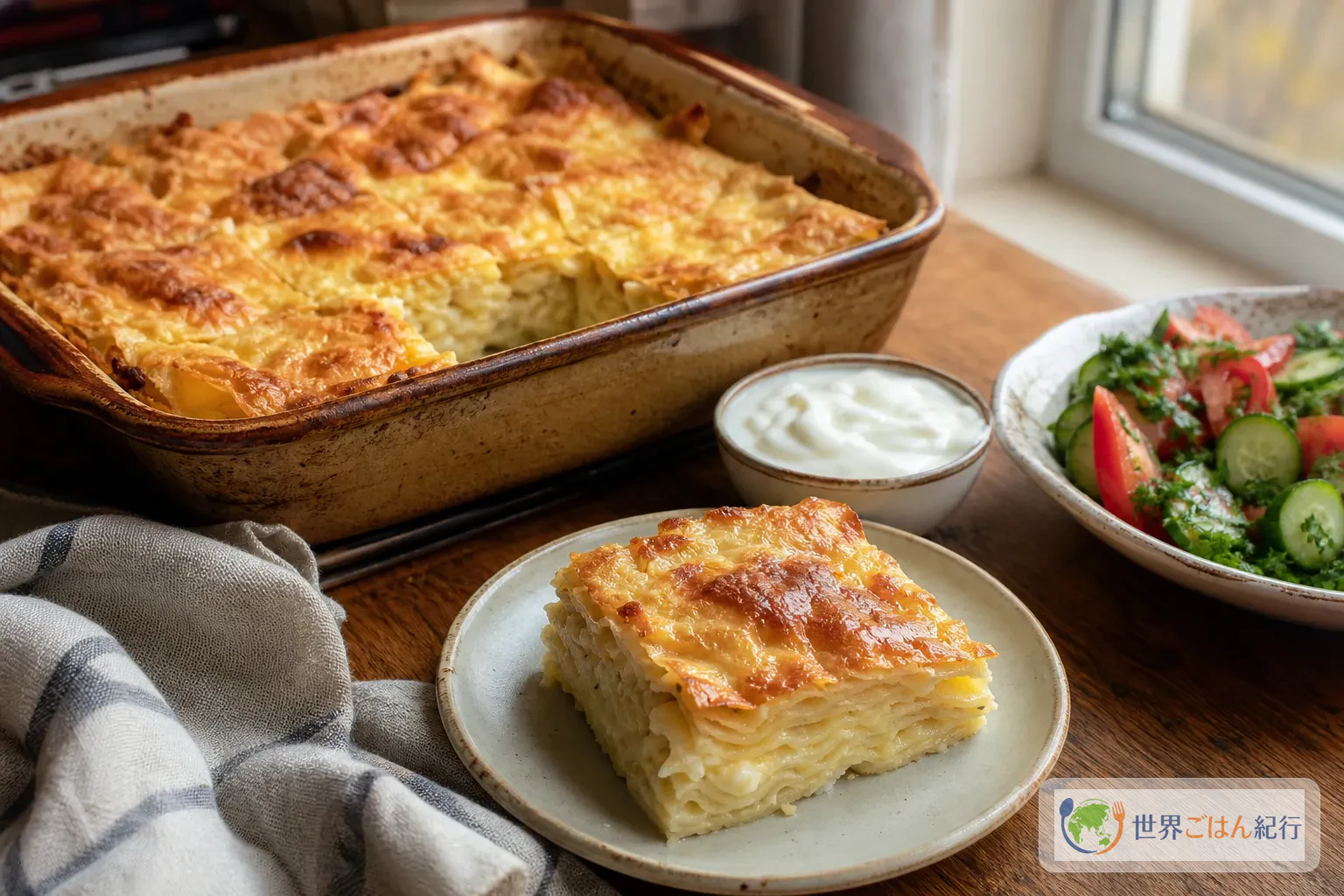
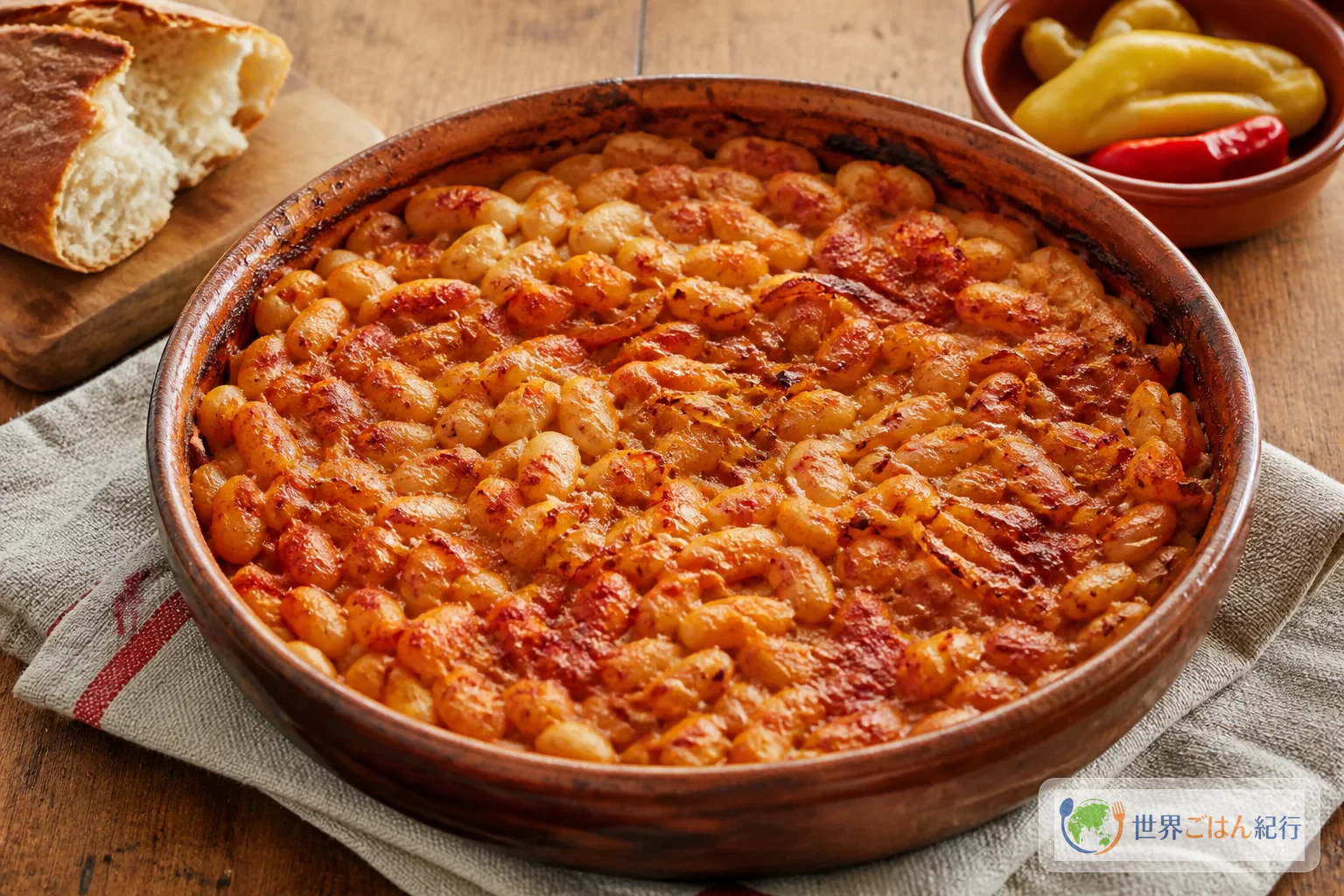
For a Georgian spread, set out small portions of several rich dishes: cheesy khachapuri, bean lobio, garlicky chicken shkmeruli, or shashlik for a meat-centered table. One cold side keeps the meal from getting tiring, such as thinly sliced cucumber tossed with a little salt and wine vinegar, sliced red onion, or a plate of leftover cilantro and parsley.
| Storage | Guideline | How to serve |
|---|---|---|
| Refrigerator | 3 days | Transfer to a pot and warm over low heat for 8–10 minutes |
| Freezer | 3 weeks | Thaw in the fridge for half a day; if the sauce separates, add 1 tbsp water |
| Make-ahead | Can be made the day before | Add the herbs and vinegar just before serving; it tastes almost freshly made |
| Packed lunch | Not recommended | The herbs and watery tomato sauce don't travel well |
FAQ
Can I make it with only boneless chicken thighs?
Yes. Cut 700 g into 5 cm pieces and change the browning in step 2 to 4 minutes on the first side and 3 minutes after turning. Simmer for about 12 minutes over low heat in step 5 and confirm an internal temperature of at least 75°C (167°F). The sauce will be lighter than with bone-in chicken, so increasing the tomato paste to 1 1/2 tbsp helps pull the flavor together.
Will it be sour if I use only canned tomatoes?
The acidity tends to come forward with canned tomatoes alone. With 14 oz (400 g) diced tomatoes, reduce them over medium-low heat for about 15 minutes in step 4, until the sauce is thick enough to hold a spoon trail. If it's still sour, cook the onions more thoroughly next time; that's a better fix for this dish than sugar.
Wouldn't it be easier to braise with water or chicken broth?
Water or broth added from the start thins the sauce and makes it far less satisfying to scoop up with bread. Rely on the juice of the tomatoes and the moisture of the onions, and simmer over low heat with the lid ajar so both the chicken and the sauce keep their flavor. Add 2 tbsp hot water only if it looks like it might scorch.