The moment the beef touches the pot it sizzles, and the edges of the meat turn brown. In chashushuli, that first browning gets handed over to the tomato. The Georgian name is ჩაშუშული, and "Georgian beef and tomato stew" comes close, but steer it toward a Western-style beef stew and the lift of the herbs and spices fades. What you're after is a thick red sauce clinging to the meat, deep from the browning and finished with bright herbs.

Chashushuli in Georgian cooking
Chashushuli is a dish of meat and tomato. Classically it is made with veal, and beef is also common in modern home kitchens. The meat and the strength of the heat change from region to region. In Imereti it is a spiced stew of beef and tomato, while in Megrelia, around Poti in the west, it is made with veal and tomato. That makes beef chuck a fair choice at home: it keeps the skeleton of the dish and adapts it to your kitchen.
Chashushuli, chakhokhbili and chanakhi
Georgian cooking has several dishes that pair tomato and meat. Chakhokhbili is a light dish of chicken stewed in tomato, and chanakhi is a stew in which lamb and vegetables are layered and cooked slowly. Chashushuli sits between them, with a deep browning on the meat and a finish of fresh herbs.
| Dish compared | Main meat | Center of flavor | How it differs from chashushuli |
|---|---|---|---|
| Chakhokhbili | Chicken | Tomato, onion, herbs | Finishes lighter and uses the chicken's flavor more than browning |
| Chanakhi | Lamb, beef | Vegetable moisture, long stewing | Juicier, with the whole pot cooked slowly |
| Chashushuli | Veal, beef | Browning, tomato, herbs | A thicker sauce, easier to serve as a meat main |
Chashushuli at the supra
At a supra (feast table), bread, meat, herbs, pickles, cheese and wine are set out on large platters, and the conversation keeps going as dishes are shared. Chashushuli fits right in: you scoop up the thick sauce with bread and adjust each bite with the herbs and heat on the side. The flatbread is also the practical way to finish the tomato left in the pot.
What makes it taste Georgian
The flavor of the meat is stretched with the browning on the pot's bottom and the tomato, not with water. Add a lot of liquid from the start and it turns thin, like the simmering before a Japanese curry. Instead, fry the onion, cook the tomato down a little, and return the meat once a wooden spoon drawn across the bottom leaves a trail. The red sauce then clings around the meat.

At home, the order matters more than the exact ingredient names: browning, the thickness of the tomato, the time over low heat, and the herbs at the finish. For the easiest path, brown beef chuck or shank well, cook down the moisture from the tomato, and only then lower the heat. Lots of hot water at the start, or herbs added early in the stewing, will thin out the parts that feel Georgian. When in doubt, reduce the sauce until you can wipe it up with bread, and add the herbs after turning off the heat.

Ingredients (serves 4)
Use a stewing chunk of beef rather than thin slices. Easy to buy at a supermarket are beef chuck, shank, or beef cubes sold for curry. Made only with fatty short rib, it turns heavy, so cuts that mix lean meat and sinew suit it.
You don't need to make the heat strong. The core of chashushuli is not the sting of chili but the browned beef, the acidity of tomato and the green aroma of herbs. If you dislike cilantro, increase the parsley to 25 g and add a little basil, and it becomes easier to eat at any table.
Choosing ingredients and substitutes for chashushuli
Meat and tomato are easy to find at an ordinary supermarket, so spend your effort on the aromatics. Specialty or online shops are the place to look for those, and for a tool that takes the guesswork out of doneness. Ground coriander alone will do, but whole seeds crushed coarsely leave a citrus-like fragrance late in the stew.

Pomegranate molasses is optional. When the tomato's sourness alone tastes flat, a small amount adds a fruity astringency, and you can also use it in Svan salt (svanuri marili) and other Georgian dishes.
Doneness depends on the cut and the size, which is where an instant-read thermometer earns its place. It tells you whether the inside is still cold after searing the surface, and whether reheated beef is hot all the way through.
Substitutes for khmeli suneli and adjika
Coriander, sourness and herbs are the three things to hold on to; drop all of them and you end up close to a plain tomato stew. When substituting, decide which role each ingredient plays and keep that.
| Local ingredient | Substitute | Role to keep |
|---|---|---|
| Khmeli suneli | 1 tsp coriander, 1/2 tsp dried basil, a little dill, a little fenugreek | A green aroma and a light bitterness |
| Adjika | A pinch of chili flakes, 1/2 tsp paprika, 1/2 tsp vinegar | Supplies the sourness of a fermented seasoning as well as heat |
| Pomegranate molasses | Red wine vinegar, a little black vinegar, a little lemon juice | A fruity sourness different from tomato's |
| Veal | Beef chuck, shank, beef cubes for curry | A stew-friendly texture of lean meat and sinew |
| Cilantro | More parsley, a little basil | The green aroma at the finish |
Bouillon cubes or soy sauce make it easier to eat, but the flavor leans toward Japanese Western-style cooking. For your first batch, build it on salt, coriander, tomato and herbs, and adjust with sourness and heat only if it feels lacking.
Method: brown hard, simmer gently
Before adding any liquid, build the surface of the beef and the bottom of the pot. If you have a heavy pot, use it. A thin skillet scorches easily, so brown the meat in small batches and lower the heat early once the tomato is in.
Chashushuli troubleshooting
If the stew is watery, the meat is tough, or the herbs taste dull, find the cause first and the fix is usually simple.
| Problem | Cause | Fix |
|---|---|---|
| Watery | Returned the meat before cooking down the tomato | Push the meat to one side, remove the lid and reduce over medium-low for 5 to 8 minutes |
| Tough meat | Kept it at a hard boil, or stewed too short | Add 3.5 tbsp (50 ml) hot water and extend 10 minutes at a time over low heat |
| Too sour | The sourness of canned tomato remains | Round it with 1 tsp tomato paste and the time cooking the onion. Sugar up to 1/2 tsp |
| Herbs feel heavy | Put the herbs in during the stew | Add 5 g fresh parsley or cilantro for the finish |
| Just hot | Too much adjika | Add 3.5 oz (100 g) tomato and simmer 3 minutes; don't add too much pomegranate molasses |
Thin slices of beef brown nicely but shrink as they stew. If they're all you have, sear them hard, take them out, finish the tomato sauce, and put the meat back only for the last 3 minutes.
Serving and storing chashushuli
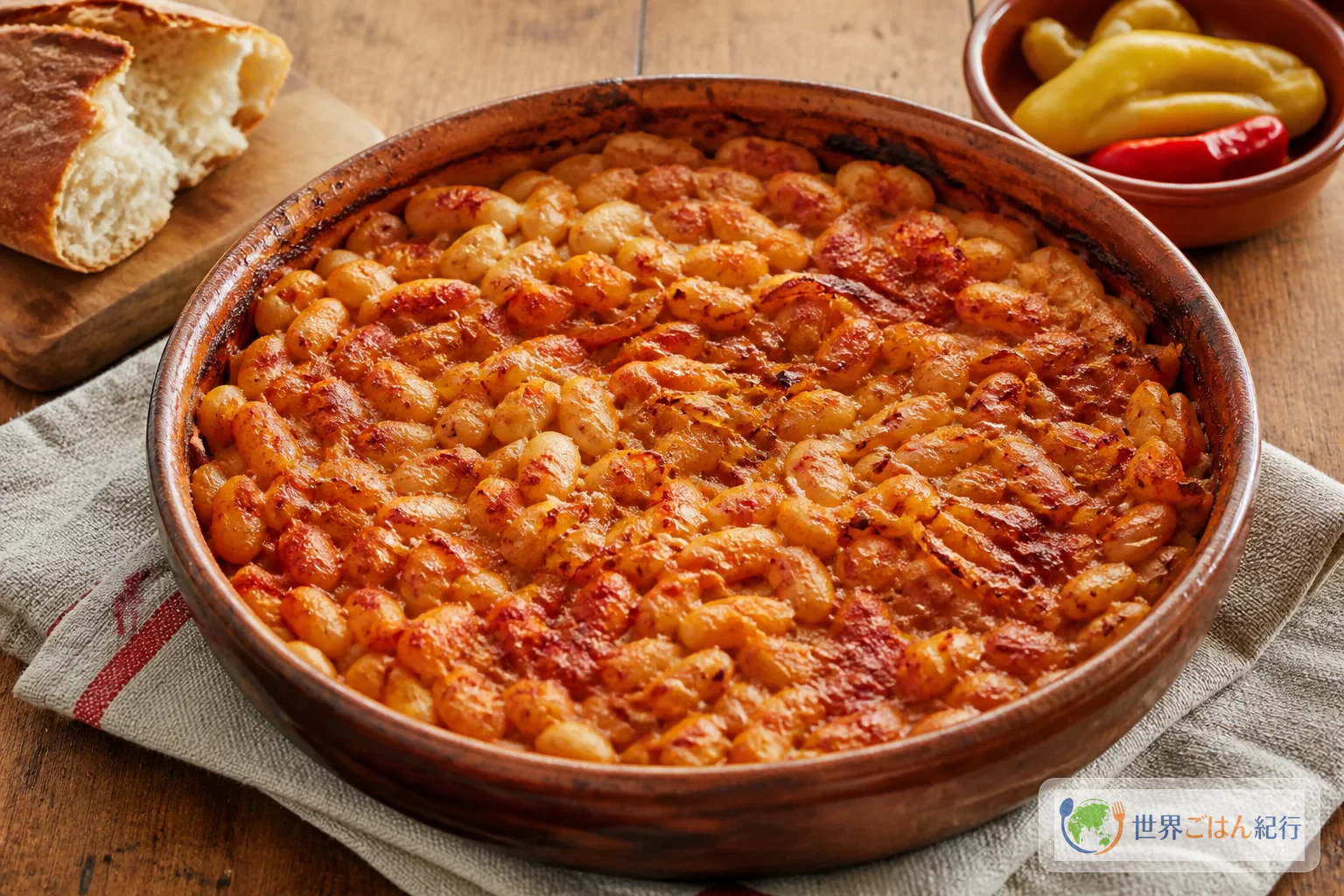
Bread for scooping up the sauce is the classic match, and at home a baguette, naan, thick pita or slightly firm cooked rice will catch it too. Serve it with the bean dish lobio and the beans take up the richness of the meat; put cheese bread khachapuri beside it and you have a satisfying weekend table.
Refrigerated in a clean container, it keeps up to 3 days. To freeze, do so before adding the herbs and plan on 2 weeks; after thawing, add herbs and sourness and the fragrance comes back. Reheat for 8 to 10 minutes over low heat in a pot, or in a microwave at 600 W stirring every 2 minutes, and check that it is hot through to the center.
For more Georgian meat dishes, shashlik is closer to skewered meat, and chanakhi uses the moisture of vegetables in a clay pot. For the lighter side of tomato and meat, try chakhokhbili and taste the difference between chicken and beef.
Frequently asked questions
Can I make it without khmeli suneli?
Yes. At a minimum, 1 tsp ground coriander, 1/2 tsp dried basil, black pepper and parsley will move it from a tomato stew toward Georgian. If you have fenugreek or dill, add a little.
Is it OK to make it with canned tomatoes only?
Yes. Use 14 oz (400 g) diced tomatoes and be sure to add 1 tbsp tomato paste. Canned tomatoes alone can taste sharp, so sweeten the onion without scorching it and reduce the sauce before returning the meat.
Can I make it not spicy?
Yes. Reduce the adjika to 1/3 tsp and add 1/2 tsp paprika. With too little heat the flavor loses its outline, so finish with a little sourness from vinegar or pomegranate molasses to bring it together.
Does the stewing time change with beef shank?
It does. If shank is still tough at 35 minutes, extend the simmer by 15 to 25 minutes over low heat. If the sauce gets too thick, add 3.5 tbsp (50 ml) hot water at a time and simmer until a skewer goes in without resistance.
Does the herb aroma fade if I make it ahead?
It does. For the next day, store the stew itself and add freshly chopped herbs and sourness just before eating. If you're packing it in a lunchbox, reduce the sauce a little first, since it leaks easily.