Escargots à la Bourguignonne: Burgundy-Style Snails in Garlic-Parsley Butter

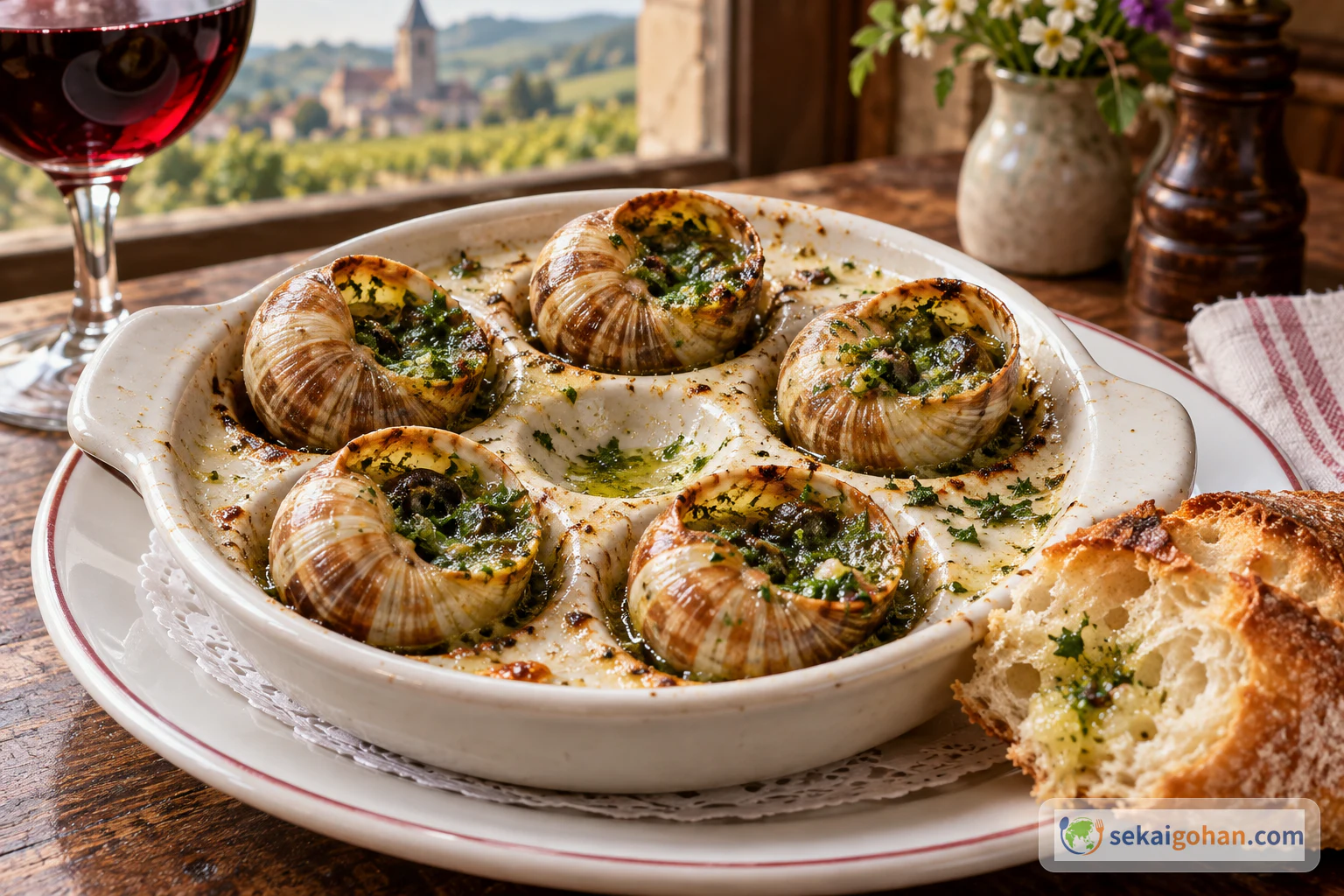
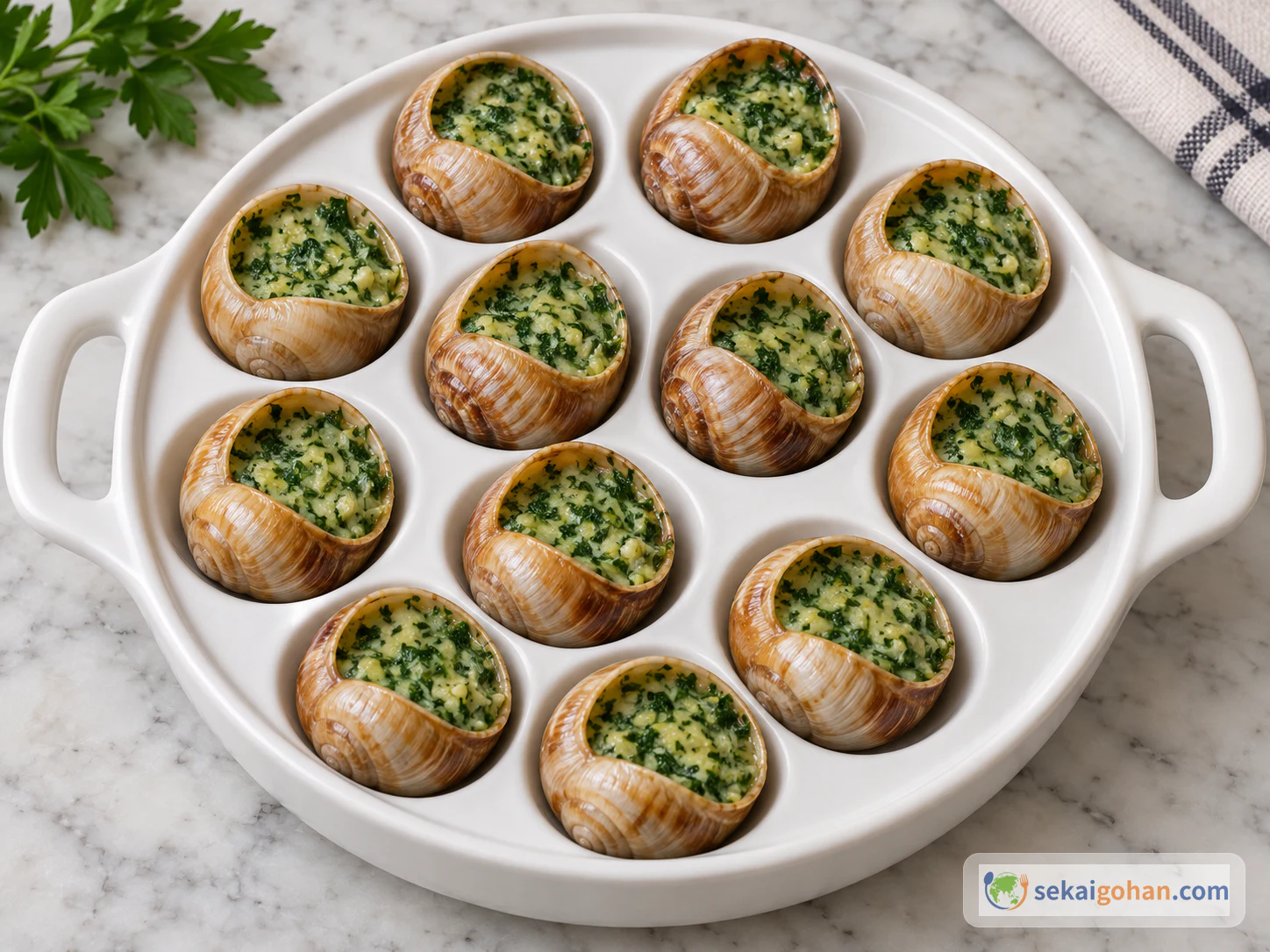
Escargot shells in a white ovenproof dish with wells, with garlic and parsley butter bubbling at each opening
Serves
4 servings
Cuisine
French

How to make escargots à la bourguignonne (Burgundy-style snails) for 4 people. The recipe uses 48 cooked canned snails and a butter made with shallot, garlic and flat-leaf parsley. It covers filling the shells, the Larousse oven method of preheating to 240°C and then switching the oven off, what to use if you have no shells, how to choose shallots and parsley, and how this dish differs from other snail dishes in France.

Cooking flow

Cooking steps

STEP11 / 7

Soften the butter and rinse the snails

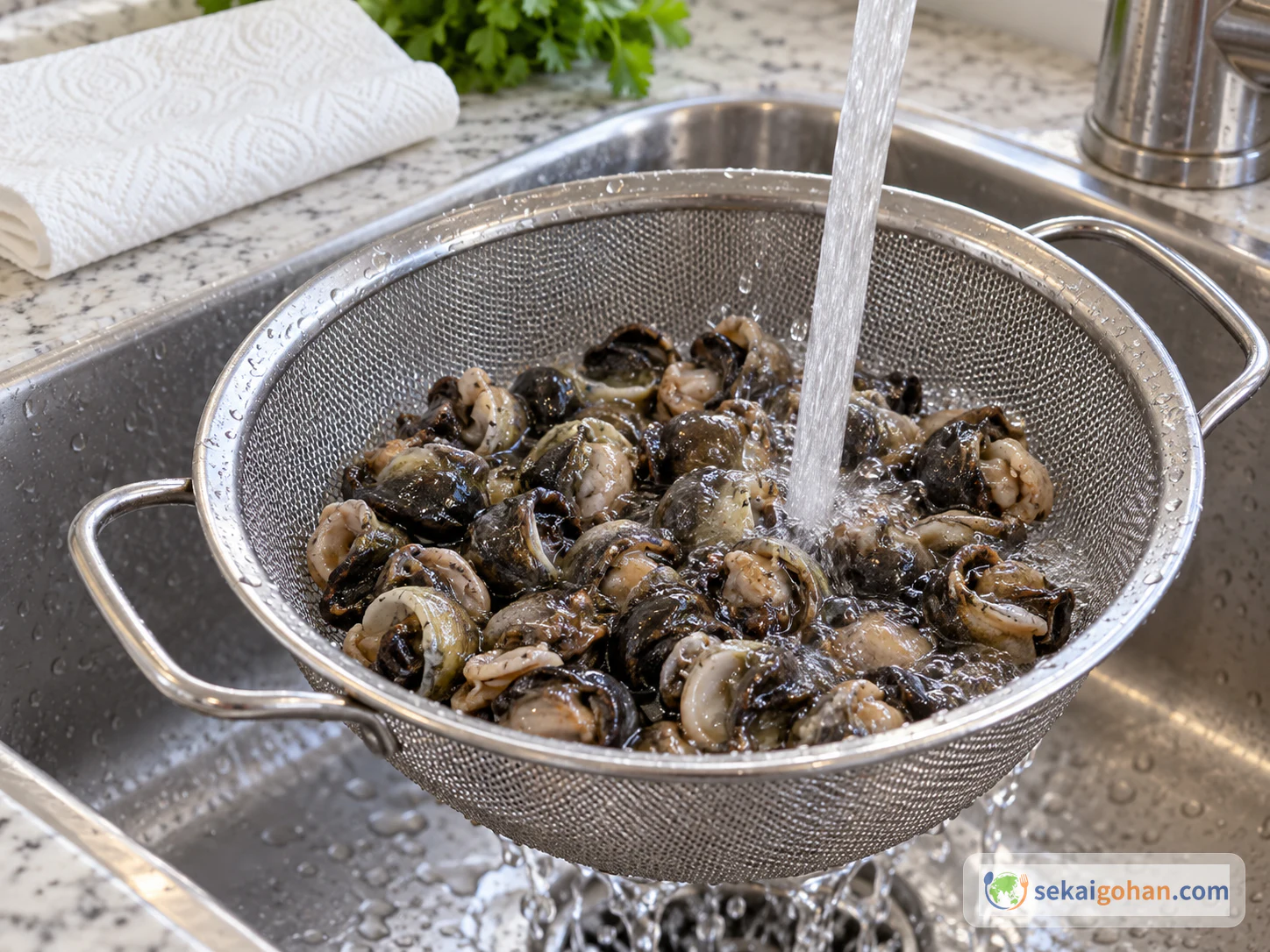
Cooked snails rinsed with water and drained in a colander
Rinse the canned snails in cold water, drain, then pat dry with paper towels

Leave the 14 oz (400 g) of butter at room temperature for about 1 hour, until it is soft. Tip the snails into a colander, rinse them under cold water and drain. Spread them on paper towels and pat dry. Excess water makes the butter harder to work in and to pack into the shells.

STEP22 / 7

Chop the shallots, garlic and parsley

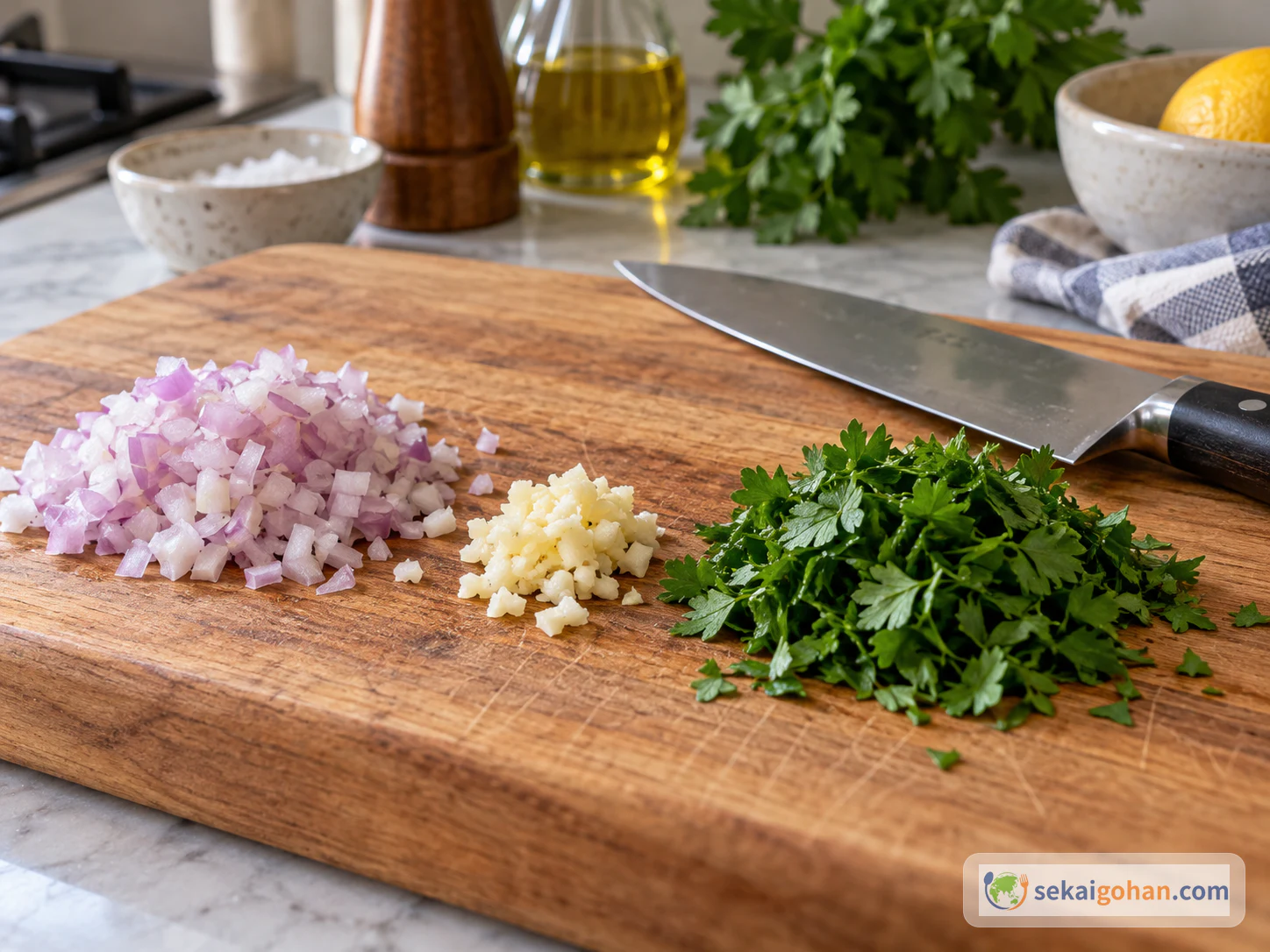
Shallot, garlic and flat-leaf parsley chopped finely on a cutting board
Chop the shallots, garlic and parsley finely, keeping each in its own pile

Peel the 3 shallots and chop them finely. Chop the small garlic clove finely. Wash the parsley, dry it well, remove the stems and chop the leaves. Chop each one separately. The finer the pieces, the easier the butter is to pack into the shells.

STEP33 / 7

Make the parsley butter

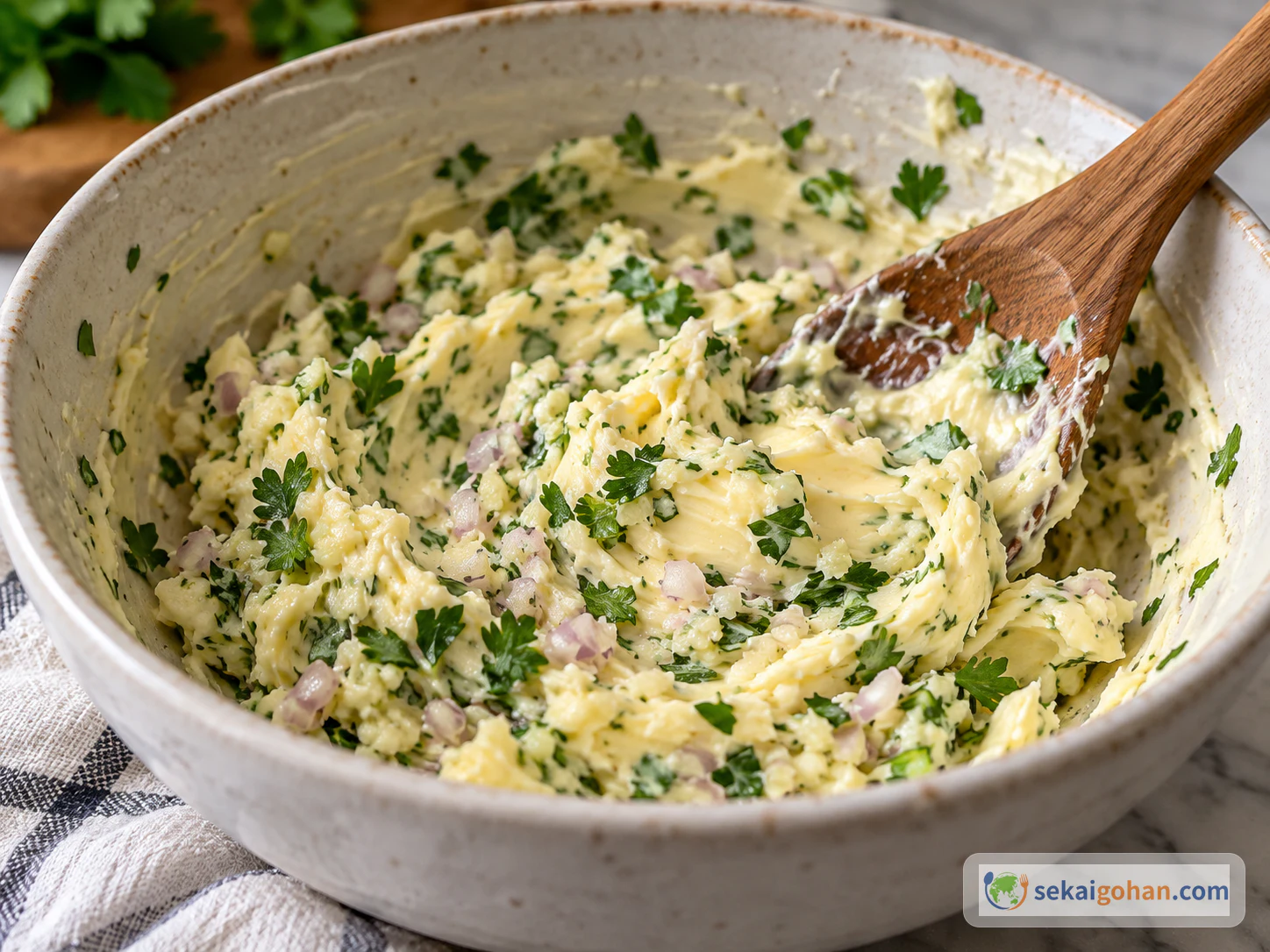
Chopped shallot, garlic and parsley mixed into soft butter
Mix the aromatics into the soft butter until the green flecks are even throughout

In a bowl, work the softened butter with a wooden spoon until it is soft and smooth like ointment. Add the chopped shallots, garlic and parsley, and season with salt and freshly ground pepper. Keep mixing until the green flecks are spread evenly through the butter.

STEP44 / 7

Fill the shells

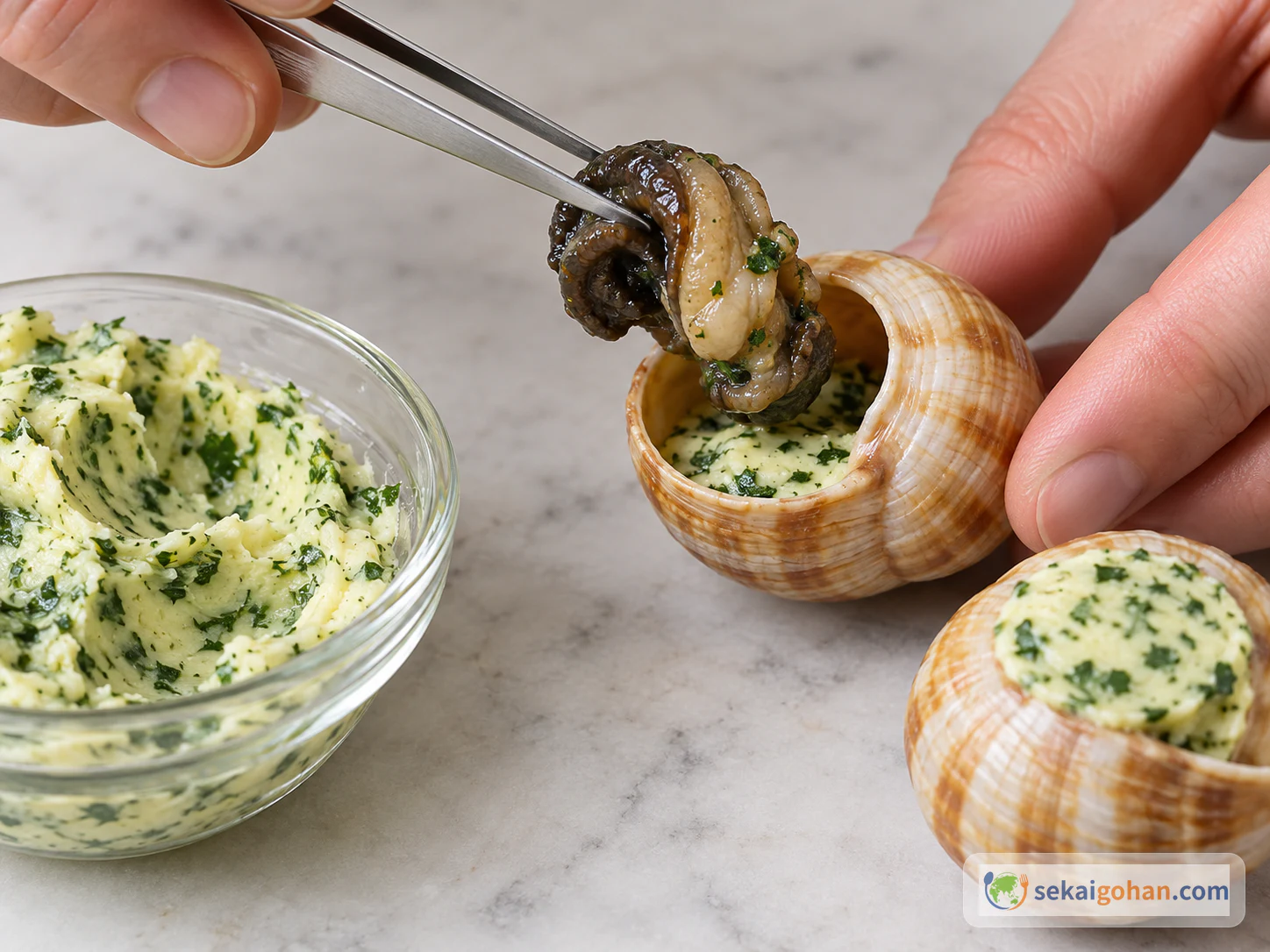
Parsley butter placed deep in a shell, then one snail pushed in
Butter at the back of the shell, then the snail, then butter to seal the opening

Put a little parsley butter deep inside a shell. Push one snail in, then fill the opening with more butter. Repeat for all 48. If you're using small ovenproof dishes instead of shells, place one snail in each dish and cover it with butter.

STEP55 / 7

Arrange the shells in the dish

Snail shells arranged opening-side up in an ovenproof dish with wells
Set each shell opening-side up, with the butter sealing the opening

Start preheating the oven to 475°F (240°C). Set the filled shells in the wells of the escargot dish with the openings facing up, so the butter stays in the shells as it melts.

STEP66 / 7

Switch off the oven and warm until the butter foams

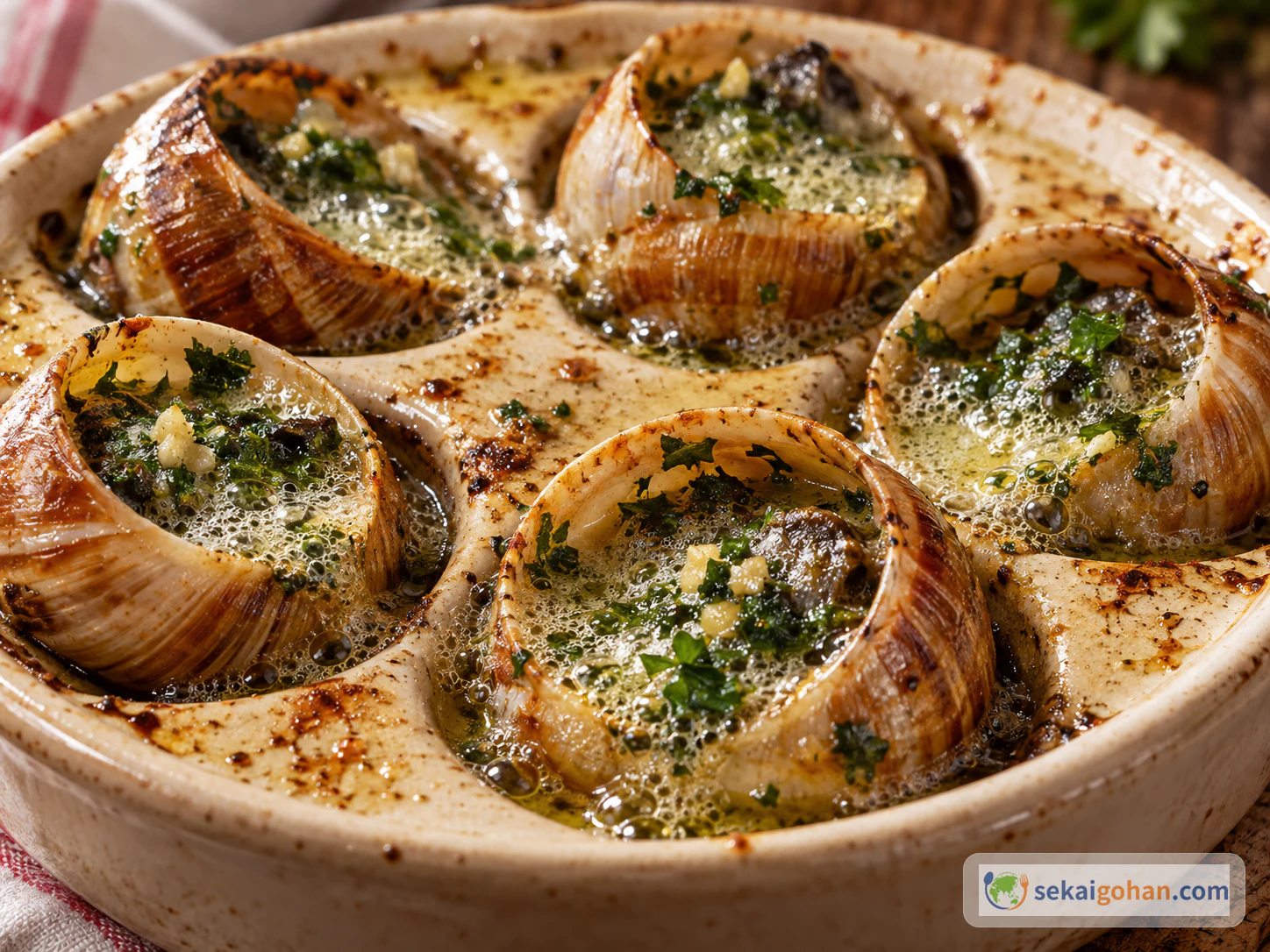
Parsley butter foaming finely at the shell openings after heating
The butter is ready when it foams at the shell openings

When the oven reaches 475°F (240°C), switch it off. Put the dish in and leave it for 5–10 minutes, until the butter foams. Don't turn this into baking at a steady temperature. Ovens vary, so if your product's label gives heating instructions, follow them first. Make sure the snails are hot all the way through.

STEP77 / 7

Serve at once with bread

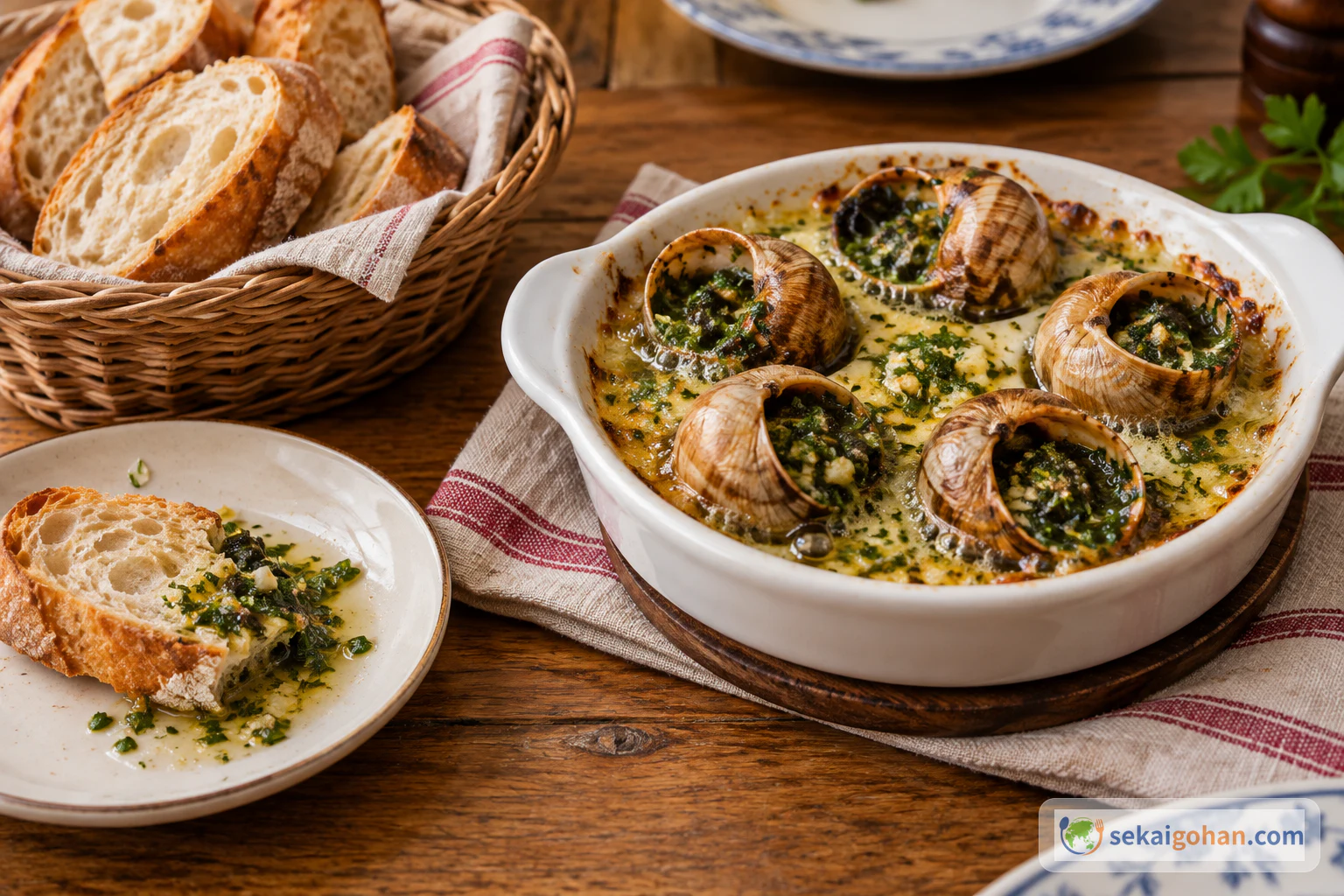
Hot escargot shells with bread for dipping into the melted parsley butter
Serve straight away, with bread for the butter left in the shells and the dish

Bring the dish to the table while it is still hot, with bread alongside. Hold each shell with tongs or the escargot dish's holder, pull the snail out with a thin fork or pick, then dip the bread into the melted butter. The dish and shells are very hot, so set the dish on a trivet and handle the shells with tongs.

0 / 0
Ingredients

Ingredients

1 / 1

Ingredients

Ingredient Amount Notes
Canned Burgundy snails (escargots de Bourgogne en conserve), cooked 48 Drain, rinse in cold water and pat dry with paper towels. Use a food product and follow its label
Butter 14 oz (400 g) Soften at room temperature for about 1 hour, until it is soft like ointment (pommade)
Shallots (échalotes) 3 Peel and chop finely
Garlic 1 small clove Chop finely
Flat-leaf parsley (persil plat) 1 small bunch Wash, dry well, remove the stems and chop
Salt To taste Seasoning
Freshly ground black pepper To taste Seasoning
Bread As needed Served alongside to wipe up the melted butter
0 / 0

The dish arrives with a shell in each of its small wells, openings turned up, and green-flecked butter foaming at every one. Once the snails are gone, melted butter is still pooled in the shells and in the dish, and that's what the bread is for. Escargots à la Bourguignonne is the Burgundy-style snail dish from France. Cooked snails go back into their shells with a compound butter of butter, shallot, garlic and flat-leaf parsley, then into the oven until the butter foams. Serve it straight away, while it's still bubbling.

Escargots in Burgundy and Beyond

Burgundy's Snail and the Family Table

The Burgundy snail is Helix pomatia, also called Gros blanc or Escargot des vignes. Snails are one of Burgundy's signature dishes, eaten especially at Christmas and at family meals.

The traditional method cooks the snails first in a short bouillon and then puts them back into their shells. The shells are filled with butter, parsley and garlic and baked. Canned cooked snails let you skip that first cooking at home.

Heavy gathering in the first half of the 20th century cut the snail population. Helix pomatia has been protected in France since 1979, and gathering it is banned during the breeding season, from April 1 to June 30.

Charente's Petit-Gris and Other Snail Dishes

Burgundy style isn't the only way France eats snails. The petit-gris of the Charente coast is a different snail from the large Burgundy one, and locally it goes by cagouillard, luma and cagouille. In Charentes, snails are traditionally stuffed with butter and garlic, but they also go into stews and sauce dishes.

Further afield, the Moroccan Babbouche is also made with snails. There they're eaten in a broth with herbs and spices, which makes it a different dish altogether.

Ingredients: Serves 4
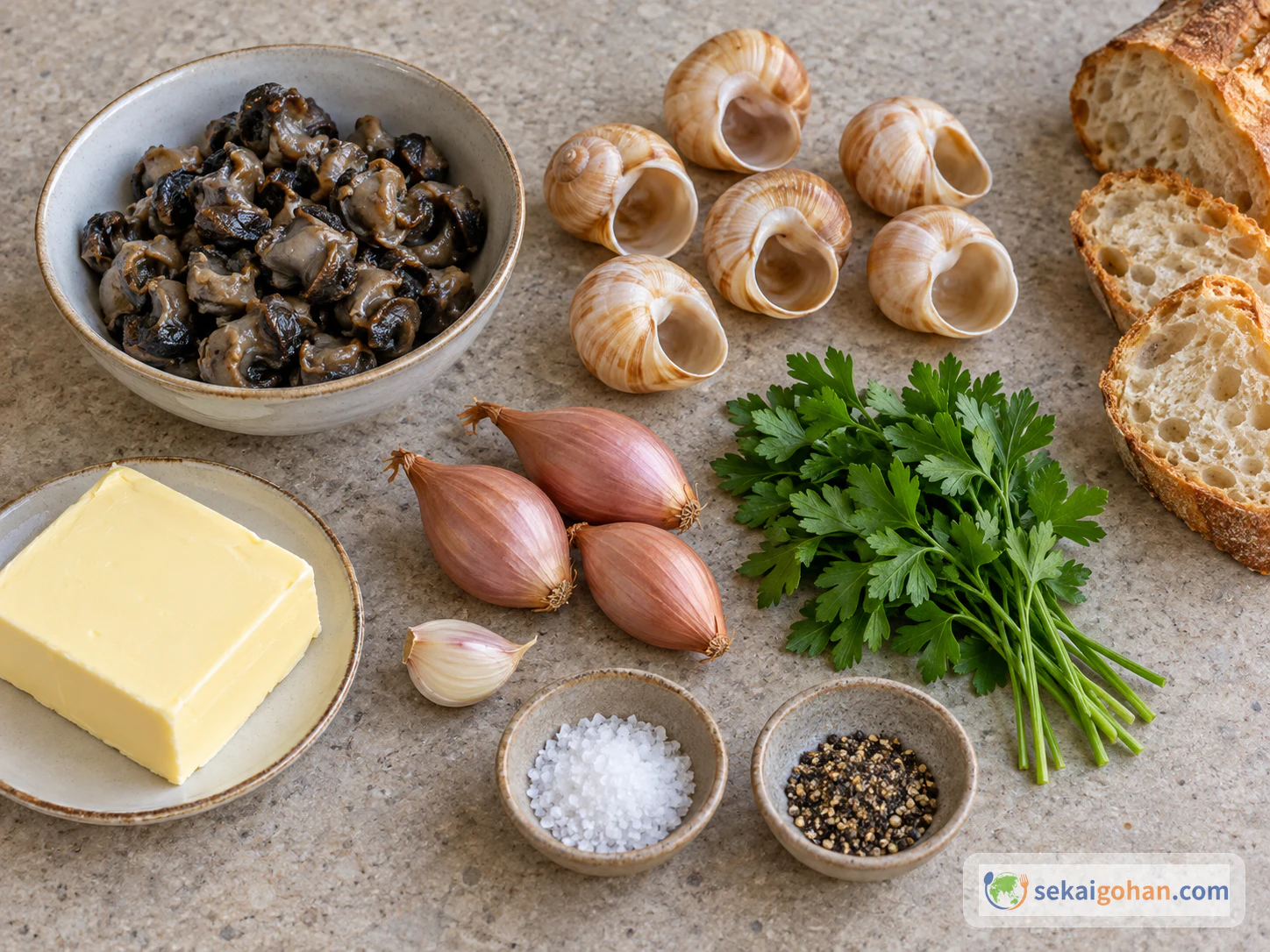
Cooked snails, empty shells, butter, shallots, garlic, flat-leaf parsley, salt and pepper
Cooked snails, food-safe empty shells, butter, three shallots, a small garlic clove, flat-leaf parsley, salt, pepper and bread for serving

Don't mix these amounts with other recipes' proportions, serving counts or heating methods. The butter is generous, but it is the right ratio for this dish. Keep it as written rather than cutting it back. Season with salt and pepper to taste.

Allergies and food safety

This dish contains snails, which are molluscs, and butter, a dairy product. People who avoid shellfish, molluscs or dairy should check the labels of what they buy. Use cooked snails sold as food. Never substitute wild-gathered snails or snails not labeled for eating. Follow the heating and storage instructions on your product's label.

Choosing Snails, Shells, Shallots, Parsley and Butter

Snails. Buy cooked canned or frozen snails sold as food, and follow the handling and heating instructions on the label. The word "escargot" alone doesn't fix a species, and products can differ in species, origin and whether the snails are wild or farmed. The dish's name doesn't mean the snails are Helix pomatia from Burgundy, so read the label.

Shells. Some products come without shells. In that case, get food-safe, cleaned empty snail shells separately. The shells hold the snail and butter in the oven and at the table. If you can't find any, use small ovenproof dishes: put one snail in each and cover it with butter. It won't look like the stuffed-shell dish, and you'll eat it differently.

Shallots. The échalote here is the small shallot, with a flavor somewhere between onion and garlic. Some markets sell a different product under the name "shallot" or "échalote," so look for small true shallots. If you can't find them, a small amount of small onion will do, though the aroma will lean more toward onion.

Parsley. Flat-leaf (Italian) parsley is the match for persil plat. Curly parsley works too, but its aroma and texture are different and it's harder to chop finely.

Butter. Use unsalted butter and adjust the salt when you season, so you control how salty the dish ends up. It needs about 1 hour at room temperature to soften, so plan that in before you start.

Equipment

  • Escargot dish with wells, or small ovenproof dishes
  • Food-safe empty snail shells, if your snails come without them
  • Colander or fine sieve
  • Paper towels
  • Cutting board and knife
  • Bowl and wooden spoon
  • Thin fork or pick for eating
  • Kitchen tongs
  • Trivet

Method: Rinse, Chop, Mix, Fill, Warm

Before you start

Take the butter out about 1 hour ahead so it softens at room temperature. For the heating step, preheat the oven to 475°F (240°C), switch it off, then put the dish in. This is not the same as baking at a steady temperature.

Escargots Troubleshooting

What happens Likely cause What to do
The butter won't mix smoothly with the aromatics The butter isn't soft enough yet Leave it at room temperature until it's soft like ointment, then work it with the wooden spoon
The butter is hard to pack into the shells The aromatics are chopped too coarsely Chop the shallot, garlic and parsley finer so the butter goes into the openings easily
The butter looks watery or loose The parsley or snails weren't dried well Dry the parsley well before chopping, and pat the rinsed snails dry with paper towels
Butter spills out of the shells The shells were set at an angle Set each shell opening-side up in the wells of the dish
You're unsure whether the snails are heated through Your oven or product heats differently from this recipe Follow your product's label instructions and make sure the snails are hot all the way through

Frequently Asked Questions

Are the shells eaten?

No. They're food-safe containers that hold the snail and butter while they heat and at the table. Pull the snail out, then wipe up the butter with bread.

Can I bake it at a steady 475°F (240°C) instead?

No. Preheat to 475°F (240°C), switch the oven off, then warm for 5–10 minutes until the butter foams. If your product's label gives heating instructions, follow those first, and make sure the snails are hot all the way through.

Can I use snails I find myself?

No. Use cooked snails sold as food rather than wild snails you'd have to gather, purge and prepare yourself.

How long does it keep?

Follow the storage and reheating instructions on your product's label. The dish is meant to be served hot, right away.

Sources

  • Éditions Larousse, "Escargots à la bourguignonne" (recipe from Le Larousse de la cuisine facile). Basis for the 4-serving recipe and 35-minute listing (30 minutes preparation, 5 minutes cooking). Also the basis for the 48 canned Burgundy snails, 400 g butter, 3 shallots, small garlic clove, small bunch of flat-leaf parsley, salt and pepper, the roughly 1 hour butter softening and rinsing and drying the snails. It also supports mixing the butter to an ointment-like texture with the aromatics, filling the shells, preheating to 240°C then switching off the oven for 5–10 minutes until the butter foams, and serving at once with bread. https://www.editions-larousse.fr/recette/escargots-la-bourguignonne/
  • Beaune et le Pays Beaunois Tourisme, "Les escargots de Bourgogne." Source for the species name Helix pomatia and the names Gros blanc and Escargot des vignes. Also the source for the office's account of the population decline, protection since 1979 and the April 1–June 30 gathering ban, plus the dish's place at Christmas and family meals and the traditional bouillon-then-shell preparation with butter, parsley and garlic. This is a regional tourism overview, not a primary historical or legal source. https://www.beaune-tourisme.fr/explorer/gastronomie/nos-produits-de-terroirs/escargot/
  • Agence de l'Alimentation Nouvelle-Aquitaine (AANA) / Les produits de Nouvelle-Aquitaine, "Escargot." Source for how the Charente coastal petit-gris differs from the large Burgundy snail, Charentes' traditional butter-and-garlic stuffing alongside stews and sauce dishes, and the local names cagouillard, luma and cagouille. https://www.produits-de-nouvelle-aquitaine.fr/les-produits-de-nouvelle-aquitaine/specialites/escargot/