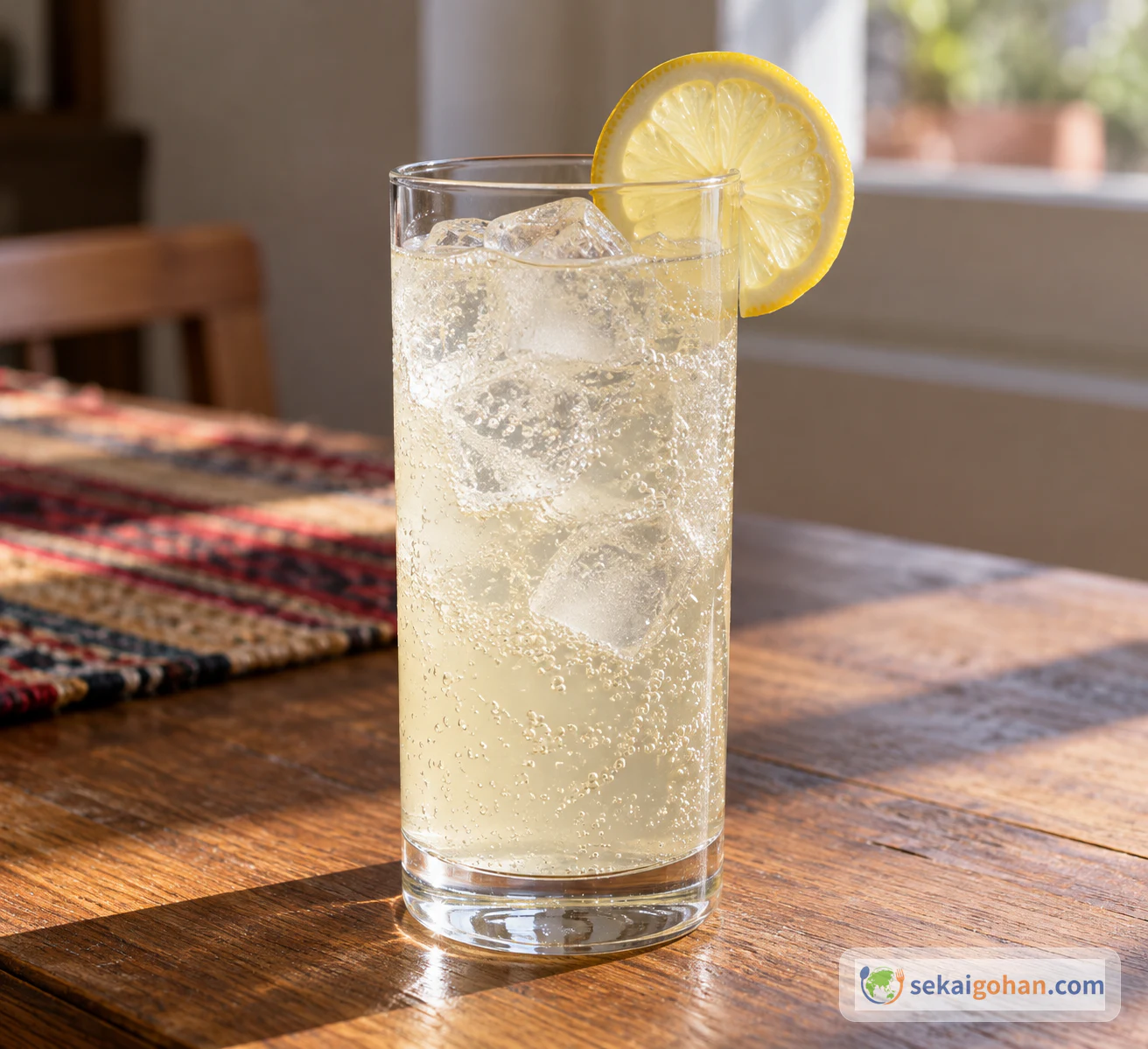
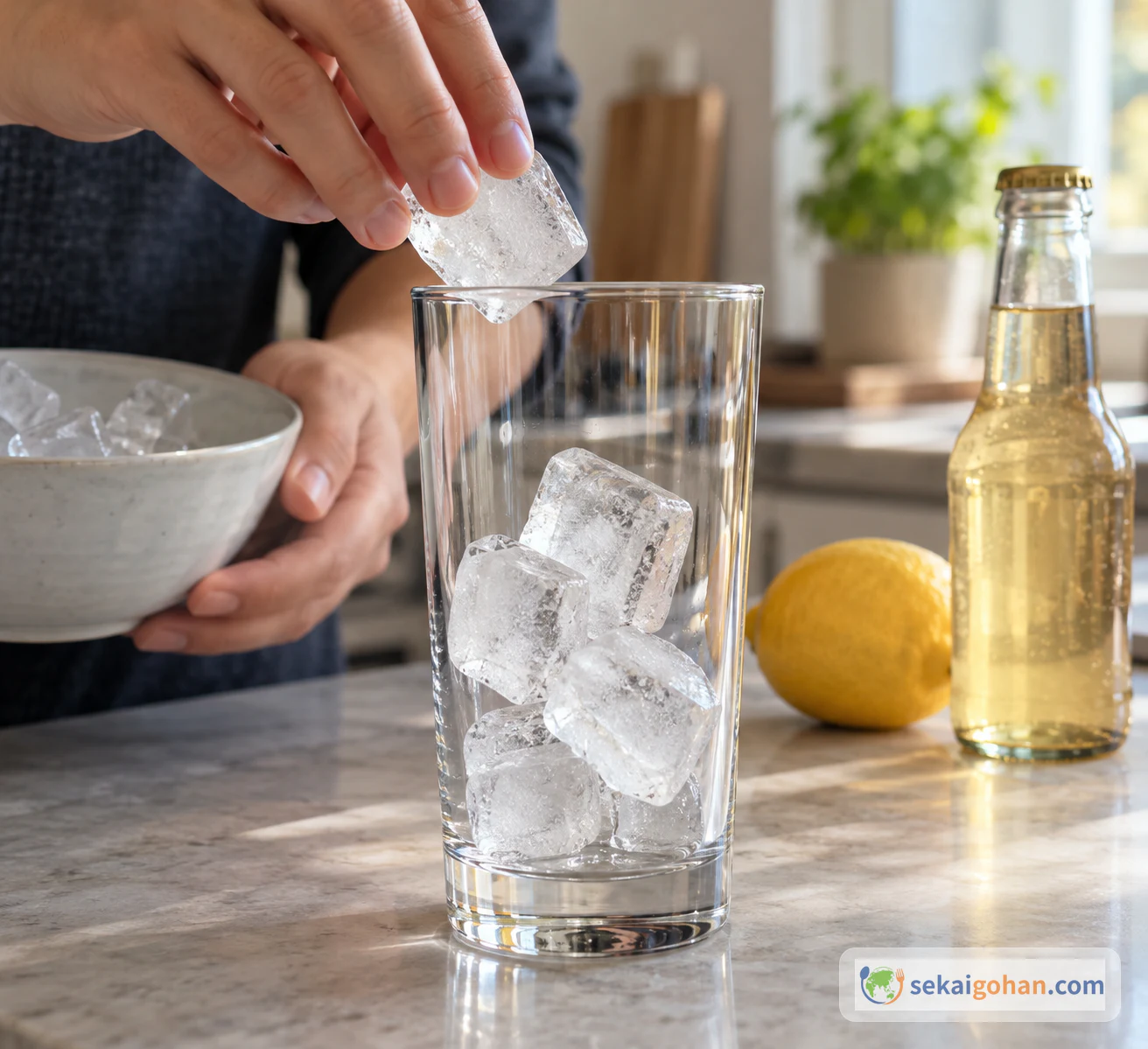
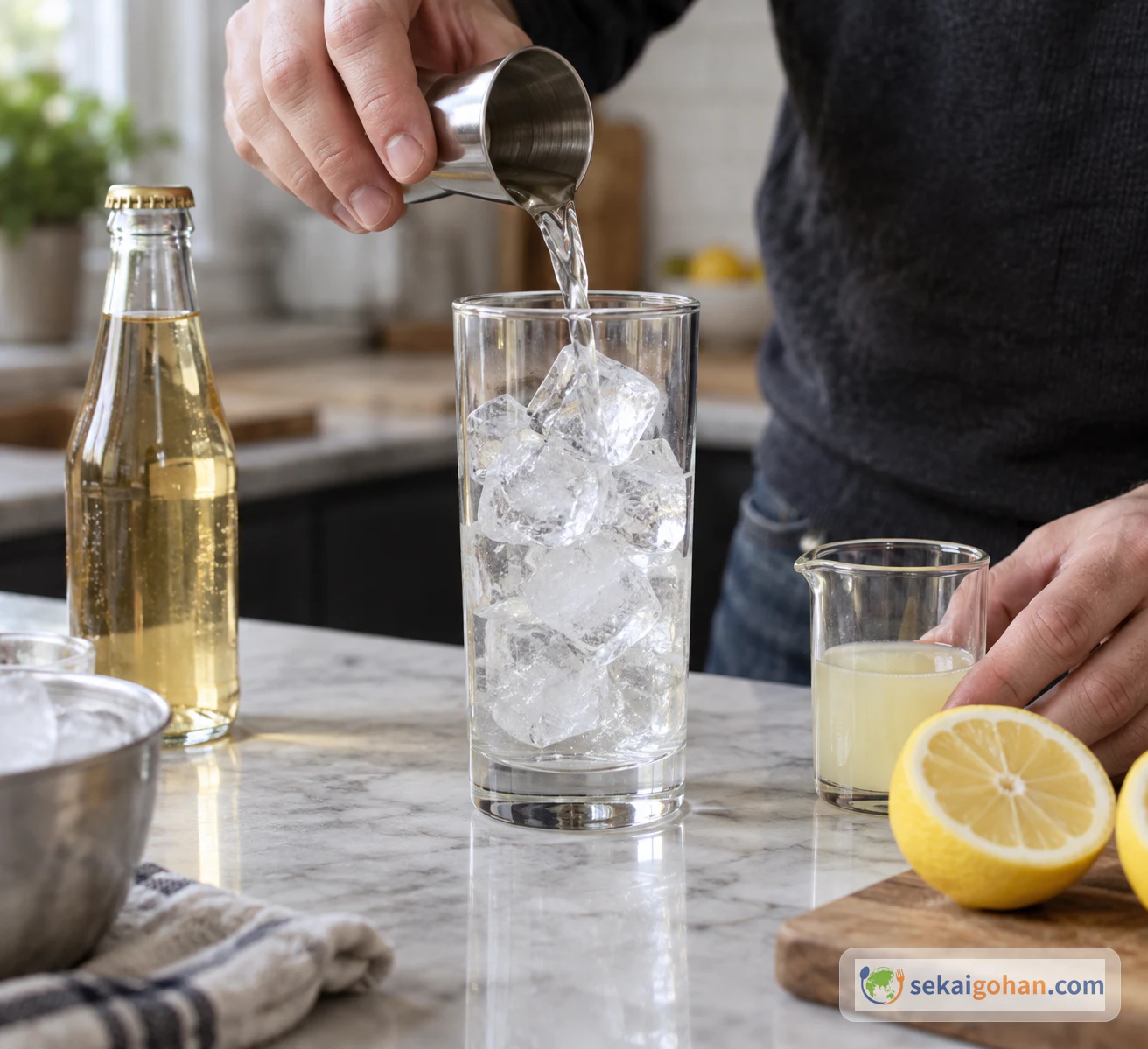
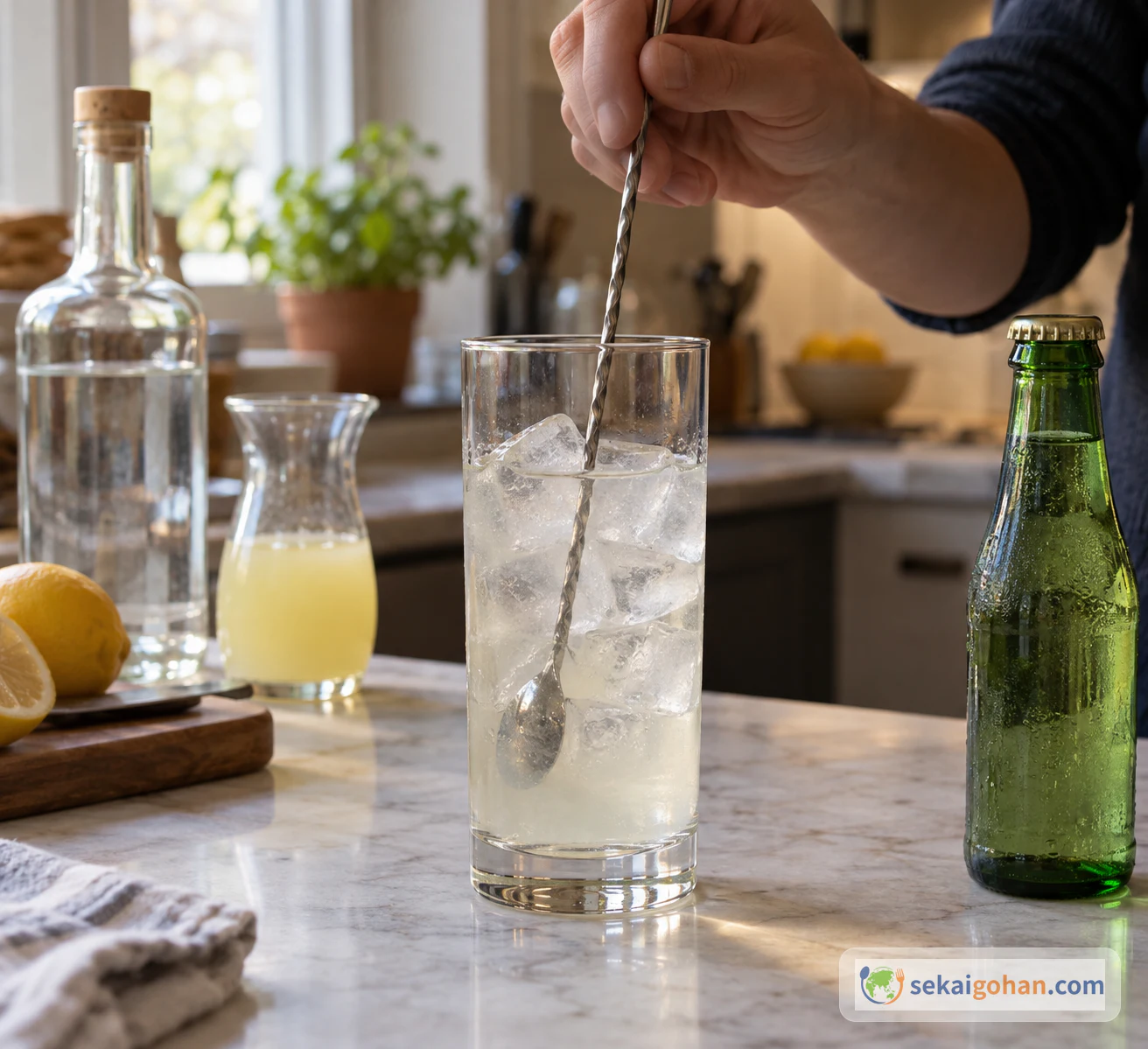
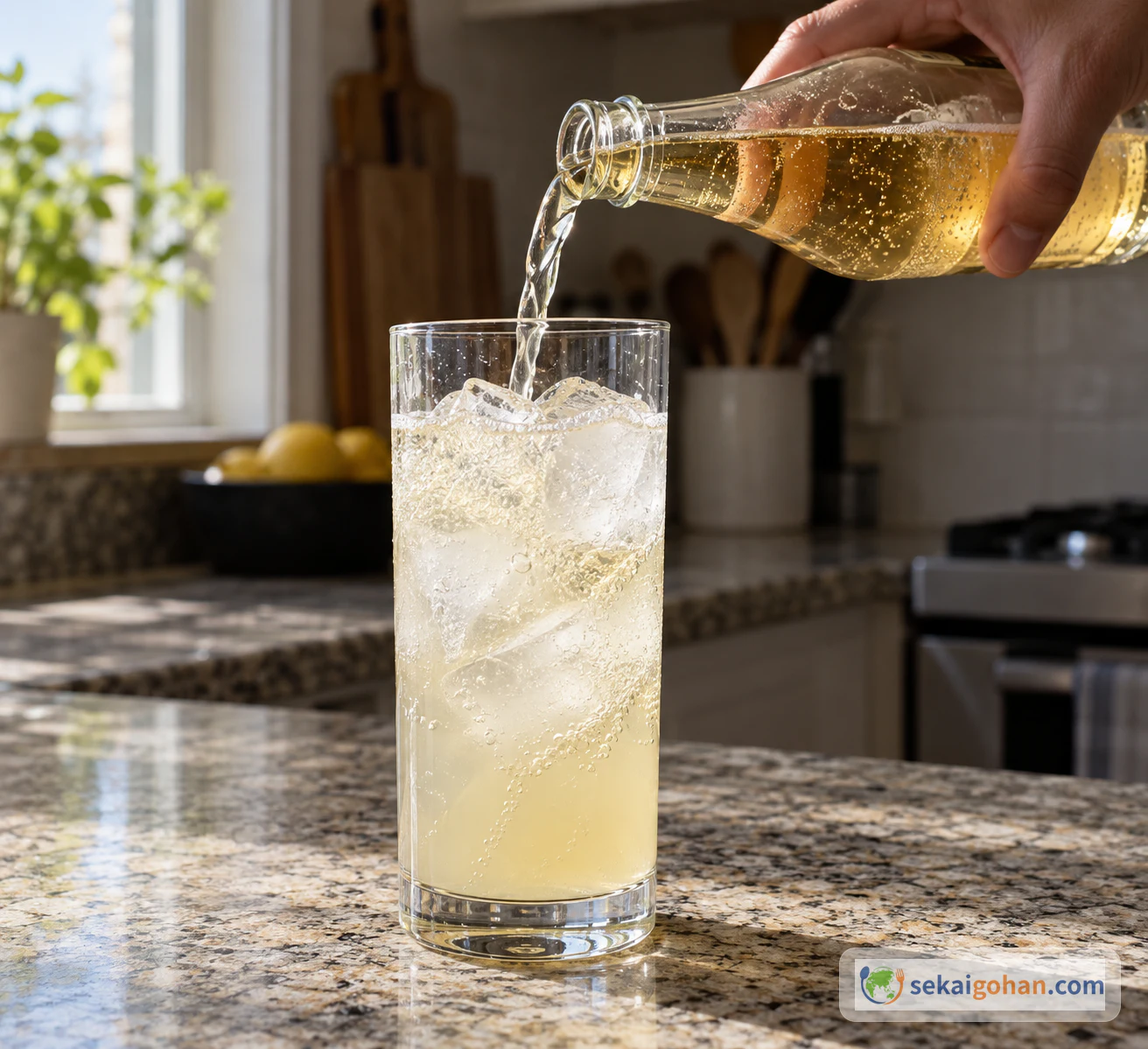
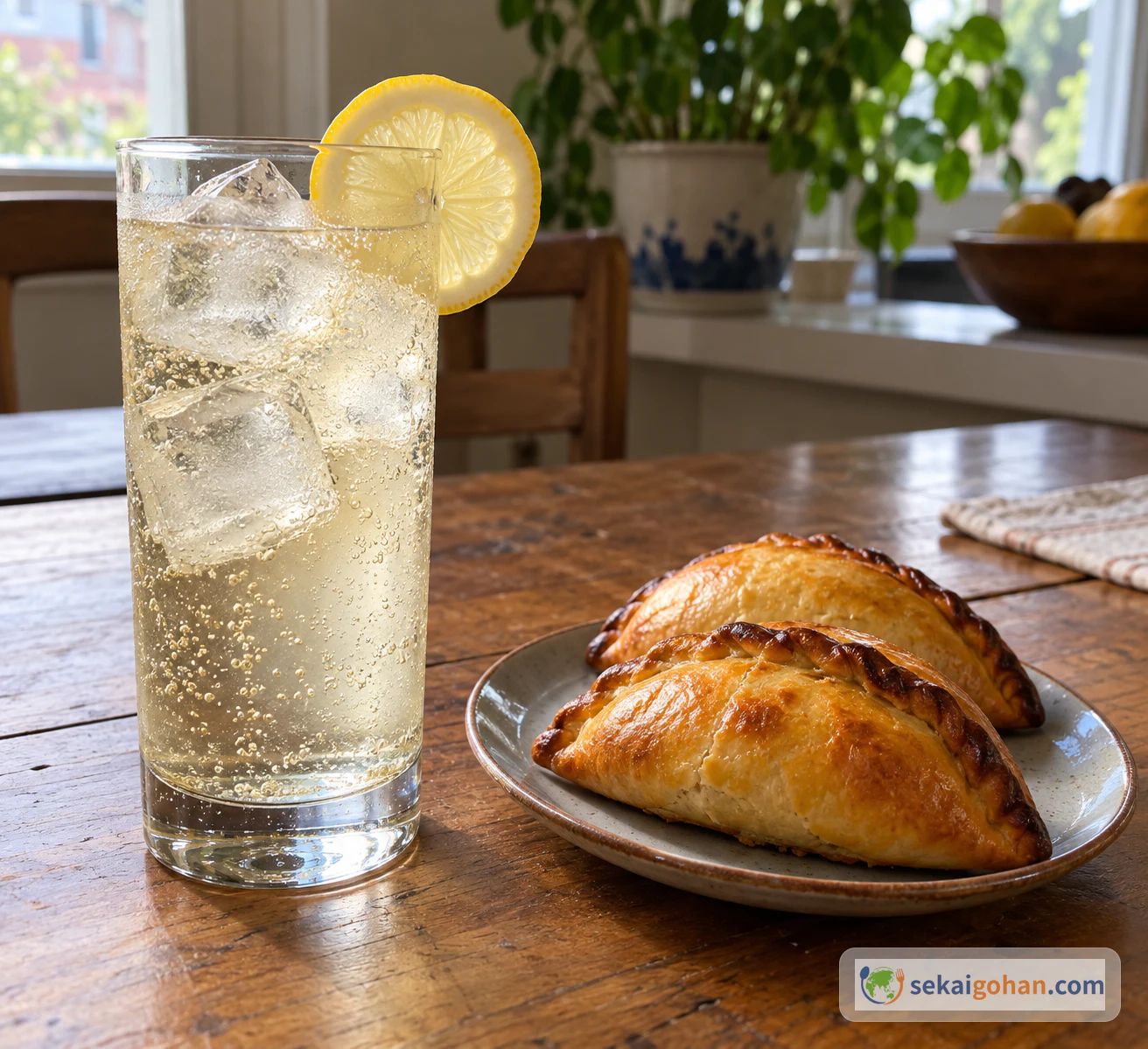
Picture grapes ripening on vineyard slopes high in the Andes. Their fruit becomes wine, the wine is distilled into a clear spirit, and that spirit goes over ice with a squeeze of lemon and a long pour of ginger ale until the glass fills with rising bubbles. The spirit is Singani, Bolivia's grape spirit. The drink is Chuflay, one of Bolivia's emblematic drinks. Singani leads, fresh lemon adds a little sourness, and chilled ginger ale brings the sweetness and the fizz.
Singani, Bolivia's Grape Spirit
It helps to keep the two names apart. Singani is the spirit. Chuflay is a cocktail made with it. Singani is made by distilling natural wines from fresh grapes. The name belongs to one grape and one defined place of origin, so it means more than "grape brandy" in general.
Singani's Grapes and Denomination of Origin
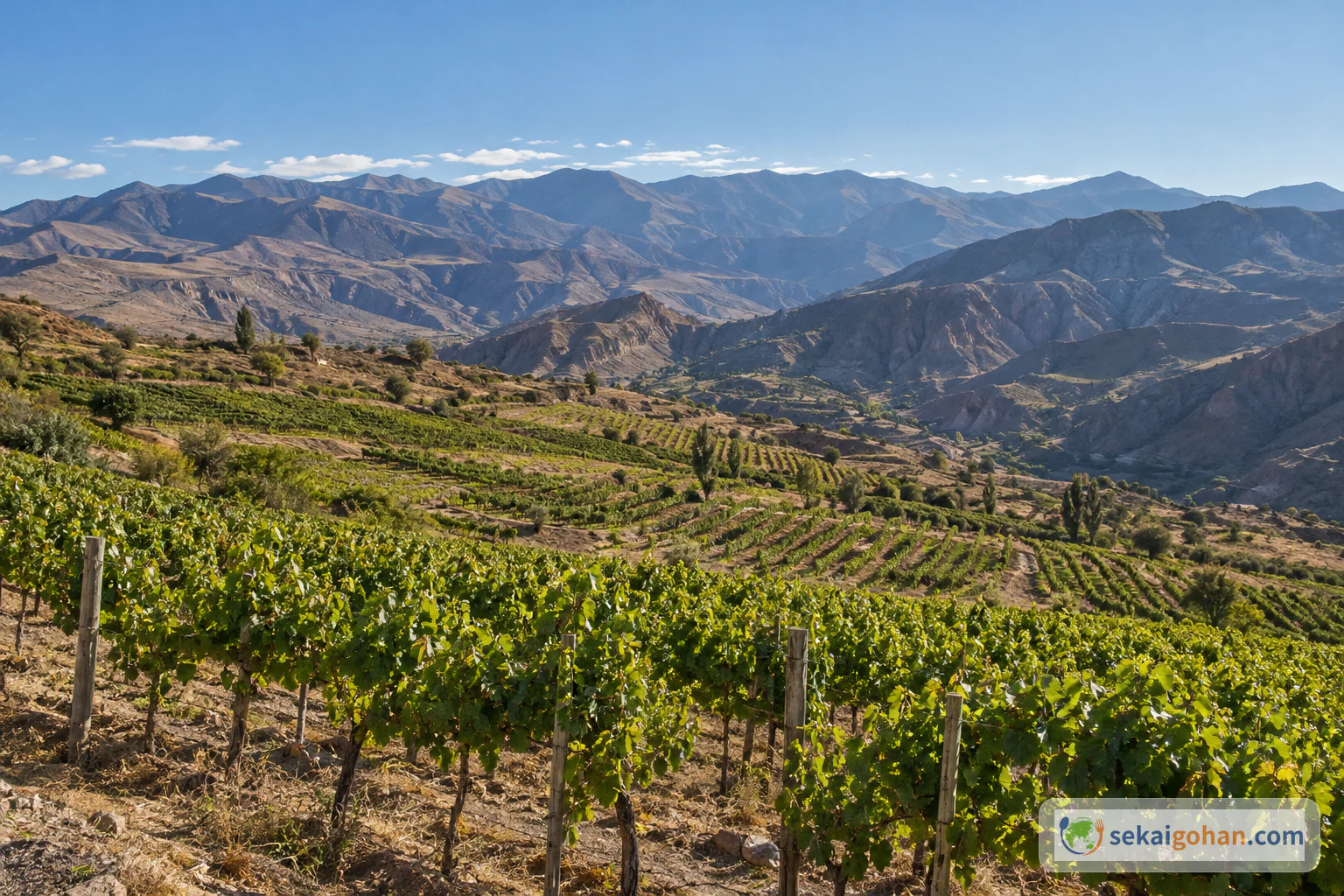
Singani is made from Moscatel de Alejandría (Muscat of Alexandria) grapes grown at 1,600–1,800 m above sea level. The protected production area covers designated zones within the departments of Tarija, Chuquisaca, La Paz and Potosí, rather than each department as a whole.
Singani is a protected denomination of origin under Law No. 1334 of 4 May 1992, and the United States has recognized it. To read more about the country's food, visit our Bolivia page.
The Story Behind the Name Chuflay
A popular story links Chuflay to the building of Bolivia's railways in the late nineteenth and early twentieth centuries. You'll hear it often, but no primary evidence for it has been confirmed. Singani's origin and definition are set by law, while the cocktail's name rests on folk etymology.
Ingredients for One Chuflay
Choosing Singani, Lemon and Ginger Ale for Chuflay
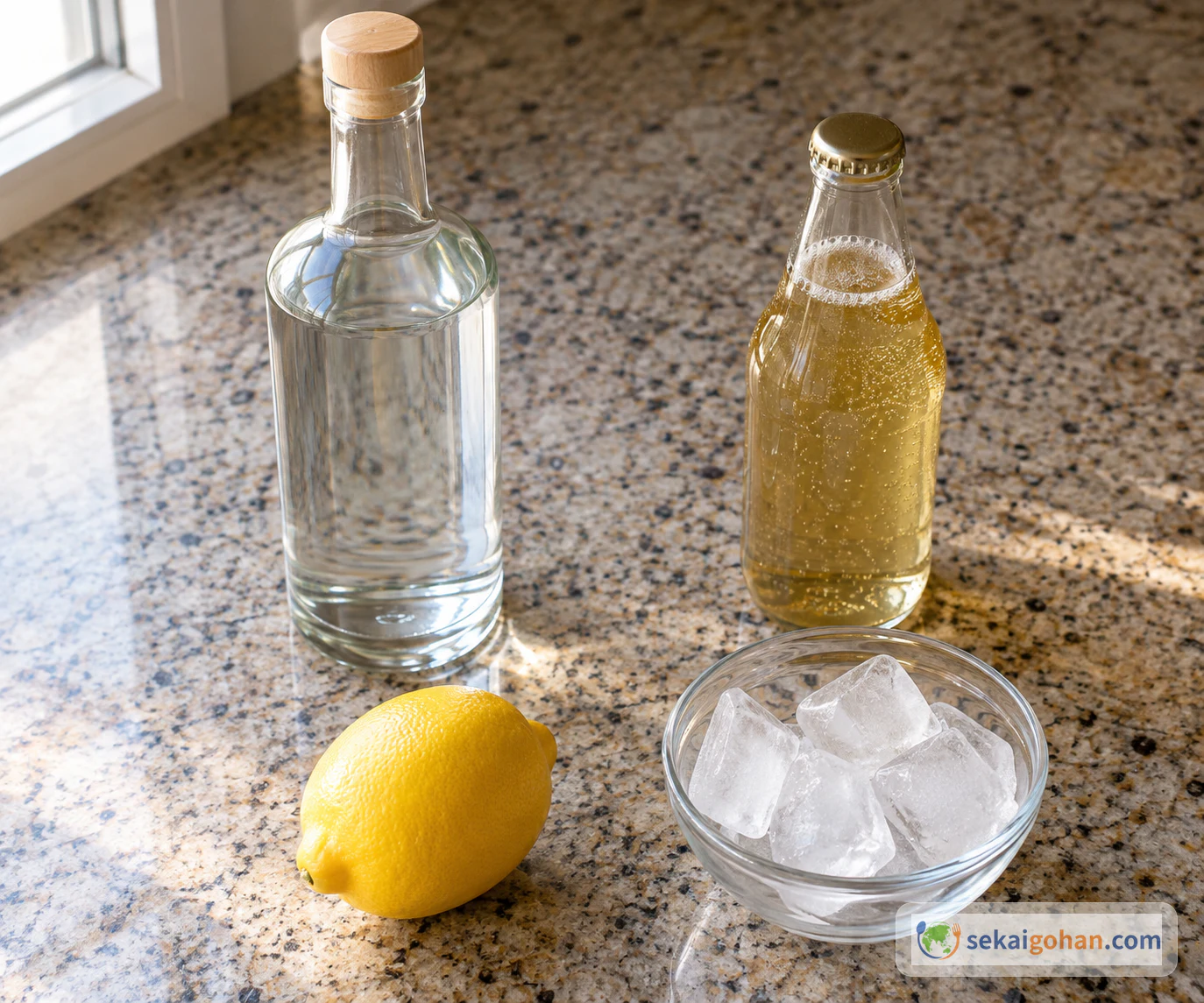
Singani: Look for a bottle labeled as Singani from Bolivia's designated area of origin.
Lemon: Squeeze the juice fresh. The optional wheel on the rim can be lime or lemon, but the juice itself is lemon.
Ginger ale: Ginger beer and lemon-lime soda each have their own flavor, so the standard version sticks to ginger ale. Brands also vary in sweetness and ginger bite, which changes the finished glass even when you pour the same amount.
Equipment
- Tall glass
- Jigger (measuring cup for spirits)
- Bar spoon
Chuflay contains alcohol. Don't serve it to minors, and skip it if you are pregnant or will be driving. Not drinking is always a fine choice.
Fixing a Chuflay That Tastes Wrong
| What you notice | Likely reason | What to do |
|---|---|---|
| Too sweet | Ginger ale brands differ in sweetness | Try a different ginger ale brand next time, keeping the amount the same. Adjusting the lemon is a variation, described below |
| Flat, with few bubbles | Ginger ale was added too early or stirred too much | Stir only once, before the soda goes in. Add the chilled ginger ale last |
| Hard to taste the Singani | Ginger ale or citrus is covering it | Keep to the measured amounts. To get to know the spirit, try a small sip on its own first |
| Tastes like a different drink | Another spirit or soda was used | Ginger beer, lemon-lime soda or a different grape spirit each make a different drink |
Serving Chuflay and Variations
Chuflay goes well with a Bolivian meal of salteñas, silpancho or sopa de maní. If someone at the table isn't drinking alcohol, pour them a non-alcoholic drink.
Once you know the standard glass, it's easy to adjust. More lemon juice makes the drink more sour, and less lets the ginger ale's sweetness come forward. A lime wheel on the rim shifts the citrus aroma. Using lime juice in place of the lemon juice is a bigger change that gives you a noticeably different drink.
Frequently Asked Questions
What is Chuflay, and is there only one recipe?
Chuflay is a cocktail made with Singani, and there is more than one version. Besides the tall glass above, a simpler version uses 1 1/2 oz Singani, 3 oz ginger ale and a lemon wedge.
What can I use if I can't find Singani?
Another grape spirit will give you a different drink with a different flavor. It's fine to mix, but it isn't Singani and won't taste like a Chuflay made with it.