Kallappam: Kerala's Coconut-and-Garlic Fermented Rice Pancakes (കള്ളപ്പം)

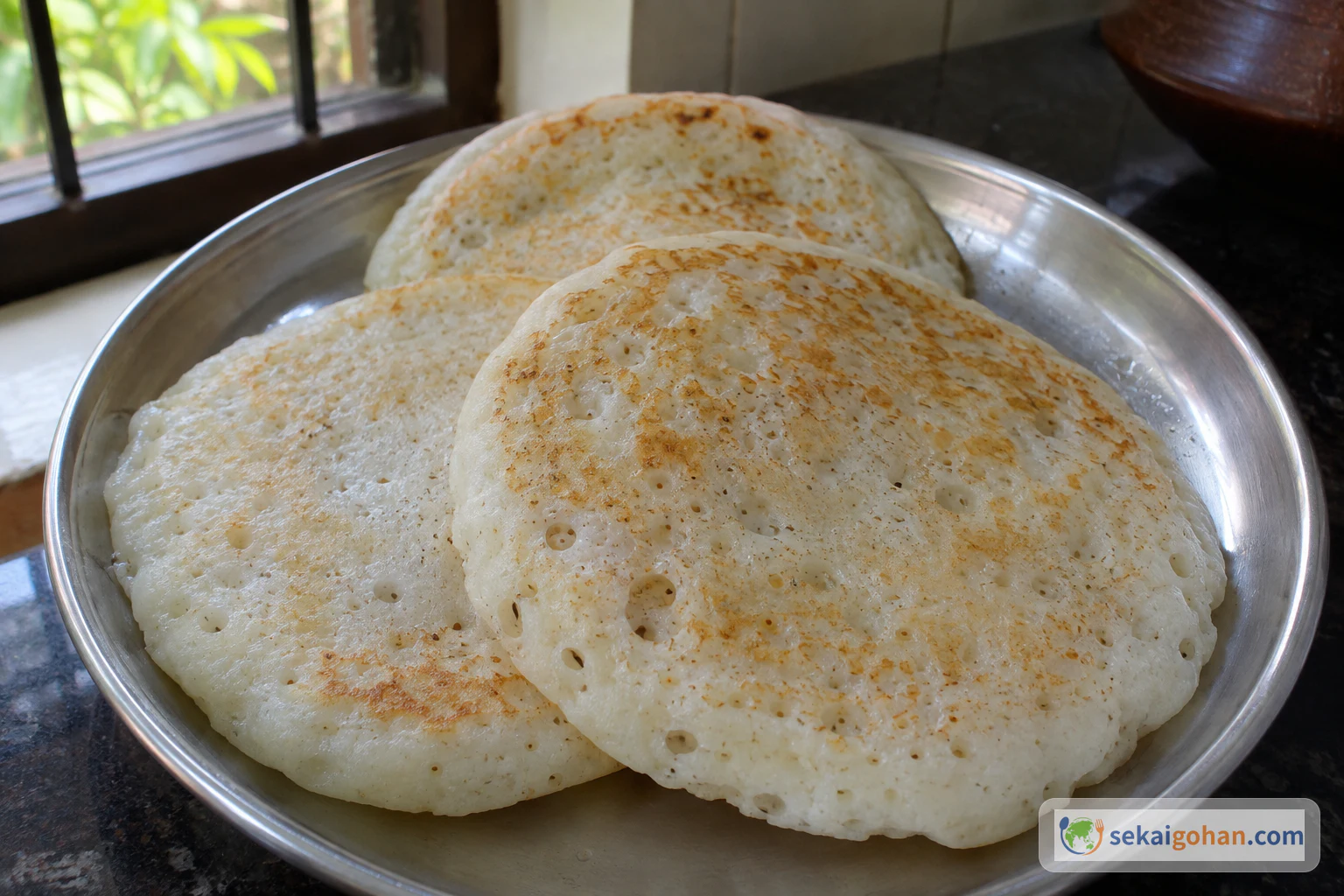
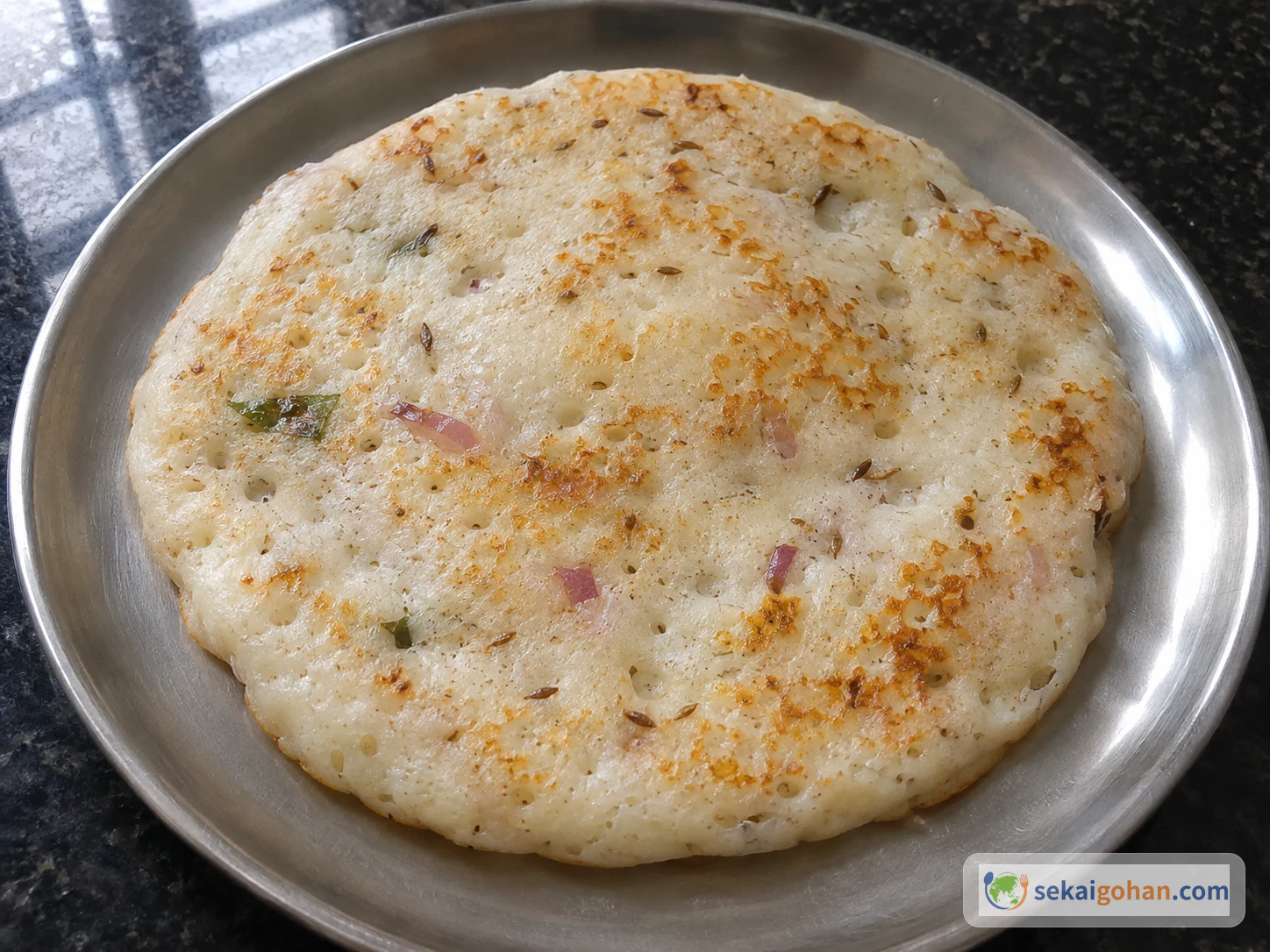
Flat Kerala-style kallappam with golden patches, served plainly with no accompaniments
Level
Intermediate
Cuisine
Indian (Kerala)

How to make kallappam, the thick griddle pancakes from Kerala, using the yeast version published by Kerala Tourism: soaked and ground raw rice, coconut, small onions, garlic, curry leaves and cumin. Includes clear limits for home fermentation, signs for discarding batter, and how to check the center is cooked. Not yet kitchen-tested.

Cooking flow

Cooking steps

STEP11 / 9

Clean up and soak the rice

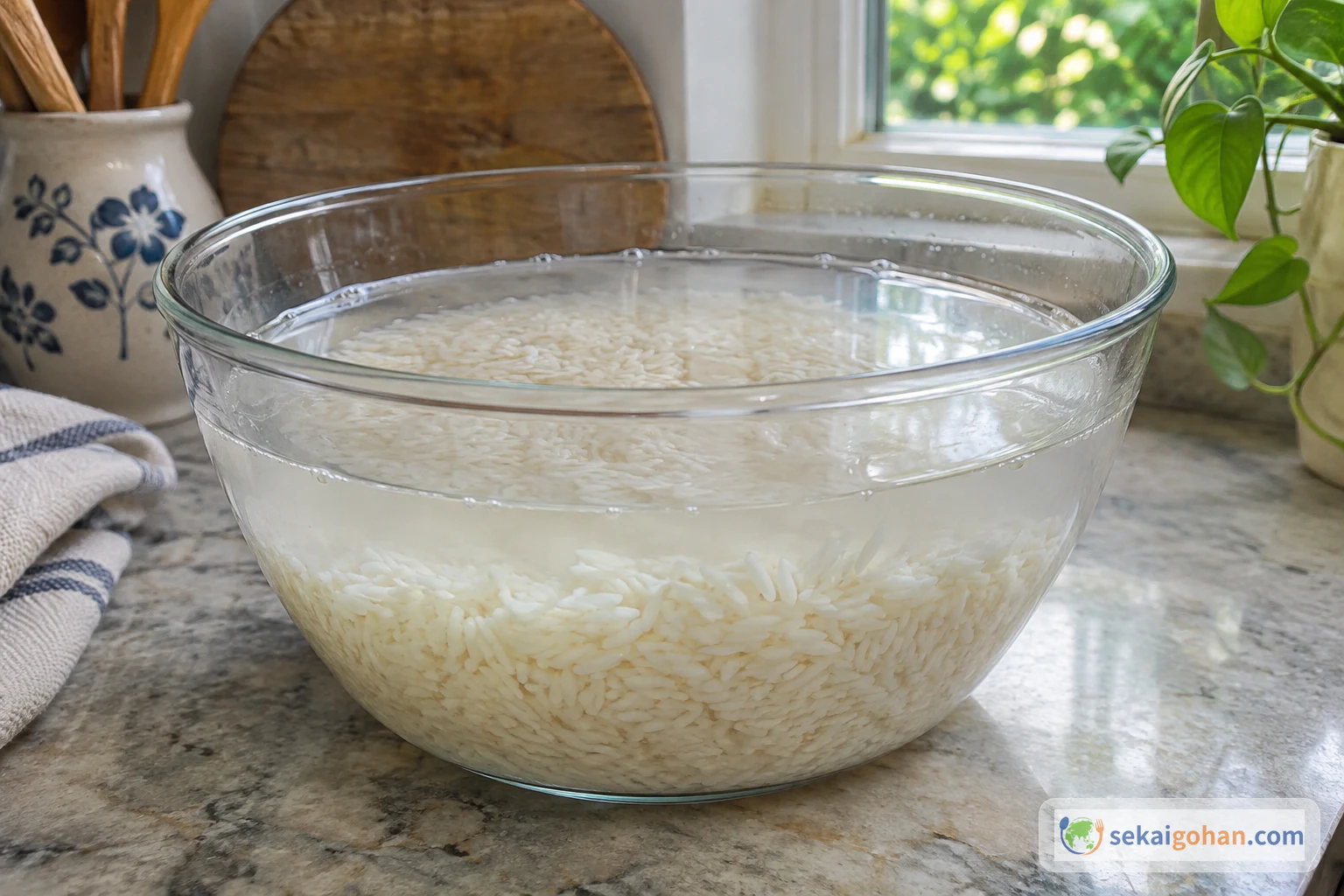
Washed raw rice soaking in water
Soak in drinking water, keeping to the time limit

Wash your hands. Wash and sanitize the bowl, lid, blender or grinder, and spoon. Check the blender blade or grinding stones for chips or broken pieces. Start with fresh ingredients only, and don't add any batter from an earlier batch. Rinse 1 lb (500 g) raw rice in drinking water, then cover it with drinking water and soak it for up to 4 hours at room temperature. To soak it for longer, put it in the refrigerator at 39°F (4°C) or below. Move on when a grain crushes between your fingers.

STEP22 / 9

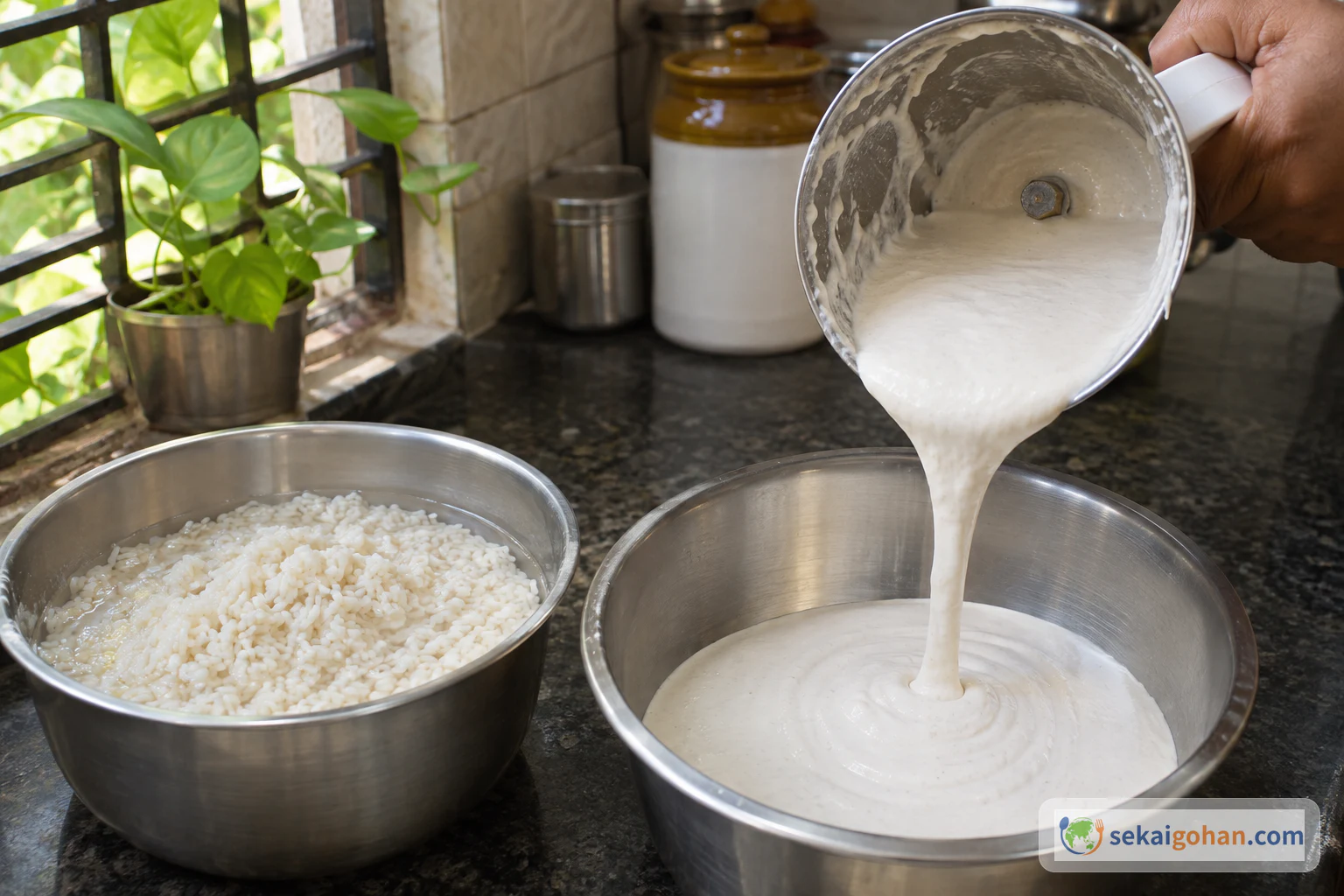
Drain and grind the rice

Soaked raw rice being ground into a smooth batter
Aim for thick but pourable

Tip the soaked rice into a fine sieve and let it drain. Grind the drained rice until smooth, adding drinking water a little at a time. Stop when the batter is thick but still pourable.

STEP33 / 9

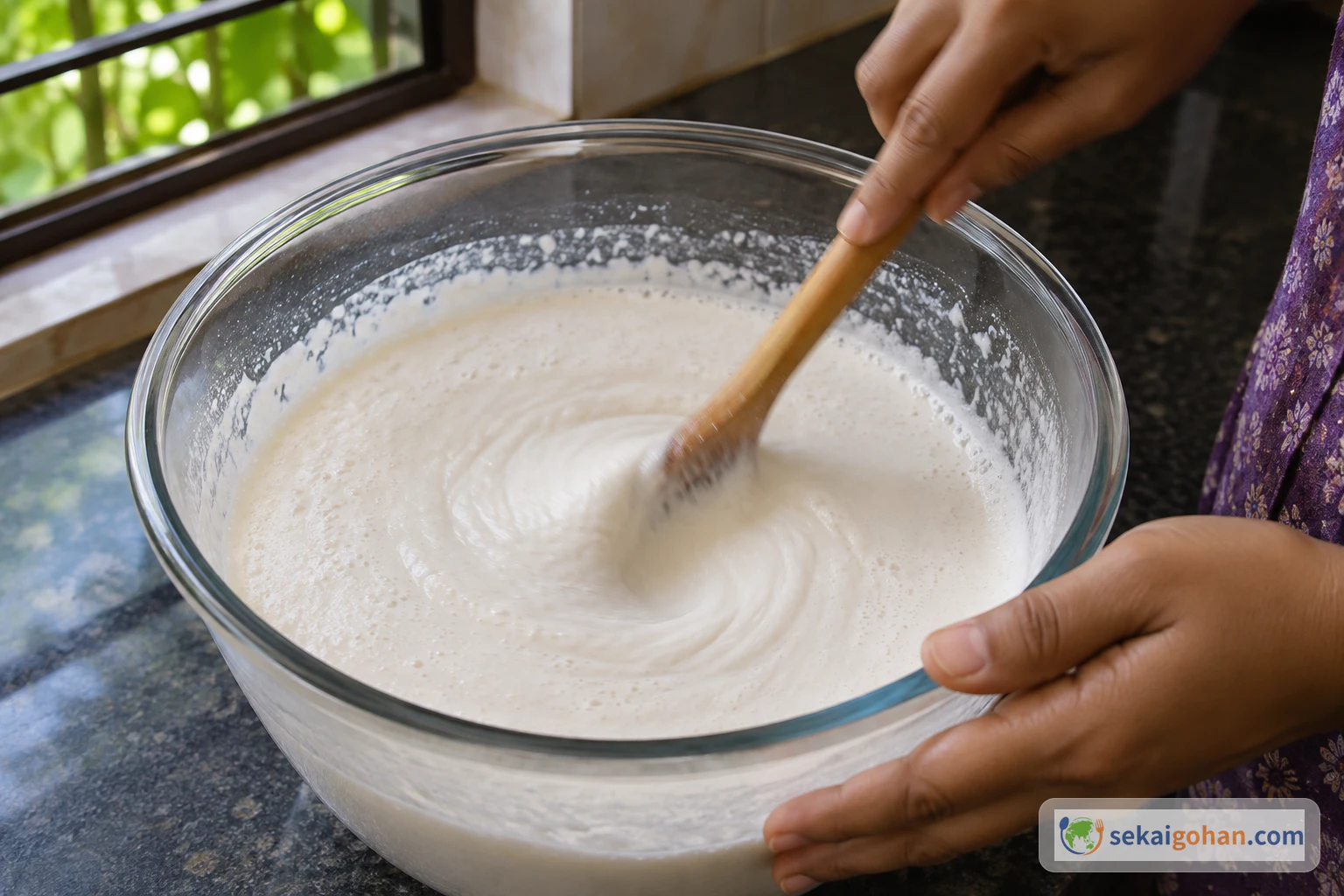
Mix in the yeast, sugar and salt

The yeast mixture, remaining sugar and salt being stirred into the rice batter
Mix well before covering the bowl

Combine 1 tbsp (15 ml) lukewarm water, 10 g sugar and 2 g yeast in a small dish, following the yeast label for the water temperature. Pour this yeast mixture into the rice batter first, which keeps the yeast and salt from being combined directly. Add the remaining 1.5 oz (40 g) sugar and salt, about 2% of the weight of the batter. Stir until everything is evenly combined.

STEP44 / 9

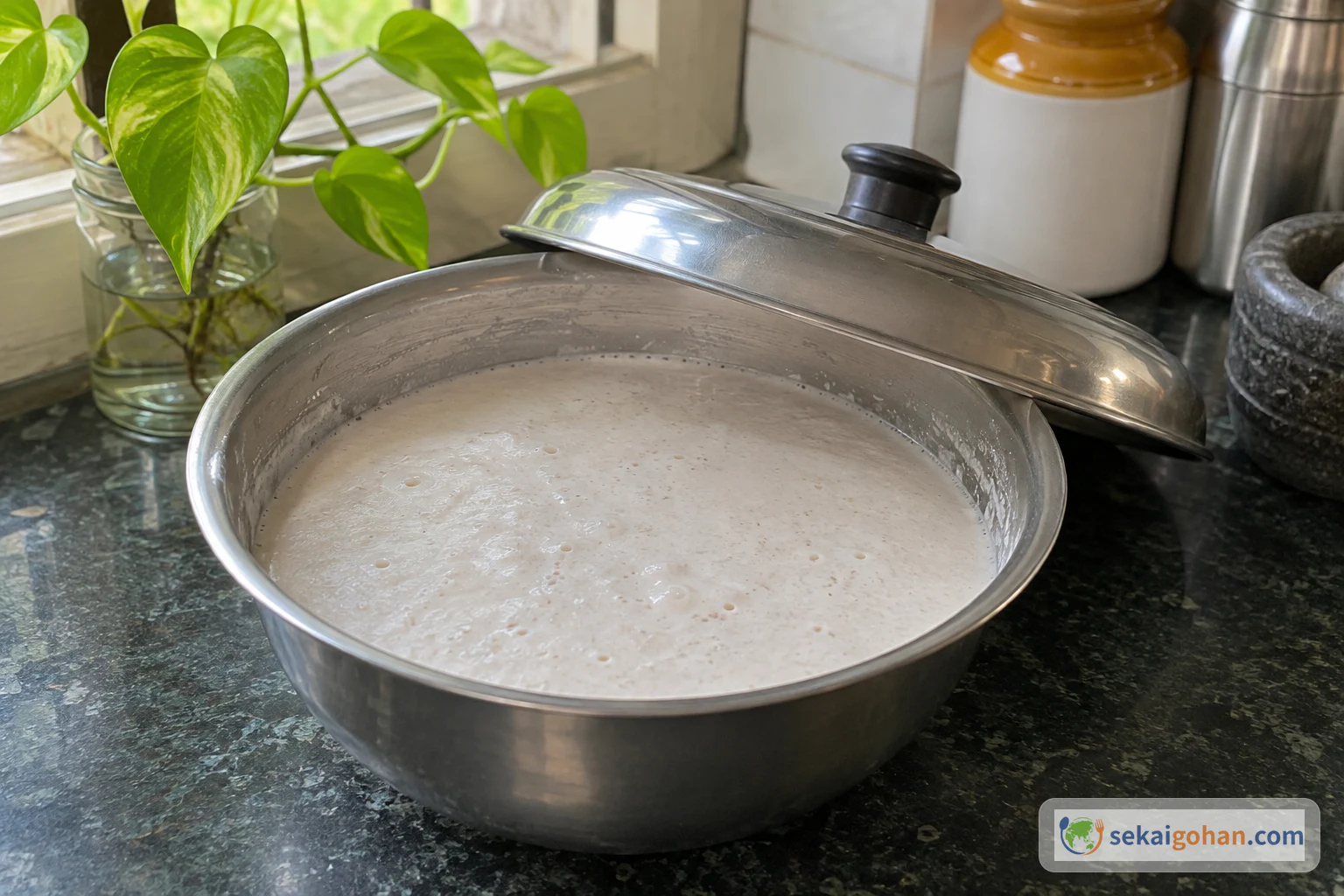
Cover and ferment

A covered bowl of rice batter during fermentation
This shows the covered bowl during fermentation, not the finished rise

Cover the bowl and ferment at about 86°F (30°C) for 6–8 hours, checking from the 6-hour mark. The batter is ready when it has roughly doubled and bubbles are visible. If your kitchen is well above 86°F (30°C), or you are using instant yeast, check earlier. In a cold kitchen, you can preheat the oven, turn it off, and put the covered bowl inside with the oven light on. Stop by 14 hours at the latest. If the batter hasn't risen by then, throw it away.

Don't keep fermented batter at room temperature. If you can't cook it right away, refrigerate it at 39°F (4°C) or below before adding the aromatics, and use it within 5 days. Throw it away if you see green, blue, brown or black mold, if it smells spoiled or putrid, or if it has gone past these time limits. If in doubt, don't use it.

STEP55 / 9

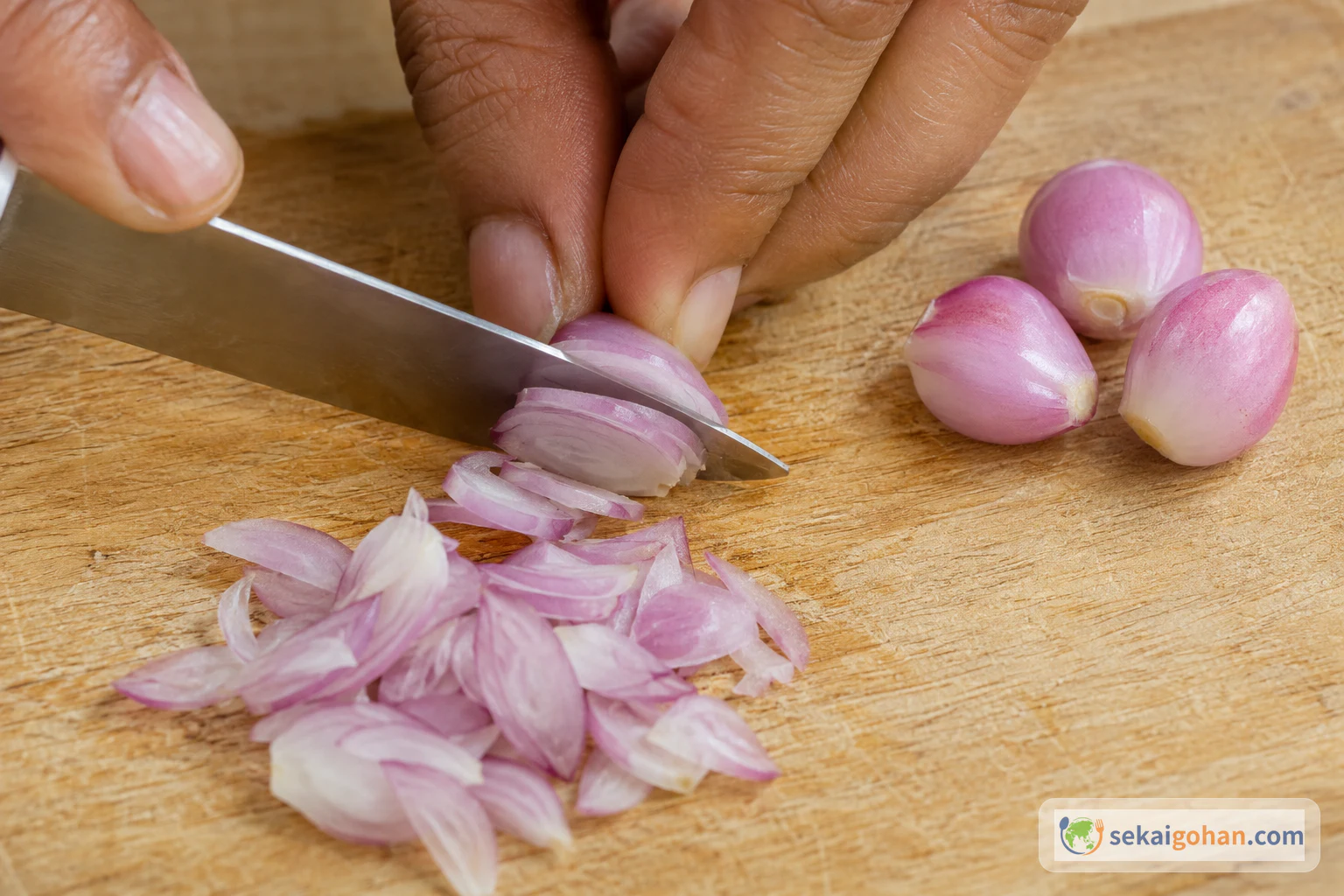
Prepare the coconut and aromatics

Small onions being thinly sliced
Small, shallot-sized onions make small slices

If this will take a while, keep the covered batter in the refrigerator in the meantime. Rinse the onions, garlic and curry leaves well under running water, and wash the outside of the coconut shell before you crack it. Crack the coconut and grate it. Peel and thinly slice 10 small onions, chop the leaves from 2 sprigs of curry leaves, and peel and crush 5 cloves of garlic.

STEP66 / 9

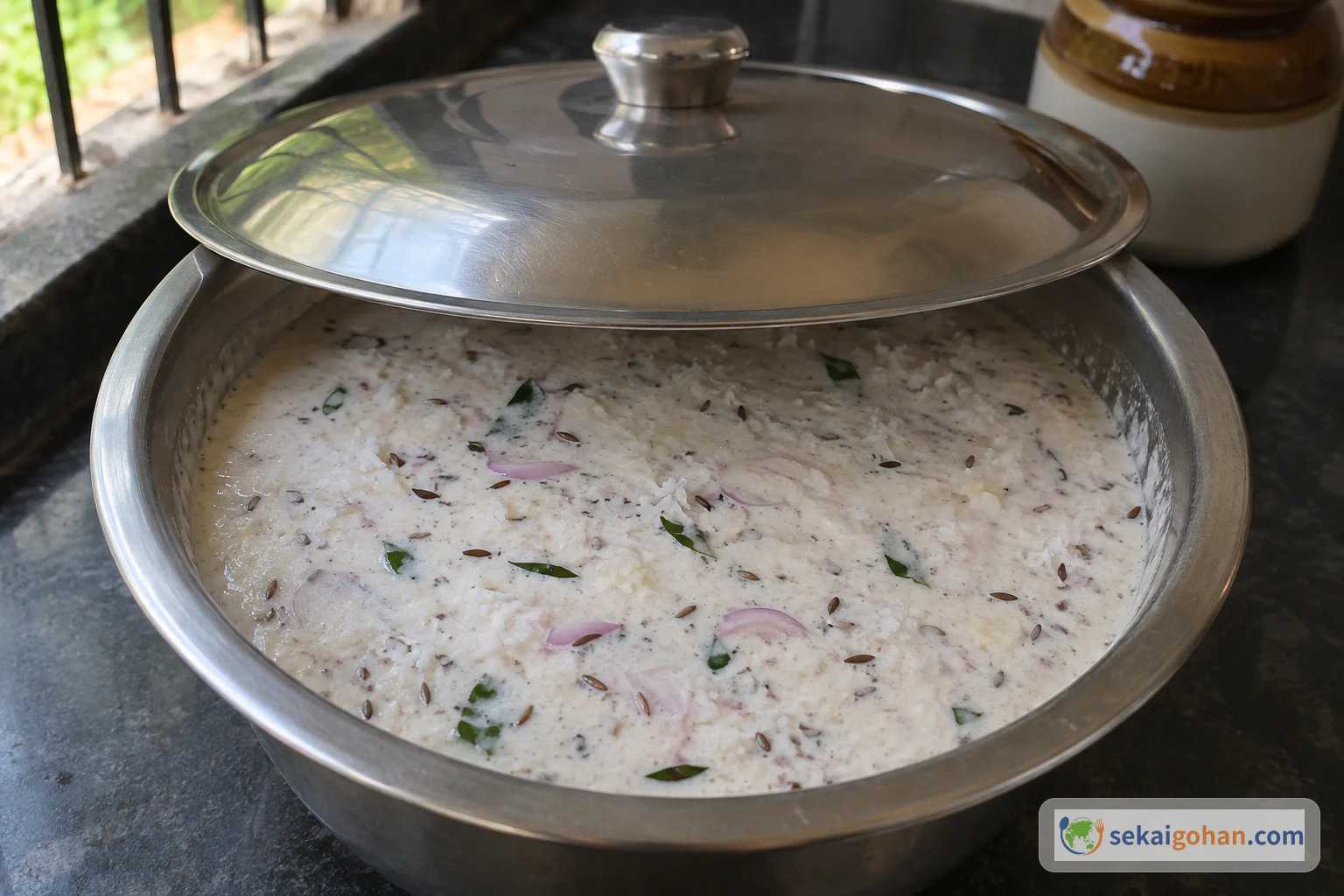
Fold into the batter and rest

The batter with coconut and aromatics resting in a covered bowl
A short rest before cooking

Add the grated coconut, crushed garlic, chopped curry leaves, sliced onions and 5 g cumin seeds to the fermented batter, keeping the cumin whole, without toasting or grinding it. Fold everything together until evenly mixed. Cover the batter and let it rest for 30 minutes. Plan to cook all of it the same day. Don't store batter once the coconut and aromatics are in, and throw away any you don't cook.

STEP77 / 9

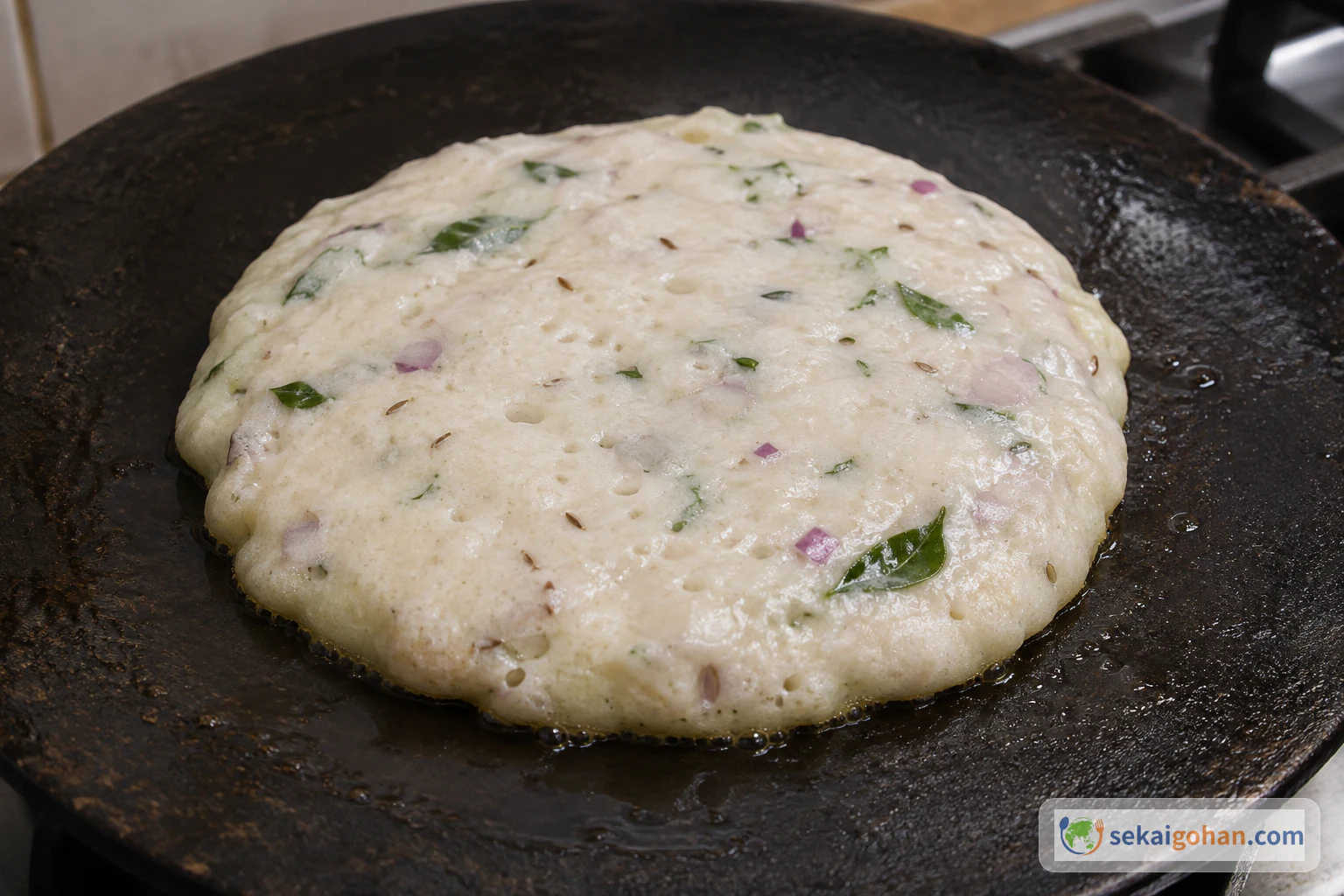
Heat the griddle and cook the first side

The first side of a kallappam cooking over low heat
The top is still pale and setting at this stage

Heat a clean, flat griddle and spread a thin layer of coconut oil over it, using the 1.5 tbsp (20 ml) across the batch. Pour one ladleful of batter onto the griddle to make a thick, flat round. Cook over low heat for about 1 minute, until the top is pale and setting.

STEP88 / 9

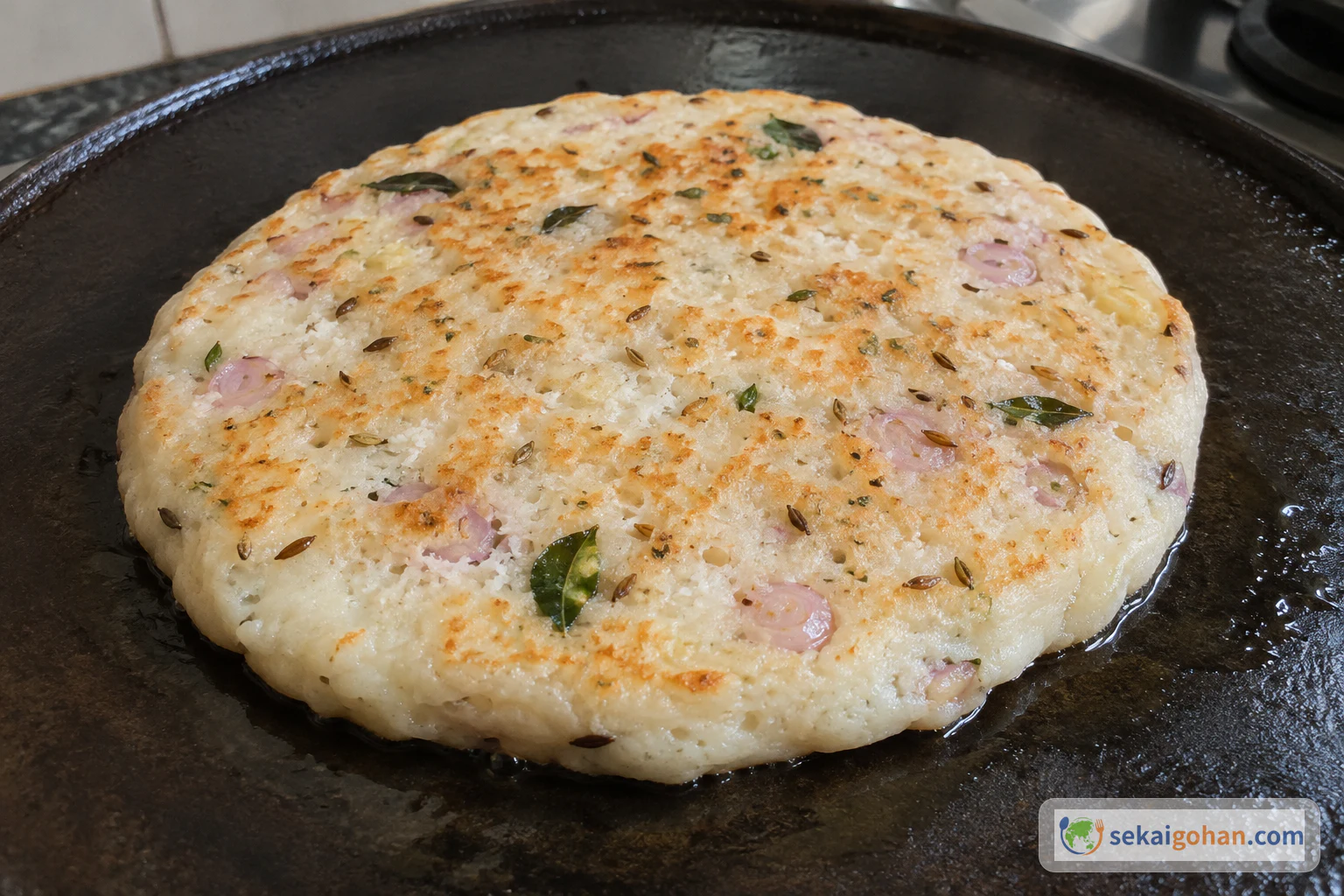
Flip, cook and check the center

The turned side of a kallappam cooking until golden
Color is a guide, not proof that the center is cooked

Turn the pancake once with a spatula and cook until the second side is golden. These pancakes are thick, so the outside can brown before the middle is done. The center should reach 165°F (74°C) for at least 15 seconds. Check with a thermometer if you have one. If you don't, cut one pancake open, and if raw batter remains in the middle, keep cooking over low heat. Use what you learn from that first pancake to judge the rest.

Don't taste raw batter. To check the seasoning, cook a small spoonful all the way through and taste that, then adjust the remaining batter with a little salt or sugar if needed.

STEP99 / 9

Serve fresh

Finished kallappam served on a plate with no accompaniments
Served plain and fresh

Serve the kallappam plain while fresh. Don't leave leftovers at room temperature for long: once the heat has eased, refrigerate or freeze them. Before eating, reheat until the center reaches 165°F (74°C) for at least 15 seconds.

0 / 0
Ingredients

Ingredients

1 / 1

Ingredients

Ingredient Amount Role
Raw rice 1 lb (500 g) The base of the batter, soaked and then ground
Drinking water, for soaking as needed Softens the rice for grinding
Drinking water, for grinding as needed, a little at a time Brings the batter to thick but pourable
Lukewarm water 1 tbsp (15 ml) For the yeast mixture only
Dried baker's yeast (active dry or instant) 2 g Ferments the batter
Sugar 1.75 oz (50 g): 10 g for the yeast, 1.5 oz (40 g) for the batter Feeds the yeast and sweetens the batter
Salt about 2% of the weight of the batter Seasons the batter; mix in before fermenting
Coconut 1 Grated, added after fermenting
Whole cumin seeds 5 g Added whole after fermenting
Small onions 10 Sliced, added after fermenting
Curry leaves 2 sprigs Chopped, added after fermenting
Garlic 5 cloves Crushed, added after fermenting
Coconut oil 1.5 tbsp (20 ml) For the griddle
0 / 0

Raw rice is soaked, ground into a thick but pourable batter, and left to ferment with a little yeast and sugar until it has doubled. Then grated coconut, garlic, curry leaves and small onions go in. After a short rest, a ladleful goes onto an oiled griddle over low heat, gets flipped, and cooks until golden. This is kallappam, a breakfast pancake from Kerala and one of many dishes on our India page.

Kallappam in Kerala

Kallappam is one of Kerala's breakfast dishes, and it appears among the state's traditional rice foods. It belongs to the toddy tradition, which is why it is sometimes called "toddy pancakes." Natural toddy (kallu) is the traditional fermenting agent, and yeast is the usual substitute. This version uses yeast only.

Kallappam is eaten with curries and stews. A little ghee is an optional extra, but the pancakes are good plain too. Sri Lankan hoppers are related, but they use a different batter, a different pan and a different shape, so they are a separate dish.

Fermenting Kallappam Batter Safely

Follow these limits exactly

Keep to the soaking, salt, fermentation, storage and cooking limits below. Don't stretch them.

Kallappam batter works differently from dosa and idli batter. It has no black gram, more sugar and added yeast, and it ferments for only 6–8 hours, so you can't count on it turning as acidic as those batters. Sourness wouldn't settle the question anyway. Fermenting doesn't make a batter safe, and neither does a sour taste or smell. Rising, bubbles and browning only show how the batter and pancake are progressing.

The coconut and raw aromatics stirred in after fermentation need the most care. Spore-forming Bacillus bacteria can multiply above 39°F (4°C), so keep the finished batter out of room temperature. Cooking to 165°F (74°C) deals with the bacteria, but it won't reliably destroy toxins that have already formed.

The limits here are stricter than the usual ones for dosa and idli batter:

Point Dosa and idli batter This recipe
Fermentation Within 12–14 hours at about 86°F (30°C) 6–8 hours, with a hard stop at 14 hours
After fermentation, at room temperature Cook within 1 day Don't hold it at room temperature
After fermentation, refrigerated 39°F (4°C), use within 5–7 days 39°F (4°C) or below, within 5 days, before the aromatics go in
Batter with coconut and aromatics Not covered Don't store it. Cook it all the same day

Watch the batter, not just the clock. With 2 g yeast to 1 lb (500 g) rice at about 86°F (30°C), it should double within 6–8 hours. Check the center of the first pancake too, because a minute on the first side and a golden surface don't tell you it has reached 165°F (74°C).

Ingredients for Kallappam
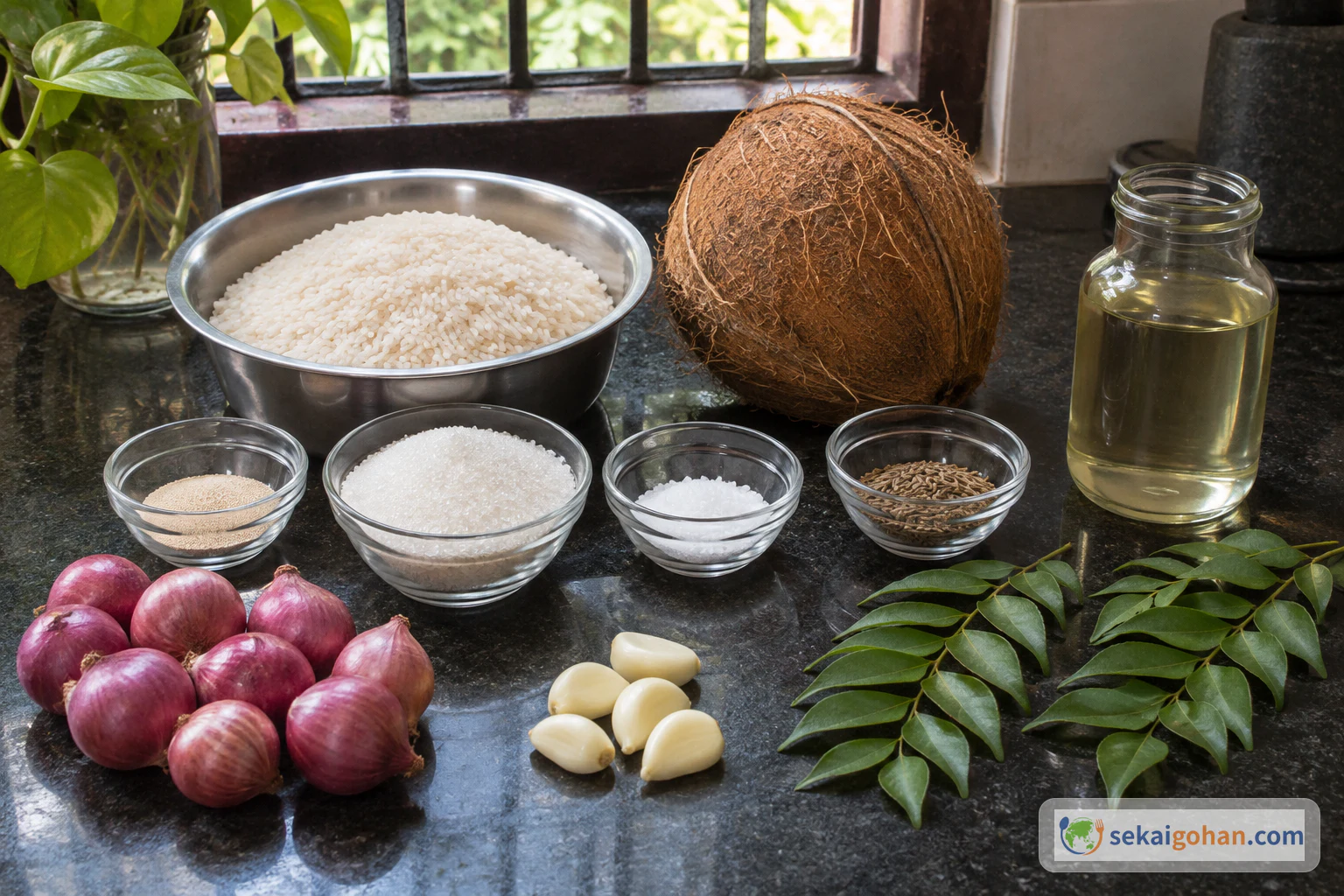
All the ingredients for this version of kallappam, laid out separately and seen from above
Everything is kept separate because each ingredient goes in at its own stage

Choosing Ingredients for Kallappam

  • Rice: Use raw rice, soaked and then ground at home.
  • Yeast: Use commercial dried baker's yeast within its date, and follow the label, including the water temperature. Active dry and instant yeast can both be rehydrated in warm water with sugar, and instant yeast rises faster. Products vary, so watch how the batter rises instead of expecting 2 g to behave the same every time.
  • Sugar: 1.75 oz (50 g) is the total. 10 g goes in with the yeast and 1.5 oz (40 g) into the batter.
  • Coconut: Grate a whole coconut. Coconut milk won't work in its place.
  • Onions: Look for small, shallot-sized bulbs rather than large globe onions.
  • Cumin: The seeds go in whole after fermentation, along with the coconut and other aromatics.
  • Allergies: Check the labels of everything you buy for allergens.

Equipment

  • Large bowl with a lid, with room for the batter to double
  • Blender or wet grinder
  • Fine sieve
  • Small dish for the yeast mixture
  • Kitchen scale
  • Wooden spoon
  • Coconut grater
  • Knife and cutting board
  • Flat, food-grade griddle or pan
  • Ladle and spatula
  • Food thermometer, if you have one

Method

Before you start

Plan your day around the fermentation. Once the batter is ready, cook it or refrigerate it. Don't leave it out.

Kallappam Troubleshooting

Never taste the raw batter. To check the seasoning, cook a small spoonful all the way through and taste that. Then adjust the salt (2%) and sugar if needed.

What you notice What to do
The ground batter is too thick to pour Add a little drinking water while you are still grinding, and stop as soon as it pours
The batter hasn't doubled at 8 hours Check its temperature, keep it covered at about 86°F (30°C), and keep watching until 14 hours at the latest. If it hasn't risen by then, throw it away
The batter has doubled before 6 hours Don't wait for the clock. Move on to cooking, or refrigerate it before adding the aromatics
You see mold, or it smells spoiled or putrid Throw it away. Don't scrape off the mold or try to rescue the batter
It smells or tastes sour Sourness is no sign of safety, and raw batter is not for tasting
The outside is golden but the center is raw Keep cooking over low heat until the center reaches 165°F (74°C) for at least 15 seconds
You are unsure how long the batter has been out Throw it away

Frequently Asked Questions

Is the batter safe because it has fermented?

No. Fermentation, sourness, bubbles and a good rise don't prove it is safe. Use clean equipment, stay within the time and temperature limits, throw away any batter you're unsure about, and cook the center to 165°F (74°C).

Can I make the batter ahead?

Only before the aromatics go in. Refrigerate fermented batter at 39°F (4°C) or below and use it within 5 days. Once the coconut and aromatics are in, cook all of it the same day and throw away whatever is left.

How long do I soak the rice, and how much water goes into the grinder?

Soak the rice for up to 4 hours at room temperature. For a longer soak, put it in the refrigerator. When grinding, add drinking water a little at a time until the batter is thick but pourable. The amount varies, so go by the texture.

How long do leftovers keep?

Once they have cooled a little, refrigerate or freeze the leftover pancakes. Reheat them until the center reaches 165°F (74°C) for at least 15 seconds.
Sources