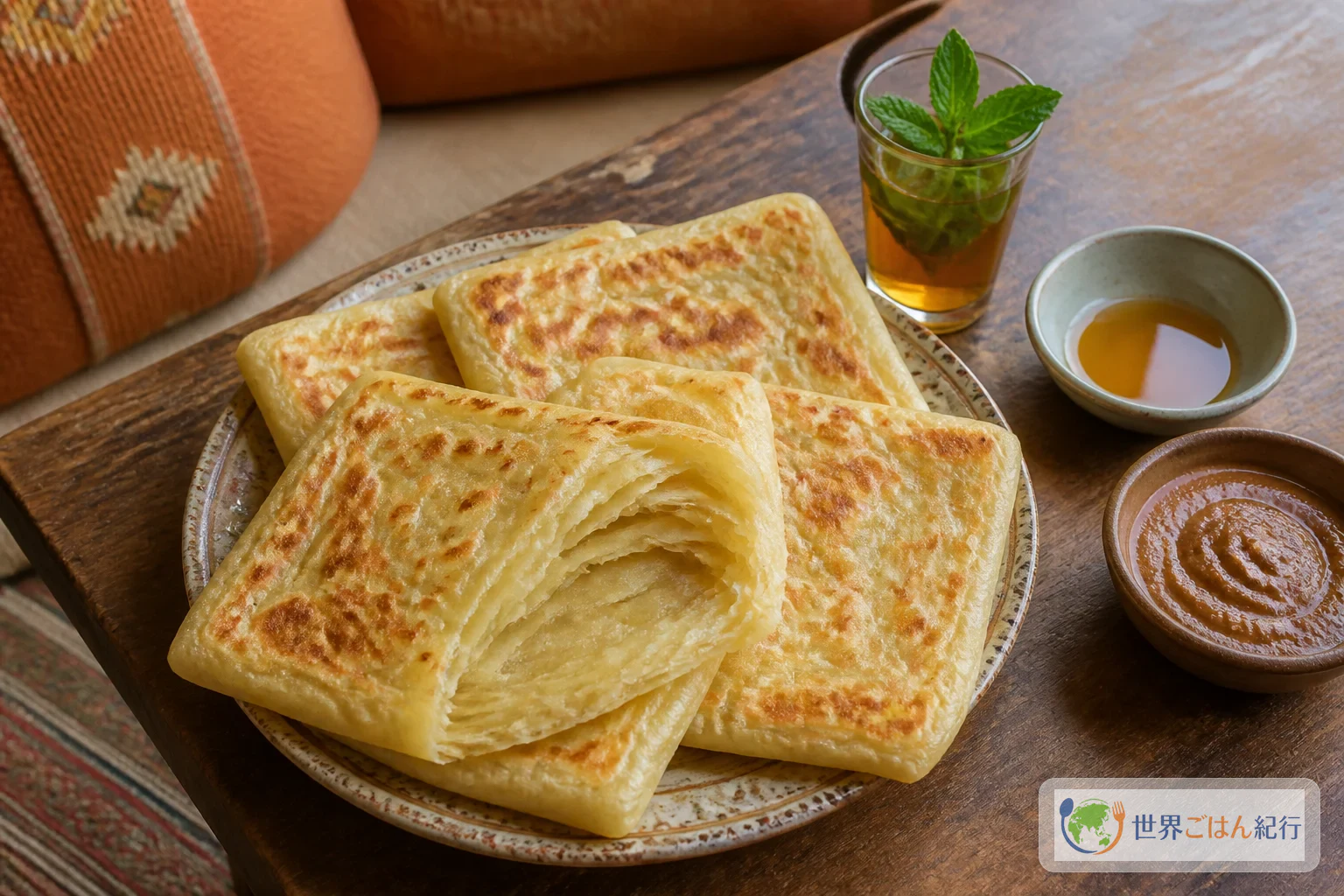
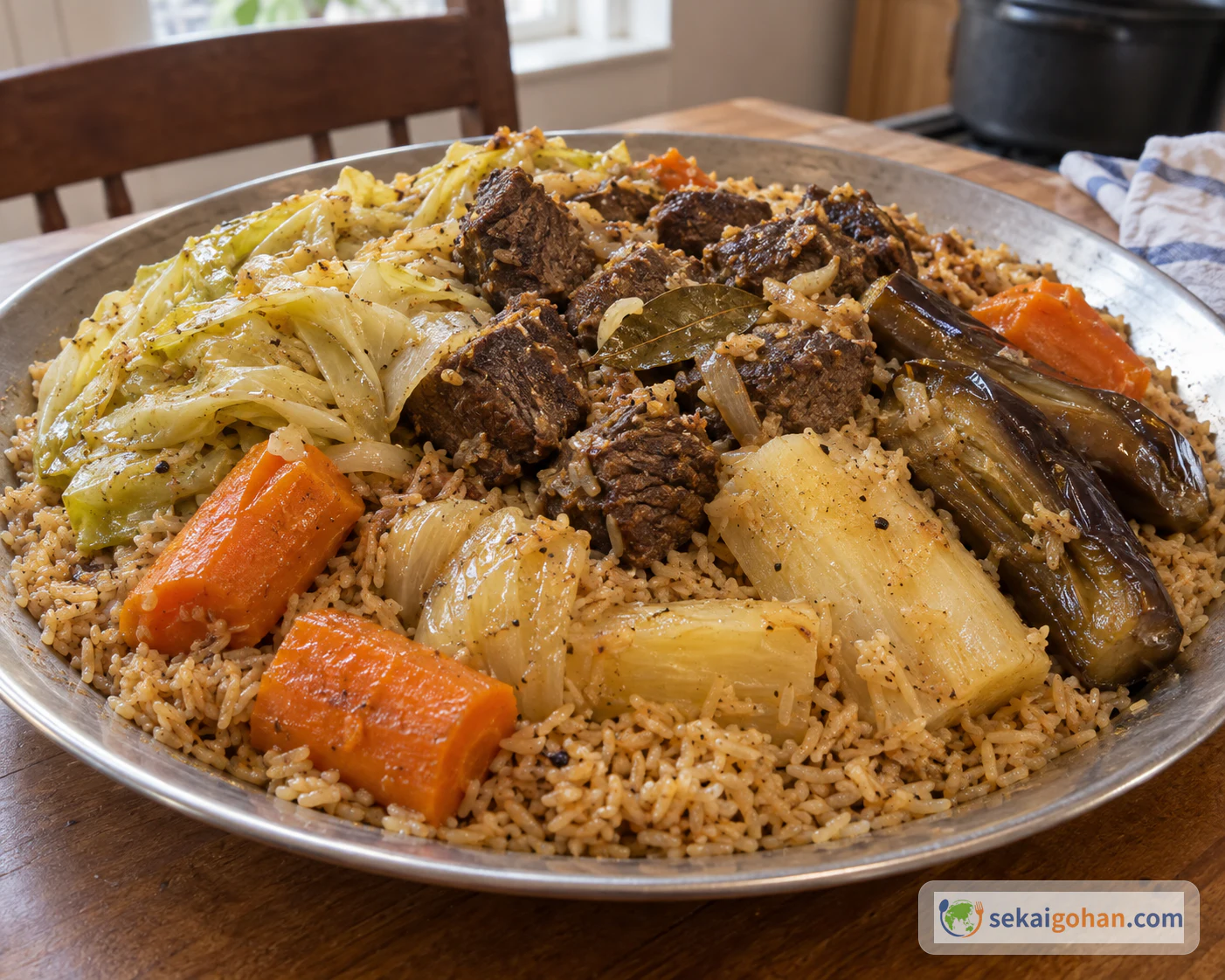
On a holiday noon, flatbread torn by hand into 1-inch (2–3 cm) pieces goes into a deep dish, and the chicken and lentil broth is spooned over it a little at a time. The edges of the bread keep their layers while the center sinks into the amber liquid, and behind the steam the bitterness of fenugreek lingers until the sweet scent of onion and cilantro catches up. That is rfissa, a Casablanca dish of shredded msemmen or trid soaked in a broth of chicken, onion, lentils and spices. It's served as a single dish, not as a stew with bread on the side. What trips up first-time cooks is the proportion: cook the liquid down too far and the bread dries, pour too much and the layers vanish.

Rfissa at the Moroccan Table
Rfissa, also spelled R'fissa, goes by several other names, including Trid, Madhoussa and Hemiss. Morocco's food guide for visitors lists it as a main dish alongside tagine and couscous. It's an everyday household dish, not a rarity for tourists. For a broader view of Moroccan food culture, see this survey.
Families serve it in a deep bowl or on a large platter, with the chicken in the middle and the bread, lentils and onion broth spread around it. Everyone breaks the bread on their own side and adds broth as they go, so it's a dish to gather around rather than one portioned out like a restaurant plate. You'll find it at family gatherings and casual meals for guests. For a Moroccan home version, see a Moroccan chicken rfissa recipe.
Rfissa After Childbirth
Rfissa is also brought to women after childbirth. The new mother's family carries it to the health center, and it's served at the naming celebration. The day varies: some families serve it on the third day after birth, others on the seventh day at the naming celebration. For a Japanese-language account of these customs, see this article (in Japanese).
The Bitterness of Fenugreek
Fenugreek gives rfissa an aroma so distinctive that people tend to either love it or dislike it. Behind its sweet, maple-like scent sits a dry bitterness. A small amount in the broth becomes a toasty aftertaste, while more seeds push an earthy bitterness forward, so let your own taste set the amount.
The layers of bread are the base that receives the broth. Onion and cilantro make the sweet aroma, and ras el hanout and fenugreek decide the aftertaste. Use as much fenugreek as you enjoy, bitterness included.
Ingredients (serves 4)

This time the broth is made with bone-in chicken thighs and finished by tearing unsalted frozen paratha. If you can get msemmen or trid, use 4–6 sheets as they are. Bone-in meat takes longer to stew, but it gives the broth body and a flavor that holds up to the bread.
Ras el hanout is a Moroccan spice mix, and each shop blends it differently. If you can't find it, mix 1 tsp cumin, 1 tsp ground coriander, a little cinnamon and 1/2 tsp paprika. It won't taste exactly the same, but this blend still gives the broth of chicken and onion its layers of spice.
Use fenugreek as seeds, not powder. Increase the amount carefully, since the bitterness tends to take over, and start with 2 tsp this time. If you like a strong aroma, add 1 tsp more each time. Soaking and changing the water are the most reliable ways to control the bitterness.
The nutrition values change with the fat in the paratha, whether the chicken skin is on, and whether you use smen.
If you will use fenugreek often, in rfissa or in Ethiopian and Indian cooking, buy the seeds. If you are trying it just once or dislike the bitter aroma, buy a small amount at an import grocer, or skip the dish. If you need to watch for legume allergies, check the labels carefully.
This uses chicken, lentils, wheat, dairy and spices. Paratha and smen can contain dairy or ingredients other than wheat, so check the product label even when using substitutes. If you have a food allergy, ask your doctor before choosing ingredients.
Choosing Bread, Spices and Tools for Rfissa
Bread
Msemmen, melawi and trid are close names for thin griddle breads. Msemmen can be made at home or bought from a specialist bakery, and if a halal or import grocer has it, use it. Otherwise, choose a substitute by whether it soaks up the broth while keeping its layers, not by flavor.
| Choice of bread | Result | Good for |
|---|---|---|
| Msemmen or trid | Layers and toastiness are closest to the dish | People who can get to an import grocer |
| Unsalted frozen paratha | Strong aroma of fat, layers hold easily | People who want to make it once first |
| Flatbread from the day before | Soaks up the broth well, softness over layers | People who want to use up leftovers |
Paratha has a strong aroma of fat, so swap only the bread and keep the rest of the dish the same. With sandwich bread, cut off the crusts, cut it into 1-inch (2–3 cm) pieces and dry just the surface in the toaster, stopping before the edges turn golden, or it hardens before it can soak up the broth. Udon and pasta hold liquid too differently from layered bread to make a good first substitute.
Spices
If you can't find ras el hanout, let cumin and coriander lead and keep just a small amount of cinnamon. As long as the bitterness of fenugreek, the sweetness of onion and the chicken broth are there, the dish still tastes like rfissa. Pile on too many spices and the aromas stack up on the bread, and the dish seems saltier the further you eat.
When shopping, prioritize fenugreek seeds, then msemmen or unsalted paratha, then ras el hanout. If you think you'll come to like fenugreek, buy a regular package of seeds; if the bitterness worries you, look for a small amount.
Tools
A knife is all this recipe needs: mince the garlic and ginger finely and chop the cilantro and parsley to 0.25 inch (5 mm). A small food processor earns its place if you chop onions and aromatic vegetables several times a week, make aromatic pastes to freeze, or cook other stews often. Check its capacity and don't overfill it. For one pot for four, a knife is quicker, since the processor has more parts to wash, and it keeps the rough texture of hand chopping.
Instructions
If you wait for the stew to finish before looking for the bread, the broth cools and the bread dries. Tear the bread first, prepare the soaked fenugreek, and work in an order that overlaps the simmering and the warming.
Rfissa Problems and Fixes
As long as you keep the broth and the bread separate until the end, rfissa is easy to rescue. Before you blame the bread, work out whether the problem started in the pot.
| Problem | Likely cause | How to fix it |
|---|---|---|
| Bread is dry and hard | Too little broth, low temperature | Add hot broth by half a ladle, cover and leave 3 minutes |
| Bread falls apart like porridge | Broth poured all at once | Warm the remaining bread separately and add broth little by little at the table |
| Broth is thin | Too much water added | Remove the chicken, take off the lid and reduce 5–10 minutes over low heat |
| Fenugreek is bitter | Too many seeds, short soak | Add hot unsalted stock a little at a time and spread the bitterness across onion and bread |
| Lentils are hard | Heat too low, broth reduced | Add boiling water and cook 10–15 minutes. Take out the chicken first |
| Chicken is cooked but lentils are hard | Chicken and lentils need different times | Rest the chicken covered, cook only the lentils and return it at the end |
Sugar won't hide the bitterness of fenugreek. It just pushes the dish toward sweet while the aroma of the seed stays. Next time, cut back to 1 tsp and change the soaking water once more. If you like the bitterness, leave a little of it; that keeps the aroma from fading once broth and bread are layered.
To judge the result, check three things: chicken at 165°F (74°C), lentils soft enough to crush with a spoon, and a broth thick enough to cling a little to the ladle.
Serving Rfissa

Leave liquid in the pot, and rather than pouring it all over the bread at once, add more as the bread drinks it up. Deciding at the table how much broth to give the bread is half the pleasure of rfissa. To round out a Moroccan meal, try couscous for the texture of the grains, tagine for ingredients layered as in a clay pot, or harira for a tomato and bean broth.
Storage and Frequently Asked Questions
Can I make rfissa ahead?
Yes, but store the chicken and lentil stew and the torn bread separately. Bread that has soaked in broth is hard to bring back, so pour the broth over warmed bread just before eating. Move the stew into a shallow container and refrigerate it within 2 hours of cooking. Use leftover chicken and broth within 3–4 days, and reheat it to 165°F (74°C). Smell and appearance won't tell you whether food left out for a long time is safe, so if you don't know how long it has been kept, don't eat it.
Can I use fenugreek powder?
You can, but the bitterness spreads more suddenly than with seeds. Start with 1/2 tsp and taste the broth before adding more, since the same 2 tsp of powder can turn it bitter. For the aroma of the seed and its texture when chewed, stick with seeds.
Without msemmen, does paratha give the real flavor?
Not exactly. Msemmen is a layered bread made of flour or fine semolina, fat and water, while paratha varies in fat and thickness by product. Still, if you warm frozen paratha without oil, tear it into 1-inch (2–3 cm) pieces and let it take up steam, it receives the broth well. Use paratha the first time to learn the flow, then look for msemmen if you make the dish often.
Can I replace the chicken with breast?
Yes, but shorten the stewing time. Cut the breast into slices of even thickness and check the center 30–40 minutes after the broth boils. Once it reaches 165°F (74°C), take it out, soften the lentils on their own and return it at the end. You'll lose some of the richness of bone-in thighs and the way long-simmered meat pulls apart.
Can I replace the lentils with another bean?
Chickpeas or fava beans work in place of dried lentils, though their soaking and simmering times differ. Add canned beans for the last 15 minutes so they don't break down. If you need to avoid legumes altogether, the name and texture of the dish change, so treat it as a different chicken stew rather than patching it with mushrooms and the like.
- Moroccan National Tourist Office, "Food & Drinks": other names for R'fissa, its relation to Casablanca, main ingredients. Accessed 19 July 2026.
- World Intellectual Property Organization, "Scoping study on the gastronomic tourism sector in Morocco": names of rfissa, msemmen, fenugreek, the large platter, regional differences. Accessed 19 July 2026.
- JICA Overseas Cooperation Volunteers' World Diary, "Moroccan food and customs: when a baby is born" (in Japanese): rfissa after childbirth and the naming celebration table. Accessed 19 July 2026.
- Taste of Maroc, "Moroccan Chicken Rfissa": bread substitutes at home, soaking fenugreek, stewing and serving. Accessed 19 July 2026.
- USDA FSIS, "Keep Food Safe! Food Safety Basics": internal temperature of chicken, cooling and storing leftovers. Accessed 19 July 2026.