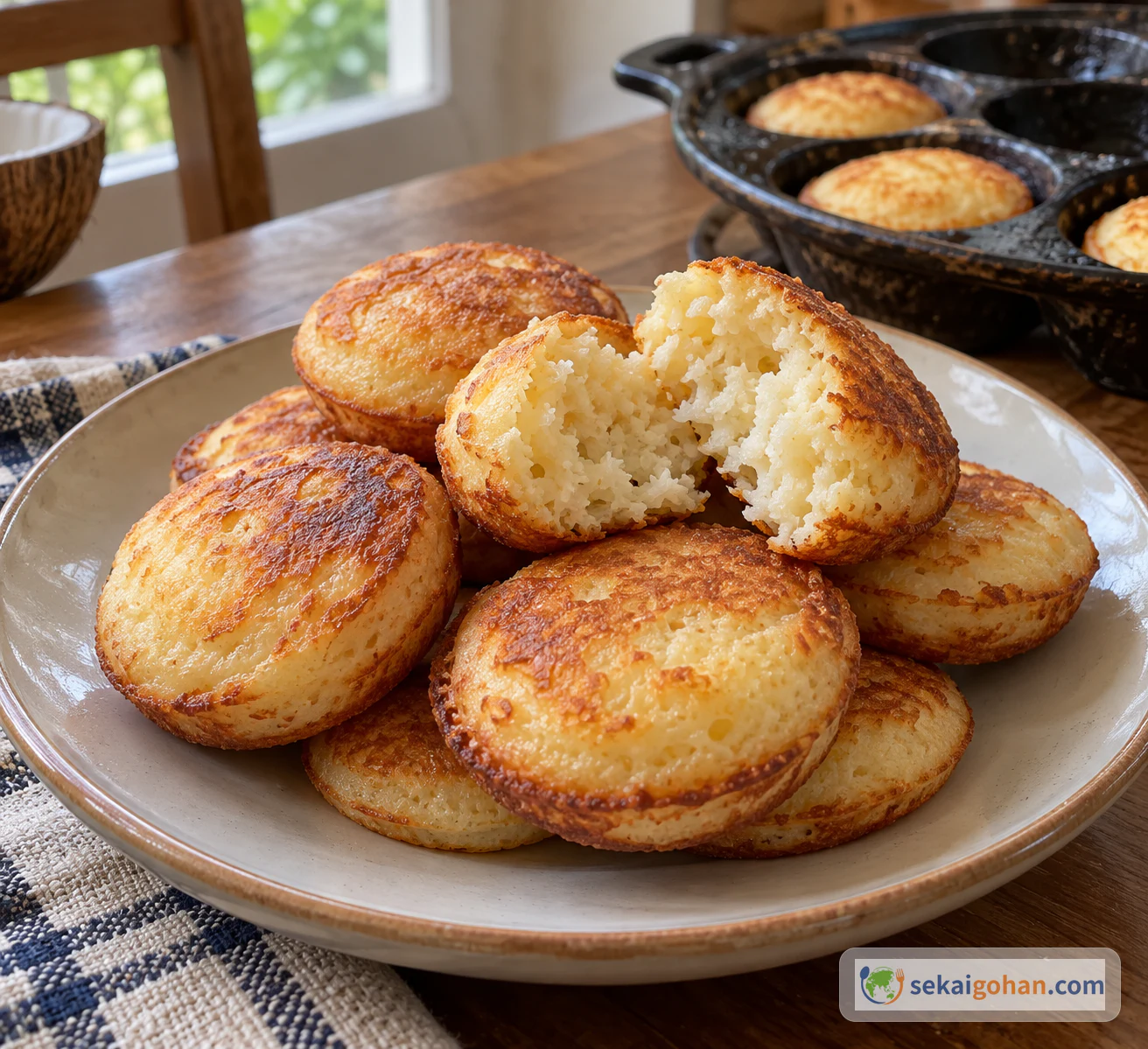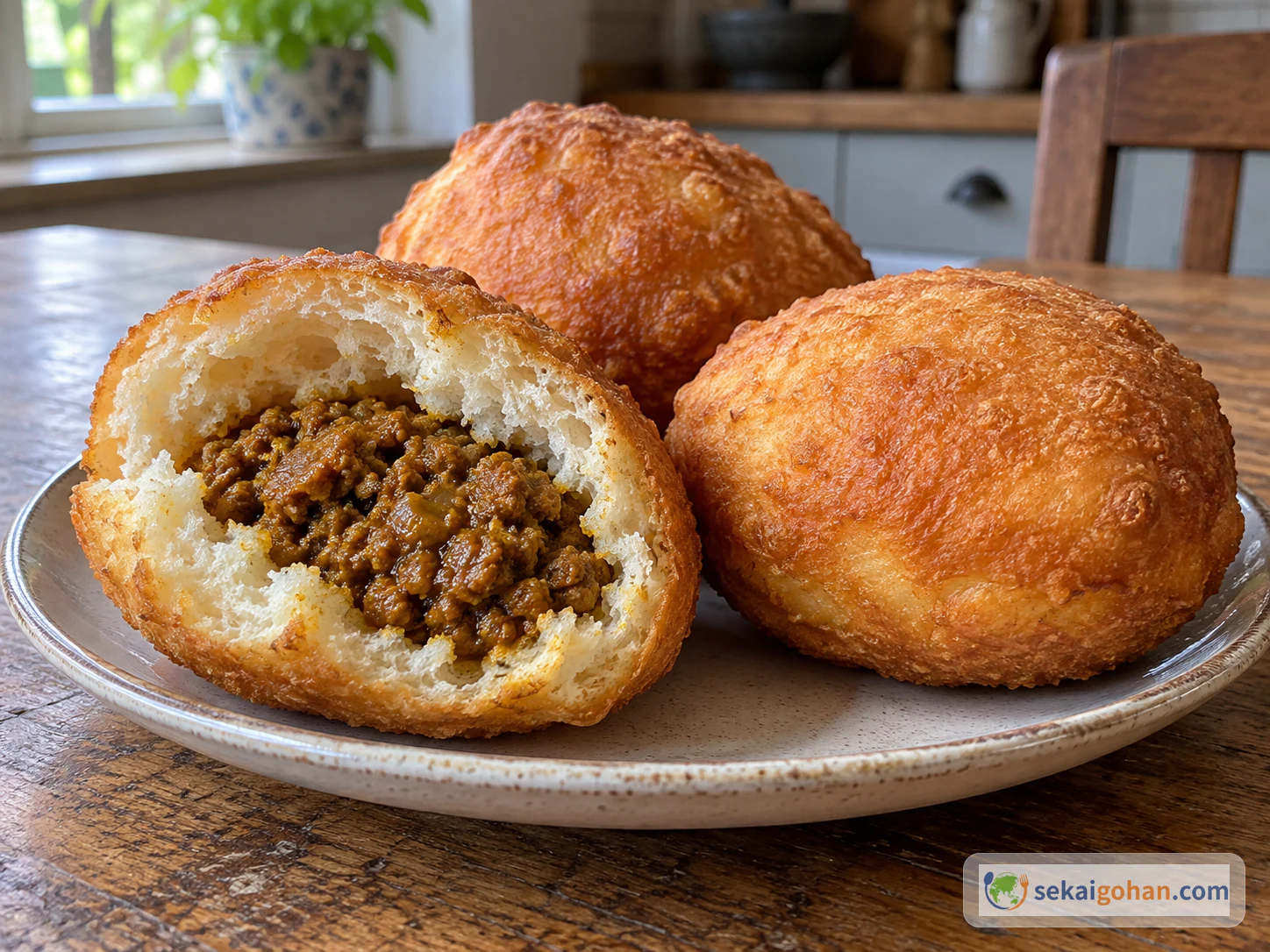
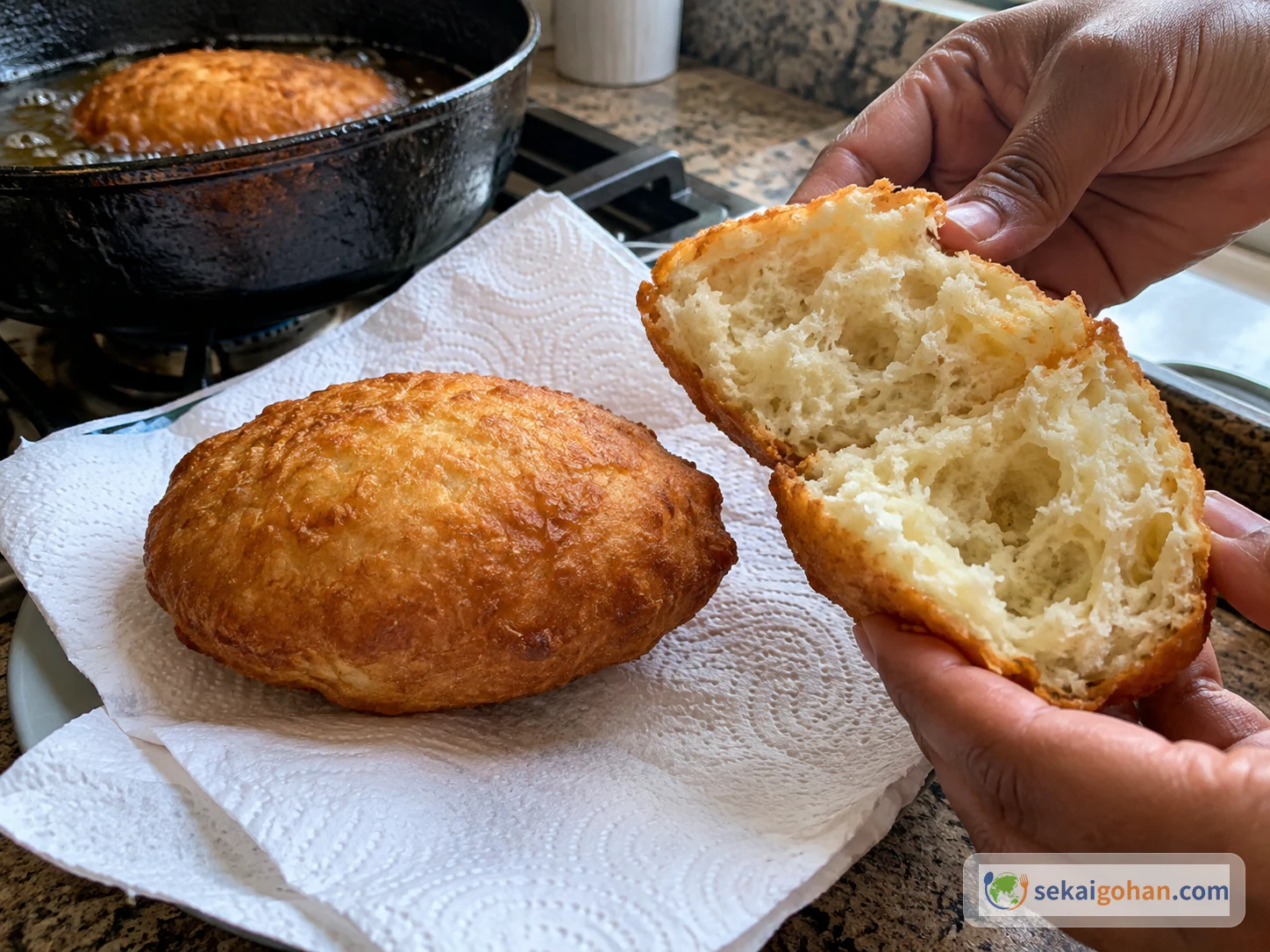
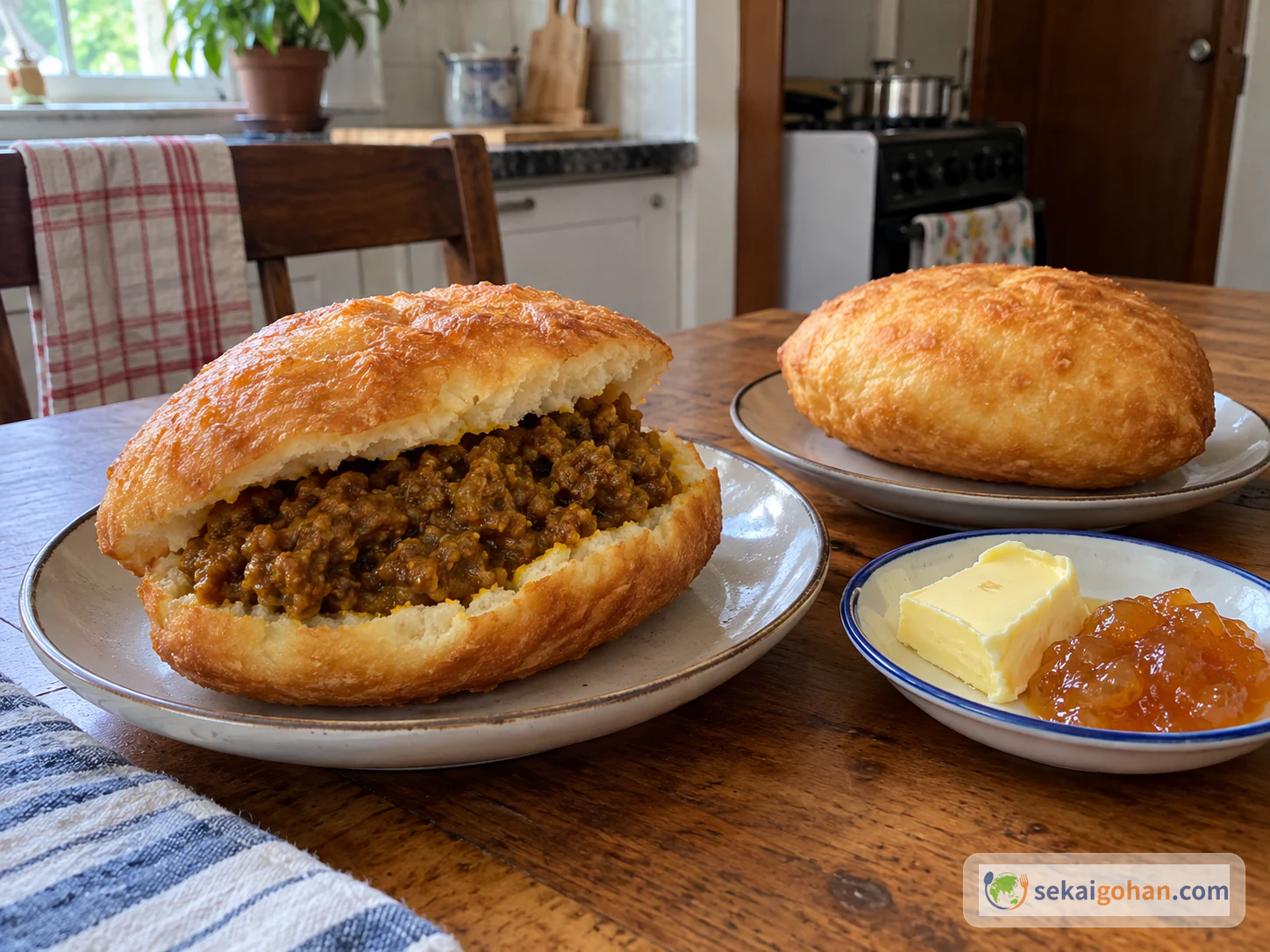
Vetkoek comes out of the oil golden and puffed, and when you split one open, the soft crumb is full of small air pockets. While it's still warm, it can go one of two ways: filled with curried mince for a meal, or spread with butter and syrup for something sweet. This South African fried bread is plain and comforting, with a crisp outside and a tender inside that takes on whatever you put with it.
About Vetkoek
The name is Afrikaans for "fat cake." You'll find vetkoek at school fêtes, church bazaars and family gatherings, and it's just as welcome at home as a comfort snack on a winter afternoon. Some recipe titles give it a second name, as in "Vetkoek (Magwinya)."
It belongs to a wider family of South African favorites. Bunny chow pairs curry with a different kind of bread, and koesister is a different sweet fried treat. You'll find both among our South African recipes.
Ingredients for Yeast-Raised Vetkoek
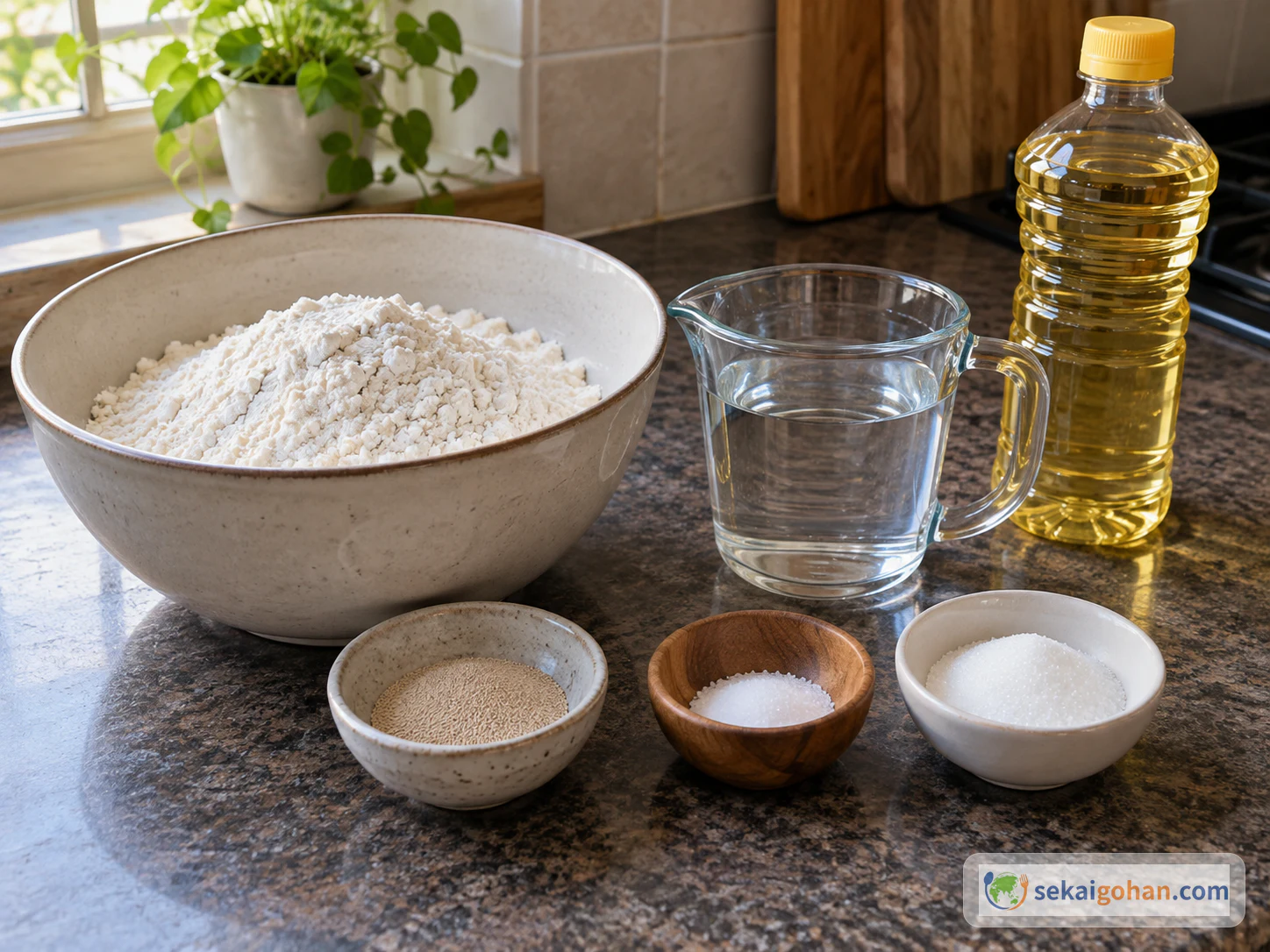
Makes about 10 small-to-medium vetkoek.
Vetkoek contains wheat (gluten). Check any fillings or toppings for their own allergens.
Equipment
- A large bowl
- A deep, heavy pot
- A frying thermometer, if you have one
- Long tongs or a slotted spoon
- Paper towels for draining
- A stand mixer with a dough hook, if you prefer not to knead by hand
Choosing Flour, Yeast and Oil for Vetkoek
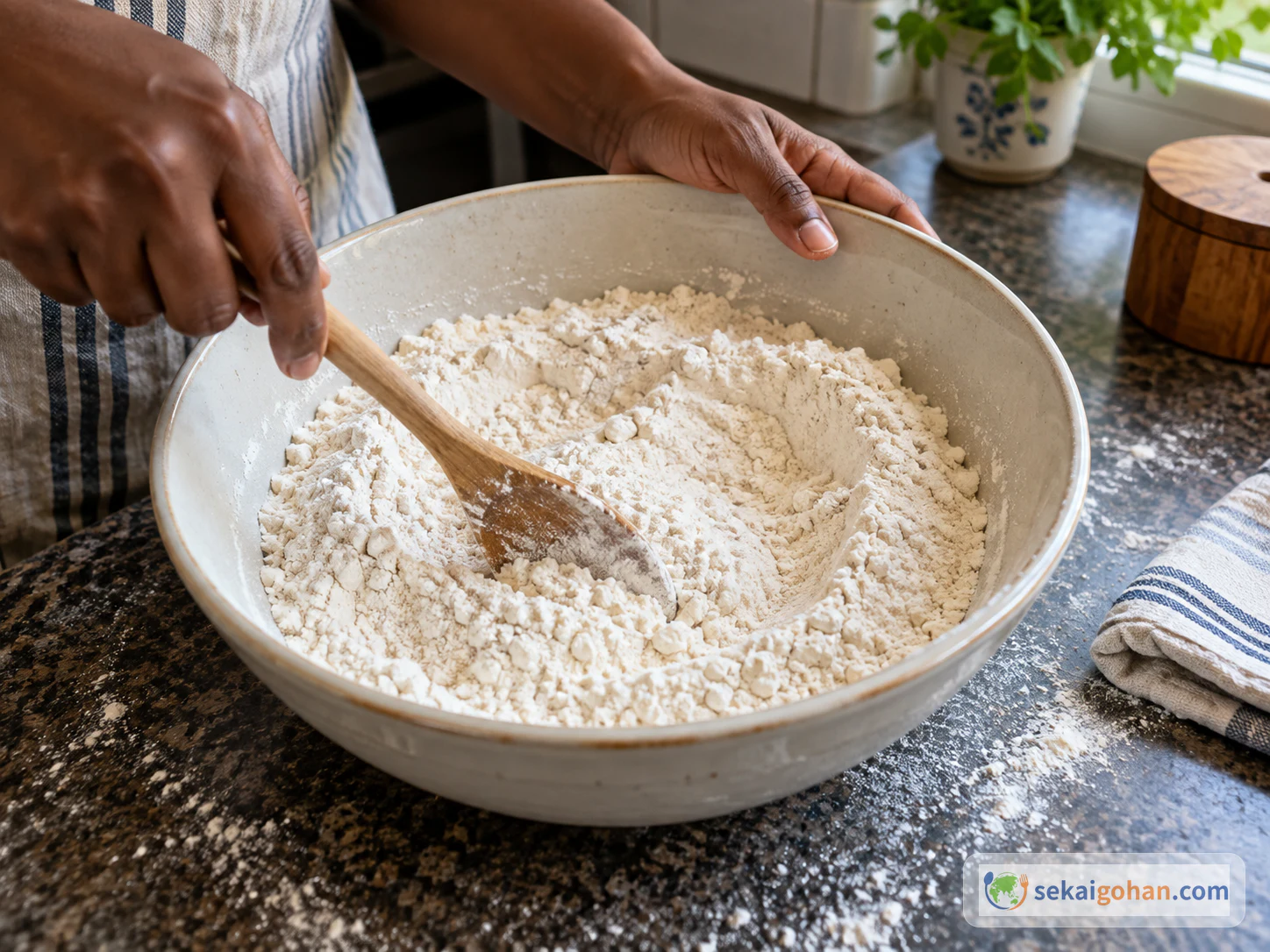
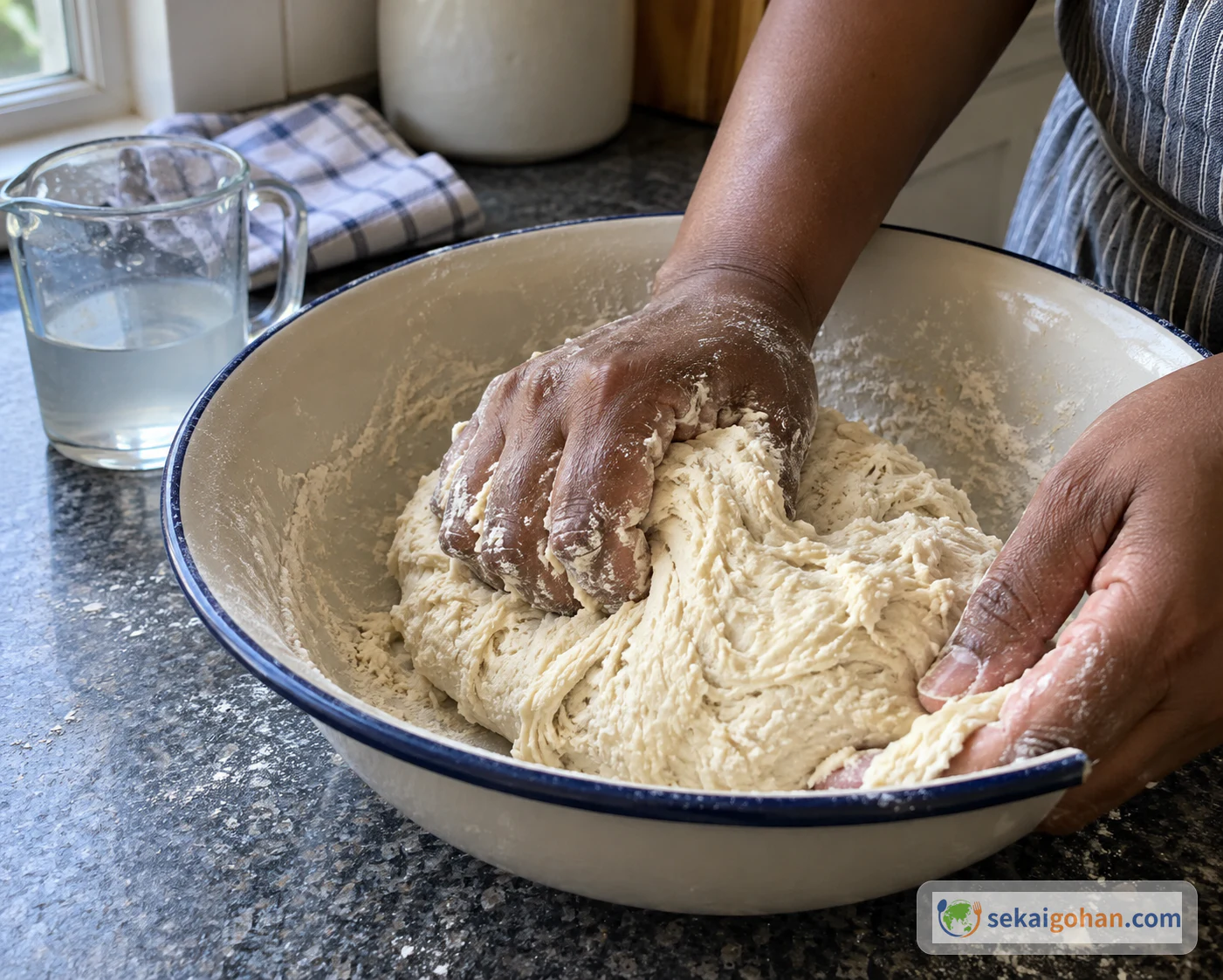
Flour. Use plain or all-purpose flour and go by the 10 oz (280 g) weight. Every flour absorbs water a little differently, including Japanese flours, so hold back some of the water and add the rest by feel.
Yeast. Measure out 7 g of instant yeast rather than tipping in a whole 10 g South African sachet.
Oil. Use vegetable oil, measured by depth rather than volume, and pick a pot that holds that depth safely.
How to Make Vetkoek
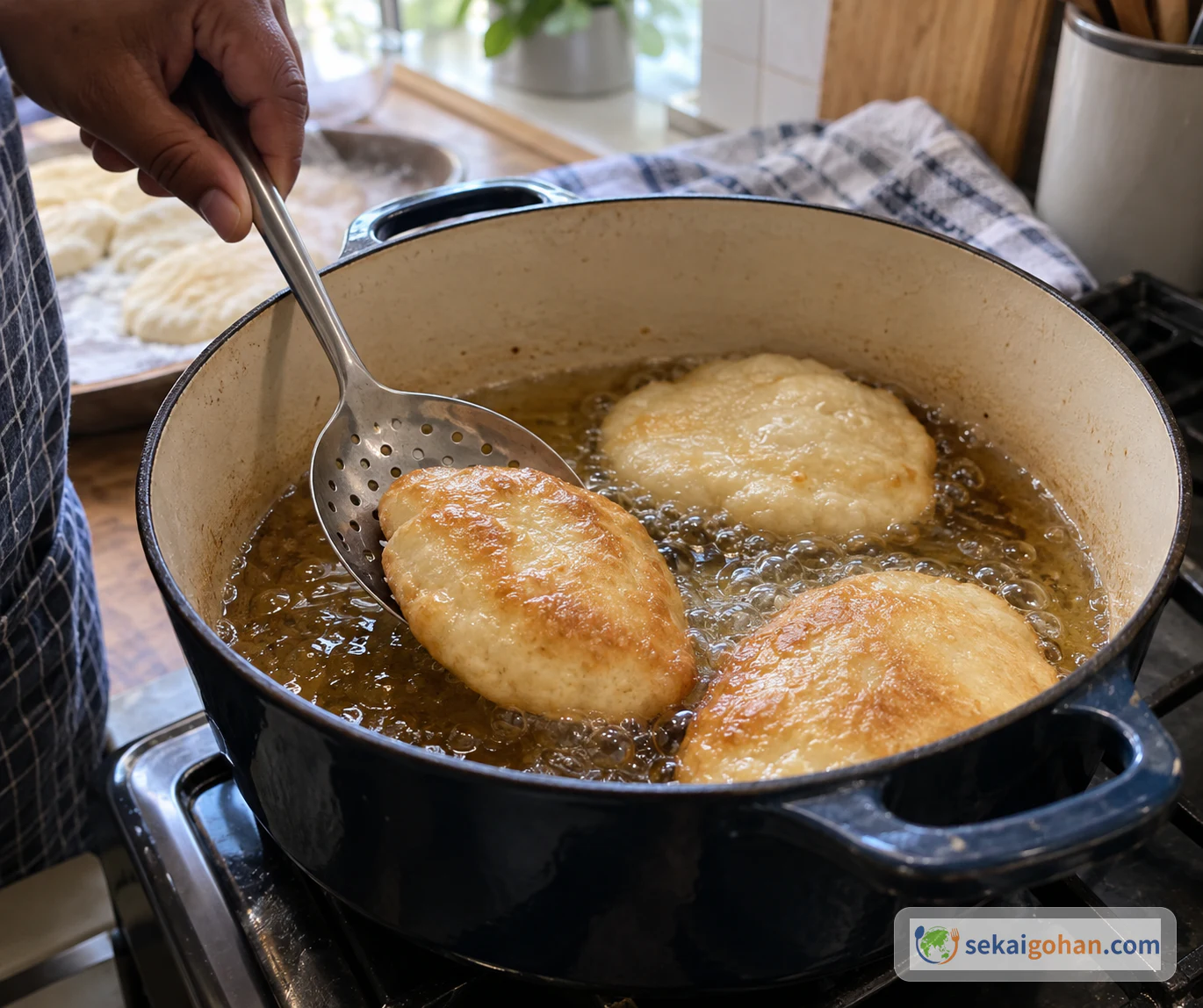
Stay with the pot while the oil is on the heat. Don't heat an empty pot, and don't heat the oil until it smokes. Keep wet hands and drops of water away from the oil.
Fixing Common Vetkoek Problems
Pull a hot vetkoek apart and you want a soft crumb with small air pockets and no raw dough at the center. Judge by the puff, the golden color and that cross-section, not by the clock alone.
| What happened | Likely cause | What to do |
|---|---|---|
| Raw dough in the center | The ovals are too thick, or the oil is too hot and the outside colored first | Press the ovals thinner, lower the heat, and check a cross-section rather than trusting color |
| Greasy vetkoek | The oil is too cool, or the pot is too crowded | Fry fewer at once and let the temperature recover between batches |
| Dark outside too quickly | The oil is too hot | Lower the heat and keep the oil below smoking |
| Stiff or floury dough | Too little water for that flour | Next time, add water gradually and watch how the dough absorbs it |
| Sticky dough | Flours absorb water differently | Add flour a little at a time |
| Dough hasn't doubled after about 1 hour | A cold room | Keep it somewhere warm and judge by size and airiness |
Serving and Varying Vetkoek
Vetkoek is best warm. For a meal, split it and fill it with curried mince, or try chicken or cheese. For something sweet, spread it with butter and golden syrup, or with jam or honey. It's also good on its own, straight from the rack.
Recipes vary from kitchen to kitchen. One version uses a kneadless stiff dough with cake flour, shaped at about 1.5 oz (40 g) each. Another uses cake flour with warm water and milk, adds vinegar, and makes 8 medium vetkoek from dough balls. There's also a quick version that skips the yeast in favor of self-raising flour and Greek yoghurt. Each of these is its own formula, so it's best to follow one all the way through rather than blending them.
Frequently Asked Questions
Are vetkoek and magwinya the same thing?
They're closely linked: some recipe titles use both names for the same fried bread. The two names aren't always complete synonyms, though.
How long does each side really need?
About 4–5 minutes per side. Batch size and the size of your vetkoek change the time, so go by the puff, the golden color and a center with no raw dough.
Can I fry without a thermometer?
Yes. Drop in a small piece of dough: it should bubble gently and float. Smoke means the oil is too hot, not ready. Stay with the pot the whole time.
Can I keep leftovers?
Vetkoek is best eaten freshly fried, the same day. For anything left over, follow the basic home rules for preventing food poisoning: keep germs off food, don't let them multiply, and destroy them.