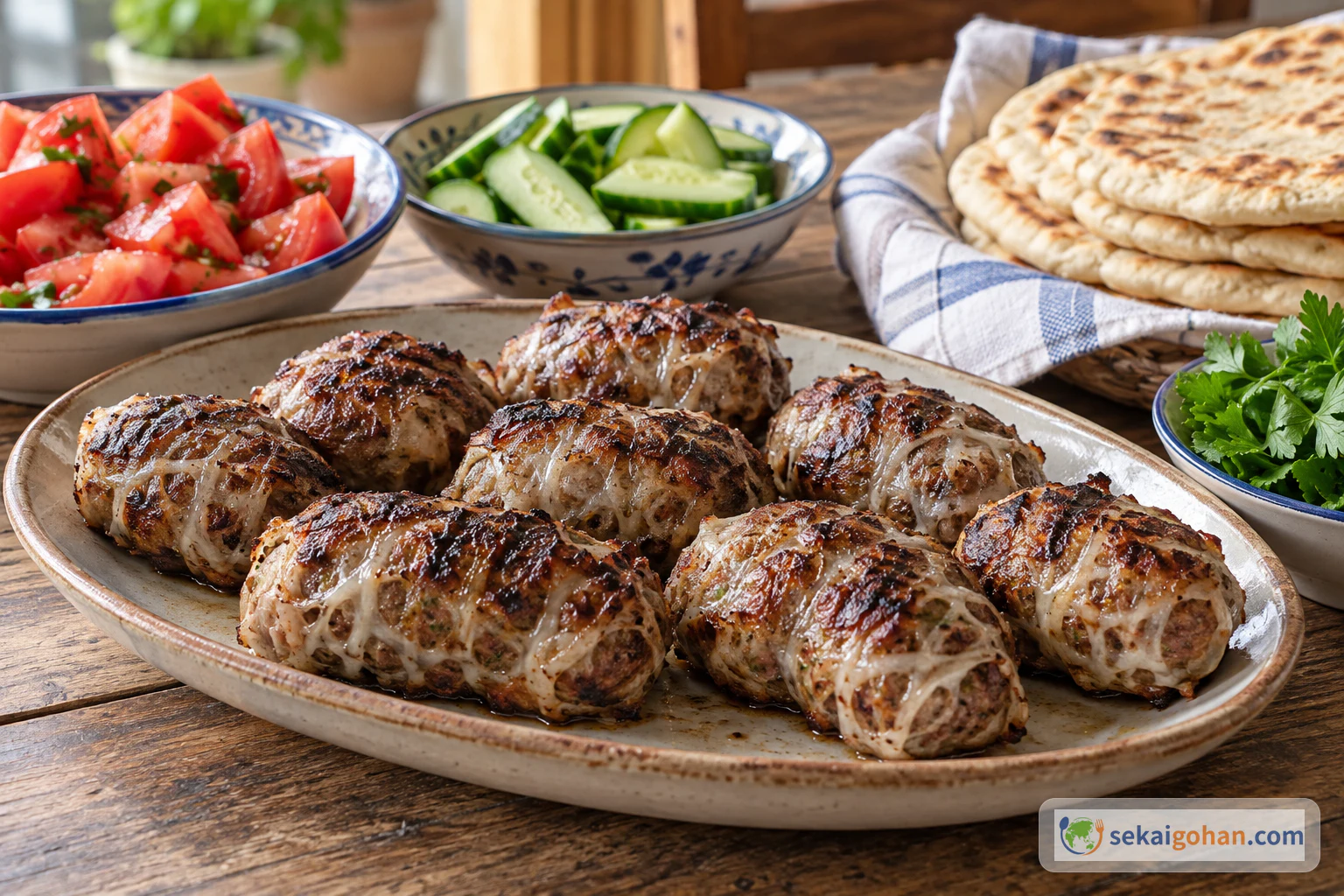
Nudge the pot lid aside, and the scent of lemon and mint rises first from the sweet tomato steam. Koupepia (κουπέπια) are the stuffed vine leaves Cyprus loves: meat, rice, tomato, and herbs rolled in vine leaves and simmered with plenty of lemon. Once the leaves are ready, the rest is arranging little cigars in the pot and waiting over low heat. The wrapping is a little plain work, but seeing them lined up on a plate is a real pleasure.
Koupepia and its relatives in the eastern Mediterranean
Koupepia grew out of the eastern Mediterranean tradition of wrapping fillings in leaves and took its island form as a home dish. Names and flavors shift from place to place. Greek tables call it by a name close to dolmades, and Turkish households place it alongside sarma. The Cypriot version stands apart because many households use pork, along with the acidity of tomato and the bright aromas of mint, parsley, and lemon.

Similar dishes include Turkish dolma and Romanian sarmale. Across this family, the flavor of a place comes through in how the leaf, sourness, oil, and herbs are used. Koupepia leans toward a warm main dish with meat, tomato, and lemon, so comparing the versions by their regional names makes the differences in temperature, amount of oil, and presence of meat easier to see.
In English it is written koupepia. You will also see it called Cypriot stuffed vine leaves or stuffed grape leaves.
Ingredients (serves 4): leaves, filling, and cooking liquid

Serves 4 and makes around 24 small koupepia. Some vine leaves will be torn or small, so prepare more than you need. Use raw rice, not cooked, and roll leaving room for it to swell during cooking.
This dish contains pork, beef, and yogurt, which is dairy. Because it is stuffed ground meat, don’t judge doneness by color alone. Check that the core reaches 160°F (71°C) or higher. Jarred vine leaves vary greatly in saltiness, so taste one leaf after desalting before you season the filling.
Choosing vine leaves, meat, and spices for koupepia

Getting the vine leaves right matters more than the rice or onion. Even when fresh leaves are in season, jarred ones are the practical choice at home, and their saltiness is the first thing that will give you pause. Expect them to be strongly salty, and plan the rinsing and soaking time from the start.
For the filling, ground pork with a little ground beef works well and both are easy to buy. Together with the vine-leaf sourness, tomato, lemon, and a low-heat braise, that keeps the structure Cypriot cooks rely on.
Cinnamon can be used as powder, but a short stick in the cooking liquid keeps the aroma from going too far into the filling. The aim is to round off the corners of the tomato and lemon a little, while the filling itself stays savory.
Use a thermometer the first time you make it. Ground meat wrapped in a vine leaf is hard to judge by surface color, so check the rice and the core temperature of the meat together. The thermometer will earn its keep again with other leaf-wrapped dishes and cabbage rolls.
Method: roll loosely, simmer quietly
Koupepia involves moderate work but gentle heat. Remember three things first: soften the leaves, do not overfill, and do not let the pot boil hard. Then you will not be thrown by torn leaves.
Common koupepia problems and fixes
| Point of doubt | Closer to the local | Practical answer | Verdict |
|---|---|---|---|
| Vine leaves | Fresh or brined vine leaves | Desalt jarred leaves and use them | Close to non-substitutable. With cabbage it becomes a different dish |
| Meat | Many households center on pork | Mixed ground meat with extra pork | With chicken alone the aroma is light |
| Herbs | Mint, parsley, sometimes dill | A little fresh mint and parsley | Without mint the Cypriot feel weakens |
| Sourness | Lemon and tomato | Lemon juice and canned tomato | Replacing with vinegar tends to make it sharp |
| Heat | Simmer quietly | Hold it down with a small plate and keep the heat low | High heat causes tearing and rice leaking out |
The biggest cause of torn leaves is overfilling. Vine leaves stretch less than they look, so start with a little less than 1 tbsp. Next comes insufficient desalting: simmer salty leaves as they are, and the whole cooking liquid becomes too salty to rescue. Tasting one leaf before you start rolling saves a lot of grief.
A hard filling means it was overmixed or short on moisture. Grated tomato goes in for flavor, but also to keep the filling from drying out before the rice takes up the liquid. If the filling is instead too loose to roll, add just 10 g rice and let it stand 5 minutes to settle.
Serving and storing koupepia
Koupepia is good warm, straight after cooking or once it has cooled a little. Eat it warm when you want the lemon aroma at its peak, and let it cool a little when serving it as a starter. Serve it with tabbouleh or hummus to tie together the sourness, the herbs, and the smoothness of beans.
Storage and reheating

Let it cool a little, then store it in a container with the liquid and eat it within about 3 days in the refrigerator. To freeze, wrap portions with a little liquid and use within about 1 month.
To reheat, return it to a pot and warm over low heat for 10 to 12 minutes until the liquid bubbles gently. In a microwave, heat at 600 W for 2 minutes, turn over, and heat 1 minute to 1 minute 30 seconds more. Either way, check that the center is hot all the way through.
Frequently asked questions
Can I make it with fresh vine leaves?
Yes. Choose young, tender leaves, boil them 2 to 3 minutes in salted water, then plunge them into cold water. Pesticide use and variety are hard to confirm, so use only leaves sold as food. For your first time, jarred leaves are the better choice.
Can I make it with beef alone?
Yes, but the texture is somewhat firmer. For the roundness of a Cypriot home dish, mix in pork. If you avoid pork for religious or dietary reasons, add 1 tbsp olive oil to the ground beef and use a little more mint and lemon.
What goes well as another dish?
Koupepia, yogurt, village salad, and bread are enough to start. For a more Mediterranean spread, make Greek moussaka on another day; it shares the use of cinnamon in a meat dish. To compare a wrapped dish, try Palestinian stuffed turnips.
For an all-Cypriot table, bake the savory cheese bread flaouna. Its sweet, fragrant dough contrasts with the sourness of the vine leaves and shows the range of the island's festive cooking.