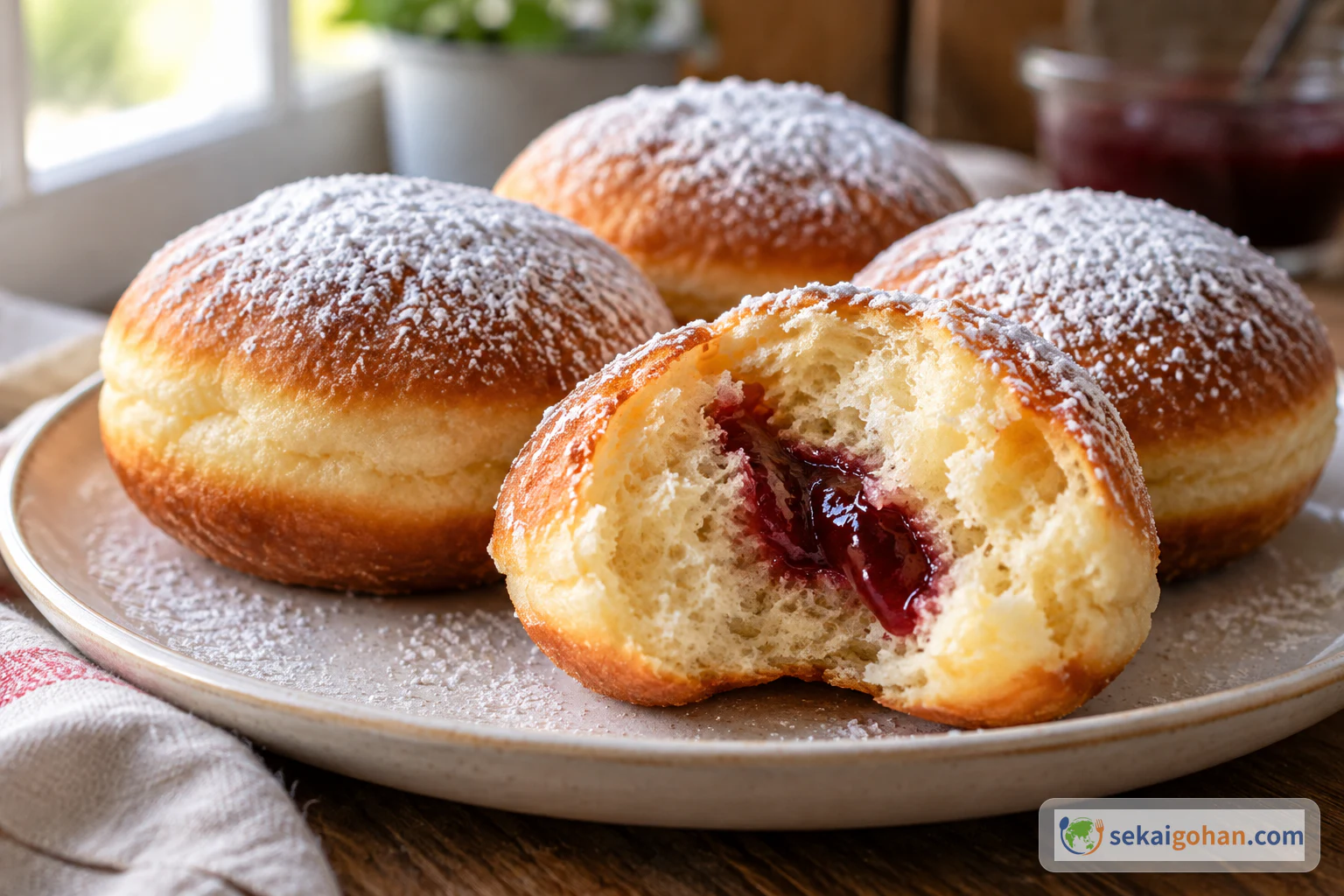
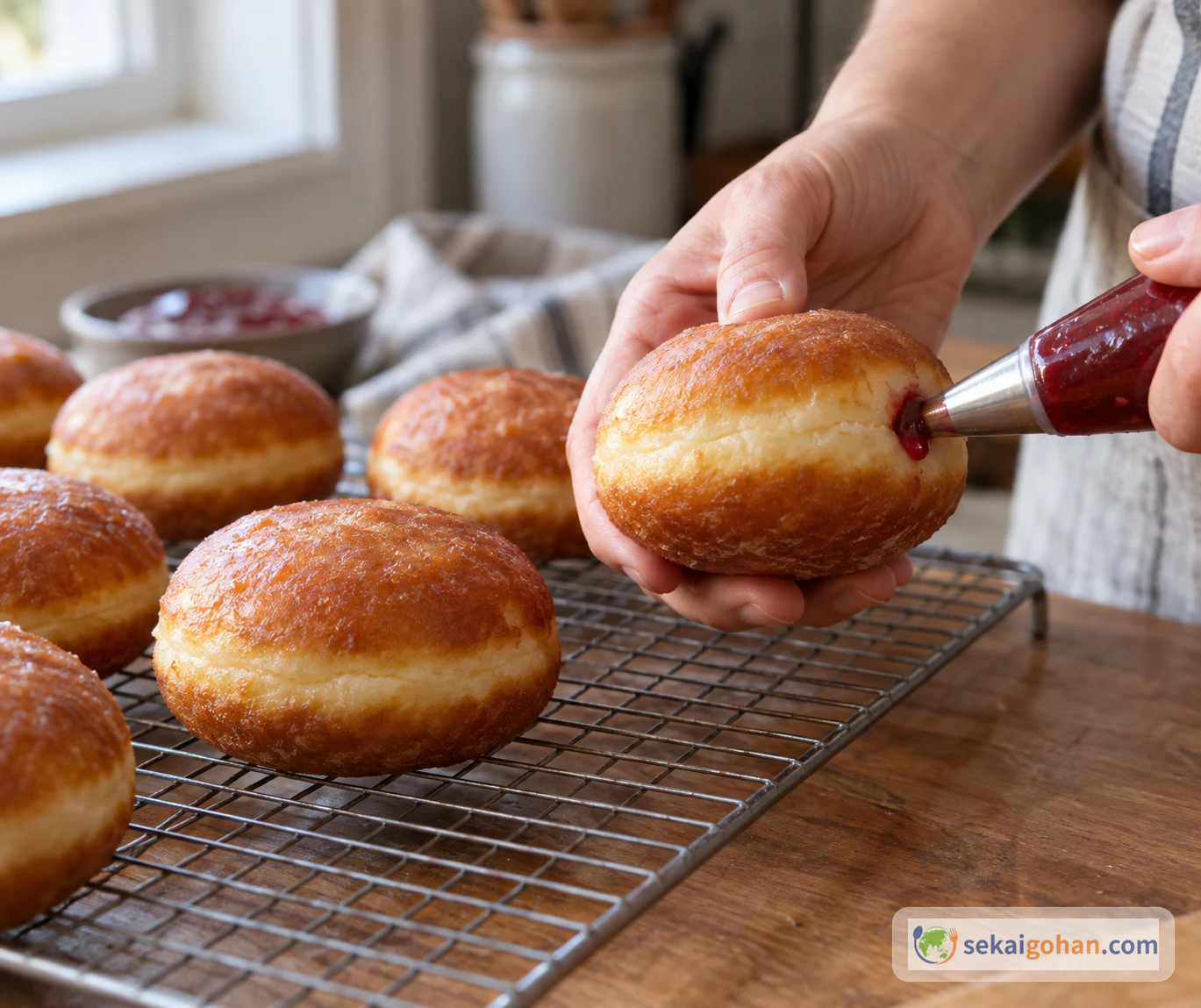
Tear one open and you find a light golden shell, a dusting of powdered sugar and a modest pocket of smooth jam. Ask for a Pfannkuchen in Berlin and this is what you get: a fist-sized pastry of yeast dough fried in fat, filled once it has cooled. At home, three things decide whether you get there. Let the yeast dough rise properly twice, fry at a steady temperature you actually measure, and wait until the pastries cool before you pipe in the jam. The powdered sugar goes on last.
Berliner Pfannkuchen in Berlin and Beyond
What the Pastry Is Called
The name is the first thing that trips people up. In Berlin, this pastry is simply Pfannkuchen, and the flat egg-batter dish is called Eierkuchen. Elsewhere in the German-speaking world, the same pastry is usually called Berliner or Krapfen.
| Where | Commonly used name | Note |
|---|---|---|
| Berlin | Pfannkuchen | The flat egg-batter dish is called Eierkuchen in Berlin |
| Many other regions | Berliner | The name widely used outside the city |
| Other regions | Krapfen | Another common name for the same family of fried yeast pastries |
The names overlap, and the fillings and shapes vary from place to place.
History of the Berliner Pfannkuchen
Fried pastries in German-speaking lands were tied to using up milk, eggs and fat before Lent. A fried dough could be made in a home kitchen, and the household tools used for frying are part of that history too.
In Berlin, pastries like these were sold on the street as the city grew. A recipe from 1795 records an unfilled version, and sales records from later in the nineteenth century survive, but there is no firm record of when the filled form became established in the city. The story that the pastry was invented in Berlin is a legend, as are the tales of a particular inventor.
Ingredients for 10 Berliner
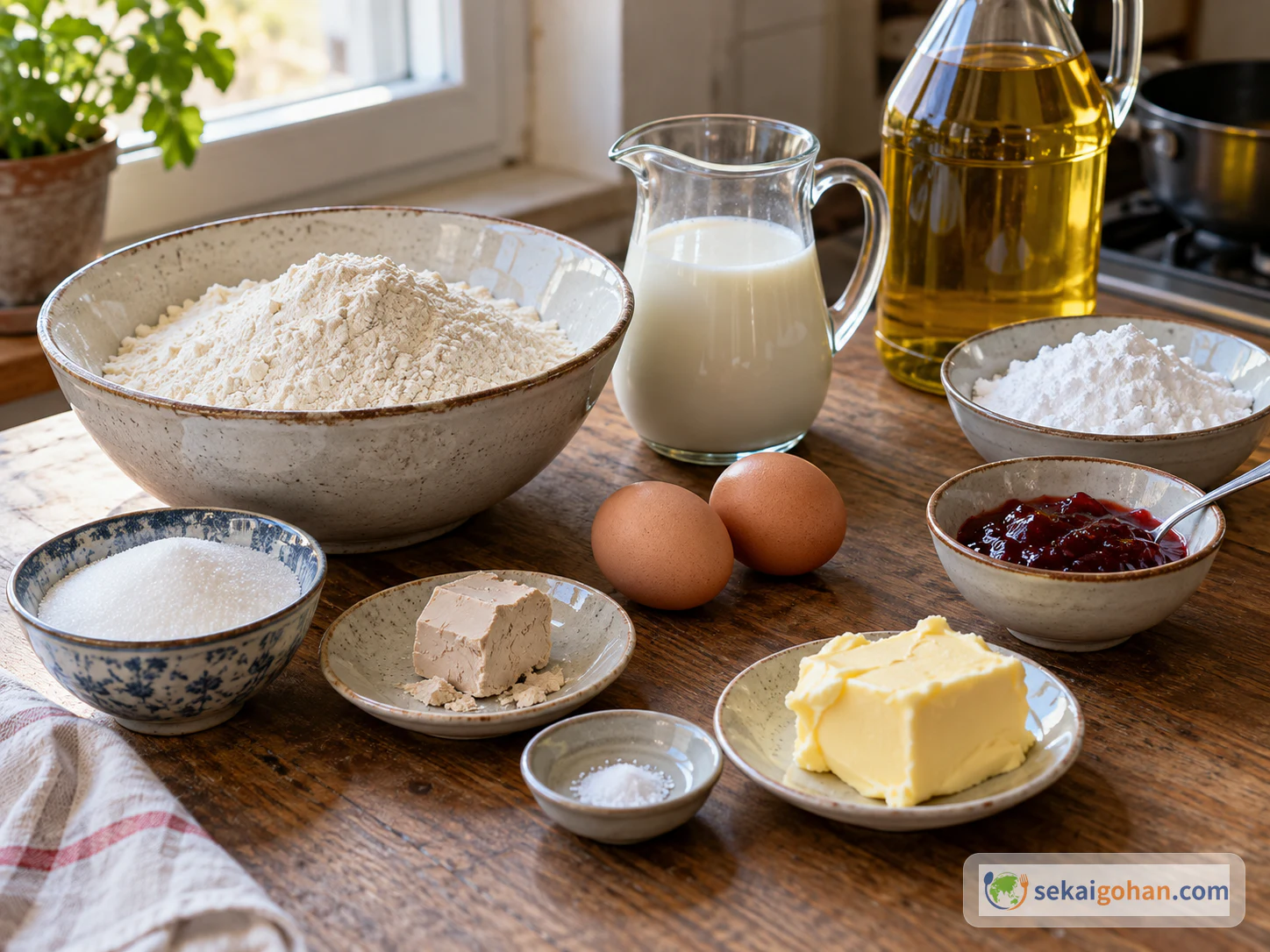
This recipe makes 10 Berliner Pfannkuchen. It uses fresh yeast.
Choosing Flour, Jam and Yeast for Berliner Pfannkuchen
- Flour: The recipe calls for Weizenmehl Type 405. Flour labels differ between countries, so check that a local flour matches it.
- Jam: Choose a smooth jam. Seeds or large pieces of fruit can clog a narrow piping nozzle, so strain a chunky jam or pick a seedless one. Red jams look classic, though the fruit is up to you, and the flavor shifts with it.
- Fresh yeast: If you use dried yeast instead, follow the conversion on the package.
- Butter: Salted butter changes the saltiness of the finished pastry.
This pastry contains wheat, milk and eggs. Check the label of your jam and other ready-made products as well.
Equipment
- Large mixing bowl
- Floured counter or board
- Tray or baking sheet, lightly floured
- Clean kitchen cloth
- Deep, heavy pot for frying
- Deep-frying thermometer
- Slotted spoon or skimmer
- Wire rack or paper for draining
- Piping bag with a narrow nozzle
Method: Two Rises, Careful Frying, Then Jam
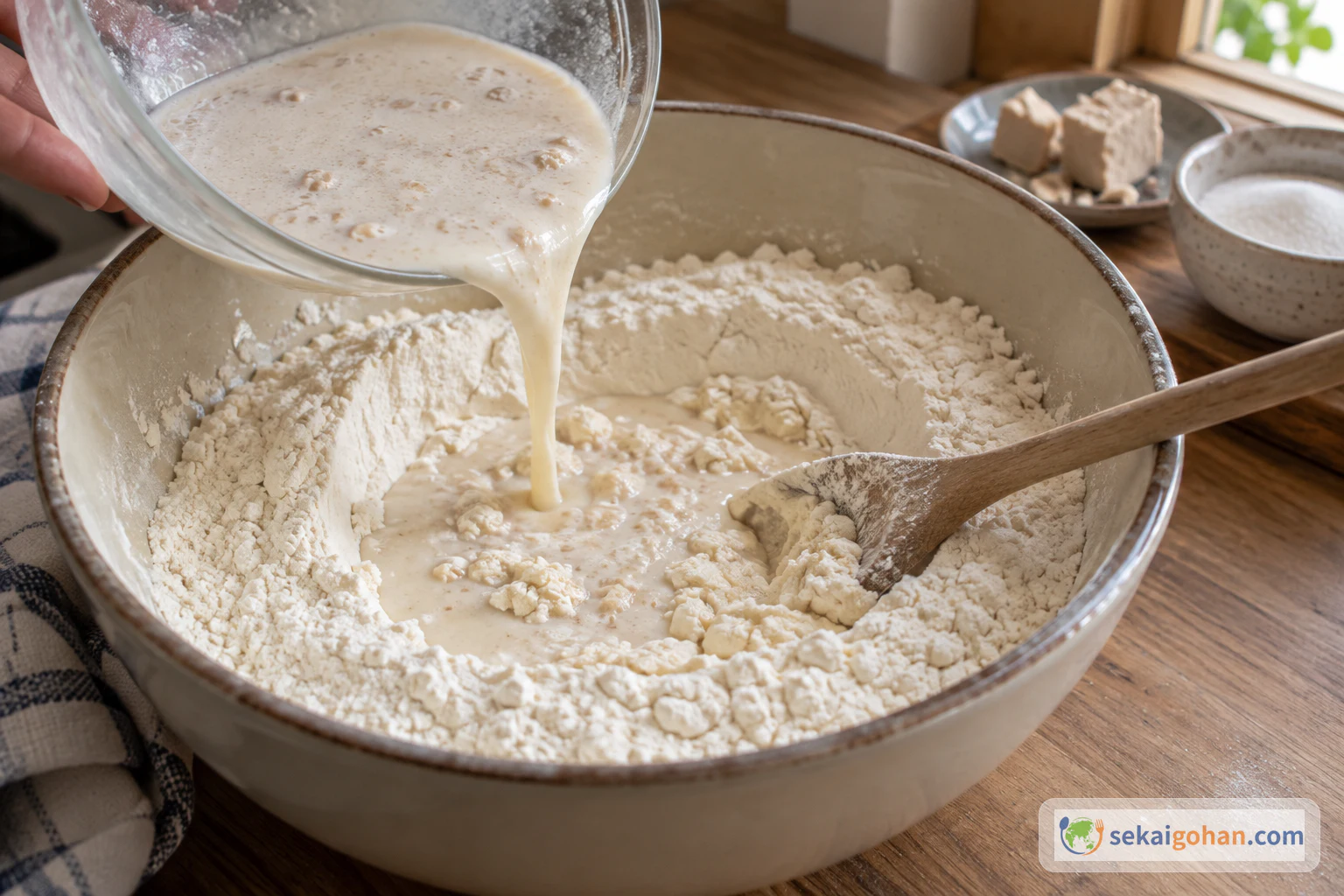
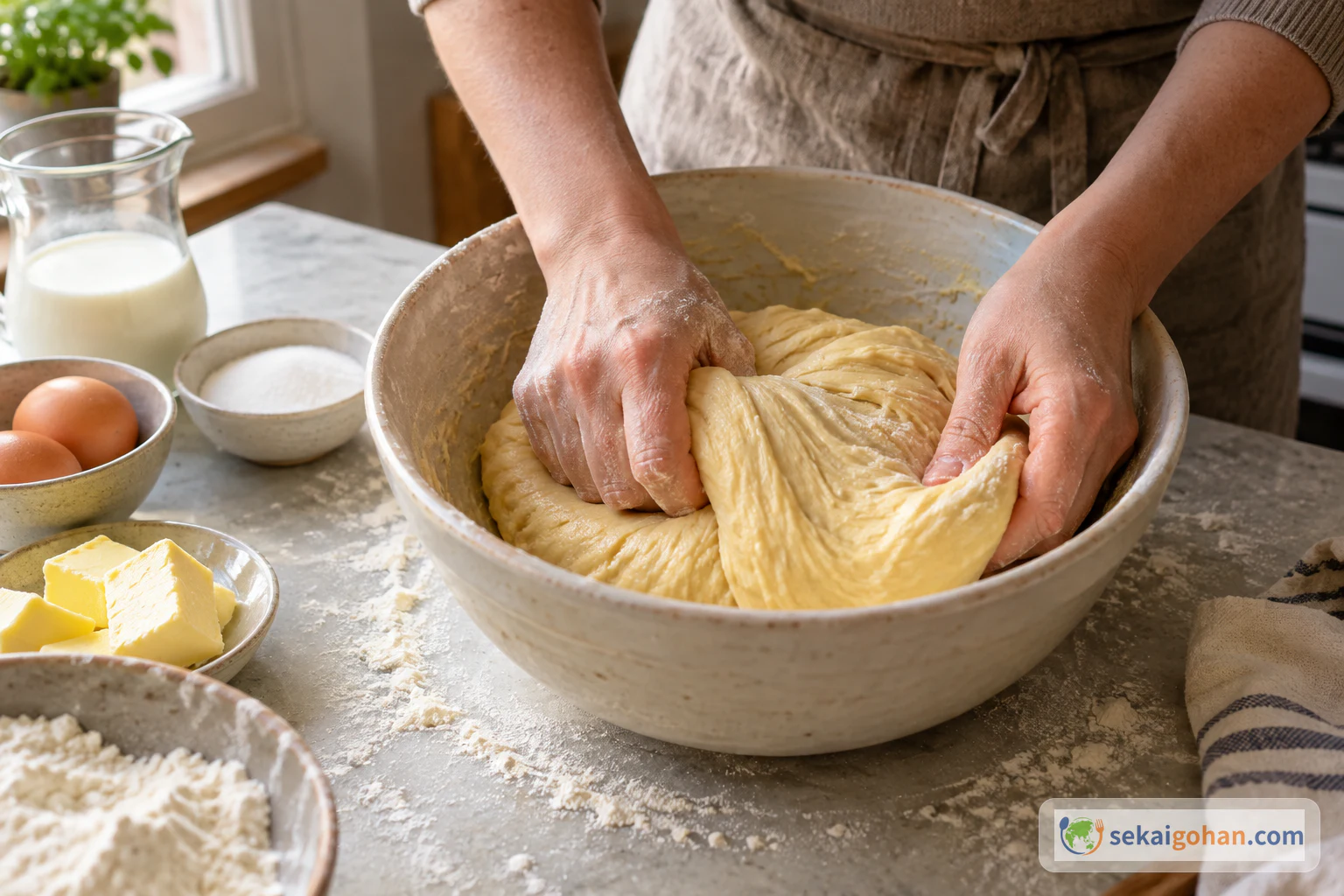
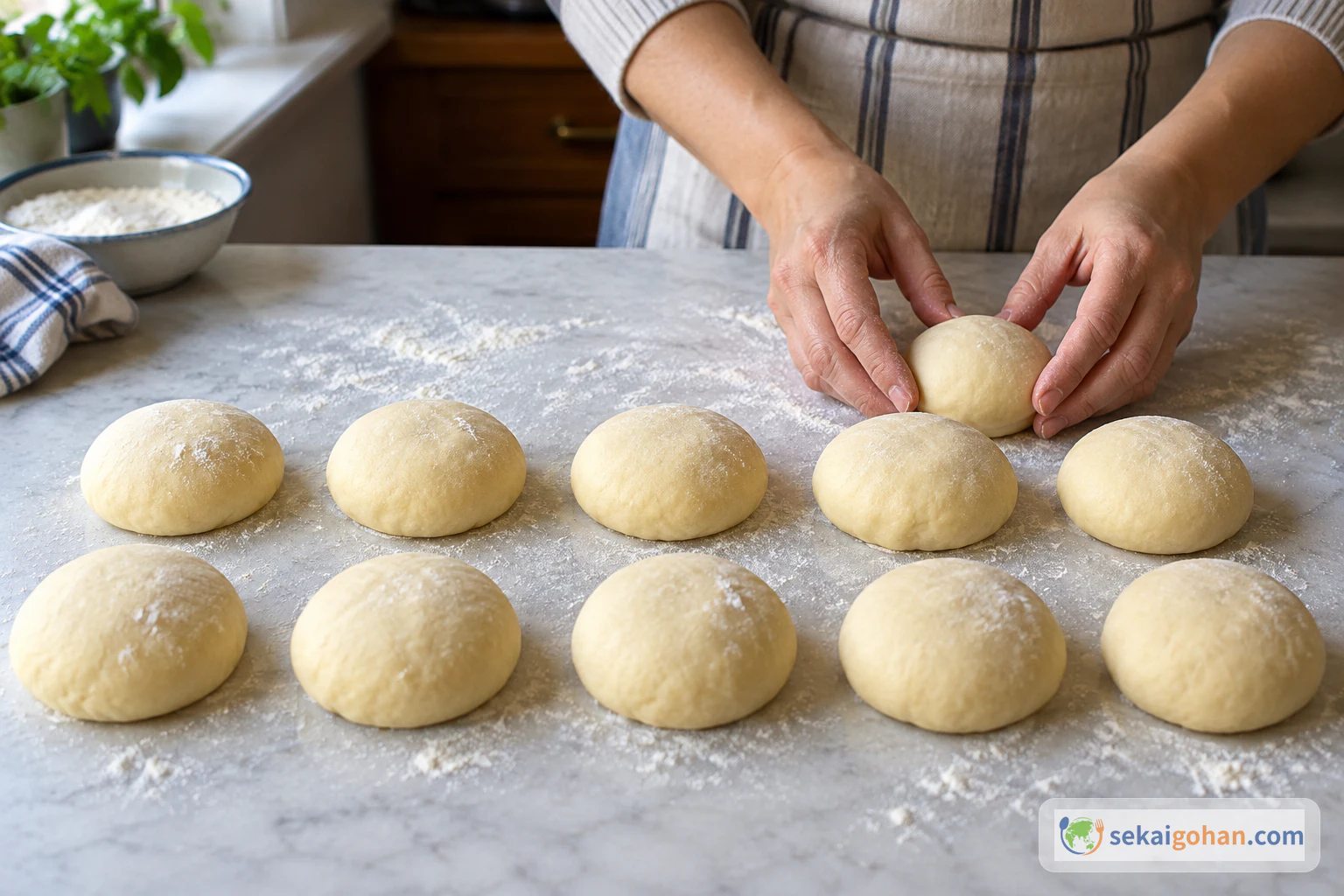
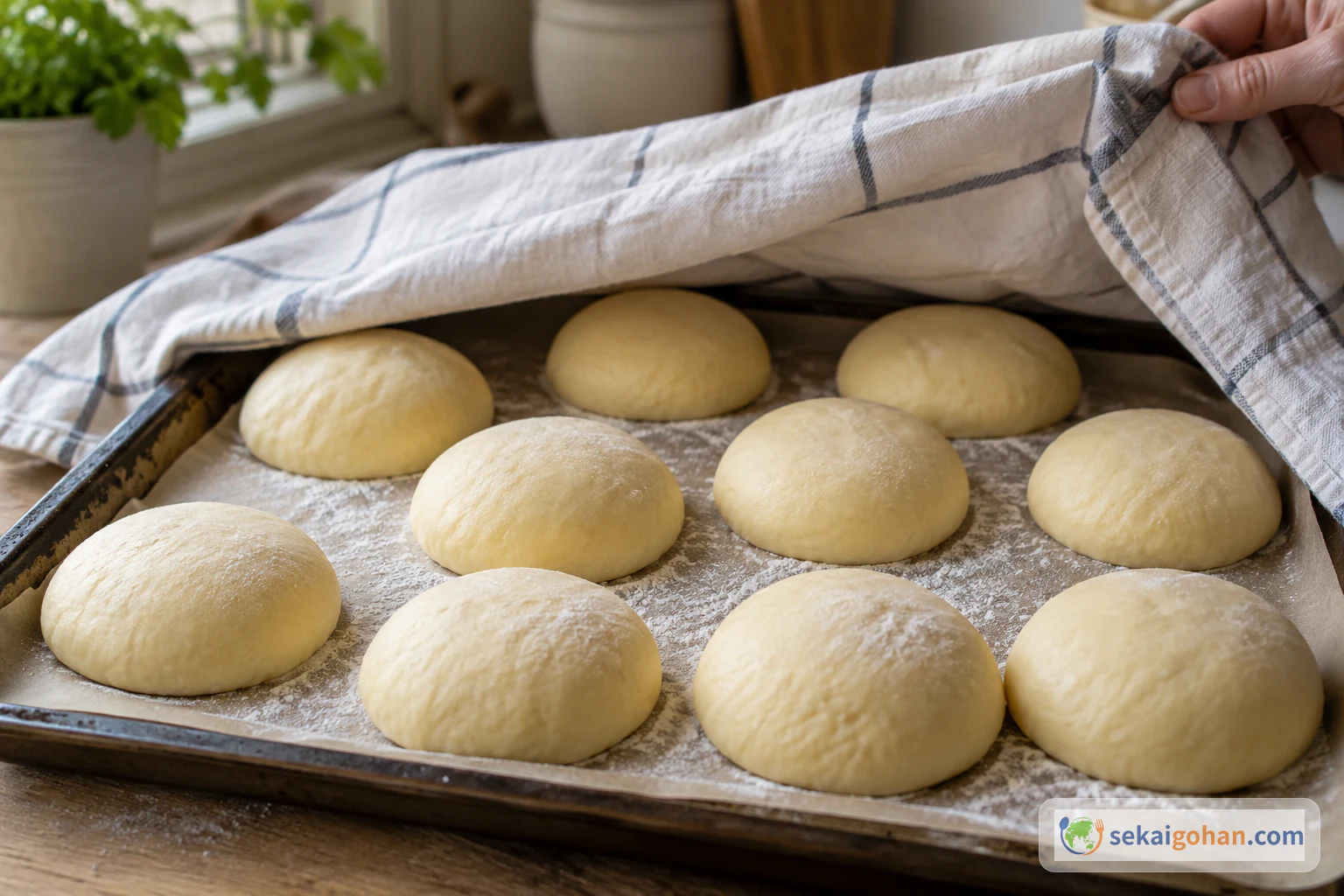
A cool kitchen slows the dough. Move on only when it is clearly puffier.
Troubleshooting Berliner Pfannkuchen
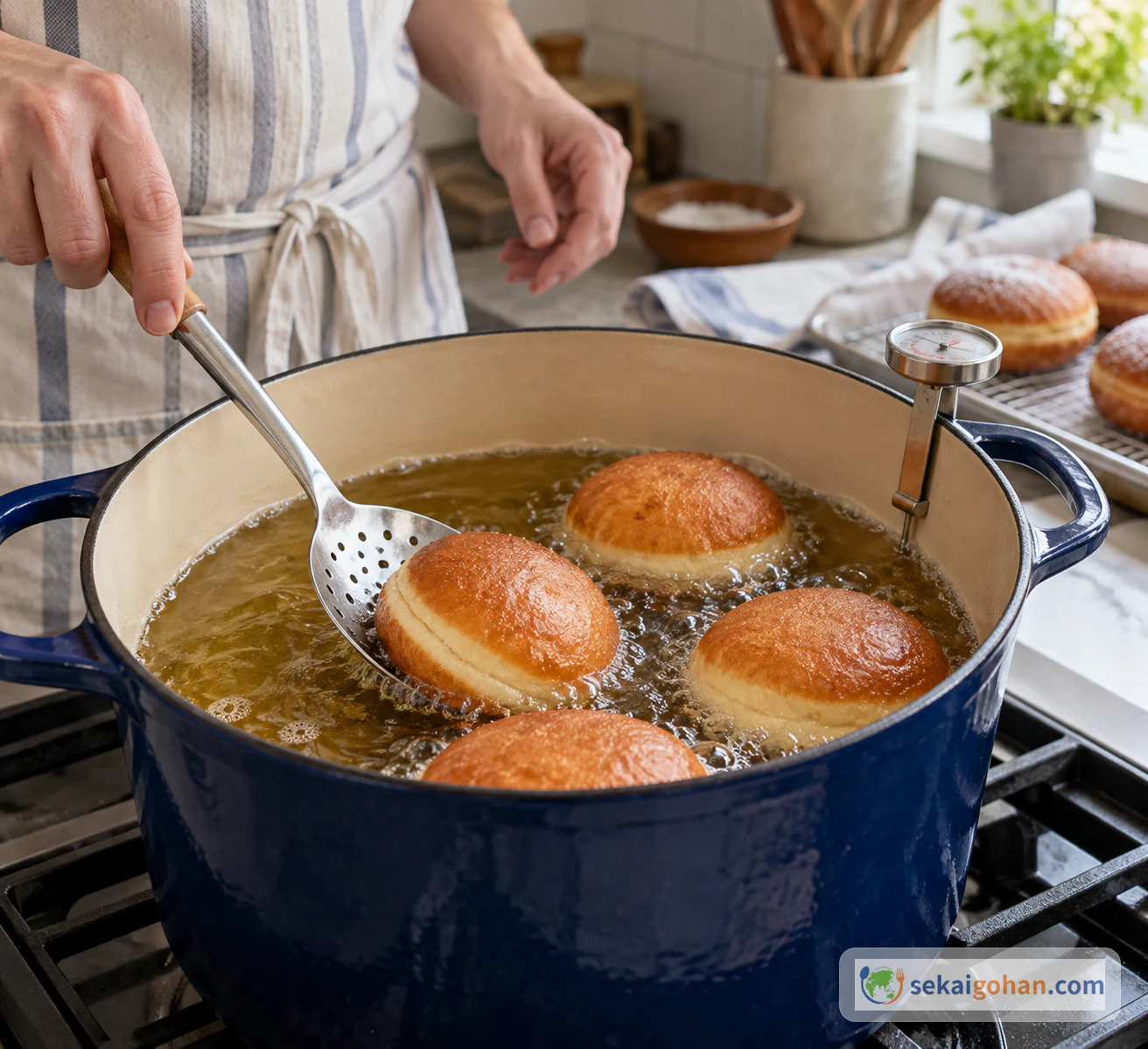
Well-risen dough floats high in the oil, and that is how the pale ring around the middle, the Kragen, forms. This band is considered a mark of quality, so it's worth watching for.
| Problem | What to check | What to do |
|---|---|---|
| The dough barely rises | Milk too hot, the yeast's condition, a cold spot for rising | Keep the milk lukewarm, check the yeast's date, move the bowl somewhere warmer and give it more time |
| Dark outside, raw inside | The oil is too hot | Bring it back to about 350°F (170°C) on the thermometer and fry fewer at a time |
| Greasy or slow to color | Oil temperature dropping, under-risen dough, too many in the pot | Check the thermometer, the puffiness of the dough and the batch size, in that order |
| No pale band | How far the dough floats in the oil | Make sure the second rise has clearly puffed the rounds before frying |
| The nozzle clogs | Seeds or chunks of fruit in the jam | Use a smooth jam or strain it first |
| Jam leaks out | Filled while still hot | Let the pastries cool completely before filling |
Berliner Pfannkuchen Fillings and Variations
Berlin bakers fill these with more than jam, and their fillings make good variations at home. The simplest change is the jam itself: a tart fruit and a sweet one give quite different results.
- Plum mousse (Pflaumenmus). A thick plum spread. Thickness varies by product, so test that it passes through your nozzle.
- Custard. Choose a smooth, pipeable custard.
- Eggnog cream. This local filling is made with eggnog liqueur. It contains alcohol, so keep it away from children. A ready-made product is the easier choice.
There is also a joke version filled with mustard, made to surprise someone. If you try that prank, warn anyone who might be caught out by an unexpected filling or an allergen.
Frequently Asked Questions
Is a Berlin Pfannkuchen a pancake?
No. In Berlin, Pfannkuchen means this fried yeast pastry. The flat egg-batter dish is called Eierkuchen.
Are Berliner only for Carnival?
They are strongly associated with Carnival, and demand is heavy then, but fried pastries are made and sold outside that season too.
Explore more dishes from Germany. For other fried pastries, try Apfelküchle and kleinur; their doughs and shapes differ from yeast-raised Berliner.