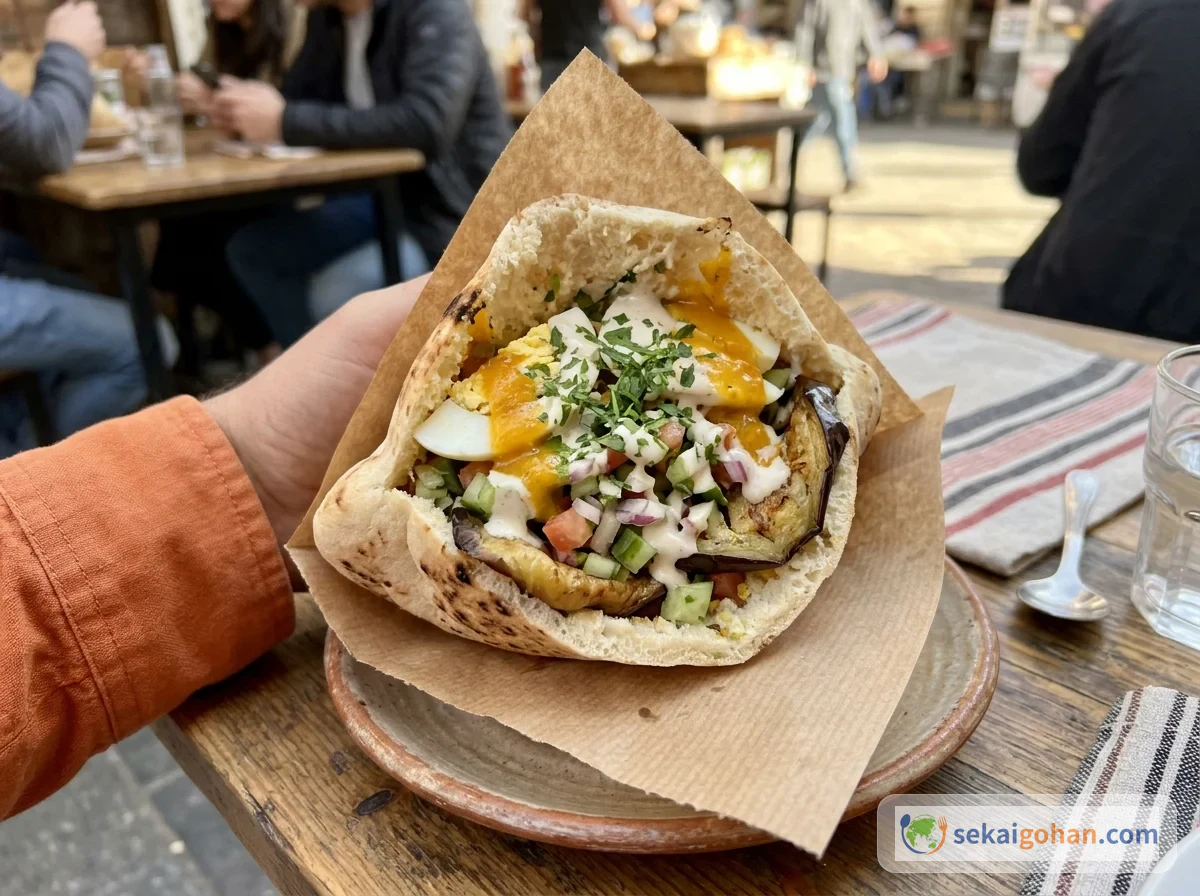

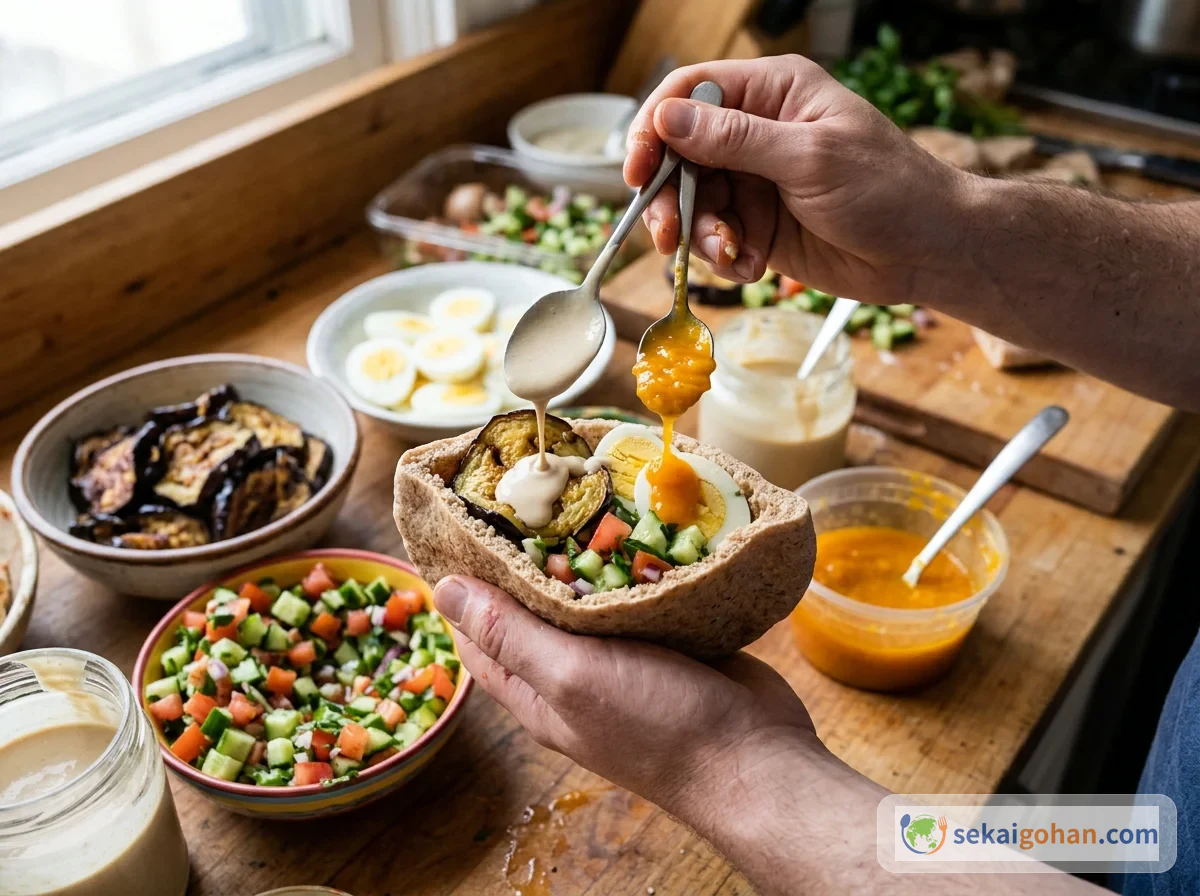
On a stall counter, bowls of fillings sit in a row: golden roasted eggplant, sliced boiled egg, finely chopped cucumber and tomato. The vendor opens a pita pocket, stuffs it in a few quick moves, and pours on plenty of white tahini sauce and yellow mango sauce. When you bite into the heavy pita, you get the creamy eggplant, the rich tahini and the sour mango all at once. Sabich is the eggplant-and-egg pita sandwich loved at Israel's street stalls, and it started as a Saturday breakfast in Iraqi Jewish homes.
Sabich, from Sabbath breakfast to street food
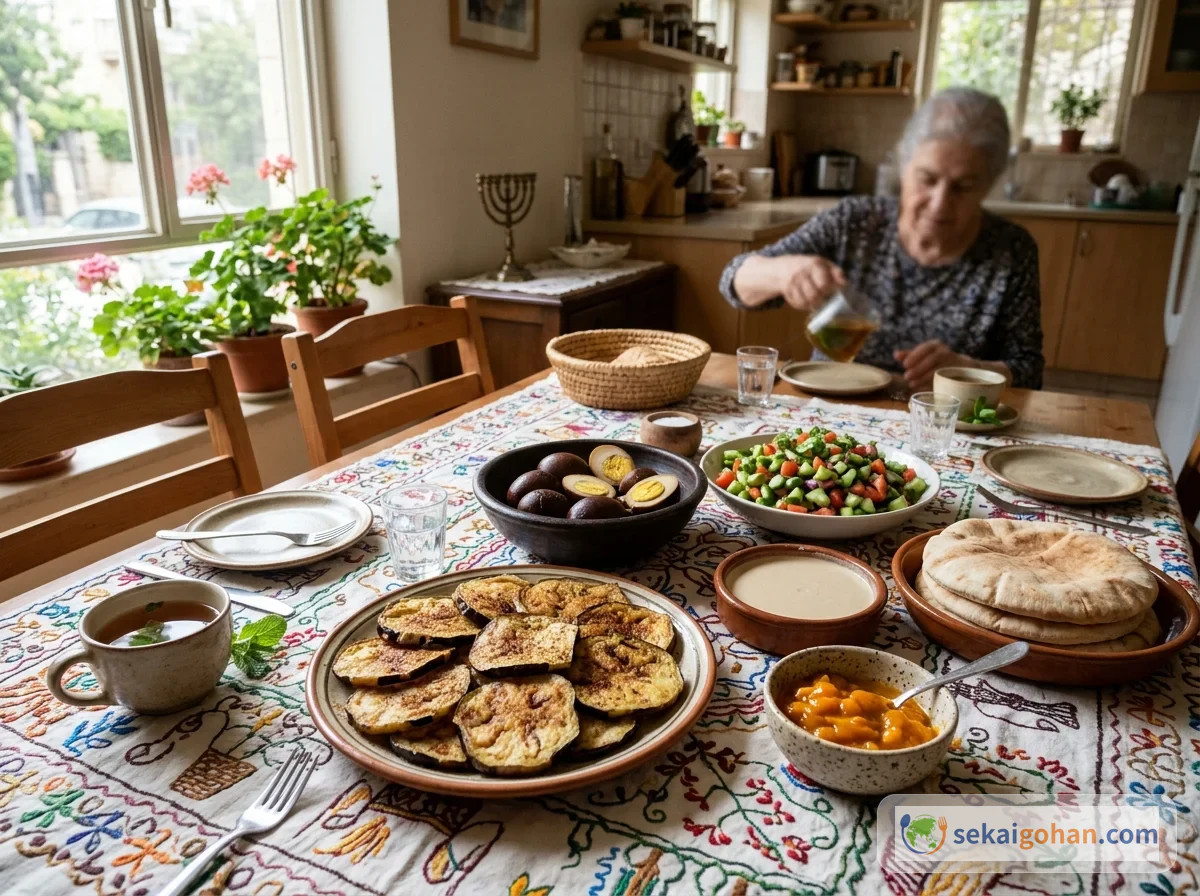
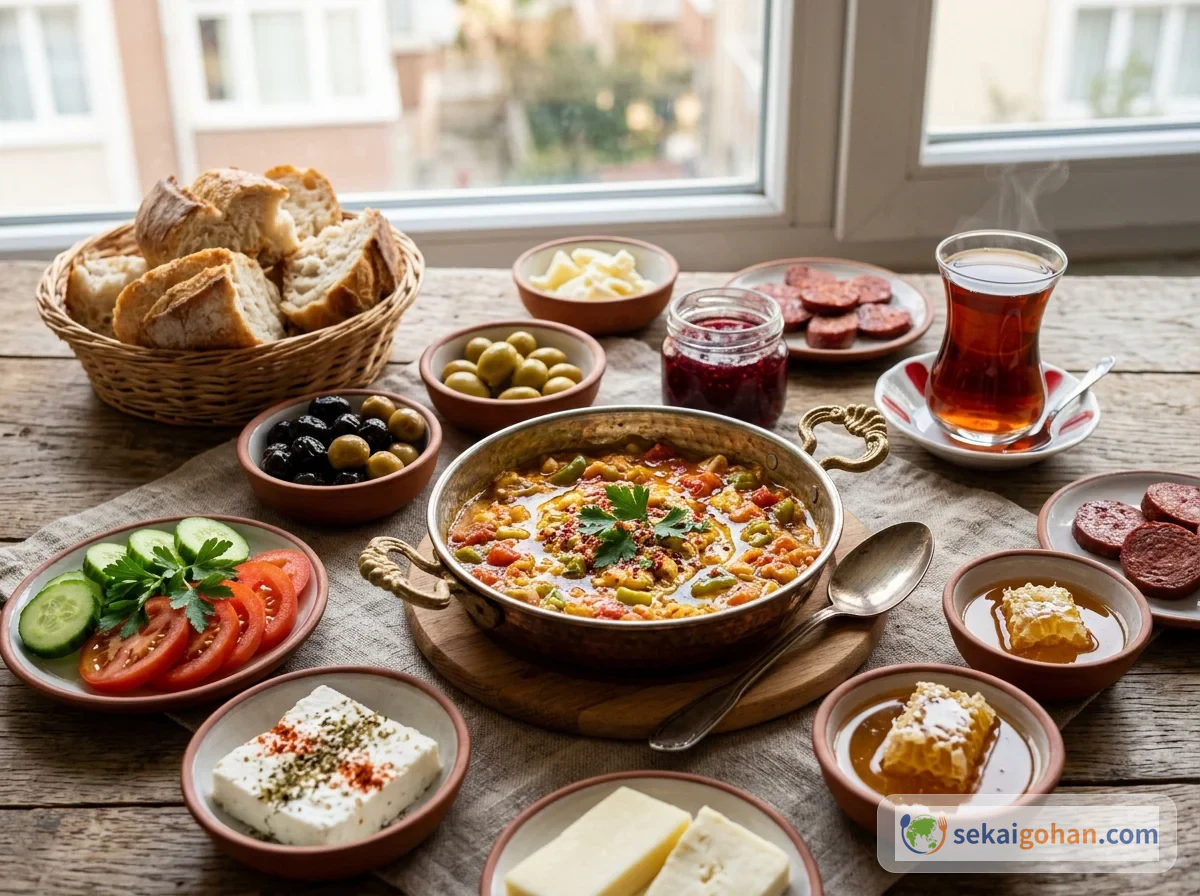
Sabich comes from the Sabbath (Shabbat) morning breakfast in Iraqi Jewish homes. Cooking over fire is avoided on the Jewish Sabbath, so families set the table with dishes that could be eaten at room temperature and laid them out buffet-style on Saturday morning.
Many Iraqi Jews moved to Israel, mostly in the 1950s, and there the breakfast dishes that once sat on separate plates went together into a pita. The result was a sandwich easy to eat on the go, and today sabich is one of the most popular street foods in Israel.
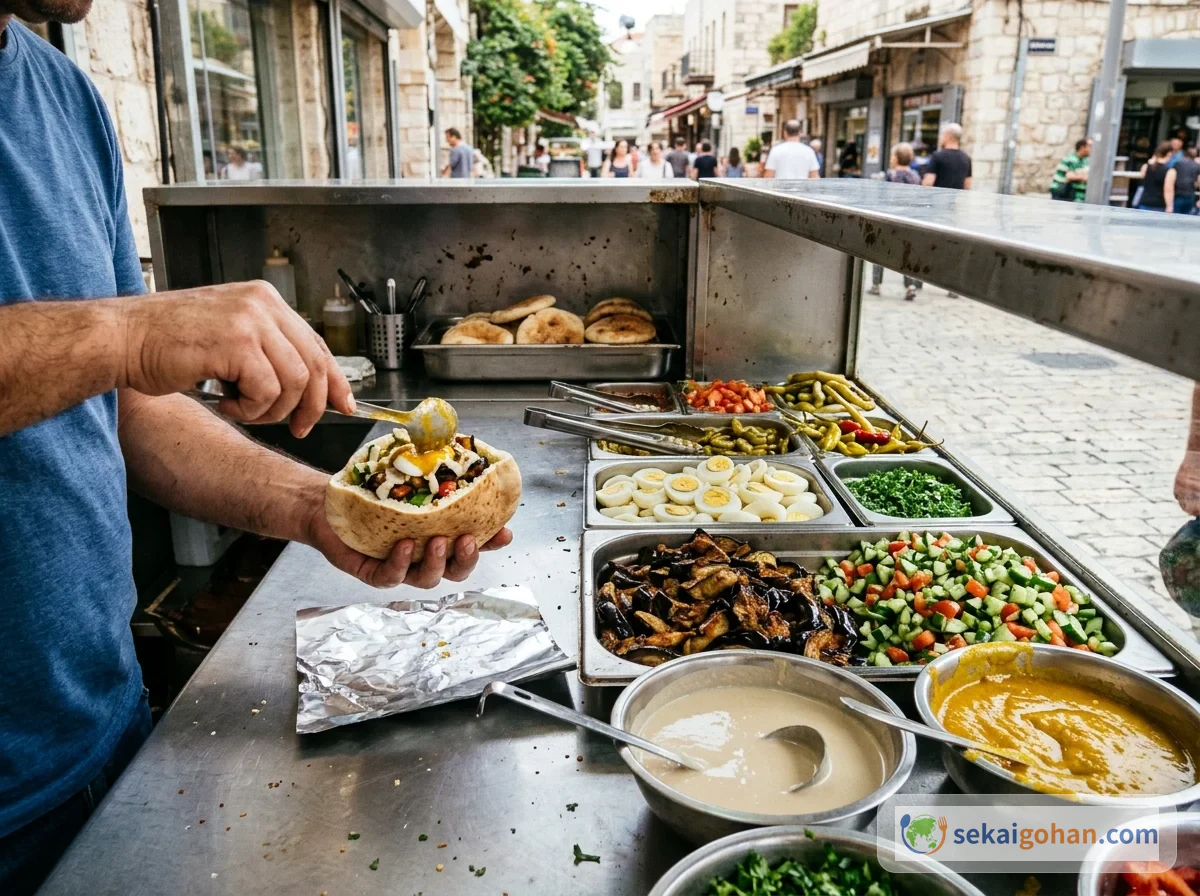
It became one of the country's signature foods thanks to Sabich Tzvi Halabi, who had moved from Iraq and began selling it to bus drivers from a kiosk at the end of a bus line in Ramat Gan, a town near Tel Aviv. In the language of Iraqi Jews, his name means "dawn" or "first light." That kiosk turned the flavor of an Iraqi home breakfast into a street food held in the hand on Israeli street corners.
There are several theories about where the name sabich comes from. Besides the story of the man at the Ramat Gan stall, another theory says it comes from an Arabic word meaning "morning." That is the more plausible explanation, since Iraqi Jews ate the dish in the morning.
Ingredients (serves 4)
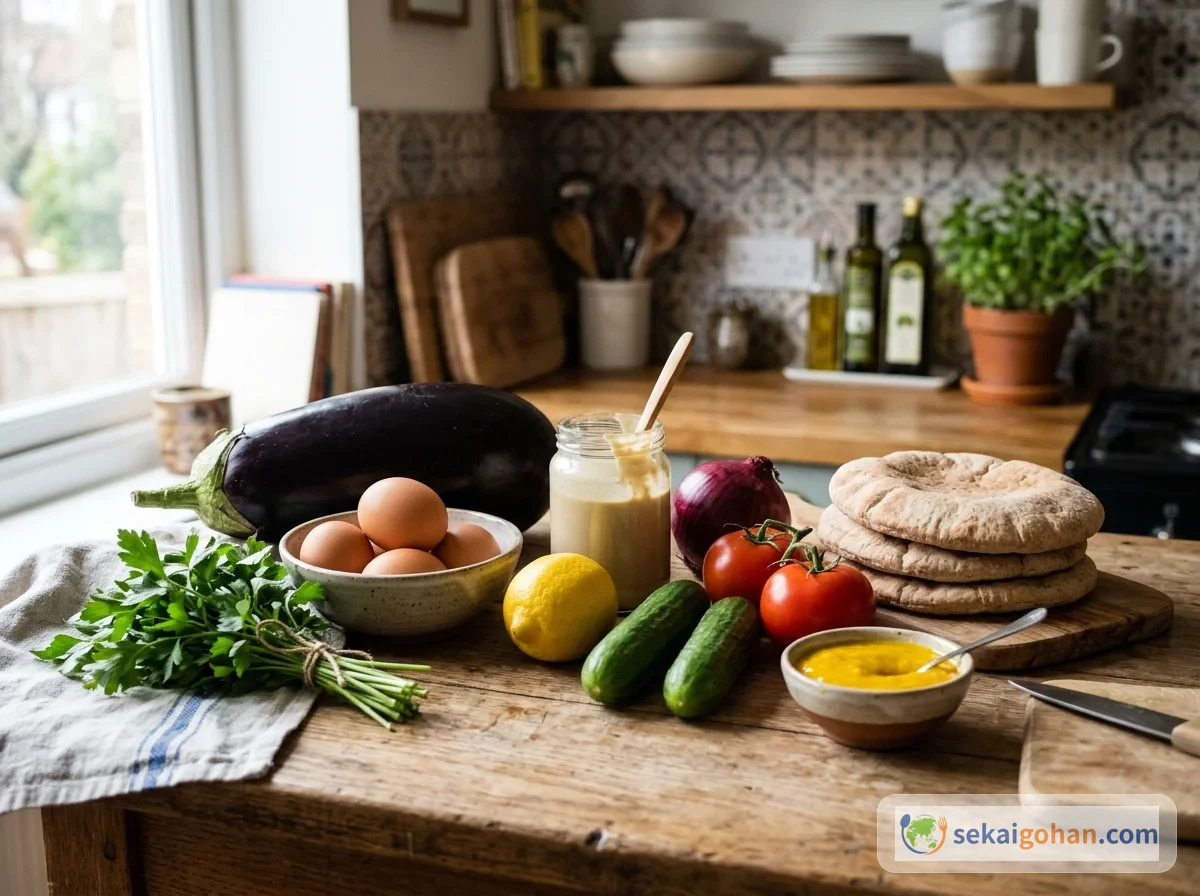
Amounts are scaled down from 6 to 8 servings to four, with the basic combination of eggplant, egg, tahini sauce, and chopped salad. A cup is 240 ml.
Tahini is a paste of ground white sesame seeds and an essential seasoning in Middle Eastern cooking. It is roasted more lightly than Japanese neri-goma and has a lighter aroma. Amba is a sauce made from pickled mango, with a curry-like spice aroma and sourness. The sourness of the amba tightens the richness of the eggplant and tahini. You can make it without if you can't find it, but with it the dish is much more sabich-like.
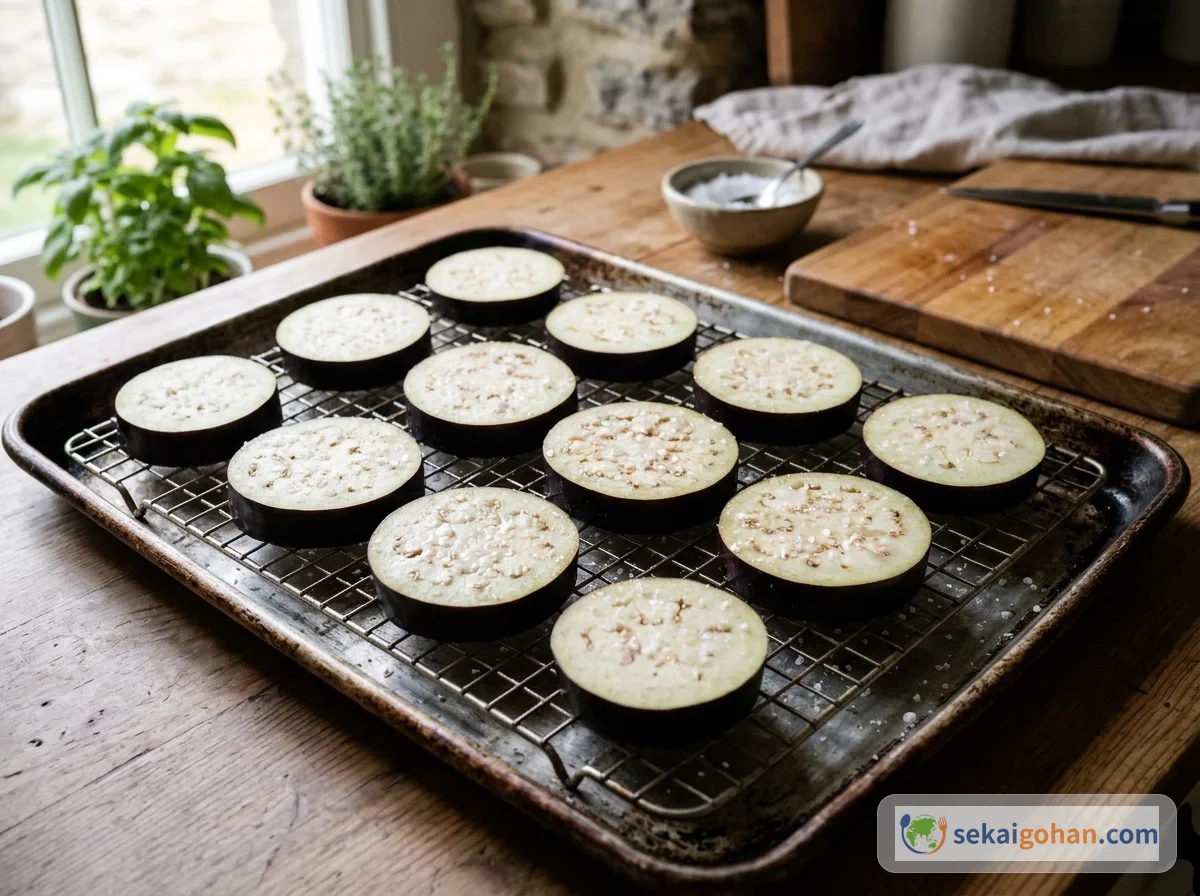
When making it with slender Asian eggplants, cutting them lengthwise 0.5 inches (1 cm) thick makes them easier to stuff into the pita. With either cut, the step of salting to draw out moisture keeps the eggplant from soaking up too much oil as it roasts and gives it a creamy texture.
How to make sabich
The eggplant is roasted in a 425°F (220°C) oven. If you start preheating while the salted eggplant is drawing out moisture, you can roast it without waiting.
Tahini is made from sesame, so people with a sesame allergy should not eat it. Also, use oven mitts when handling the hot baking sheet and eggplant. For people who are unwell, pregnant, or small children, it is safer to use hard-boiled eggs rather than soft-boiled.
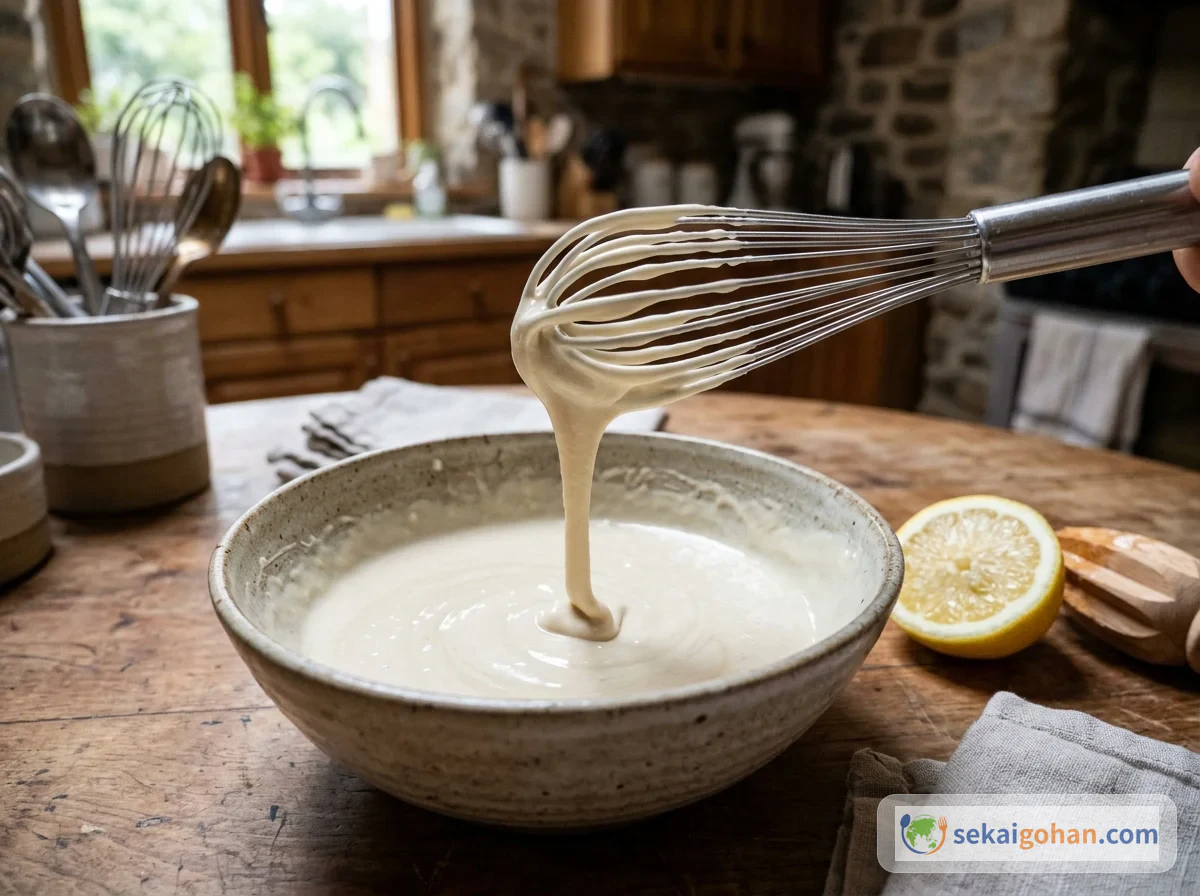
Tahini sauce tends to split if the ice water goes in all at once. Adding it a little at a time and mixing well each time is the surest route to smoothness. If it is too stiff, thin it with 1 tsp ice water at a time.
For the chopped salad, dress with the lemon juice and oil just before eating. Dressing early draws water out of the tomatoes and cucumbers and makes the pita soggy.
Serving sabich at home
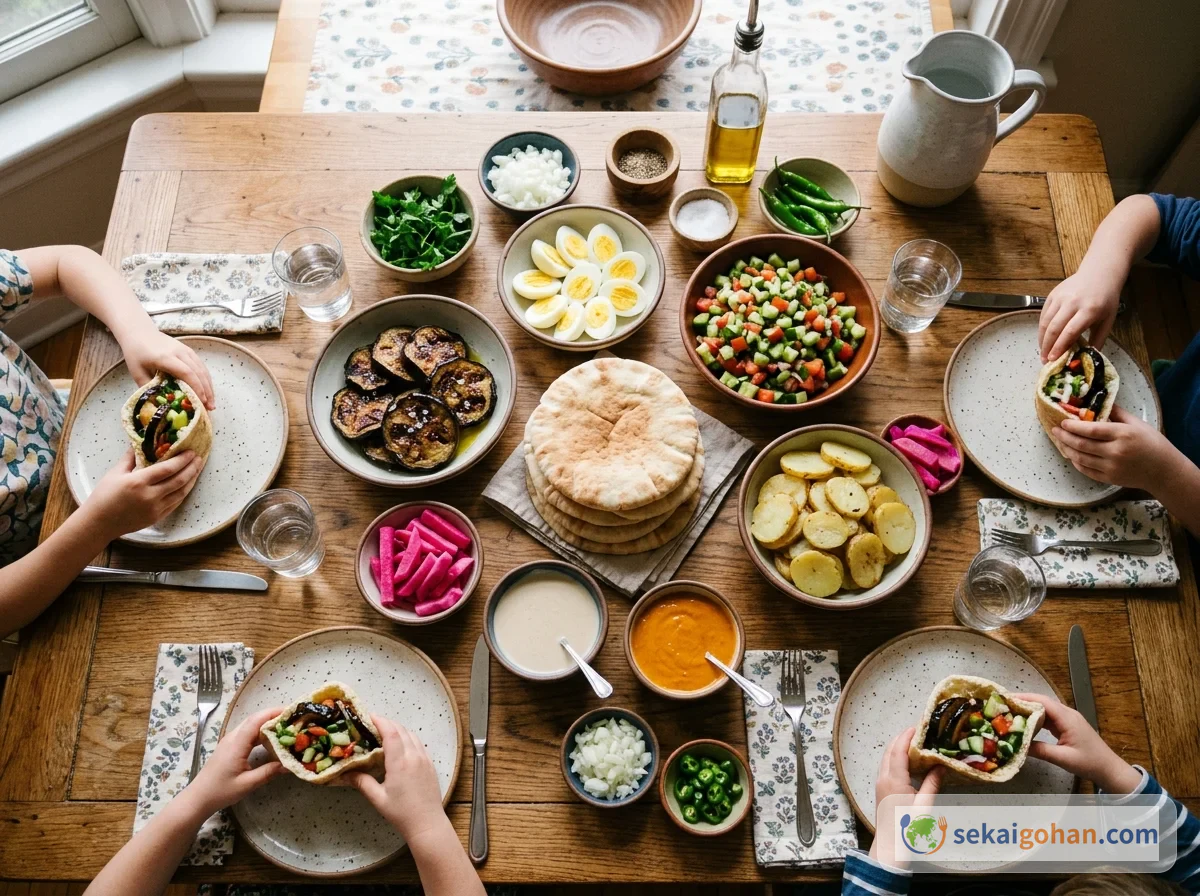
At home, put each filling in its own dish and set the eggplant and pita on a large platter. The tahini sauce, amba and parsley go in dishes too, along with sliced boiled potatoes and turnip pickle colored with beets. Then each person assembles their own sandwich. When family and friends are at the table, this is the most fun way to serve it.
If you want to compare Middle Eastern pita sandwiches, try Falafel, which has chickpea fritters stuffed in a pita. If you like egg dishes, Shakshuka is another good one, with eggs simmered in a tomato and pepper sauce.
FAQ
Don't you fry the eggplant?
Stalls often fry it, but this recipe brushes the eggplant with olive oil and roasts it in the oven. That uses less oil and lets you make a big batch at home.
What if I don't have amba?
You can leave it out. To keep the flavor from going flat, add a little more lemon juice to the tahini sauce or make the chopped salad more tart.
Can I make it ahead?
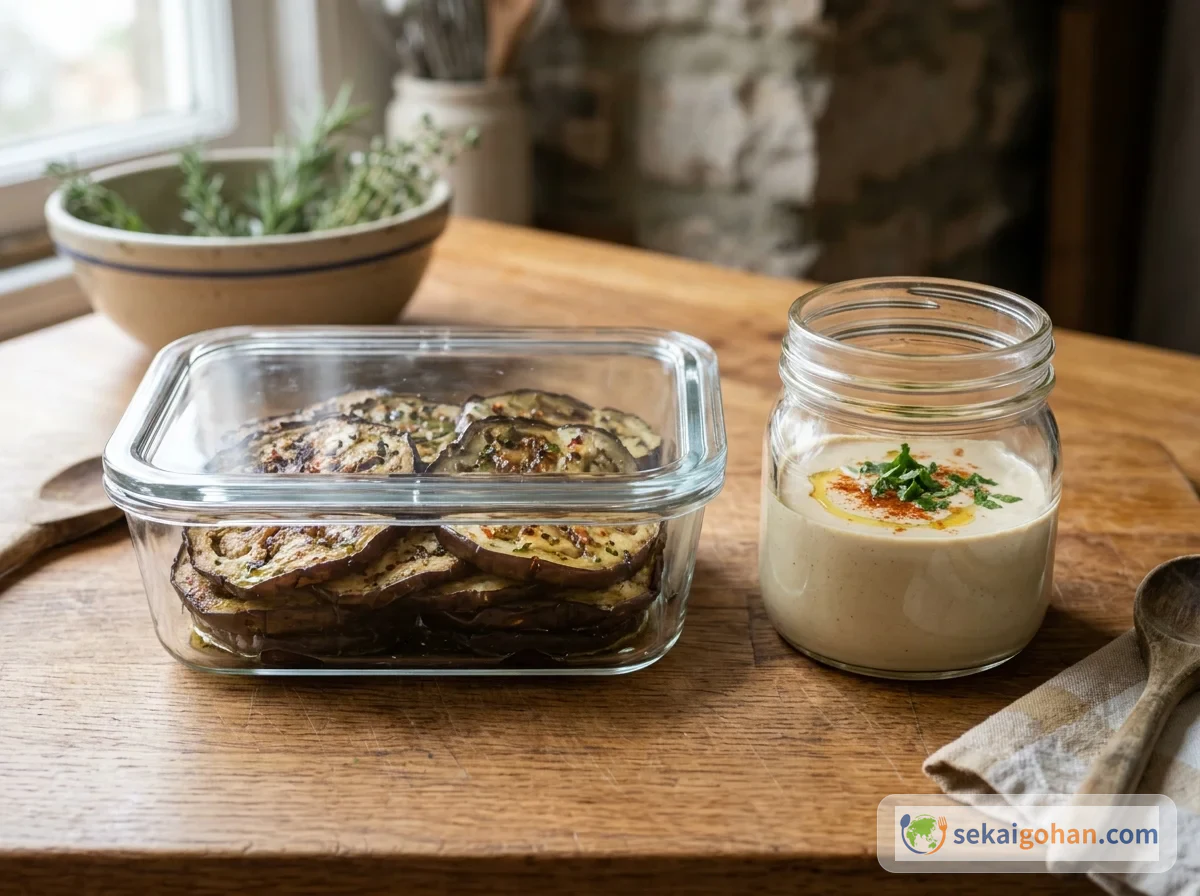
Yes. Store the roasted eggplant and tahini sauce in separate containers in the refrigerator and use them up quickly. Sabich is traditionally eaten at room temperature, so take them out a little before eating to bring back the eggplant's aroma. Make the chopped salad just before you eat.
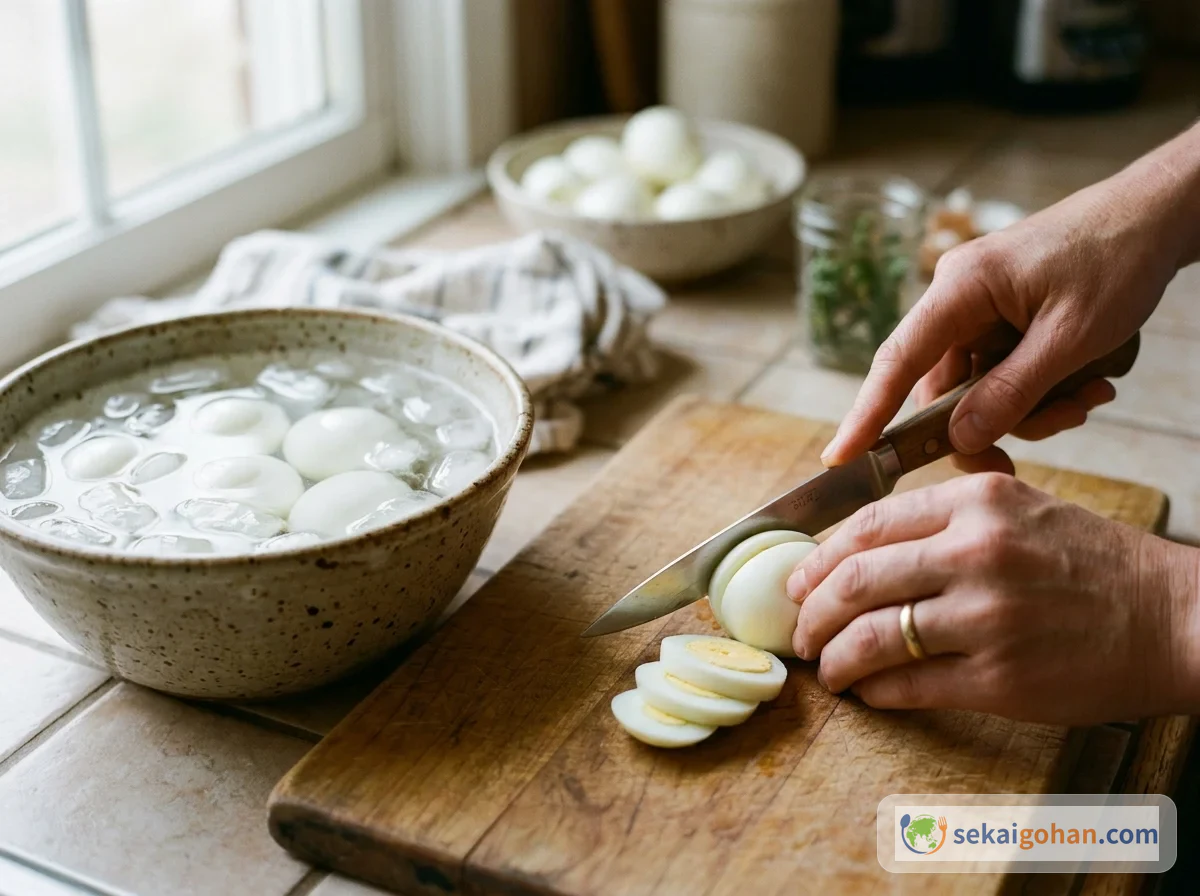
Soft-boiled or hard-boiled eggs: which is better?
Either one works. Boil the eggs 7 minutes for a runny, soft-boiled yolk or 12 minutes for hard-boiled. A soft yolk blends into the tahini sauce and adds richness, and hard-boiled eggs are easier to slice into rounds and stuff into the pita.