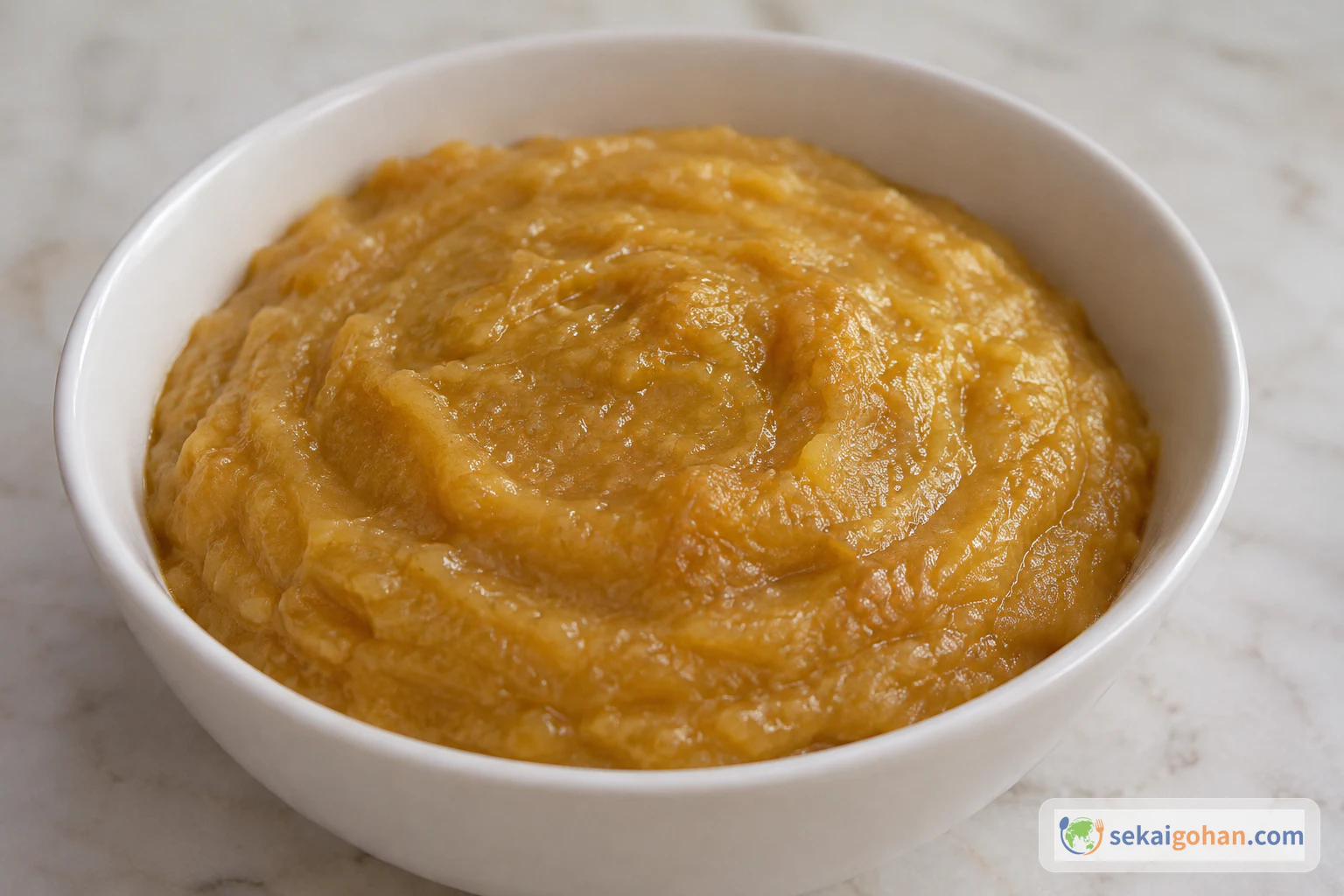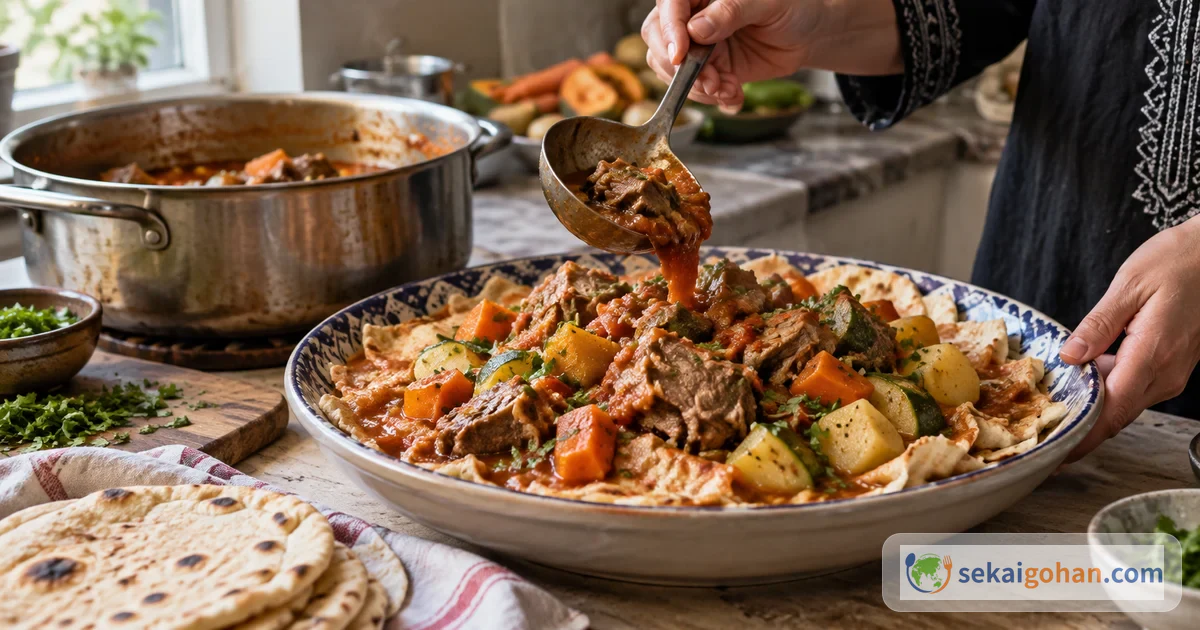
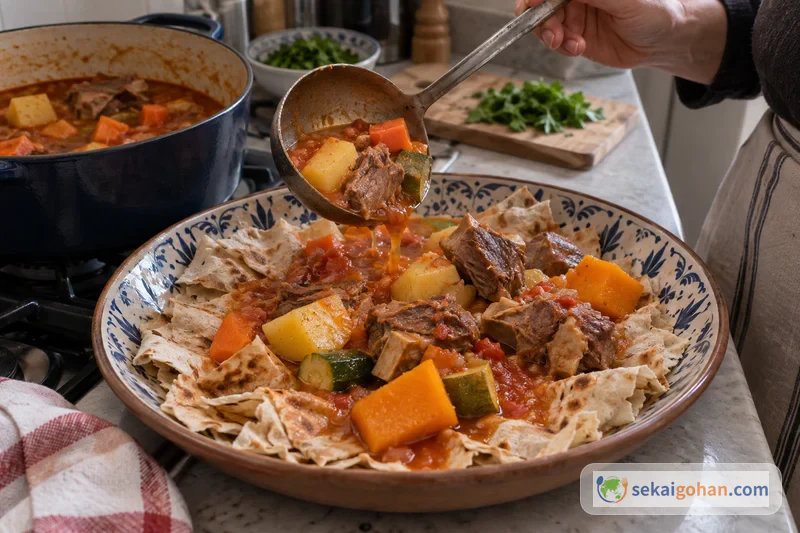
The sun sets, the call ending the fast rings out, and the family gathers around a large platter lined with torn thin bread. A generous, tomato-colored stew goes over it, the bread drinks up the liquid and turns soft, and stewed lamb, pumpkin, and potato settle on top. Thareed is that dish, a stew of bread and meat that turns up on Ramadan tables in Qatar and across Gulf homes. It is warm with cardamom and cinnamon, a little sweet from the pumpkin and a little sharp from the tomato.
Thareed on the Ramadan table
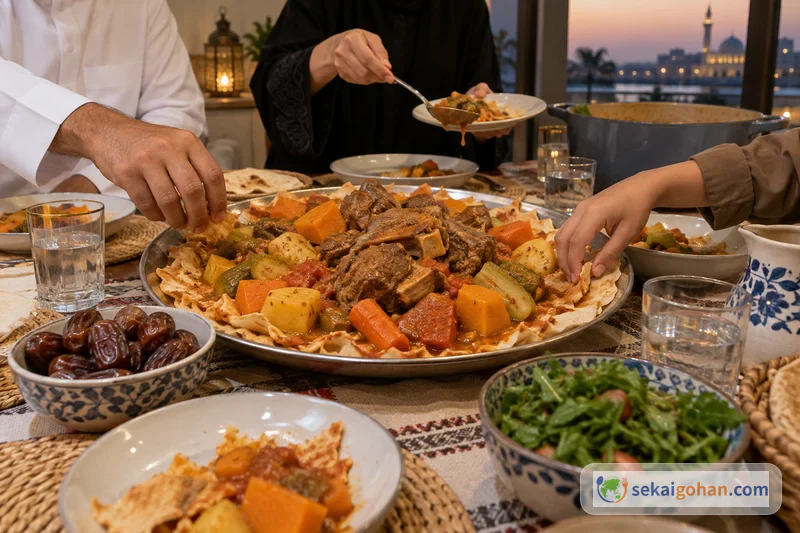
Along with harees, thareed is the dish most often named first on the iftar (fast-breaking meal) table. Through Ramadan it appears on Qatari iftar tables almost every day.
The dish brings together crisply baked flatbread and a stew of lamb or chicken, or of vegetables alone. The bread is broken into small pieces and added to the stew, and the meat and vegetables go on top to finish. Loaded with vegetables, it is a nourishing plate, and after a day of fasting it is a gentle one: tenderly stewed meat and vegetables and bread that has soaked up the liquid.
Thareed is also one of the UAE's signature dishes, served there as a lamb and vegetable stew poured over layered flatbread. Home versions are handed down all across the Gulf.
In the UAE, thin breads called raqaq or markook are layered on the plate, and the stew is poured over them. Flatbreads such as pita work as a substitute.
Ingredients (serves 4)
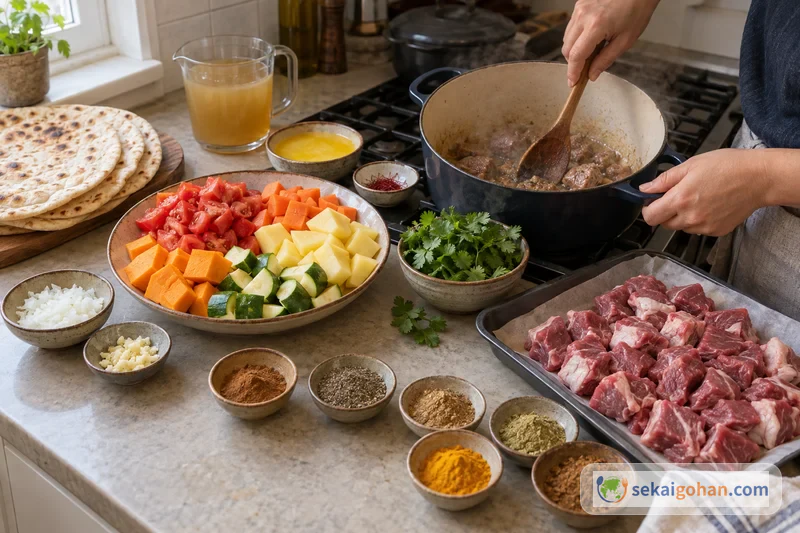
The ingredients are based on the thareed recipe (serves 4) by Robbie Stokes, executive chef at the Al Badia Golf Club in the UAE, presented by Gulf News.
The "mixed spice" in the recipe is the blend used in Arabic cooking, sold as "baharat" at Middle Eastern grocers and online. The heart of the flavor is cinnamon, cardamom, and turmeric, so you can make it without baharat, but the aroma will have less depth.
Saffron is expensive, but just 1/4 tsp gives the whole stew a golden color and a festive aroma. Ghee is butter with the water and milk solids removed, and it can be found at Middle Eastern grocers and large supermarkets.
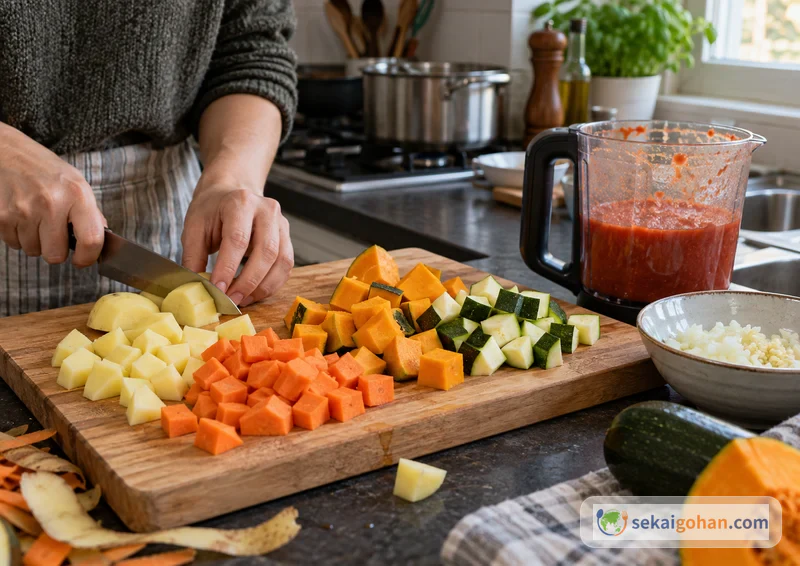
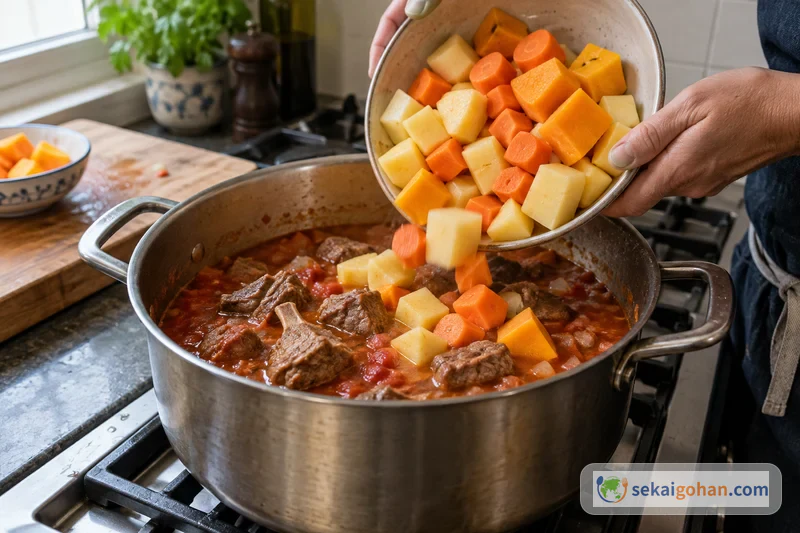
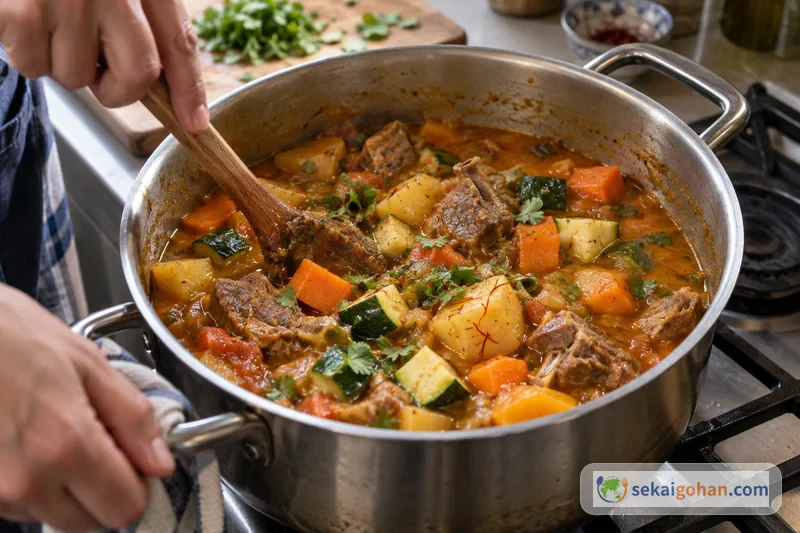
Add the vegetables in two rounds, matched to how long they take to cook. Put the potato, pumpkin, and carrot in first and the quick-cooking zucchini last, and every vegetable finishes soft but still holding its shape.
How to make thareed
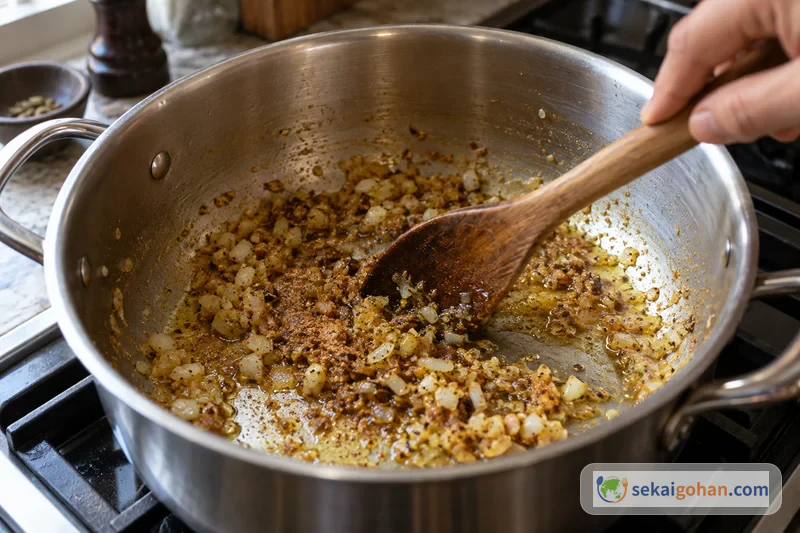
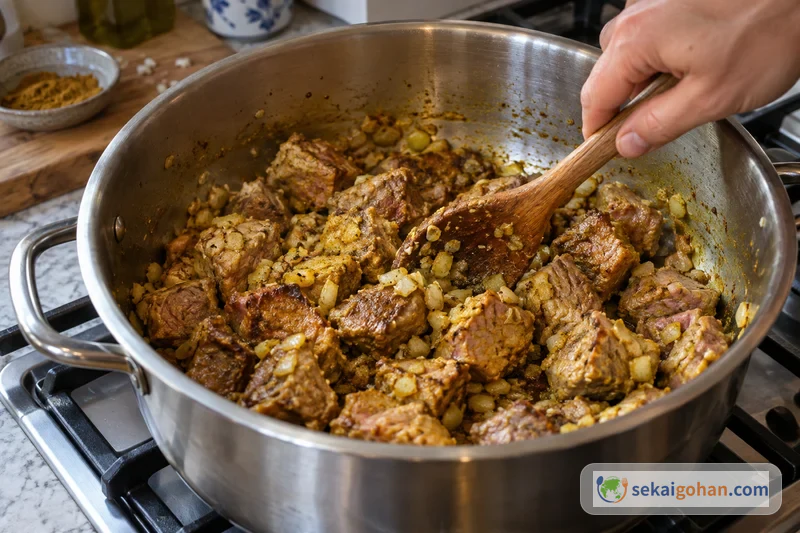
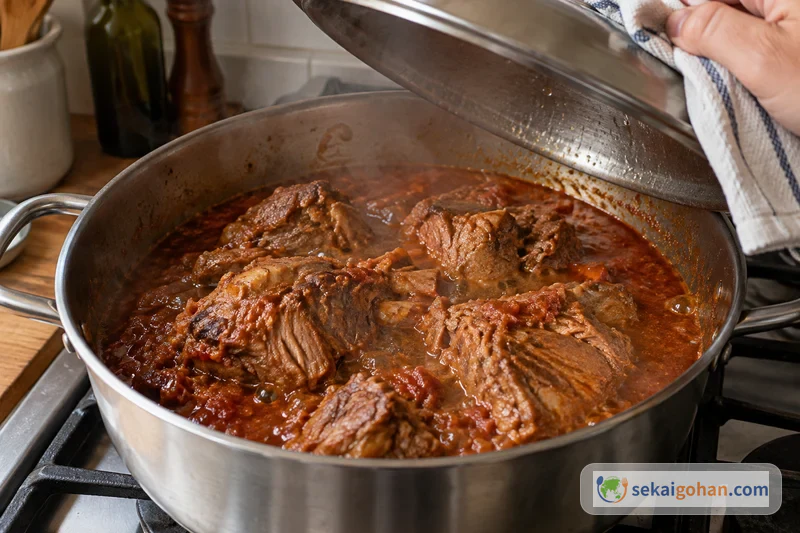
Prep takes about 30 minutes and the stewing about two and a half hours. While the lamb simmers, you only check on it now and then and your hands are free.
When searing the lamb over high heat, the ghee may spatter. Do not lean over the pot, and stir with a long-handled wooden spoon. Also, wash the cutting board and knife that touched raw meat well before using them on vegetables.
The trick with the bread is to pour the liquid over just before eating. Pour too early and the bread turns mushy and falls apart. If you want to keep a little crispness, lightly toast the bread in a toaster before tearing it, and it holds its shape better after soaking up liquid.
Serving thareed on a shared platter
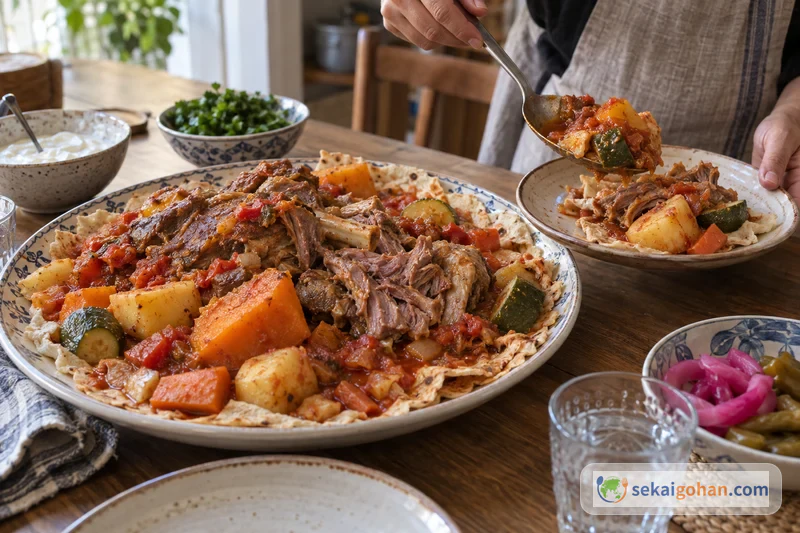
Heap the thareed on a large platter and set it in the middle of the table for everyone to share. The lamb is tender enough to fall apart, and the sweetness of the pumpkin, the sourness of the tomato, and the warm aroma of cardamom and cinnamon have all melted into the liquid. The best part is the bread at the bottom, soaked through with that liquid. The bread is the feast, down to the last bite.
For more of the Gulf's Ramadan table, pair it with the sweet fried dumplings luqaimat or Oman's madrouba, a spiced porridge of mashed chicken and rice. Side by side, they show how differently spices are used across the Gulf.
Frequently asked questions
Can I use chicken instead of lamb?
Yes, a chicken stew works well. Chicken turns tender faster than lamb, so shorten the stewing time and make sure it is cooked through.
Can I make it without meat?
Yes, with a vegetable-only stew. Without meat, add more vegetables and a wider variety of them.
What if I cannot get baharat?
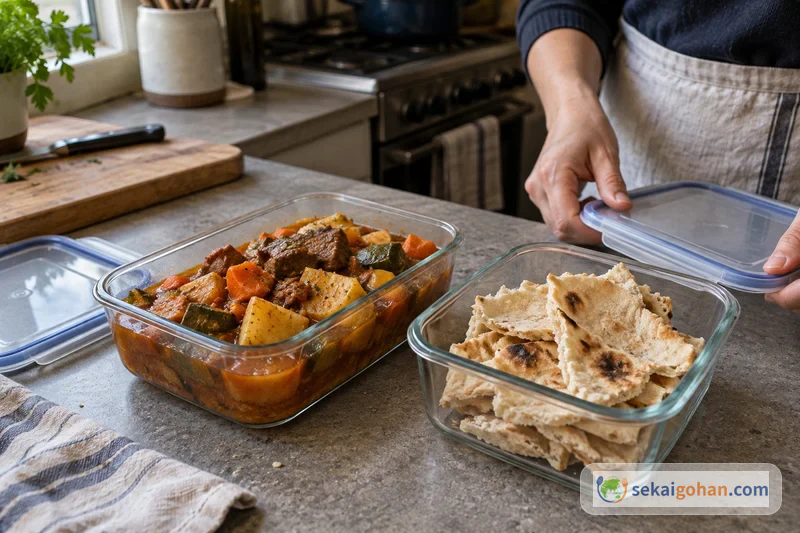
You can leave it out. The recipe already has cinnamon, cardamom, black pepper, and coriander, so the backbone of the Gulf aroma stays.
What should I do with leftovers?
Store the stew and bread separately. Let the stew cool slightly, refrigerate it, and finish it soon. To reheat, bring it to a full boil in a pot and pour it over freshly torn bread.