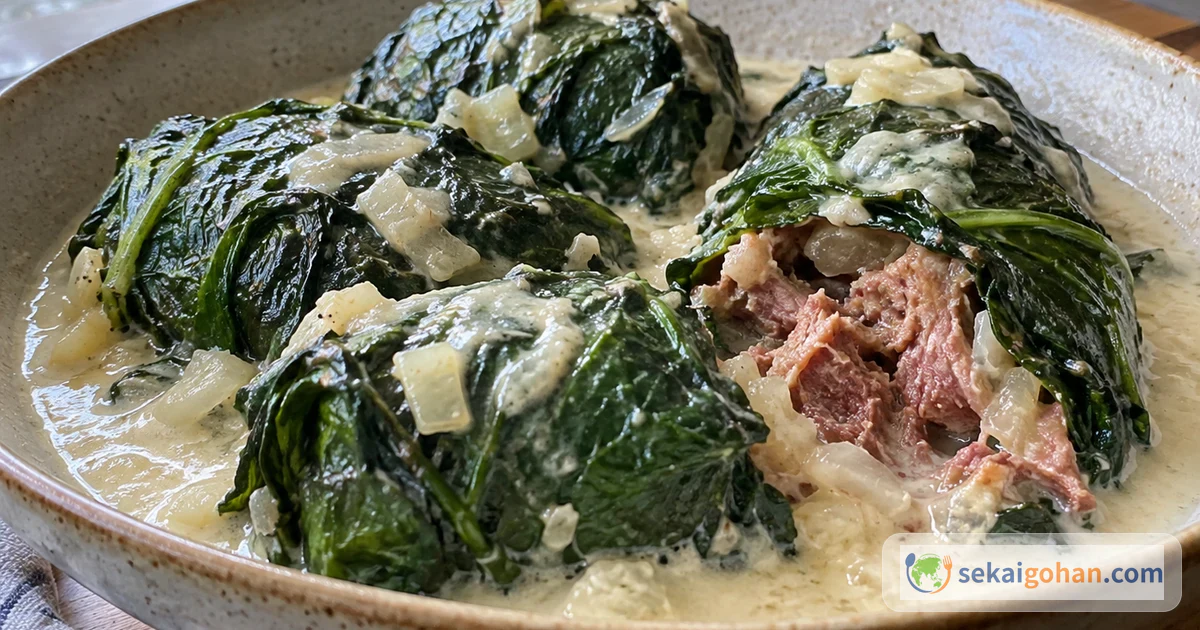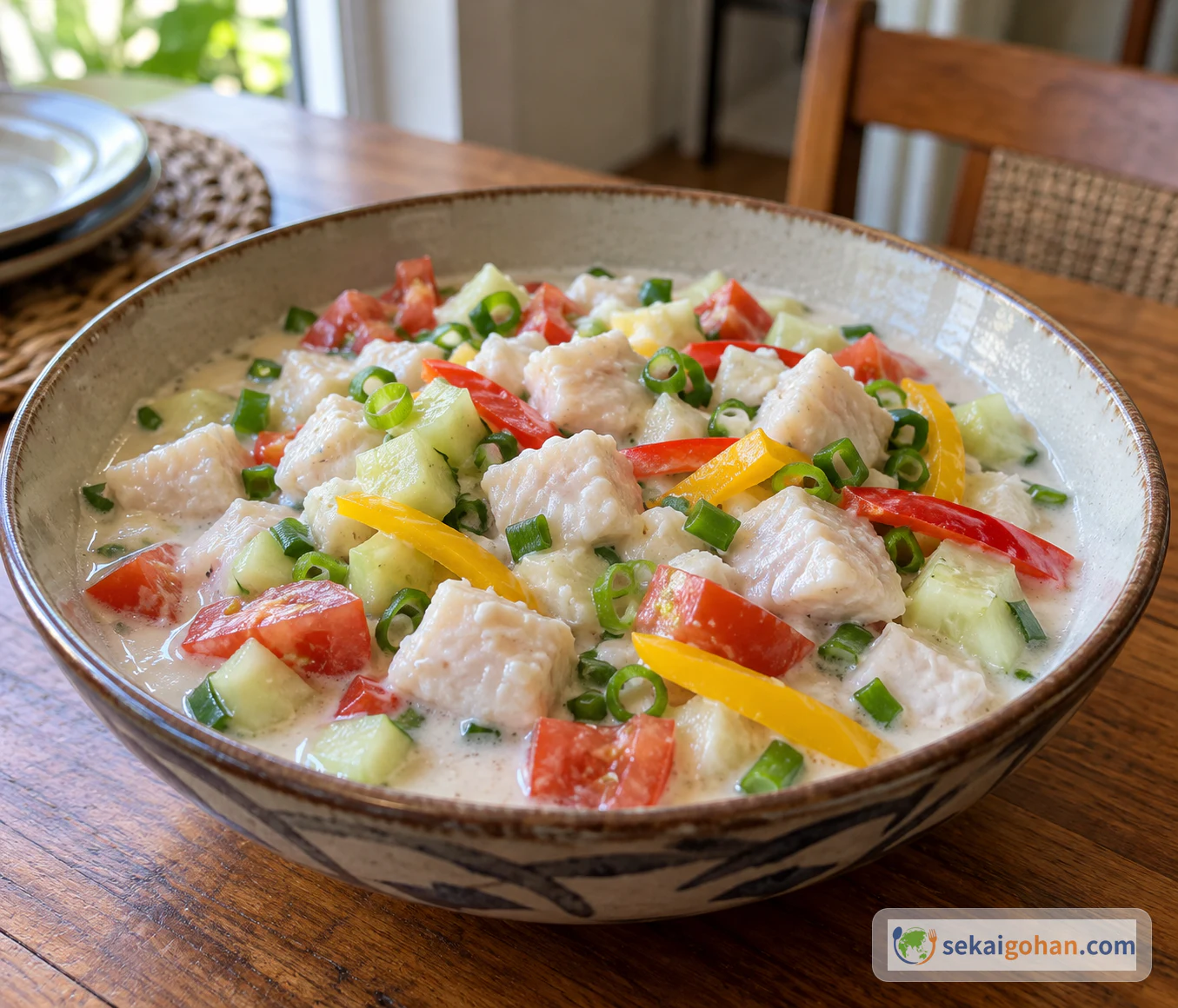
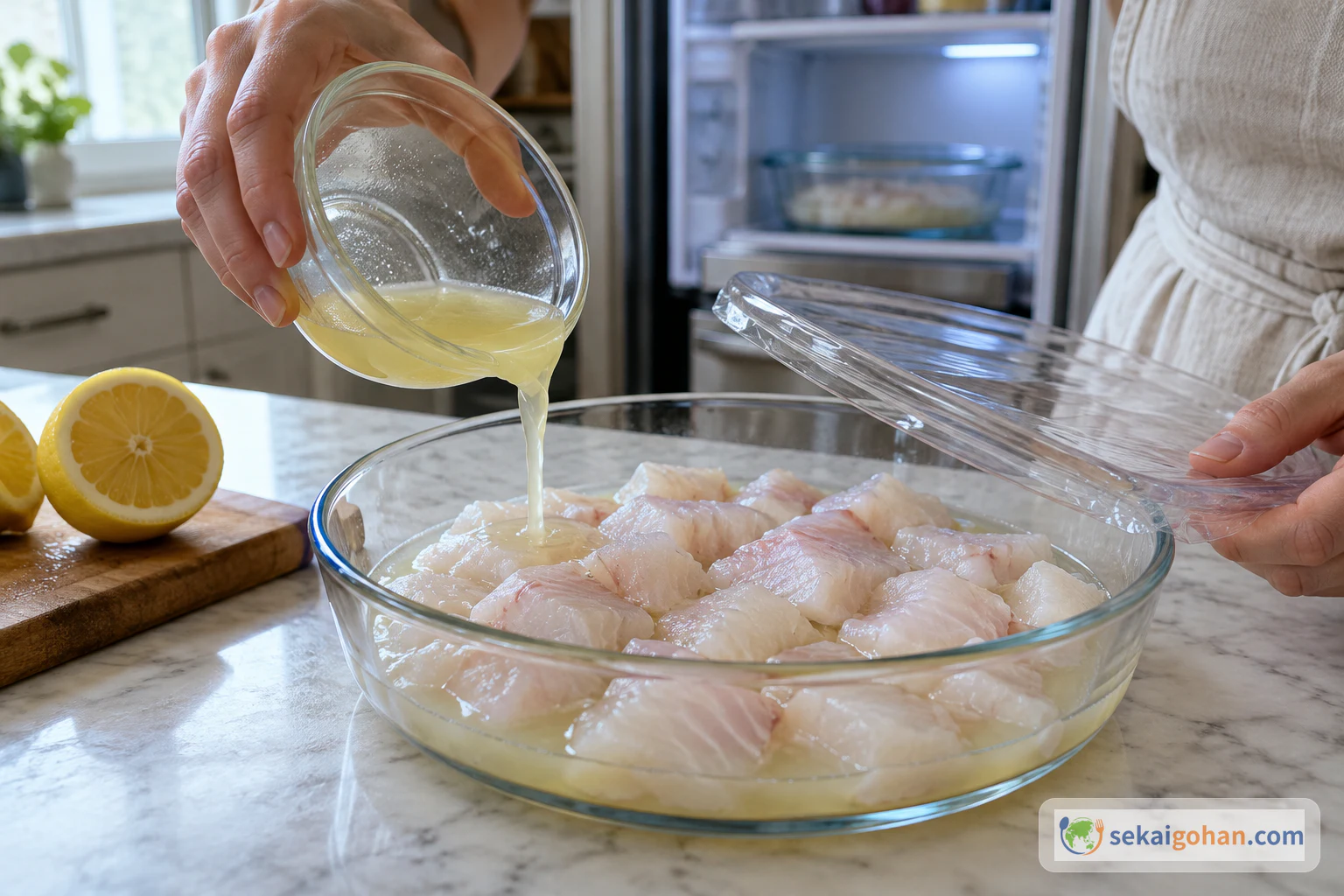
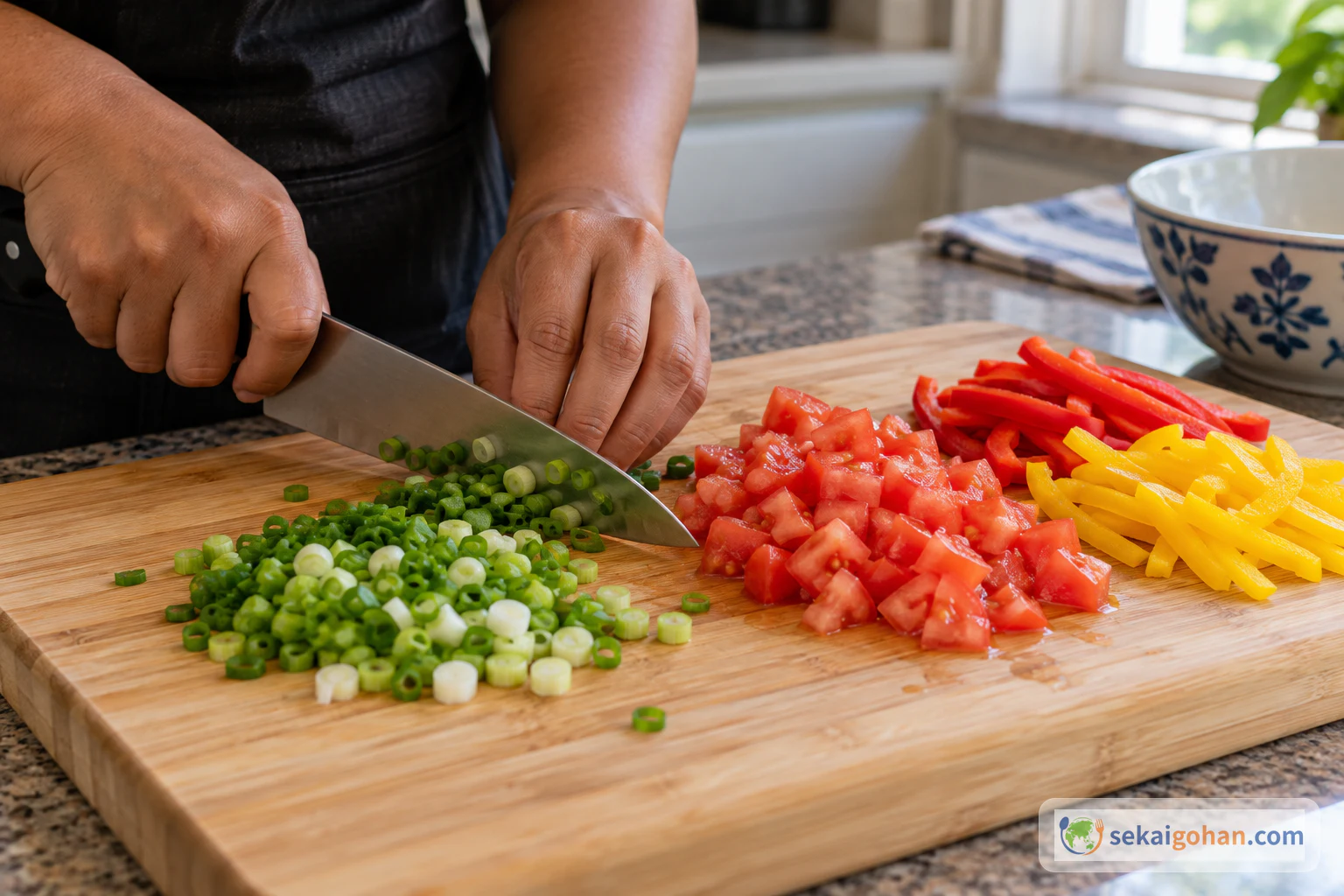
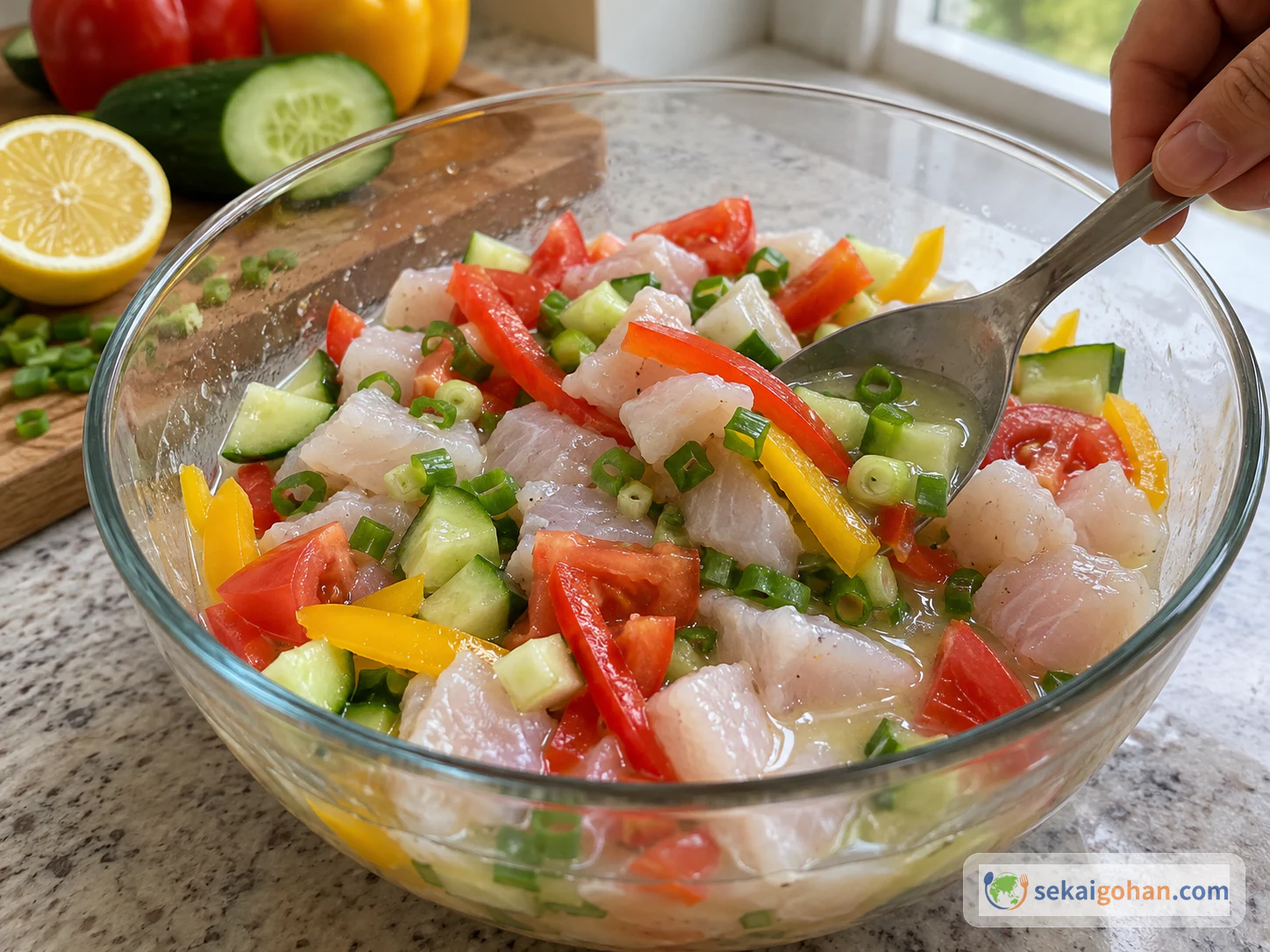
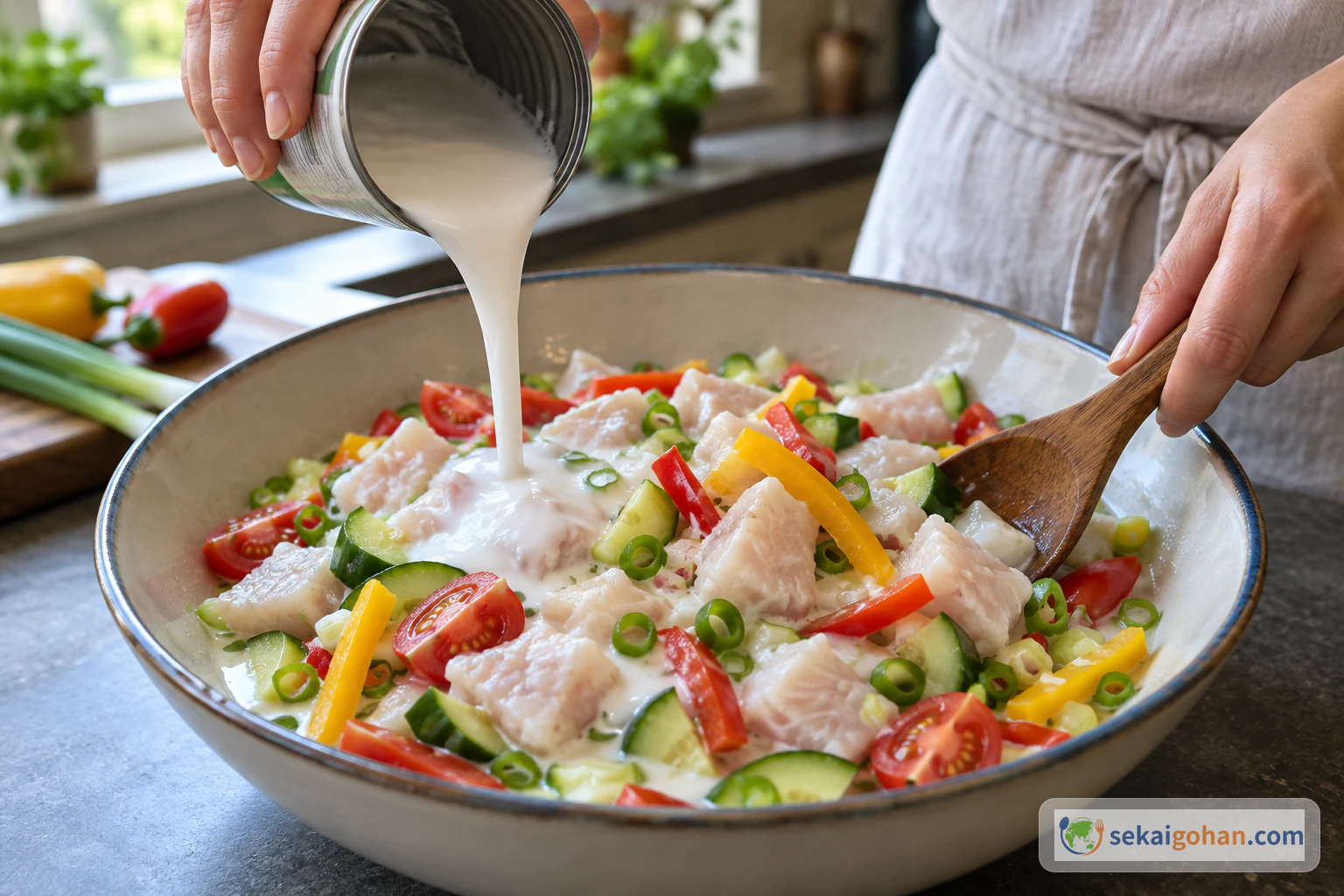
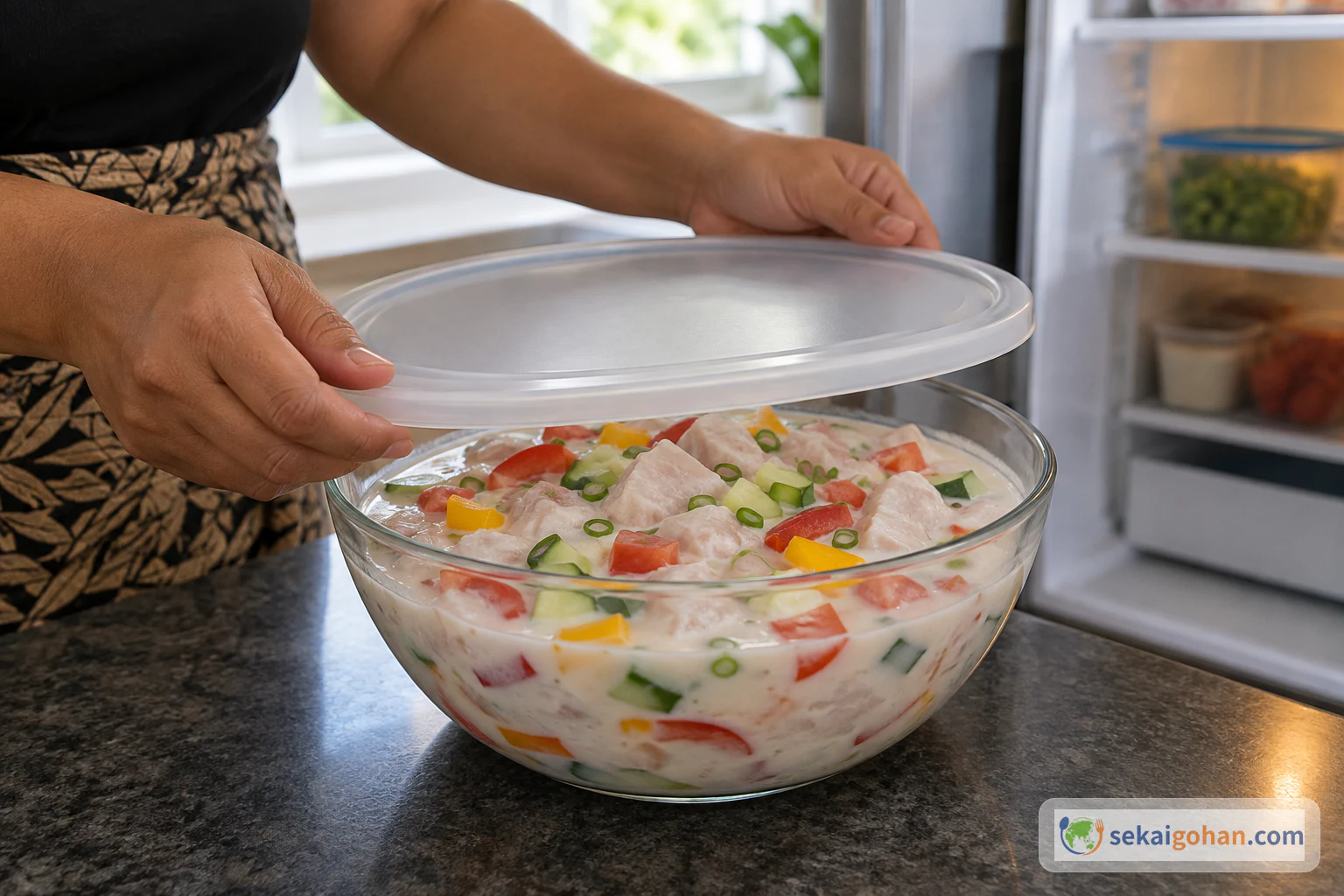
A bowl of ‘ota ‘ika comes to the table cold: white fish sharpened with lemon juice, crisp vegetables, and coconut milk mixed through it all. In Tongan families, where food is a social tradition, this is a dish for guests and family celebrations, and sometimes for lunch after Sunday church. You make it ahead, keep it cold, and bring it out once everyone has gathered. The fish rests in lemon juice in the refrigerator while you cut the vegetables. Then everything goes in with the coconut milk, gets seasoned, and chills until serving.
‘Ota ‘Ika on the Tongan Table
A Tongan feast can have many dishes served on a pola, and foods are steamed in an umu. Ota ika is one of the celebration foods, made from white fish soaked in lemon juice with coconut milk. For more dishes from the country, see our Tonga page.
There's no single fixed formula. Families learn the dish by tasting, and the recipe shifts with each household's taste. Written versions vary too: one Tongan recipe uses 10.5 oz (300g) of fish, an onion, tomatoes, celery, one lemon and a tin of coconut cream. Niue has a dish with a similar name.
Eating This Fish Raw
People who are pregnant, babies and children, older adults, and anyone with a weakened immune system should not eat this dish. The U.S. Food and Drug Administration (FDA) advises these groups to avoid raw or undercooked seafood, and names ceviche and sashimi as examples. Don't serve them a portion.
Lemon is not a safety step. The fish stays raw all the way through. Lemon juice does not cook it or make it safe. Anisakis, a parasite found in seafood, survives the vinegar used in ordinary cooking, salting, and soy sauce or wasabi, so don't expect lemon juice to do any better. Look the fish over and remove any larvae you see.
Use fish sold for eating raw. Buy white fish sold for sashimi or raw eating, and ask the seller to confirm it can be eaten raw. Fillets meant for cooking won't do, and neither will fish that only looks fresh. "Sashimi-grade" is not an official standard, so the label alone isn't enough.
Freezing is for parasites, not bacteria. Freezing kills parasites, so for raw eating use fish that has been frozen first. It does not kill all germs, though, and cooking remains the safest route. Against Anisakis, use one of these measures:
- Freezing at -20°C for at least 24 hours.
- Heating to 158°F (70°C) or above, or at 140°F (60°C) for 1 minute.
The simplest choice is fish already frozen and sold for raw eating. If you freeze it yourself, keep the freezer at -20°C or below for at least 24 hours, and check the temperature with a thermometer.
Keep it cold and keep it separate. Store the fish at 4°C (40°F) or below in a clean refrigerator and use it within 2 days. Use separate cutting boards and utensils for raw seafood and wash them with soap and hot water. After handling raw food, wash your hands with soap and warm water for at least 20 seconds.
Ingredients for 6–8 People
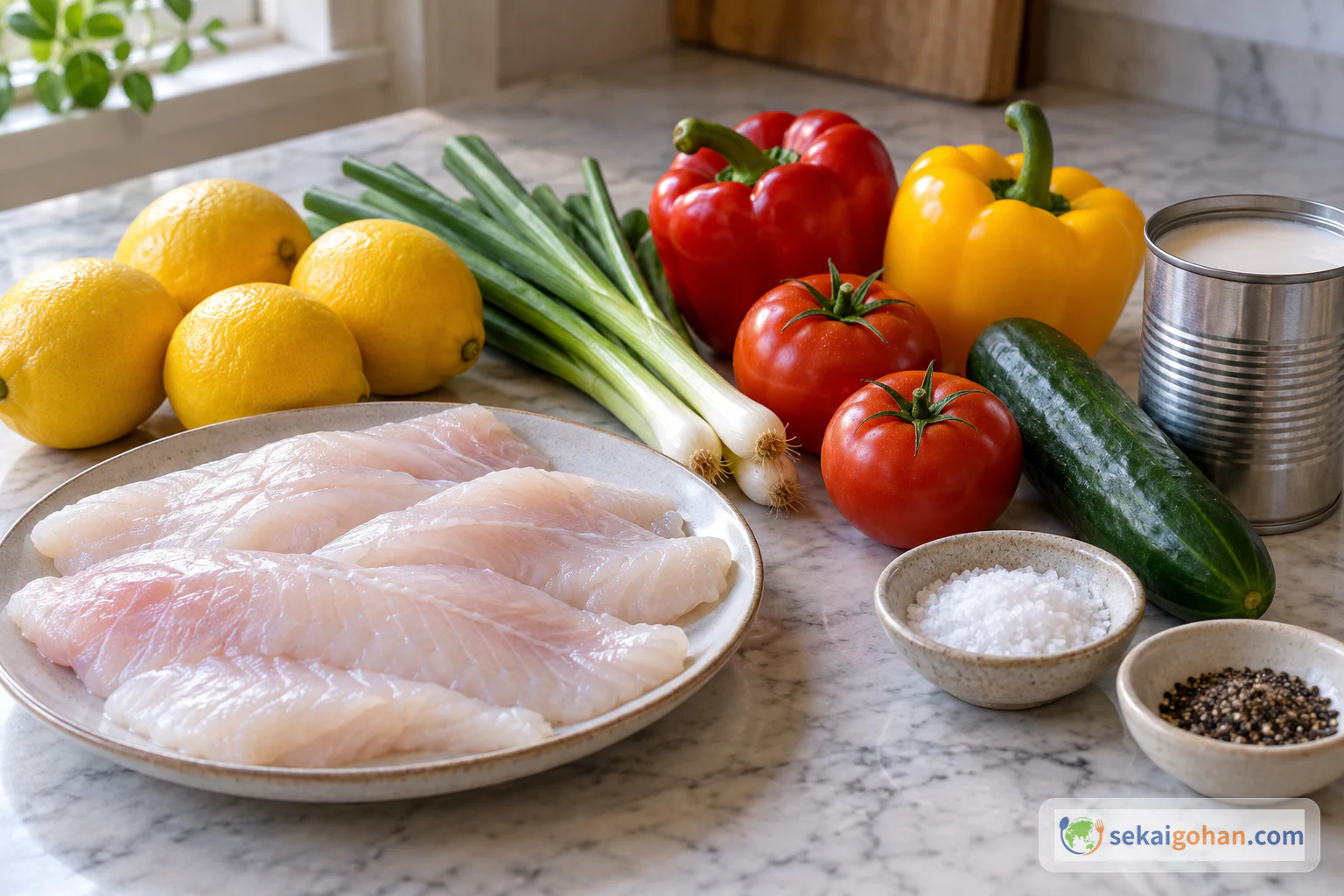
Equipment
You don't need to buy anything special, as long as the raw-fish tools stay clean and separate.
- Cutting board and knife for raw fish
- Separate cutting board and knife for vegetables
- Large bowl or dish for the fish
- Cover or wrap for the fish
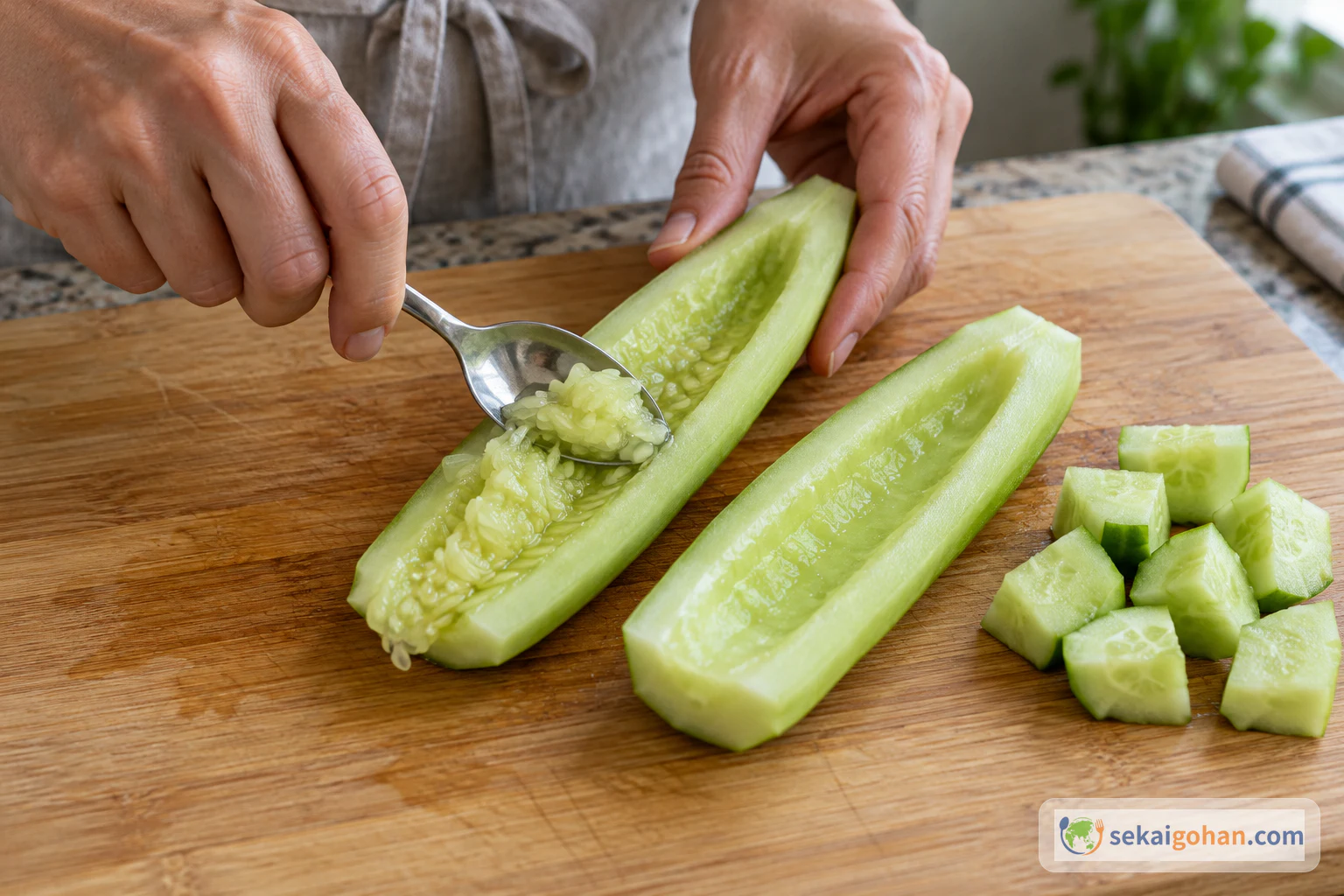
- Teaspoon for seeding the cucumber
- Clean spoon for mixing
- Serving bowl with a lid or cover
- Thermometer, if you freeze the fish yourself
Choosing the Fish, Coconut Milk and Vegetables for ‘Ota ‘Ika
Fish. Pick it first on confirmed raw use, then on species. Cooks use moki or blue cod, or snapper or mullet further north. Sea bream or sea bass are worth asking about, but they are different fish, so expect some difference in flavor and texture. Choose fish kept refrigerated or on ice. Skip any with a sour, rancid, fishy or ammonia odor, and don't try to cover it with lemon.
Coconut milk. Check the tin's size and ingredients when you buy. Coconut cream is a different product, richer and thicker, and using it changes the dish.
Peppers. Two colors, such as red and yellow, make a brighter bowl. Green peppers differ in sweetness and thickness.
Allergies. This dish contains fish and coconut. Without the coconut, it becomes a different dish.
Common ‘Ota ‘Ika Problems
| Problem | What to do |
|---|---|
| The fish smells strong | Don't use it, and don't try to cover the smell with lemon |
| You think the marinated fish is cooked | It isn't. Treat the dish as raw fish from start to finish |
| A vegetable knife or board touched raw fish | Wash your hands, knife, board and counter with soap and hot water before going on. Vegetables that touched raw fish go into this dish, not another one |
| The bowl is watery | Seed the cucumber. Don't add water or try to fix it with other vegetables |
| The coconut tastes too rich | Check that you used coconut milk, not coconut cream. Stick to the 1¾ cups (400ml) of coconut milk next time |
Serving, Storing and Varying ‘Ota ‘Ika
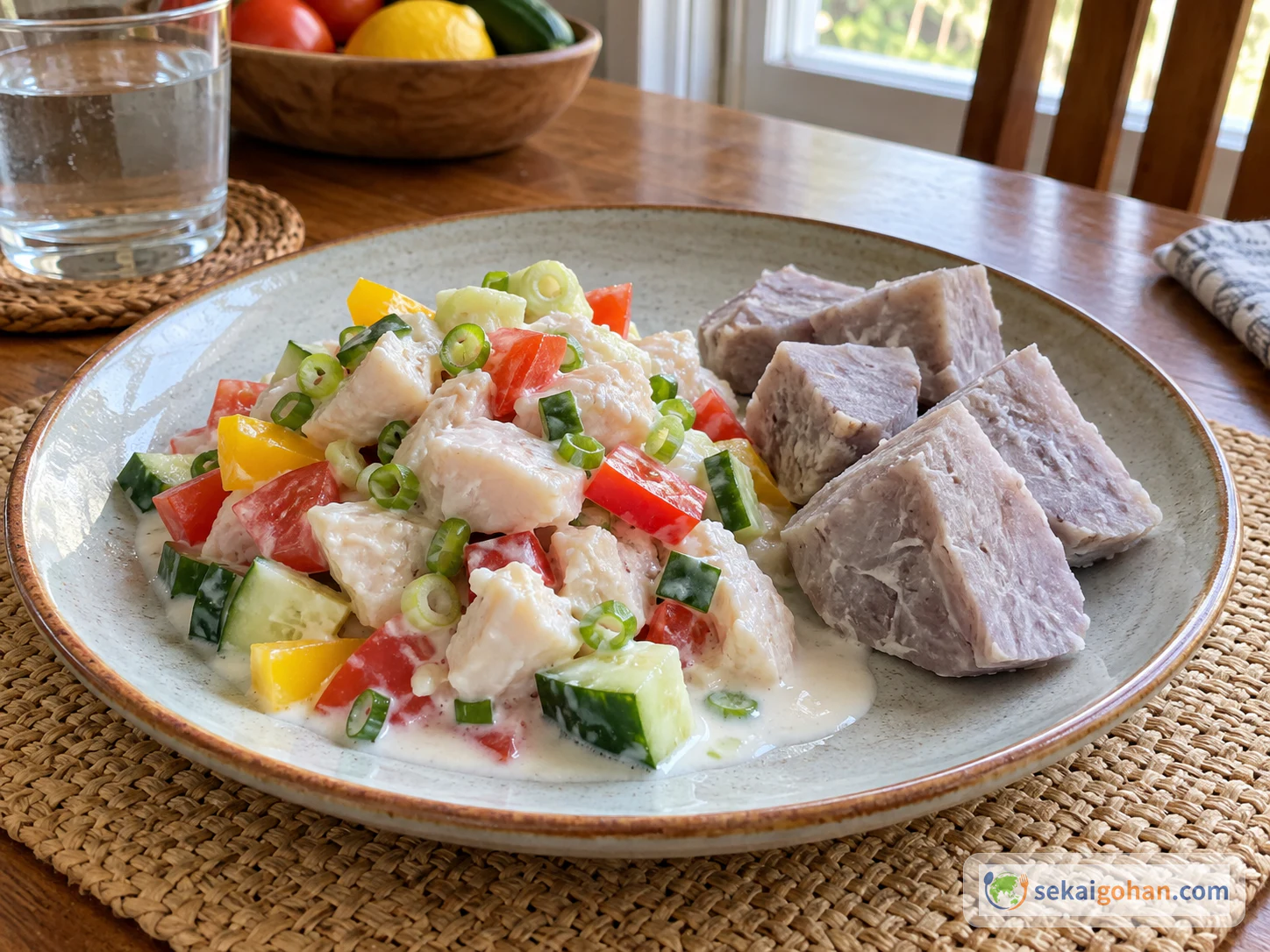
Serve it chilled. There's no set accompaniment. It often comes as a side dish with fresh vegetables, and seafood and root crops such as cooked taro also go well with it. Keep the bowl in the refrigerator, covered, until you eat, and finish it the same day.
Cooks change the recipe to suit themselves. None of these changes makes the raw fish any safer:
- Pour off the lemon juice. Some cooks do this before adding the vegetables. The recipe above keeps the juice.
- Add chili. A little gives the dish some heat.
- Change the pepper colors. Choose any two different colors.
- Use coconut cream. You get a richer dish, but the amounts would need rethinking.
Frequently Asked Questions
How long should the fish sit in lemon juice?
Marinate it for at least 30 minutes in the refrigerator. If you're making it ahead, it can stay there overnight.
If the fish is marinated in lemon, is it safe without cooking?
No. The fish is still raw. Lemon juice doesn't make it safe, and freezing doesn't kill all germs, so cooking is the safest route. People in the higher-risk groups listed above should not eat this dish.
Coconut milk or coconut cream?
The ingredient list calls for 1 tin (1¾ cups (400ml)) of coconut milk, but the method says coconut cream. Go with the coconut milk from the ingredient list. Descriptions of the dish use both terms, so you'll see each one.