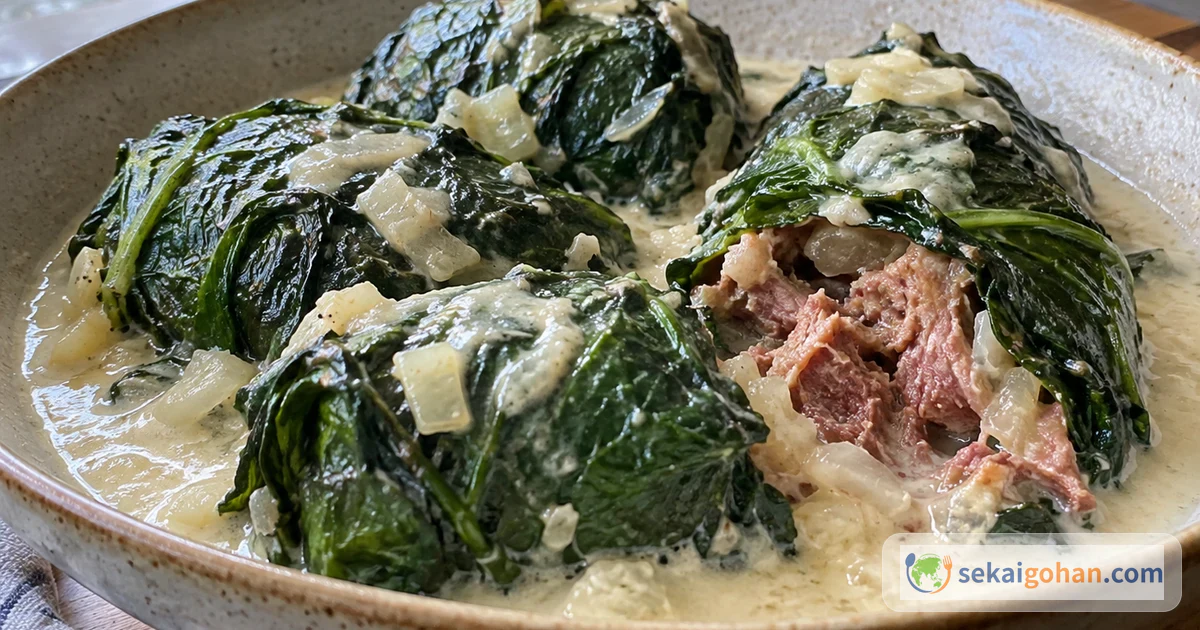
Hot stones glow red in a shallow pit dug in the backyard. Parcels wrapped in leaves go onto the stones, then more leaves and earth go on top. A few hours later the pit is opened, and inside each parcel the coconut cream has thickened around savory, salty meat. One of those parcels is lū pulu, Tongan corned beef baked in leaves with coconut cream. It is rich and salty-sweet, and it is one of the most loved dishes in Tonga.
Lu pulu, a Tongan feast dish
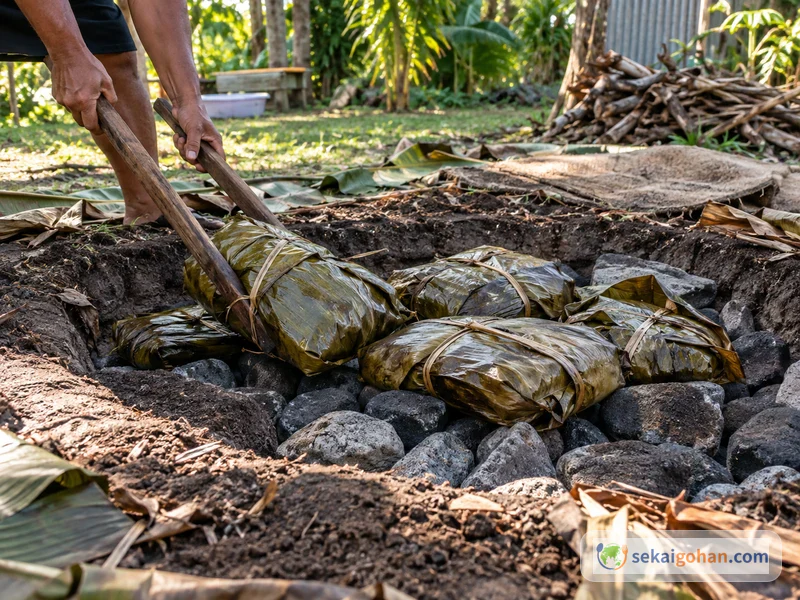
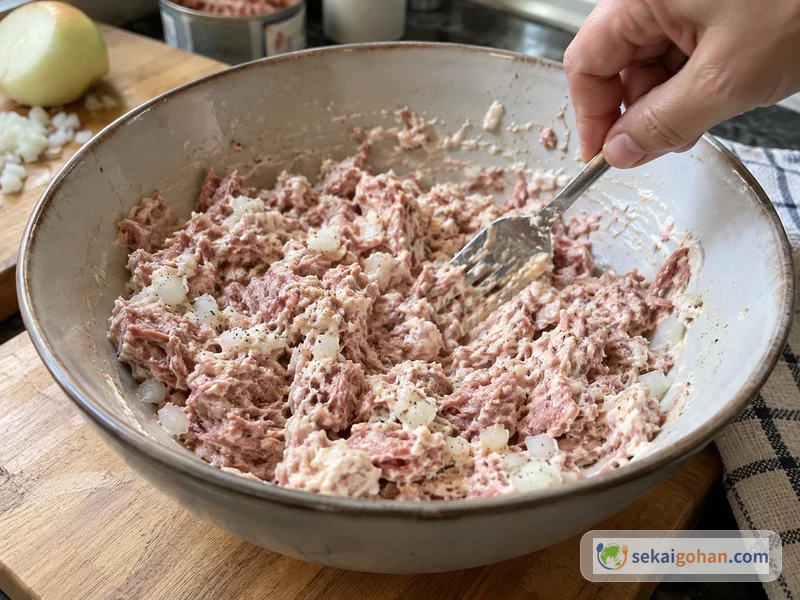
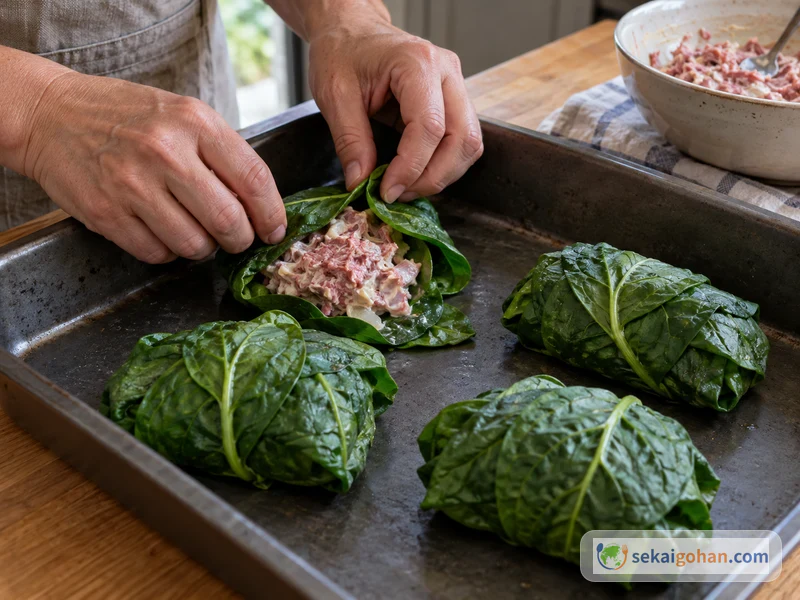
Traditional Tongan food has long been steamed in an earth oven, the umu, and lu pulu is a staple of feasts. Lū in Tongan refers to the tender young leaves of the taro plant, and pulu comes from the English word "bull," here meaning corned beef. So the name means corned beef wrapped in taro leaves. The filling is simple: corned beef, onion, salt and plenty of coconut cream.
Canned corned beef is hugely popular in Tonga, and islanders especially like the New Zealand kind. Sometimes it is eaten straight from the can. Sometimes it is mixed with coconut milk and onion, wrapped in leaves and baked in the umu. Lu pulu brings imported canned meat, island-grown taro leaves and cream pressed from coconuts together in one parcel.
Change what goes inside and the name of the dish changes. With chicken it is lūmoa, with mutton lūsipi, with fish lūika. The form of wrapping in lū stays, and only the word for the filling is swapped.
Tongan households once cooked the main meal of the day in an earth oven and ate it together at midday. Lu pulu comes to the table with island starches such as taro, yam, sweet potato and cassava, and with green bananas. Meeting the rich parcel with plain root vegetables is the island way of eating it.
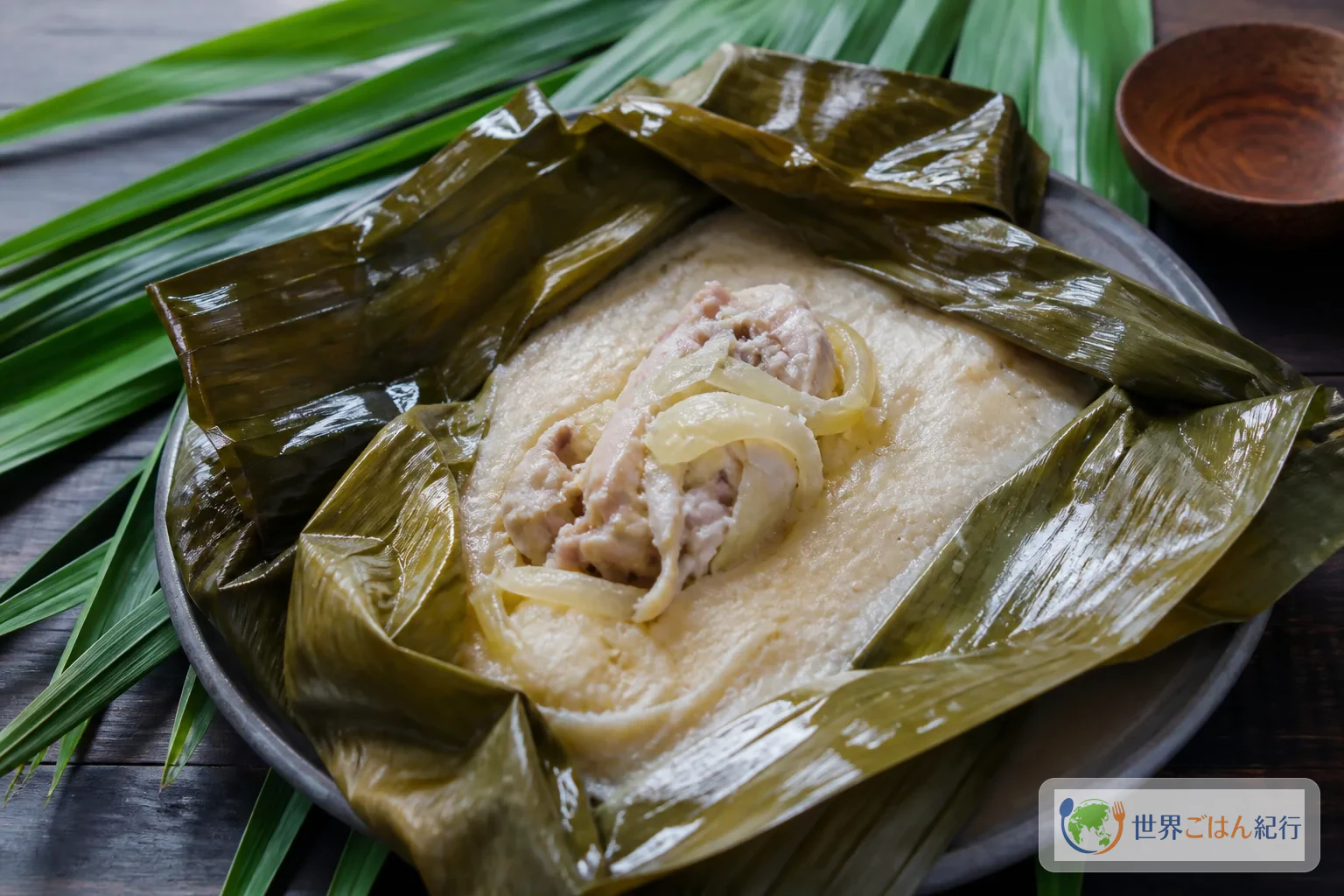
Dishes of taro leaves cooked in coconut are found all across the Pacific islands. In Samoa, taro leaves are wrapped around coconut cream and baked as palusami. Read it alongside Fiji's earth-oven lovo, and you can see how the culture of "wrap and bake" differs from island to island.
Ingredients (serves 4)
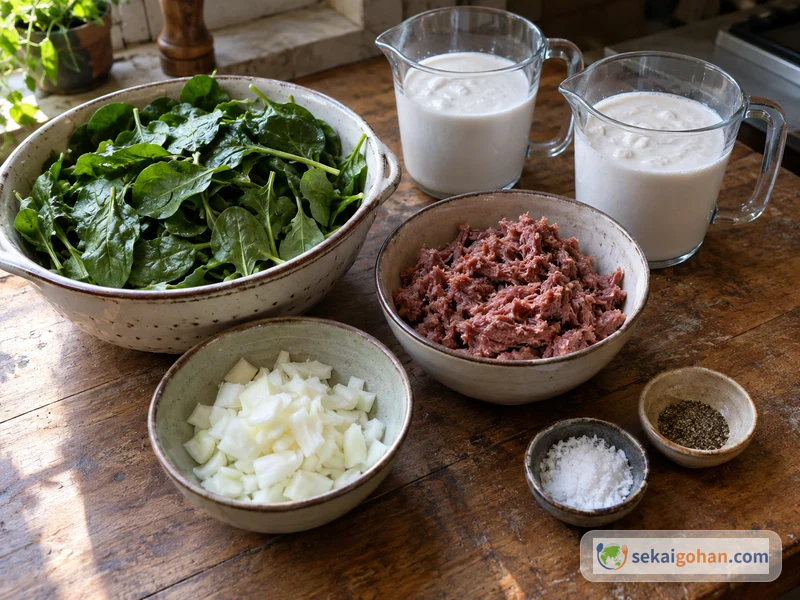
Coconut cream may have set solid in the can. Warm the can in hot water or empty it into a bowl and stir well before measuring, and the quantity will be accurate. Divide the cream for the filling and for pouring over beforehand to make the work easier.
This dish contains no dairy, but it contains coconut and the ingredients of the corned beef (which in some products include milk or soy). If you have allergies, check the ingredient list on the can.
Choosing ingredients for lu pulu
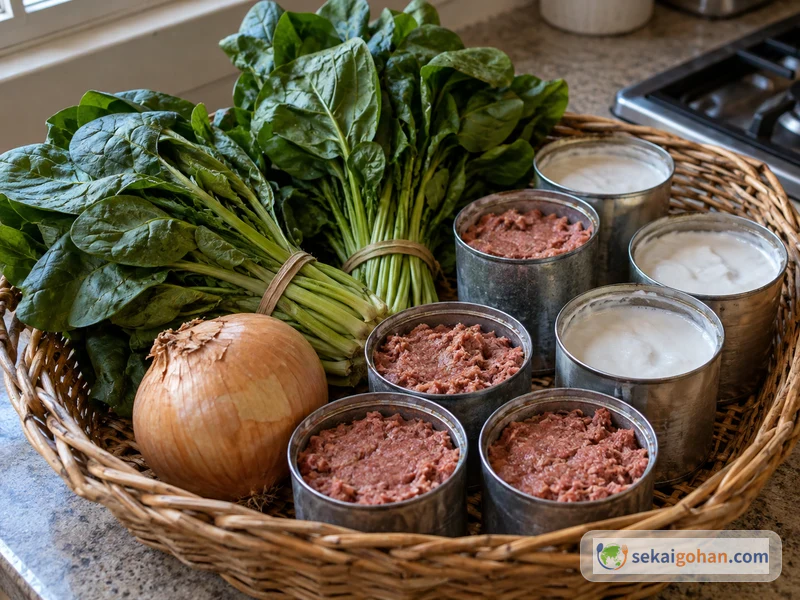
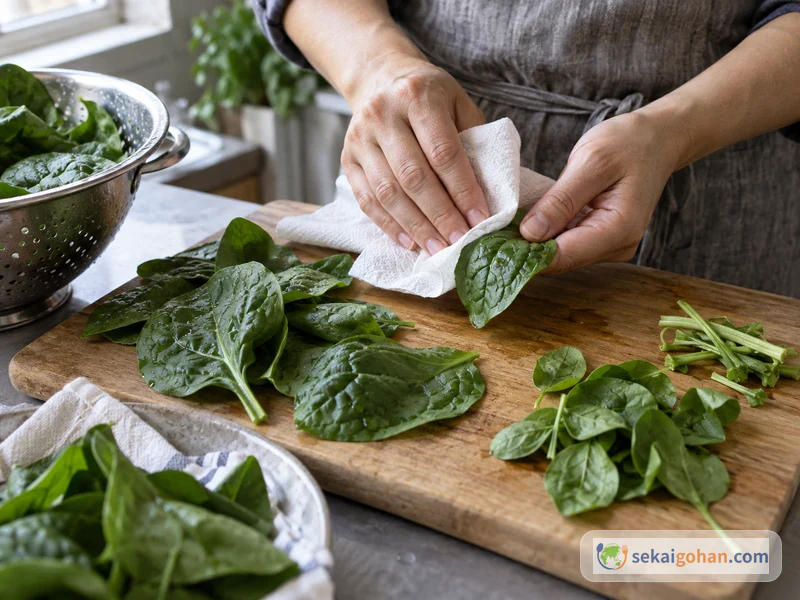
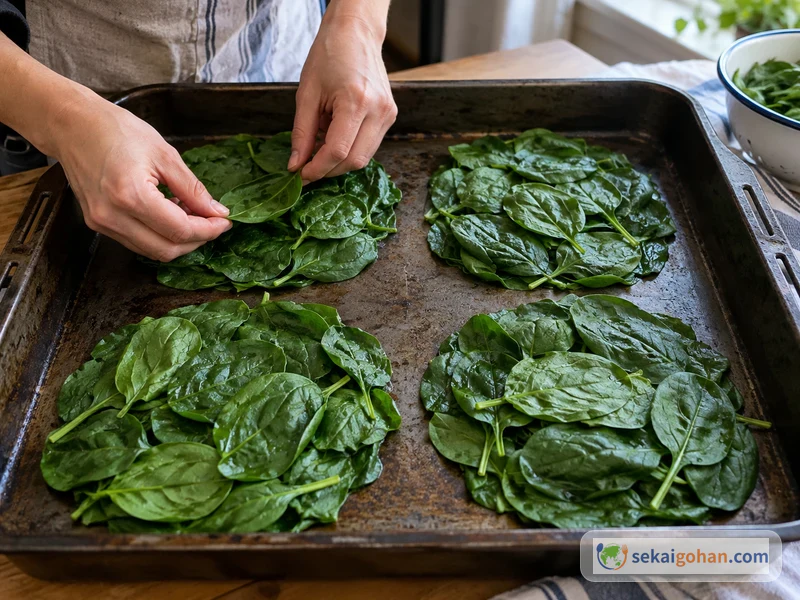
Taro leaves, the traditional wrapper, are hard to find in many places, but collard greens or spinach can stand in. Here we bake lu pulu with spinach. It is a version adjusted for the home kitchen, so you lose the sticky texture of taro leaves, but the combination of coconut cream and corned beef comes through just as well.
For the coconut cream, choose canned cream. Some products are diluted with water, so check that the label says "coconut cream" and look at the ingredients list.
If you can get hold of taro leaves, always cook them thoroughly for a long time. Raw or undercooked taro leaves contain calcium oxalate crystals that can cause severe itching and irritation of the mouth, tongue and throat. Removing the thick central rib of the leaf and choosing young leaves reduces the irritation.
Cans of corned beef vary in size. This recipe uses 14 oz (400 g), so check the net weight on the label and use cans totaling around that amount. Corned beef is quite salty, so go easy on the salt in the filling.
How to make lu pulu
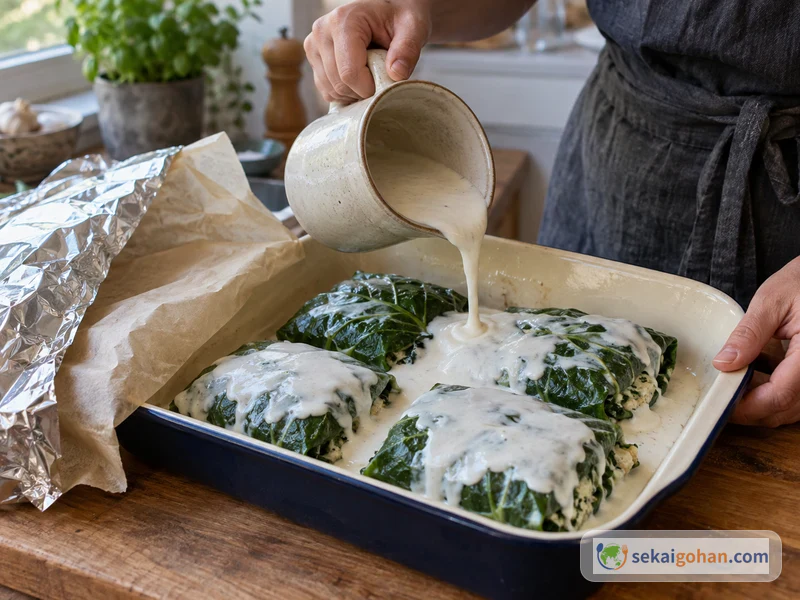
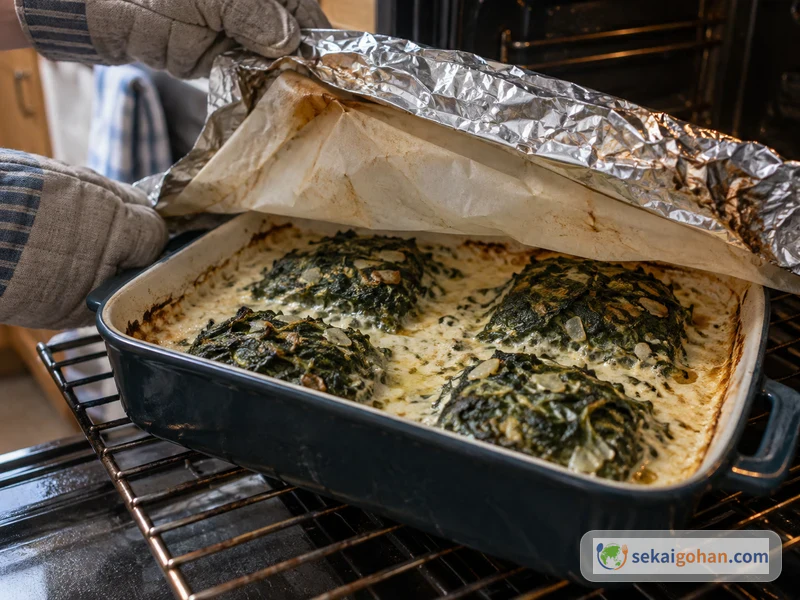
Allow about 20 minutes for prep and about 1 hour of oven time, for about 1 hour 20 minutes in all. Preheat the oven to 350°F (170°C) before baking.
Corned beef is already cooked in the can, so the baking time is for heating the filling through, reducing the cream and cooking the leaves. It is easier to judge doneness by whether the cream has thickened.
If the astringency of spinach bothers you, dip the leaves in boiling water for about 10 seconds before wrapping, plunge into cold water, and wipe dry without squeezing. The leaves become soft, so handle them carefully so as not to tear them when wrapping.
Serving and variations
Serving lu pulu
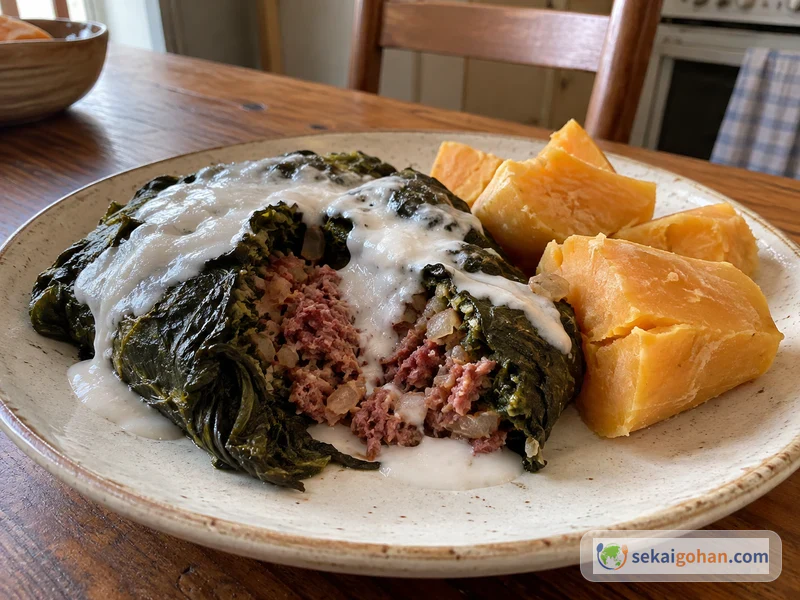
Lift the parcels out one by one with a spatula so they stay whole, set them in bowls and spoon the coconut cream left in the dish over the top. In Tonga it is eaten with taro or green bananas. Elsewhere, steamed sweet potato or taro, or boiled potato, goes well. Eat the roots with the cream clinging to them, and the saltiness of the corned beef becomes just the right seasoning.
Chicken, fish and tomato versions
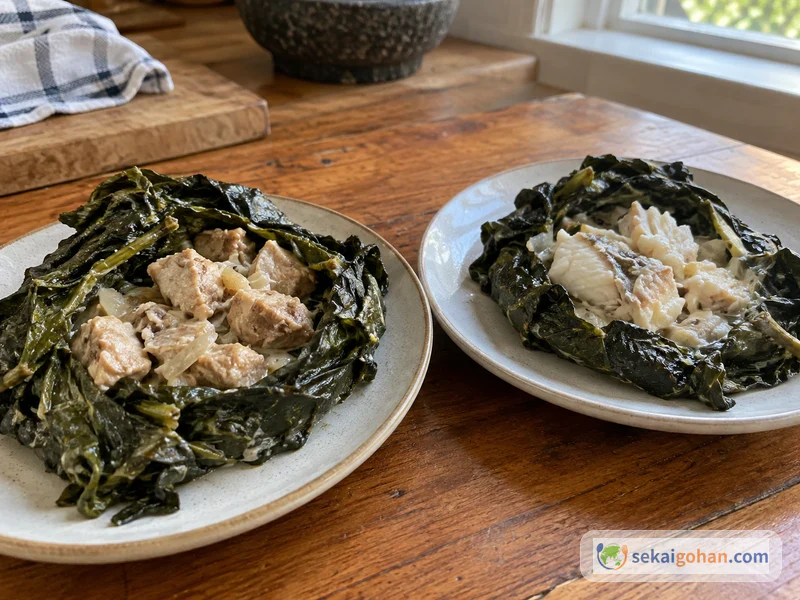
Swap the corned beef for chicken and you have lūmoa. If you use raw chicken, cut it into bite-size pieces and salt them, keep the same baking time, and check that the center of the largest piece is cooked through. With white fish it becomes lūika. Fish cooks faster than meat, so start checking partway through and take it out when the center is white and cooked through.
Some households add tomato. Mix in one chopped tomato and its acidity meets the sweetness of the coconut cream for a somewhat lighter taste. If you find the corned beef too salty, raise the onion to 1.5; its sweetness softens the salt.
Frequently asked questions
Where can I buy taro leaves?
They are rarely seen in ordinary supermarkets in many places. If you do find them, remove the thick central rib and cook them thoroughly for a long time. Undercooked, they can cause strong irritation in the mouth and throat.
Can I make it with coconut milk?
You can, but milk has more water than cream, so the result is watery and the cream does not reduce during baking. If you use milk, remove the foil at the end and bake about 15 minutes more to drive off the moisture.
What if I have no oven?
Line the parcels in a heavy pot, pour in the coconut cream, cover, and steam-simmer over very low heat for 30 to 40 minutes. It scorches easily, so check the bottom of the pot now and then.
Can I make it ahead?
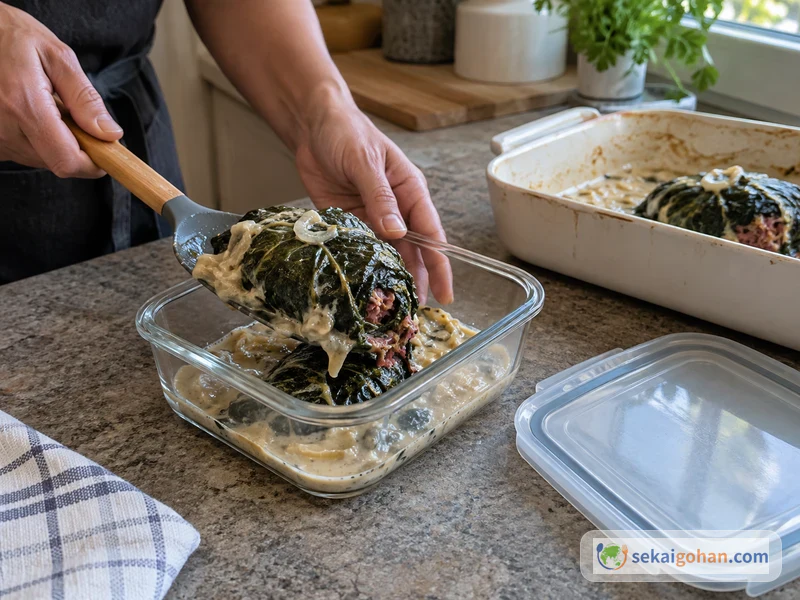
Dishes with coconut cream spoil easily, so lu pulu is best eaten the day it is made. If there is some left, cool it briefly and refrigerate it at once, and when reheating, heat it until it is thoroughly hot all through.