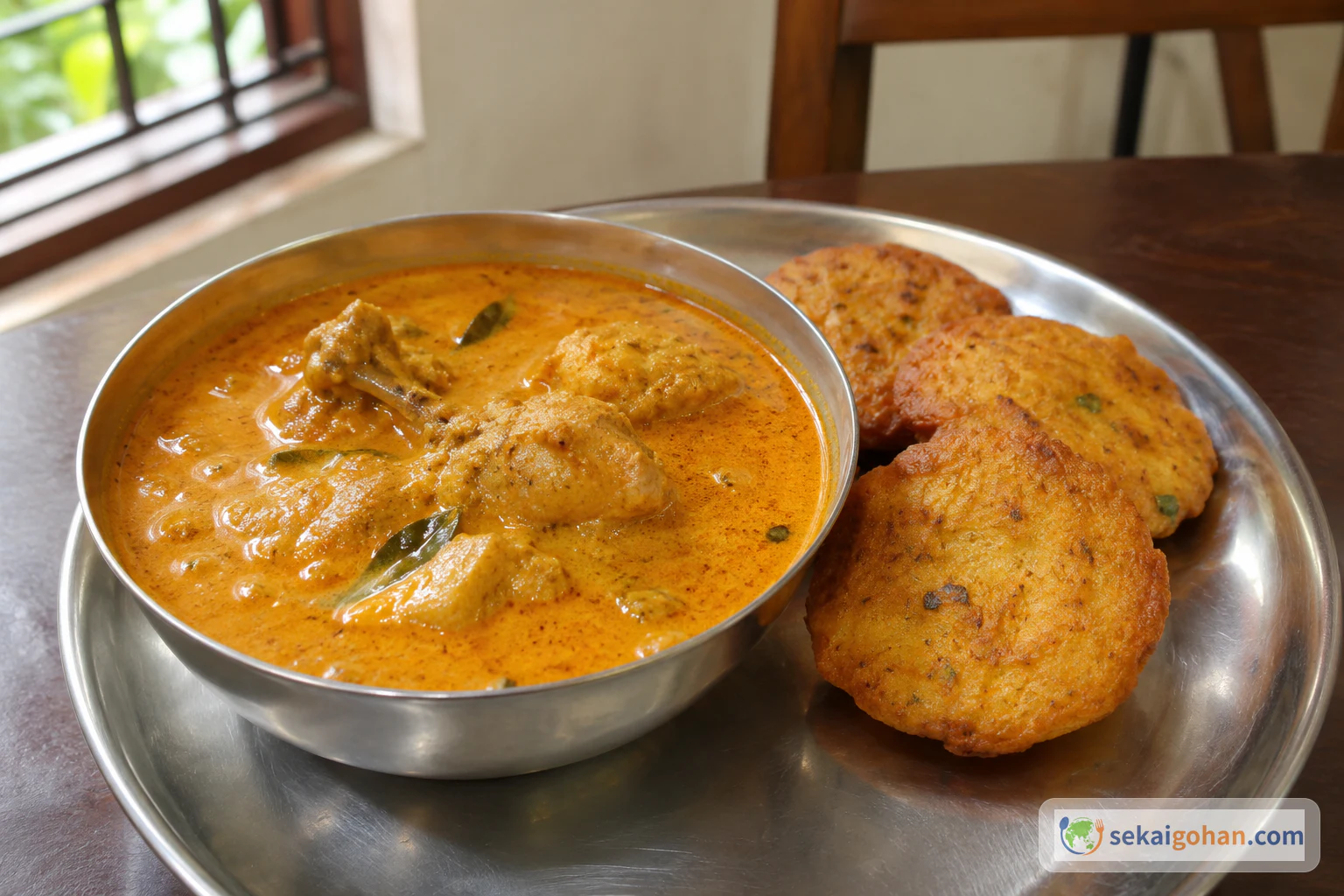
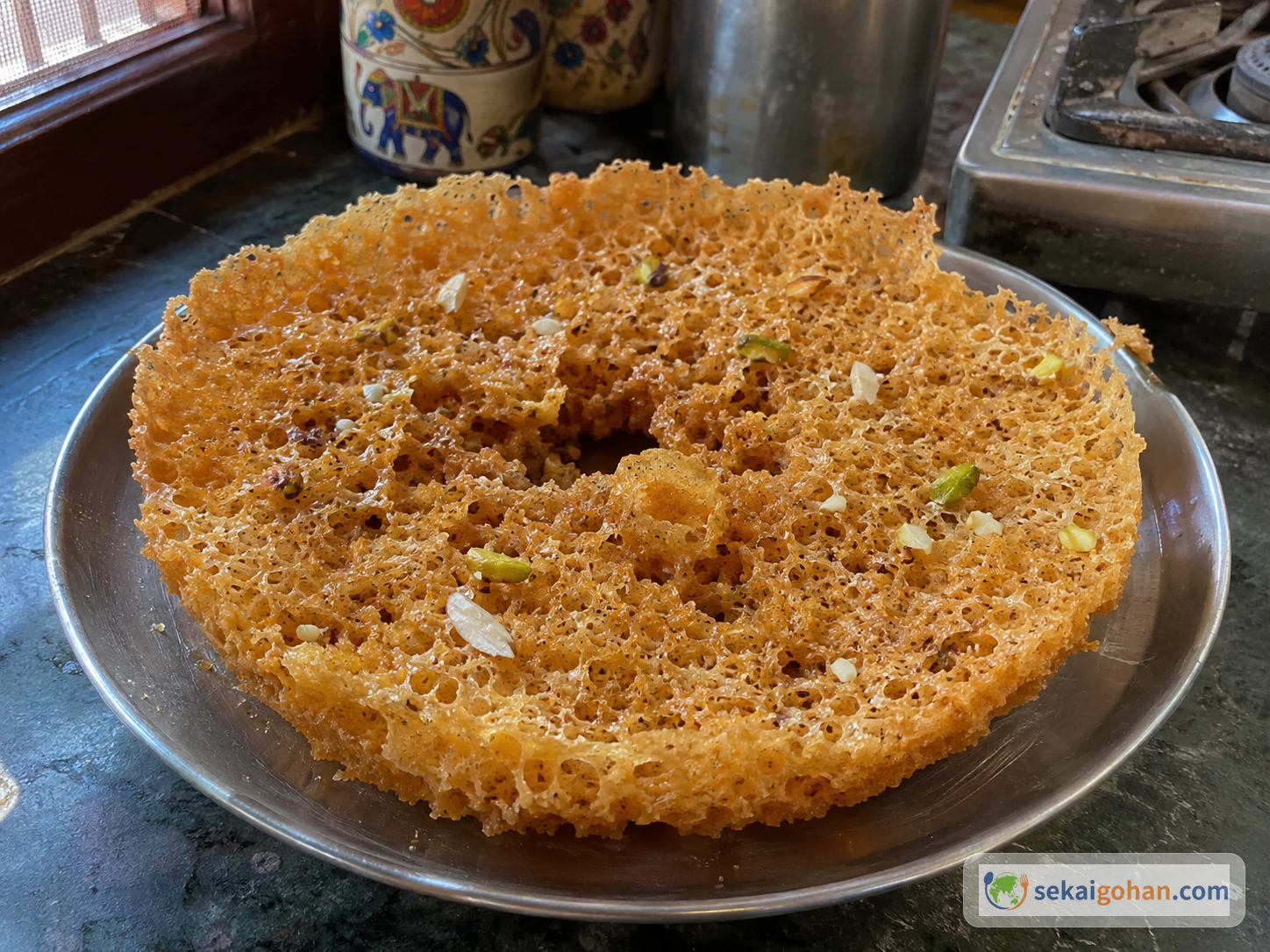
Simmer chana dal in a small pot and the kitchen fills with the sweet smell of the legume. Stir in cumin, ginger and green chile and it turns into a coarse, crumbly filling, ready to be wrapped in wheat dough and fried. Dalpuri (Dal Puri / दाल पूरी) is a home dish from northern India. Break one open by hand while it's still hot and the aroma of the dal comes out with the steam. Under it is the crumbly filling, inside the fried wheat.

What dalpuri is
The name and how it's eaten
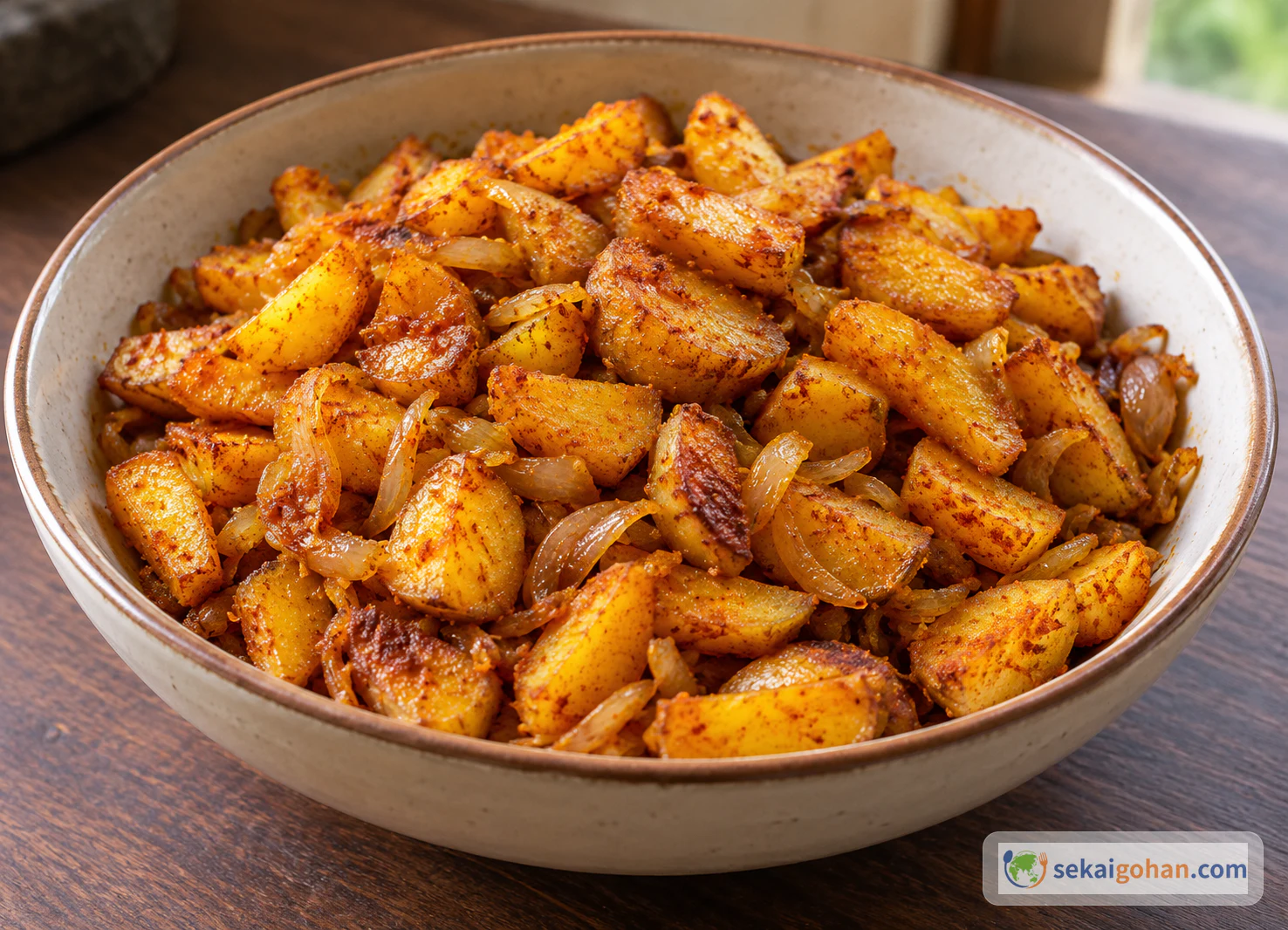
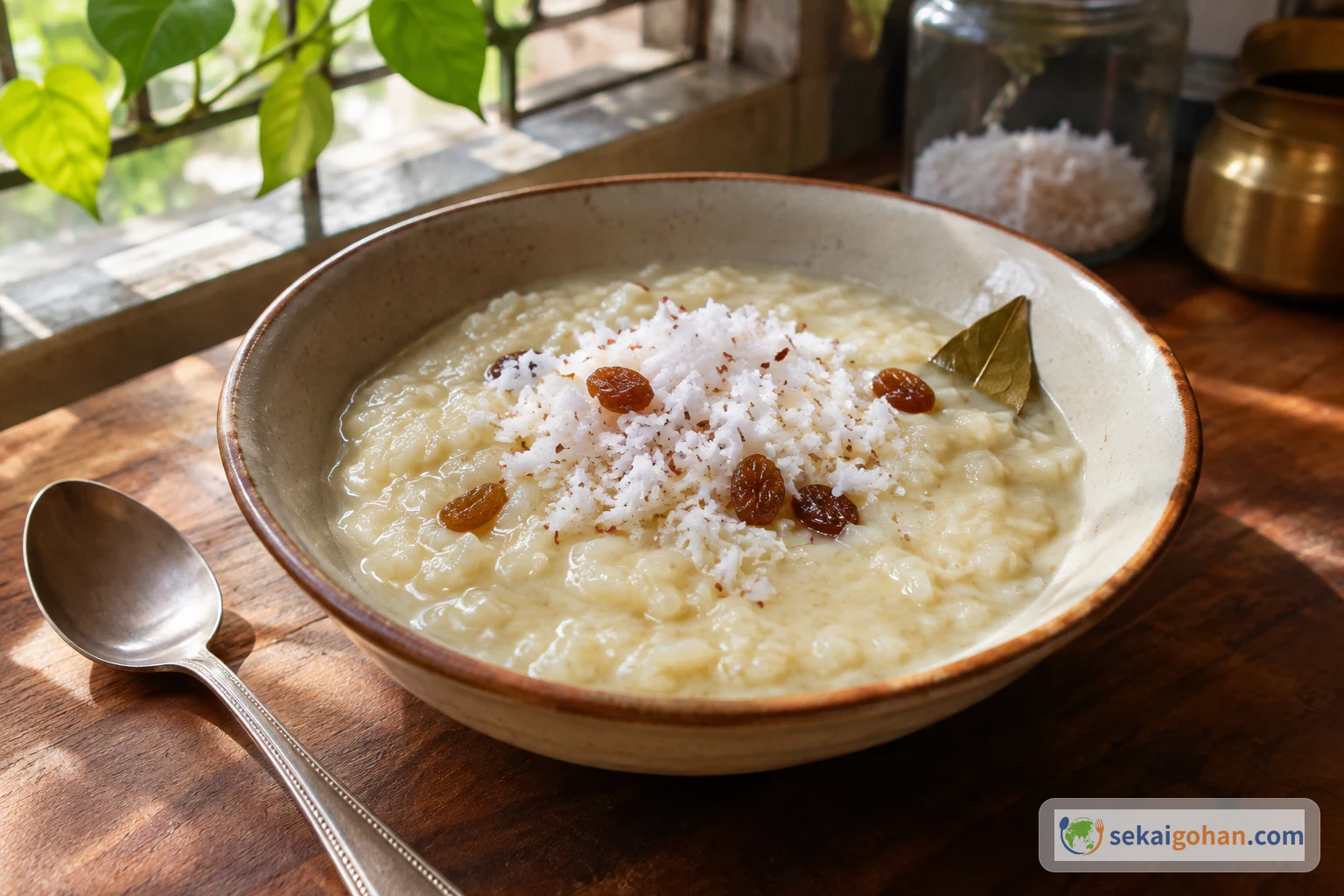
The name is literal: dal means lentils or split pulses, and puri means fried bread. Cooks use chana dal, mung dal or yellow split peas. The result is either a small puri puffed in oil or a large roti cooked on a tawa. In Indian kitchens the spiced dal is stuffed into small rounds of dough and fried, then served with potato sabzi and kheer at breakfast, at lunch and on festive tables.
Dal tadka cooks the dal down to something soft. Here the filling is dried out and wrapped, as in samosa. Dalpuri works as bread beside a curry or as a breakfast plate. Next to aloo gobi or chana masala, it makes a satisfying meal even without rice.
Dalpuri is the main spelling used here. The fried version from India is called dal puri, dal bhari puri or masala dal poori. The thin griddled roti of the Caribbean is sometimes spelled dhalpuri, dhalpuri roti or dhalpourie.
Fried dalpuri and thin griddled dhalpuri

Wrapping dal in dough changed shape wherever it traveled, to suit the local flour, cooking and table. Today you'll find two main types: round puffed fried bread and large thin roti.
| Direction | Main region and context | Cooking | Dough | How it is eaten |
|---|---|---|---|---|
| Fried dal puri / dal bhari puri | Northern India, home breakfasts and festivals | Oil at 350 to 350°F (170 to 180 °C) | Atta or wheat flour. Wrapped small | With aloo sabzi, achar, sweet kheer |
| Thin griddled dhalpuri roti | Indo-Caribbean and Indian-diaspora cooking in Trinidad, Guyana, Mauritius and elsewhere | Tawa or cast-iron pan over medium-high heat | Often wheat flour with baking powder | Wrapped around curry, roti-shop wraps |
| A middle home version | When you want to use less oil at home | A little oil in a skillet | The dough of this article rolled thinner | Alongside dal or vegetable curry |
Trinidad and Tobago's dhalpuri is a thin bread that wraps curry as part of a roti wrap. The idea came with Indian migrants and took on a new role at the local table. Cooks there boil yellow split peas, dry them out, and grind them fine with garlic, chile and roasted cumin. The filled dough is then cooked on a tawa for about 2 minutes per side.
Mauritius's dholl puri is also a thin griddled bread. The dal is dried to a powder rather than cooked down, and the breads are eaten stacked two together, to scoop up rougaille, bean curry and achar. So the dough has to be thick enough to hold liquid, and that depends on whether the bread is fried or griddled and whether it's eaten on its own or wrapped around something saucy. It's worth picking your version before you start. For the fried one, wrap a dry filling in a small round and puff it in oil. For the thin one, spread yellow split pea powder all the way to the edge of the dough and cook it on a flat tawa or a heavy skillet.
Ingredients (8 pieces, serves 4)

This quantity makes 8 pieces. With side dishes it serves 4; if dalpuri is the star, it serves 2 to 3. Because it is eaten fresh from the oil, making them on the small side at first makes them easier to wrap and the oil temperature easier to manage.
This recipe contains wheat. Dairy is not used in the base recipe, but if you add ghee or yogurt, milk components come in. Avoid it if you are allergic to legumes. Frying oil gets very hot: do not fill the pot more than half with oil, and put in only ingredients with the water drained off.
Nutrition (per serving, an approximation for 2 pieces)
| Nutrient | Approximate |
|---|---|
| Calories | 472 kcal |
| Protein | 15 g |
| Fat | 19 g |
| Carbohydrates | 2.25 oz (61 g) |
| Fiber | 10 g |
| Sodium | 760 mg |
Ingredients that cause hesitation when shopping

For dalpuri, the dal and the flour change the result more than the oil or the all-purpose flour. Chana dal is quickest to find at Indian grocery stores or online. If you don't have it on hand, you can practice with yellow split peas or skinless mung dal. Only ingredients that are useful in other Indian dishes and hard to find at a typical supermarket need extra thought.
Atta flour is the whole wheat flour used for chapati and puri. You can make this with ordinary whole wheat flour alone, but atta has finer particles and stretches better when kneaded, reducing tears in a stuffed bread.
Cumin seeds have a lift that powder alone doesn't give. The moment they foam in the oil, the dal filling swings toward the aroma of Indian cooking. Because they can also go into bhindi fry and dal tadka, they are a first whole spice that rarely goes to waste.
Amchur is dried mango powder. Lemon juice also adds sourness, but adding it as a powder keeps the filling from getting watery. In dalpuri, its job is less to add sourness than to keep the filling dry enough to wrap.
Choosing ingredients and substitutes for dalpuri
Dalpuri is home cooking, so you can swap ingredients. Change everything, though, and you end up with plain fried bread with beans. Keep four things: a dry dal filling, the smell of cumin, the toasty whole wheat, and the puff in the oil.
| Where you hesitate | Closer to the original | Practical alternative | Effect on the result |
|---|---|---|---|
| Dal | Chana dal, mung dal | Yellow split peas, skinless mung dal | Yellow split peas are light, mung dal is soft |
| Flour | Atta | 5.5 oz (160 g) whole wheat flour plus 5 oz (140 g) all-purpose flour | A shallower aroma, but easier to wrap |
| Sourness | Amchur | 1 tsp lemon juice | Adds moisture, so add after it cools |
| Aroma | Cumin seeds, ajwain | Cumin seeds only | Cumin alone still keeps the core of the dish |
| Heat | Green chile | Shishito pepper, a little dried red chile | The aroma changes, but heat is easy to adjust |
| Frying oil | Canola oil; some households mix in a little mustard oil | Rice bran oil, vegetable oil | Mustard oil is strongly scented, so skip it the first time |
If you can't find chana dal, don't use dried chickpeas as they are. They're large, and a short cook leaves a hard core. You'd have to soak them overnight and crack them coarsely first. Yellow split peas have small grains and handle much like split chana dal. If chana dal is all you have for the thin griddled version, go ahead and use it. Its grains are bigger, so don't overcook it, and break it up finer once it has cooled.
Without atta, whole wheat flour on its own can crack the dough. Mixing in all-purpose flour helps the dough stretch, at some cost to the toasty flavor. The first time, use the blend in the table, then move toward atta once you're comfortable wrapping.
Method
Dalpuri goes in this order: cook the dal, dry the filling, wrap it in dough, fry. If the filling is warm just before wrapping, the dough sweats and tears easily. It goes more smoothly if you make the dal filling first and knead the dough while it cools.
In dalpuri, not just the outer dough but the moisture in the dal inside turns to steam. Around 350°F (180 °C), the surface sets while the inner steam puffs it. In the 160s °C it soaks up oil easily, and above 375°F (190 °C) only the outside colors deeply, and frying is over before the aroma of the dal comes out.
Common dalpuri problems and fixes
At home, the hard part is moisture, not finding the ingredients. Cook the dal too soft and the filling turns to paste, and the dough tears the moment you wrap it. Too hard, and the grains push through the dough when you roll it out.

The filling is sticky
The dal was overcooked or not drained well enough. Put it back in the skillet over medium-low heat and fry it again for 2 to 3 minutes, without oil. It's ready to wrap when a wooden spatula drawn across the bottom of the pan leaves no streak of moisture.
It tears when rolled
The cause is hard filling grains, dough rolled too thin, or a seam that's too thick. If the grains were hard, cook the dal 2 minutes longer next time. To rescue a torn one, dab flour on the tear, press it closed and fry it as a smaller piece. If a hole opens up in the oil the dal will spill out, so don't force the dough thin.
It doesn't puff
The oil temperature is low or the dough is too thick. Wait until the oil reaches around 350°F (180 °C) and fry one at a time. Press gently with a slotted spoon for the first 20 seconds only, which bathes the surface in oil and traps steam inside. Cold dough also puffs weakly, so let dough from the refrigerator sit at room temperature for 15 minutes.
Oily and heavy
This happens when the puris spend a long time in oil in the 160s °C. Raise the heat for the next one, so strong bubbles appear as soon as it goes in. After draining, set each piece on a rack for 2 minutes to finish in its own heat. If you stack them on paper, steam softens them, so lean them against the rack to keep them light.
Serving, storing and a griddled version of dalpuri
Serving
Go easy on the curry so the filling still comes through. A little potato sabzi or achar on the side is enough, and raita cools the oil and heat. For an Indian menu, one of chana masala, aloo gobi or dal tadka is plenty. If you want a rice dish too, a small serving beside a gentle dal porridge like khichdi balances better than a heavy biryani.
Storage
Cool fried dalpuri completely, put a paper towel between each piece, and seal them in a storage bag. Keep it up to 2 days in the refrigerator or 2 weeks in the freezer. Reheat in a toaster oven at 350°F (180 °C) for 4 to 5 minutes, or in a dry skillet over medium-low heat for 1 minute per side. The microwave alone softens the crust, but 20 seconds in the microwave followed by the toaster oven brings the texture back.
You can make the filling up to 2 days ahead and keep it in the refrigerator. Moisture can collect on the surface there, so before using it, warm it in a skillet over low heat for about 2 minutes, then let it cool. Cold filling is easier to wrap and roll.
A thinner griddled version
You can also cook this dough the griddled way. Roll the unfried dough out to 7 to 8 inches (18 to 20 cm) across and heat a lightly oiled skillet over medium-high heat to a surface temperature of around 375°F (190 °C). Cook 90 seconds per side, and when small brown spots appear, brush with just 1/2 tsp oil and turn. It won't be as crisp or puffy as the fried version, but it uses far less oil, and you eat it much the way people eat Caribbean dhalpuri roti.
Frequently asked questions
Q1. Can I make it with red lentils instead of chana dal?
You can, but the texture changes a lot. Red lentils fall apart quickly, so stop cooking at 5 to 6 minutes, drain, and dry them thoroughly in a skillet. The filling comes out soft, and the result is closer to a light puri with bean paste than to dalpuri.
Q2. Is amchur required?
No. You can use 1 tsp lemon juice instead. Lemon juice is liquid, though, and stirring it into a hot, freshly fried filling makes it sticky. Add it after it cools, and if needed dry it for just 1 minute over low heat.
Q3. How spicy does it get?
One green chile is a little spicy for children. To lower the heat, remove the seeds and use half. For more heat, add 1/4 tsp chili powder to the filling. Frying softens the heat, so the finished bread is milder than the filling tastes right after stir-frying.
Q4. Can I make the dough the day before?
You can, but it firms up in the refrigerator. Brush it lightly with oil and keep it in a storage bag, then leave it at room temperature for 30 minutes the next day before using it. Cold dough cracks when rolled and lets the filling escape. If you have time, it's easier to make the filling the day before and knead the dough on the day.
Q5. What do I do with the leftover frying oil?
Bits of dal and flour end up in the oil, so cool it completely and strain it. It keeps a strong smell, so skip tempura and other delicate frying. Use it for tempering spices, for vegetable sabzi, or as the oil for a curry, where it clashes least. Throw it out if it's cloudy or smells strongly scorched.
Q6. What should I serve with it for a breakfast feel?
Potato sabzi, mango achar and plain yogurt are an easy combination. For something sweet, add kheer (rice simmered in milk) or a light chai. A small dal or vegetable side keeps the meal lighter than a heavy meat curry would.