Kulcha: Plain Yogurt Flatbread with Nigella Seeds, Cooked on a Tawa

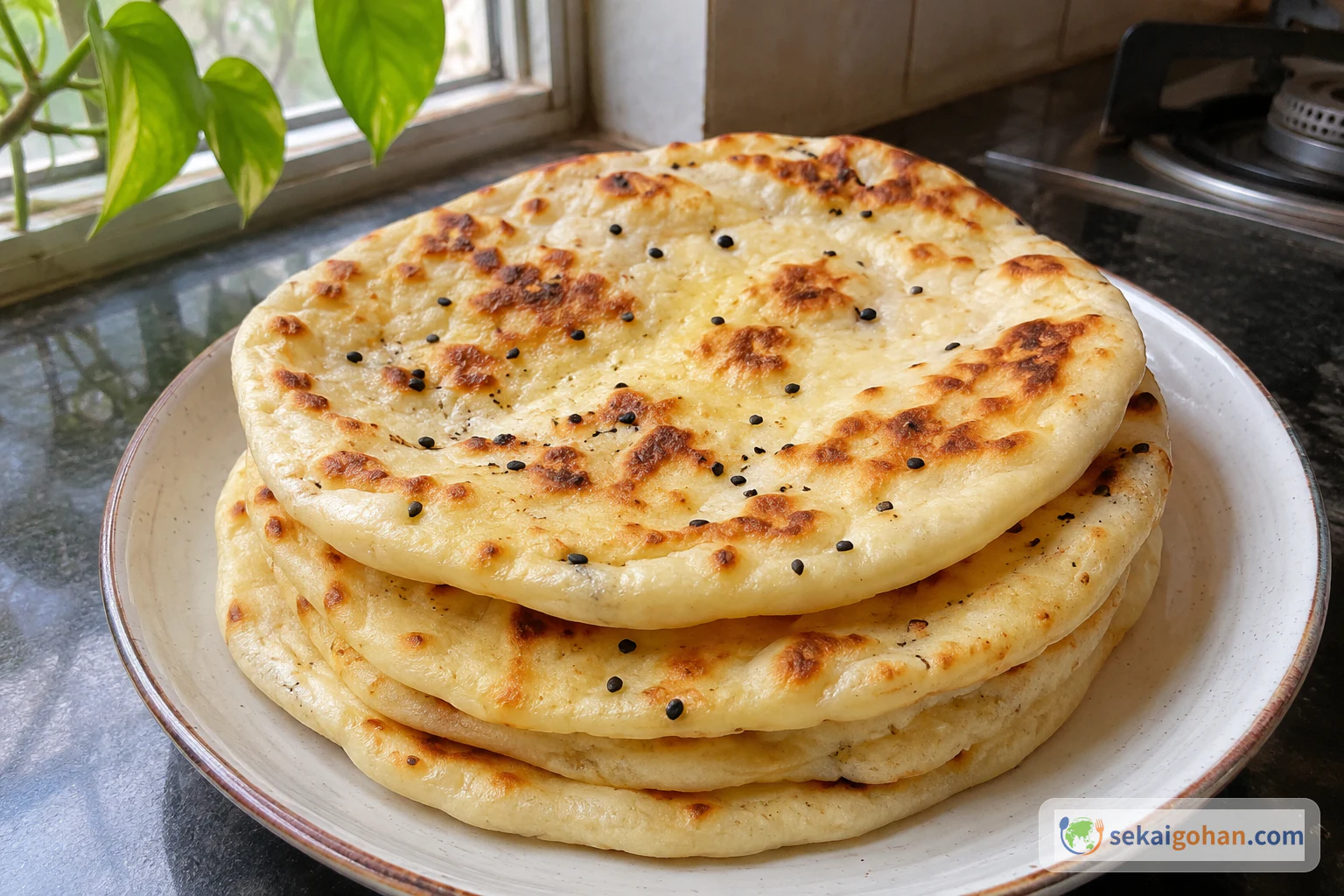
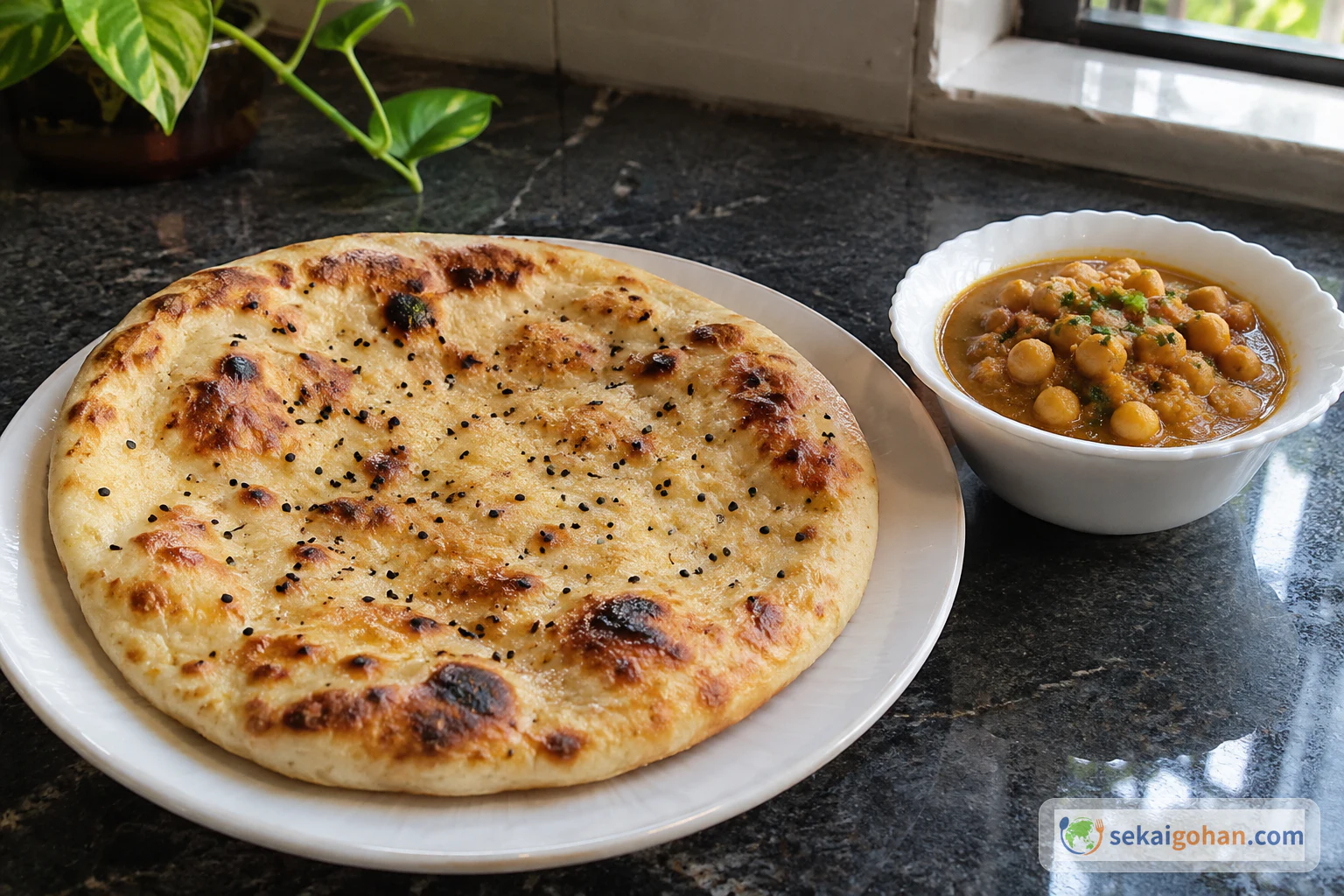
Finished plain kulcha with nigella seeds
Cuisine
Indian

How to make plain, unstuffed kulcha at home: a soft maida dough leavened with curd, baking powder and baking soda, rested for 2 hours, scattered with nigella seeds and roasted on a hot tawa with oil brushed on as it cooks. Covers ingredients, equipment, every step, signs to watch for, related kulcha styles and common questions.

Cooking flow

Cooking steps

STEP11 / 10

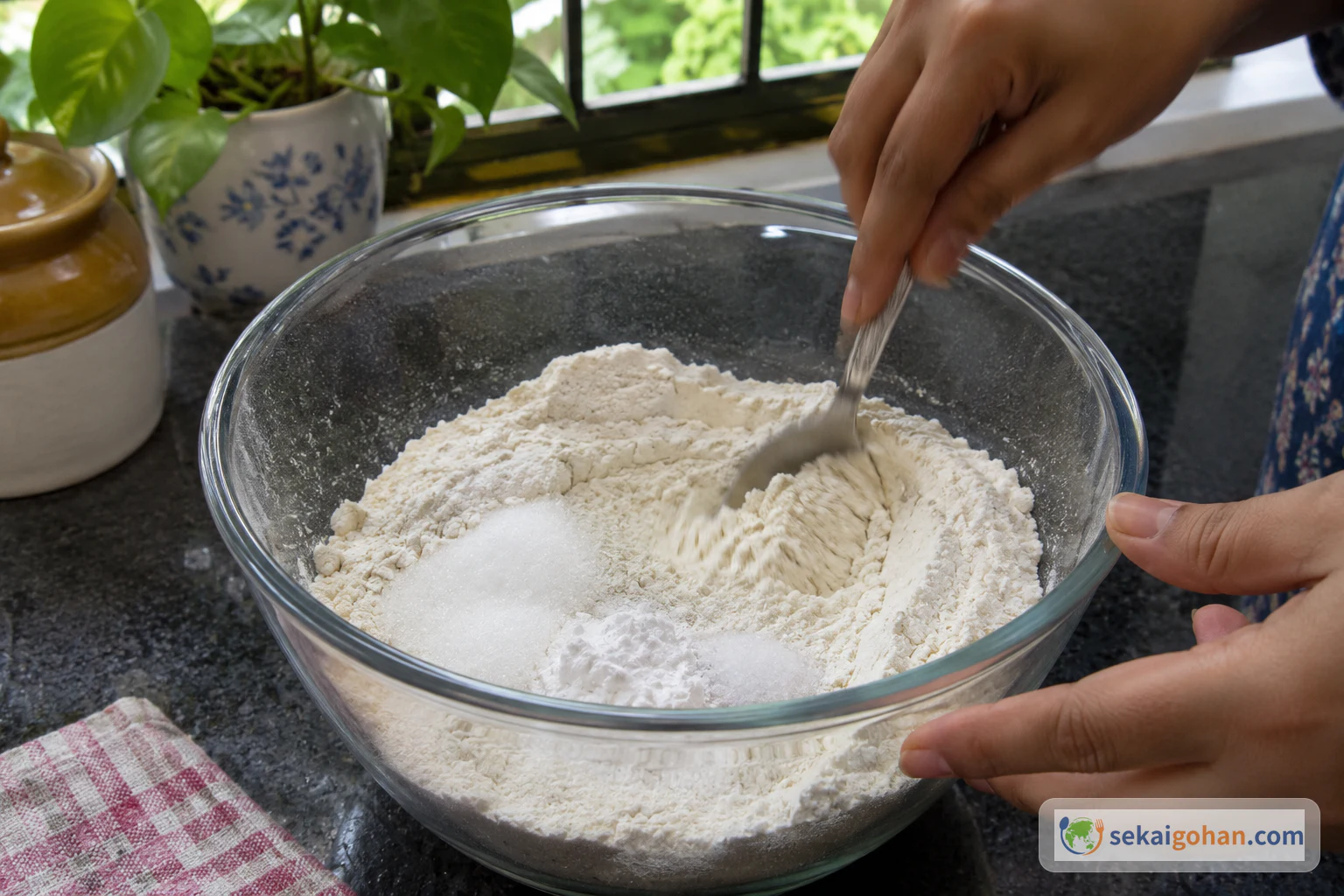
Mix the dry ingredients and make a well

Flour, seasonings and leaveners being stirred together in a bowl
Mix the dry ingredients before adding any liquid

Put the flour, salt, sugar, baking powder and baking soda in a large bowl and stir them together well. Push the mixture aside to make a well in the center.

STEP22 / 10

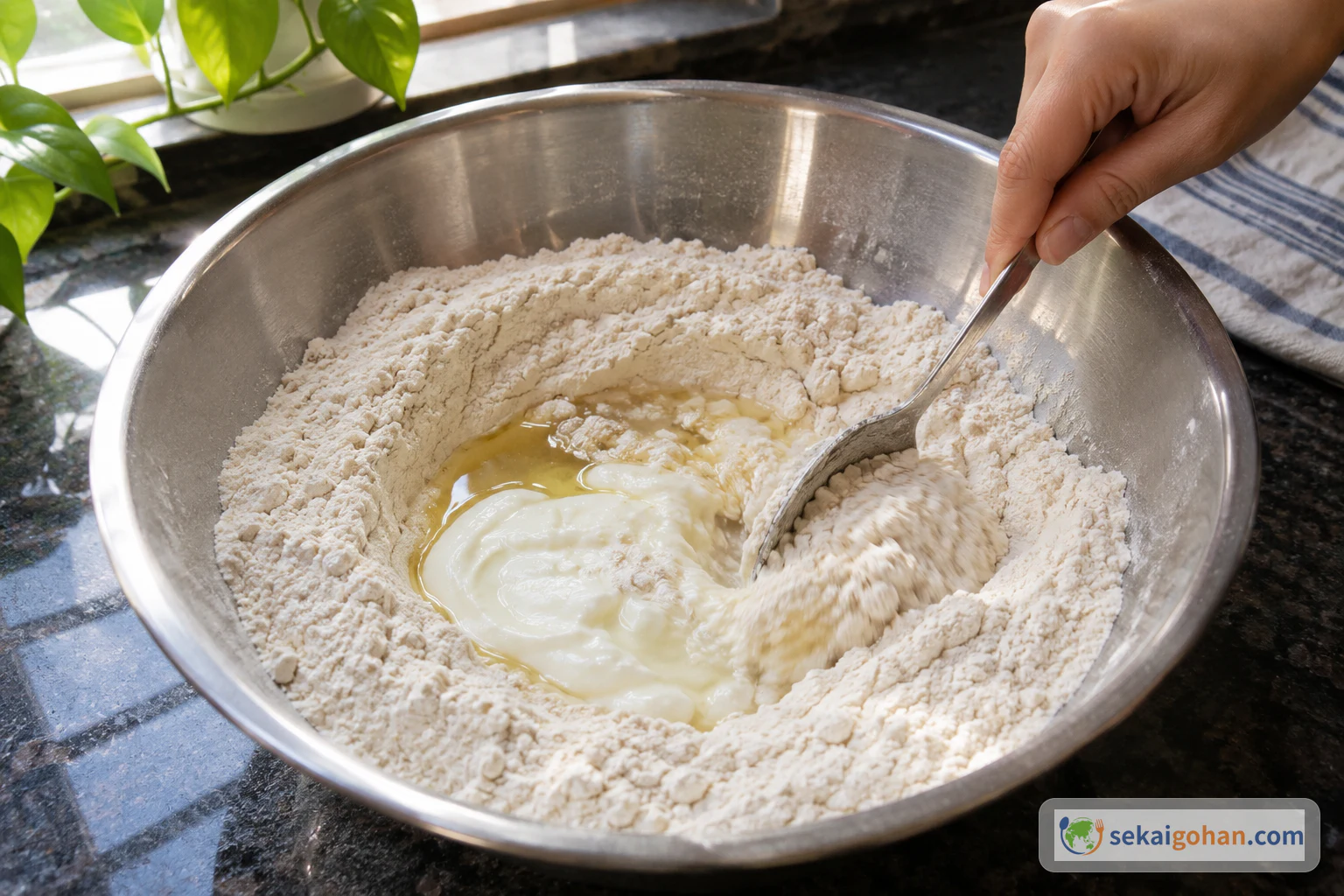
Add the curd, oil and water and draw in the flour

Flour being drawn into curd, oil and water in the center of the bowl
Bring the flour in from the edges toward the liquid

Pour the curd, the 2½ tbsp oil and some of the water into the well. Draw the surrounding flour into the liquid little by little. Add more water only as the dough needs it.

STEP33 / 10

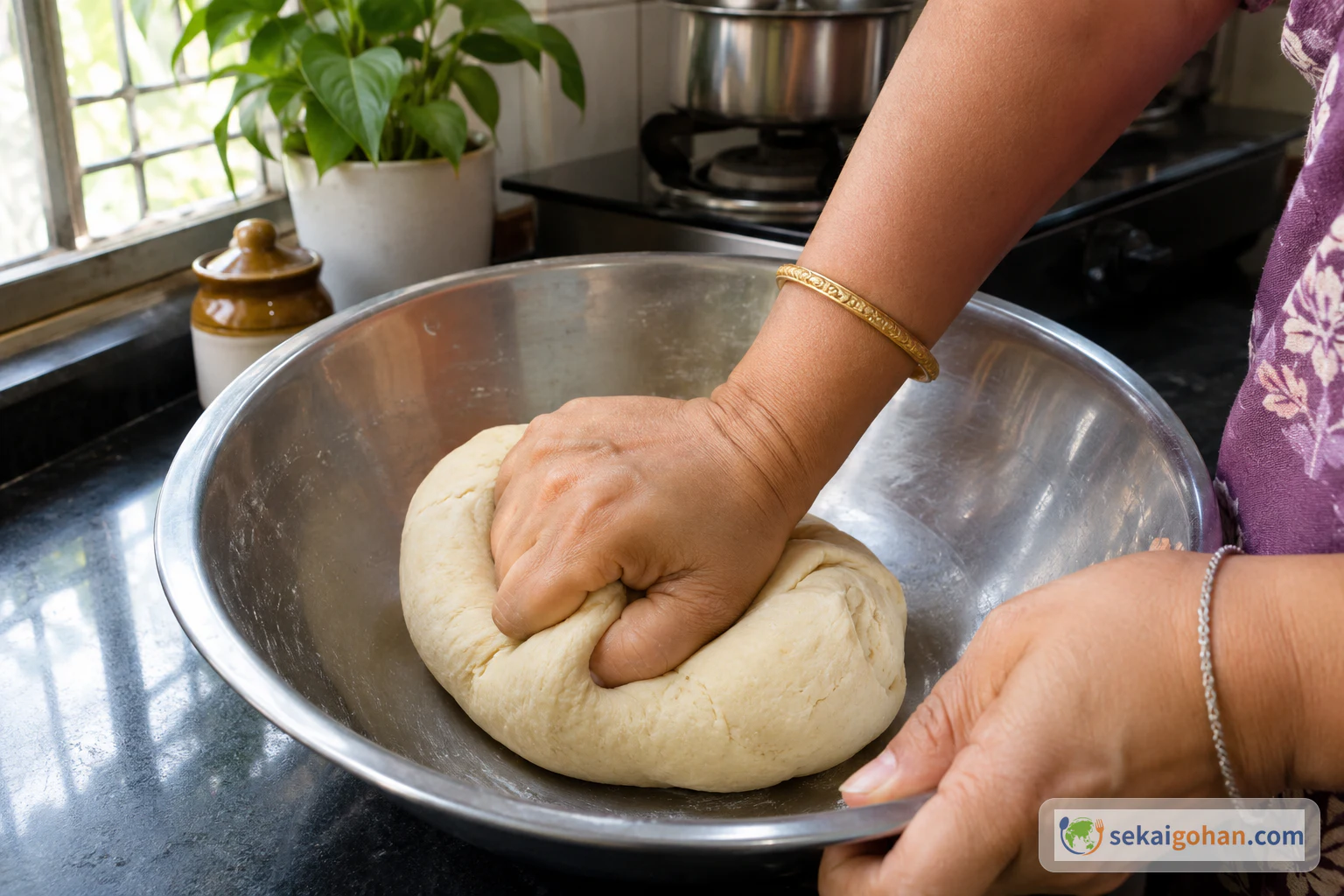
Knead into a soft, pliable dough

Hands kneading a soft, smooth dough
Knead until the dough is smooth and soft

Knead until the dough is smooth, soft and pliable.

STEP44 / 10

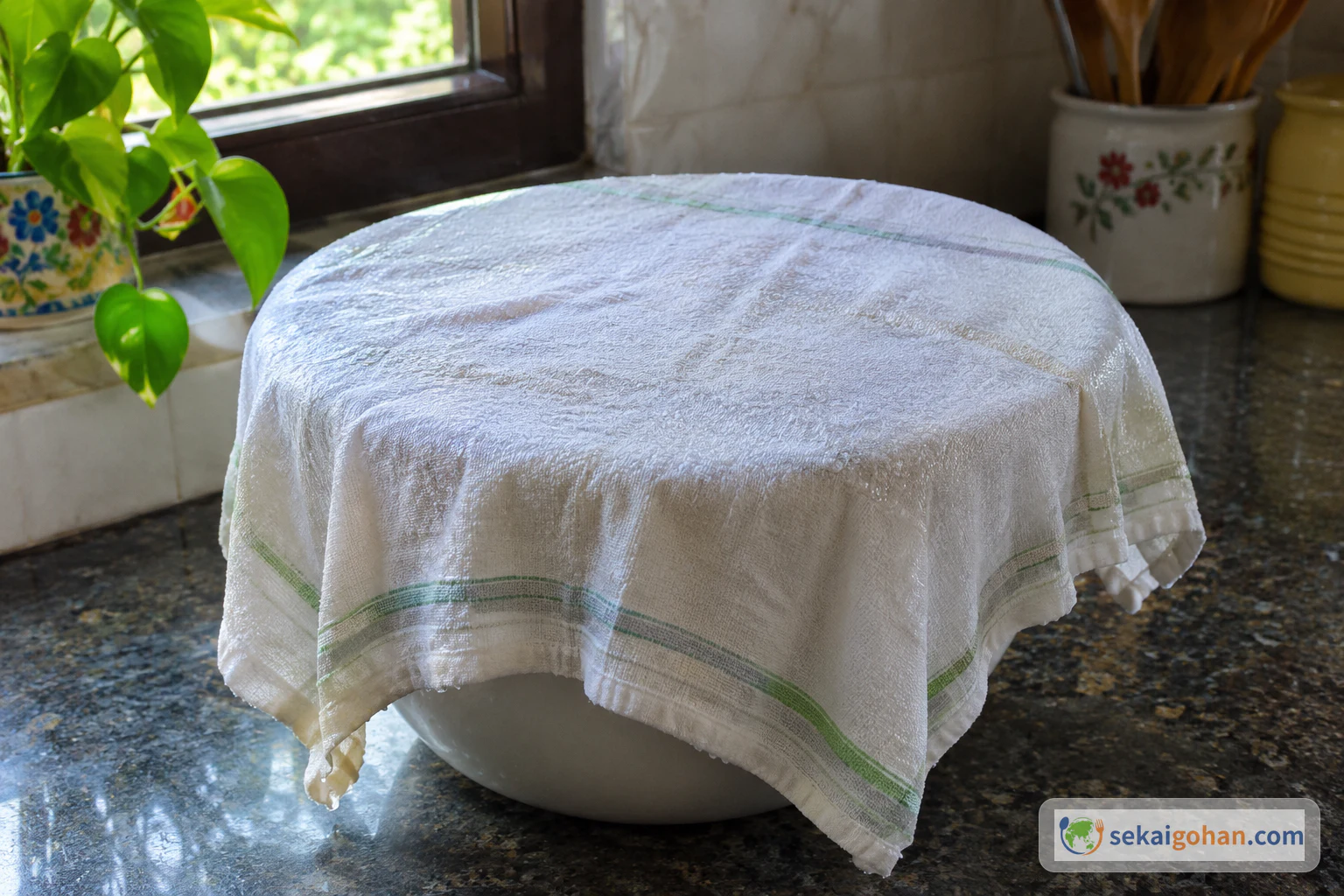
Cover, rest for 2 hours, then knead lightly

A bowl of dough covered with a clean damp cloth
Rest the covered dough for 2 hours

Cover the bowl with a clean, damp cloth and let the dough rest for 2 hours. Then knead it lightly once more.

STEP55 / 10

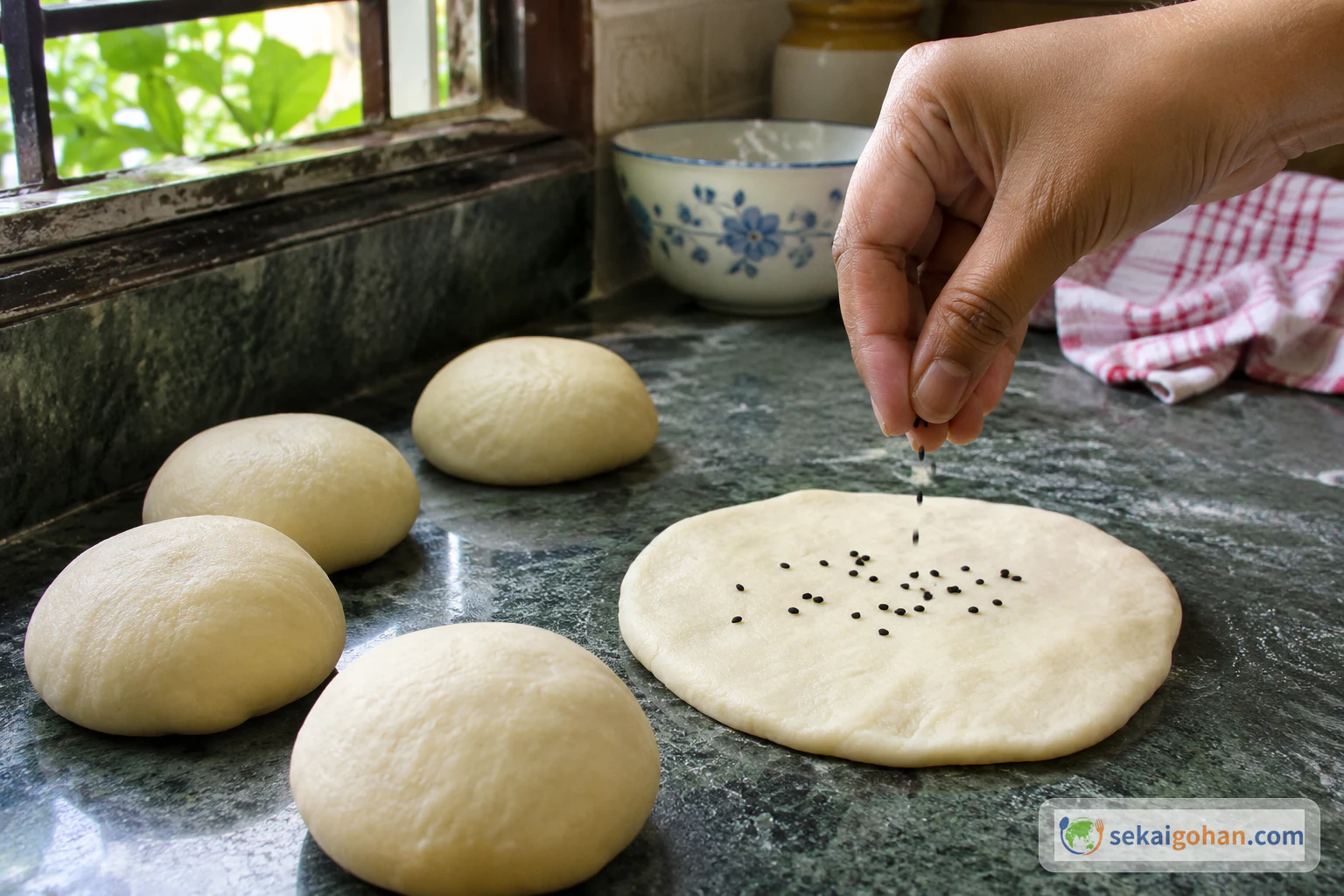
Shape small balls, flatten and add the nigella

Nigella seeds being sprinkled onto a flattened ball of dough
Add the seeds before rolling

Divide the dough into small balls and flatten each one slightly. Sprinkle nigella seeds over the top.

STEP66 / 10

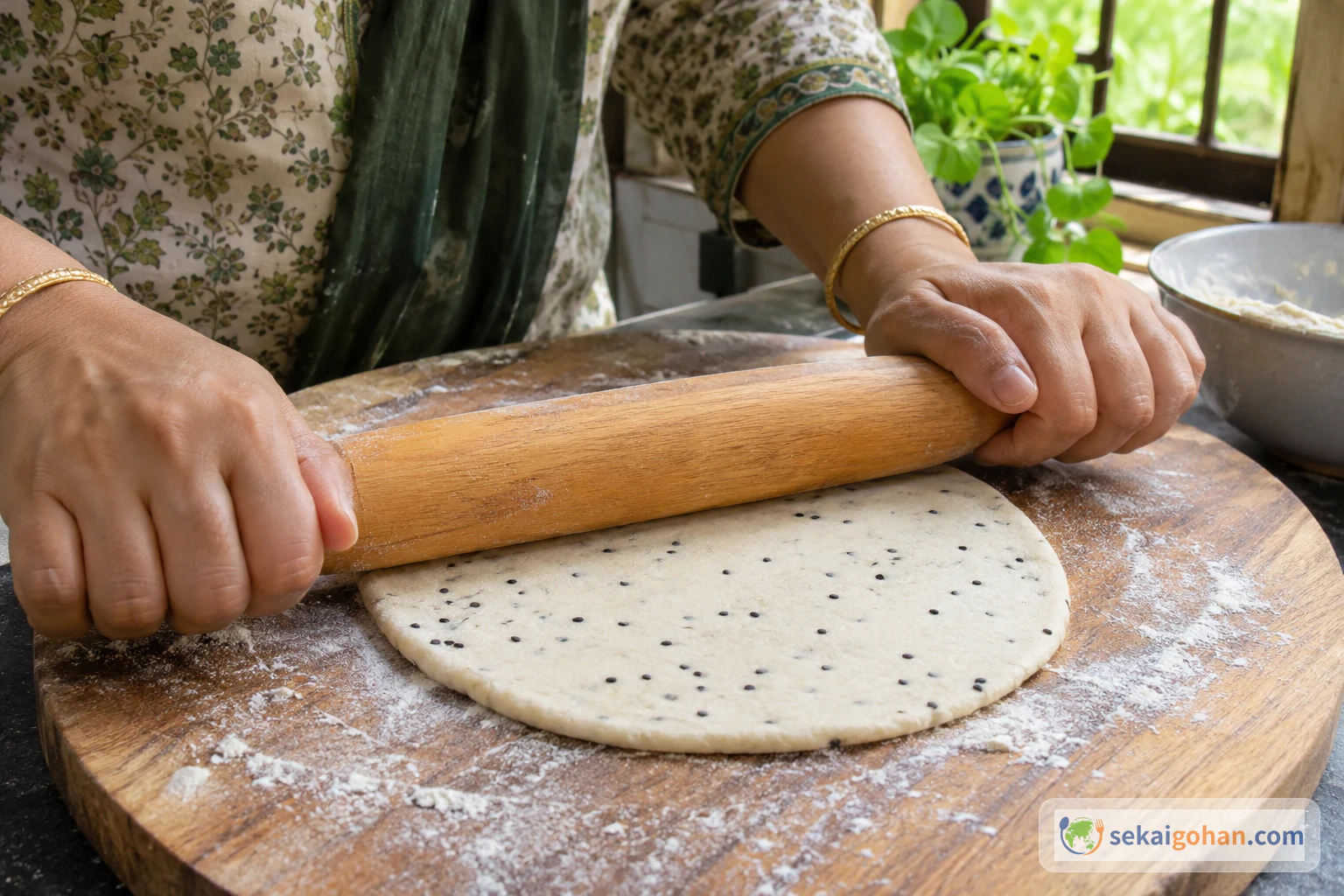
Roll to a medium thickness

A nigella-topped round of dough being rolled out on a floured board
Roll the kulcha slightly thick, not thin

Dust the work surface with flour. Roll each portion, seed side up, into a round of medium thickness, not too thin.

STEP77 / 10

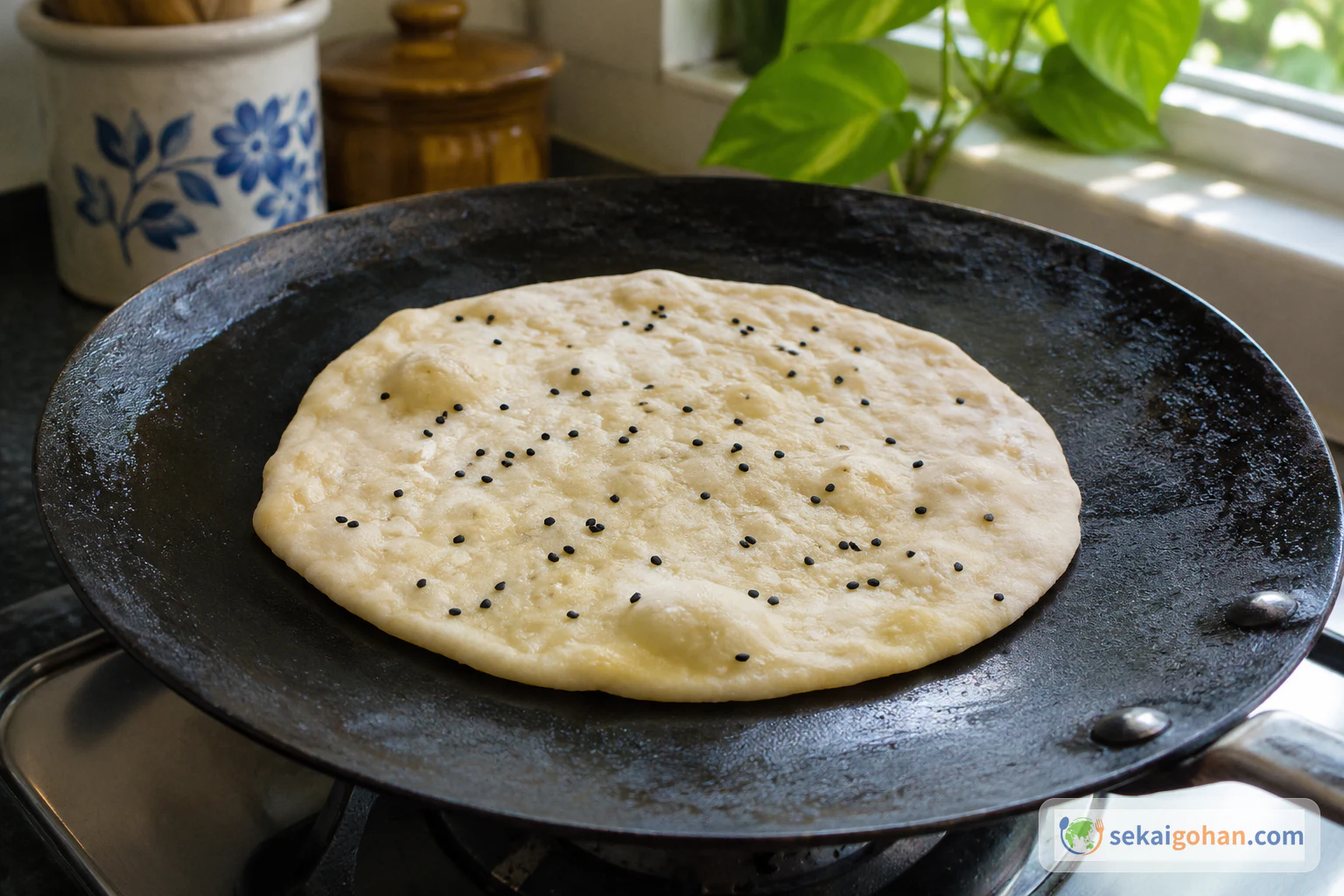
Cook the first side partly on a hot tawa

A kulcha on a hot tawa with small bubbles rising on the surface
Cook the first side partly

Heat the tawa well over medium-high to high heat. Place one kulcha on it and cook the first side partly, until small bubbles start to appear.

STEP88 / 10

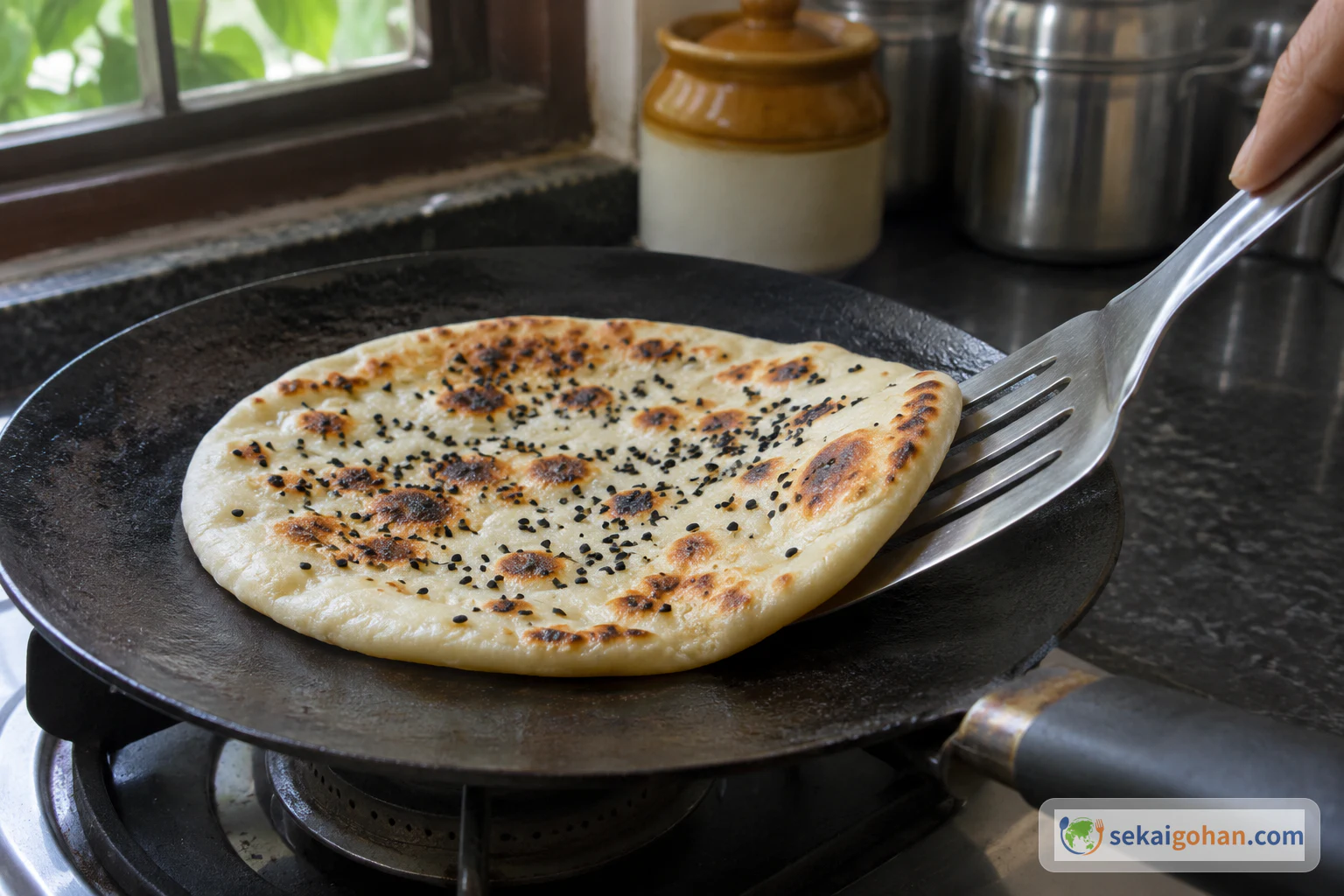
Flip and cook the second side partly

A spatula turning a partly cooked kulcha on the tawa
Flip once and cook the second side partly

Turn the kulcha over and cook the other side partly.

STEP99 / 10

Brush with oil and roast until cooked through

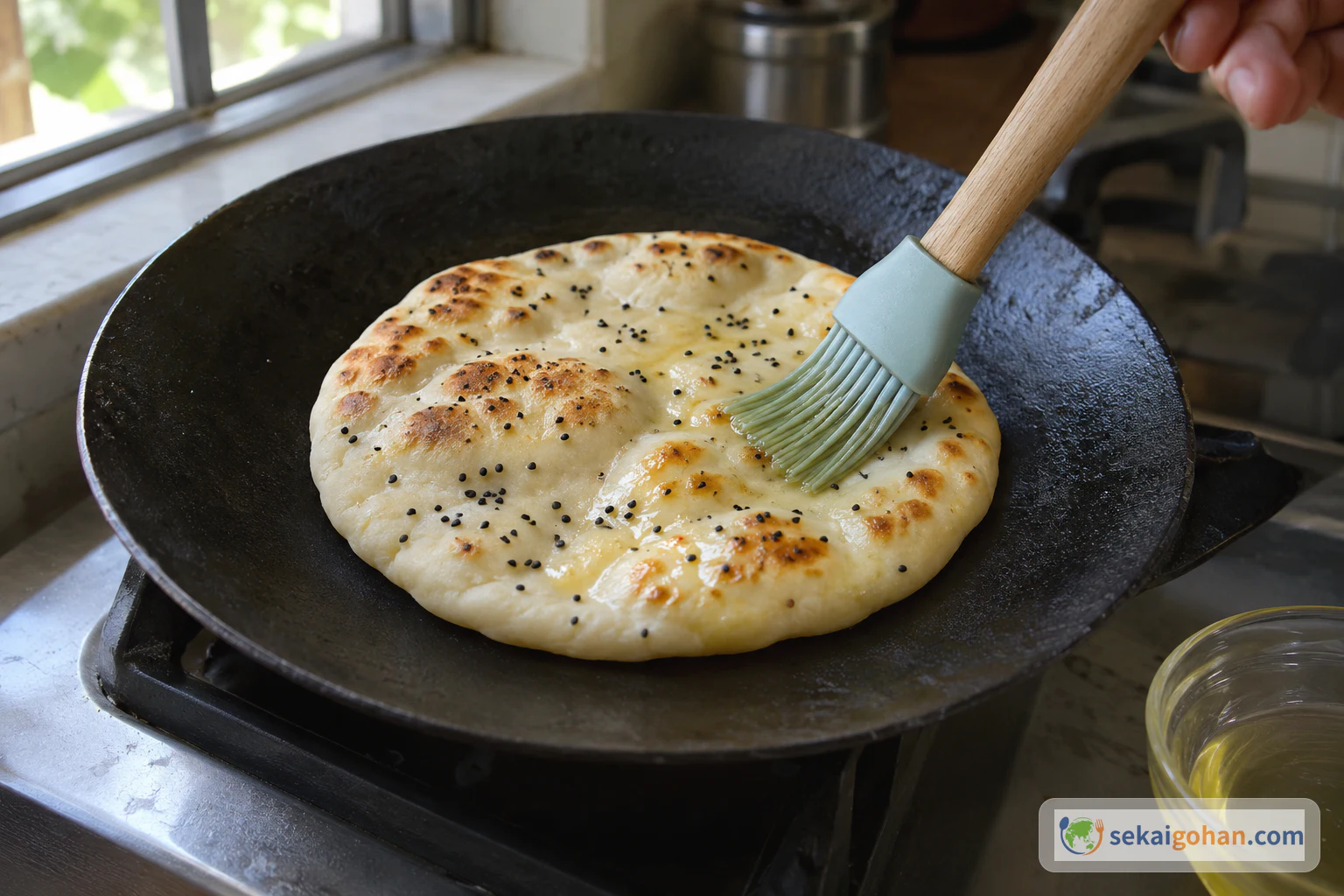
Oil being brushed onto a kulcha as it roasts on the tawa
Brush oil on while the kulcha is still cooking

While the kulcha is still on the tawa, brush oil over both sides. Keep roasting, flipping a few times as needed, until golden spots appear on both sides and the kulcha is cooked all the way through. Repeat with the remaining portions.

STEP1010 / 10

Keep warm and serve

Warm kulcha served beside a separate bowl of chickpea curry
Serve warm, with a chickpea curry alongside

Stack the cooked kulcha in a basket to keep warm, and serve them warm, with chana masala or another curry on the side.

0 / 0
Ingredients

Ingredients

1 / 1

Dough

Ingredient Amount Role
All-purpose flour (maida) 2½ cups The body of the dough
Plain yogurt (curd) 4 tbsp For a soft dough
Baking powder ½ tsp Leavening
Baking soda ¼ tsp Leavening
Sugar 2–2½ tsp Added to the dough
Salt ¾ tsp, or to taste Seasoning
Neutral oil 2½ tbsp Kneaded into the dough
Water about ¾ cup, more as needed Brings the dough together; add only what the dough needs

| Nigella seeds (kalonji) | 1 tbsp | Scattered on before rolling | | Neutral oil | as needed | Brushed on while the kulcha cooks | | Flour for dusting | as needed | For rolling |

0 / 0

A flat round of dough goes onto a hot tawa. Small bubbles begin to rise, and after a few turns and a brush of oil, the surface is freckled with golden spots. This kulcha is a soft, pliable North Indian flatbread made with maida (refined wheat flour). Curd, baking powder and baking soda soften and leaven it, and a light scattering of black nigella seeds goes on top. It has no stuffing, and it cooks on the stovetop instead of in a tandoor.

Kulcha in North Indian Home Cooking

The name "kulcha" covers a whole family of breads in India, and they can be quite different from one another. Some are stuffed with potato or paneer. Some use whole wheat flour: one oil-free version is made with atta and curd and topped with sesame and kasuri methi. Stuffed tawa kulcha uses maida with curd, melted butter and more leavening, wrapped around spiced mashed potato.

The best known is Amritsari kulcha, which is thicker, stuffed and baked in a tandoor. It is also distinct from the kulche that Delhi serves with chhole. The version here is the plain, home-style one, made on a tawa or skillet. "Plain" just means unstuffed.

Ingredients for Plain Nigella Kulcha
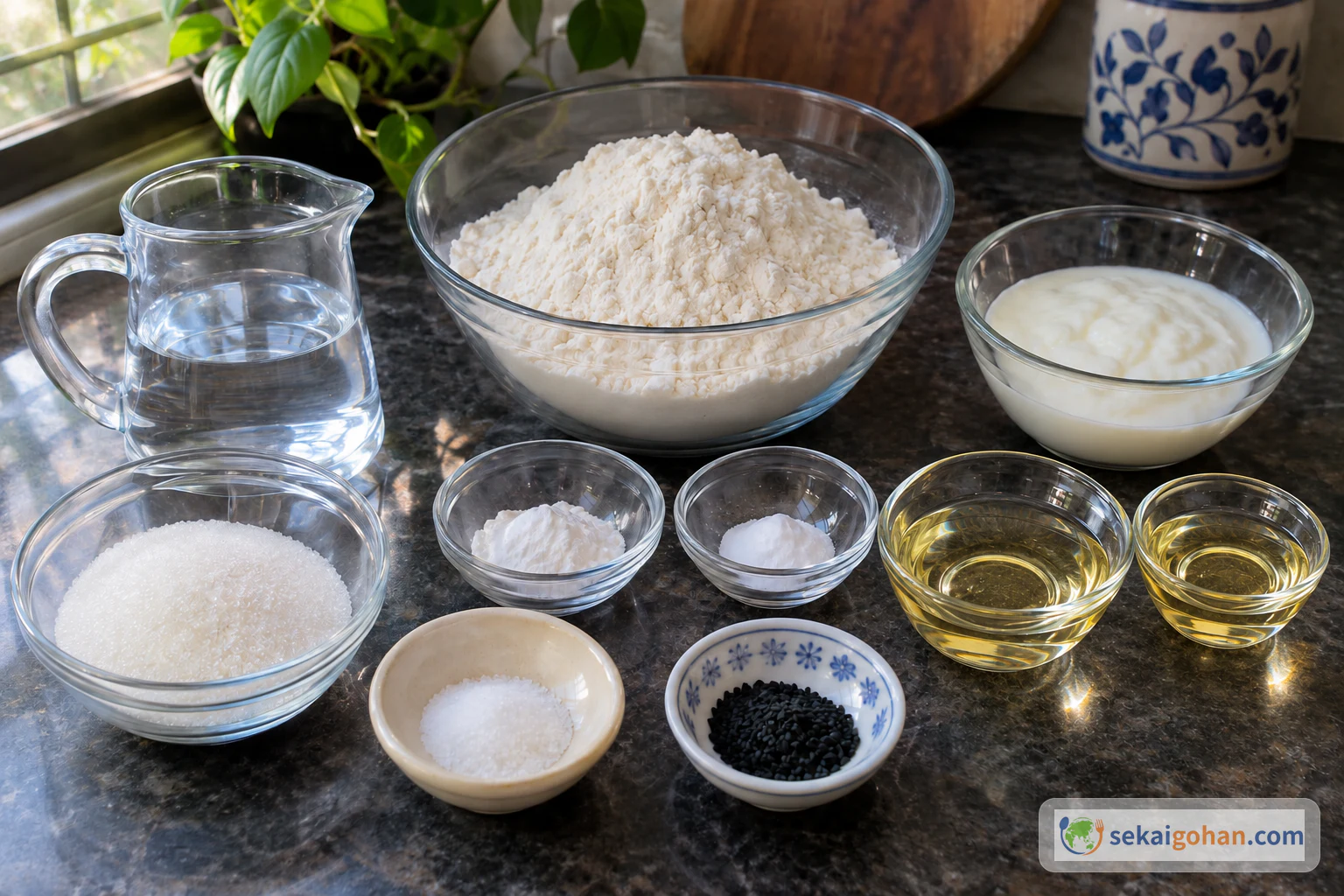
Flour, curd, baking powder, baking soda, water, sugar, salt, oil and nigella seeds in separate dishes
Flour, curd, two leaveners, oil, seasonings and nigella seeds

Equipment

  • Large mixing bowl
  • Spoon for mixing
  • Clean cloth, dampened, to cover the dough
  • Rolling pin and a board or work surface
  • Tawa or heavy flat skillet
  • Flat spatula for turning
  • Pastry brush for oil
  • Basket for keeping the cooked kulcha warm

Choosing Flour, Curd, Fat and Seeds for Kulcha

Flour. Maida is a refined wheat flour, sold in English as all-purpose flour, so all-purpose flour is what you want.

Curd. Plain, unsweetened yogurt is the natural stand-in for curd. Yogurts vary in fat and water, so go by how the dough feels and adjust the water as you knead. You can also replace the 4 tbsp curd with 3 tbsp yogurt plus 1 tbsp milk.

Fat. Ghee can replace the 2½ tbsp oil in the dough. For cooking, oil, ghee or butter all work.

Seeds. This version uses 1 tablespoon of nigella (kalonji), a small black seed. You can use 1–2 tablespoons of nigella or sesame seeds instead, or leave the seeds out for a seedless kulcha.

Method: From Bowl to Tawa

Raw flour and dough

Raw flour and raw dough are not ready to eat. Do not taste the dough, and do not taste a kulcha that still has raw, floury dough inside. Keep raw flour and dough away from foods that are already ready to eat, and wash your hands, bowls, boards and utensils after handling them.

Kulcha Problems and Fixes

You want a soft, pliable dough and golden spots on both sides, with the bread cooked all the way through. If something looks off along the way, here is what to do.

What you see What to do
The dough feels dry or stiff while mixing Add water a little at a time and keep kneading until it is soft and pliable
The dough sticks while rolling Dust the surface with a little more flour
The kulcha is pale after the first flip Keep roasting, brushing with oil and flipping as needed, until golden spots appear on both sides
You are unsure whether the center is cooked Keep it on the tawa and keep turning until it is cooked through. Don't taste it to check

Serving Kulcha

Kulcha is best eaten warm. Keep the breads in a basket as they come off the tawa so they stay soft while you cook the rest. A chickpea curry such as chana masala is the usual partner.

Frequently Asked Questions

Is this a yeasted or fermented dough?

No. Curd, baking powder and baking soda make the dough rise, and there is no yeast or starter. The only rest is the 2 hours under a damp cloth.

Are nigella seeds the same as black sesame?

No, they are different seeds. Use nigella in this version, sesame as an alternative topping, or no seeds at all.

Can I make this kulcha with stuffing or whole wheat flour?

Those are separate recipes with their own amounts. Stuffed tawa kulcha uses a potato filling, butter and more leavening, and whole wheat, oil-free kulcha uses atta, sesame and kasuri methi. Follow those recipes as written instead of adapting this dough.
Sources