Chè Trôi Nước: Vietnamese Glutinous Rice Balls with Mung Bean Filling, Ginger Syrup and Pandan Coconut Cream

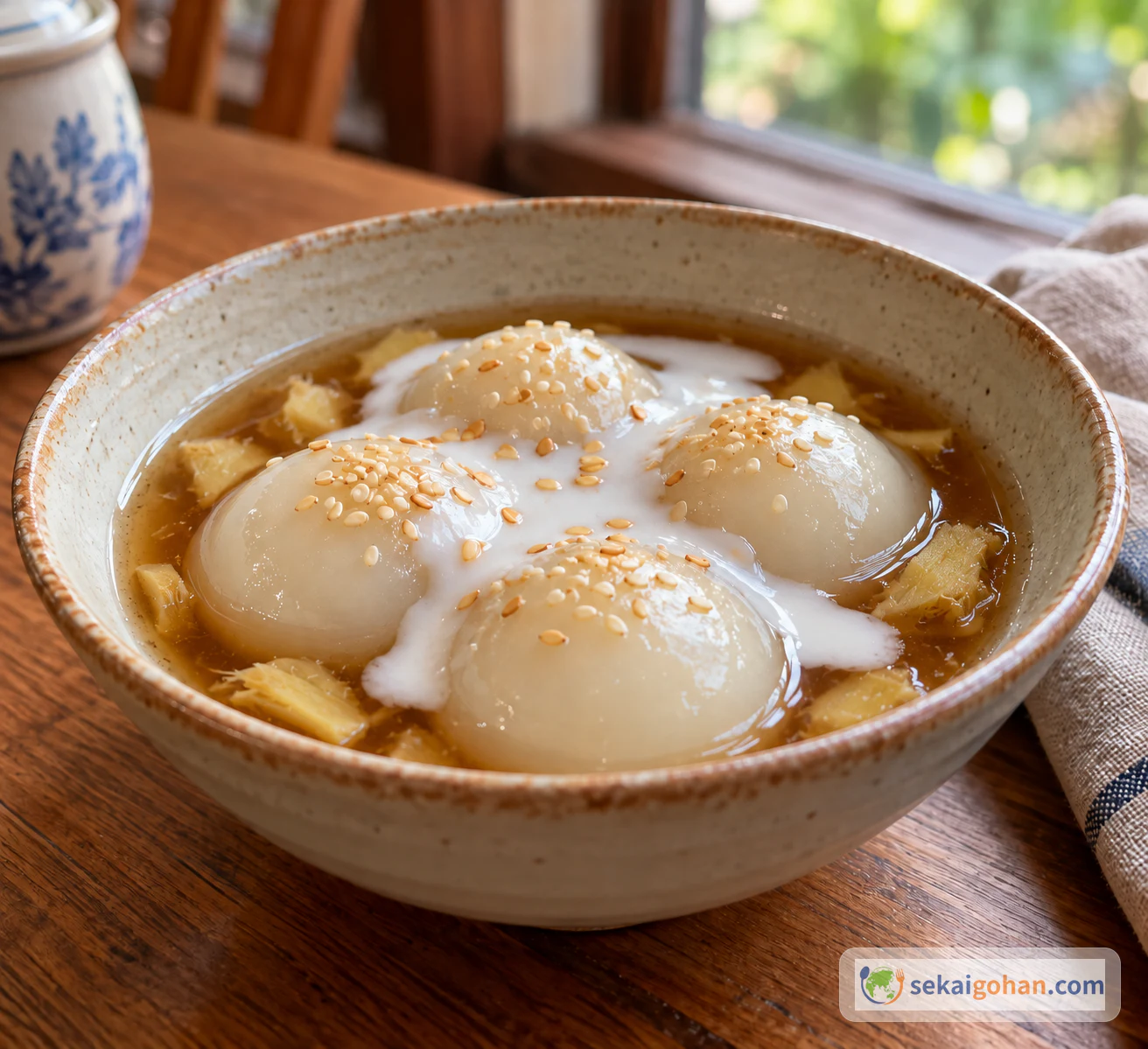
Chè trôi nước: mung-bean-filled glutinous rice dumplings in ginger and palm sugar syrup, with pandan coconut cream and white sesame
Serves
10 servings
Cuisine
Vietnamese

How to make chè trôi nước: glutinous rice dough wrapped around a smooth mung bean filling, boiled until the balls float, and served warm in ginger and palm sugar syrup with pandan coconut cream and toasted white sesame. Covers how this version relates to Northern bánh chay, how to keep the three waters and two salts apart, and how to read each stage.

Cooking flow

Cooking steps

STEP11 / 14

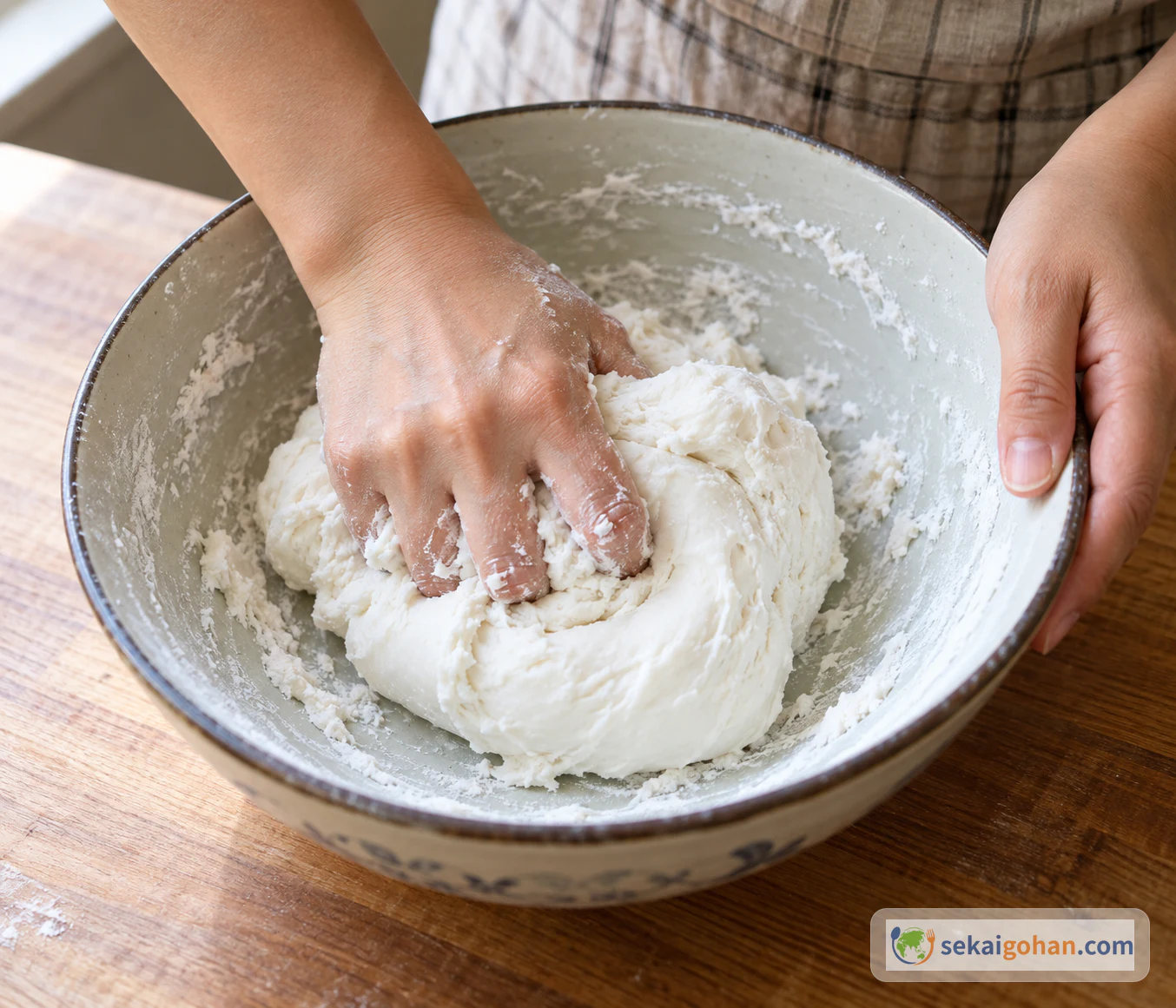
Mix the dough

Mixing glutinous rice flour with the dough water until it comes together
Only flour and its own water go into the bowl

Put 500 g glutinous rice flour in a bowl, add the 2 US cups dough water, and mix until combined. Nothing else goes into the dough.

STEP22 / 14

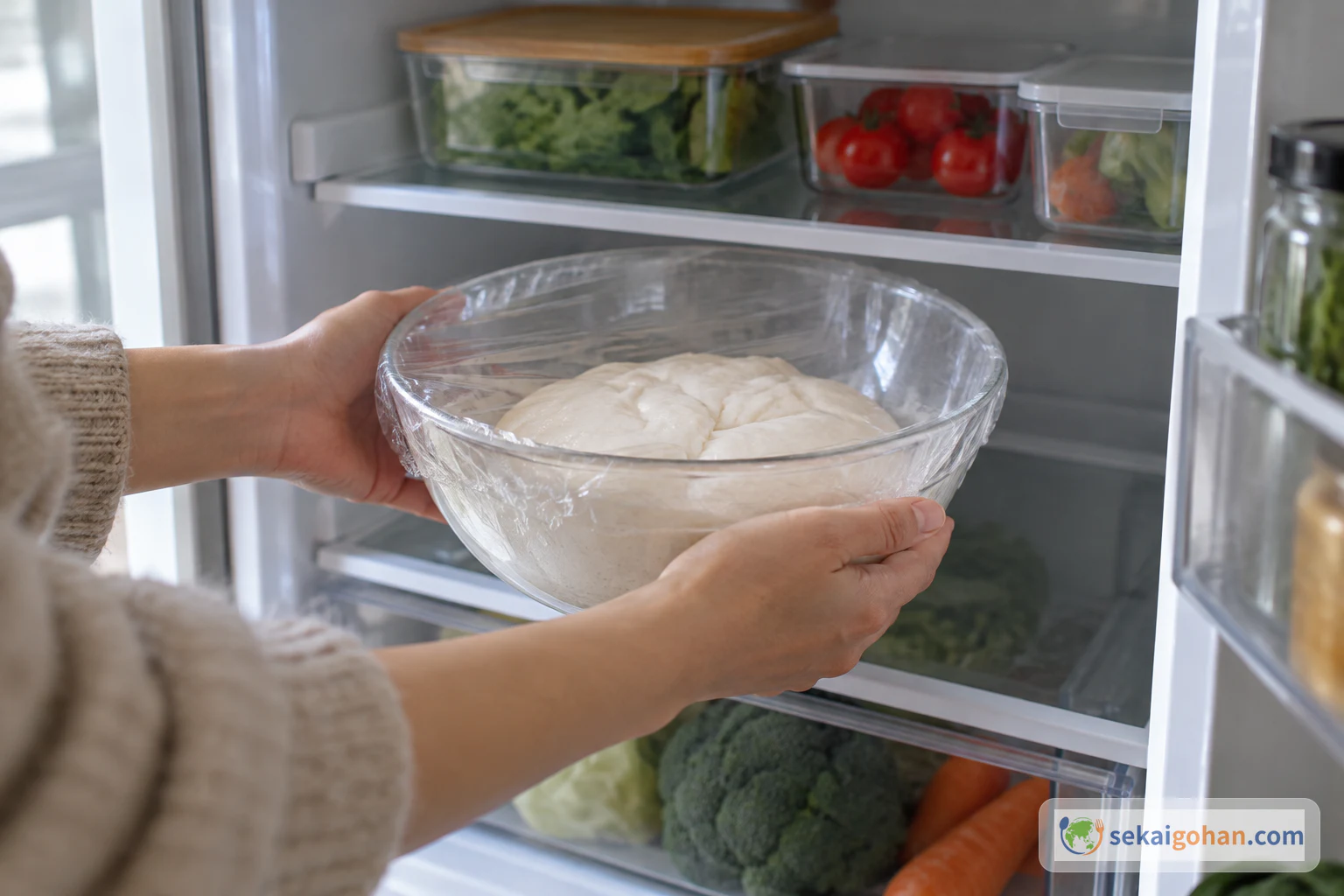
Rest the dough in the refrigerator

Covering the mixed glutinous rice dough and resting it in the refrigerator
A chilled rest, not a rise

Cover the bowl and refrigerate the dough for at least 30 minutes, or overnight.

STEP33 / 14

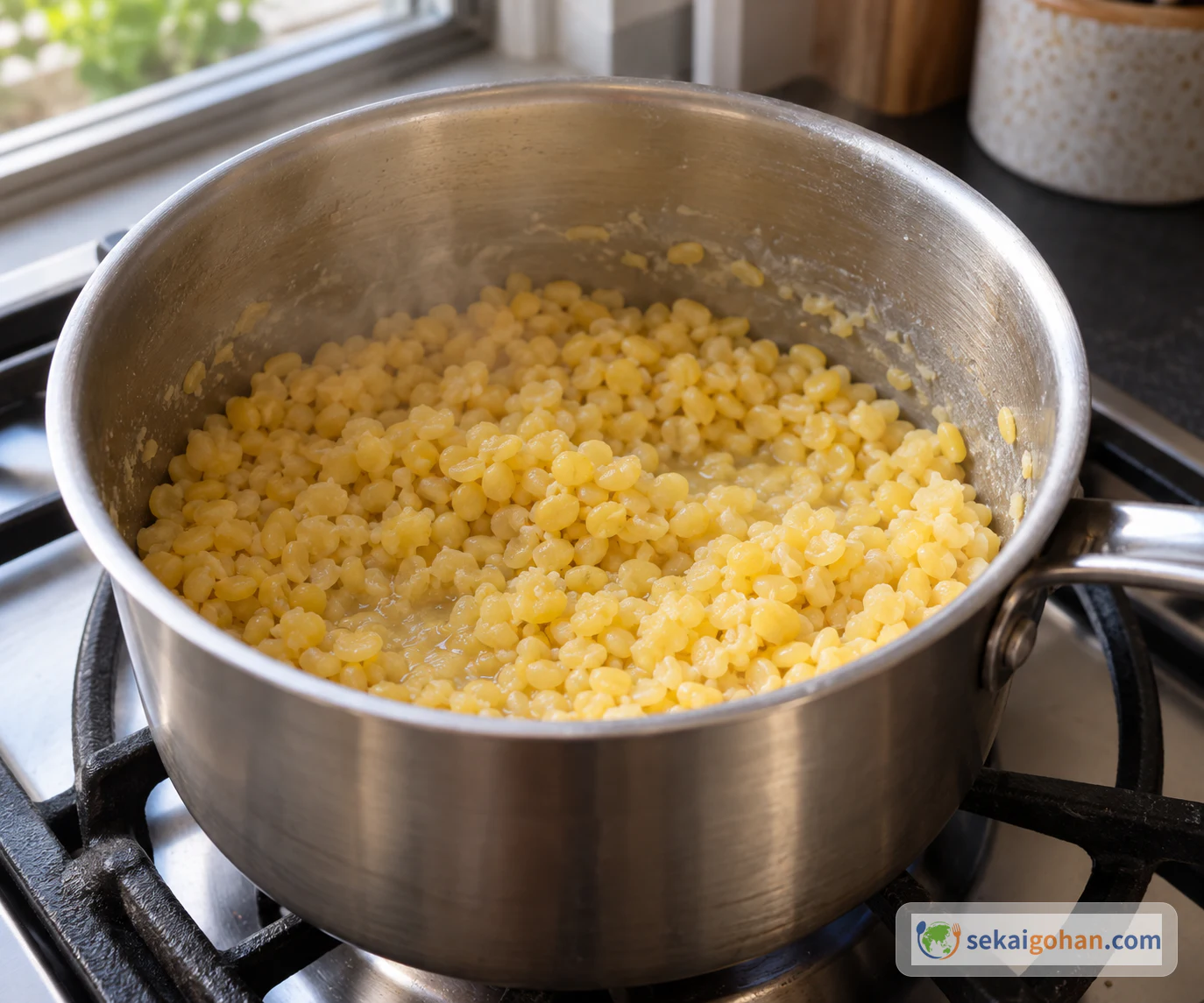
Cook the mung beans

Simmering peeled split mung beans in water over low heat
Cook on low until the liquid is gone

Put 300 g peeled split mung beans and the 3 US cups bean water in a pot and bring to a boil. Turn the heat to low and cook for 30 minutes, or until no liquid remains. Stir in 1 1/2 tsp salt, then let the beans cool completely.

STEP44 / 14

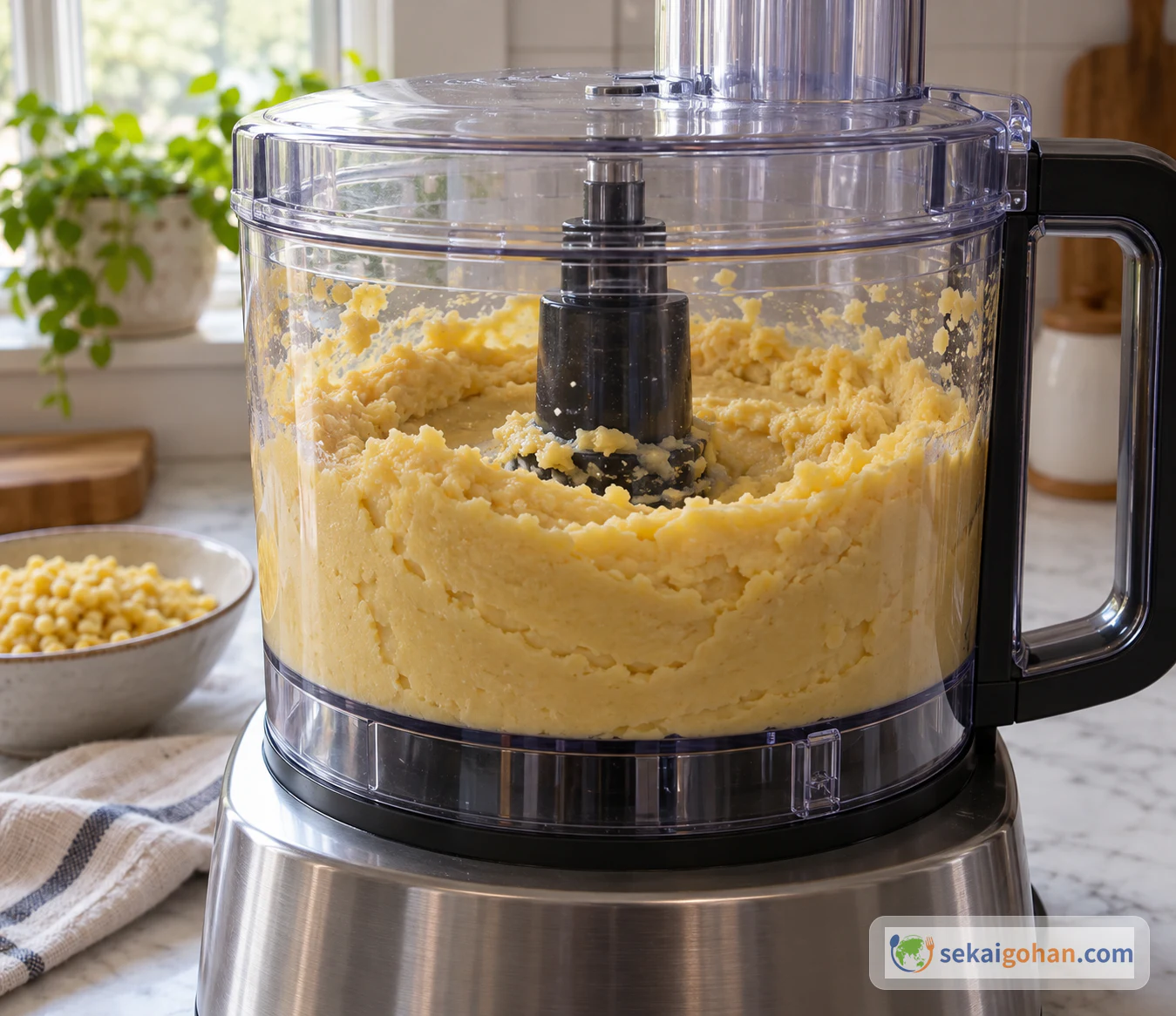
Process the beans smooth

Processing the completely cooled mung beans smooth in a food processor
Process the beans only after they have cooled completely

Once the beans are completely cool, process them in a food processor until smooth. Keep the lid closed while the machine runs.

STEP55 / 14

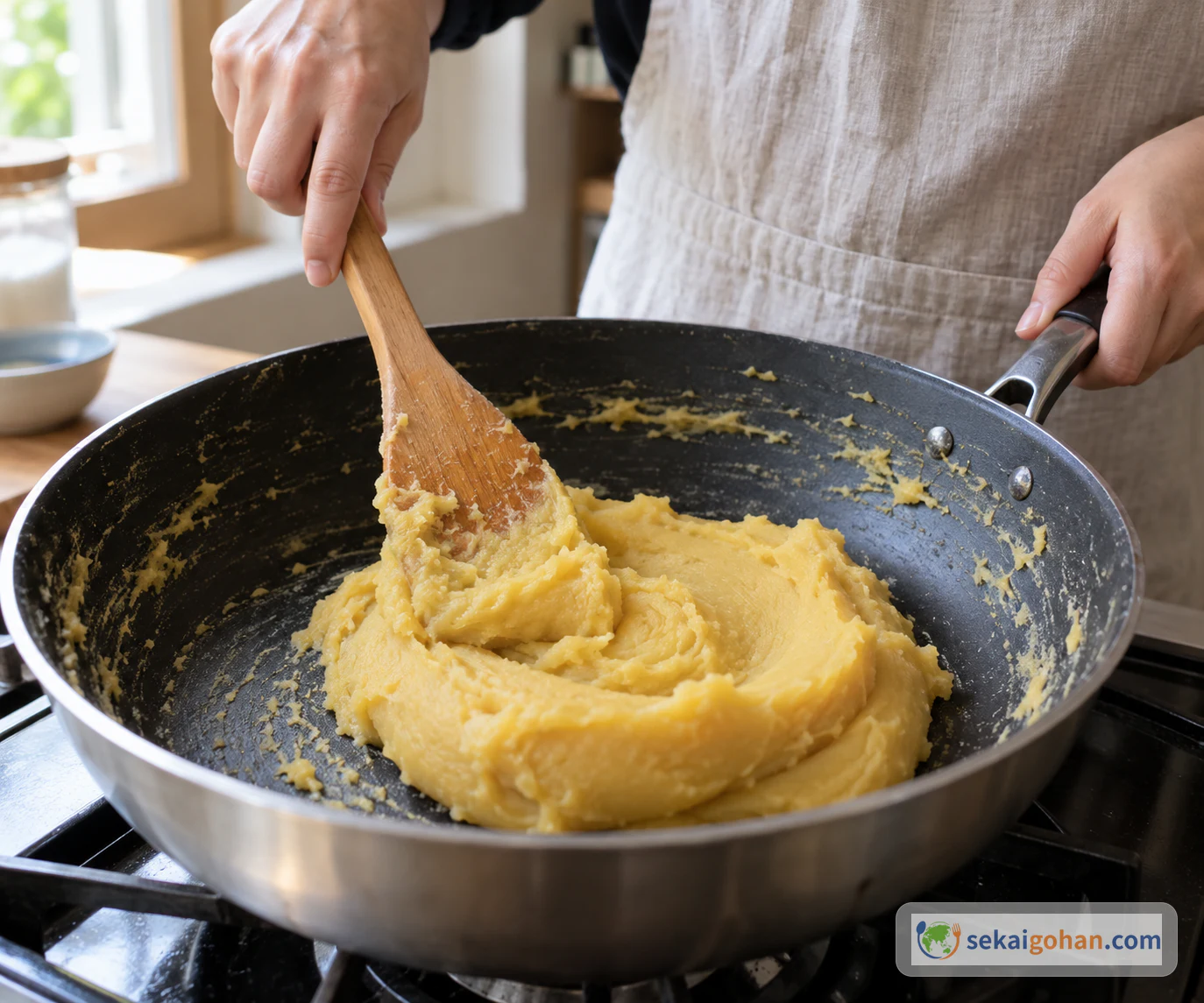
Cook the filling with oil and sugar

Stirring the mung bean paste with oil and sugar in a pan until it comes together
Stir until the paste gathers into one mass

Put 1/2 US cup oil in a pan and add the processed beans. Add 1/2 tbsp sugar while stirring, and keep stirring until the paste sticks together in one mass.

STEP66 / 14

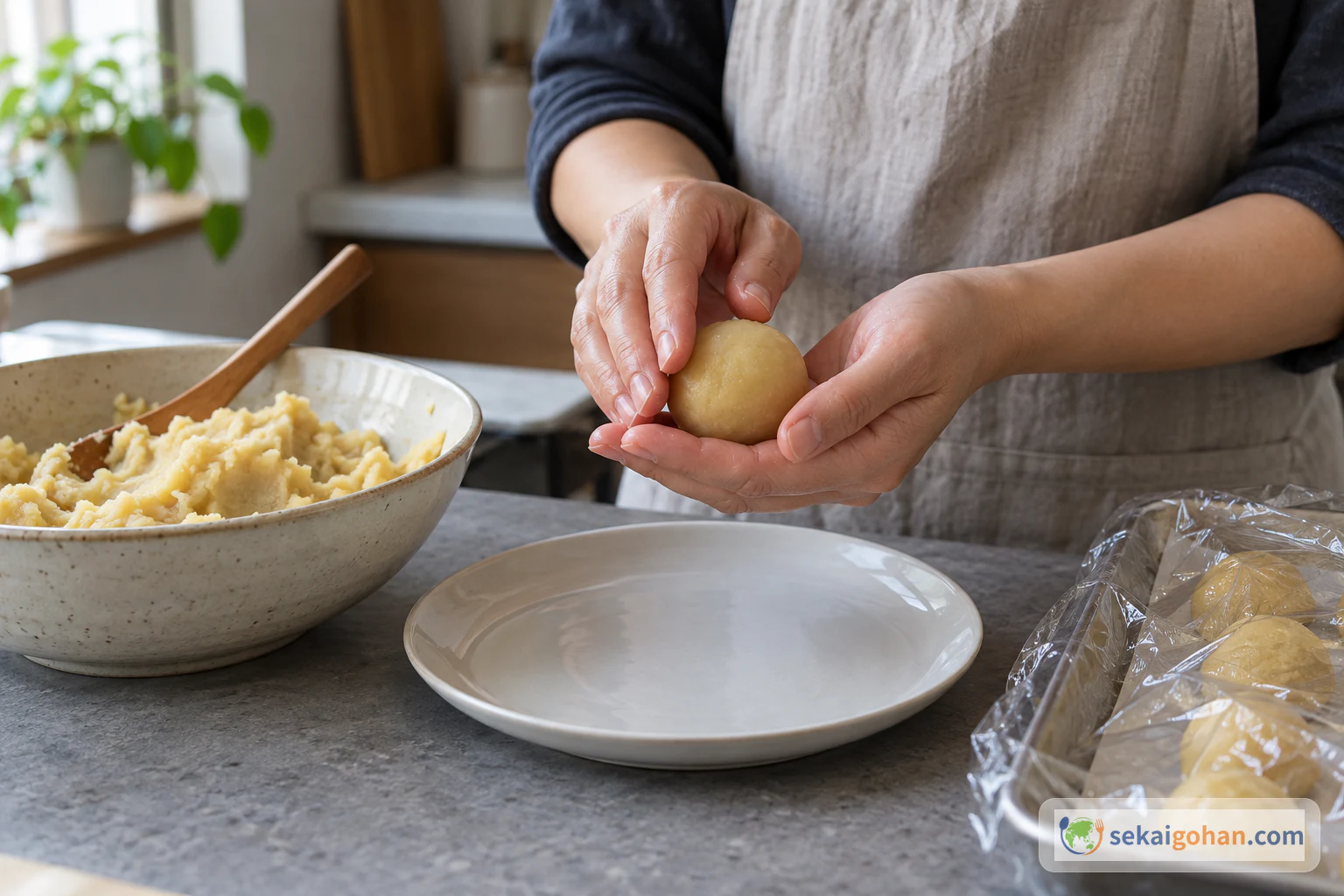
Cool, roll and chill the filling

Rolling the cooled mung bean filling into balls by hand
Roll the cooled filling, then chill it until firm

Let the filling cool, then roll it into balls. Refrigerate the balls until firm.

STEP77 / 14

Knead the dough again

STEP 7

Take the dough out of the refrigerator and knead it again. If it feels dry, add water 1 tbsp at a time, kneading after each addition, until the dough is smooth.

STEP88 / 14

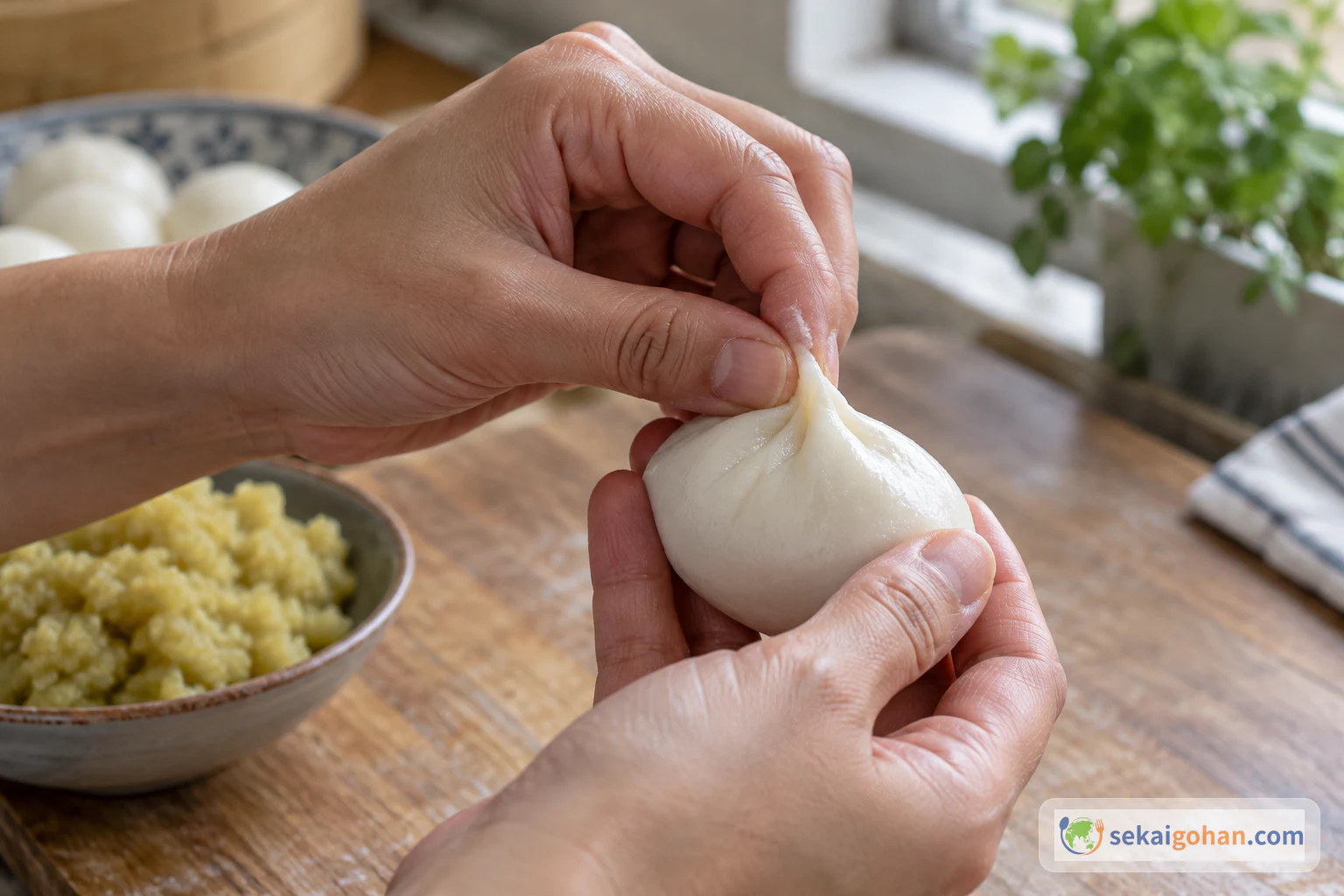
Wrap the filling

Pinching shut the final seam of dough wrapped around the mung bean filling
Close the last seam so the filling is fully sealed

Take a piece of dough, roll it into a ball, and flatten it in your palm. Set a filling ball in the center, bring the dough up around it to enclose it completely, pinch the seam closed, and smooth the surface. Repeat with the remaining dough and filling.

STEP99 / 14

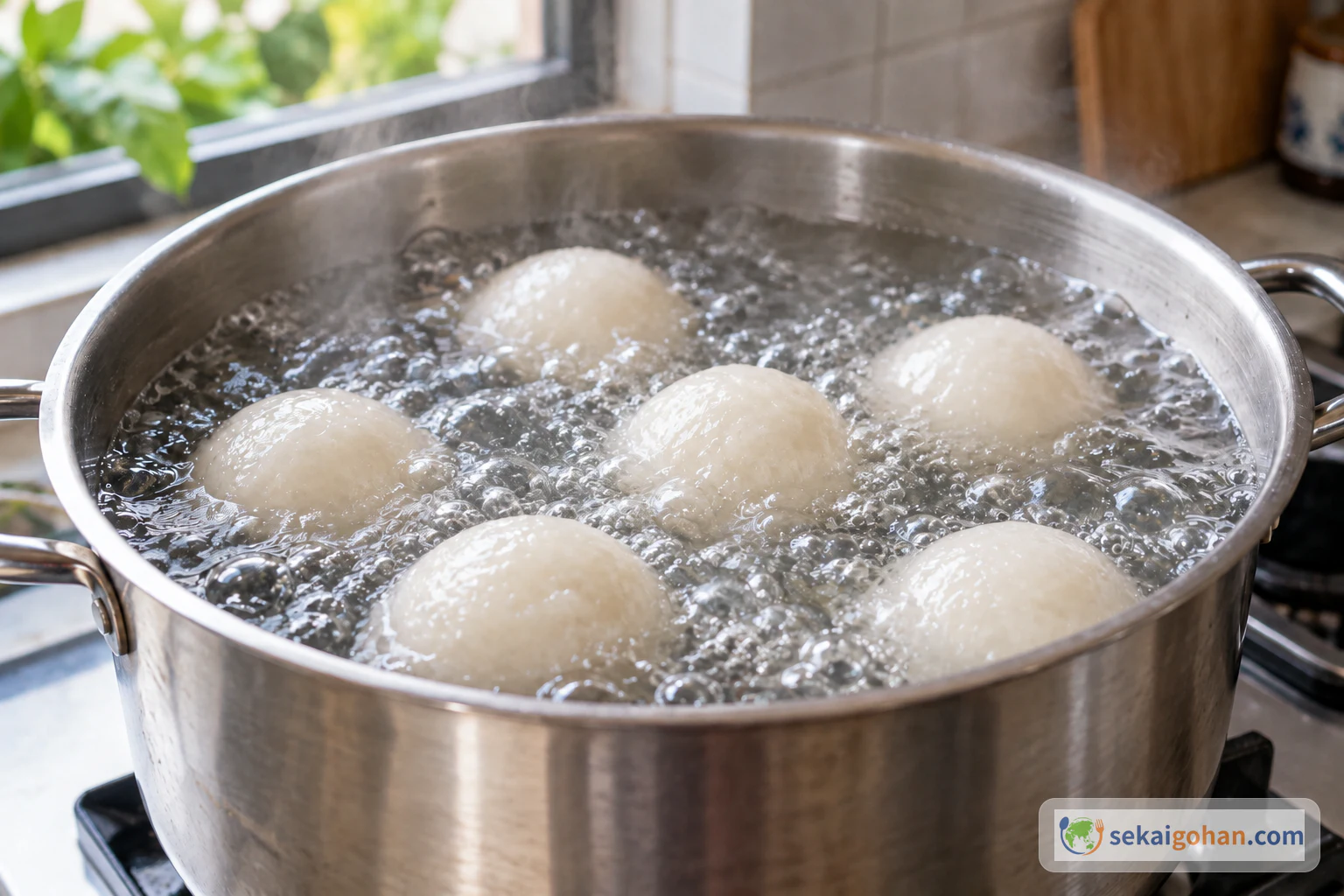
Boil until they float

Boiling the wrapped dumplings in boiling water until they float
Floating is the signal to lift them out

Bring a large pot of water to a boil. Gently lower the dumplings in one at a time. When they float, they are ready; scoop them out.

STEP1010 / 14

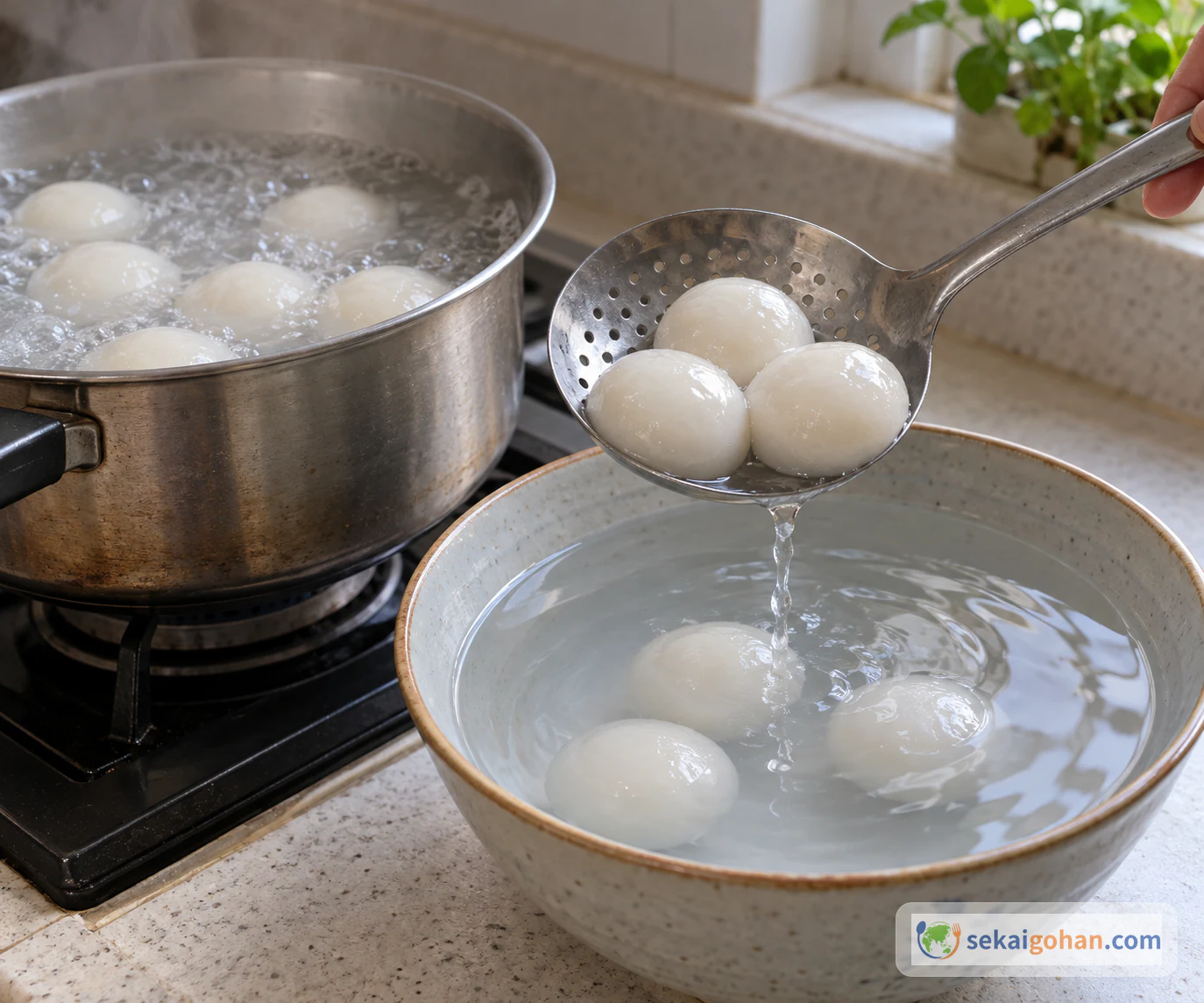
Cool in cold water and drain

Moving the boiled dumplings into cold water to cool
Plain cold water, kept cold until the dumplings are cool to the touch

Move the dumplings straight into a bowl of cold water. Keep changing the water so it stays cold and the dumplings do not stick together. When they are cool to the touch, drain them.

STEP1111 / 14

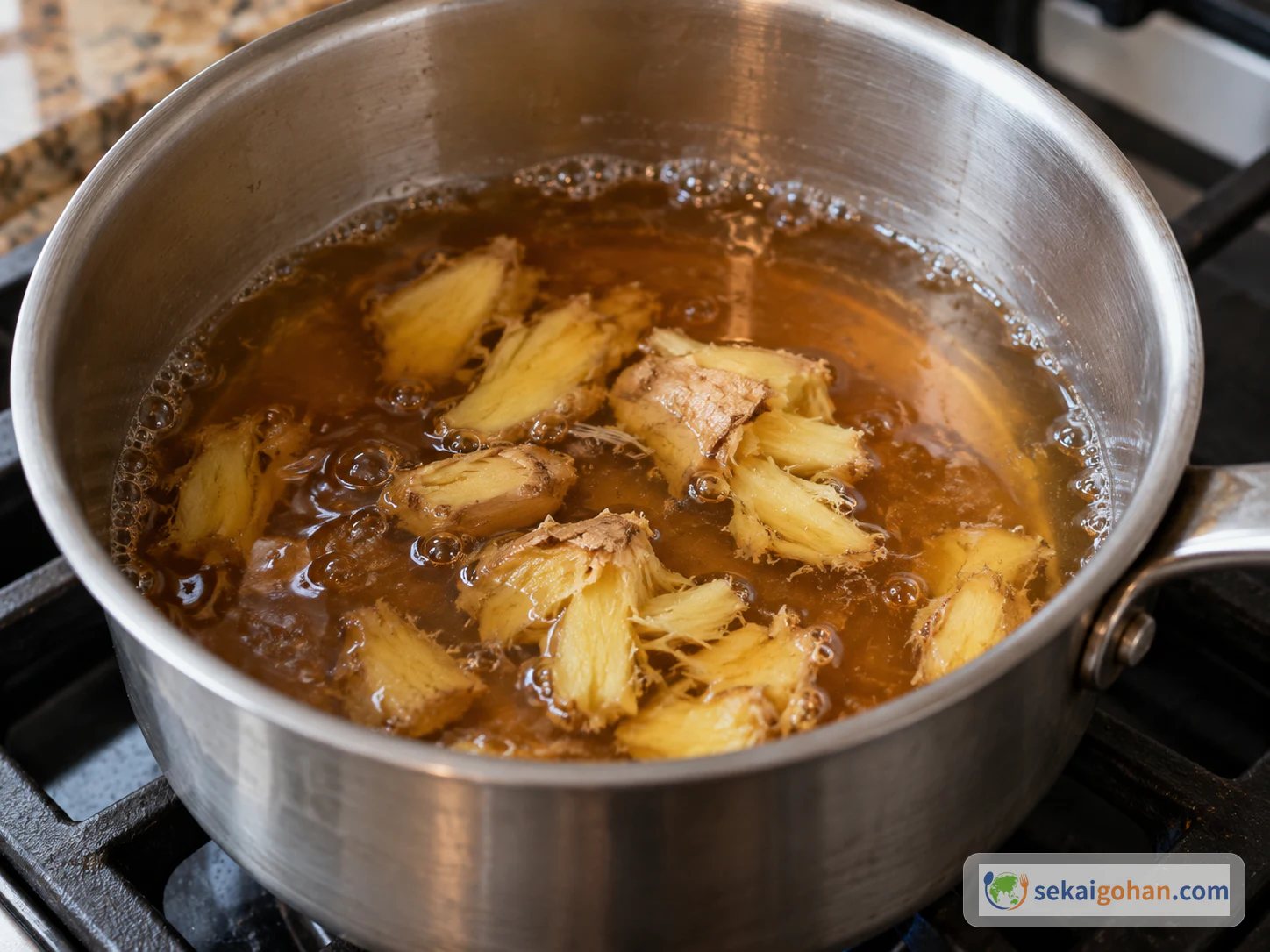
Simmer the ginger syrup

Simmering the ginger and palm sugar syrup for 15 minutes
Palm sugar and pounded ginger in their own pot

In a saucepan, combine the 3½ cups (850 ml) syrup water, 14 oz (400 g) palm sugar and 1 oz (30 g) lightly pounded ginger. Bring to a boil, then simmer for 15 minutes.

STEP1212 / 14

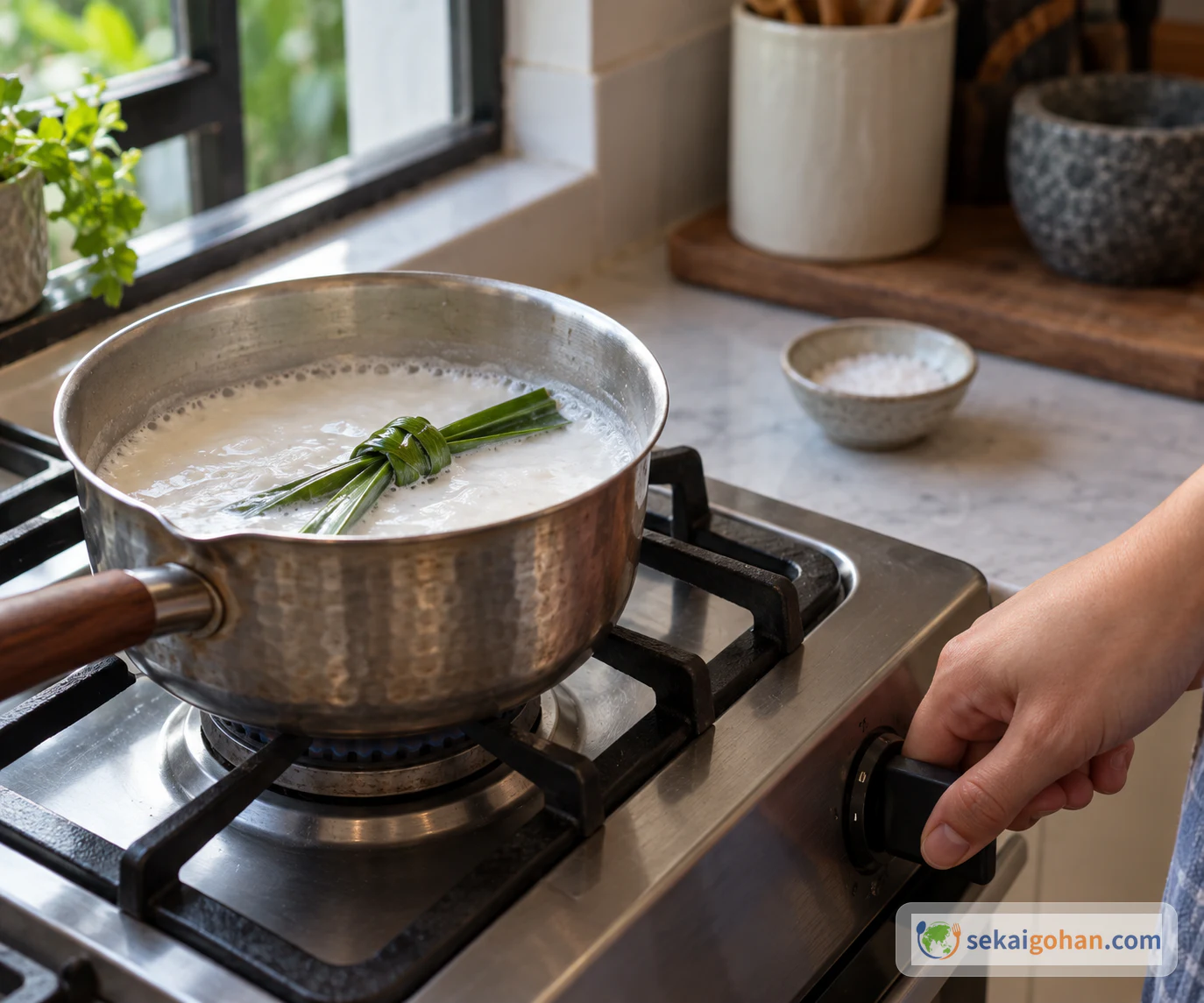
Make the pandan coconut cream

Bringing coconut cream with a knotted pandan leaf and salt to a boil
Turn off the heat once the cream boils

Tie the pandan leaf in a knot. Put it in a small pot with ¾ cup (200 ml) coconut cream and 1/2 tsp salt. Bring to a boil, then turn off the heat.

STEP1313 / 14

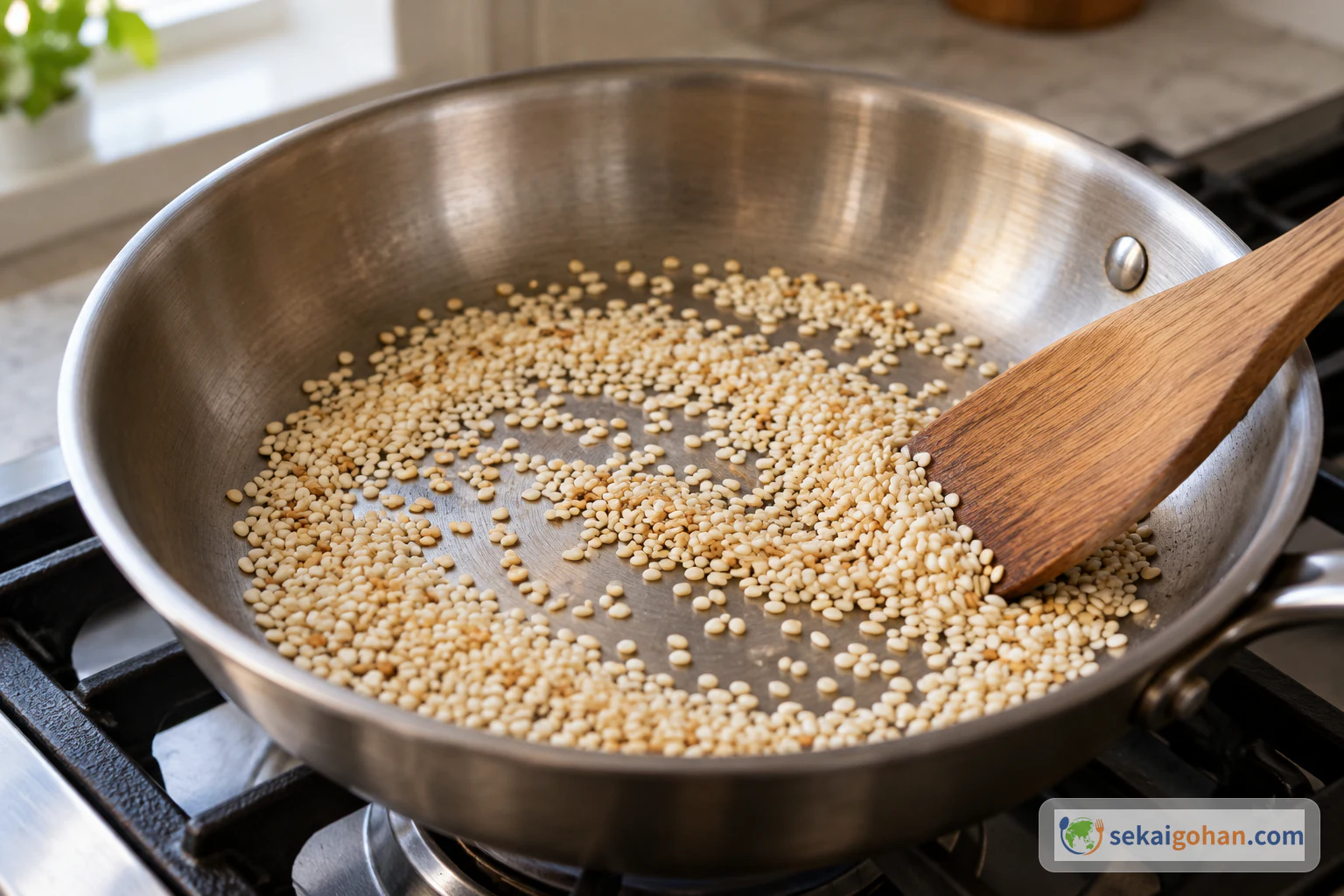
Toast the sesame

Lightly toasting white sesame seeds
A light toast is enough

Lightly toast the white sesame seeds in a small pan.

STEP1414 / 14

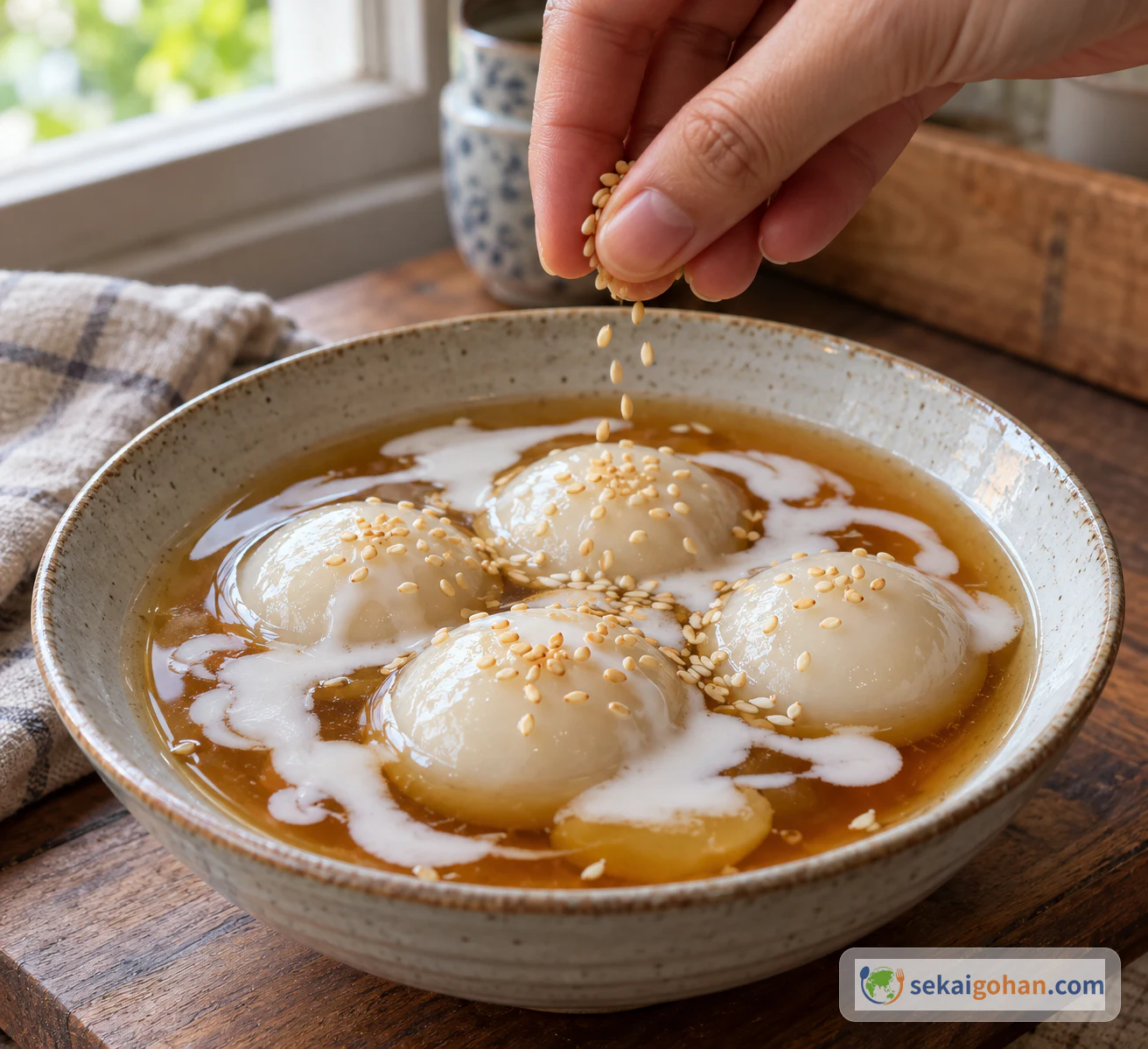
Serve warm

Sprinkling white sesame over dumplings served with ginger syrup and pandan cream
Syrup and cream first, sesame last

Put the drained dumplings into bowls with the ginger syrup. Spoon over the pandan coconut cream, sprinkle with the toasted sesame, and serve warm.

0 / 0
Ingredients

Ingredients

1 / 1

Ingredients

Ingredient Amount Role
Glutinous rice flour 500 g Dumpling dough
Water, for the dough 2 US cups Mixed into the flour
Peeled split mung beans 300 g Filling
Water, for the beans 3 US cups Cooks the beans
Salt, for the beans 1 1/2 tsp, or to taste Seasons the cooked beans
Oil 1/2 US cup Cooks the bean paste into a filling that holds together
Sugar 1/2 tbsp, or to taste Lightly sweetens the filling
Palm sugar 400 g, or to taste Sweetens the syrup
Ginger, lightly pounded 30 g Flavors the syrup
Water, for the syrup 850 mL Syrup base
Coconut cream 200 mL Topping
Pandan leaf 1 leaf, tied in a knot Scents the coconut cream
Salt, for the cream 1/2 tsp, or to taste Seasons the coconut cream
White sesame seeds a little Lightly toasted, to finish
0 / 0

Picture a warm bowl of chè trôi nước: soft, sealed rice balls with a mung bean center, sitting in clear ginger and palm sugar syrup, with a spoonful of pandan coconut cream and a few toasted sesame seeds on top. It's a Southern Vietnamese sweet, and each part is made on its own, coming together only in the bowl. This version is a family recipe tied to the cook's grandmother. Around Tết, the Lunar New Year, the family sets out small bowls of three to five balls as an offering to the ancestors, and they eat it all through the rest of the year too.

About Chè Trôi Nước

The dessert has four parts. A plain dough of glutinous rice flour and water wraps around mung bean paste cooked with oil and a little sugar. The balls are boiled in plain water until they float, cooled in cold water, and served in a syrup of palm sugar simmered with lightly pounded ginger. A small pot of coconut cream, infused with a knotted pandan leaf, and a sprinkle of lightly toasted white sesame finish the bowl. Pandan gives the cream a subtle aroma, and palm sugar gives the syrup its deeper sweetness.

Southern Chè Trôi Nước and Northern Bánh Chay

Names for stuffed glutinous rice balls change across Vietnam. In the North, bánh trôi is glutinous rice paste wrapped around brown sugar and served on a plate. The mung-bean-filled dessert the South calls chè trôi nước is known there as bánh chay, and it's served during the Hàn Thực cold-food festival.

Northern bánh chay comes in a bowl of sweet soup made from cassava powder, water and sugar. One Hàn Thực version thickens a sugar-water soup with tapioca starch and finishes it with reserved mung beans and vanilla, with no ginger syrup and no pandan coconut cream. Both dishes put a mung bean filling inside a rice ball, but the Southern bowl, with its ginger syrup and separate coconut cream, is a different formula.

For more dishes from across the country, see Vietnamese food on Sekai Gohan.

Ingredients: Dough, Filling, Syrup and Cream
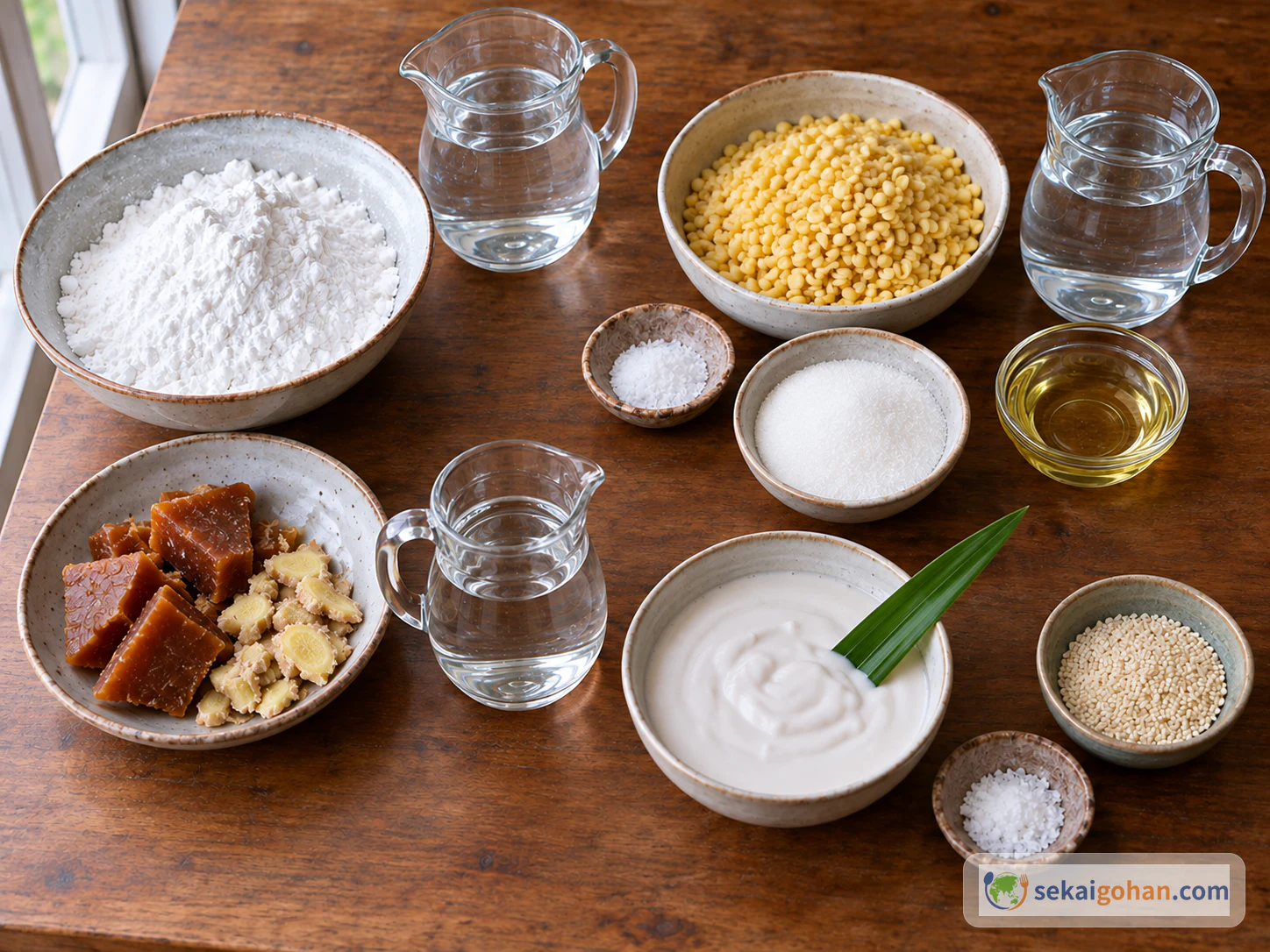
Ingredients for the dough, mung bean filling, syrup and pandan cream, laid out with the water and salt kept separate by use
Three waters and two salts, each set beside the part it belongs to

Makes 10 servings.

Keep the waters and salts apart

Measure the three waters into three separate containers and the two salts into two small dishes before you start. The dough water, bean water and syrup water each go to a different place, as do the bean salt and the cream salt.

Equipment

  • Mixing bowl with a cover, for the dough
  • Pot for cooking the mung beans
  • Food processor
  • Pan for cooking the filling
  • Plate or tray, for chilling the filling balls
  • Large pot, for boiling the dumplings
  • Slotted spoon
  • Bowl of cold water, for cooling the dumplings
  • Saucepan, for the ginger syrup
  • Small pot, for the pandan coconut cream
  • Small pan, for toasting the sesame

Choosing Ingredients for Chè Trôi Nước

Glutinous rice flour, not regular rice flour. The dough is only glutinous rice flour and water, so the flour has to be right. Ordinary rice flour or any other type won't give the same result, whether swapped in or mixed in. Look for packs labeled glutinous rice flour.

Peeled split mung beans. Beans that are already peeled and split save you extra preparation. Look for that form by name.

Palm sugar. This is where the syrup's deeper sweetness comes from. Regular white sugar can stand in if that's what you have, though the syrup loses some of that depth.

Coconut cream, not coconut milk. The topping is coconut cream, kept in its own pot, apart from the syrup.

Pandan leaf. One fresh leaf, tied in a knot, scents the cream.

Method: Dough and Filling First, Then Wrap, Boil and Serve

Order of work

Make the dough and let it rest while you cook and shape the filling. Then wrap and boil the balls, and make the syrup, cream and sesame in separate pans before bringing everything together.

When the Dough or Filling Misbehaves

What you see What to do
The rested dough feels dry when you knead it again Add water 1 tbsp at a time, kneading after each addition, until smooth
The filling stays loose in the pan Keep stirring with the oil and sugar until the paste sticks together in one mass
The filling is too soft to wrap neatly Return the filling balls to the refrigerator until firm
The dumplings are not floating yet Leave them in the boiling water until they rise to the surface
The dumplings stick together in the cooling bowl Change the water so it stays cold, and drain once they are cool to the touch
Filling shows through the dough Bring the dough fully around the filling, pinch the seam closed, and smooth the surface before boiling

Serving and Variations

Serve chè trôi nước warm or hot, with the coconut cream spooned on at the end. Some families add sliced spring onion heads to the mung bean filling, which gives you another version to try.

Frequently Asked Questions

Does the dough need yeast?

No. The chilled time is a rest, not a rise: refrigerate the flour-and-water dough for at least 30 minutes or overnight.

How many dumplings does this make?

The recipe makes 10 servings, but the number of dumplings depends on how you divide the dough and filling.

How long does it take?

Plan for about 1 hour of prep, 30 minutes of cooking, and a 30-minute dough rest, for 2 hours total. Cooling the beans and chilling the filling take extra time on top of that. If you rest the dough overnight, the recipe spans overnight.
Sources

  • Jeannette, "Vietnamese Glutinous Rice Balls (Chè Trôi Nước)," Wok & Kin, published 2021-02-01, updated 2021-02-03. The recipe followed in this article: ingredients, amounts, method, servings and time card, notes on flour, mung beans, palm sugar and pandan, and the author's family account of Tết and ancestor offerings. https://www.wokandkin.com/vietnamese-glutinous-rice-balls-with-ginger-syrup/
  • Cúc Nguyễn, "Cách làm bánh chay nhân đậu xanh cúng Tết Hàn Thực," Cookbeo, 2024-09-29. Used only to compare a Northern Hàn Thực bánh chay with a starch-thickened sugar soup, mung beans and vanilla; nothing from it is used in this recipe. https://cookbeo.com/recipes/banh-chay
  • "Floating cakes for Cold Foods Festival," VietnamNet Global (credited to VNP/VNA). Used for the description of bánh trôi and bánh chay at the Hàn Thực festival and the bánh chay soup of cassava powder, water and sugar. https://vietnamnet.vn/en/floating-cakes-for-cold-foods-festival-727690.html
  • Mai, "Bánh trôi • Sugar-filled rice flour balls," MM Bon Appétit, 2022-04-21. Used for the author's comparison of Northern bánh trôi, Southern chè trôi nước and Northern bánh chay. https://mmbonappetit.com/banh-troi/