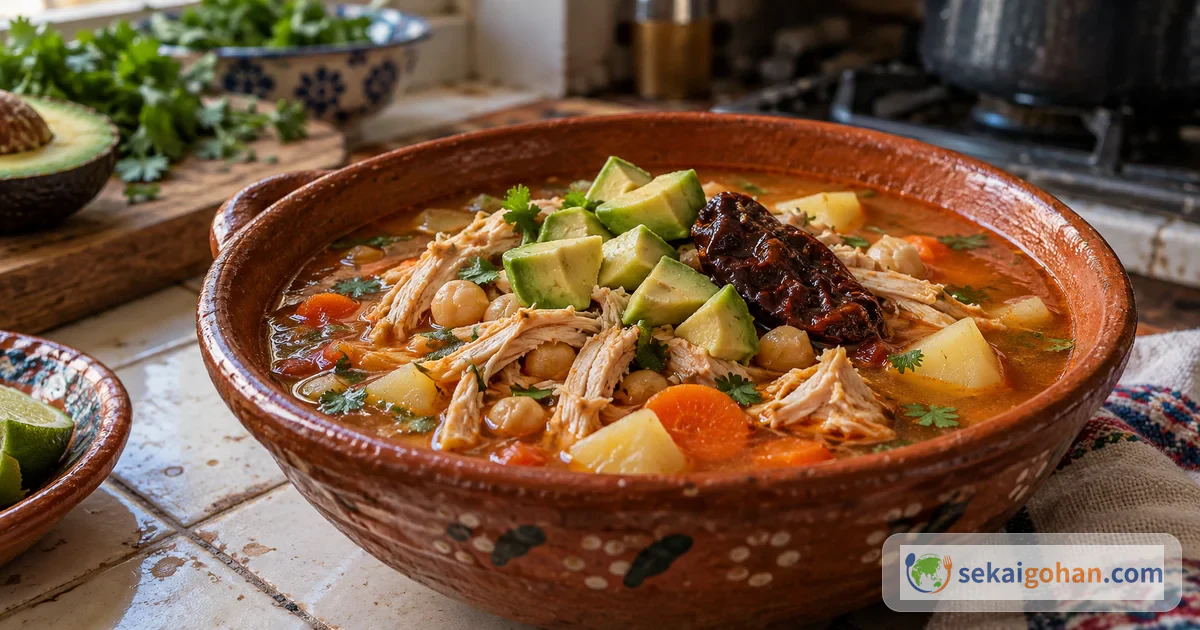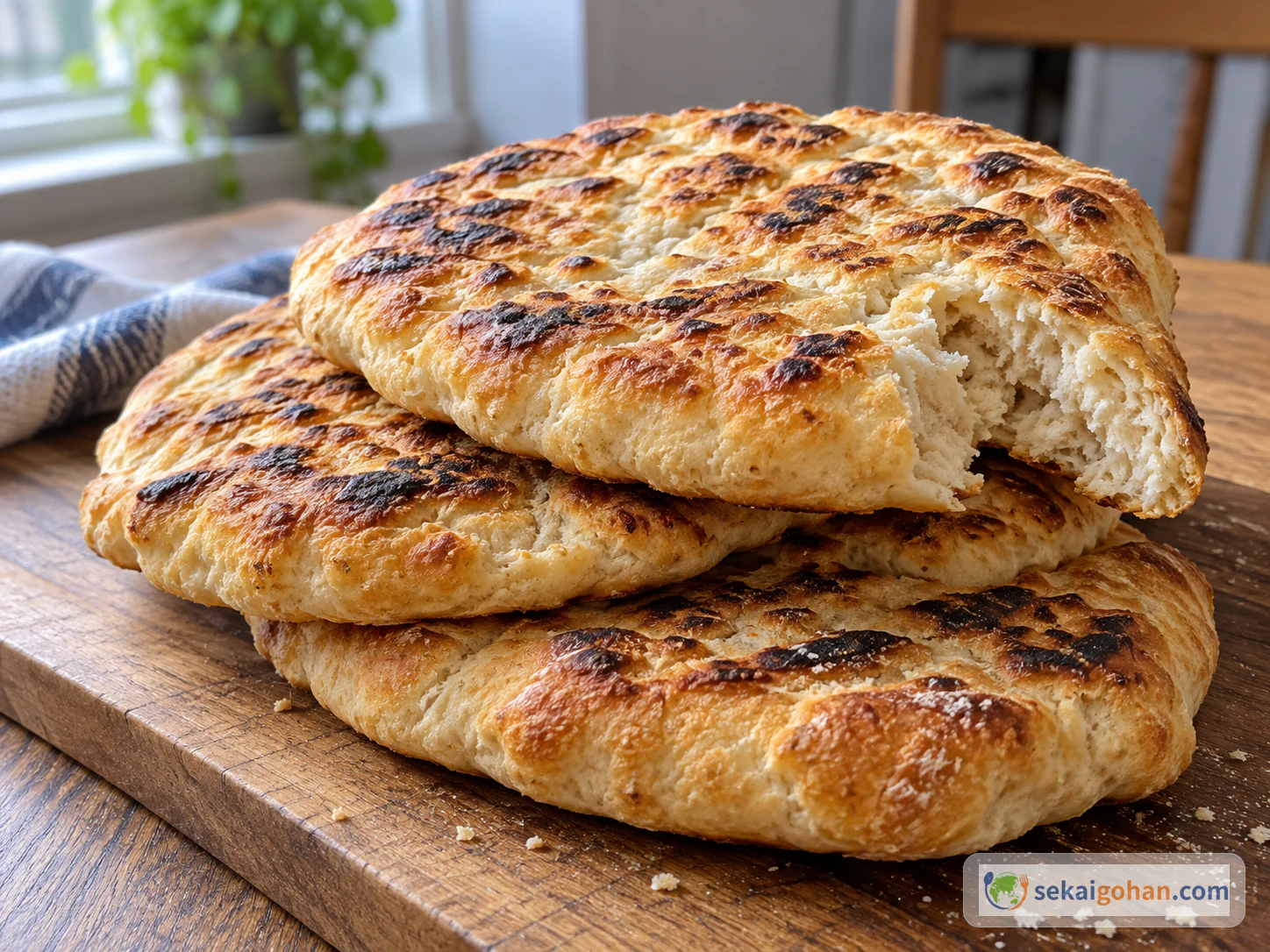
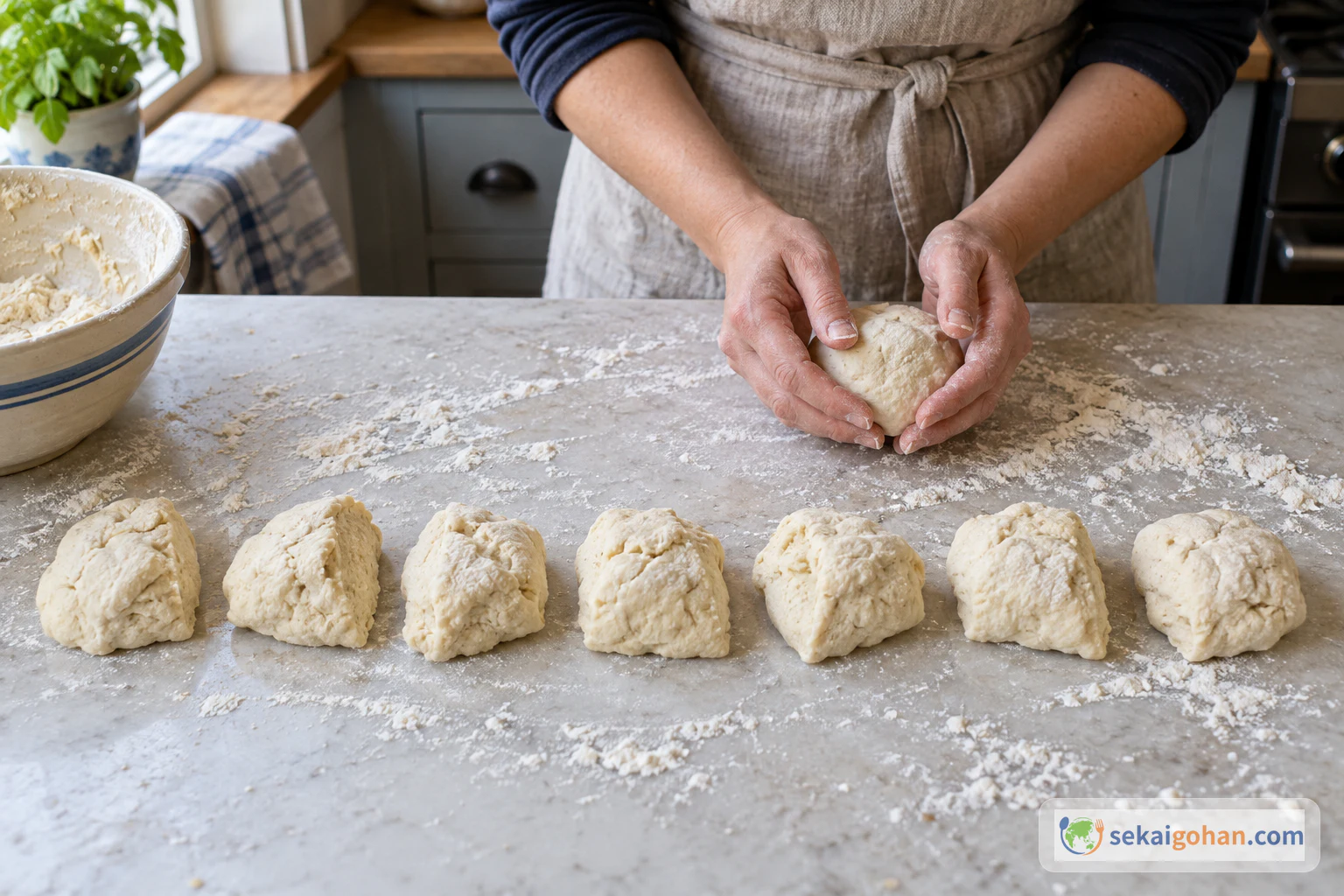
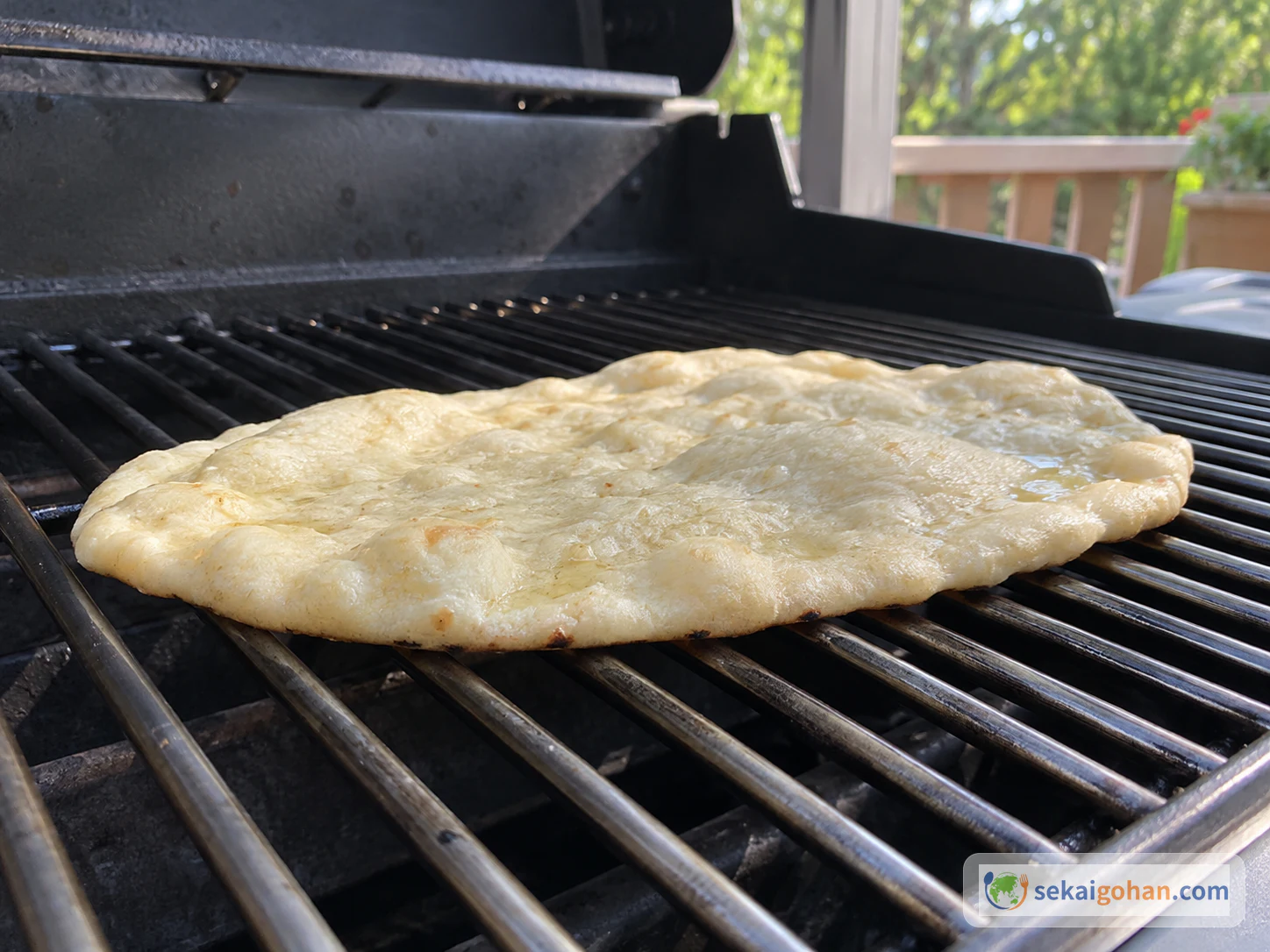
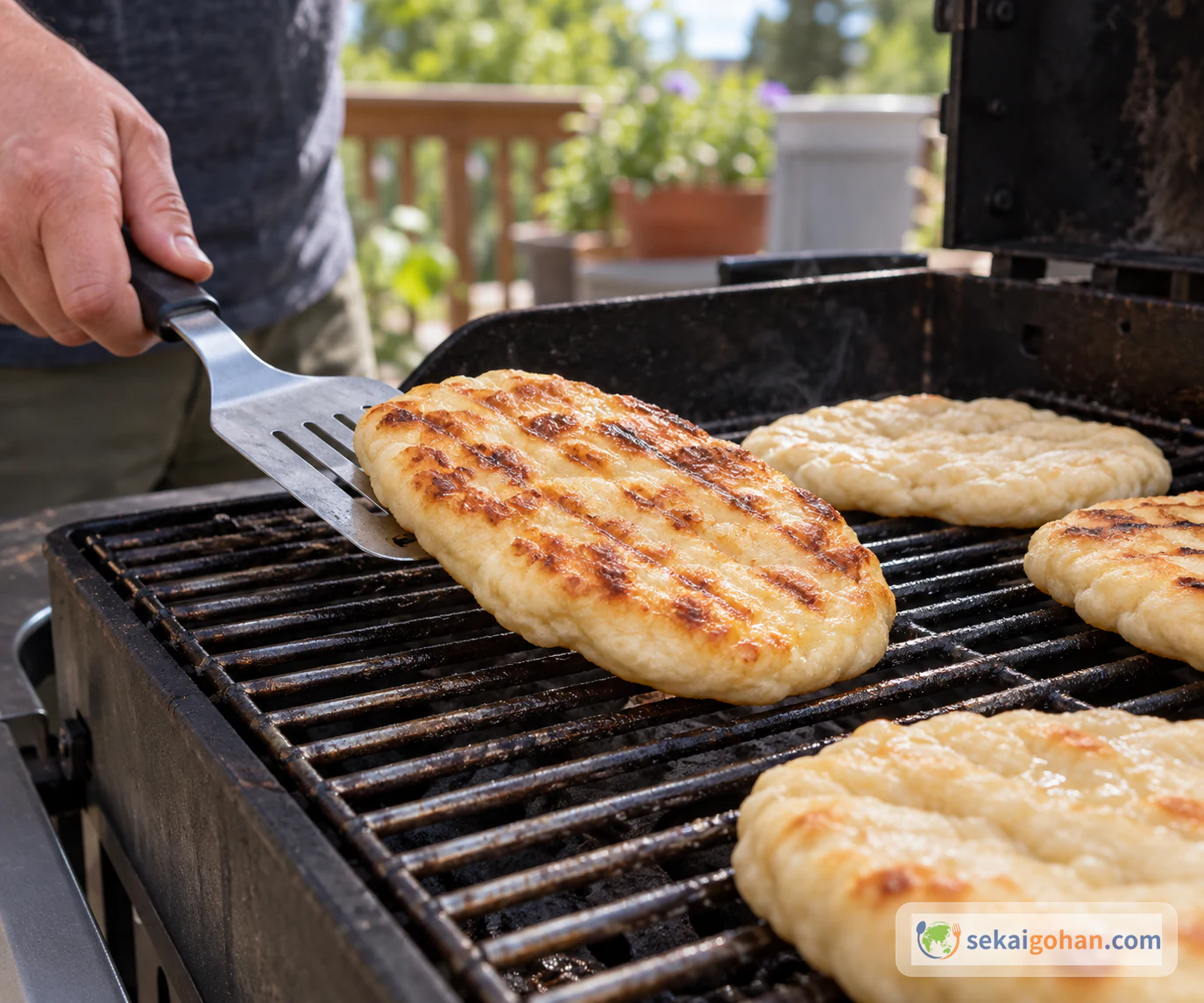
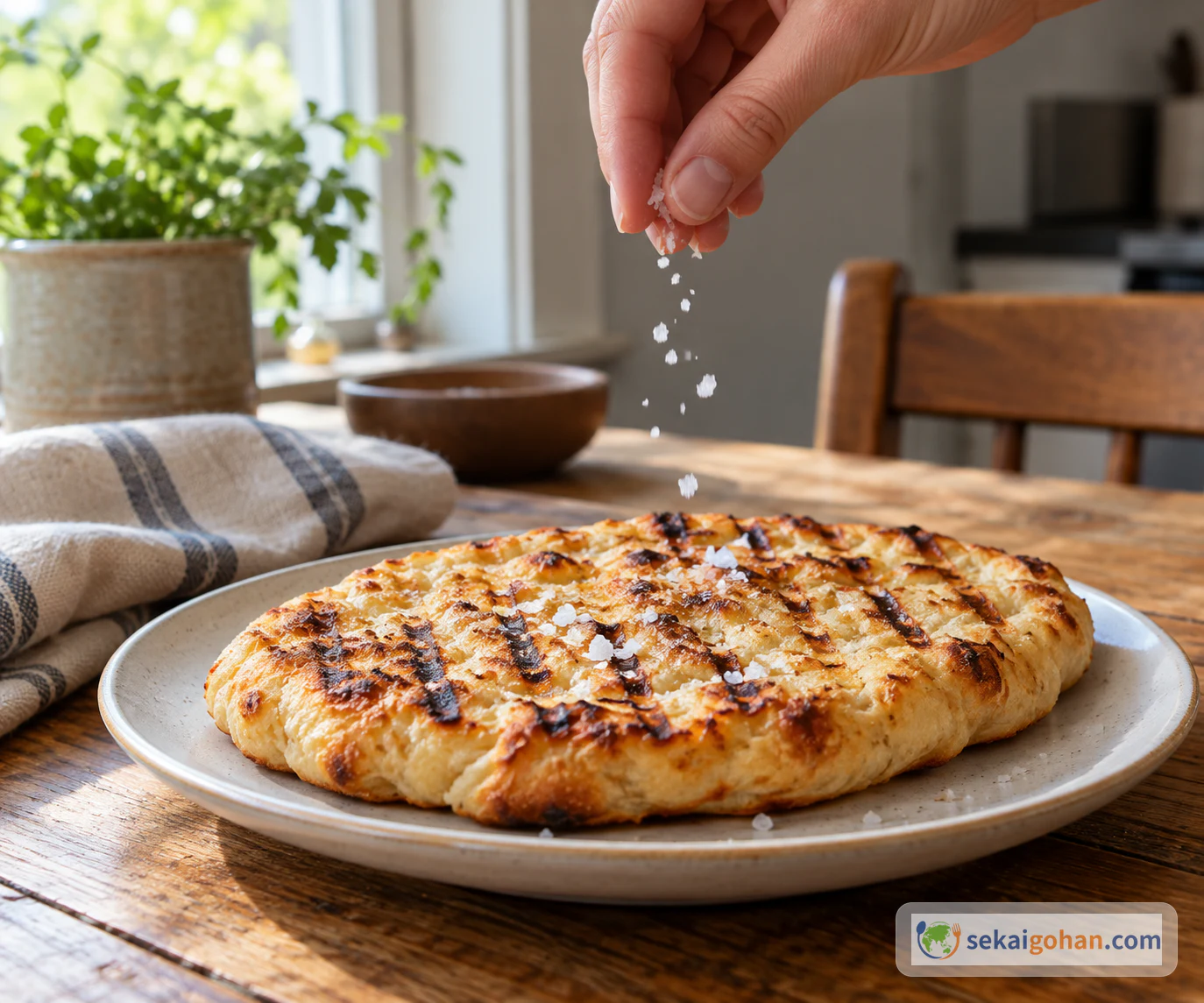
For one Teetl'it Gwich'in chef, bannock belongs at the family table. It came out beside a bowl of soup, and it went into the meals packed for trips in the North. This grilled version is the chef's mother's recipe. In Teetl'it Gwich'in the bread is called Tuhch'uh. You get a lightly sweet flatbread, rolled thin, grilled hot and salted while it's still warm.
Bannock Across Canada
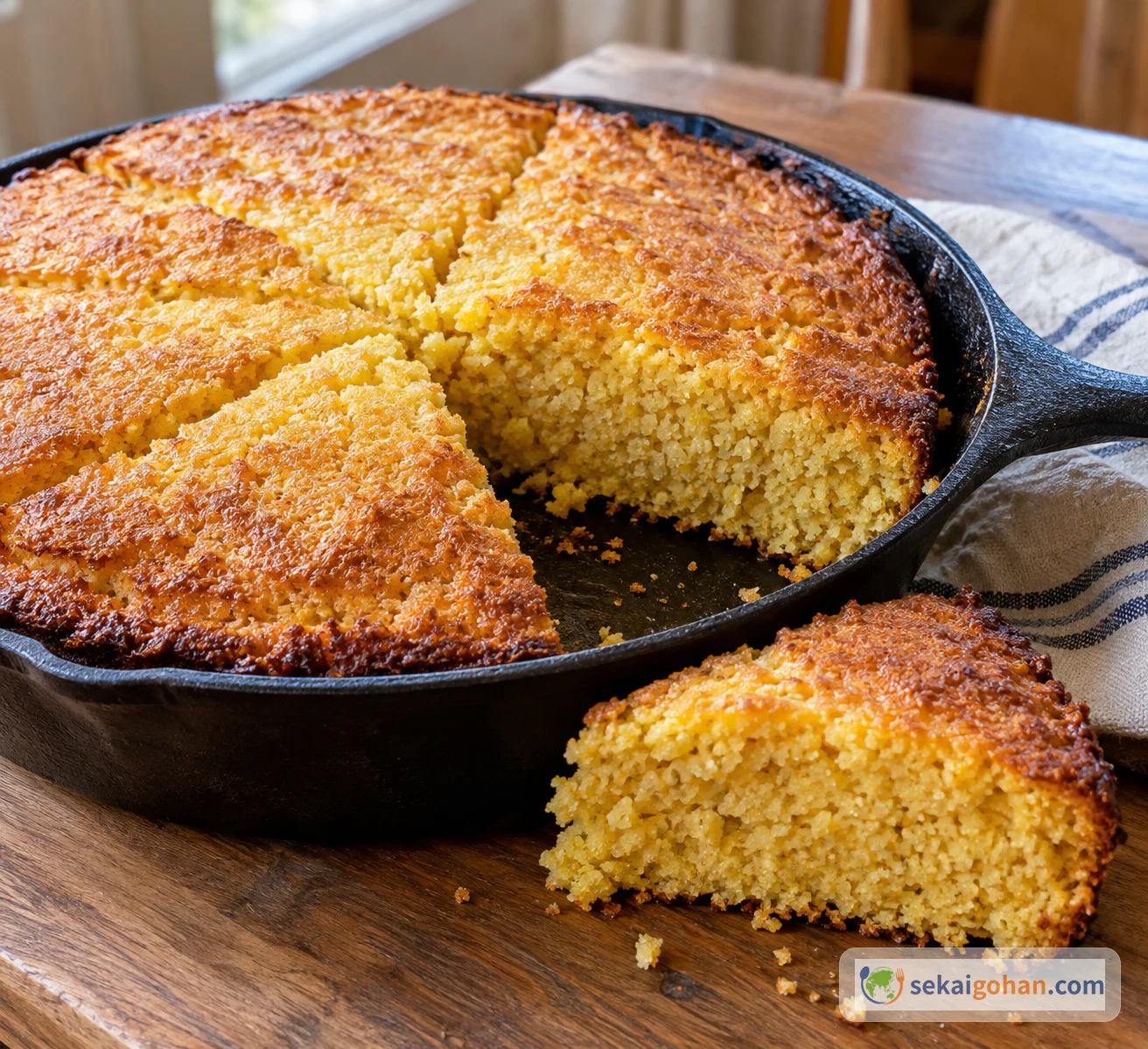
Bannock can be baked, cooked in a pan, deep-fried, or wrapped around a stick and cooked over a fire. Families and communities across Canada each make their own version, and recipes from different places can look nothing alike. At Rocky Mountain House National Historic Site in Alberta, the visitor program serves a Métis-adapted bannock whose origin is unknown. Its dough has oil and cold water and rests for 10 minutes, and it's cooked in a long-handled cast-iron pan over an open fire.
People disagree about bannock's place in Indigenous cuisine. Some Indigenous people see recipes built on wheat flour and white sugar as foods adopted after European contact. Earlier meals were based on corn, nut meal, and flour from ground plant bulbs. Bannock is also part of celebrations and family traditions, and both things are true at once. There's no single "authentic" bannock, and no one recipe speaks for every community.
For more of the country's food, see Canadian recipes.
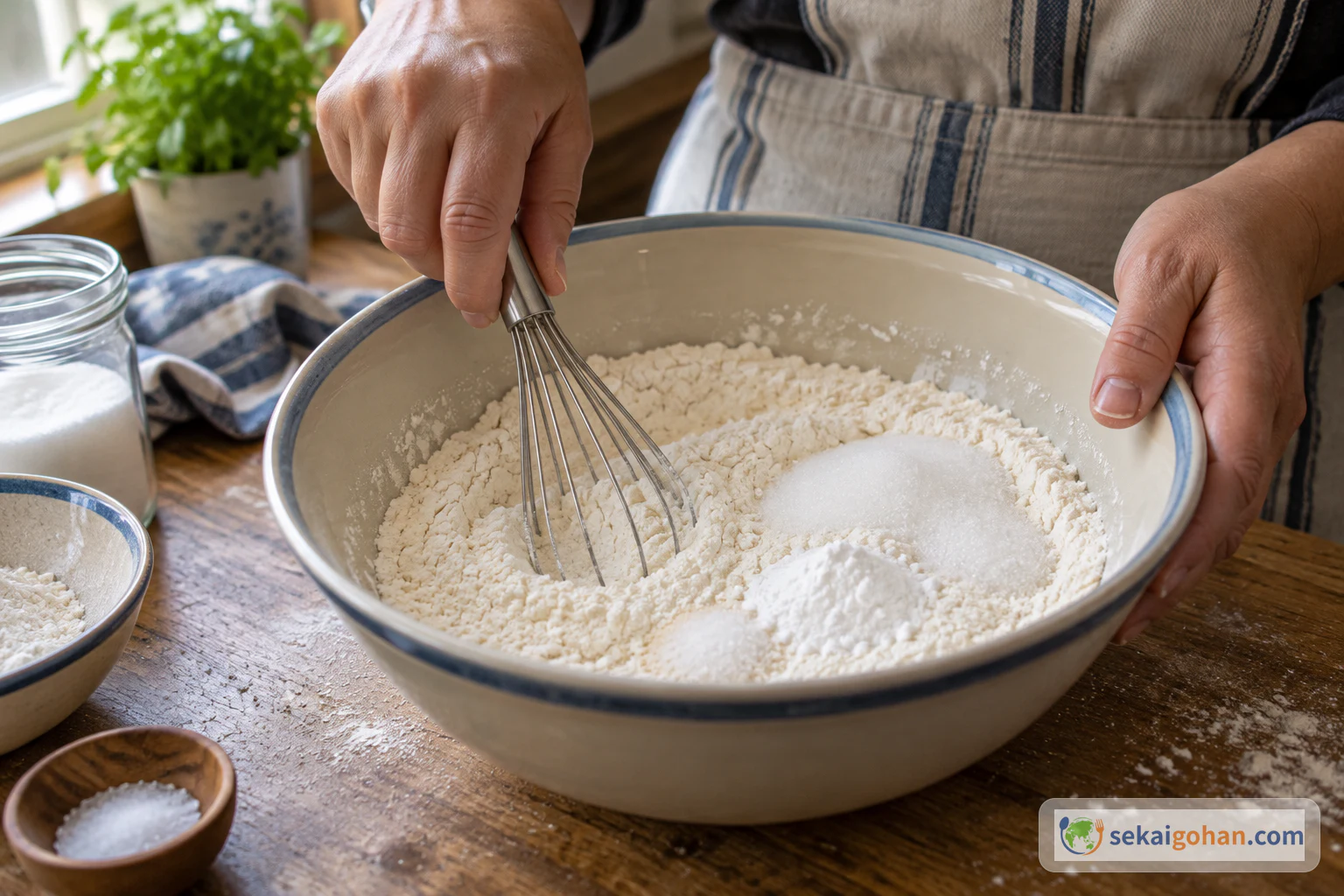
Ingredients: One Bowl of Dough, Oil for the Grill, Salt to Finish
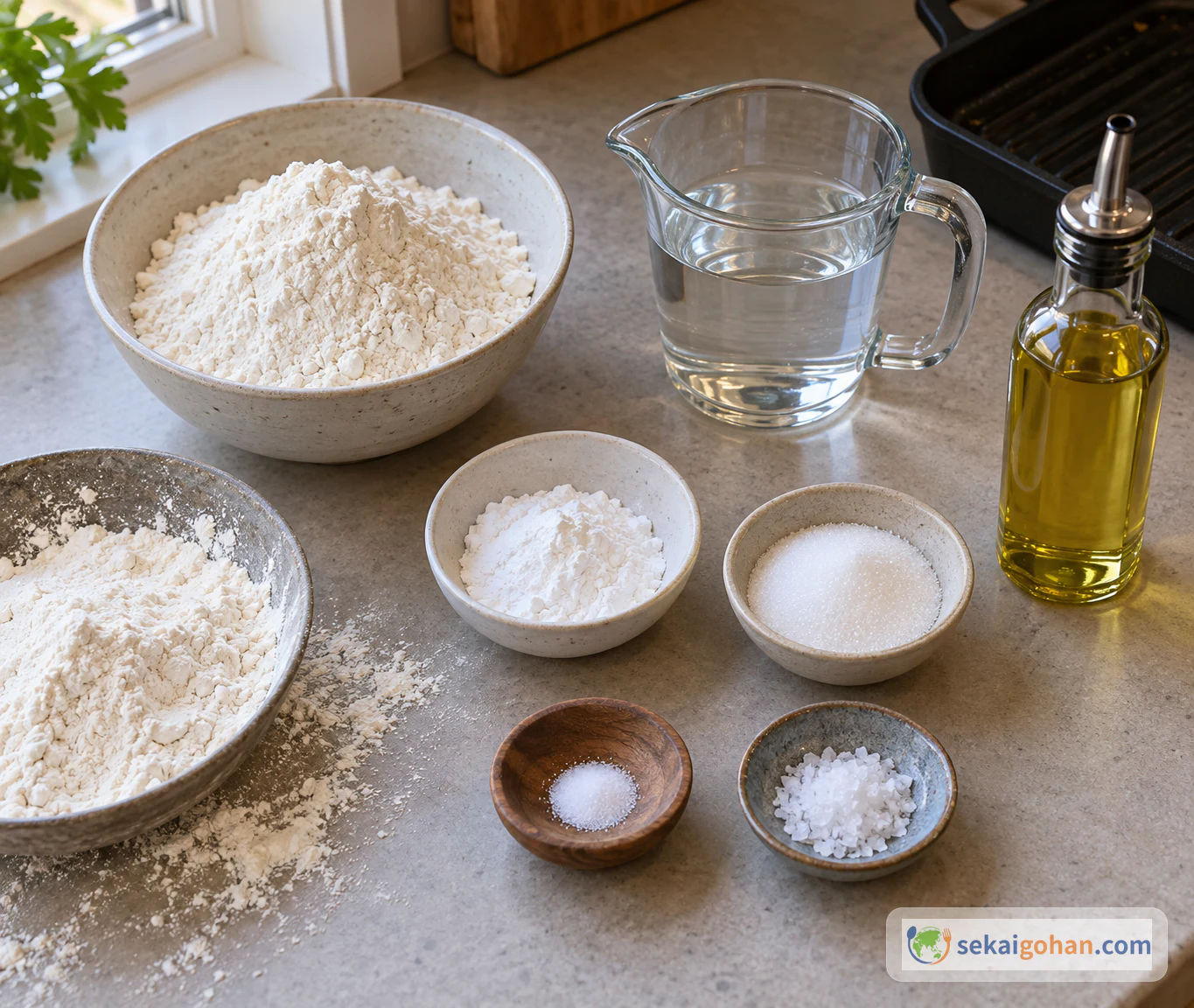
The oil is not mixed into the dough. It is only for the grill and the surfaces of the bread. The finishing salt is also separate from the salt in the dough.
The salt is about 0.25 tsp (1 ml). Use the gram amounts for the flour, baking powder and sugar as given, without converting from spoon measures.
This bread contains wheat (gluten). Check the label of your baking powder too. Don't swap in gluten-free flour; that makes a different recipe.
Equipment
- Large mixing bowl
- Whisk
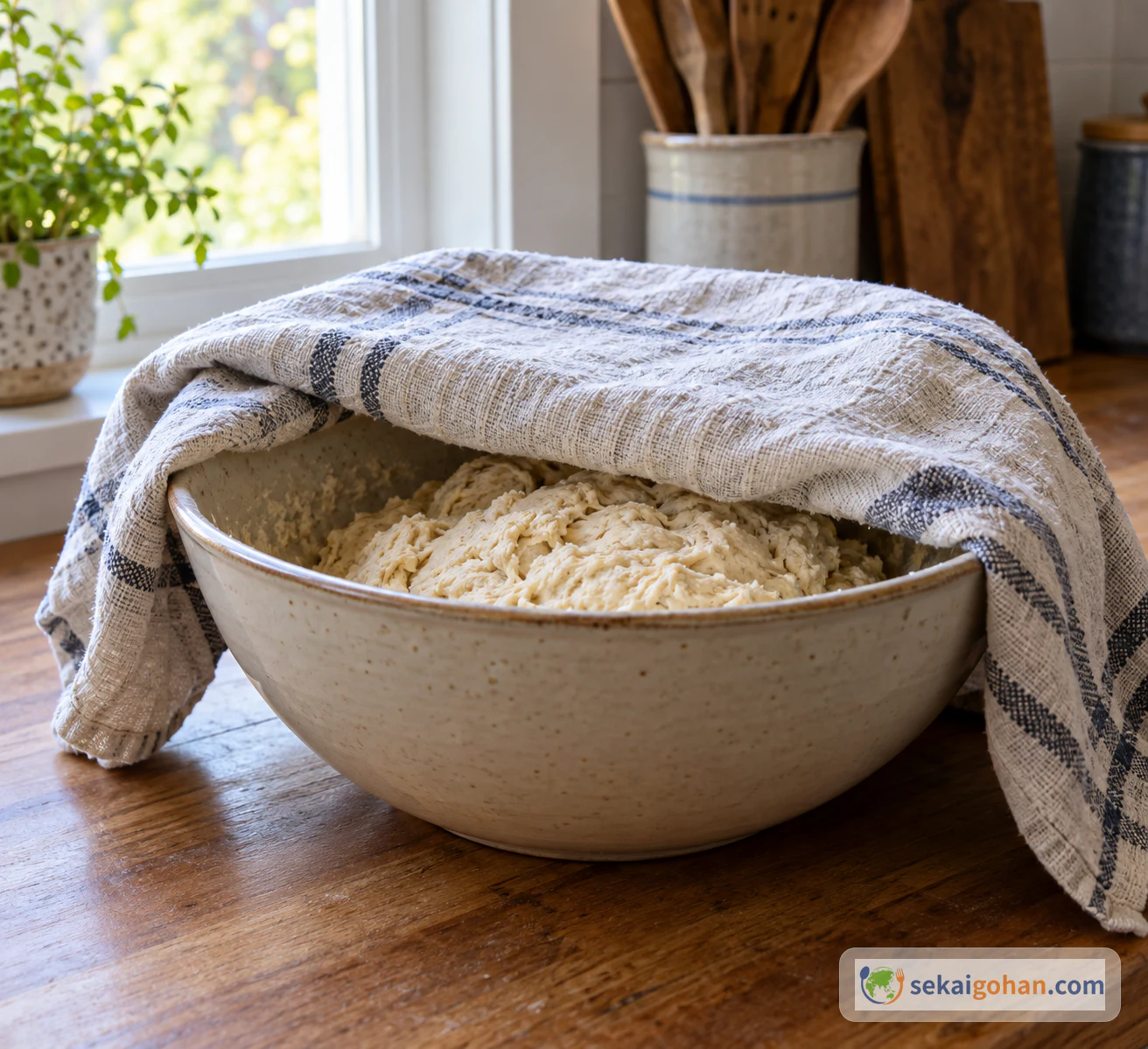
- Clean, damp tea towel
- Clean work surface
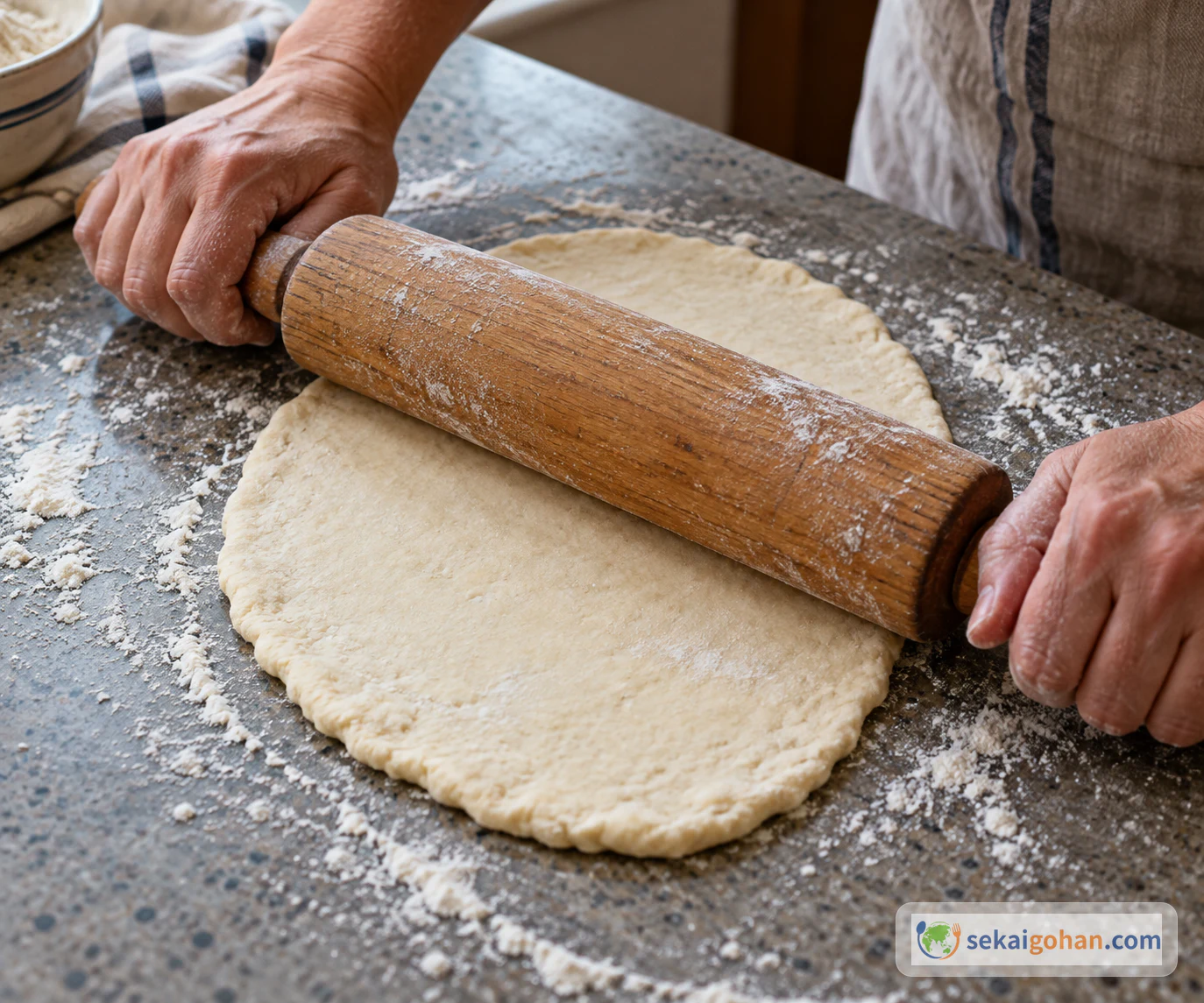
- Rolling pin
- Grill with a metal grate that can be preheated to high heat
- Spatula or tongs for turning
Choosing Flour, Salt and Oil for Bannock
Flour: Use all-purpose flour. In Japan, where all-purpose flour isn't usual, medium-protein flour (chūrikiko) comes closest. Cake flour (hakurikiko) also works, but the bread will turn out different. Flours sold under similar names vary in protein and take up water differently, so the texture will shift. Even so, keep the water at 1½ cups (375 ml) whatever flour you use.
Finishing salt: Ordinary coarse salt or sea salt can stand in for fleur de sel. The crystals crunch differently, so salt to taste.
Oil: Any neutral vegetable oil, such as rapeseed oil, works for the grill and the dough. Brush it on thinly.
Method: Mix Briefly, Rest, Then Grill Both Sides
The grilling times are guides for each piece. Check the puff and the color on each side, and remember that home grills vary.
Bannock Troubleshooting
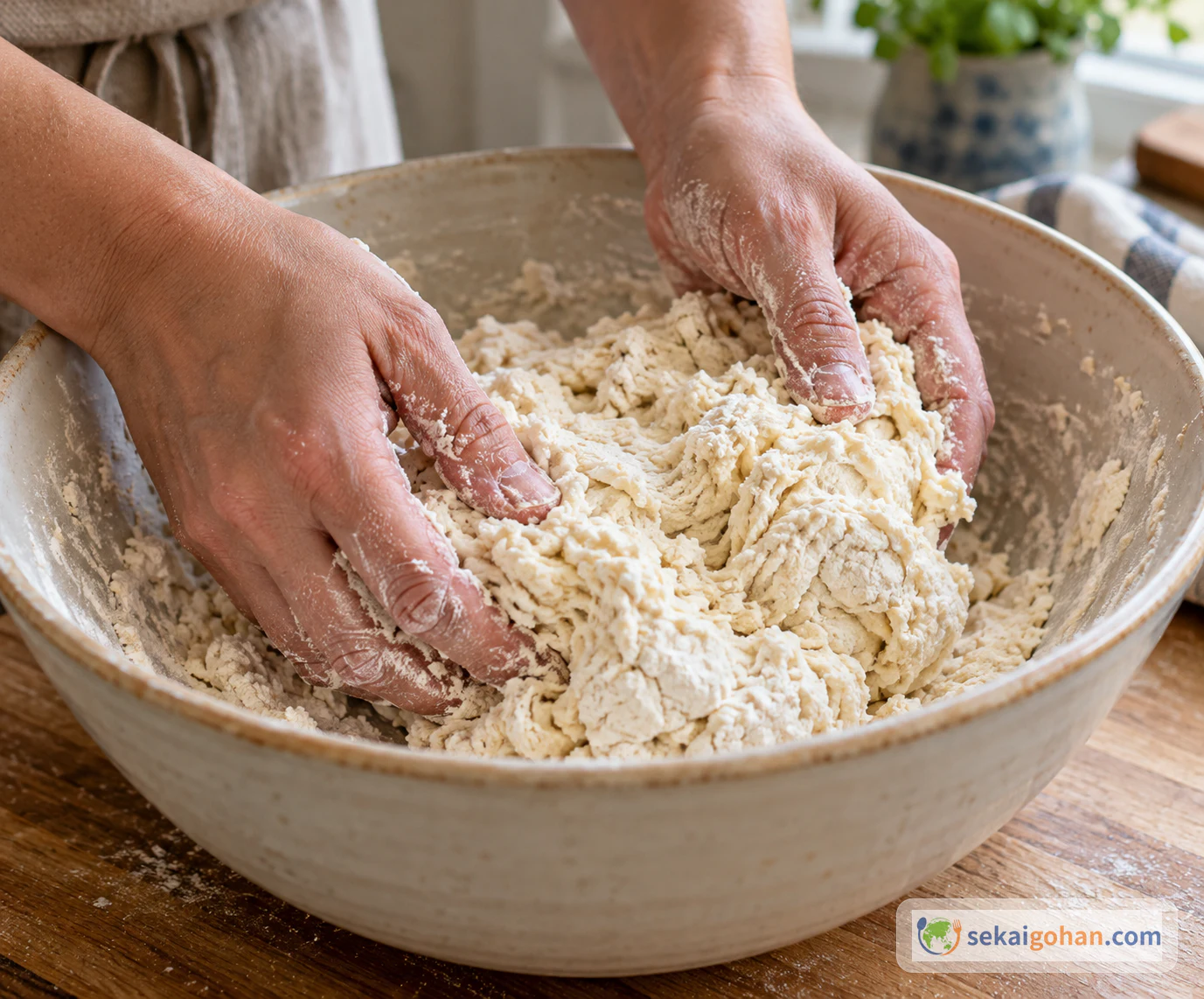
Stop mixing once the dough holds together, even if it still looks wet and shaggy. Roll each piece thin, grill it hot, and salt it while it is still warm.
| What you see | Likely reason | What to do |
|---|---|---|
| The dough looks wet and rough | This is how the dough should look | Stop mixing once it holds together. Don't add flour or water |
| The outside is dark, but you're not sure about the center | Heat, thickness, or your grill differ from the recipe | Color alone won't tell you it's done. If raw, sticky dough remains in the center, it isn't ready to eat. Note your heat, thickness and appliance, and adjust next time |
| Pieces finish at very different times | Rolled thinner or thicker than about 0 inches (0.5 cm) | Keep each piece close to 0 inches (0.5 cm) so the times fit better |
| The bread sticks to the grill | Not enough oil on the grate or the dough | Oil the grate and the side going down, and oil the top before flipping |
| The finishing salt tastes harsh | Coarse salt used in place of fleur de sel | Add it a pinch at a time. The crystals differ, so match the taste, not the amount |
Wait until the bread is cooked before you taste it. Don't sample the raw dough while you work.
Serving Bannock
This bannock is a lightly sweet bread made to sit beside other food. At Teetl'it Gwich'in family tables it came with soup, and it's just as good with stew, a dip or a spread. The batch makes 8 pieces and serves 4–6, depending on what else is on the table. Cooked wild berries are another way to eat bannock. With berries, leave off the fleur de sel.
Pan-cooking, baking, deep-frying and cooking on a stick each have their own recipes and timings. If you want to try one of them, start from a recipe written for that method.
Frequently Asked Questions
Can I make it in an oven or a frying pan?
Bannock is made those ways too, but this recipe is written for a hot grill at about 400°F (200°C). Its times and temperature don't carry over to other methods, which have their own recipes.
How long does it keep?
Eat it soon after grilling, while it's still warm.