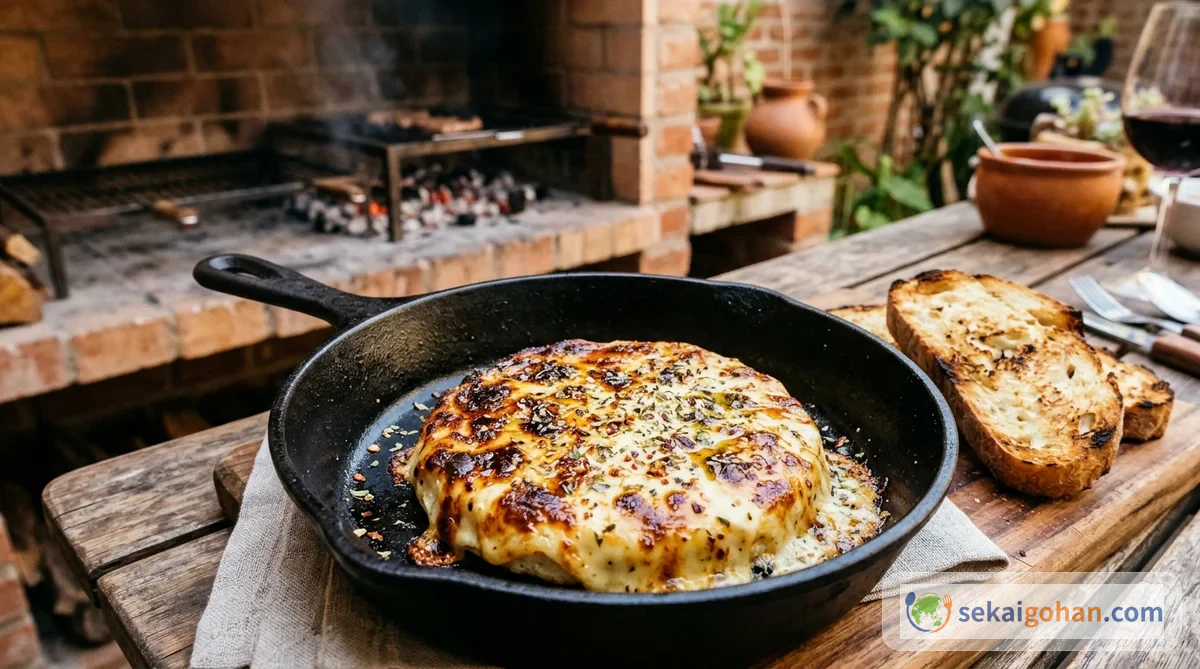
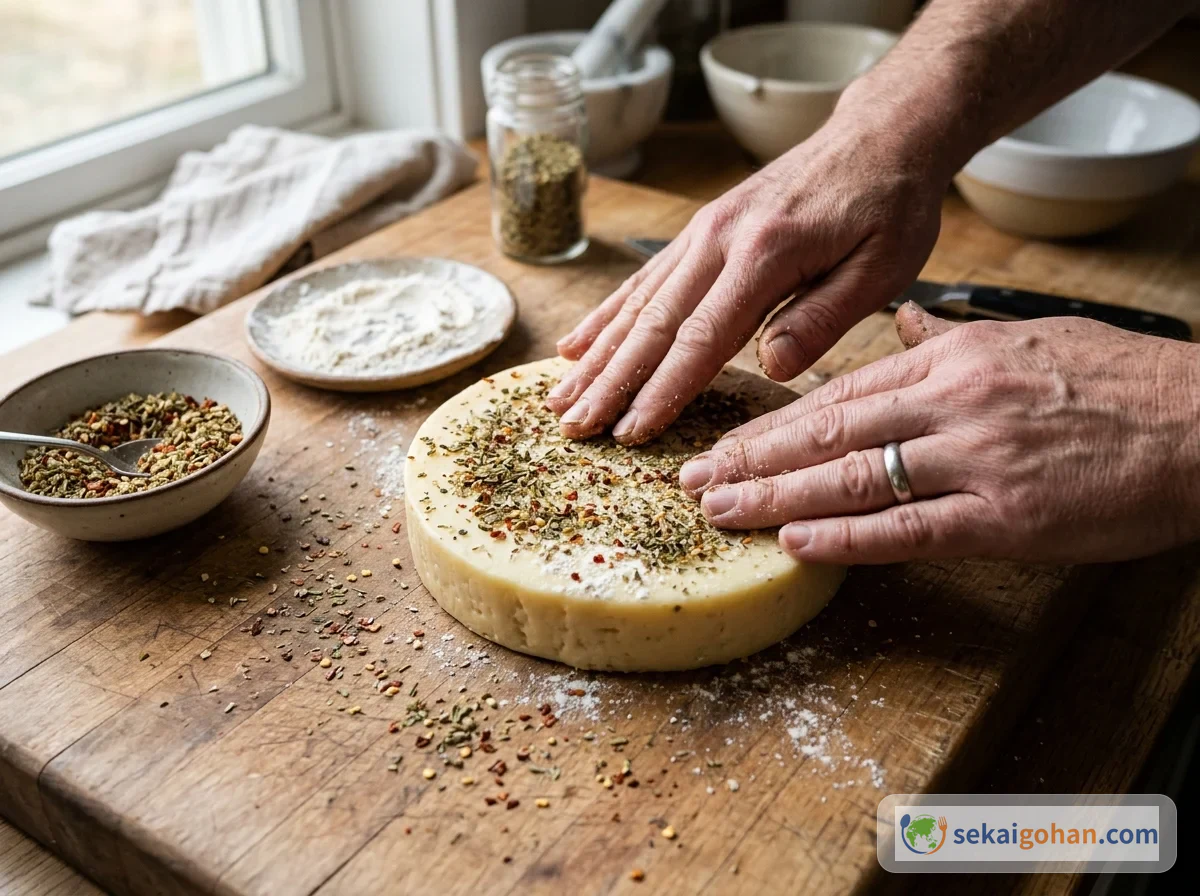
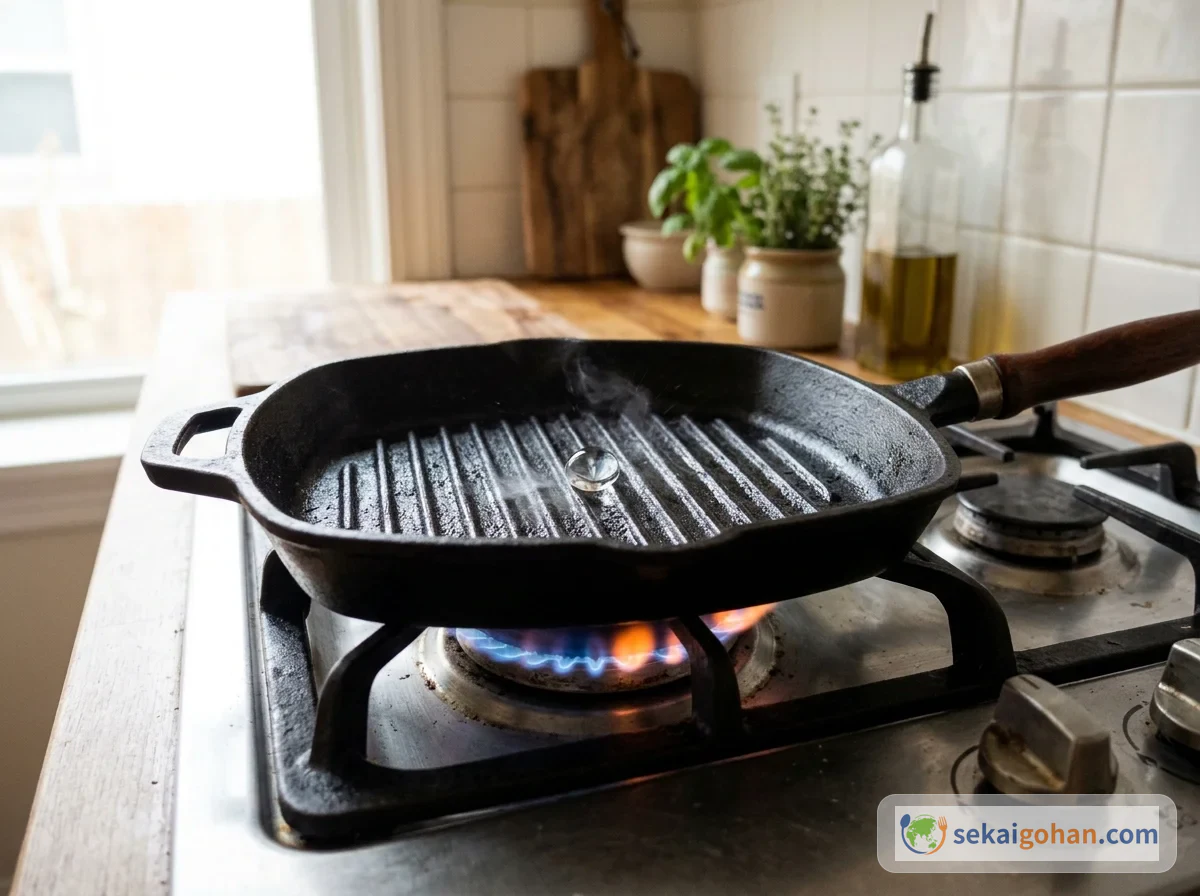
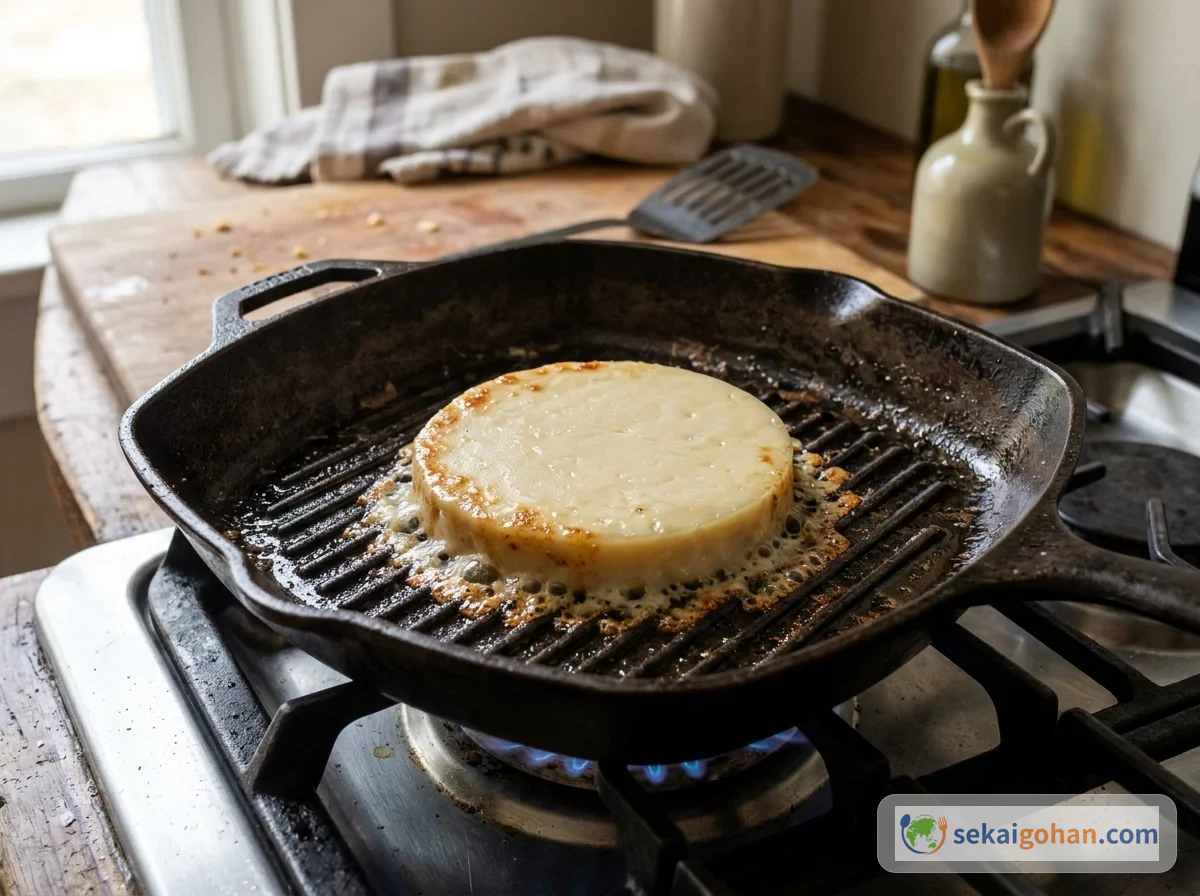
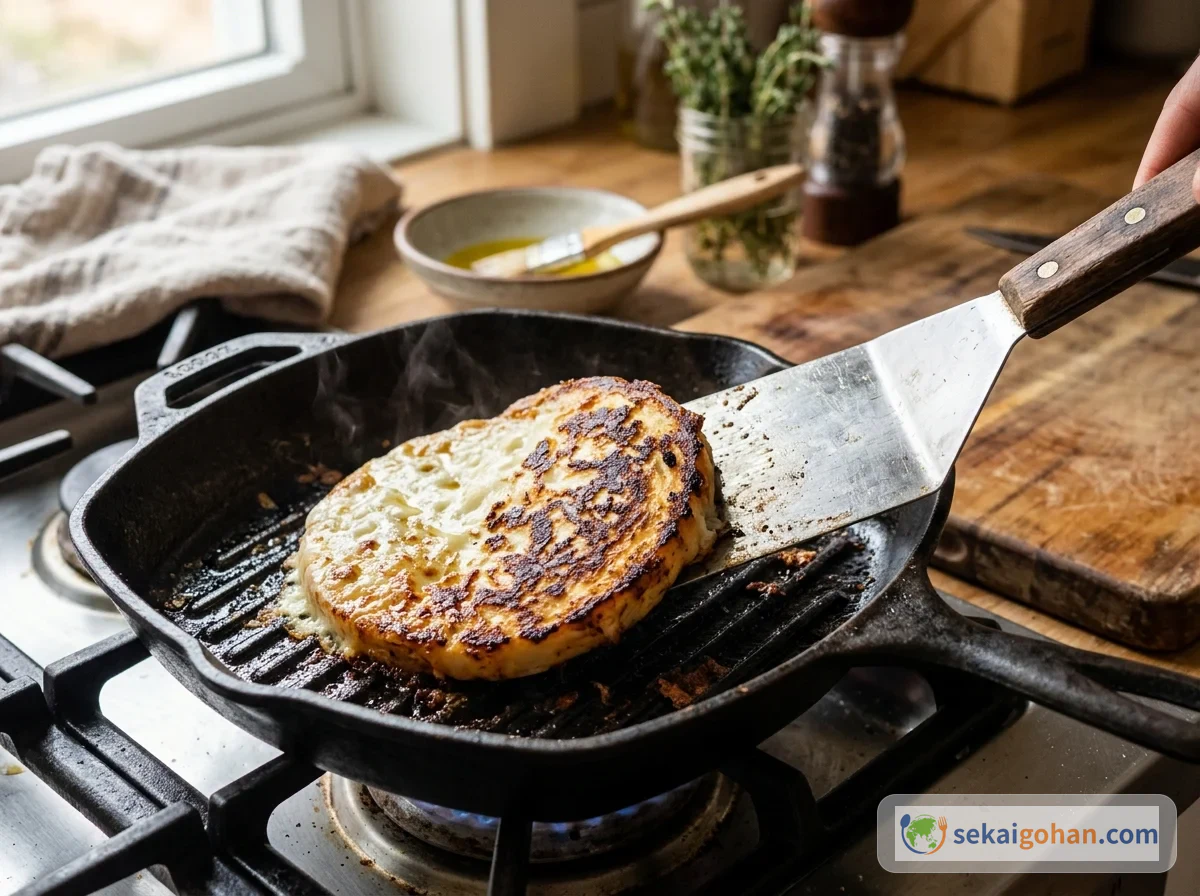
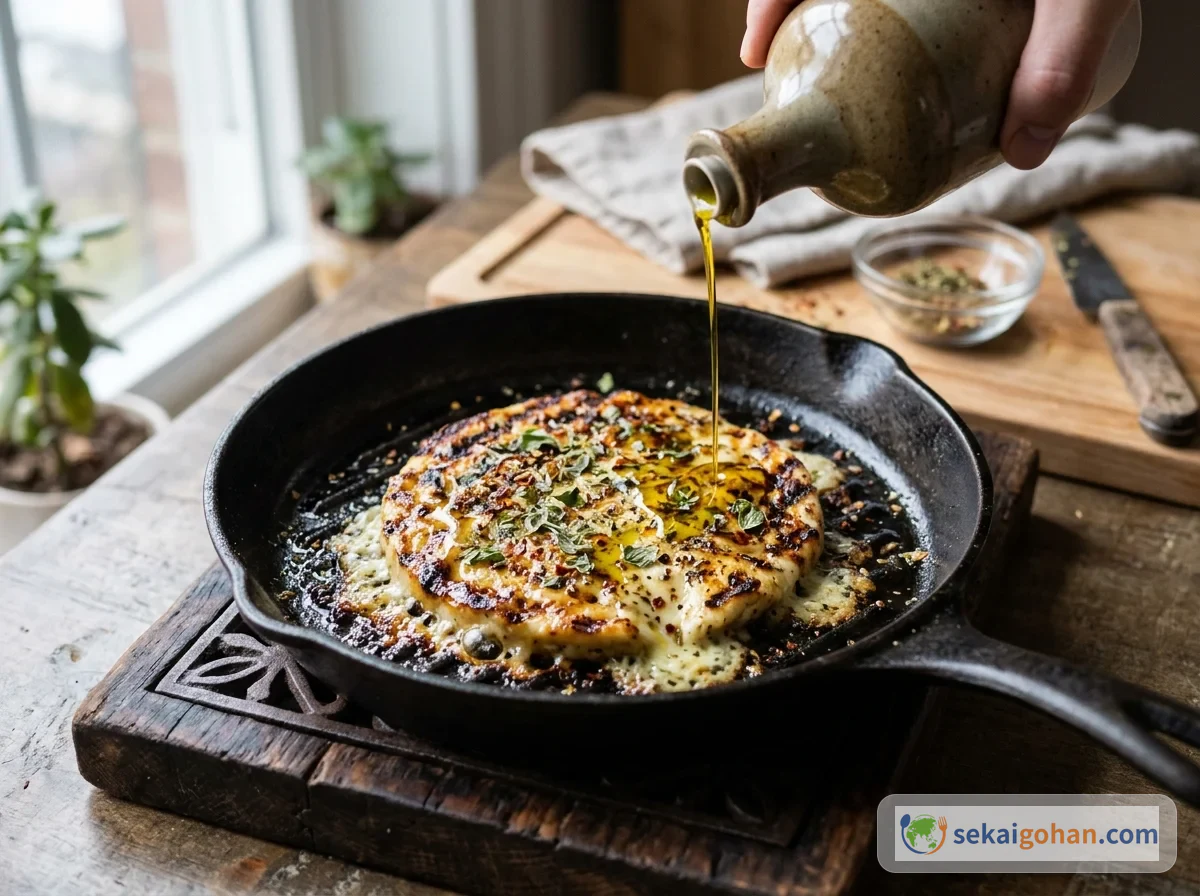
On a Sunday noon in an Argentine backyard, the coals in a brick parrilla (grill) have just turned red, and the meat is still a while away. For the family and friends who can't wait, the cook first sets a thick, round disc of cheese on the grate. It sizzles and browns from the edges, and under a shake of oregano and chile flakes it goes meltingly soft inside. This is provoleta, the grilled cheese starter that announces the start of the asado. All you need is provolone, oregano, chile flakes and olive oil, and a cast-iron grill pan or skillet cooks it at home in about 10 minutes. One bit of prep keeps it from collapsing as it cooks, so don't skip it.
Provoleta and the Argentine asado
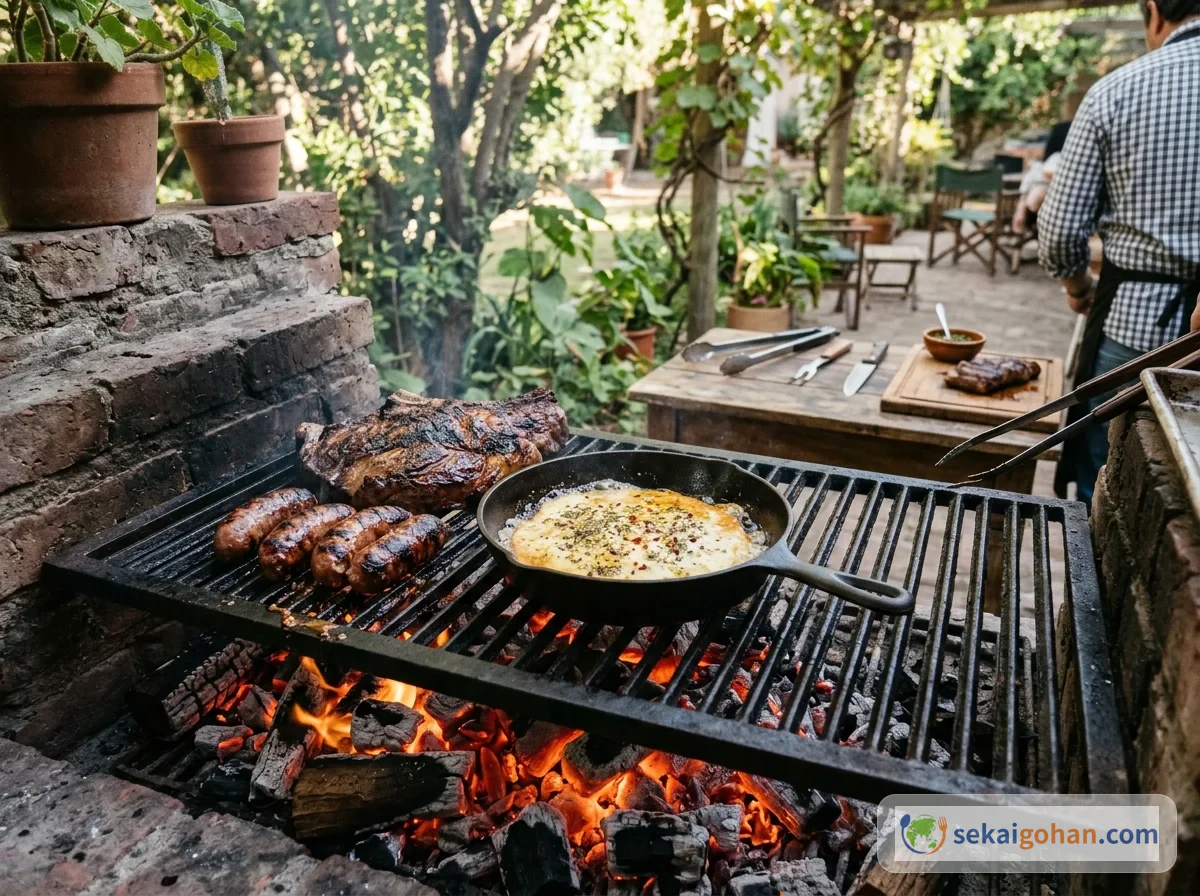
Provoleta was invented in Argentina by Natalio Alba (1902–1983), who came from Rossano in the Calabria region of southern Italy. He moved to the village of Arroyo Algodón in Argentina's Córdoba province as a young man and went to work in dairy. Many Argentines are of Italian descent, and Alba wanted to combine the eating habits of two countries. Cheese is essential to Italian cooking and meat is central to Argentine cooking, so he set out to bring Italian cheese to the Argentine asado.
He worked out the cheese through trial and error in the 1940s. When a cylinder of provolone goes on the coals, the outside turns crisp while the inside goes soft. The name is a diminutive of the Italian cheese "provola," and in 1955 it entered Argentine food standards as "provolone hilado" (provolone spun into threads). Alba registered the trademark and the method, but in 2008 "provoleta" was ruled a generic name.
The way it's eaten is just as settled. The classic provoleta is cooked on the Sunday parrilla, with the family gathered around, and seasoned with only oregano and chile flakes, then finished with a little olive oil and served with toasted bread. Argentines eat it before the meat, "a dish to fool the stomach" while the asado cooks.
Ingredients (serves 4)
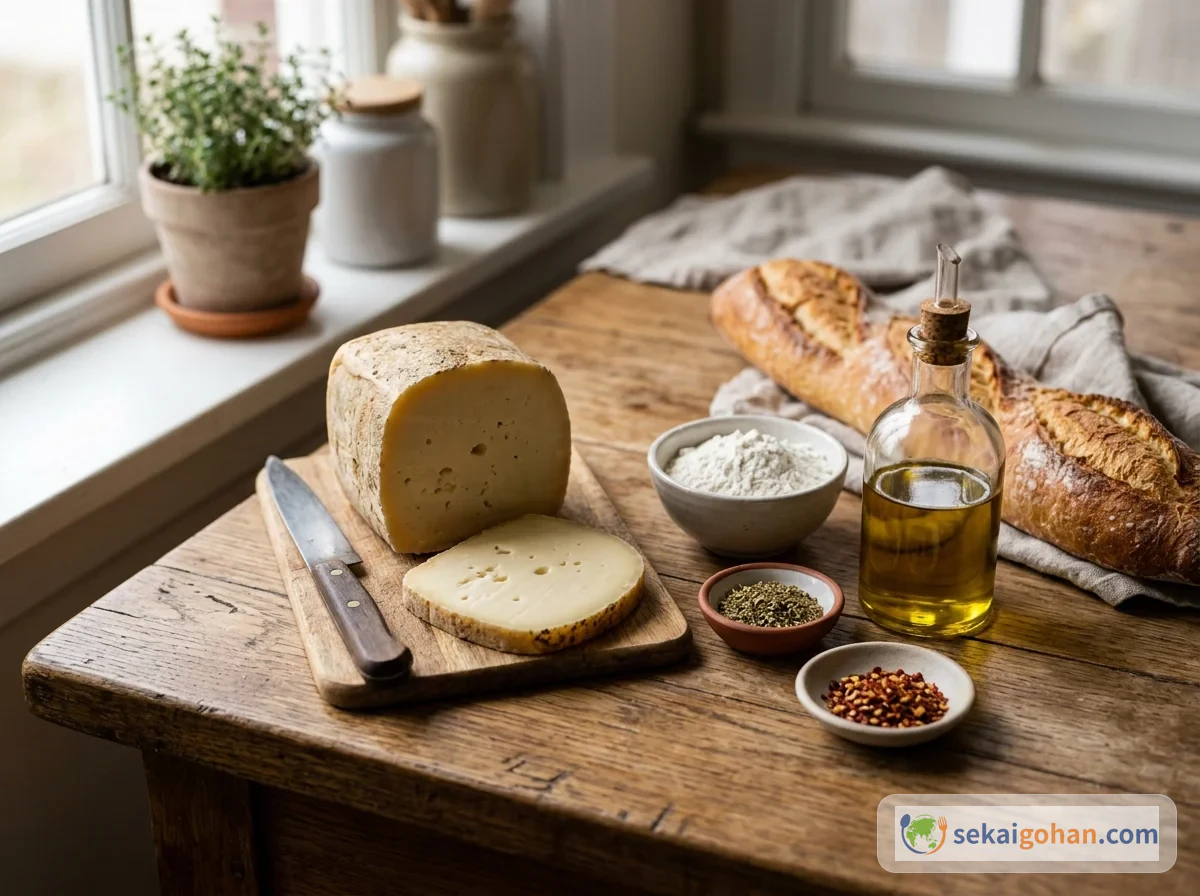
This is the basic method, adapted to ingredients available elsewhere.
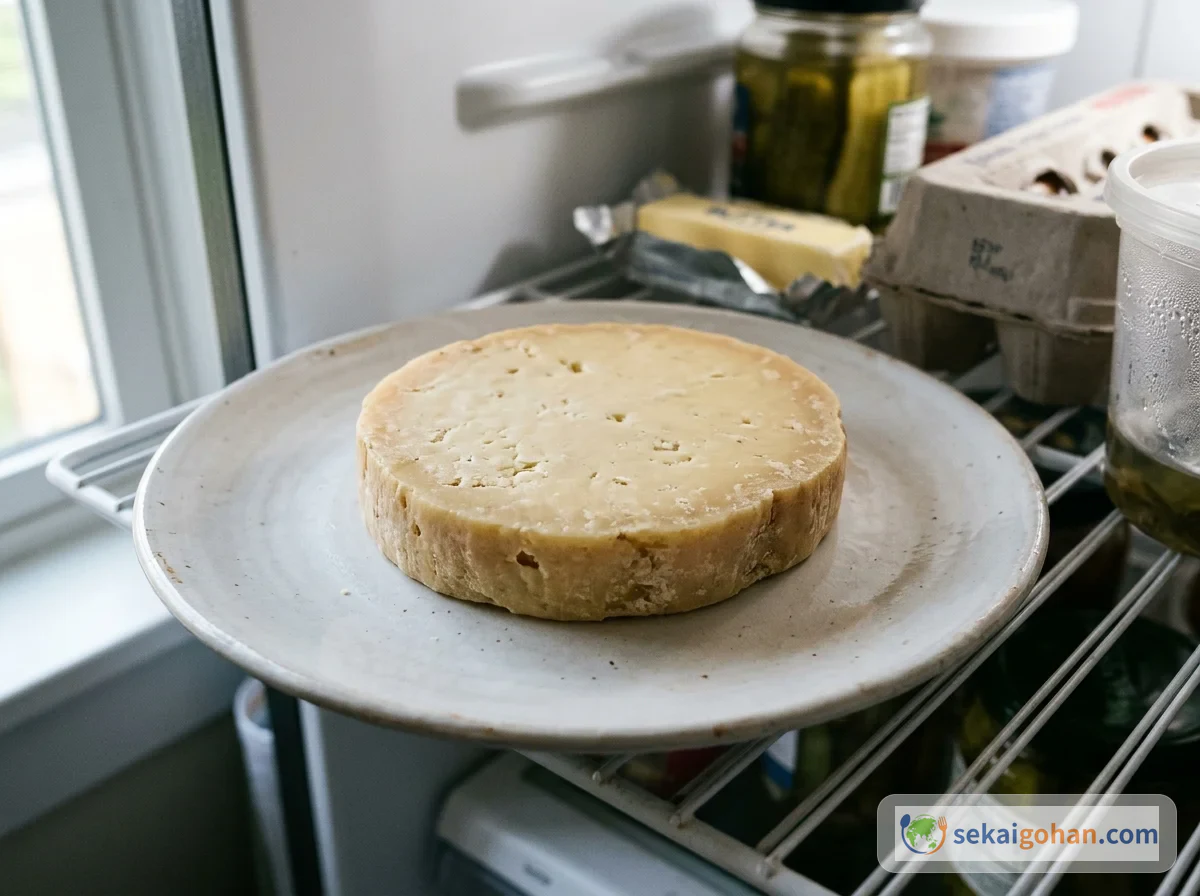
Provolone is available at import grocers, cheese shops and online. Buy it in a block and cut your own 1 inch (2 cm) thick slice. If it is thinner it spreads and melts before the center warms; if it is too thick the surface can scorch while the center stays cold.
Choosing the cheese for provoleta
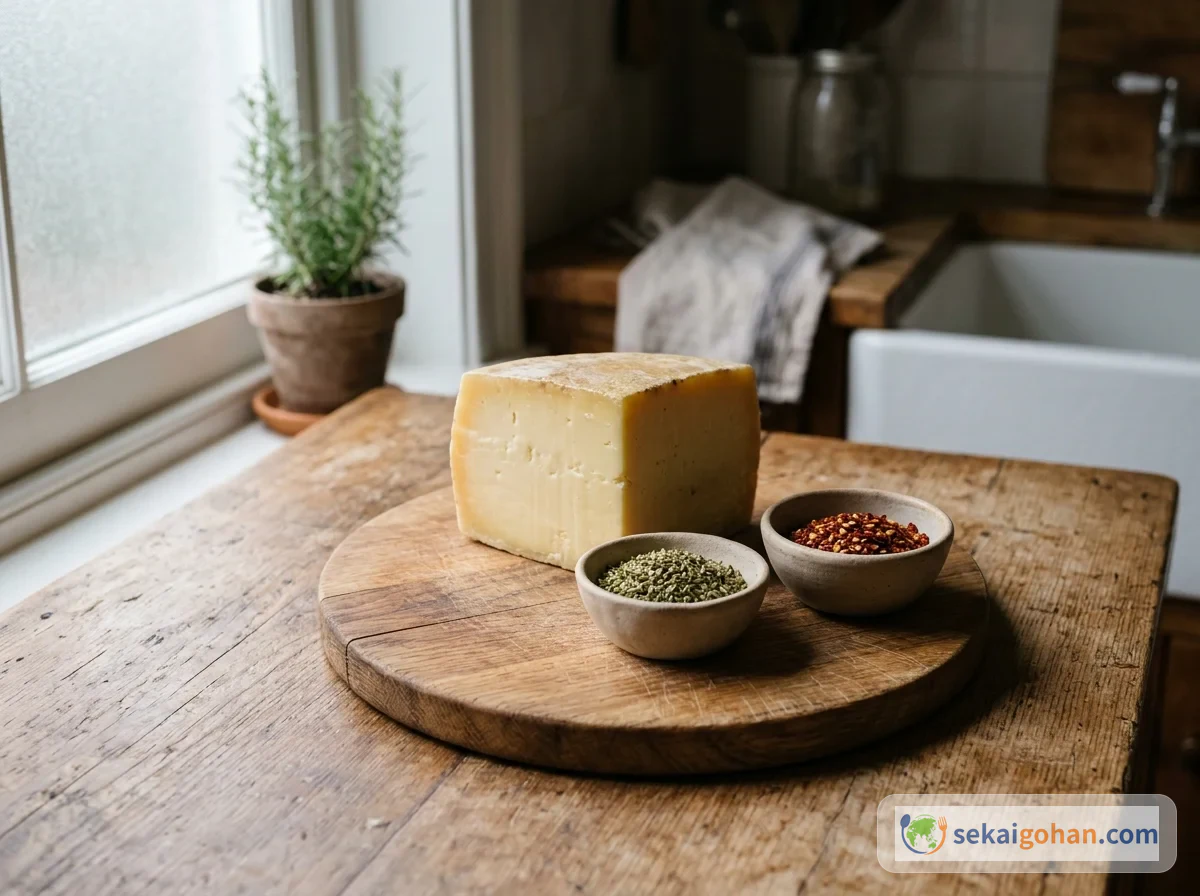
Provoleta holds its shape over the coals instead of melting into them because of the "hilado" (spun) method used to make it. In this step the curd is kneaded and stretched in hot water (pasta filata in Italian), and the cheese needs it to survive the grill. Mozzarella and caciocavallo belong to the same family.
Even so, moist fresh mozzarella won't work here: it melts and spreads right away on the heat. An aged caciocavallo, made by the same spinning method, comes much closer to provolone.
How to make provoleta
Drying the surface of the cheese takes half a day to a day, and cooking takes about 10 minutes. If you cut the cheese the day before, on the day you only need to cook it.
The finished provoleta and the cast-iron grill pan are very hot. When you bring it to the table in the pan, always set it on a trivet and hold the handle with a thick mitt. Melted cheese is very hot, so let it cool a little before serving it to children.
Keeping provoleta from collapsing
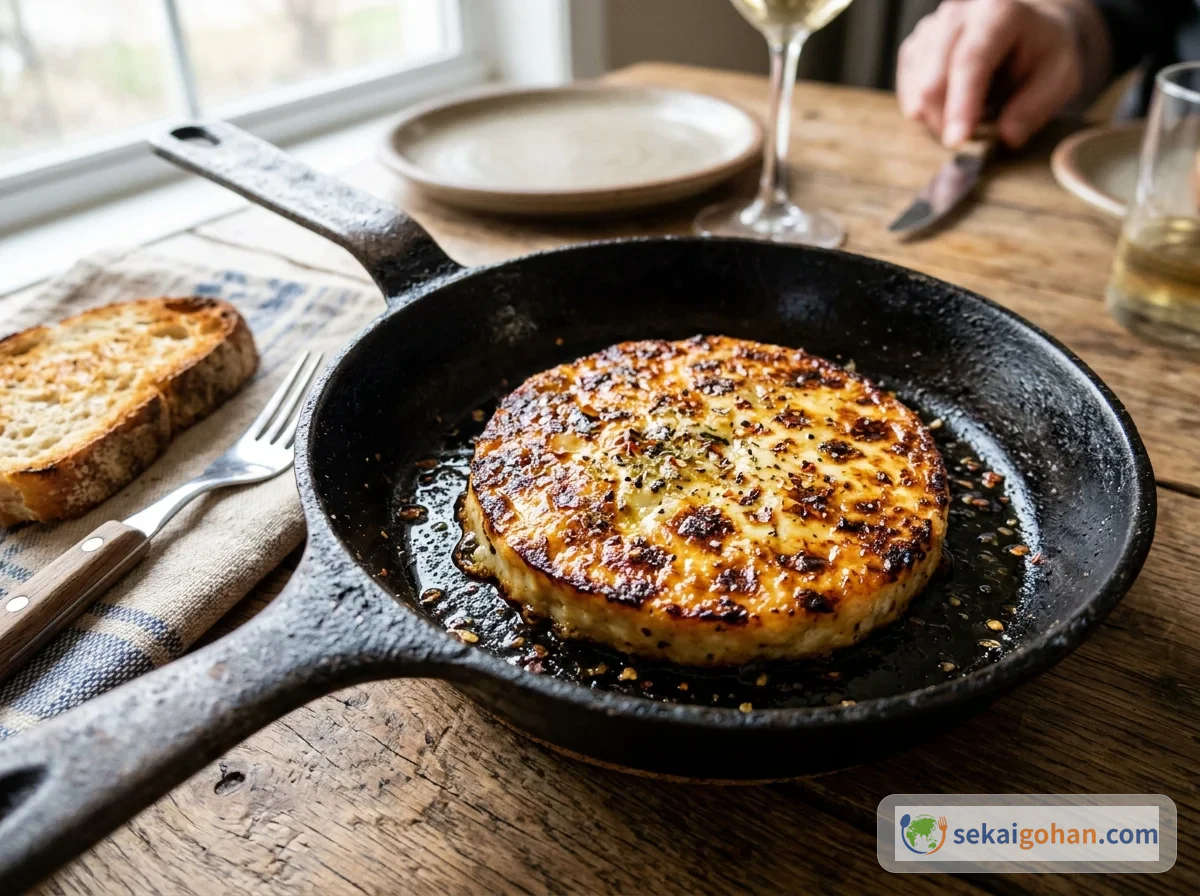
The most common failure is cheese that melts, spreads and loses its shape as it cooks. Three things prevent it: dry the surface, heat the grill pan well, and do not touch it while it cooks. A dry surface forms a thin skin that holds the cheese together and cooks up crisp. A dusting of flour also keeps it from sticking to the grate.
On a charcoal grate, melted cheese tends to drip through if you set it directly on the bars. Cook it in a small cast-iron skillet or iron vessel, or on a double layer of aluminum foil with the edges turned up.
Cheese straight from the refrigerator scorches on the surface while the center is still cold. Take it out 30 minutes ahead, and by the time the surface is nicely colored the inside will be just melting.
Serving provoleta and variations
How to eat it
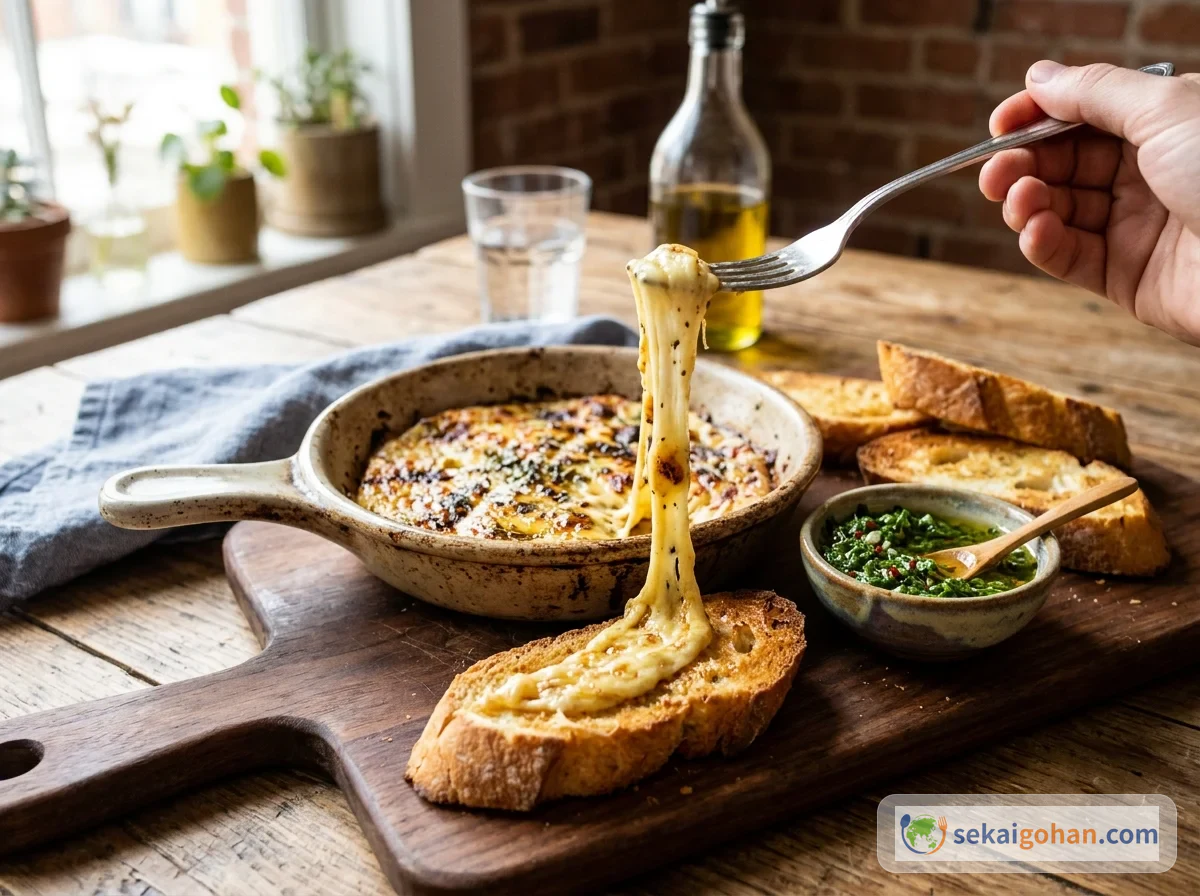
Cut the hot provoleta with a fork and eat it on toasted baguette. Eat it while it is still stretching and melting. It hardens as it cools, so take it straight to the table. A little chimichurri, the raw herb sauce of parsley and garlic, cuts through the richness of the cheese.
Once the provoleta is gone, it's time for the main event, the meat. How Argentine charcoal grilling works is covered in the asado article, and the home favorite of fried thin-sliced beef is in milanesa.
Versions with ham or egg
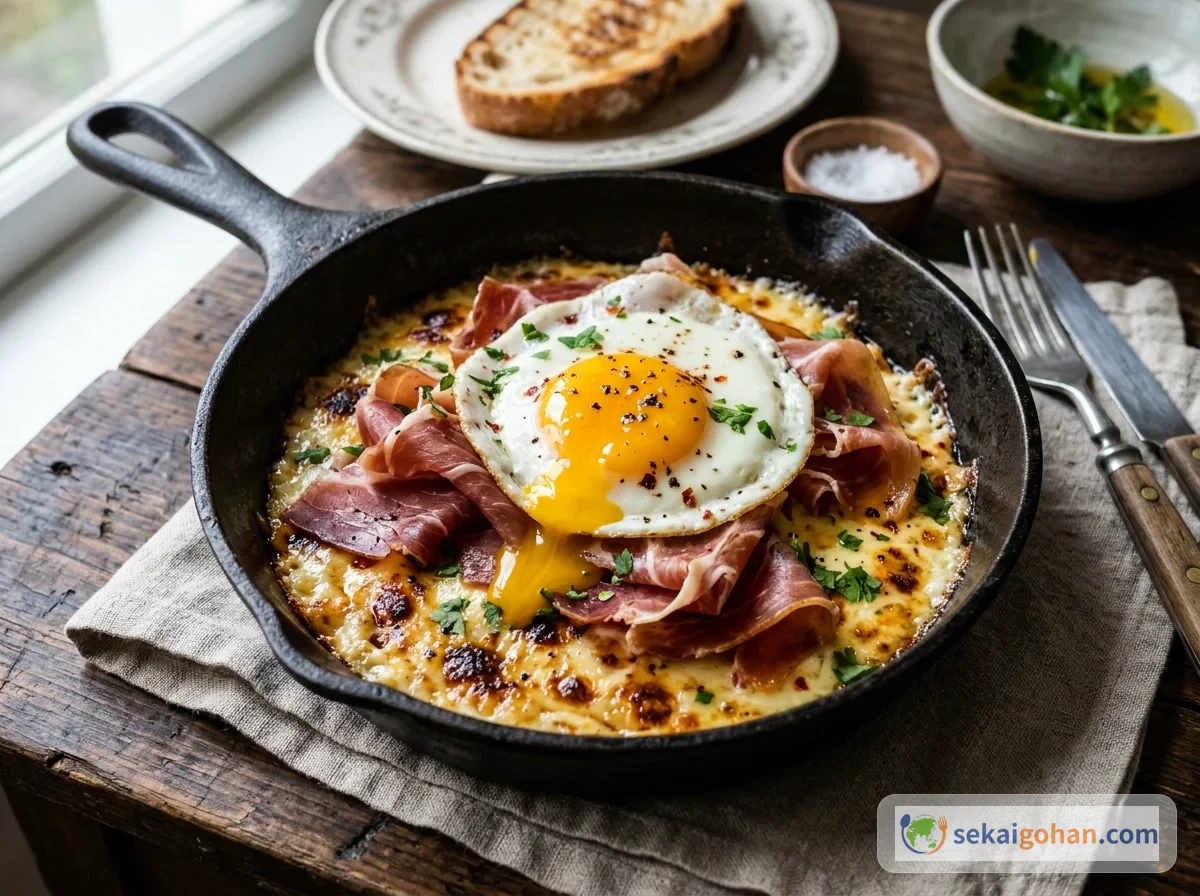
Argentine bars and restaurants today also top provoleta with sauces, vegetables, ham and egg. At home, lay 2 to 3 slices of cured ham over it as it comes off the heat, or serve grilled peppers or tomatoes alongside, and the starter becomes a full dish.
A restaurant-style provoleta comes with pesto, young greens and a slow-cooked egg. At home, a soft-cooked fried egg on top does the job: break the yolk into the cheese, and that's luxurious enough.
Frequently asked questions
Can I cook it in a frying pan?
A nonstick frying pan works. A cast-iron grill pan or skillet holds heat better, though, and gives a good sear in less time. In a frying pan too, use no oil, and heat the pan well before the cheese goes in.
How do I reduce the heat?
Leave out the chile flakes and cook it with oregano only. Anyone who wants heat can sprinkle some on at the table.
What allergens should I watch for?
It contains milk (cheese), and the flour for dusting contains wheat. You can cook it without the flour. The baguette served with it also contains wheat.