The coals slowly turn white, the chorizo goes on first, and the beef is moved patiently to the cooler side of the grill. In Argentine asado, the waiting is part of the cooking. It feels less like grilling meat than like a table being set, little by little, beside the fire. People in Argentina and Uruguay love asado, and the word means both the charcoal-grilled meat and the weekend meal itself, when family and friends gather to talk, wait and carve. This version is built for home cooking. Use a charcoal grill if you have one, or a broiler or cast-iron grill pan if you don't, with bone-in short ribs, skirt steak and chorizo. Finish with chimichurri, start with empanadas, add revuelto gramajo as the potato dish, and the Argentine table comes together.
Asado in Argentina and Uruguay

Asado belongs to the food culture of the Río de la Plata region. Beef, chorizo, morcilla, offal, chicken and vegetables are all grilled over charcoal. In Argentina it stands for the country's beef culture. On a weekend it runs from midday into the evening, and people eat a little at a time as each piece is done. Choripán (chorizo in bread) usually comes first, then the thinner cuts, and finally the large bone-in cuts, which are carved while everyone talks and waits.
It looks a lot like Brazilian churrasco, but the approach is different. Churrasco is known for large skewers and rodízio service. Argentine asado lays the meat on a flat iron grate, and the cook adjusts the coal bed underneath as it goes. Salt is the main seasoning, and chimichurri or salsa criolla is added at the table.
| Point | Asado | Churrasco |
|---|---|---|
| Main region | Argentina, Uruguay | Brazil |
| Equipment | Parrilla, iron grate, coal bed | Skewers, charcoal, churrasqueira |
| Seasoning | Coarse salt, chimichurri, salsa criolla | Coarse salt, vinagrete, farofa |
| How it's eaten | Brought to the table in the order it's cooked | Often carved from the skewer |
In Spanish, "asado" means "grilled" or "the act of grilling." As a dish it is asado, the person who grills is the asador, the grill is the parrilla, and bone-in beef short rib is called tira de asado.
Ingredients to gather

The part of shopping for asado that causes the most confusion is the beef cuts. In Argentina, tira de asado is bone-in beef short rib cut thin across the bones, vacío is a lean cut from the flank side, and entraña is close to skirt steak. Because names differ at stores, think in terms of the substitutions below and you'll find them more easily.
This recipe uses sausage that contains beef and pork. Some sausages contain wheat, egg or dairy, so check the label. Sear the surface of the beef well and measure the internal temperature of thick cuts. Beef steaks and roasts should reach 63°C (145°F) at the center. Cook thoroughly, especially thick cuts and servings for anyone at higher risk.
What to look for when shopping
You'll buy the meat, tomatoes, onion and parsley locally. The items worth a closer look are those that serve asado's character and prevent failure: red wine vinegar gives chimichurri its outline, dried oregano gives the South American aroma, a probe thermometer reassures you on thick meat, and a grill raises how close you can get to charcoal.
Choosing cuts for asado
At home, pick thicknesses you can control easily instead of forcing yourself toward huge cuts. The goal is to build color first and then let the meat settle over medium to low heat, not to cook everything through over high heat.
If you can't find bone-in short rib, skirt, rump and a round roast are all easy to work with. For a bone-in feel, look for thick-cut bone-in short ribs or spare ribs, not the thin ones cut for Korean-style grilling. Thin-sliced short ribs will do in a pinch. Grill them only 1–2 minutes per side over high heat and eat them right away with the salsa, as a different dish.
Asado heat control and common failures
Heat control at home
How you use the heat matters more in asado than which meat you buy. On an authentic parrilla, the coals are built in one spot and moved little by little under the grill to adjust the heat. You can't be that precise at home, but the idea is the same: strong heat builds the surface, and gentle heat warms the center.
| Cooking setup | Suitable meat | Heat | Where it goes wrong |
|---|---|---|---|
| Charcoal grill | Bone-in short rib, chorizo, skirt | Separate high and low heat zones | Burning from flames, starting while the coals are still red |
| Cast-iron grill pan | Skirt, rump, thinner bone-in cuts | Strong preheat, medium-low in the middle | Meat steams in its own juices |
| Broiler (fish grill) | Chorizo, thin short rib | Medium to high, turning midway | Fat drips and flares |
| Oven as well | Thick rump, round roast | Sear the surface, then 200°C (400°F) for 8–12 minutes | Cutting without resting lets the juices run out |
Common failures and fixes
Most asado failures come from heat and moisture, not seasoning. In home kitchens the usual culprits, in order, are weak charcoal, a grill pan that isn't hot enough, meat packed in too tightly, and cutting without resting.
| Failure | Cause | Fix |
|---|---|---|
| Surface gray and not fragrant | Moisture on the meat, insufficient heat, pan not preheated enough | Dry the meat and grill fewer pieces at a time |
| Burnt outside, cold inside | Pushed through on high heat | Move to the low-heat zone after browning |
| Too salty | Used fine salt in the same amount as coarse salt | Reduce table salt to 2 tsp |
| Tough | Cut along the grain, didn't rest | Cut thinly across the grain |
| Juices run out | Cut right after cooking | Rest for 8–10 minutes |
If the meat ends up overcooked, slice it thin and add plenty of chimichurri. The acidity of the salsa criolla and the moisture in the vegetables make dry meat much easier to eat.
Serving and storing asado
Serving in order

Serve the meat the way Argentine homes do, as each piece comes off the grill. Chorizo goes into bread first, then the thinner cuts, and the bone-in cuts are carved last. It's far more satisfying than piling everything on one big platter and watching it cool.
Chimichurri is a sauce to spoon on at the table. Marinating for a long time before grilling lets the vinegar and garlic penetrate strongly, and the meat also browns less. If you must use it as a seasoning, limit it to a thin brushing of 1 tbsp 30 minutes before grilling.
Storage and next-day ideas

Cool the grilled meat and refrigerate it within 2 hours. Keep the meat and sauces separate, and store the meat in a shallow container. It keeps 3 days in the refrigerator or 1 month in the freezer. To reheat, put 1 tbsp water in a skillet, cover and warm over low heat for 3–4 minutes. In a microwave, allow 1 minute 30 seconds to 2 minutes per serving at 600 W. Either way, check that it is steaming and hot all the way to the center.
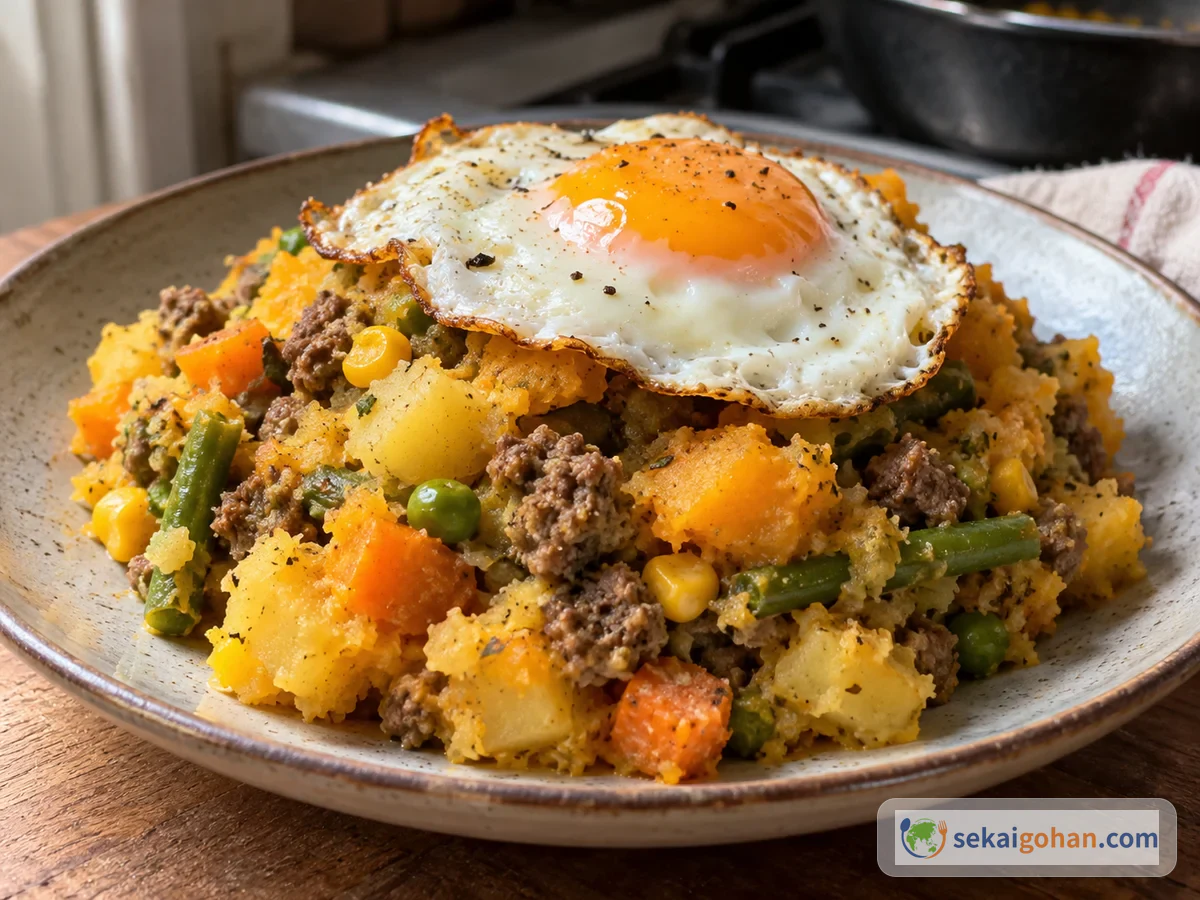
The next day, tuck sliced meat, chimichurri and salsa into bread for a choripán-style sandwich, where even the overdone parts turn into toasty flavor. Chopped meat fried with eggs suits a potato dish like revuelto gramajo. Chopped firm fat can go into fried rice or fried noodles and still carries a trace of charcoal aroma.
FAQ

Is it not asado without charcoal?
Charcoal is ideal, but a grill pan can carry the same idea: color from a strong preheat, a gently warmed center and a rest before cutting. The charcoal aroma will be weaker, but with chimichurri and salsa criolla it makes a perfectly good home version of an asado table.
Can I make chimichurri ahead?
Yes. It keeps 4 days in the refrigerator. Because it's garlic and herbs in oil, don't leave it at room temperature for long. For longer storage, freeze it in small portions and thaw only what you need in the refrigerator. The full formula is in how to make chimichurri.
Can I serve it to children or people who don't like spicy food?
Leave the chili out of the chimichurri, put out extra salsa criolla, and swap the chorizo for a mild coarse-ground sausage. Cook thick pieces through to the center before carving instead of leaving them very red.
What sides go with it?
Serve empanadas as a starter and chimichurri as the sauce. To widen it into a South American table, the South American cuisine guide (in Japanese) can help you add ceviche or feijoada. Put out tangy vegetables and bread alongside the meat, and it stays easy to eat right to the end.