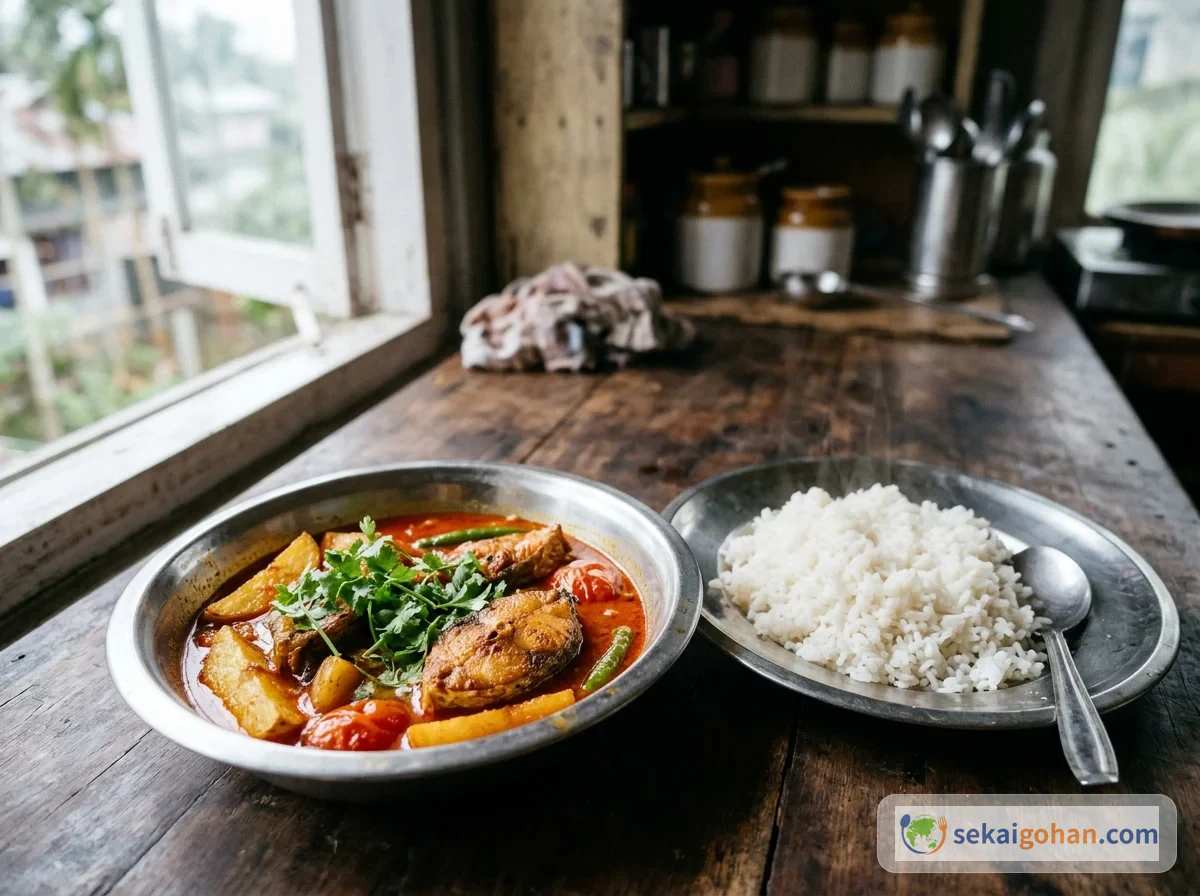
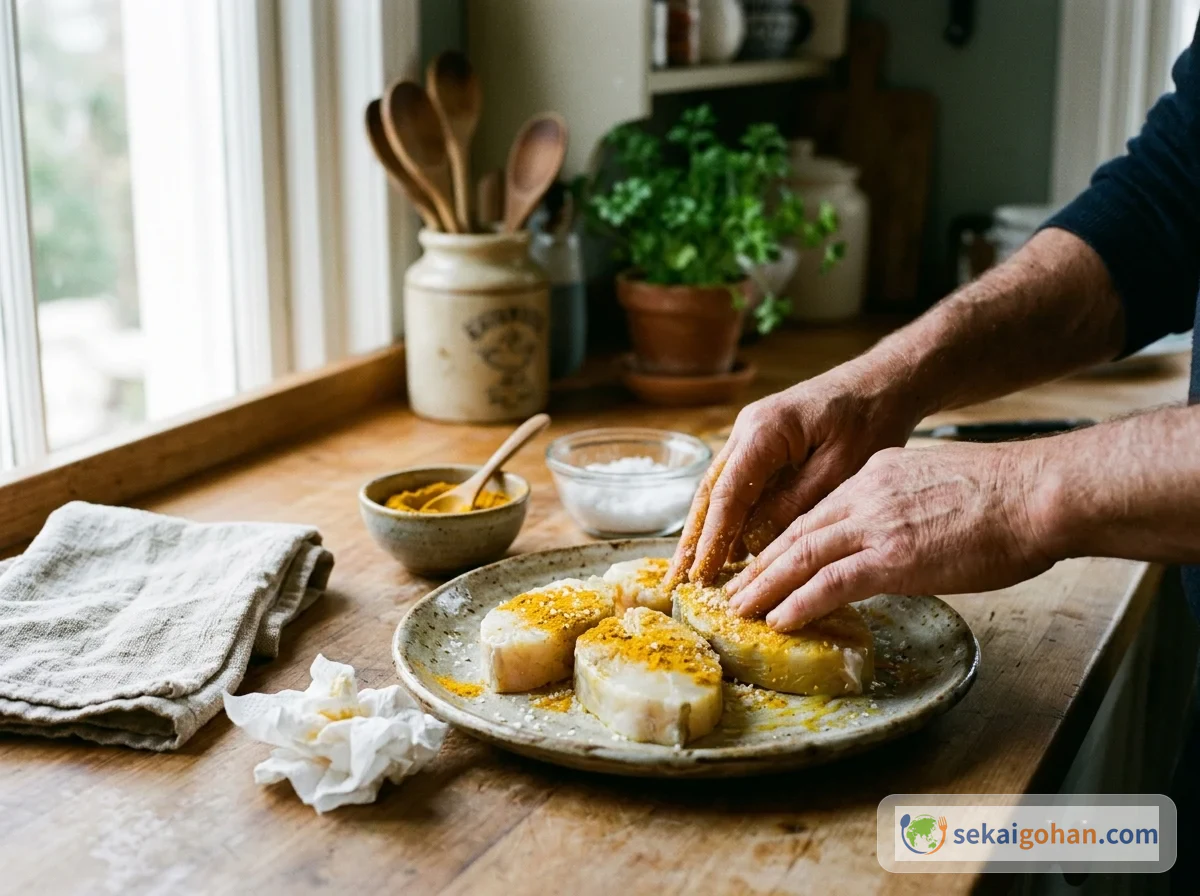
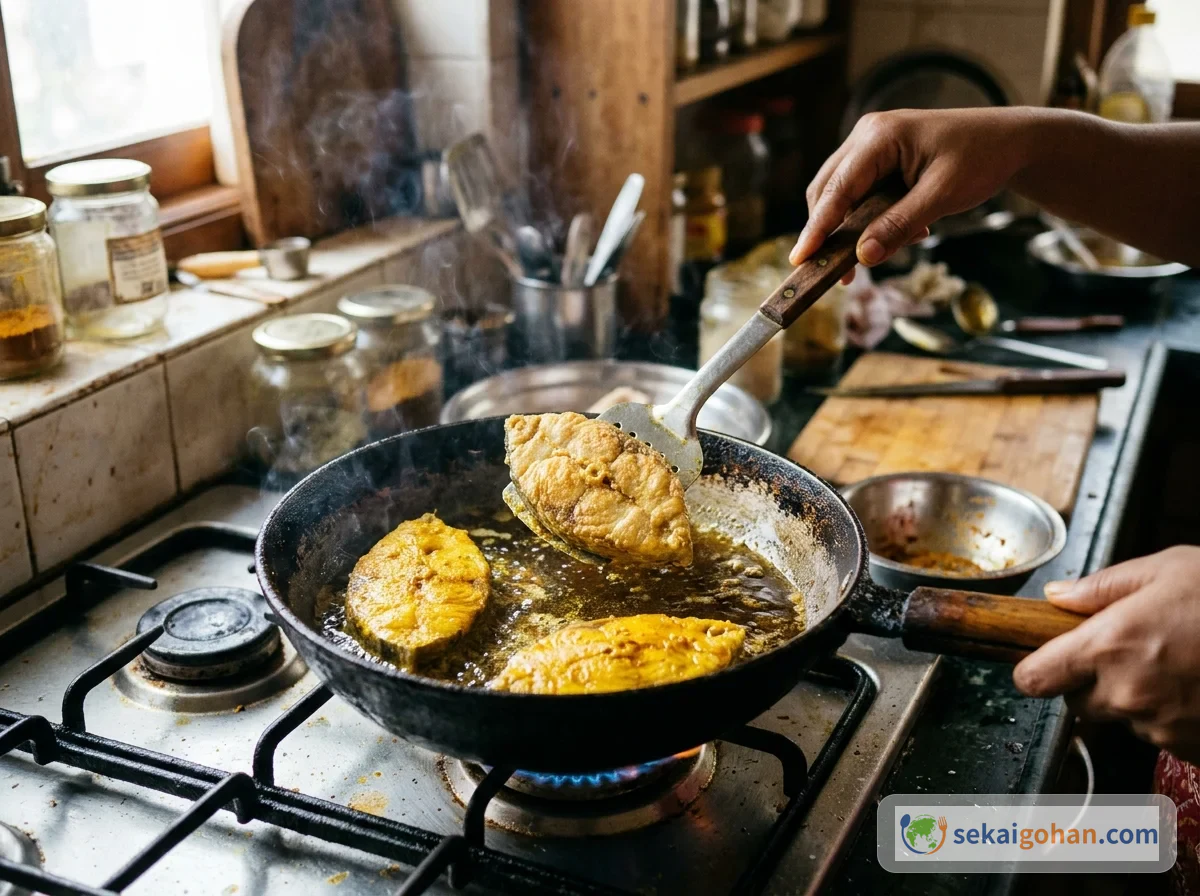
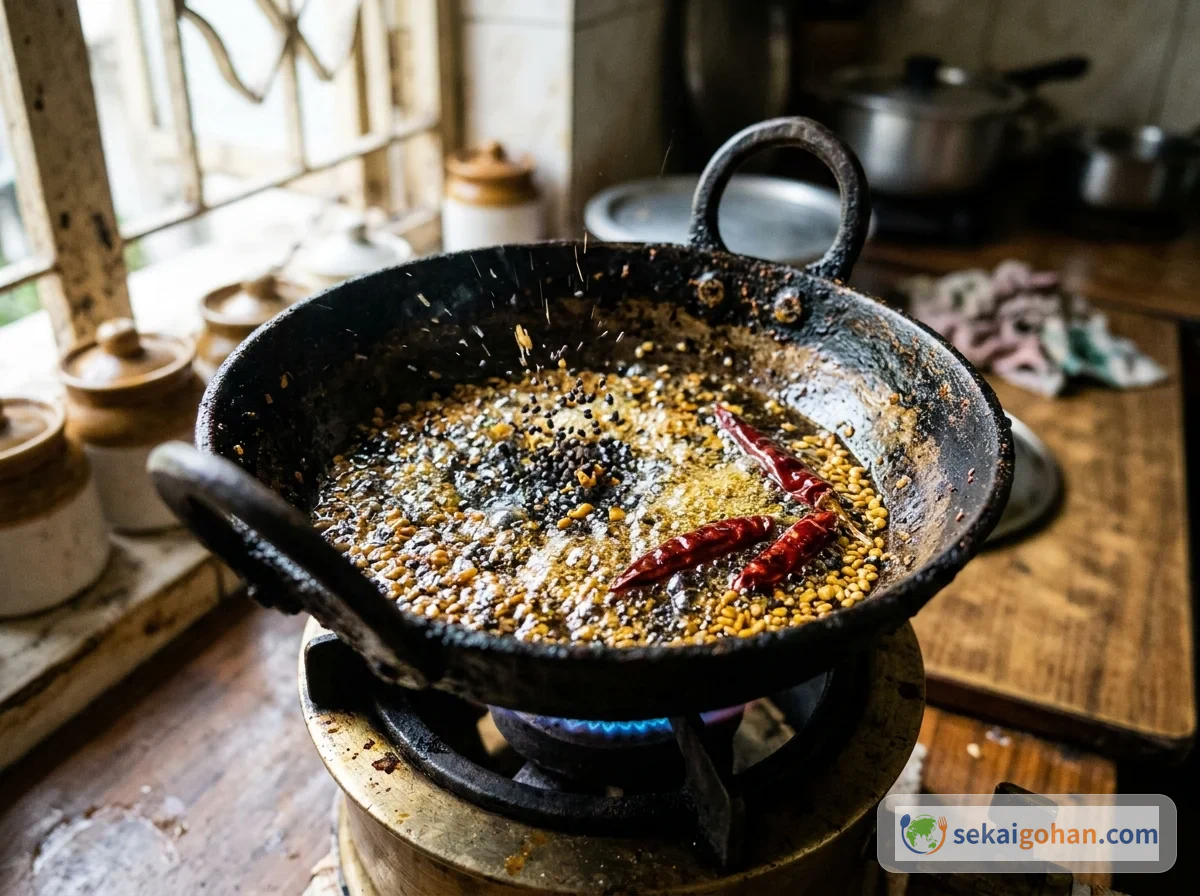
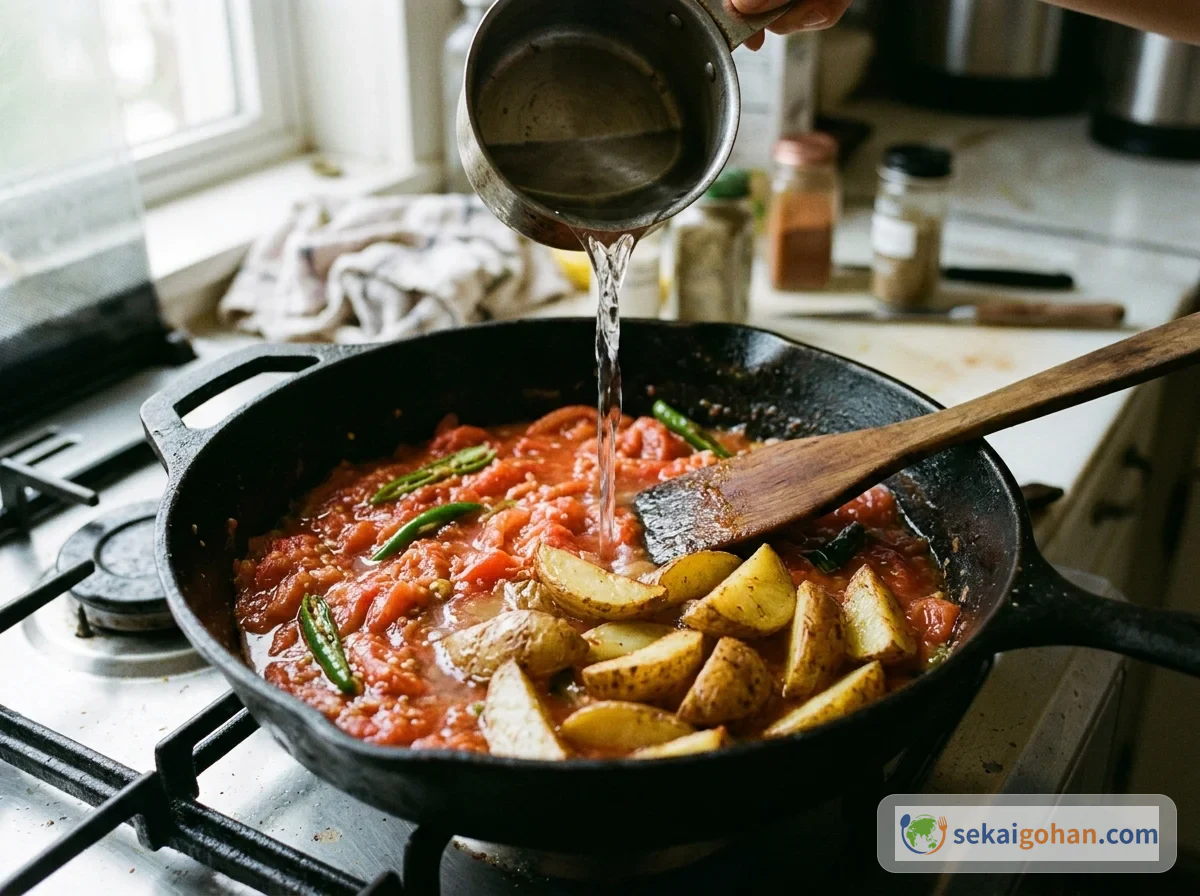
In Assam's farming villages, the fish in the evening pot often comes straight from the pond behind the house. Fillets rubbed with a yellow base seasoning fry in mustard oil, then fenugreek and tiny black seeds crackle and pop in the same oil. Chopped tomatoes go in all at once, the pot turns red, and up rises the sourness of tomato and the sharp scent of mustard. This is masor tenga, the sour fish broth that people in Assam, in northeast India, have eaten over rice almost every day. In Assamese, "masor" means "of fish" and "tenga" means "sour."
Masor tenga and the Assamese kitchen
Assam is a land of rivers and wetlands, with the Brahmaputra flowing east to west through it. After rice, fish is the most important ingredient in Assamese cooking, and many kinds of freshwater fish from rivers, ponds and lakes reach the table. Many village households raise fish in their own ponds, and none of Assam's traditional ethnic groups avoid eating it.
Compared with other parts of India, Assamese cooking is very restrained in its use of spices, and fish dishes are meant to bring out the taste of the fish itself. Masor tenga uses just a few seeds and chilies for aroma and lets the tomato's acidity and the fish's savor lead. The broth is thin and light, closer to a sour soup than a curry.
Assam has many sources of sourness. The most common is tomato, but also used for tenga's acidity are the long, thick-skinned lemon "kaji nemu," dried "tekera" (a relative of mangosteen), the fruit called elephant apple, "ou tenga," as well as tamarind, star fruit and roselle leaves.
A traditional Assamese meal begins with an alkaline dish called "khar," made like baking soda, and the sour tenga was long kept apart from it in the same meal: alkaline and acid had their own places in one menu. That line has loosened today, but the fact that sourness has a name, tenga, says a lot about this kitchen.
Fish stewed with fermented bamboo shoots, "khorisa", also has a sour taste, but in Assam this is not called tenga. Even among sour fish dishes, the name depends on where the sourness comes from.
Ingredients (serves 4)
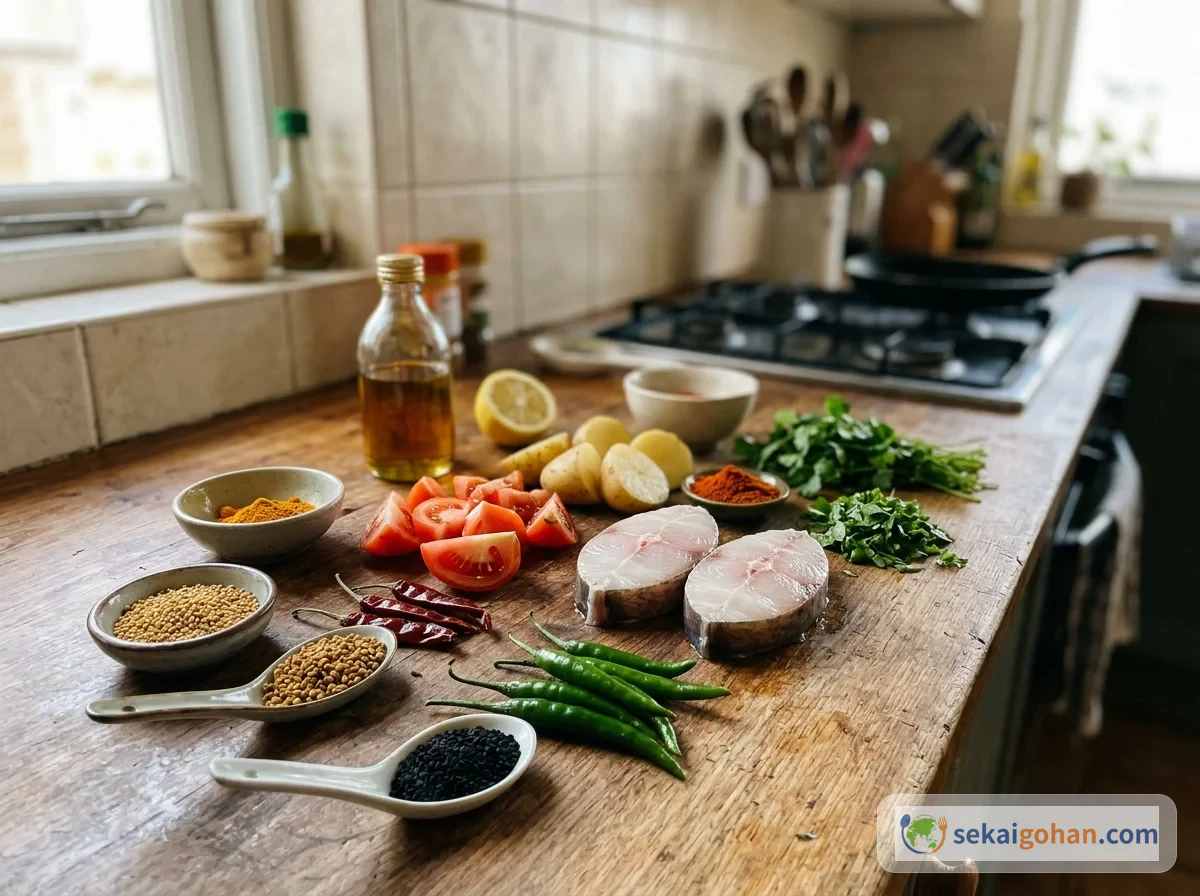
Mustard oil is pressed from the seeds of a plant in the same Brassicaceae family as mustard. People with a mustard allergy should avoid it. Putting wet fish or tomatoes into hot mustard oil makes the oil spatter, so wipe the fish dry and keep your face away from the pot as you add them.
Choosing the fish, oil and spices for masor tenga
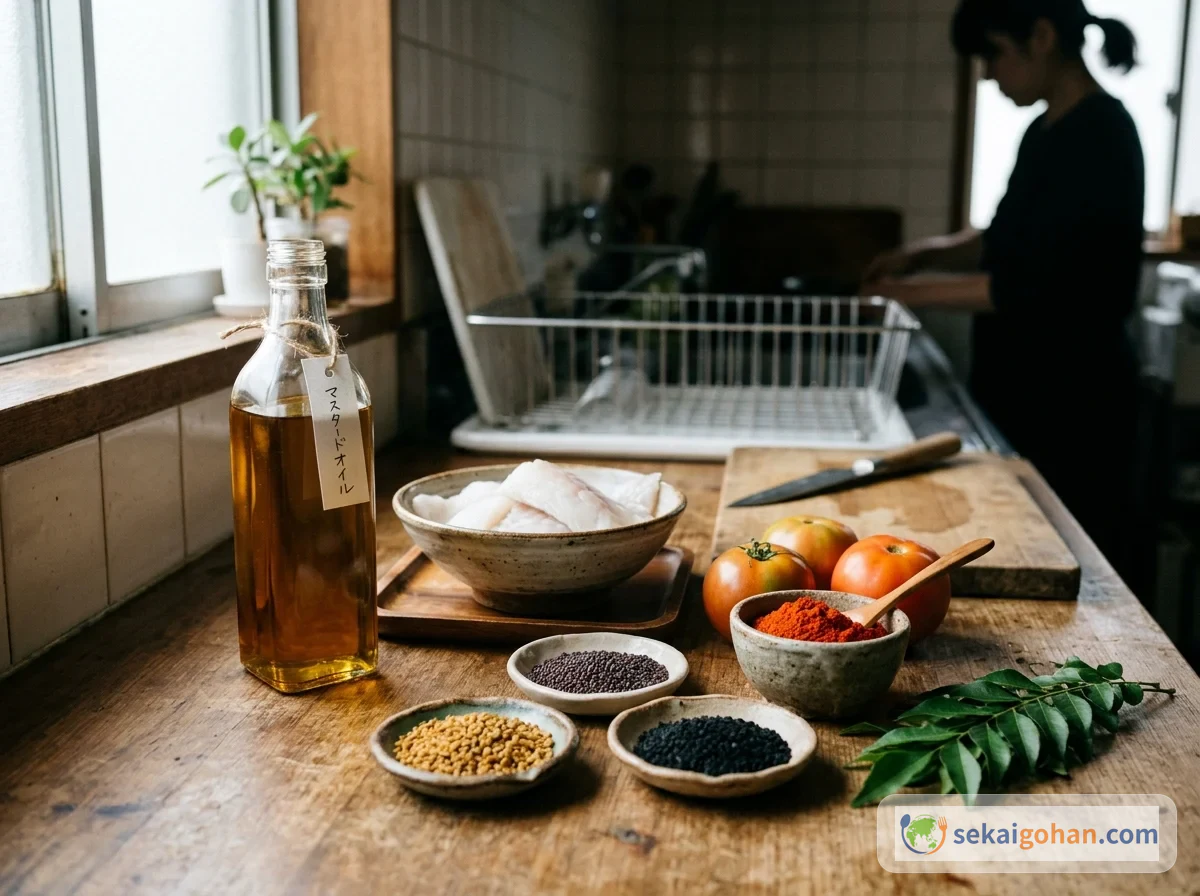
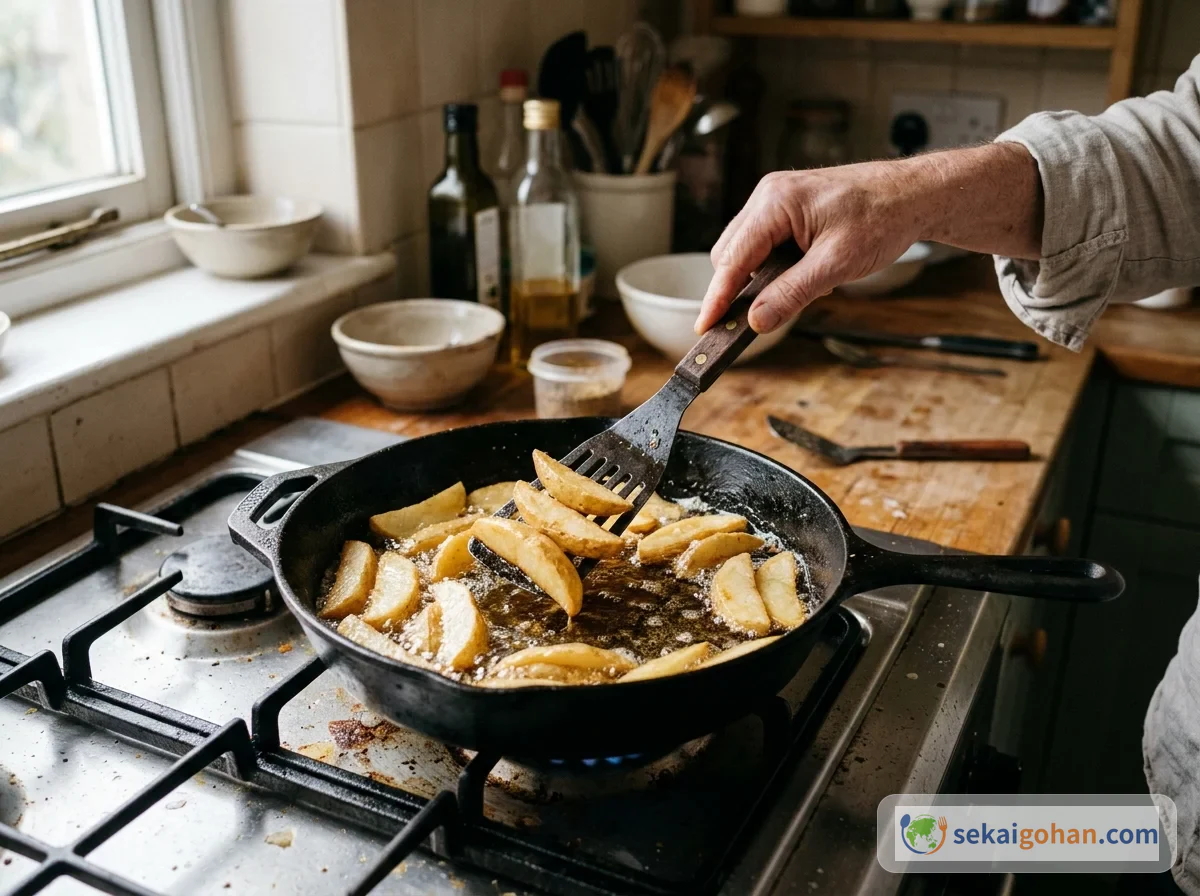
In Assam, freshwater carp-family fish such as rohu (rui) and catla (bahu in Assamese) are cut into bone-in rounds. At home, fillets of firm white fish such as cod, sea bass or Spanish mackerel are easy to handle, and carp works too if you can get it. Skip fish with very soft flesh, which falls apart in the simmer. Whatever you use, the key is to sear the fish and potatoes in mustard oil first and return them to the broth at the end for a short simmer.
Mustard oil is the everyday cooking oil in Assam and the base of the dish's aroma, with a sharp heat that goes right up your nose. Look for one labeled as edible at an Indian grocery or online. The three tempering seeds, fenugreek, mustard seeds and nigella seeds (kalonji), are all sold at Indian groceries too.
For the chili powder, Kashmiri chili powder, with its fine color and mild heat, turns the broth a bright red without making it too hot. Deggi mirch, a chili powder that also gives color with mild heat, works too.
How to make masor tenga
From seasoning the fish to finishing takes about 50 minutes in all. Because the fish and potatoes are seared before the broth is made, you can reuse the same pan.
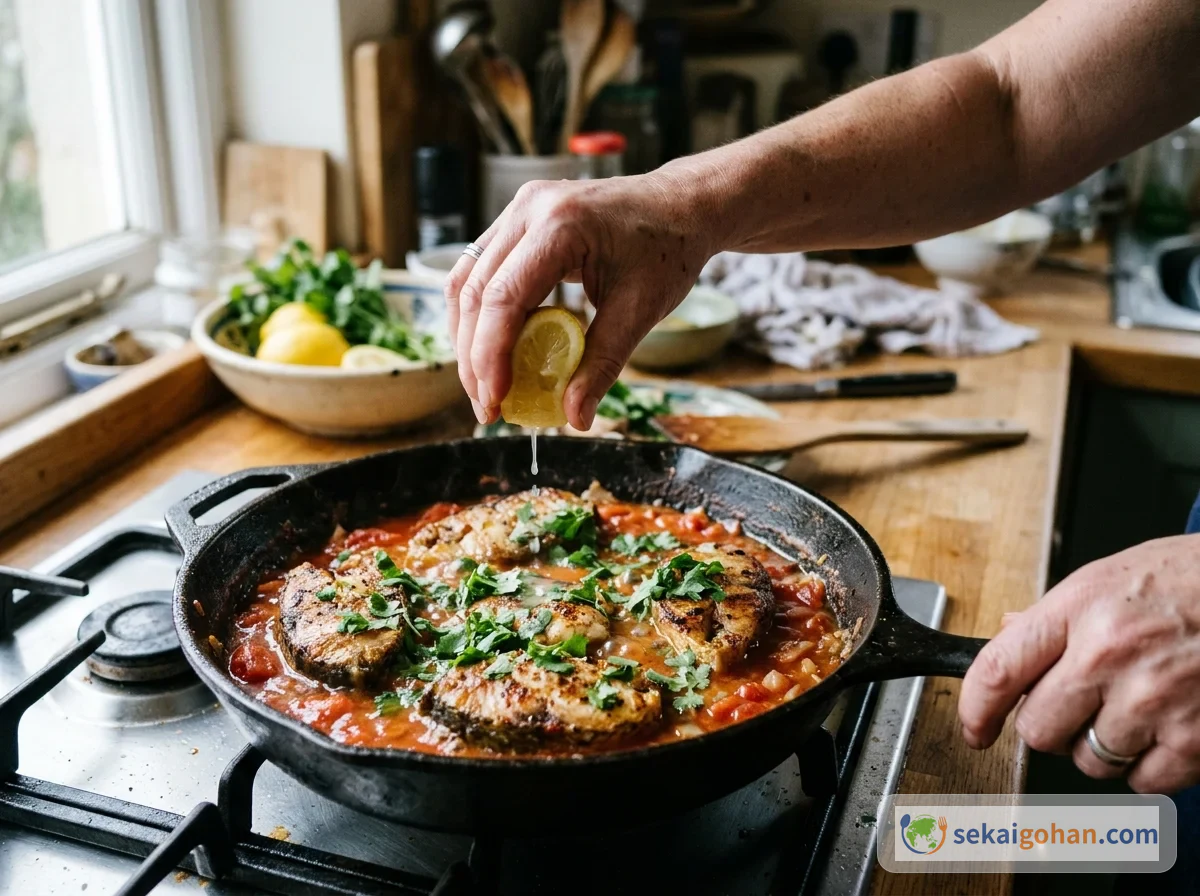
After returning the fish, don't stir with a wooden spoon; spoon the broth over it from above. Even after adding the lemon, just rock the pan back and forth, and the fillets keep their shape well.
Cook the fish through to the center. Undercooked fish can cause food poisoning from parasites such as anisakis. For thick fillets, break open the thickest part with chopsticks to check that it is white and opaque through to the middle.
Serving masor tenga and variations
Over rice
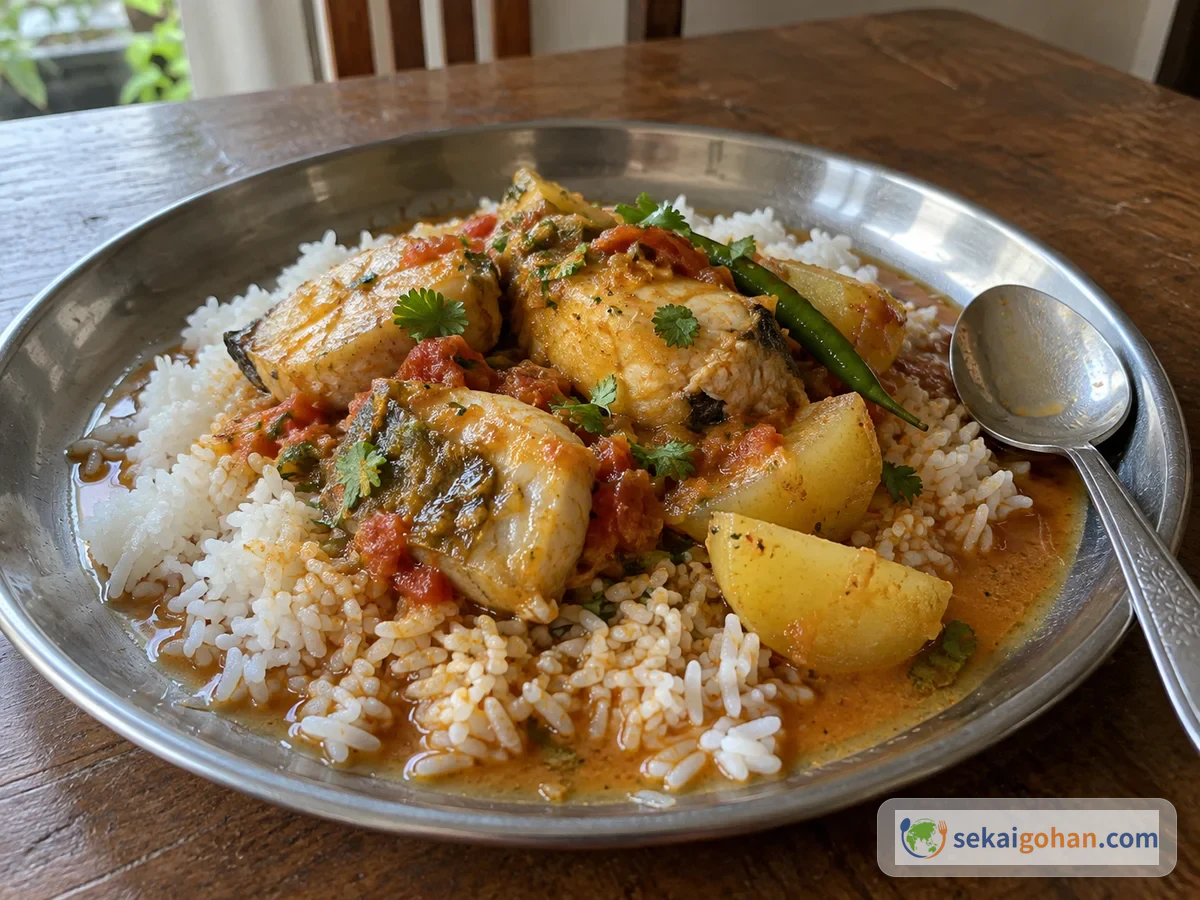
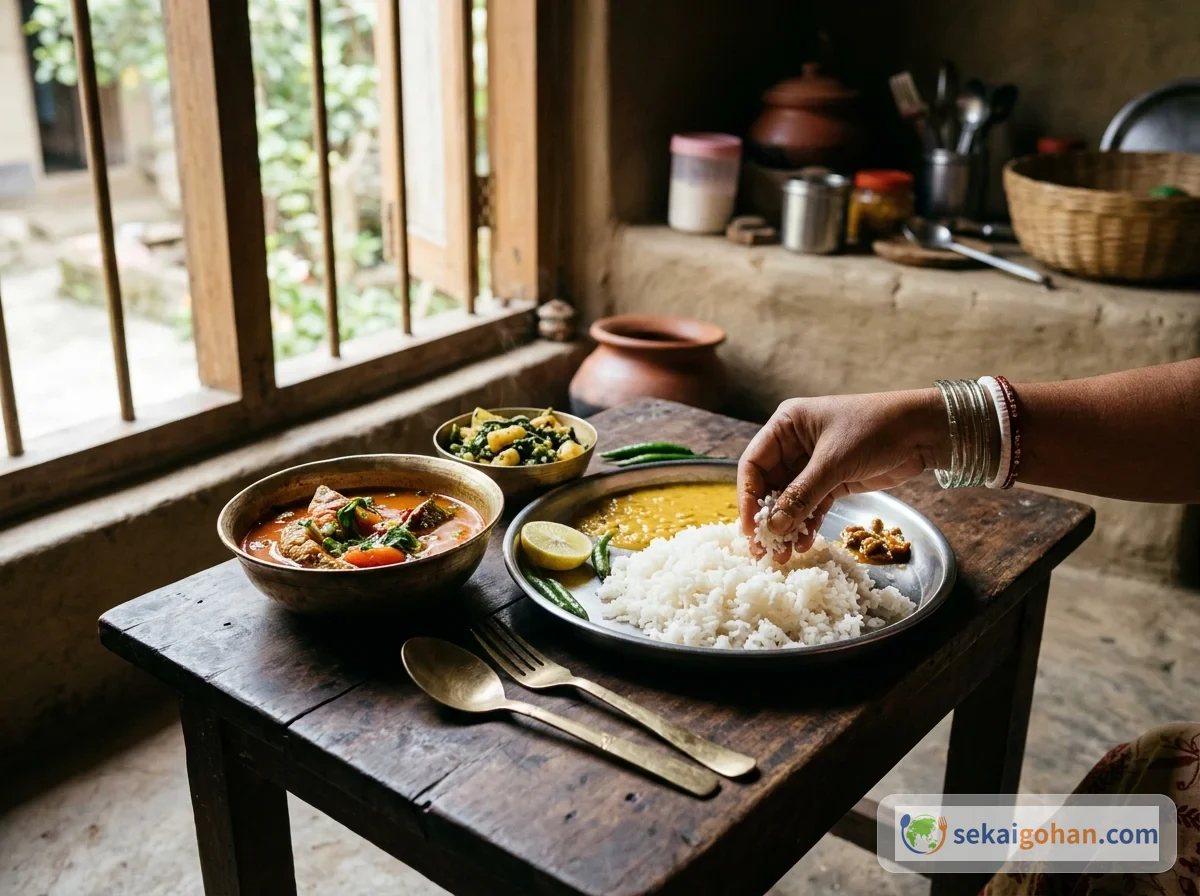
Masor tenga is eaten with white rice. Spoon on plenty of broth so that the tomato's sourness soaks into the rice; in hot weather, that sourness brings your appetite right back. The heat is mild and the fish and tomato come through clearly, so if you're used to rich Indian curries, it will taste all the fresher.
If you love the aroma of mustard oil, try shorshe ilish from neighboring Bangladesh, another river-fish dish of the region but simmered in a thick sauce of ground mustard seeds, with a completely different taste. Nepal's choila also builds its aroma on hot mustard oil.
Vegetables and other sour notes
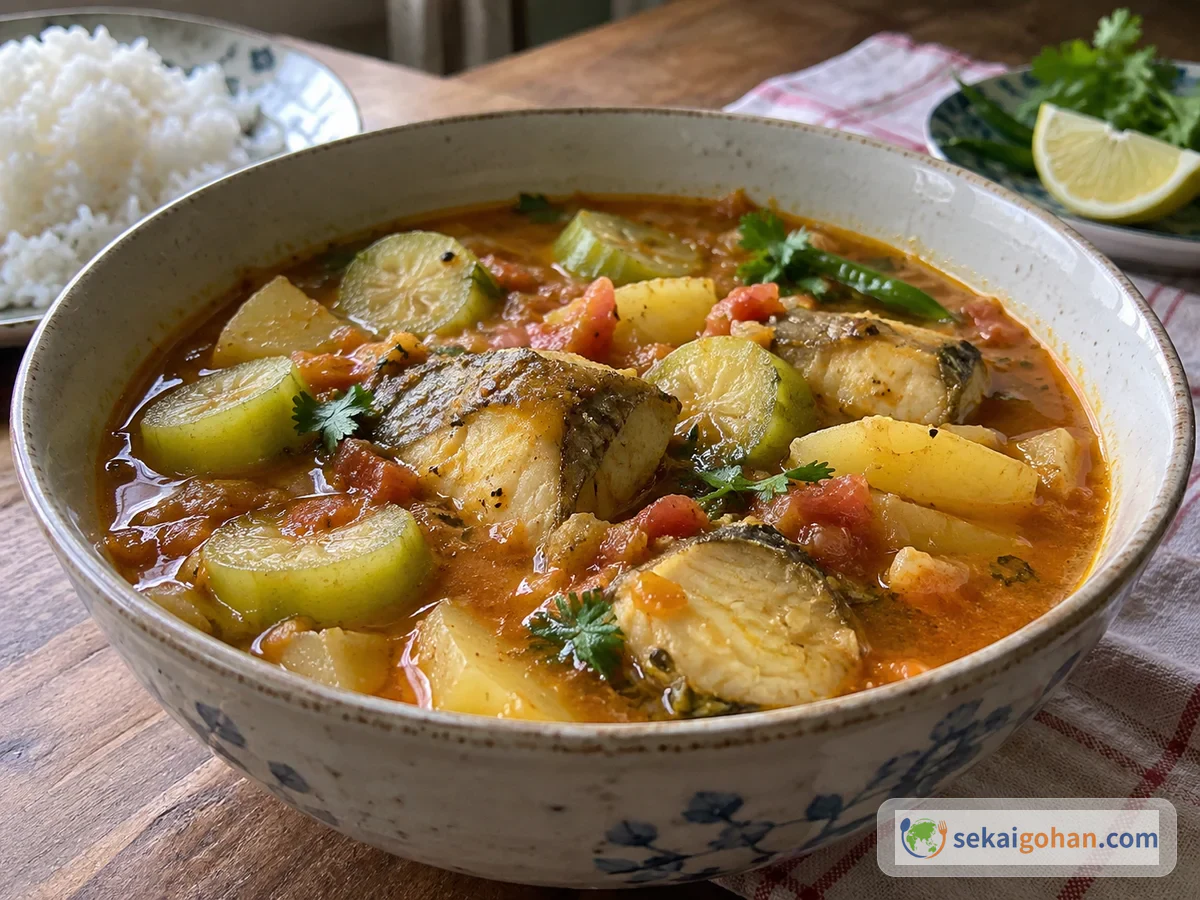
In Assam, seasonal vegetables sometimes go into the pot, such as ridge gourd paired with catla. At home, cut ridge gourd, zucchini or eggplant 0.5 inches (1 cm) thick and add them with the potatoes; they soak up the broth and turn tender.
You can also play with the sourness. Fewer tomatoes and a squeeze of lemon juice give a lighter, cleaner taste, while a little dissolved tamarind brings a rounder sourness, like another of Assam's tengas. Finding your own household's tenga this way is part of the pleasure.
FAQ
What if I don't have mustard oil?
You can make it with vegetable oil, but you'll lose the sharp aroma that makes it masor tenga. For the flavor of an Assamese home, I recommend getting mustard oil.
Can I use bone-in fish?
Yes. Bone-in rounds are closer to the Assamese way and give the broth more savor; chunks of carp or the collar and bones of yellowtail work well. Watch for small bones when eating fish that have many.
Can I make it ahead?
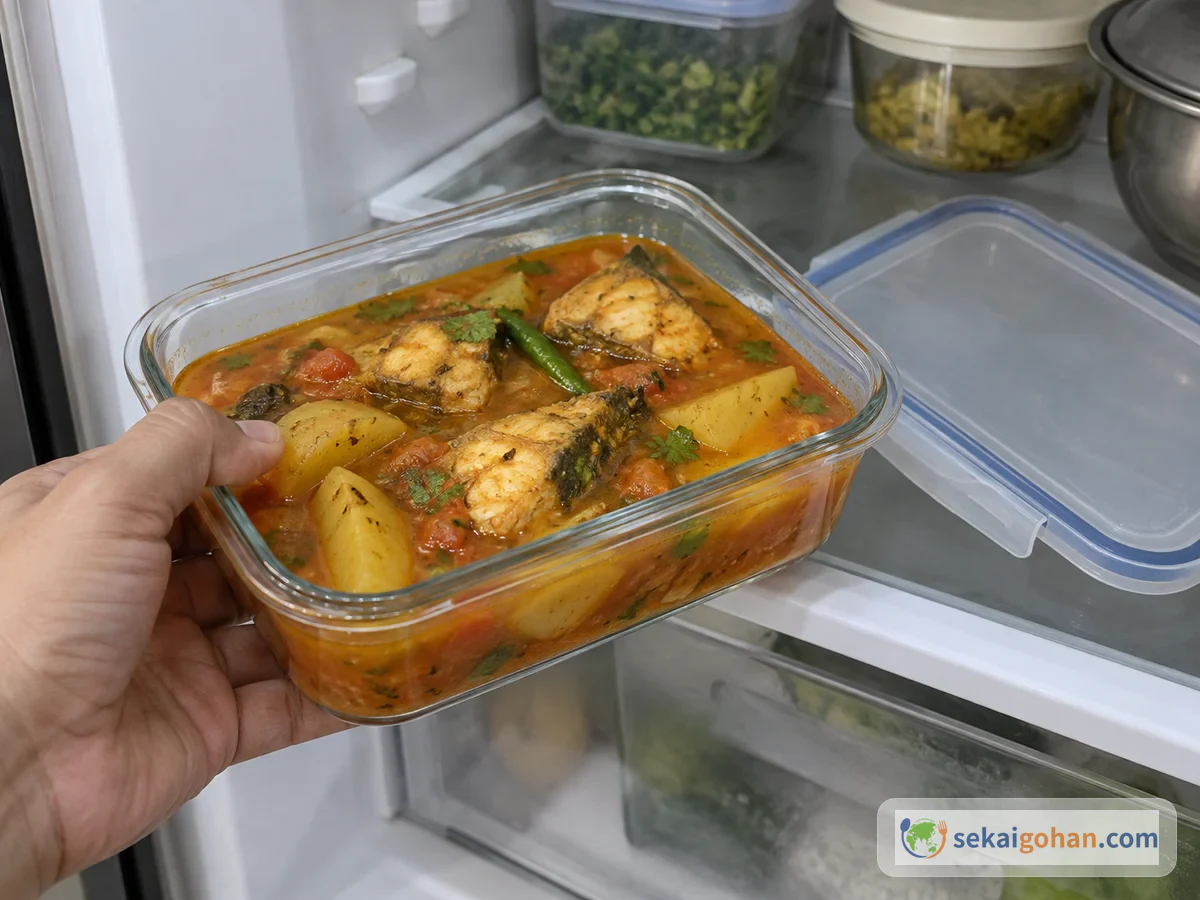
Let it cool slightly, then refrigerate it in a storage container and finish it by the next day. The fish keeps absorbing broth and softens over time, so reheat it gently over low heat.
How hot is it?
The green chilies and dried red chilies give a pleasant tingle. If you're cooking for children, leave out the green chilies and use 1 dried red chili. Kashmiri chili powder has only enough heat for color.