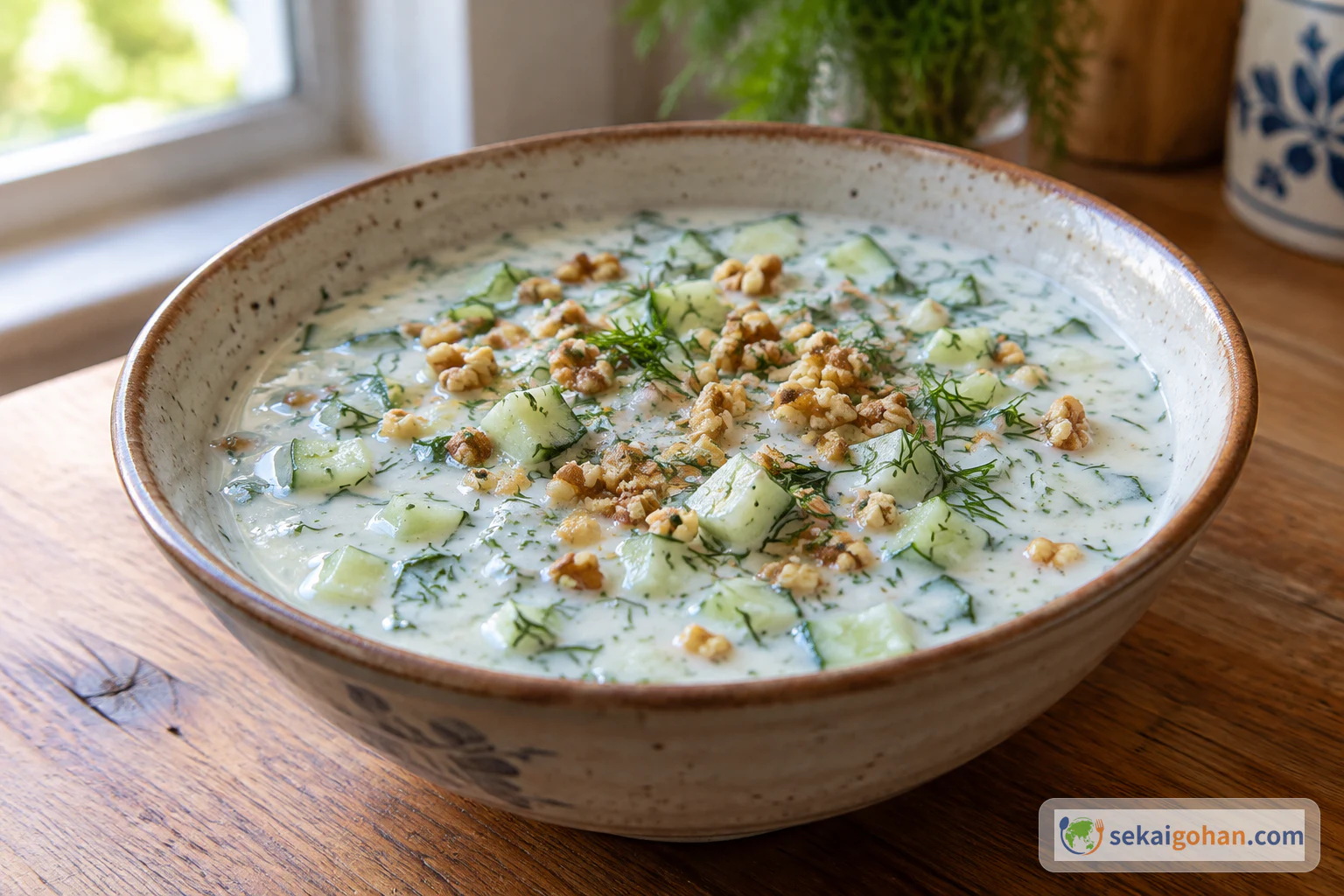
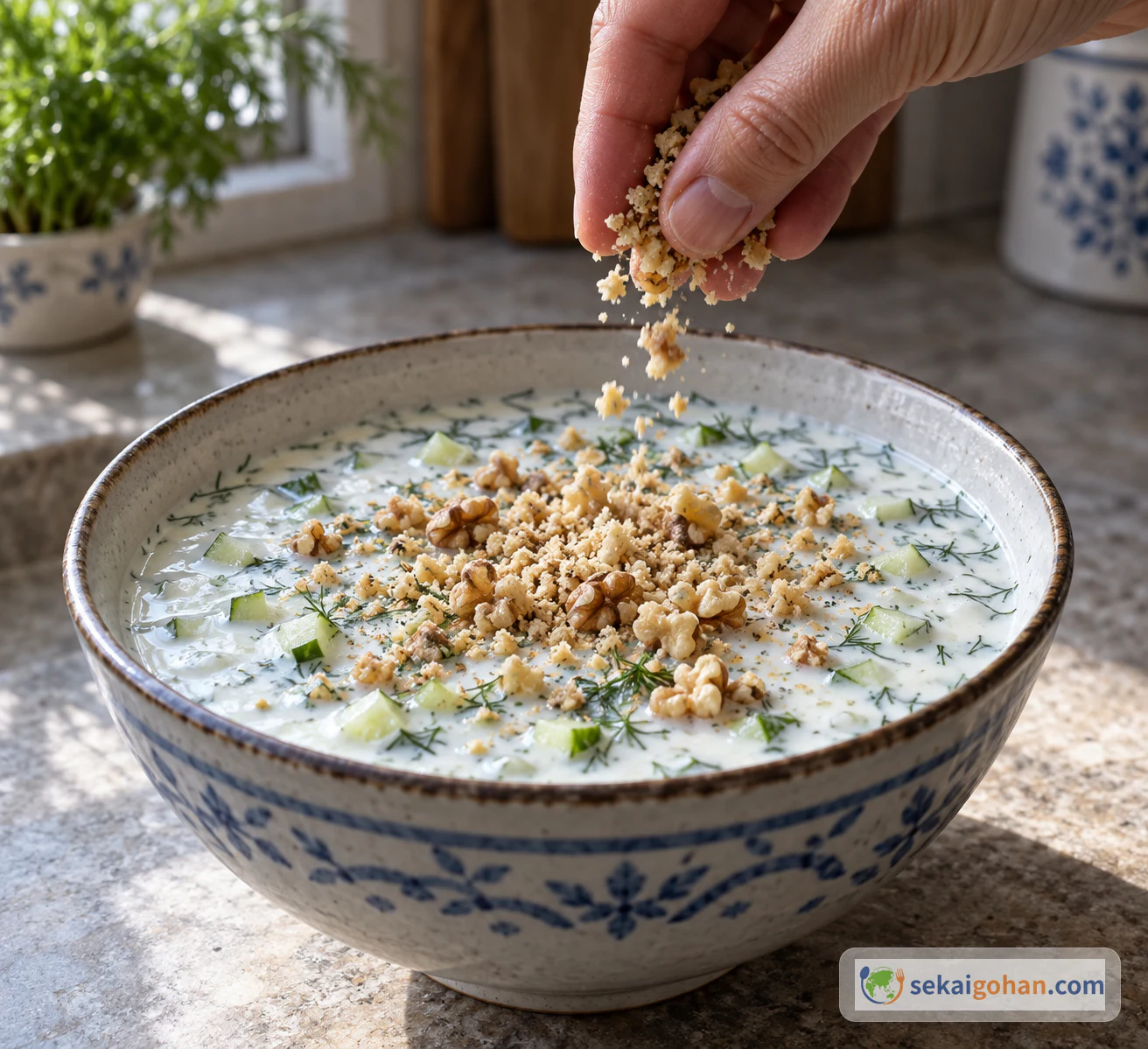
On a hot afternoon, a bowl of pale, cold soup comes to the table. You can see small pieces of cucumber, flecks of chopped dill and a scattering of crushed walnuts on top. The sour yogurt and the water from the cucumber make it feel closer to a drink than a meal, and it's cool from the first spoonful. This is tarator (таратор), a popular Bulgarian appetizer made from yogurt, cucumber, dill, crushed walnuts and spices. It tastes of fresh cucumber and clear dill, with a gentle edge of garlic. For more dishes from the same country, see Bulgaria.
Tarator on the Bulgarian Table
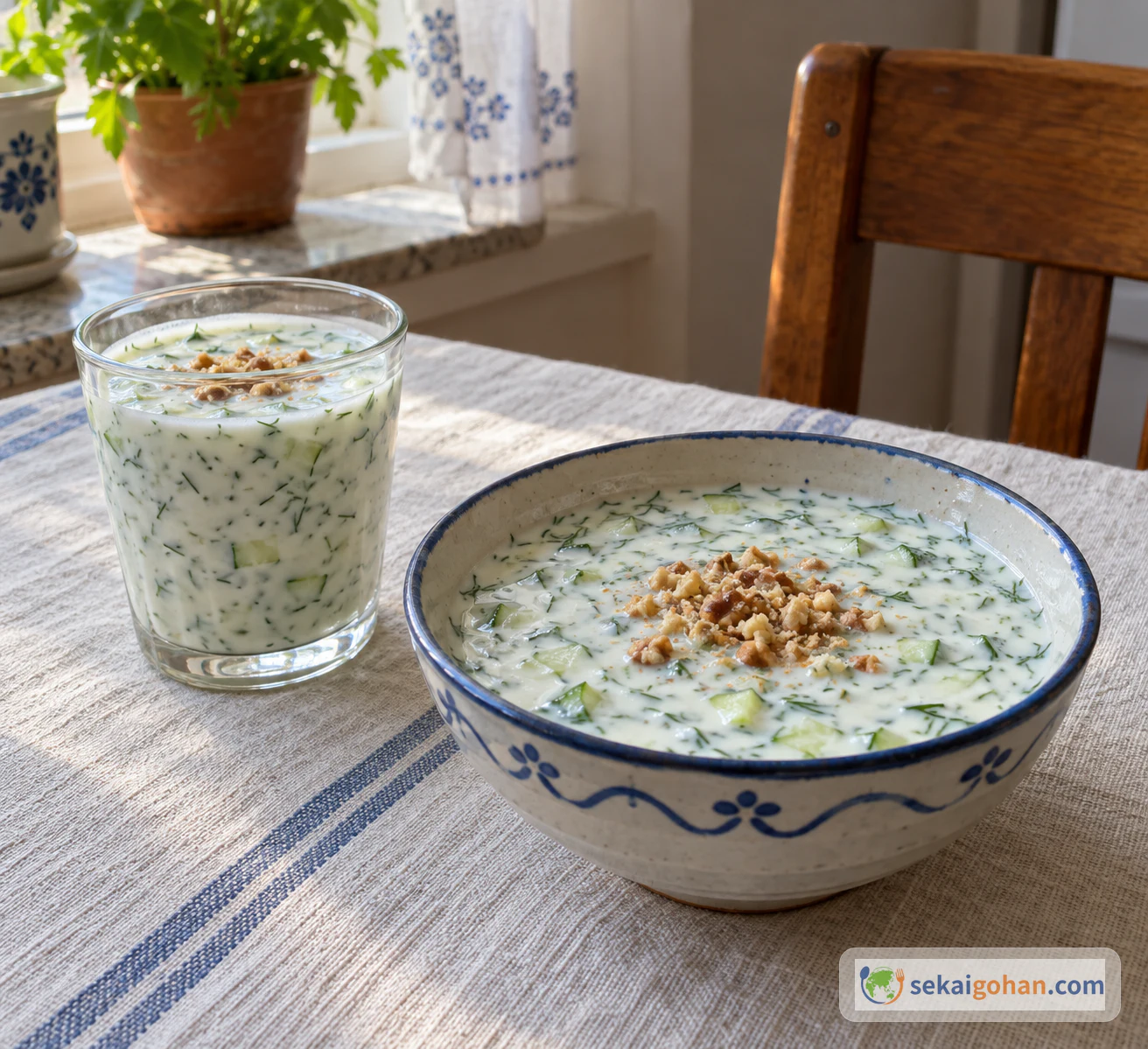
Tarator is a cold summer soup and appetizer. It's served before the meal, in a glass or a bowl, or alongside a main dish. You'll see it most in summer, but people eat it all year. Yogurt and white brine cheese both have a notable place in Bulgarian food culture. Some cooks also make seasonal versions, with lettuce in spring and pickles in winter.
The yogurt is a fairly recent addition, dating from around the mid-20th century. Before that, tarator was made with vinegar and water. Versions still vary a lot in how much yogurt, cucumber and water they use, and some use far more garlic for the amount of yogurt than this recipe does.
How Tarator Differs from Similar Dishes
- Snezhanka. This is also Bulgarian and also made with yogurt and cucumber, but snezhanka takes water out to make a thick salad. Tarator does the opposite and adds water to make a soup.
- Raita. Raita also combines yogurt and vegetables, but it is served as a side dish.
- Turkish piyaz. In Turkey, tarator is also the name of a tahini sauce served with piyaz, an Antalya-style bean dish. That sauce has nothing to do with the Bulgarian cold soup.
Ingredients: Cucumber, Yogurt and Dill, With Water to Finish
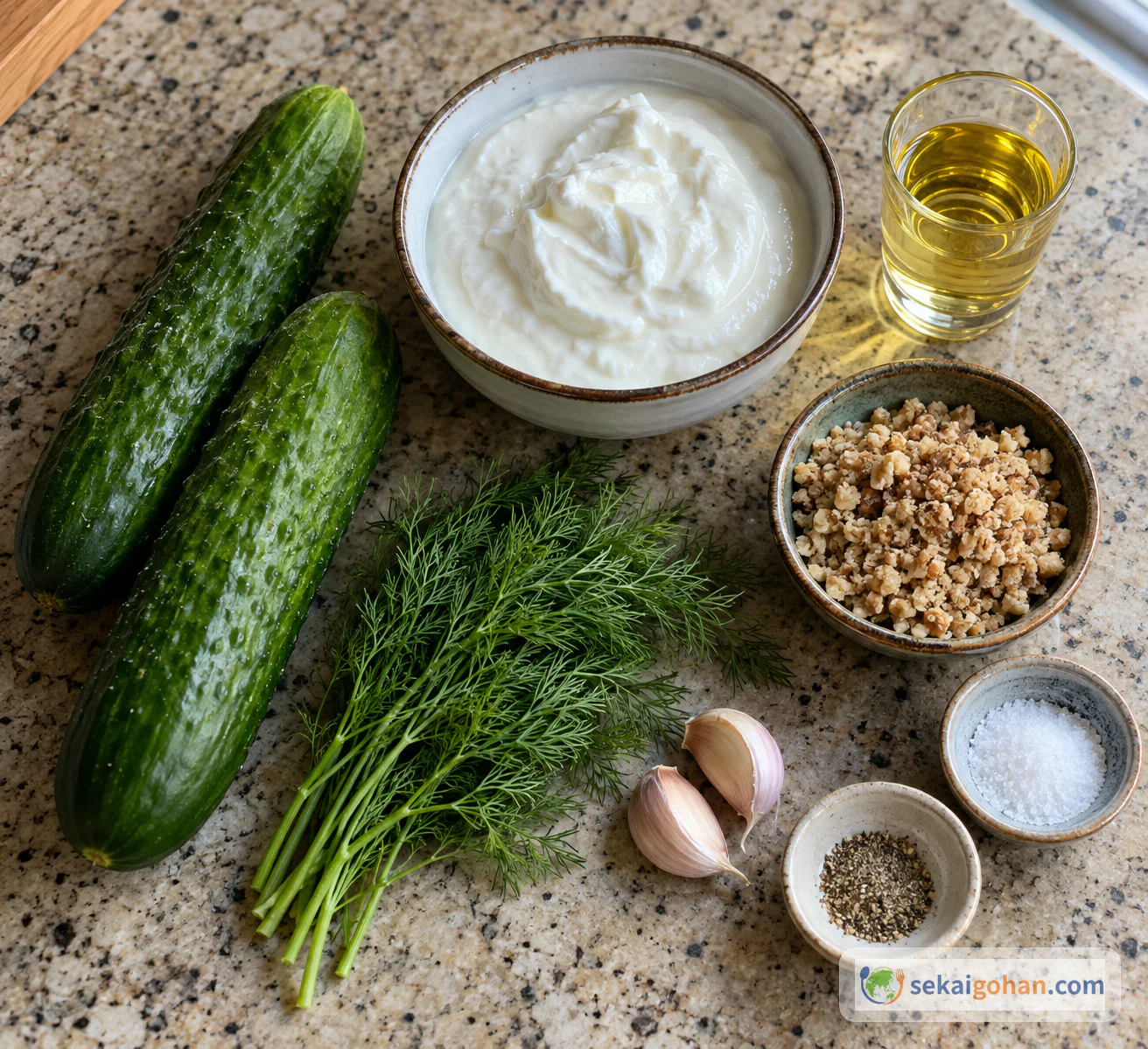
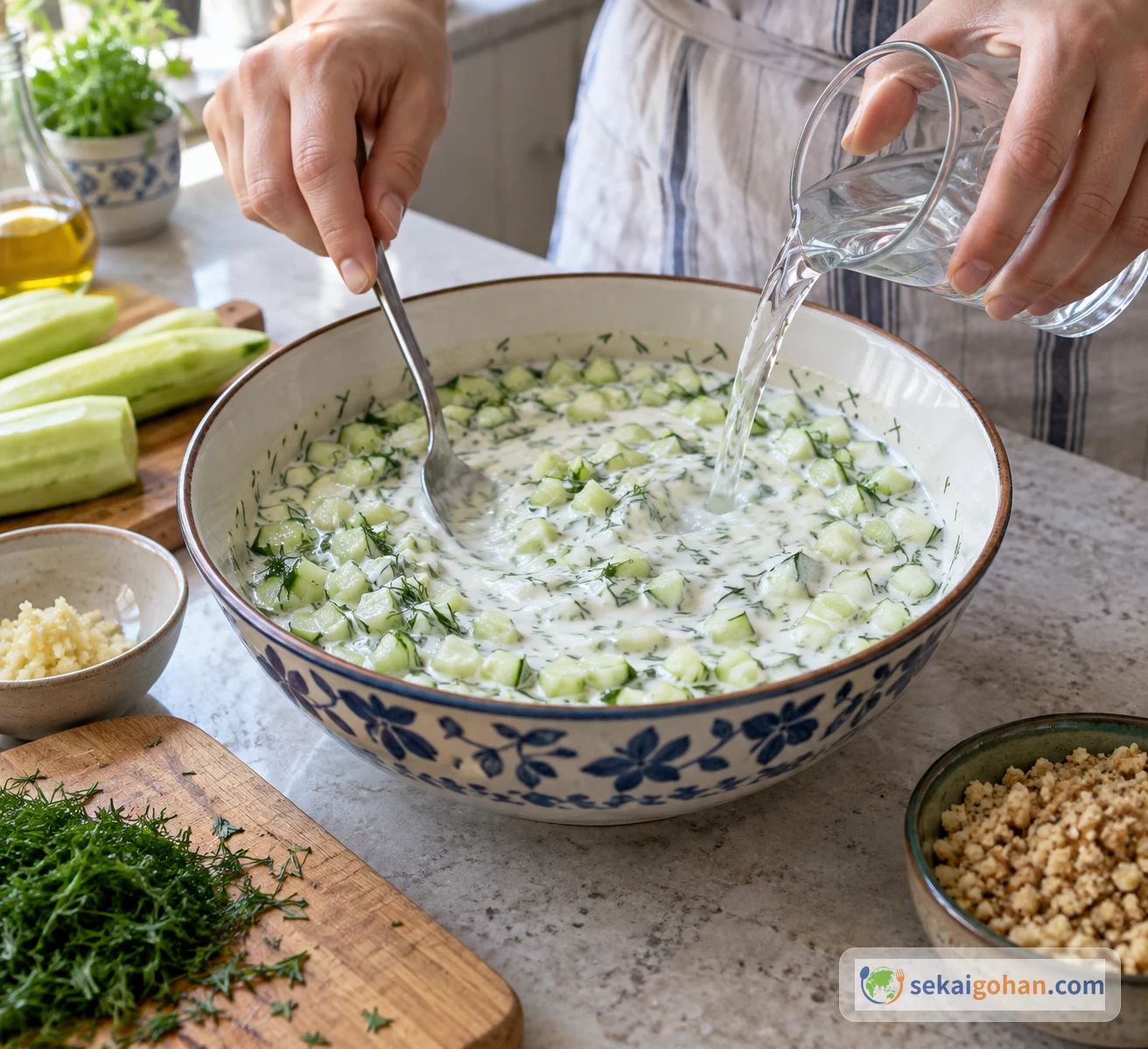
Cucumbers vary in how much water they release, so let the water you add at the end decide the final thickness rather than a fixed number.
This soup contains milk (yogurt) and tree nuts (walnuts). Check the labels on your yogurt and walnuts for allergen and shared-facility information. Tarator is made with uncooked dairy: keep it in the refrigerator, serve it cold, and do not leave it standing at room temperature for long.
Choosing Yogurt, Dill, Oil and Walnuts for Tarator
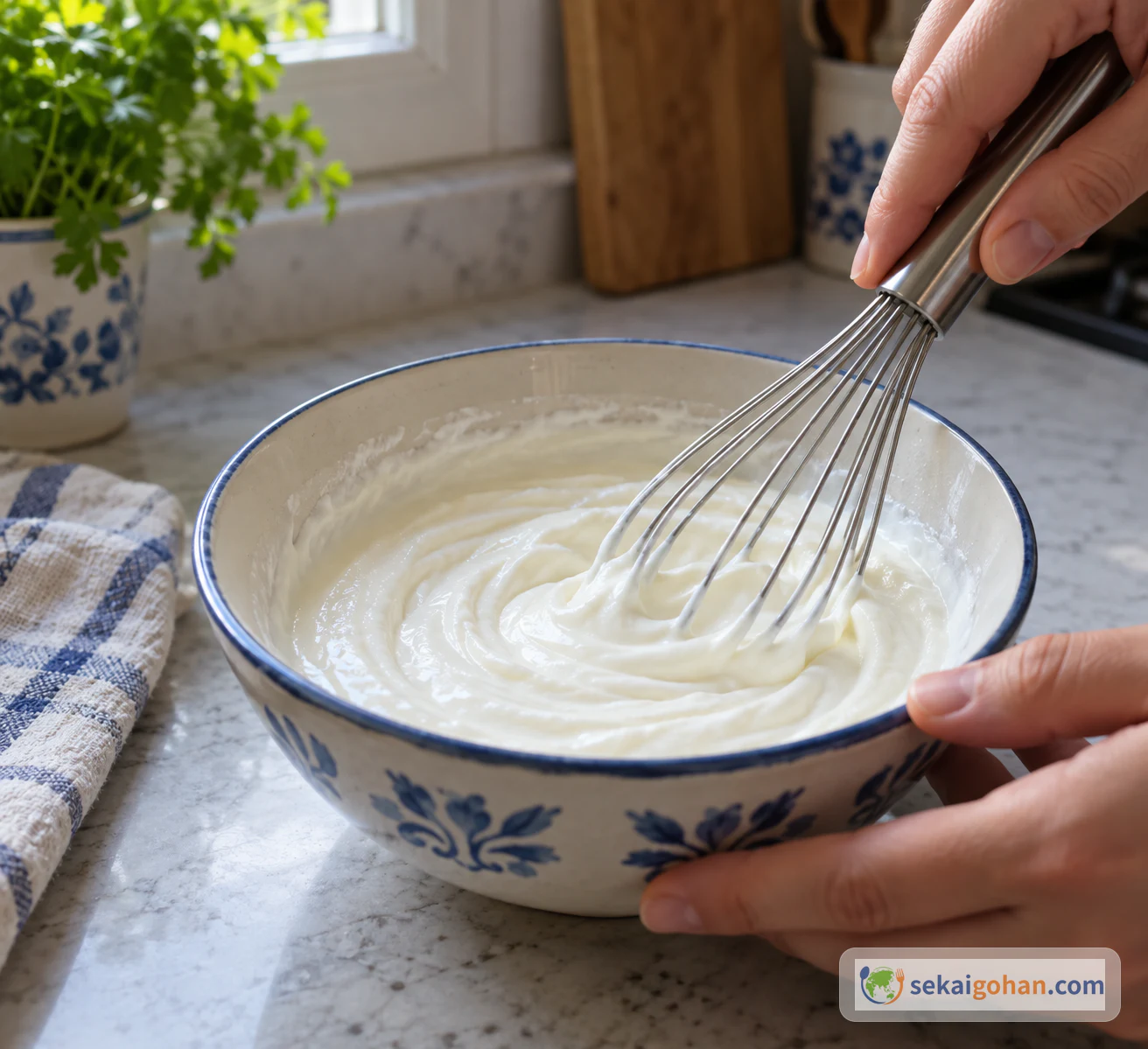
Yogurt. Use plain, unsweetened yogurt. Bulgarian-style yogurt suits the dish well, but any good plain yogurt works. A strained, thick yogurt needs more water to become soup, so add the water a little at a time. Cucumbers and yogurts hold different amounts of water, so judge the thickness by eye and by tasting.
Cucumbers. Ordinary cucumbers are fine.
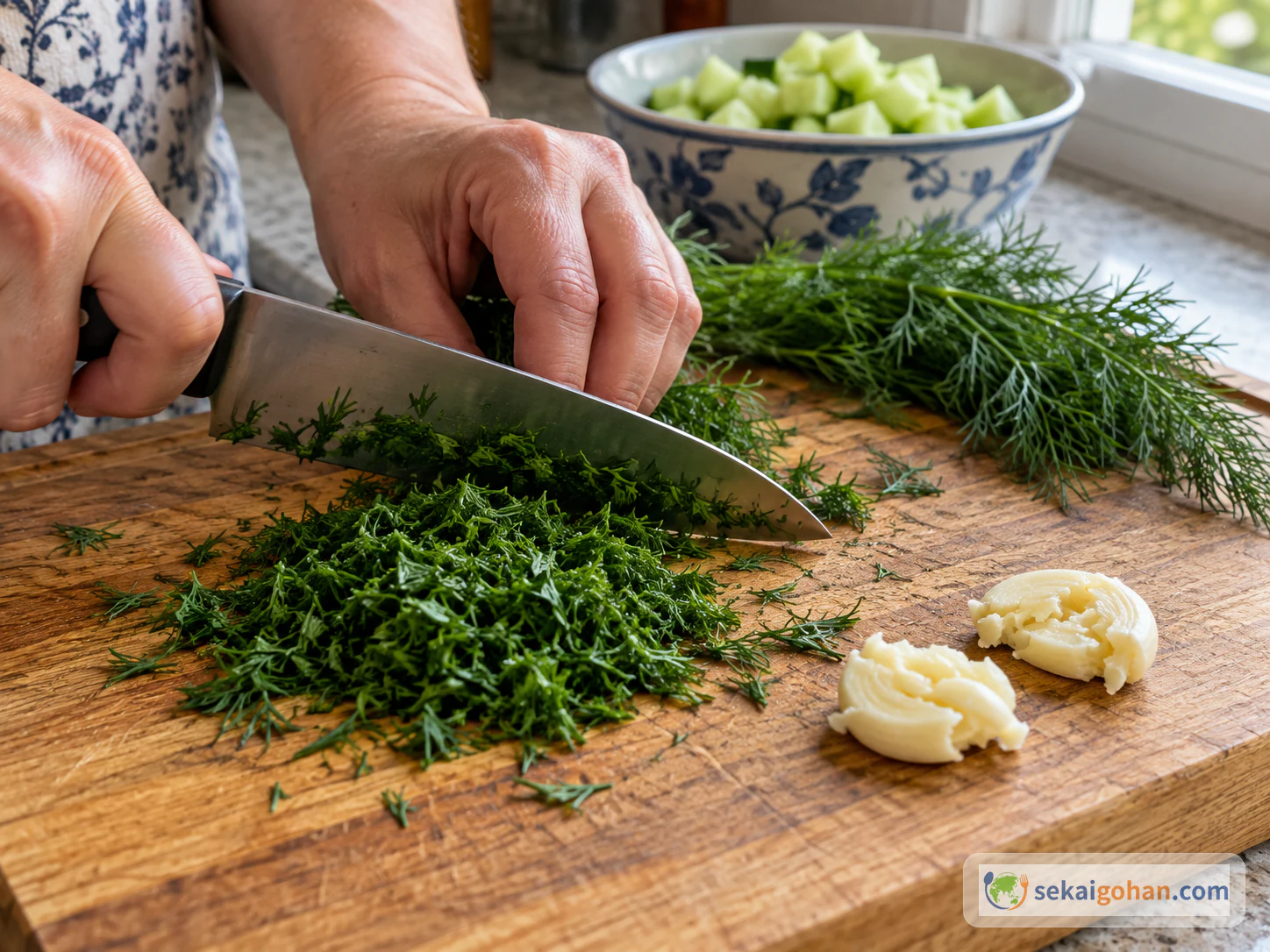
Dill. Fresh dill is what defines tarator. Dried dill smells different, so don't use it in the same amount.
Sunflower oil. This recipe uses sunflower oil. If you can't find it, a neutral-tasting oil is a reasonable substitute, though the aroma will change slightly. Olive oil changes the flavor more, so think of it as a different version rather than an equal swap.
Walnuts. Choose shelled, unsalted walnuts. Scatter them on top at the very end instead of stirring them in.
Garlic. The more finely you crush it, the stronger it tastes.
Equipment
- Cutting board and knife
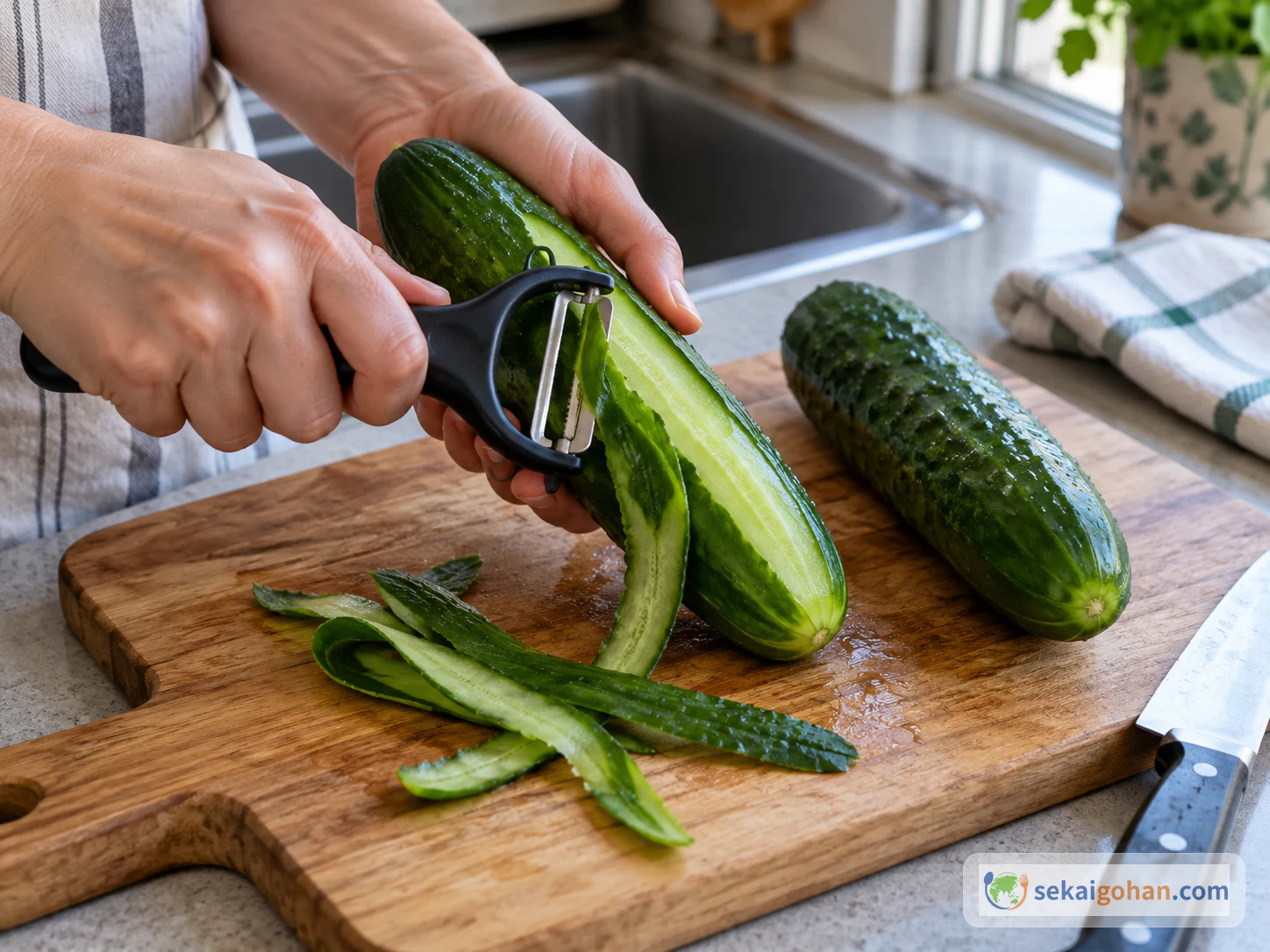
- Vegetable peeler (or the knife)
- Coarse grater, only if you are grating the cucumber instead of dicing it
- Garlic crusher (or the flat of a knife)
- Measuring spoons
- A deep mixing bowl and a separate small bowl
- A whisk or spoon for smoothing the yogurt
- Serving bowls or glasses
Method: Setting the Cucumber Texture and the Soup's Thickness
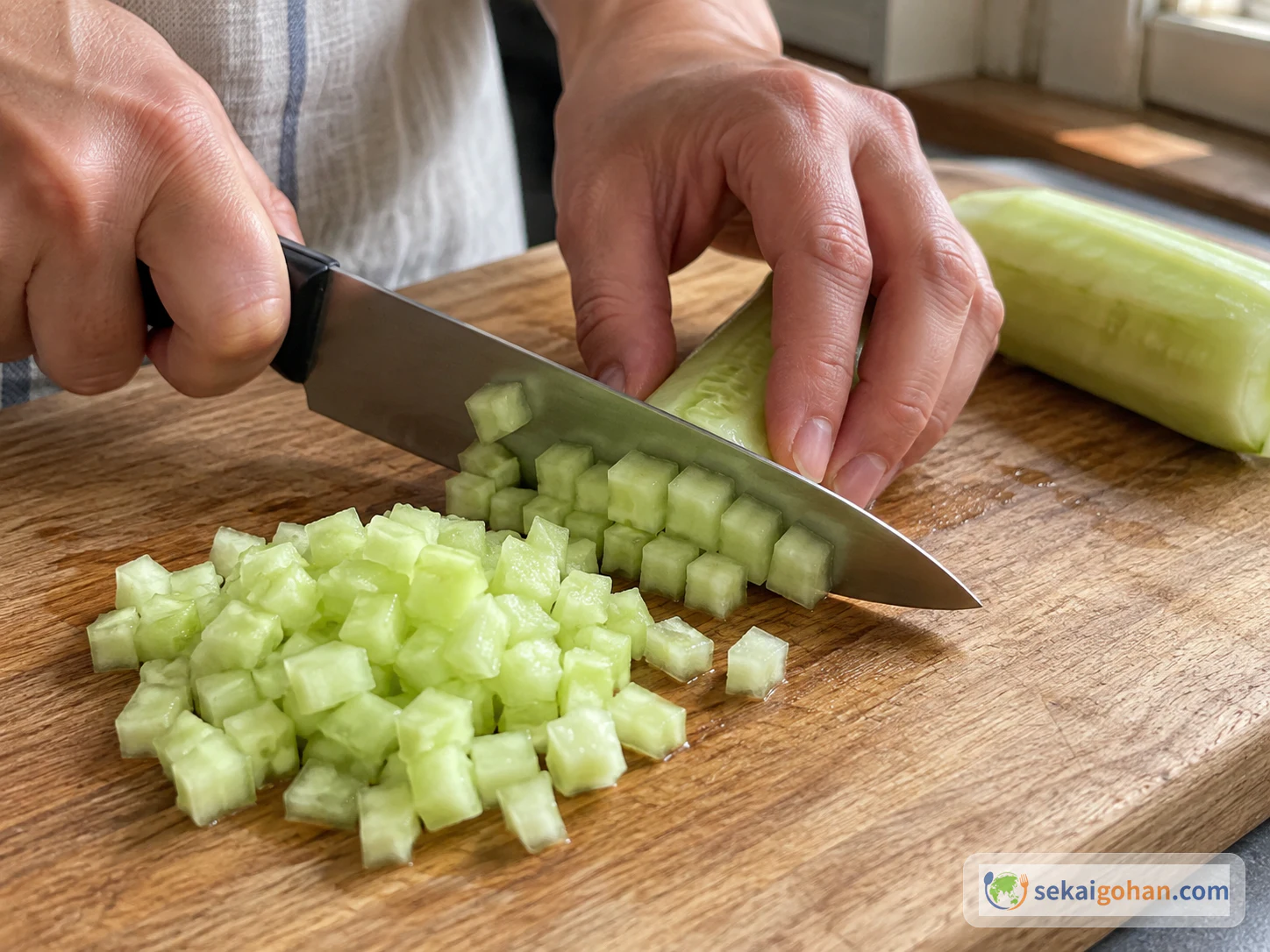
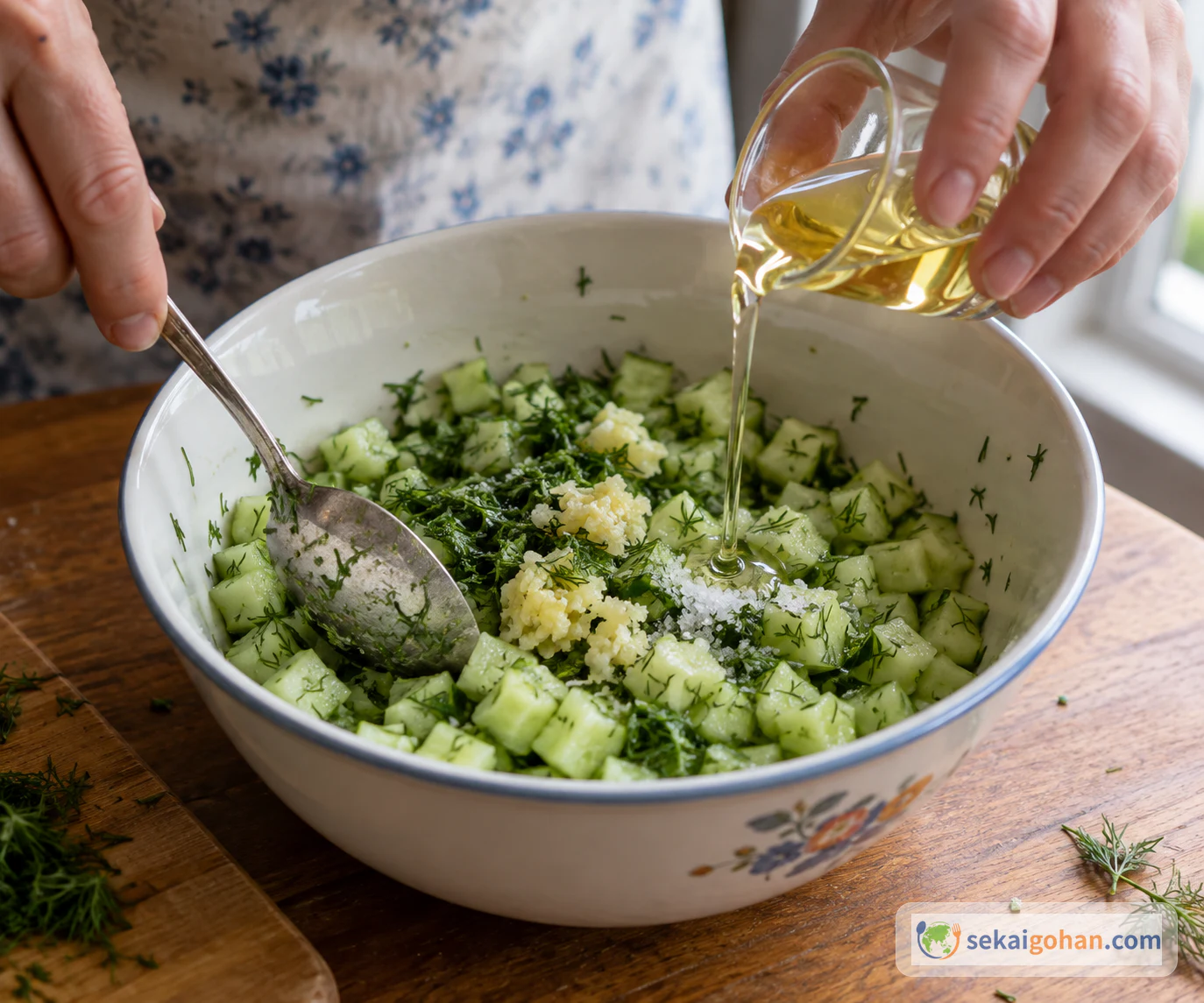
First decide how the cucumber should feel: tiny cubes keep a crunch, coarse grating blends it into the soup. Then decide how thick the soup should be: thinner for drinking from a glass, thicker for eating with a spoon.
Fixing Tarator That's Too Thick, Too Thin or Too Garlicky
| Condition | Likely cause | What to do |
|---|---|---|
| Too thick | Not enough water, or a thick yogurt | Add cold water a little at a time and stop while the cucumber still holds its shape. Adding a lot at once dilutes the flavor |
| Too thin | Too much water, or very watery cucumbers | Stir in a little more yogurt. This shifts the balance, so add only what you need |
| Garlic too strong | Garlic crushed very finely, or strong cloves | Next time use less garlic or crush it more coarsely |
Tarator Variations: Texture and Thickness
- Diced for crunch. Very small cubes keep each piece of cucumber distinct.
- Grated for a smoother soup. Coarsely grated cucumber blends into the yogurt and gives a softer, more even bowl.
- Thinner for a glass, thicker for a spoon. Change only the water. Use more for a soup you drink from a glass and less for one you eat from a bowl.
Frequently Asked Questions
How much water should I add?
Add cold water a little at a time until the soup is as thick as you like it. Write down how much you used so you can make it the same way next time.
How long should I chill it?
Chill it until it's cold before serving. Plan for chilling time on top of the 20 minutes listed.
Can I leave out the walnuts?
Yes, for example if someone has a nut allergy. The soup will taste and feel different from the standard version.
How should I keep leftovers?
Tarator is made with uncooked dairy, so keep it in the refrigerator and don't leave it at room temperature for long.