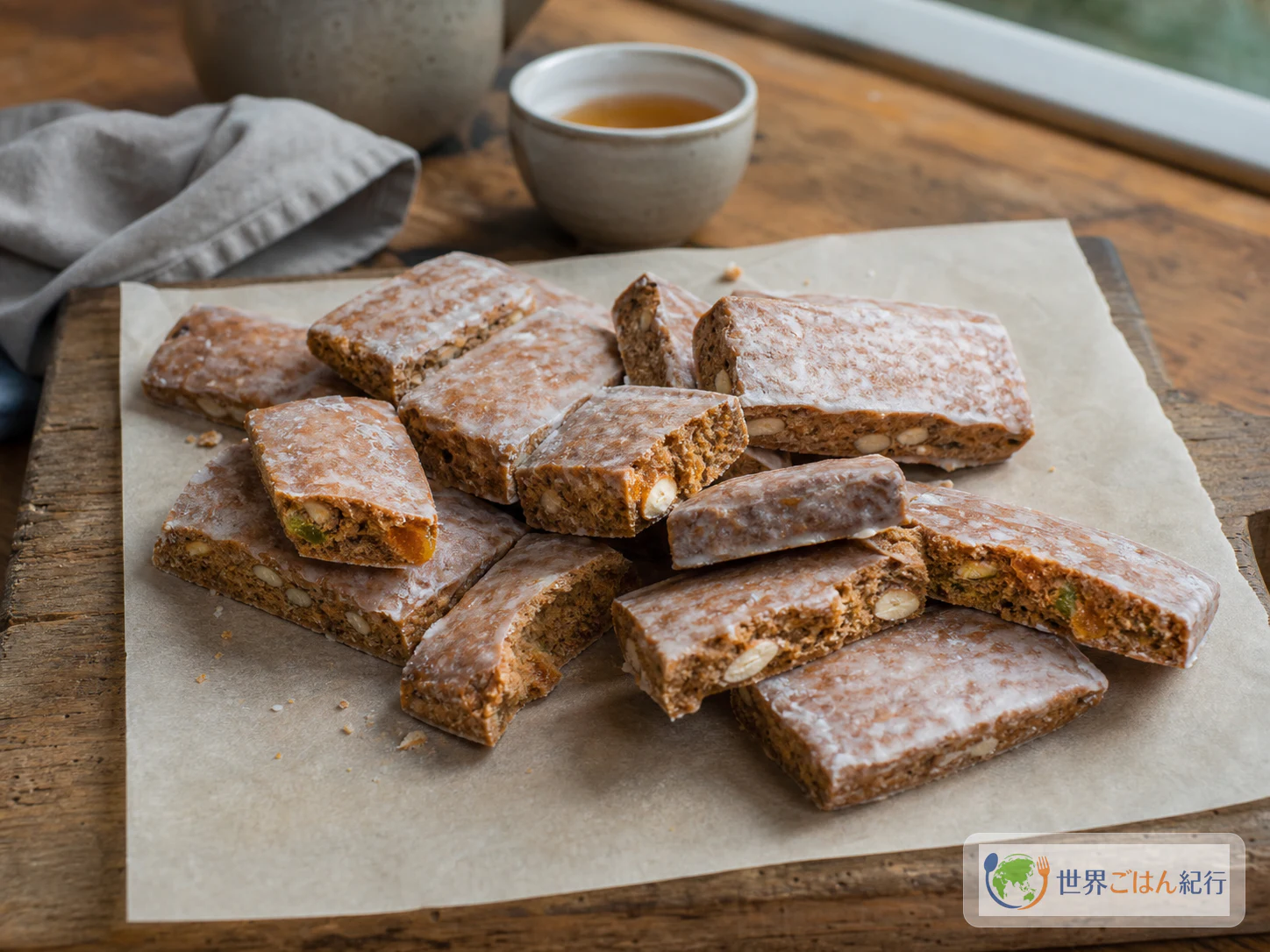
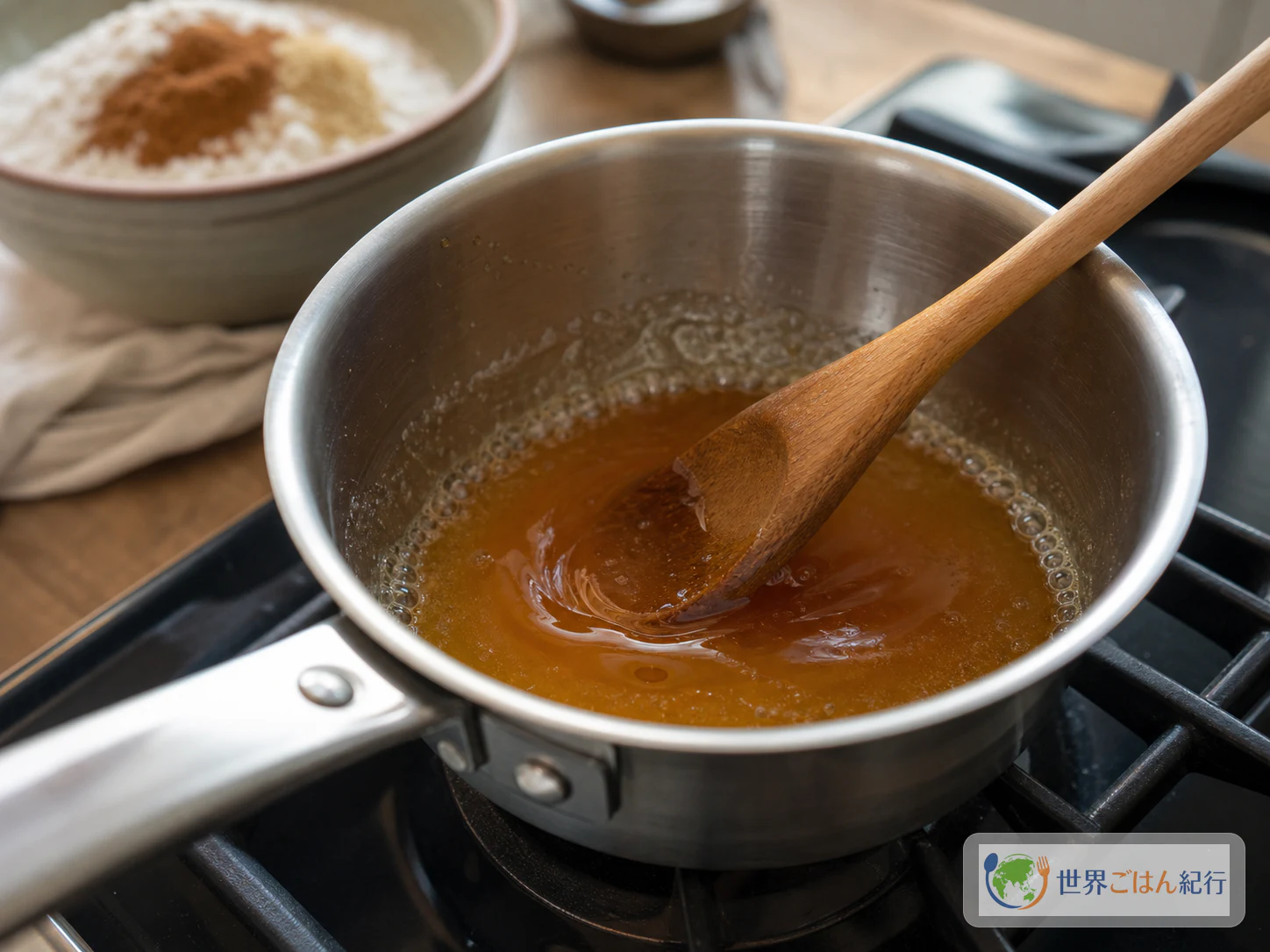
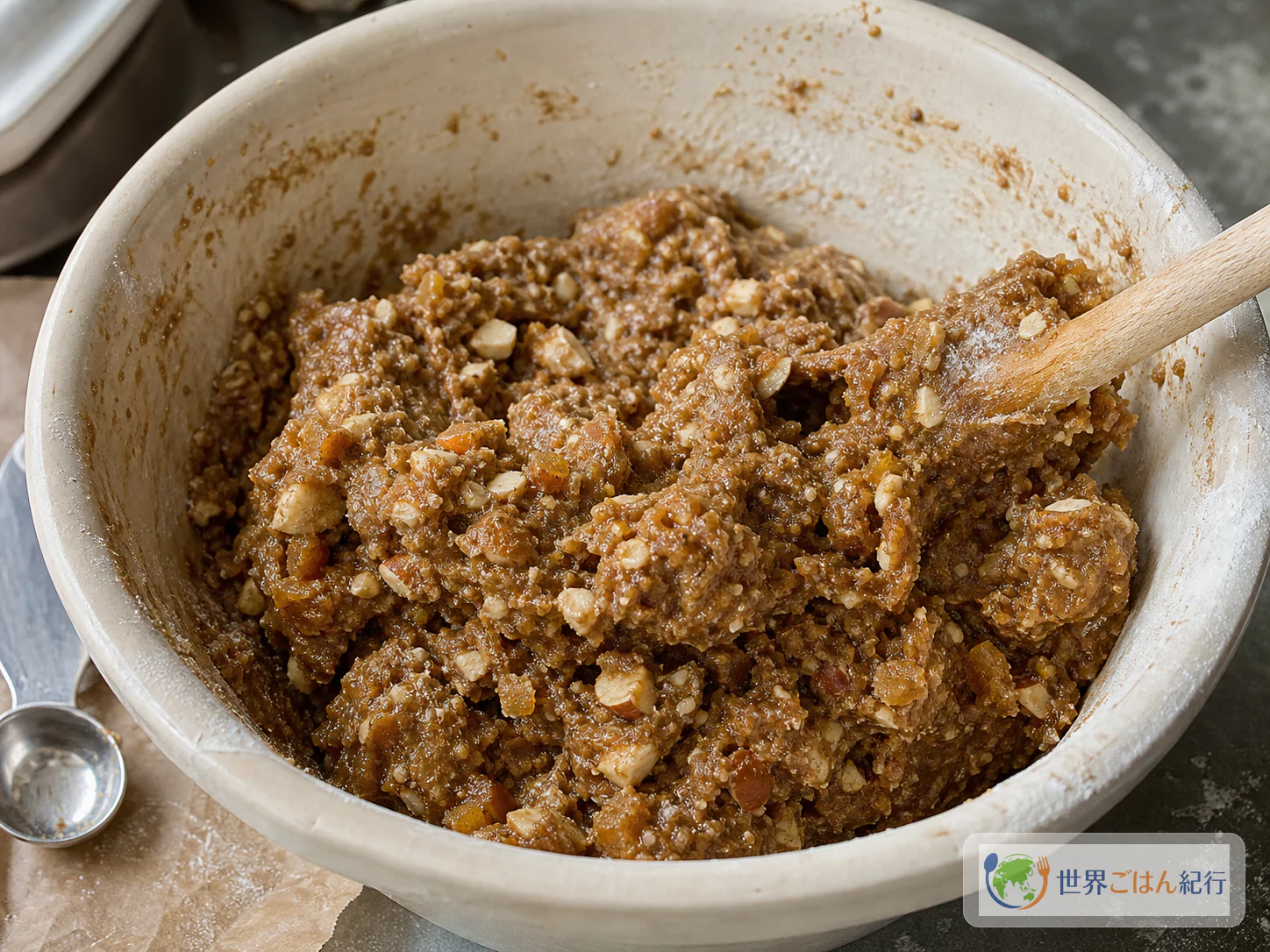
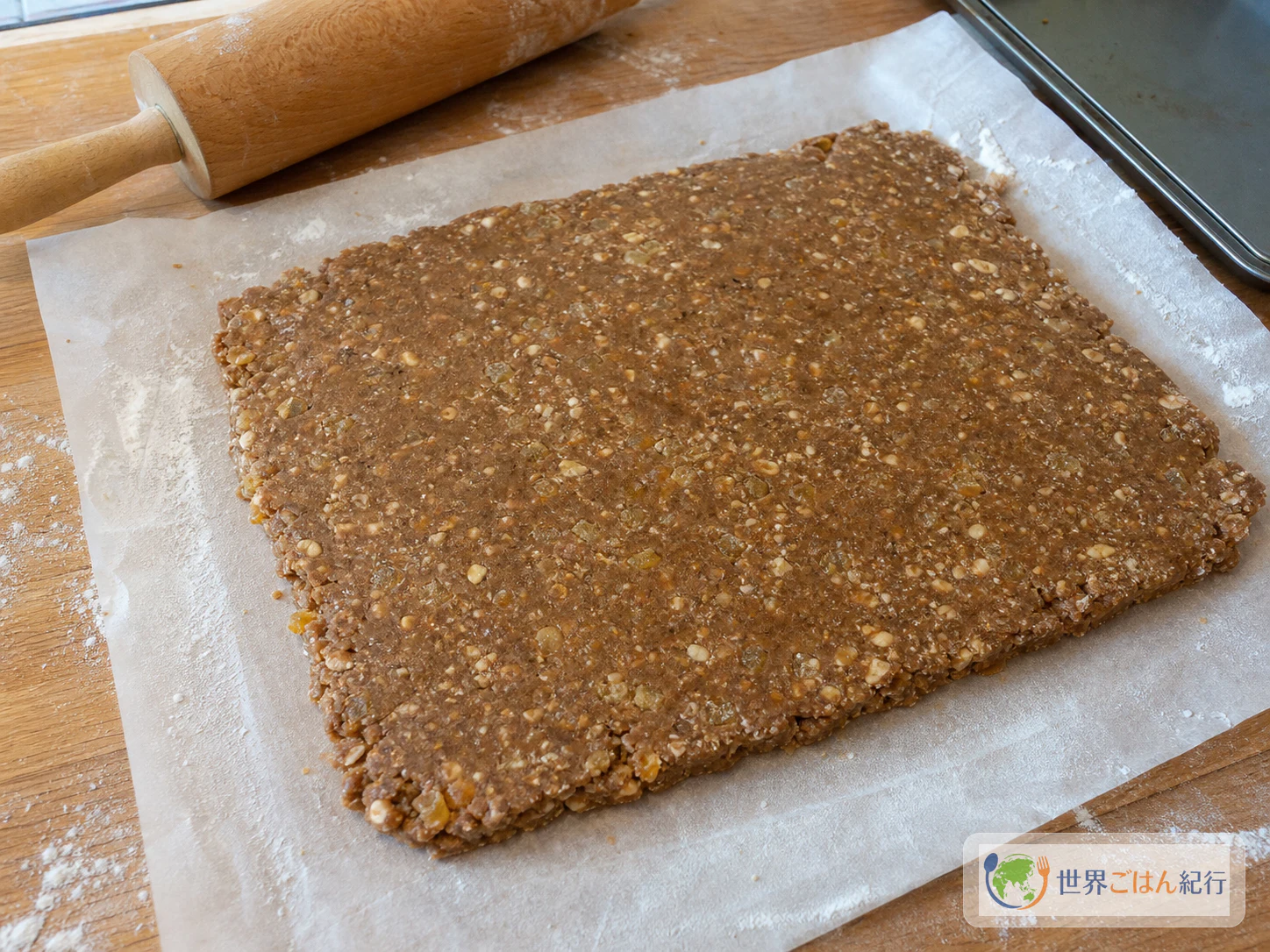
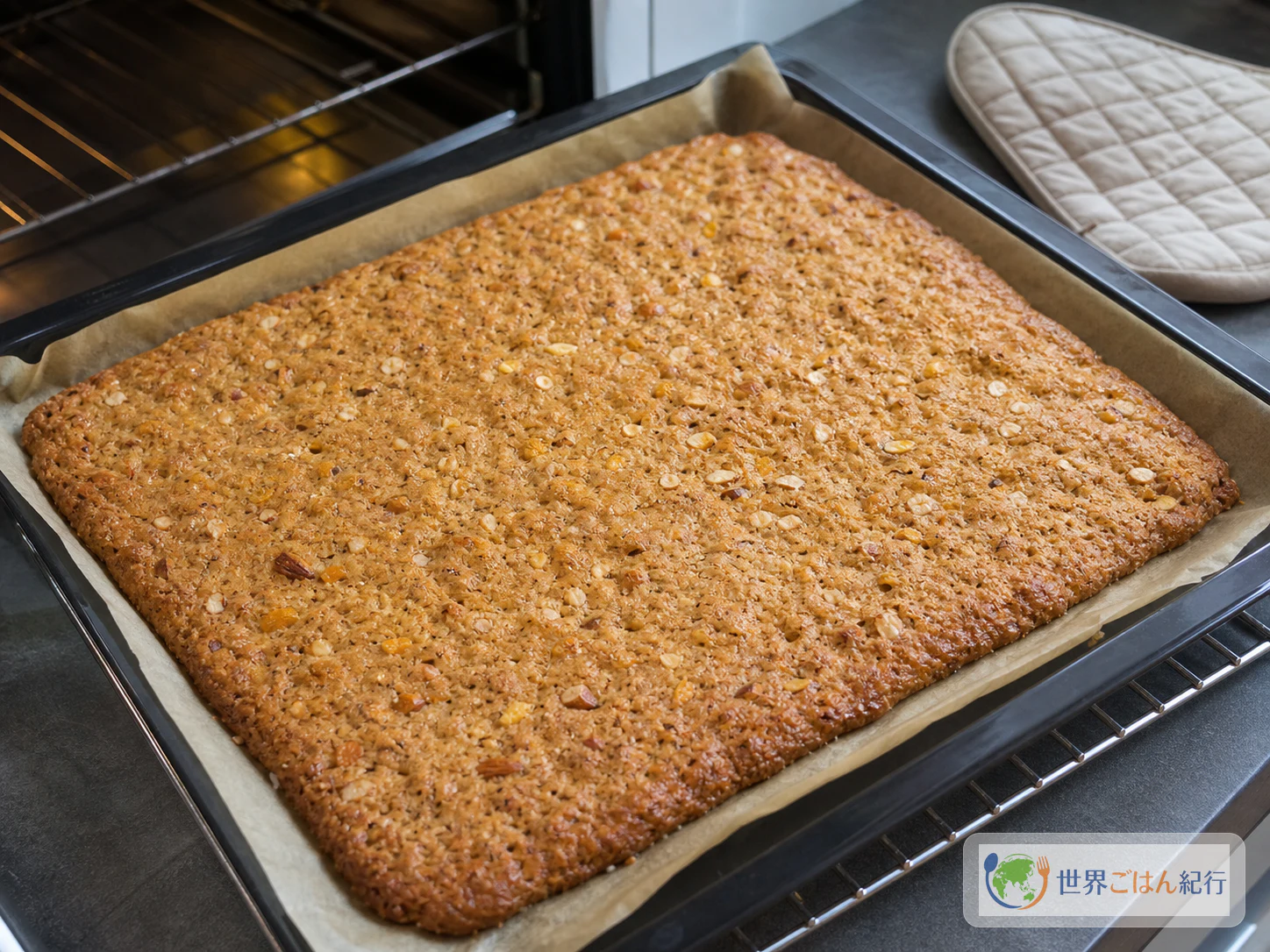
Warm honey and sugar in a small pot, and the first thing that rises in the kitchen is the scent of flowers. Stir in cinnamon, cardamom and chopped orange peel, and it stops smelling like an ordinary bake. Basler Läckerli come from Basel in northwestern Switzerland: honey and spice cookies packed with nuts and candied citrus. Cut into squares, they look plain. Bite in, though, and honey, citrus, nuts and spice come through one after another, with a sweetness that keeps a little citrus bitterness.
About Basler Läckerli
Basel sits near the borders of Switzerland, Germany and France. Basler Läckerli reflect a trading city's taste for keeping quality and aroma rather than a lavish cream pastry. Honey, spices, citrus peel and nuts are all strongly aromatic in small amounts and keep well, which makes these cookies a natural winter tea sweet.
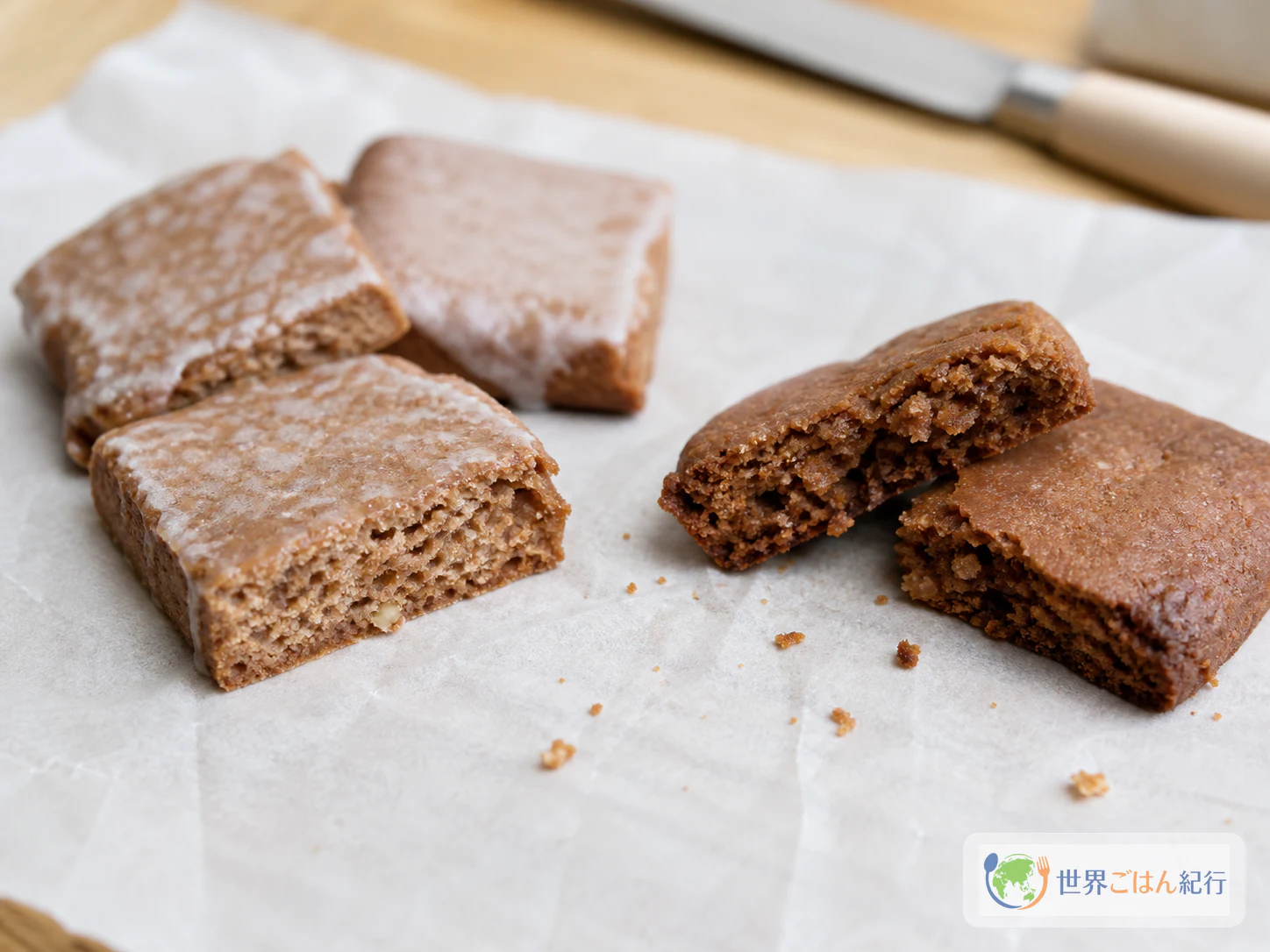
These are not fluffy cookies. You want a thin, dry surface, an inside kept moist by honey, and nuts and peel you meet as you bite. Fresh from the oven they are soft. They firm as they cool, and the aroma comes together from the next day. The goal is the not-too-hard chew of the Läckerli sold in Basel.
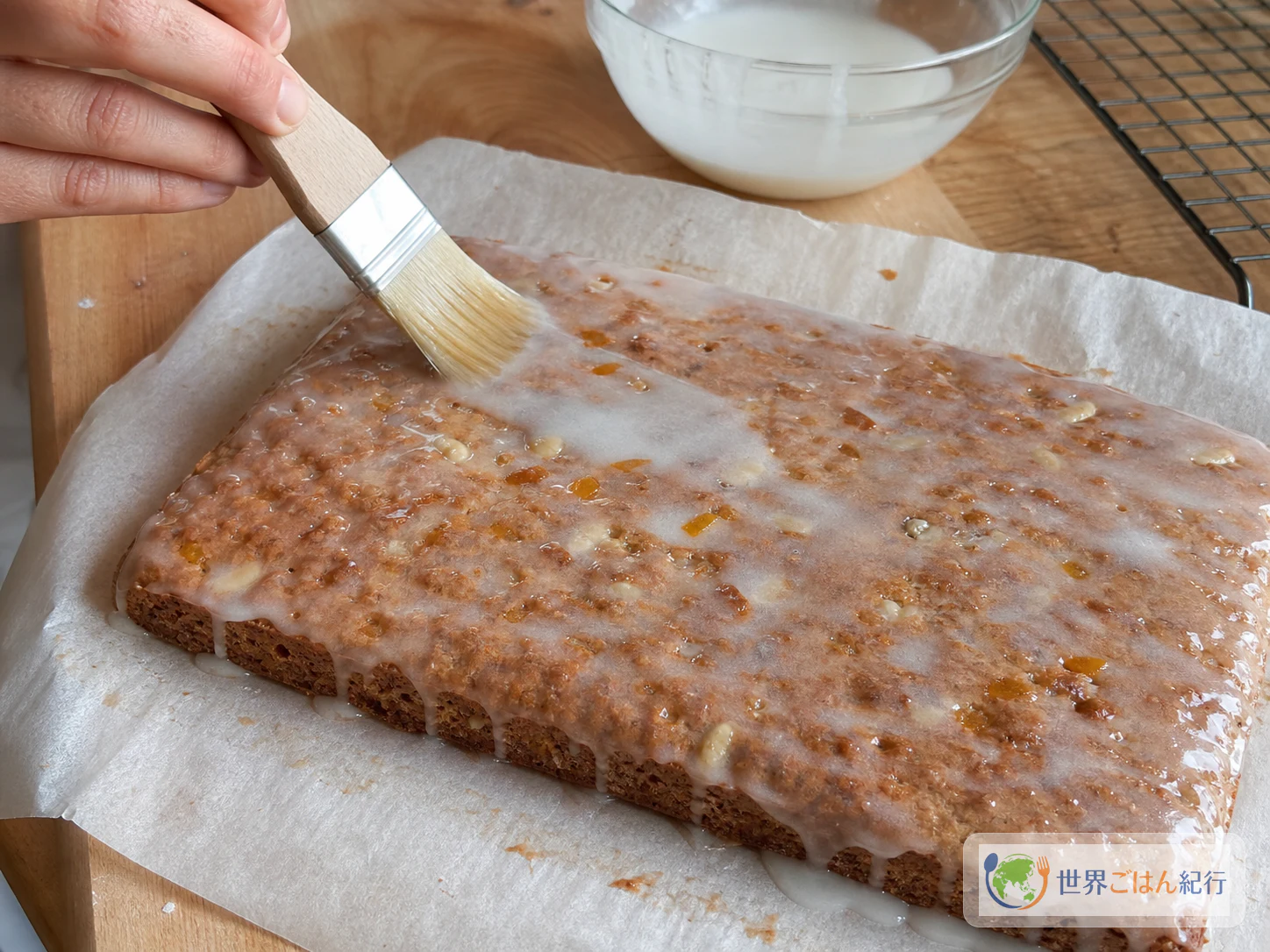
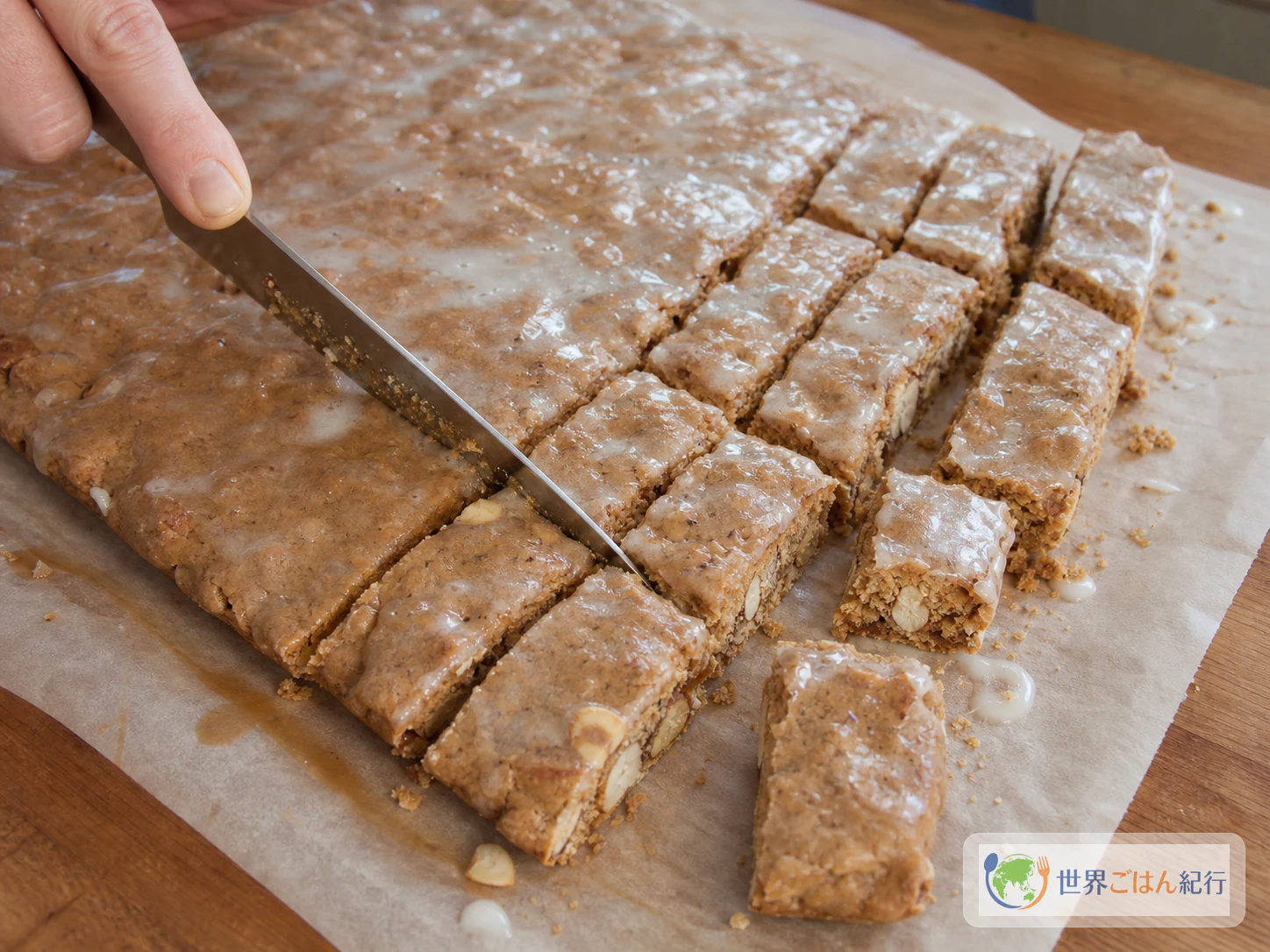
You don't need a special mold. The hard parts at home are three: not over-baking, brushing on a thin glaze while the slab is warm, and cutting before it has set completely.
Basler means "of Basel," and Läckerli means "little tasty things."
| What to protect | What makes it local | How to bring it down to a home kitchen |
|---|---|---|
| Honey dough | A heavy aroma and moistness that sugar alone doesn't give | Use 5.5 oz (160 g) honey and don't reduce it too far |
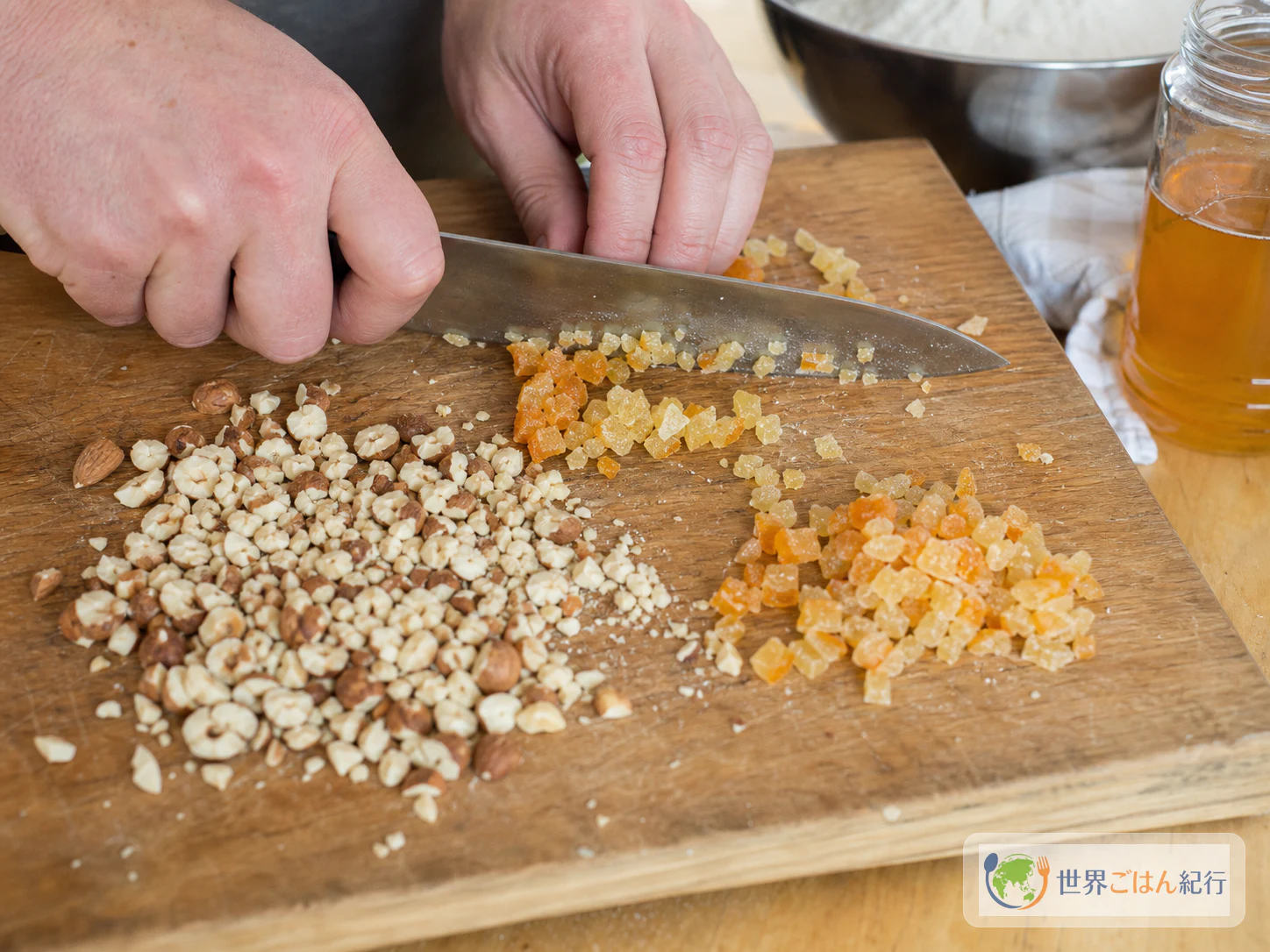
| Citrus peel | The pleasant bitterness of candied orange and lemon | Chop baking-grade peel to 0.25 inch (5 mm) or smaller |
| Nuts | The bite of almonds and hazelnuts | Mixing two kinds keeps the aroma from being one-note |
| Spices | A warm aroma that tightens the sweetness | Cinnamon as the axis, with a little cardamom and allspice |
| Timing of cutting | Cut into squares before it sets | Put the knife in within 10 minutes of glazing |
Ingredients (makes 32 pieces)
This amount is for one baking sheet about 9.5 inches (24 cm) square. Roll to about 0.25 inch (7 mm) thick, and after baking cut into small rectangles about 1 inch (2.5 cm) × 1.5 inches (4 cm). Each one is small, but it is packed with honey and nuts, so it is plenty satisfying with tea or coffee.
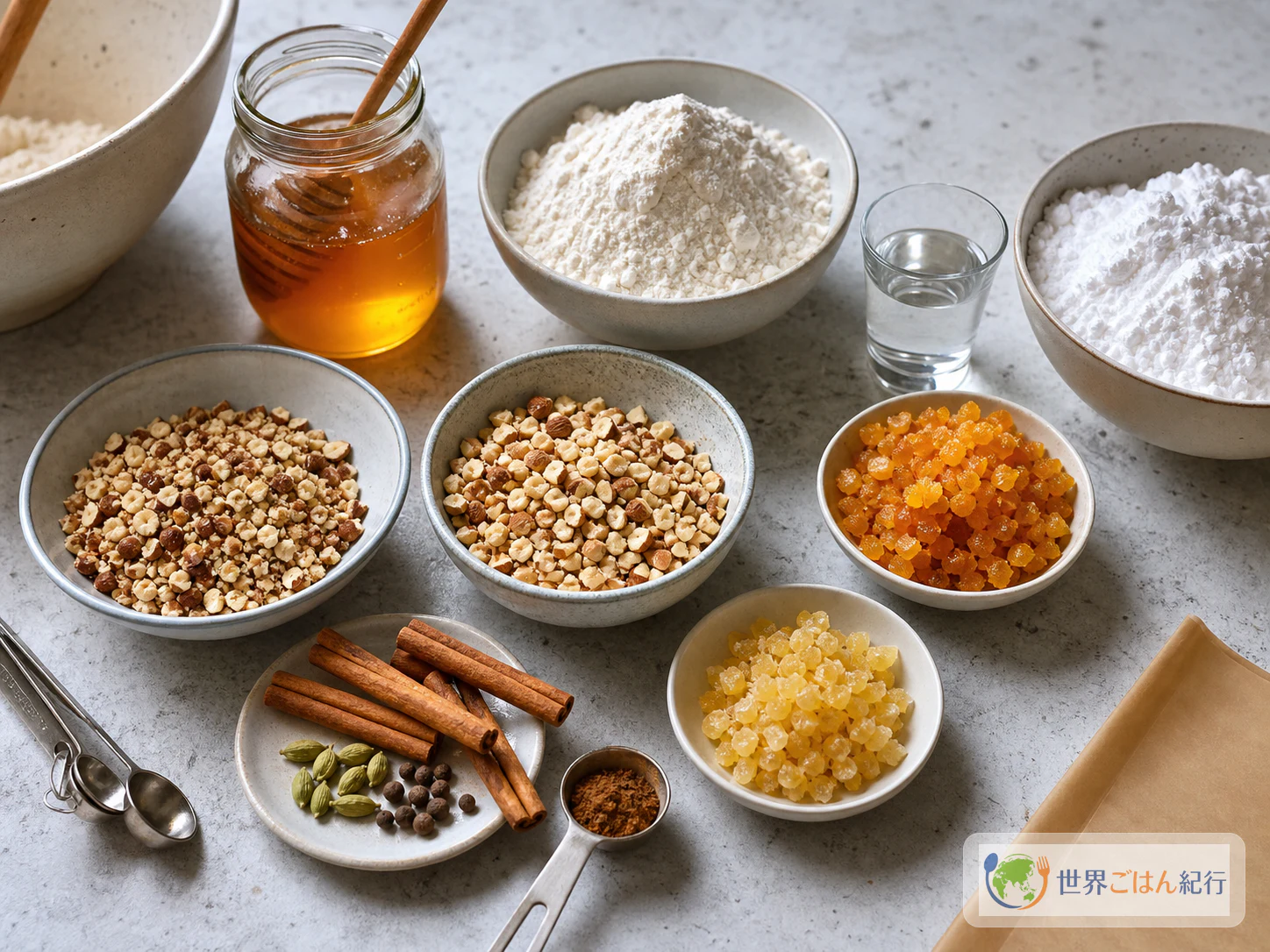
This recipe uses wheat, almonds and hazelnuts. If you are concerned about nuts, you can replace them with the same amount of dried cranberries or raisins, though the local bite will be weaker. If you use kirsch, the glaze is not heated, so the alcohol remains. For tables avoiding alcohol, replace it with fruit juice.
Choosing ingredients for Basler Läckerli
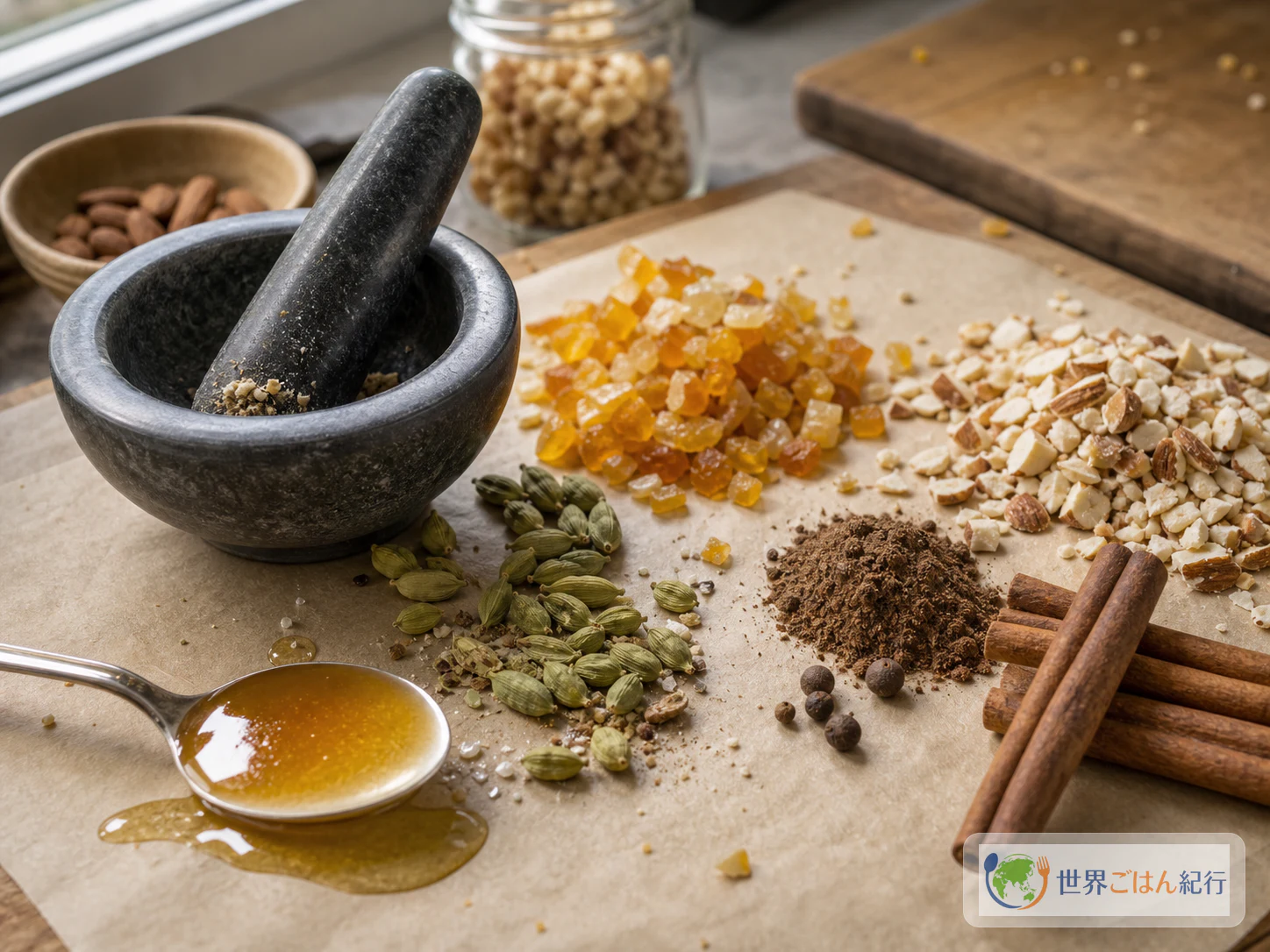
Cake flour, honey, almonds, hazelnuts, orange peel and lemon peel form the base, and kirsch brings the aroma closer to the original if you have it. Flour, honey, sugar, nuts and confectioners' sugar are easy to find.
The peel deserves some care. Cheap mixed fruit peel on its own blurs the aroma, so use more orange peel and a little lemon peel to give the honey sweetness an outline. If you don't have lemon peel, make it 3.5 oz (100 g) orange peel and put 1 tsp lemon juice in the finishing glaze.
The spices carry the aroma, so choose them carefully. Cardamom loses its aroma quickly once a jar of powder sits open, so buy a small amount of whole pods and split them just before use. It makes a considerable difference to the finished bake.
Ground cinnamon alone works. But if you put one cinnamon stick in the honey while it warms, leave it 5 minutes and take it out before mixing with the dry ingredients, the aroma rounds out. Leftover sticks can go into chai or mulled wine. Allspice bridges cloves, cinnamon and nutmeg; too much tastes medicinal, so 1/4 tsp is enough to give the depth typical of Läckerli.
Method
With this sweet, move briskly from making the dough to baking, and hurry after baking. Glaze while it is warm and go as far as cutting. If you cut after it has cooled, the sugar coating on the surface cracks and the corners crumble easily.
Fixing over-baking and cutting mistakes
The most common failure is drying out too much rather than scorching. Läckerli firm as they cool, so if they already have the hardness of a finished cookie when they come out, they will be quite hard to chew by the next day.
| Problem | Cause | How to fix it |
|---|---|---|
| Too hard | The honey syrup was boiled, or over-baked | Put a piece of apple peel in the tin and leave it for half a day, then remove it |
| Only the edges are bitter | The edges of the dough are thin | Next time press the edges to even the thickness and check once at 14 minutes |
| Cracks when cut | Cut after it cooled | Next time cut 5 to 10 minutes after glazing. Warm the knife |
| Surface is thick and white | Glaze too thick | Add water 1/2 tsp at a time to a see-through consistency |
| Weak aroma | Old ground spices | Split whole cardamom, and steep the cinnamon in the honey |
| Sweetness is heavy | Too little peel, no acidity | Increase the lemon peel or put lemon juice in the glaze |
Apple peel should only stay in the tin for half a day to overnight. Too much moisture makes the sugar coating sticky, so once the cookies soften a little, take out the peel and leave the lid slightly ajar for 30 minutes.
Serving and storing Basler Läckerli
Serving
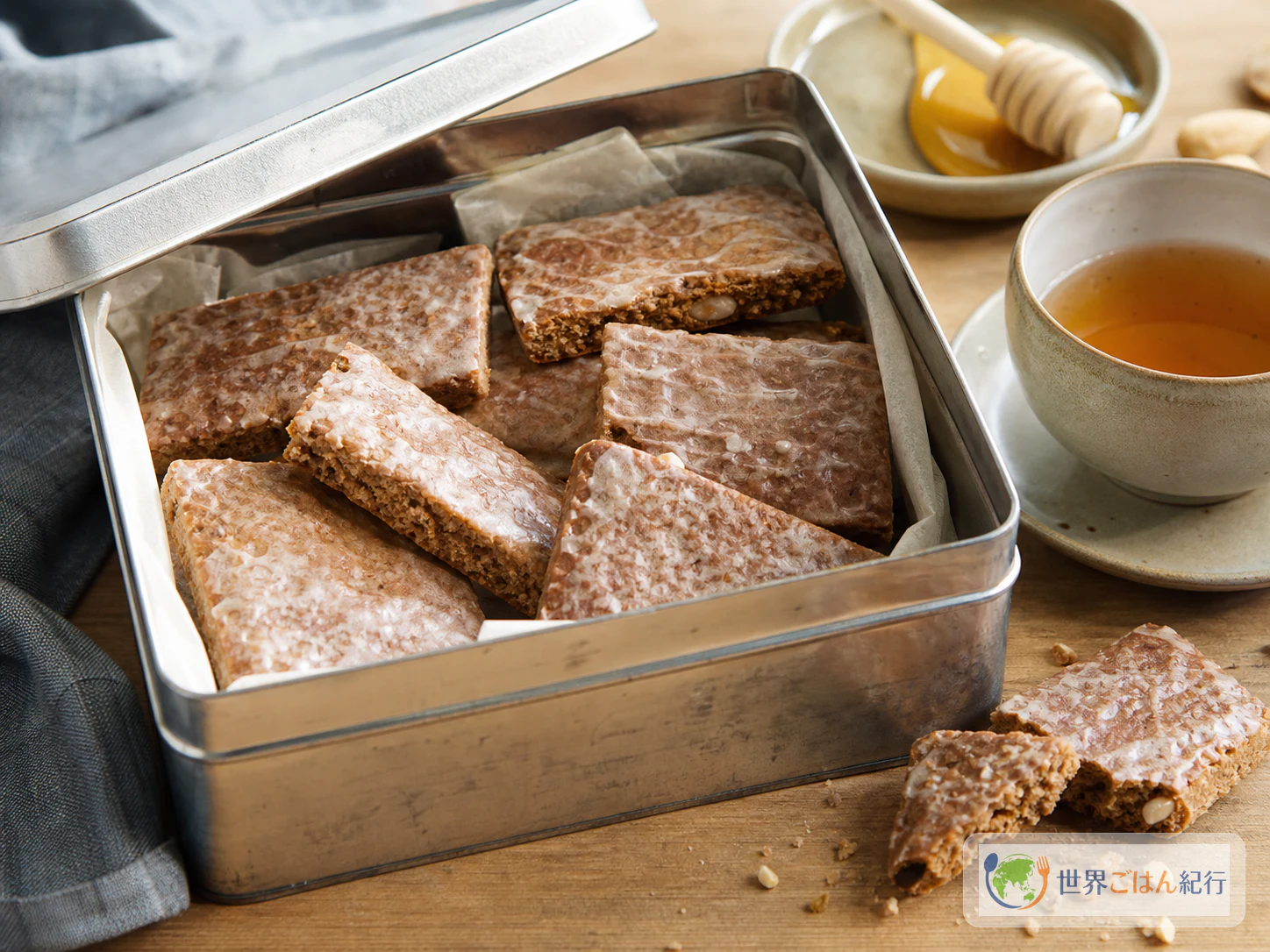
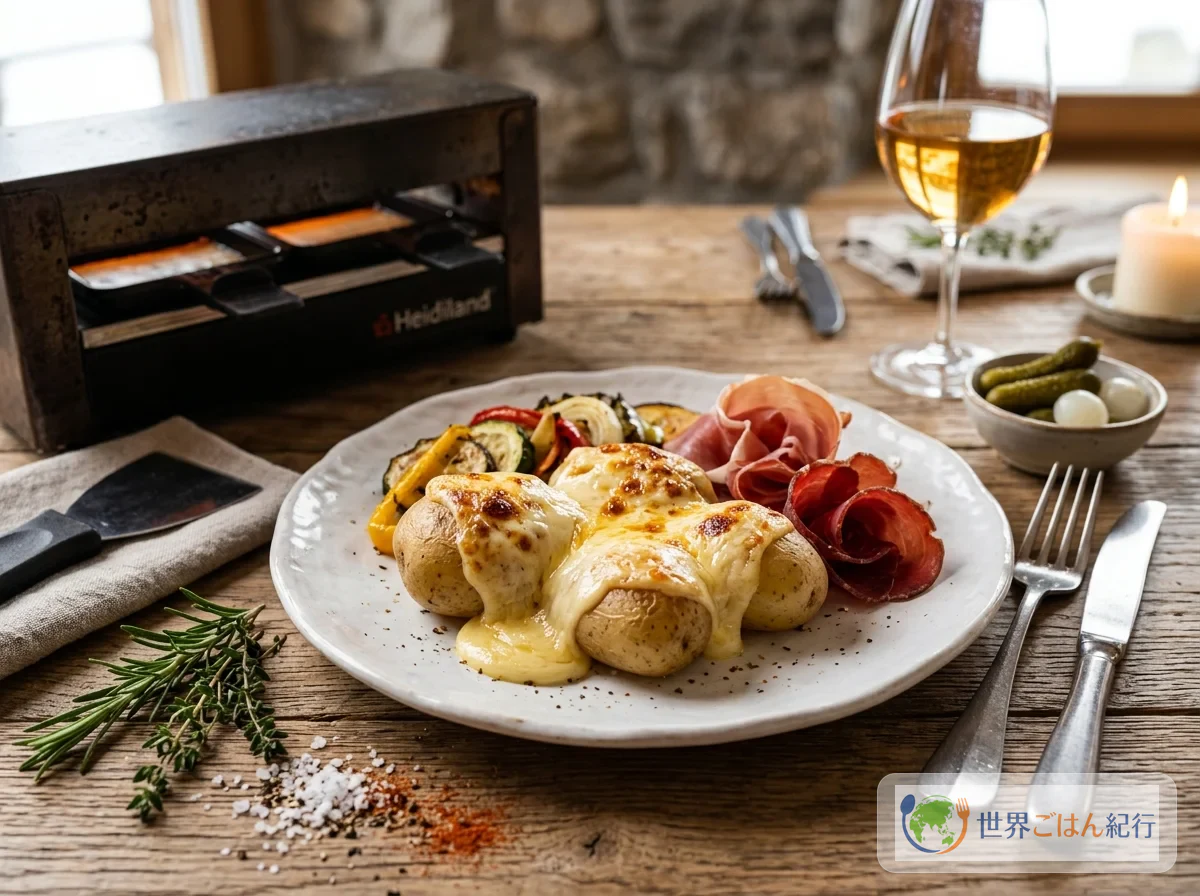
Läckerli go well with strong coffee or tea. Because the spices linger and the flavor isn't only sweet, even one after a meal feels like enough. For a Swiss-themed dinner, serve small squares after raclette and its melted cheese.
If you like spice sweets, try South Africa's koesisters, fried dough soaked in syrup, or Sri Lanka's bibikkan, which leans toward coconut and treacle. For another European bake built on fruit and spice, Austria's Apfelkücherl makes a good comparison.
Storage and aging
Once the cookies are completely cool, put them in a tin or airtight container lined with baking paper. On baking day the aroma is a little angular, but from the next day the honey, citrus and spice blend. Take them out to room temperature 30 minutes before eating and the aroma comes back more easily.
| Storage | Duration | Point |
|---|---|---|
| Room temperature | 2 weeks | Store in a tin or airtight container that won't dry them too much |
| Refrigerator | Not recommended | The surface gets damp and the aroma dulls easily |
| Freezer | 1 month | Wrap one by one; after thawing naturally, leave in a tin for half a day |
| Gifts | From day 3 | Pack them after the aroma has settled |
In hot, humid summer weather, shorten room-temperature storage: take out only what you'll eat and return the rest to a dry, clean container. In a dry room in winter they harden easily, so seal them tightly and go easy on desiccant to protect the texture.
FAQ
Can I make it without kirsch?
Yes. Replace the 1.5 tbsp (25 ml) kirsch in the dough with 1.5 tbsp (20 ml) orange juice and 1 tsp (5 ml) lemon juice; this also suits children and anyone avoiding alcohol. The glaze can be made with lemon juice and water. The aroma is slightly lighter, but the citrus outline comes through and the cookies are easier to eat.
I don't have hazelnuts.
Use 4 oz (120 g) almonds. Hazelnuts round out the aroma, but almonds alone work well. Walnuts add astringency, so stick with almonds for a first batch.
Does the dough need to rest overnight?
For a first attempt, rolling it out and resting it 10 minutes is enough. Traditional methods rest the dough longer, but this heavy, low-moisture dough can become hard to handle at home. Aging the cookies in a tin after baking is the easier way to develop the aroma.
My oven is strong and the edges scorch.
Stack two baking sheets, or check the color of the edges at 14 minutes. If the edges darken first, make the four sides of the dough a little thicker next time. If you lower the temperature to 350°F (170°C), plan on 16 to 18 minutes and stop before the center dries.
How hard is right?
Slightly soft on baking day, with a chew that develops the next day. If they are too hard to break with your teeth, the cut face crumbles dryly, or the glaze looks chalky and lifts off, they are over-baked. Next time keep the honey from boiling and shorten the baking time by 2 minutes.
Do people eat them other than at Christmas?
They are often eaten as a winter sweet, but they keep well, so you can enjoy them in any season. A tin in the pantry is handy for a small treat with strong tea or coffee.