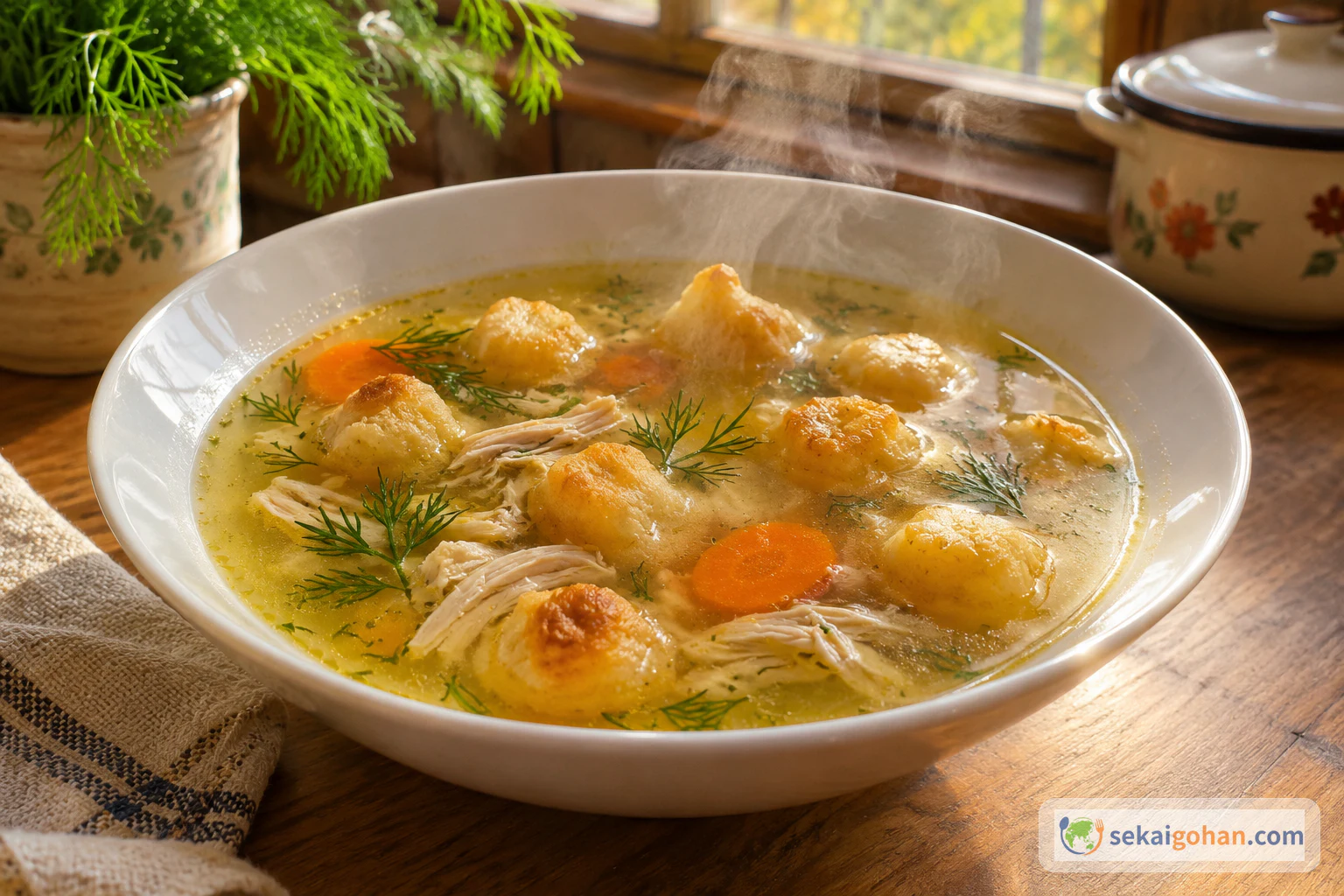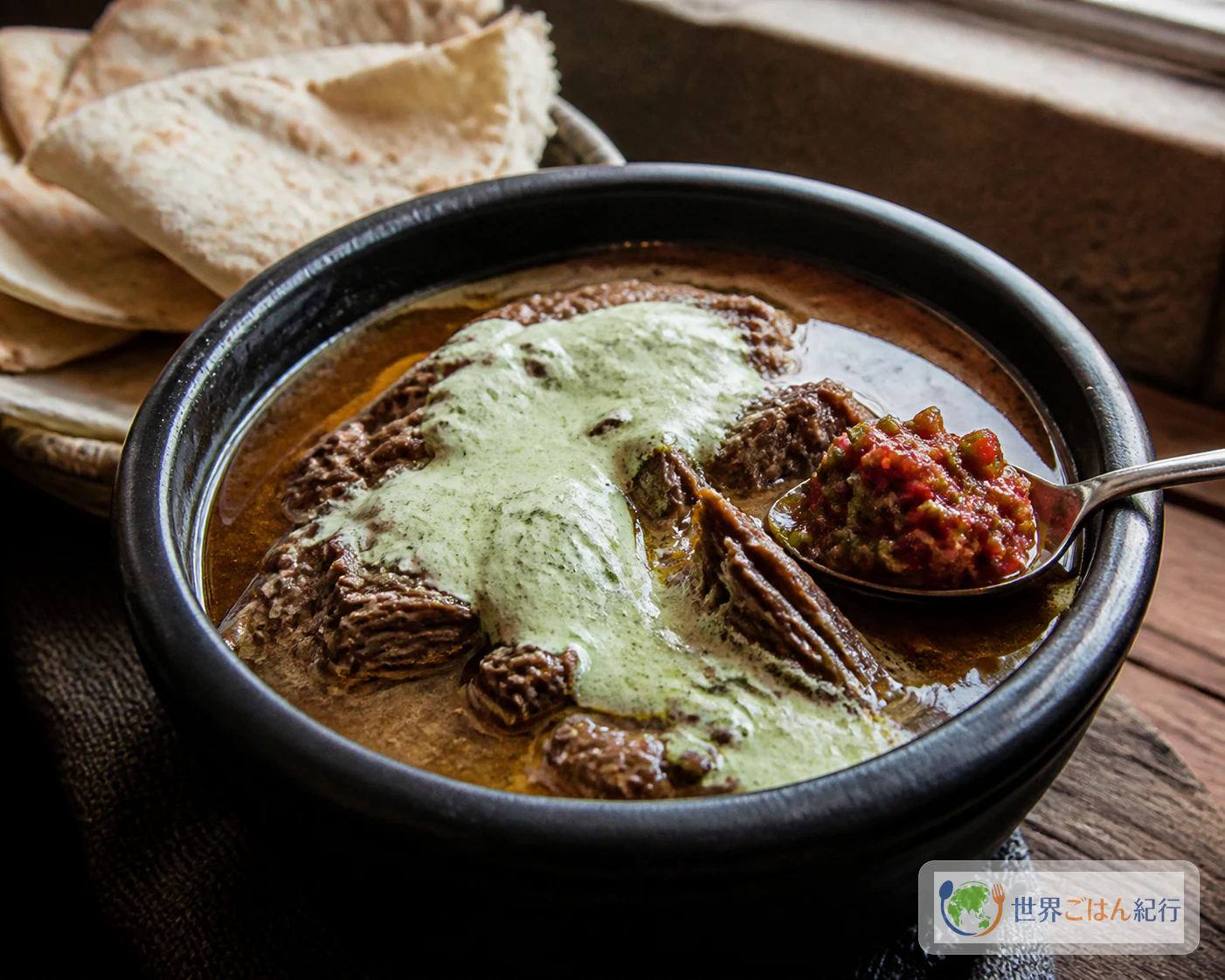
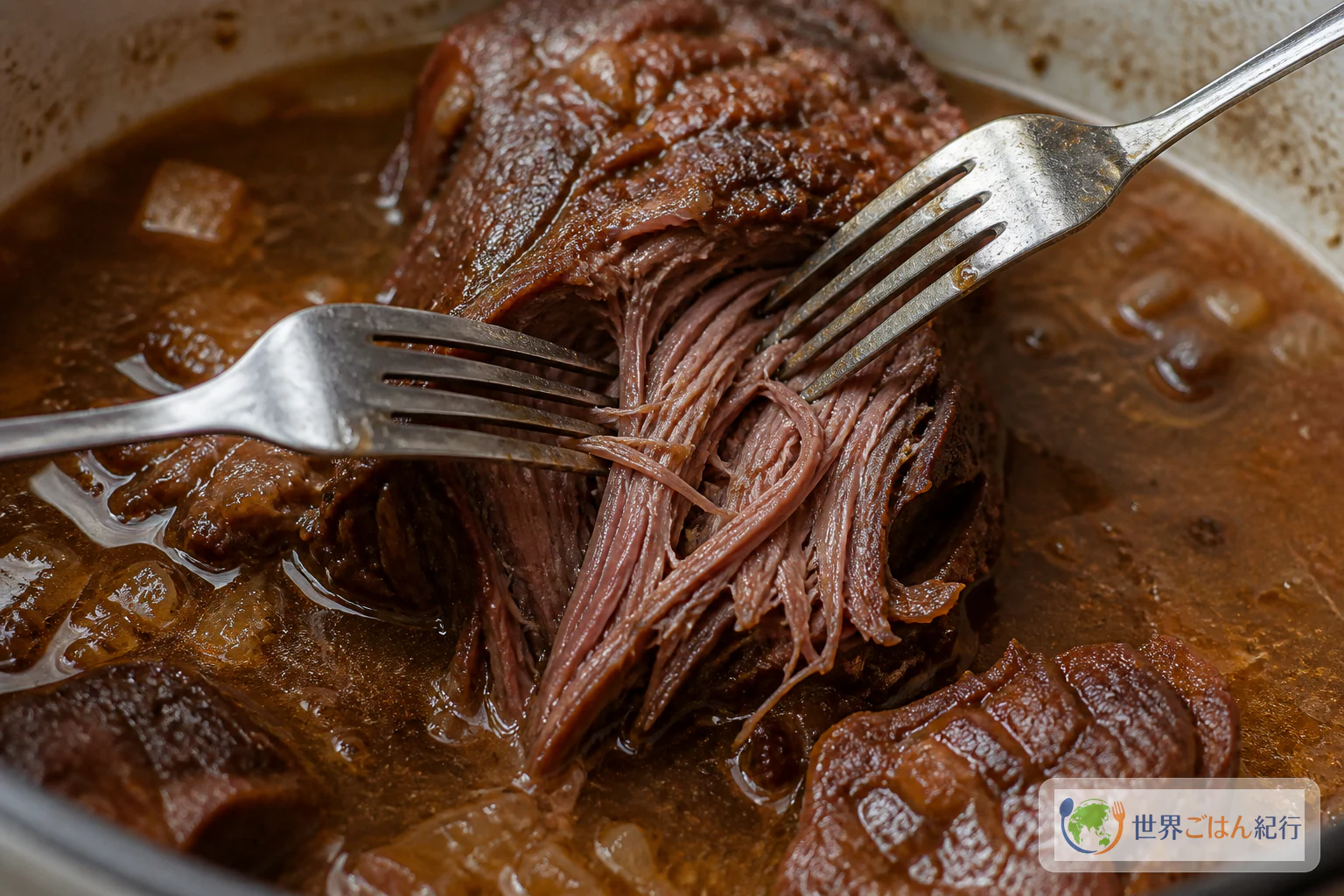
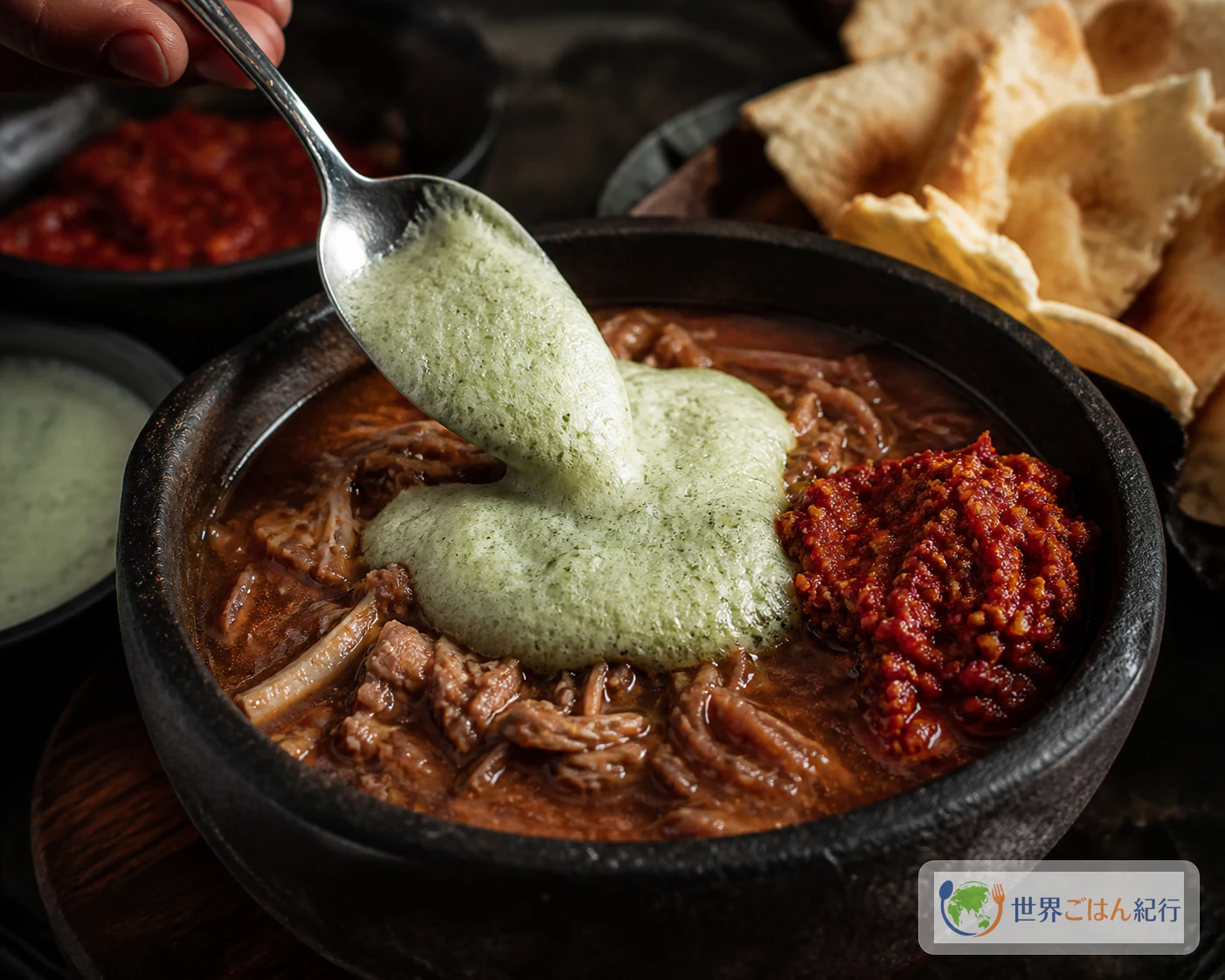
Through the steam, the brown broth trembles slightly. Lift the meat and it falls apart into fibers under a pale green foam. Stir in a little red tomato and green-chile sahawiq, and acidity and heat cut right through the rich stew. This is Yemeni fahsa (فحسة), a hot-pot dish related to saltah but with meat in a far bigger role. Lamb is often the star, though beef shank or shoulder, easier for home cooks to find, makes a fine backbone for the table as long as you keep the broth from getting thin. The fenugreek foam, hulba, takes time to lose its bitterness, so it is made apart from the meat pot. The stew, hulba and sahawiq come together only at the end, and that way you can see which part needs adjusting.
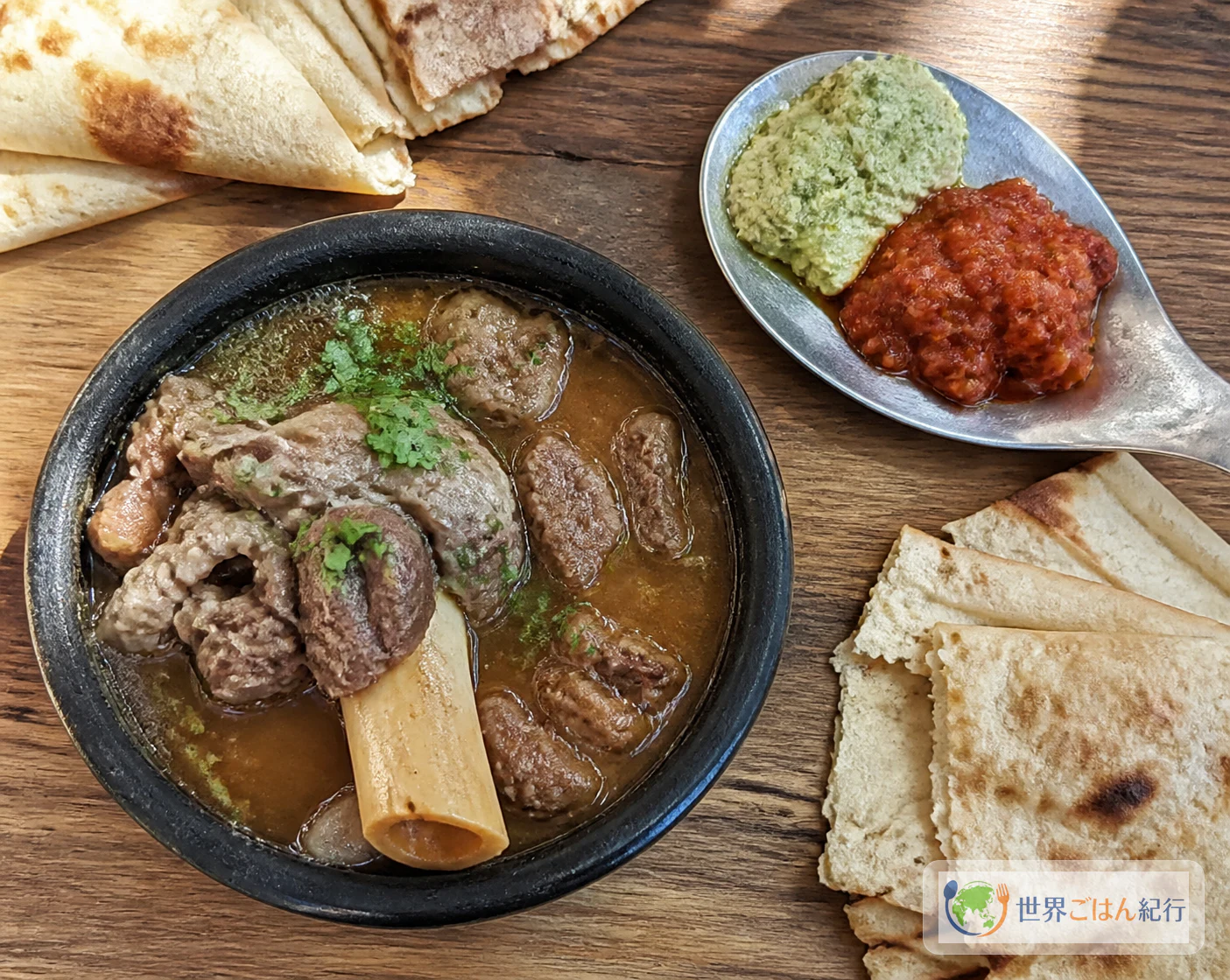
Fahsa in Sanaa: The Midday Meat Pot
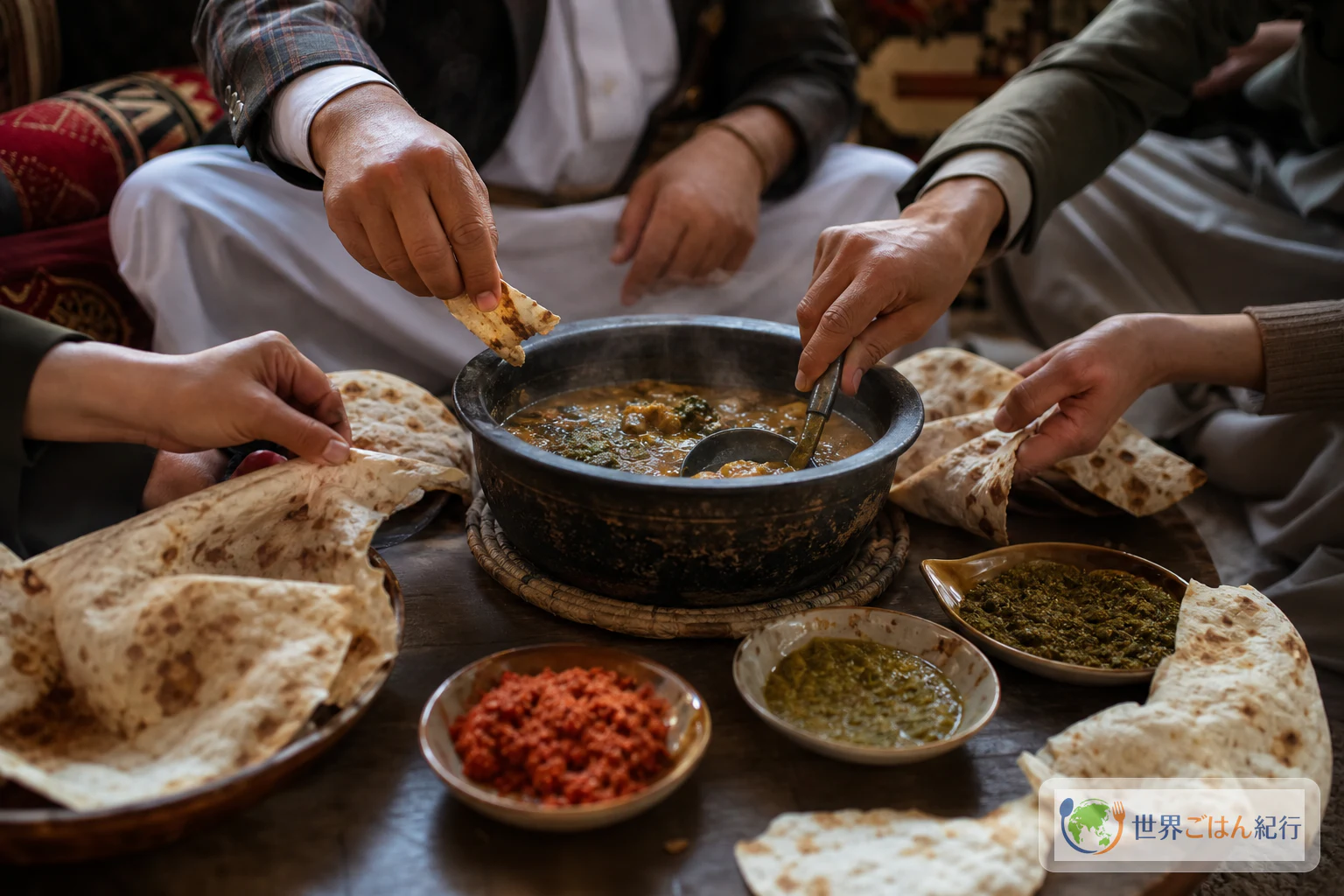
The best way to understand fahsa is to look at when it is eaten and what it is served in. In Sanaa, restaurants put a large pot on the fire in the morning and serve the meat stew in time for Yemen's lunch hour. It goes into a hot stone or clay pot, the broth is made to foam, and diners tear bread and scoop straight from the pot. This is a dish for gathering round the midday table.
At the table, you eat it with flatbread, adding maraq (the broth), tomato-and-green-chile sahawiq and hulba as you go. The bread is less a side than a tool for catching the hot broth. At home, tearing thin naan or pita and scooping with it also makes it easier to judge the saltiness and body of the dish than pouring it over rice.
Saltah is usually a vegetable-based dish topped with fenugreek, and it can include vegetables, beans and eggs. Fahsa branched off from it and stands out as the meat-dense version. For a home kitchen, the simple rule is to make it a pot where meat is the star, with hulba and sahawiq layered on afterward. If you want the vegetable-based pot instead, Yemeni saltah is its own dish.
Regional differences matter too. In the central and northern highlands, sorghum, wheat, barley and lentils are grown alongside livestock. The hot, humid Tihama plain grows millet and fruit, and fishing is important on the southern coast from Aden toward the Omani side. The mountain table built on meat and grain is not the same as the coastal table that uses fish, or the table of Hadramawt, which makes use of dates and livestock in dry land.
Ingredients (serves 4)
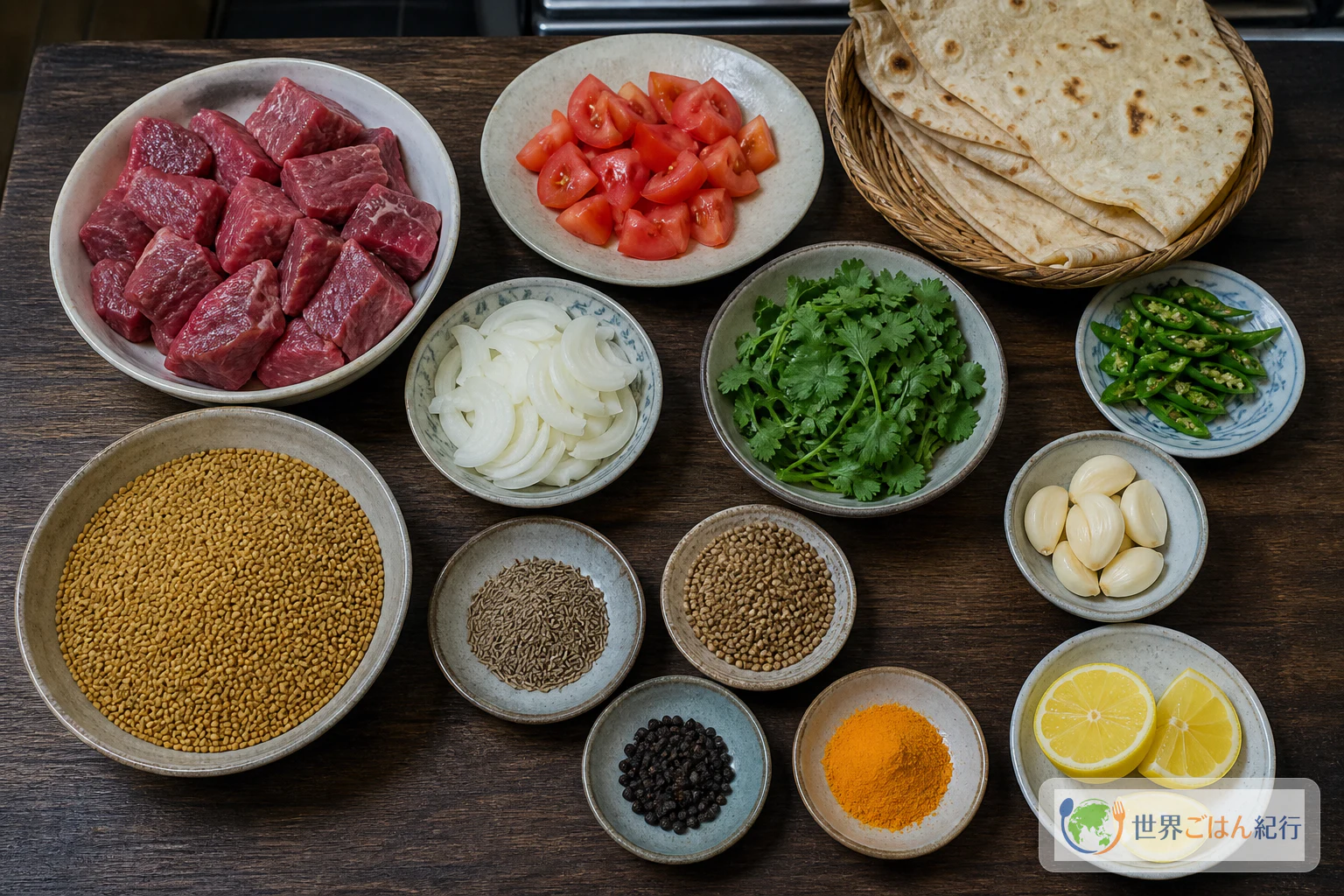
Sahawiq and bread
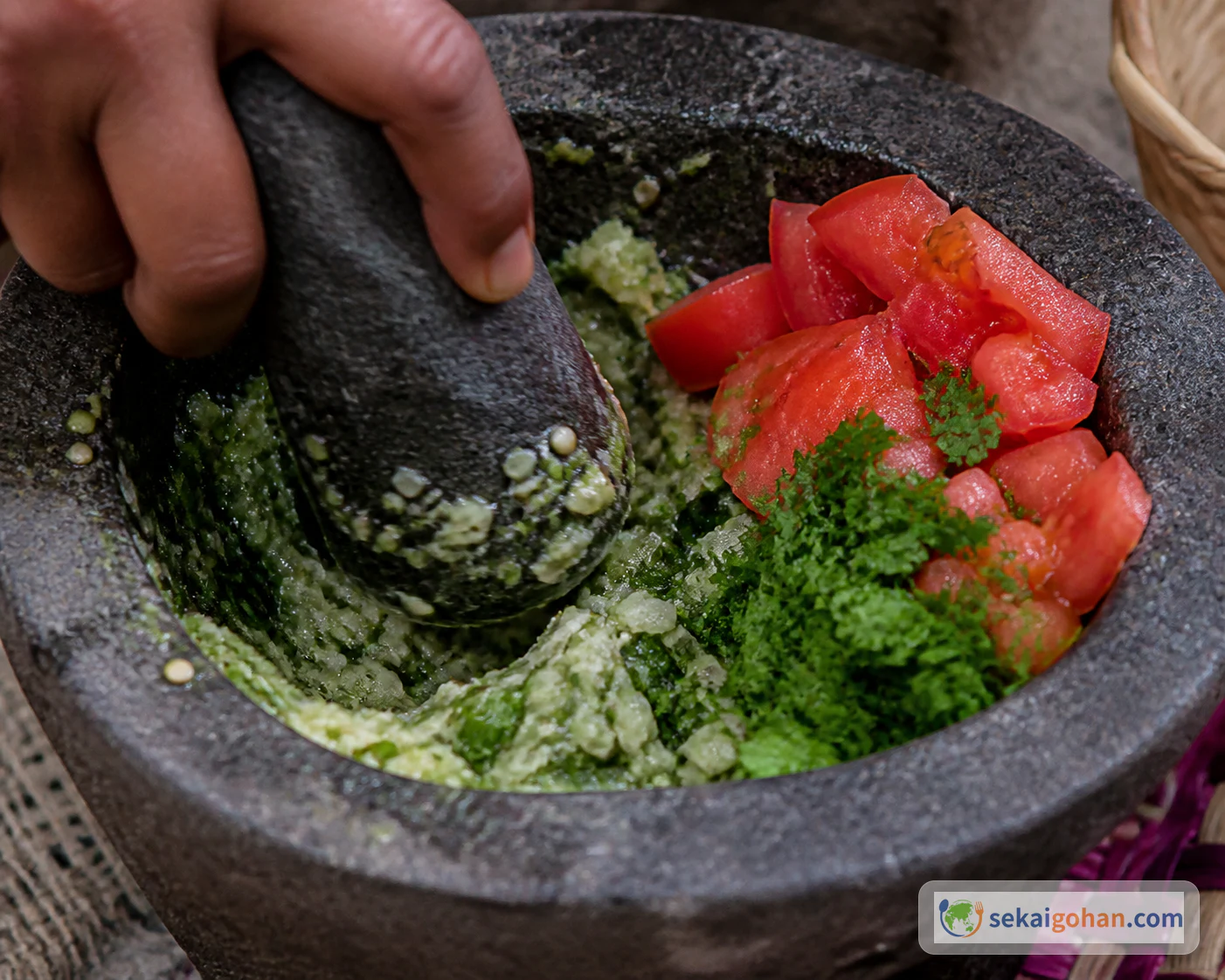
Prepare 5.5 oz (150 g) tomato, 1/2 green chile, 10 g cilantro, 1/2 clove garlic, 2 tsp lemon juice and a pinch of salt. For bread, use 4 to 6 pieces of thin naan, pita or chapati for four people. Choose one thin enough to scoop the broth.
A pot of only simmered meat tastes flat, and adding more hulba alone pushes the bitterness forward. Keep the components separate, not all in one pot from the start, so you can taste the thickness of the stew, the hulba foam and the acidity of the sahawiq on their own.
Choosing Fenugreek for Hulba
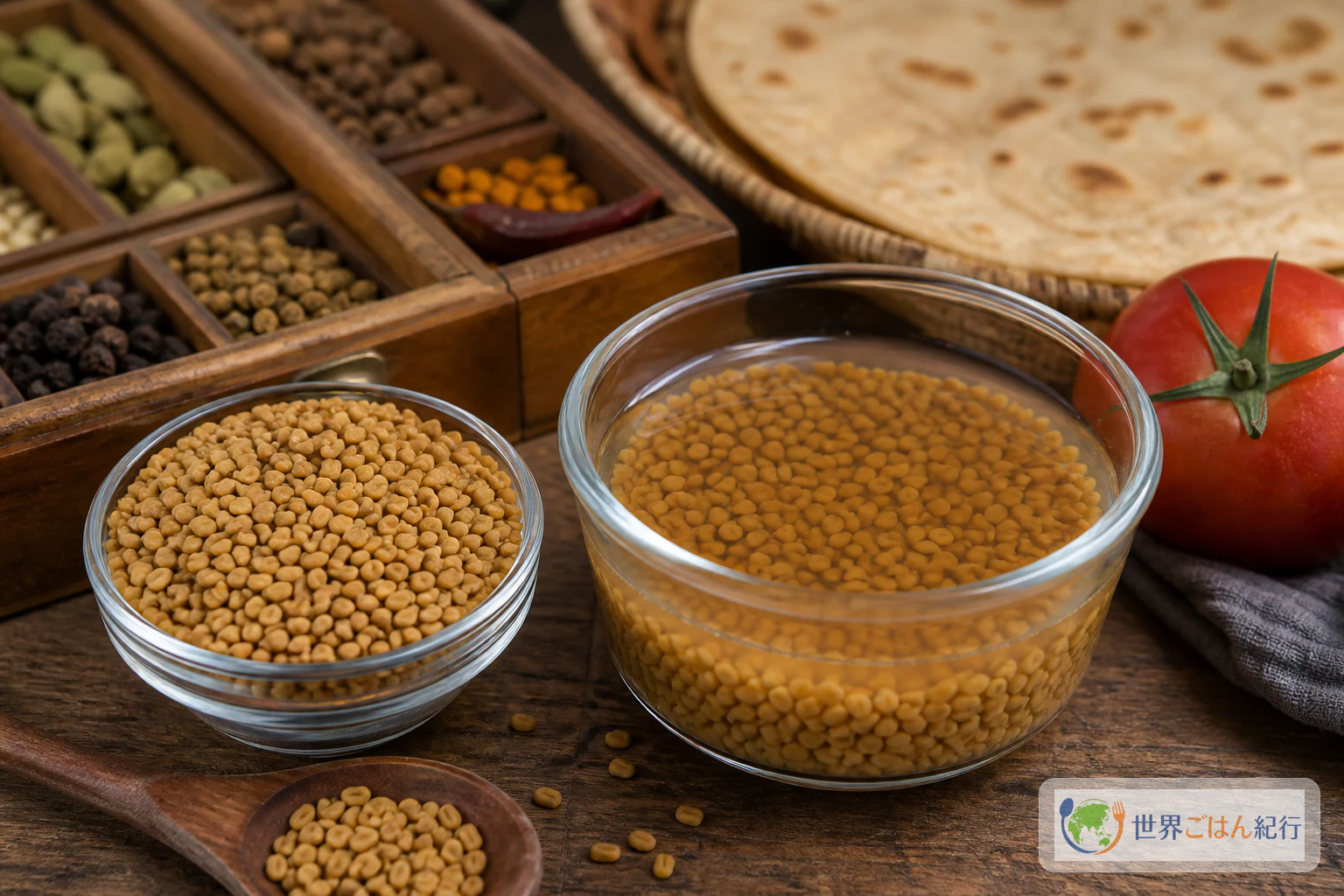
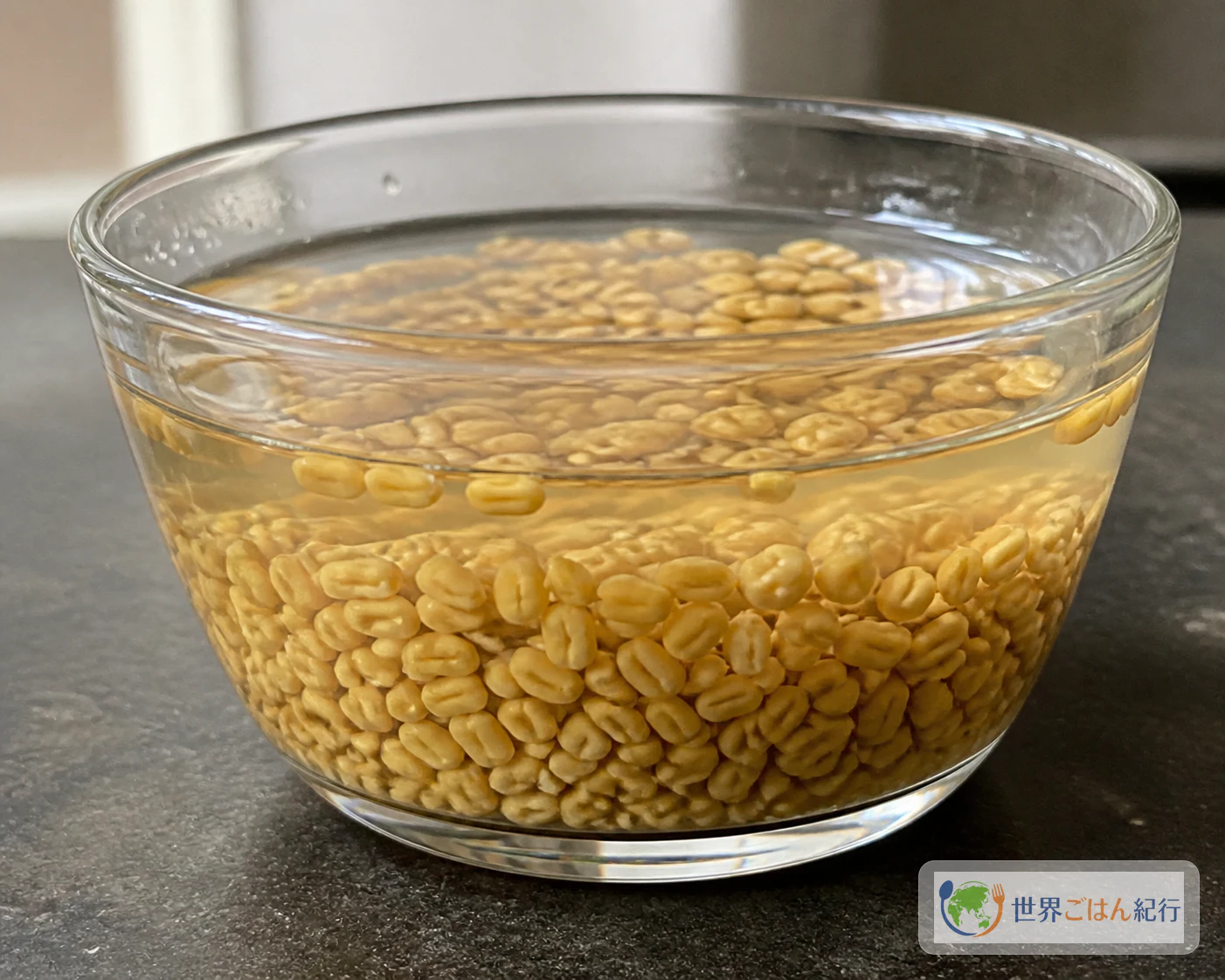
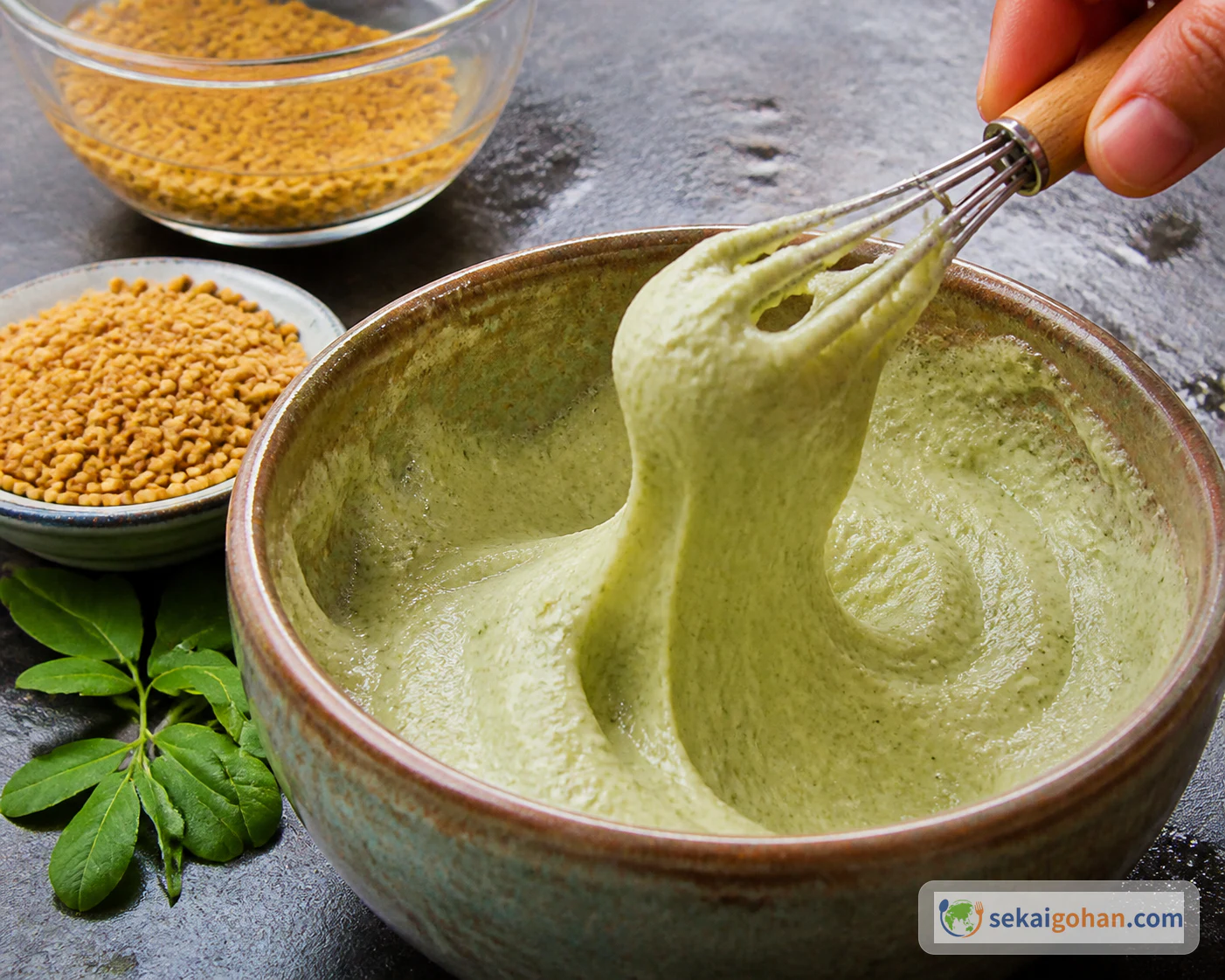
Most people know fenugreek as part of curry powder. In hulba it does more than add fragrance: soaking brings out a stickiness that holds the foam. Many recipes start from ground fenugreek, and powder works (see the FAQ). This recipe uses whole seeds, because soaking them and changing the water makes the bitterness easier to control, and you crush them after soaking. Leaves (kasuri methi) are not suitable for hulba.
Fenugreek can cause allergic reactions, and cross-reactivity has been reported in some people with peanut allergy. If you have a legume allergy, or have never eaten fenugreek and feel unsure, consult a doctor before trying it. Some processed foods list only "spices" on the label, so check the ingredient list when you buy.
Fenugreek can cause food allergy. Cross-reactivity has been reported in some people with legume allergies such as peanut, so on first use check the ingredient list and consult a doctor if you have concerns. Be careful also with cilantro, beef, lamb and wheat in the bread.
Buy fenugreek if you want the bitterness and foam of hulba in the dish. If you have a legume allergy, only want the stew, or plan to eat it with just a cilantro and green-chile salsa, it is safer to leave out the hulba and make a fahsa-style meat stew. Without it the bitterness and foam are gone, and you have a different plate from the finished dish.
Method
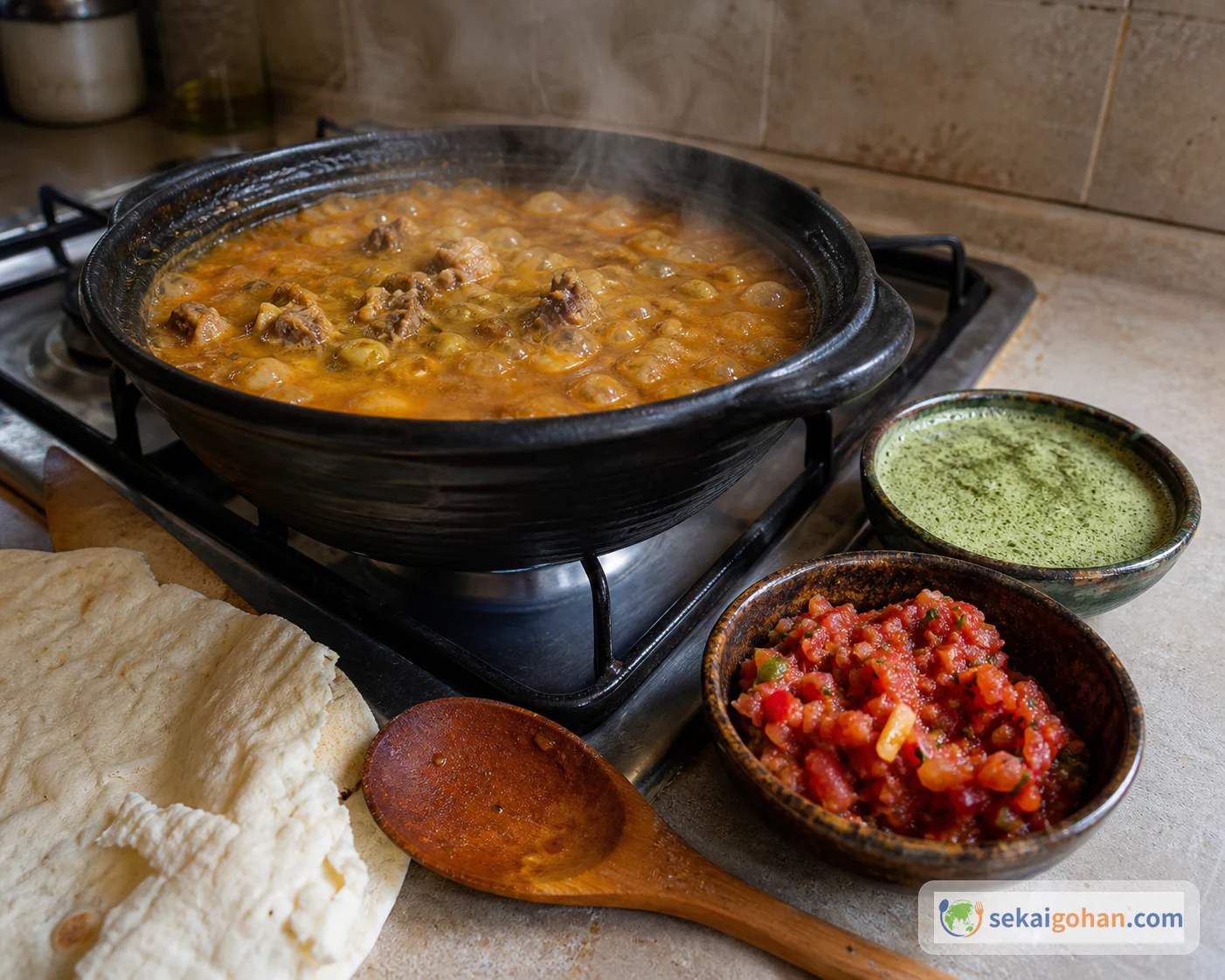
Preparation
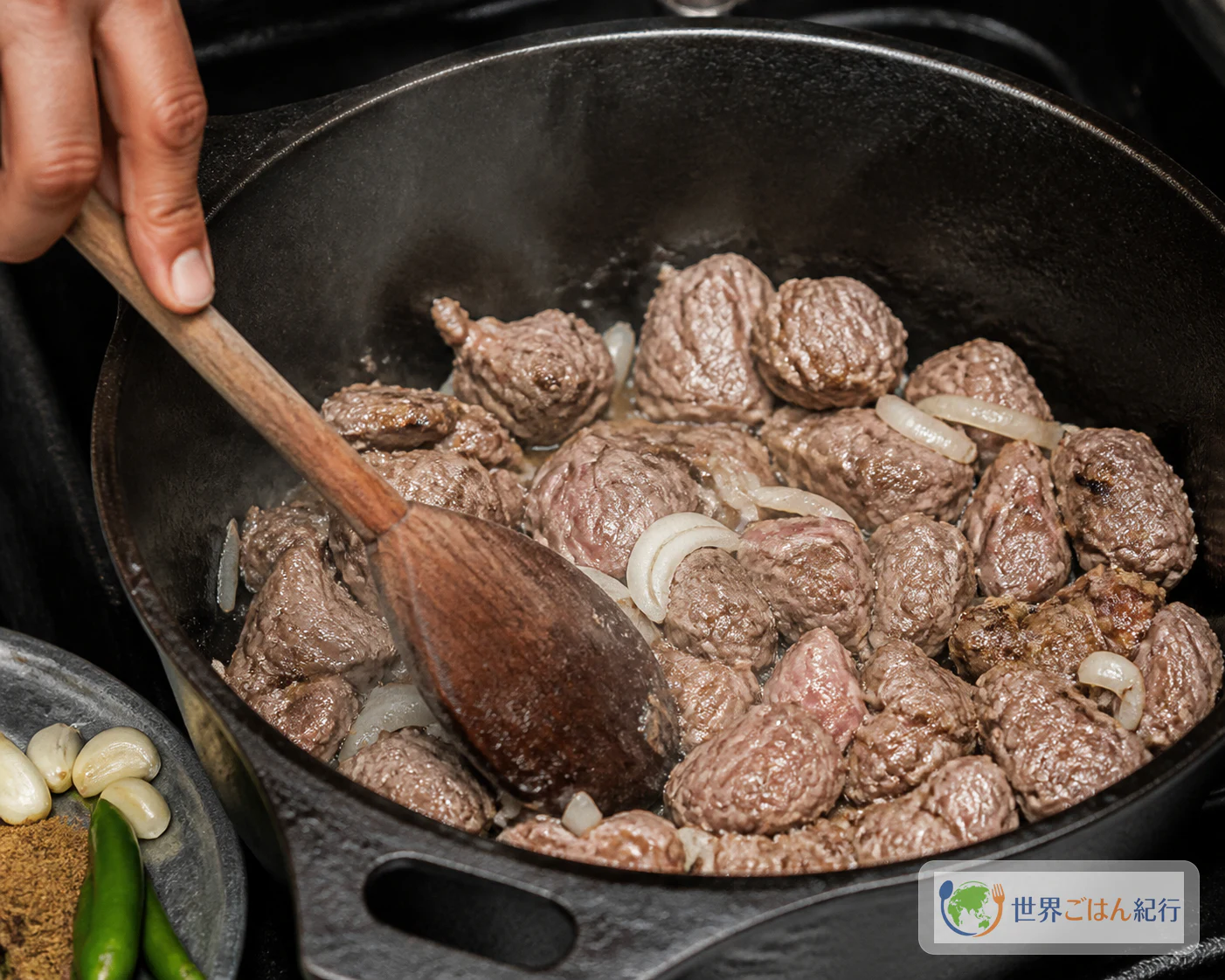
Soak the fenugreek ideally from the night before. If you are short of time, soak it for at least 2 hours. Take the meat out of the refrigerator for 20 to 30 minutes and cut it into even 1.5 inches (4 cm) cubes. Uneven sizes leave crumbling pieces and tough pieces in the same pot.
For the hulba, grind the soaked seeds smooth before whipping. Add cold water a little at a time and mix until it becomes a pale green, fluffy foam.
Fenugreek is a legume plant, and people with allergies to legumes such as peanuts may react. If eating it for the first time, start with a small amount, and consult a doctor if you have concerns.
Tools for the Table: Buy a Mortar to Keep the Sahawiq Coarse
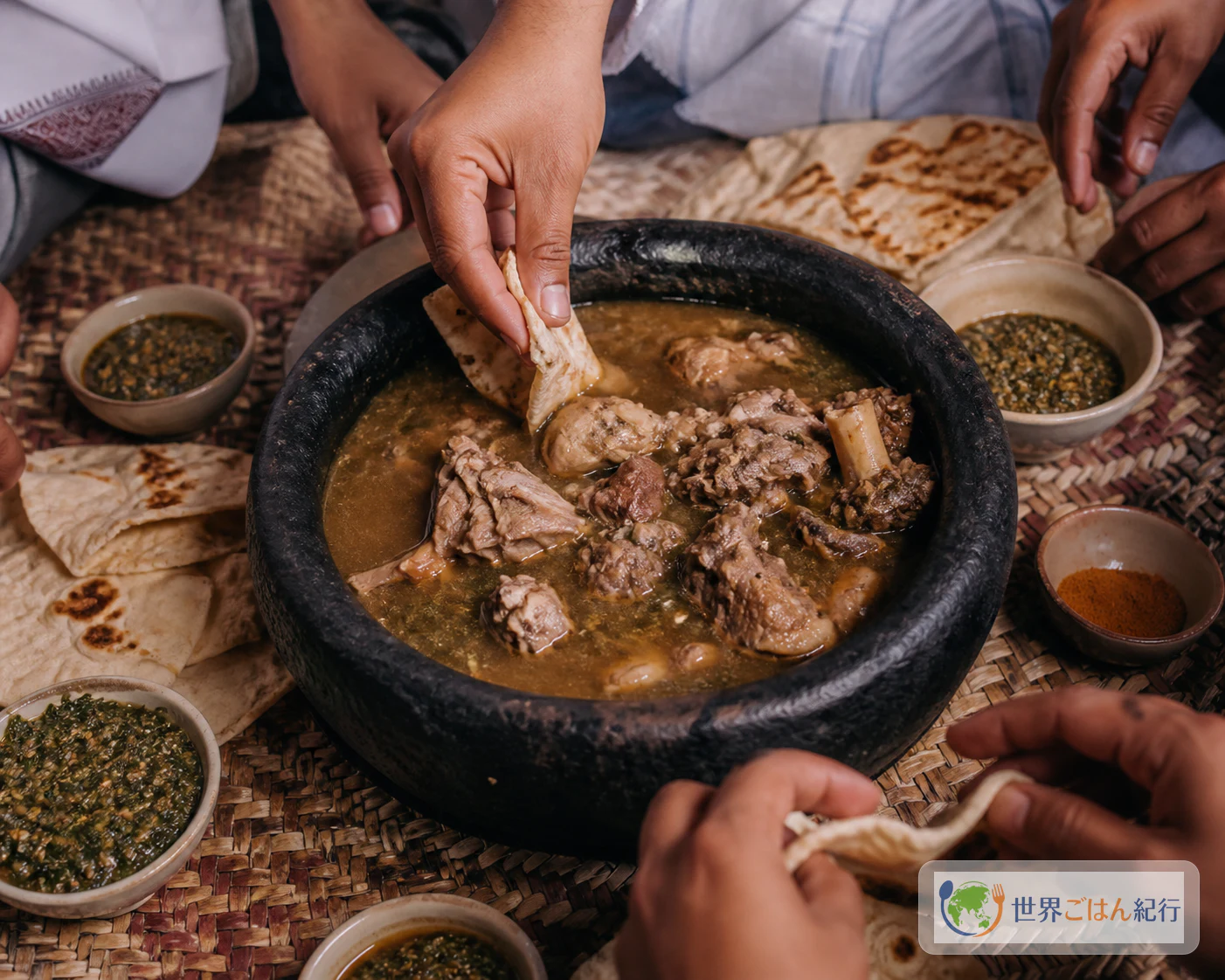
Sahawiq can also be made with a knife. Pound the garlic and green chile with salt, mix in the tomato last, and it does its job in the dish. A mortar is still worth considering for people who want to keep the aroma of cilantro stems and green chile in a coarse paste without turning the tomato into juice.
One thing to check before buying is that the mortar comes with a pestle and is made of a heavy material such as granite. A light vessel slides while crushing the green chile and splatters tomato juice. You do not have to buy one just for sahawiq; consider it if you regularly make spices, herbs and curry pastes.
If you do not buy one, pound the garlic and green chile with salt on a cutting board and mix in the tomato and cilantro last. If using a blender, pulse 1 to 2 seconds at a time and stop before it turns to liquid. Buy a mortar only if you make coarse condiments often.
Fixing Common Fahsa Problems
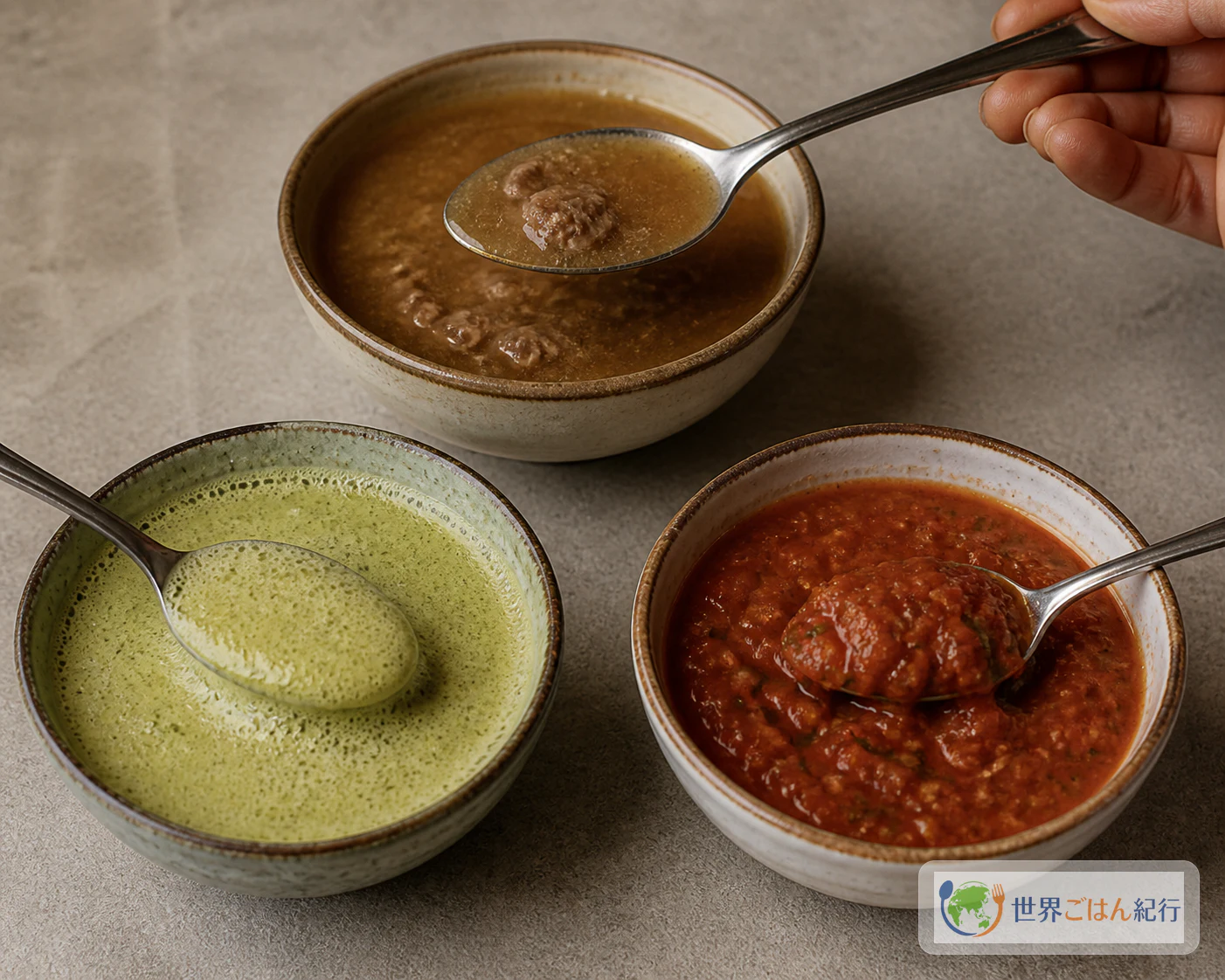
Fix one thing at a time: bitterness, foam and broth each have their own cause.
The meat is tough
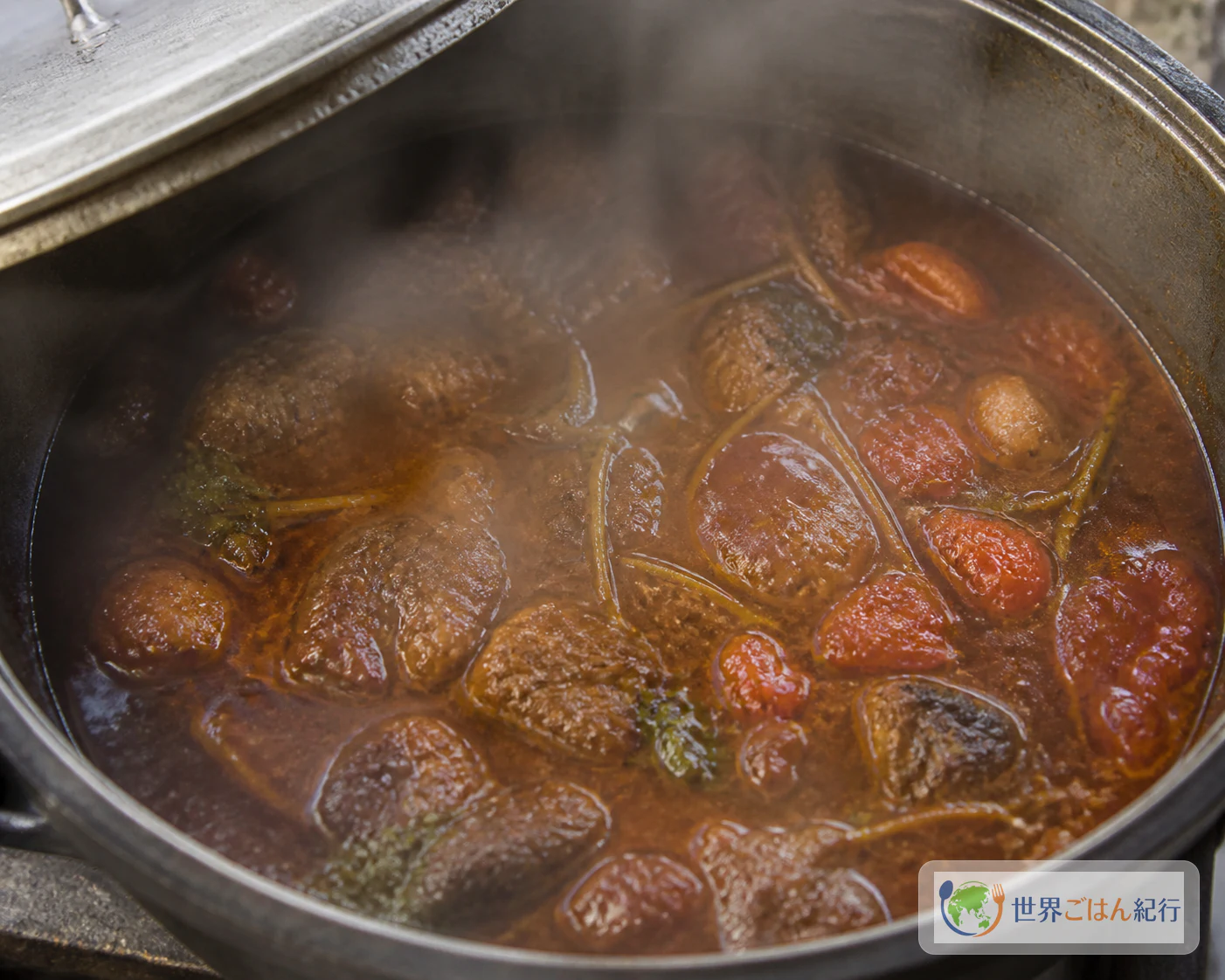
If the broth has reduced, add 3.5 tbsp (50 ml) boiling water, cover, and give it another 15 to 20 minutes on low heat. Boiling off liquid over high heat won't soften the fibers. Beef shoulder cuts vary in fat and sinew, so go by how easily a fork slides in rather than by the clock.
The broth is thin
Take out the meat, remove the lid and reduce over medium heat for only 5 to 10 minutes, before adding any more salt. Stop when the broth turns slightly syrupy and leaves a thin coat on the back of a spoon. Skip potato starch: it pulls the texture away from a maraq that soaks into bread.
The hulba is too bitter
Bitterness stays strong if you whip without discarding the first soaking water. Next time, soak longer and change the water along the way. For the batch you have now, add lemon juice a few drops at a time and taste, rather than adding water to stretch the foam. If you're not fond of bitterness, start with 1 teaspoon of hulba and serve plenty of sahawiq so the flavor of the meat comes through.
The foam will not form
Adding the water all at once thins the stickiness and the foam will not hold. Add water 1 teaspoon at a time and mix in a way that traps air. Grinding the soaked seeds before whipping speeds things up. If it is still liquid after 10 minutes, you probably used too few seeds or too much water; eat it on the side like a sahawiq instead of forcing it onto the dish.
The sahawiq is watery
If the tomato has a lot of seeds and juice, let it sit in a sieve for only 1 to 2 minutes after cutting. Pound the garlic and green chile to a paste in the mortar first, then break up the tomato coarsely at the end. Any liquid that does come out goes in a little at a time at the table, not all at once into the hot meat pot.
Fahsa Variations and Serving
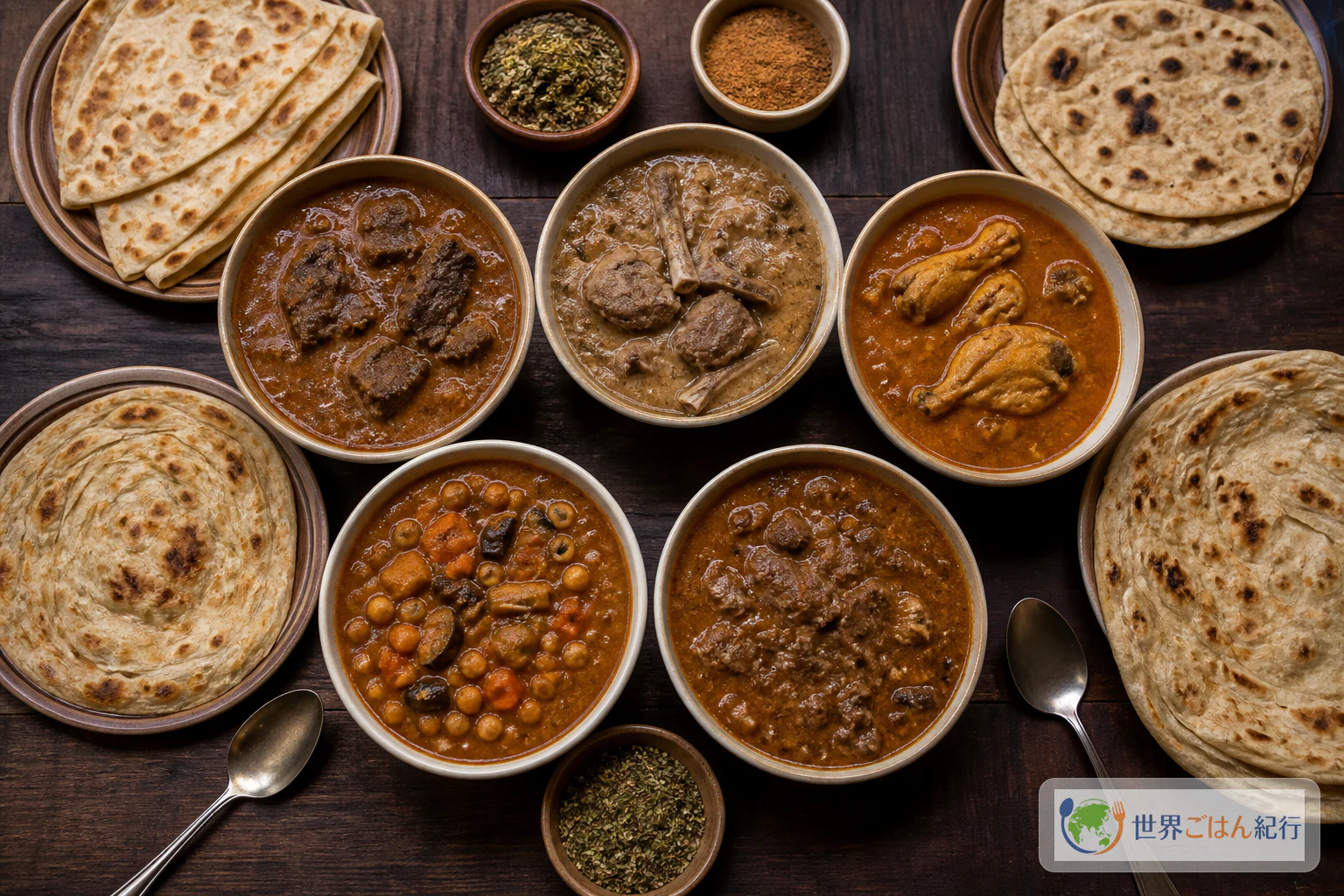
Lamb shoulder for a highland meat pot
Replace 1.5 lb (700 g) beef shoulder with 1.75 lb (800 g) lamb shoulder. If there is a lot of fat, trim only the thick fat on the surface and leave the fat floating in the broth. If the lamb aroma seems strong, add a little more lemon juice to the sahawiq and use less hulba. Piling on spices to cover the aroma only hides the sweetness of the meat.
Chicken for a shorter cook
With 1.75 lb (800 g) bone-in chicken thighs, the stew cooks through in 35 to 45 minutes, and breaking up the meat goes faster. Chicken releases more liquid than whole cuts of beef or lamb, so reduce the broth for only 5 minutes at the end. Aim for an internal temperature of 165°F (74°C), measured at a point not touching bone if you use a thermometer.
Heat in the sahawiq only
Keep the green chile out of the meat pot and use it only in the sahawiq. At a table with children or people sensitive to heat, serve the sahawiq in a separate dish so everyone can take their own amount from the same pot. Avoid adding sugar to sweeten the whole dish, because it changes the relationship between the tomato and the bitterness of the hulba.
Eggs or beans as a separate dish
Chickpeas, potatoes or eggs turn fahsa into a vegetable and bean pot close to saltah. It's a tasty way to stretch leftover stew, but leave them out the first time, when you want to get to know the meat density of fahsa. If you use beans, set aside some of the stew and add them in a separate pot, then eat it beside the meat dish to taste the difference.
Choosing the bread
Tear pita rather than opening the pocket. Naan has thick parts that catch the hot maraq well, though the bites tend to be large. Chapati is thin, so you take smaller amounts of meat and hulba per bite. If you serve rice, go easy on the broth and keep it a bread-based plate.
Storage, Safety and FAQ: Make the Foam Just Before Eating
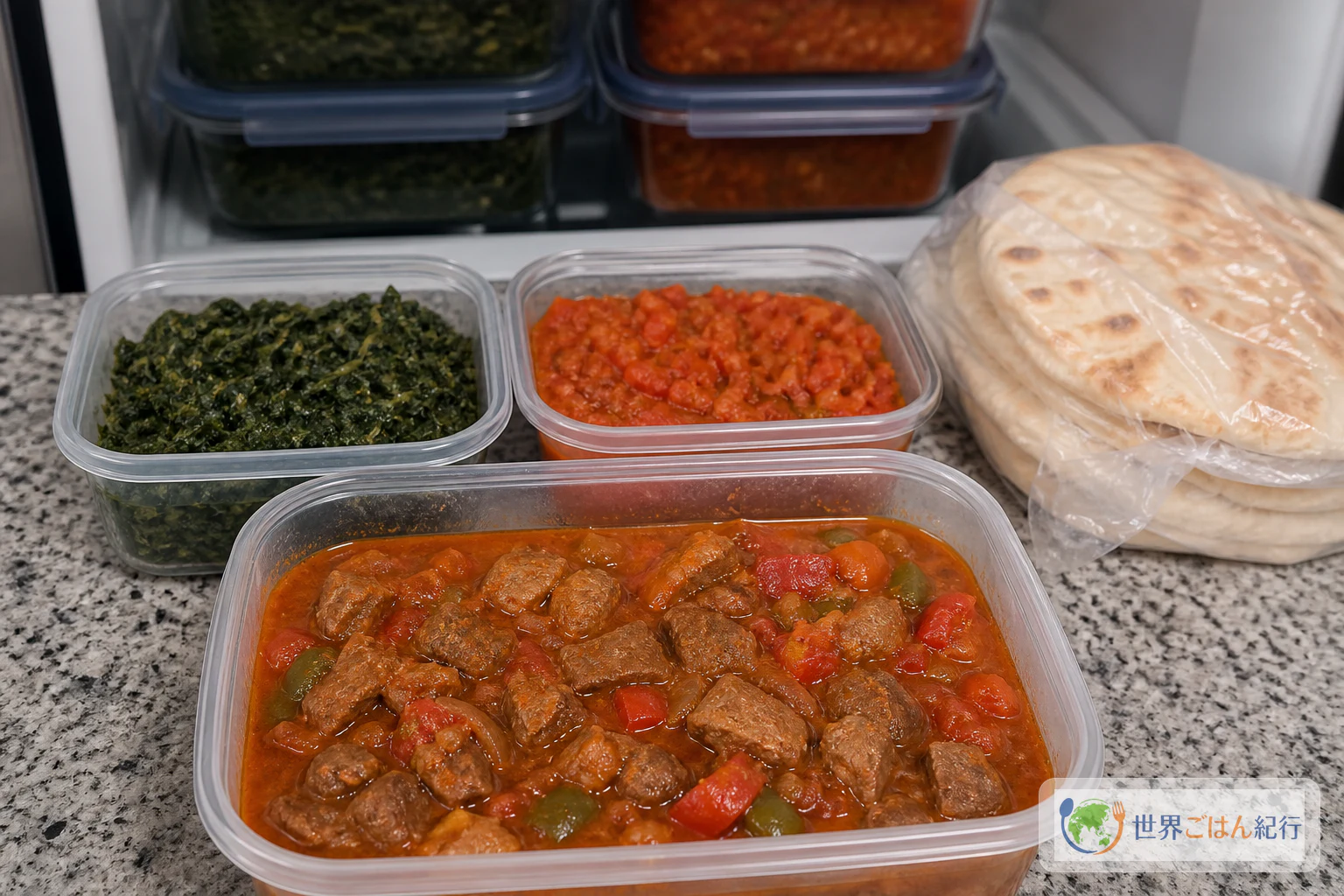
Once the stew has cooled slightly, move it to a shallow airtight container and refrigerate. Keep the hulba and sahawiq in separate containers and use them up by the next day. When reheating, stir the stew from the bottom of the pot and check that it is hot at the center. Freezing changes the texture of the meat and the hulba foam, so make only as much as you can finish from the refrigerator.
Q1. Can I make the hulba the day before?
You can soak the fenugreek the day before, but whip it right before eating. In the refrigerator the stickiness remains while the air goes out, and the foam loses its lightness on the meat. If you did whip it the day before, add a few drops of cold water, mix again and check the bitterness before using.
Q2. Can I substitute powder for fenugreek seeds?
Yes, and it saves you the grinding. Pour plenty of water over 15 g powder, leave it for 2 hours or more, pour off the liquid on top, then whip. As with seeds, soaking draws out bitterness and creates the stickiness and foam. For the full process, see the hilbeh explanation.
Q3. Can I make it without a stone pot?
A heavy cast-iron pot or a small clay pot works. A clay pot can crack if you heat it empty over high heat, so warm it with boiling water before serving, and keep it warm over low heat after adding the meat and broth. What matters is keeping the broth hot without boiling the hulba.
Q4. What should I serve with it to complete the table?
Flatbread, thinly sliced raw vegetables and lemon are enough. Instead of adding several salads, keep the hulba and sahawiq in separate dishes and the bread warm. If you want a rice dish as well, try Yemeni mandi on another day; its spices go in a similar direction, and you'll see how differently meat and rice are handled within the same country.
Sources
The cultural background, the structure of the dish, regional differences, food safety and fenugreek cautions in the text were checked against the following materials on 18 August 2026. The home quantities and substitutions for fahsa were edited from what several sources have in common.
- The Search for Sanaa's Best Fahsa | Roads & Kingdoms (Sanaa lunch hours, meat pot, maraq, sahawiq, hulba, relationship between fahsa and saltah. Published 3 May 2013, checked 18 August 2026)
- Street Food, Yemeni Style | The New Yorker (lamb stew, heated stone pot, shared pot and bread, introduction of hulba. Published 6 January 2014, checked 18 August 2026)
- Fahsa Saltah | Sheba Yemeni Food (beef, aromatics, spices, simmering time, steps for adding hulba. Published 24 May 2012, checked 18 August 2026)
- Yemeni Hilbeh | Epicurious (soaking fenugreek, pouring off the liquid, whipping, storage. Published 9 December 2011, checked 18 August 2026)
- FAO/WFP Crop and Food Security Assessment Mission to Yemen (regional differences in agriculture, livestock and fishing in the highlands, Tihama plain, southern coast and Hadramawt. Published 9 December 2009, checked 18 August 2026)
- Yemen Food and Drink | World Travel Guide (general explanation of fahsa and saltah, a table of shared flatbread. Checked 18 August 2026)
- Cook to a Safe Minimum Internal Temperature | FoodSafety.gov (safe cooking temperatures for whole cuts of beef and lamb, chicken, and leftovers. Updated 21 November 2024, checked 18 August 2026)
- Allergy to fenugreek | Anaphylaxis UK (fenugreek allergy, label checking, relationship with legumes. Published 2022, checked 18 August 2026)