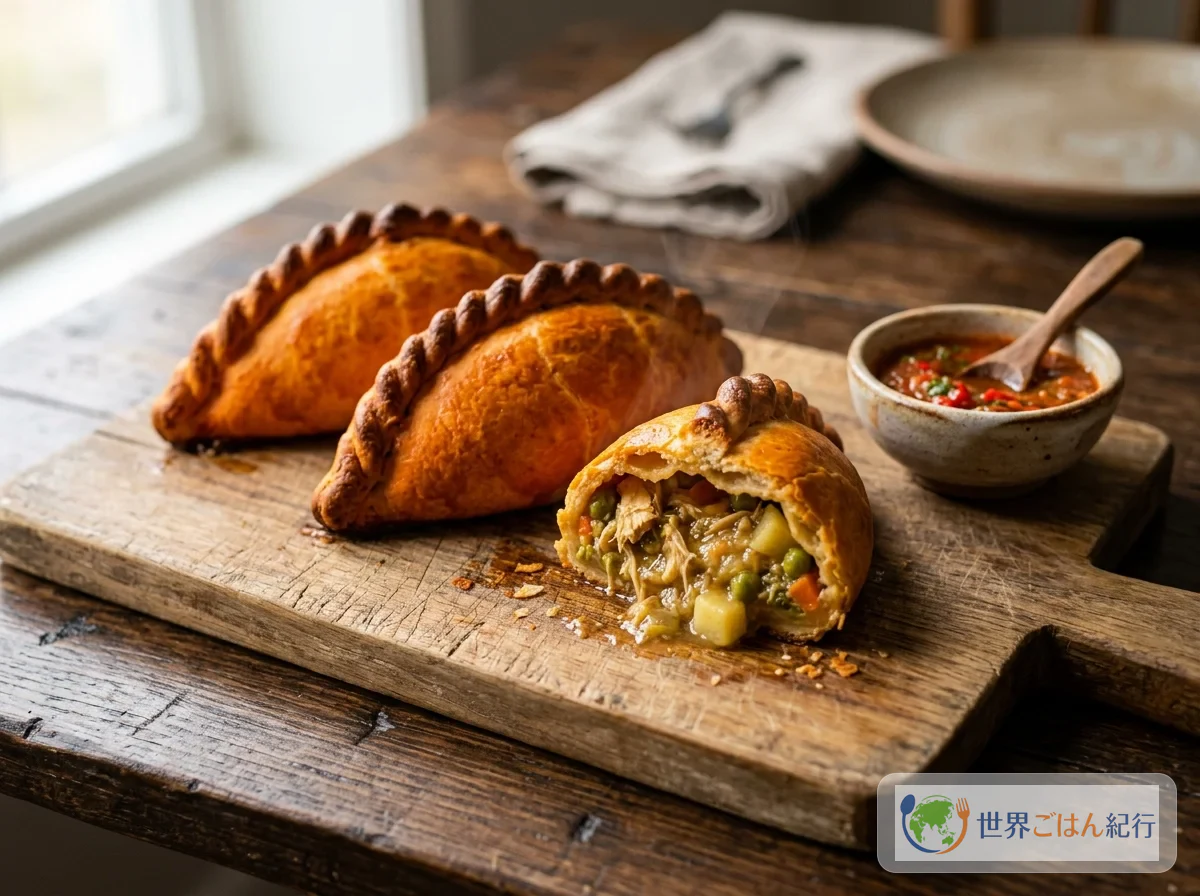
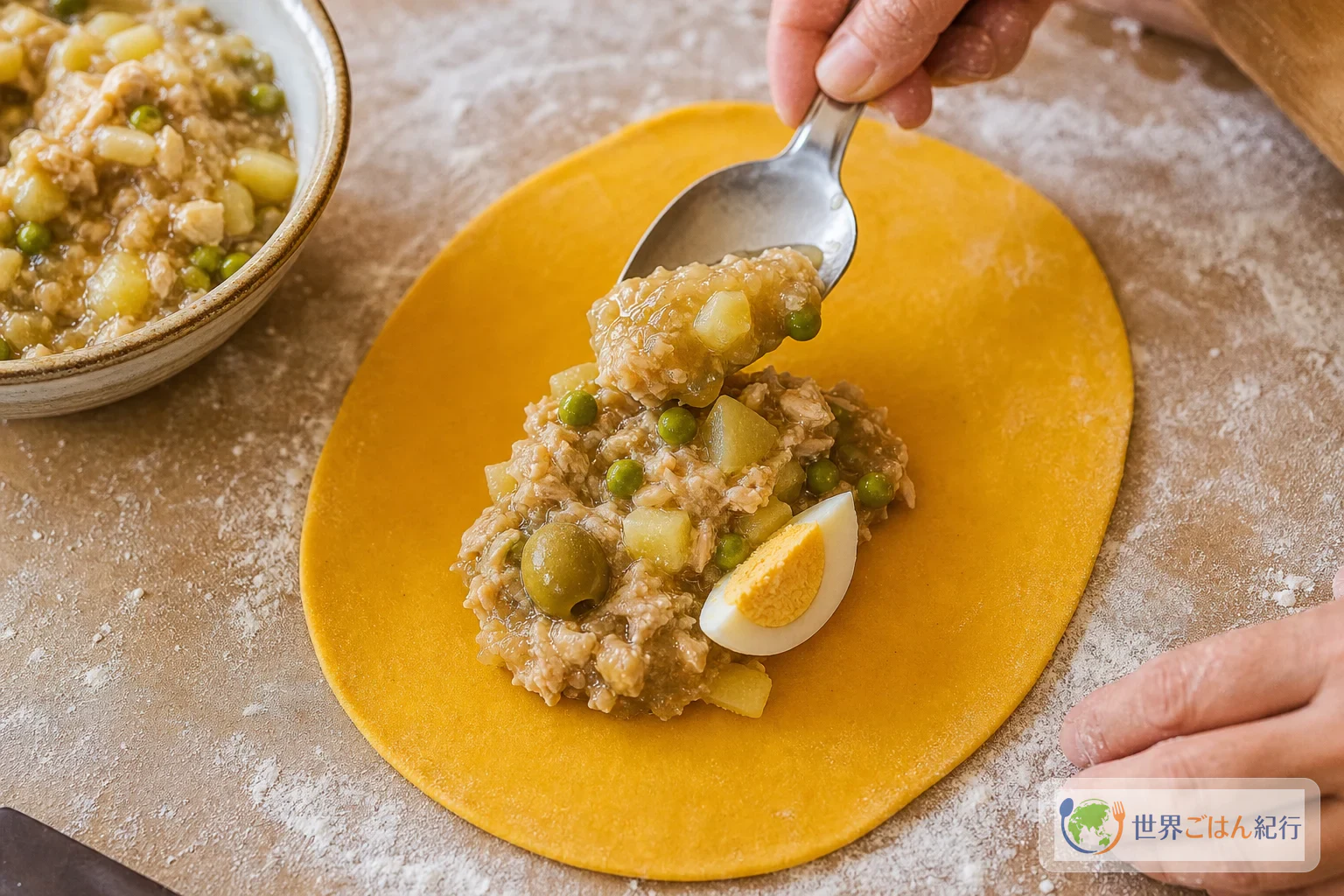
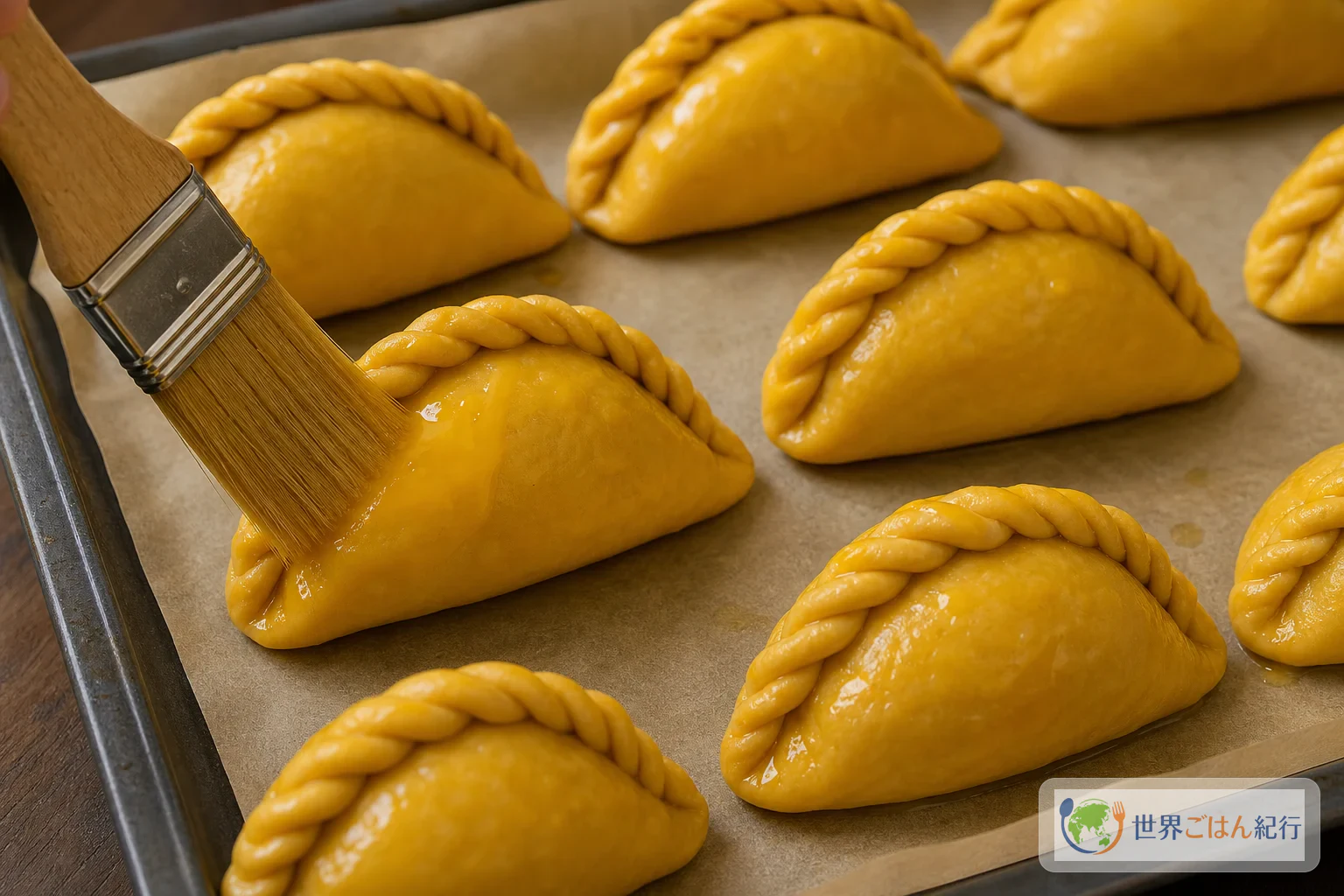
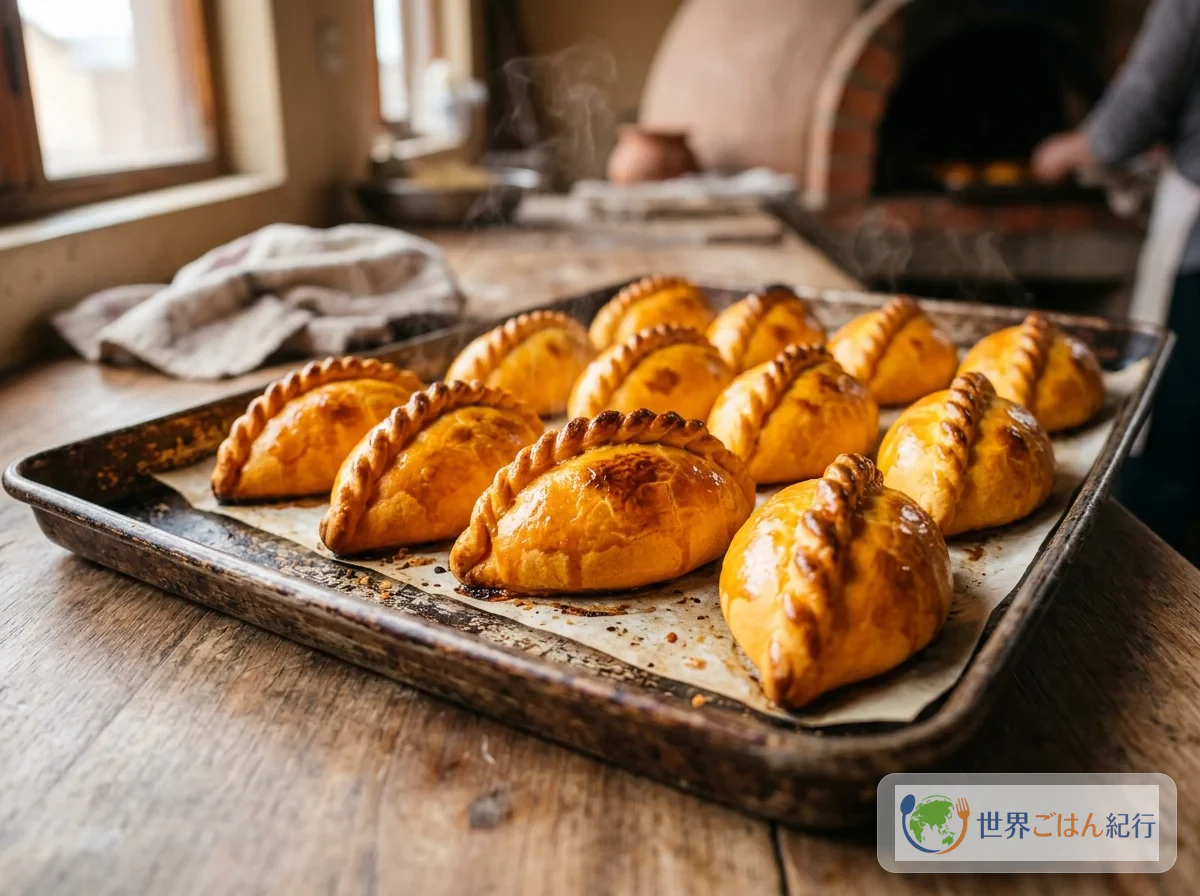
Open the oven door and the sweet smell of potato and onion reaches you before the buttery crust does. A little fat from the meat has soaked into the inside of the crust, and the crimped edge is a deep golden brown. Cut into one straight from the oven and the steam will burn your fingers, but that heat is part of the pleasure. The pasty is a half-moon meat pie that came to North America from Cornwall, England, with immigrants, and it put down deep roots in the mining towns of Michigan's Upper Peninsula. Beef, potato, onion and rutabaga are wrapped in dough and baked into a filling meal you can hold in one hand.

The Michigan Pasty and How It Is Eaten
In Michigan, it's "PASS-tee," not "PAY-stee." People eat it for lunch, buy it at roadside shops and keep it in the home freezer. It's served plainly, with no elaborate sauce. Where city chicken is a Great Lakes meat dish whose name keeps its history, the pasty survived in the same Midwest as a working person's lunch. It lacks the rush of aroma you get from Louisiana's jambalaya. What it offers instead is a filling meal made from nothing more than flour, meat and root vegetables.
The Cornish pasty of Cornwall, England, has a protected name and its own method. The pasty here is the Michigan version from the Upper Peninsula: made with rutabaga, eaten with ketchup or butter, and often bought at a roadside shop.
Ketchup or Butter
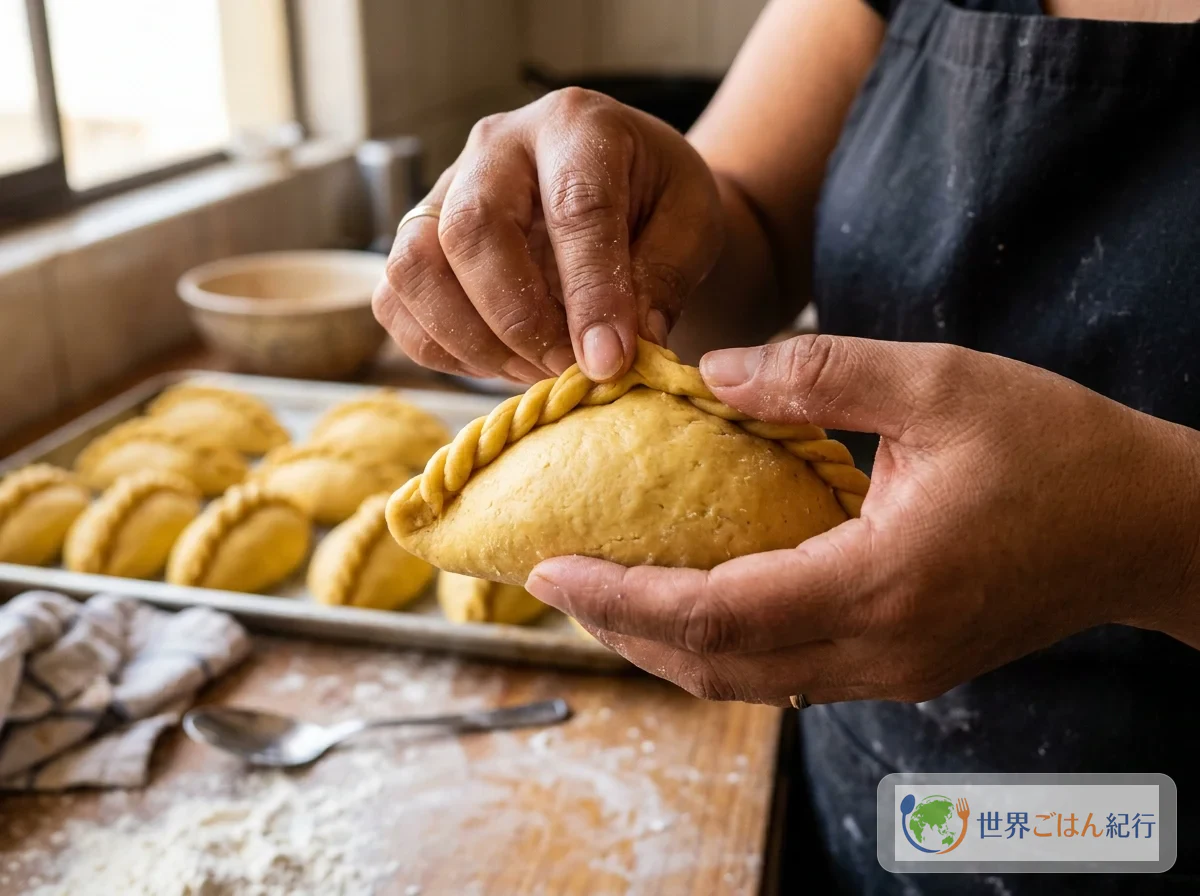
In the Upper Peninsula, ketchup almost always comes up. That may seem odd for a dish of Cornish origin, but at roadside shops and at home, people put ketchup on a hot pasty. Some add a little butter to the cut surface instead. The ketchup brings acidity that cuts through the sweet root vegetables and meat, and the butter brings fat that rounds them out.
Regional Fillings and History
The filling varies too: beef alone, beef and pork, more potato, more rutabaga, with carrot, heavy on onion. Because it survived as a mining-town lunch, there are as many formulas as there are households and shops.
A migrants' dish became everyday food in an American place. The half-moon pie known as the meal of Cornish miners still turns up around the iron mines, copper mines and roadside shops of the Great Lakes region, where winters are long. The name hasn't changed, but ketchup, frozen sales and buying one on a drive to take home have changed what it means on the plate. When you make it at home, size each pasty as a full lunch. That shows the dish's character better than a small, refined one does.
Ingredients: Evoke Rutabaga with a Little Turnip
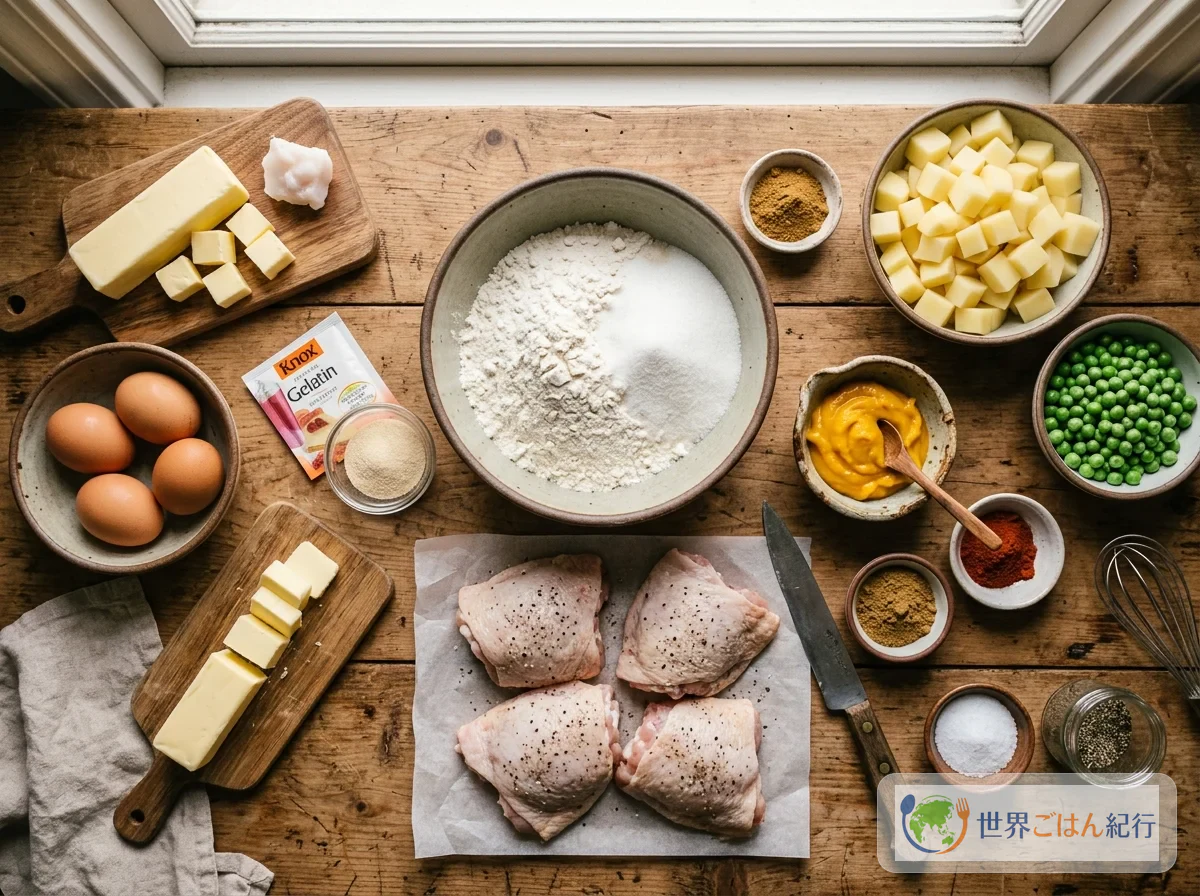
Makes 4 pasties, each large enough to be a lunch. Rutabaga is hard to find in many places, so use 4 oz (120 g) turnip and 1 oz (30 g) daikon to adjust the aroma and moisture. Turnip alone becomes too soft and sweet, and daikon alone too watery. Cut both small and go a little lighter on the salt, and you get close to the root-vegetable character of the pasty.
This dish contains wheat, egg, dairy, and beef. Because the filling is wrapped raw, check the finished pasty by inserting a thermometer into the thickest part and aiming for 165°F (74°C) in the center. Browning alone makes it hard to judge how cooked the inside is.
Choosing Ingredients and Tools for Pasty

Rutabaga is worth finding, and if you see it at an import produce shop, try it. In many places it's hard to buy reliably, though, so on a first try use 4 oz (120 g) turnip and 1 oz (30 g) daikon instead, and spend your effort on getting the cutting and baking right. Turnip leads with sweetness and softness, and a little daikon supports it, though daikon gives up its moisture easily. You can salt and drain the vegetables after cutting, but that makes the saltiness of the whole filling hard to judge, so use them as they are and keep the amounts modest.
For the meat, lean beef cut small gets closer to the right texture than stew-cut scraps. Some cooks include carrot and some leave it out. It adds color and sweetness, so start with a small amount that won't overpower the potato and onion.
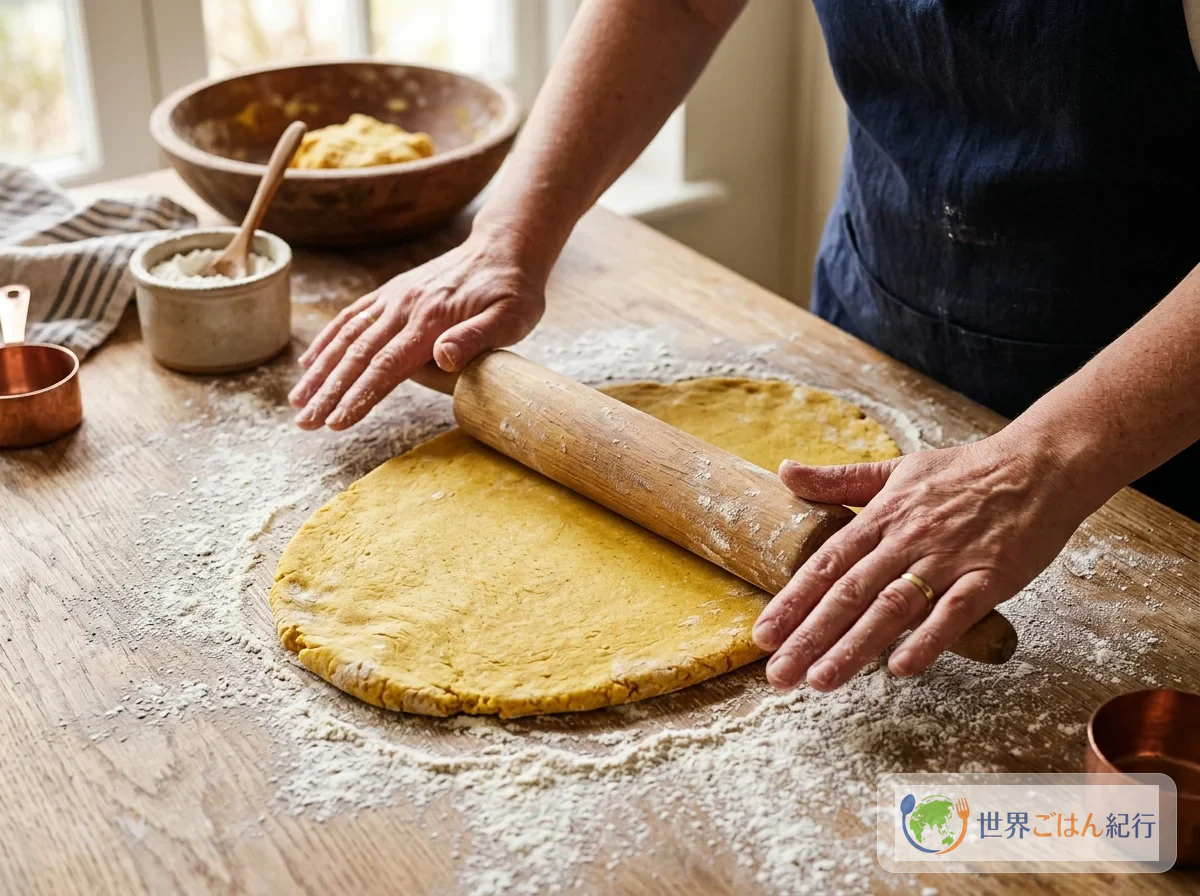
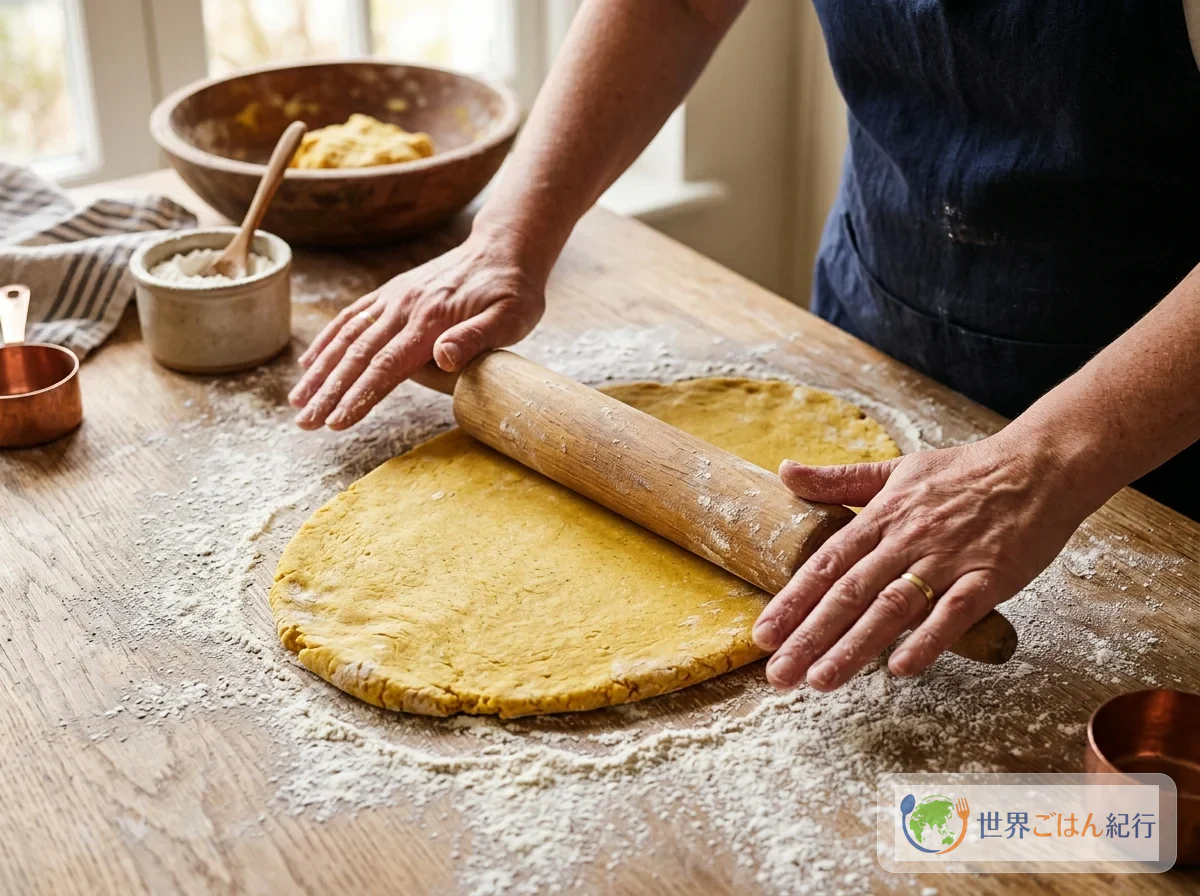
The tool that prevents the most failures is a plain rolling pin that rolls cold dough evenly to around 9 inches (23 cm). A cooking chopstick is too thin and gives uneven thickness. A small food processor is optional, since you can rub the butter in by hand. In summer or in a heated kitchen, though, it combines the butter with the flour before it melts, so the dough sags less. Use a thermometer you already have to check the center temperature, at least the first time, because the filling goes in raw and the outside browns before the inside is done.
Instructions: Stack Short Tasks, and Bake to the Center
A pasty is not simmered in a pot. It is a small steam-bake inside the oven. Since the filling is not sautéed, the size of the cut and the amount of the wrap show directly in how it cooks. Don't raise the temperature partway through. Start hot to lift the dough, then drop to 350°F (180°C) in the second half to cook through.
Common Pasty Mistakes and Fixes
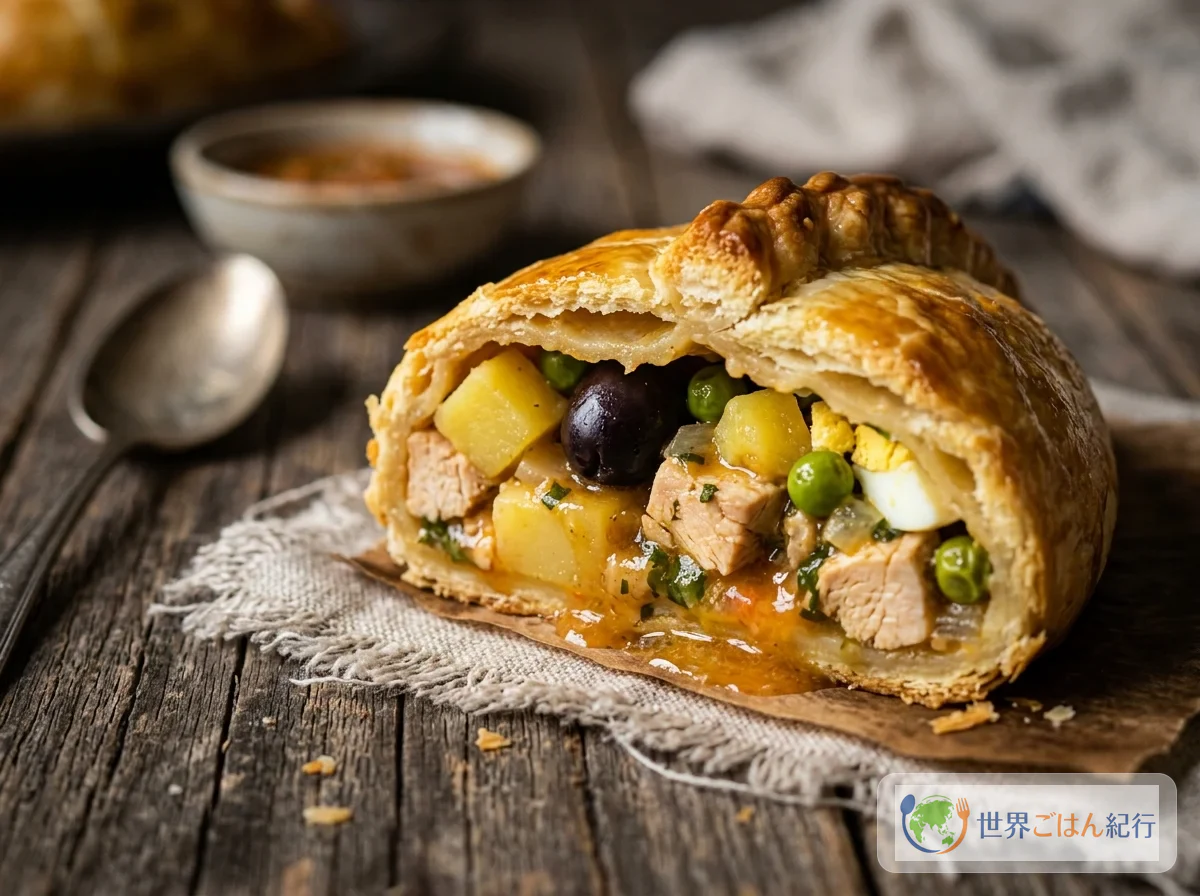
At home, the hard part is keeping moisture out, more than the ingredients themselves. The meat goes in raw, never fried first. You cut the filling small, wrap it, and let the oven seal in the meat juices and the vegetable moisture. A thin crust tears, and a thick one lets the filling dry out before it cooks. The flavor comes down to three things: the size of the cut, how much you wrap, and the baking temperature.
The most common failure is cutting the filling too large. If the potato or turnip is in 0.5 inch (1.5 cm) cubes, the crust bakes but the center stays hard. Mince too finely and the vegetables release water, which turns the bottom sticky. About 0.25 inch (7 mm) cooks through and still keeps some texture.
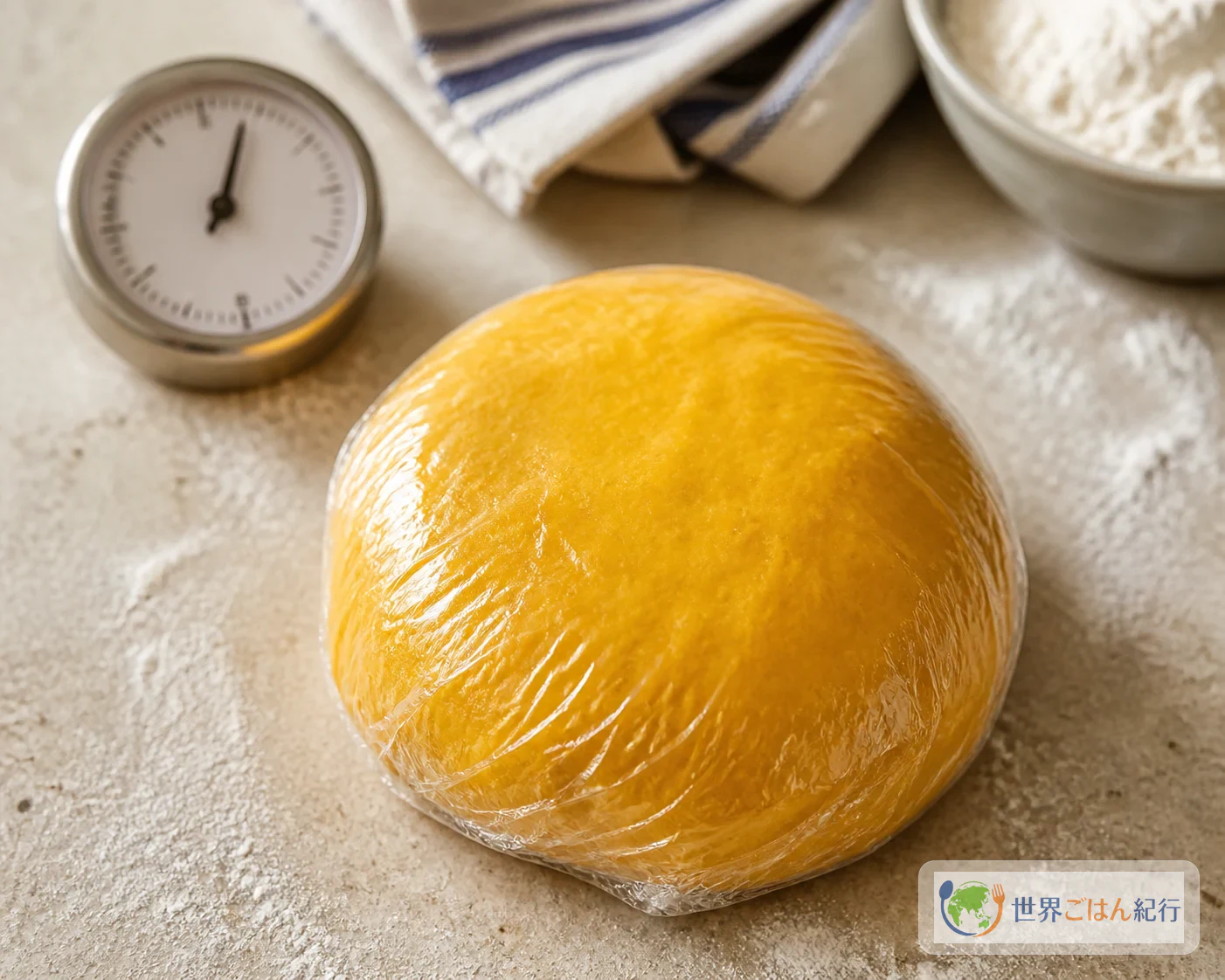
Keep the dough cold. On a warm day it sags while you roll, and working in extra flour makes it tough, so when it softens, put it back in the refrigerator for just 5 minutes. Cold dough looks like it will crack, but it rolls more easily as it warms slightly in your hands. Resting it is faster than panicking and reworking it.
Leaks from the bottom come from too little margin at the edge and too much filling. More than about 5.5 oz (160 g) per pasty puts pressure on the seal, so bake any leftover filling in a small heatproof dish. The holes in the top let a little steam escape so the pasty doesn't burst. Cut them too large and the juice runs out.
If the flavor seems flat, taste it with ketchup or butter before adding salt. A pasty seasoned strongly enough to eat alone tastes too salty once it cools. If you serve it with ketchup the local way, keep the filling's salt slightly low. On days you add butter, don't push the salt any higher, or it gets tiring to eat.
Serving and Storing Pasty
Storage and Reheating
Bake first, then freeze. Freezing raw dough and filling together makes the vegetables release water, and the bottom tears easily. Cool the baked pasties and wrap each in plastic wrap. They keep for 3 days in the refrigerator or 1 month in the freezer.
To reheat from the refrigerator, warm in a 350°F (180°C) oven or toaster oven for 12–15 minutes. From frozen, thaw in the refrigerator for half a day, then warm the same way. If you're in a hurry, microwave at 600 W for about 1.5–2 minutes, then toast for 5 minutes so the center and surface both come out right. For safety, reheat leftovers until the center reaches 165°F (74°C).
For a packed lunch, let the pasty cool completely before you wrap it, because steam trapped under paper makes the crust damp. Pack the ketchup in a separate container and carry the pasty whole so it doesn't break. If you're carrying half, cool it cut side up and wrap it once the juices settle.
What to Serve Alongside
A pasty is a full meal, so skip a second heavy meat dish that day and serve a soup or something acidic on the side. For more American regional cooking, jambalaya, with rice and spices, and the po' boy, with its filling in bread, show how the South differs from the Great Lakes region.
If you'd like to compare other wrapped dishes, Bolivia's salteña shares the idea of sealing in liquid, and Argentina's empanada differs in how the filling is seasoned and how thick the dough is. Russia's pelmeni is a good comparison among boiled wrapped dishes.
FAQ
Can I make it with ground beef?
You can, but it isn't recommended. Ground meat releases water easily once salted, and the bottom of the dough turns damp. If you use it, use 9 oz (250 g) ground beef, cut the vegetables slightly smaller, and wrap right after mixing the filling. The result is closer to a meat pie than a pasty.
Does ketchup really go with it?
It does. It's a common way to eat pasty in the Upper Peninsula. If you prefer butter, melt about 1 tsp on the cut surface. A lot of both at once gets heavy, so try half and half.
Can I make it without an oven?
You can use just a frying pan, but the pasty scorches easily and the center temperature is harder to control. Brown both sides in a thick frying pan with a little oil over medium-low heat, then cover and steam-fry over low heat for around 20 minutes. Turn it several times along the way and take off the lid at the end to drive off moisture. For a first try, the oven is more reliable.
Can I prepare it the day before?
The dough can be made the day before. Keep it in the refrigerator overnight and take it out 20 minutes before use. Cut the filling on the day, since cutting it ahead draws out water. If you must prep ahead, cut only the vegetables and store them separately, then combine them with the salt and meat just before wrapping.