Jambalaya: Louisiana's One-Pot Rice with Chicken, Sausage, and Shrimp

Louisiana jambalaya, rice cooked with chicken, sausage, shrimp, and aromatic vegetables
Prep
25 min
Cook
45 min
Total
1 hr 10 min
Serves
4 servings
Level
Intermediate
Cuisine
Louisiana

How to make jambalaya, Louisiana's one-pot rice dish: Creole versus Cajun, sautéing the holy trinity, rice-to-liquid balance, cooking chicken, sausage, and shrimp through, substitutions, troubleshooting, storage, and what to serve alongside.

Cooking flow

Cooking steps

STEP11 / 7

Brown the chicken and sausage

8 min

Browning chicken and smoked sausage in a heavy pot, leaving brown flavor on the bottom
Brown the chicken and sausage first, and let the aromatic vegetables pick up the brown flavor on the bottom of the pot

Cut 12.5 oz (350 g) chicken thighs into 1 inch (3 cm) cubes and sprinkle with 1/2 tsp salt. Slice 6.5 oz (180 g) smoked sausage on the diagonal 0.375 inch (8 mm) thick. Put 1 tbsp vegetable oil in a heavy pot and heat over medium-high for 1 minute. Add the chicken skin side down and cook 3 minutes, turn and cook 2 minutes, and when browned, add the sausage and cook 2 minutes more. The chicken need not be cooked through. Take the meat out once only the surface is browned and a thin layer of brown flavor is left on the bottom of the pot.

STEP22 / 7

Sauté the holy trinity

8 min

Sautéing onion, celery, and green pepper in the pot while scraping up the flavor from the bottom with a wooden spoon
Sauté the onion, celery, and green pepper without scorching to make the aromatic base for cooking the rice

Reduce the same pot to medium heat and add 6.5 oz (180 g) onion, 3.5 oz (100 g) celery, and 4 oz (120 g) green bell pepper. Sauté for 5 minutes, scraping the bottom with a wooden spoon so the moisture from the vegetables loosens the brown flavor. When the edges of the onion turn translucent and the green smell of the pepper softens, add 15 g garlic and cook 1 minute more. If it looks like it will scorch, add just 1 tbsp chicken stock and scrape the bottom. Keep the heat at medium, so the vegetables sizzle.

STEP33 / 7

Stir-fry the rice, tomato, and spices

4 min

Stir-frying long-grain rice, tomato, and spices in the pot, the grains turning red
Lightly stir-frying the rice in oil and tomato keeps the grains from breaking down after cooking

Lower the heat to medium-low and add 10.5 oz (300 g) long-grain rice, unwashed, to the pot. If using short-grain rice, use rice that has been washed and drained in a sieve. Stir-fry the rice for 2 minutes, until its surface looks slightly translucent and glossy with oil, then add 20 g tomato paste, 7 oz (200 g) diced tomatoes, 1 tsp thyme, 1/2 tsp oregano, 1 1/2 tsp smoked paprika, 1/4 tsp cayenne, 1/2 tsp black pepper, and 1 bay leaf. Stir 1 minute more, and move on when all the rice is stained red and the smell of tomato rises from the bottom of the pot.

STEP44 / 7

Return the meat, add the stock, and bring to a simmer

5 min

Pouring chicken stock into the jambalaya pot, the rice and meat sinking into the liquid
After adding the stock, don't over-stir; level it once so the rice sinks into the liquid

Return the reserved chicken and sausage to the pot and pour in 1¾ cups (430 ml) unsalted chicken stock. Raise to medium-high and scrape the bottom of the pot once, in one large sweep. When the rice has settled evenly in the liquid and small bubbles begin to rise from the surface, taste it. Add 3/4 tsp salt here, reducing it to 1/2 tsp if the sausage is salty. Boiling too hard makes the rice dance and break, so go to low heat as soon as it is bubbling all over.

STEP55 / 7

Cook over low heat

18 min

Jambalaya rice plumping in the pot with the lid slightly ajar, surface liquid reduced
Cook quietly over low heat and wait without stirring until the rice absorbs the liquid

Cover and lower to low heat. Keep it where small bubbles rise only here and there from the edge of the pot, and cook for 16 minutes. Don't lift the lid repeatedly or stir. After 15 minutes, bring your ear close to the side of the pot and check that the dry crackling sound is not getting stronger. If water still pools on the surface of the rice, put the lid back and give it 2 minutes more. The sign of doneness is rice grains plumped up, little liquid left on the surface, and the edge of the pot starting to dry slightly red.

STEP66 / 7

Add the shrimp and steam

7 min

Placing shrimp on the nearly done jambalaya and pressing them in lightly with a wooden spoon
Shrimp added at the end are less likely to toughen. Cooking is done when they are opaque through the center

Lift the lid and scatter 8 oz (220 g) peeled shrimp over the surface of the rice. Don't stir deeply; just press the shrimp lightly into the rice with a wooden spoon. Put the lid back and heat over low for 5 minutes. Turn off the heat when the shrimp change from gray to pale pink and are opaque through the center, and their juices have blended into the rice so no watery surface remains. Insert a thermometer into the thickest piece of chicken and check that the center has reached 165°F (74°C). If not, give it 2 more minutes over low heat and check again.

STEP77 / 7

Rest and fluff

10 min

Finishing the cooked jambalaya with green onions and parsley and fluffing it in big sweeps from the bottom of the pot
Resting first and then fluffing in big sweeps keeps the rice from crushing and spreads the aroma of meat and shrimp throughout

With the heat off, cover and rest for 10 minutes. The residual heat settles the moisture into the center of the rice and the steam at the bottom redistributes through the pot. Remove the bay leaf, scatter on the green onions and parsley, and turn it over from the bottom in big sweeps with a rice paddle or large spoon. Mixing hard breaks the rice, so loosen it by bringing air in from the edge of the pot toward the center. Stop when the grains are separate, small bits of the bottom crust are mixed in, and the rice is glossy without turning sticky. Taste, and if it needs more, add a pinch of salt or hot sauce on the plate.

0 / 0
Ingredients

Ingredients

1 / 3

Meat, shrimp, and rice

Ingredient Amount Substitutes & notes
Long-grain rice 10.5 oz (300 g) Jasmine, basmati, or Carolina-style long-grain. With short-grain rice, reduce the stock by 2 tbsp (30 ml)
Chicken thighs 12.5 oz (350 g) Cut into 1 inch (3 cm) cubes. If skin-on, trim off a little of the fat
Smoked sausage 6.5 oz (180 g) Andouille is ideal. A thick smoked sausage will substitute
Peeled shrimp 8 oz (220 g) Devein. If frozen, thaw in the refrigerator and pat dry
Vegetable oil 1 tbsp Use 2 tsp if the sausage releases a lot of fat
2 / 3

Aromatic vegetables and tomato

Ingredient Amount Substitutes & notes
Onion 1 (6.5 oz / 180 g) Cut into 0.25 inch (7 mm) dice
Celery 1 stalk (3.5 oz / 100 g) A few chopped leaves can go in too
Green bell pepper 3 small (4 oz / 120 g) Stands in for the Louisiana green bell pepper. Remove the seeds if they are very bitter
Garlic 3 cloves (15 g) Minced
Canned diced tomatoes 7 oz (200 g) Use with the juices. If you don't like a strong tomato taste, reduce to 5.5 oz (150 g)
Tomato paste 20 g If you have none, use 2 tsp ketchup and a little more canned tomato
Unsalted chicken stock 1¾ cups (430 ml) Granulated chicken bouillon dissolved lightly works too
3 / 3

Spices and finish

Ingredient Amount Role
Dried thyme 1 tsp The herbal aroma typical of Louisiana cooking
Dried oregano 1/2 tsp Bridges the tomato and the meat
Smoked paprika 1 1/2 tsp Adds smokiness and red color
Cayenne pepper 1/4 tsp Start with a mild heat
Black pepper 1/2 tsp Coarsely ground
Bay leaf 1 Scents the rice while it cooks
Salt 1 1/4 tsp Adjust at the end, allowing for the saltiness of the sausage
Green onions 2 Sliced thinly
Parsley 10 g Coarsely chopped
Hot sauce 2 tsp Lets everyone adjust the heat at the table
0 / 0

The moment you lift the lid, steam rises from the rice, carrying smoked sausage, onion, celery, green bell pepper, and paprika. Jambalaya grew up in Louisiana, and at first glance it looks like a mixed rice pilaf. But the browned flavor from the bottom of the pot, the sweetness of the aromatic vegetables, and the smoked meat and shrimp give it a character all its own, different from any pilaf or paella.

Jambalaya in Louisiana Cooking

Jambalaya starts with the onion, celery, and green bell pepper combination that turns up all over Louisiana cooking, where it's called the holy trinity. It works like the French mirepoix, but the green note of the bell pepper gives the rice a distinctly American Southern outline. Use all three.

The next choice is whether to add tomato. Creole-style jambalaya from around New Orleans is often red, made with tomato. In Cajun-style versions, the meat is browned hard and the brown flavor at the bottom of the pot stains the rice, giving a brown jambalaya. The version here is the red, Creole-style one, which is easy to reproduce, and its mistakes are easy to spot by eye.

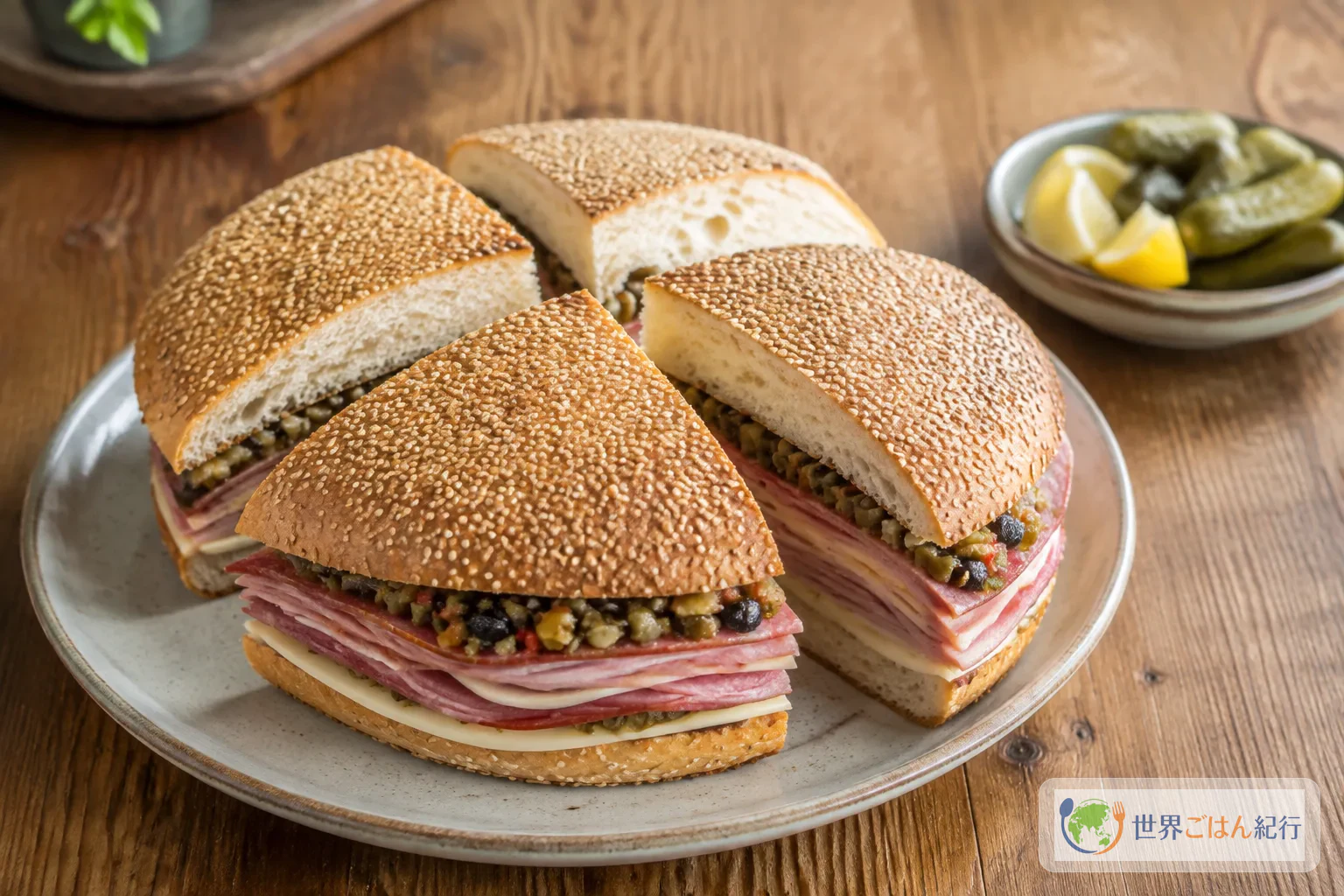
If Red beans and rice is New Orleans' Monday pot of beans, jambalaya is the rice dish you bring to the table in the pot when people gather. Gumbo is built on a dark roux spooned over rice, and Dirty rice is rice dyed brown afterward with the flavor of the meat. Louisiana's sandwich is the Po' boy. Set jambalaya next to other dishes where rice soaks up the aromatics, like Jollof rice and Pelau, and you start to see how rice dishes differ from place to place.

Ingredients (serves 4)

Chicken, smoked sausage, shrimp, long-grain rice, onion, celery, green pepper, canned tomatoes, and spices laid out on a kitchen counter
Sort the meat, shrimp, rice, aromatic vegetables, tomato, and spices ahead of time so the flow at the pot never stalls

This is the amount for a heavy pot about 9.5 inches (24 cm) in diameter. Long-grain rice is easiest to work with: jasmine, basmati, or Carolina-style long-grain. Short-grain rice works too, but it gets sticky, so after rinsing, drain it in a sieve for about 20 minutes and reduce the stock a little.

Allergy and food-safety notes

This recipe uses shrimp, chicken, and processed pork. If someone has a shellfish allergy, leave out the shrimp and add 3.5 oz (100 g) more chicken. Cook chicken to an internal temperature of 165°F (74°C), and shrimp until opaque through the center and firm. Salt content and ingredients vary widely between sausages, so also check the allergen labeling.

Choosing Ingredients for Jambalaya

Smoked paprika, dried oregano, cayenne, long-grain rice, hot sauce, and a cooking thermometer laid out as shopping ingredients and tools
If you are shopping around, prioritize smoked paprika and oregano, which make a difference in aroma, and a thermometer to check doneness

Chicken, shrimp, onion, celery, bell pepper, and canned tomatoes all come from an ordinary grocery store. What makes the difference is smaller: smoked paprika to make up for the missing smoked meat, oregano to keep the sweetness of the tomato from going flat, and a thermometer to confirm that the chicken and shrimp are cooked through.

Long-grain rice is worth getting, at least for your first batch. Short-grain rice can taste fine, but it turns sticky the moment you stir, which makes the sauce-soaked, separate grains of jambalaya hard to achieve. If you do use it, drain it in a sieve after washing and stir as little as possible.

Andouille sausage is hard to find outside Louisiana, so choose a thick, smoky sausage and boost the aroma with smoked paprika. Keep the pot mild; everyone can add hot sauce at the table.

Method

Jambalaya looks like a dish where you can put everything in and cook it, but the order matters. Brown the meat to build flavor on the bottom of the pot, scrape it up with the aromatic vegetables, lightly stir-fry the rice in the oil and tomato, then add the stock. If you stir repeatedly along the way, the rice breaks and turns sticky, so once it is cooking, trust the pot.

Fixing Mushy, Hard, or Scorched Jambalaya

A failed jambalaya, watery and collapsed, compared on a small plate with one whose rice grains are plump and separate
Failures come down to liquid, over-stirring, or heat. The condition of the grains decides how to adjust next time

The usual trouble with jambalaya is the rice itself: hard grains, a scorched bottom, or a whole pot turned to risotto. Each has a clear cause, and once you find it, the next pot gets easier.

Condition Cause Fix
Center of the rice is hard Heat too high, so the surface lost its liquid first Add 3 tbsp stock, cook 5 minutes over low heat, then turn off the heat and rest 10 minutes
Whole pot is mushy Too much liquid, or stirred too much while cooking Take off the lid and cook over low heat for 3 minutes, spreading the rice out to drive off moisture. Next time, reduce the stock by 2 tbsp (30 ml)
Bottom scorches Pot too thin, heat too high, or not lowered after the boil Use a heavy pot and lower to low heat as soon as it boils. Leave most of the burnt layer in the pot
Meat is cooked but shrimp are tough Shrimp went in from the start Add the shrimp last, in Step 6, and stop at about 5 minutes
Flavor is flat Not enough smokiness, acidity, or heat Make it up on the plate with smoked paprika, hot sauce, and green onions

With short-grain rice, some stickiness is normal. Spread it on a plate after cooking and let some moisture escape; it comes together more neatly than if you stir it hard. Long-grain rice also breaks if you mix it right after cooking, so give it the full resting time.

Serving and Storing Jambalaya

At the Table

Serve jambalaya with hot sauce, lemon, and chopped green onions so each person can adjust their own plate. It's a richly flavored rice dish, so on days you pair it with a fried sandwich like a Po' boy, keep the portion modest and add salad or pickles to lighten the meal. Making it the same week as Red beans and rice? You can use up the leftover celery and bell pepper.

Storage and Reheating

Jambalaya smells best fresh from the pot, but it keeps well. Let it cool, put it in an airtight container, and refrigerate for about 2 days. Because it contains shrimp, keep it out of room temperature; for a lunchbox, reheat it thoroughly first, then let it cool before packing. Shrimp turn tough in the freezer, so eat them first and freeze only the rice and meat.

To reheat in a microwave, sprinkle 2 tsp water per serving, cover loosely with plastic wrap, and heat at 600 W for about 2 minutes 30 seconds. In a pot, add 2 tbsp water and warm it over low heat for 3 minutes, turning it over from the bottom in big sweeps. It scorches easily, so keep the heat low.

By the next day the aroma has rounded out. If it tastes flat, stir in a pinch of smoked paprika, extra green onions, and a little hot sauce at the end of reheating in the pot. If the saltiness stands out, serve it with a leafy salad, cucumber pickles, and lemon to cut the oil and salt.

FAQ

What do I change to make it Cajun-style?

Leave out the canned tomatoes and tomato paste, brown the meat and sausage harder, and stain the rice with the brown flavor at the bottom of the pot. Increase the chicken stock to around 2¼ cups (520 ml) and keep the heat at medium so the crust doesn't get too dark.

Can I make it without shrimp?

Yes. Leave out the shrimp and increase the chicken thighs to 1 lb (450 g) and the sausage to 8 oz (220 g). In Step 6, check that the chicken's internal temperature has reached 165°F (74°C) before turning off the heat; if not, add 2 minutes at a time over low heat. If someone at the table has a shellfish allergy, also keep the cooking tools and cutting boards separate.

Can I make it in a rice cooker?

You can: do the sautéing in a pot, then move everything to the rice cooker at Step 4. Since it's hard to add shrimp partway through, cook them separately over low heat and mix them in at the end so they stay tender. The browned flavor from the pot bottom will be weaker, so for a first batch, a heavy pot gives you the true jambalaya character.

How spicy is it?

At this amount it's aromatic rather than strongly hot. For children or anyone who dislikes spice, leave out the cayenne and add hot sauce at the table. If you want more heat, add it on the plate; that makes salt and acidity easier to adjust than adding everything to the pot.
Sources

  • Explore Louisiana, "Chicken and Sausage Jambalaya"
  • Explore Louisiana, "Chicken, Andouille and Shrimp Jambalaya"
  • 64 Parishes, "Jambalaya"
  • Wikipedia, "Jambalaya"
  • FoodSafety.gov, "Safe Minimum Internal Temperature Chart"