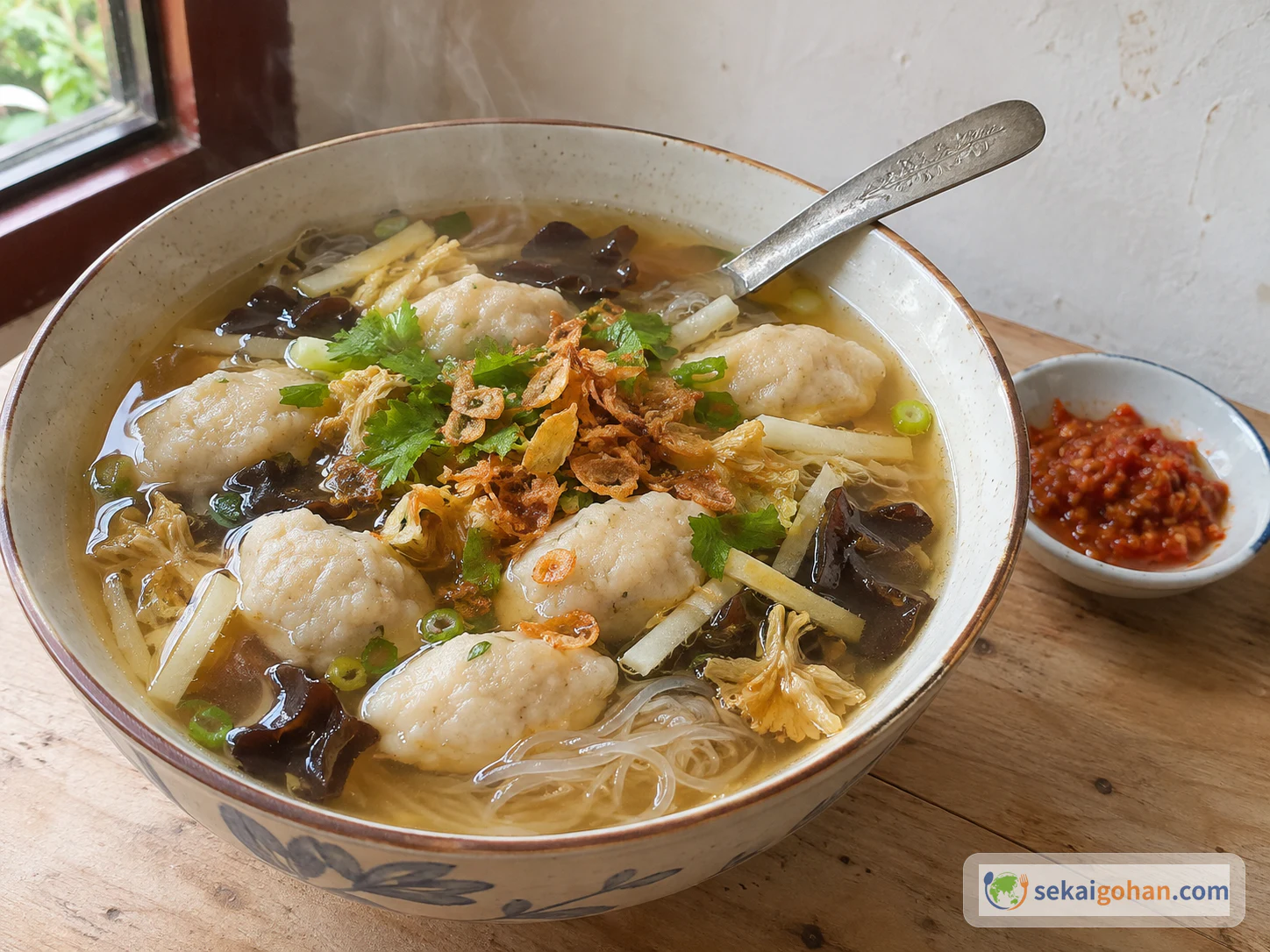
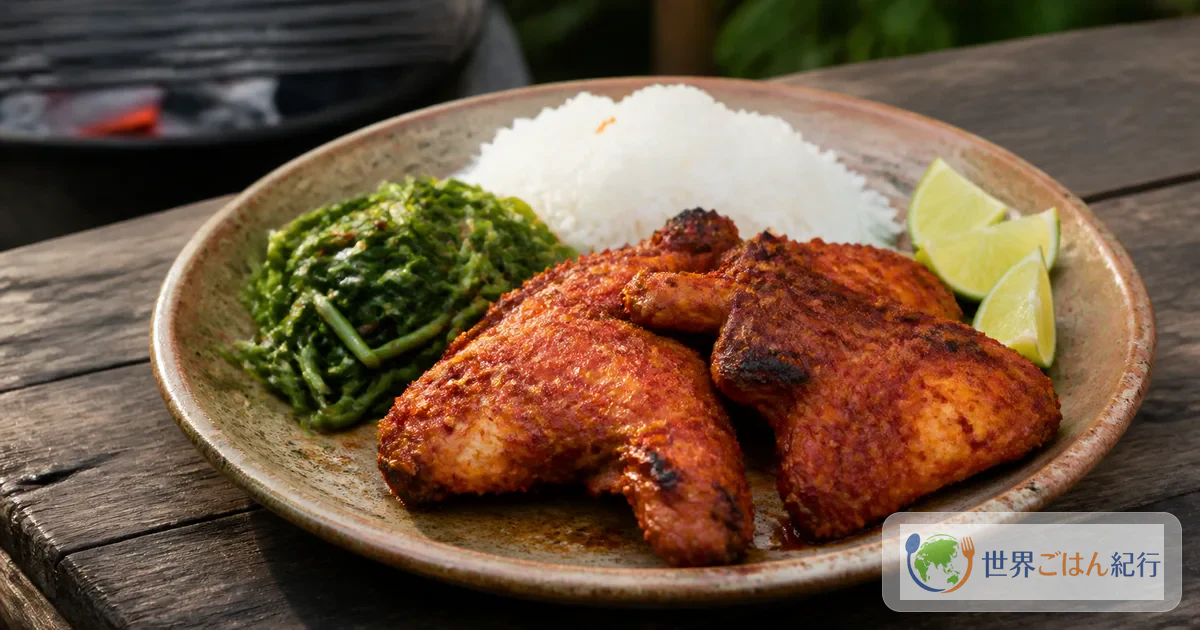
The moment the ginger goes into the pot, the air in the kitchen brightens a little. The sweet smell of garlic and onion is joined by the clean saltiness of patis, and bone-in chicken simmers quietly into a clear broth with no thick slick of fat on top, nothing creamy or heavy. That lightness is the whole appeal of tinola, a home-cooked chicken soup from the Philippines. Its flavor rests on a broth warmed by ginger, the savory aroma of fish sauce, and green papaya or chayote with malunggay (moringa) or chili leaves.

About tinola
Tinola follows the same flow in most kitchens: sauté ginger, onion and garlic, cook the chicken briefly, simmer with fish sauce and water or rice-washing water, then add green papaya and leafy greens. Some households make it with fish or pork instead of chicken, and in the Cebuano-speaking Visayas there's a closely related dish called nilarang (linarang). Tinola is also known for appearing as a dish served to guests in José Rizal's novel Noli Me Tángere (1887), a sign of how long it has been part of Filipino home cooking.
Tinola is the name of the dish; when it's made with chicken it's sometimes called tinolang manok.
What makes it taste like a Filipino home kitchen isn't the number of spices. Use plenty of ginger, don't cloud the chicken over high heat, stop the green papaya before it falls apart, and sink the greens in at the very end. Lose that order and you end up with a thin chicken soup, or one where only the grassy taste of the vegetables lingers.
Next to other Filipino dishes, tinola sits on the gentle side. It isn't built on vinegar and soy sauce the way adobo is, and it doesn't put sourness center stage like sinigang. It's thinner than arroz caldo, which is close to rice porridge, and lighter than monggo, thickened with mung beans. Put it between grilled chicken inasal and bulalo, simmered from beef bones, and it becomes clear that the Filipino table isn't only about bold flavors.
Ingredients (serves 4)
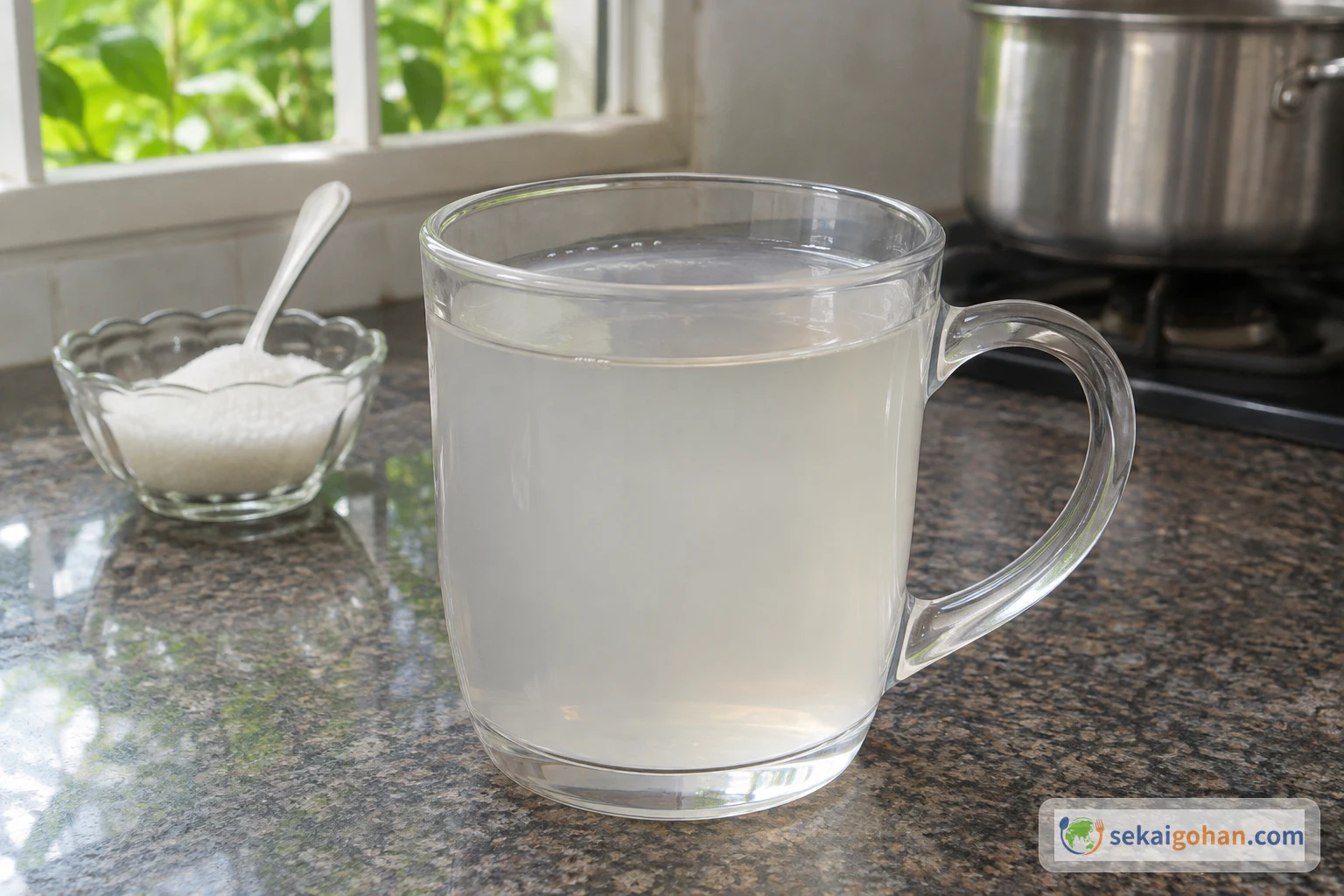
This makes 4 servings. It's meant as a main-dish soup to eat with rice, so it's generous with bone-in chicken. Rice-washing water gives the chicken broth a rounder taste. Plain water is fine if you don't have any; just make sure you don't let it boil hard while it simmers.

This recipe uses chicken and fish sauce. If you have a fish or shellfish allergy, skip the patis and season with 3/4 tsp salt and 2 tsp light-colored (usukuchi) soy sauce instead, though the aroma will move away from the Filipino original. Cook the chicken all the way through to an internal temperature of at least 74°C (165°F), and don't reuse cutting boards, cooking chopsticks or bowls that touched raw chicken for serving.
Choosing ingredients and substitutes for tinola

Tinola doesn't send you hunting for special meat or vegetables. Chicken, onion, ginger and spinach from a regular grocery store are all you need. If you're going to seek anything out, narrow it down to patis (Filipino fish sauce), a heavy pot that keeps low heat steady, and a thermometer to check that bone-in chicken is cooked through.
Chicken, ginger and patis
Bone-in chicken is what builds the broth; with boneless meat alone the soup turns thin and only the patis comes forward. Ginger needs to be fresh and cut into fine matchsticks. Ginger paste on its own never develops the warm aroma, and a chicken smell tends to linger.
Patis is hard to replace fully with salt and soy sauce, so if you're going to cook a few Filipino dishes, a bottle is worth keeping on hand. Go carefully, though: too much in the pot turns a clear chicken broth into a salty liquid. Stop at 1 1/2 tbsp to start and add the rest at the table; that makes it easier to match everyone's taste.
Green papaya, malunggay and their substitutes
The ingredient that trips people up is green papaya. The dish calls for unripe green papaya, which holds its shape when simmered, not the sweet ripe fruit, so looking only in the fruit section will lead you astray. It's used like an unripe squash; ripe papaya turns the soup sweet and breaks down as it cooks. Green papaya and malunggay sometimes turn up at Asian grocers, online or in the frozen section, but if you plan to make tinola regularly, it helps to have substitutes in mind.
| Original ingredient | Easy substitute | How to use it | Avoid |
|---|---|---|---|
| Green papaya | Chayote | Remove skin and seed, cut 0.5 inches (1.5 cm) thick. It cooks faster, so simmer it for less time | Ripe papaya, thinly sliced zucchini |
| Green papaya | Daikon radish | Half-moons 0.5 inches (1.5 cm) thick. The aroma drifts, but it holds its shape | Overcooked daikon, sweet turnips |
| Malunggay | Spinach and komatsuna | Add at the end and stop within 2 minutes | Long-simmered spinach, shungiku (chrysanthemum greens) alone |
| Chili leaves | Komatsuna, bok choy | Add the stems first, then the leaves | Large amounts of strongly scented herbs |
| Patis | Thai fish sauce (nam pla) | Use less in the pot and adjust at the table | Lots of soy sauce on its own |
Rather than running from store to store for a perfect match, lock in the bone-in chicken, ginger and fish sauce first. Chayote is the most practical stand-in when it's in season: it doesn't bring as much aroma as green papaya, but it holds its shape, which suits tinola well. When it isn't, use a little daikon. Daikon leans toward the aroma of Japanese simmered dishes, so keep the ginger generous and let a little fish sauce hold on to the Filipino character.
Komatsuna stems are firm, so if you add them the way you'd add leaf-only malunggay, they stay raw-tasting. Slice the stems thinly and sink them in 30 seconds ahead, then add the leaves last for an easier bite.
Pot and thermometer
Tinola is simmered, never boiled hard. In a thin pot, only the bottom gets intense heat, fine bubbles rise from the chicken, and the soup tends to cloud. For 4 servings, a heavy pot around 8.5 inches (22 cm) across is easy to work with and holds the small bubbles you want once the heat is turned down.
Bone-in chicken is hard to judge by looks alone, and drumsticks can look red near the bone. Use an instant-read thermometer, especially the first time; if you cook a lot of chicken, you'll reach for it again and again.
Method
Tinola isn't about searing the chicken dark. Don't scorch the aromatics, firm up the surface of the chicken lightly, and as soon as the liquid boils, turn the heat down low to keep the soup clear. Stop the green papaya before it gets too soft, and finish the greens quickly once they're in the pot.
Add the greens just before you turn off the heat; sinking them into the pot's residual heat is enough. Leave them out of any portion you plan to store and add fresh greens right before eating to keep the color bright.
Common tinola problems and fixes
The soup is thin and doesn't taste of chicken
This happens when you use only boneless chicken. Next time, make half the chicken drumsticks or wing flats. If it's already thin, simmer it over low heat for 5–8 minutes to reduce before adding more fish sauce; salt alone only makes the weak broth stand out more.
The soup turns cloudy
It's been boiled too hard. As soon as it boils, turn the heat to low and keep it bubbling only around the edges. Stirring without skimming the foam keeps the cloudiness from clearing, so hold off on big stirs with the wooden spoon for the first 10 minutes.
The green papaya falls apart
Either it was cut too thin or simmered too long. Cut it about 0.5 inches (1.5 cm) thick, and once the green papaya has cooked for 10 minutes, check it with a skewer. Chayote cooks even faster, so start checking at 8 minutes.
The greens turn dark
They've been cooked too long after going in. With malunggay or spinach, sinking them into the residual heat at the end is plenty.
The fish sauce smell is too strong
Either too much went into the pot, or it boiled hard after the fish sauce went in. Next time, use less in the pot and add more at the table. If it's already too strong, add ½ cup (100 ml) water, simmer over low heat for 5 minutes, and balance it with rice and a squeeze of sudachi or lime.
Serving and storing tinola
Tinola is easier to enjoy if you don't finish all the seasoning in the pot. Ladle the soup and chicken into bowls and set out white rice, patis, sudachi (or calamansi or lime) and green chile separately. Spoon a little broth over the rice, pull the chicken apart and add a few drops of fish sauce: the ginger aroma and the salt of the fish sauce come together just right.
It keeps about 2 days in the refrigerator. Greens lose their color over time, so if possible, leave them out of the portion you store and add fresh ones just before eating. If the soup already has greens in it, let it cool slightly, transfer it to a shallow container and refrigerate. Reheat in a pot over low heat; once it's bubbling, keep heating until the thickest parts of the chicken are thoroughly hot. To freeze, freeze only the broth and chicken, without the greens and green papaya.
On a weekly menu, keep it off the same day as sour sinigang and put it next to something grilled or stir-fried instead. It goes in a different direction from sweet-salty adobo, smoky chicken inasal and mung bean monggo, so you can cook Filipino food several days in a row without getting tired of it.
FAQ
Can I make it with only chicken breast or boneless thighs?
You can, but the broth will be weaker. If you're using only boneless meat, add 4 wing flats; they do more for the broth than 1/2 tsp of chicken bouillon powder. Chicken breast dries out if overcooked, so add it only for the last 15 minutes.
Can I use soy sauce if I don't have patis?
Light-colored soy sauce can supply the saltiness, but not the aroma of fish sauce. If you have Thai fish sauce (nam pla), starting with 2 tsp gets you closer. If you avoid fish sauce because of a fish or shellfish allergy, use salt and light-colored soy sauce and add a little more ginger to make up for the aroma.
Do I have to use rice-washing water?
No, water alone works. Rice-washing water softens the edges of the soup a little and helps it come together with the rice. Cloudy, concentrated rice-washing water will muddy the soup, so the thinner water from the second rinse is easiest to work with.
How should I make it for children?
Don't put the green chile in the pot; let adults add it at the table. Go easy on the fish sauce in the pot, too, and keep it lightly salted. Leaving out the ginger entirely weakens the character of tinola, so cut it finely and sauté it so it stays as aroma rather than heat.
Protect the bones and ginger, and it won't be just a thin chicken soup
On paper, tinola is simple: chicken, ginger, fish sauce, a green squash and leafy greens. But use bone-in chicken, sauté the ginger first, don't boil it hard, and add the greens last. Keep those four rules and you get much closer to the clear bowl of a Filipino home kitchen than to just another thin chicken soup.
Even on days when you can't get both green papaya and malunggay, chayote, komatsuna and spinach make a very good pot. What matters is deciding what to substitute and what to protect. If you want to keep going with Filipino food, carry your fish sauce skills over to monggo, or for a sour soup, move on to sinigang, and your pantry will start to connect.