
Bar snacks
21 recipes
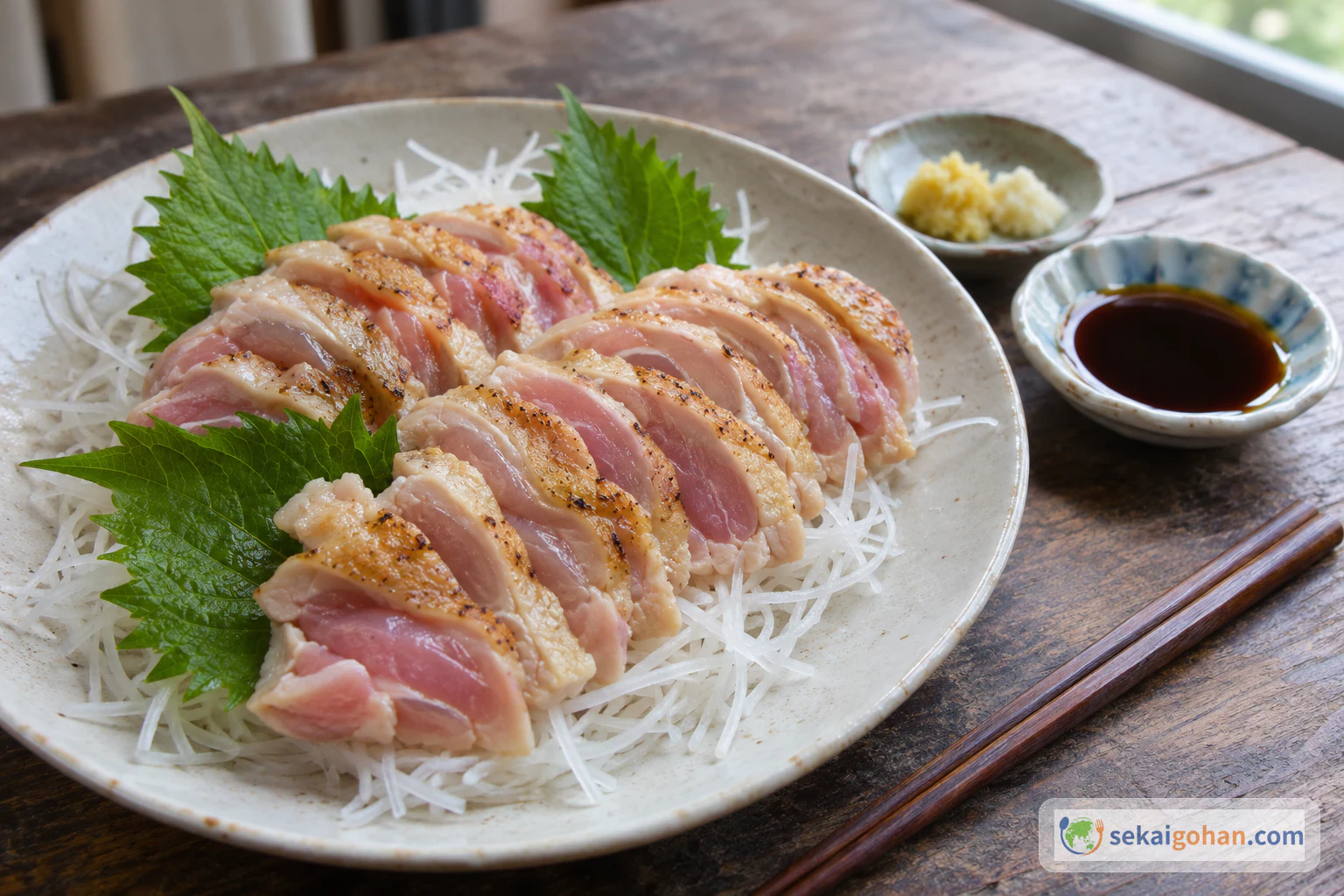
Torisashi: Kagoshima Chicken Sashimi, Cooked Through at Home
Torisashi is Kagoshima's chicken sashimi. Cook it at home to 167°F for one minute, slice it thin across the grain and serve with sweet soy and garlic.
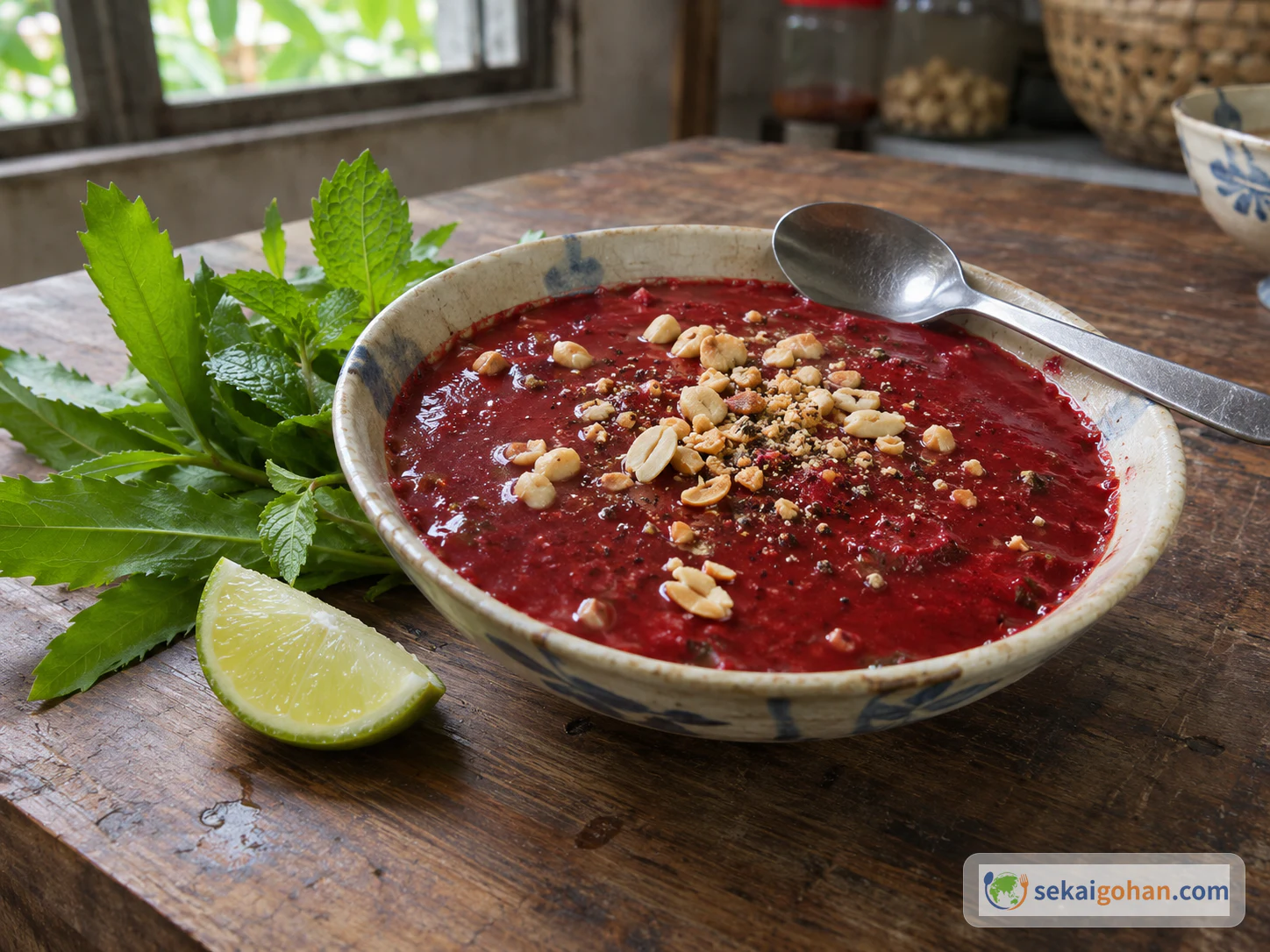
Tiết Canh: Northern Vietnamese Blood Pudding and a Beet Version
Tiết canh, the raw blood pudding of northern Vietnam: why it is eaten, why it is advised against, and how to set a chilled beet version at home.

Bopis Recipe: Filipino Sour Offal Stir-Fry with Pork Lung and Heart
Bopis is a Filipino sour stir-fry of pork lung and heart, diced and cooked with annatto oil, vinegar, aromatics and chili. Includes lung substitutes.
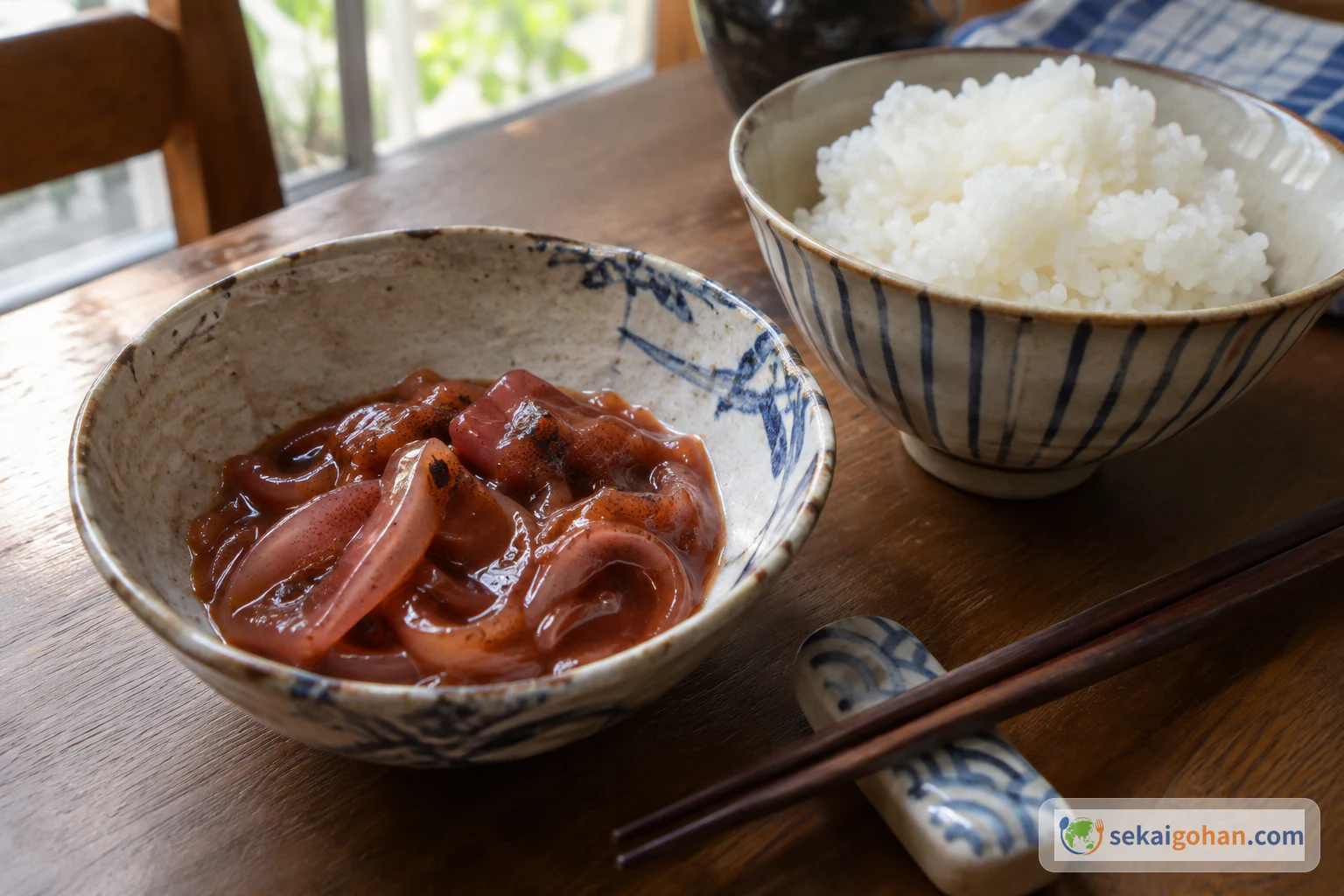
Ika no Shiokara: Japanese Squid Cured in Salt with Its Innards
Shiokara is Japanese squid cured in salt with its own innards. Learn to salt the innards, freeze and cut the body, and why salt alone does not kill parasites.
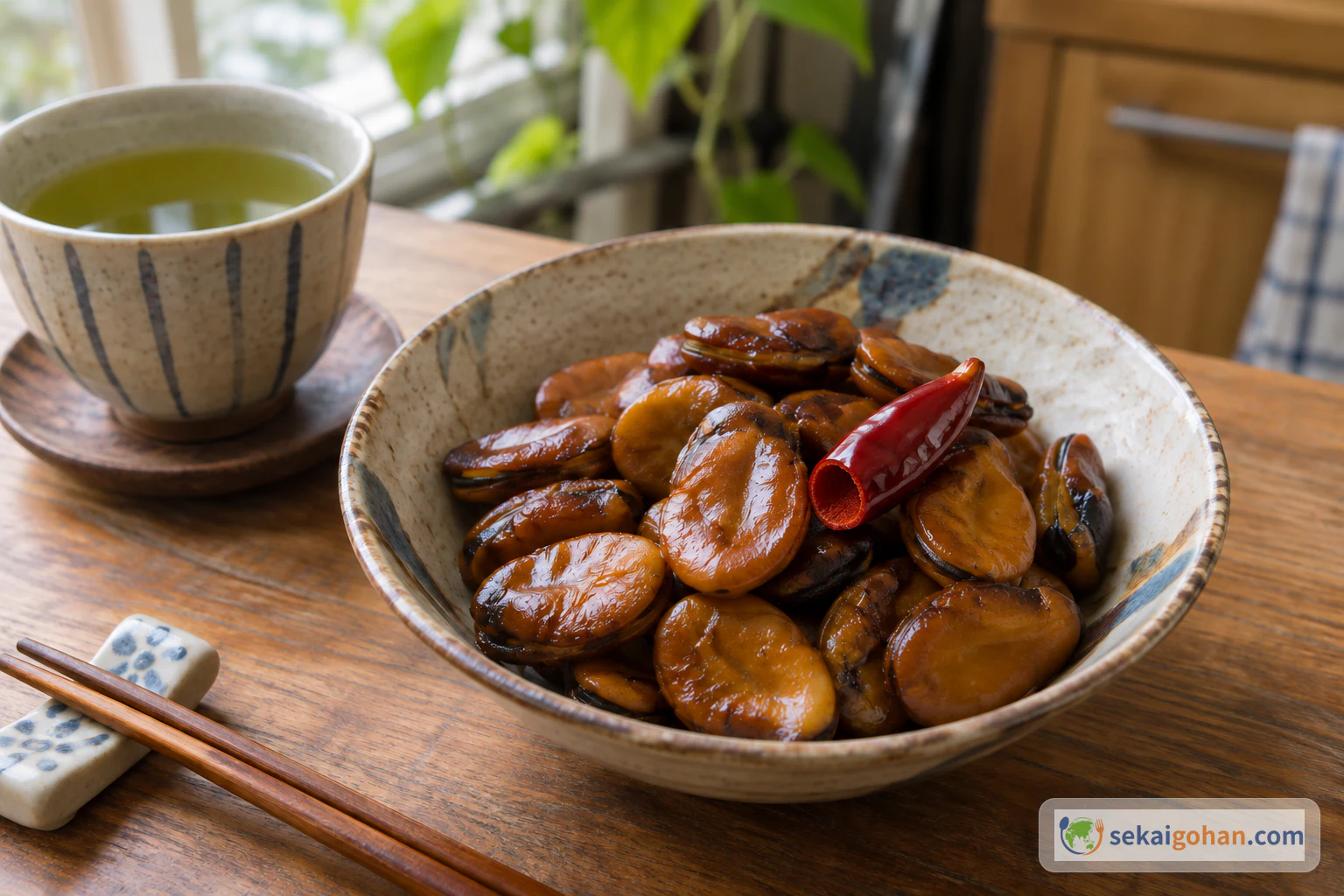
Shoyumame: Kagawa Roasted Fava Beans in Sweet Soy
Shoyumame from Kagawa, Japan: dried fava beans dry-roasted, soaked overnight in hot soy-sugar-chili liquid, then simmered. How to roast and judge doneness.
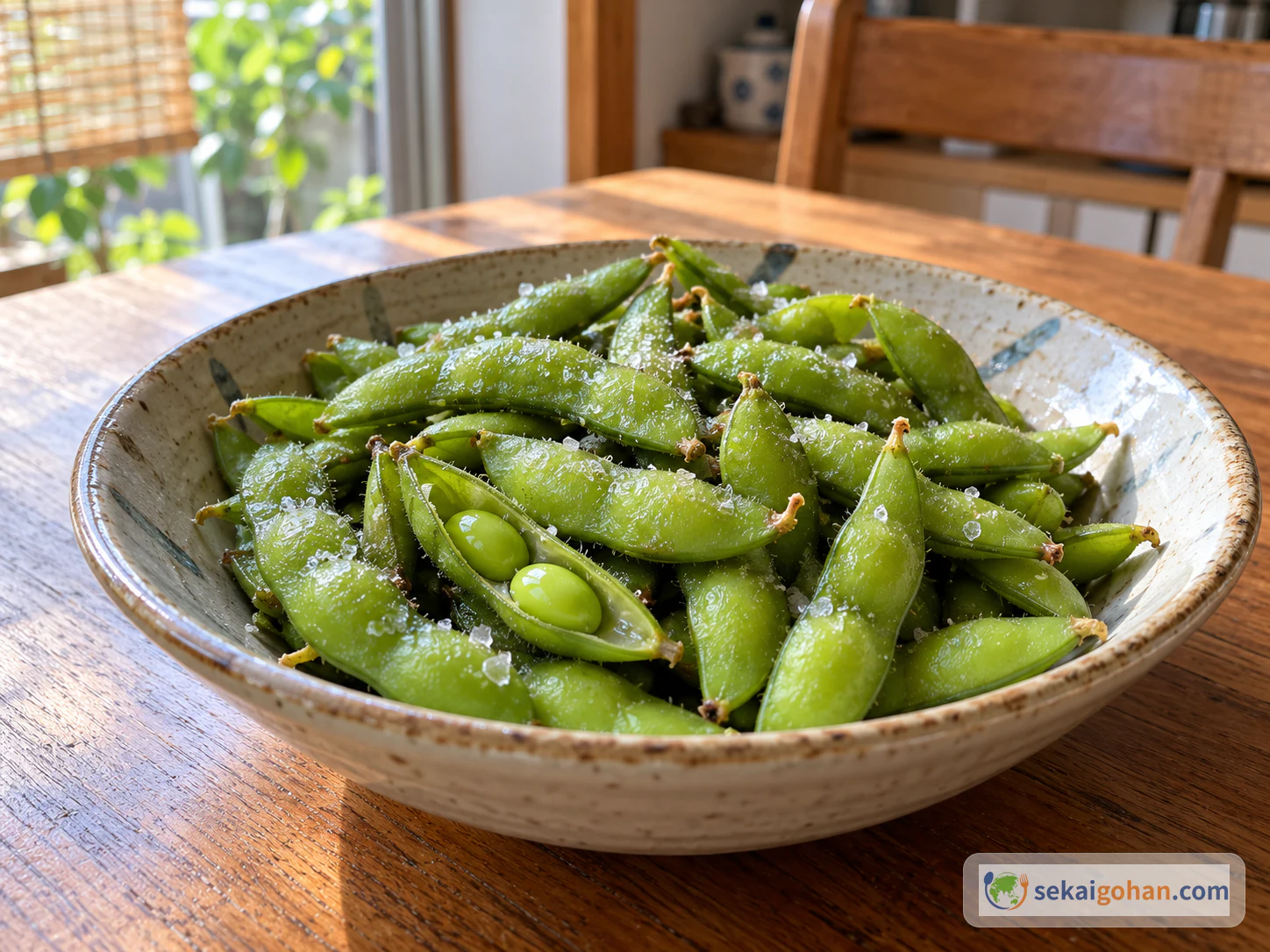
Edamame: Japanese Salt-Boiled Green Soybeans in the Pod (枝豆)
How to salt-boil fresh edamame (枝豆) in their pods the Japanese home way: rub with half the salt, boil the water first, add the rest of the salt, then cook 4–6 minutes after the pods return to a boil. Covers choosing fresh pods, weighing the salt, the fuzzy-pod and leftover-salt branches, cooling without water, make-ahead notes, and how other Japanese versions differ.
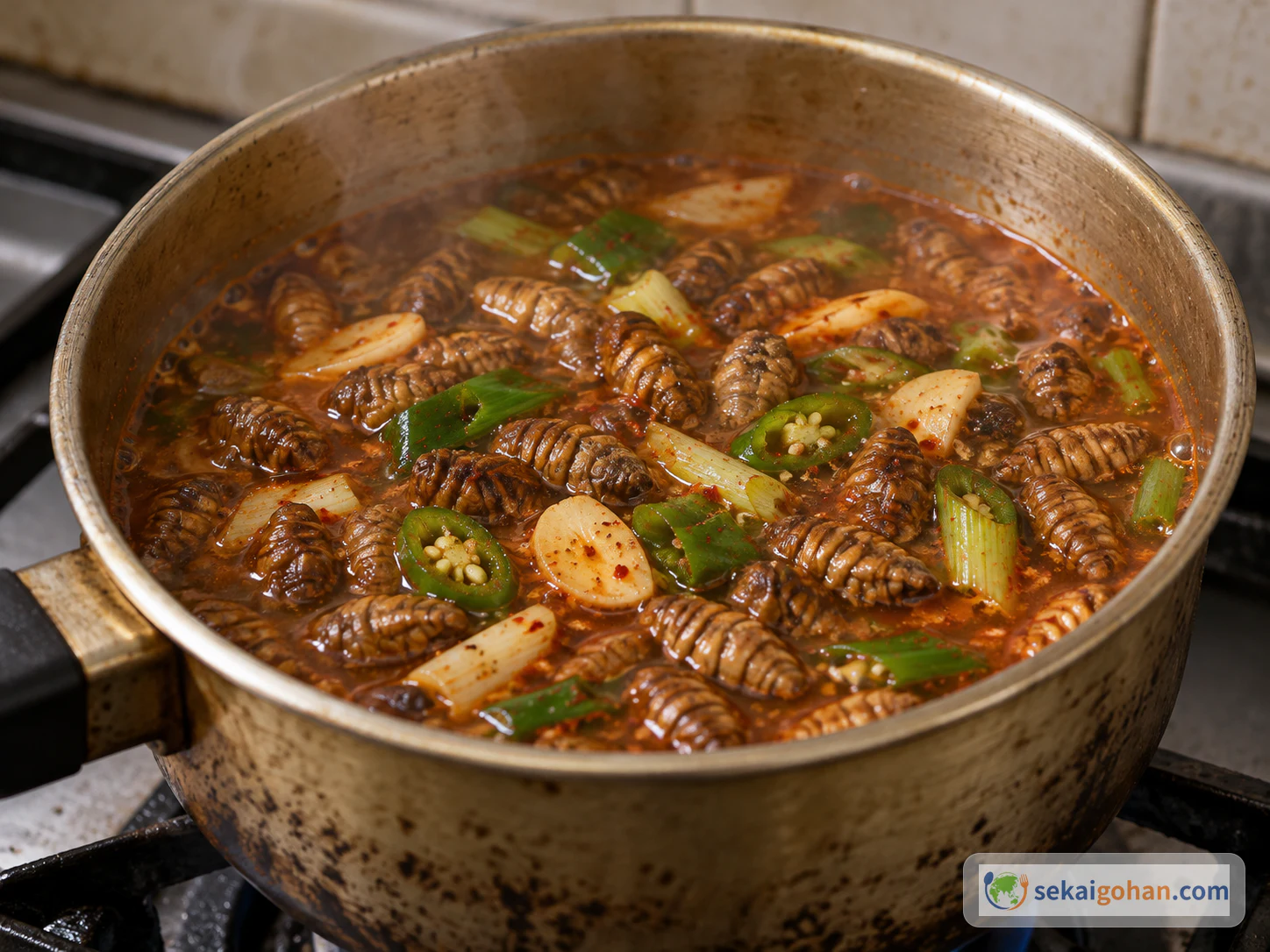
Beondegi-tang: Spicy Korean Silkworm Pupa Soup Made from a Can (번데기탕)
How to make beondegi-tang (번데기탕), a quick, spicy Korean soup of canned silkworm pupae with sliced garlic, gochugaru, scallion and Cheongyang chili. Follows one home cook's written recipe for 2, with the exact order of additions, how much can liquid goes back in, what the 150g on the can means, and allergy notes to read before you eat.
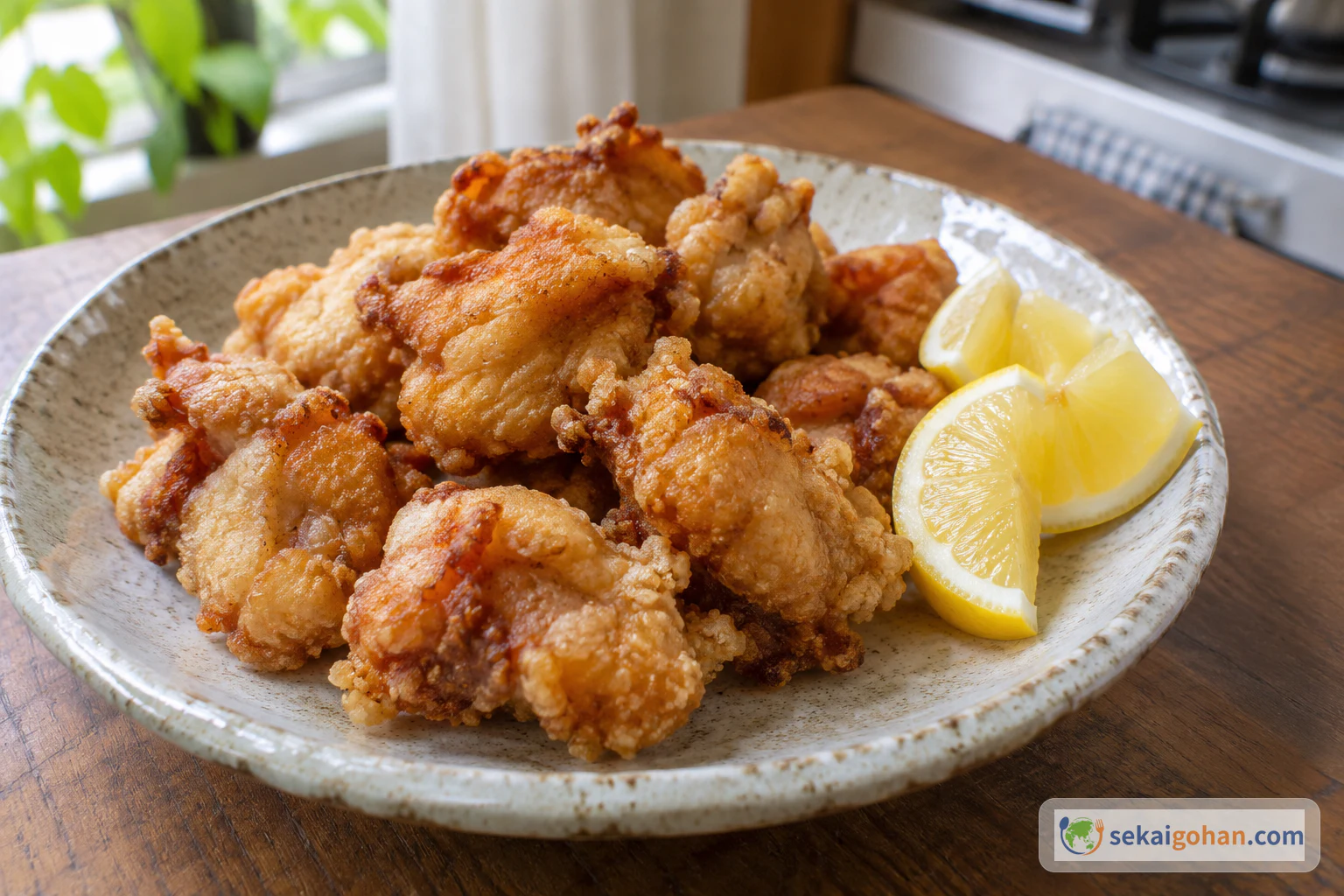
Karaage: Japanese Flour-Coated Fried Chicken Thighs
Japanese chicken karaage with a light wheat-flour coat, fried in a frying pan. Learn the two flour stages, the two-minute rule and the core temperature check.
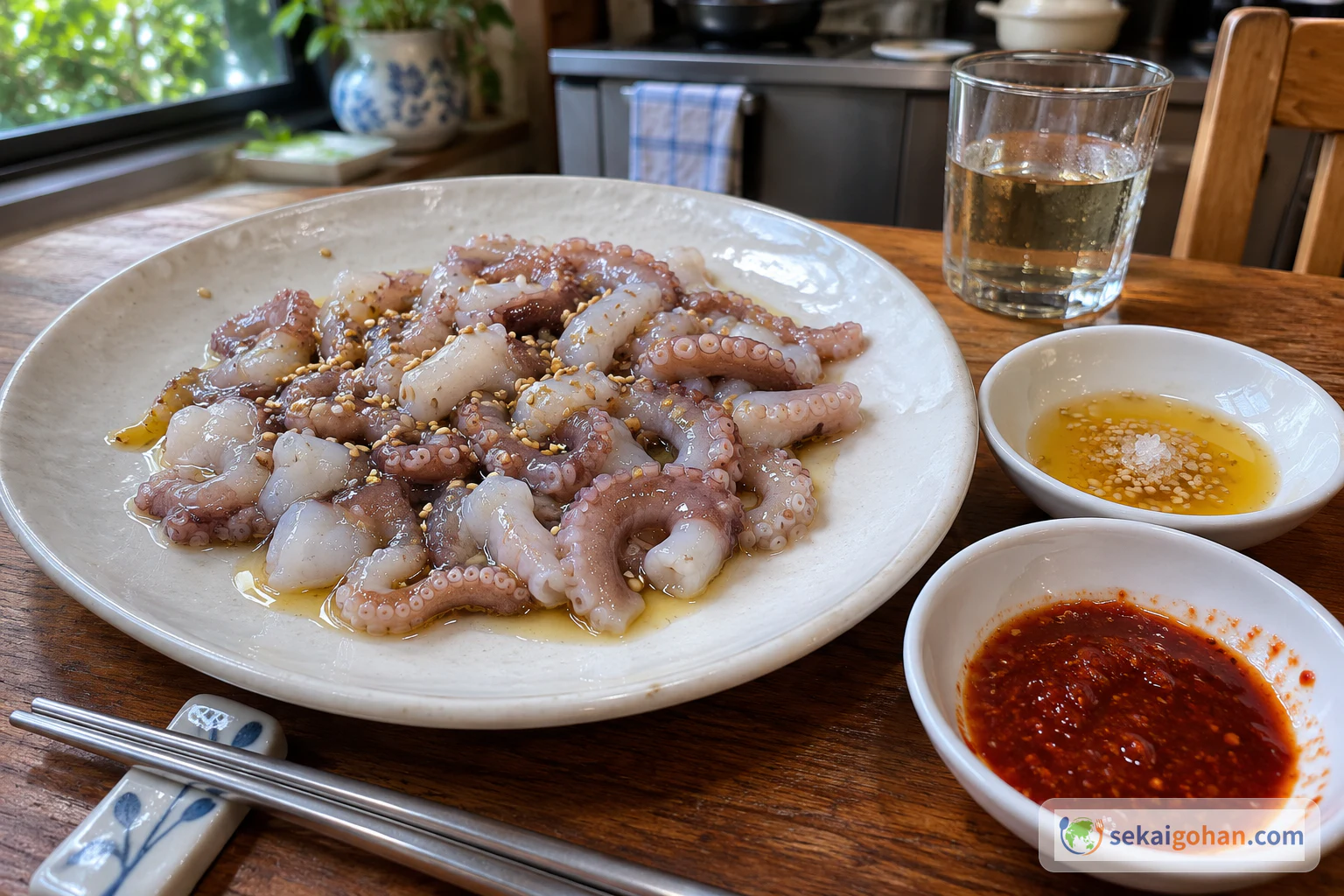
Sannakji: Korean Live Octopus Chopped with Sesame Oil
Sannakji from Korea: live nakji chopped small and dressed in sesame oil and salt. How to clean it with flour, chop it small and mix both dips.

Catànies: Penedès Almond Confections Dusted in Cocoa
How to make catànies, the almond sweets of Penedès in Catalonia, in a home kitchen: choosing and substituting ingredients, dry-toasting the almonds, caramel temperature, a thin white chocolate layer, dusting with cocoa, causes of failure, humidity, storage, and serving after a meal.
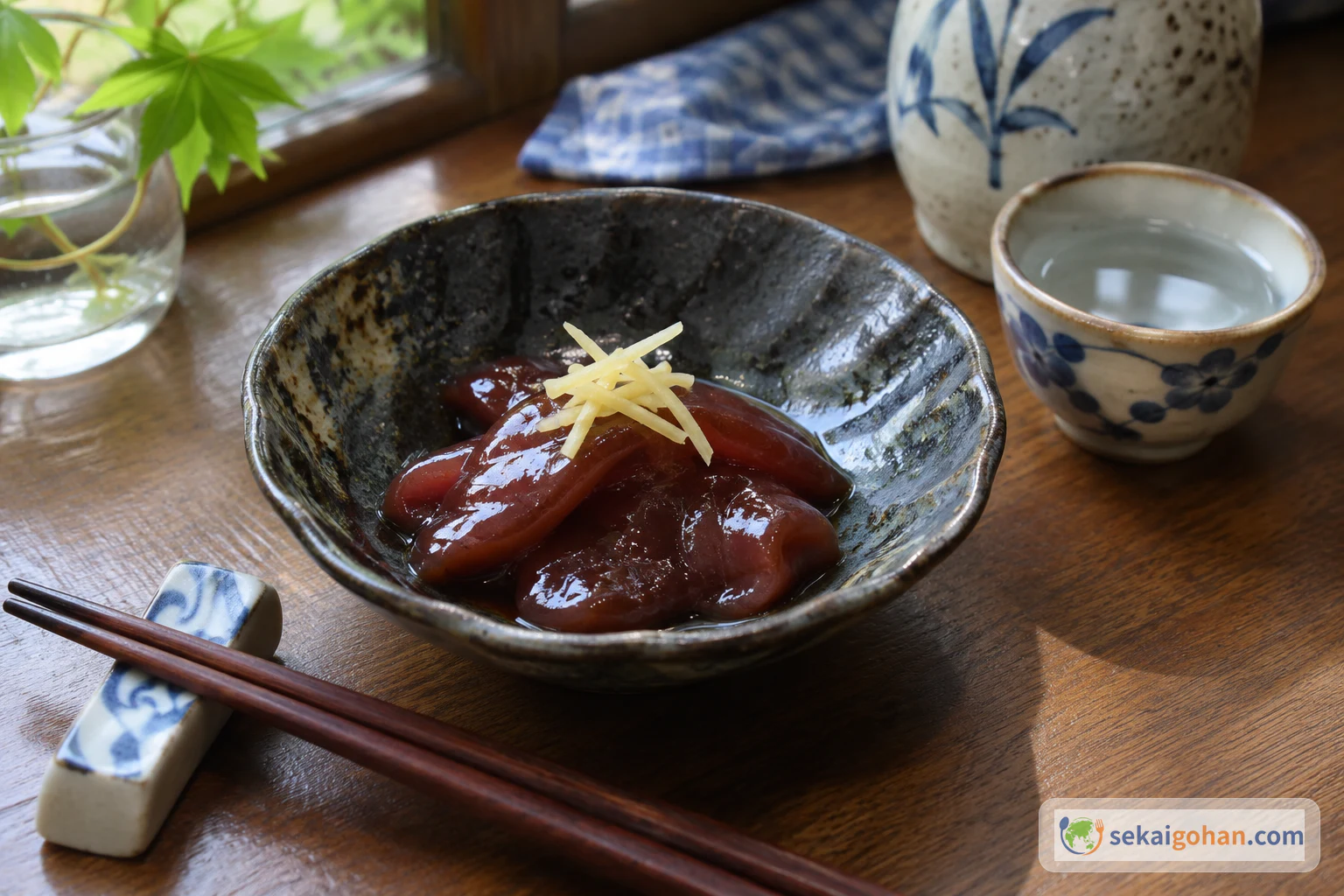
Mefun: Hokkaido Salt-Cured Salmon Kidney in Ginger Soy
Mefun is Hokkaido's salted salmon kidney. Learn to freeze it first, salt it until it clings to the box, rinse it in ice water and steep it in ginger soy.
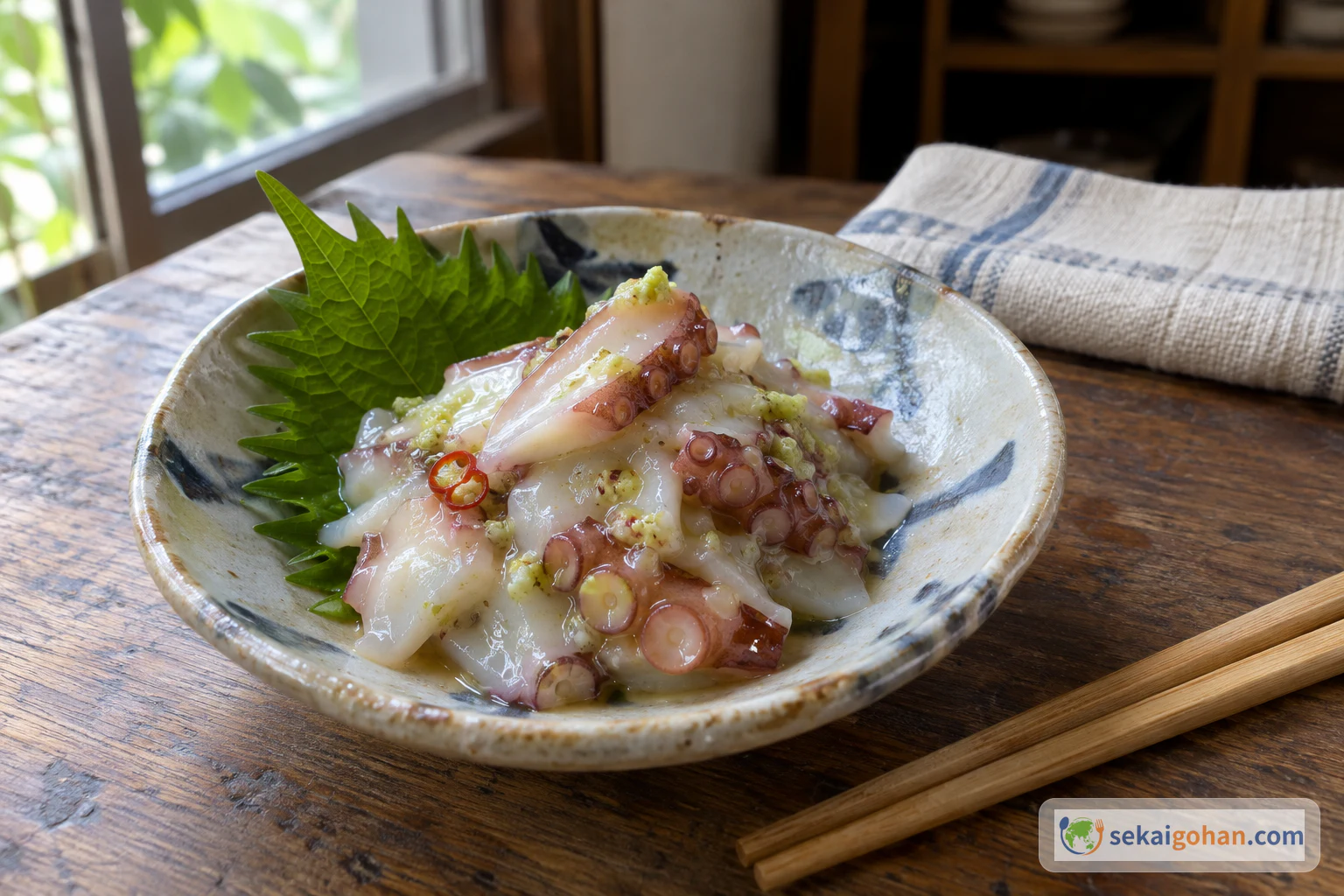
Tako Wasabi: Japanese Izakaya Raw Octopus in Wasabi Dressing
Tako wasabi, the Japanese izakaya dish of raw octopus in wasabi dressing: how to salt-rub and rinse it, balance the marinade, and keep it safely cold.
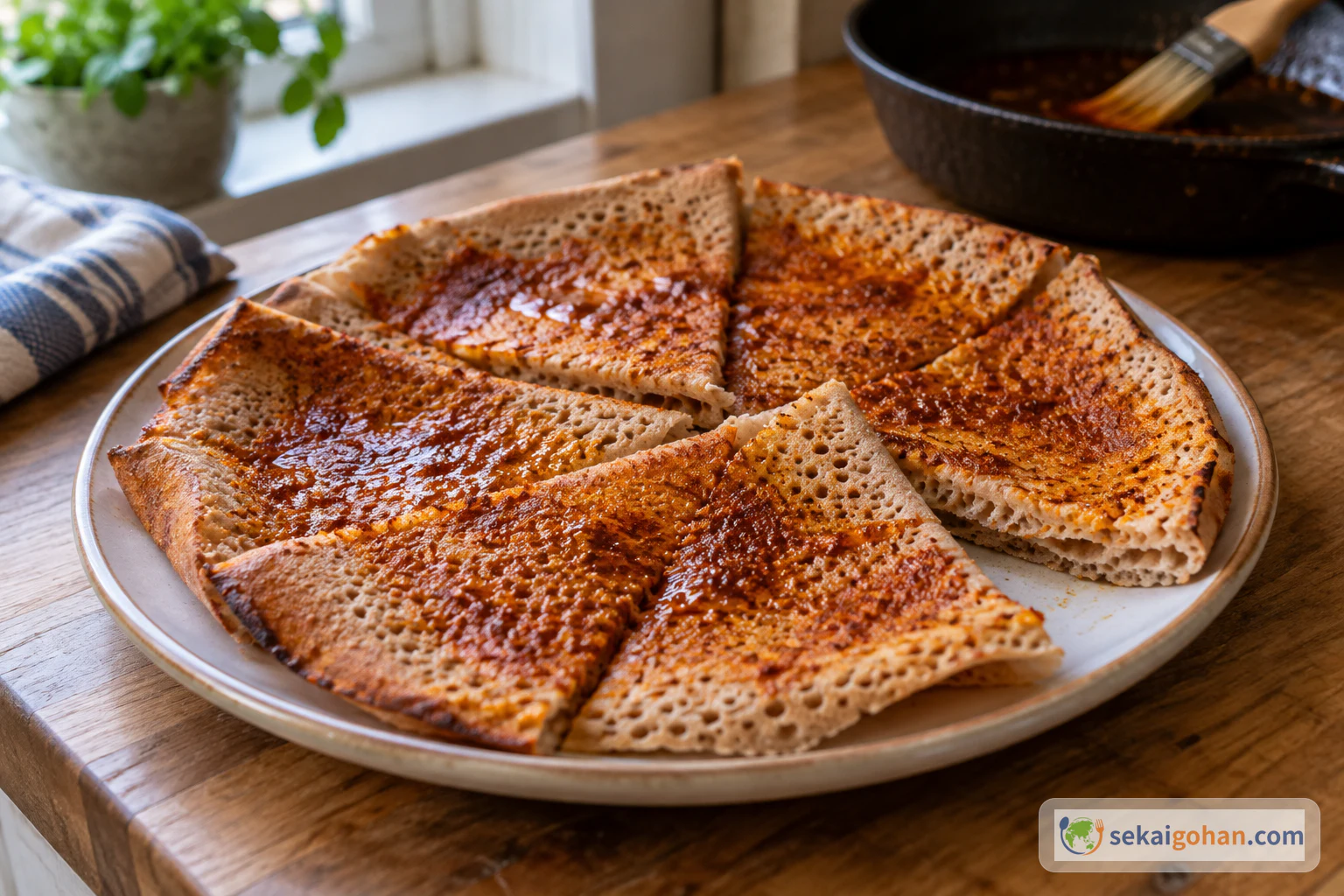
Kategna: Toasted Injera Brushed with Berbere Spiced Butter (Qategna)
How to make kategna (Qategna), a simple snack of lightly toasted injera brushed with niter kibbeh spiced clarified butter mixed with berbere. One-injera amounts, how to toast without burning, the order for melting and mixing the butter, adjusting the heat of berbere, and what the available Ethiopian-context sources do and do not confirm about this dish cataloged here under Eritrea.
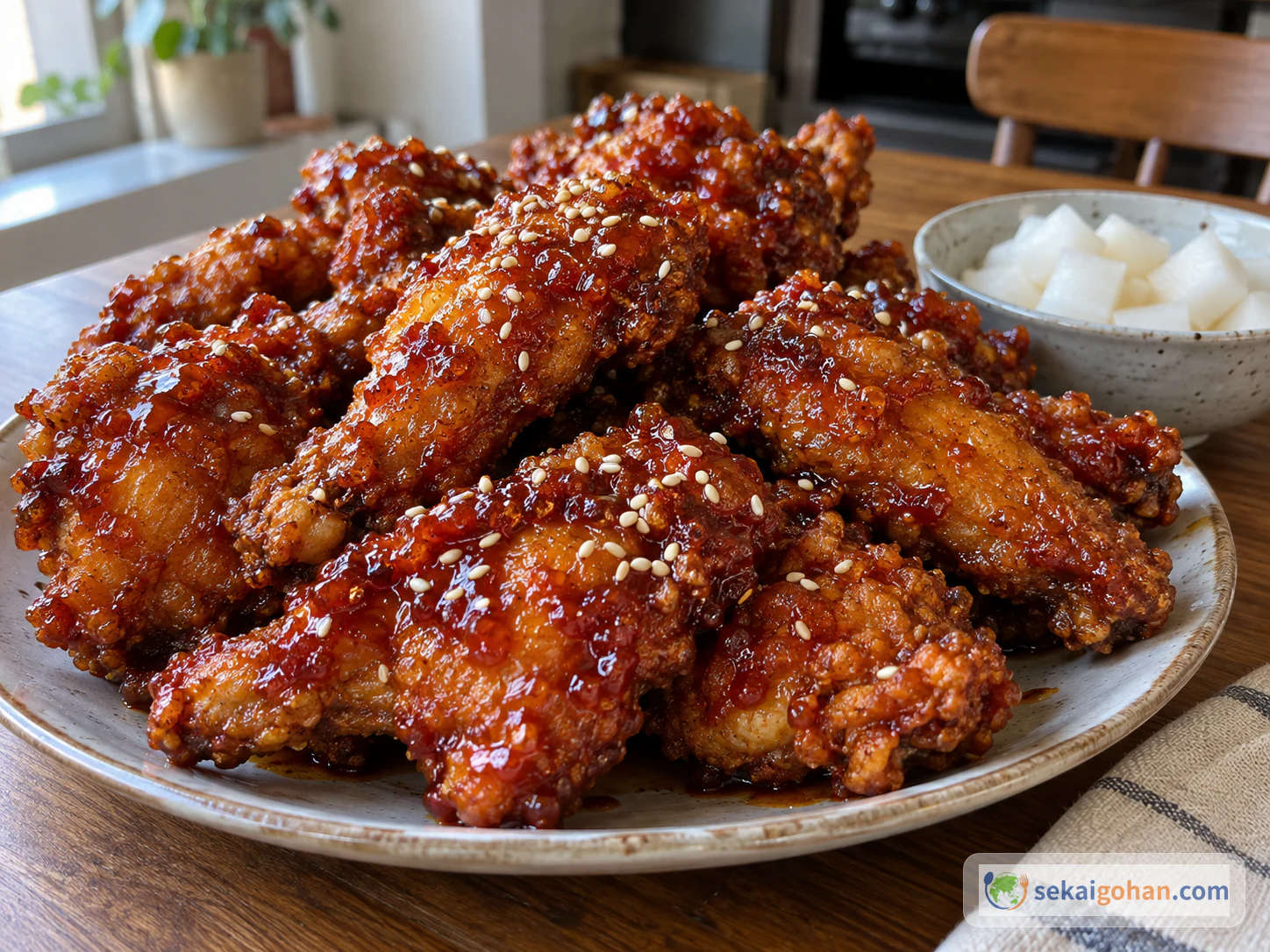
Korean Fried Chicken (Yangnyeom-tongdak): Double-Fried Wings in Sweet-Spicy Sauce
How to make yangnyeom-tongdak (양념통닭), Korean fried chicken wings fried twice and tossed in a sweet, tangy gochujang and rice syrup sauce. Covers the original amounts, the difference between oil temperature and internal temperature, potato starch and rice syrup substitutions, keeping the crust crisp, and how fried chicken is eaten in Korea with chicken-mu.
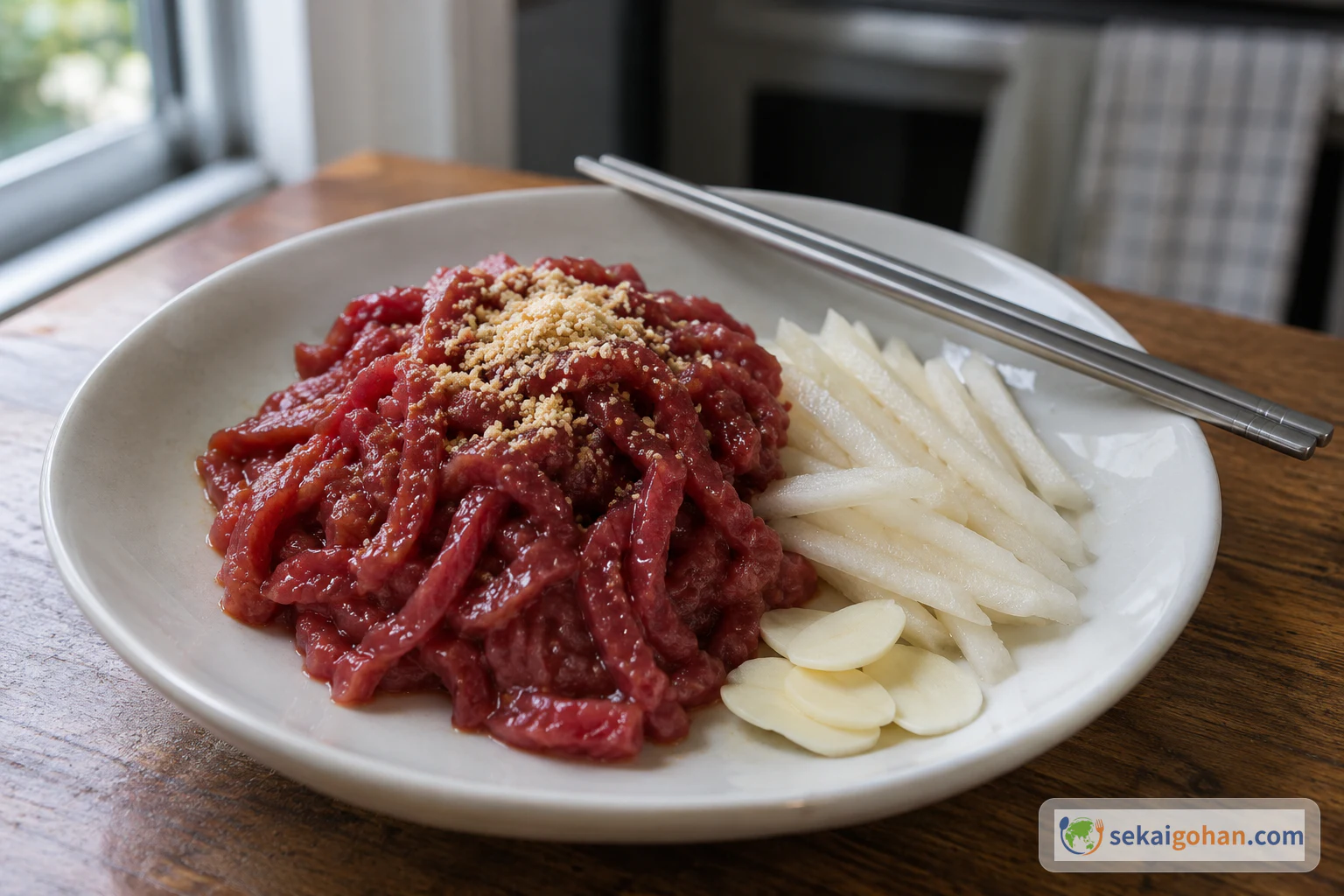
Yukhoe: Korean Raw Beef Dressed with Pear and Sesame
Yukhoe, Korea's raw beef dressed in soy and sesame with pear and pine nuts. The ⅛-inch cut, the sugar-water pear, and when to make it raw or cook it instead.
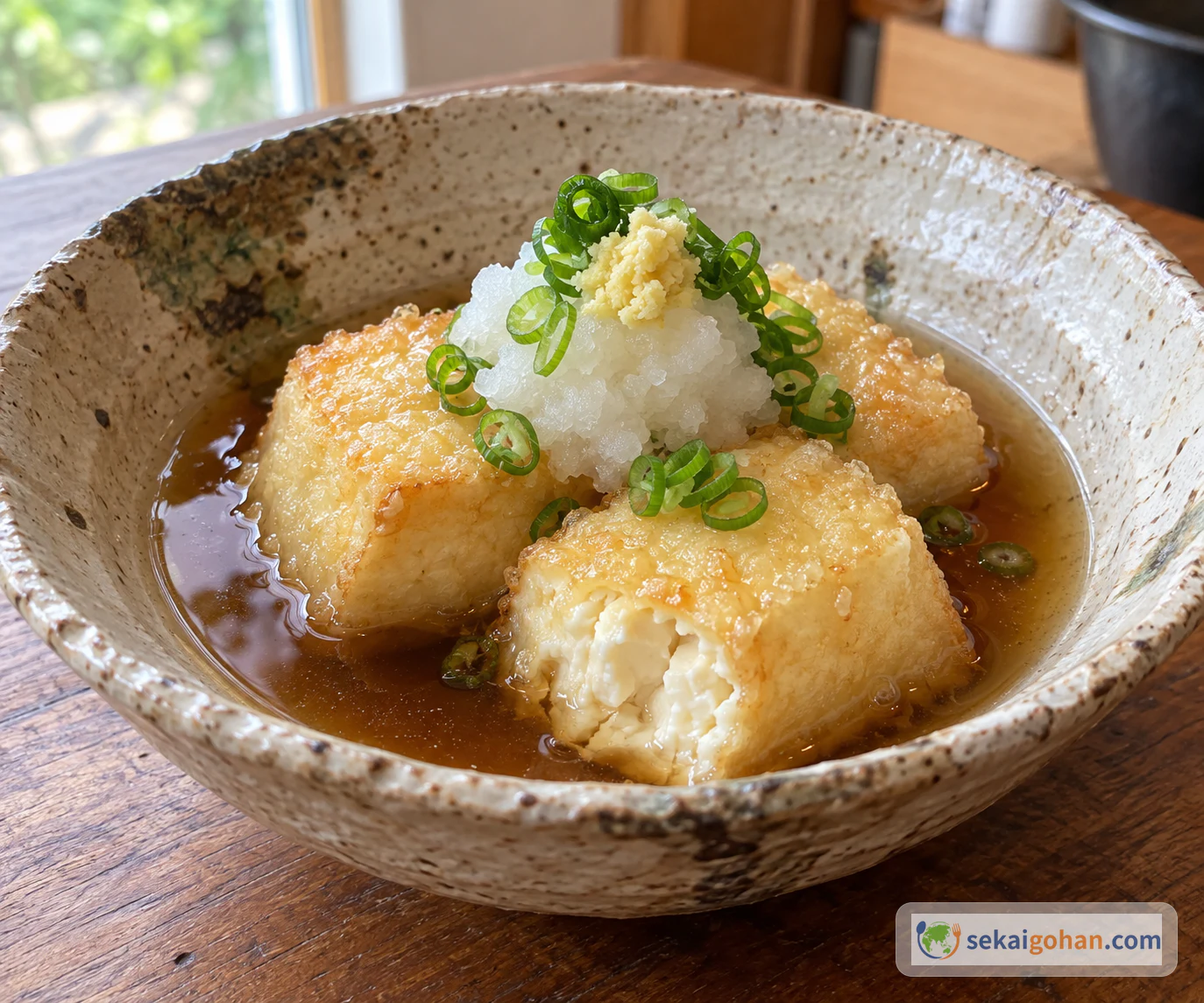
Agedashi Tofu: Lightly Coated Fried Tofu in Hot Dashi Sauce (Agedashi Dōfu)
How to make agedashi tofu (agedashi dōfu) at home: momen tofu cut into six, drained, dusted with potato starch, fried at 175°C and served in hot dashi sauce with grated daikon, ginger and scallion. Covers getting the sauce ready first, keeping the coating from peeling, allergens, variations and the limits of what is known about the dish's history.
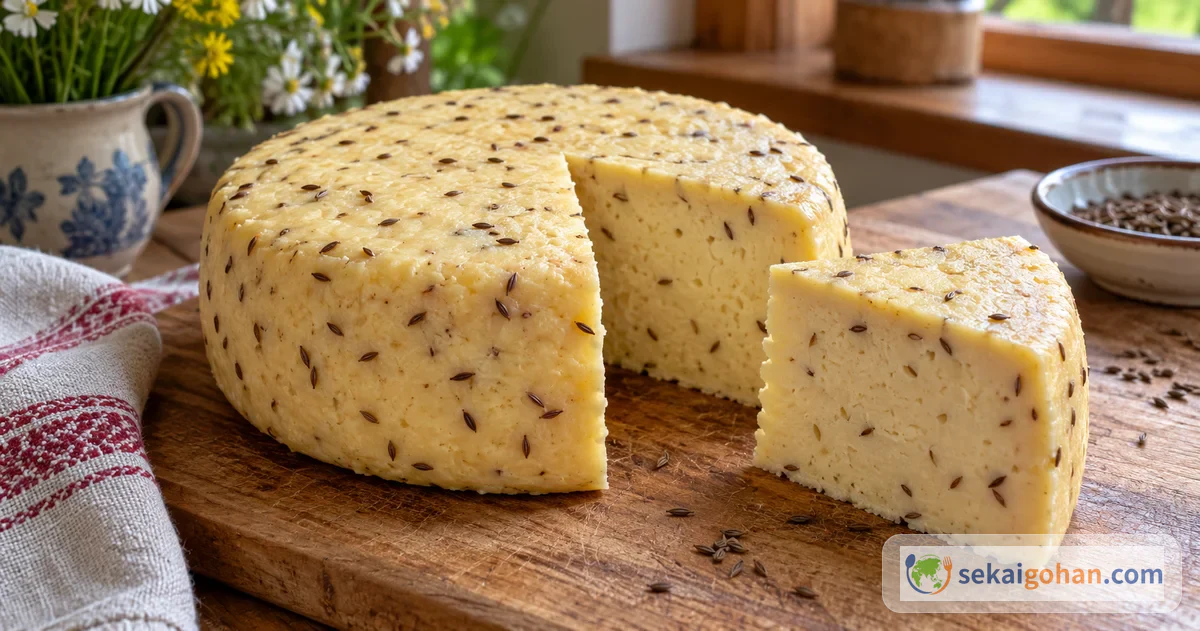
Jāņu Siers: Latvian Midsummer Caraway Cheese
How to make Jāņu siers, the round caraway cheese of Latvia's Jāņi midsummer festival, at home from milk, cottage cheese, egg, and butter. Covers the temperatures from the EU TSG specification, separating the whey, shaping in cloth, and the sun symbolism behind it.
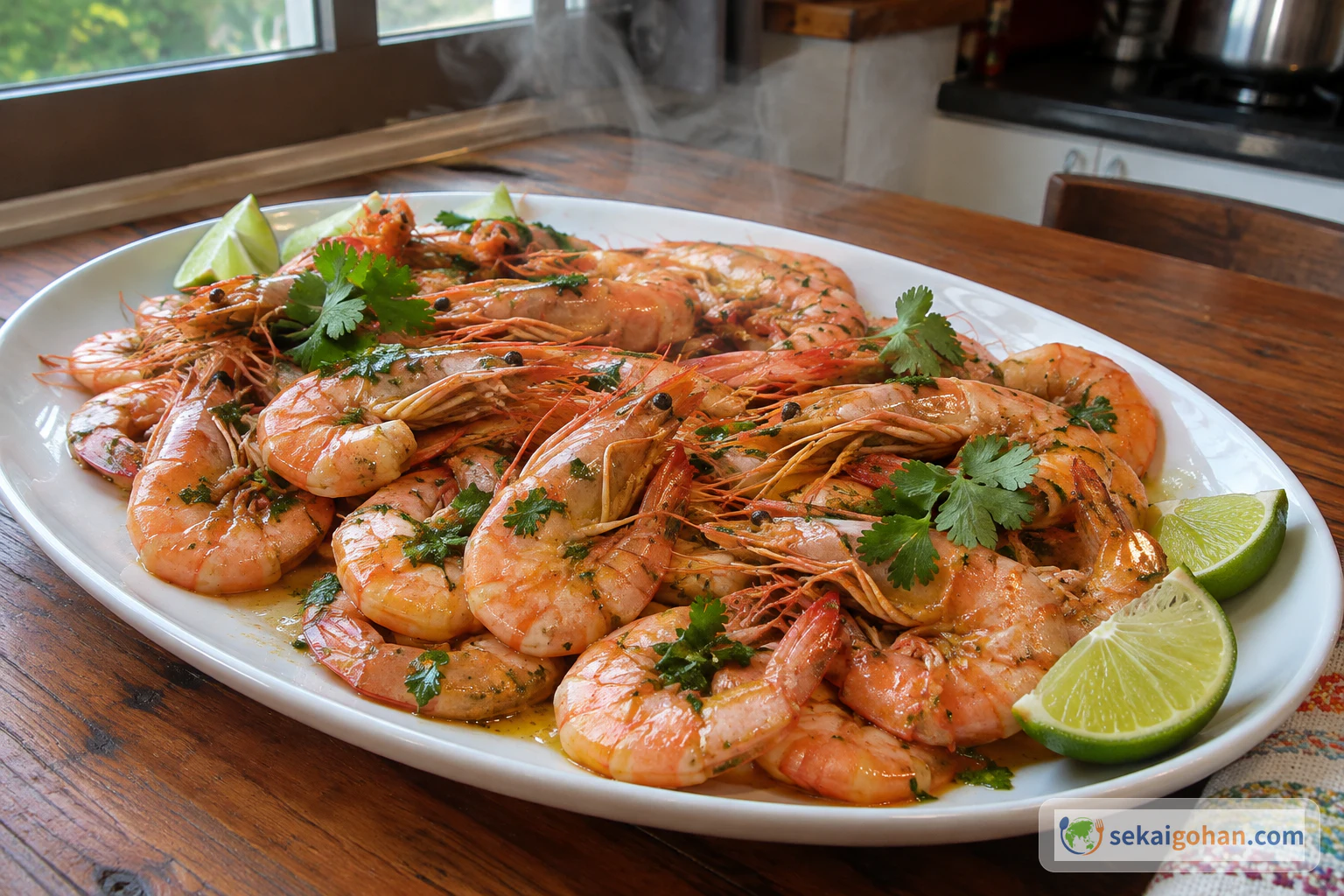
Camarão no Bafo: Brazilian Shell-On Shrimp Steamed in the Pot
Camarão no bafo is Brazilian beach-bar shrimp, sautéed in olive oil and steamed under the lid. Learn the timing, the pink doneness cue and which shrimp to buy.
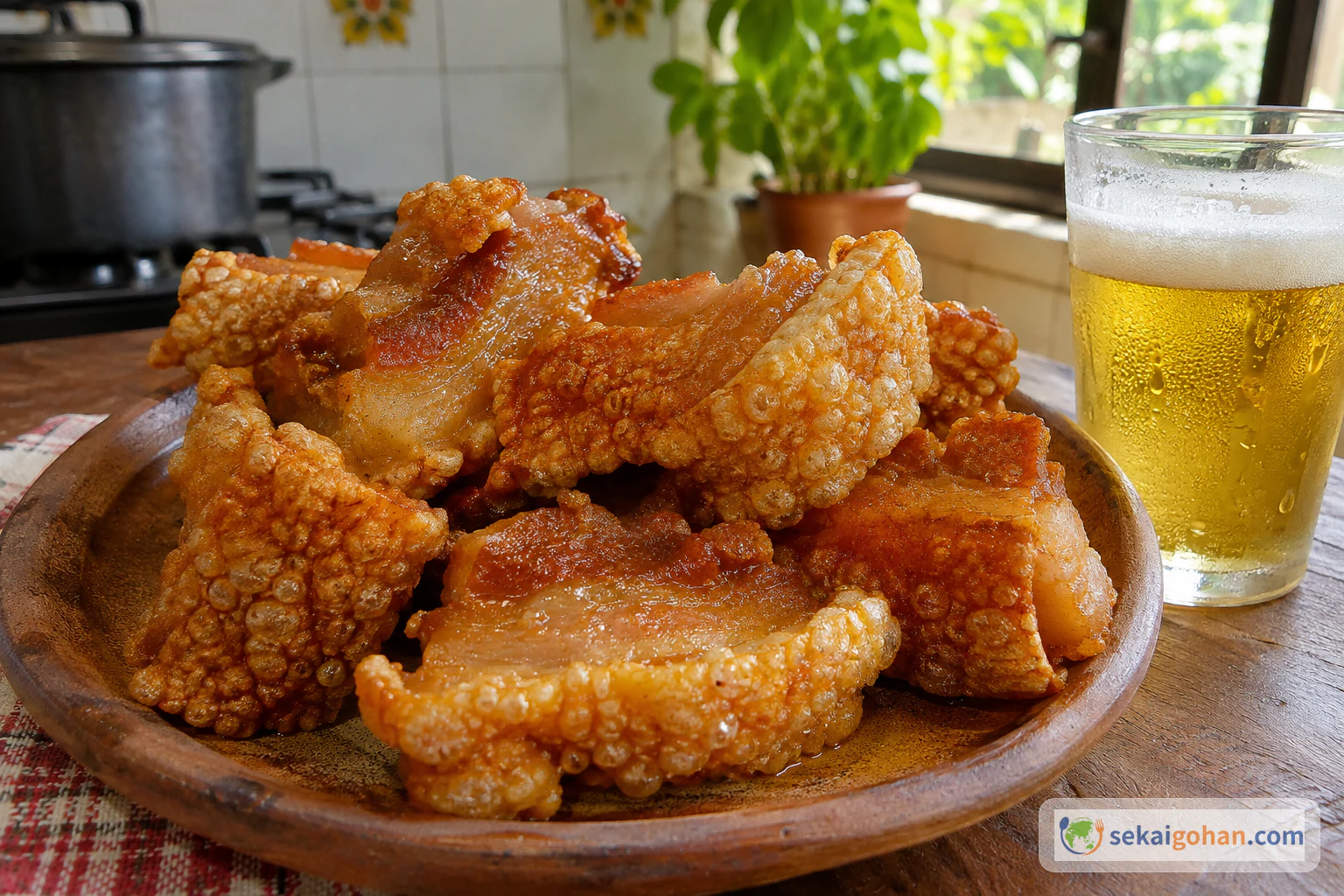
Torresmo: Brazilian Crackling Pork Belly Fried Twice in Lard
Torresmo, the Minas Gerais pork snack of Brazil: skin-on belly fried slow in lard, chilled, then fried hot until it puffs. Cues for each stage and what to buy.

Pukala (पुकाला): Newar Spiced Fried Meat from Nepal
A home version of Nepali Newar pukala (पुकाला) using beef heart, beef shoulder, and pre-cleaned tripe: mustard oil and cumin aroma, parboiling, pan-frying, serving with beaten rice and achar, doneness of offal, and storage.

Sisig Recipe: Pampanga's Sizzling Pork Plate
How to make sisig in the Pampanga manner: pig's ear and pork belly, chicken liver, a calamansi substitute, and a sizzling-plate finish, in home-kitchen quantities. Covers parboiling, searing, chopping, where to put the sourness, storage, what goes wrong, a Filipino menu, and heat adjustment.