In the bottom of the pan the onion turns translucent, and the moment the curry powder goes in, the aroma leaps up. Sweet carrot, sour tomato, and the heat of green chili layer over one another, and each vegetable keeps its outline in the red sauce. South African chakalaka looks like a stew, but scoop it with a spoon and you can see the pieces: it's a spicy vegetable relish, eaten at homes and gatherings across the country.
The trick is timing the beans. Add them at the start and the flavors blend, but the beans split and melt into the sauce. Here the vegetables and spices simmer first, and the beans go in for only the last 5 minutes, so they hold their shape and the vegetables keep their bite.
Chakalaka in South Africa
No one person invented chakalaka; it grew out of everyday cooking. One account traces it to miners in a hostel who combined the onions, carrots, cabbage, beans, and curry-style aromatics they had on hand. It's closely tied to South Africa's townships, and its roots carry Zulu, Dutch-speaking, English-speaking, and Indian influences.
Every household makes it differently. The vegetables, whether beans go in, and the heat all shift by region and by home. Swap the green pepper for bell pepper or add cabbage, and it's still chakalaka as long as the backbone of the flavor stays.
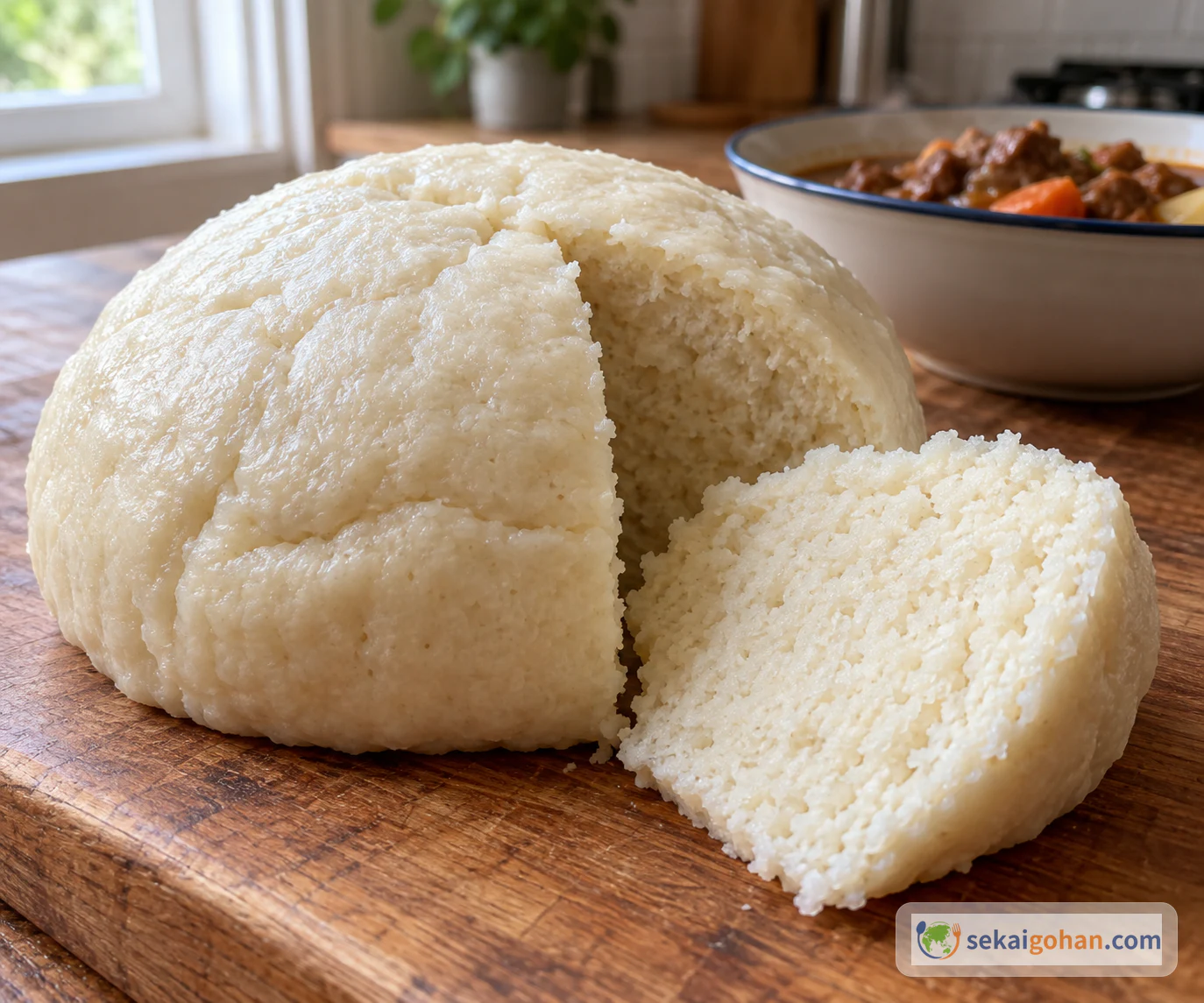
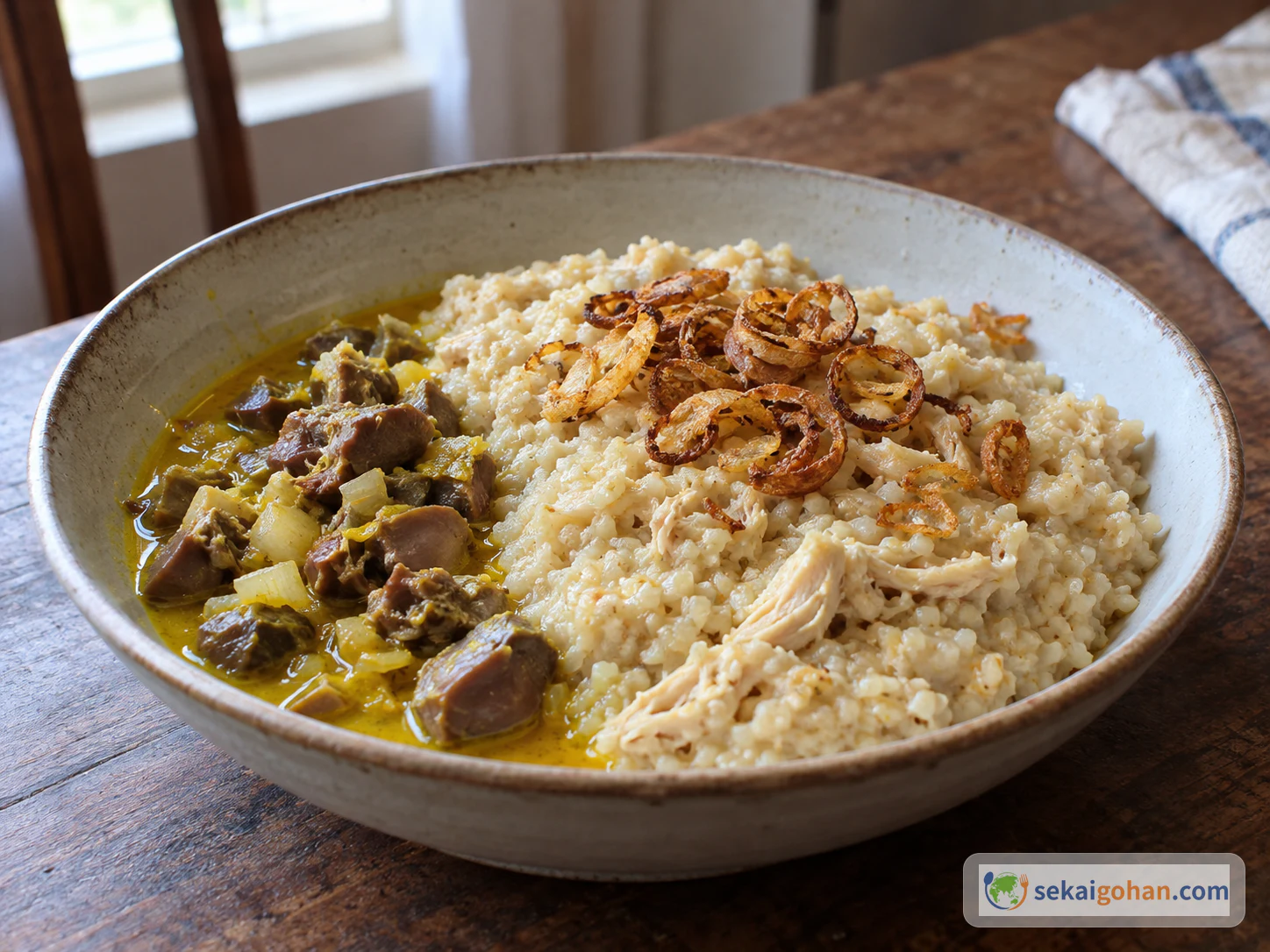
In South Africa, chakalaka comes with pap (the staple porridge of maize meal) or samp (crushed maize), or alongside the meat and sausages of a braai (an outdoor meal of grilled meat). It's also eaten with chicken and steak. Rather than standing as a main dish, it adds acidity and aroma beside the meat or staple at the center of the table.
Other South African dishes play different roles: bunny chow, curry packed into bread; gatsby, fillings layered into a long Cape Town loaf; bobotie, topped with an egg custard; and potjiekos, cooked in layers without stirring. Chakalaka sits beside the staple or the meat and changes the impression of each bite.
Ingredients (serves 4)

In baked beans, it is less the beans themselves than the sweet tomato liquid that adds body to the dish. If you use plain white beans or kidney beans, add 1.75 oz (50 g) more canned tomatoes and just 1/2 tsp more sugar. Because there is no saltiness from the can liquid, do not add all the salt at once at the end; taste first, then adjust.
Cabbage is not essential, but adding it increases the amount of vegetables and gives you ingredients that catch the sauce. Swapping bell pepper for the green pepper makes it sweeter. For children, leave the green chili out of the pot and add heat only to the adults' plates.
Choosing ingredients for chakalaka
Onion, carrot, green pepper, cabbage, tomato, canned beans, and curry powder are all at an ordinary grocery store. Chakalaka joins everyday vegetables through aroma and acidity, so buying something special won't make it more authentic.
Seasoning depends on what you buy. The liquid in canned beans changes the saltiness, and the sourness of tomatoes varies by variety, so go easy on salt at the start and leave room to add vinegar as you taste at the end.
For heat in small, controllable amounts, sambal oelek, a bottled chili paste, is easier to adjust than fresh green chili. It brings the flavor and saltiness of chili paste rather than the taste of South African peri-peri or fresh small chilies, so start with 1 tsp and taste. It's worth buying if fresh chilies are hard to find and you'll also use it for eggs, stir-fried noodles, or bean dishes. If you can get fresh chilies nearby or already have a hot sauce in the refrigerator, use that instead.
Fixing common chakalaka problems
| State | Main cause | How to fix it |
|---|---|---|
| Watery | Too much water from vegetables or tomatoes | Remove the lid and cook over medium heat for 3–5 minutes. Return to low if it threatens to scorch |
| Sour | Vinegar added too early, or underripe tomatoes | Add sugar 1/4 tsp at a time, cook 2 minutes, and check again |
| Sweet | The baked beans carry a lot of sugar | Add vinegar 1 tsp at a time and restore the outline with black pepper |
| Too hot | Chili or sambal added all at once | Add canned tomatoes, cabbage, or beans, and adjust the salt last |
| Beans broke up | Cooked from the start, or stirred too much | Add beans for only the last 2–3 minutes. Next time, turn with the spatula fewer times |
| Vegetables hard | Cut too thick, or simmered too briefly | Add 2 tbsp water, set the lid ajar, and extend the low heat by 5 minutes |
Check acidity and sweetness before you add salt. Chakalaka can lean toward the beans, the tomato, the vinegar, or the curry powder and still work, but push everything at once and the flavor blurs. Adjust one thing at a time, in teaspoon amounts, so you know what fixed it.
Serving, storing, and varying chakalaka
Serving chakalaka
For the local pairing, set chakalaka beside pap or samp. On days without pap, white rice, mashed potatoes, or thick toast also catch the sauce. Think of it as a slightly strong side dish rather than something to pour over rice. It works warm, and it works cold as a relish: beside eggs in the morning, on toast at noon, or next to grilled meat at night.

With meat, serve 2–3 tbsp chakalaka beside a well-salted sausage or grilled chicken. The acidity cuts the fat, so salt and black pepper are all the meat needs. For breakfast, spread reheated chakalaka in a frying pan, drop eggs into hollows, and cover; turn off the heat when the whites have set and the yolks still wobble slightly.
| Per serving | Guide |
|---|---|
| Energy | about 220 kcal |
| Protein | about 8 g |
| Fat | about 7 g |
| Carbohydrates | about 1.25 oz (36 g) |
| Fiber | about 9 g |
| Salt equivalent | about 1.8 g |
These are estimates for the relish alone; the size and saltiness of the baked beans and the amount of pap or rice change the numbers. With a staple, keep the total saltiness in check by starting with 2–3 tbsp of chakalaka.
Storage and allergens
Once the heat has dropped, move it to a shallow container and refrigerate; pap and chakalaka keep 2–3 days in the refrigerator. That varies with your refrigerator's temperature and how you portion it, so use a clean spoon and discard it if there's any off smell, change on the surface, or unusual sourness. Anything left at room temperature for a long time should be thrown out, even if it smells and looks fine.
To freeze, portion it into single servings; the beans will split a little. Thaw in the refrigerator, then warm in a pot over low heat with 1–2 tsp water, keeping it below a steady boil so the beans hold their shape. Store pap or rice separately.
Canned goods, achar, and sambal oelek vary by product, and some list soy, celery, or spices, so check labels if you have allergies. The recipe uses no meat and can be made fully plant-based; check the labels on the baked beans and seasonings to be sure.
Add more cabbage
If you increase the cabbage to 7 oz (200 g), use ½ cup (120 ml) of water for the simmer and extend the low-heat time by 2–3 minutes. The cabbage releases water, so take off the lid at the end to bring back the thickness. Even with fewer beans, the sweetness of the vegetables and the curry aroma carry it.
Add green beans
Add 3.5 oz (100 g) salt-boiled green beans when you add the beans, and they keep their green color and crispness. If using frozen green beans, thaw and pat them dry first.
Layer on acidity with achar
A tablespoon of mango achar or vegetable achar adds an aroma vinegar alone can't give. Its saltiness and heat can be strong, so halve the vinegar and green chili and settle the taste at the end.
Leave out the beans
Without beans, chakalaka is lighter and makes a good sauce for grilled chicken or a bed under a fried egg. Reduce the water to ¼ cup (80 ml), and stop before it cooks down too far.
Serve it cold the next day
Cooled, the vinegar and curry settle, and it goes well with bread or boiled eggs. If it tastes strong straight from the refrigerator, leave it out for 10 minutes, mix in 1 tsp water, and taste again. If you warm it, go slowly over low heat; too much reheating splits the beans.
Split the heat at the table
Put green chili or sambal on a separate plate so adults and children can share the same pot. Adding heat at the table rather than in the pot also lets you adjust against the sweetness of the tomatoes and beans.
Frequently asked questions
Q1. Is chakalaka a curry?
It uses curry powder, but chakalaka is a relish of vegetables and beans. Keep the pieces and the acidity intact and serve it beside pap, meat, or eggs rather than as a saucy topping for rice.
Q2. What if my curry powder is hot?
Reduce the curry powder to 1 tbsp and add 1 tsp more paprika. The aroma will be a little lighter, but with the green chili served on the side, one pot works for children and adults.
Q3. I do not have baked beans.
Canned white beans or kidney beans can stand in. Add 1.75 oz (50 g) more canned tomatoes and 1/2 tsp more raw cane sugar, and decide the salt at the end. If it dries out because you drained the beans thoroughly, add 2 tbsp more water for the simmer.
Q4. What can I use in place of pap?
Any staple that catches the sauce: white rice, mashed potatoes, bread, or couscous. To stay closer to the local table, make soft polenta from maize meal.
Q5. Is it all right to eat it cold?
Yes, if you portioned it cleanly and refrigerated it. Chilling brings out the sourness, so take it out 10 minutes before eating and taste it.