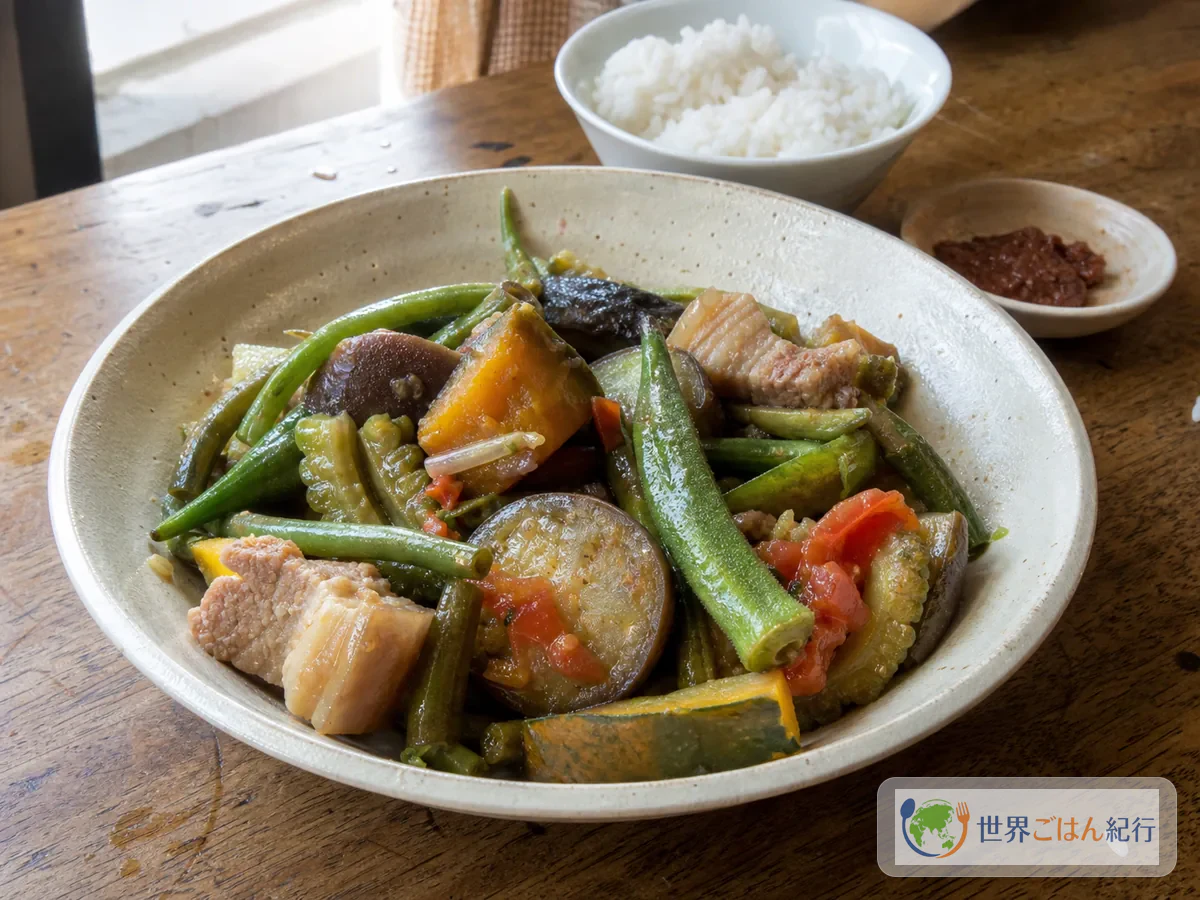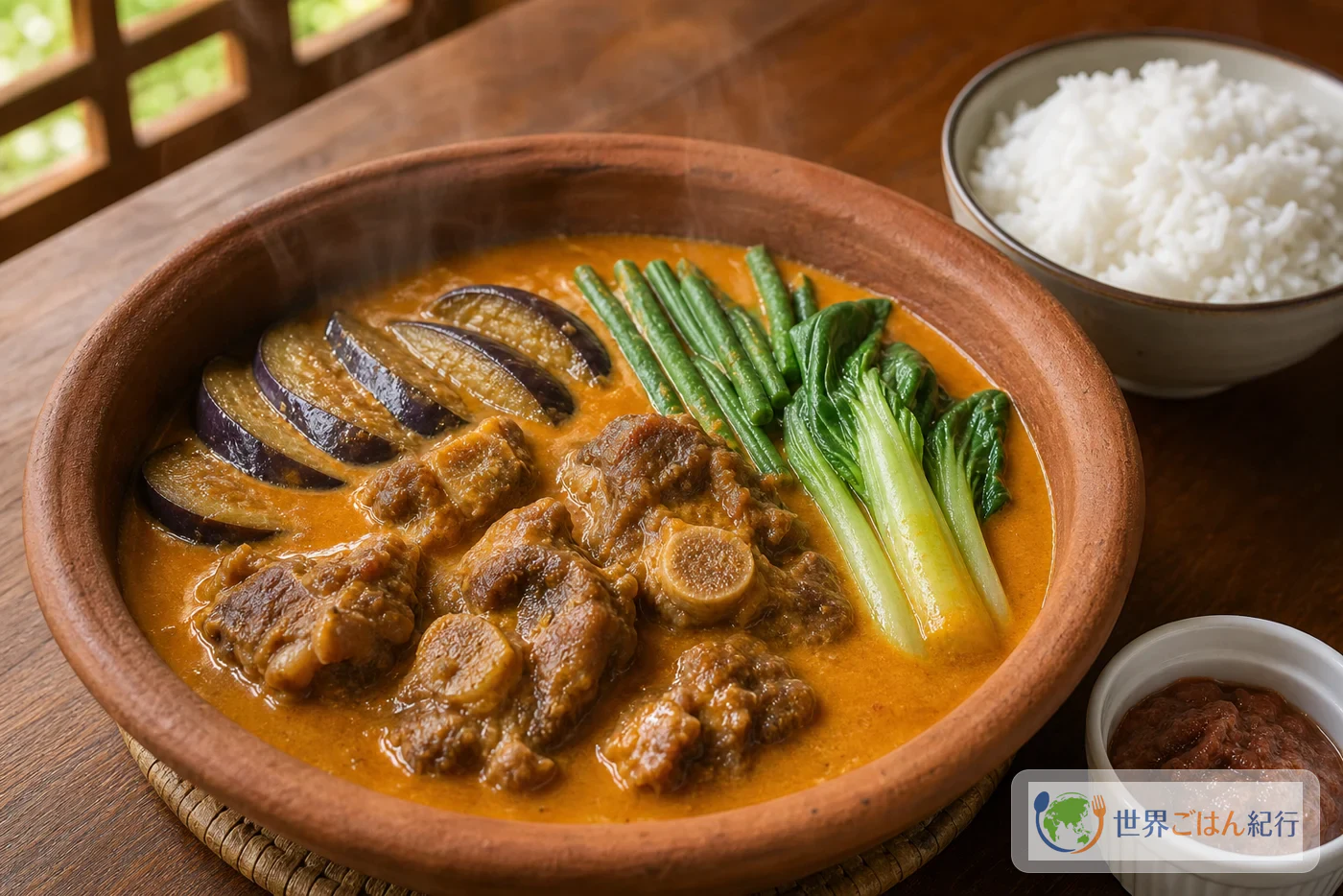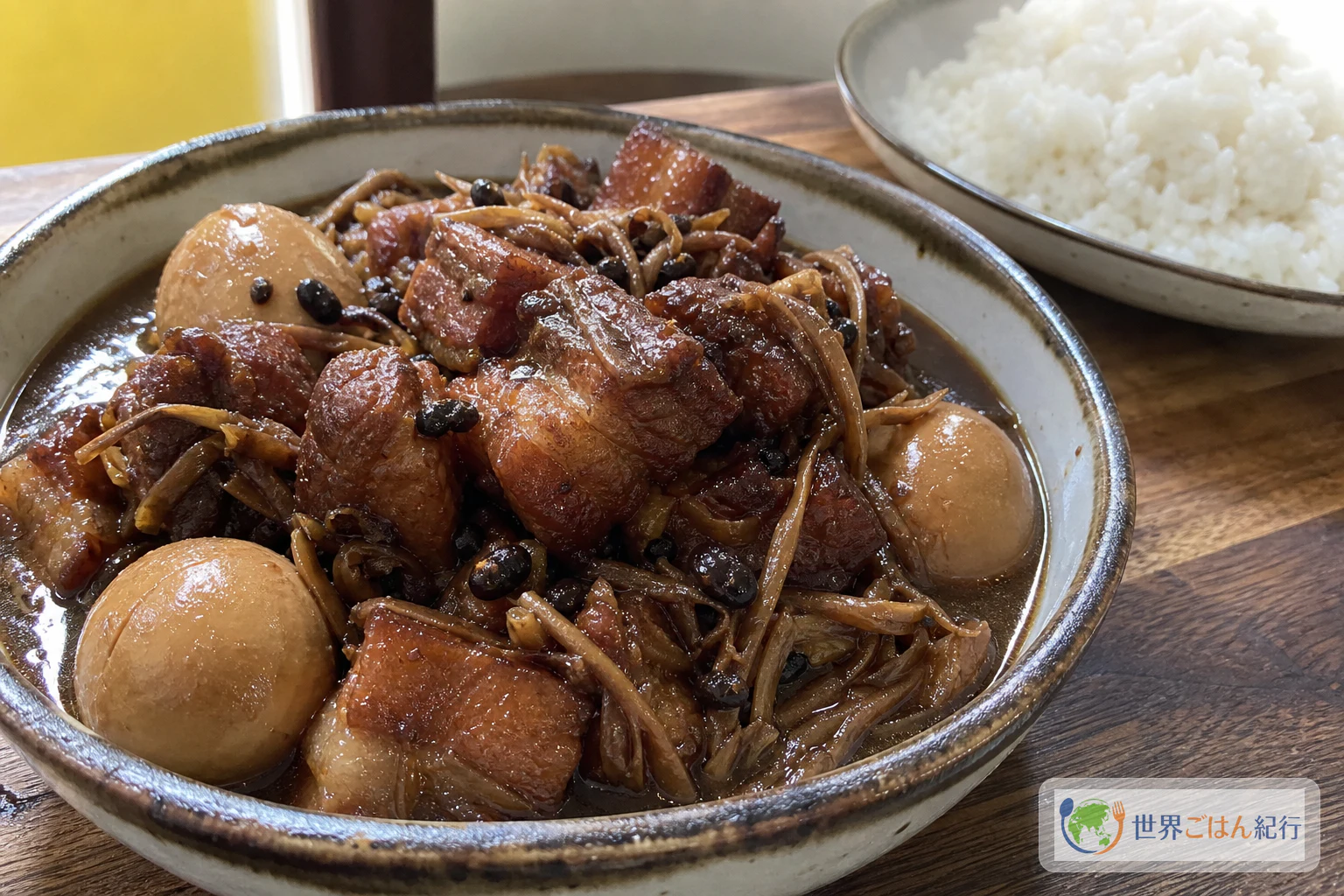
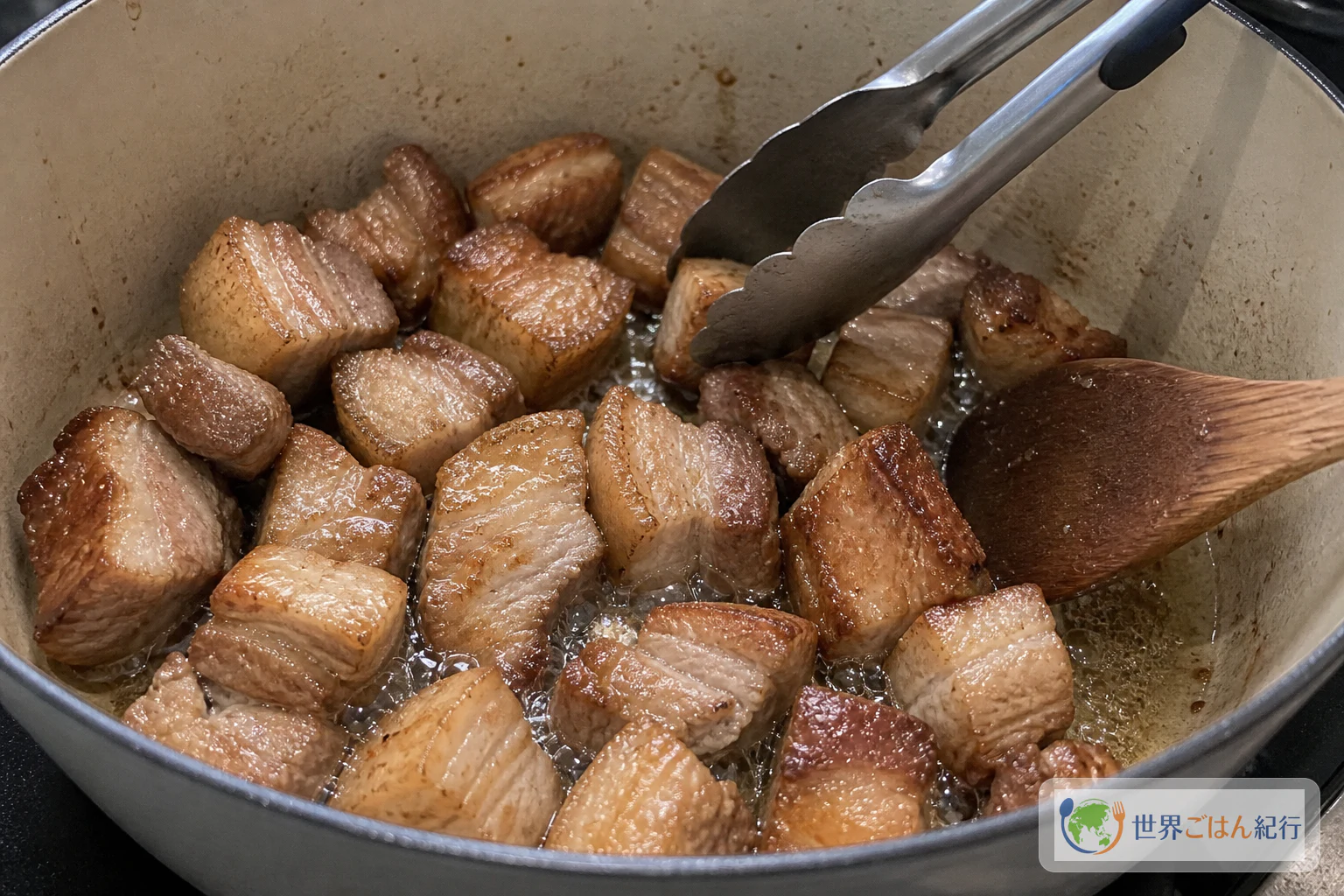
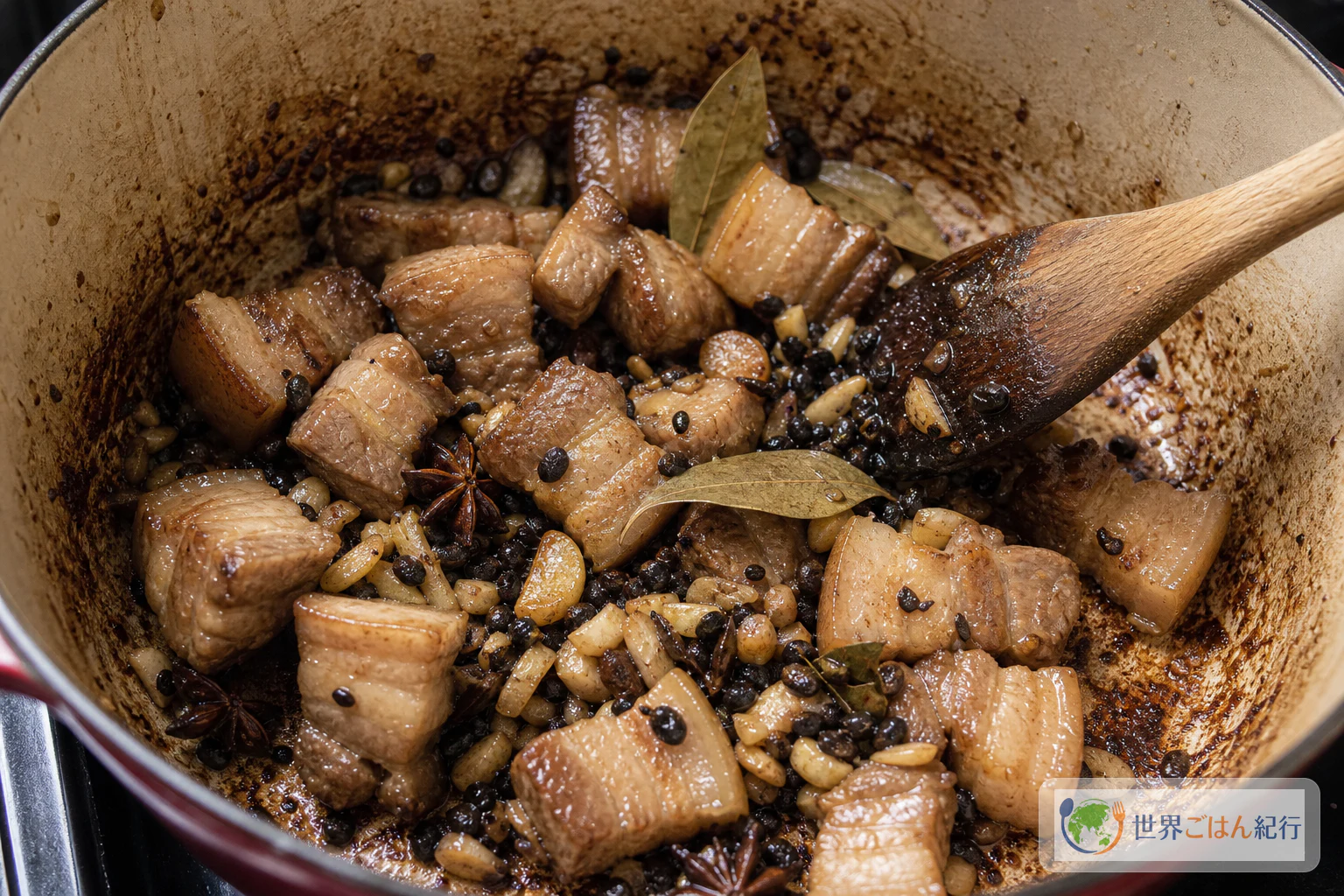
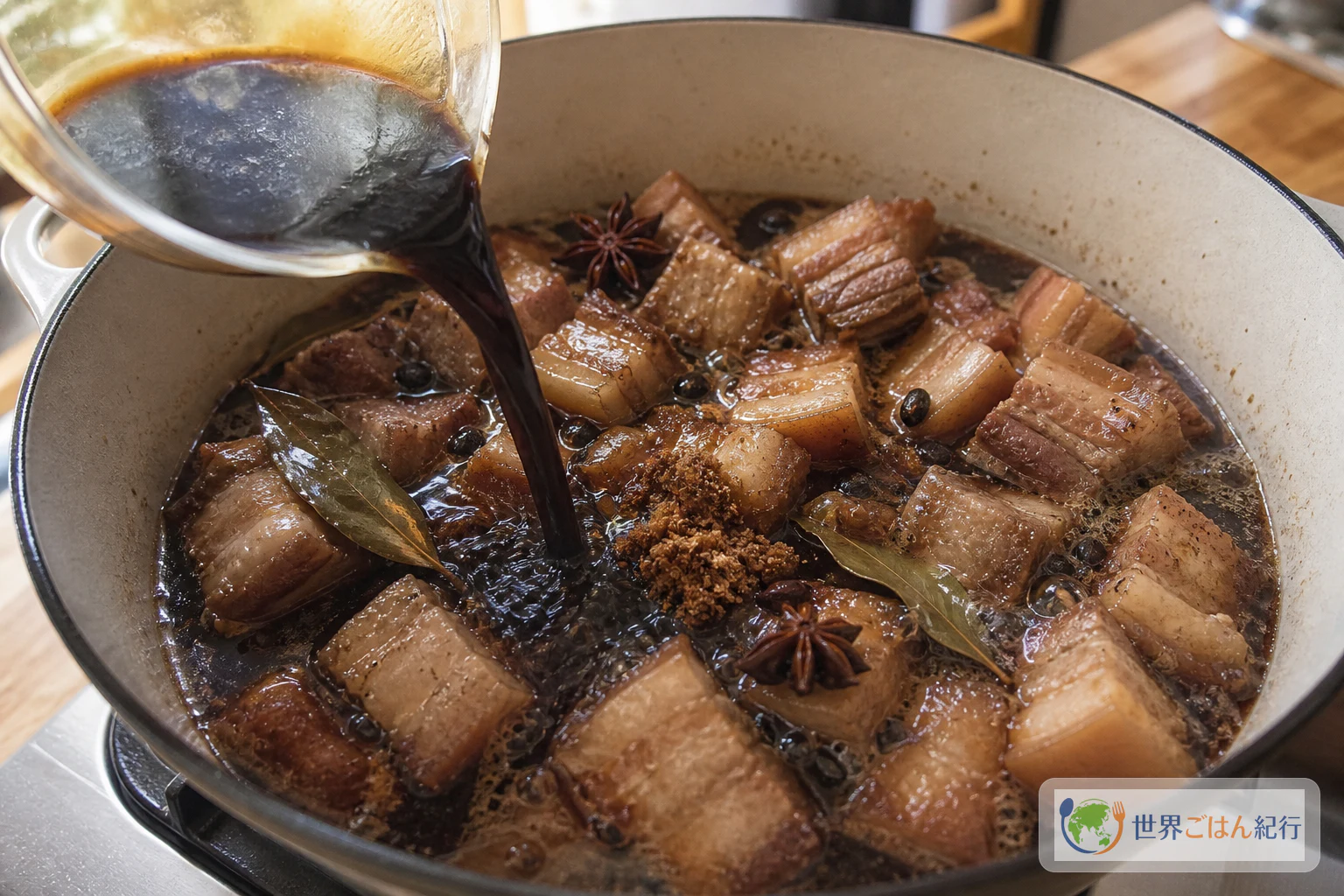
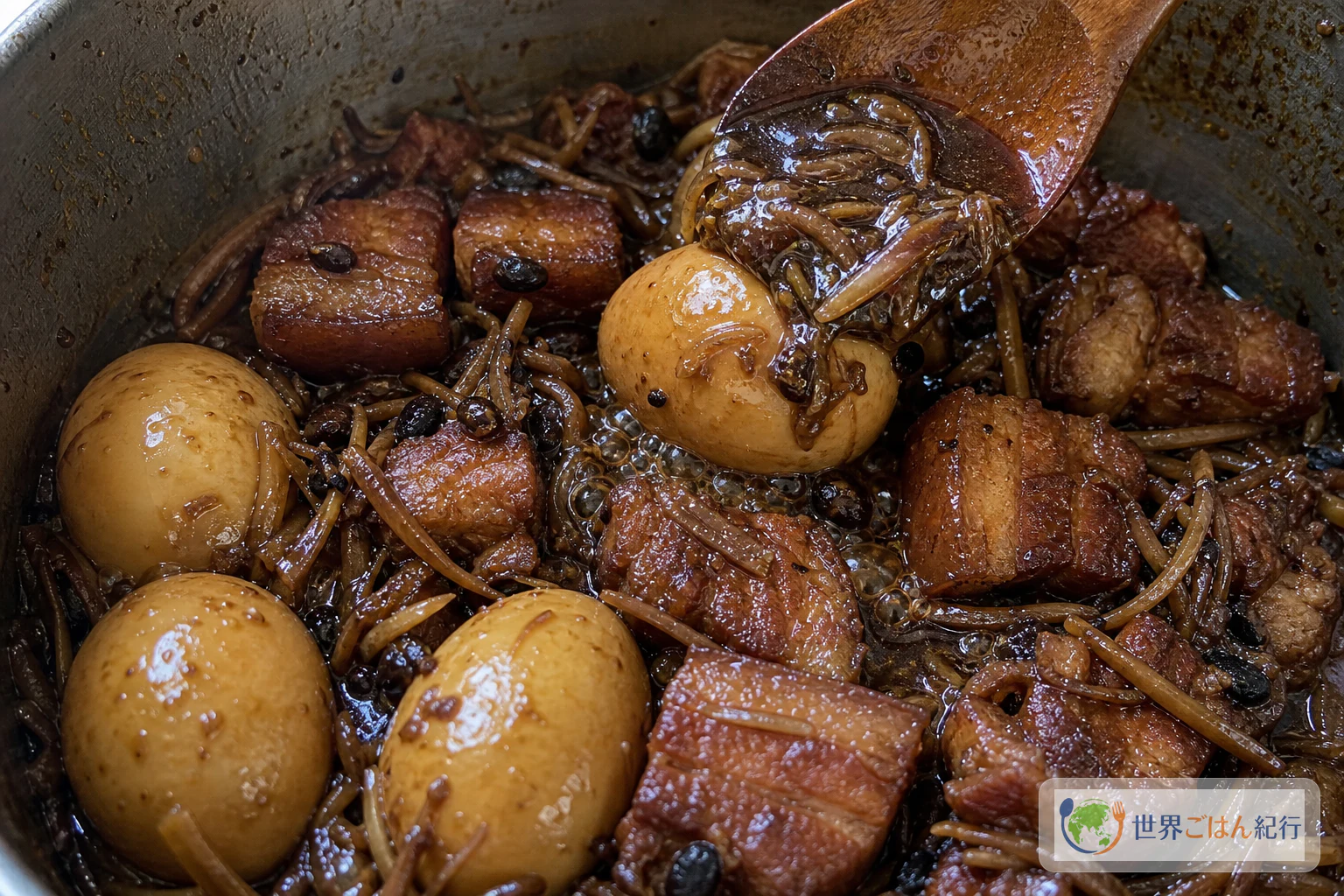
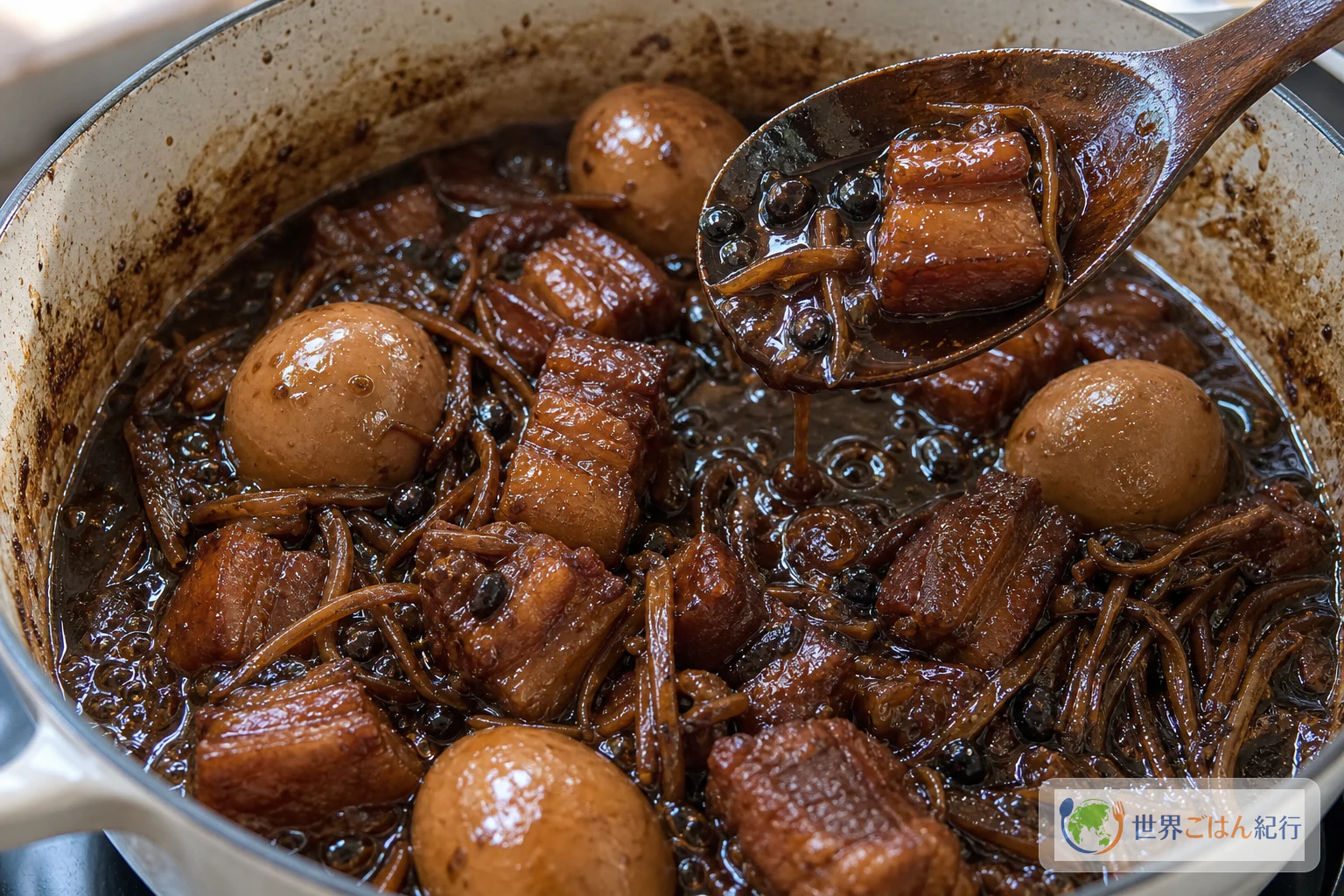
Pork belly fat crackles at the bottom of the pot in the early evening. Once the garlic and black beans go in, the kitchen smells nothing like the braised pork belly you know. Humba (Humbà / Hombà) is a pork braise loved in the Visayas, the islands of the central Philippines. Its sauce is soy-sauce brown, with an edge of vinegar and a layer of sugar. Behind them sits the salty depth of fermented black beans, called tausi.
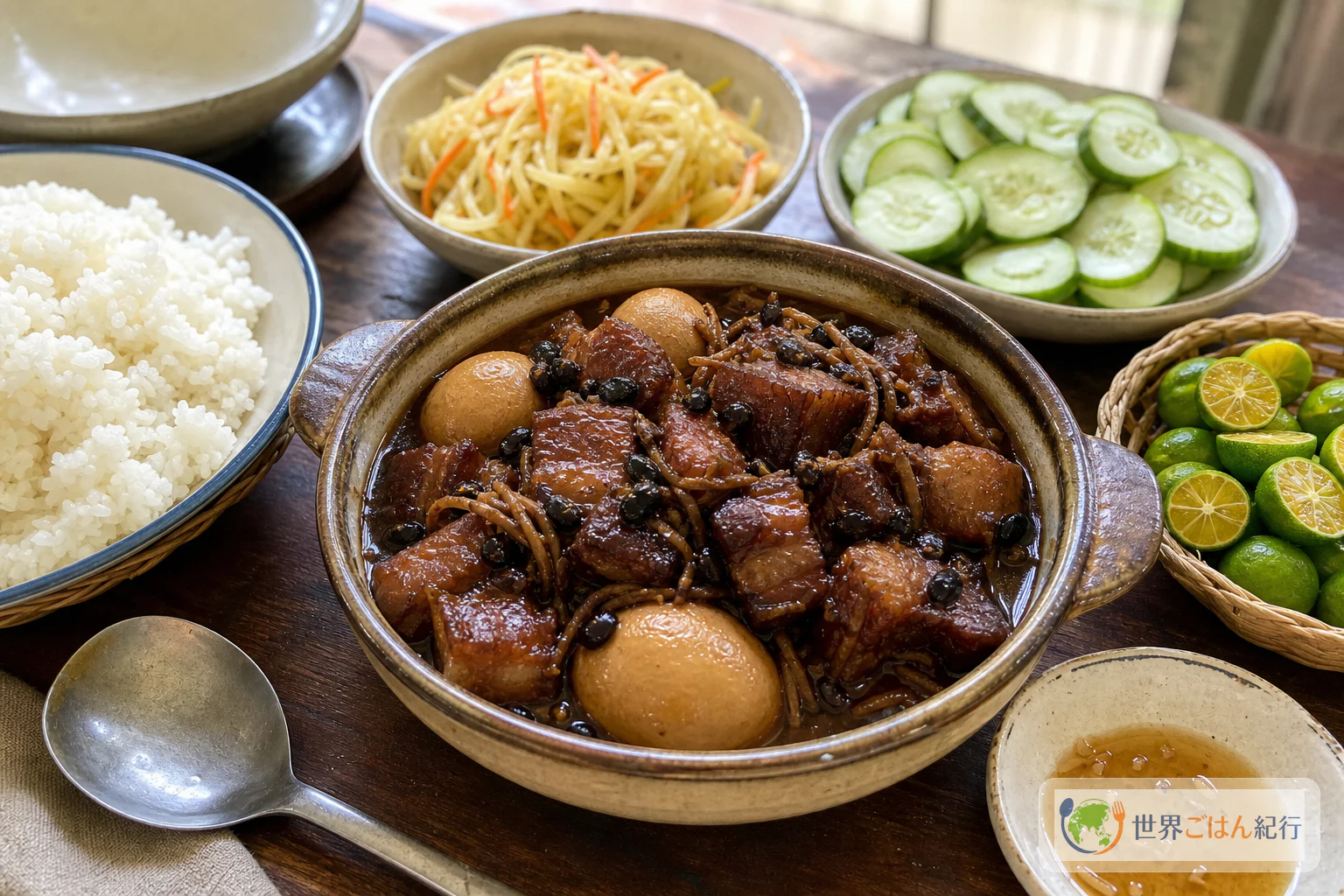
About humba
In English it is written Humba, sometimes with an accent as Humbà. In parts of the Visayas you will also see Hombà. Locally, the fermented black beans are called tausi.
Humba comes from two traditions: the pork braises of Chinese immigrants and the vinegar cooking of the Philippines. Its ancestor is Hokkien Chinese red-braised pork (hong-bah / hongshao rou). That dish is built on Shaoxing wine, soy sauce, sugar and five-spice powder. The Filipino version uses plenty of vinegar and adds tausi, muscovado sugar, banana blossoms and hard-boiled eggs.
That shift is what makes it interesting. The vinegar tang is distinctly Filipino, and the sweetness comes from muscovado or pineapple as well as white sugar. Tausi is Chinese in origin, but here it supplies salt and savory depth. That is what keeps humba from being just a sweet adobo.
When most people cook Filipino food at home, adobo is the first dish they think of. Humba also braises in soy sauce and vinegar, but it goes somewhere else. Adobo puts its tang and saltiness up front. Humba sears fatty pork first, then braises it gently with sugar and fermented black beans until everything rounds out.
In the Visayas, especially around Cebu, humba is a celebration dish, a home-style braise and a main dish to eat with white rice. In Cebu province, the town of Ronda counts humba as a local specialty. It holds a humba festival there, with cooking contests and dancing.
Ingredients (serves 4)
This serves 4. Pork belly is a fatty dish, so keep each portion moderate and build the meal around white rice, cucumber and a tangy side.
This dish contains pork, eggs, soy sauce (made with wheat and soy) and fermented bean products. Fermented black beans and tausi are very salty, so check the product label and taste them before adding them to the sauce.
Choosing ingredients for humba
Seasonings
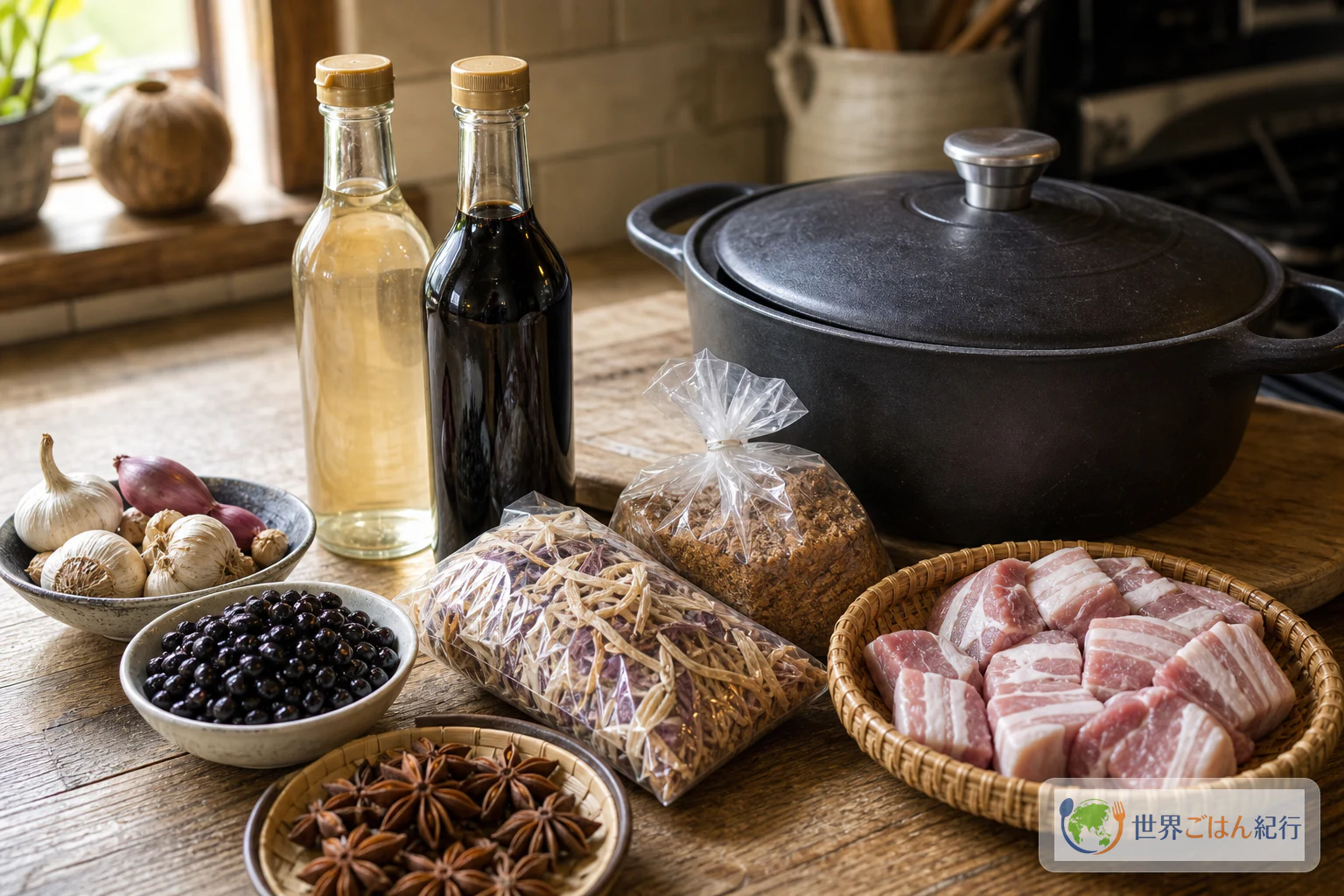
For humba, the seasonings matter more than the brand of pork. Coconut vinegar lightens the sweet pork, and a small amount of dark soy sauce gives the sauce a deep color. Star anise isn't essential, but a single pod brings out the aroma of a braise with Chinese roots. You can usually find coconut vinegar, tausi and dark soy sauce at Filipino or Asian grocery stores, or online.
Don't skip the tausi. If you can't find it, Chinese fermented black beans are easier to get and give strong saltiness and savory depth in small amounts. They push the aroma a little toward Chinese cooking. With the soy sauce, vinegar and sugar, though, the dish still tastes like humba.
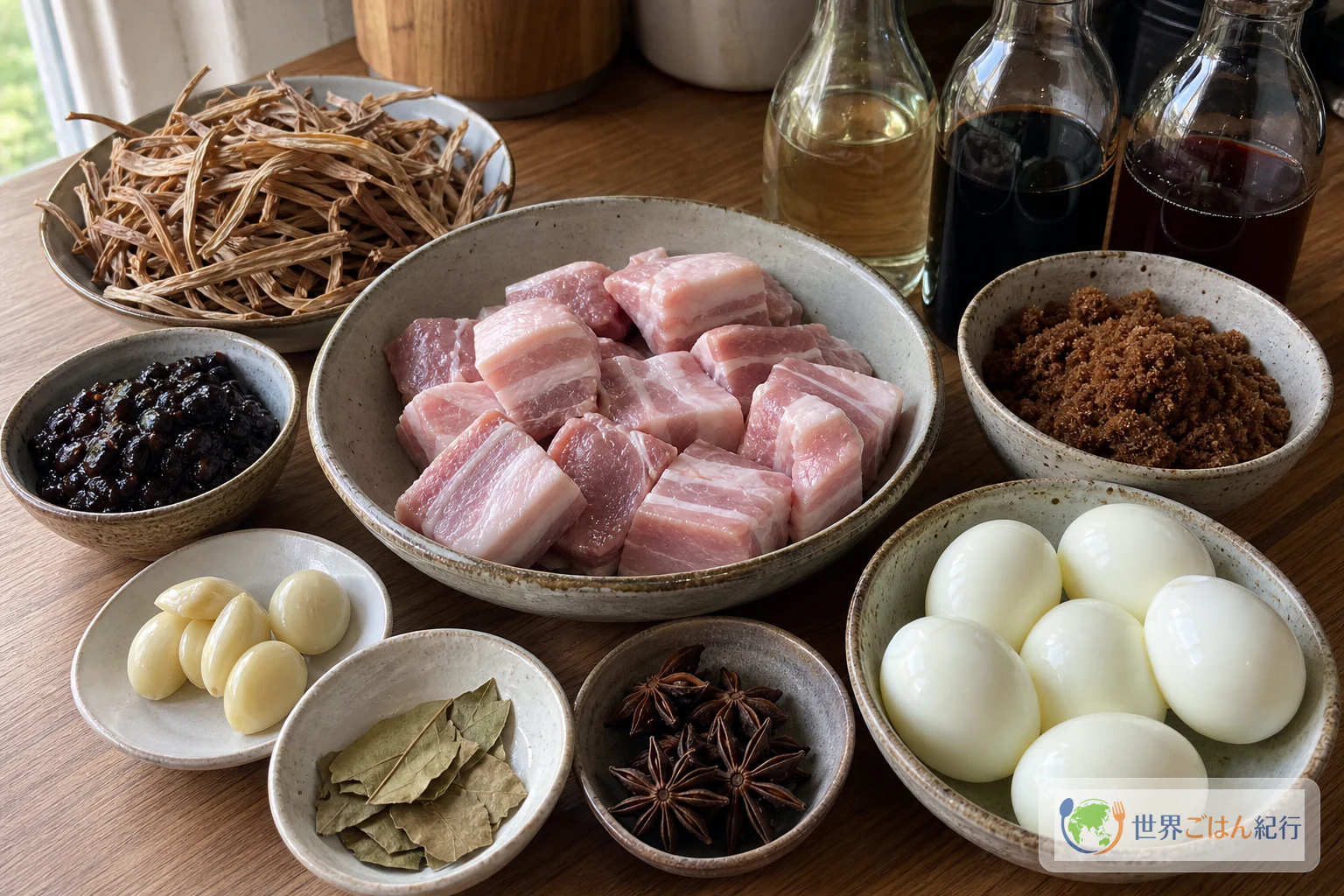
| Local element | Role | Practical home option |
|---|---|---|
| Tausi | Salty, savory depth of fermented black beans | Rinse Chinese fermented black beans (douchi) and use those |
| Coconut vinegar | Tang that keeps the sweet sauce from turning heavy | Mix rice vinegar with Chinese black vinegar |
| Muscovado sugar | Deep sweetness close to dark brown sugar | Dark brown sugar, raw cane sugar, light brown sugar |
| Banana blossom | Fibrous texture that soaks up the sauce | Dried is ideal. Without it, simply leave it out |
| Pork belly | Main source of fat and flavor | A slab of pork belly. For a lighter version, pork shoulder |
Banana blossoms and pork
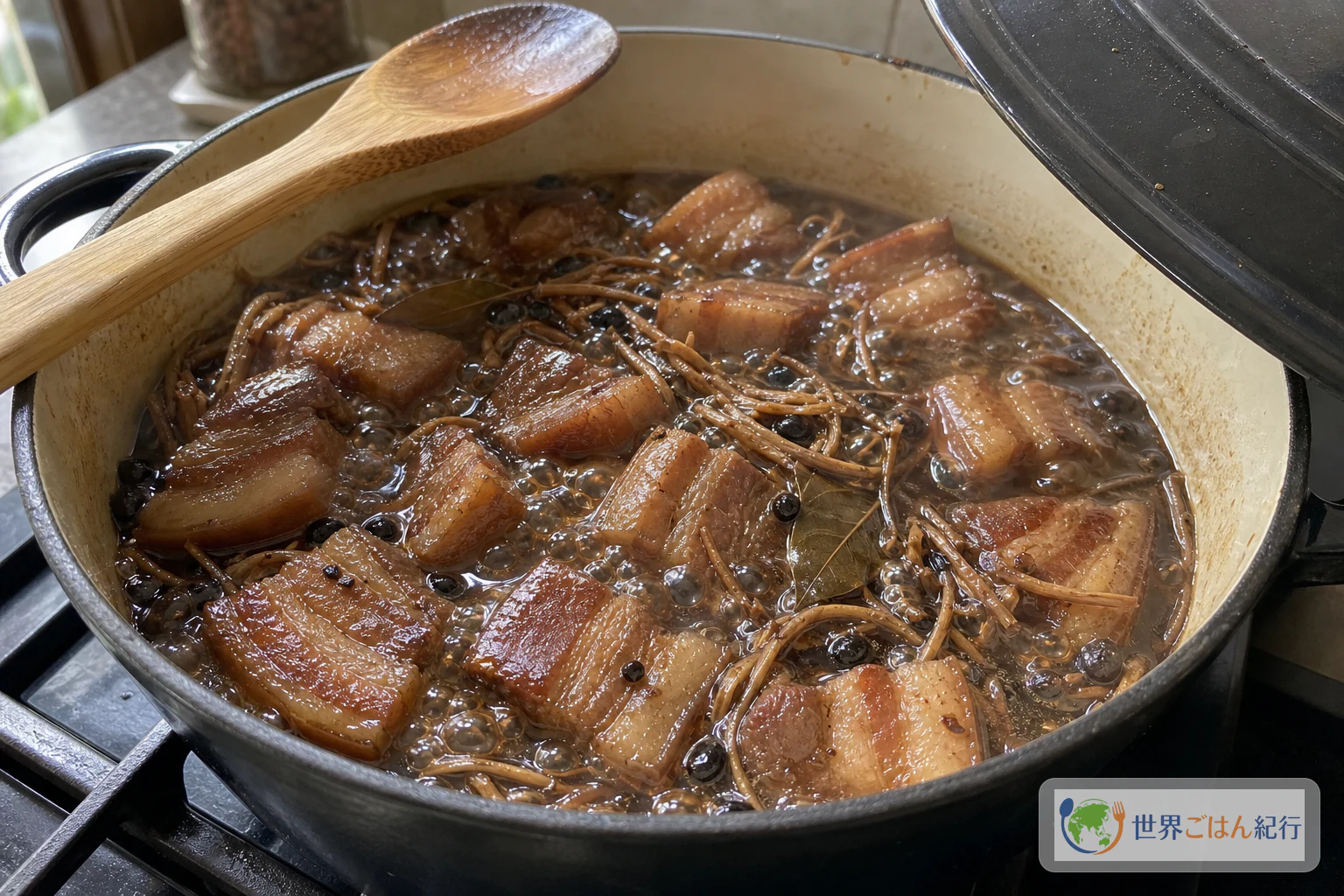
Add banana blossoms if you can get them. They aren't the star the way the meat is, but they soak up the sauce, and their fine fibers come apart as you chew. Look for them dried or canned at international and Asian grocery stores. If you can't find them, leave them out rather than forcing a substitute like burdock root or mushrooms. Those bring a different texture to the front, and it clashes with the sweet sauce.
If the fat in pork belly worries you, mix in some pork shoulder. Shoulder alone weakens the roundness of the sauce, so use 1.25 lb (600 g) shoulder plus 7 oz (200 g) belly. Leave some fat on so it can melt into the sauce.
Method
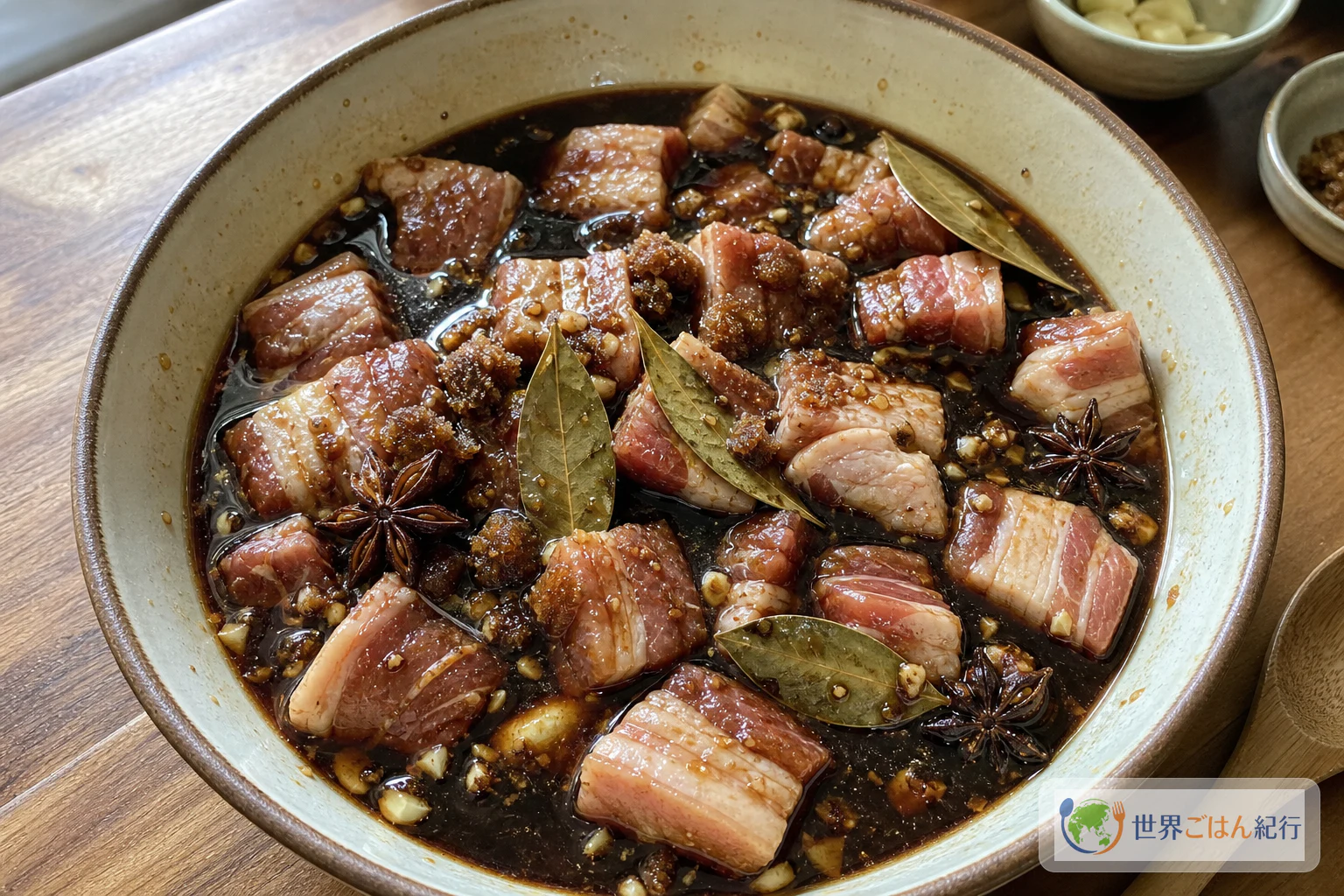
You can make humba by putting everything in the pot and braising it, but searing the pork belly first and rendering its fat gives a more focused flavor. Don't rush it over high heat; waiting over low heat until the meat fibers loosen is the surest shortcut.
Humba troubleshooting
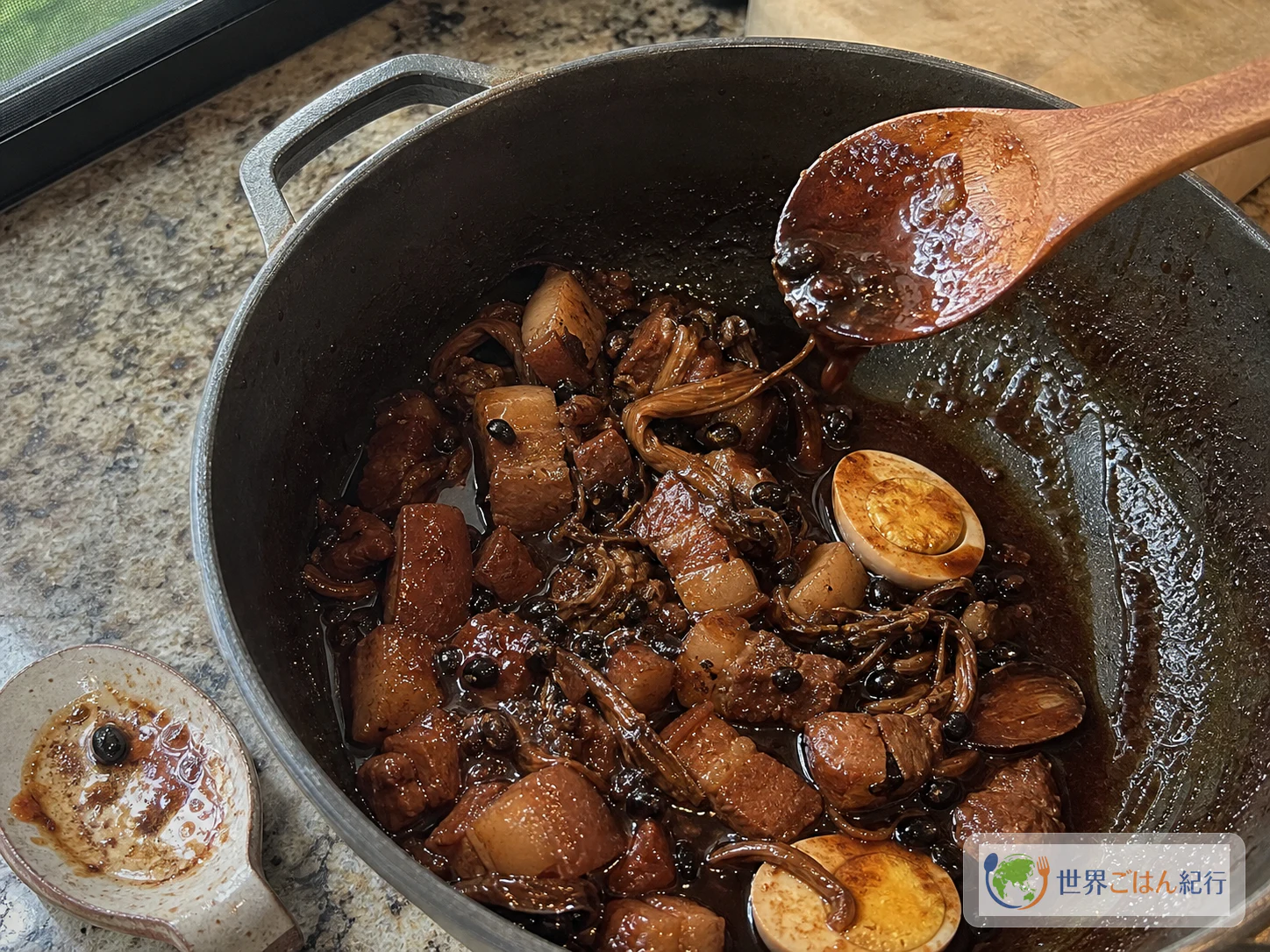
Most humba mistakes show up in the sauce. It tastes flat however much sugar you add, or heavy despite the vinegar, or the pot scorches before the meat is tender. These look unrelated, but they share a cause: the heat, and how you reduce the liquid.
If it tastes only sweet, you used too little tausi or boiled off the vinegar too early. Tausi brings fermented aroma as well as salt, and without it the dish drifts toward adobo with sugar. Adding the vinegar at the start of braising is fine. A hard boil, though, drives off its aroma and leaves only sweetness.
If it turns too salty, the tausi and the soy sauce are stacking up. Taste about 1/2 tsp of the canned tausi or fermented black beans before adding them. If they're very salty, rinse them briefly in water and cut the soy sauce to 3 tbsp.
If the liquid reduces but the meat stays tough, the heat is too high. Keep it at small bubbles over low heat, and add water 3.5 tbsp (50 ml) at a time as it reduces. If you go for the glaze before the meat is tender, it ends up dark outside and tough inside.
If sugar and soy sauce start to scorch on the bottom of the pot, turn off the heat, add 3.5 tbsp (50 ml) water and scrape the bottom with a wooden spatula. If the burnt smell is strong, move just the meat and the top layer of sauce to a clean pot. Stirring in the blackened bits makes bitterness win over the aroma of the tausi.
A pressure cooker is a practical time-saver if you braise often. To use one for step 5, add the liquid, cook at pressure for 20 minutes and allow 10 minutes of natural release. Then remove the lid and do steps 6 and 7 as you would in a regular pot. If you finish it all in the pressure cooker, the meat tends to fall apart before the sauce turns glossy.
Serving and storing humba
Serving
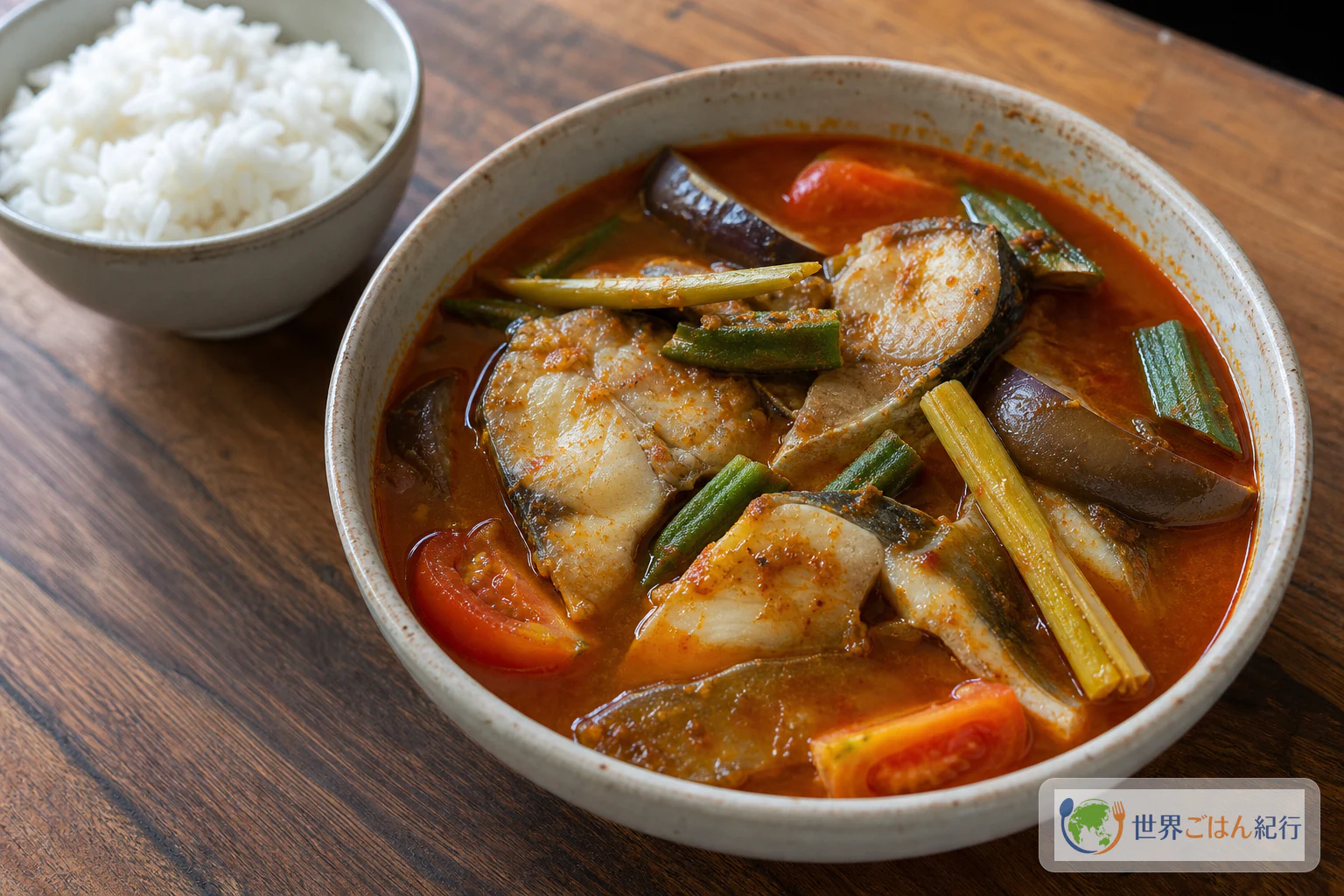
Humba is rich on its own, and white rice brings it into balance: a piece of meat, a little sauce and plenty of rice in each bite. For sides, choose something tangy and fresh rather than more fat. Next to other Filipino dishes, tangy sinigang or gentle chicken tinola keep the table lighter than savory longganisa. Save sisig, chopped pork seared on a hot plate, for another day so the richness doesn't double up.
For an easy side, slice 1 cucumber on the diagonal 0.25 inch (5 mm) thick. Let it sit for 10 minutes with 1/4 tsp salt, 2 tsp vinegar and 1 tsp sugar. It's simpler than Filipino atchara but does the same job of refreshing your palate. If the sauce leans too sweet, squeeze some lime or lemon over it at the table.
Some households add pineapple for a sweet-and-sour version. Others finish it dark and rich with just sugar and tausi. For your first batch, leave out the pineapple so you can taste the tausi and vinegar more clearly.
Storage and reheating
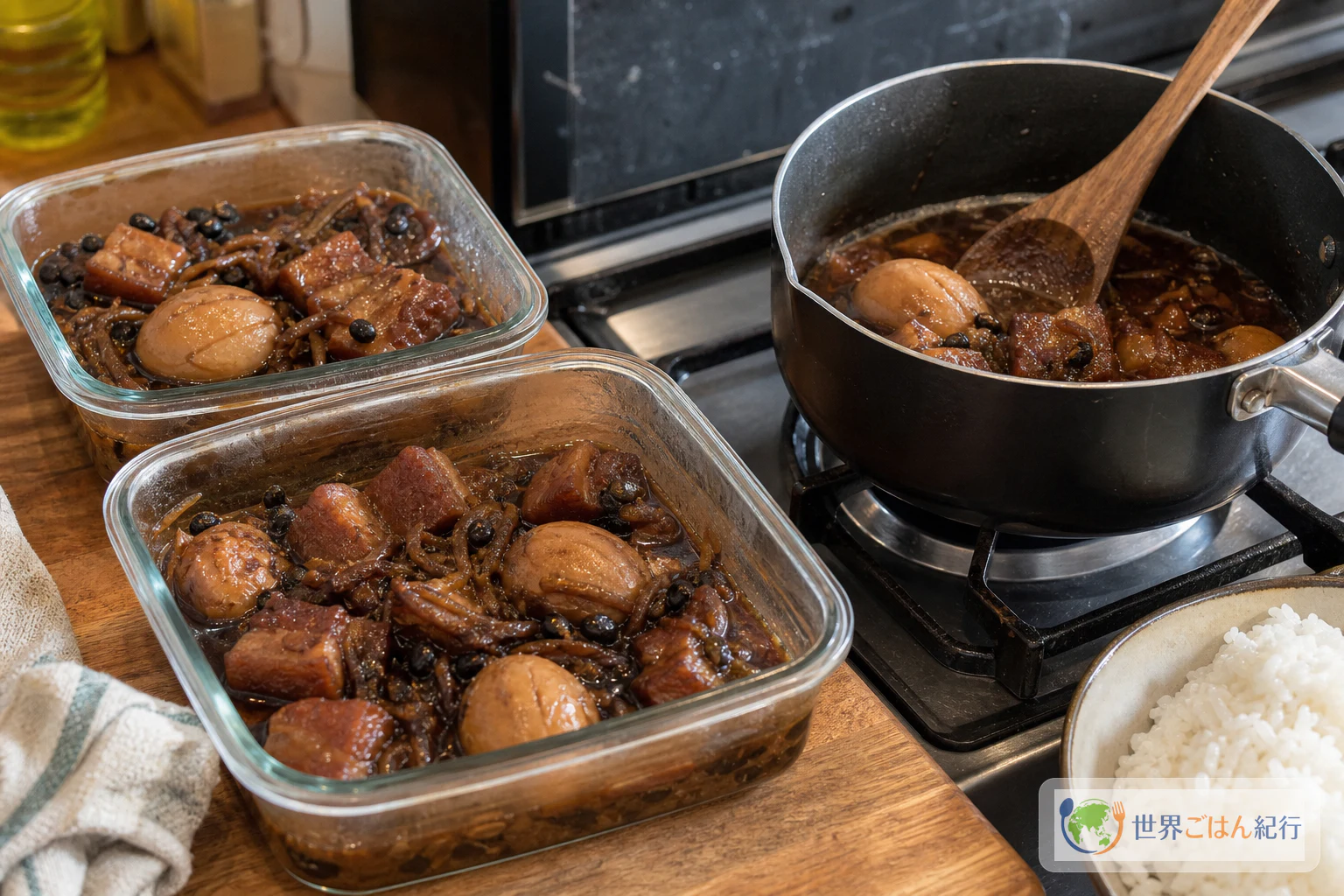
Humba keeps well, but it contains pork and eggs, so cool it quickly. Once the meal is over, don't leave it in a deep pot. Divide the meat, eggs and sauce into shallow containers and refrigerate them once they stop steaming. Eat it within 2 days. To keep it longer, take out the eggs and freeze only the meat and sauce.
Low heat is best for reheating. Put 1 serving of humba and 2 tbsp water in a small pot and warm it over low heat for 6 to 8 minutes, until it bubbles. The fat sets white as it cools, but removing all of it takes away the roundness of the sauce. If it feels too rich, lift off half the set fat and stir the rest back in.
To use a microwave, put the humba in a deep microwave-safe container. Heat it at 600 W for 1 minute 30 seconds, stir once, then continue in 40-second bursts. Cut the eggs in half first, because whole eggs can burst. It's ready when it's hot to the center and the sauce has turned syrupy again.
Leftovers make good fried rice: chop the meat small and fry it with rice and 2 tsp of the sauce. Halved eggs also work in a lunch box, but the sauce is strong, so pack plenty of white rice.
Frequently asked questions
Can I substitute Chinese fermented black beans for tausi?
Yes. Chinese fermented black beans (douchi) are quite salty, so rinse them for about 10 seconds and chop them coarsely. Rinse off only the surface salt, because washing them too well strips out the fermented aroma. If you have no fermented black beans either, use 1 tsp miso and 1 tsp soy sauce, though you'll lose the texture and aroma of whole beans.
I don't have coconut vinegar. Can I use regular vinegar?
Yes. Mixing 3 tbsp rice vinegar with 1 tbsp Chinese black vinegar gives a rounder result than white vinegar alone. Apple cider vinegar pushes the aroma in a Western direction, so build your first batch around rice vinegar. Too little acidity makes it taste like plain sweet braised pork belly, so taste after reducing and add 1 tsp vinegar if needed.
What is the biggest difference between humba and adobo?
Humba stands out for four things: sweetness, tausi, searing and a glossy glaze. Adobo keeps its vinegar and soy sauce liquid fairly clean. Humba sears pork belly to render the fat, then thickens the sauce with sugar and fermented black beans. On the plate, it's closer to sweet-savory braised pork belly than to a sour stew.
What side dishes keep the meal from getting heavy?
Tangy sides like cucumber, tomato and atchara work well. For an all-Filipino table, skip a second rich pork dish. Try chicken-soup tinola, tangy sinigang, or pinakbet, vegetables with shrimp paste.