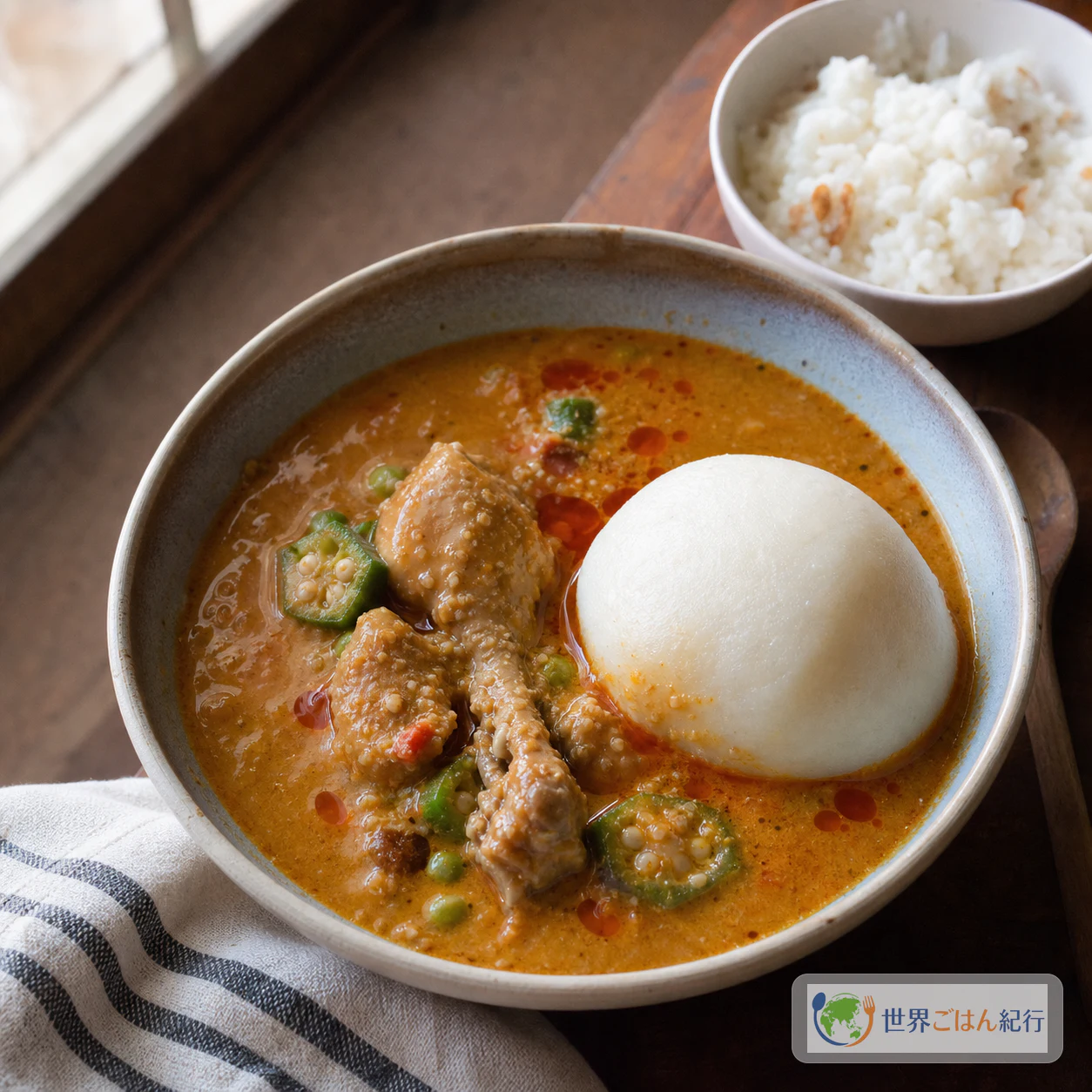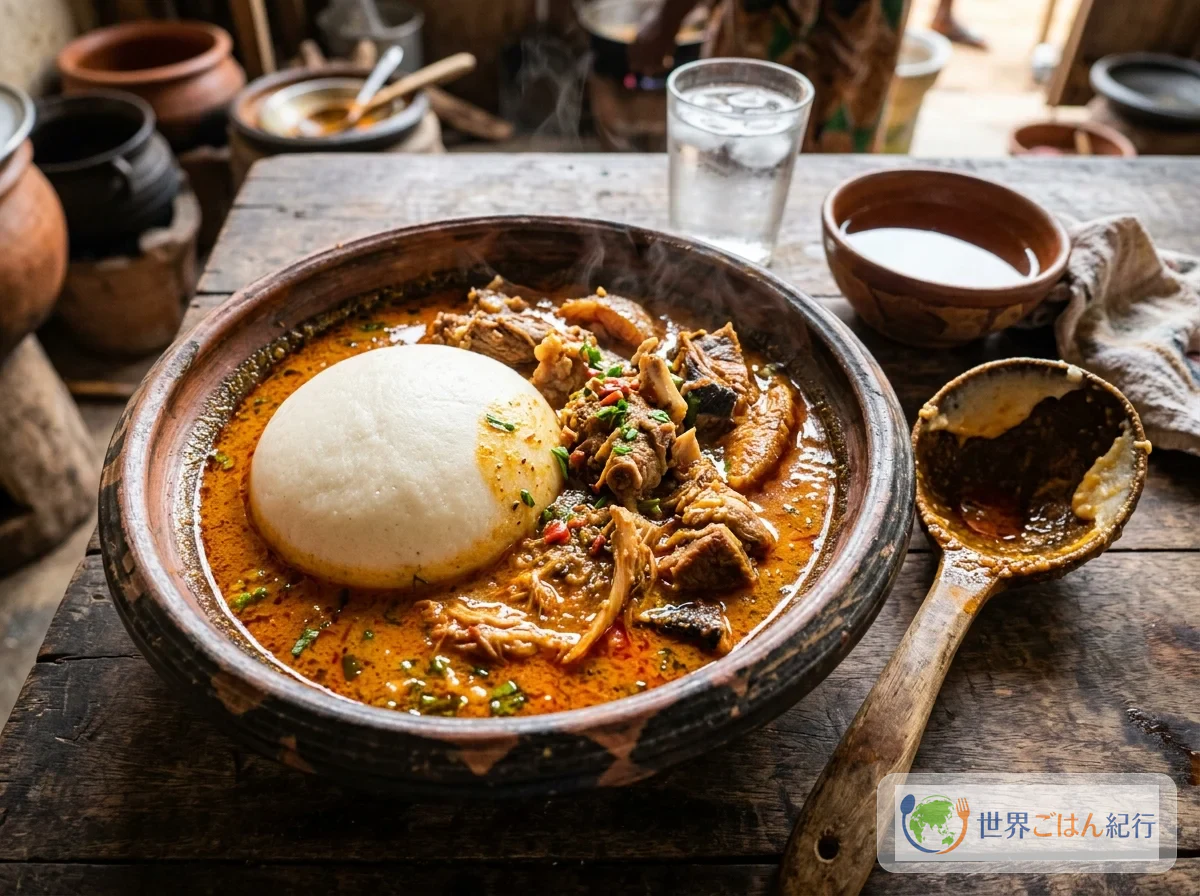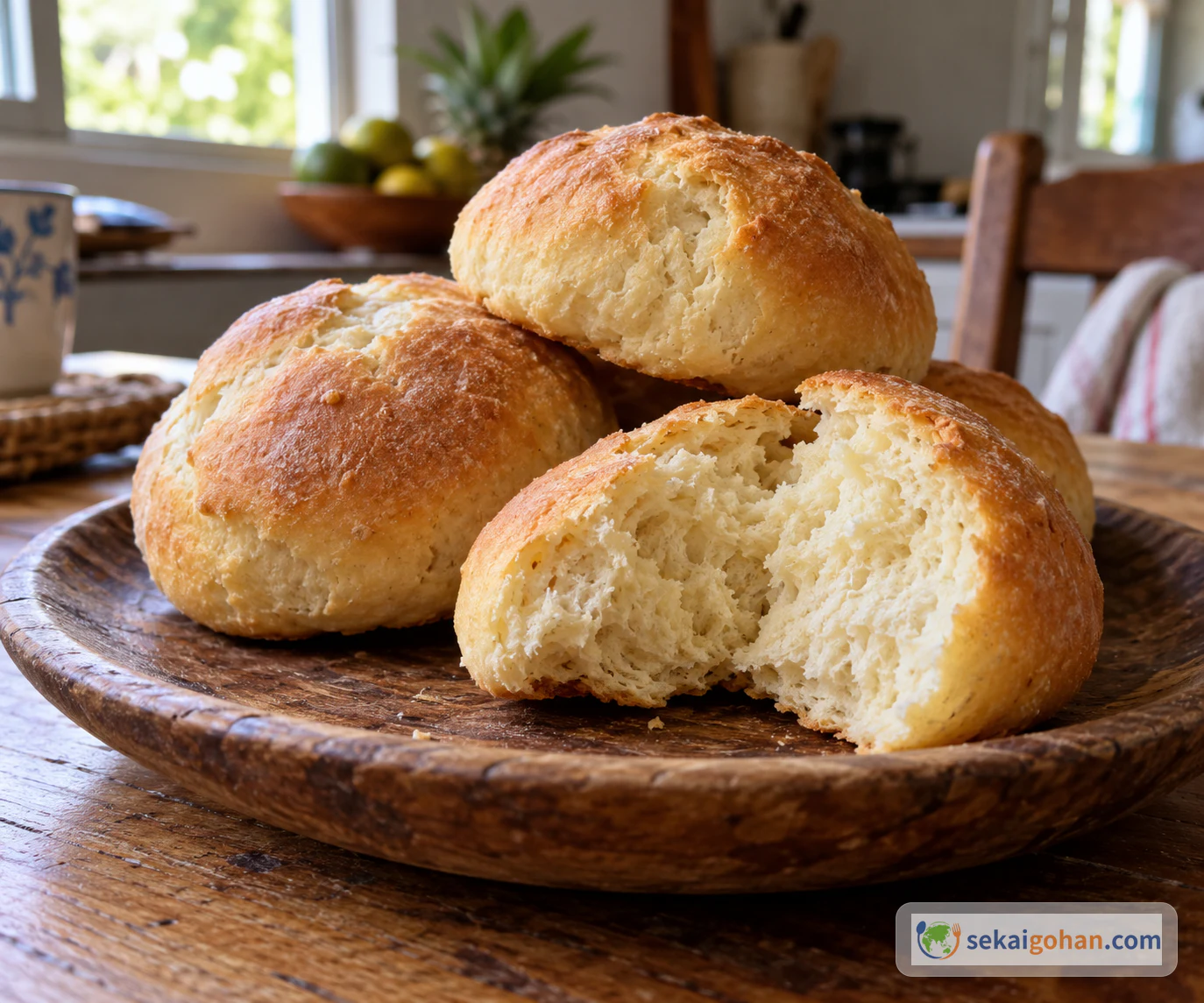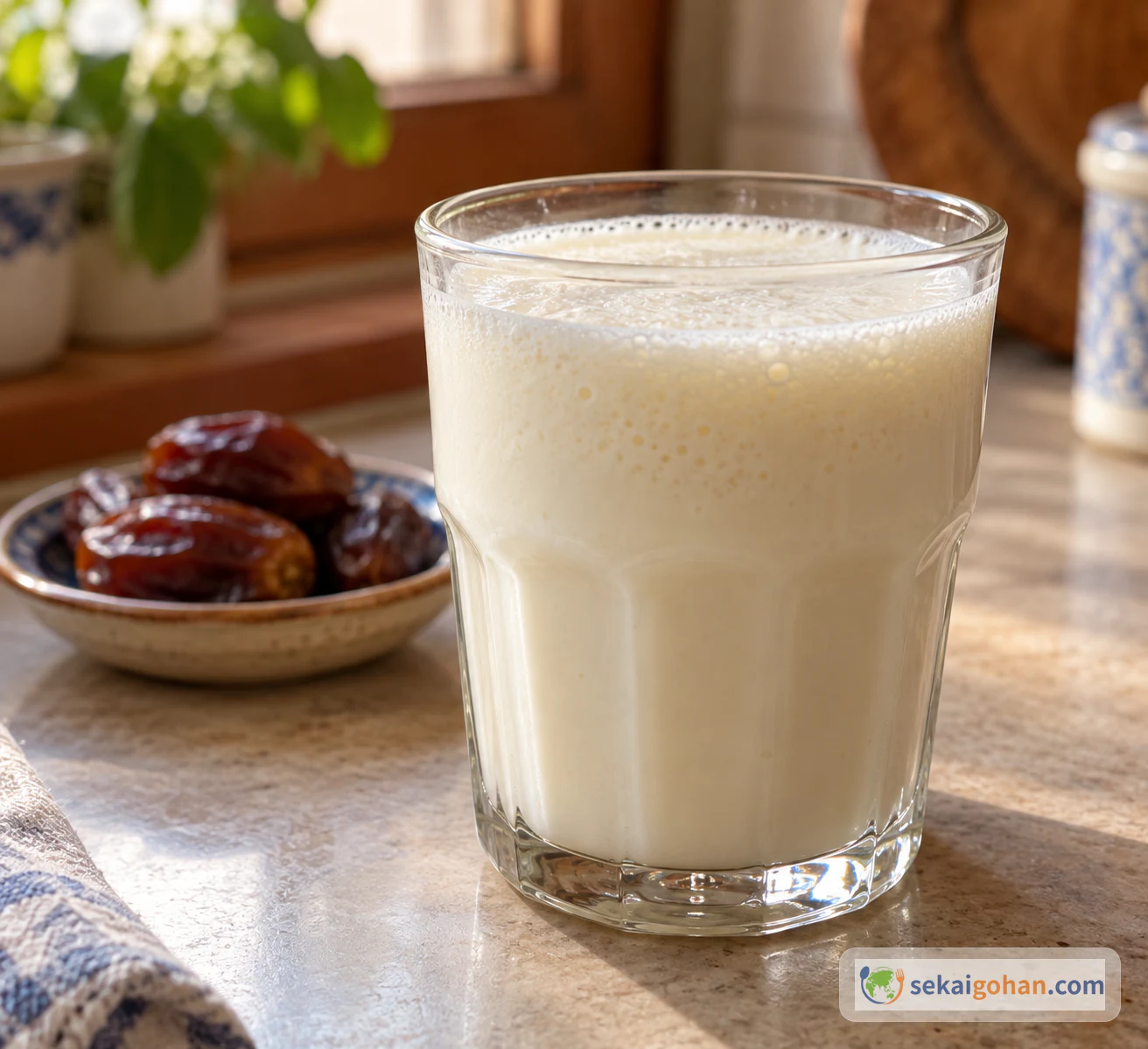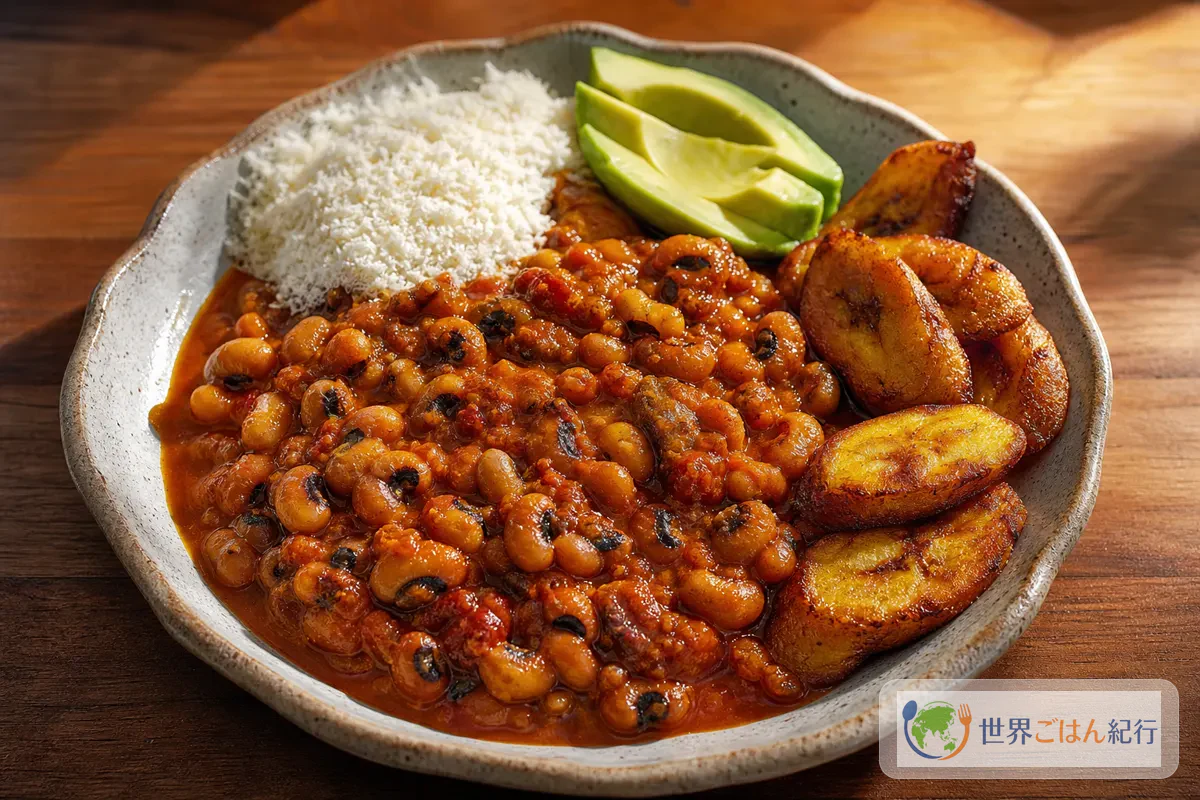
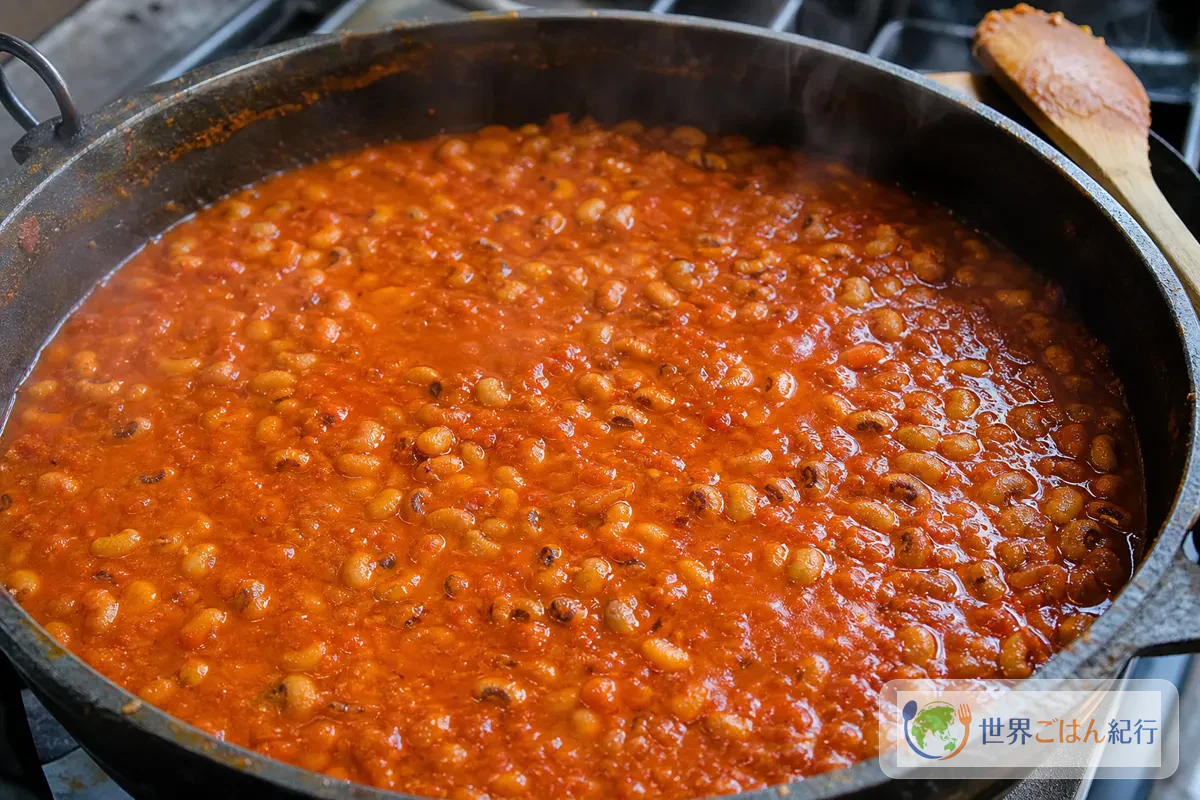
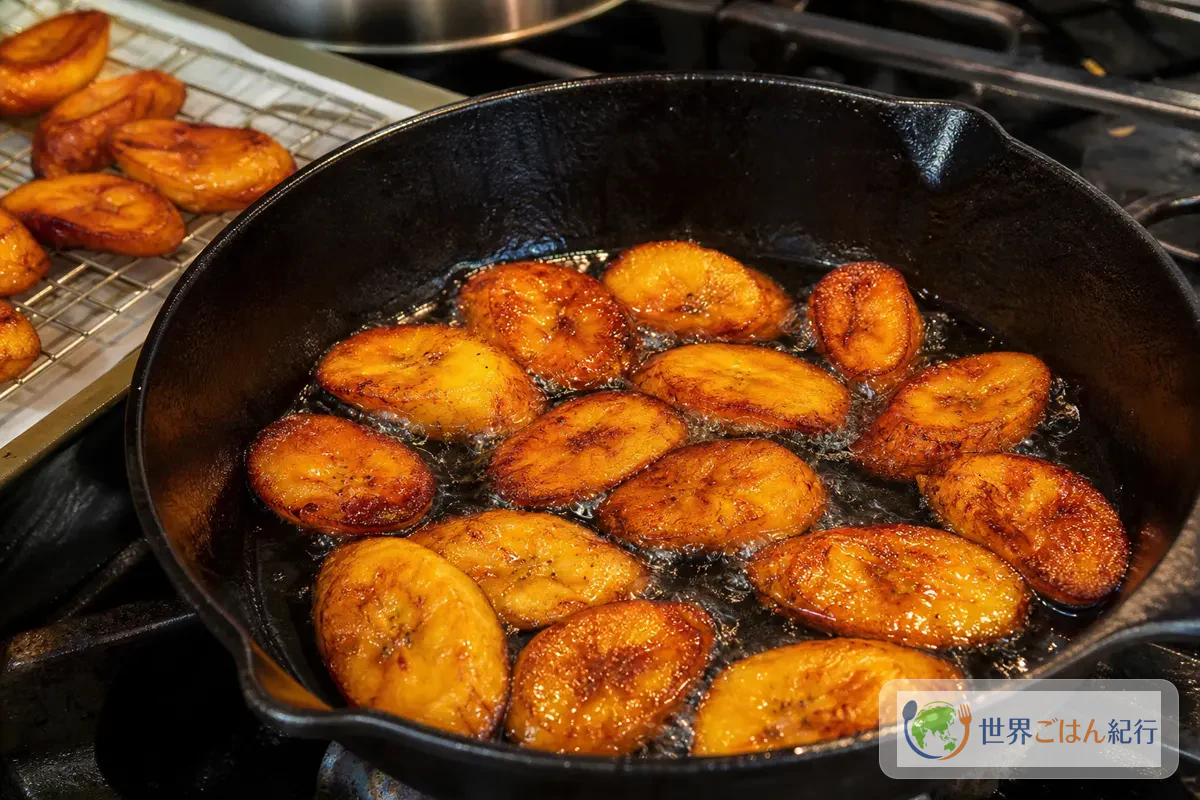
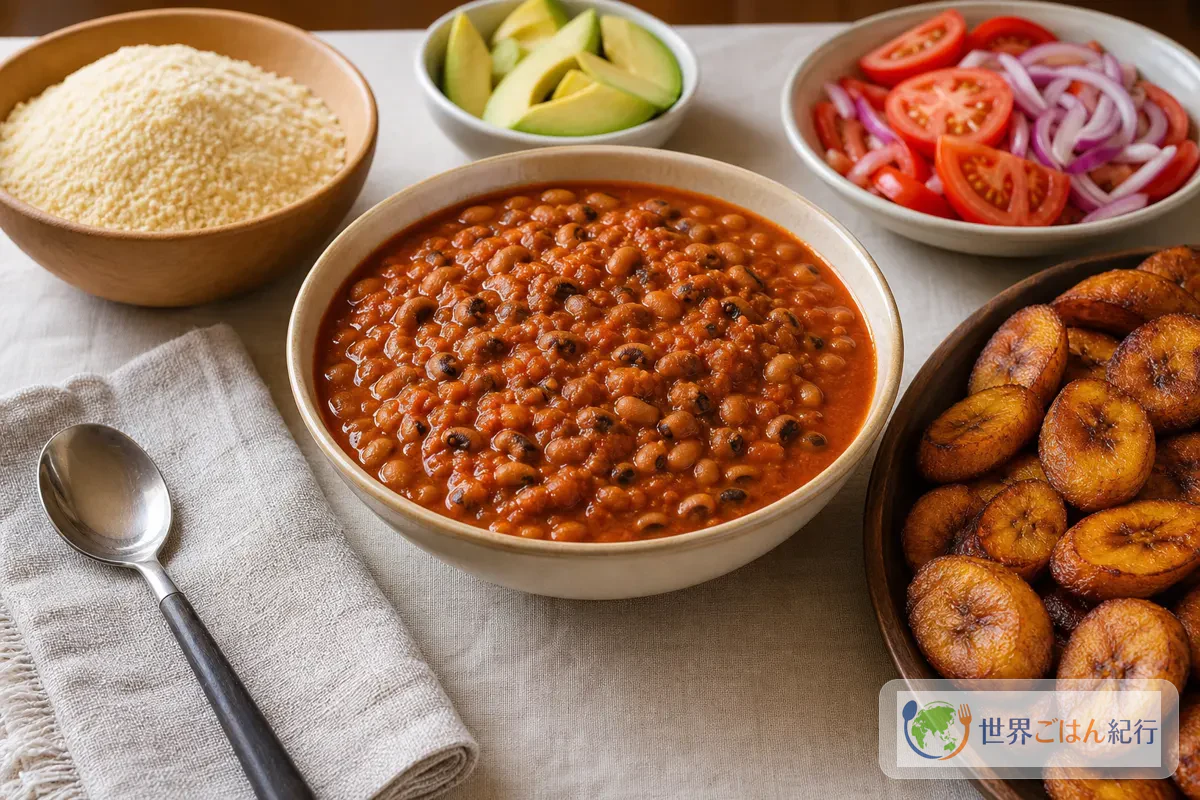
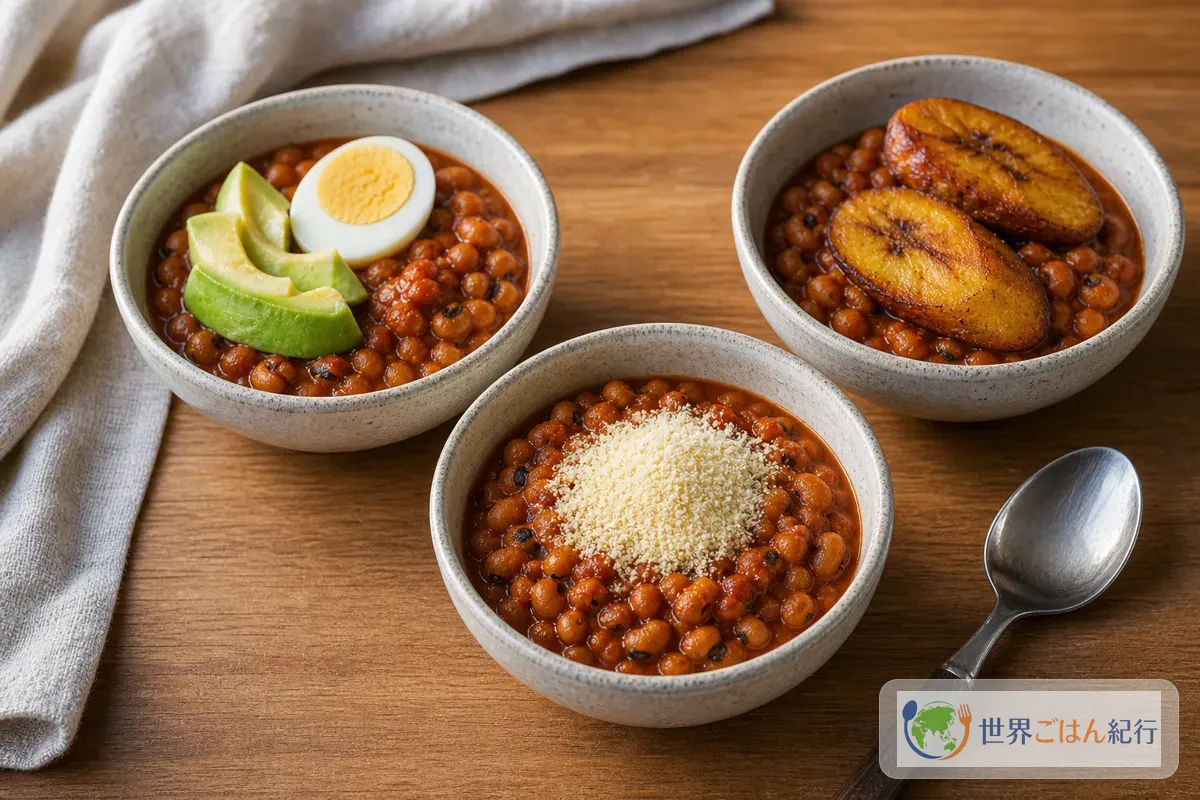
When you sauté onion in red palm oil, the aroma that rises is different from an ordinary tomato stew: a little earthy and nutty, and the pot takes on the color of a sunset. Add black-eyed peas, and a plain pot of beans suddenly becomes a proper meal. Red red is Ghana's much-loved black-eyed pea stew, simmered with onion, tomato, chili, ginger, and garlic in red palm oil and served with fried plantain and gari. It is filling and mildly sweet, and it satisfies even without meat.
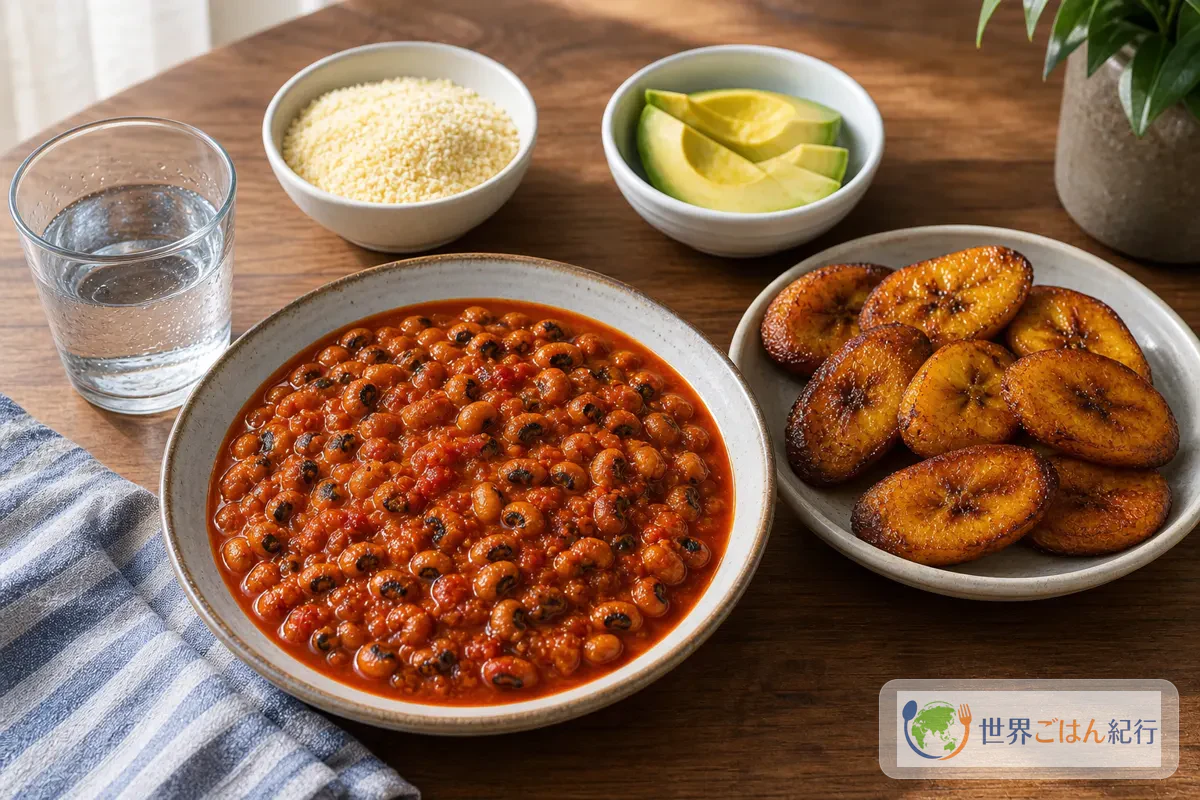
The name Red Red refers to the red of the stew, colored by red palm oil and tomato, overlapping with the deep golden color of fried plantain. At Ghanaian eateries and street stalls, it is also called Gob3, Yor ke Gari, or Yɔ kɛ Gari, a bean dish served with gari.
Red Red in Southern Ghana
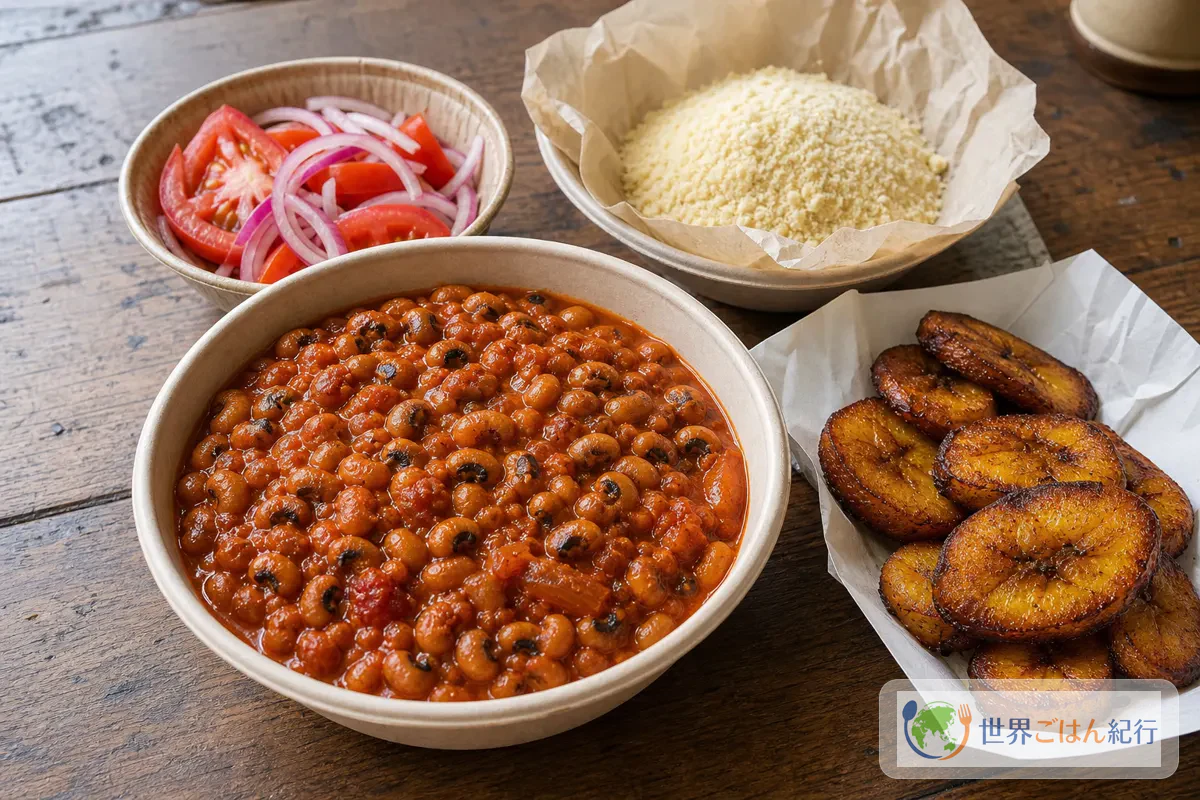
In southern Ghana, red red is everyday food. You'll find it at street-corner stalls, at schools, at workplace lunches, and simmering in home pots. Students and workers love it because it is affordable and keeps you full.
It is easy to confuse with waakye, another Ghanaian bean dish. Waakye cooks rice and beans together, then gets topped with shito, egg, gari, spaghetti, and more. Red red centers on a bean stew instead of rice, and gari comes on the side to take up the moisture and oil. Both put beans at the heart of the meal, but the textures are quite different. Kelewele, the third dish in the table below, is fried ripe plantain.
| What to look at | Red red | Waakye | Kelewele |
|---|---|---|---|
| Star | Red stew of black-eyed peas | Rice and black-eyed peas cooked together | Fried ripe plantain |
| Axis of aroma | Red palm oil, tomato, ginger | Bean cooking liquid, sorghum leaves, shito | Ginger, chili, sweet caramelization |
| Common accompaniments | Gari, fried plantain, egg, avocado | Egg, fish, spaghetti, gari, shito | Peanuts, shito |
| Ingredients to protect outside Ghana | Black-eyed peas and red palm oil | Black-eyed peas and long-grain rice | Ripe plantain and fresh ginger |
What makes red red work is the whole plate: the aroma of red palm oil, the powdery grains of gari, sweet plantain, and the mildness of avocado or egg. Beans, oil, starch, and sweetness all come together, so it looks less like plain tomato beans and more like a Ghanaian table.
Ingredients (serves 4): Built on Black-Eyed Peas and Red Palm Oil
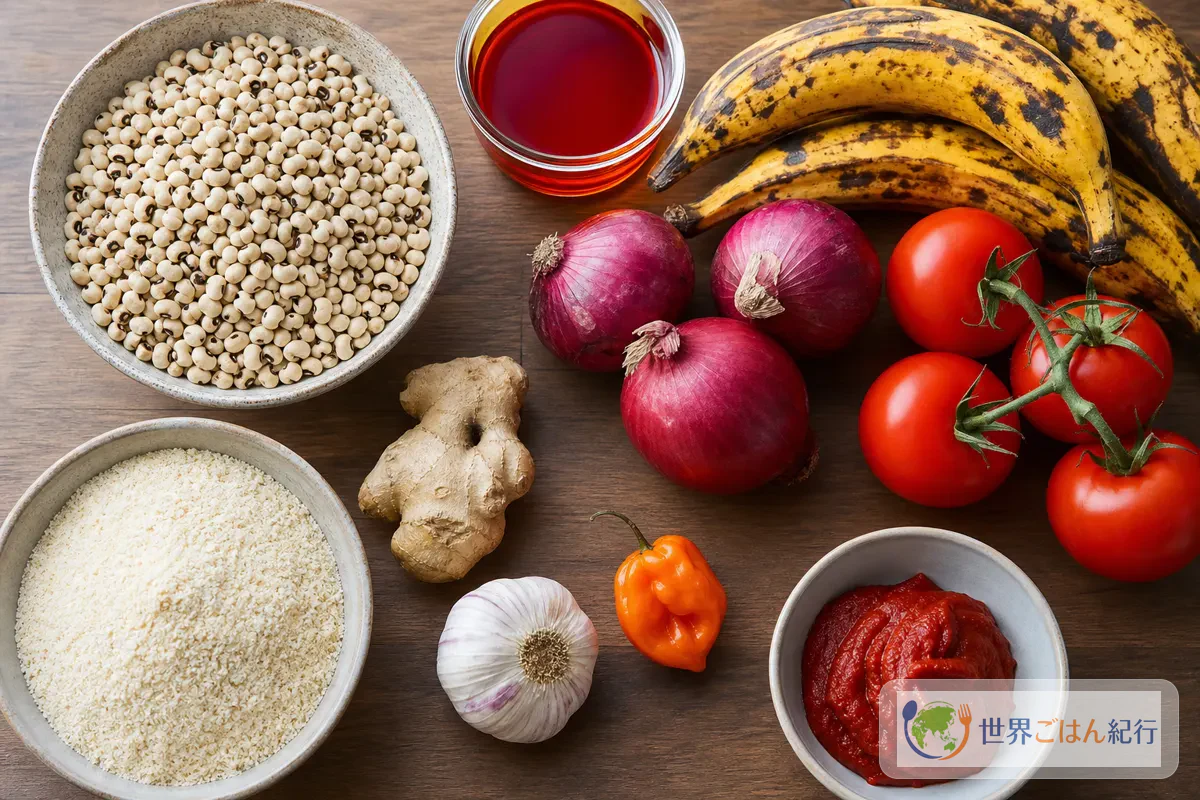
This makes a lunch-size portion for 4. If red red is the only main dish, serve it with fried plantain or white rice. If you serve it alongside waakye or jollof rice, use a smaller portion of the bean stew.
The basic form is beans, oil, and vegetables. You can add fish powder, dried shrimp, bouillon, and egg. Check labels for crustaceans, egg, soy, and wheat. Chili makes it distinctly hot, even at 1/2 tsp. When eating with family, serve chili sauce on a separate plate so each person can adjust the heat safely.
Ingredients Used in This Dish
Black-eyed peas also work for waakye, so a 2.25 lb (1 kg) bag has plenty of uses. Leftover beans from red red can go next to waakye or Nigerian egusi soup.
Red palm oil creates the aroma and color of this dish. For health reasons, use it in small amounts. It is the oil that gives Ghanaian cooking its outline.
Gari is granulated cassava meal that soaks up the oil and moisture of the beans. White rice works too, but a little gari sprinkled on top instantly brings out the street-stall feel of Ghana.
Choosing Ingredients for Red Red
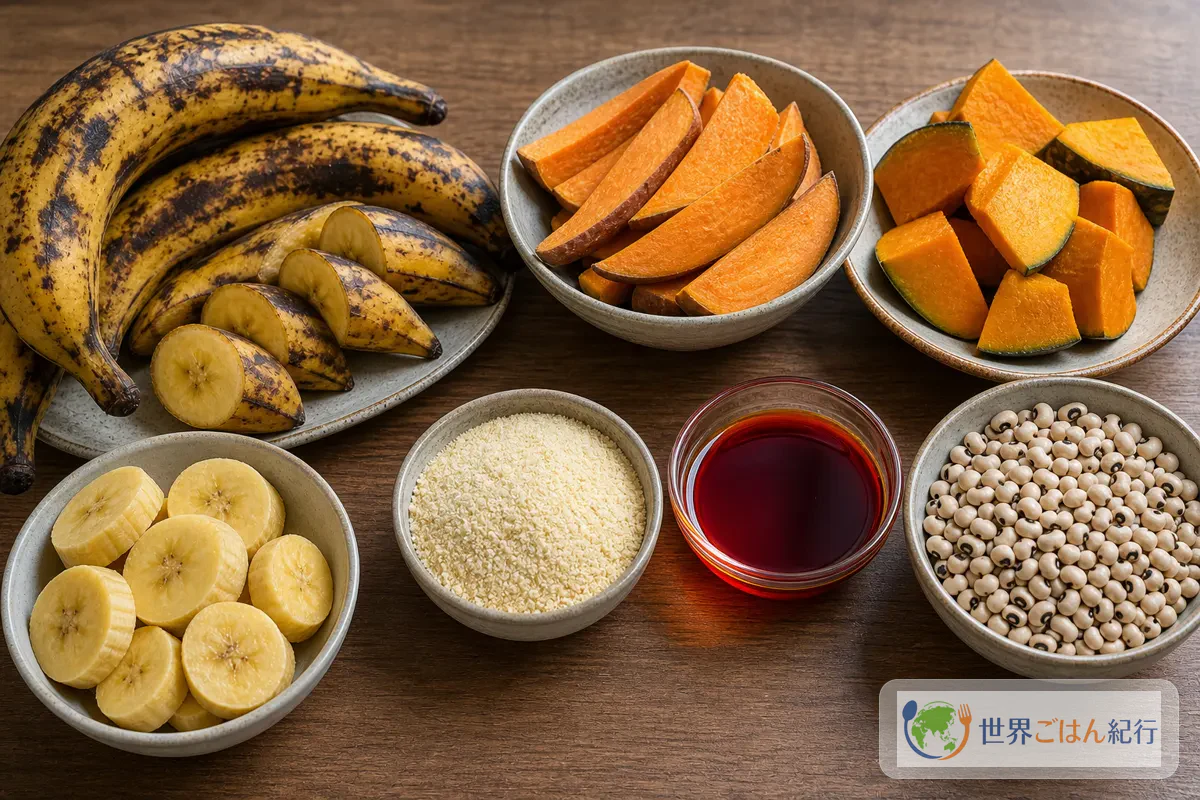
Outside Ghana, four ingredients are hard to find: black-eyed peas, red palm oil, gari, and plantain. Chasing every one of them wears you out at the shop, so set your priorities in that order. The first time, make it with dried black-eyed peas, red palm oil, canned tomatoes, onion, ginger, garlic, and chili, and add gari and plantain if you find them.
Black-eyed peas and red palm oil
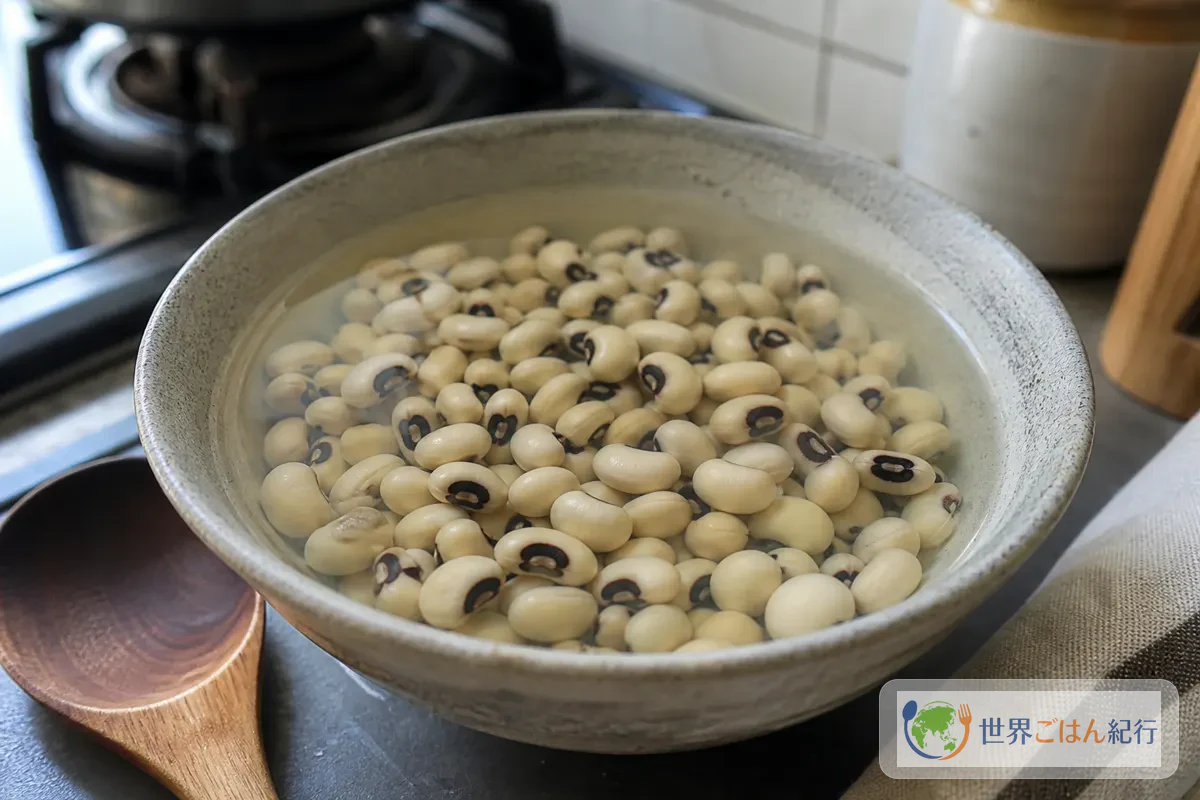
Black-eyed peas come first, because the texture of red red depends on them. Their thin skins and tender flesh blend into the sauce in a way kidney beans (sweet and heavy) and soybeans (firm-skinned) don't. If dried beans are hard to find, canned black-eyed peas are the closest substitute.
Red palm oil gives the dish its color and a slightly smoky aroma, so include it if you can. If the distinctive aroma isn't for you, reduce it to 2 tbsp and make up the rest with rapeseed oil. Leave it out entirely and the dish drifts toward tomato beans.
Gari and plantain
Gari changes how you eat the dish. Its grains soak up oil and cooking liquid, loosen the beans in your mouth, and hold beans and plantain together. White rice is the most realistic stand-in, and couscous, baguette, or thin flatbread also work, but that feeling of grains drinking up the oil is hard to replace. It's worth tracking down gari at least once.
Plantain is what makes the plate satisfying. Ordinary bananas are sweet and break down easily, so they are a weak substitute; fully ripe ones are too sweet and soft to use at all. If you must, cut firm bananas at least 0.5 inches (1.5 cm) thick, handle them gently, and shallow-fry briefly rather than deep-fry. Roasted sweet potato on the side is another option, though it is less a substitute than a way to bring the dish to a Japanese table.
| Ingredient | Closer to authentic | Realistic option outside Ghana | What changes if you substitute too much |
|---|---|---|---|
| Black-eyed peas | Dried black-eyed peas soaked overnight | Canned black-eyed peas, boiled cowpeas | Kidney beans or soybeans give a heavier texture |
| Red palm oil | A flavorful red palm oil | Red palm oil, 2 to 3 tbsp | With rapeseed oil alone it becomes tomato bean stew |
| Gari | Gari from West Africa | White rice, couscous, bread | The grain texture and street-stall feel weaken |
| Plantain | Ripe yellow cooking banana | Firm ordinary banana, shallow-fried | Sweet and prone to breaking, closer to a different dish |
| Chili | Scotch bonnet | Cayenne, chili flakes, a little green chili | The quality of heat changes but is easy to adjust |
Seafood additions
Some recipes add fish, dried shrimp, canned tuna, crayfish, or bouillon. Make the vegetarian-leaning version first so you get to know how the beans and red palm oil taste together. Next time, just 1 tsp ground dried shrimp brings a clear savoriness of the sea.
Red palm oil has a strong color and stains cloth and wooden spoons easily. It turns bitter if it smokes at high heat, so bring out its aroma over medium-low heat. For health reasons, don't increase the amount. Keeping it to 2 to 3 tbsp makes it easy to eat at home.
Method: Don't Break Up the Beans, Reduce the Sauce Until Red
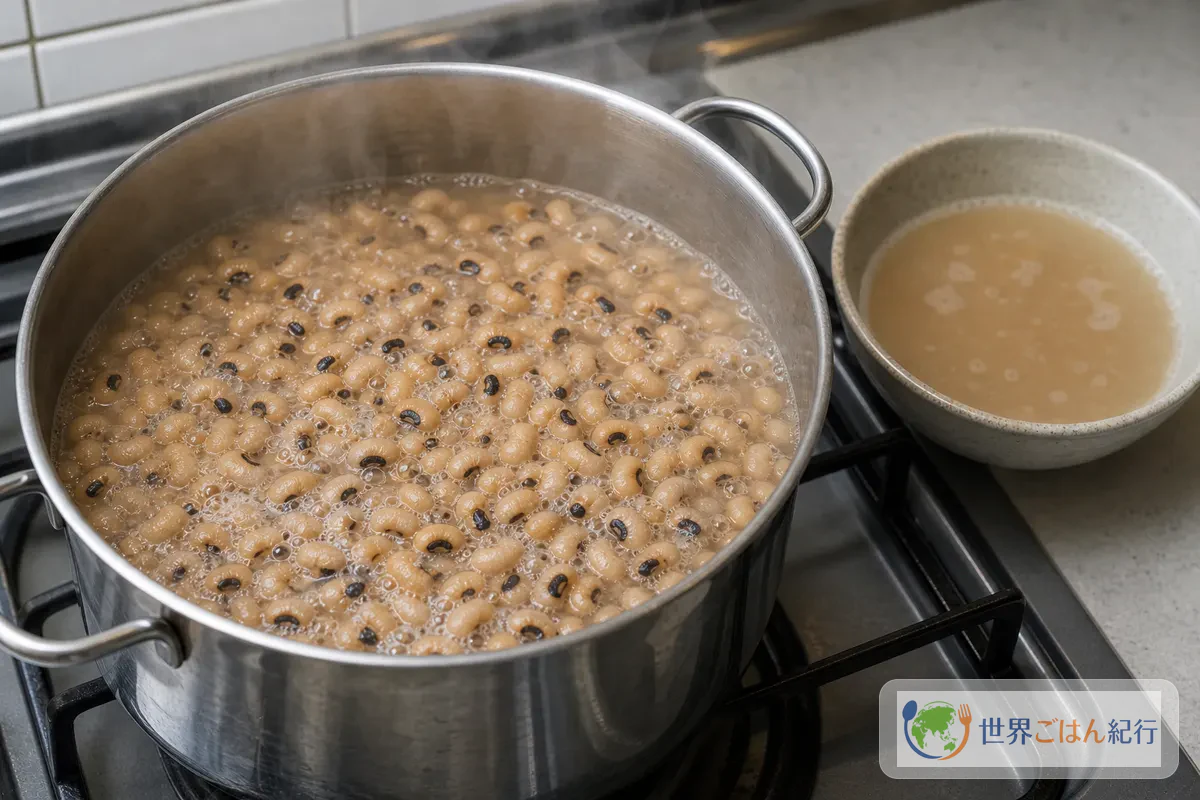
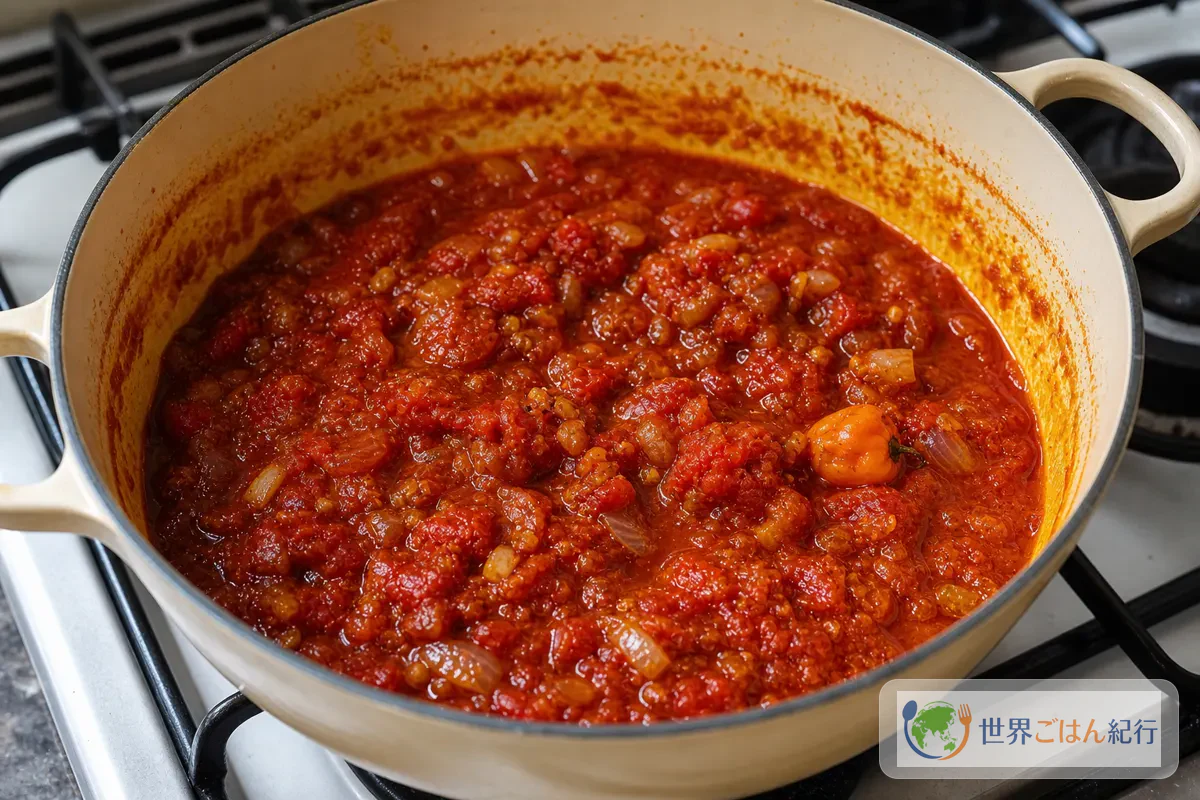
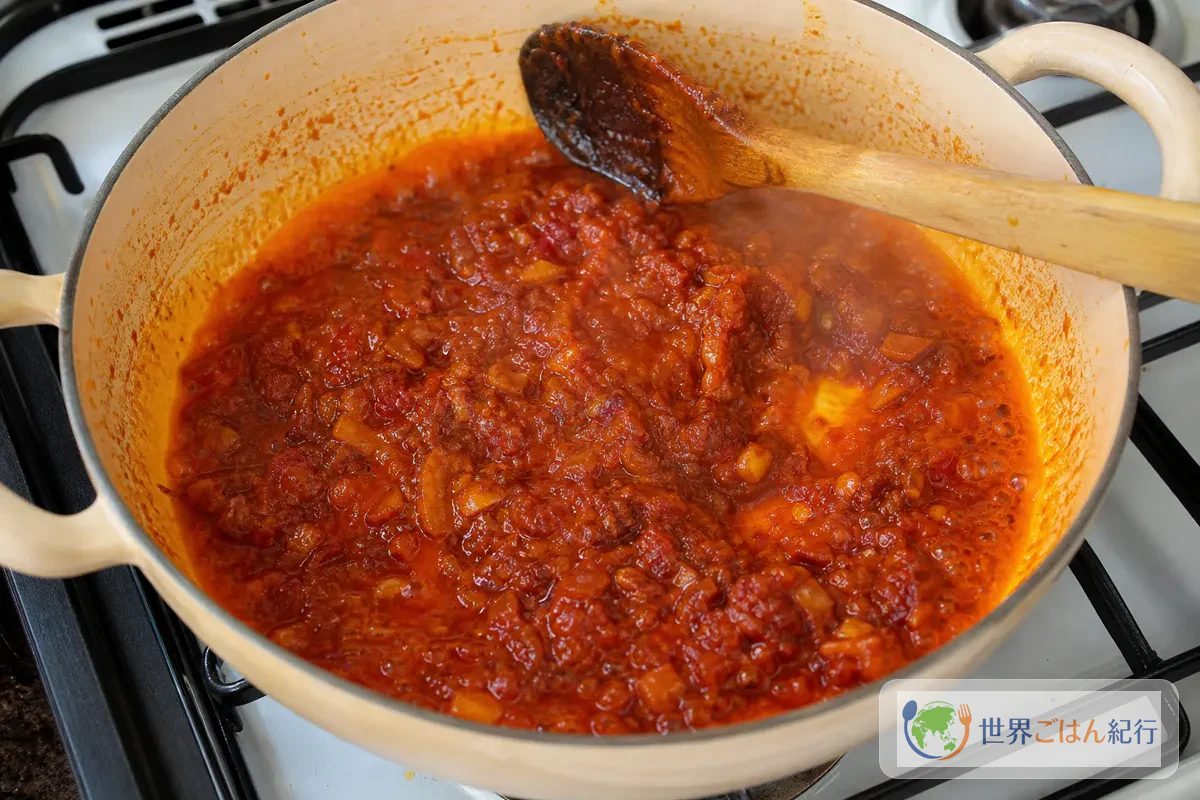
For red red, soften the beans first, make the red sauce in a separate pot, and combine at the end. If you simmer everything at once, the beans fall apart too much or the moisture of the tomato remains and blurs the flavor.
If using canned black-eyed peas, prepare 1 lb (480g) drained and skip steps 1 and 2. But canned beans break down easily, so 10 to 12 minutes is enough for the simmer in step 5. Use ½ cup (100ml) water in place of the cooking liquid, and adjust the salt at the end.
Common Red Red Problems
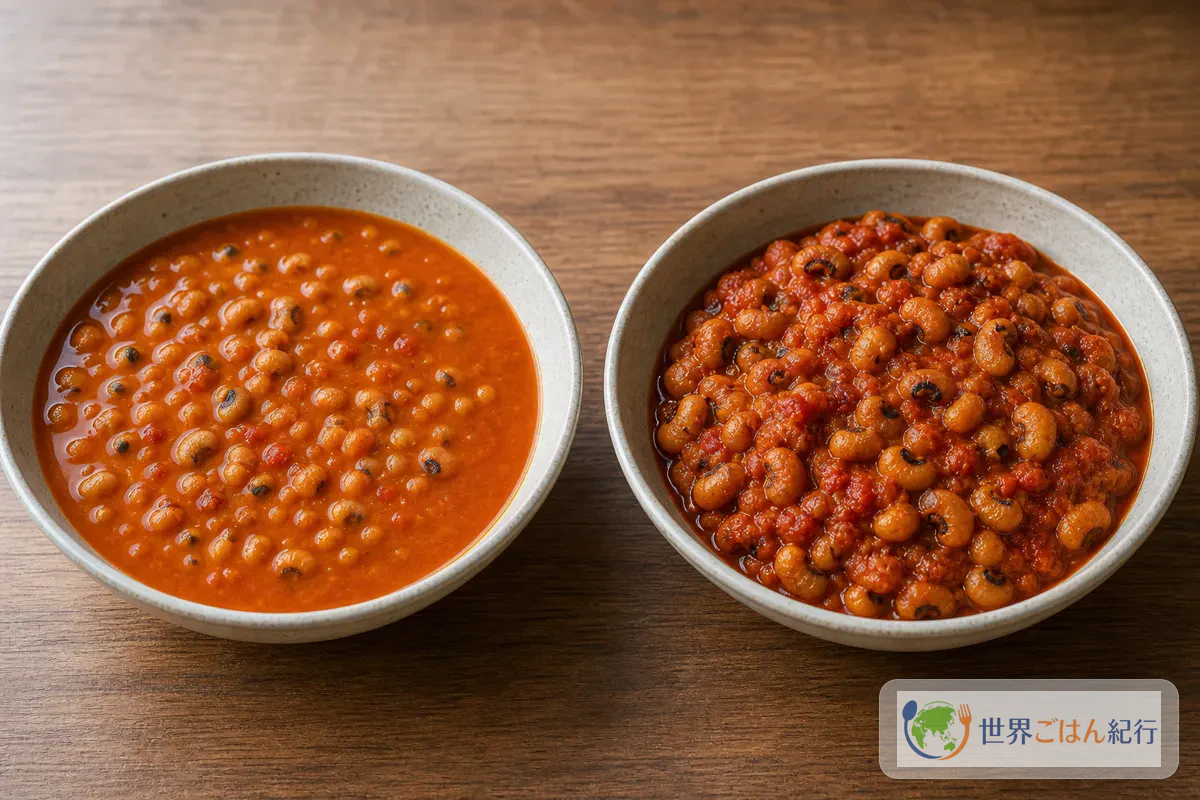
Red red usually goes wrong because of moisture and heat, not because of rare ingredients. If the beans, tomato, and oil look separate in the pot, they won't come together on the plate.
It turns watery
Either the tomato's moisture hasn't cooked off or too much bean liquid went in. Reducing the tomato sauce in step 3 until a trail from the wooden spoon briefly remains helps it cling to the beans. If the final simmer is still too loose, remove the lid and heat 5 minutes at a time over medium-low heat.
It turns oily
There is too much red palm oil, or the beans went in before the onion and tomato had taken up the oil. Even 3 tbsp gives plenty of color and aroma. If more than 2 tbsp of oil floats on the surface, skim a little with a spoon, but don't take it all or the aroma goes with it.
The beans break down too much
They were overcooked in the parboil. Stop when they crush under a finger but still keep their shape, and let them finish in the sauce. Canned beans break down especially easily, so don't stir hard after adding them; fold from the bottom of the pot in large movements.
Only the heat stands out
Too much chili went in at the start. The flavor of red red comes from ginger, onion, red palm oil, and the sweetness of tomato more than from chili. If you like it hot, start with 1/2 tsp and pass shito or chili oil at the table.
Serving and Storing Red Red
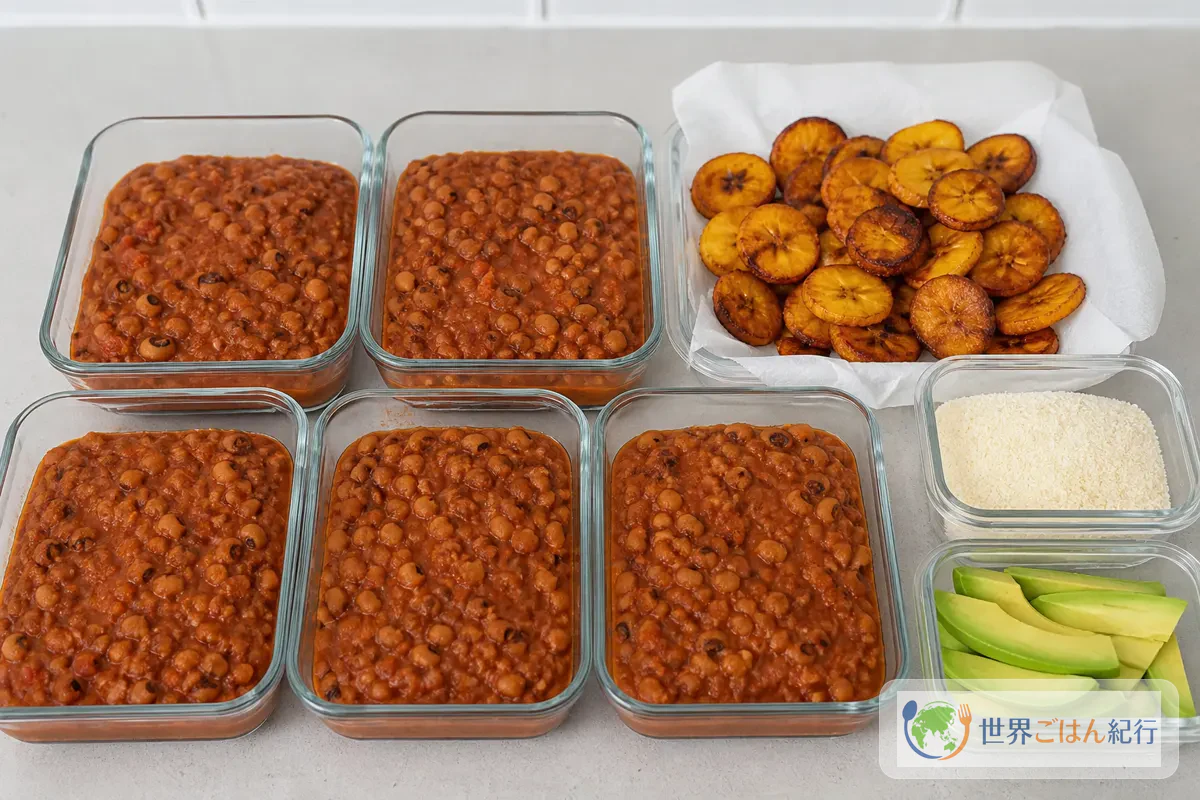
Make the bean stew ahead and add gari and fried plantain just before eating. Gari mixed in from the start absorbs the moisture and turns heavy; mixed in a little at a time on the plate, it keeps the oil, beans, and grains distinct.
A Ghanaian or West African menu
Serve kelewele as a small plate of sweet-spicy plantain, or set red red beside waakye. With all three on the table, you can see how Ghana uses beans, rice, and plantain. To widen the menu to West Africa, try Nigerian jollof rice and Mali's mafé; both lean on tomato, beans, nuts, and oil, so the ingredients you bought won't go to waste.
Storage and reheating
Keep the bean stew alone for about 3 days in the refrigerator or 1 month in the freezer. Set the gari and plantain aside and freeze the stew in portions. To reheat, put it in a small pot over low heat with 2 to 4 tbsp water and bring it to a gentle bubble, or microwave 2 minutes at 600W, stir, then heat 1 more minute.
Fried plantain keeps until the next day in the refrigerator. The microwave alone makes it soft, so warm it 3 to 4 minutes in a toaster oven, or 2 minutes per side in a frying pan over low heat, and the surface crisps up again.
Frequently Asked Questions
Is red palm oil essential?
You can leave it out, but it creates the aroma and color of red red. Without it, extra tomato paste and a little paprika bring the color closer, though the flavor will be something else.
Can I use ordinary bananas instead of plantain?
Firm bananas can be shallow-fried, but they hold their shape less well than plantain. Fully ripe bananas break down easily and are too sweet, so they don't suit red red.
Can I make it ahead for a lunchbox?
The bean stew works well in a lunchbox. Pack the gari in a separate container and sprinkle it on just before eating. Fried plantain gets soft when cold, so white rice or a boiled egg is a more reliable partner than fried banana.
Sources
Local names, the handling of black-eyed peas and red palm oil, how gari and plantain are served alongside, and the shortcut with canned beans were checked by comparing information from English-language sources and sources aimed at Ghana.
- GhanaTRVL, "Red Red": https://ghanatrvl.com/local-dishes/red-red/
- Jewish Food Society, "Red Red (Ghanaian Black Eyed Peas)": https://www.jewishfoodsociety.org/recipes/red-red-ghanaian-black-eyed-peas
- Food Network, "Red Red": https://www.foodnetwork.com/recipes/red-red-12080088
- CRS Rice Bowl, "Red Red Bean Stew — Ghana": https://www.crsricebowl.org/recipes/red-red-bean-stew-ghana
- Creative Phebe, "Yor Ke Gari / Gob3": https://www.creativephebe.com/the-blog/gob3
- Pan-African, "Ghanaian Red-Red": https://pan-african.net/recipe/ghanaian-red-red/